
Introduction
Madrid may lack Barcelona’s beaches and Gaudí’s whimsical architecture. Still, it more than compensates with its resplendent art scene, stunning Belle Époque buildings, and an infectious energy that pulses through the city 24 hours a day. Every first-time visitor I have spoken with says the same thing after their first full day in the Spanish capital: I did not expect it to be this good.
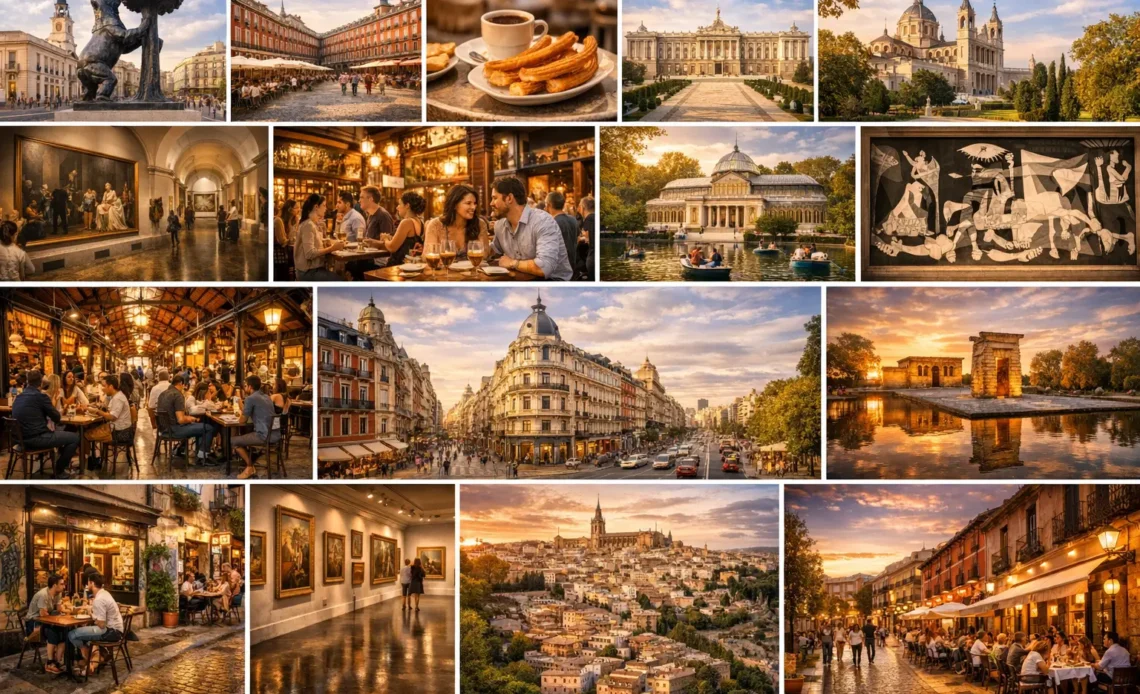
If you’re planning a 3-day itinerary to Madrid, you’re in for an exciting mix of history, art, and delicious food. This itinerary covers the best things to do in Madrid in 3 days from exploring the most popular Royal Palace of Madrid, Prado Museum and El Retiro Park to indulging in traditional tapas at Mercado de San Miguel. Three days is enough time to experience the essential Madrid, move through its most beautiful neighborhoods at a genuinely comfortable pace, eat well twice a day, and still have room for the unexpected moments that make a city trip memorable. This guide covers all 18 ideas across three structured days, with practical timing notes and insider tips throughout.
Start Day One at Puerta del Sol
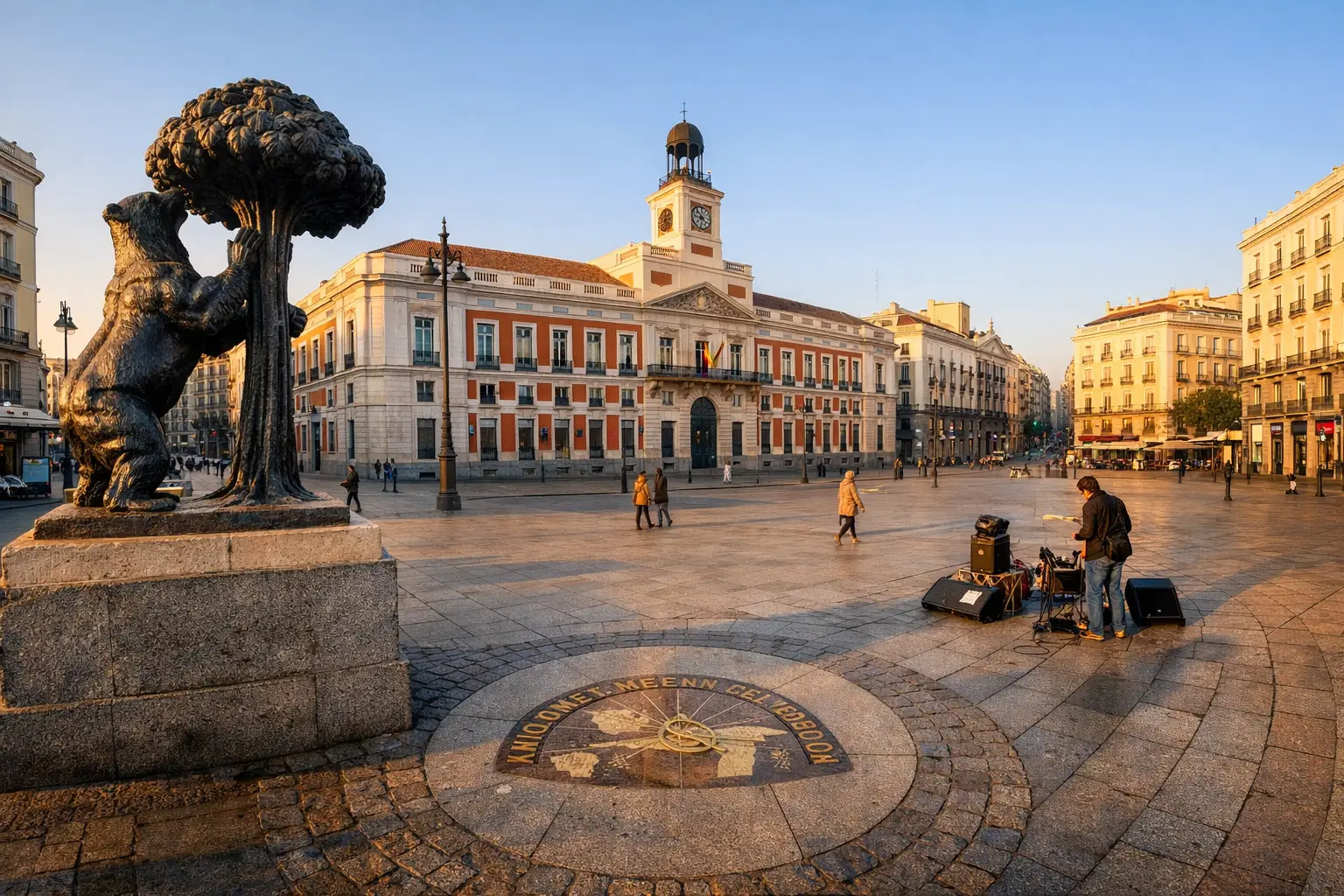
Puerta del Sol, the beating heart of Spain, is the most central point in the entire country, marked by the famous Kilometre Zero plaque from which all Spanish roads radiate. The square buzzes with street performers, locals rushing to work, and tourists photographing the iconic 20-ton statue of a bear eating fruits from a tree. According to legend, Madrid’s original name was Ursaria, meaning land of bears in Latin. Start your visit right in the center of the city. Kilometre Zero in the Puerta del Sol square is actually said to be the geographical center of the entire country. From there, meander down to the Plaza Mayor. Arriving at Puerta del Sol first thing in the morning before the crowds build gives you the square essentially to yourself for photographs and orientation.
Walk to Plaza Mayor
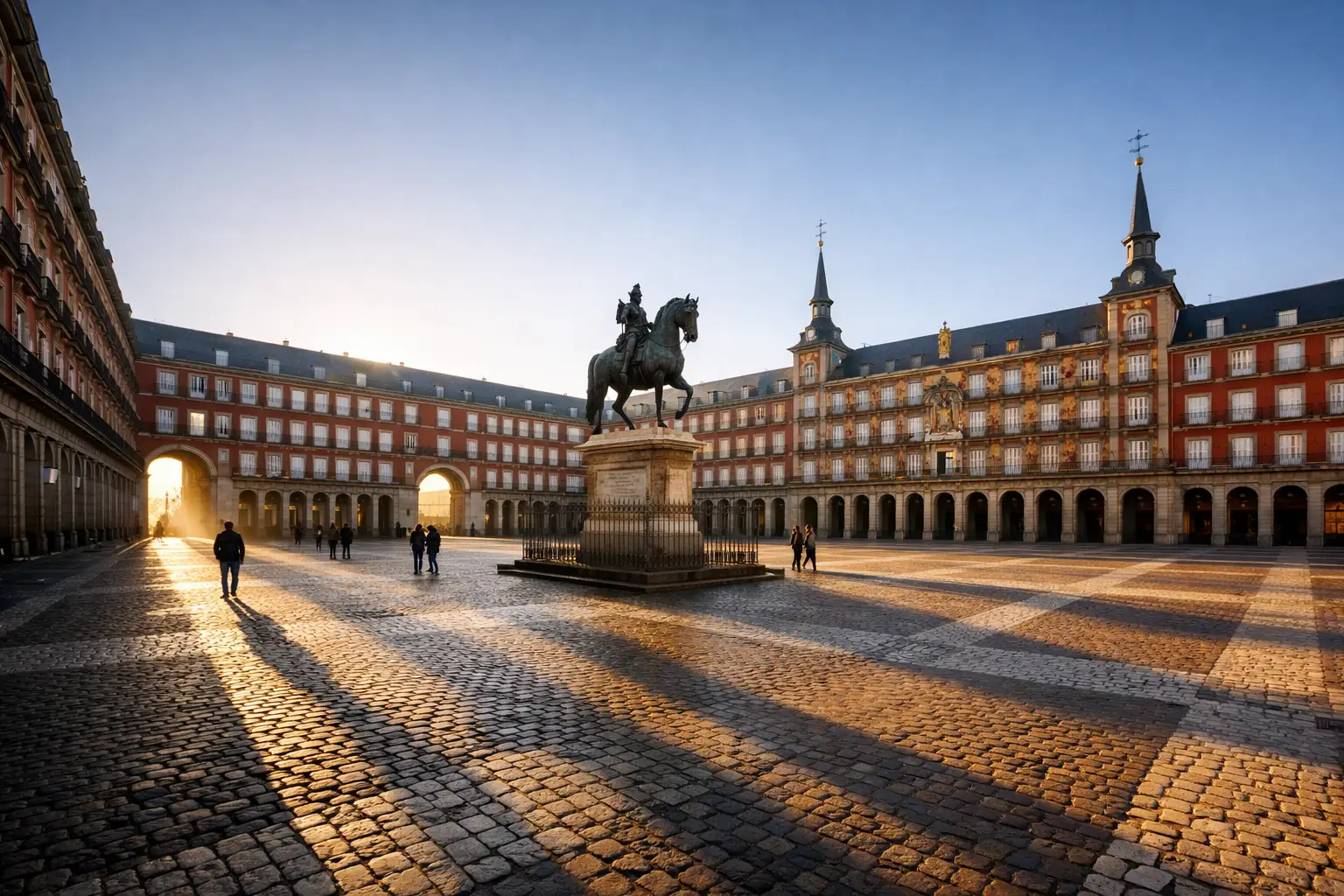
If you only have time for one thing, make it the Plaza Mayor, an impressive square with hundreds of small balconies facing a central statue. You’ll visit Plaza Mayor on your food tour, but you might like to return on your own time to admire the architecture, or perhaps grab a drink at one of the cafes and do some people watching. The rectangular seventeenth-century square surrounded by uniform red-brick buildings with 237 balconies overlooking the central statue of Philip III creates one of the most immediately dramatic architectural impressions available in any European capital. While Madrid’s town square is a must-see, don’t plan to dine here as travelers say it’s both touristy and expensive.
Breakfast at Chocolateria San Gines
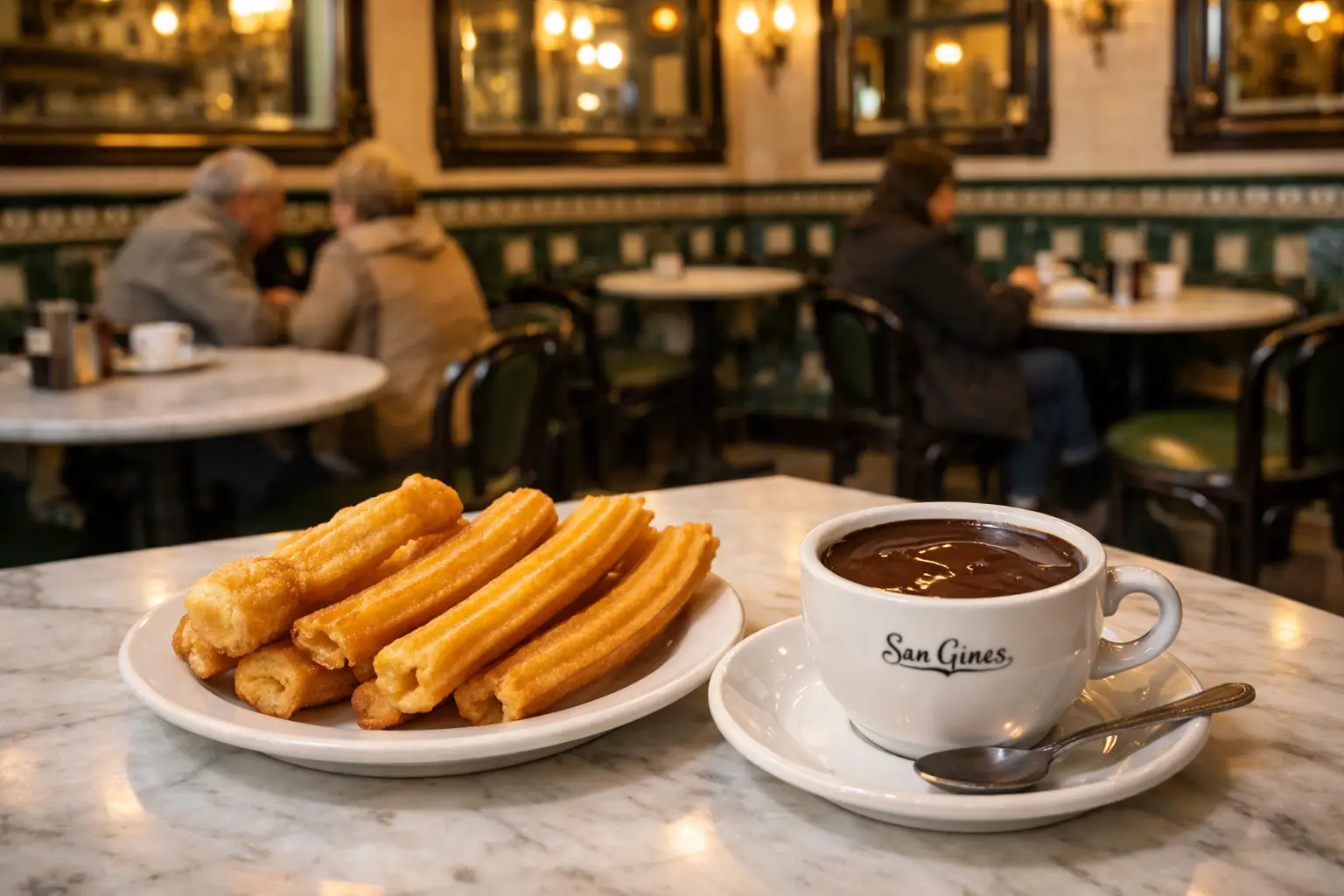
Spanish people love to eat churros con chocolate for breakfast. One of the best places to try it in Madrid is Chocolateria San Gines. This spot, located near the Sol metro stop, has been around since 1894 and is open 24 hours a day, 365 days a year. The hot chocolate is thick and creamy and the churros are deep-fried to perfection. I also recommend you try the porras, which are bigger and fluffier than churros. San Gines is the single most non-negotiable breakfast experience in Madrid for a first-time visitor, and the thick Spanish hot chocolate that is closer in consistency to a warm chocolate pudding than anything sold as hot chocolate outside of Spain is worth visiting Madrid specifically to try.
Visit the Royal Palace of Madrid
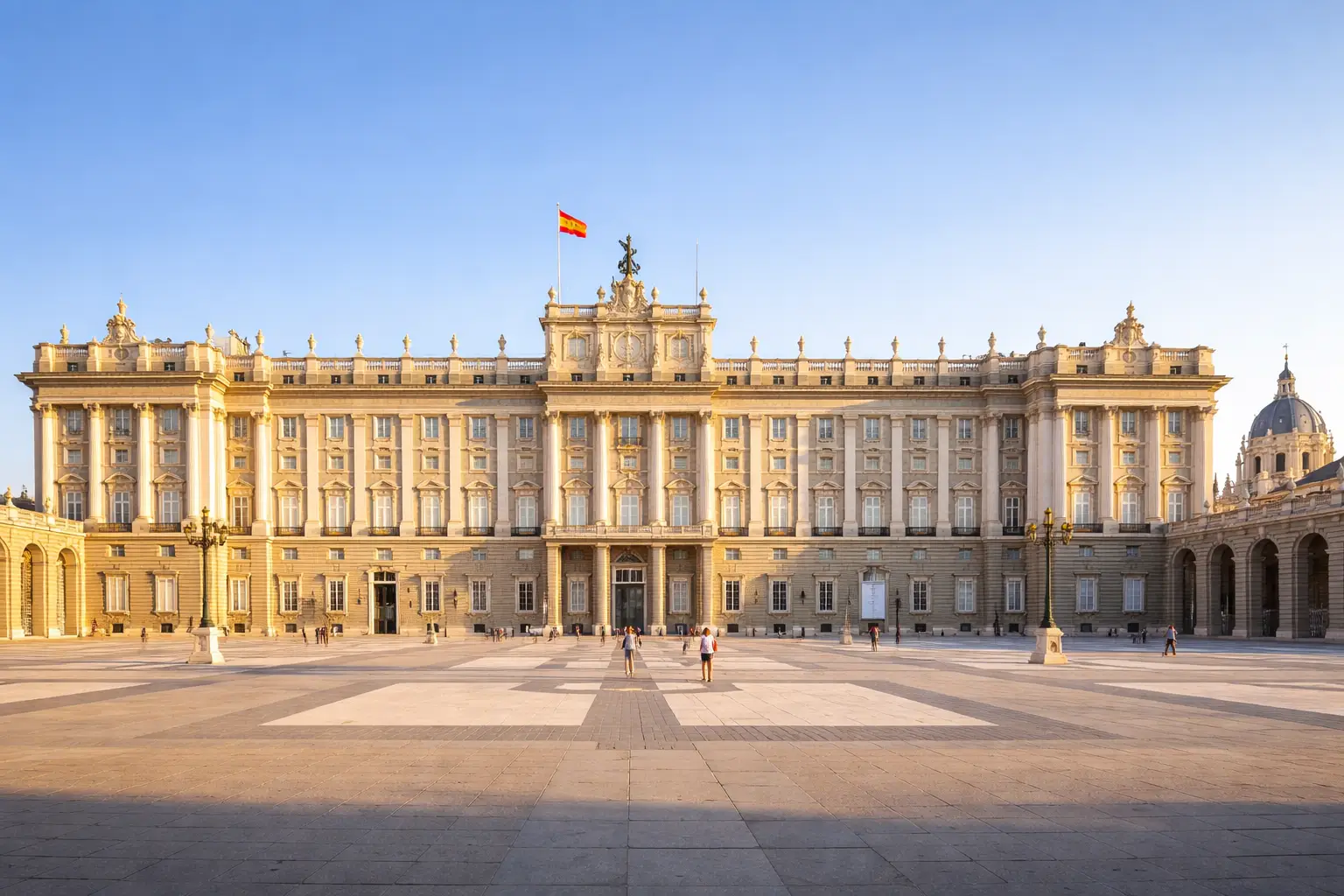
With 3418 rooms, Madrid’s Royal Palace is the largest royal palace in Europe by area. Not all the rooms are open to the public, but the palace tour will take you through ornately decorated rooms, collections of crown jewels, and storage of the royal armory. I recommend visiting the palace first thing in the morning as it gets super busy in the afternoon. Make sure you book your tickets in advance. Inside you’ll find the stunning Throne Room, Royal Armory and breathtaking frescoes. Be sure to stroll through the Sabatini Gardens, a perfect place for a short break. This palace is located right across from Catedral de la Almudena so you can visit both of them back to back.
Explore the Almudena Cathedral and Sabatini Gardens
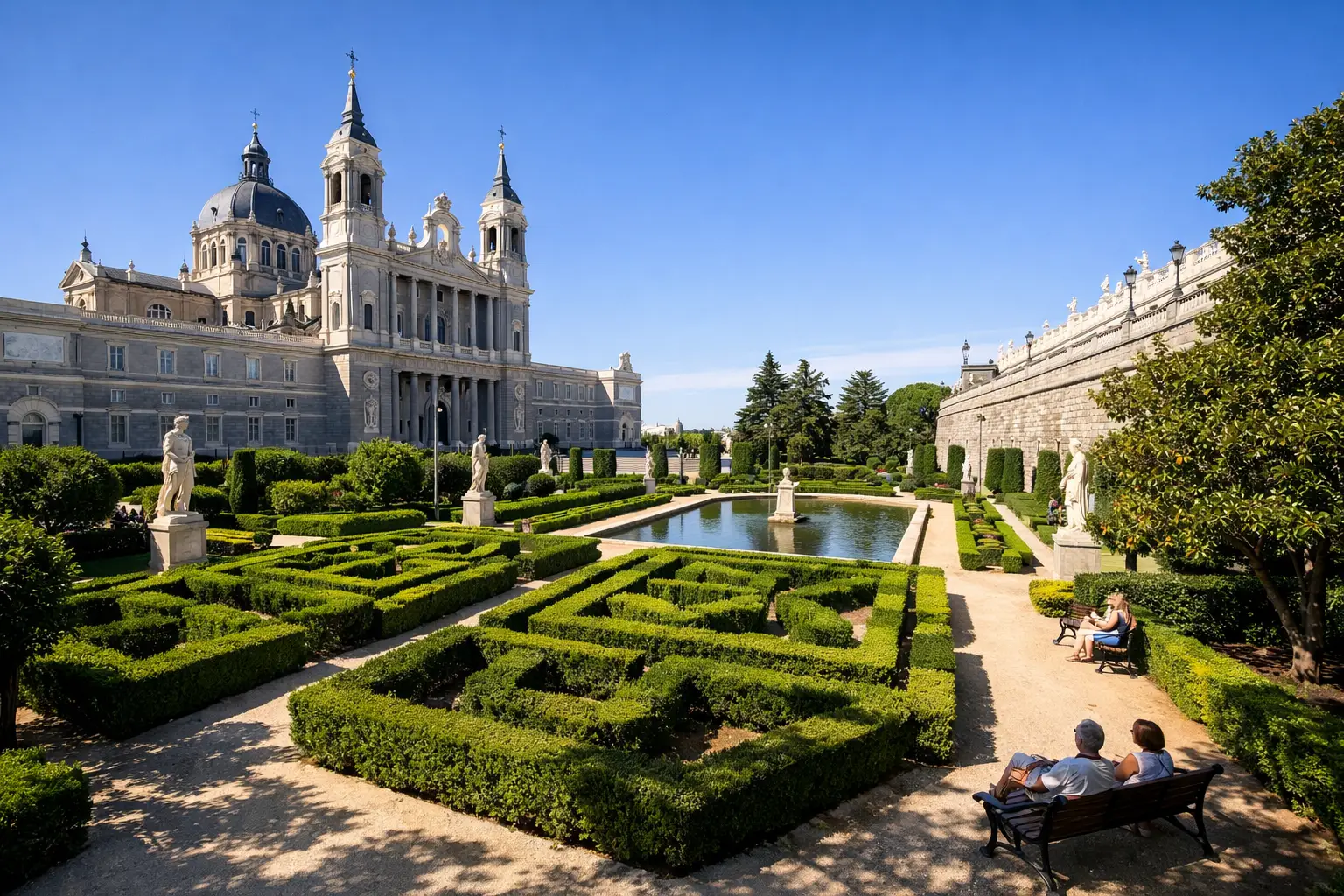
Continue down Calle Mayor until you reach the Almudena Cathedral and the famous Royal Palace of Madrid. The accompanying maze-like Sabatini Gardens make for a perfect shady break. The Almudena Cathedral directly opposite the Royal Palace is the only cathedral in the world consecrated by Pope John Paul II, and its interior combines neogothic and neoromanesque architecture in a way that surprises visitors who expect the uniformity of a single medieval style. The Sabatini Gardens beside the palace provide the ideal midday break with formal hedgerow geometry and palace views that make them one of the most pleasant outdoor sitting areas in central Madrid.
Afternoon at the Prado Museum
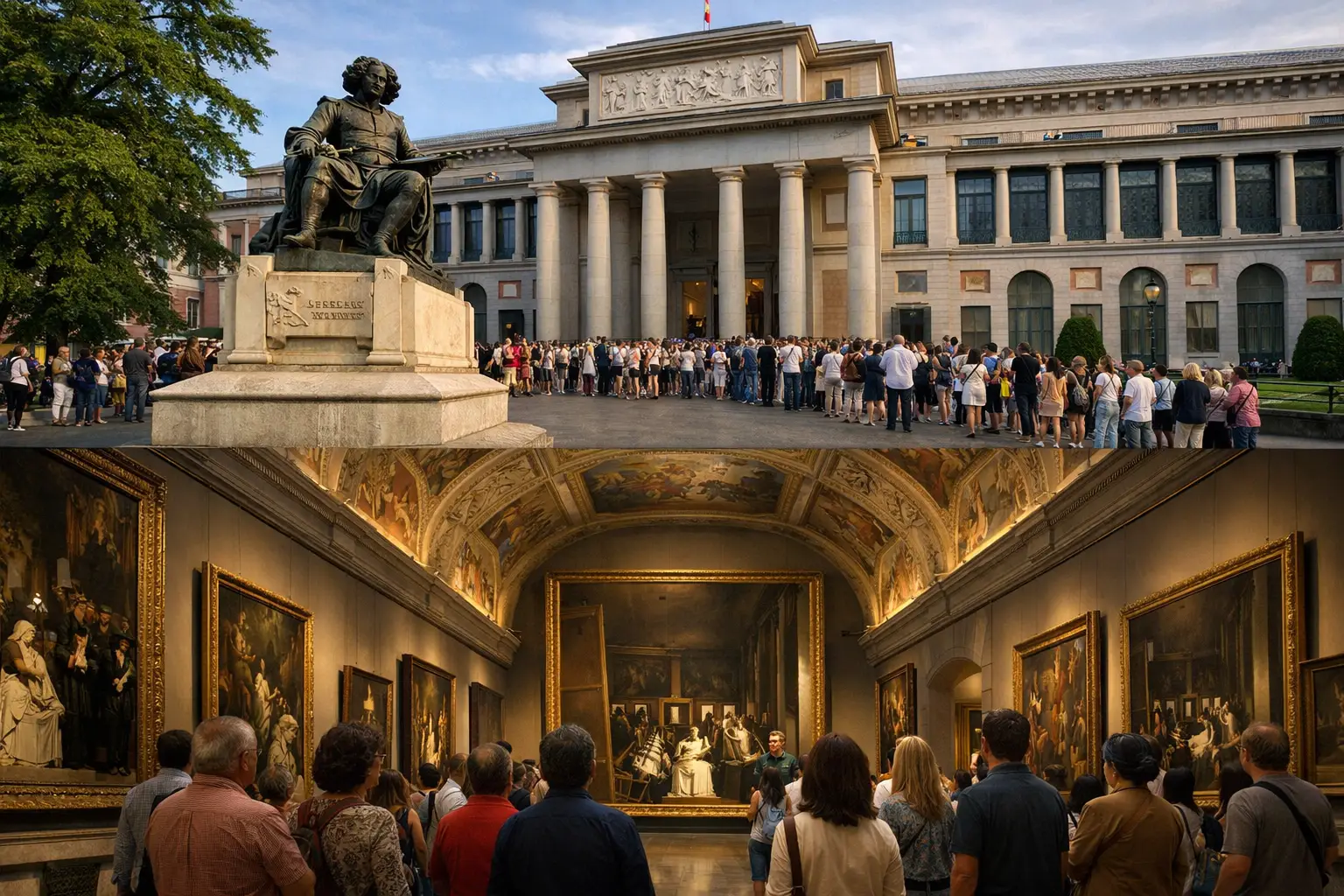
Founded in 1819, Museo del Prado is Spain’s national art museum. It is one of the best art museums in the world. El Prado has a collection of 7,600 paintings and 1,000 sculptures dating from the 12th to the 19th centuries. No visit to Madrid is complete without visiting the world-famous Prado Museum, home to works from Spanish artists like Murillo, El Greco, Goya, and Velázquez. You can spend hours wandering the museum yourself or see the highlights on a guided tour. Book skip-the-line tickets in advance and allow a minimum of two hours to cover the highlights without feeling rushed. If time is limited, prioritize Velázquez’s Las Meninas, Goya’s Black Paintings, and El Greco’s portraits.
Evening Tapas Tour in La Latina
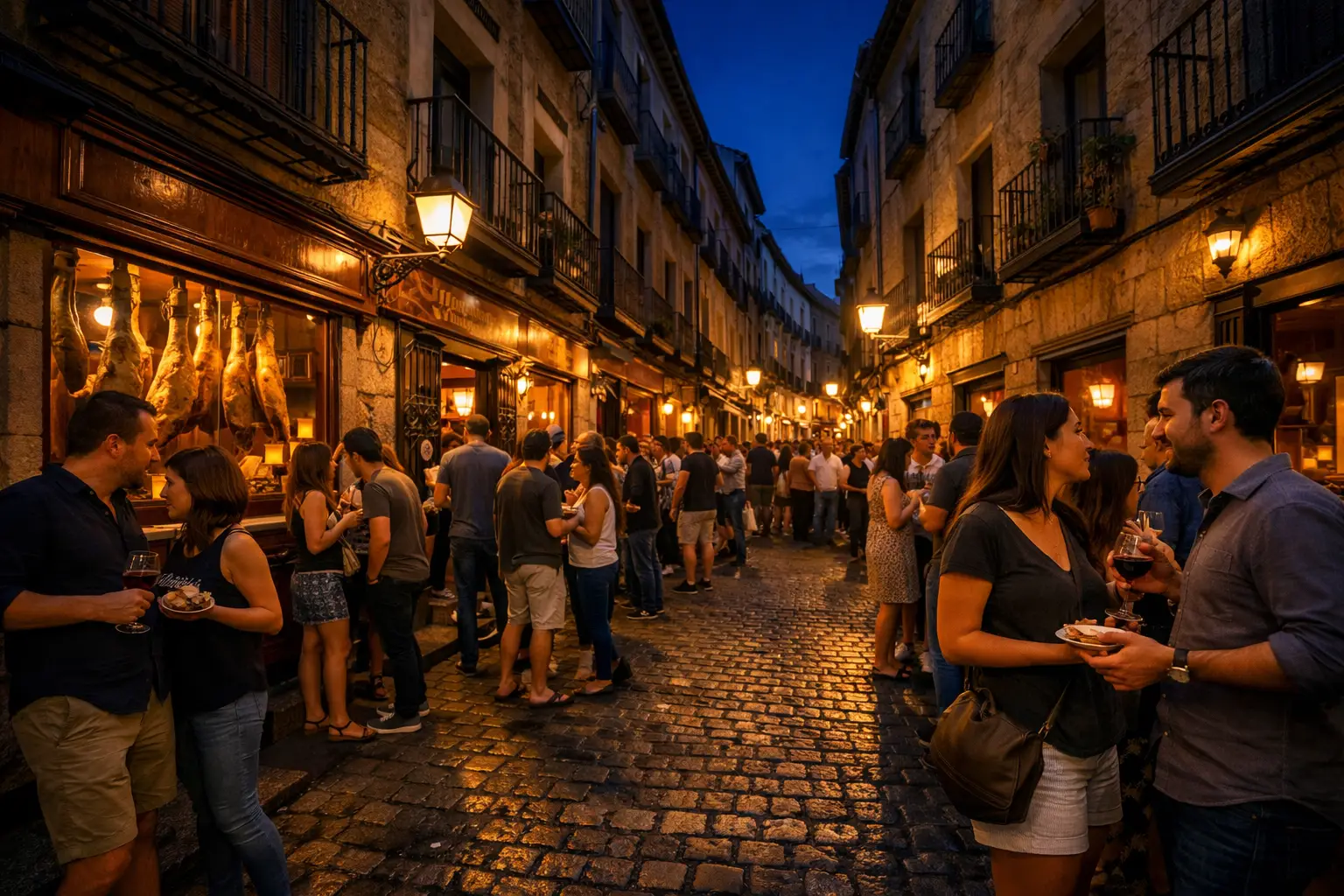
If eating and drinking is your priority, La Latina puts you in the heart of Madrid’s best tapas scene. The medieval streets are charming and you’re walking distance from Plaza Mayor and the Royal Palace. I highly recommend ending your second day in Madrid with a guided tapas tour in Barrio de las Letras. This area is packed with authentic Spanish taverns, making it the perfect place for an evening food crawl. Casa Alberto is one of Madrid’s oldest tavernas, famous for its vermouth and classic tapas. The Spanish dinner hour begins genuinely late by international standards and the most authentic tapas experience happens between 9 pm and 11 pm when the local neighborhood fills with residents rather than tourists.
Day Two Morning at Retiro Park
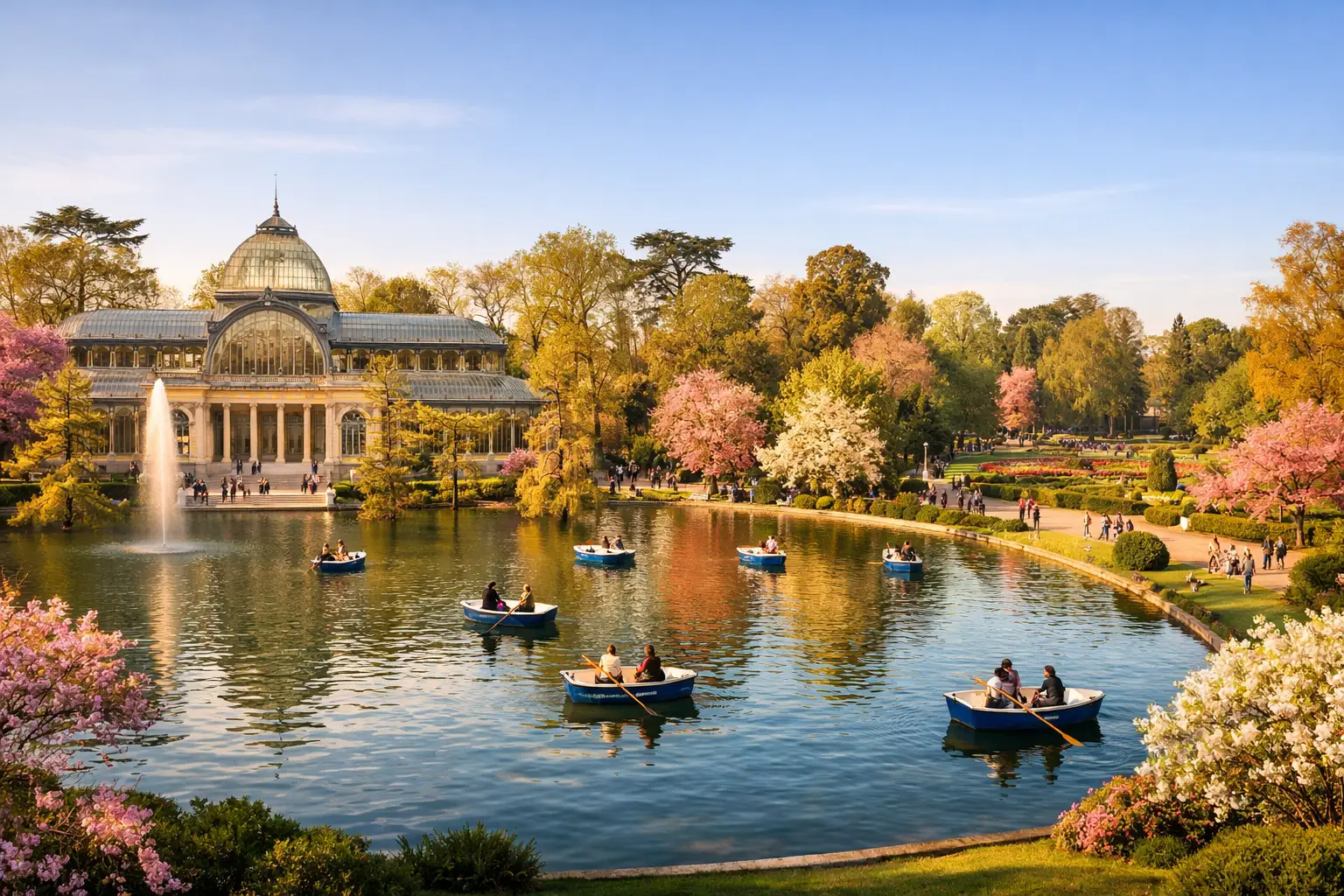
Wander around the central lake, through the rose garden, and to the peacock garden and don’t forget to catch the sunlight streaming through the glass panels of the Crystal Palace. I recommend a late afternoon visit because the boat ride during sunset is one of the most beautiful things to do in Madrid. El Retiro Park is enormous and free and will be at its best in spring. The Botanical Garden nearby is also nice. The Crystal Palace is the single most photographed and genuinely impressive structure inside Retiro Park, a nineteenth-century iron and glass exhibition pavilion now used as a contemporary art space that looks like a fairy tale conservatory from the outside and a cathedral of light from the inside.
Visit the Reina Sofia Museum
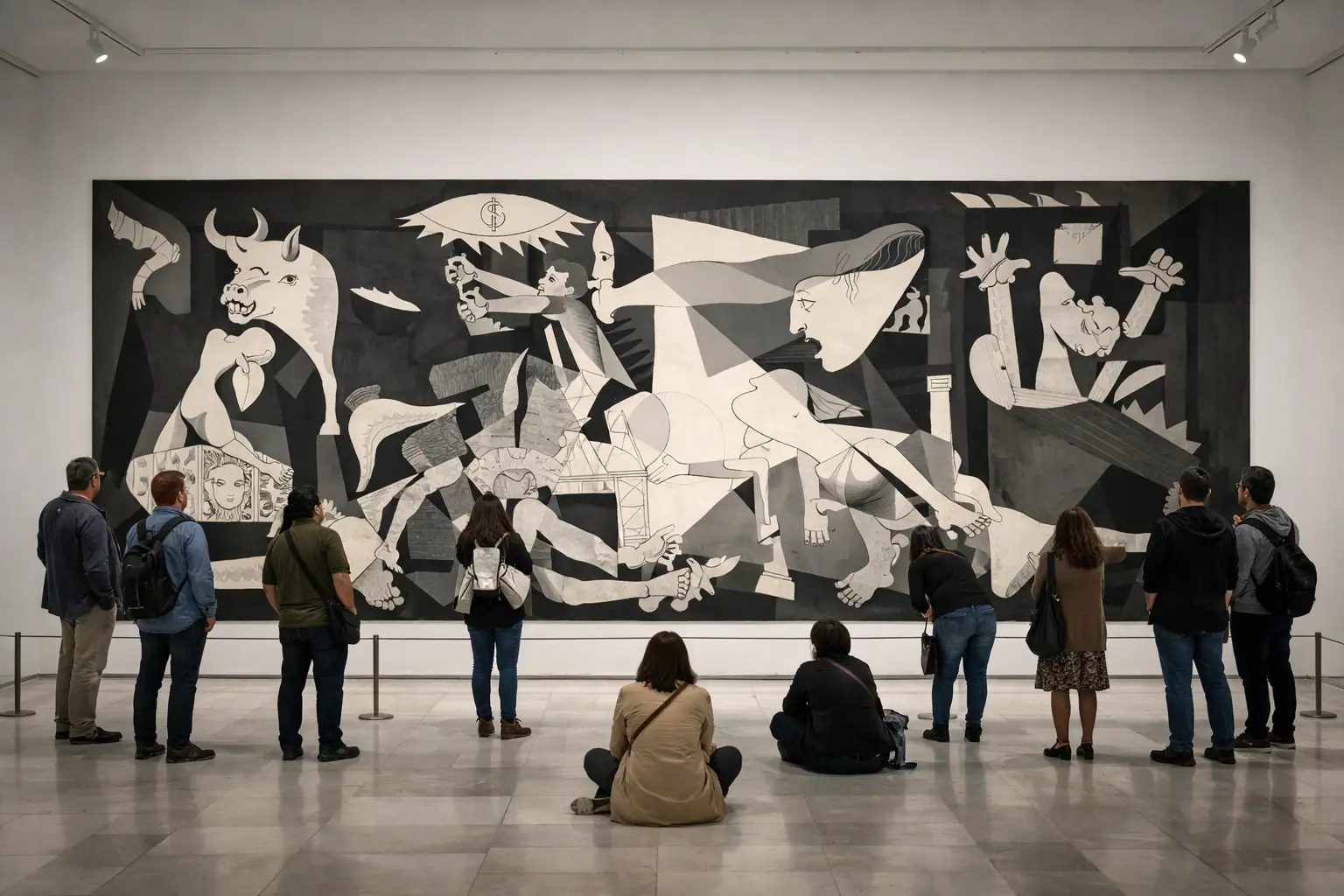
While the Prado Museum is home to mainly classical art, the Reina Sofia Museum features modern works from some of the most famous artists in the world like Picasso and Dalí. After a morning of art walk over to the nearby Reina Sofia Museum. Picasso’s Guernica is the single most important work of art in the Reina Sofia collection and one of the most emotionally powerful paintings in any museum in the world. The enormous canvas depicting the bombing of the Basque town of Guernica in 1937 stops most visitors completely in front of it, and no reproduction prepares you for the scale and intensity of the original. Allow at least ninety minutes to see the collection properly.
Explore Mercado de San Miguel
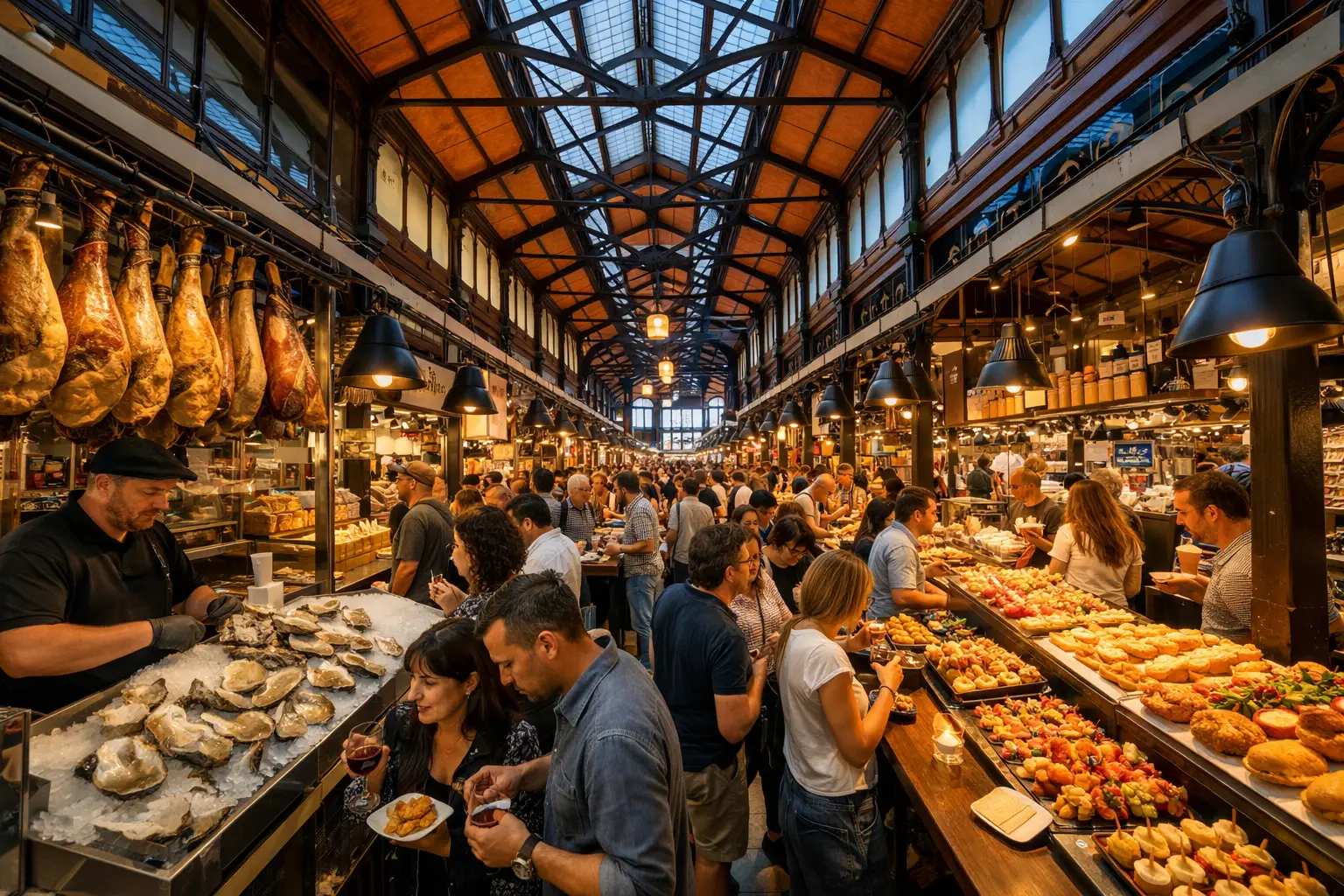
Mercado de San Miguel is a great spot for food and wine lovers to discover in Madrid. Housed in a gorgeous wrought-iron building since 1916, this market has lived many lives, first as a wholesale market and now as an upscale gourmet hub. There’s so much on offer here that it can be overwhelming to the senses from freshly shucked oysters and rich Iberian ham to creamy croquettes and local wines. Must-try foods at Mercado de San Miguel include oysters and Champagne at Daniel Sorlut, fish and seafood such as Galician octopus at Morris, and empanadas with various fillings along with a big selection of vermouth.
Walk Gran Via Boulevard
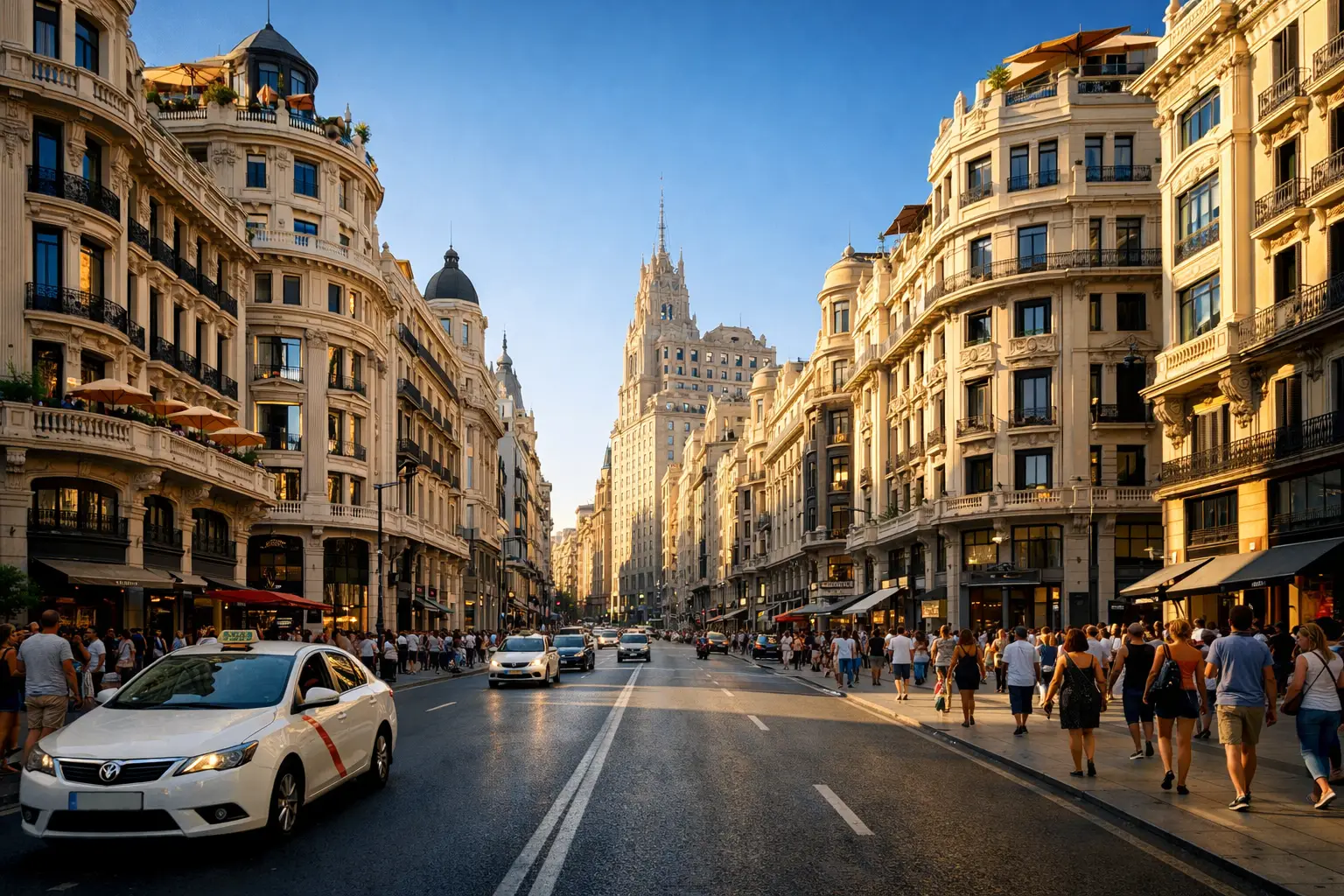
Cross back over Gran Via for some chocolate and churros at San Ginés before strolling over to the Templo de Debod. Gran Via is Madrid’s most visually spectacular boulevard and its most concentrated display of early twentieth-century Belle Époque and Art Deco architecture. The broad avenue stretching from Cibeles to Plaza de España hosts the city’s major theaters, flagship stores, and several rooftop bars that deliver views of the Madrid skyline. Walking the full length of Gran Via takes approximately thirty minutes and provides enough visual material to fill an entire afternoon of photography.
Sunset at Templo de Debod
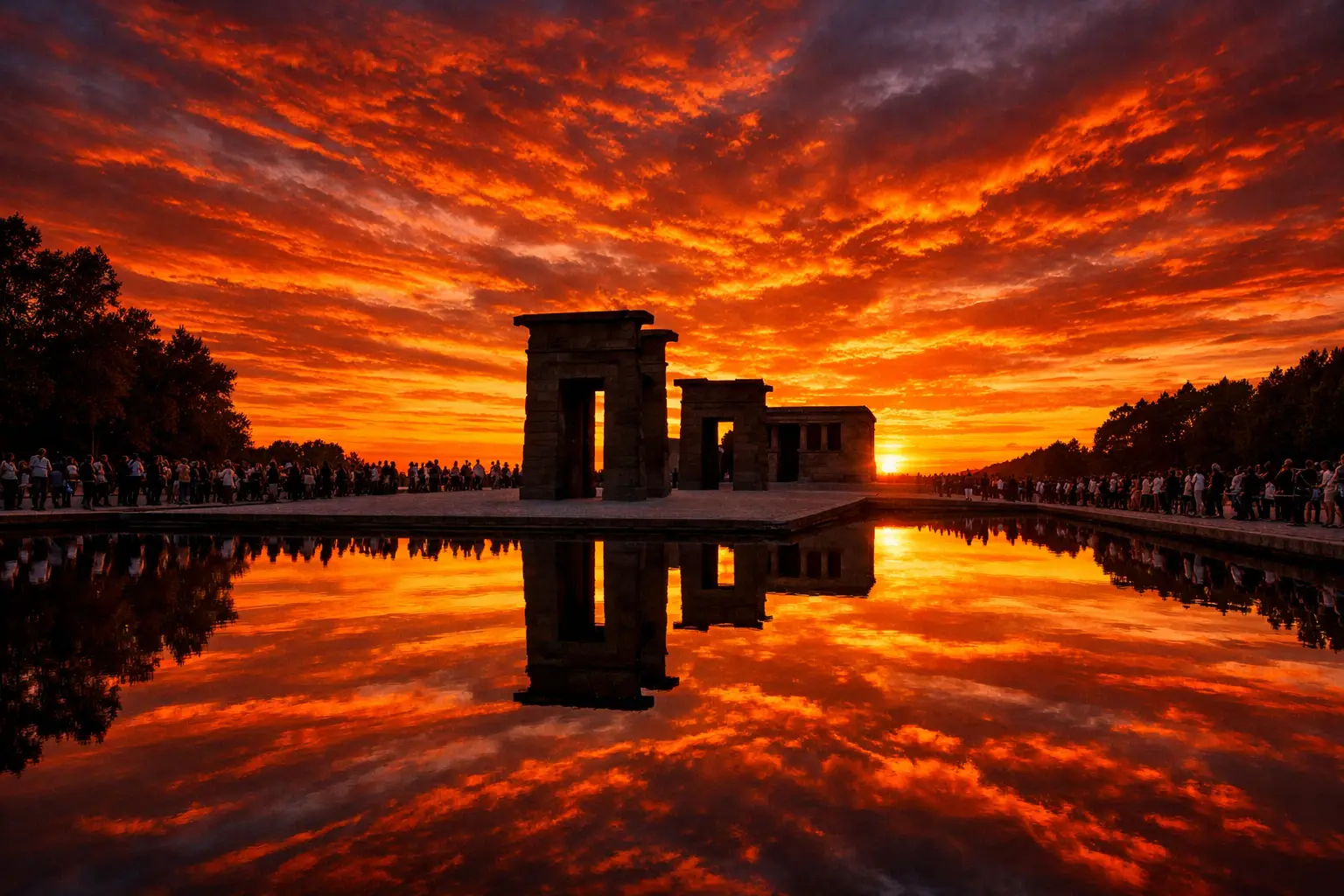
Stroll over to the Templo de Debod and grabbing dinner in Arguelles. Cap things off with a drink and incredibly city views from the rooftop terrace at RIU Hotel. The Templo de Debod is an actual ancient Egyptian temple gifted to Spain in 1968 in recognition of Spanish archaeological work to save Nubian monuments from flooding. The temple sits in a reflecting pool in a hilltop park west of the Royal Palace and provides the most spectacular sunset viewpoint in central Madrid, with the temple silhouetted against the western sky as the sun drops behind the Casa de Campo. Arrive thirty minutes before sunset to secure a position with an unobstructed view.
Discover Malasana Neighborhood
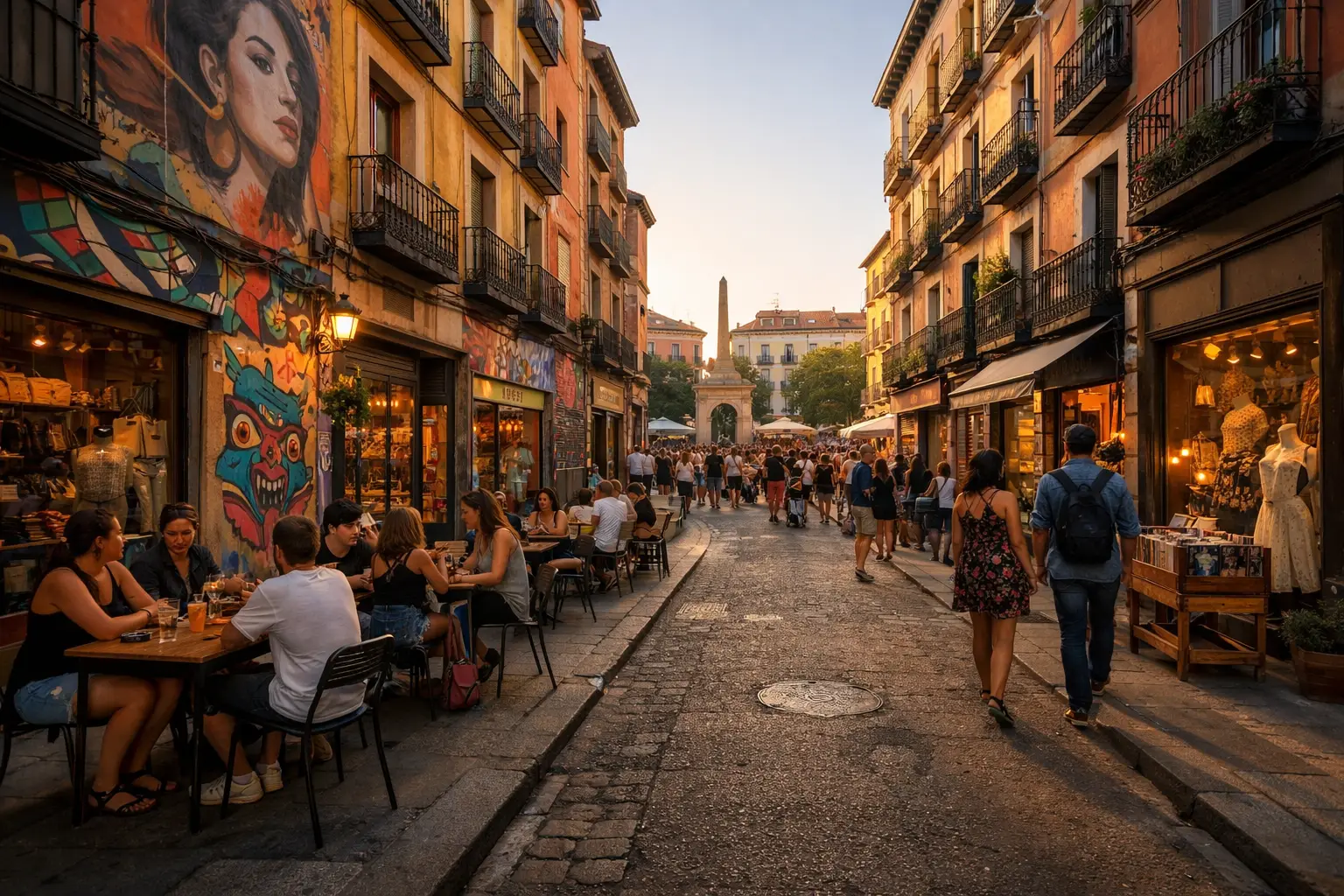
Malasaña is one of the young, trendy neighborhoods of Madrid located around the city center. Here you’ll find quirky coffee shops, cool bars, and vintage boutiques. This neighborhood is a must-stop on your trip to Madrid.Malasaña attracts a mix of locals and visitors who want to experience authentic Madrid. The streets are lined with graffiti art, vintage shops, and bars that don’t get going until late. It’s where hipsters hang out alongside old-timers who remember the neighbourhood’s punk rock past. The neighborhood’s main square, Plaza del Dos de Mayo, is the local gathering point on warm evenings and one of the most genuinely non-touristy public spaces in central Madrid.
Day Three at Thyssen-Bornemisza Museum
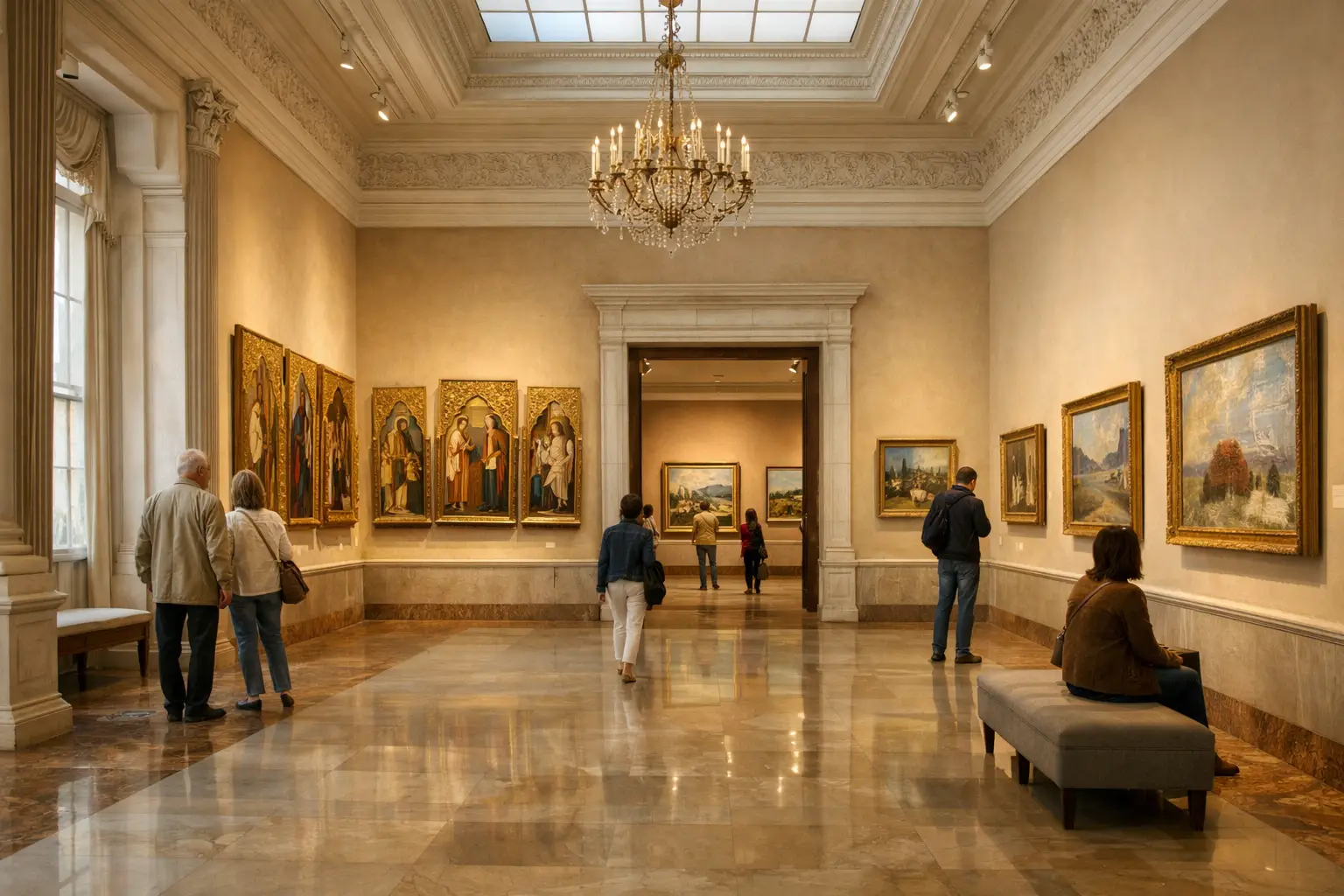
The Thyssen is very good but a more manageable size and fewer crowds. If you like art and want to see one of the highlights, then El Prado is unmissable. The Thyssen is a very good but more manageable size with fewer crowds. The Thyssen-Bornemisza completes the Golden Triangle of Art alongside the Prado and the Reina Sofia and provides the most accessible and chronologically complete survey of Western art history available in any single Madrid museum. Its collection spans from medieval German primitives to twentieth-century American abstraction and suits visitors who want breadth over the Prado’s depth.
Morning Brunch at Mercado de San Miguel
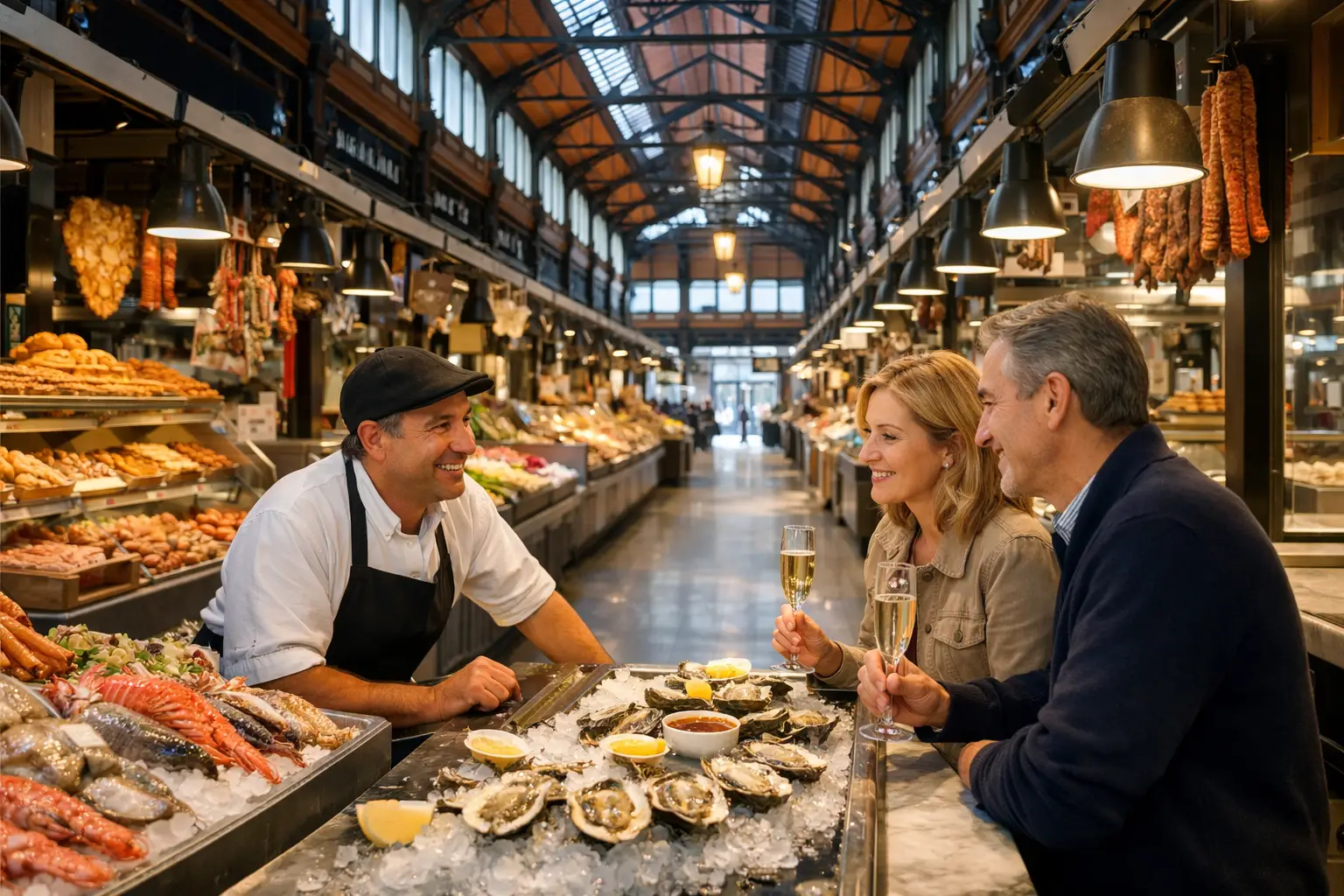
For day three of your Madrid itinerary, aim for a slower pace than on days one and two. Sleep in a bit and opt for a heavy brunch rather than an early breakfast. Mercado de San Miguel, located just steps from Plaza Mayor, is a special destination for food lovers and it opens at 10 am daily, perfect for an early visit. The morning visit to San Miguel before the midday crowds arrive produces a more relaxed and genuinely pleasurable market experience than the busy afternoon version, with vendors more willing to talk and the overall atmosphere considerably calmer.
Day Trip to Toledo
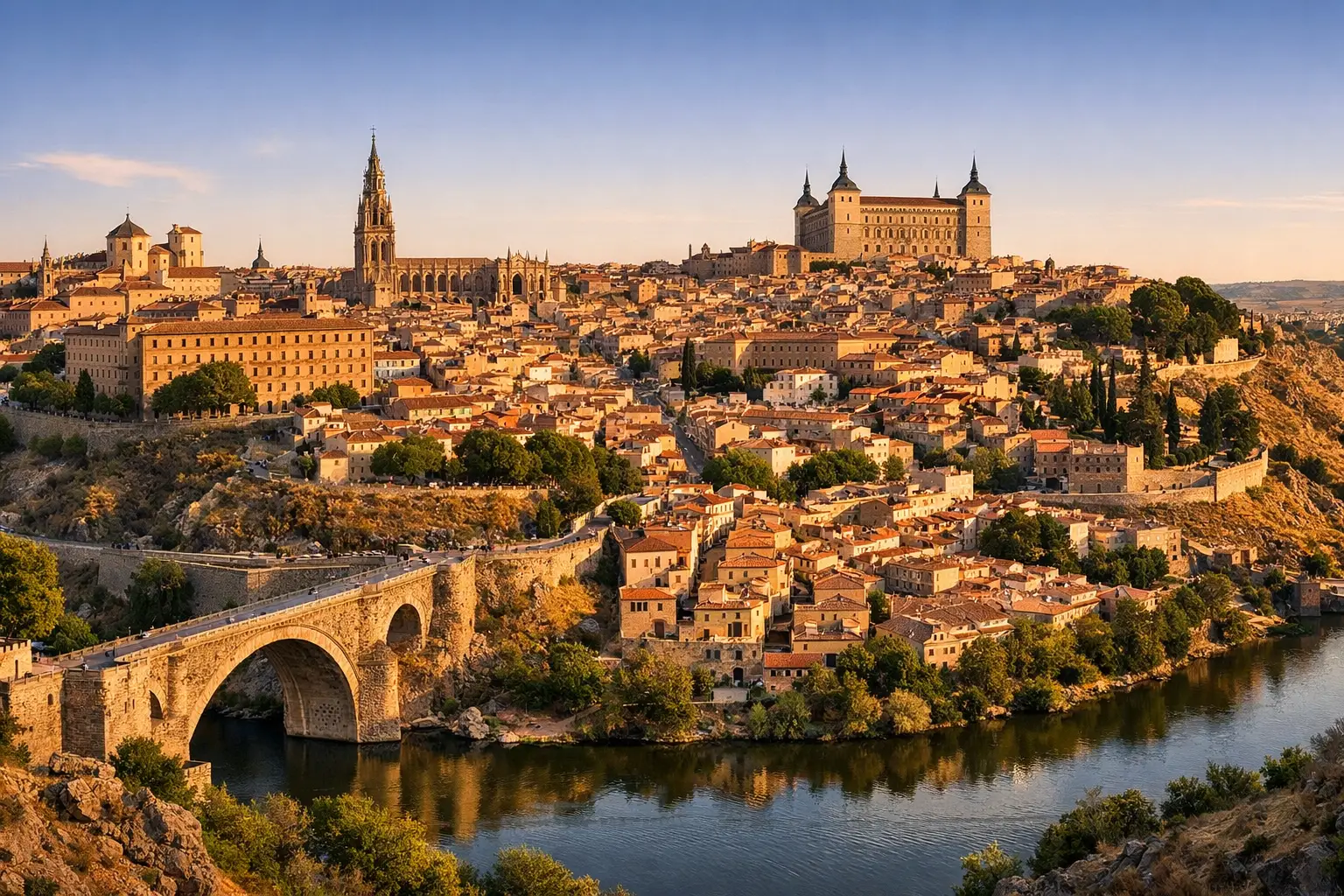
Start your final day in Madrid with a half day trip to Toledo. Toledo, a UNESCO World Heritage Site, is just 30 minutes away by high-speed train from Madrid train station. Toledo is known for its medieval history and stunning architecture. You can see the main attractions and head back to Madrid by afternoon. Toledo used to be the capital of Spain and is full of history and culture and is a perfect place to stroll around and imagine Spain during medieval times. Toledo Cathedral is a breathtaking Gothic cathedral with incredible stained glass. The Alcázar of Toledo is a fortress offering panoramic views of the city. The Jewish Quarter and the Synagogue of Santa Maria la Blanca add a further historical layer unique in Spain.
Rooftop Bar Drinks at Sunset
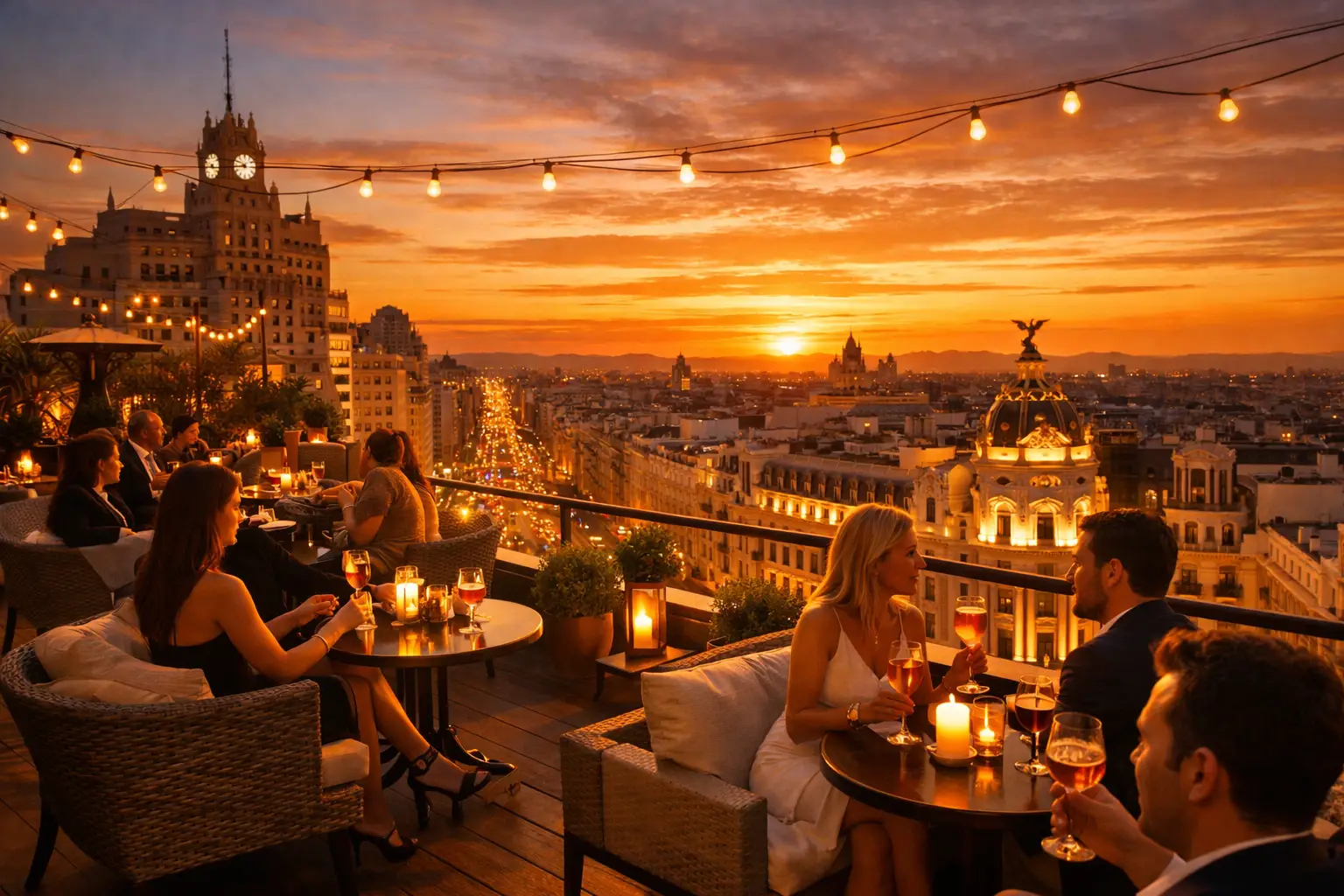
Cap things off with a drink and incredibly city views from the rooftop terrace at RIU Hotel. Madrid has developed one of the most impressive rooftop bar scenes of any European capital, and a sundowner drink with a view of the Madrid skyline is one of the most consistently memorable experiences a first-time visitor can have. The RIU Hotel rooftop on Gran Via, the Circulo de Bellas Artes rooftop, and the Hotel Vincci Capitol rooftop are the three most consistently recommended positions for a Madrid skyline sunset drink, with the Circulo de Bellas Artes providing the most genuinely dramatic view of the Gran Via boulevard stretching below.
Evening Dinner in Barrio de las Letras
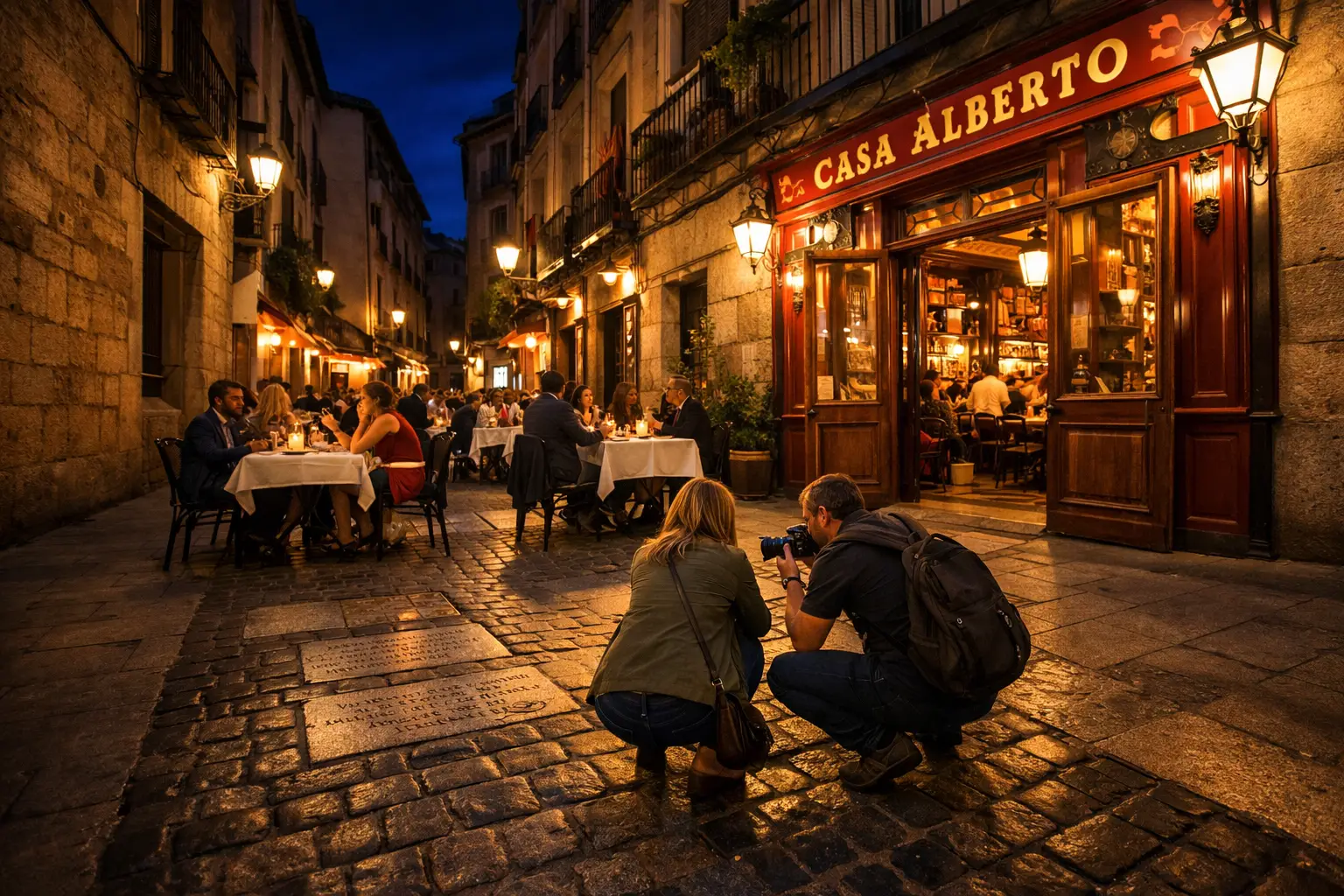
Barrio de las Letras is Madrid’s historic literary quarter and this area is packed with authentic Spanish taverns, making it the perfect place for an evening food crawl. Casa Alberto is one of Madrid’s oldest tavernas famous for its vermouth and classic tapas. The Literary Quarter takes its name from the seventeenth-century writers including Cervantes and Lope de Vega who lived and wrote in the streets that now form one of Madrid’s most charming and authentically local dining neighborhoods. Ending the final evening of a three-day Madrid itinerary here, with a vermouth at Casa Alberto and dinner at a neighborhood restaurant chosen by walking the streets rather than consulting a phone, is the most genuinely Madrid way to close out a first visit.
Practical Tips for Your 3-Day Madrid Itinerary
The best times to visit Madrid are in the shoulder seasons: March to May, and September to October. During these months, the weather will be mild but generally sunny. Madrid is well-connected by public transportation and offers buses, the underground metro, and light-rail trains. Book skip-the-line tickets for the Royal Palace and the Prado Museum at minimum two weeks before arrival. Most visitors should stick to the following neighborhoods for accommodation: La Latina, Barrio de Las Letras, and Sol. Remember that Spanish lunch is served from 2 pm and dinner from 9 pm, and adjusting to these hours rather than fighting them makes the entire food experience significantly more enjoyable and authentic.
Conclusion
Madrid rewards the first-time visitor who arrives with curiosity and stays flexible. Each visit reveals something new about this endlessly energetic city. The 18 ideas across three days in this guide cover the essential Madrid from the Golden Triangle of Art to the neighborhood tapas bars, from the ancient Egyptian temple at sunset to the medieval streets of Toledo, from the churros breakfast that changes your morning routine forever to the late-night vermouth in the Literary Quarter that makes you understand immediately why Madrileños never want to leave. Three days is the beginning of a conversation with Madrid, and every first-time visitor leaves already planning the return.
You may also like this: 20 The Most Magical Things to Do in Breckenridge, Colorado
Frequently Asked Questions
How many days do you need in Madrid for the first time?
With a proper 3-day Madrid itinerary, you can visit iconic landmarks like the Royal Palace, Prado Museum, Gran Via, Retiro Park, and enjoy local food and nightlife. Three days is the minimum recommended for a first visit to Madrid that covers the essential museums, neighborhoods, and food experiences without feeling rushed. Four or five days allows a more relaxed pace with time for day trips to Toledo or Segovia and deeper exploration of individual neighborhoods. Two days is possible for the absolute highlights but will require very early starts and efficient movement between sites.
What is the best time of year to visit Madrid?
The best times to visit Madrid are in the shoulder seasons: March to May, and September to October. During these months, the weather will be mild but generally sunny. The cheapest time to visit Madrid is during the winter but this is also when the weather tends to be cold and rainy. Spring particularly April and May delivers the most comfortable combination of mild temperatures, full sunshine, Retiro Park in bloom, and tourist crowds that are present but not overwhelming. Avoid July and August if heat is a concern as temperatures regularly exceed 35 degrees Celsius.
Is Madrid walkable or do you need public transport?
Madrid is well-connected by public transportation and offers buses, the underground metro, and light-rail trains. The historic center of Madrid is very walkable, and the Prado, Retiro Park, Plaza Mayor, Puerta del Sol, and the Royal Palace are all within comfortable walking distance of each other for a visitor in reasonable physical condition. The metro is the most efficient option for crossing to neighborhoods like Malasaña, La Latina, and Barrio de las Letras, and a ten-trip metro card purchased at any station provides the best value for a three-day visit.
Do I need to book Madrid museums in advance?
Make sure you book your tickets in advance for the Royal Palace as it gets super busy in the afternoon. Skip-the-line advance tickets are strongly recommended for the Royal Palace, the Prado Museum, and the Reina Sofia Museum, particularly during spring and summer peak season. Same-day entry queues at all three can run between thirty minutes and two hours. Advance tickets typically cost no more than the door price and save a significant portion of the limited museum time available during a three-day visit.
What is the best day trip from Madrid on a three-day itinerary?
Toledo, a UNESCO World Heritage Site, is just 30 minutes away by high-speed train from Madrid train station. Toledo is known for its medieval history and stunning architecture. Segovia, just over an hour from Madrid by train, is an enchanting city famous for its well-preserved Roman aqueduct, a monumental structure that has stood for nearly 2,000 years. The Alcázar of Segovia is a fairytale-like castle that inspired Disney’s Snow White. Toledo is the better choice for visitors primarily interested in medieval history, Gothic architecture, and multi-cultural Spanish heritage. Segovia is the better choice for visitors who want dramatic Roman engineering, a storybook castle, and the famous cochinillo asado roast suckling pig lunch experience.
1 Comment