
Introduction
A ski trip is one of the most exciting winter getaways available, and it is also one of the easiest to pack for poorly. Between the cold-weather technical gear, the casual après-ski wardrobe, and the personal care items that mountain conditions demand, the packing list grows faster than most people expect. At first, a list of what to pack for a ski trip may seem pretty simple: jackets, sweaters, warm socks, and generally just clothing that will help you survive cold weather. But think about it a little bit more and that list will start getting pretty long.
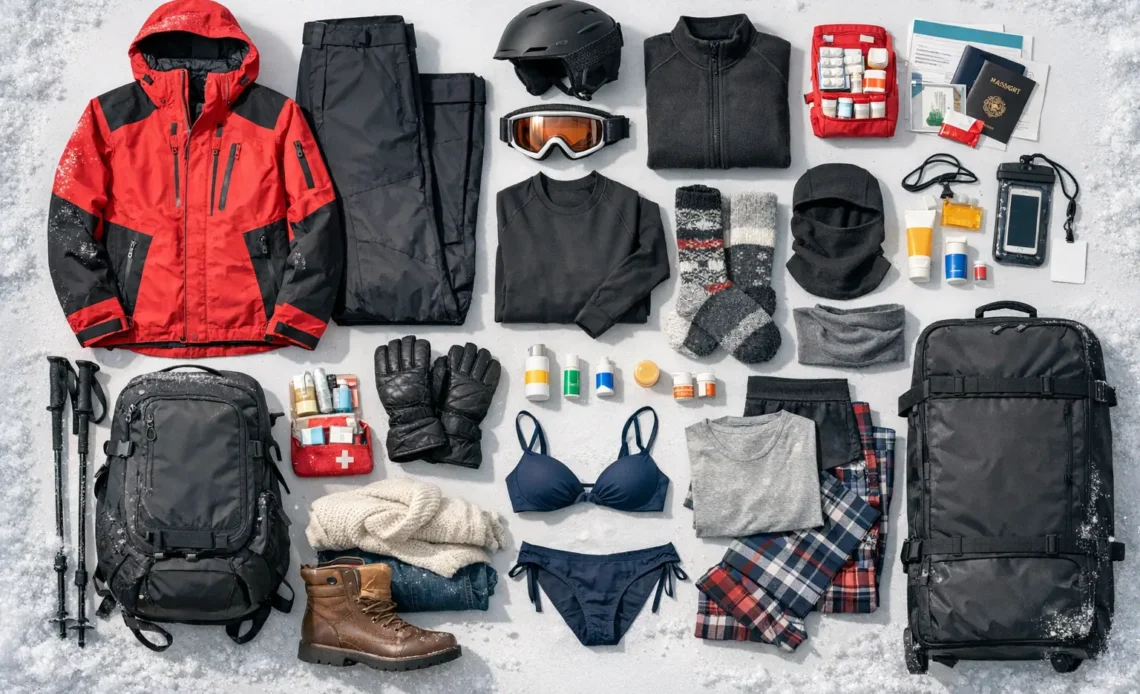
A ski trip is equal parts performance and polish. Between cold-weather layers, snow gear, and après-ski essentials, packing for the mountains requires intention. The difference between a stress-free ski trip and a frustrating one frequently comes down to preparation rather than the resort, the snow conditions, or the weather. There is nothing fun about forgetting something. The 18 packing list items in this guide cover every category from technical on-mountain gear to evening après-ski clothing, giving every ski traveler a complete and practical checklist that leaves nothing essential behind.
Waterproof Ski Jacket
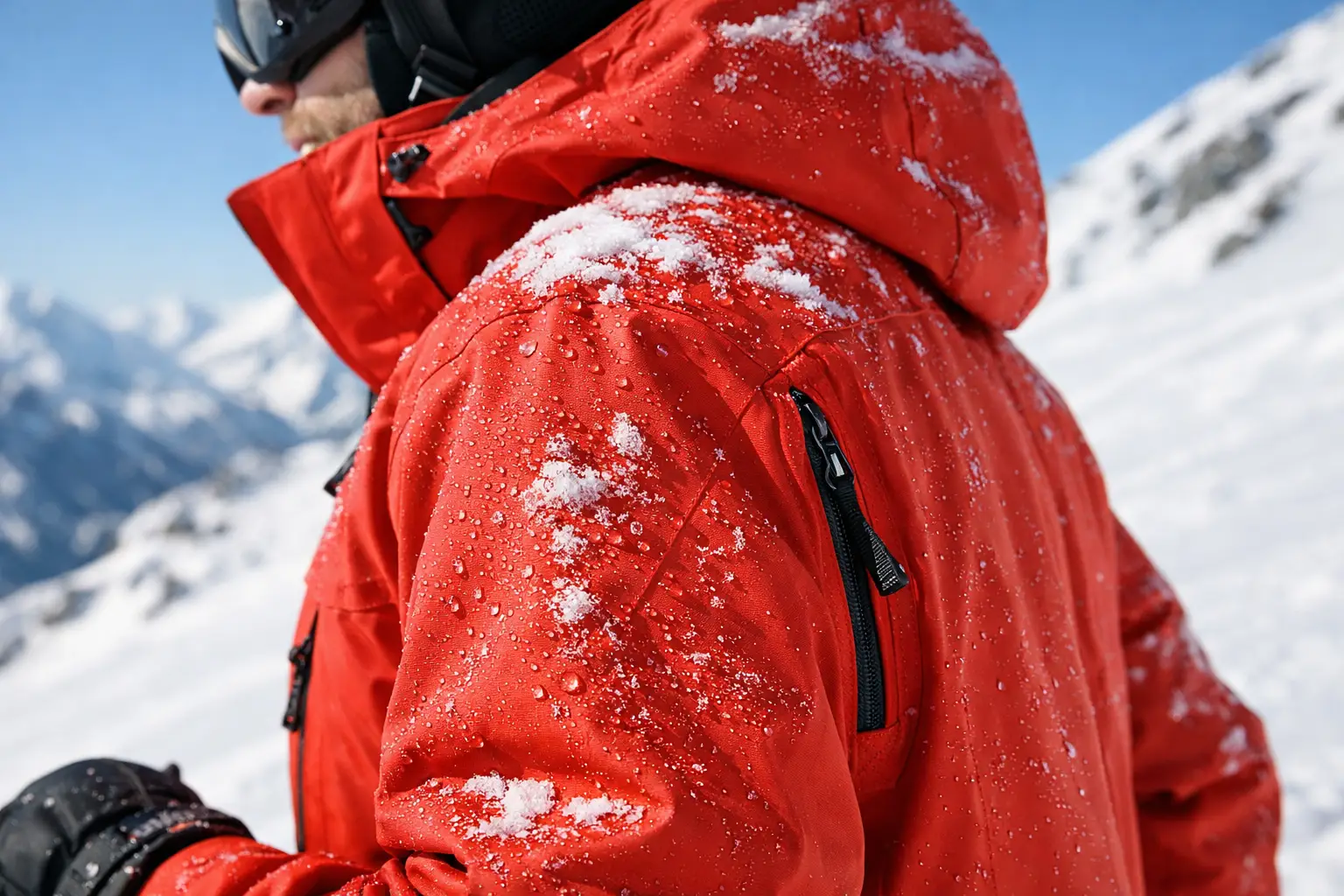
A waterproof or water-resistant ski jacket with a minimum 10,000mm waterproof rating is the single most important technical clothing item in the entire ski trip packing list. The ski jacket serves as the outermost weather protection layer on the mountain, blocking wind, snow, and moisture from reaching the insulating layers beneath it. Start with a high-quality insulated jacket that balances warmth and mobility. A streamlined puffer or ski jacket keeps you protected on the slopes while still looking refined for off-mountain moments. A jacket with pit-zip vents allows rapid temperature management during high-output skiing without requiring complete removal, and a helmet-compatible hood adds versatile protection for stormy weather days on the mountain.
Waterproof Ski Pants
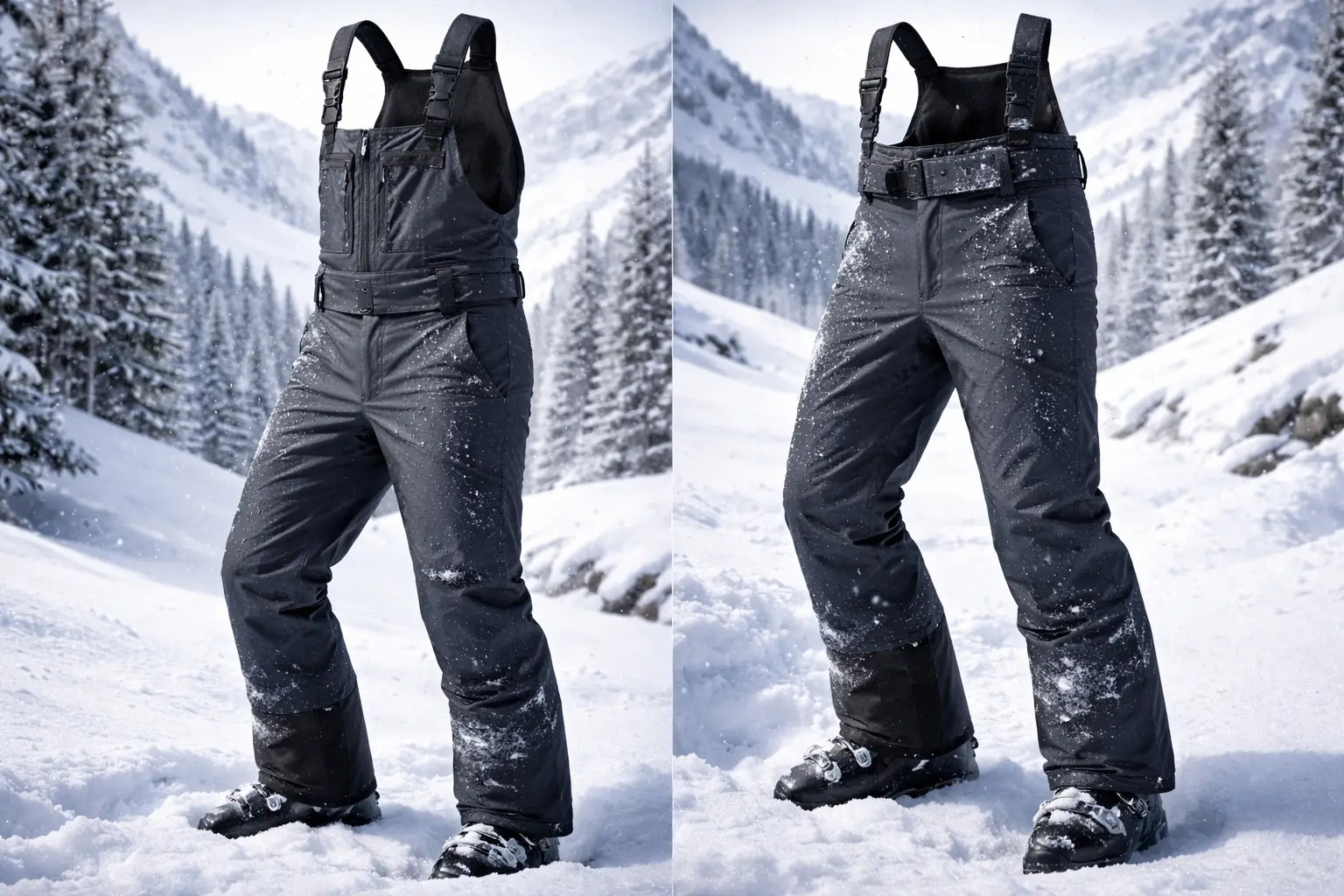
Waterproof ski pants or board pants with a minimum 10,000mm waterproof rating are equally essential as the jacket for maintaining dry and warm legs throughout a full day on the mountain. Sitting on a chairlift in wet or wind-penetrated pants is one of the fastest ways to cut a ski day short, and investing in properly rated pants prevents this entirely. Cold legs on a powder day are a hard no. Ski pants with reinforced inner ankle cuffs resist boot wear, and an adjustable waist with internal powder skirt prevents snow from entering during falls. Bib-style ski pants offer additional core coverage and eliminate the gap between jacket and pants that regular waist pants sometimes allow in deep powder.
Moisture-Wicking Base Layer Set
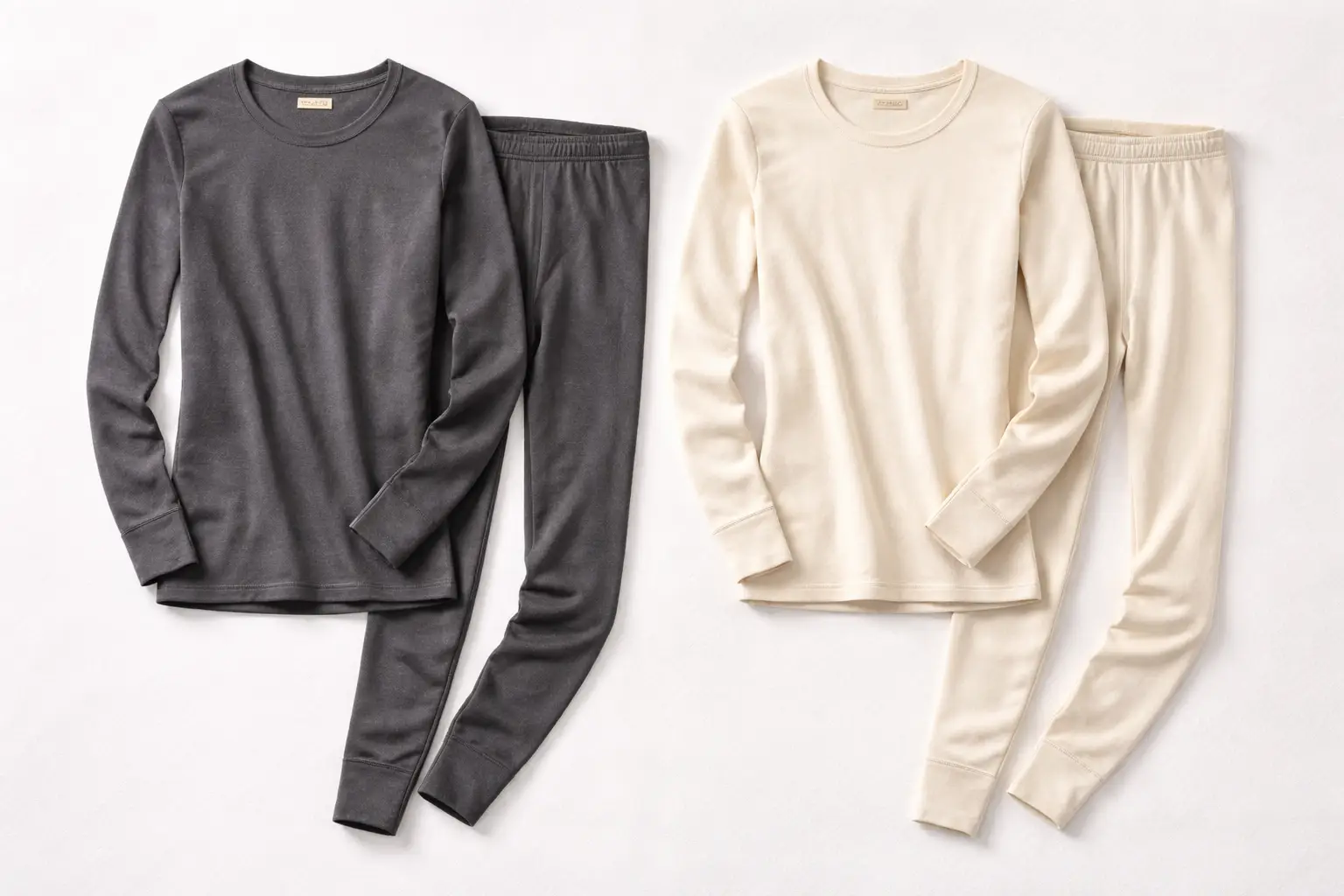
Start with a moisture-wicking base layer since you are sweating even on the coldest days and staying dry is key to staying warm. A merino wool or synthetic moisture-wicking base layer set consisting of a long-sleeve top and long john bottoms worn directly against the skin establishes the thermal management foundation that all other layers depend on. Merino wool helps regulate body temperature, meaning it keeps you cool when it is hot and snug when it is cold. It also lets sweat escape so if you layer it under other clothes you will not feel clammy. Pack two to three base layer sets for a week-long trip to allow rotation between days, and keep one set exclusively clean for sleeping if the nights are cold.
Fleece or Down Mid Layer
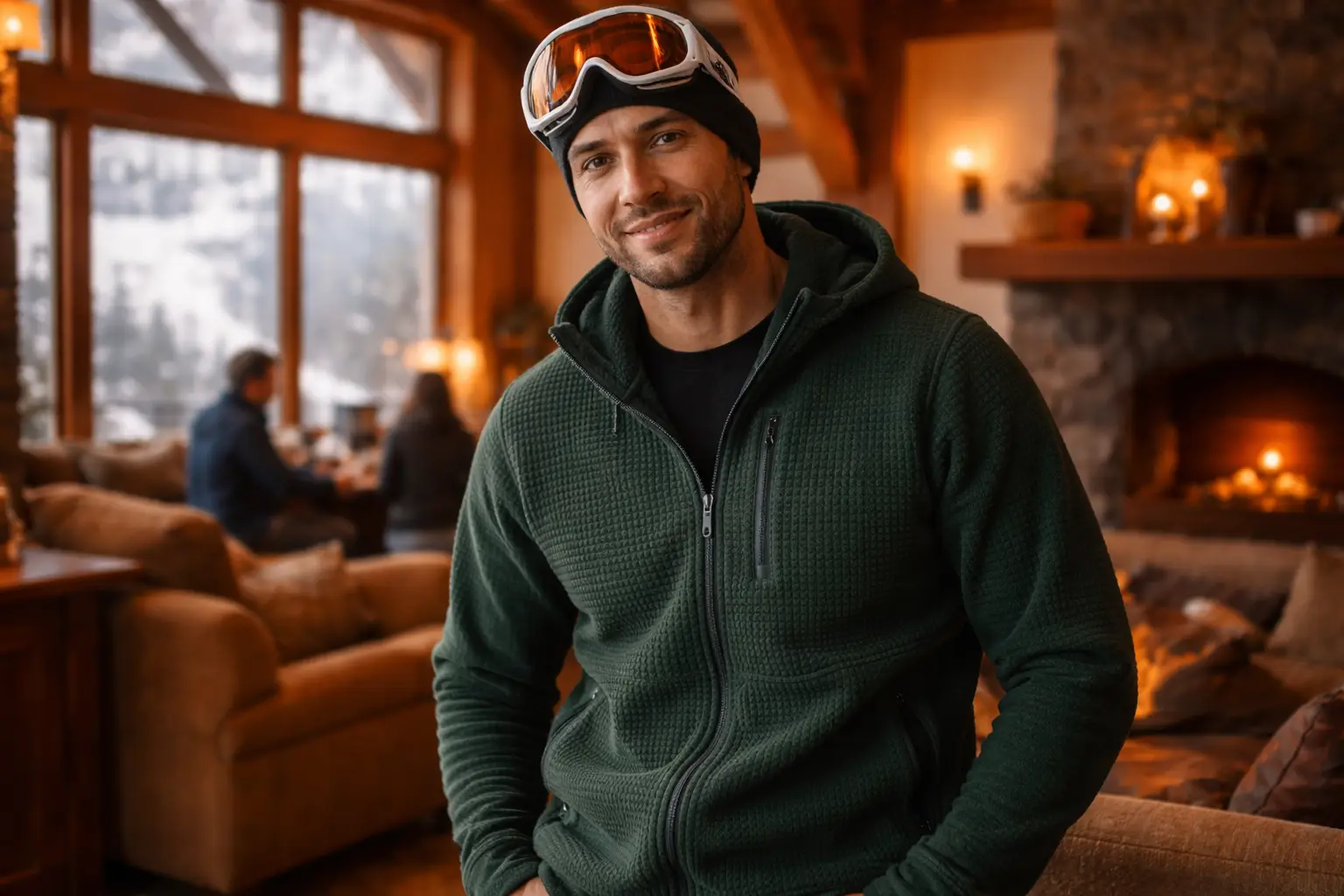
Pack a thermal base layer and a lightweight performance mid-layer such as a zip-neck or fitted sweater. These pieces regulate temperature throughout the day and transition easily from outdoor activities to cozy lodge interiors. A zip-up fleece hoodie or a lightweight down jacket worn between the base layer and the ski jacket provides the primary insulation that keeps the core warm during cold weather conditions and stationary chairlift rides. Your mid-layer is your second line of defense so bring options when traveling to colder zones and bonus points if it doubles as après or hangout gear. A mid layer that works equally well as an après-ski casual piece reduces the total clothing volume in the suitcase by eliminating the need for a separate casual top for lodge and restaurant use.
Ski Helmet
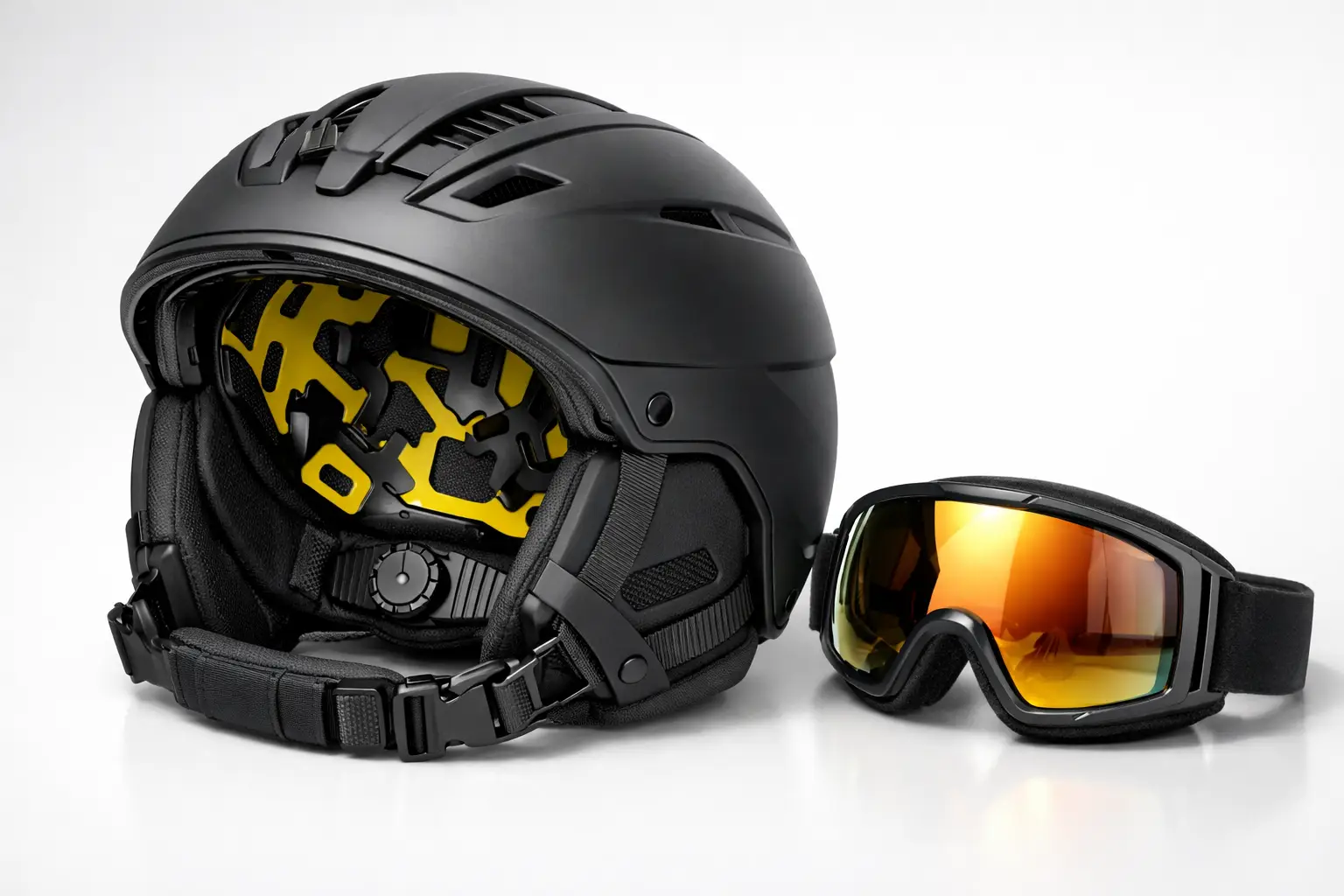
The ski helmet is a non-negotiable safety item that belongs at the top of every ski trip packing list. Modern ski helmets are lightweight, ventilated for temperature management, and compatible with all ski goggle systems. Many helmets include integrated audio systems, MIPS safety technology for rotational impact protection, and adjustable venting panels that adapt to changing temperature conditions throughout the day. Below the outlined items are everything needed for resort skiing including critical equipment like skis and boots, ski clothing such as a jacket and gloves, casual layers and essentials for off the mountain, and personal items and extras. First-time skiers who plan to rent equipment at the resort can typically rent helmets at the same time, but owning a personal helmet that fits correctly is consistently more comfortable and more hygienic than a rental option.
Ski Goggles
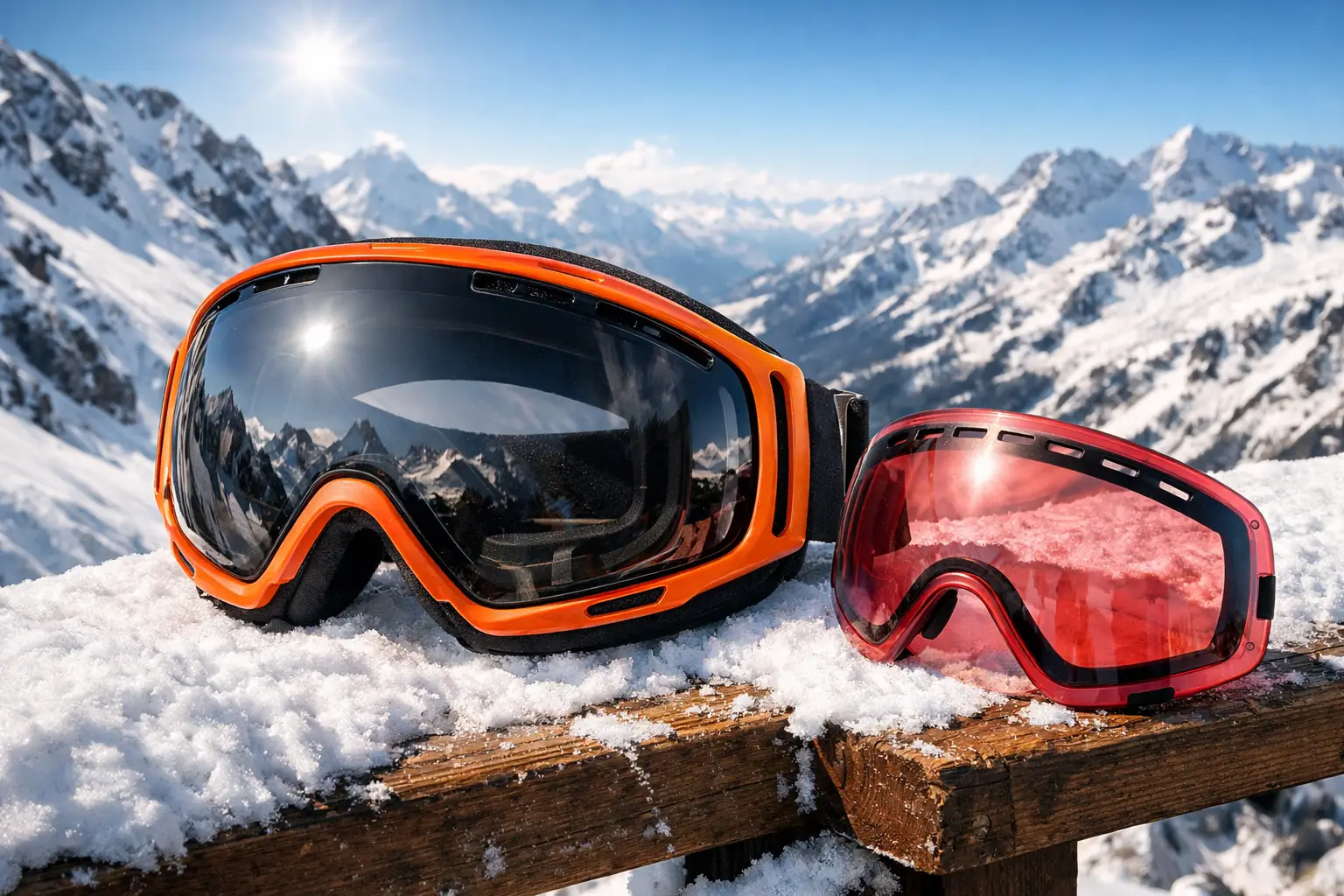
Ski goggles protect the eyes from UV radiation, wind, blowing snow, and the intense glare of sunlight reflecting off a snow-covered mountain surface. You may want to bring items like lip balm, a phone charger, an extra layer, a lens change if your ski goggles need that, and a camera. Packing a second lens in a different tint allows the goggles to adapt to different light conditions, with a darker lens for bright sunny days and a lighter or rose-tinted lens for flat light, overcast, and low-visibility conditions. Goggles that are certified for OTG use fit comfortably over prescription eyeglasses for skiers who wear glasses, eliminating the need for prescription contacts on the mountain.
Ski Gloves or Mittens
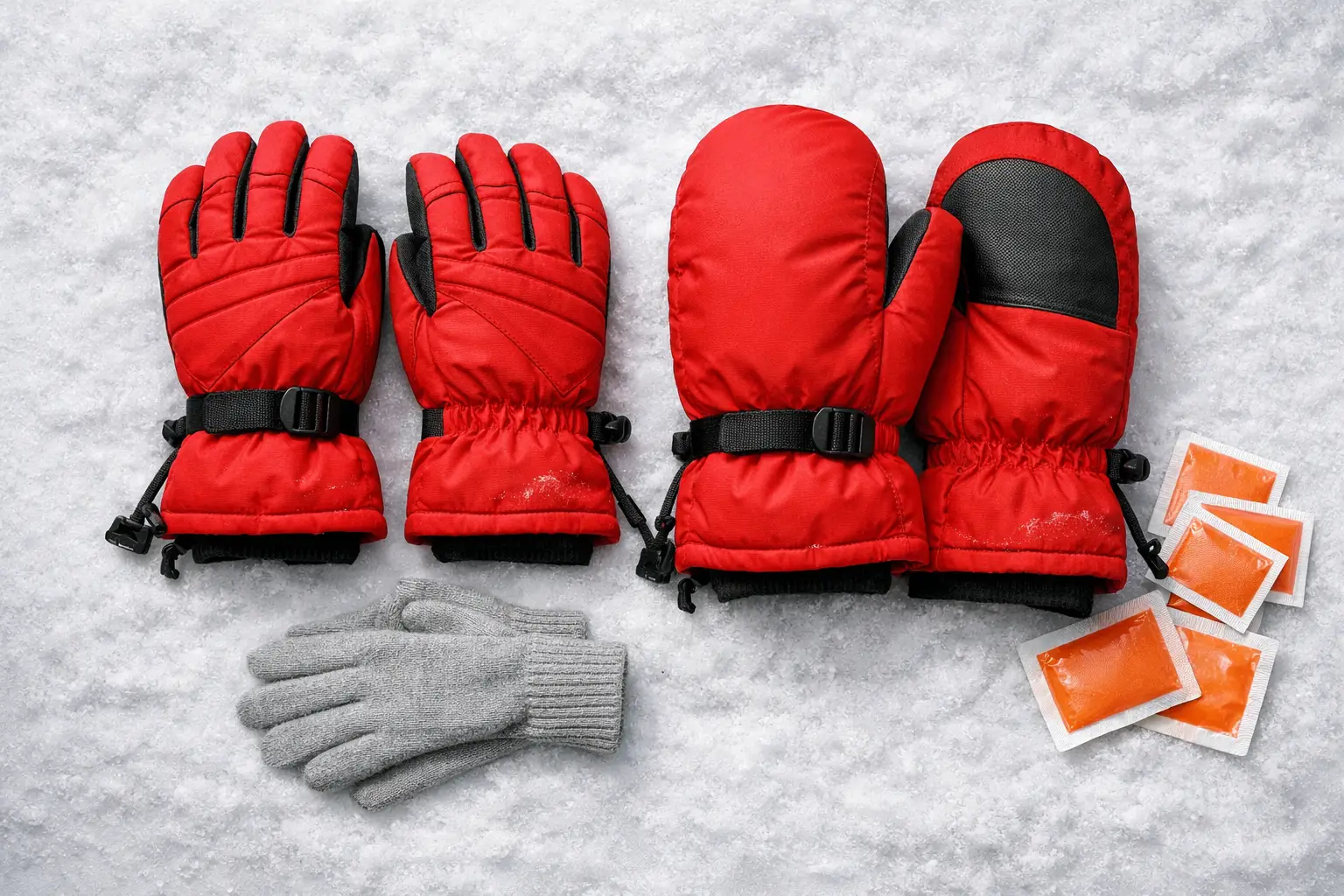
Use a backpack to carry your water bottle, wallet, keys, and other extras on the slopes. Insulated waterproof ski gloves or mittens protect the hands from the combined effects of cold air, wind, moisture, and impact during falls. Non-ski mittens are great for walking around the town too. Mittens are warmer than gloves because they allow the fingers to share body heat, while gloves provide better dexterity for adjusting equipment, handling ski passes, and operating cameras and phones. Packing both a primary waterproof insulated pair for on-mountain use and a lighter casual pair for après-ski and town use covers every hand coverage situation the trip creates without requiring multiple identical pairs.
Wool Ski Socks
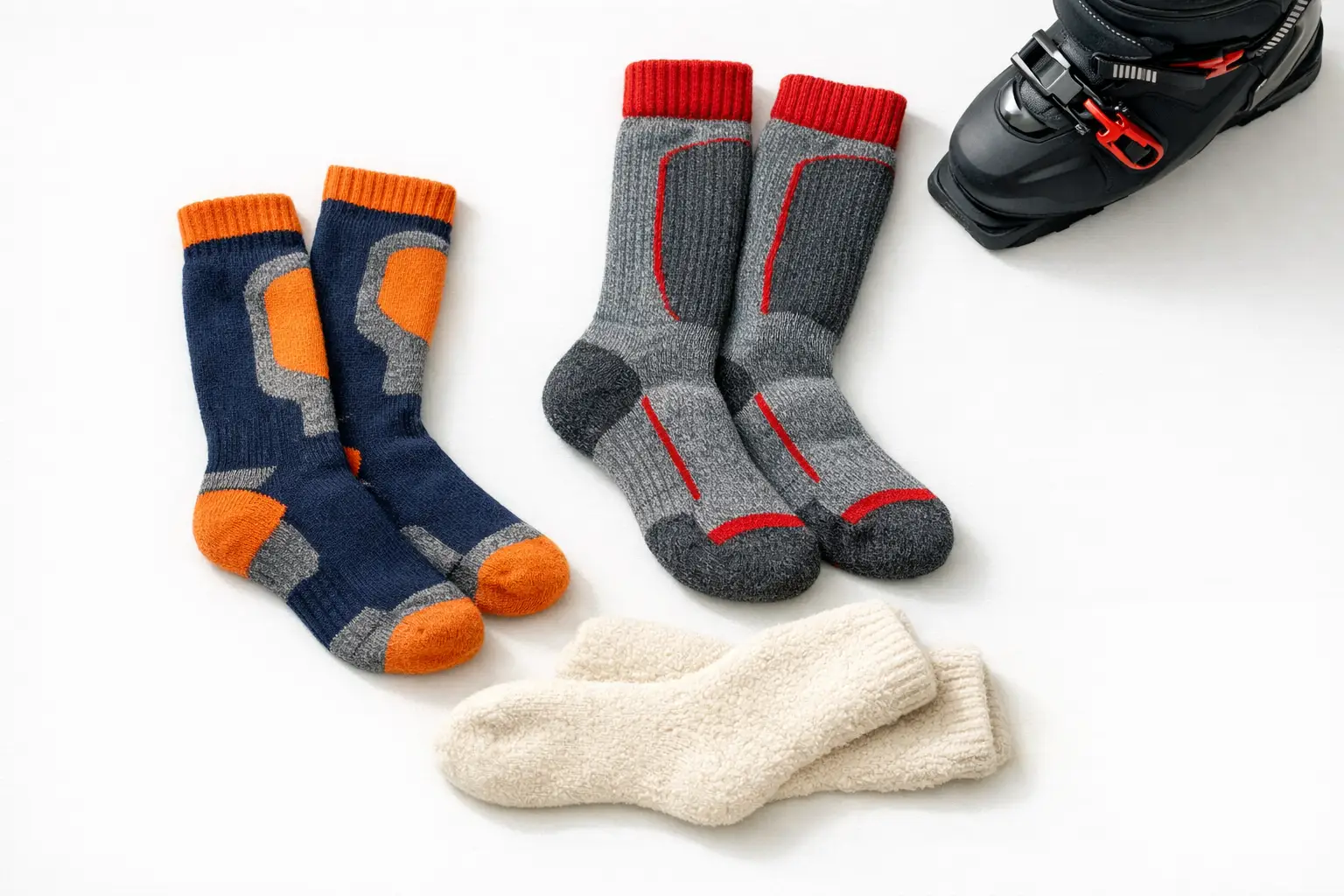
From waterproof ski jackets to non-cotton base layer tops to wool ski socks, this ski trip packing list covers all of the basics for skiing and snowboarding in any weather. Purpose-built ski socks in merino wool or a merino-synthetic blend are significantly more comfortable inside ski boots than regular socks because they provide targeted cushioning at the shin, heel, and toe pressure points that ski boot contact creates. Pack three to four pairs of dedicated ski socks for a week-long trip and avoid layering two pairs inside ski boots, as the compression reduces circulation and produces colder rather than warmer feet. There is nothing like peeling off those ski socks and putting on a fluffy pair at the end of the day. A pair of fluffy lounging socks for evening cabin or hotel use adds negligible weight to the suitcase while delivering significant end-of-day comfort.
Neck Gaiter and Balaclava
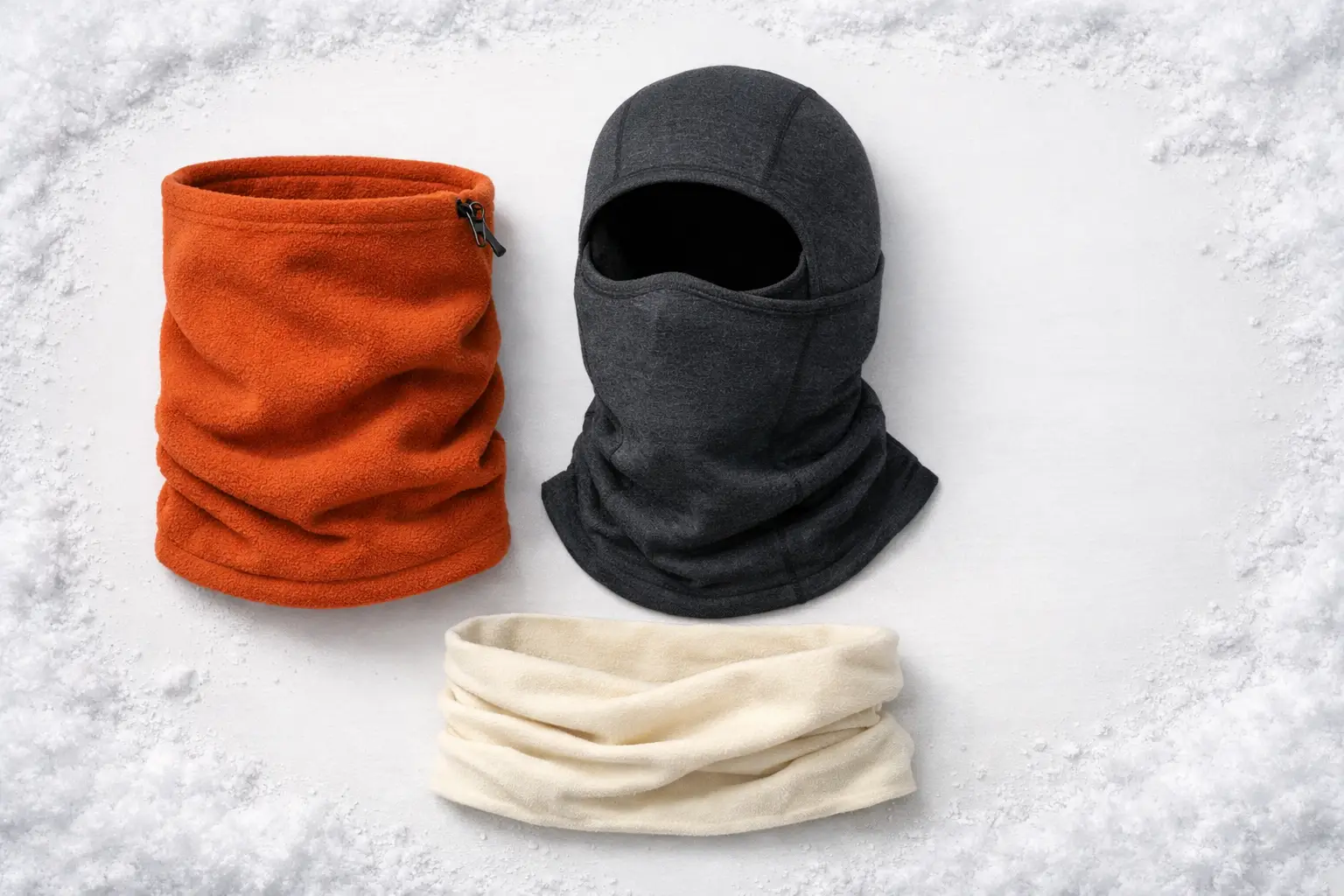
A neck gaiter fills the critical gap between the ski jacket collar and the helmet, preventing cold air infiltration at the neck that causes rapid core heat loss during skiing. SPF lip balm is a must because you would be amazed how much the sun bounces off the snow and can very easily burn your lips if you are not wearing a balaclava. A balaclava that covers the full face provides comprehensive protection during the coldest days, high-wind conditions, and high-speed descents where the wind chill factor at the face would make unprotected skiing genuinely uncomfortable. A merino wool or polar fleece neck gaiter suitable for moderate cold and a full balaclava for extreme cold together cover every neck and face protection scenario the mountain creates.
Sunscreen and SPF Lip Balm
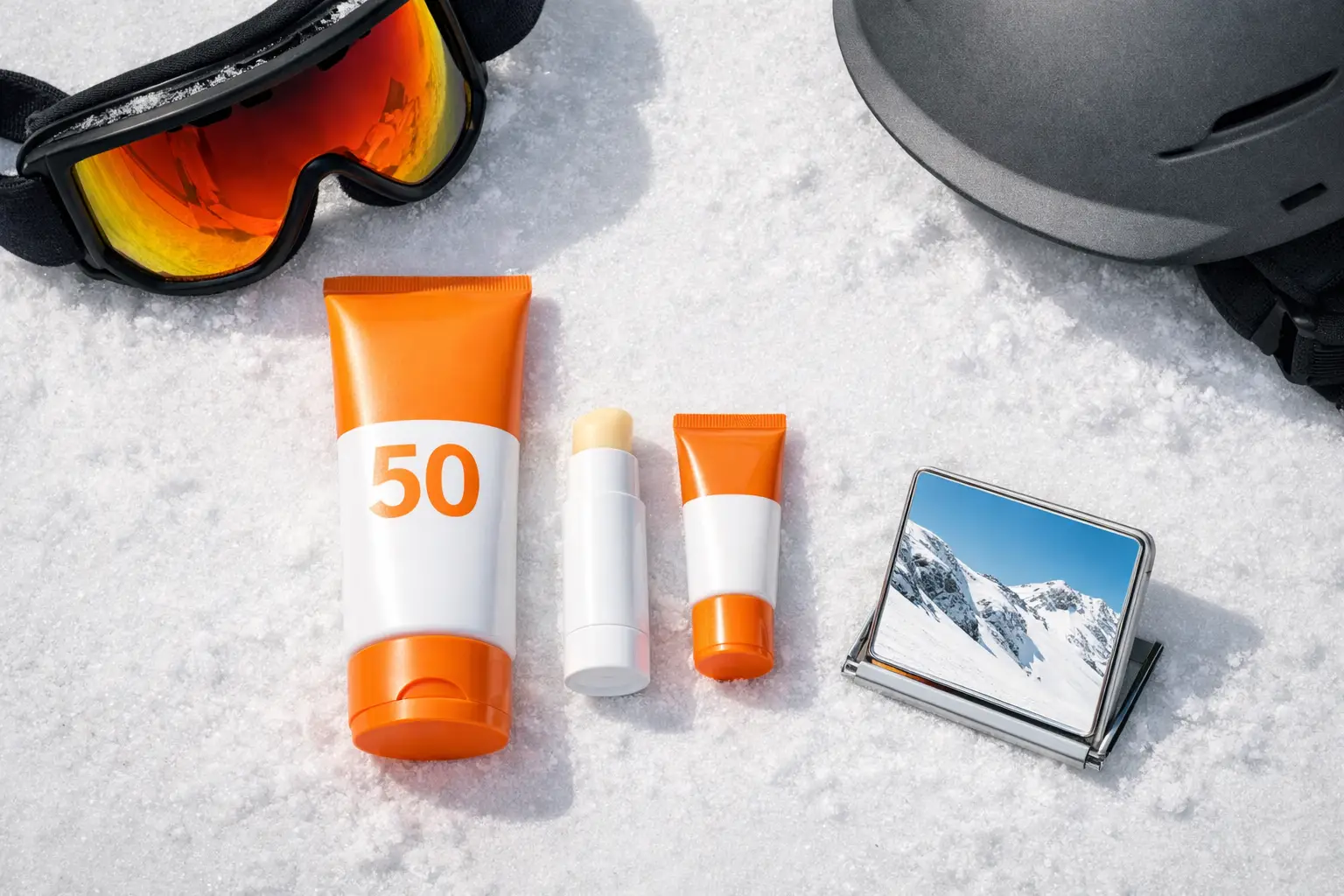
It may seem counterintuitive to winter sports novices but snow reflects sunlight and UV rays are generally stronger at higher altitudes so you will definitely want to put sunscreen on your face before spending time outdoors in the snow. High-altitude mountain environments intensify UV exposure significantly compared to sea level, and the reflective surface of snow doubles the effective UV exposure by bouncing radiation upward toward the face and neck. Because of Colorado’s high elevation and frequent sunshine, sunscreen is an absolute essential. Sunburns happen much quicker in a thinner atmosphere so make sure you have it on hand. A broad-spectrum SPF 50 sunscreen applied before the first chairlift ride and reapplied at midday, combined with an SPF lip balm, protects the most exposed skin surfaces from the mountain UV exposure that causes sunburns far more quickly than beach environments.
Ski Backpack
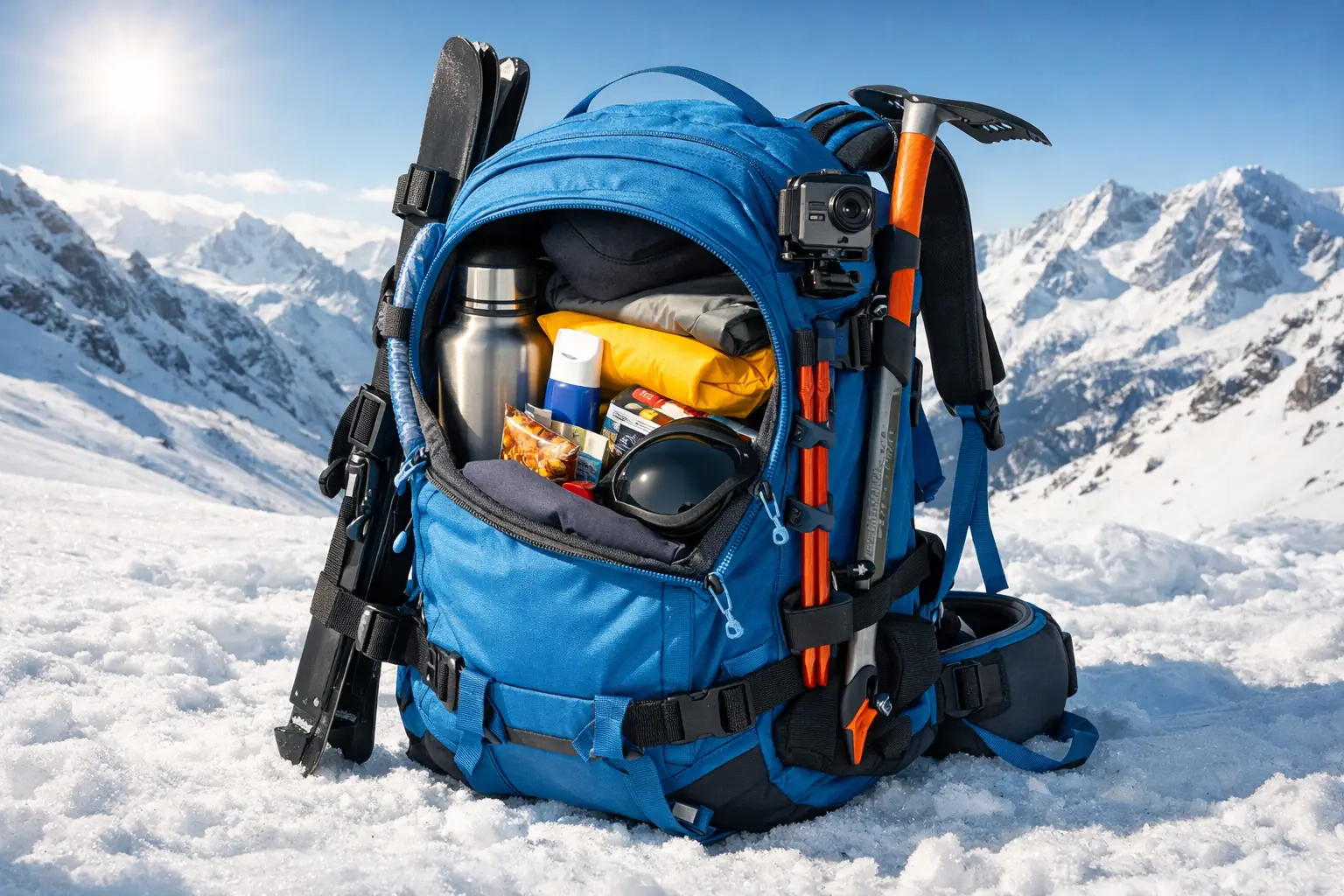
Ski backpacks are great when you are out on the slopes to make sure you have easy access to snacks and water but can also store skis, ski poles, and other gear. A compact ski-specific daypack carried on the mountain keeps essentials including water, snacks, sunscreen, an extra layer, a waterproof phone case, and goggles lens changes accessible throughout the ski day without requiring a return to the lodge. A small backpack for taking up the mountain is useful for carrying emergency supplies including tissues, sun cream, spare goggles or sunglasses, water, and snacks for those long chairlift rides. A hydration reservoir compatible daypack eliminates the need for a separate water bottle and keeps the hands free throughout the ski day.
Après-Ski Clothing and Boots
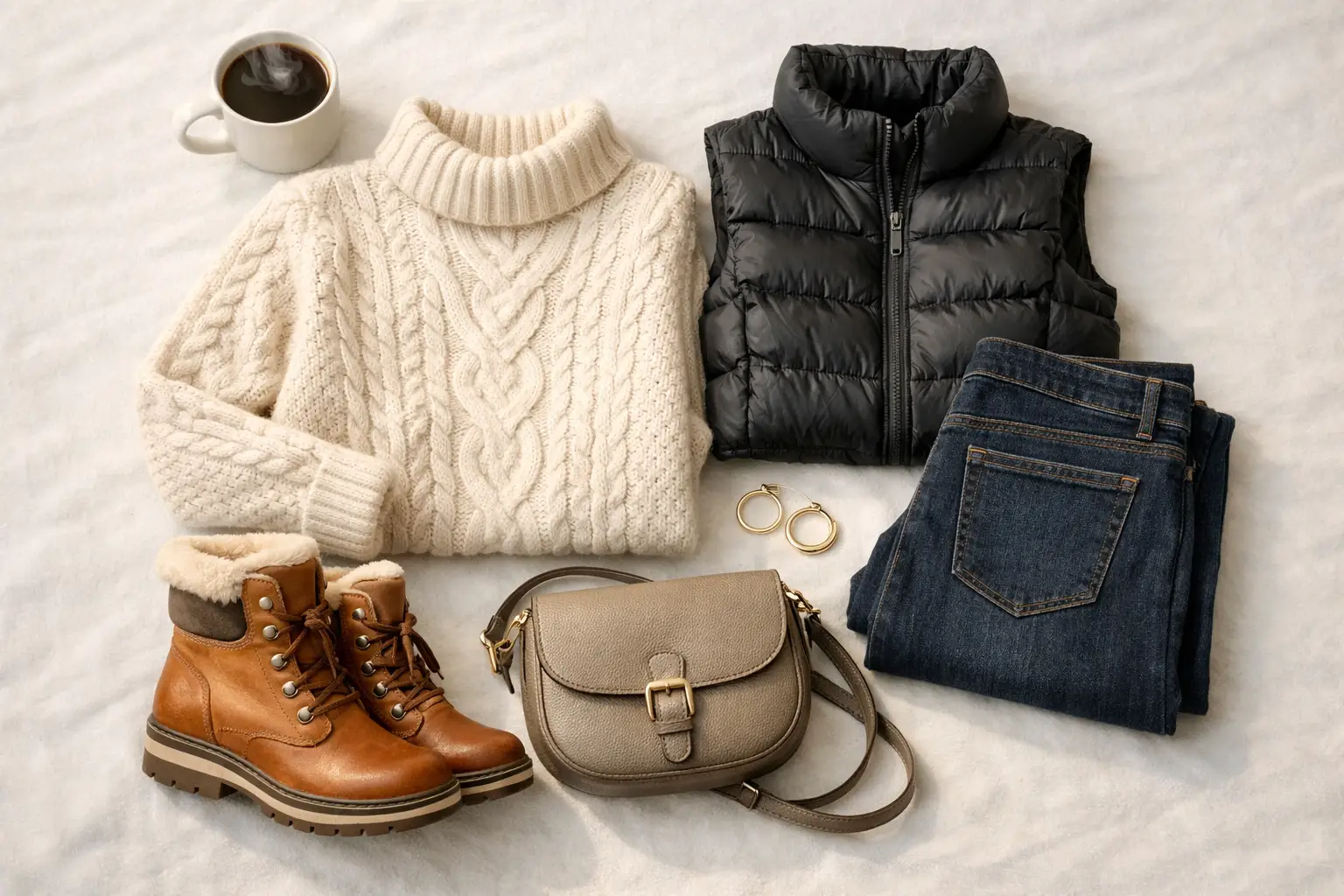
Ski towns retain a sporty vibe no matter how glam so jeans and a cute on-theme sweater work literally everywhere. A cute and cozy sweater with some sort of day-to-night possibility, something cashmere and drapey, or a cable-knit Fair Isle print, or a ski-themed graphic are a few examples. The après-ski wardrobe covers the time between leaving the mountain and going to bed, including lodge drinks, restaurant dinners, and village exploring. Stylish winter booties in addition to the winter boots brought to the hill add one pair of chic boots to wear around town. A capsule approach to après-ski packing with one pair of versatile evening boots, two sweaters, two pairs of jeans or casual trousers, and one slightly elevated dinner option covers every off-mountain clothing situation a typical ski trip creates.
Swimwear and Loungewear
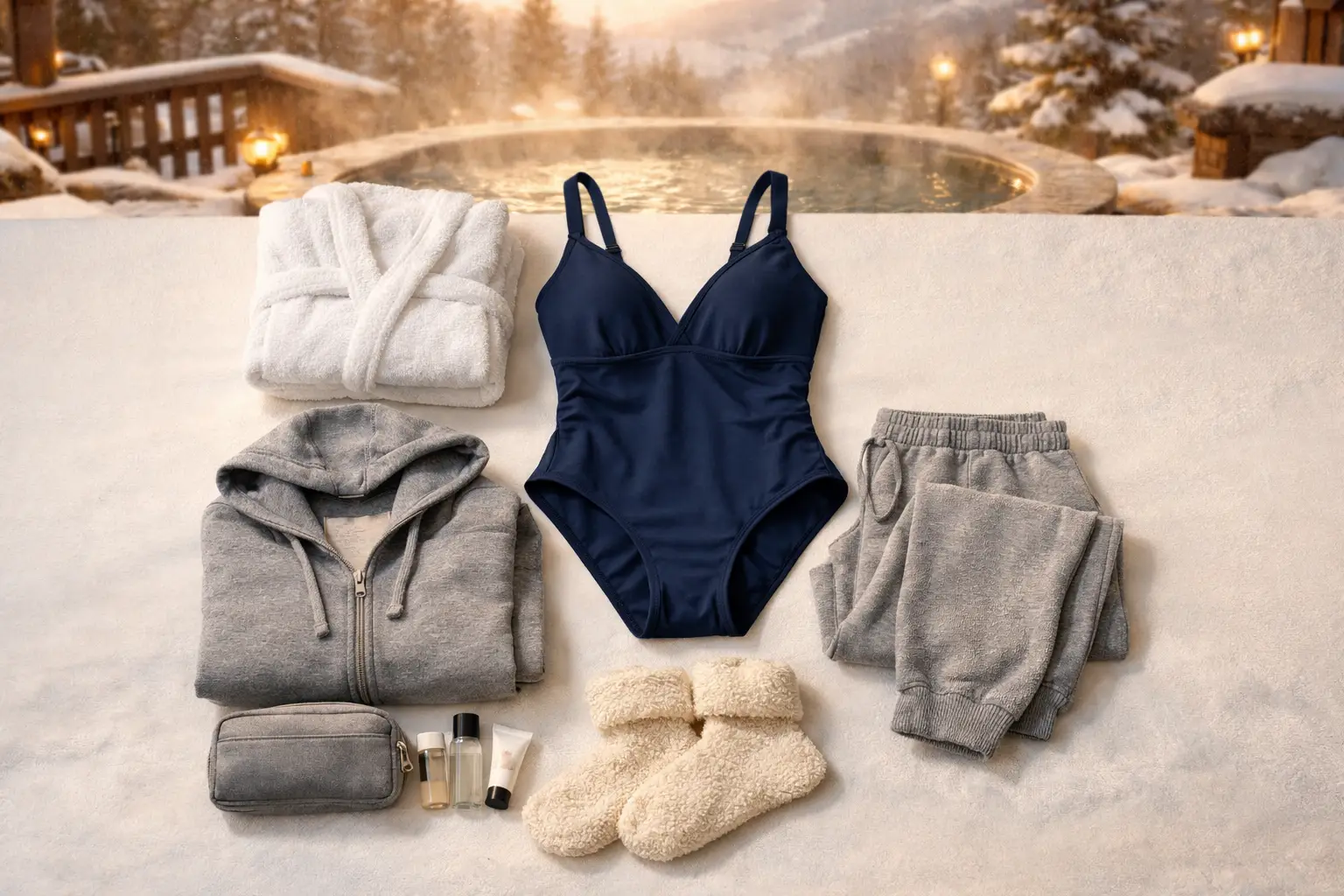
No matter where we are going there is hope there will be an après-ski hot tub in the future. There is really nothing quite like it. Most ski resorts and mountain lodges offer hot tubs, heated outdoor pools, or spa facilities that provide the ideal end-of-day recovery environment after a full day on the slopes. Packing a swimsuit ensures access to these amenities without requiring a last-minute purchase at inflated resort prices. Loungewear is essential because you have to get from the warm hotel room to the outdoor hot tub somehow. A compact packable robe or a set of warm loungewear worn over the swimsuit handles the transition between the room and the pool facilities without requiring the ski jacket or outdoor boots.
Travel Luggage and Ski Bag
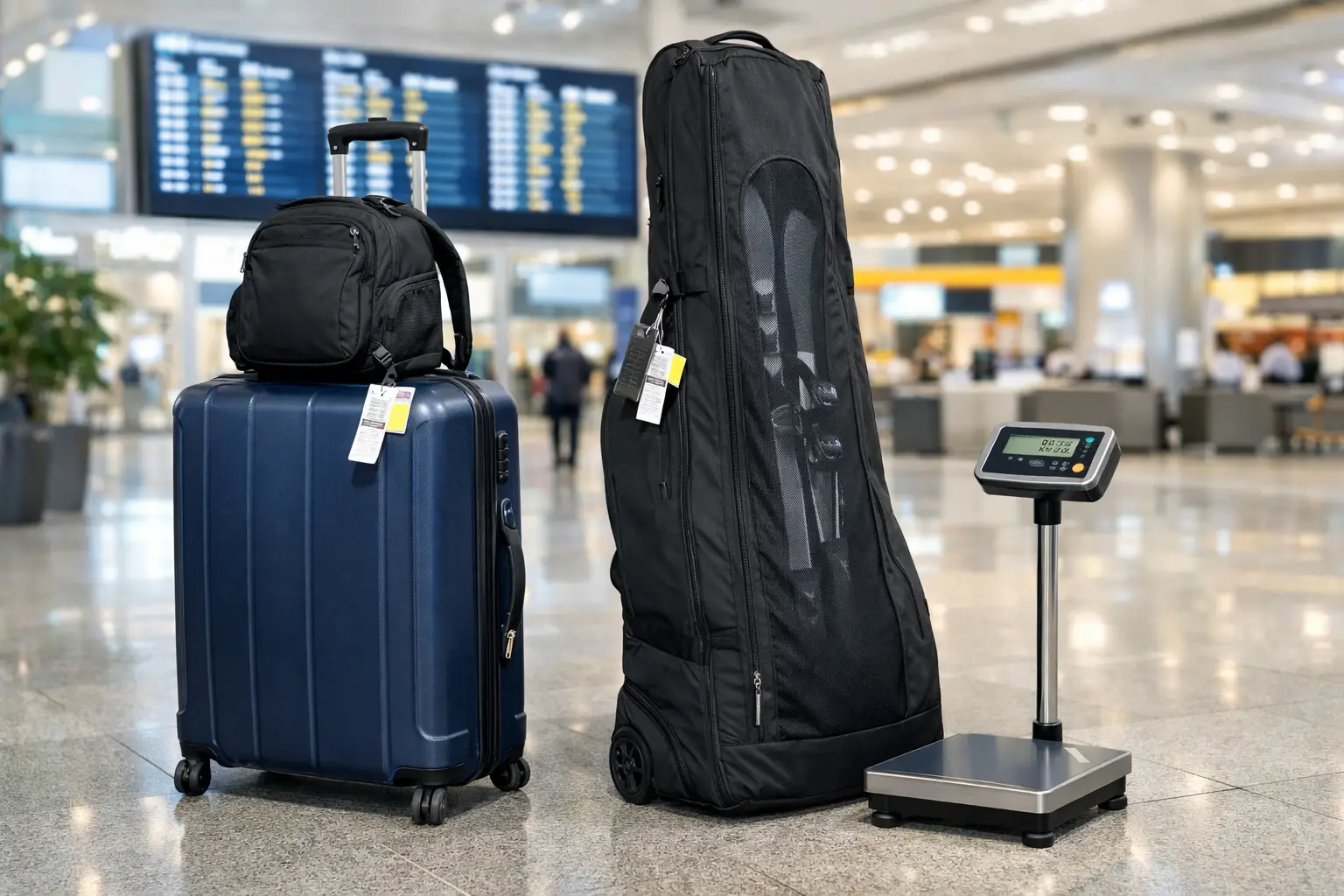
For week-long trips via plane, a rolling suitcase large enough to fit all snowboard clothing and equipment into one bag is the most essential piece of luggage. Not all airlines are the same for their rules about ski equipment. In general, airlines allow ski equipment to count as one piece of checked luggage. Be aware that most airlines charge an overweight baggage fee if it is over 50 lbs so weigh your bag at home. A hardside suitcase provides better protection for the bulky technical clothing items that a ski trip requires. A ski or snowboard bag with wheels is easier for those taking their own equipment. Checking the specific ski equipment bag policy and weight limits of the chosen airline before packing prevents unexpected fees and oversized baggage complications at the airport.
First Aid Kit and Medications
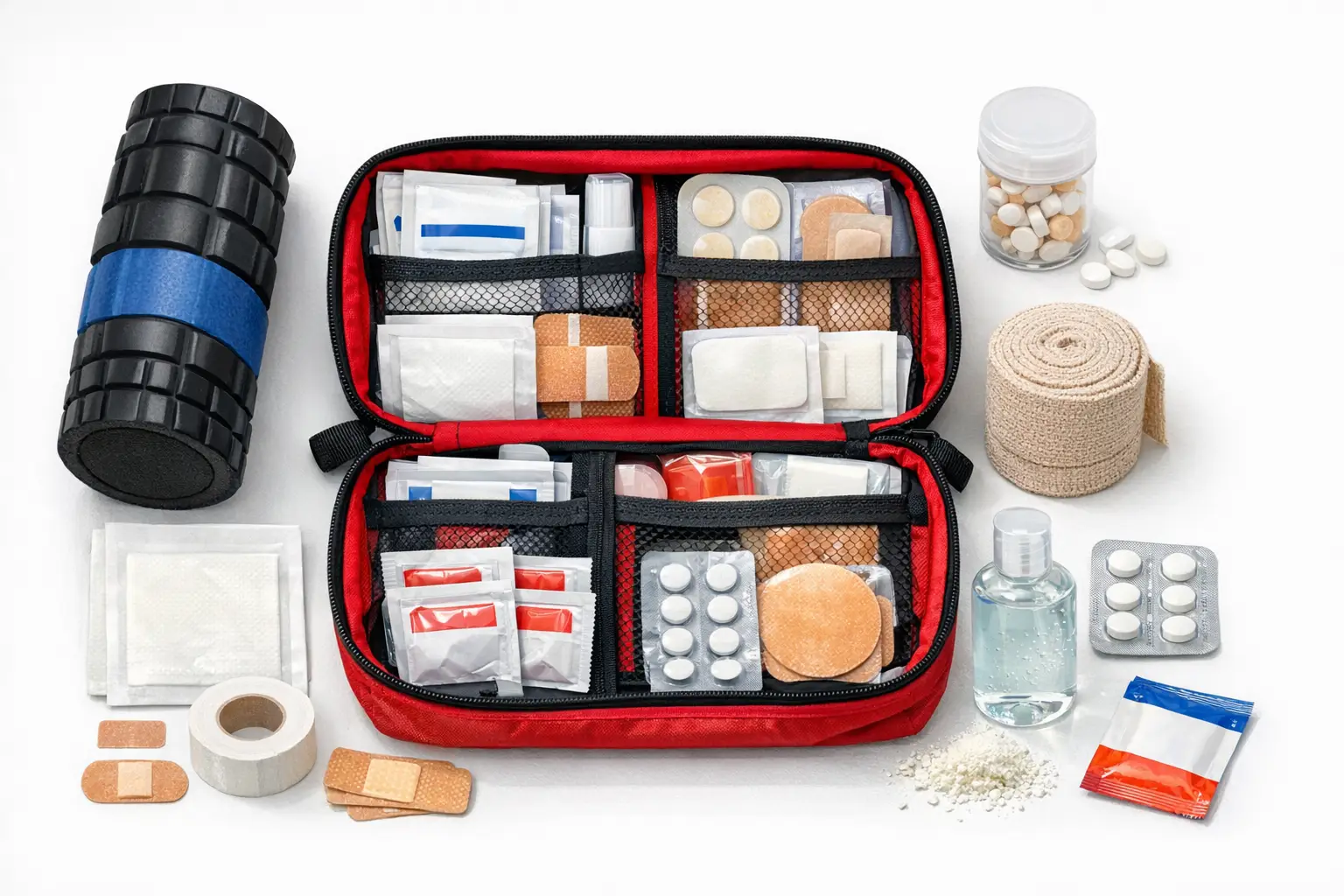
A mini first aid kit including bandages, antiseptic wipes, a tensor bandage, and blister pads is an essential ski trip packing item. Mountain environments present specific injury risks including blisters from ski boots, bruising from falls, and muscle soreness from unaccustomed physical exertion. Bring a smaller or travel-sized version of items like aspirin or other pain relievers. You will be outside at high elevation so sun protection is a must even in mid-winter. High altitude headaches are a common experience for skiers visiting mountain resorts from sea-level homes, and keeping ibuprofen or acetaminophen accessible in the day pack prevents a headache from cutting a ski day short. A foam roller packed in the hotel room provides effective muscle recovery support after the first few days of skiing when leg and core muscles are most sore.
Travel Insurance and Documentation
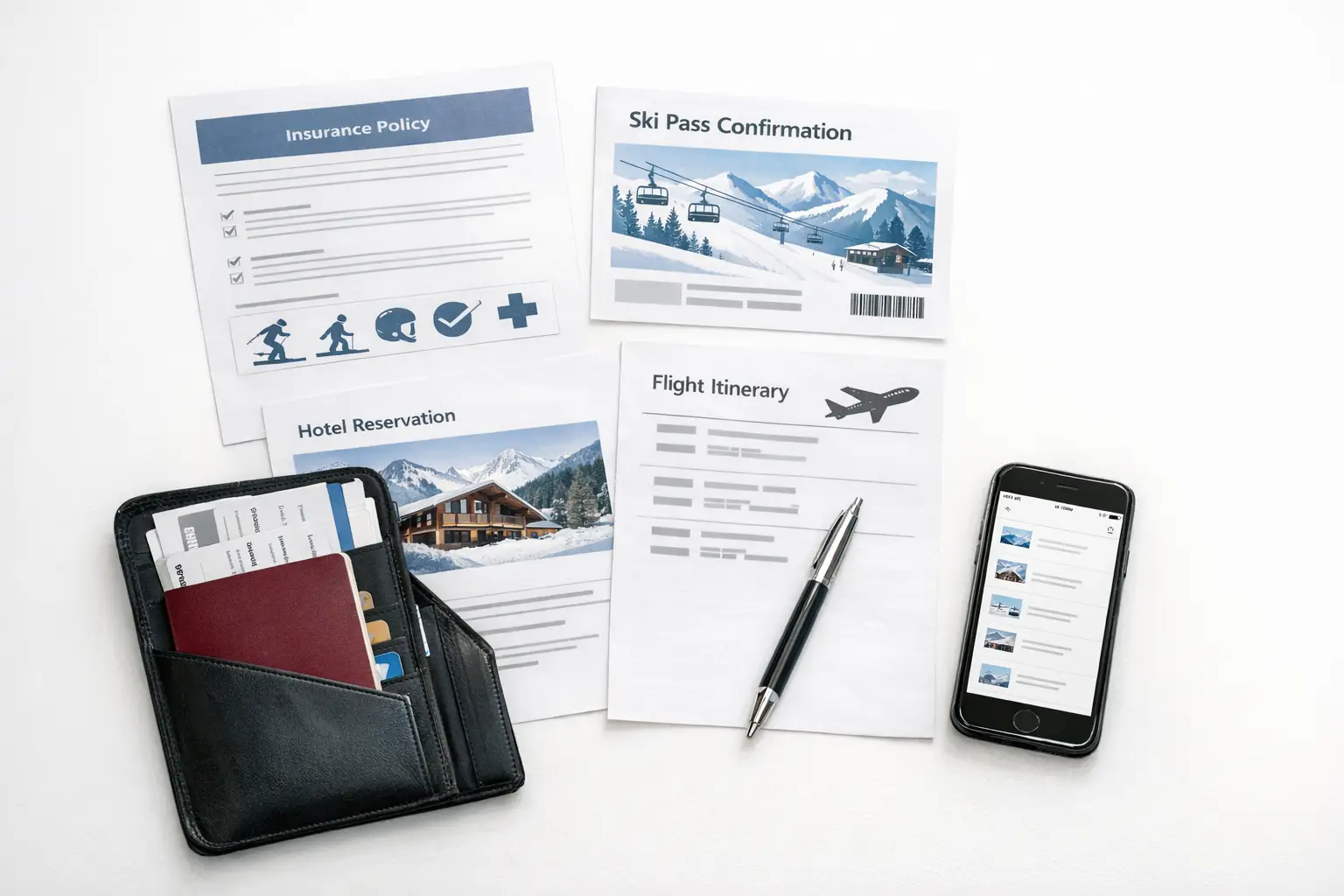
Skiing is a relatively dangerous sport that can result in nasty injuries so it would be wise to have your health insurance information on hand or travel health insurance in the event of traveling to another country. Check whether your insurance covers ski accidents. Travel insurance plans may not cover ski accidents depending on the plan so check those policies closely. You may have the option to add winter sports coverage for an extra fee or you can opt for a plan that focuses on adventure sports. Packing printed copies of all travel insurance documentation, ski pass confirmation, and accommodation reservation details alongside digital copies in an email folder ensures that every important document is accessible even if phone battery or connectivity fails at the resort.
Hand Warmers and Waterproof Phone Case
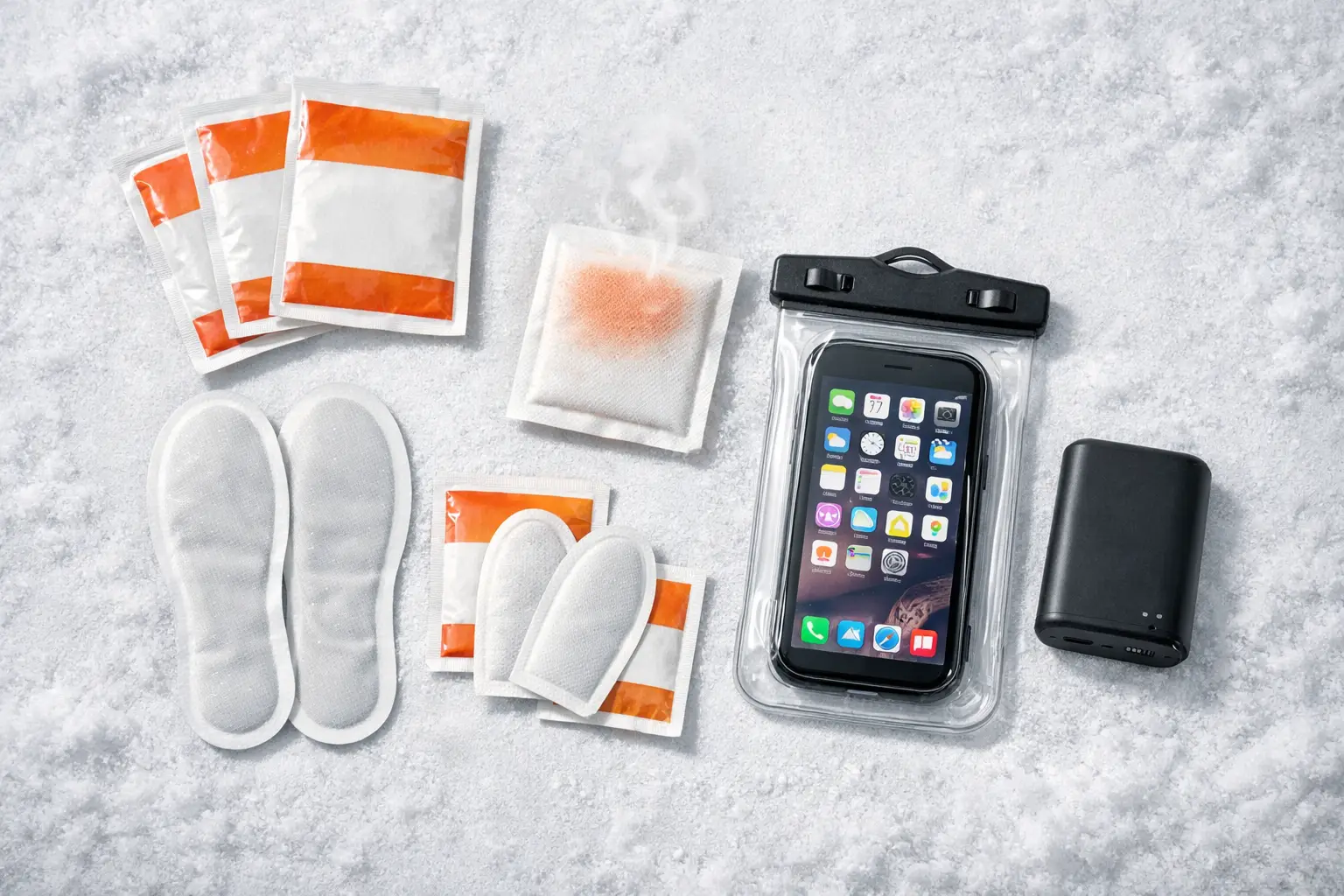
Sun cream and lip block is essential. The sun is very strong in the mountains as it bounces off the snow so a high factor is recommended. Disposable hand warmers inserted into ski gloves or pockets provide supplemental warmth during the coldest conditions and chairlift rides when hands cool quickly despite insulated gloves. A waterproof phone case protects the phone from snow, moisture, and the inevitable drops that occur on the mountain. After a buddy dropped his phone in three feet of powder, getting smart and always carrying a waterproof phone case became essential. A portable battery pack kept in the day pack prevents the phone from dying during a full day on the mountain, where cold temperatures accelerate battery drain significantly faster than normal operating conditions.
Ski Pass and Resort Documentation
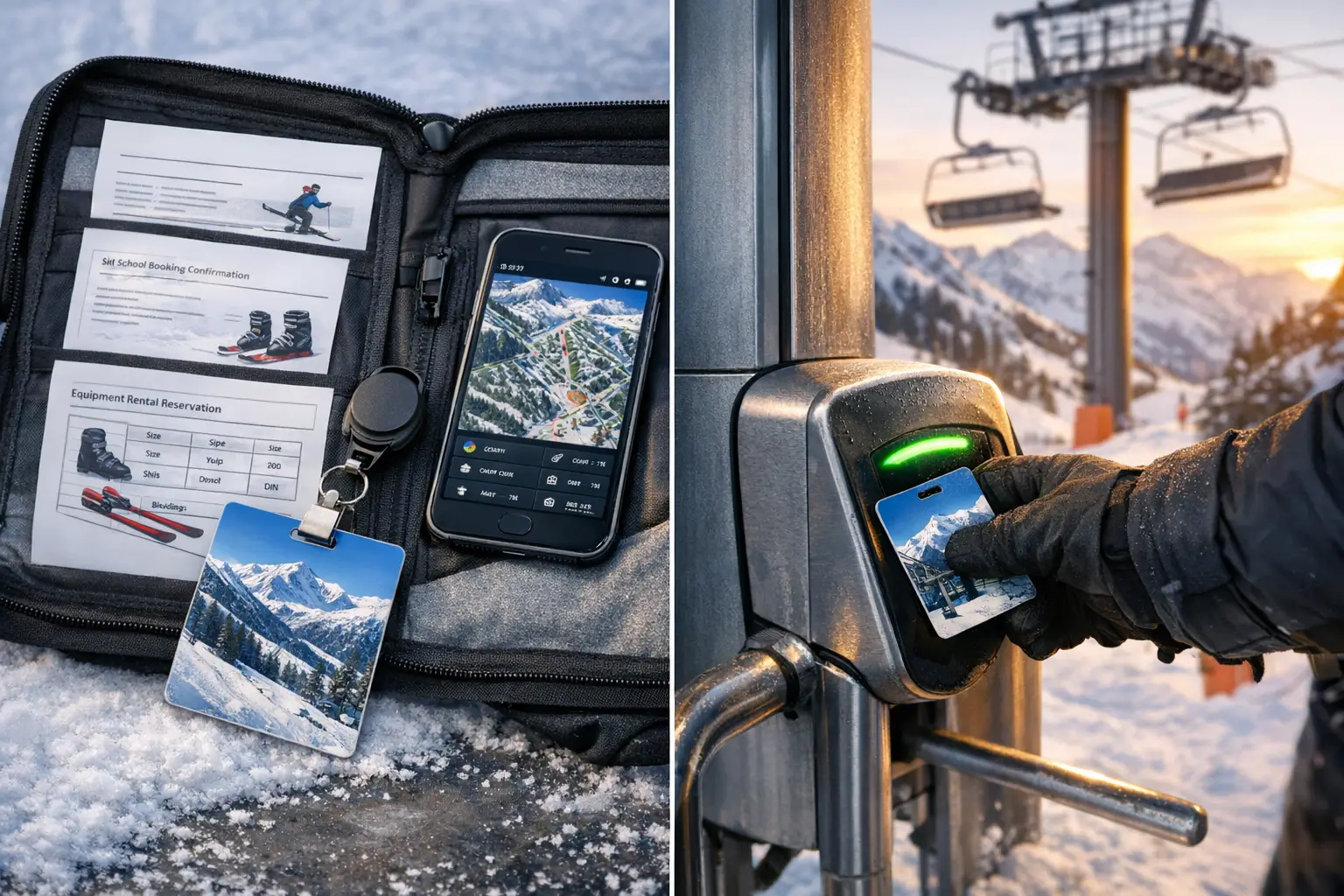
Although you can certainly buy these in ski villages, some resorts offer discounts to vacationers who buy their passes in advance. For regular skiers, a season ticket may also be worthwhile. Be sure to bring these or any relevant documents if you have them; depending on the resort, you may just be able to pick them up on the mountain. Purchasing ski passes online in advance produces meaningful savings at most major resorts and eliminates the time spent in ticket line queues that can consume the best skiing hours of the day. Keeping all resort documentation including lift pass confirmation, ski school booking reference, and equipment rental reservation in a dedicated accessible section of the travel bag ensures every document is retrievable at the mountain base without searching through the entire luggage.
Building Your Complete Ski Trip Packing Strategy
The most practical ski trip packing approach treats the entire wardrobe as a capsule system where technical on-mountain items serve one role and a compact set of casual après-ski pieces covers everything else. Always have layering options so you can be flexible if the weather changes for the better or worse. Remember the temps in town can be as much as twenty degrees warmer so check the weather before going. Packing lighter than the instinct suggests and trusting the layering system to manage temperature variability produces a more manageable suitcase and a more enjoyable trip than overpacking backup options that rarely get used.
Conclusion
A well-packed ski trip suitcase is the foundation of a genuinely stress-free winter travel experience. When every essential item is present and every category from on-mountain technical gear to evening après-ski clothing is properly covered, the entire attention can shift from logistics to the mountain itself. The 18 packing list items in this guide collectively address every ski trip requirement from the first chairlift of the morning to the last hot tub soak of the evening, leaving no essential item forgotten and no stressful resort-town shopping trip necessary. Pack the list, check it twice, and spend the entire trip doing exactly what you came for.
You also may like this: 18 Winter Camping Outfit Ideas That Keep You Warm All Day
Frequently Asked Questions
How many base layers should I pack for a week-long ski trip?
Two to three base layer sets are sufficient for a week-long ski trip if the accommodation has laundry facilities. If laundry facilities are not available, packing one base layer set per two days of skiing is the recommended approach, as base layers are the most frequently worn and most frequently washed item in the ski trip wardrobe. Merino wool base layers have natural odor-resistance properties that allow them to be worn for two consecutive days without washing in most conditions, making them the most practical base layer choice for packing efficiency.
Should I rent or buy ski equipment for a ski trip?
Renting is the better option for beginner and irregular skiers because ski equipment is expensive and rental gear at quality resorts is well-maintained and properly fitted by professional boot fitters. Experienced and frequent skiers who ski more than a few times per season find that owning their own boots in particular produces a significantly more comfortable on-mountain experience because personal boots can be custom-fitted and broken in over time. Renting skis while owning personal boots is a common middle-ground approach.
What is the most important item on a ski trip packing list?
The ski jacket and ski pants are collectively the most important items because inadequate outerwear cannot be compensated by any other item in the packing list. A jacket and pants with insufficient waterproof ratings will fail during wet snow conditions and leave the skier cold and wet within hours on the mountain. Every other item in the ski trip packing list can be supplemented, borrowed, or purchased at the resort, but proper waterproof outerwear is the non-negotiable foundation of a comfortable ski day.
Do I really need sunscreen on a ski trip?
Sunscreen is absolutely essential on any ski trip regardless of the weather conditions. UV rays are stronger at higher altitudes because the thinner mountain atmosphere filters less radiation, and snow reflects up to 80 percent of UV radiation back upward toward the face and neck. This combination makes mountain sunburn a very real risk even on overcast days, and a broad-spectrum SPF 50 applied before skiing and reapplied at midday is the minimum effective protection level for a full day on the mountain.
How should I pack ski clothing to fit everything into one suitcase?
Rolling technique applied to base layers, fleece mid layers, and casual après-ski items compresses soft clothing significantly more efficiently than folding. Stuffing socks, gloves, and accessories inside ski boots before packing them eliminates wasted interior space. Wearing the bulkiest items including the ski jacket and the heaviest boots during travel rather than packing them saves the most suitcase space of any single packing decision. Checking the airline’s ski equipment bag policy before arrival at the airport prevents unexpected oversize or overweight bag fees that add unnecessary stress to the departure day.