
Introduction
A well-prepared camping checklist is the single most important document you can create before heading into the outdoors, transforming what could be a frustrating experience of forgotten essentials into a genuinely smooth and enjoyable adventure where every need is anticipated and every comfort is accounted for. Experienced campers understand that the quality of any camping trip is almost entirely determined by the quality of the preparation that precedes it, and that arriving at a campsite missing crucial items like a tent rainfly, a sleeping bag rated for the overnight temperature, or basic first aid supplies can transform a wonderful outdoor escape into a genuinely uncomfortable or even potentially dangerous situation. These 22 camping checklist ideas you need for your trip cover every essential category of camping preparation and will ensure that you arrive at your destination fully equipped for a safe, comfortable, and memorable outdoor experience.
Shelter and Sleeping Checklist
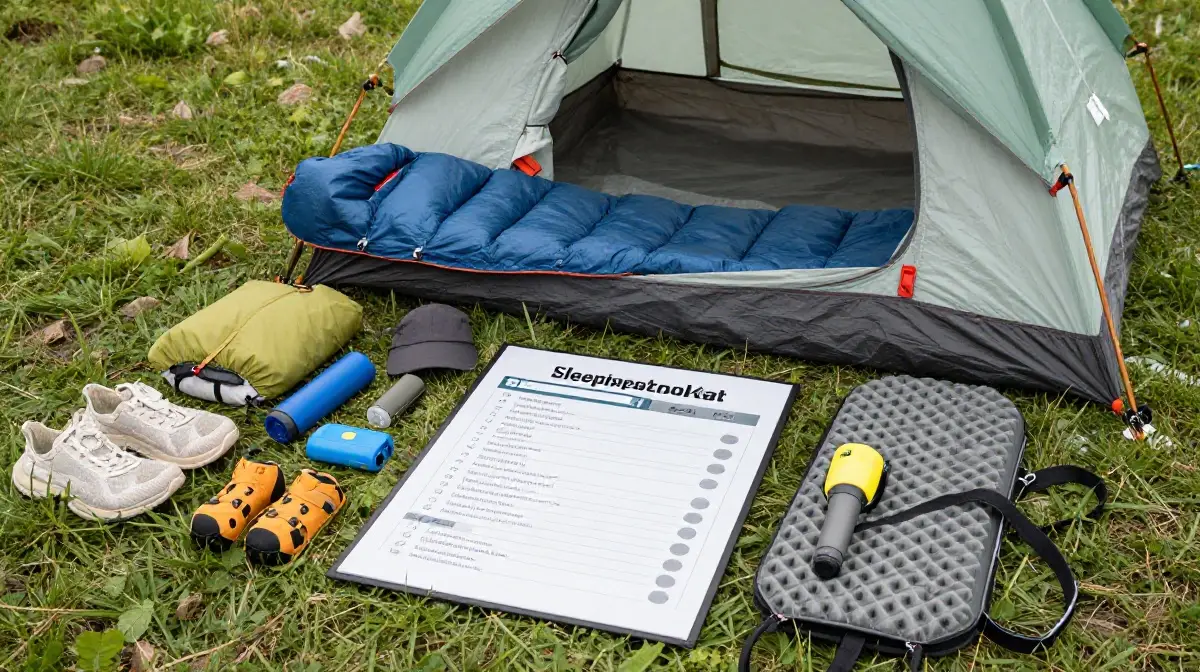
The shelter and sleeping category is the most foundational element of any camping checklist because without adequate protection from the elements and a genuinely comfortable sleeping system, every other positive aspect of the camping experience becomes secondary to physical discomfort and poor rest. The core items in this category include a tent appropriate for the expected weather conditions and number of occupants, a rainfly if not already integrated into the tent design, tent stakes and guylines for secure installation in wind, a sleeping bag rated for the expected overnight low temperature, a sleeping pad or air mattress for insulation from the cold ground, and pillows or packable pillow alternatives. A tent repair kit with spare poles and patches should also be included for extended trips where damage might occur without immediate access to replacement equipment.
Cooking Equipment Checklist
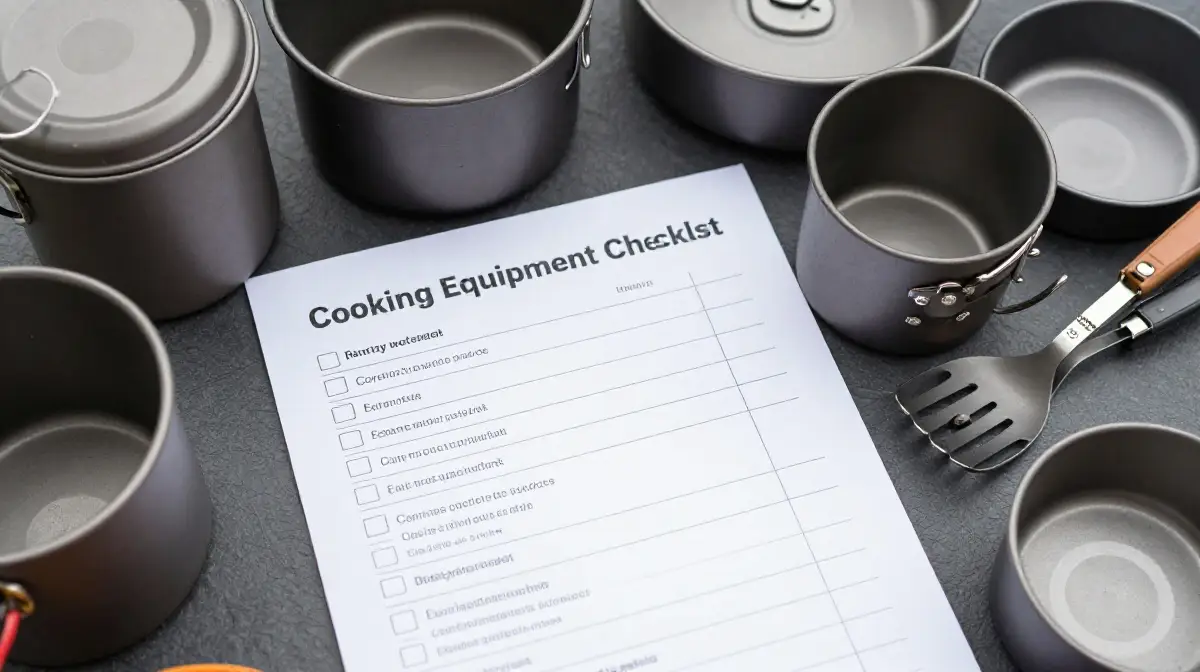
A complete cooking equipment checklist ensures that mealtime at the campsite is a genuine pleasure rather than a frustrating exercise in improvisation with inadequate tools. The essential cooking items include a camp stove with sufficient fuel for the duration of the trip, a lighter and backup matches stored in a waterproof container, a set of camp cookware including a pot, pan, and lid appropriate for the planned meals, utensils including a spatula, tongs, and cooking spoon, plates, bowls, and cutlery for each camper, a camp mug or cup for hot beverages, a cutting board and camp knife, biodegradable dish soap with a small scrubbing brush, and a portable water filter or treatment tablets if potable water is not guaranteed at the campsite.
Food and Drink Checklist
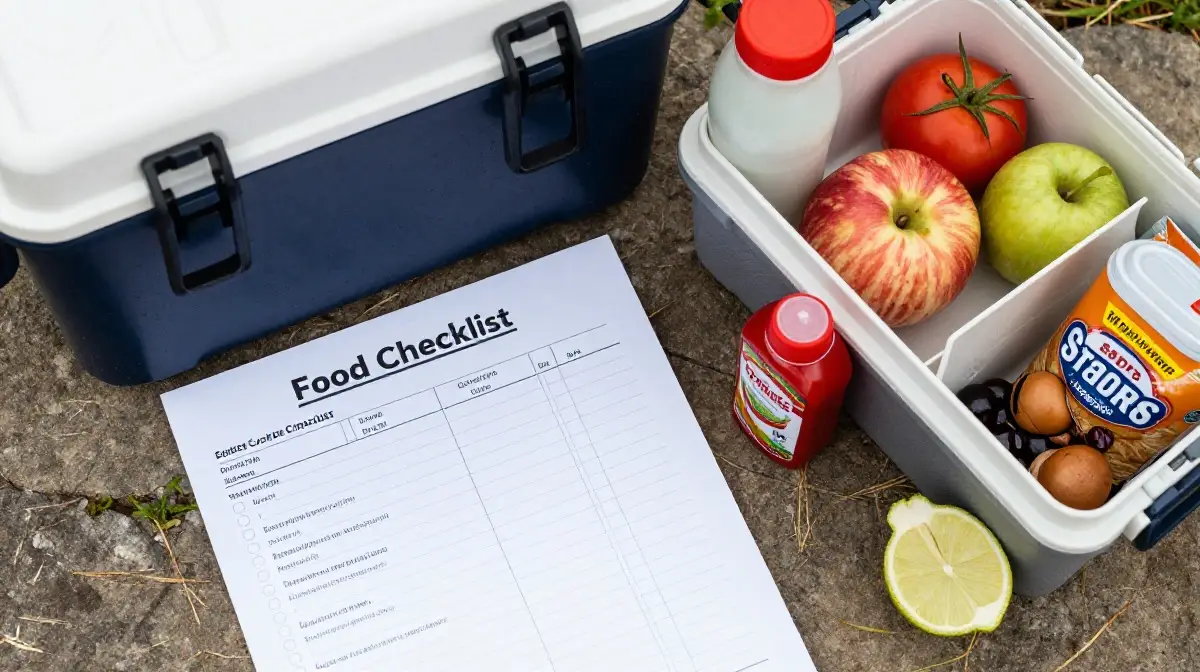
Planning and packing the complete food and drink supply for a camping trip requires careful calculation of the number of meals and snacks needed, the caloric requirements of the planned physical activity level, and the storage conditions available for perishable versus shelf-stable food items. A food checklist should account for breakfast, lunch, dinner, and snacks for each day of the trip plus one day’s emergency supply, include a mix of easy-to-prepare and highly satisfying options, address any dietary restrictions among the group, and ensure that all perishable items are packed in an appropriately sized cooler with sufficient ice or ice packs to maintain safe temperatures throughout the trip’s duration. High-calorie trail snacks including nuts, dried fruit, energy bars, and jerky are essential for maintaining energy between meals during active camping days.
Clothing Checklist
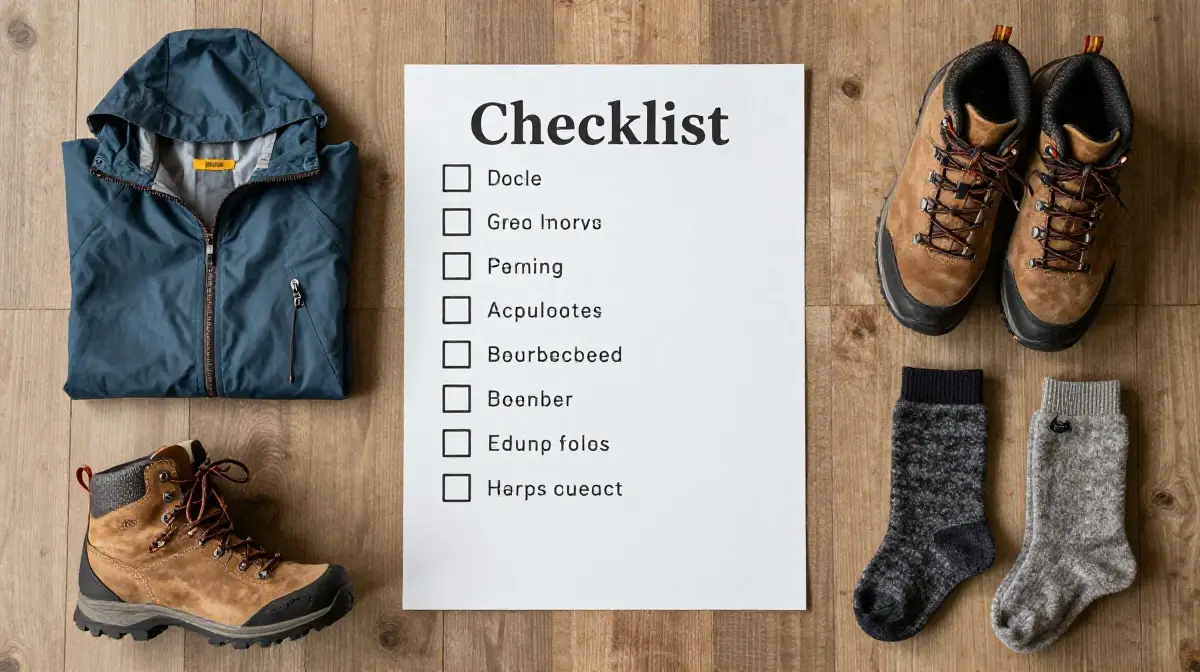
Packing the right clothing for a camping trip requires an understanding of the expected temperature range, weather conditions, and planned activities, followed by systematic selection of base layers, mid layers, and outer protection that will address every condition the trip may realistically encounter. The clothing checklist should include moisture-wicking base layer tops and bottoms, insulating mid layers appropriate for the expected temperature, a waterproof and windproof outer layer, sturdy hiking boots or trail shoes that are already broken in, camp shoes or sandals for around the campsite, wool or synthetic blend socks in adequate quantity, a warm hat and sun hat, sun-protective gloves for cold weather, and a buff or neck gaiter for versatile head and neck protection across varying conditions.
Sleeping Comfort Checklist
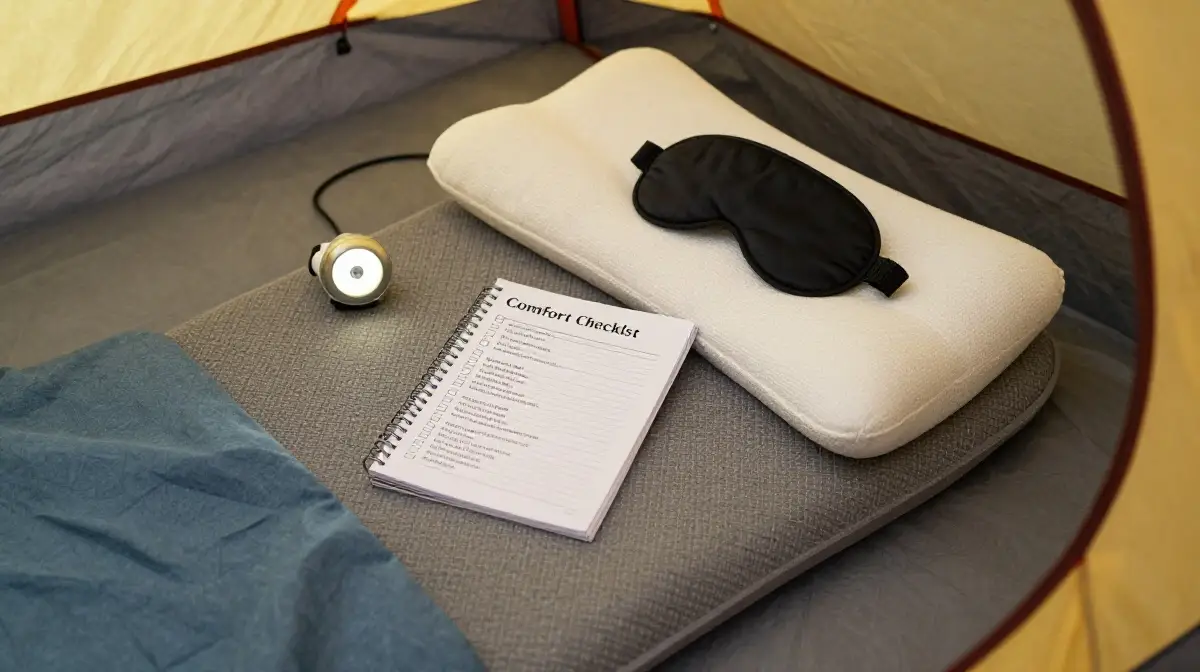
Beyond the core shelter and sleeping bag, a sleeping comfort checklist addresses the additional items that transform a night in a tent from a physically challenging ordeal into genuinely restorative rest that leaves every camper energized and enthusiastic for the next day’s activities. Key comfort items include a sleeping pad with sufficient R-value for the overnight temperature, an eye mask for those who struggle to sleep in early morning light, earplugs for lighter sleepers camping near other groups, a small battery-powered lantern or headlamp for navigating inside the tent at night, a book or other quiet entertainment for the transition period before sleep, and a small pillow or inflatable pillow that does not compromise packing space but makes a significant contribution to sleeping comfort throughout the trip.
Lighting Checklist
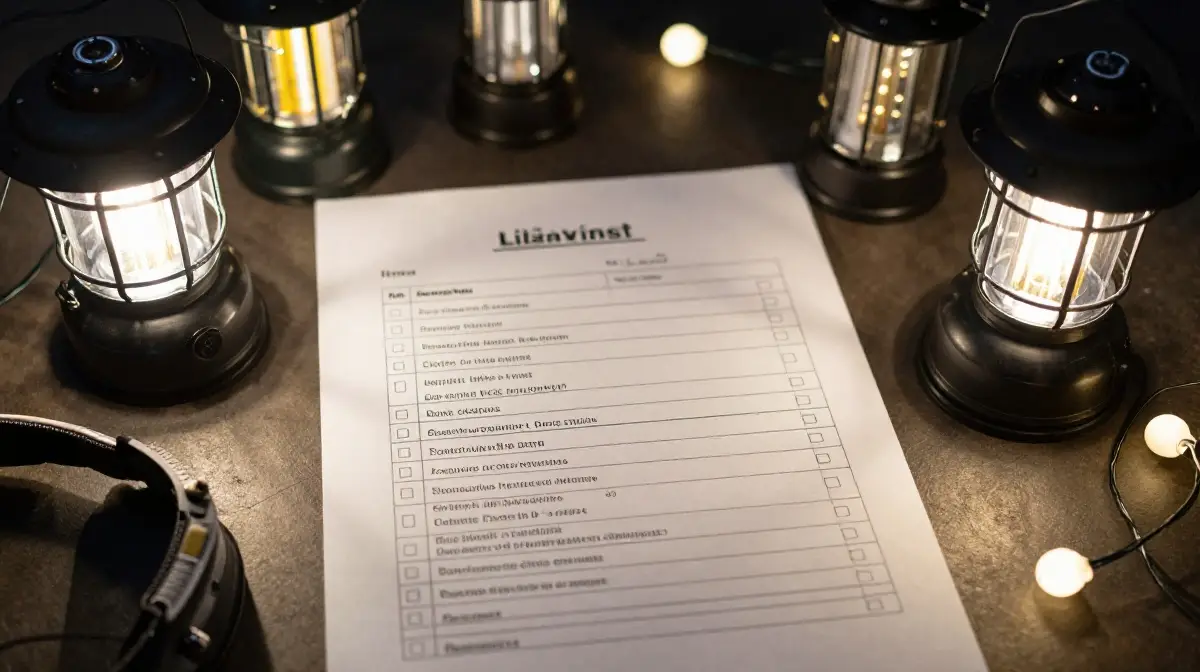
Adequate lighting is one of the most commonly under-provisioned elements of a camping trip, with many campers underestimating how much lighting equipment is needed once the sun sets and the campsite requires illumination for cooking, eating, reading, and navigating between the tent and the rest of the campsite in the dark. The lighting checklist should include a headlamp with fresh batteries for each individual camper, a primary campsite lantern with either battery or rechargeable power, backup batteries or a portable charging bank for rechargeable lighting equipment, a small flashlight as an emergency backup, and solar-powered or battery-operated string lights for creating a comfortable and functional ambiance around the main seating area after dark.
First Aid and Safety Checklist
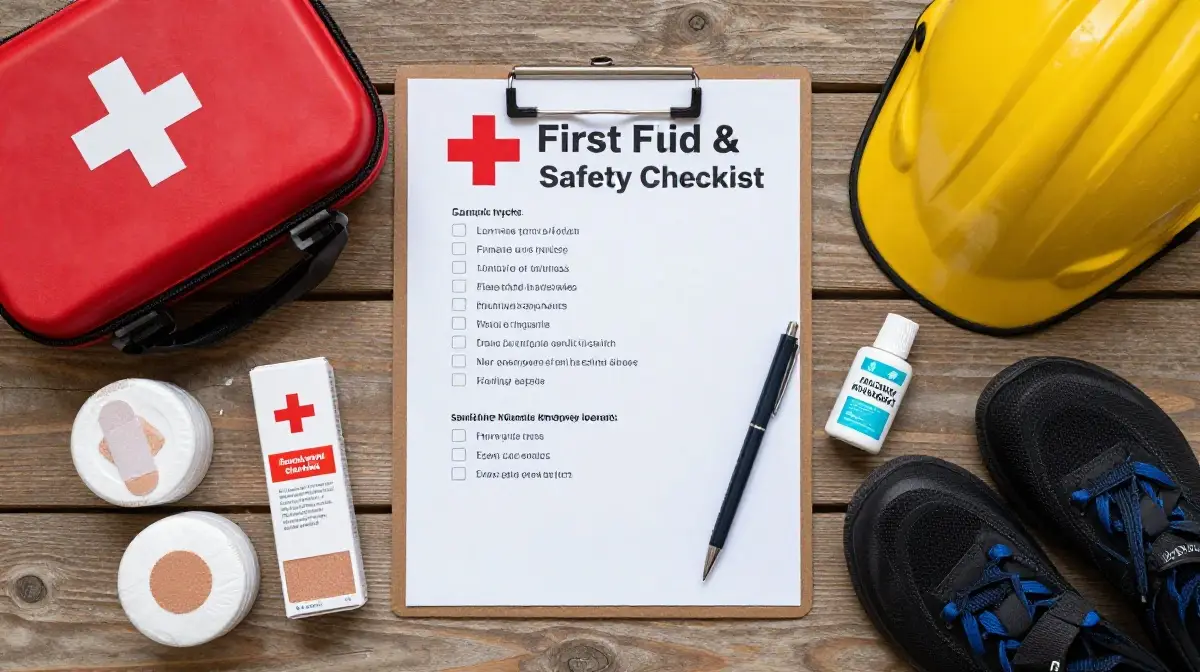
A comprehensive first aid and safety checklist is the most important non-negotiable element of any camping preparation because the remote settings and physically demanding nature of outdoor camping create a meaningful risk environment where minor injuries and medical situations require immediate self-sufficient response. The first aid kit should include adhesive bandages in multiple sizes, sterile gauze pads and medical tape, antiseptic wipes and antibiotic ointment, blister treatment including moleskin, pain and fever medication, antihistamine for allergic reactions, tweezers for splinter and tick removal, a triangular bandage and elastic wrap, emergency contact information, and any personal prescription medications needed by group members. A wilderness first aid manual and emergency whistle should also be included for more remote camping situations.
Hygiene and Sanitation Checklist
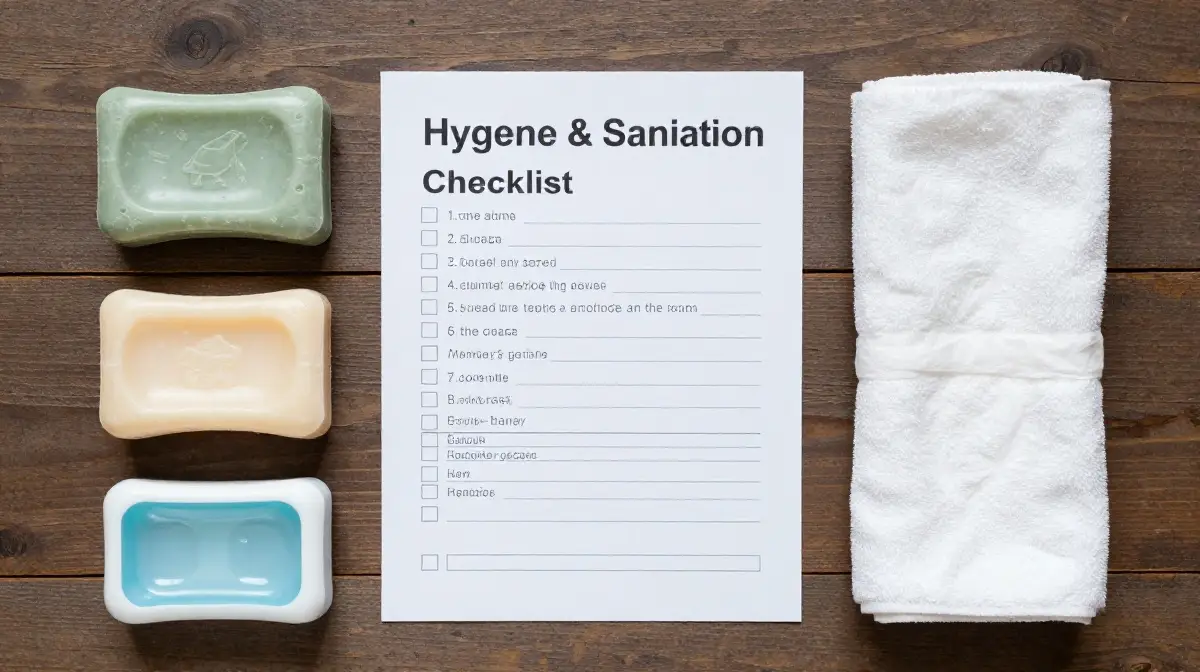
Maintaining adequate hygiene standards during a camping trip requires specific supplies tailored to the outdoor context where running water and conventional bathroom facilities may be limited or entirely absent. The hygiene checklist should include biodegradable soap for body washing and dishwashing, a microfiber quick-dry towel for each camper, toilet paper stored in a waterproof container, a hand trowel for cat-hole waste disposal in locations without toilet facilities, hand sanitizer for frequent use between water washing, toothbrush and toothpaste, deodorant, a small mirror for personal grooming, feminine hygiene products as needed, and a dedicated waste bag for packing out all non-burnable hygiene waste in locations where leaving no trace is required or expected.
Navigation Checklist
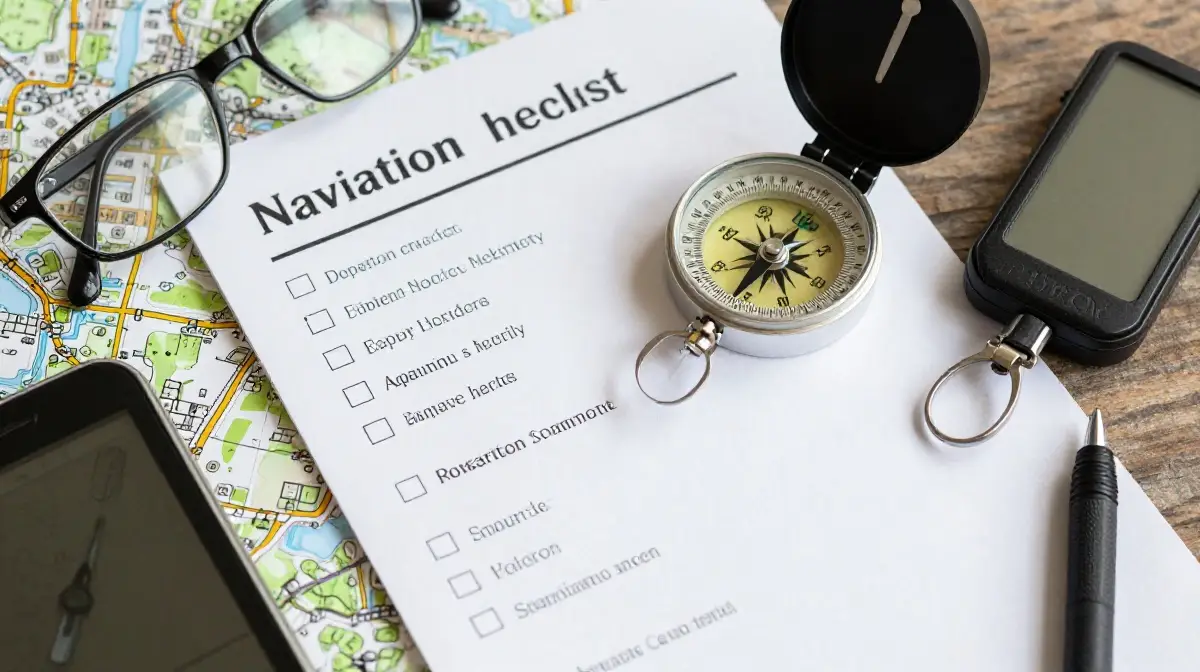
Navigation equipment is essential for any camping trip that involves hiking, backpacking, or exploring terrain beyond the immediate campsite area, particularly in locations where cellular service may be unreliable and digital mapping may not be accessible. The navigation checklist should include a detailed topographic map of the camping area in waterproof packaging, a quality baseplate compass with declination adjustment for map navigation, a GPS device or downloaded offline maps for phone navigation as a backup, the campsite and trailhead coordinates noted separately in case of device failure, and a written description of the route including key landmarks and turn points that can be referenced without electronic devices. Sharing the planned route and expected return time with a trusted contact before departing provides an essential safety net for backcountry camping.
Fire Starting Checklist
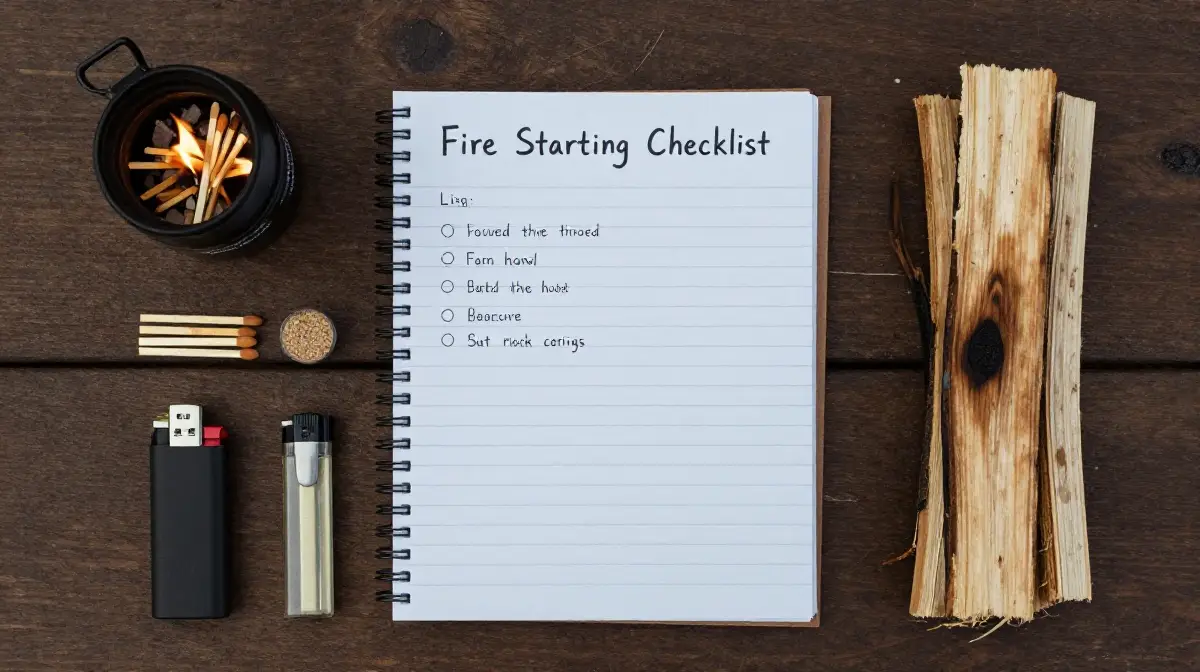
Campfire preparation requires specific equipment and knowledge that goes well beyond simply bringing matches, particularly in wet conditions where fire starting becomes considerably more challenging without proper preparation and dry tinder that is protected from moisture throughout transport to the campsite. The fire starting checklist includes multiple reliable ignition sources including a quality lighter, waterproof matches in a sealed container, and a ferrocerium fire starter for emergency backup, along with fire starting aids including fatwood shavings, fire starters cubes, or homemade tinder in a waterproof bag, a folding camp saw for processing larger fuel, a small hatchet or splitting maul for processing the fuel into appropriate sizes, and a fire grate or portable camp fire ring for locations where ground fires are prohibited or undesirable.
Hydration Checklist
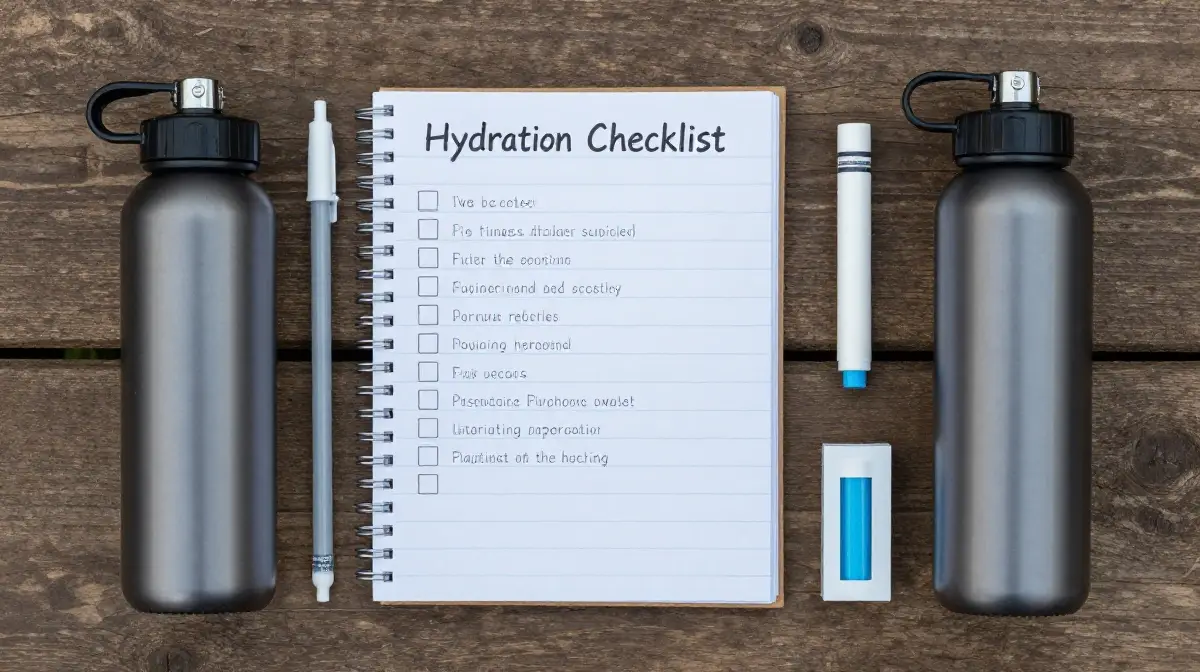
Proper hydration is one of the most critical factors in maintaining physical performance, cognitive function, and overall wellbeing during an active camping trip, and the hydration checklist addresses every element of water procurement, treatment, storage, and consumption needed for a safe and comfortable outdoor experience. The checklist should include a large durable water bottle or hydration reservoir of at least two liters capacity for each camper, a water filter or purification system capable of processing the water sources available at the camping destination, water treatment tablets as a backup purification method, a collapsible water container for camp water storage between water source visits, and electrolyte supplements or sports drink powders for replenishing minerals lost through perspiration during strenuous hiking and physical activity.
Campsite Organization Checklist
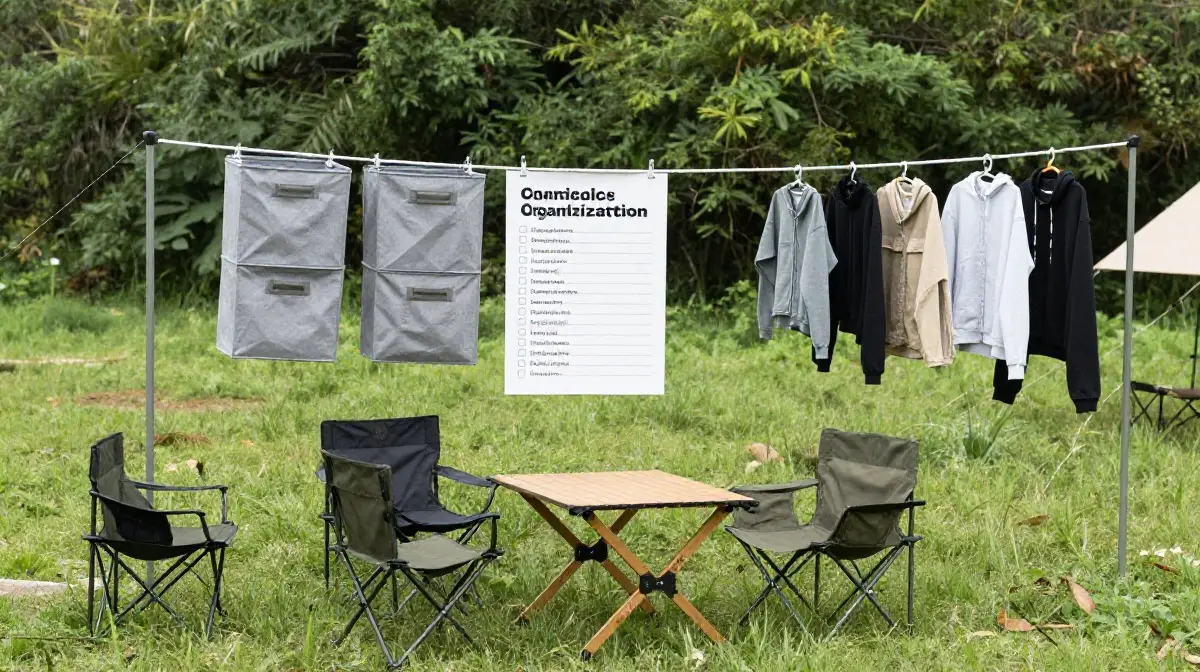
Keeping the campsite organized and functional throughout the duration of a trip requires specific organizational tools and equipment that prevent the gradual descent into the chaotic, uncomfortable clutter that characterizes many poorly planned camping experiences. The organization checklist includes a camp table or collapsible table for cooking and eating surfaces, camp chairs or camp stools for comfortable seating, storage bins or stuff sacks for organizing gear categories within the campsite, a clothesline and clips for drying wet clothing and gear, a bear canister or bear hang system for food storage in areas with active bear populations, a dedicated trash bag system for managing waste, and a footprint or ground cloth for protecting the tent floor and creating a designated shoe removal area at the tent entrance.
Weather Protection Checklist
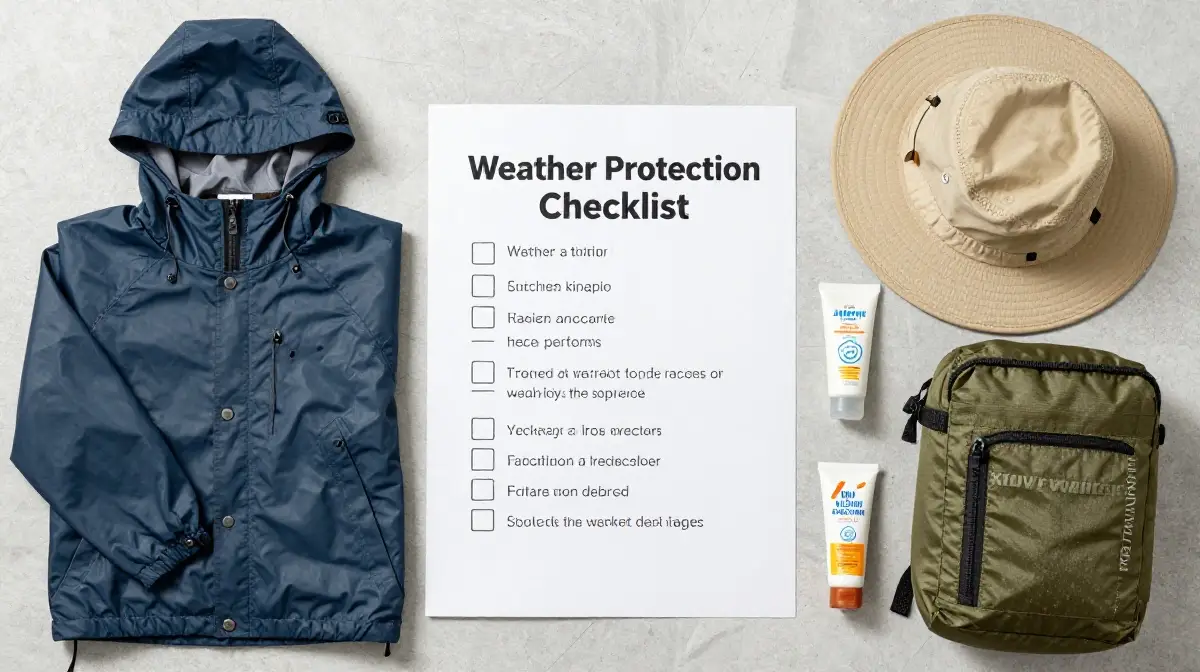
Preparing for the full range of weather conditions that a camping trip might realistically encounter requires specific protective equipment that addresses rain, cold, sun, and wind across potentially rapid changes in conditions that outdoor environments are notorious for producing. The weather protection checklist includes a quality rain jacket and rain pants for each camper, sun protection including high-SPF sunscreen, UV-protective sunglasses, and a broad-brimmed sun hat, insect repellent containing DEET or a natural alternative for areas with significant mosquito or tick populations, a tarp or shade canopy for sun protection at the campsite, and hand and foot warmers for emergency use if overnight temperatures drop significantly below the expected forecast during shoulder season camping.
Tools and Repair Checklist
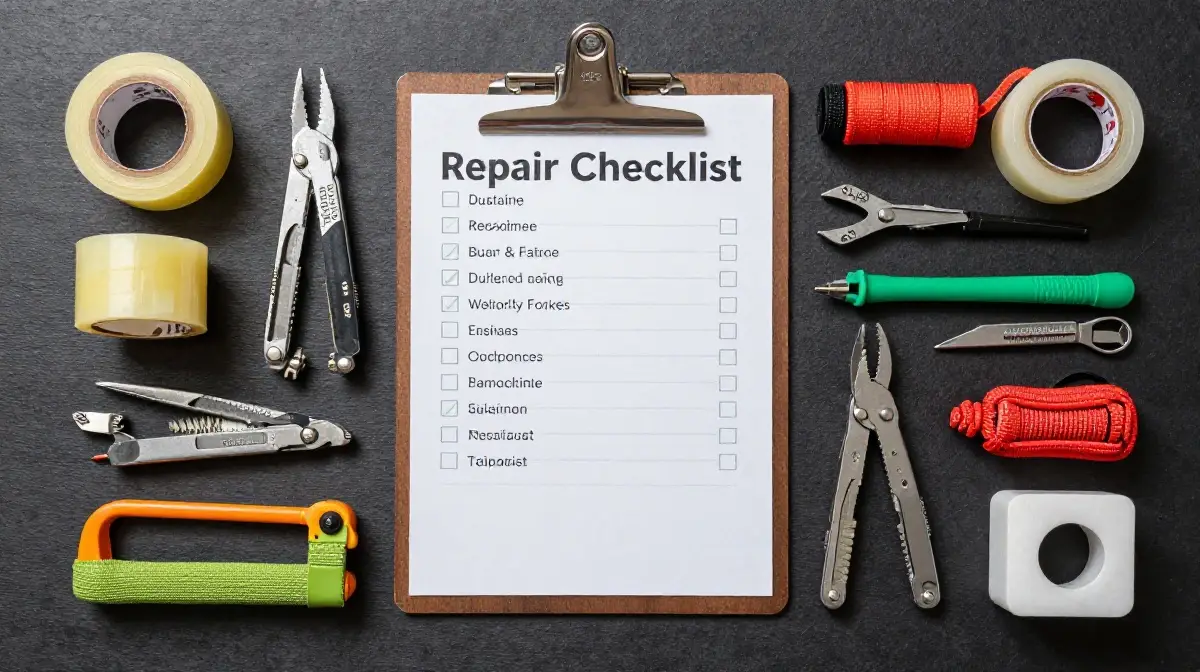
A well-equipped tools and repair kit enables the camping group to address the inevitable minor equipment failures, damage, and improvised needs that arise during any camping trip without the frustration of having no means to resolve them in the field. The tools and repair checklist includes a quality multi-tool with pliers, knife, and driver functions, duct tape for universal temporary repairs, cordage in the form of paracord or tarp cord in at least 30 feet, tent repair patches and pole splints, gear tie-down straps and bungee cords, a small hand pump for inflating sleeping pads, cable ties for improvised fastening solutions, a small sewing kit for fabric repairs, and waterproofing spray for refreshing the water resistance of tent fabric and rain gear before extended wet weather exposure.
Entertainment and Activities Checklist
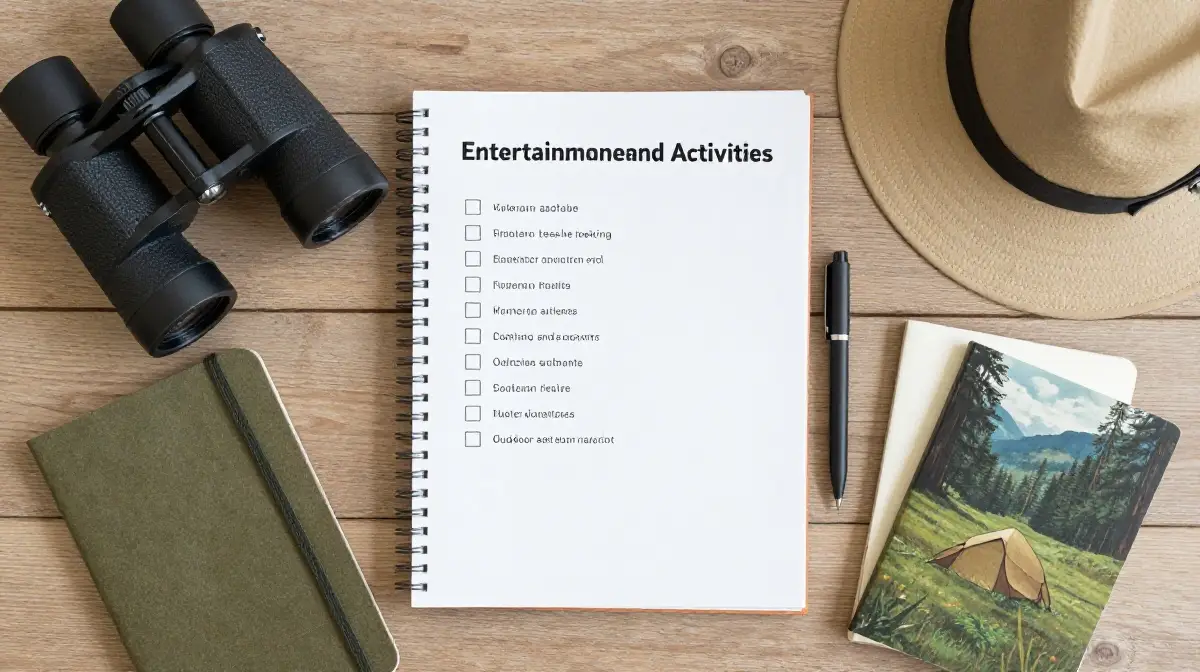
Planning appropriate entertainment and activity options for downtime at the campsite prevents the boredom and restlessness that can negatively affect the enjoyment of camping trips, particularly for children and for adults who find prolonged unstructured time at the campsite challenging after the initial novelty of the outdoor setting has been experienced. The entertainment checklist includes a set of outdoor games appropriate for the group composition, a selection of books or an e-reader with downloaded content, a journal and pens for nature journaling or trip documentation, binoculars for wildlife and bird watching, a star map or astronomy app for night sky exploration, a deck of cards or compact board games for evening entertainment, and a waterproof camera or camera bag for documenting the experience throughout the trip.
Camp Kitchen Cleanup Checklist
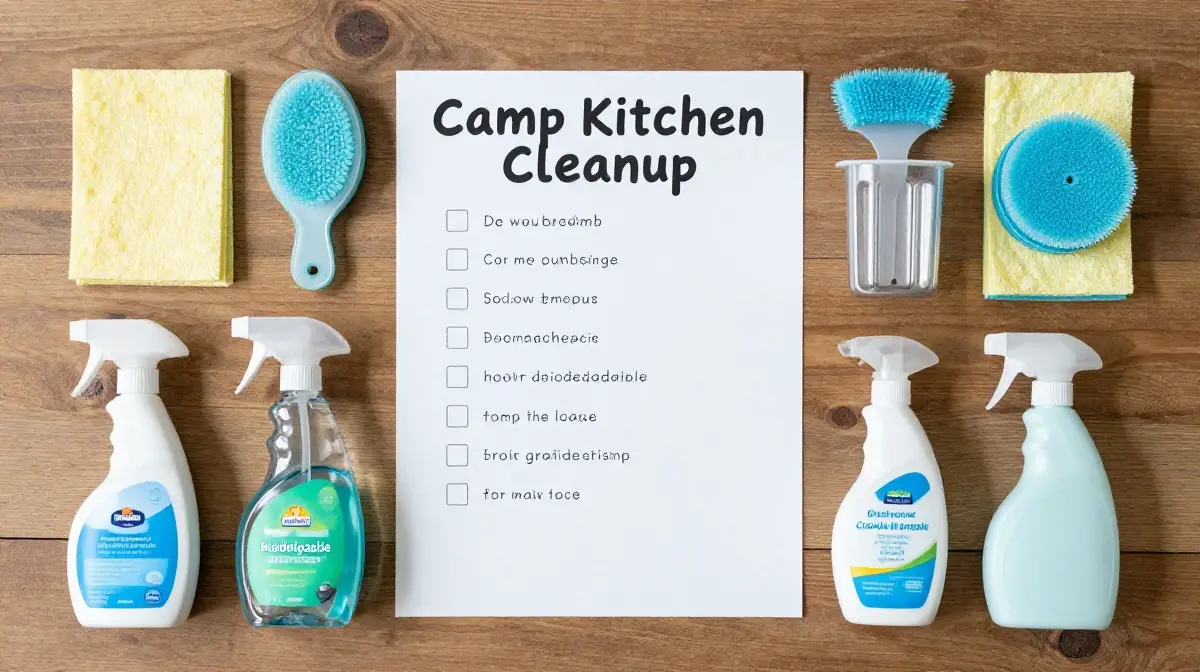
Thorough and systematic cleanup of the camp kitchen after every meal prevents the accumulation of odors, waste, and food debris that attracts wildlife to the campsite and creates unhygienic conditions that can affect the health and comfort of the entire group throughout the trip. The cleanup checklist includes biodegradable dish soap, a compact folding camp sink or wash basin for dedicated dishwashing, a pot scrubber and small scrubbing pad, a rinse container and a separate gray water disposal container, a drying rack or microfiber camp towel for drying cookware, a food waste bag for packing out or properly disposing of all food scraps, and a dedicated cleaning cloth for wiping down cooking surfaces, camp tables, and any food preparation areas after every meal.
Children’s Camping Checklist
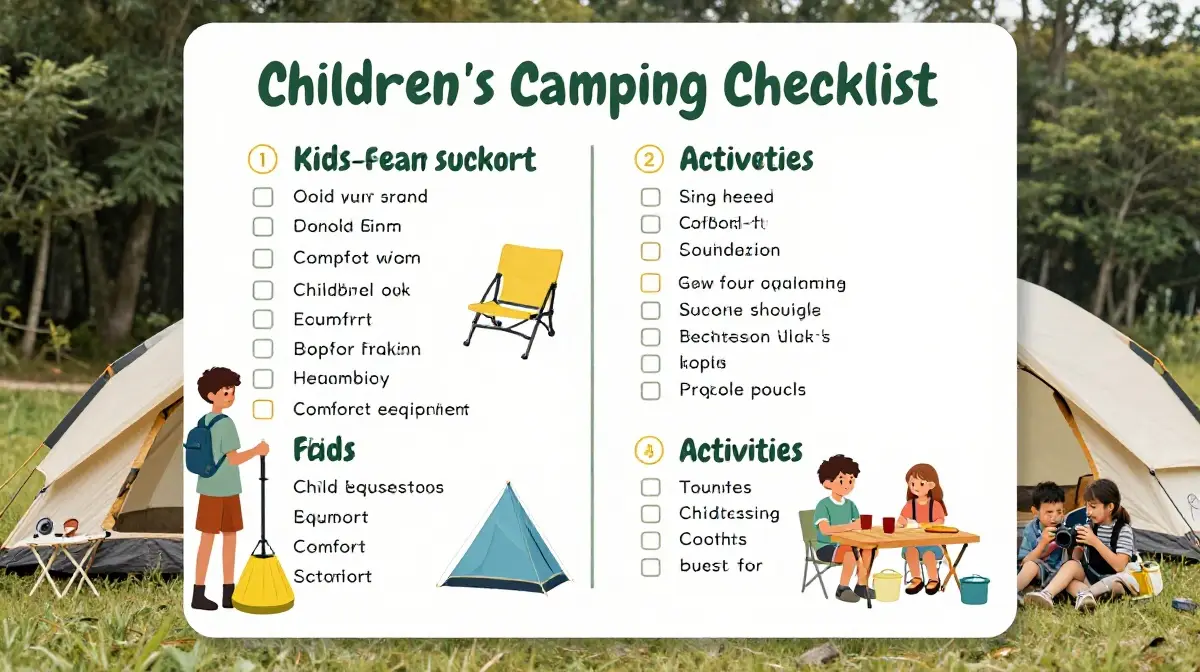
Camping with children requires additional preparation and specific items that address their unique needs, safety requirements, activity preferences, and lower tolerance for discomfort or boredom that adults have typically developed through experience. The children’s camping checklist additions include child-specific insect repellent, a dedicated children’s first aid kit with pediatric dosing information, their favorite comfort items including a stuffed animal or comfort blanket for nighttime security in an unfamiliar environment, age-appropriate outdoor activities and nature exploration tools, child-sized camping gear where available, a whistle and basic safety instruction for each child, glow sticks for nighttime safety and entertainment, and any special dietary foods or snacks that children in the group require for energy and comfort throughout the trip.
Vehicle and Transportation Checklist
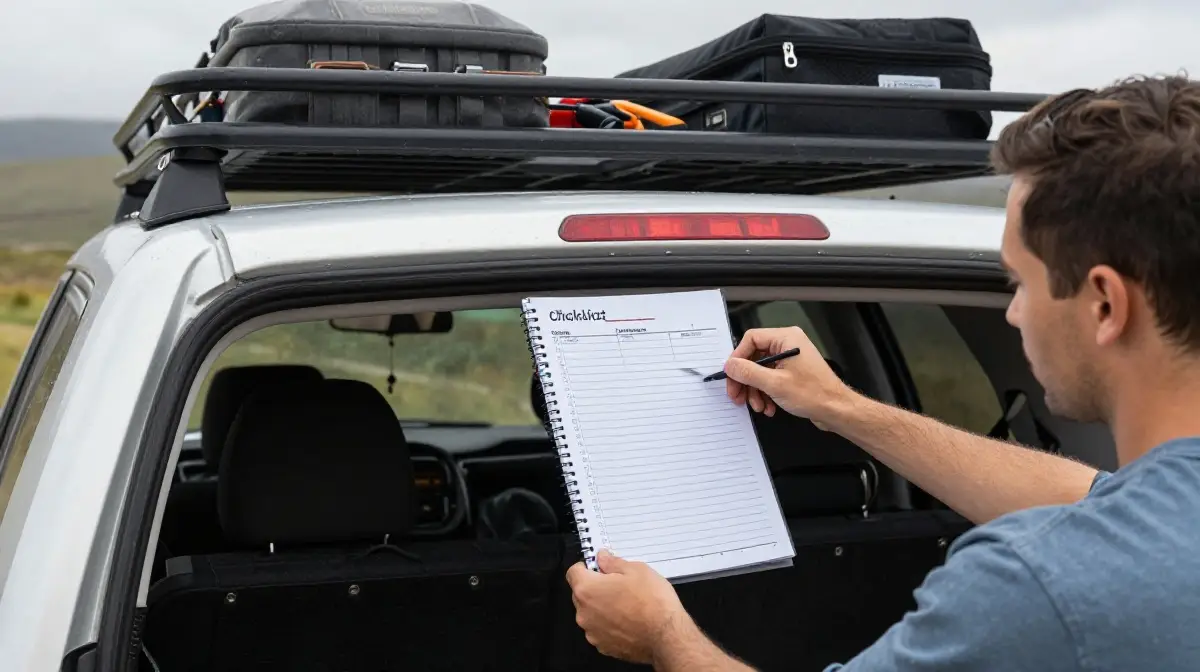
For car camping trips, the vehicle and transportation preparation checklist ensures that the journey to and from the campsite is as safe and problem-free as the camping experience itself. The vehicle checklist includes a roadside emergency kit with jumper cables, tire inflator, and basic tools, a tow strap or recovery board for soft surface extraction, printed directions and campsite confirmation details stored separately from the phone in case of device failure, a cooler properly loaded and secured in the vehicle, a vehicle roof rack or cargo carrier properly loaded and strapped for gear that does not fit inside, and a complete pre-departure vehicle check covering tire pressure, fuel level, coolant, oil, and windshield fluid to prevent breakdowns in remote locations far from immediate roadside assistance.
Leave No Trace Checklist
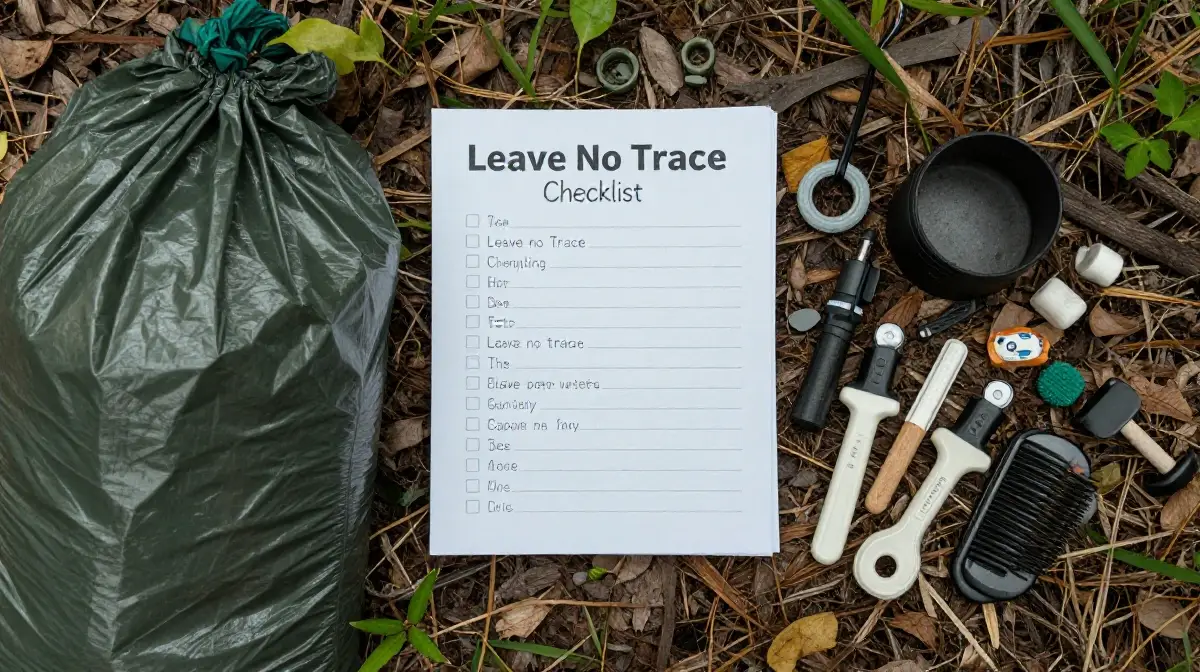
A Leave No Trace checklist ensures that every camping group departs their campsite in the same or better condition than they found it, preserving the natural environment and quality of experience for every subsequent visitor and contributing to the long-term sustainability of outdoor recreation in natural areas. The Leave No Trace checklist includes a designated waste bag for all non-burnable trash including food packaging, hygiene waste, and any other materials brought into the campsite, a dedicated system for managing human waste in a way that complies with local regulations, biodegradable soap and a gray water disposal plan for all washing water, complete fire extinguishment and ash dispersal before departure, a final walkthrough of the entire campsite to identify and collect any gear, litter, or impact that the camping group has created.
Emergency Preparedness Checklist
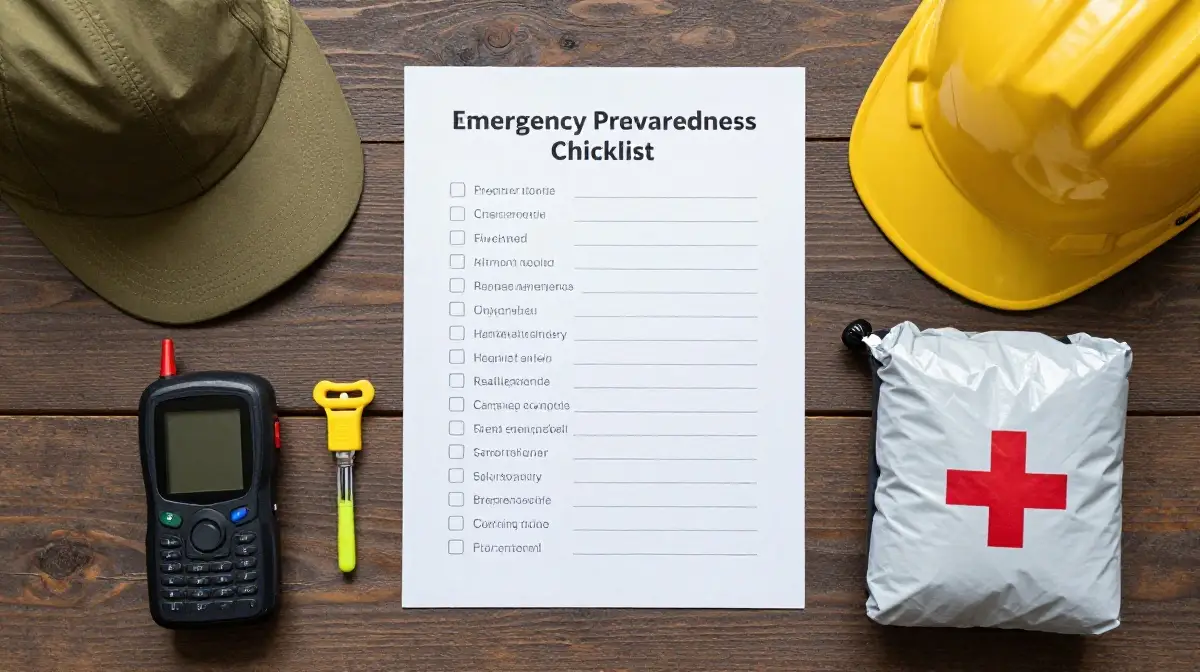
An emergency preparedness checklist provides the group with the tools, information, and supplies needed to respond effectively to the most serious and potentially dangerous situations that can arise during a camping trip, from severe weather events and medical emergencies to becoming lost in the backcountry and equipment failures that prevent safe return. The emergency checklist includes an emergency communication device such as a satellite messenger or personal locator beacon for areas without cellular coverage, a printed list of emergency contact numbers including the local search and rescue service, campsite coordinates and access route information, a comprehensive first aid kit with a wilderness first aid manual, a signaling mirror and emergency whistle, emergency bivouac equipment including a space blanket and emergency fire starting supplies, and a written emergency action plan shared with every member of the group.
Packing and Organization Checklist
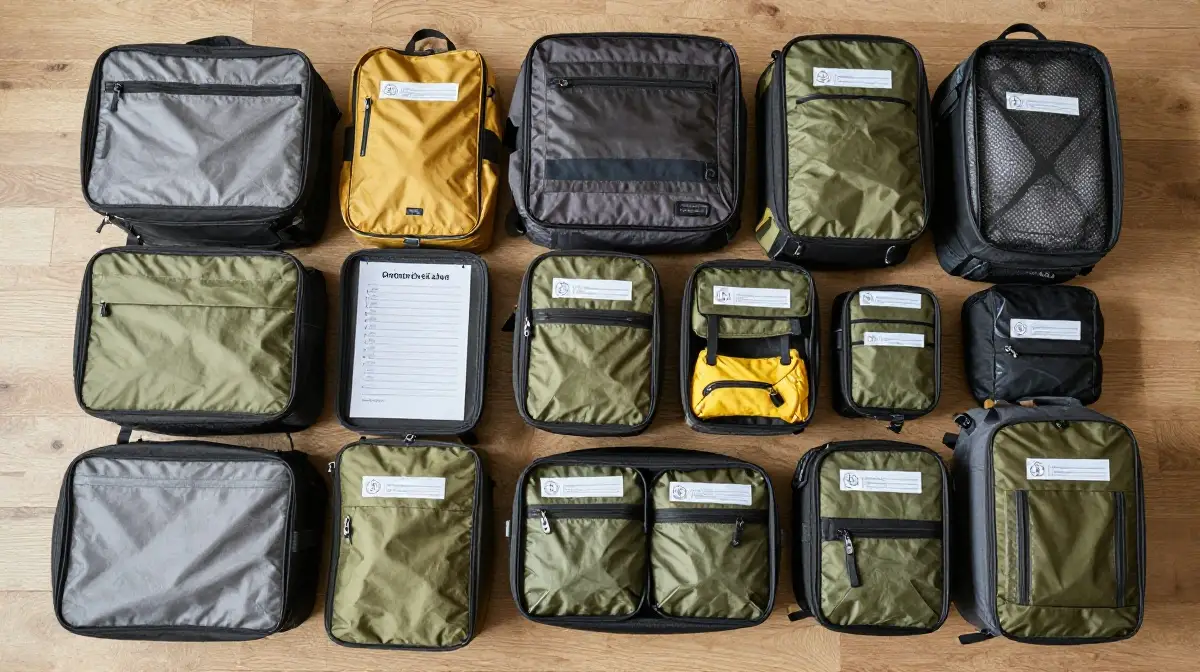
The final packing and organization phase of camping preparation requires a systematic approach that ensures every item on the checklist is actually packed, properly stored within the appropriate bag or container, and accessible when needed during the trip rather than buried under items that were packed on top of it without forethought. The packing checklist process includes laying out all gear by category before beginning to pack, checking each item against the master checklist before it is placed in the bag, packing items needed at the campsite in the most accessible positions and items only needed during travel or emergencies in deeper positions, labeling bags or containers by category, weighing the pack if backpacking to ensure it remains within a comfortable and safe carrying weight, and conducting a final checklist review at the trailhead or campsite before the primary access vehicle departs.
Post-Trip Camping Checklist
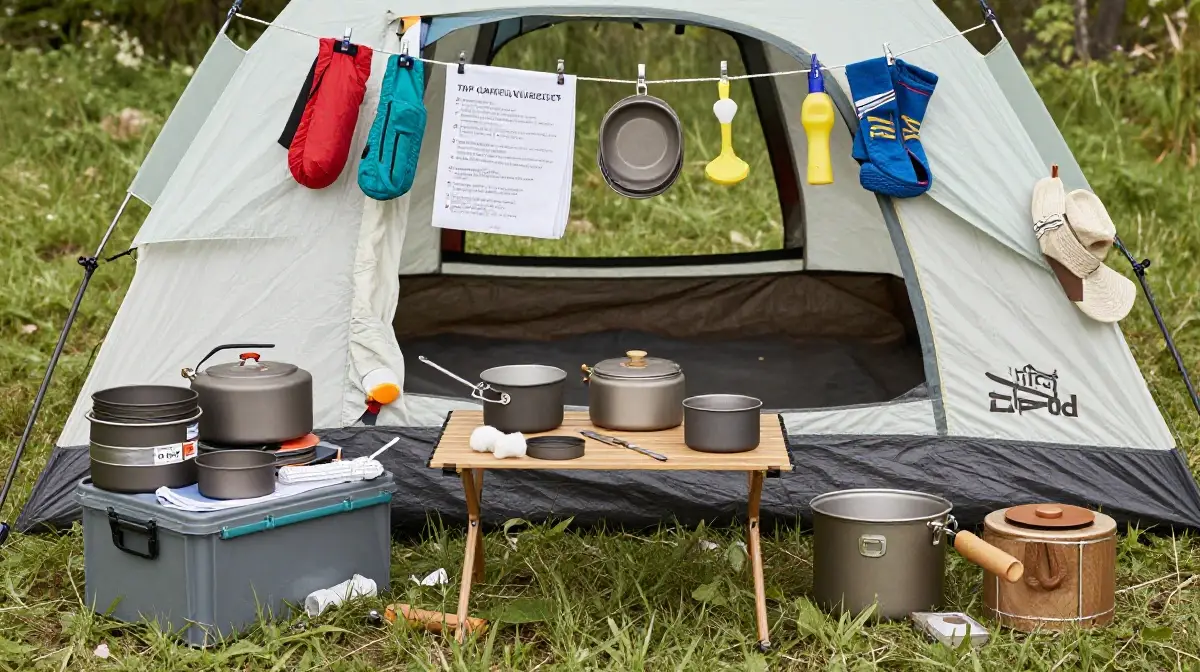
A post-trip camping checklist addresses the often-neglected tasks that should be completed after every camping trip to ensure that all gear is returned to proper storage condition and ready for the next trip, that any damage or wear is noted and addressed before the next outing, and that any improvements to the packing and preparation process are recorded for future planning reference. The post-trip checklist includes cleaning and completely drying the tent before storage to prevent mold and fabric degradation, returning all food and perishables to appropriate storage, cleaning and drying all cookware before storing, checking and restocking the first aid kit, drying and storing all clothing and sleeping equipment, noting any gear that needs repair or replacement, and updating the camping checklist with any items that were forgotten or under-provisioned on this trip to improve future preparation.
Conclusion
A comprehensive camping checklist is the foundation of every genuinely enjoyable and safe outdoor experience, ensuring that the pleasure of being in nature is never overshadowed by the avoidable frustration of inadequate preparation. The 22 checklist categories covered in this collection address every aspect of camping preparation from shelter and sleeping comfort through food, safety, hygiene, navigation, entertainment, and responsible departure, providing a complete framework for approaching any camping trip with genuine confidence and thorough readiness. Review and customize these checklists for your specific trip conditions, destination, and group composition, add items specific to your personal needs and preferences, and you will consistently arrive at every campsite fully prepared for an experience that is exactly as wonderful as the natural world you have traveled to enjoy.
You can may also like this: 22 Beautiful Places to Visit in Kentucky Ideas
FAQs
What are the most important items on a camping checklist
The five most critical categories on any camping checklist are shelter and sleeping equipment appropriate for the expected conditions, water procurement and purification equipment, a comprehensive first aid kit, food and cooking supplies, and reliable lighting for each individual camper. Without these foundational items, the safety and basic comfort of any camping trip cannot be assured regardless of how well-prepared every other category might be.
How far in advance should I prepare my camping checklist
Starting the camping preparation process at least two weeks before the trip date allows sufficient time to purchase any missing gear, test and repair equipment before it is needed in the field, prepare food supplies, and complete all logistical arrangements without the time pressure that last-minute preparation creates. A first draft of the checklist should be created three to four weeks in advance for longer or more complex trips.
Should I have a separate camping checklist for different seasons
Yes, maintaining separate camping checklists for summer, shoulder season, and winter conditions ensures that the specific requirements of each season are properly addressed. Winter and cold-weather camping in particular require additional gear including higher-rated sleeping bags, insulated sleeping pads with higher R-values, additional clothing layers, and specific cold-weather food and equipment considerations that a standard summer checklist does not address.
How do I create a camping checklist for a family with young children
Begin with a comprehensive adult camping checklist and add a dedicated children’s section that addresses their specific safety, comfort, and activity needs. Include child-specific versions of adult safety items such as insect repellent and sun protection, comfort items for nighttime security, appropriate entertainment for their age group, and any special dietary requirements. Assign responsibility for each child’s personal checklist to a specific adult in the group.
What is the most common item forgotten on a camping checklist
Can opener, toilet paper, and a sufficient number of trash bags are among the most consistently forgotten items on camping checklists, along with backup ignition sources for fire starting and a headlamp for each individual rather than a single shared flashlight. Creating a dedicated final-check category on the camping checklist for small but critical items that are easy to overlook prevents the most frustrating categories of forgotten gear.
1 Comment