
Introduction
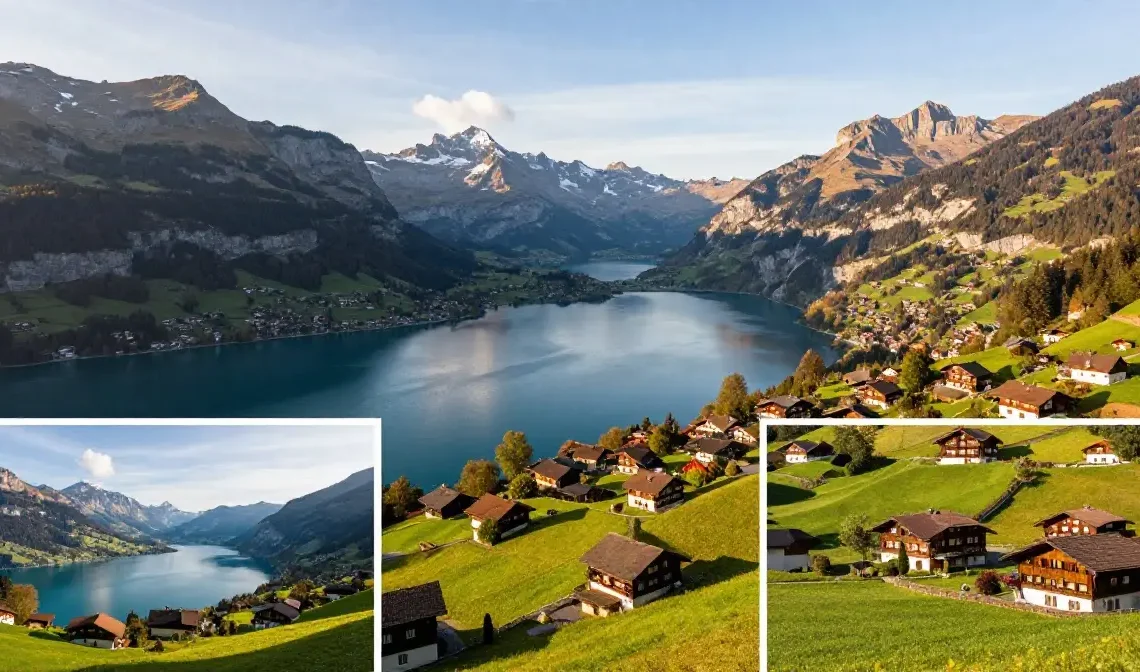
Some countries look exactly like their photographs. Switzerland is one of them — except it is better in person.
The Swiss Alps rising behind a still lake, a medieval old town reflected in a river at dusk, a cable car gondola climbing toward a summit with nothing but white peaks in every direction — these are not edited images. They are Tuesday afternoons in a country where the landscape simply performs at this level without being asked.
Planning a trip to Switzerland can feel overwhelming because the options are genuinely that good. Every valley leads to another view worth stopping for. Every train journey is a scenic route. Every small town has something that makes you want to stay longer.
This guide covers 22 of the most beautiful places in Switzerland, with practical details on what to expect, when to go, and how to make the most of each destination.
Lauterbrunnen Valley
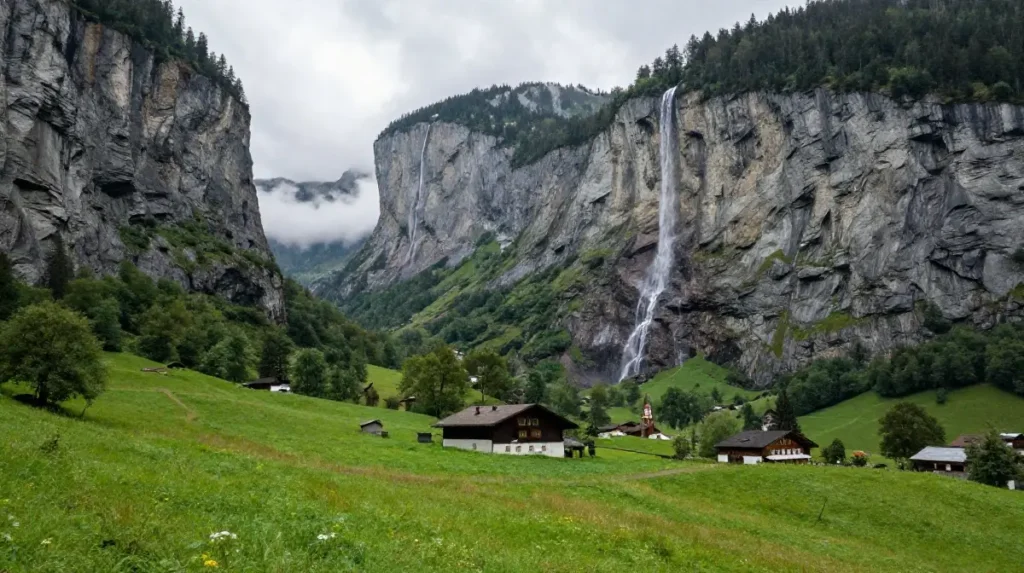
Lauterbrunnen valley is one of the most photographed places in Switzerland, and standing inside it makes clear why. Sheer rock walls rise on both sides of the valley floor, with more than 70 waterfalls cascading down the cliffs — including the famous Staubbach Falls, which drops nearly 300 meters in a free fall.
The village itself is small and walkable. Trummelbach Falls, accessible through tunnels cut into the mountain, is a short walk away and shows glacial meltwater working through the rock in a way that is genuinely unlike anything else in the Alps.
This is a strong base for exploring the Jungfrau region and suits both summer hiking and winter snow visits equally well.
Zermatt and the Matterhorn
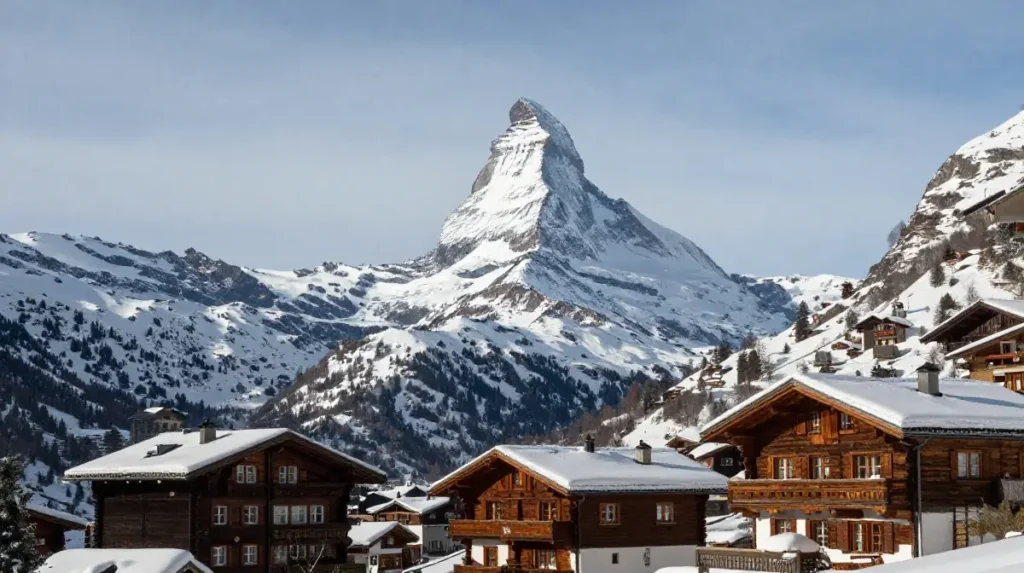
Zermatt village sits at the foot of the Matterhorn peak, one of the most recognizable mountain silhouettes on earth. The village is car-free, which keeps the air clean and the streets quiet enough to actually hear the cowbells from the surrounding Alpine meadow fields.
The Matterhorn is best viewed in early morning before clouds gather around the summit. The Gornergrat railway climbs above the village for a panoramic view that takes in both the Matterhorn and the surrounding glacier landscape.
Summer brings hiking trails. Winter brings world-class skiing. Both seasons make Zermatt one of the most compelling Switzerland travel destinations regardless of when you visit.
Jungfraujoch Summit
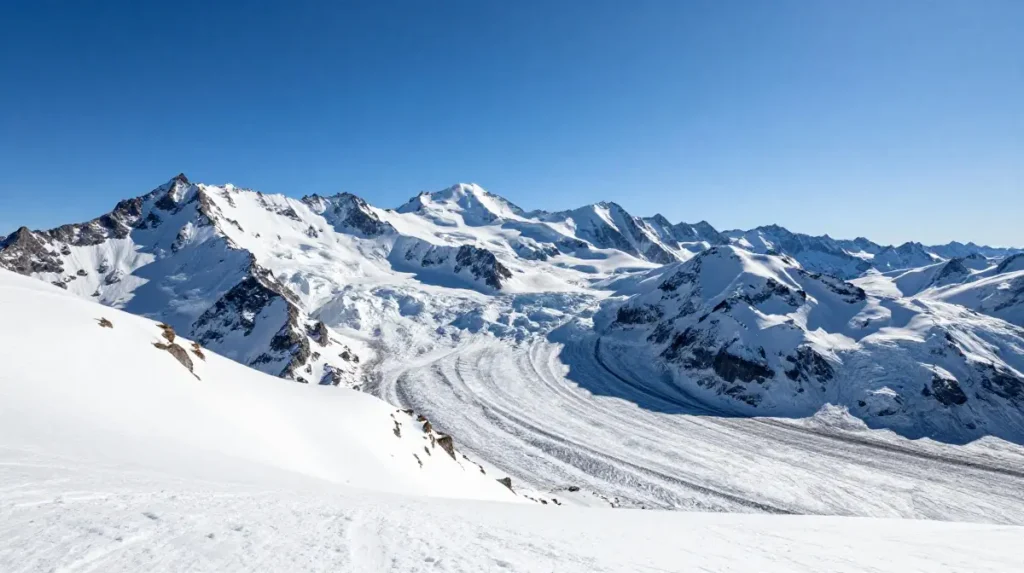
Jungfraujoch sits at 3,454 meters and is the highest railway station in Europe. The journey there on the Swiss Federal Railways cogwheel train passes through the Eiger mountain and emerges into a landscape of permanent snow, the Aletsch Glacier stretching away to the south.
The Aletsch Glacier is the largest glacier in the Alps and a UNESCO World Heritage site. On a clear day, the view from the summit terrace stretches into France, Germany, and Italy.
Book tickets in advance — this is one of the most visited beautiful places in Switzerland and capacity fills quickly in summer.
Lake Geneva and Montreux
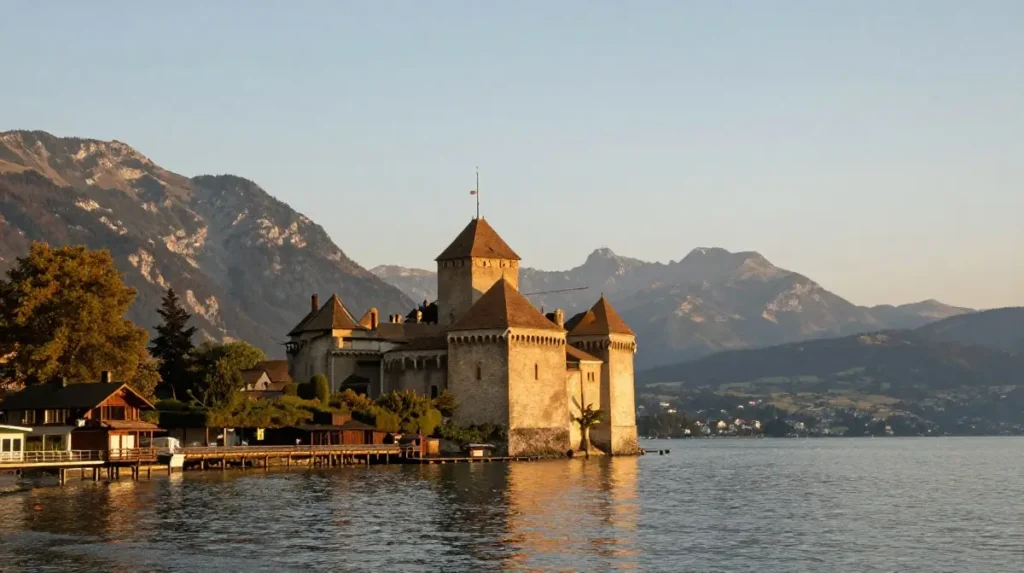
Lake Geneva is the largest lake in Switzerland, sitting between the French-speaking region of Switzerland and the French border. The northern shore — known as the Swiss Riviera — is lined with vineyards, elegant lakeside towns, and the famous Chillon Castle rising directly from the water.
Montreux town is the most visited point along this shore. The lakeside promenade is lined with flower beds and the views across the water toward the French Alps are some of the best Switzerland photography spots in the country.
The Chillon Castle is fully accessible and one of the best-preserved medieval fortresses in Europe.
Lucerne and Chapel Bridge
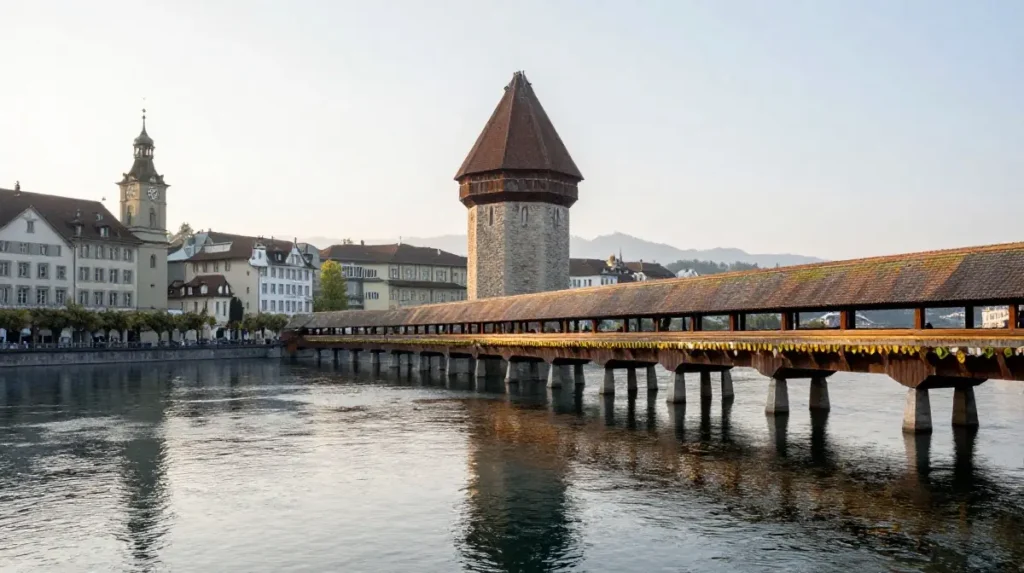
Lucerne city is one of the most complete Switzerland tourist attractions because it combines lake, mountain views, medieval architecture, and excellent transport links in one place.
The Lucerne Chapel Bridge is a 14th-century wooden covered bridge crossing the Reuss River with painted panels inside and a stone water tower at its center. It is the oldest wooden bridge in Europe and the single most photographed structure in Switzerland.
Mount Pilatus and Mount Rigi are both accessible by cable car gondola or cogwheel railway from Lucerne, making the city an ideal base for day trips into the Alps.
Grindelwald Village
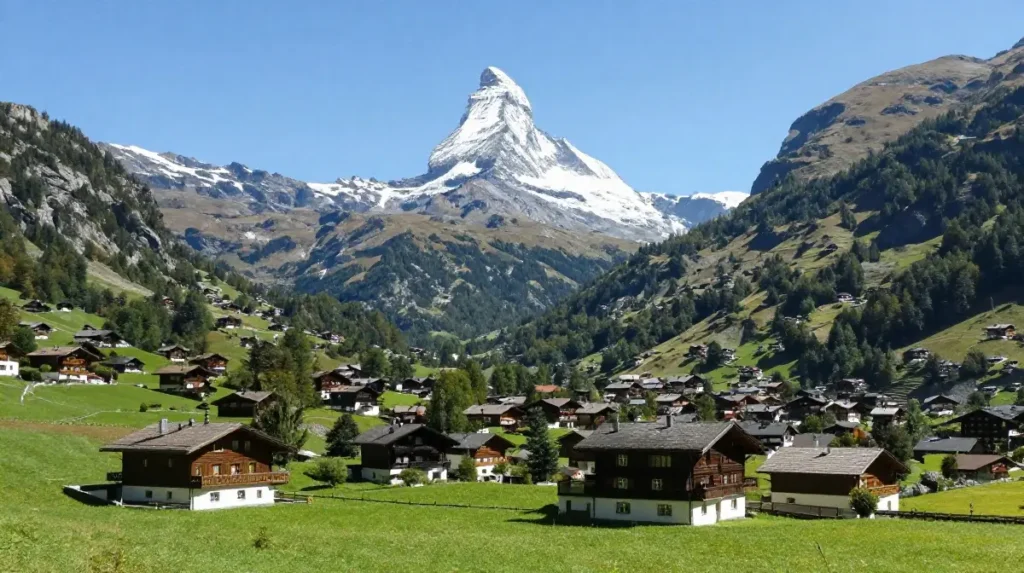
Grindelwald village sits in a valley below the north face of the Eiger mountain in the Bernese Oberland. The village has a classic Alpine character — wooden chalets, flower-covered balconies, and the Eiger wall filling the view at the end of every street.
The First cable car from Grindelwald rises to a ridgeline with panoramic views over the valley and access to hiking trails that loop through Alpine meadows and past cliff-edge viewpoints. It is one of the best Switzerland viewpoints accessible without serious mountaineering.
Interlaken Town
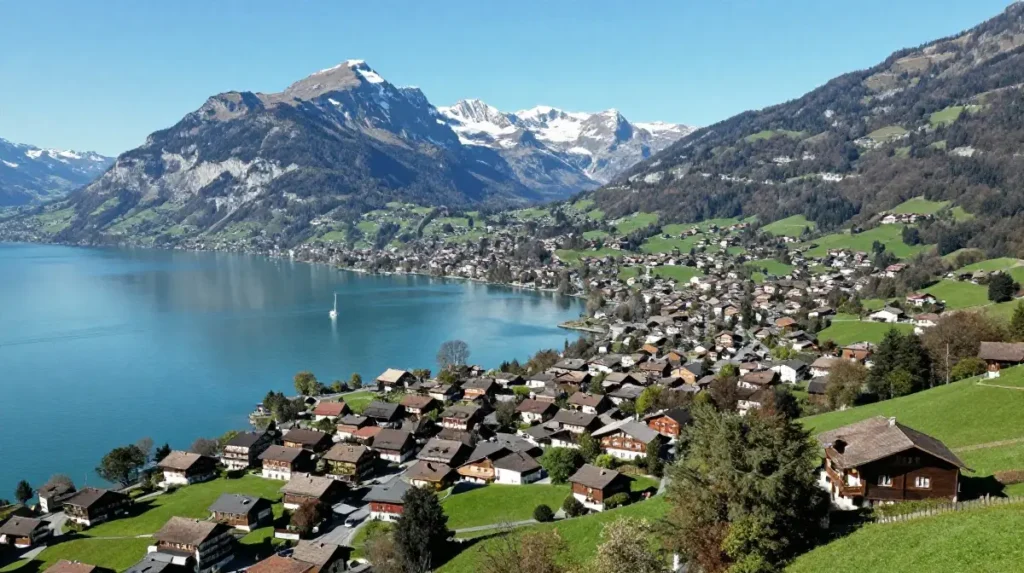
Interlaken town sits between Lake Thun and Lake Brienz, which gives it its name. It is the main gateway to the Jungfrau region and one of the most convenient Switzerland travel destinations because of its central position and excellent rail connections.
The Harder Kulm viewpoint above Interlaken — reached by funicular — gives a view looking down at both lakes simultaneously with the Bernese Alps behind. It is a legitimately striking Switzerland panoramic view and takes less than 30 minutes from the town center.
Bernina Express Train Journey
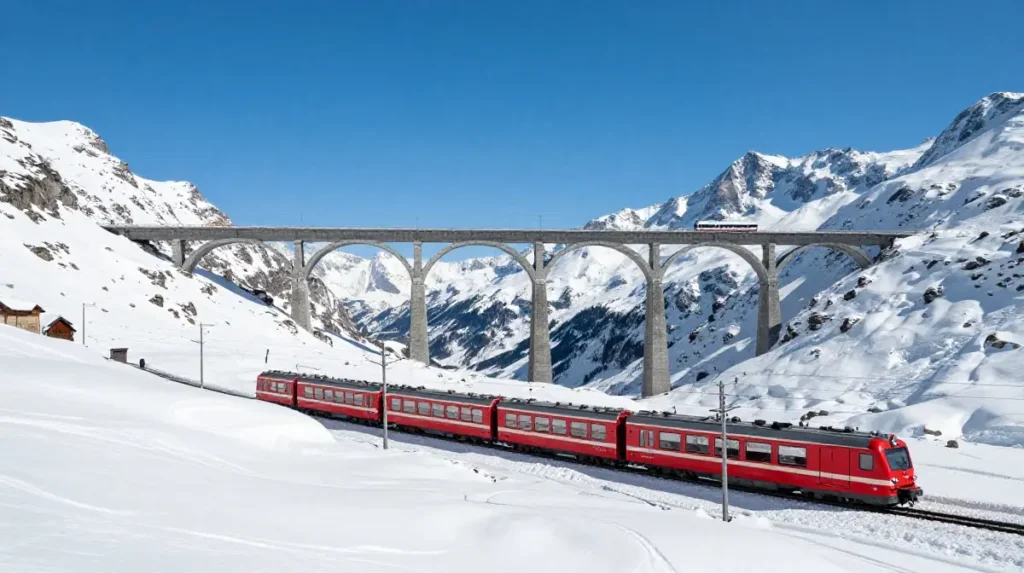
The Bernina Express train is one of the great Switzerland train journey scenic routes, crossing the Alps between Chur in Switzerland and Tirano in Italy. The line climbs to 2,253 meters, crosses 55 tunnels and 196 bridges, and passes the Morteratsch glacier before descending into the Italian-speaking region of Switzerland.
The entire journey takes about four hours and is a UNESCO World Heritage railway. It operates year-round and each season transforms the landscape entirely — summer wildflowers, autumn foliage spots, winter snow.
Glacier Express Train
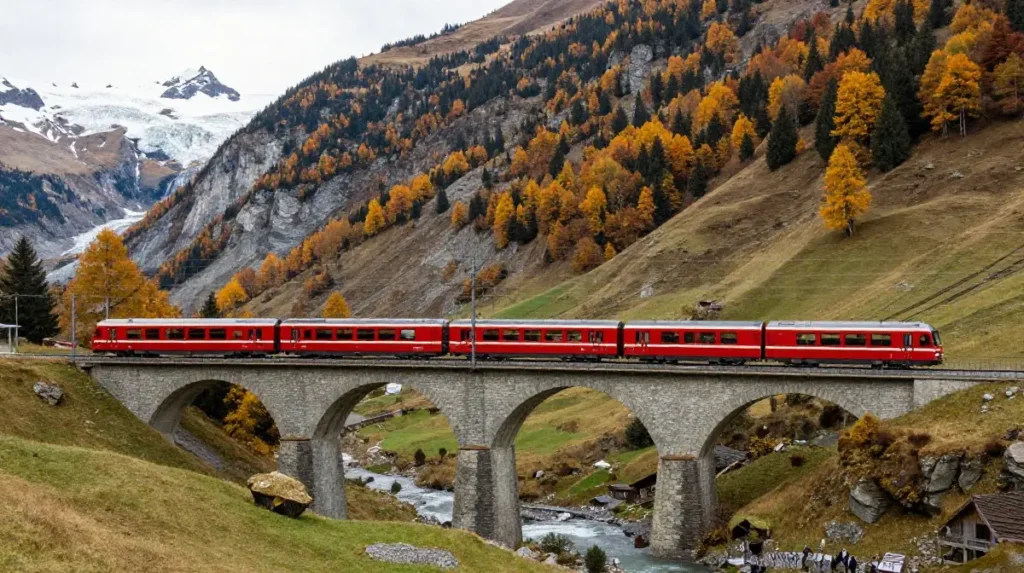
The Glacier Express train runs between Zermatt and St Moritz resort across 291 bridges and through 91 tunnels over nearly eight hours. It is marketed as the slowest express train in the world, and that is entirely the point — the journey is the destination.
The route passes through the Engadin Valley, the Rhine River gorge, and some of the most remote Alpine terrain accessible by rail in Switzerland. Booking a seat with a panoramic window and a lunch reservation in the dining car makes this one of the most memorable Switzerland road trip stops by train.
St Moritz
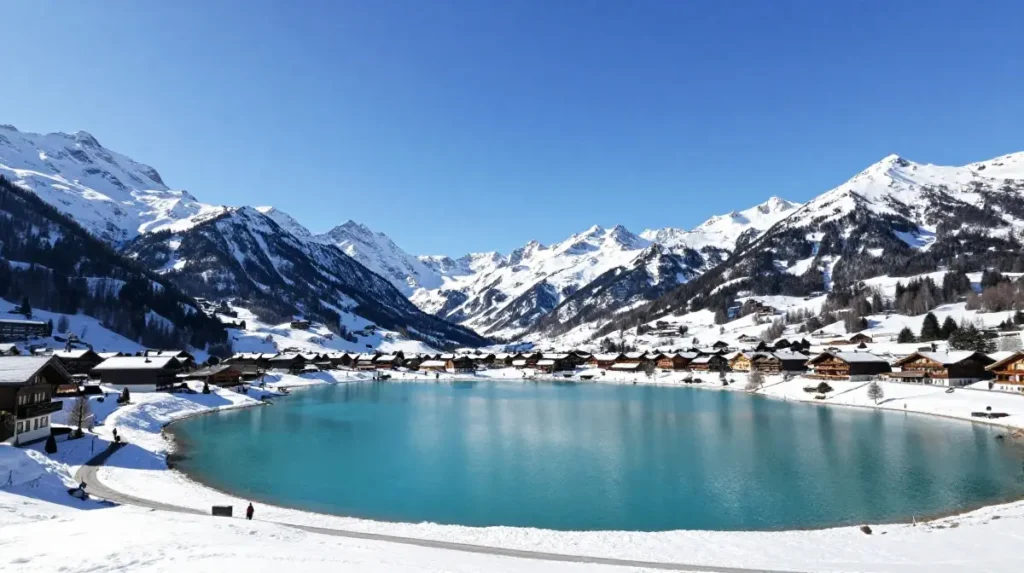
St Moritz resort in the Engadin Valley is synonymous with Switzerland luxury travel. It sits at 1,800 meters beside a high-altitude lake with a clarity that makes the water look almost blue-white.
Beyond the luxury reputation, St Moritz offers genuinely excellent hiking in summer, world-class skiing destinations in winter, and a landscape of high Alpine lakes and peaks that justifies the elevation regardless of budget.
Appenzell Village
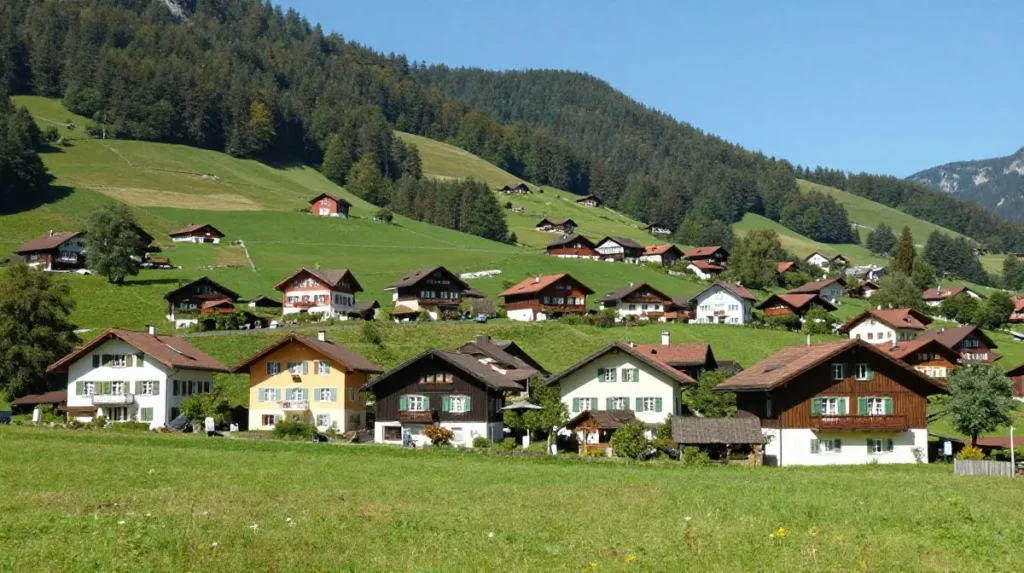
Appenzell village in northeastern Switzerland is one of the most charming Switzerland alpine villages in the country. The painted facades of the main street buildings are distinctive enough to feel like a film set, but the town is entirely genuine — it has looked this way for centuries.
The surrounding hills offer easy Switzerland hiking destinations with views over rolling green valleys. Appenzell is also known for its local cheese and the Appenzeller cheese tradition that dates back hundreds of years.
Rhine Falls
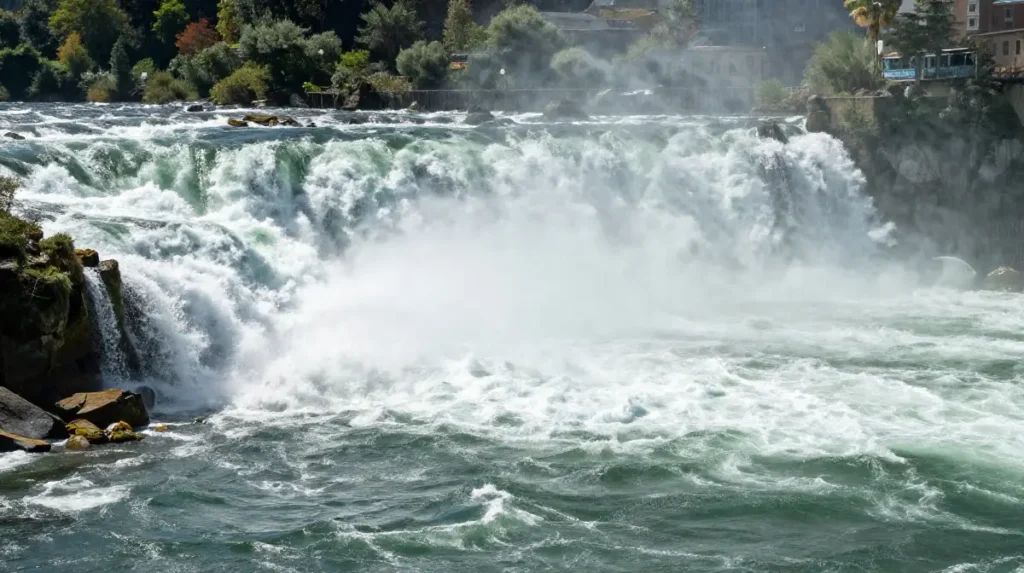
Rhine Falls near Schaffhausen is the largest waterfall in Europe by volume. The water drops 23 meters across a width of 150 meters — the sound is audible before the falls come into view, and the spray reaches the viewing platforms continuously.
Boat trips go to the base of the falls and to a rock in the middle of the river. It is one of the most accessible Switzerland natural wonders and works as a straightforward Switzerland day trip destination from Zurich city or Basel city.
Bern Old Town
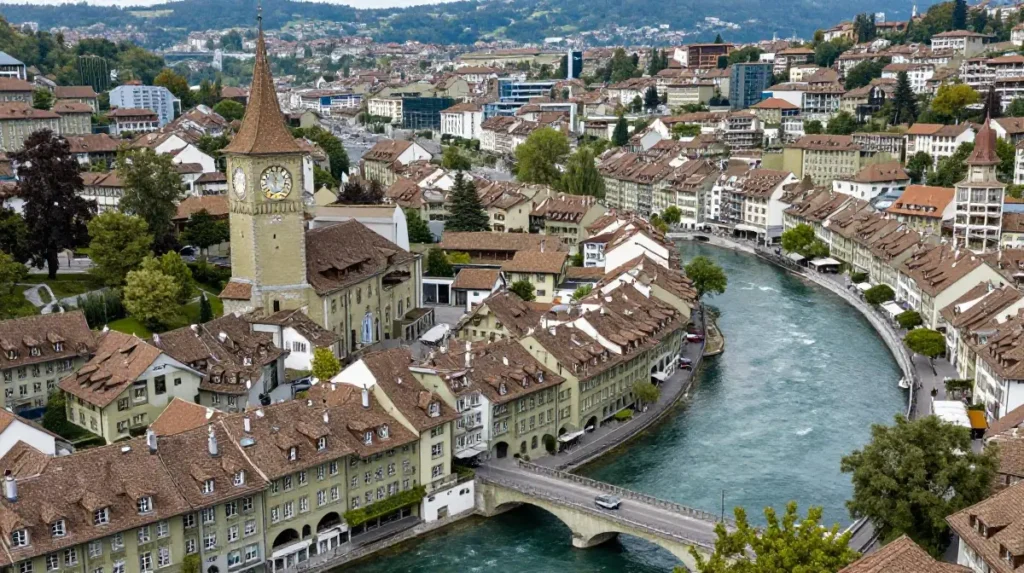
Bern city is the federal capital of Switzerland and its old town is a UNESCO World Heritage site. Six kilometers of covered arcades line the medieval streets, making it one of the most walkable city centers in Europe in any weather.
The clock tower — Zytglogge — dates to the 13th century. The rose garden above the city gives a panoramic view over the old town and the bend of the Aare River below. The bear park beside the river keeps the city’s heraldic animal in a riverside enclosure.
Lake Brienz
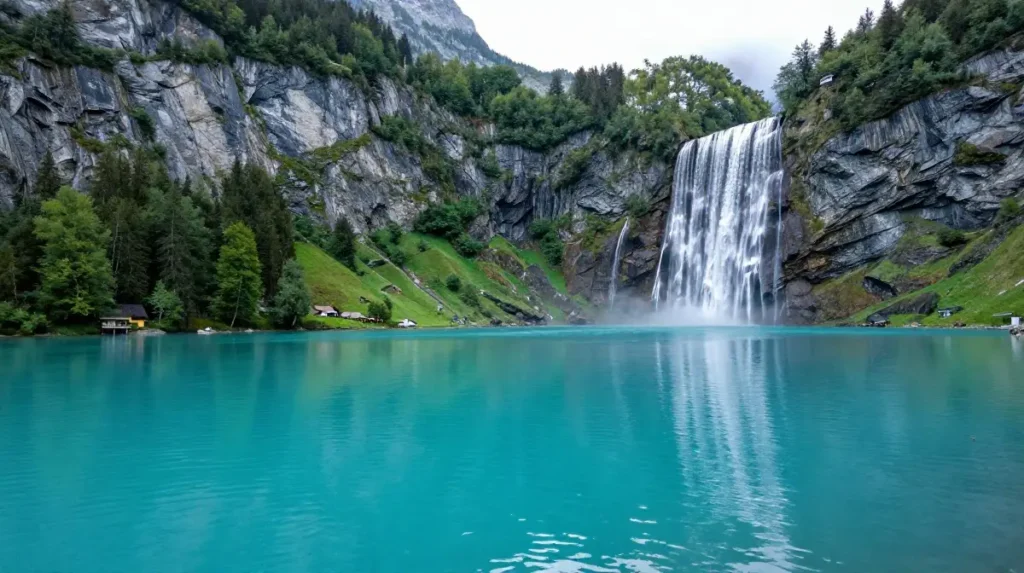
Lake Brienz near Interlaken is considered by many photographers and painters to be the most visually striking of the Switzerland lakes to visit. The water is an intense turquoise-blue caused by glacial mineral runoff, and the surrounding mountains reflect cleanly in the still surface.
The Giessbach waterfall on the southern shore drops in multiple stages through the forest directly to the lake edge, accessible by Europe’s oldest funicular. Brienz village on the eastern end is a small, unhurried town known for woodcarving.
Lugano and Lake Maggiore
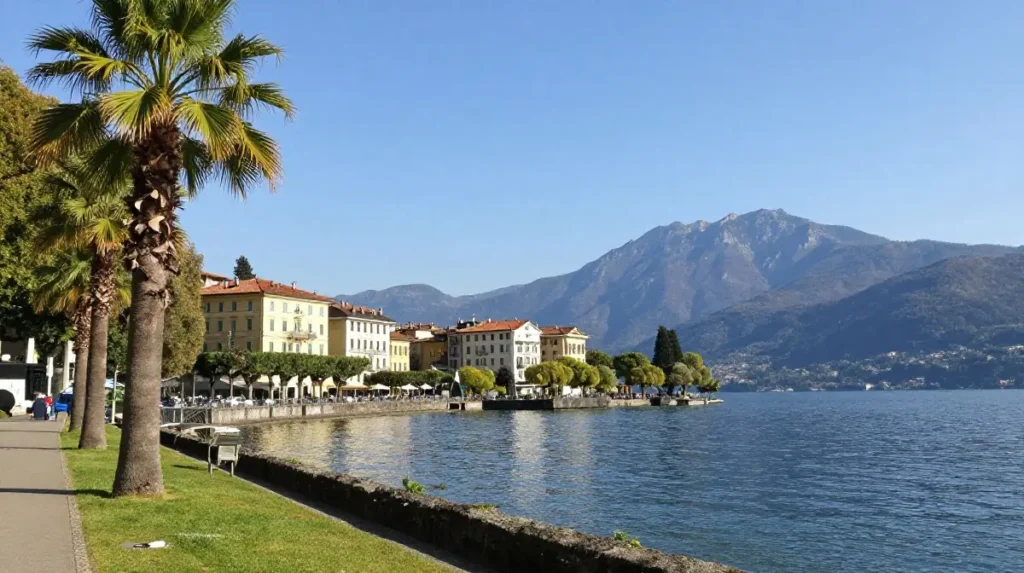
Lugano city in the Italian-speaking region of Switzerland has a Mediterranean quality that surprises most visitors. Palm trees line the lakefront promenade. The old town has piazzas and trattorias rather than Swiss chalets and fondue restaurants — though both exist.
Lake Maggiore extends across the Swiss-Italian border. The Brissago Islands, accessible by boat from Locarno town, hold a botanical garden with plants from across the subtropical world — a genuinely unexpected Switzerland hidden gem.
Schilthorn Peak
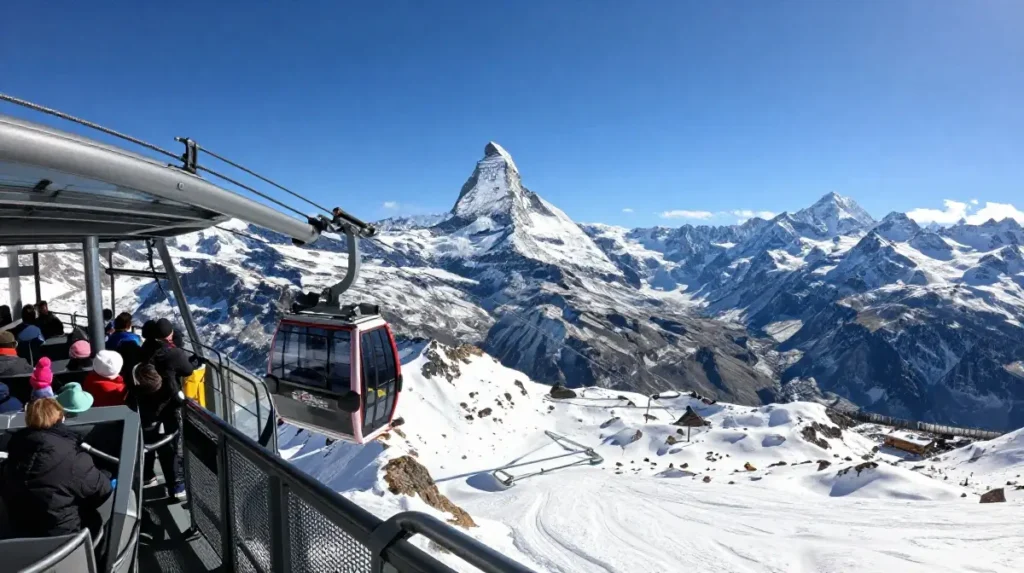
The Schilthorn peak above the Lauterbrunnen valley offers a 360-degree panoramic view that takes in four countries on a clear day. The rotating restaurant at the summit — Piz Gloria — gained international recognition as a James Bond filming location and remains one of the most unusual Switzerland viewpoints in the Alps.
The cable car gondola journey from Murren is itself a memorable part of the experience, rising through three stages across dramatically changing terrain.
Swiss National Park
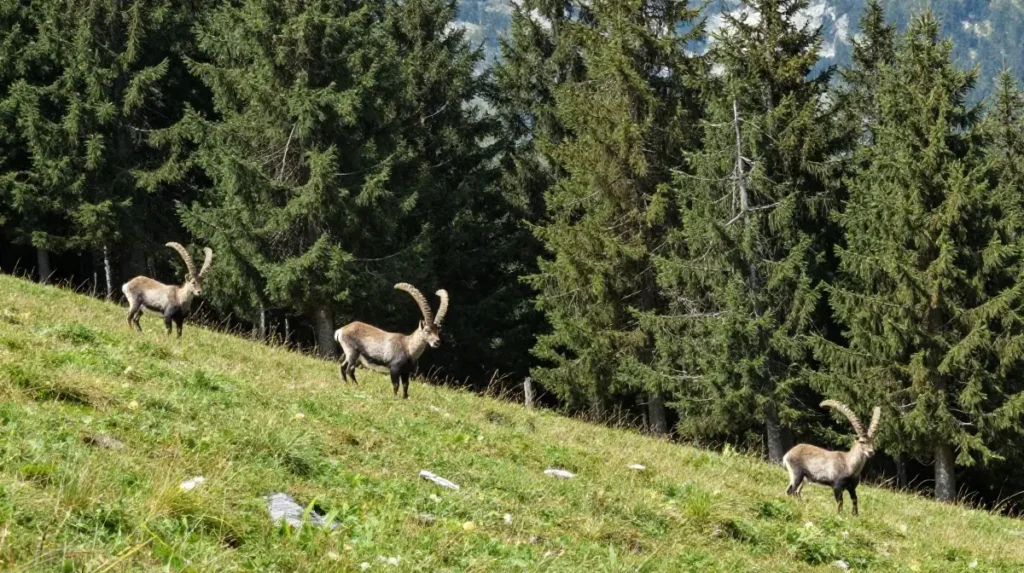
The Swiss National Park in the Engadin Valley is the oldest national park in the Alps, established in 1914. No development, no farming, no hunting — the landscape is entirely left to itself.
Wildlife that has returned to the park includes ibex, chamois, golden eagles, and red deer. Hiking trails cross through high Alpine terrain and valleys of untouched pine forest. It is one of the most genuine Switzerland off the beaten path destinations in the country.
Locarno and Ascona
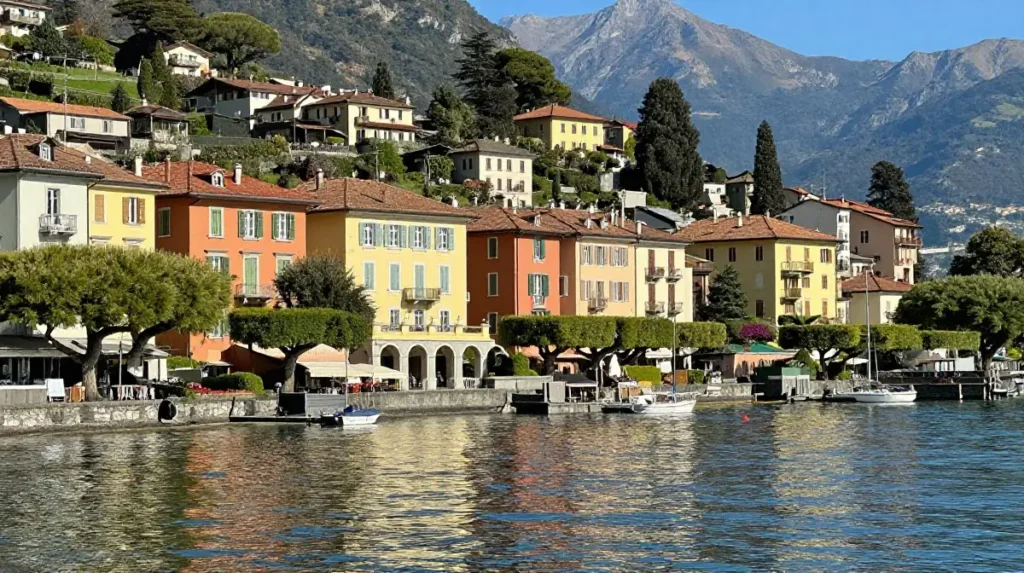
Locarno town on Lake Maggiore hosts the largest open-air film festival in the world each August, drawing international attention. The rest of the year it is a quietly beautiful lakeside town with a Mediterranean atmosphere and excellent connections into the surrounding Ticino valleys.
Ascona, a short walk along the shore, is one of the most photogenic Switzerland lakeside towns — car-free waterfront, painted buildings, and lake views that work in every direction.
Davos and the Prättigau Valley
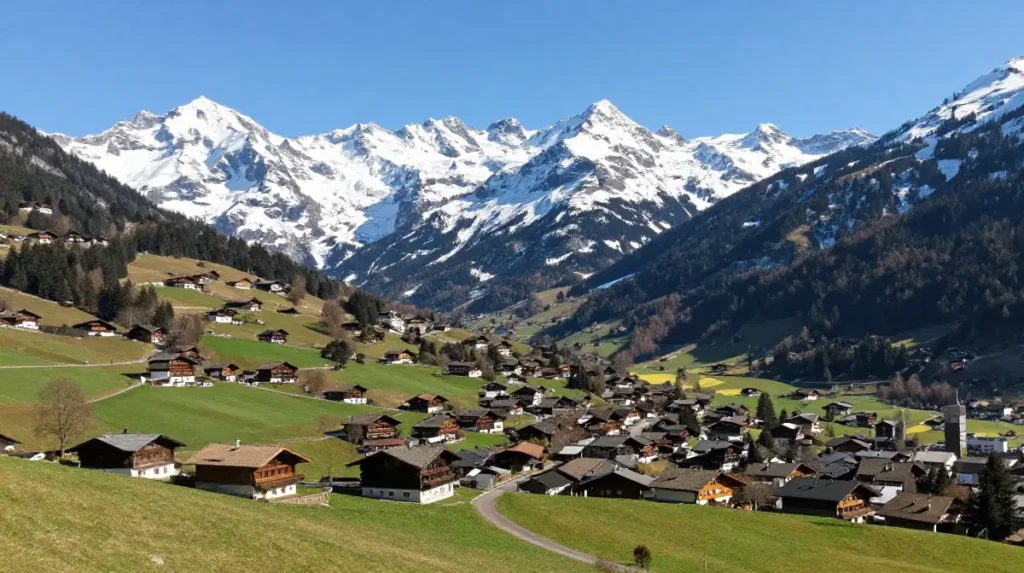
Davos resort is internationally known for its economic forum, but the landscape surrounding it has nothing to do with business. The Prättigau Valley below Davos is one of the less-visited Switzerland valleys, with small farming villages, river paths, and hiking trails that stay quiet even in peak season.
Davos itself sits at 1,560 meters with direct access to skiing in winter and high-altitude lake walks in summer.
Engadin Valley in Autumn
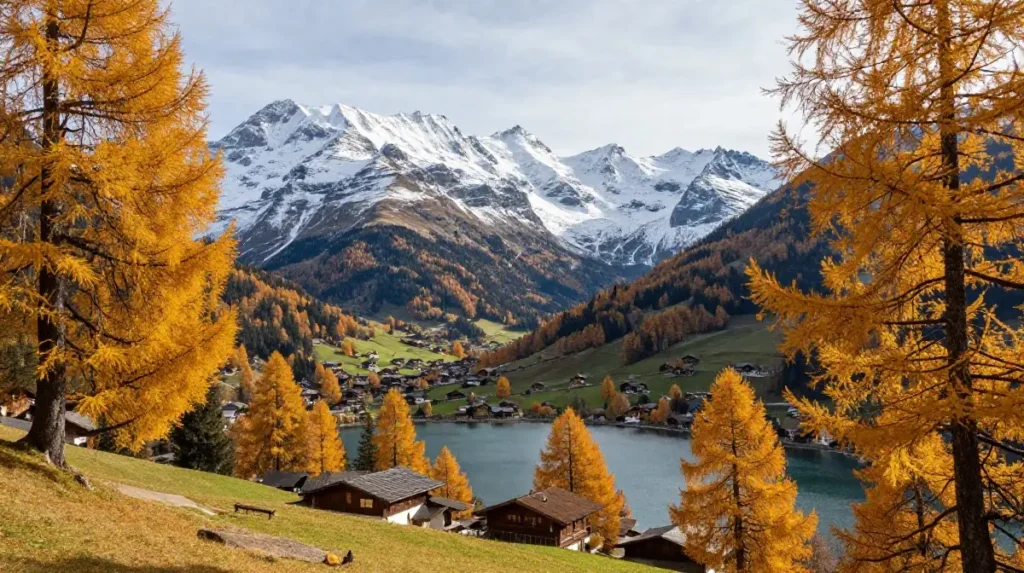
The Engadin Valley in autumn is one of the most compelling Switzerland autumn foliage spots on the continent. The larch trees that cover the valley slopes turn a vivid gold from late September into October, creating a contrast with the snow-dusted peaks above that is unlike anything in summer.
St Moritz and the surrounding lake district are at their photographic best during this period, and the crowds are significantly smaller than in summer or the ski season.
Golden Pass Line Train
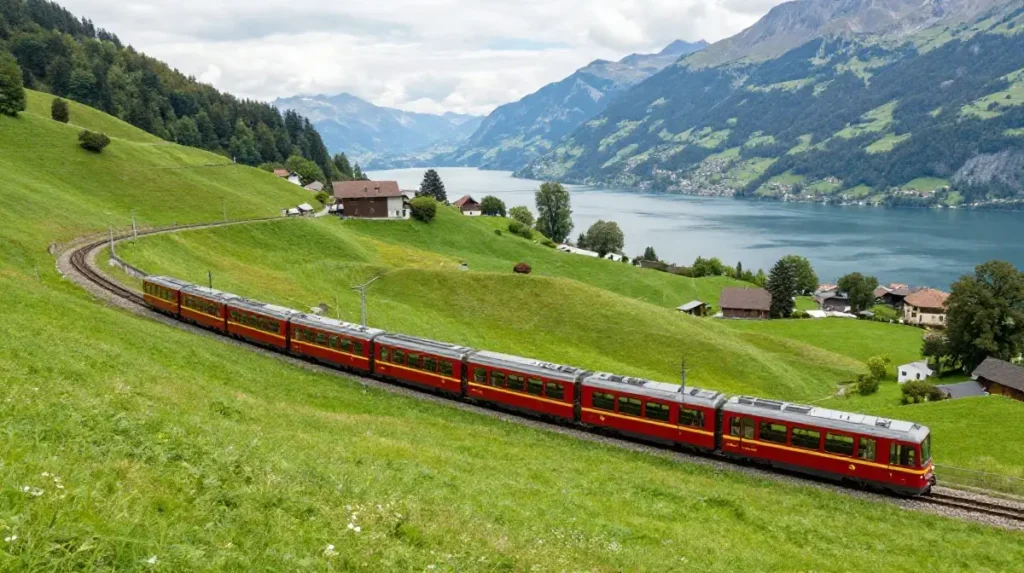
The Golden Pass Line train connects Lucerne with Montreux via Interlaken and the Simmental Valley. The route passes through scenery that changes from Alpine lake to forested valley to open pasture over the course of the journey.
The Panoramic Express section between Zweisimmen and Montreux runs through particularly dramatic landscape with the vineyards above Lake Geneva visible in the final descent.
Basel Old Town and Rhine Riverfront
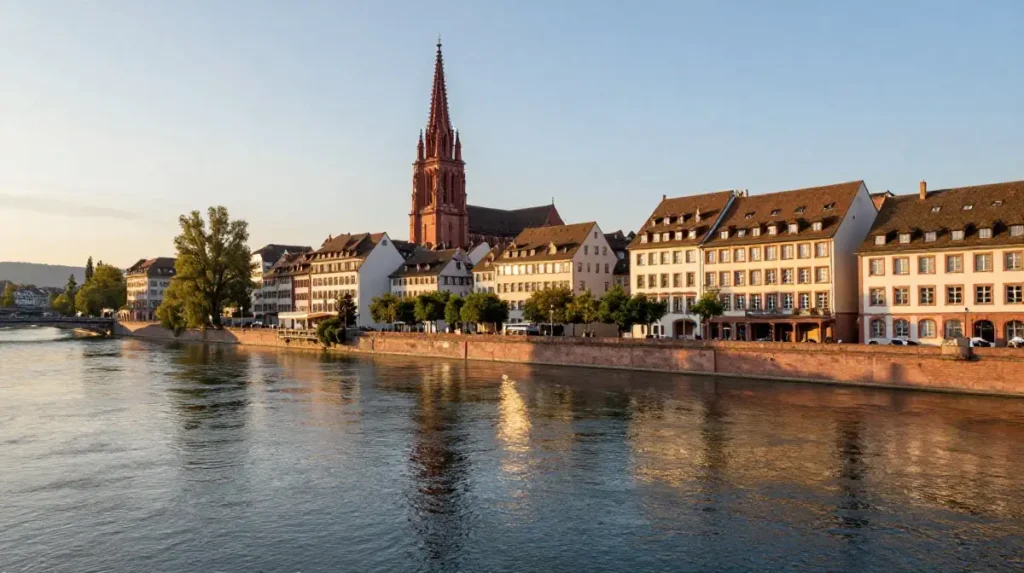
Basel city sits at the point where Switzerland, Germany, and France meet. The old town above the Rhine River contains some of the finest examples of medieval and Renaissance architecture in Switzerland — the red sandstone cathedral, the market square, and the winding lanes of the Kleinbasel district across the river.
The Rhine riverfront in summer becomes a gathering point for locals who float downstream in the current using waterproof bags — one of the most distinctly local Switzerland experiences available to visitors.
Quick Reference: Beautiful Places in Switzerland by Type
| Destination | Type | Best Season | Crowd Level | Ideal For |
|---|---|---|---|---|
| Lauterbrunnen Valley | Valley and waterfalls | Summer, Winter | High | Photography, hiking |
| Jungfraujoch | Mountain summit | Summer | Very High | Views, glacier access |
| Lake Geneva / Montreux | Lakeside town | Spring, Summer | High | Couples, photography |
| Swiss National Park | Nature reserve | Summer, Autumn | Low | Wildlife, hiking |
| Appenzell | Alpine village | Spring, Summer | Low–Medium | Culture, cheese, walks |
| Rhine Falls | Natural waterfall | Spring, Summer | Medium | Day trips, families |
| Engadin Valley Autumn | Valley foliage | Autumn | Low | Photography, solitude |
Conclusion
Switzerland rewards any amount of time you give it. A long weekend in Lucerne, two weeks moving between the Bernese Oberland and the Italian-speaking south, a solo trip following the Glacier Express across the full width of the Alps — each approach reveals something different and equally worth returning for.
The 22 beautiful places in Switzerland in this guide cover the iconic and the overlooked, the accessible and the remote. Start with the destinations that match your travel style, build in time to move slowly, and let the country do what it does naturally — which is to make everywhere you look feel like the most beautiful place you have ever been.
You can may also like this: 22 Colombia Travel Guide Ideas for an Amazing Trip Plan
FAQs
What is the most beautiful place in Switzerland
Lauterbrunnen valley and Zermatt are consistently ranked among the most visually striking destinations. Jungfraujoch offers the most dramatic high-altitude scenery. The most beautiful place depends on whether you prefer lakes, valleys, villages, or mountain summits.
When is the best time to visit Switzerland for scenic views
June to September offers the most accessible conditions for mountain destinations. Late September and October are ideal for autumn foliage in the Engadin Valley and the Bernese Oberland. Winter from December to February transforms the Alps for skiing and snow scenery.
Is Switzerland expensive to visit
Switzerland is one of the more expensive European destinations. The Swiss Travel Pass reduces transport costs significantly. Staying in smaller towns rather than resort centers like Zermatt or St Moritz reduces accommodation costs while keeping the scenery close.
What is the best scenic train journey in Switzerland
The Glacier Express between Zermatt and St Moritz and the Bernina Express between Chur and Tirano are both UNESCO World Heritage railways and among the most scenic train journeys in the world. Both require advance booking.
Are there less crowded beautiful places in Switzerland worth visiting
Yes. Appenzell, the Simmental Valley, Locarno, Ascona, and the Swiss National Park receive far fewer visitors than Interlaken or Lucerne but offer scenery and character that match anything on the main tourist circuit.
1 Comment