
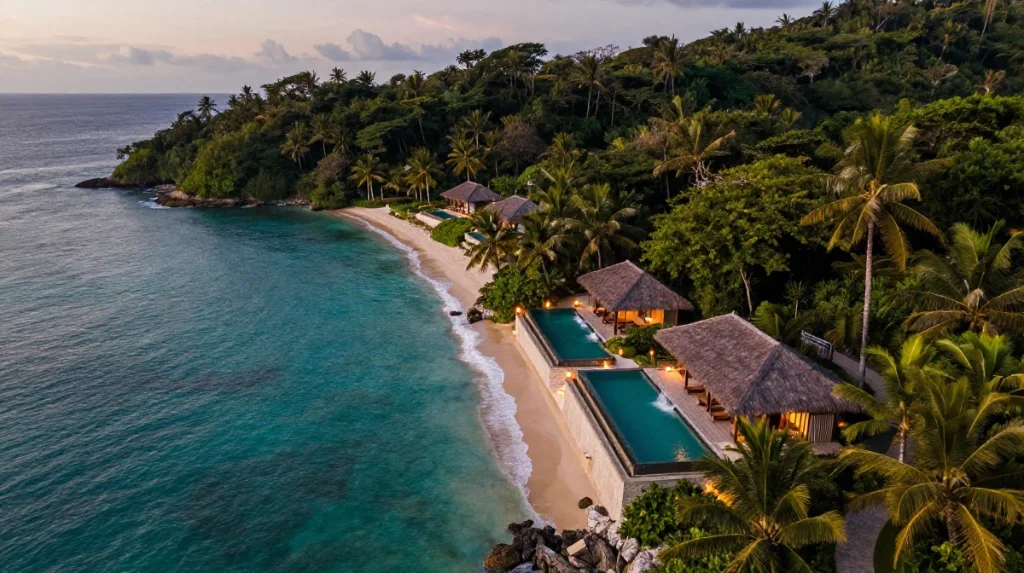
Every remarkable resort begins the same way — not with architecture, not with a budget, not even with a location. It begins with a single compelling resort idea that answers one question nobody else in the market has answered well enough yet. What specific experience will guests travel specifically to have at your property and nowhere else on Earth?
The global luxury travel market exceeded $1.2 trillion in 2023 and continues growing at roughly 7.9 percent annually according to Statista. Yet despite that enormous demand, genuinely memorable resorts remain surprisingly rare. This guide covers every dimension of resort development — concept creation, location selection, amenity design, revenue modeling and marketing execution — so your resort idea moves from vision to viable, profitable reality.
The Resort Idea That Separates Forgettable Properties From Legendary Ones
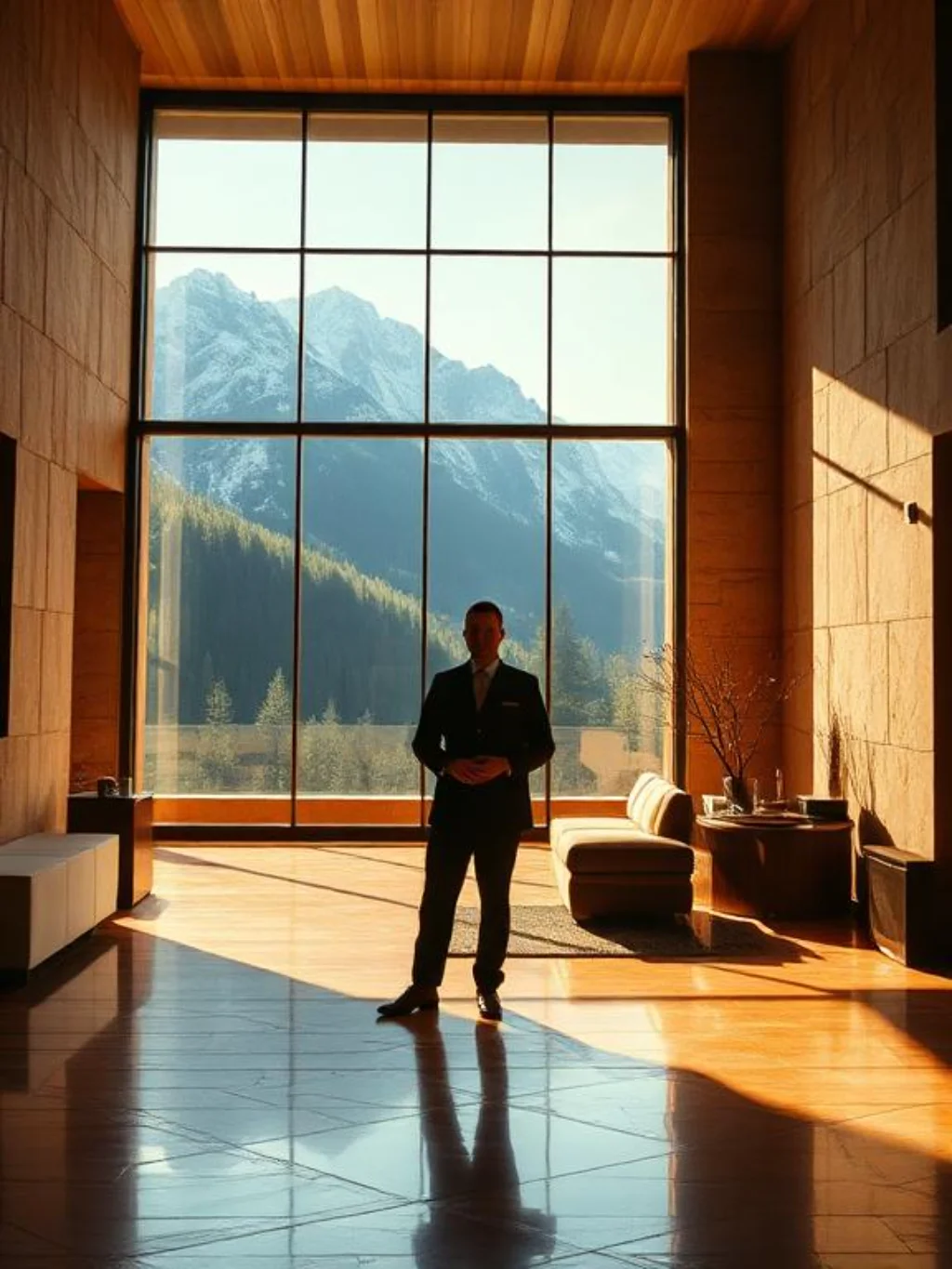
Legendary resorts share one characteristic that no amount of renovation budget can retroactively install: a central idea powerful enough to anchor every subsequent decision made across the property. What makes a resort successful at the foundational level isn’t amenity count or room size — it’s conceptual clarity. When a resort’s central idea is sharp and specific, every design choice, staffing decision and marketing message reinforces it naturally.
Signature experience hospitality thinking asks a deceptively simple question: what will a guest describe to their friends when they return home? The answer to that question is your resort’s actual product, and everything else is infrastructure supporting its delivery. Resort idea signature experience design at properties like Aman Resorts design philosophy builds around the concept of profound stillness — architecture, staffing ratios, culinary philosophy and programming all serve that single experiential promise consistently across every global property without exception.
Choosing a Location That Becomes the Foundation of Your Entire Resort Concept
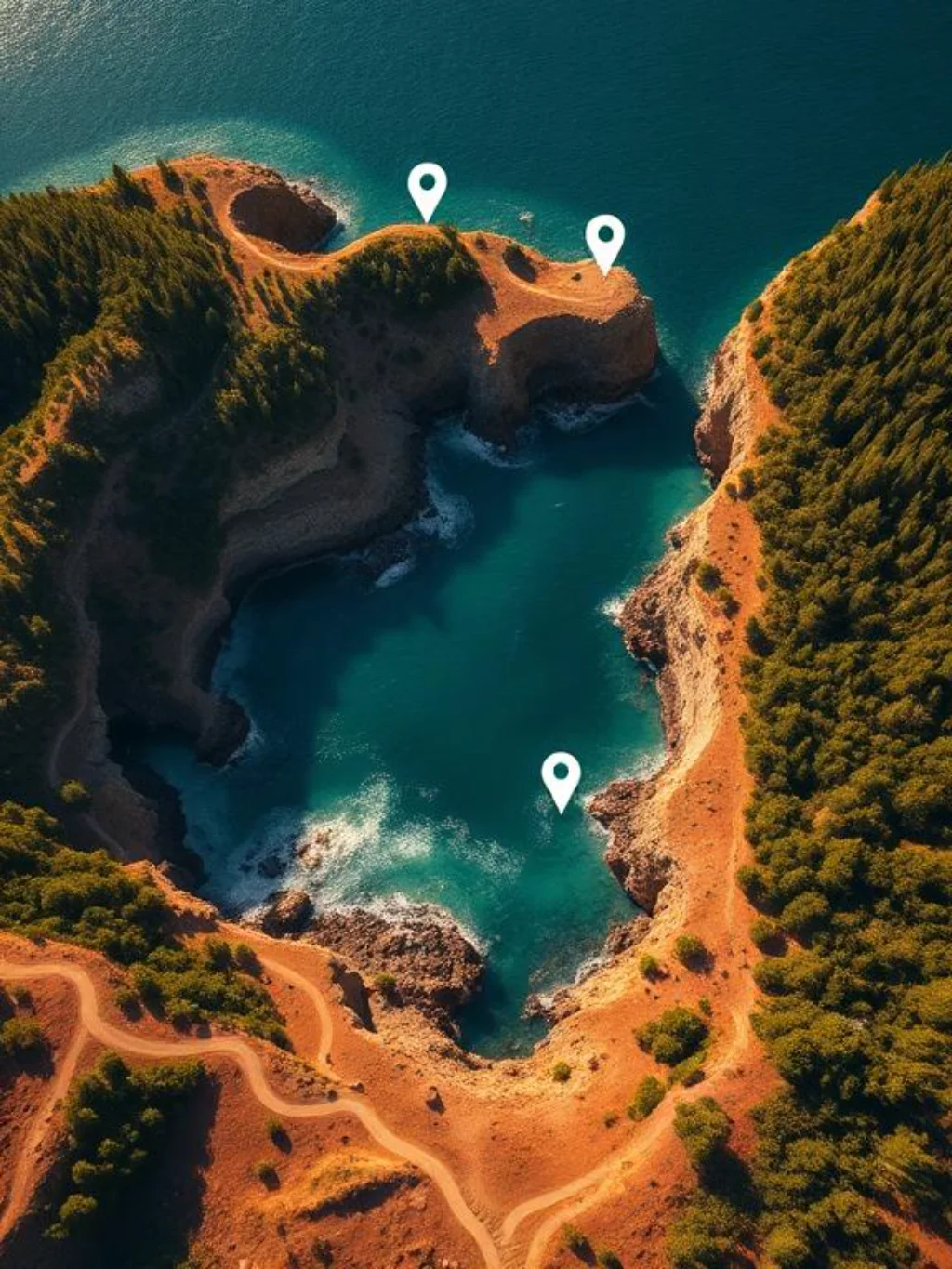
How to choose a resort location is the most consequential single decision in any resort development process, yet many developers treat it as a real estate transaction rather than a conceptual alignment exercise. Location doesn’t just determine what your guests see — it determines who your guests are, how they arrive, how long they stay and what they’re willing to pay for the privilege.
Resort idea feasibility study analysis for location selection should evaluate six independent factors simultaneously: natural environmental distinctiveness, accessibility from major feeder markets, zoning and regulatory landscape, competitive landscape within the destination, long-term climate and environmental stability and the authenticity of cultural resources available for programming. Resort idea zoning and permits due diligence frequently reveals that a seemingly perfect site carries legacy environmental designations, protected species habitats or deed restrictions that make development impossible or economically unviable before the design process ever begins.
Resort Ideas Built Around a Signature Experience Nobody Else Is Offering
How to create a unique resort experience starts with ruthless competitive analysis — mapping every existing property within your target destination category and identifying the specific experience gap that the market has consistently failed to fill. That gap is your opportunity. It isn’t found by asking guests what they want, because guests can only describe experiences they’ve already had. It’s found by observing what they do and listening to what they wish existed.
Best resort concepts in the world right now share the characteristic of having identified and owned a specific experiential territory with genuine depth rather than offering a broad menu of ordinary amenities. Soneva resort sustainability in the Maldives built around barefoot luxury and environmental commitment before either concept was mainstream. Six Senses resort wellness owned the integrative health space in hospitality before wellness tourism had its own industry category. Resort idea competitive differentiation at this level requires courage — narrowing rather than broadening your offering to serve a specific guest archetype with extraordinary precision.
Eco Resort Concepts That Attract Premium Guests and Generate Real Returns
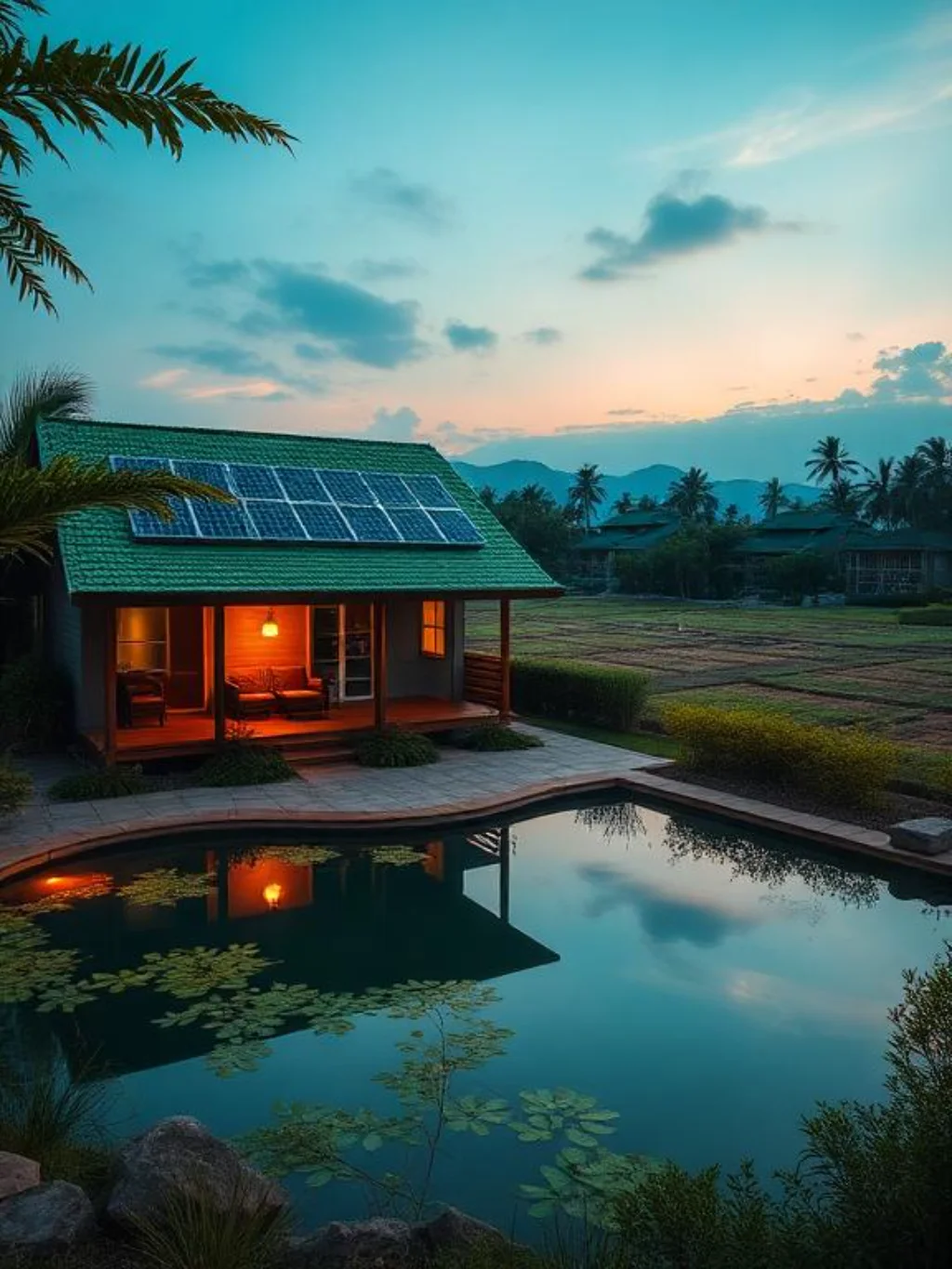
How to build an eco friendly resort profitably requires dismantling the persistent myth that sustainability and luxury exist in tension with each other. The data says otherwise. Soneva resort sustainability charges some of the highest nightly rates in the Maldives specifically because its environmental commitment is authentic, verifiable and deeply embedded in the guest experience rather than confined to recycling bins and towel reuse cards.
Eco resort ideas that generate genuine returns typically operate on three aligned revenue principles: the sustainability story justifies premium pricing, operational efficiency from renewable energy and waste reduction lowers long-term running costs, and the environmental commitment attracts a guest demographic with both strong spending power and genuine brand loyalty. Resort idea sustainability certification through recognized frameworks like LEED, Green Globe, or EarthCheck provides third-party verification that differentiates your property from competitors making unverified environmental claims that increasingly sophisticated travelers scrutinize carefully before booking.
Boutique Resort Ideas That Outperform Large Properties on Guest Loyalty

Boutique resort ideas outperform large-scale resort developments on guest loyalty metrics consistently despite — or rather because of — their operational scale constraints. When a property serves 20 guest rooms rather than 200, every team member knows every guest by name, preference and purpose of visit. That knowledge translates into service personalization that no loyalty program algorithm can replicate.
How to market a boutique resort effectively leverages this intimacy as its primary differentiator rather than competing on amenity breadth against properties with ten times the resource base. Small Luxury Hotels collection membership and Design Hotels resort concept affiliation give independent boutique properties access to global distribution infrastructure while preserving the curatorial identity that makes them worth seeking out. Resort idea target market segmentation for boutique properties should narrow deliberately — trying to serve everyone produces the service mediocrity that boutique guests are specifically paying to escape.
The Master Plan That Turns a Raw Property Into a Destination Worth Traveling For
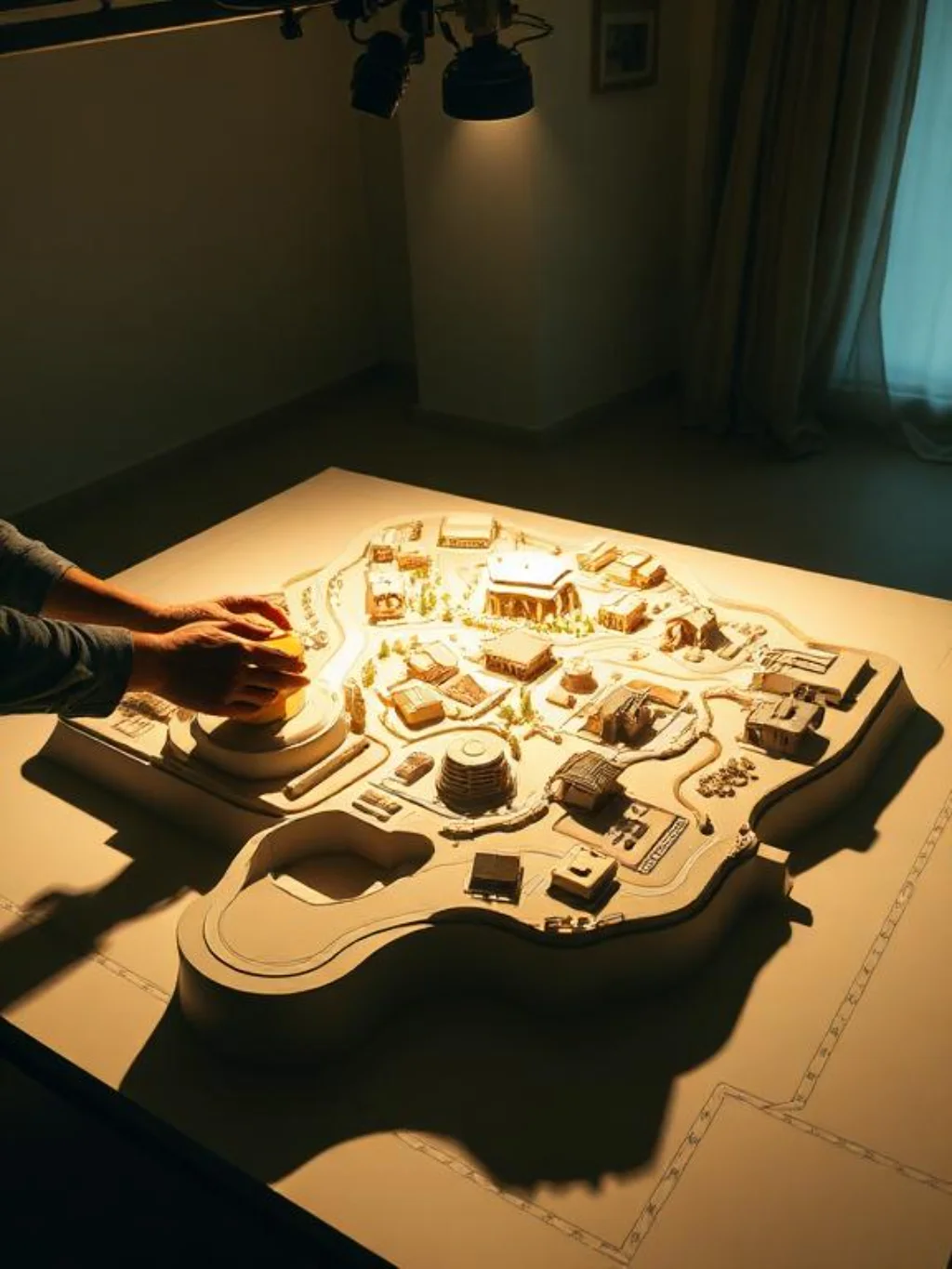
Resort idea master plan development translates a conceptual vision into a spatial reality across the full site area, and the most successful master plans share one critical characteristic: they treat the existing landscape as the primary design asset rather than a blank canvas to be transformed according to the architect’s preferences. Working with the land rather than against it produces resorts that feel inevitable rather than imposed.
Resort idea landscape architecture at the master planning stage determines sightlines, movement sequences, the relationship between built and natural elements, and the guest’s emotional journey from arrival to departure. Aman Resorts design philosophy consistently achieves this by commissioning architects who spend significant time on site before designing — absorbing the specific light quality, wind patterns, endemic vegetation and viewsheds that make each location distinct. Resort idea transportation and accessibility planning at the master plan level also determines whether guests feel the resort is conveniently accessible or heroically difficult to reach — both are valid positioning choices when made intentionally rather than by default.
Wellness Resort Ideas Riding the Trillion Dollar Global Health Tourism Wave
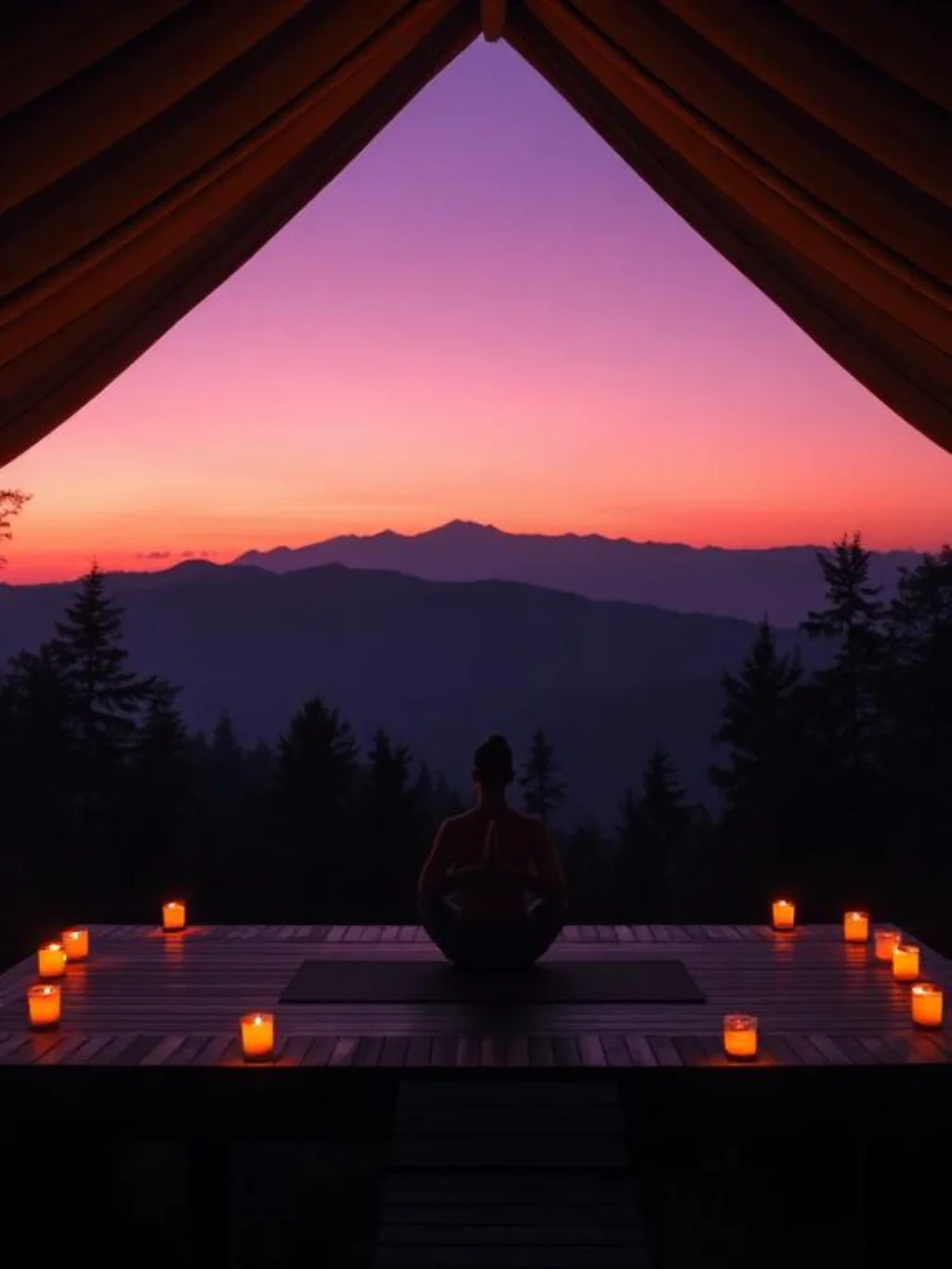
How to create a wellness resort that genuinely delivers measurable health outcomes rather than simply offering massages in a serene setting requires programming depth that most wellness-branded properties haven’t yet achieved. Wellness tourism ideas now generate over $800 billion annually according to the Global Wellness Institute, with medical wellness, sleep science, longevity programming and mental health retreats among the fastest-growing sub-categories.
you may also like this:22 Hawaii Vacation Ideas for Your Dream Island Getaway
Resort idea wellness programming at the most successful dedicated wellness properties combines evidence-based health interventions — functional medicine consultations, precision nutrition, sleep optimization protocols and movement science — with the environmental and aesthetic conditions that accelerate healing and integration. Six Senses resort wellness properties lead this space globally by employing clinical-grade wellness practitioners alongside traditional hospitality staff, blurring the boundary between resort experience and genuine healthcare delivery in ways that justify dramatically higher pricing than conventional spa-focused properties achieve.
Resort Room Design Ideas That Make Guests Extend Their Stay Every Time
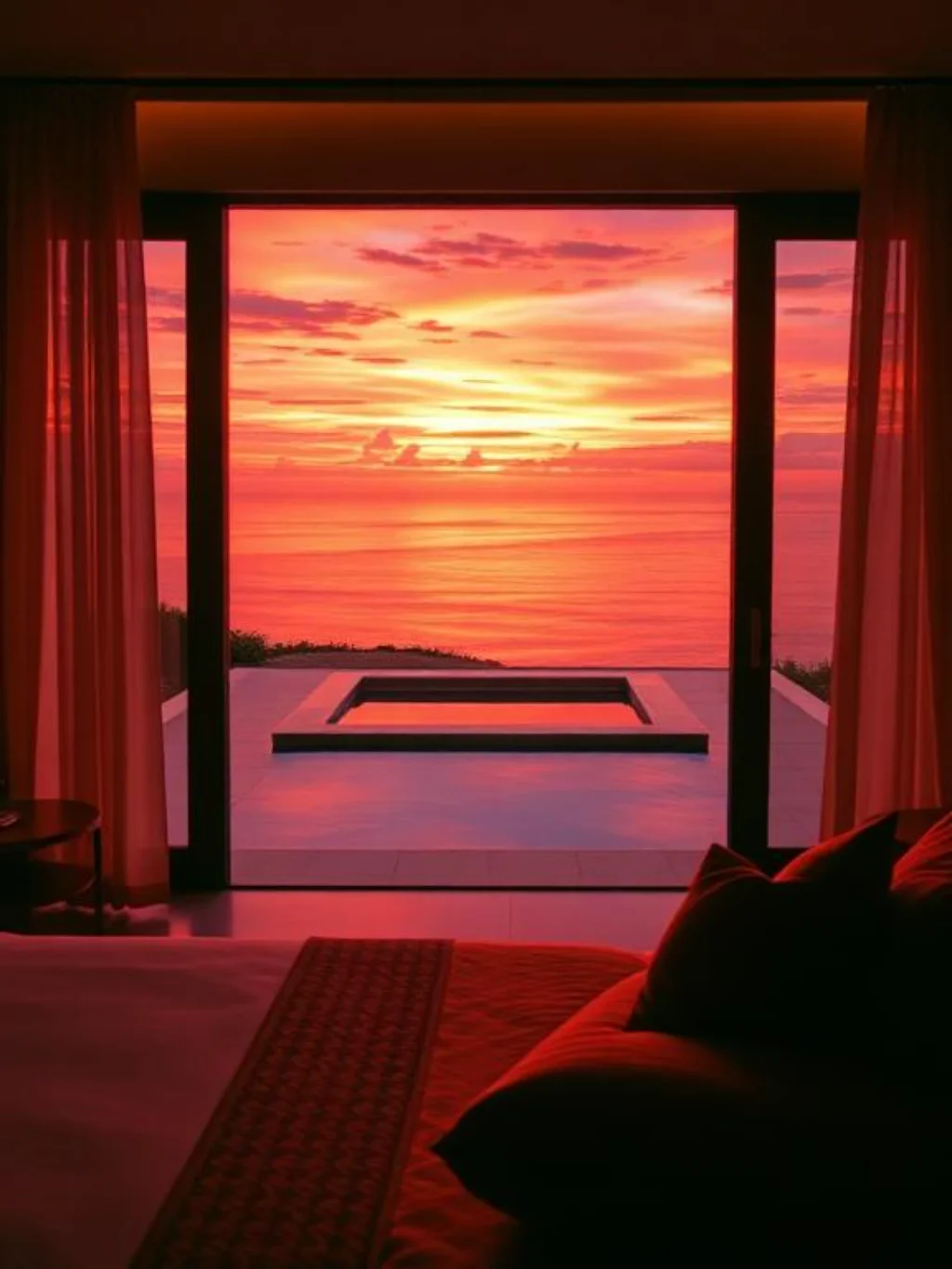
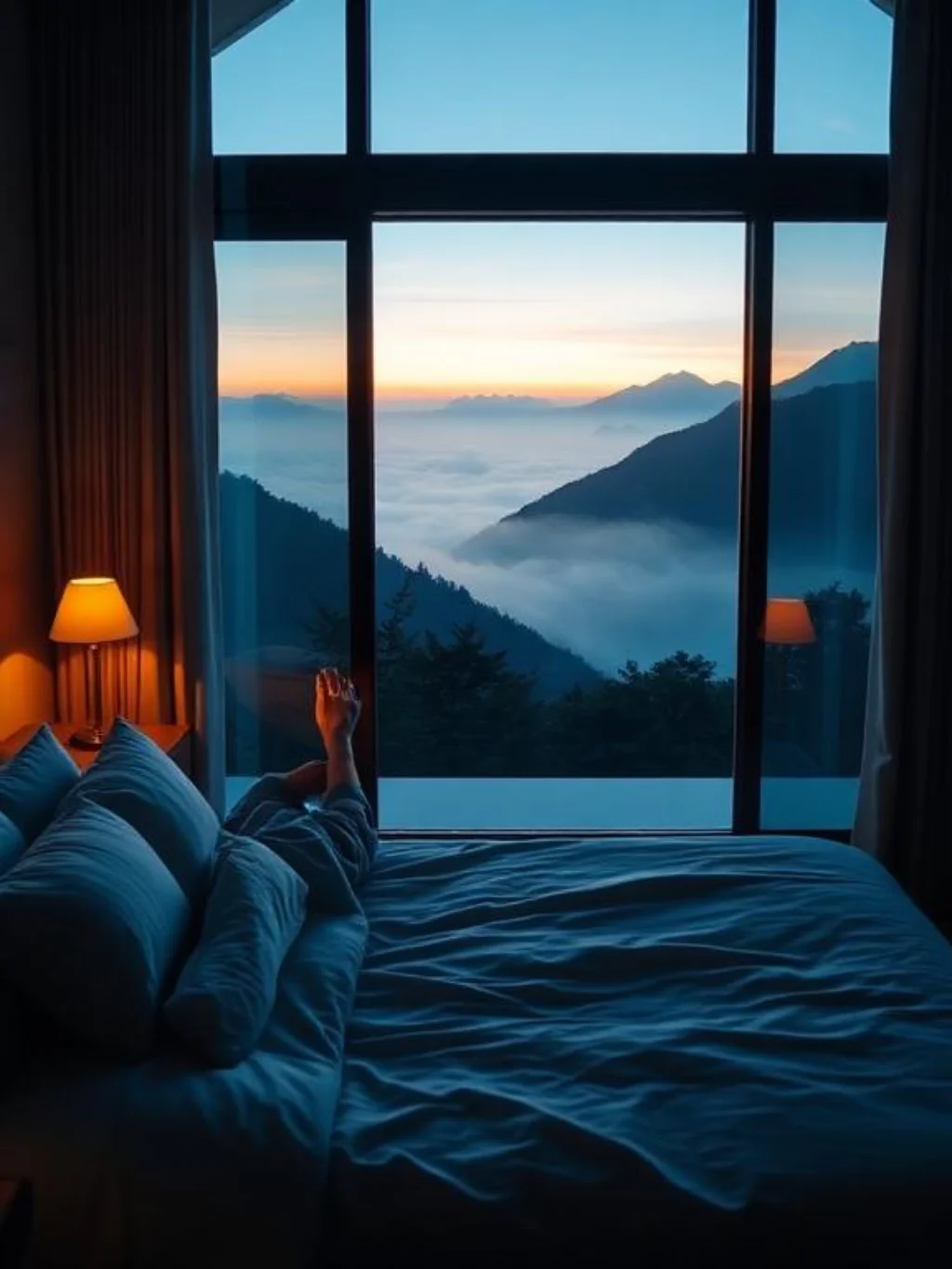
How to design resort rooms for maximum comfort requires understanding a counterintuitive principle: the room’s relationship with the exterior environment matters more than any feature contained within the room itself. Guests who book a premium resort to connect with a specific landscape spend most of their room time experiencing that landscape through windows, from private terraces or through open-air architectural configurations that merge indoor and outdoor space.
Resort room ideas that consistently generate extension requests feature several consistent characteristics: a primary view sightline that delivers something genuinely different at every hour of the day, private outdoor space of sufficient scale for meaningful use rather than purely decorative function, and a bathing experience — soaking tub, outdoor shower or both — positioned to maximize the view relationship. Resort interior design ideas at properties like One and Only Resorts design and Rosewood Hotels resort idea demonstrate that locally sourced materials, artisan craft elements and genuine cultural specificity create room atmospheres that feel irreplaceable to a specific destination rather than interchangeable across properties.
Food and Beverage Concepts That Become the Reason People Book the Resort
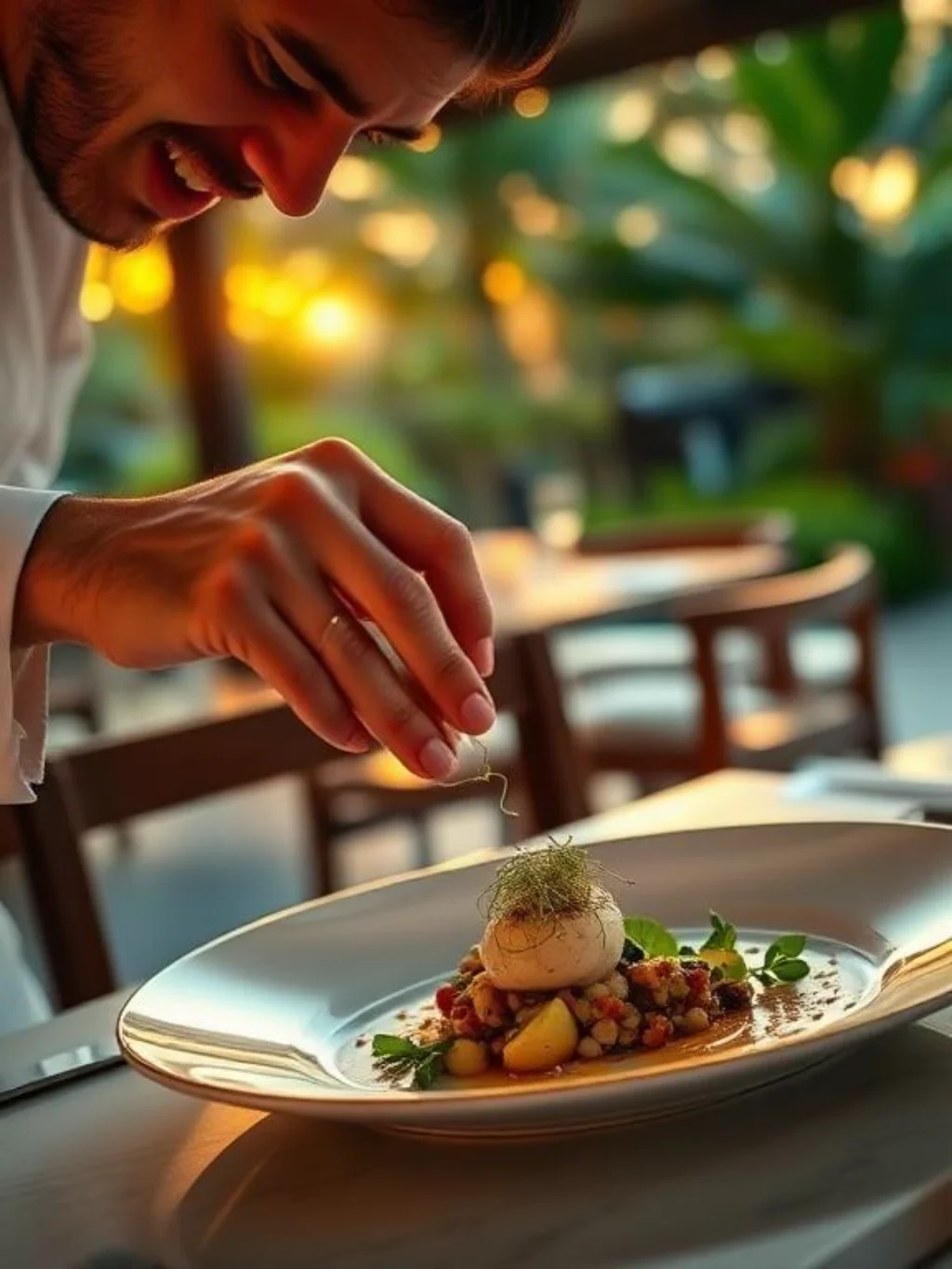
Resort idea food and beverage concept planning deserves strategic elevation from ancillary amenity to primary booking driver, because the most successful resort restaurants in recent years have reversed the traditional relationship entirely — guests now book the resort specifically to access the restaurant, with the room being secondary to the dining experience. What amenities should a resort have in food and beverage? At minimum, a culinary philosophy rooted in the specific place.
Resort restaurant ideas that achieve destination status share a common commitment: they tell a specific, verifiable story about the food’s origin, the chef’s philosophy and the cultural context of the cuisine. Farm-to-table isn’t a marketing claim at these properties — it’s a supply chain reality where guests can tour the property’s own gardens, meet the farmers, and watch preparation techniques in open kitchen configurations. Ritz Carlton resort experience food and beverage programming and Waldorf Astoria resort idea restaurant concepts both demonstrate that culinary identity, rather than culinary luxury, creates the emotional connection that generates repeat bookings.
Resort Pool and Water Feature Ideas That Define the Property’s Visual Identity
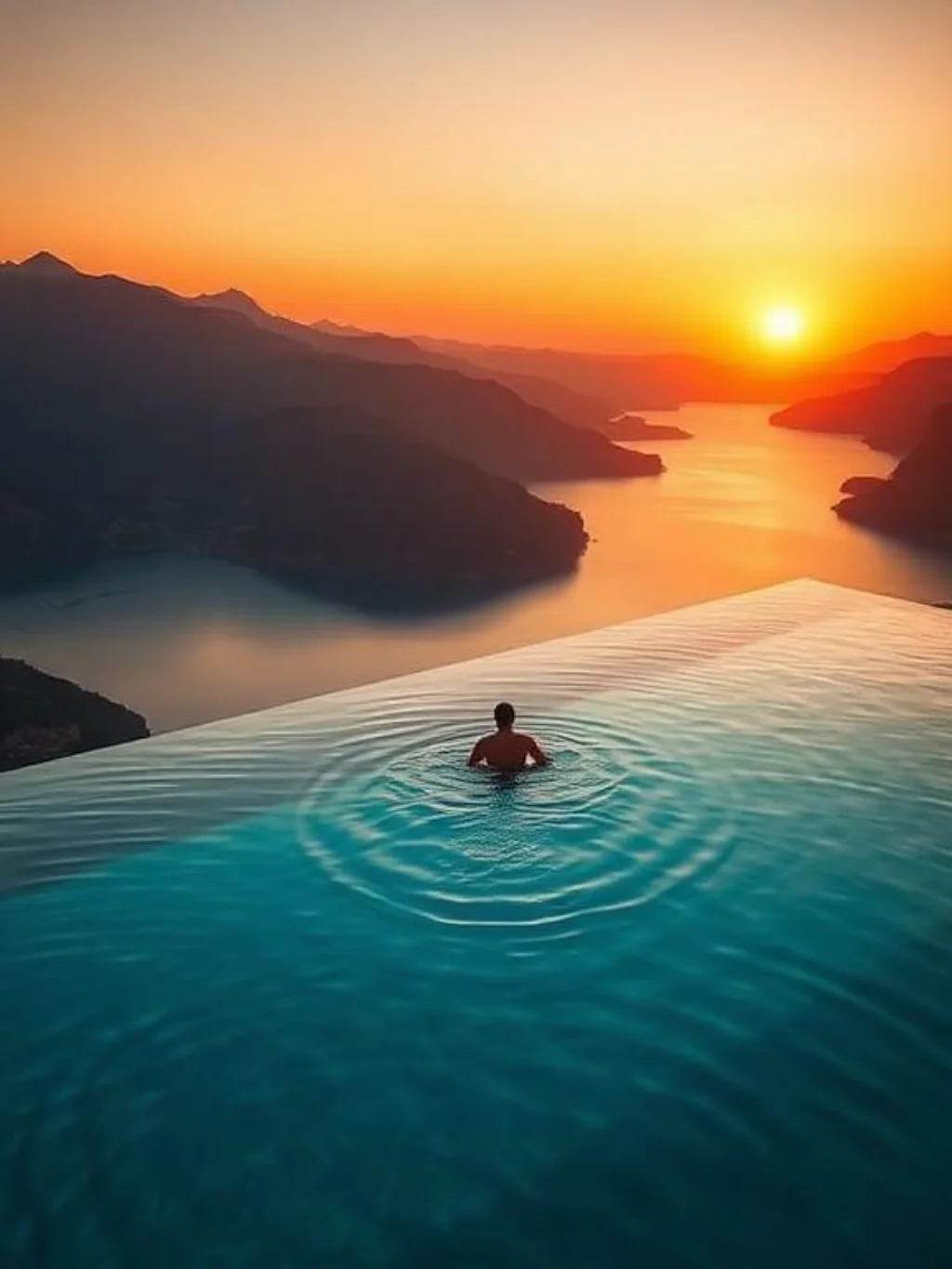
Resort pool ideas carry outsized importance in visual brand identity because the pool photograph is statistically the most shared and most influential image in a resort’s marketing portfolio across every major booking and social media platform. That single photograph drives more booking decisions than any other visual element in a property’s marketing inventory, which means the pool’s design deserves investment and attention proportional to that influence.
Resort idea water feature design thinking extends well beyond the main swimming pool to encompass the full water vocabulary of the property — arrival water features that establish sensory tone immediately, plunge pools integrated with spa experiences, river access or ocean frontage that connects the built environment to natural water systems, and infinity edge configurations that dissolve the visual boundary between property and horizon. Park Hyatt resort design water features consistently demonstrate that the relationship between still water and landscape reflection creates photographic compositions that guests capture and share organically without any marketing prompting.
Adventure and Activity Programming That Transforms a Stay Into a Life Chapter
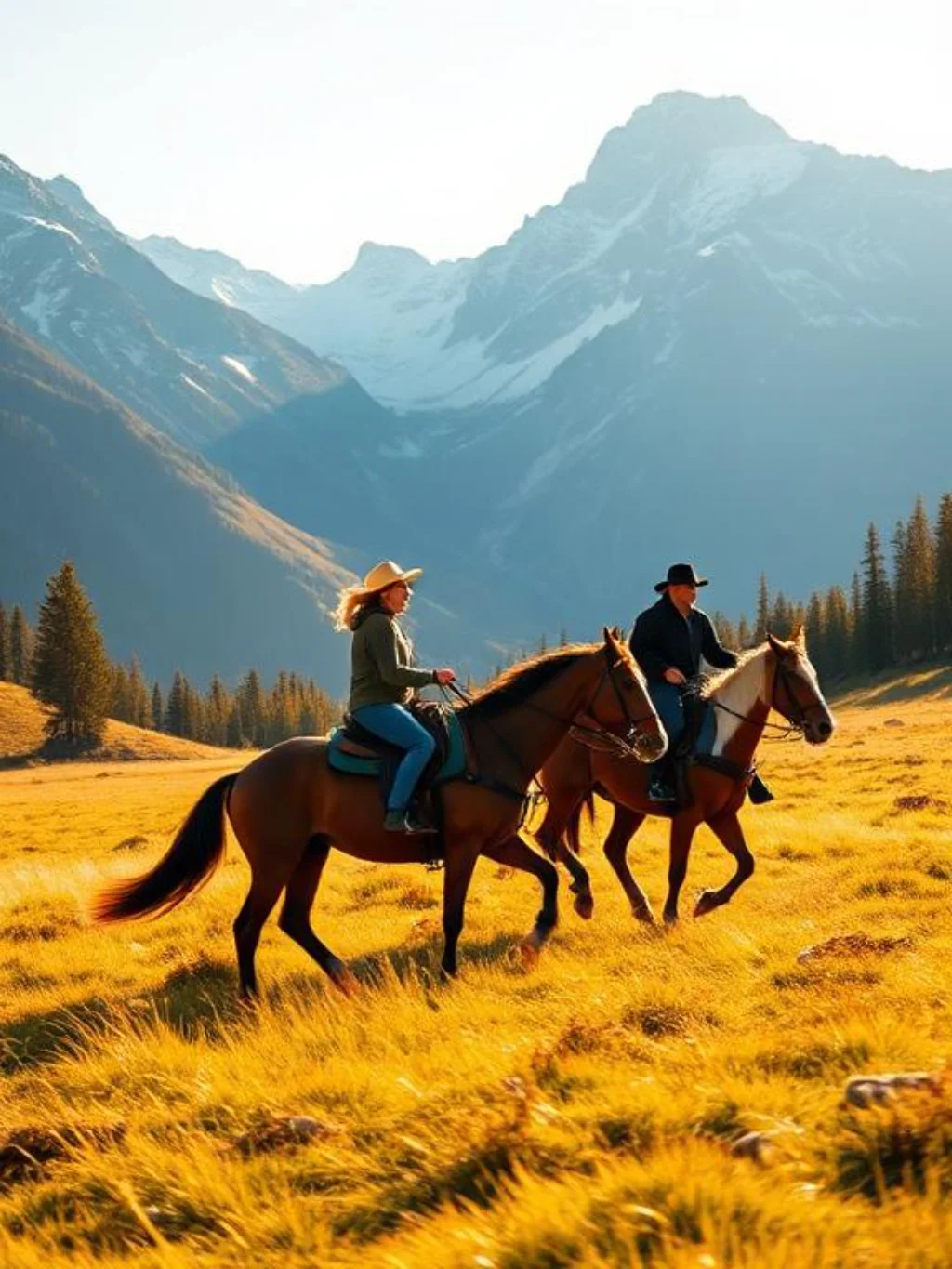
What activities should a resort offer depends entirely on the property’s location and positioning, but the universal principle across all high-performing activity programs is depth over breadth. A resort that offers one genuinely exceptional guided experience creates more emotional impact than one offering twenty mediocre activities that guests can find at any comparable property within the destination.
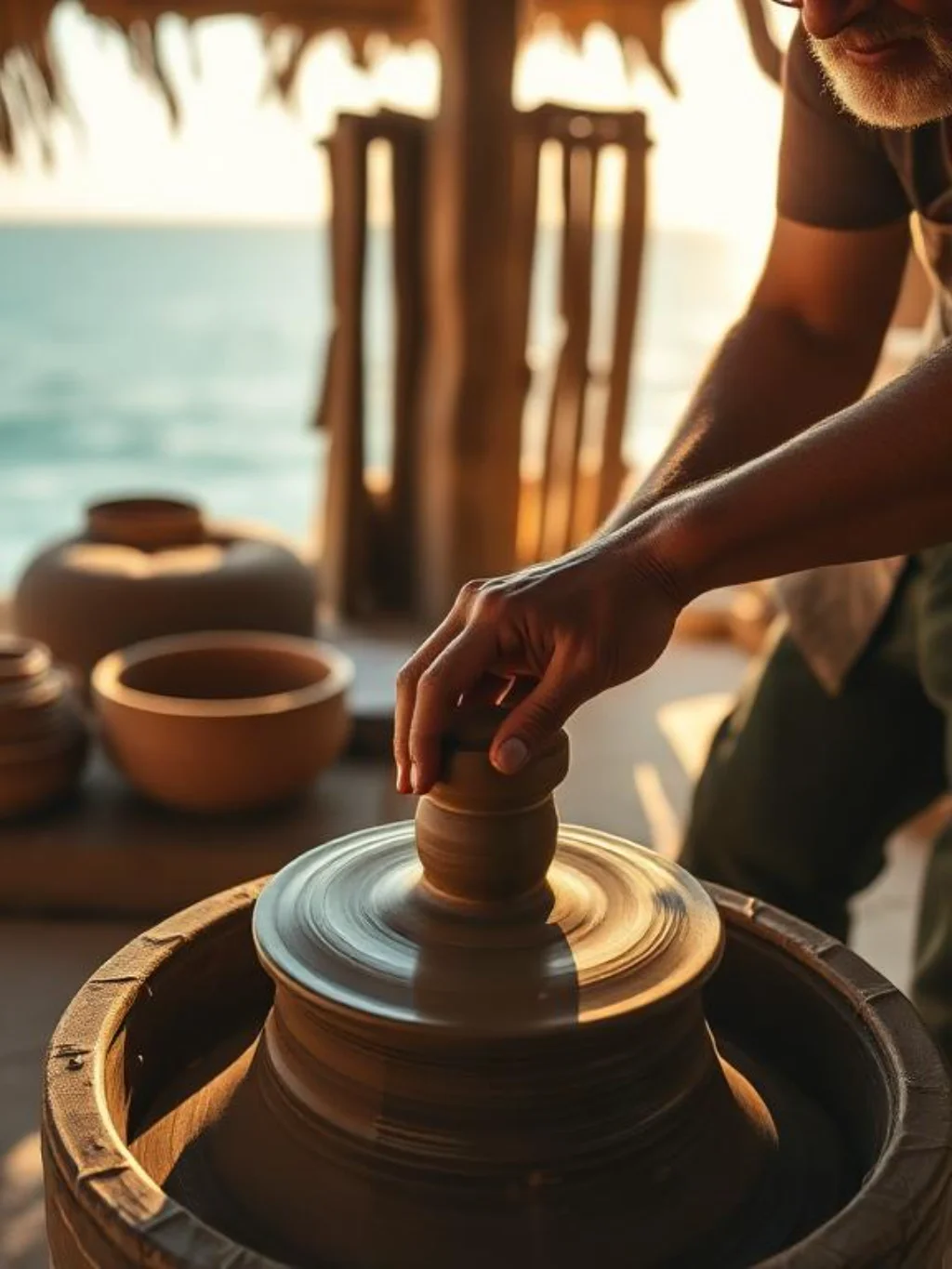
Resort idea outdoor recreation amenities at properties like Belmond resort design and Auberge Resorts Collection concept showcase activities that are authentically rooted in the destination’s natural and cultural landscape — not imported programming that could operate identically anywhere. Adventure tourism property positioning works best when the resort’s team includes genuine local experts rather than generic activity coordinators: a marine biologist leading a reef dive, a fifth-generation rancher guiding a cattle drive, a master potter teaching from the ceramic tradition of the region.
Family Resort Ideas That Solve the One Problem Every Parent Travels With

Family resort ideas that succeed commercially solve a specific problem that every traveling parent knows intimately: the impossible task of simultaneously experiencing a genuinely restorative vacation while also keeping children engaged, safe and genuinely happy. Most resorts address only the children’s side of this equation through kids clubs and children’s pools while leaving parents to manage the rest.
Resort idea kids club programming at the most successful family properties creates genuinely educational, immersive experiences for children — wildlife tracking, culinary classes, cultural craft programs — that children find more compelling than screens and that parents feel genuinely good about. Hilton resort amenities family programming and Marriott resort development family resort concepts both demonstrate that when children are deeply engaged in meaningful activities, parents experience the genuine restoration they came for without guilt or compromise. The family resort idea that solves both sides of that equation simultaneously creates the most powerful word-of-mouth in the entire industry.
Adults Only Resort Concepts Built Around Genuine Privacy and Elevated Silence
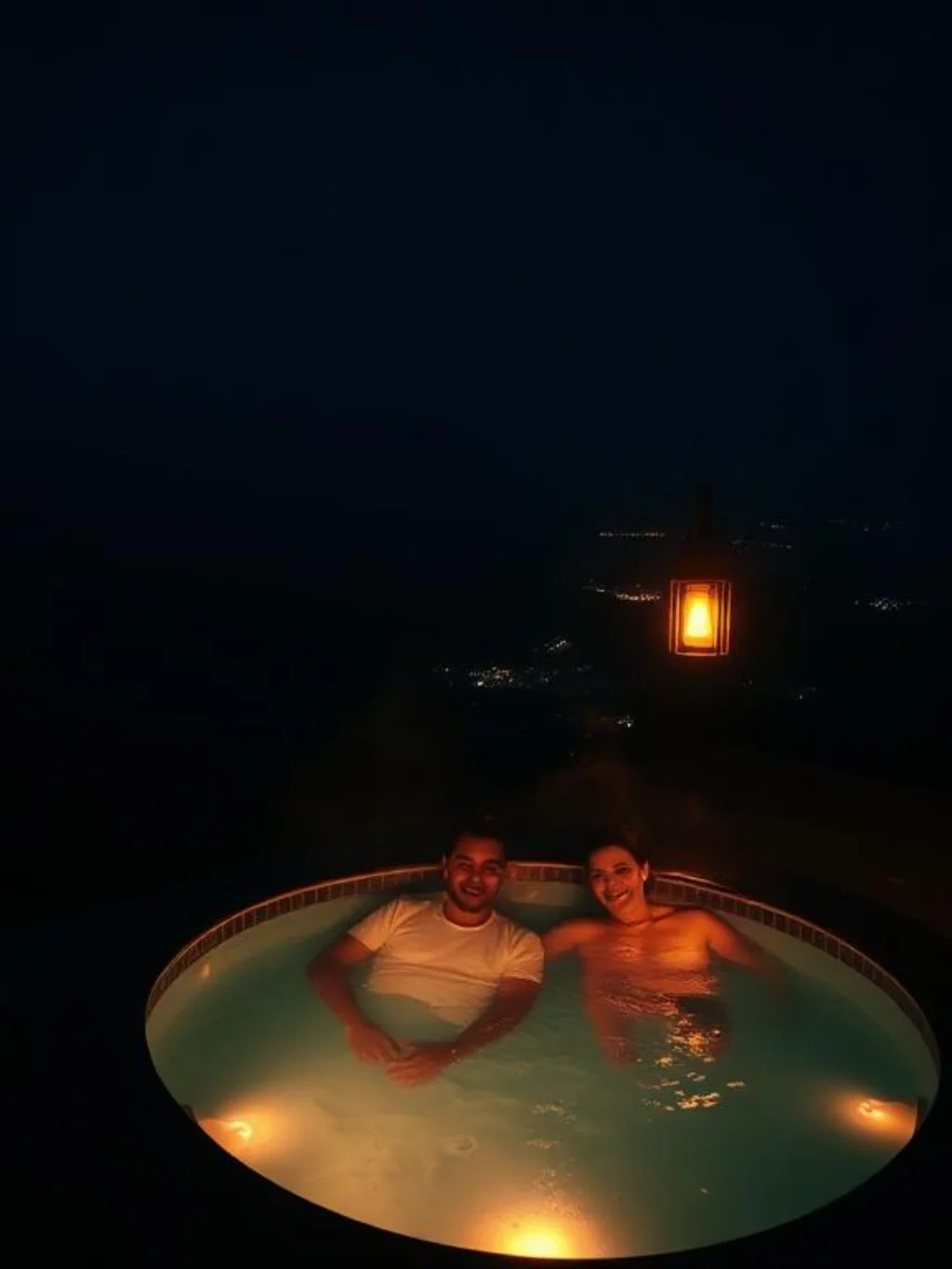
Adults only resort ideas occupy a specific premium market position driven by a desire that the travel industry has historically underserved: genuine acoustic and social privacy in a natural setting. Adults who book adults-only properties aren’t anti-children — they’re actively seeking the specific atmosphere that family-inclusive properties, however beautiful, structurally cannot provide.
What do guests want from a resort in the adults-only category centers on three consistently reported desires: silence as an environmental condition rather than a service offering, genuine spatial privacy between guest areas, and a social atmosphere that matches their life stage rather than catering to demographics they’re deliberately vacationing away from. Resort idea target market segmentation for adults-only positioning should distinguish further between couples-focused romantic retreats, solo traveler wellness destinations and multi-generational adult group gatherings — each sub-segment has meaningfully different programming needs.
Resort Branding Ideas That Create Instant Recognition Across Every Touchpoint
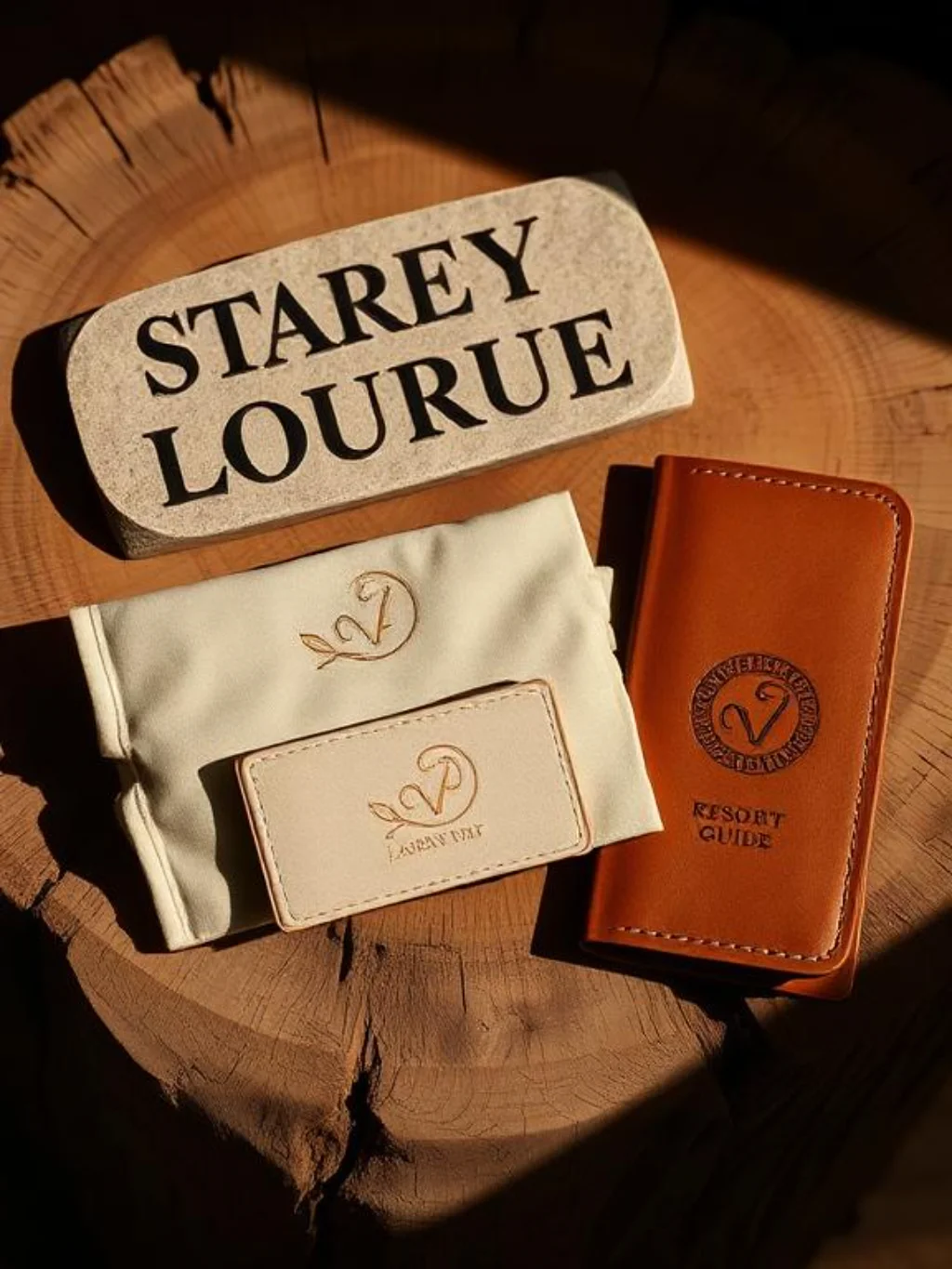
Resort idea brand identity development is frequently treated as a logo and color palette exercise when it should be a comprehensive sensory architecture project. Your resort’s brand isn’t what guests see — it’s what they feel consistently across every interaction point from the first website visit through the post-departure communication sequence. Consistency across that entire journey is what converts a single stay into lifetime loyalty.
Destination branding ideas for resort properties extend into sound design, scent programming, tactile material selection in linens and amenities, the specific words used in written communications and the emotional register of every staff interaction. Four Seasons resort concept brand consistency is studied in hospitality schools specifically because it operates as a feeling rather than a visual identity — guests describe “the Four Seasons atmosphere” without being able to specify exactly what creates it. Resort idea photography and visual brand standards matter enormously because the property’s visual language must communicate instantly what words take paragraphs to explain.
Technology Integration Ideas That Elevate Service Without Replacing Human Warmth
What technology do modern resorts use to enhance rather than diminish the human experience is the central challenge of hospitality technology integration in the current decade. The worst technology implementations replace human contact with digital interfaces in the name of efficiency, producing a cooler, more impersonal experience that premium guests specifically pay to escape.
Resort idea technology integration done correctly operates invisibly — eliminating friction behind the scenes while preserving and even amplifying the human moments guests remember. Mobile check-in that means no front desk wait, but a warm personal greeting from a team member who already knows your name and preferences on arrival. Smart room controls that learn guest preferences automatically rather than requiring manual adjustment each stay. Booking.com resort listing strategy and Google Hotel Search resort visibility both benefit from technology investment in review response systems, dynamic pricing engines and distribution channel management that keeps the property competitive without consuming the management bandwidth better spent on guest experience.
Resort Spa Ideas That Generate Revenue Long After the Guest Checks Out
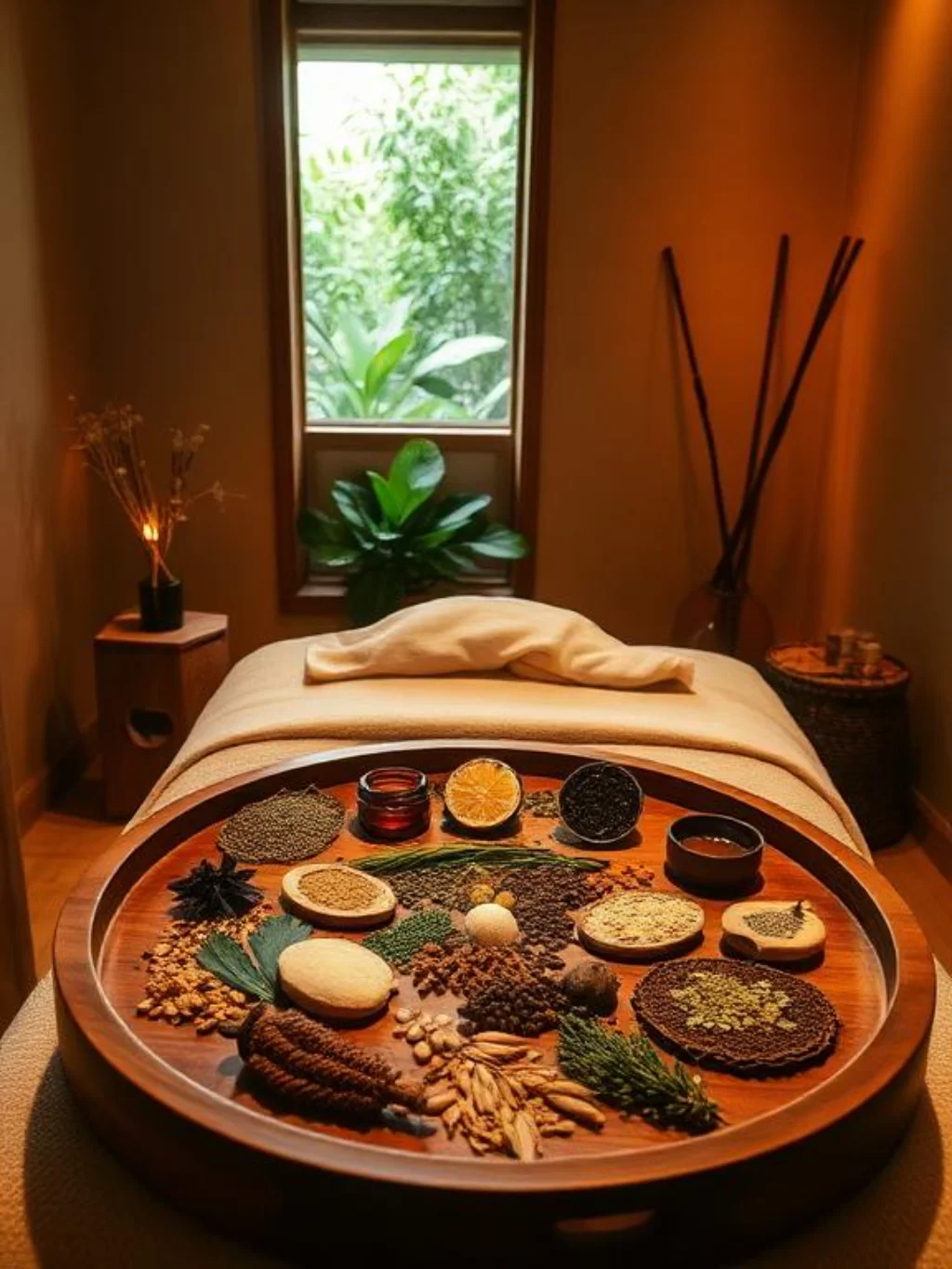
Resort spa ideas that achieve genuine profitability extend their revenue model beyond treatment bookings during the guest’s stay to encompass retail product sales, post-departure online product subscriptions, day spa memberships for local residents and destination wellness retreats that generate their own booking demand independent of the resort’s room occupancy.
Resort idea wellness programming in the spa context benefits from proprietary treatment development — signature rituals using locally sourced botanicals, indigenous healing traditions adapted with cultural sensitivity, or evidence-based protocols developed with clinical partners — that guests cannot replicate with a different provider anywhere else. Como Hotels resort concept spa programming demonstrates this principle effectively: their COMO Shambhala wellness methodology creates a specific treatment philosophy that gives spa revenue a brand equity dimension that generic treatment menus simply don’t generate.
The Revenue Model Behind Resort Ideas That Actually Sustain Long Term Profit

What is the most profitable resort type is a question that depends entirely on market positioning, location, operating model and capital structure — but the common thread across most sustainably profitable resort businesses is diversified revenue generation that prevents dangerous dependency on any single income stream. Room revenue alone rarely sustains resort economics through the demand volatility that every hospitality business inevitably encounters.
Resort idea revenue management strategy at mature properties typically generates room revenue accounting for 40 to 55 percent of total revenue, with the remaining 45 to 60 percent distributed across food and beverage, spa, activities, retail, event and wedding bookings and ancillary services. Resort idea return on investment calculations should be modeled across a minimum ten-year horizon for new developments, since most resort properties require three to five years to achieve operating stabilization as reputation builds and distribution matures through review platforms like TripAdvisor resort ranking factors and Forbes Travel Guide resort criteria.
| Revenue Stream | Typical Contribution | Growth Potential |
|---|---|---|
| Room revenue | 40–55% | Moderate |
| Food and beverage | 20–30% | High |
| Spa and wellness | 8–15% | High |
| Activities and tours | 5–10% | Medium |
| Events and weddings | 8–12% | Medium-High |
| Retail and merchandise | 2–5% | Medium |
Resort Marketing Ideas That Fill Rooms Before the Property Even Opens
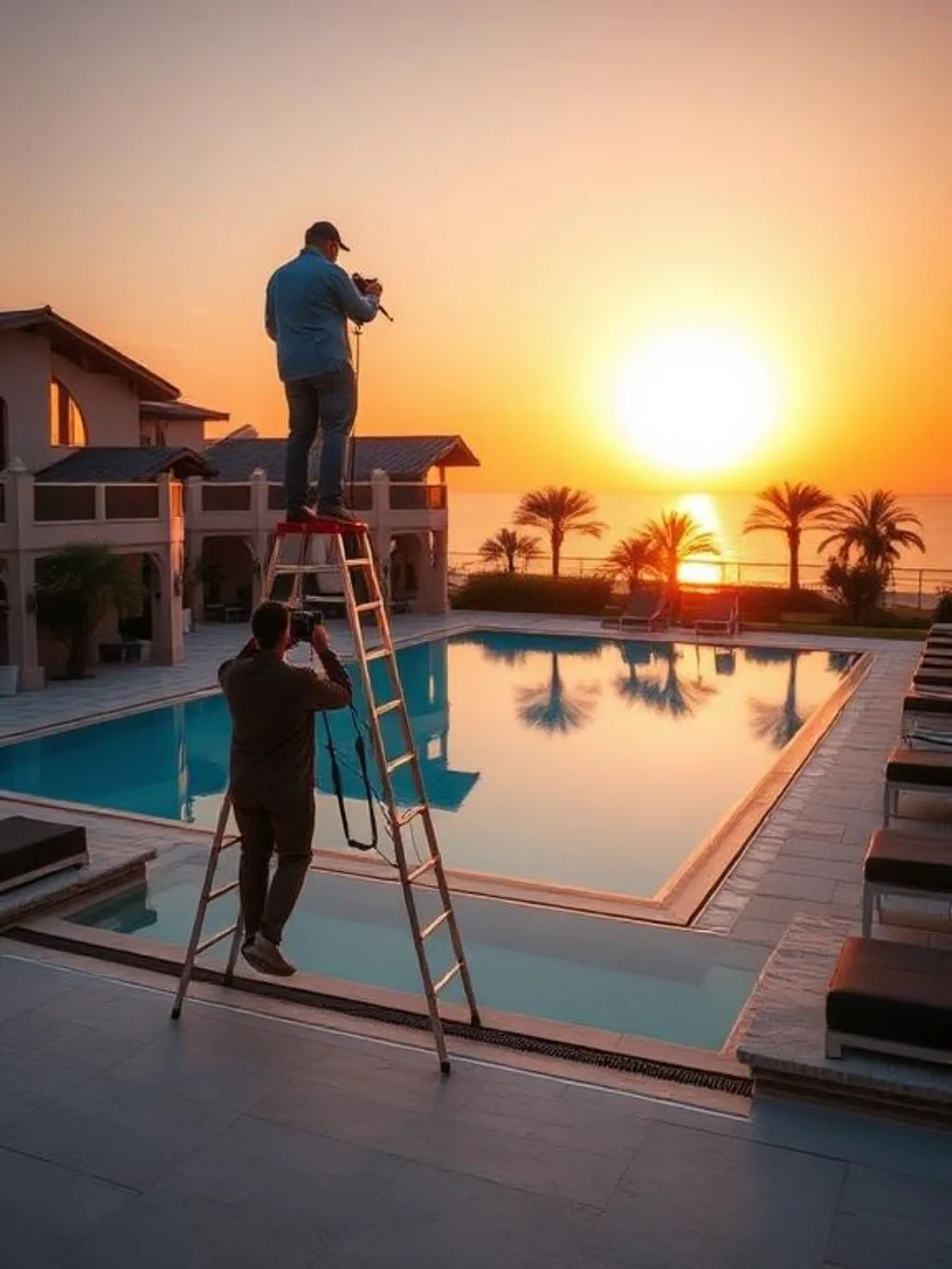
How to market a boutique resort before opening requires building an audience around your concept rather than your property — because your property doesn’t exist yet to speak for itself. Resort marketing ideas that generate pre-opening demand invest in content, community and credibility rather than direct booking promotion, since no one books a property they haven’t yet seen reviewed by travelers they trust.
Resort idea social media content strategy during development should document the construction journey with editorial quality photography and video that demonstrates the property’s design philosophy, landscape relationship and the authentic passion of the development team. Expedia resort marketing and Google Hotel Search resort visibility strategies require the property to be listed and accumulating search visibility before opening day. Resort idea photography and visual brand investment in a pre-opening professional shoot — often using architectural renderings, construction progress documentation and landscape photography of the site — gives sales and marketing teams material to build genuine audience anticipation across a 12 to 18 month pre-opening window.
Cultural Immersion Programming That Makes Your Resort Irreplaceable to Guests
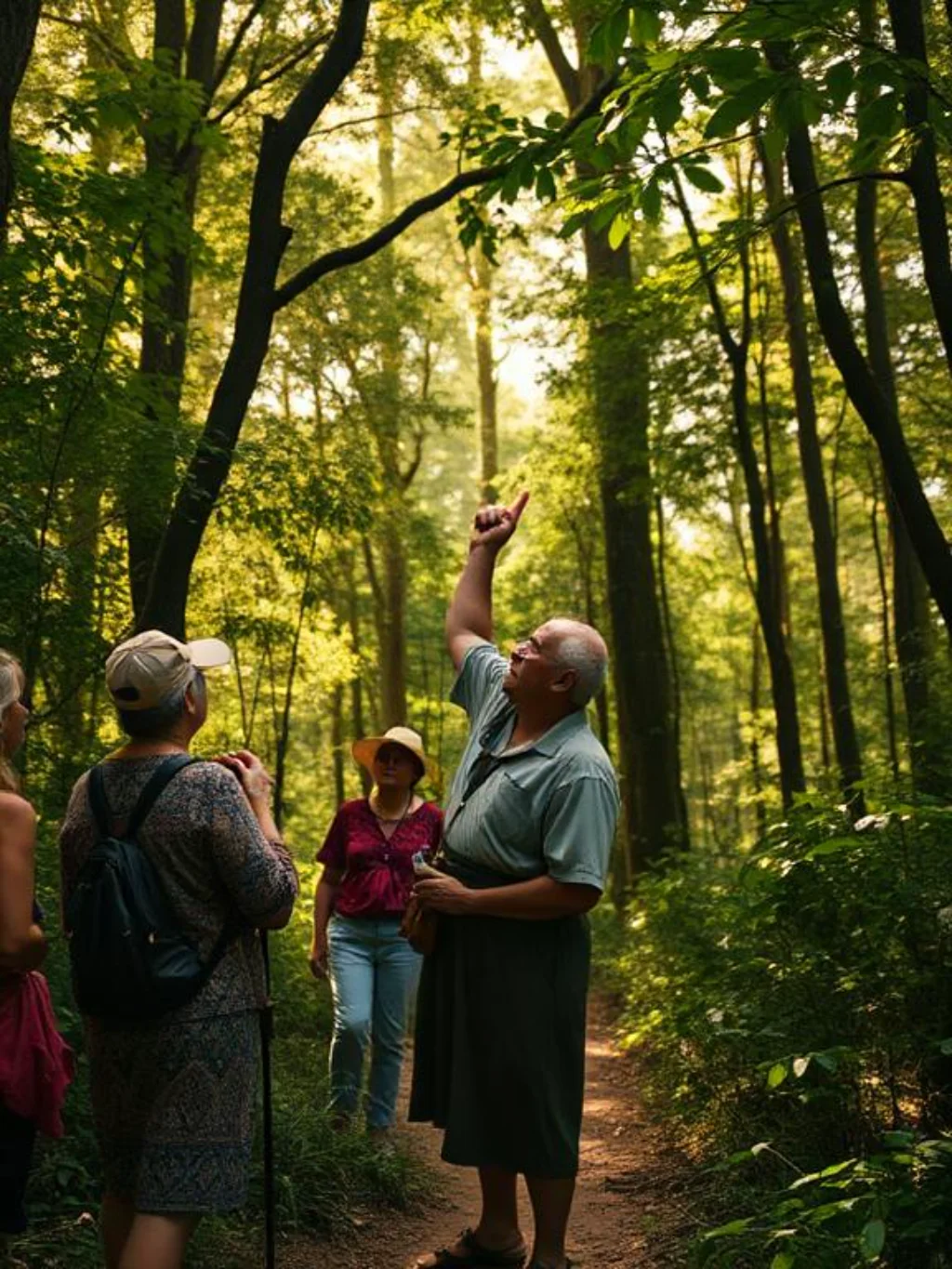
Resort idea cultural immersion programming separates properties that feel genuinely placed in a specific part of the world from those that could have been dropped anywhere and operated identically. Experiential travel ideas at the forefront of this movement immerse guests in authentic local knowledge — not staged cultural performances for tourist consumption but actual participation in the living traditions of the communities surrounding the resort.
Immersive travel experience programming at properties like Banyan Tree resort concept and Como Hotels resort concept positions local cultural figures — master artisans, traditional healers, community elders — as genuine program contributors rather than service vendors providing tourist-grade products. What is the future of resort hospitality consistently points toward this cultural authenticity as the defining competitive advantage that no amenity expenditure can manufacture — it requires relationships, trust and genuine integration with surrounding communities built over years rather than deployed as a marketing strategy.
Wedding and Event Venue Ideas That Add a Powerful Second Revenue Stream
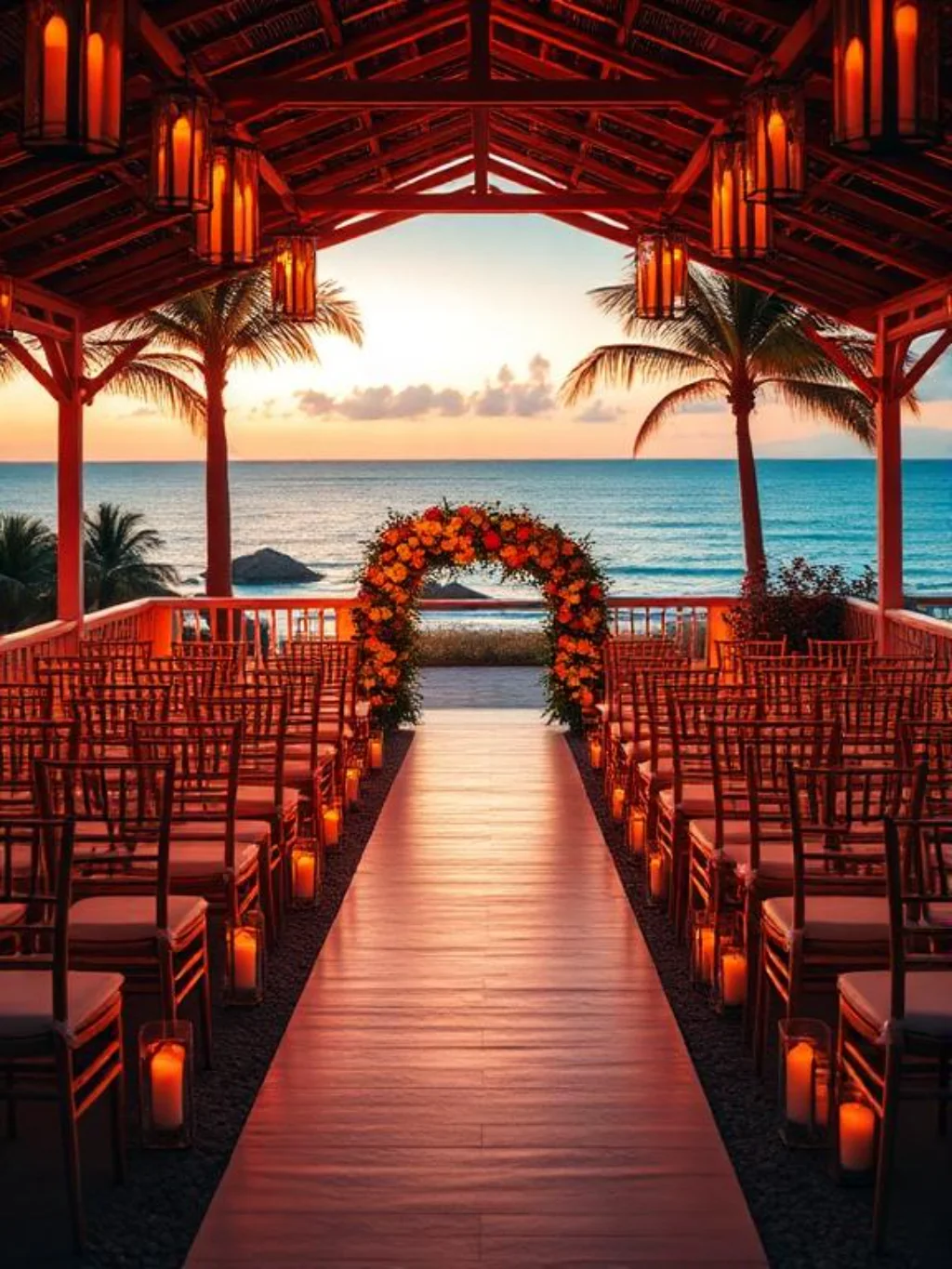
Resort idea event and wedding venue development adds a revenue stream with dramatically different demand patterns from leisure accommodation — weddings and corporate events typically book twelve to eighteen months in advance, providing revenue visibility that hotel room bookings rarely achieve. This advance booking horizon allows operational planning, staffing certainty and cash flow management that stabilizes the overall resort business.
Resort wedding venue ideas that achieve consistent bookings typically combine three assets: a visually spectacular ceremony location that photographs exceptionally in every direction, catering capability sufficient to serve 50 to 300 guests at premium culinary quality and enough on-property accommodation to house the wedding party without requiring external hotel coordination. St Regis resort experience event programming and Waldorf Astoria resort idea wedding venue positioning demonstrate that the resort’s brand prestige directly translates into wedding pricing power — couples specifically seek the venue’s reputational association as part of what they’re purchasing.
Sustainability Certification Ideas That Attract the Next Generation of Luxury Traveler
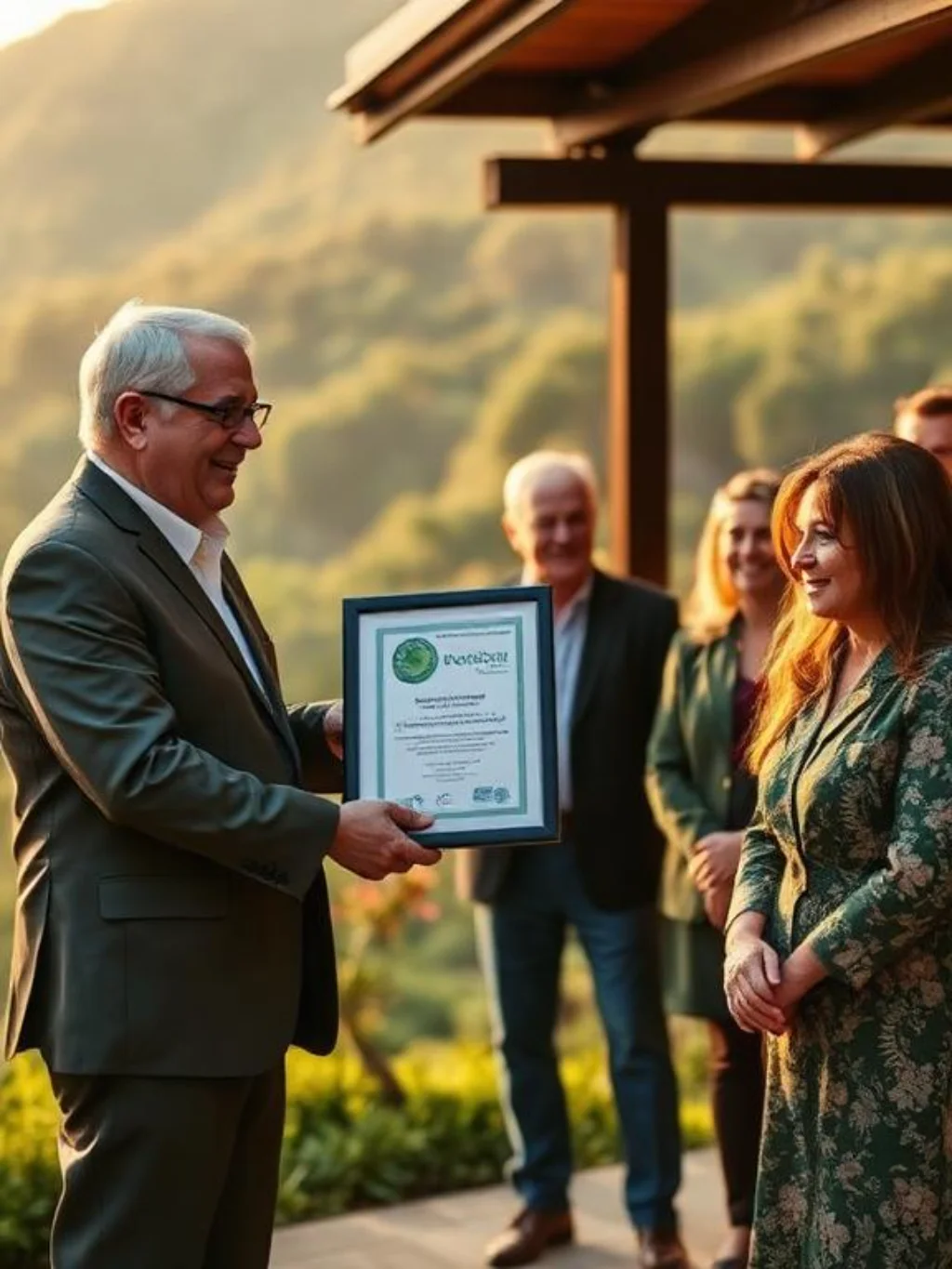
Resort idea sustainability certification investment has evolved from an ethical optional extra to a commercially strategic necessity as the luxury traveler demographic shifts toward younger, more environmentally conscious consumers who genuinely research a property’s environmental practices before booking rather than simply responding to sustainability marketing language.
How sustainable is dome glamping — wait, that’s a different topic entirely. Sustainable hospitality concept credibility requires measurable commitment rather than aspirational positioning. Resort idea sustainability certification through recognized bodies like Green Globe, Rainforest Alliance, or LEED provides third-party verification that differentiates your property from the “greenwashing” that sophisticated travelers increasingly identify and reject. Airbnb Luxe resort alternative platforms now include sustainability filter options specifically because booking data shows meaningful percentage of luxury travelers actively filtering for verified environmental standards before comparing other property attributes.
Staffing and Service Models That Deliver Five Star Experience at Human Scale
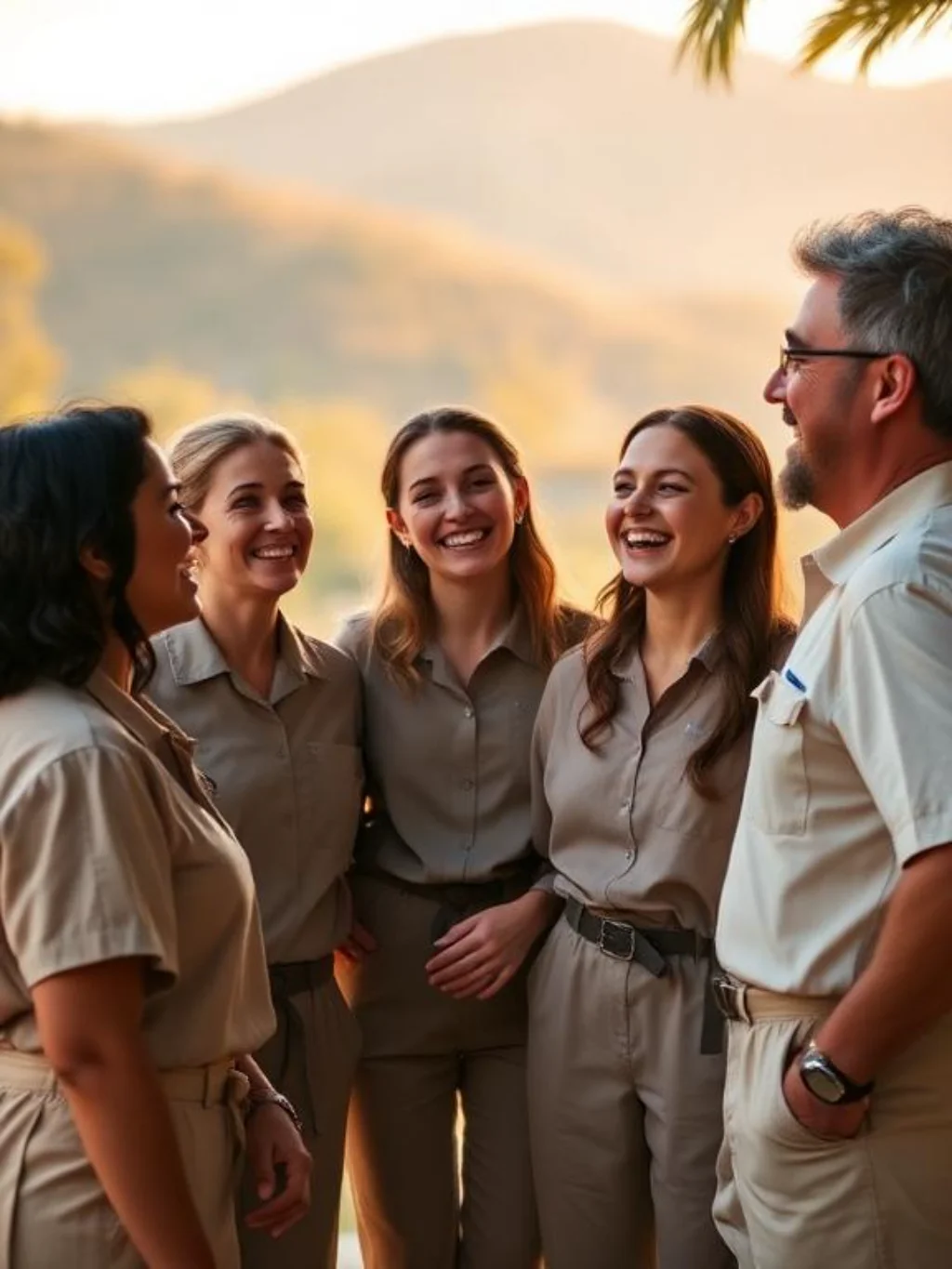
Resort idea staffing model planning must balance service quality, operational cost and staff wellbeing simultaneously — since the last factor directly determines the first. Properties with genuinely happy, well-compensated, purpose-driven staff consistently outperform competitors on guest satisfaction metrics regardless of the physical quality gap between the two properties. People deliver experience. Architecture merely frames it.
How to attract high end guests to a resort is ultimately answered by the human beings who greet, serve and engage those guests — not by the thread count of the linens or the marble selection in the bathrooms. Forbes Travel Guide resort criteria inspection methodology places enormous weight on staff interaction quality, evaluating whether service feels genuine and instinctive versus trained and scripted. Resort idea brand identity development in staffing terms means hiring for authentic warmth and emotional intelligence as the primary qualification criteria rather than technical hospitality skills that can be taught to anyone willing to learn them.
FAQ Section
Q1. What makes a resort idea truly unique and successful?
A resort idea achieves genuine uniqueness when it answers a specific experiential question that no existing property in its competitive set has answered satisfactorily. Success follows when that answer is embedded into every operational decision — architecture, staffing, programming, food and beverage and marketing — rather than existing only as a positioning statement. Conceptual clarity at the foundation produces consistent execution across every guest touchpoint over time.
Q2. How much does it cost to develop a boutique resort from scratch?
Boutique resort development costs range from $2 million for a small glamping-style property to over $50 million for a fully built luxury boutique hotel depending on location, construction standards, land acquisition costs and FF&E specification level. Soft costs including design, permitting, pre-opening marketing and working capital typically add 20 to 30 percent above hard construction costs. Most boutique developments require three to five years before achieving stabilized profitability.
Q3. What amenities do luxury resort guests expect in 2024?
High-priority amenities for luxury resort guests in 2024 include: a high-quality spa with evidence-based wellness programming, outstanding food and beverage with genuine culinary identity, private outdoor space for each accommodation unit, fast and reliable WiFi as a baseline expectation rather than a premium amenity, and personalized activity programming rooted in the destination’s authentic culture and landscape. Generic luxury amenities matter less than authentic, place-specific experiences.
Q4. How do eco resorts generate profit while staying sustainable?
Eco resorts generate profit through premium pricing justified by authentic sustainability credentials, reduced operational costs from renewable energy and waste reduction systems, and access to sustainability-motivated traveler segments willing to pay meaningfully above market rates for verified environmental commitment. Long-term, sustainability investment generates brand equity that compounds across years of operation as environmental certification becomes increasingly important to the mainstream luxury traveler demographic.
Q5. What is the most important factor in choosing a resort location?
The most important single factor is the location’s ability to generate a compelling, specific story that justifies the guest’s decision to travel specifically to this place rather than any alternative destination. Physical beauty is necessary but insufficient — the location must offer genuine distinctiveness in its landscape, cultural context, wildlife or natural phenomena that creates an irreplaceable experiential proposition no other resort can replicate regardless of how much capital they deploy.
Conclusion
Every great resort idea begins as a clear answer to a question that the market hasn’t answered well enough yet. The properties that become genuinely legendary — the ones guests talk about for decades and return to annually — didn’t achieve that status through amenity accumulation or capital expenditure. They achieved it through conceptual courage: the willingness to narrow their focus to a specific experience, a specific guest and a specific promise, then deliver that promise with extraordinary consistency every single day.
Start with the experience you want a guest to describe when they return home. Work backwards from that description to every operational decision your resort will ever make. Keep that original idea at the center of every conversation, every hiring decision, every design choice and every marketing communication. The resort idea is everything. The rest is execution.