
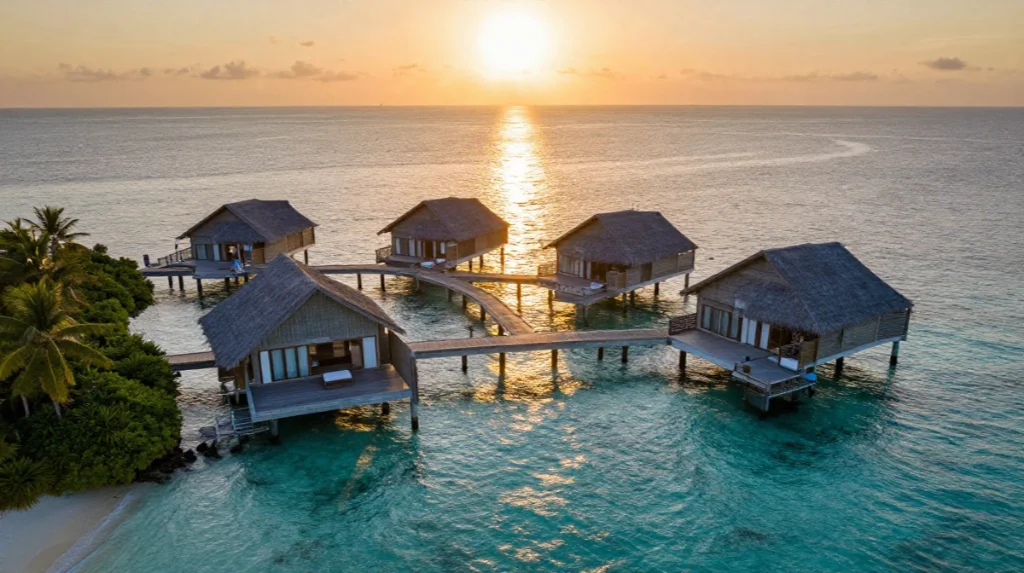
There is a moment every traveler eventually reaches. You stand at the check-in desk of a sprawling 800-room resort, surrounded by crowds, noise, and the faint smell of chlorine from a pool you’ll never actually enjoy. And something quietly breaks. That moment is exactly why the small resort revolution is happening right now across America and beyond — and why it shows absolutely no sign of slowing down.
What is a small resort exactly? The definition shifts slightly depending on who you ask but most travel industry professionals agree on one core characteristic — a small resort typically operates with fewer than 75 rooms or villas and prioritizes depth of experience over breadth of amenity. It’s not about what’s missing. It’s about what’s concentrated. Every square foot of a well-run small resort destination exists to serve a specific feeling rather than accommodate a maximum headcount.
The Quiet Revolution Happening Inside Intimate Resort Destinations Right Now
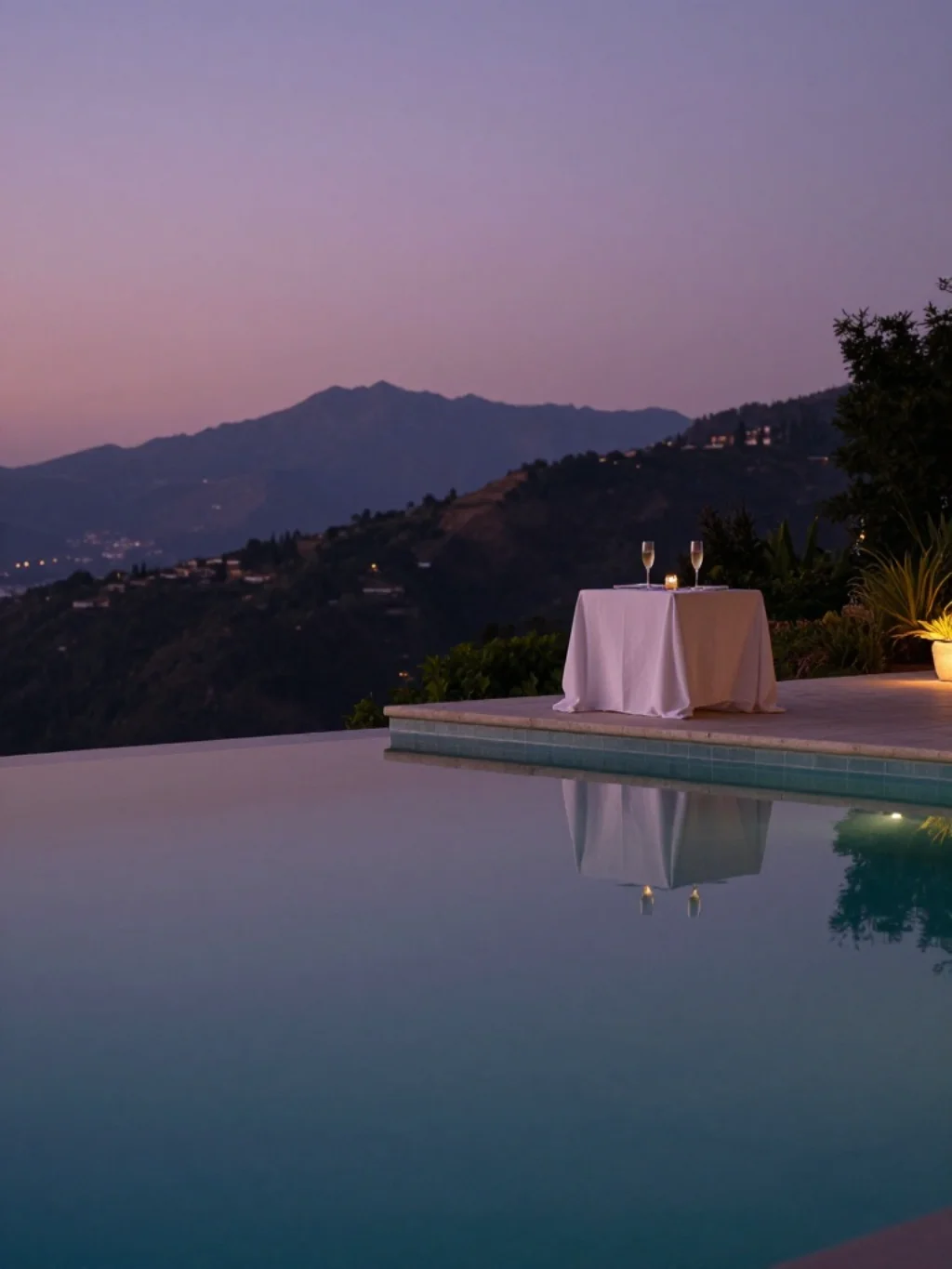
Something fundamental shifted in American travel culture and it didn’t announce itself loudly. The intimate resort model — small, deeply curated, locally rooted — started attracting guests who had everything a large property could offer and still felt empty afterward. These weren’t budget travelers seeking compromise. They were experienced travelers seeking something money alone couldn’t buy at a conventional property: genuine presence.
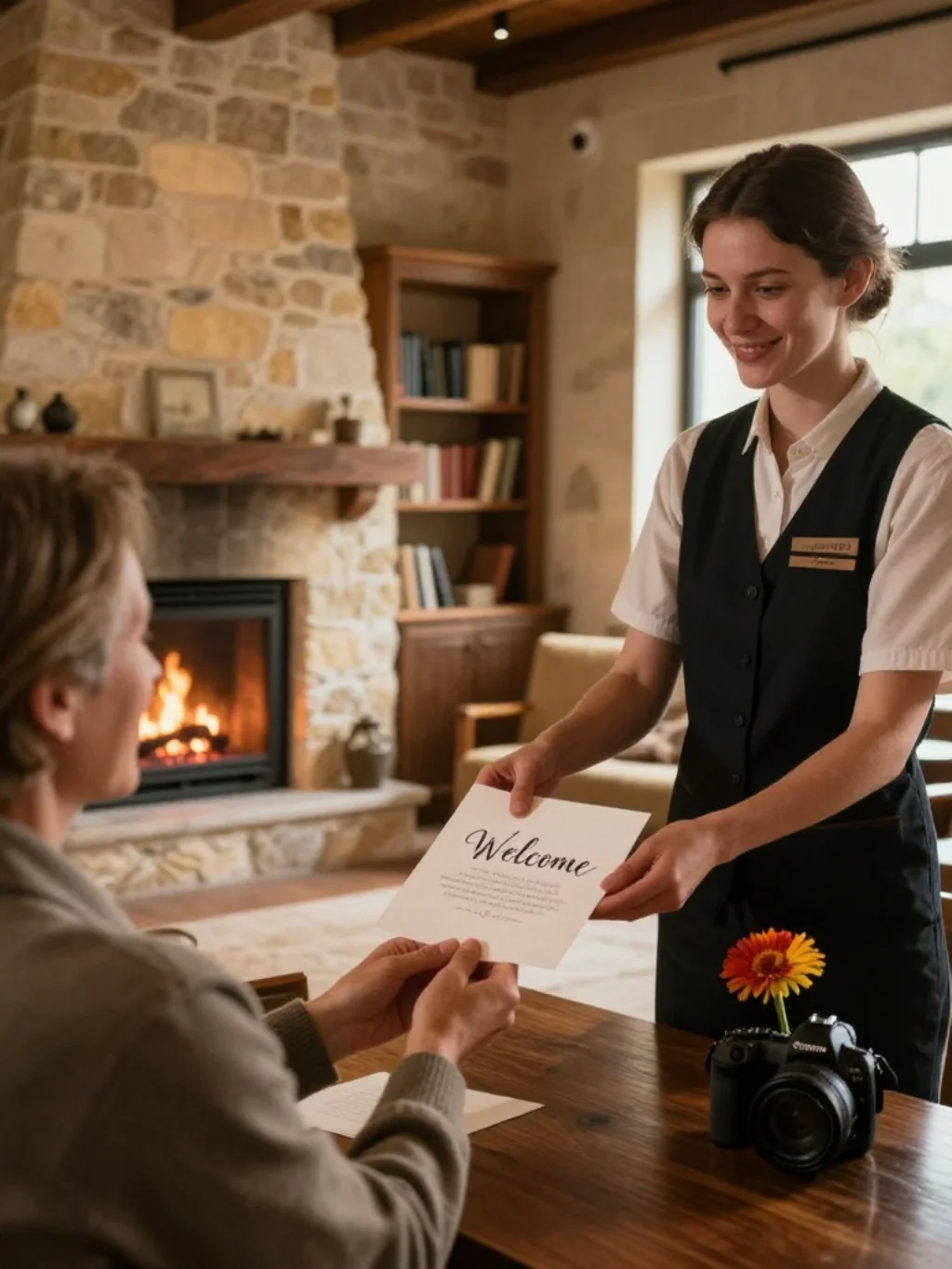
Personalized hospitality drives this revolution more than any single amenity or location. Staff at a small resort hotel know returning guests by name before they arrive. Preferences logged from a previous stay appear as thoughtful gestures on arrival day — a specific pillow type, a preferred coffee order waiting on the morning terrace. This isn’t accidental. It’s a deliberate operational philosophy that large resorts structurally cannot replicate regardless of their budget or intention.
Small Resorts Deliver What Five Star Hotels Never Could — and Here Is Proof
The five-star hotel model was built on scale. Grand lobbies, hundreds of staff, multiple restaurants, enormous spas — the logic being that more equals more impressive. But traveler satisfaction data tells a different story. Small resort with personalized service properties consistently outperform five-star large resorts on emotional satisfaction metrics even when their physical amenities are objectively more modest. The reason is simple and human.
At a small resort for weekend getaway stay, the ratio of attentive staff to guests shifts dramatically in your favor. Where a large luxury hotel might assign one concierge to 200 guests, a boutique resort operation often maintains near one-to-one ratios for key guest touchpoints. That means your dinner reservation actually gets made correctly. Your airport transfer shows up on time. Your room is ready early because someone genuinely tracked your flight. Small resort vacation packages deliver precision that scale fundamentally prevents.
The Invisible Thread That Connects Every Unforgettable Boutique Resort Stay
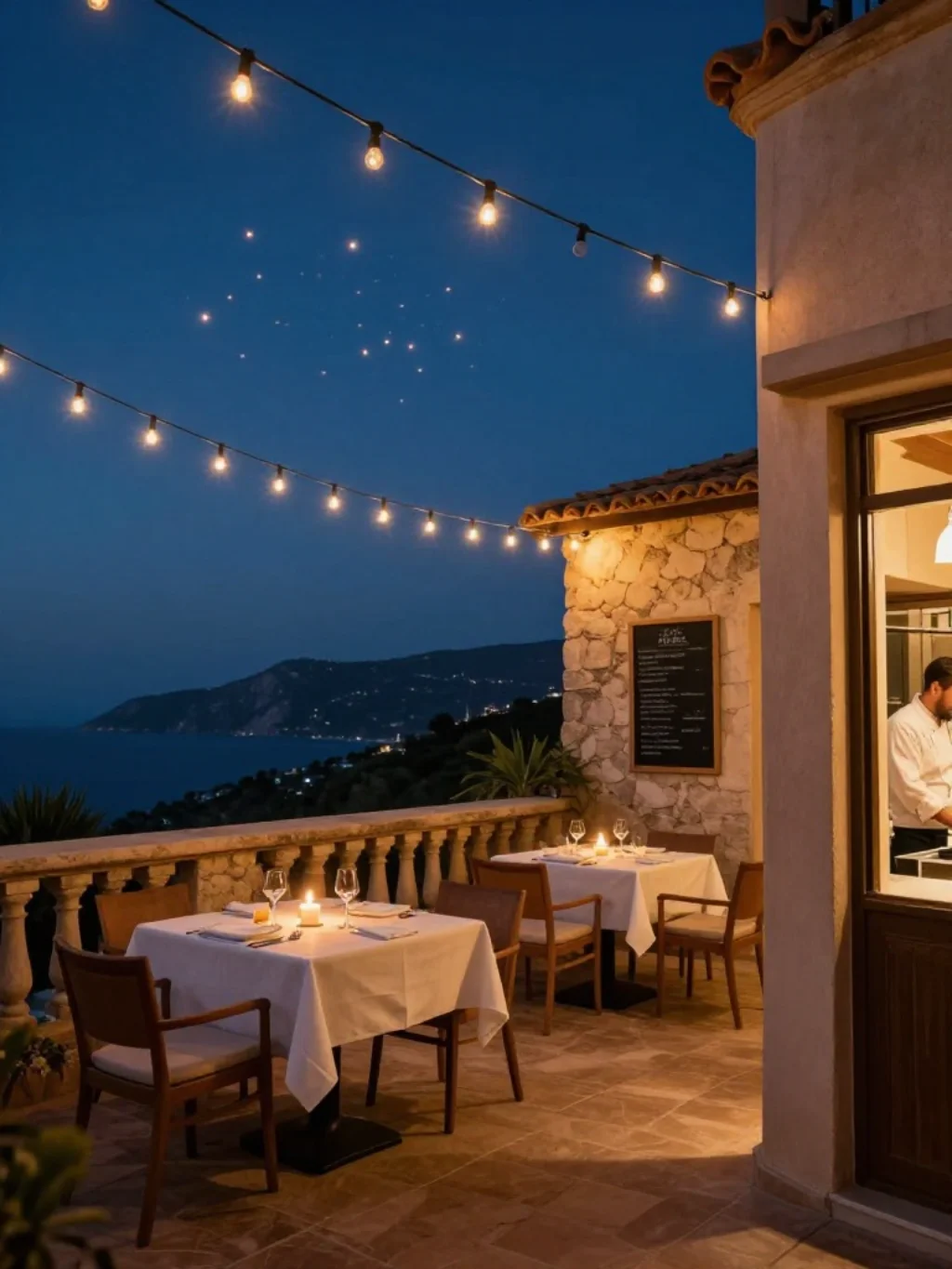
Ask a hundred travelers to describe their most memorable vacation and a pattern emerges that’s almost eerie in its consistency. They rarely mention the pool size or the lobby decor. They describe a conversation with a local guide arranged by the resort. A meal where the chef came out and explained every ingredient’s origin. A sunset they watched from a private terrace with a glass of something cold and the absolute certainty that nobody else in the world was having quite this same moment. That invisible thread is curated guest experience.
The private resort experience is built on intentionality. Every detail — from the art on the walls to the music playing at breakfast — gets chosen with a specific guest feeling as the target. Boutique accommodation style operators spend considerable time defining who their ideal guest is and then building the entire property experience around that person’s deepest travel desires. The result feels less like checking into a hotel and more like being welcomed into someone’s extraordinarily well-appointed home. That feeling is the thread. And once you’ve felt it you can’t unfeel it.
Small Resort Getaways for Couples That Ruin Ordinary Hotels for Good
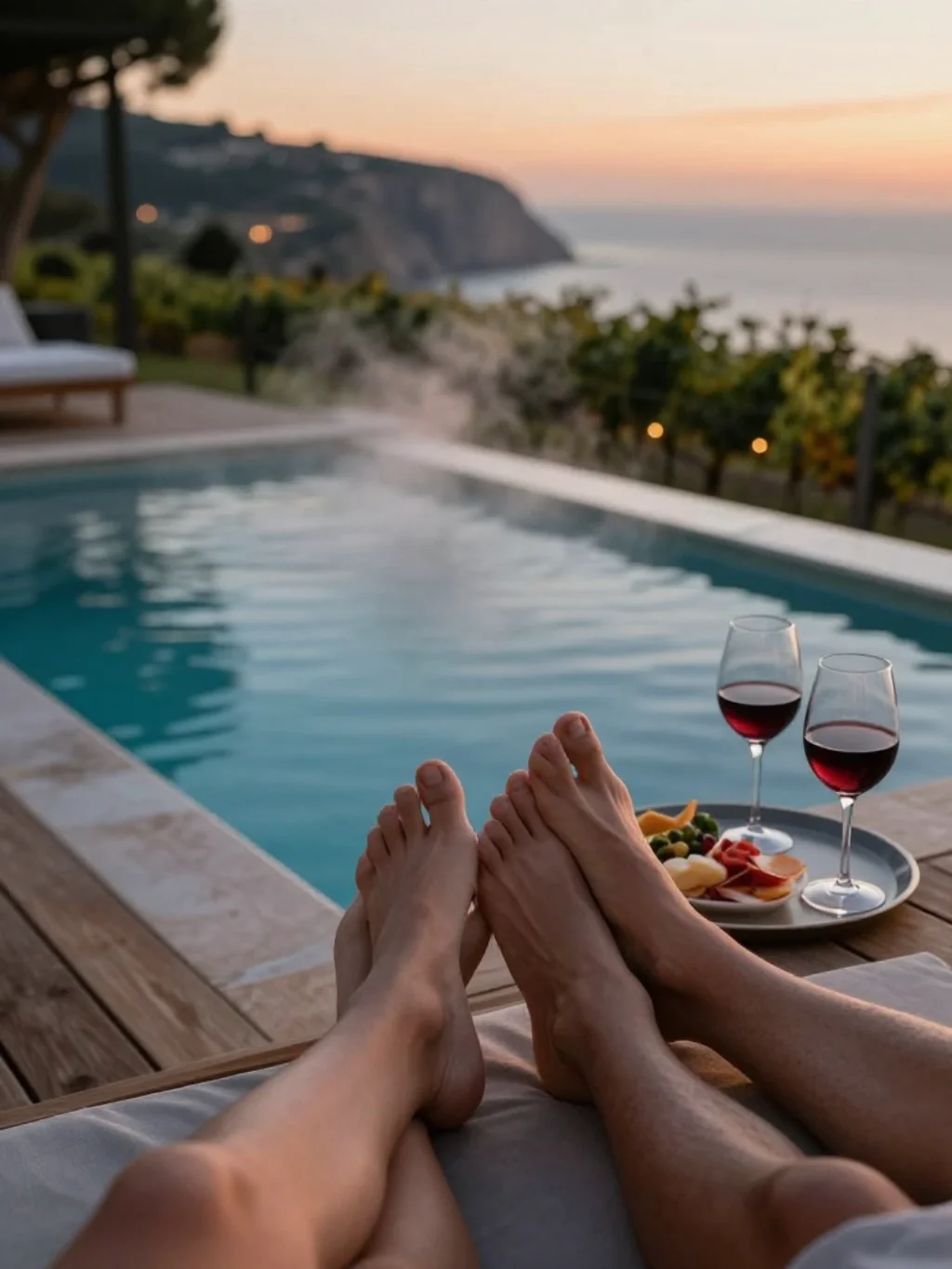
A small resort for couples does something that no large resort can manufacture regardless of its romance package pricing — it creates the genuine sensation of being alone together in a beautiful place. When a property hosts 30 couples instead of 300 the entire atmosphere recalibrates. Breakfast doesn’t feel like a cafeteria. The pool feels like yours. Evening cocktails on the terrace feel like a private event. Most romantic small resorts understand that romance isn’t a product you can add to a room. It’s an atmosphere you build from every decision the property makes.
Romantic small resort destinations that consistently earn top couple satisfaction ratings share several measurable characteristics. They offer private outdoor spaces attached to rooms — a terrace, a plunge pool, a hammock between two palms. They serve breakfast in-room or at private tables rather than buffet-style communal setups. They limit noise levels intentionally. And they structure their programming around experiences couples can share rather than organized group activities that scatter guests across the property. Small resort for couples is not a category. It’s a commitment the property makes before you even arrive.
Families Who Chose Boutique Over Mega Resorts and Never Looked Back
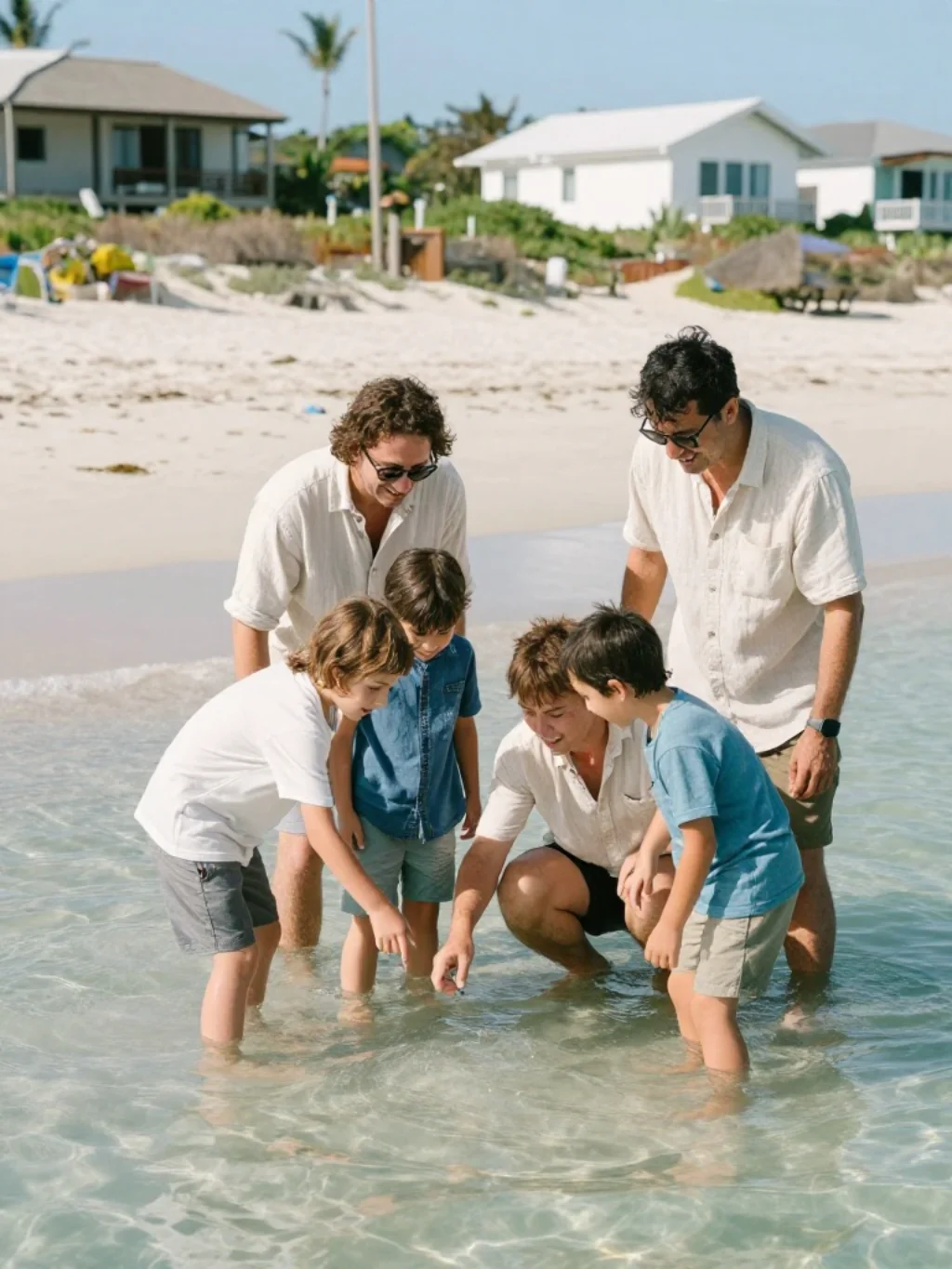
The conventional wisdom said families need big resorts. Multiple pools. Kids clubs. Waterslides. Endless buffet options. And for a certain kind of family vacation that formula works fine. But a growing segment of American families discovered something surprising — their children were actually happier, calmer, and more genuinely engaged at a family small resort where everything scaled down to human proportions. Less overwhelm. More connection.
Small resort for families properties that specialize in multi-generational travel tend to offer what the mega-resort model accidentally eliminates: space and pace. Children at a cozy resort getaway aren’t lost in a crowd. Parents aren’t spending half the day finding each other. Activities at a boutique family property lean toward genuine nature engagement — guided tide pooling, morning kayak tours, evening stargazing with a local astronomer — rather than manufactured entertainment that children forget within a week. Families who make this shift rarely go back. The memories simply run deeper.
Hidden Gems — the Small Resort Destinations Most Travelers Never Discover
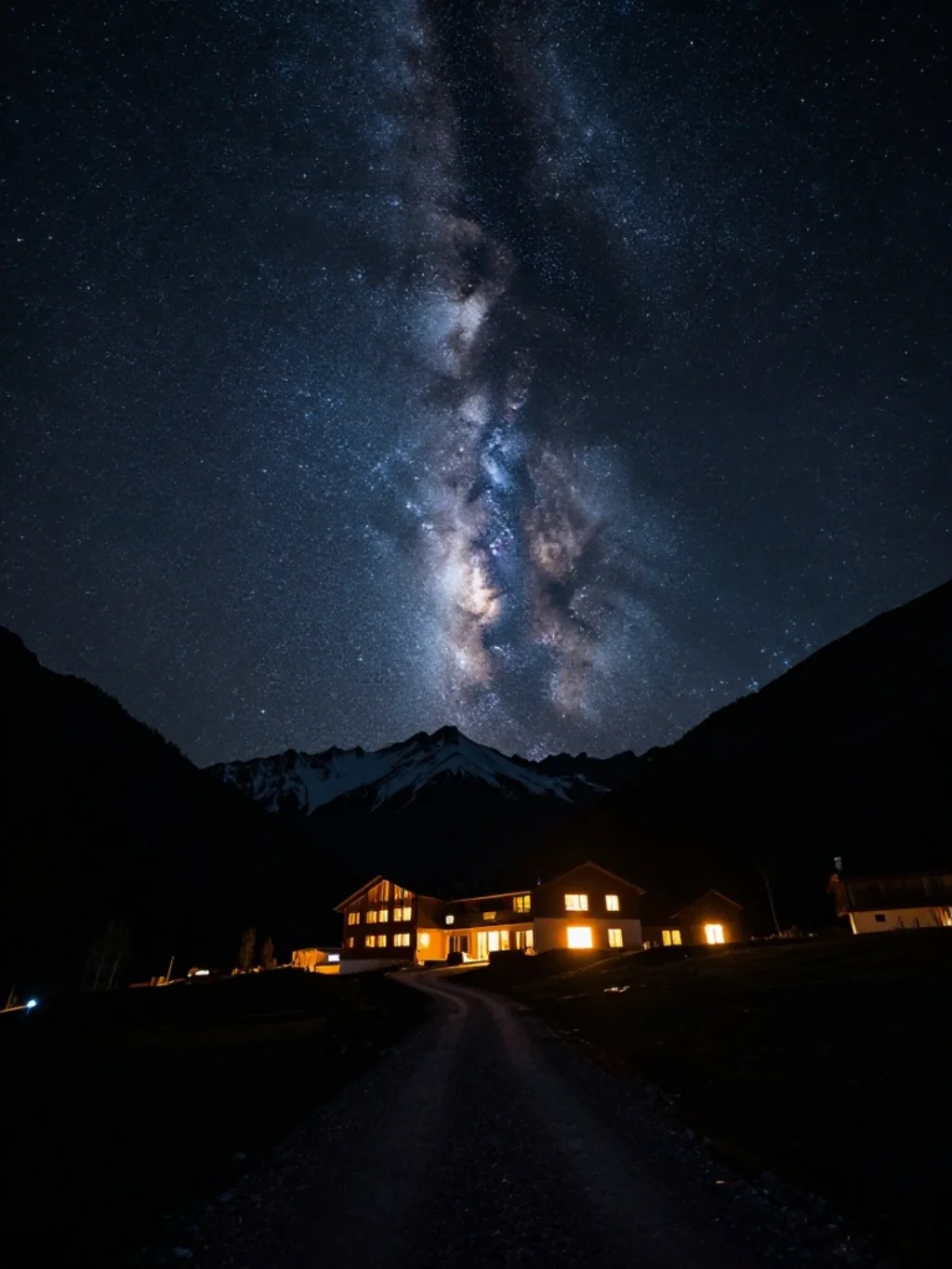
The most extraordinary small resort hidden gems in America share one defining characteristic — they don’t advertise aggressively. They don’t need to. Their guests find them through word of mouth, through a single Instagram image that stops a scroll, through a travel writer who stumbled upon something almost too good to share. The most unique small resorts in the country exist deliberately off the algorithmic radar and that obscurity is precisely what preserves their magic.
Consider the lakeside properties tucked into the Adirondacks where small lakeside resort operations host fewer than 20 guests at a time and the only sounds at night are loons calling across still water. Or the vineyard retreats in Sonoma Valley where a small countryside resort built among the vines offers wine education, farm-to-table dining, and rooms so quiet they reset your nervous system within 24 hours. Best small resorts in the USA lists compiled by serious travel journalists consistently feature properties with no major advertising presence — found only by those who know exactly where to look.
Personalized Service So Precise It Feels Like the Resort Was Built for You
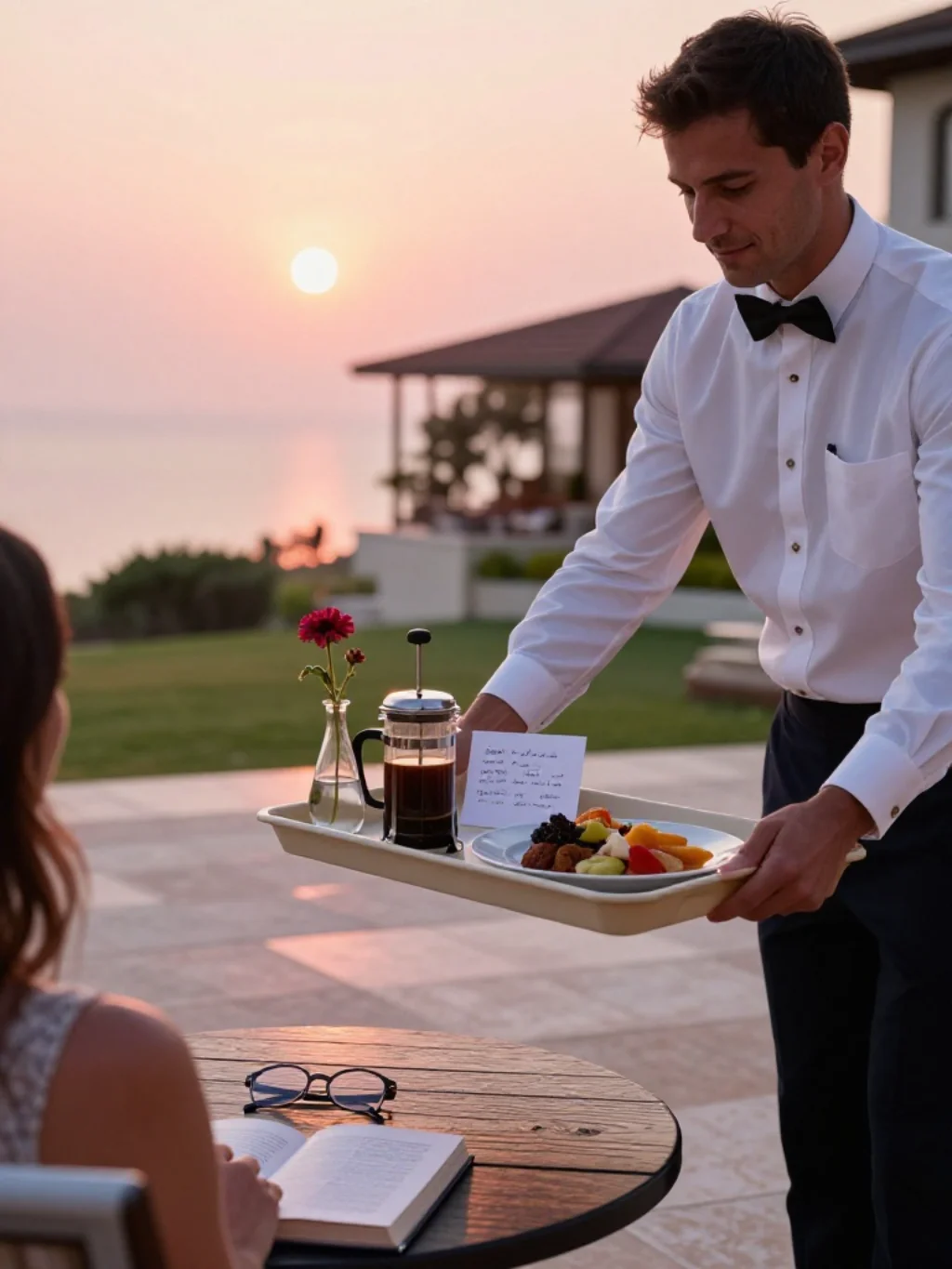
Small resort with personalized service operations build their guest profile systems differently from large hotel chains. Where a chain hotel collects data for marketing purposes a small resort hotel collects it for experiential purposes. Your dietary restrictions inform not just the kitchen but the room’s minibar selection. Your preferred wake time informs when housekeeping schedules your room. Your anniversary date — if mentioned during booking — becomes an occasion the property marks in a way that costs almost nothing but means everything.
you may also like this:22 Family Glamping Ideas for an Unforgettable Vacation
This level of bespoke resort services requires a specific kind of staff culture that’s nearly impossible to manufacture in a large property. It requires employees who genuinely care about individual guests rather than departmental metrics. Small resort that feels like home is a phrase guests use repeatedly in reviews not as hyperbole but as literal description. The chef who asks how you liked last night’s fish. The housekeeping team member who notices you left a book face-down and marks the page before folding it closed. These moments define the intimate travel experience and they happen because small teams notice things large teams structurally cannot.
Ocean Front Intimacy — Small Beach Resorts Redefining What Coastal Means
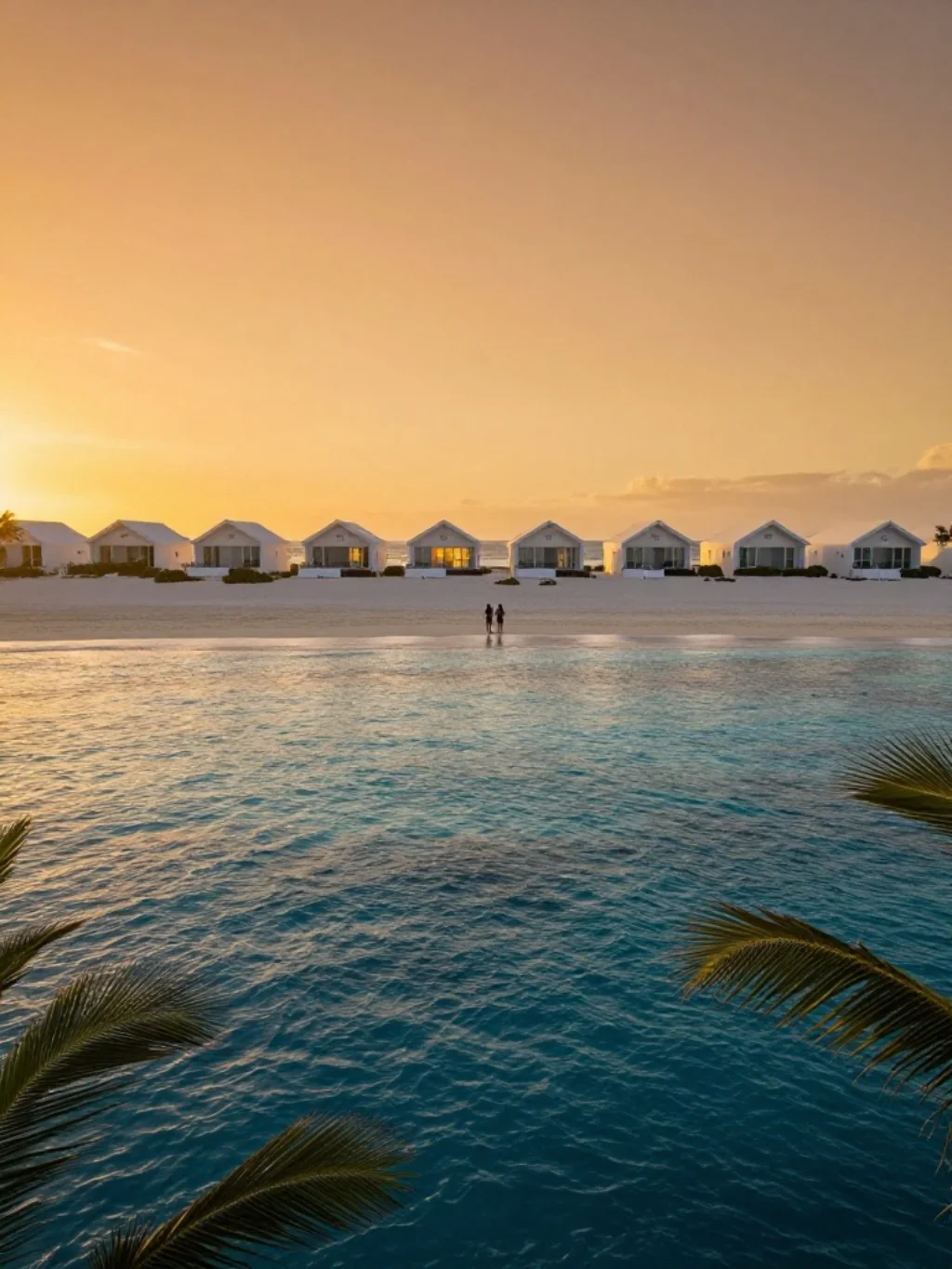
Small beach resort properties along America’s coasts — from the rocky shores of Maine to the Gulf Coast’s sugar-white beaches to the dramatic Pacific cliffs of Big Sur — offer something the sprawling beachfront mega-resort fundamentally cannot: the sensation of having the ocean nearly to yourself. When a property hosts 20 guests instead of 2,000 the private beach experience stops being a marketing claim and becomes a literal reality most mornings before 9am.
Small resort near the ocean destinations that consistently draw discerning coastal travelers share a specific architectural philosophy. They position rooms to maximize unobstructed ocean sightlines from every window. They avoid the tower-block design that large resorts favor and instead build low across the landscape, keeping the property integrated into the coastal environment rather than imposed upon it. Small resort with private beach access transforms the coastal vacation from a crowded sensory experience into something closer to meditation. Waves, light, salt air, and silence — experienced at a scale that feels genuinely personal rather than commercially manufactured.
When the Mountain Calls — Small Resort Escapes That Silence Everything Else
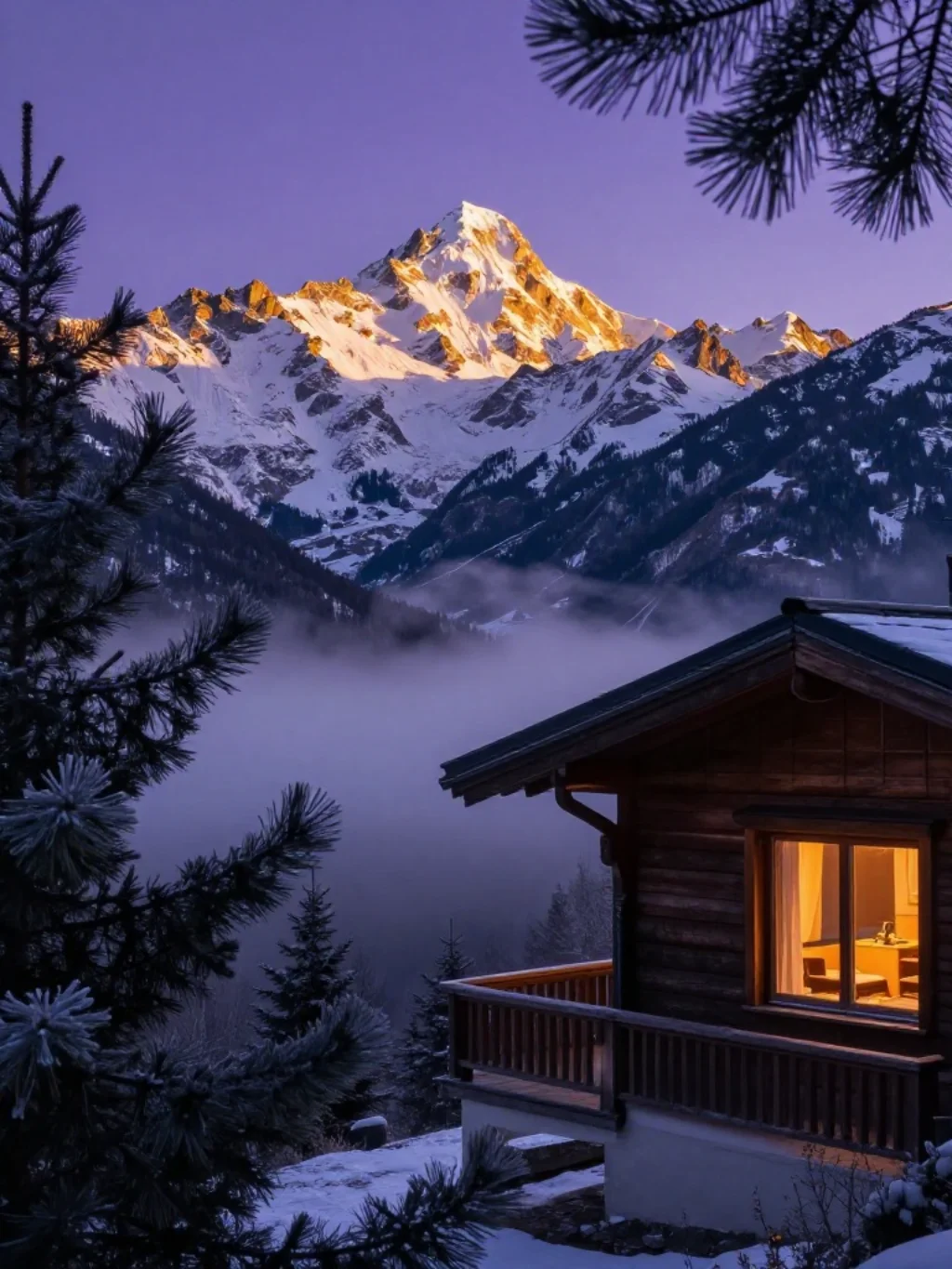
Small mountain resort destinations operate under a different atmospheric logic than beach or island properties but they deliver the same essential gift — silence profound enough to hear yourself think again. The Rocky Mountain corridor from Colorado to Montana hosts dozens of small resort in the mountains properties that limit guest counts deliberately, maintain minimal digital infrastructure by design, and build their programming around the landscape rather than around resort amenities.
Tranquil escape destination mountain properties achieve something that urban travelers increasingly describe as essential rather than optional — genuine disconnection. Not the performative disconnection of a digital detox program at a sprawling resort but the organic disconnection that happens when your phone has no signal, the nearest town is 40 miles away, and the most complex decision you’ll face before noon is whether to hike east toward the ridge or west toward the valley. Small resort with stunning views mountain properties don’t need to sell the experience aggressively. The landscape does all the selling. The resort’s job is simply to keep you comfortable and out of the way of the view.
Small Resort vs Large Resort — the Numbers Tell a Surprising Story

| Category | Small Resort | Large Resort |
|---|---|---|
| Average rooms | 20 to 75 | 300 to 1,000+ |
| Staff to guest ratio | 1:2 to 1:4 | 1:10 to 1:20 |
| Guest satisfaction score | 4.7 to 4.9 avg | 3.8 to 4.3 avg |
| Return visit rate | 60 to 75 percent | 20 to 35 percent |
| Average length of stay | 4.2 nights | 2.8 nights |
| Personalization score | High | Low to Medium |
| Environmental footprint per guest | Lower | Higher |
Small resort vs large resort comparisons across travel industry data consistently produce results that surprise first-time boutique property guests. The return visit rate differential is the most striking figure. Guests who stay at a small resort destination return at nearly double the rate of large resort guests — a metric that speaks directly to the depth of emotional connection the experience creates. Small resort experience vs hotel satisfaction gaps are equally significant with boutique properties averaging nearly a full point higher on standardized hospitality satisfaction scales.
The cost comparison tells a more nuanced story than most travelers expect. Affordable small resort vacation options exist at nearly every price point and the value calculation changes when you factor in what’s included — often a complimentary breakfast, curated activities, and transportation arrangements that large resorts charge for separately. Budget small resort travelers frequently discover that the all-in cost of a boutique stay compares favorably to a mid-tier large resort once every line-item add-on gets included in the final bill.
The Eco Resort Movement Turning Tiny Footprints Into Giant Experiences
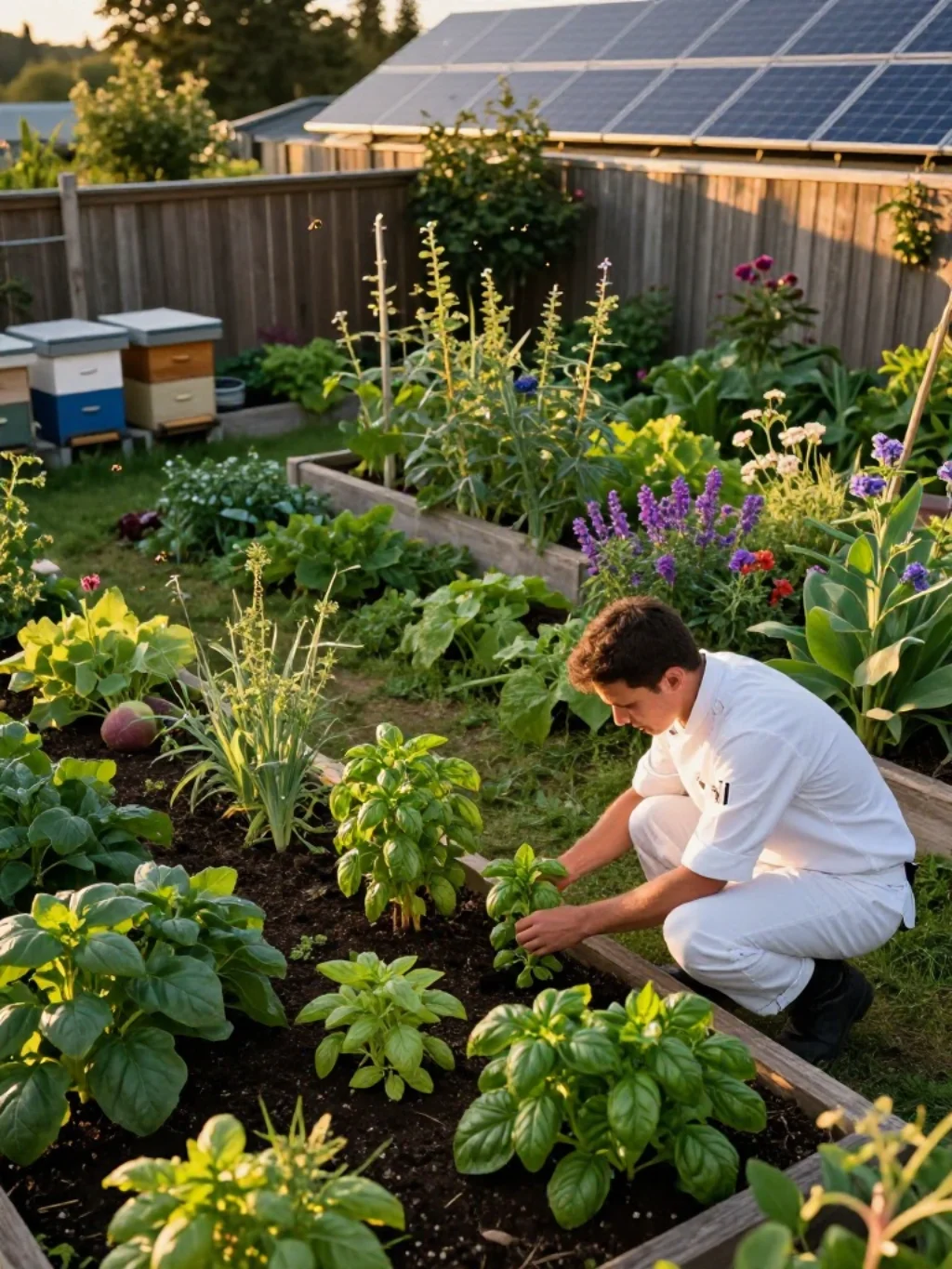
Small eco resort operations sit at the intersection of exceptional hospitality and genuine environmental stewardship in ways that large resort chains — despite their published sustainability reports — cannot authentically replicate. A small resort sustainability practices commitment means something categorically different when the ownership can personally oversee every operational decision rather than delegate environmental compliance to a corporate department 2,000 miles away.
Eco lodge (sustainable accommodation) properties at the boutique scale implement sustainability not as a brand positioning exercise but as a genuine operational value. Solar arrays power entire properties. Greywater systems irrigate kitchen gardens that supply the dining room. Local building materials and local craftspeople build and maintain the physical structures. Sustainable soul — the phrase travel writers increasingly use to describe this category — captures something real. These properties feel different in a way you sense before you can articulate why. The air feels cleaner. The food tastes more honest. The connection to place runs deeper. Small resort sustainability practices at this level create an experience that conscious travelers describe as restorative in ways that extend well beyond physical relaxation.
Solo Travelers Are Quietly Choosing Small Resorts Over Everything Else

Solo travel grew significantly across American demographics after 2020 and the accommodation preferences that emerged from that growth surprised the hospitality industry. Small resort for solo travelers properties became unexpectedly dominant in solo traveler satisfaction rankings — outperforming hostels, city hotels, and large resort properties by significant margins. The reason isn’t pricing or amenity. It’s safety and belonging.
A solo guest at a small resort near me style boutique property becomes a known individual within hours of arrival. Staff learn their name. Fellow guests acknowledge them at breakfast. The property’s intimate scale creates a natural social infrastructure that neither isolates the solo traveler in anonymous hotel corridors nor overwhelms them with forced group socialization. Solo travel (travel style) at a boutique property hits a specific sweet spot — private when you want privacy and warmly connected when you want company. That balance is extraordinarily difficult to achieve at scale and boutique properties achieve it almost effortlessly.
Wellness Without the Crowd — Spa Retreats That Actually Let You Breathe
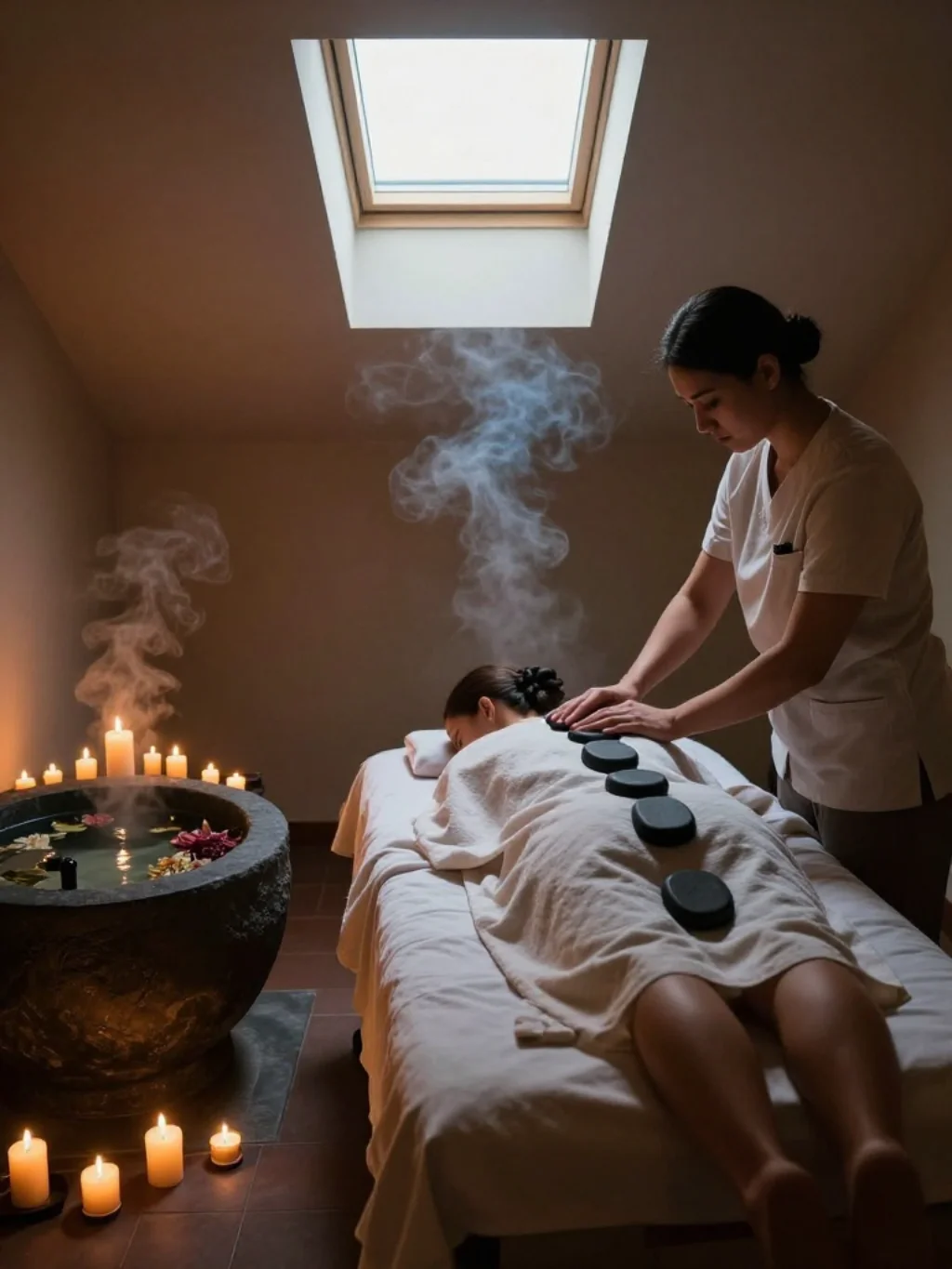
Small spa resort and small wellness resort properties deliver what the wellness tourism industry promises but rarely provides at scale — genuine restoration. The spa (wellness facility) experience at a large resort too often involves booking treatments three days in advance, waiting in a crowded robe area surrounded by 40 other guests, and emerging from a massage into a lobby full of noise and movement. The restorative effect evaporates within minutes.
Small resort with wellness retreat programming structures the healing environment differently. With fewer guests sharing the spa facility the treatments run quieter, unhurried, and fully attentive. Small resort with spa and pool combinations at boutique properties typically mean your pool session isn’t navigating around floating noodles and shrieking children — it’s 20 minutes of genuine aquatic stillness that actually completes the massage’s neurological work. Wellness without the crowd isn’t a marketing slogan at a boutique wellness property. It’s the literal operational reality and the reason satisfaction scores in this category consistently separate the small from the large.
Dining at a Small Resort — the Table Experience That Changes Your Standards
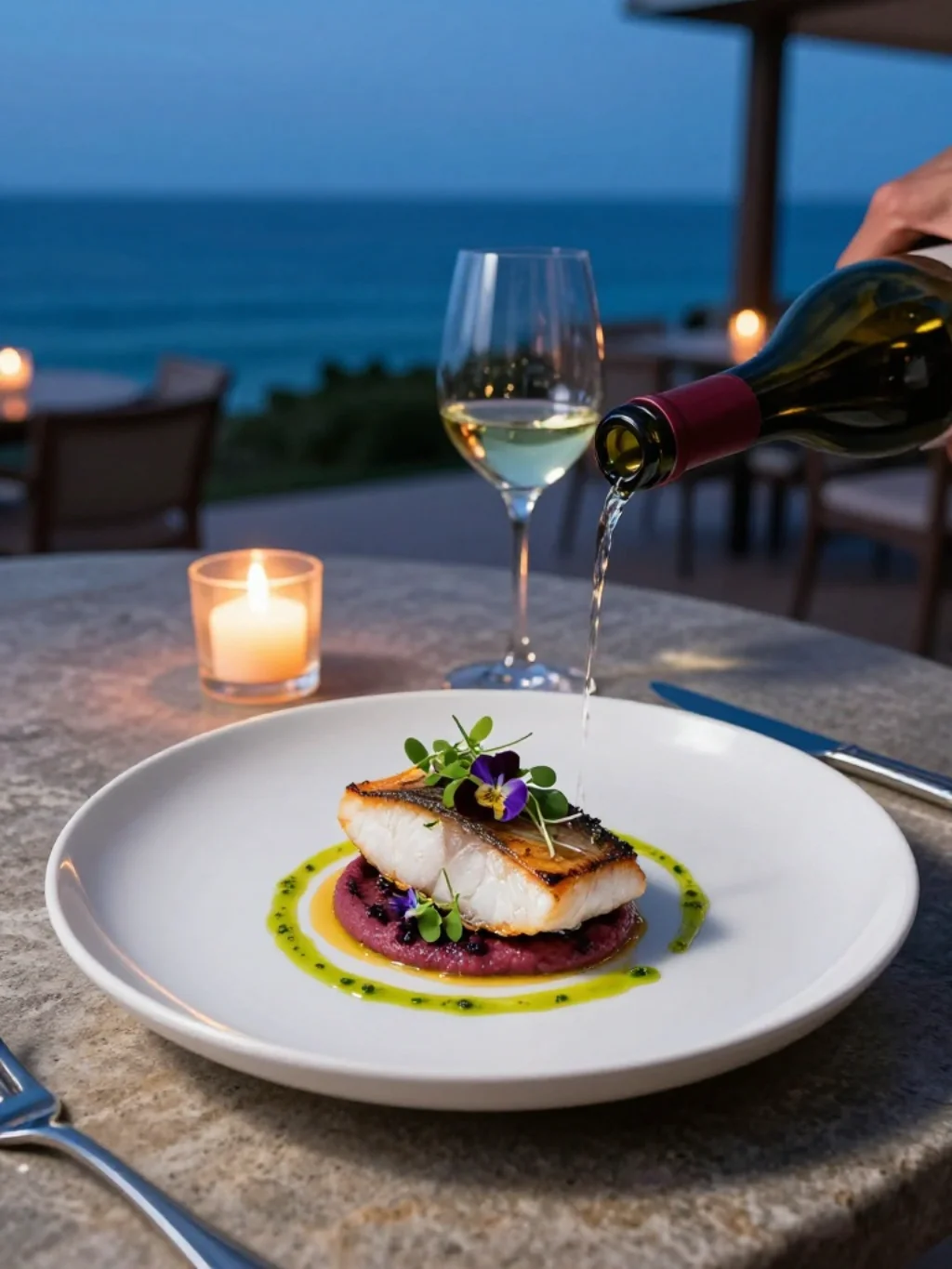
Small resort dining experience transforms the meal from a logistical necessity into the philosophical center of the vacation. When a fine dining restaurant (food service) serves 30 covers instead of 300 the kitchen operates with a precision and creativity that high-volume cooking structurally prevents. Ingredients come from identifiable local sources. The menu changes with what’s seasonal and available rather than what’s contractually supplied. The chef knows most of the guests by name before service begins.
Authentic local experience through food is one of the most powerful things a small resort destination can offer and the best boutique properties treat their dining program as seriously as any destination restaurant. Some operate kitchen gardens that guests can tour before dinner — walking among the herbs and vegetables that will appear on their plates two hours later creates a connection to food that no buffet breakfast or restaurant-style menu can replicate. Small resort dining experience reviews consistently use language that sounds more like describing a private dinner party than a hotel meal — and that’s precisely the register these properties aim for every single service.
Inside the All Inclusive Small Resort That Delivers More Than It Promises
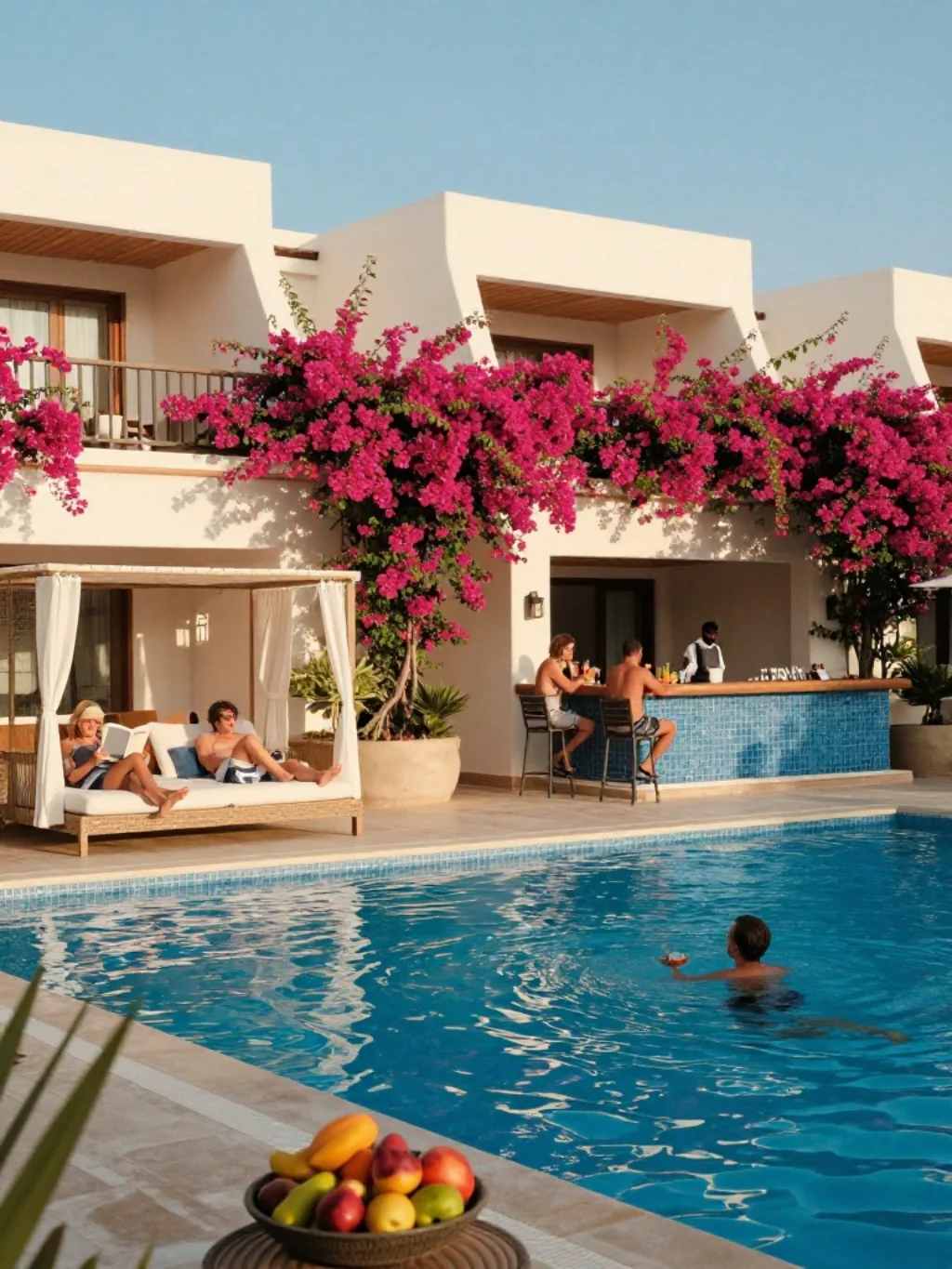
Small all inclusive resort properties operate on a fundamentally different economic model than the large all-inclusive chains that dominate Caribbean and Mexican resort destinations. Where large all-inclusive properties maintain cost control through volume purchasing and standardized offerings a small resort all inclusive packages model can afford to include genuinely premium components because the guest count stays manageable. Locally sourced food replaces industrial catering. Premium spirits replace house pours. Curated excursions replace group bus tours.
The small resort all inclusive guest experience eliminates the constant micro-transactional anxiety that even generous large all-inclusive properties create. You won’t find a surcharge for the premium restaurant at a well-run boutique all-inclusive because there’s only one restaurant and it’s already excellent. You won’t pay extra for the better sunbed because there are enough sunbeds for every guest without competition. Inclusive at a small property means genuinely everything is included — and the absence of asterisks and exceptions transforms the entire emotional texture of the stay from a transaction into an experience.
Small Resort Stays That Prove Affordable and Extraordinary Can Coexist
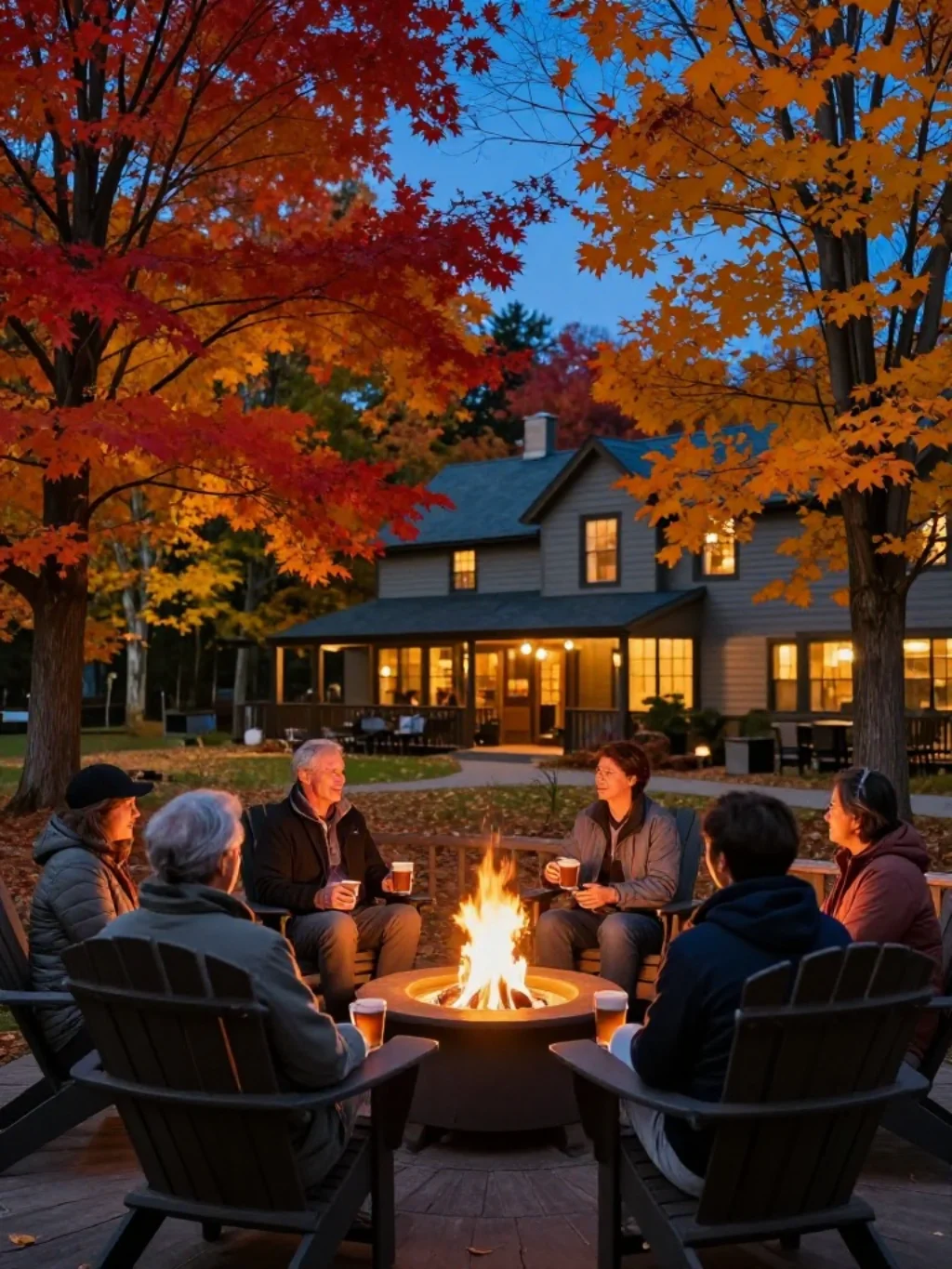
The assumption that small resort automatically means expensive is one of the most persistent misconceptions in travel planning. Affordable small resort properties exist across every American travel region and the value proposition frequently outperforms mid-range large resorts when total trip costs get calculated honestly. A budget small resort in Vermont’s Green Mountains might charge $180 per night including breakfast, a guided hike, and evening wine hour — while a comparable-rated large resort nearby charges $160 per night before adding a $45 resort fee, $28 breakfast charge, and $30 parking.
Small resort booking tips from experienced boutique travelers consistently emphasize two cost-saving strategies. First — book shoulder season. A romantic small resort that commands $400 per night in peak summer frequently offers the identical experience for $220 in late September or early November when foliage peaks and crowds thin. Second — book direct. Small resort vacation packages booked through the property’s own website rather than third-party platforms almost always include complimentary upgrades or experience add-ons that more than offset any loyalty points you’d accumulate through a booking platform. The affordable small resort vacation is more accessible than the price tags suggest when you know how to approach the booking intelligently.
Island Sanctuaries — Small Tropical Resorts Built for the Deliberately Curious
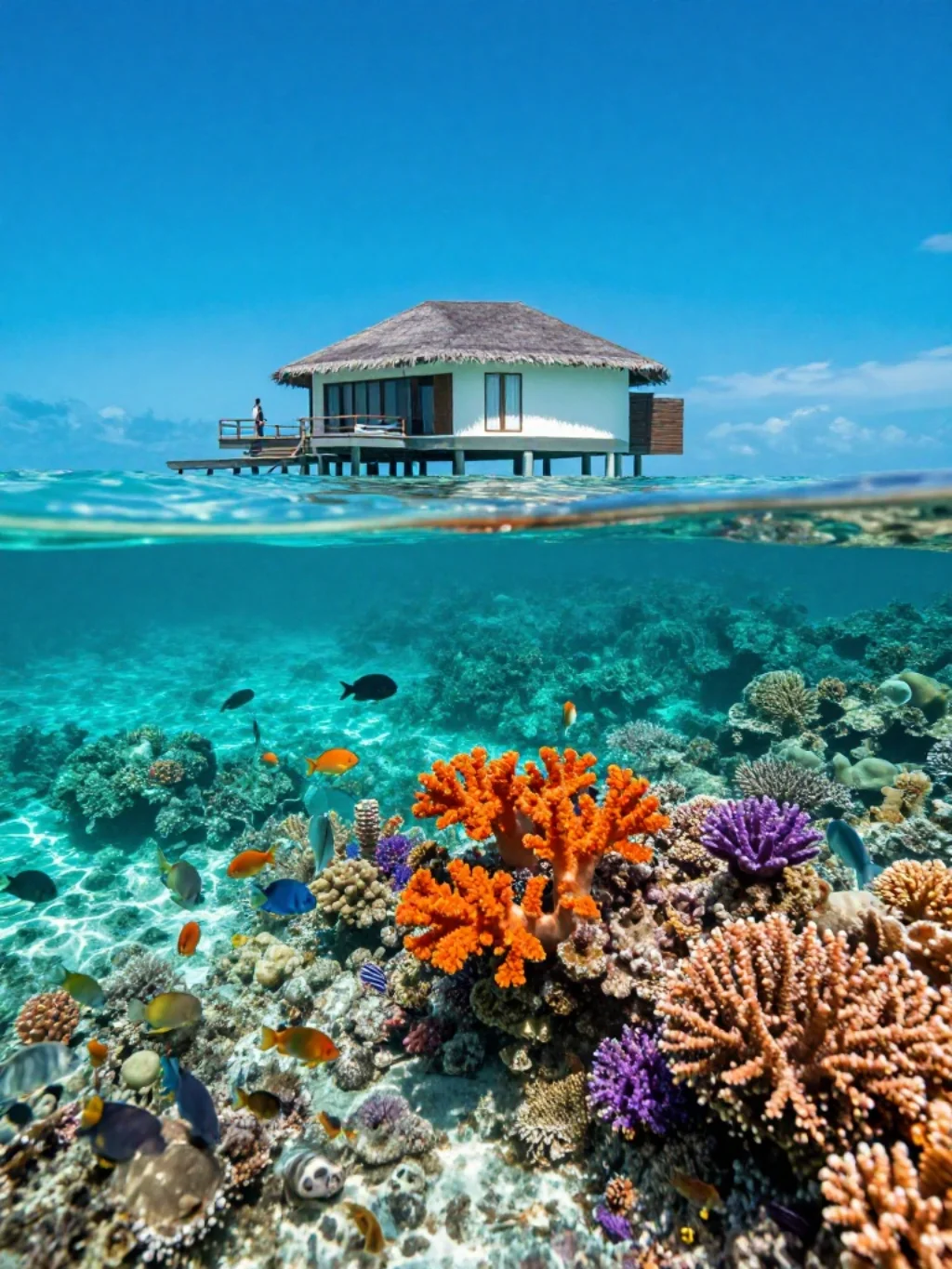
Small tropical resort and small island resort properties represent the pinnacle of the boutique experience for a simple geographic reason — islands concentrate the isolation effect that boutique properties create in any setting and amplify it dramatically. When you’re 40 minutes by boat from the nearest town and your resort hosts 15 couples in private villas the sensation of having discovered something rare and uncrowded is not manufactured. It’s geographically real.
Island sanctuaries built around the deliberately curious traveler offer immersive programming that large tropical resorts cannot provide — marine biology sessions with resident naturalists, night dive experiences limited to six guests at a time, private cooking sessions with local fishermen who bring the morning’s catch directly to the kitchen. Small resort with outdoor activities on island properties leverage the marine environment as the primary attraction rather than competing with it through manufactured resort amenities. The ocean is the amenity. The reef is the entertainment. The resort’s role is simply to place you as close to both as possible with maximum comfort and minimum interference.
How Booking a Small Resort Differently Gets You a Completely Different Trip
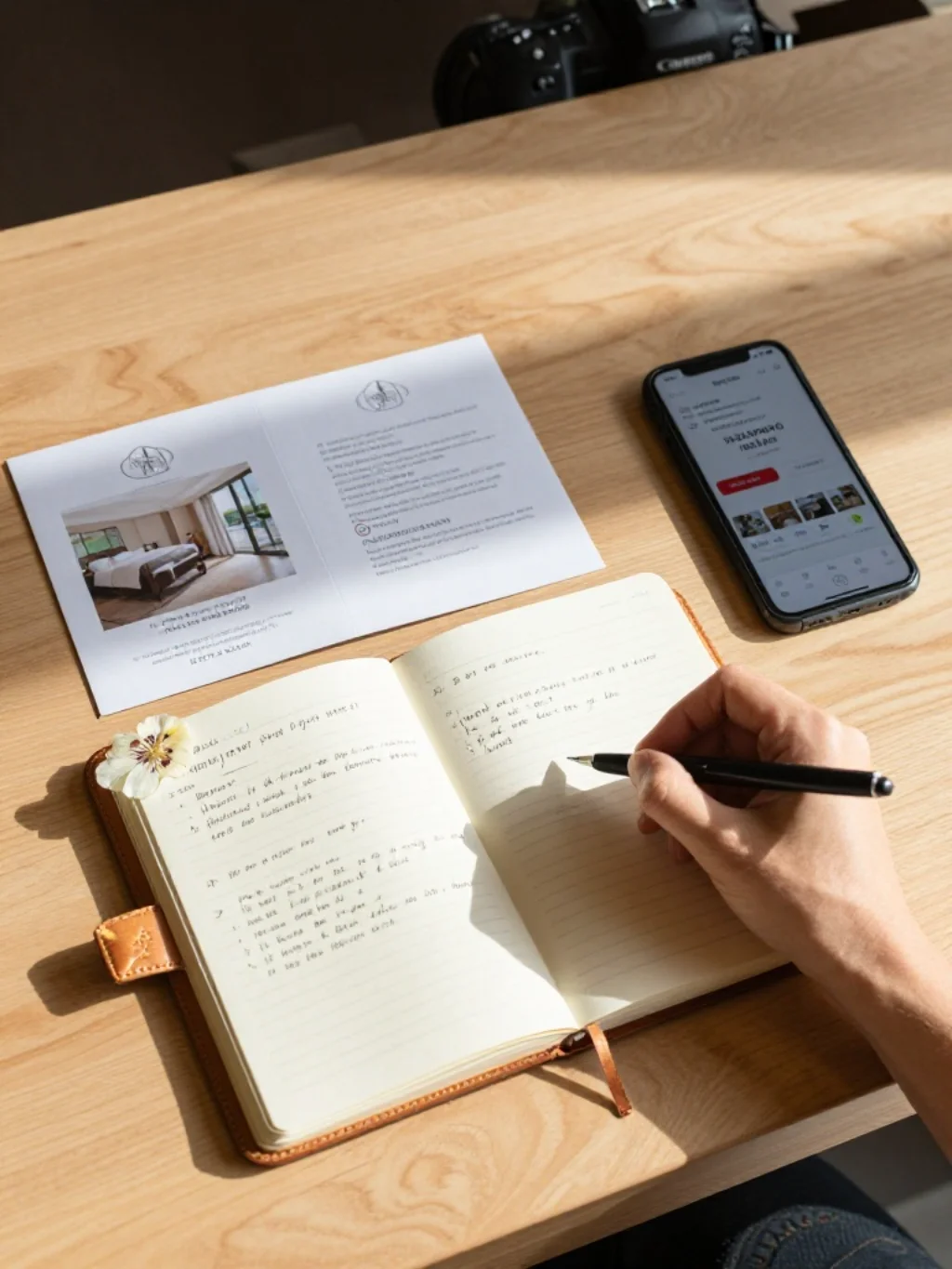
Small resort booking tips that experienced boutique travelers share universally involve one counterintuitive recommendation — call the property directly before booking anything online. A five-minute phone conversation with a small resort hotel front desk or owner reveals information no booking platform captures: which rooms have the best unobstructed views, which weeks are quieter than their calendar suggests, whether the property is running any unreisted upgrades for guests who ask directly. Large hotels can’t offer this. Small ones frequently can and do.
Small resort hidden gems often don’t appear on the first page of any search result. They maintain minimal digital marketing presence because their occupancy fills through repeat guests and personal referrals. Finding them requires searching travel forums, reading independent travel blogs rather than aggregator lists, and asking your network directly. Travel review platform (review entity) deep-dives — reading reviews from three or four years ago alongside recent ones — reveal how consistently a property delivers its promise across time. A small resort destination that has maintained 4.8-star ratings across five consecutive years tells you something a recent burst of five-star reviews from a promotional campaign cannot.
The Architecture of Calm — Design Choices That Make Small Resorts Magnetic
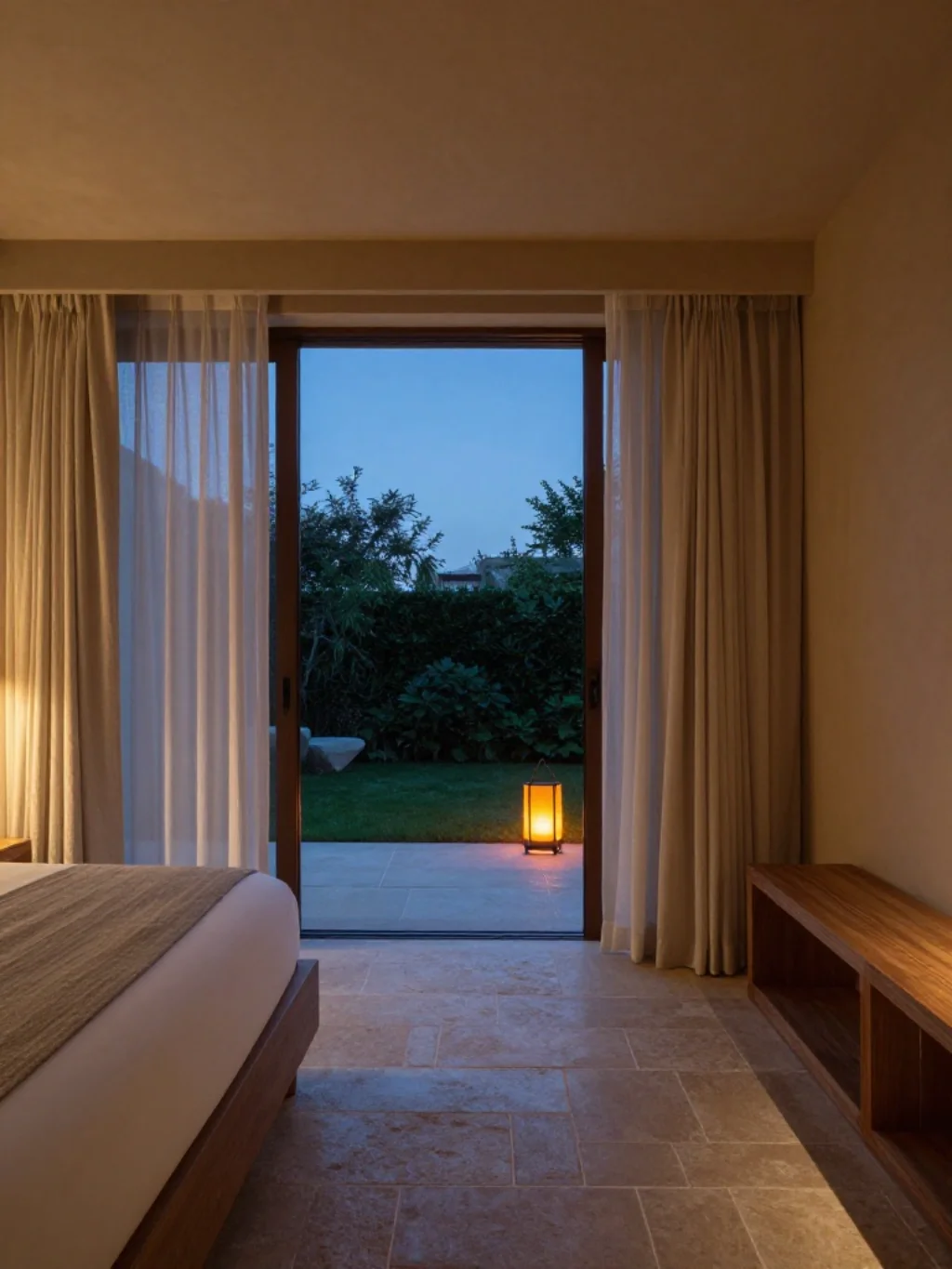
Boutique accommodation style design operates from a completely different philosophy than large resort architecture. Where the large resort maximizes rooms per floor and floors per building a small resort hotel property uses its limited scale to prioritize spatial generosity — wider corridors, higher ceilings, rooms that breathe rather than compress, outdoor spaces that flow naturally from indoor living areas rather than existing as an afterthought beyond a sliding glass door.
Peaceful resort ambiance is an architectural achievement before it’s a management achievement. Properties that consistently earn descriptions like “instantly calming” or “felt different the moment we walked in” have made specific design choices: natural materials that absorb rather than reflect sound, landscaping that screens room boundaries without creating claustrophobia, lighting schemes that shift from bright and functional in functional spaces to warm and directional in social spaces. The architecture of calm that defines the best small resort destination properties isn’t accidental — it’s the result of designers who understood that the guest’s nervous system is the client and every structural decision either serves it or undermines it.
Outdoor Adventure Access That Only Small Resort Locations Can Honestly Offer
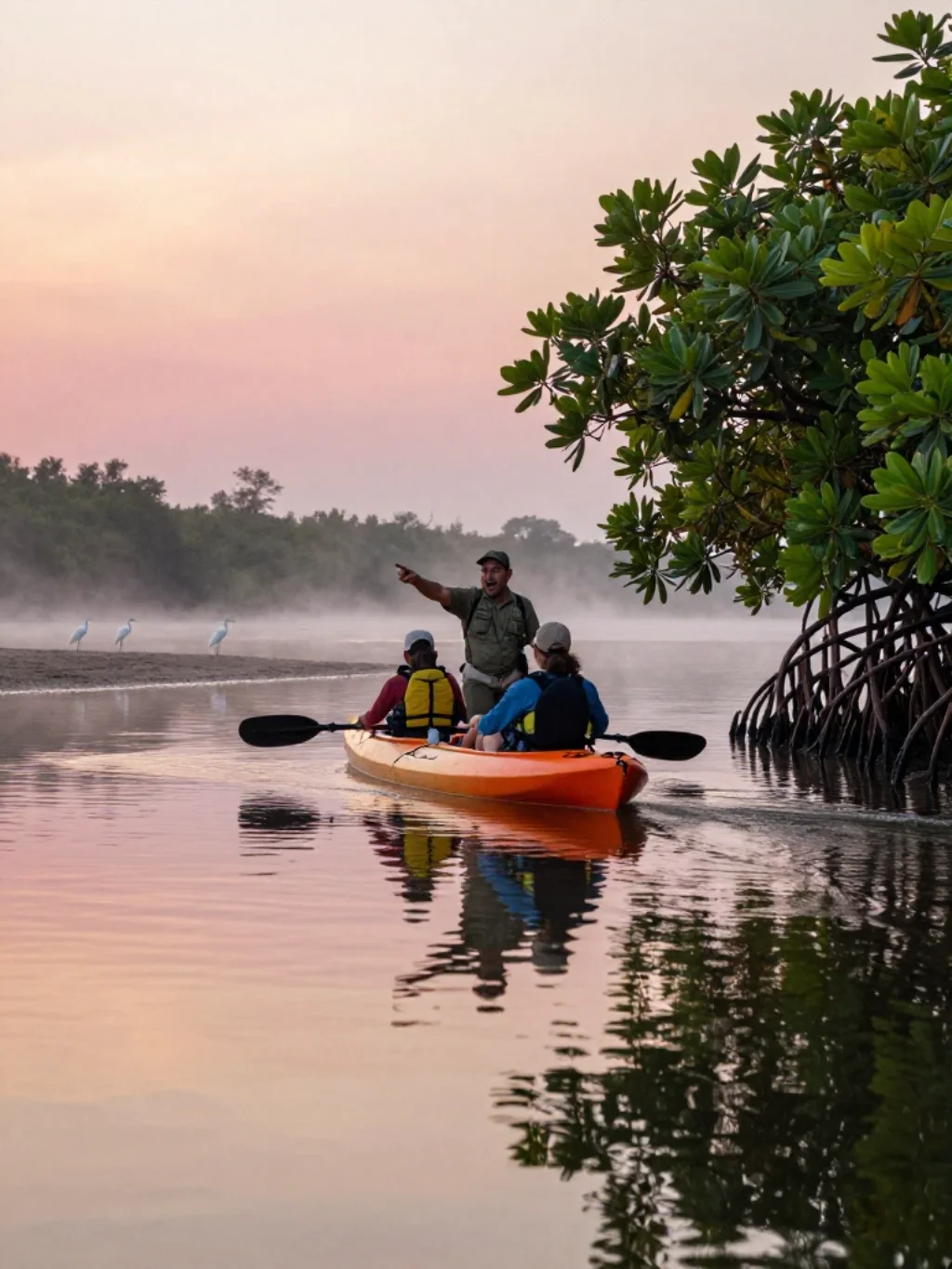
Small resort with outdoor activities properties earn their adventure credentials in ways large resort operations cannot honestly claim. A large resort can advertise hiking access because a trailhead exists within 20 minutes of the property. A small mountain resort built directly adjacent to national forest land offers something categorically different — a resident naturalist who guides you on trails she’s walked a thousand times, a gear room stocked with equipment sized for your exact specifications, a packed lunch prepared by the kitchen that reflects what you specifically mentioned you enjoy eating.
Outdoor adventure (recreation category) programming at boutique properties scales to the individual rather than to the group. Where a large resort’s kayak tour departs with 25 guests and moves at the pace of the slowest paddler a small resort with outdoor activities runs the same tour with six guests and adjusts to what the group actually wants to experience. If you want to stop and watch an osprey hunt for 20 minutes the guide stops. If you want to paddle harder and explore further the guide leads you there. Immersive nature retreat experiences available only at small-scale properties create the kind of outdoor memories that large resort adventure programming — however well-resourced — structurally cannot replicate.
Real Guest Stories From Small Resorts That Changed How People Travel
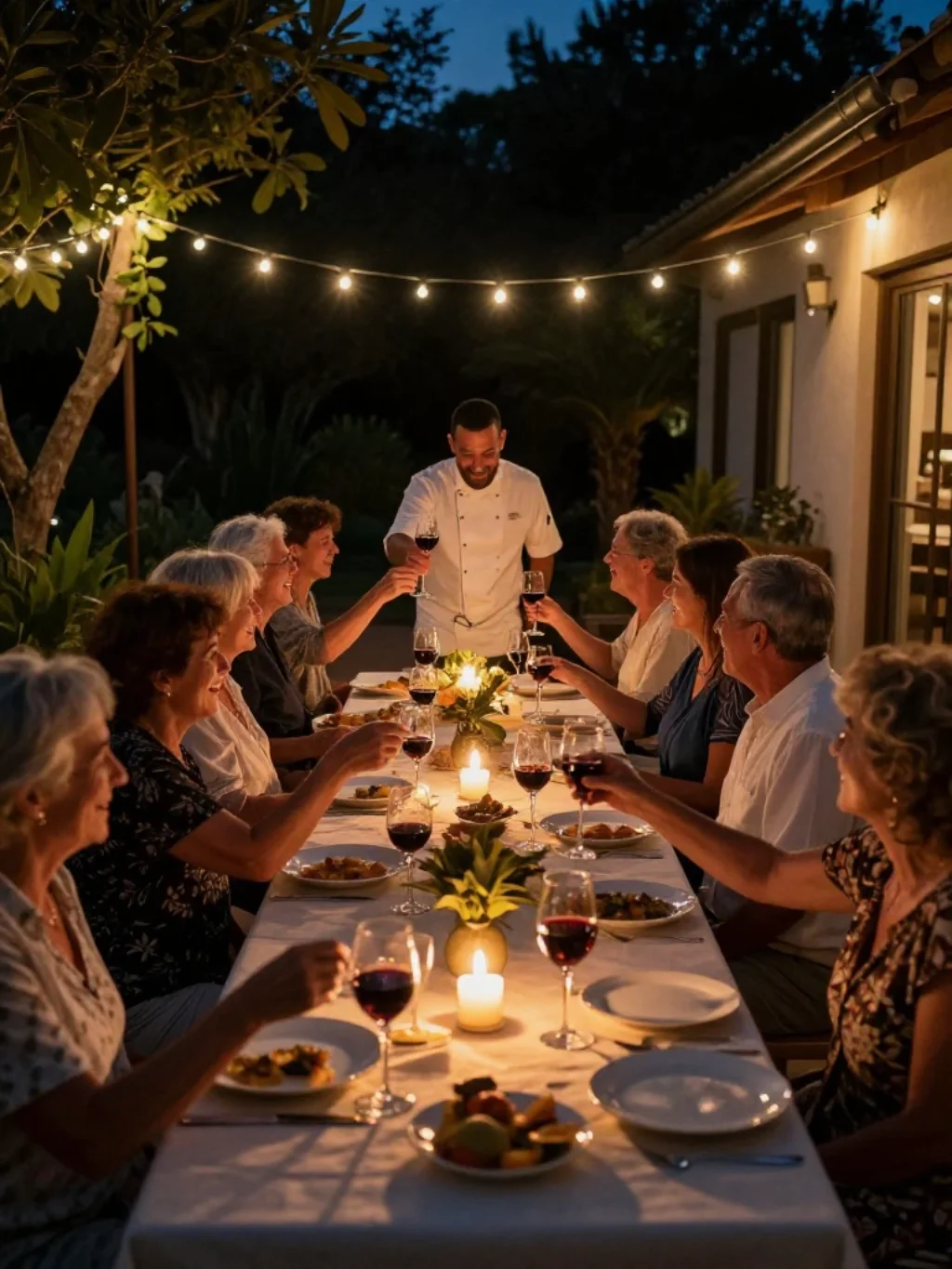
A couple from Chicago booked a small resort for couples in coastal Maine for their tenth anniversary expecting a pleasant but ordinary vacation. What they encountered changed how they travel permanently. The property’s owner — a former chef — cooked their anniversary dinner personally. The table overlooked the Atlantic at exactly the right angle to catch the sunset. The sommelier had researched their wine preferences from a note in the booking and opened a bottle from the specific vineyard the husband had mentioned loving years earlier. They returned the following year. And the year after that.
A solo traveler from Austin with significant social anxiety booked a small resort for solo travelers in New Mexico on a therapist’s recommendation. She expected to feel isolated and self-conscious. Instead she found a property where the staff’s genuine interest in individual guests created a social warmth that felt safe rather than demanding. She joined a sunset photography walk with two other solo guests. She ate dinner at the communal table and found herself in conversation until midnight. She described it afterward as the first vacation in a decade where she felt genuinely seen rather than invisible. These stories repeat across most unique small resorts with remarkable consistency because the conditions that produce them are built into the property’s operational DNA.
Sustainable Soul — the Small Resorts Leading the Future of Responsible Travel
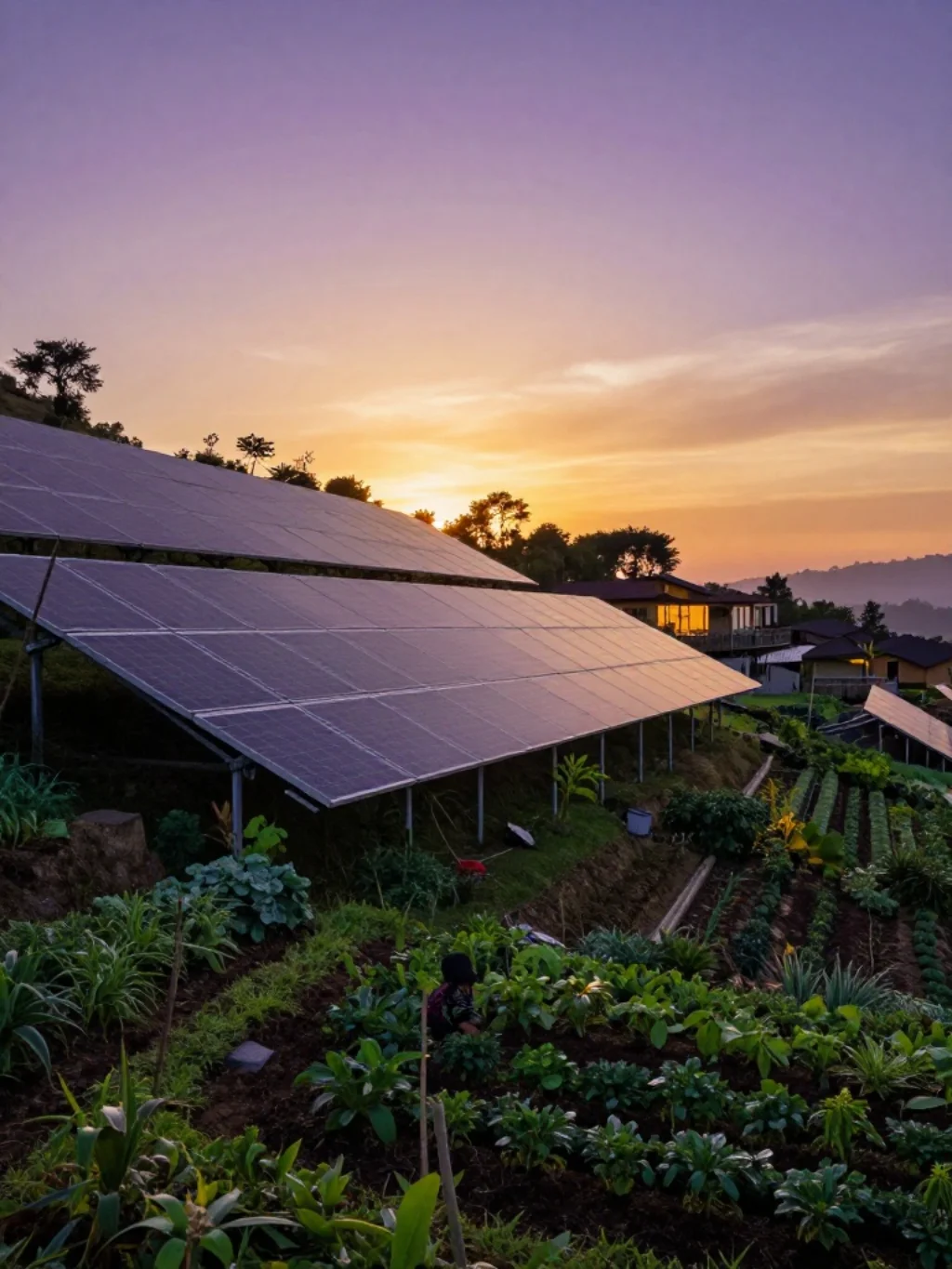
Small resort sustainability practices at the leading edge of the boutique hospitality sector have moved far beyond the towel reuse program that passes for environmental commitment at most large chain properties. Sustainability certification (eco label) holders among small resort operators have rebuilt their entire supply chains around measurable environmental impact reduction — sourcing food within 50 miles, eliminating single-use plastics completely, generating renewable energy on-site, and channeling a percentage of revenue directly into local conservation efforts.
Community rooted tourism represents the deepest expression of sustainable travel (travel style) that the small resort model enables. A boutique property with 40 rooms employs proportionally more local staff per guest than a 400-room chain resort and pays them better because the margins work differently at smaller scale. The food purchasing happens at local markets rather than through regional distributors meaning local farmers receive direct economic benefit from the resort’s occupancy. Small resort sustainability practices at this level don’t just minimize harm — they actively build the local ecosystems — human and natural — that make the destination worth visiting in the first place. That’s not responsible travel as a marketing message. That’s responsible travel as a structural reality.
Frequently Asked Questions
What makes a small resort different from a regular hotel or large resort?
A small resort typically hosts fewer than 75 rooms and prioritizes personalized guest experience over scale-based amenity offerings. Unlike large resorts or standard hotels, small resort with personalized service properties know guests individually, adapt programming to specific preferences, and create an atmosphere closer to a private estate than a commercial hospitality operation. The small resort experience vs hotel difference is primarily felt in the quality of human attention rather than the quantity of physical facilities.
Are small resorts more expensive than larger resort properties?
Not necessarily. Affordable small resort options exist across every American travel region and the total cost comparison frequently favors boutique properties when resort fees, meal charges, and activity add-ons at large resorts get included in the calculation. Small resort vacation packages booked directly through the property often include breakfast, guided activities, and other inclusions that large resorts charge for separately. Shoulder season booking at a small resort destination can reduce nightly rates by 30 to 45 percent while delivering the identical core experience.
Which small resort destinations in the USA are worth visiting right now?
Best small resorts in the USA destinations that consistently earn top ratings include the coastal Maine shoreline, Vermont’s Green Mountains, the New Mexico high desert, California’s Sonoma Valley wine country, the Florida Keys, and coastal Oregon. Small resort hidden gems in lesser-known areas like the Catskills, Montana’s Flathead Valley, and North Carolina’s Outer Banks offer extraordinary experiences with significantly less competition for bookings and more authentic local culture than heavily marketed destinations.
Do small resorts offer all inclusive packages like larger resorts?
Yes and frequently at superior value. Small all inclusive resort packages at boutique properties typically include higher-quality inclusions than large all-inclusive chains because smaller guest counts allow for premium sourcing and individualized service. Small resort all inclusive packages at well-run boutique properties often cover meals sourced from local farms, curated daily activities, welcome amenities, and transfers — without the surcharge categories and fine-print exceptions that characterize large all-inclusive resort packages.
Are small resorts suitable for families traveling with young children?
Absolutely. The best small resort for families properties design their programming specifically around multi-generational travel and offer child-centered experiences that large resort kids clubs cannot match for depth or personal attention. Family small resort stays give children access to nature-based programming — guided wildlife walks, cooking classes with local chefs, junior naturalist programs — at a scale where each child receives genuine individual attention. Parents consistently report that children disengage from screens faster and sleep better at cozy resort getaway boutique properties than at large resort destinations with manufactured entertainment.
Conclusion
The small resort doesn’t ask you to settle for less. It asks you to reconsider what more actually means. More personal attention. More connection to place. More genuine silence. More food that tells you something true about where you are. More mornings where the only schedule that exists is the one you feel like following. These aren’t compromises made in the absence of scale. They are gifts that only become possible in its absence.
Every traveler who makes the shift from large to small describes the same quiet revelation — that they had been optimizing for the wrong variables for years. The small resort destination doesn’t just deliver a better vacation. It delivers a different understanding of what a vacation is capable of being. Book smaller. Stay longer. Arrive curious. Leave changed. The intimate resort experience is waiting and it has been waiting patiently for exactly as long as it takes each traveler to find their way to it.
1 Comment