
Introduction
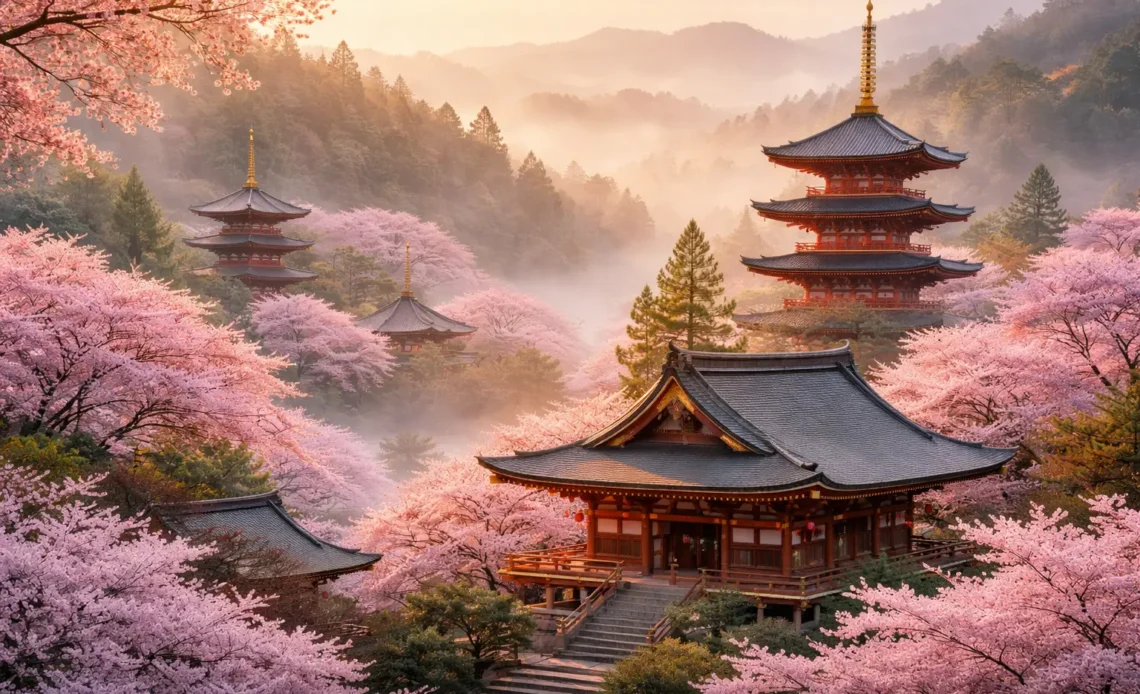
Few destinations in the world stir the soul quite like Japan’s ancient temples. Standing at the threshold of a centuries old wooden gate, surrounded by incense smoke and the quiet rustling of maple leaves, you understand immediately why millions of travelers cross the world every year to experience this country’s spiritual landscape. Visiting Buddhist temples in Japan is a great way to get to know the country’s history and traditions, as temples are some of the oldest buildings in Japan, firmly ingrained in the culture for centuries.With 2026 bringing renewed global interest in cultural travel, there has never been a better time to plan your journey through Japan’s most stunning sacred sites. Whether you are a first time visitor or a seasoned traveler returning for more, this guide presents 20 of the most remarkable Japan temples you absolutely must visit this year.
Kinkakuji Temple, Kyoto
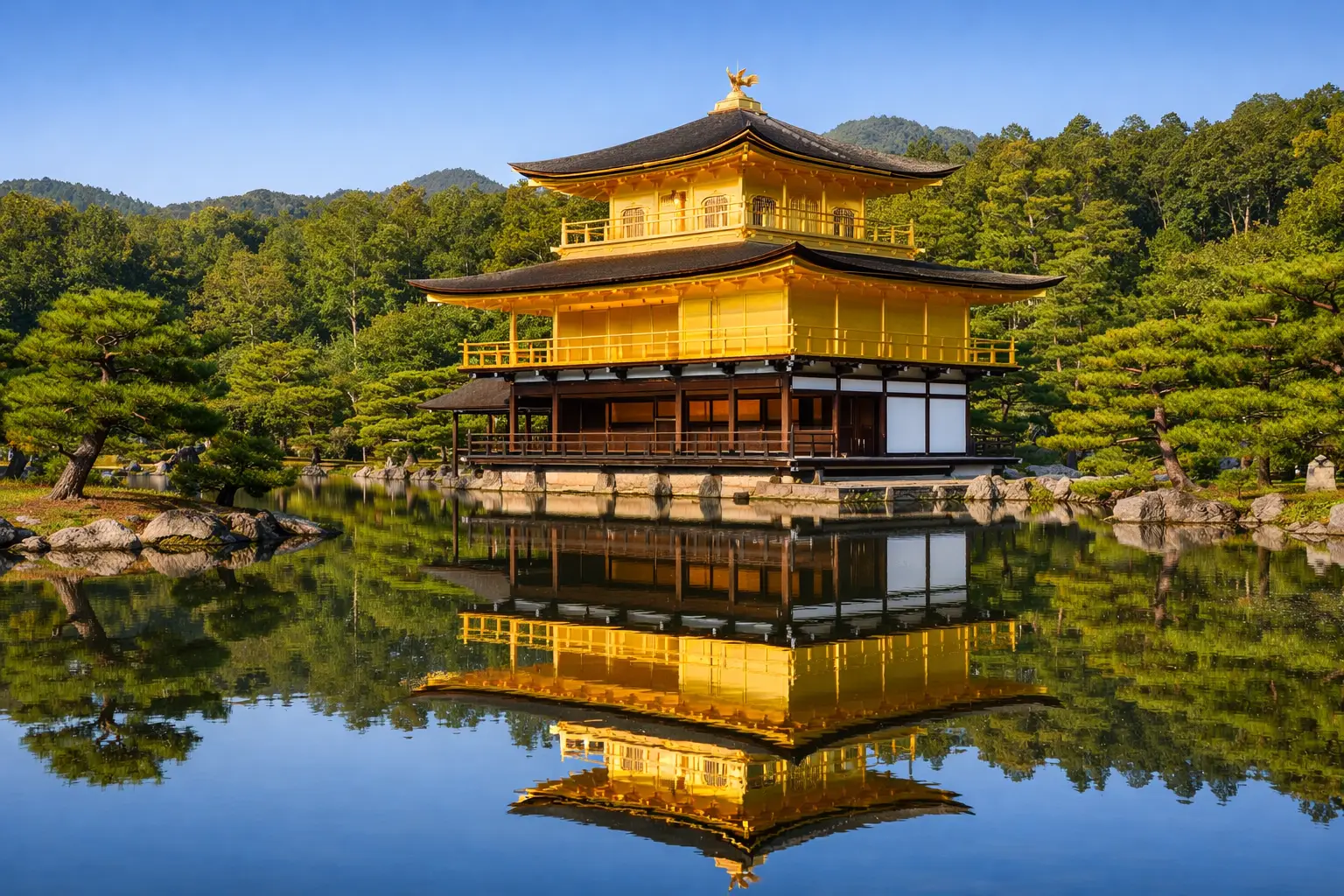
Kinkakuji, also known as the Golden Pavilion, is one of Kyoto’s most recognizable temples, with the top two floors completely covered in gold leaf. Originally constructed as the retirement villa of a shogun during the 14th century, the entire structure stands next to a pond which beautifully reflects the temple year round. This is the single most photographed temple in all of Japan.
Kiyomizudera Temple, Kyoto
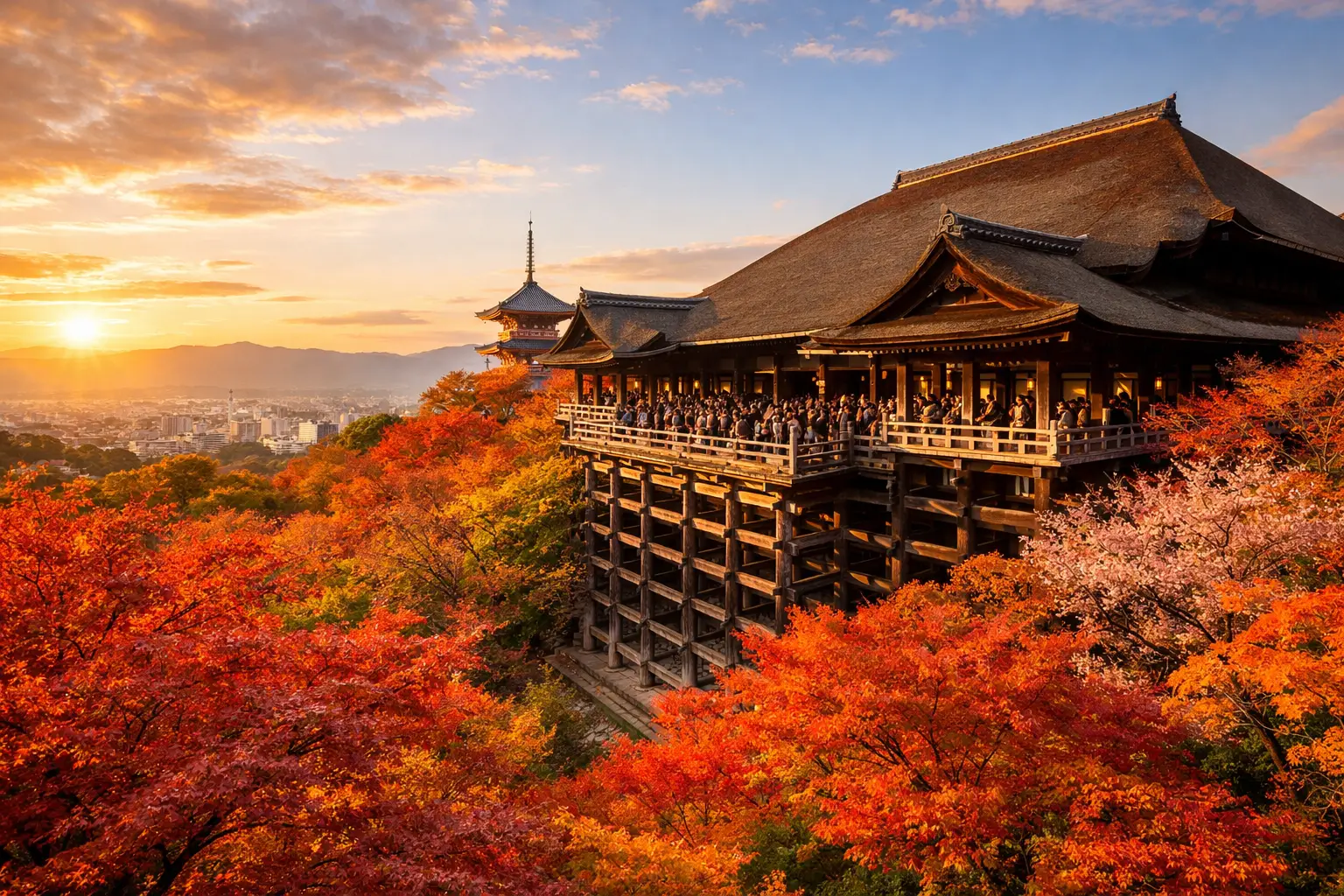
The temple’s most celebrated feature is its wooden stage, which extends 13 meters above the hillside and offers panoramic views of Kyoto, especially during the cherry blossom season in late March and early April and the autumn leaf season in November, when the cherry and maple trees surrounding the temple create a stunning sea of color.
Senso-ji Temple, Tokyo
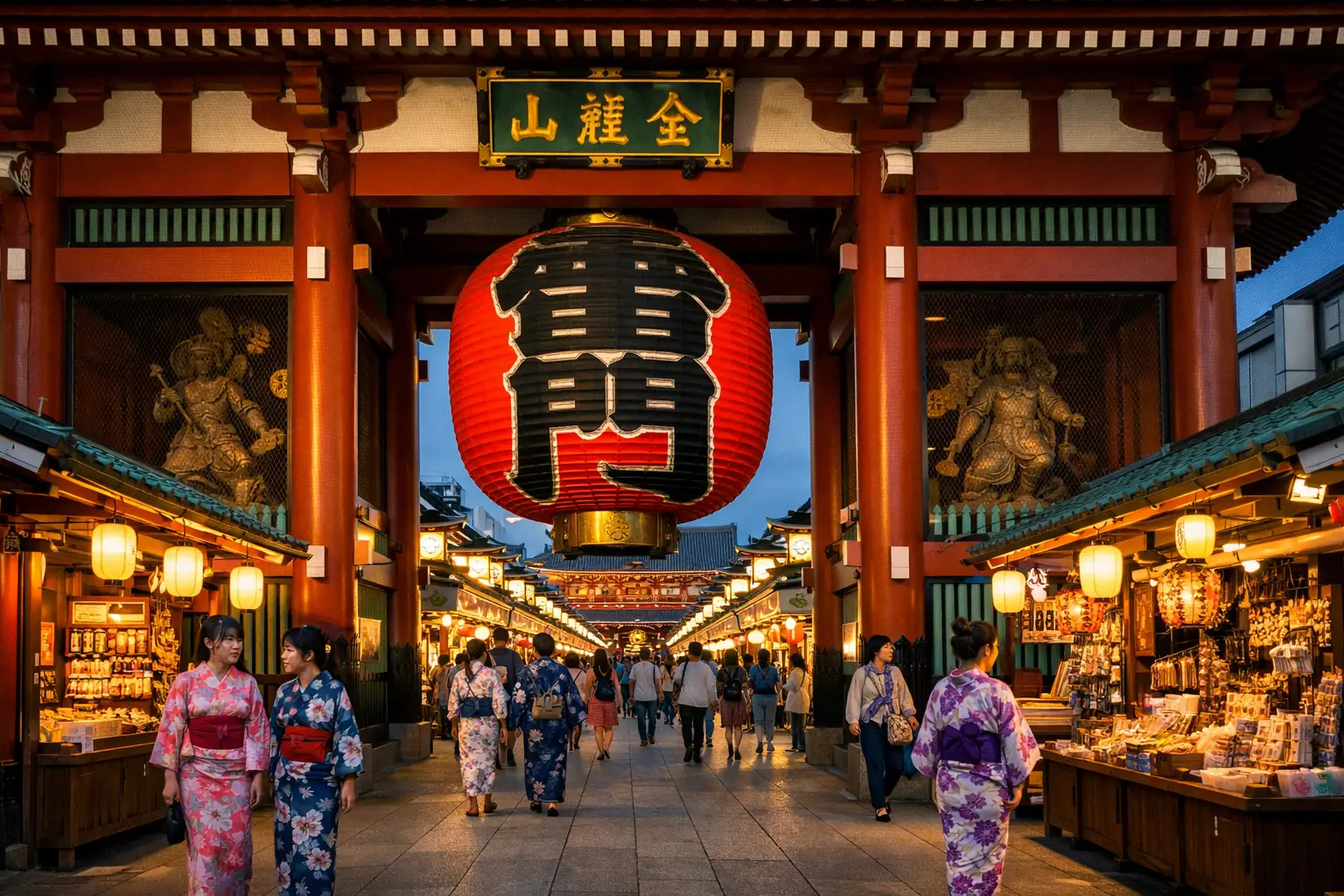
Founded all the way back in 645, Senso-ji is Tokyo’s oldest temple. Right next to the temple is the iconic Kaminarimon Gate with its giant red lantern, and as you make your way to the temple, Nakamise Street is lined with stalls selling traditional Japanese snacks and souvenirs. It remains the most visited temple in the entire country.
Todaiji Temple, Nara
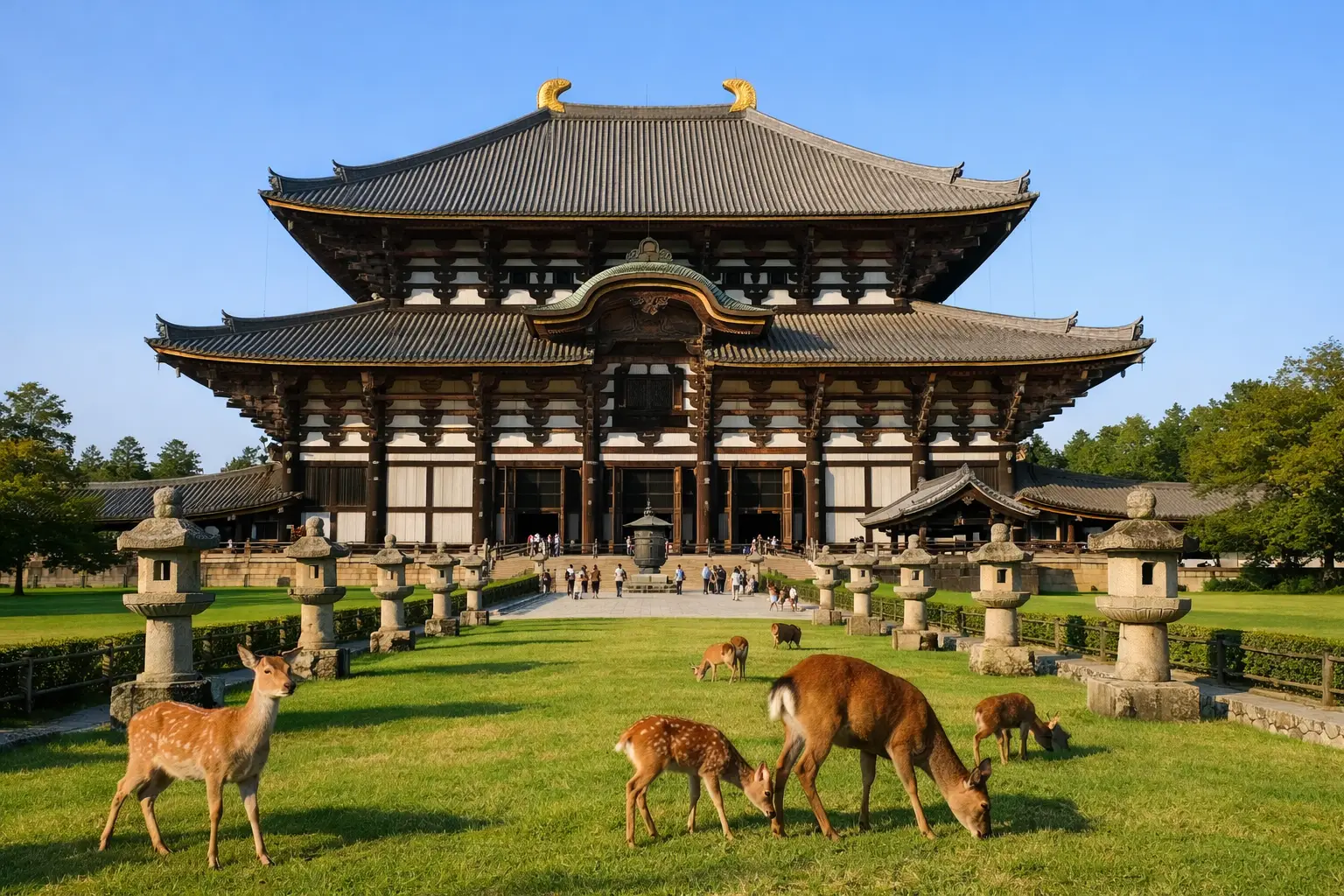
Todaiji Temple was the biggest wooden building in the world for more than 1,000 years. The giant Buddha statue inside weighs over 500 tons, and more than 350,000 people were involved in making it. Nowadays, Todaiji is recognized as a UNESCO World Heritage site and it gets more than 2 million visitors per year.
Ryoanji Temple, Kyoto
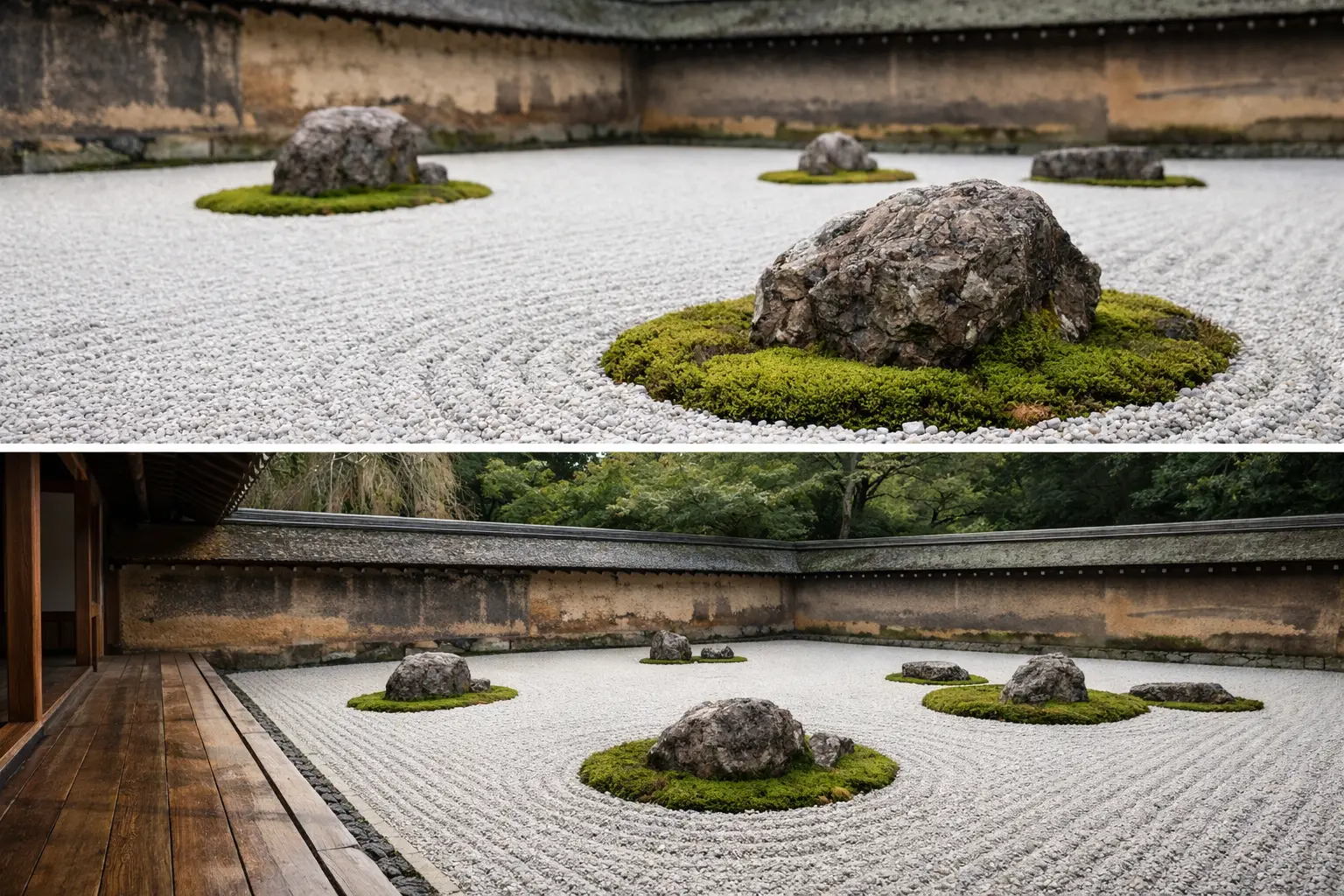
While the temple itself is quite simple, the rock garden is what makes Ryoanji so famous. Made up of 15 stones layered on top of white gravel, it is a minimalist approach that inspires meditation. No matter where you stand in Ryoanji’s rock garden, you cannot see all 15 stones at once, symbolizing that as humans we cannot see everything in life.
Ginkakuji Temple, Kyoto
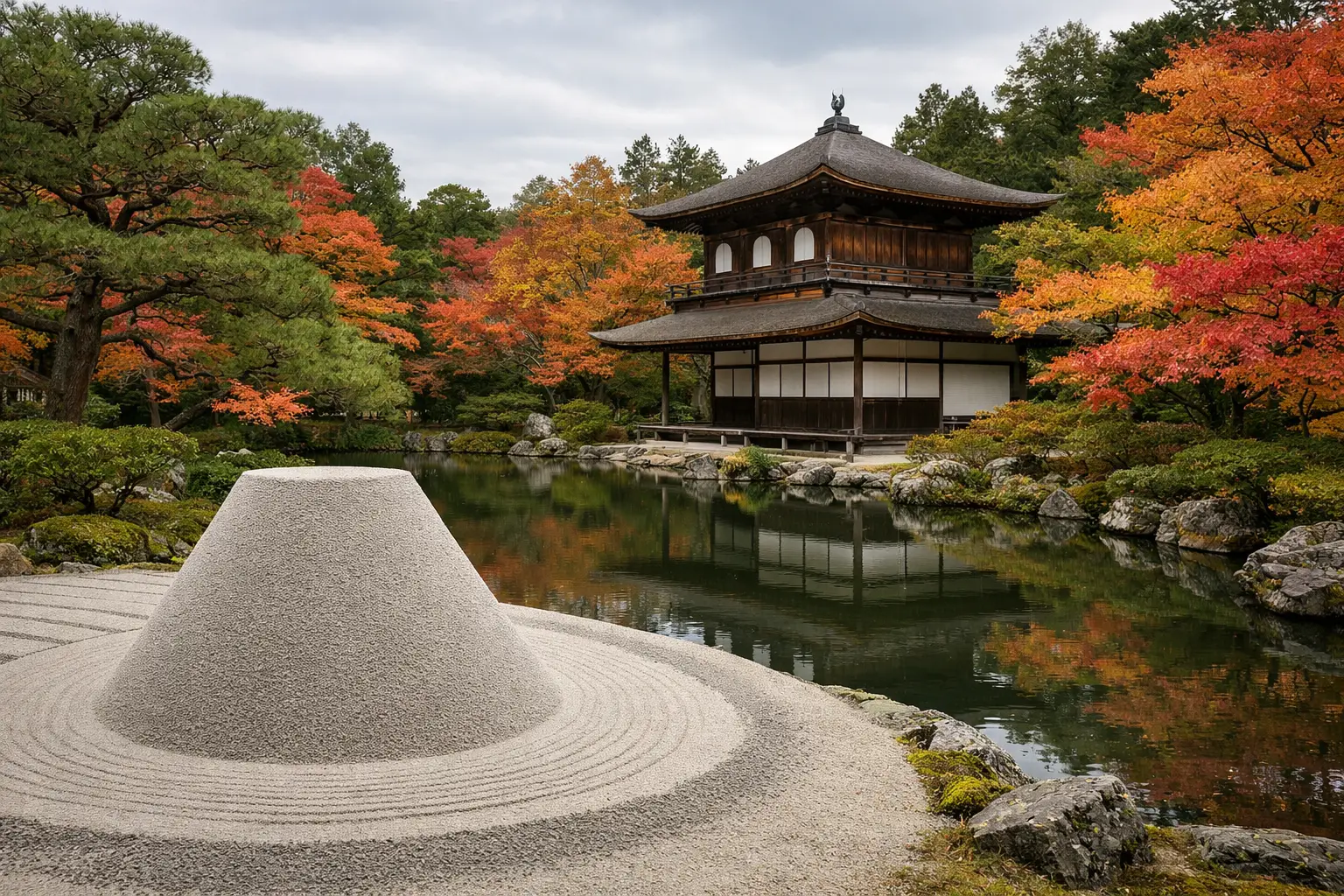
Known as the Silver Pavilion and the quieter counterpart to the dazzling Kinkakuji, Ginkakuji seems more authentic and typical of the minimalist and sleek Japanese style, contrasting sharply with the flashy luxury of Kinkakuji. Its moss gardens and sand garden raked into waves are among the finest examples of Japanese garden design anywhere in the country.
Horyu-ji Temple, Nara
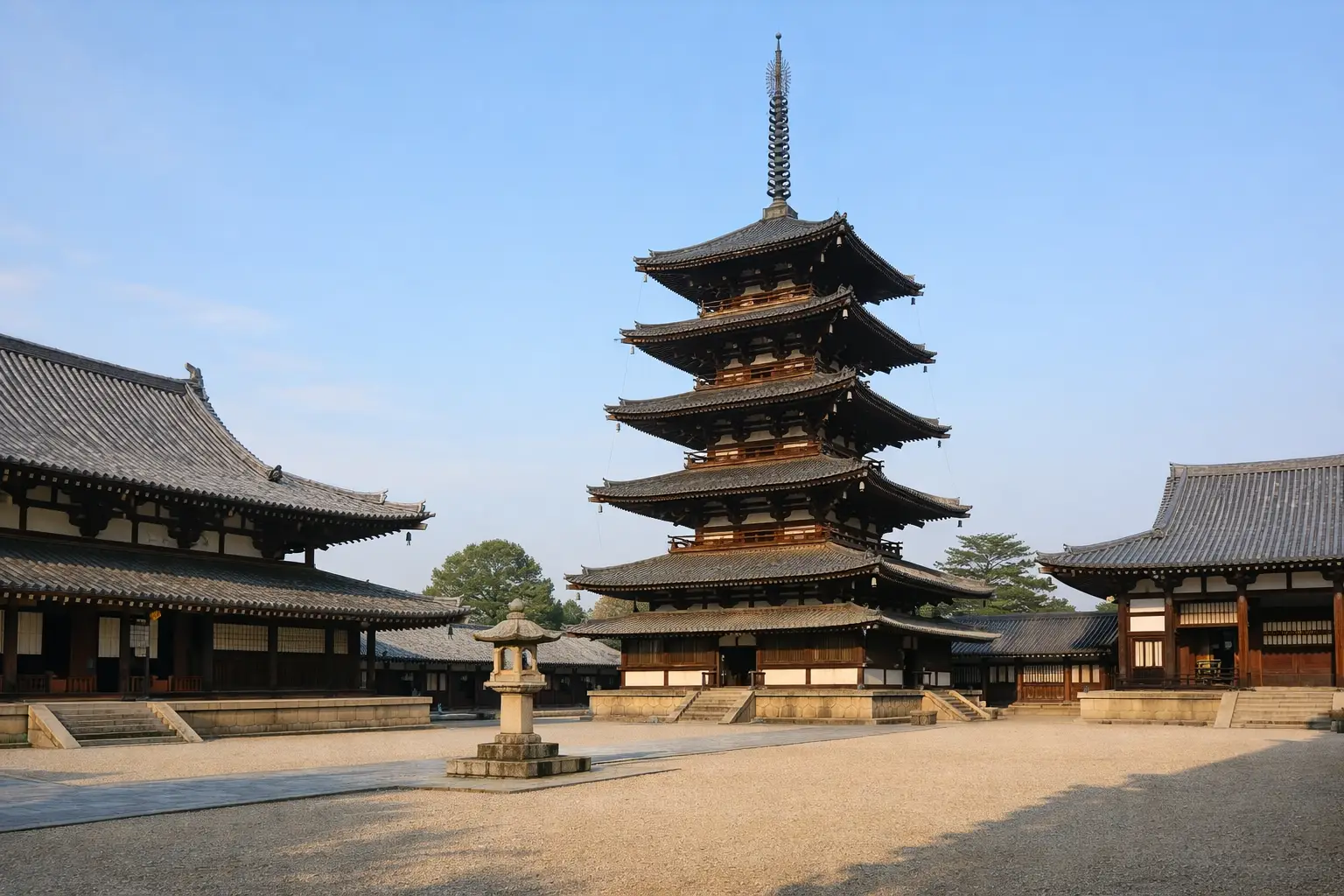
Horyu-ji in Nara is one of the world’s oldest surviving temple complexes and a UNESCO World Heritage Site. Dating back to 607 AD, it houses some of the oldest wooden structures on earth and serves as a living museum of early Japanese Buddhist art and architecture that simply cannot be found anywhere else.
Tofukuji Temple, Kyoto
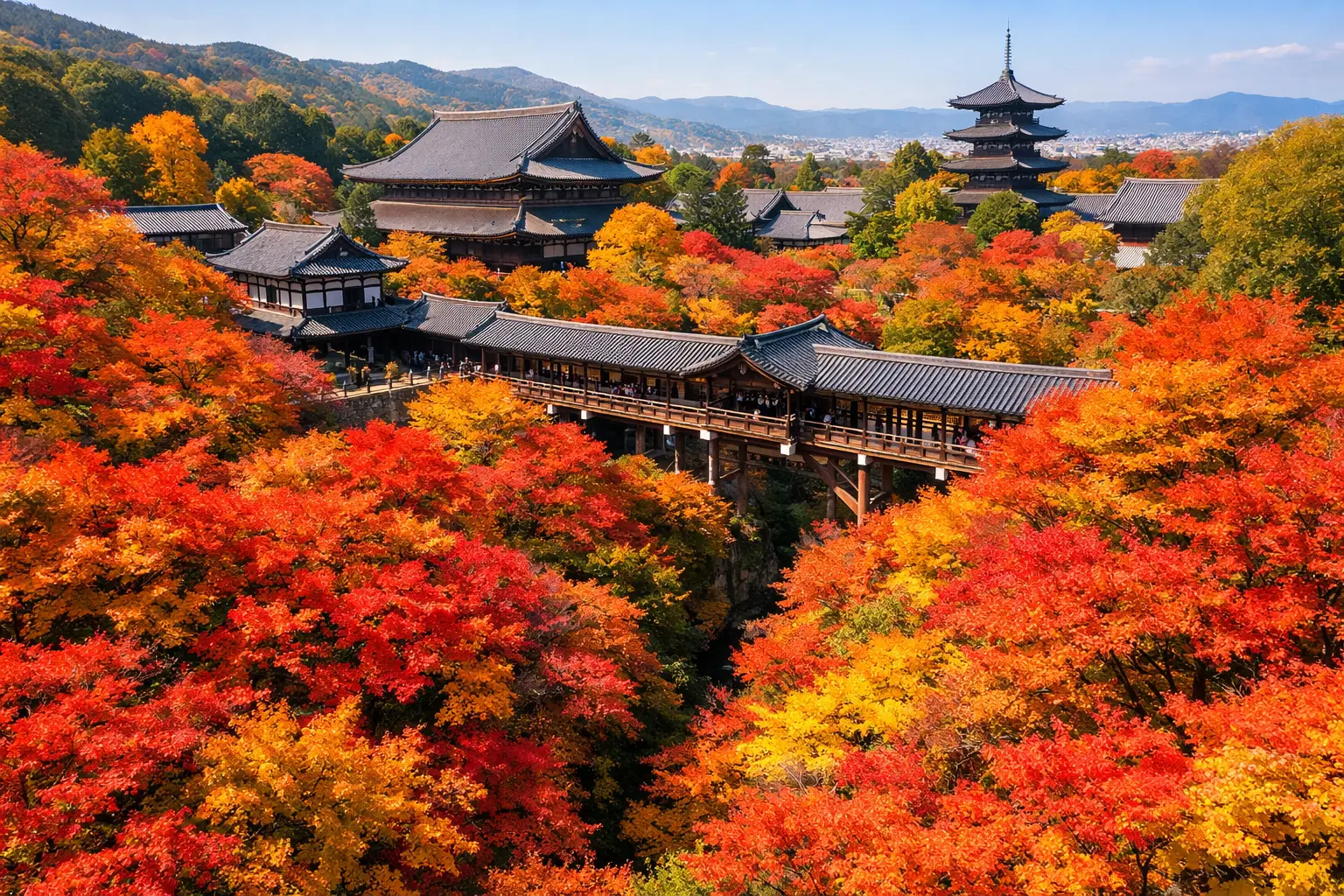
One of the most attractive temples in Kyoto, Tofukuji Temple has the advantage of not being very crowded unless you visit during the fall foliage season. Its gardens, designed by renowned landscape artist Mirei Shigemori in 1939, blend classical Zen aesthetics with modern geometric patterns in a way that feels completely timeless.
Chion-in Temple, Kyoto
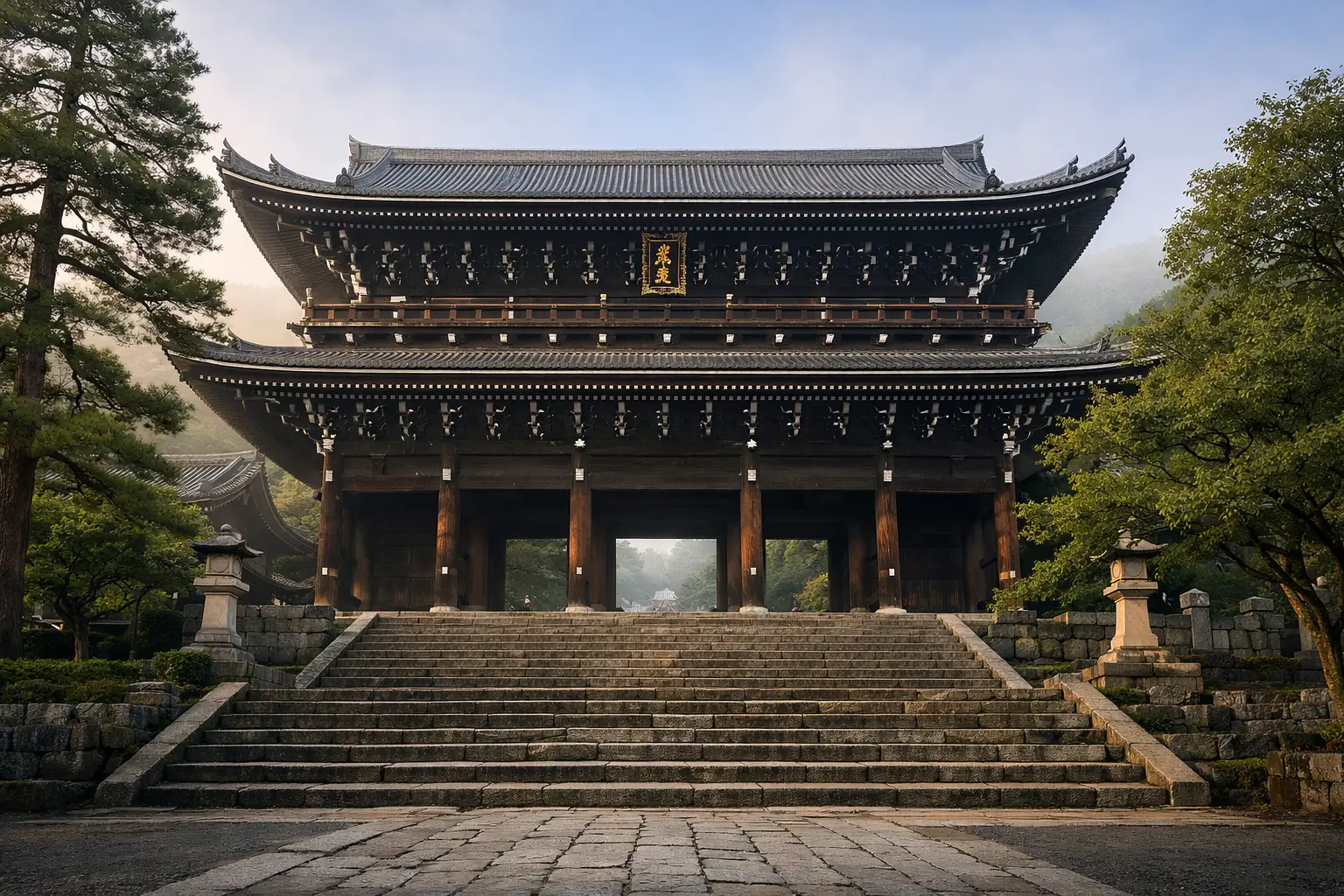
Sometimes called the Vatican of Pure Land Buddhism, Chion-in is a vast temple and one of the most popular temples in the city. Its enormous sanmon gate is the largest of its kind in Japan, standing over 24 meters tall and setting the tone for the grandeur that awaits inside the temple compound.
Kenchoji Temple, Kamakura
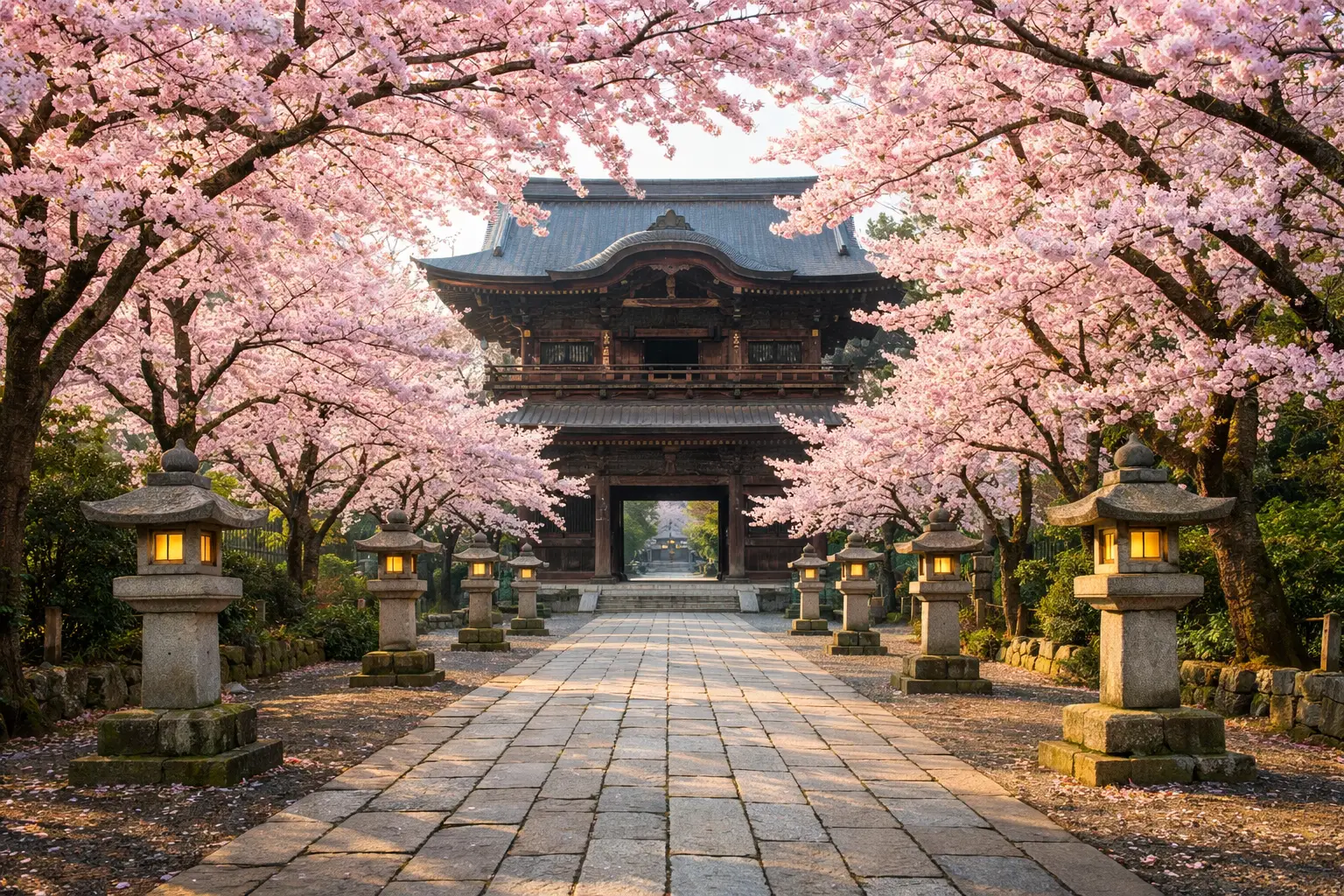
Kamakura was a former capital of Japan so many temples were built during the Kamakura period, and Kenchoji is one of the favorites because there is a beautiful sakura cherry blossom alley at its entrance. As Japan’s first proper Zen training monastery, it carries enormous historical and spiritual significance for the entire country.
Danjo Garan Temple, Koyasan
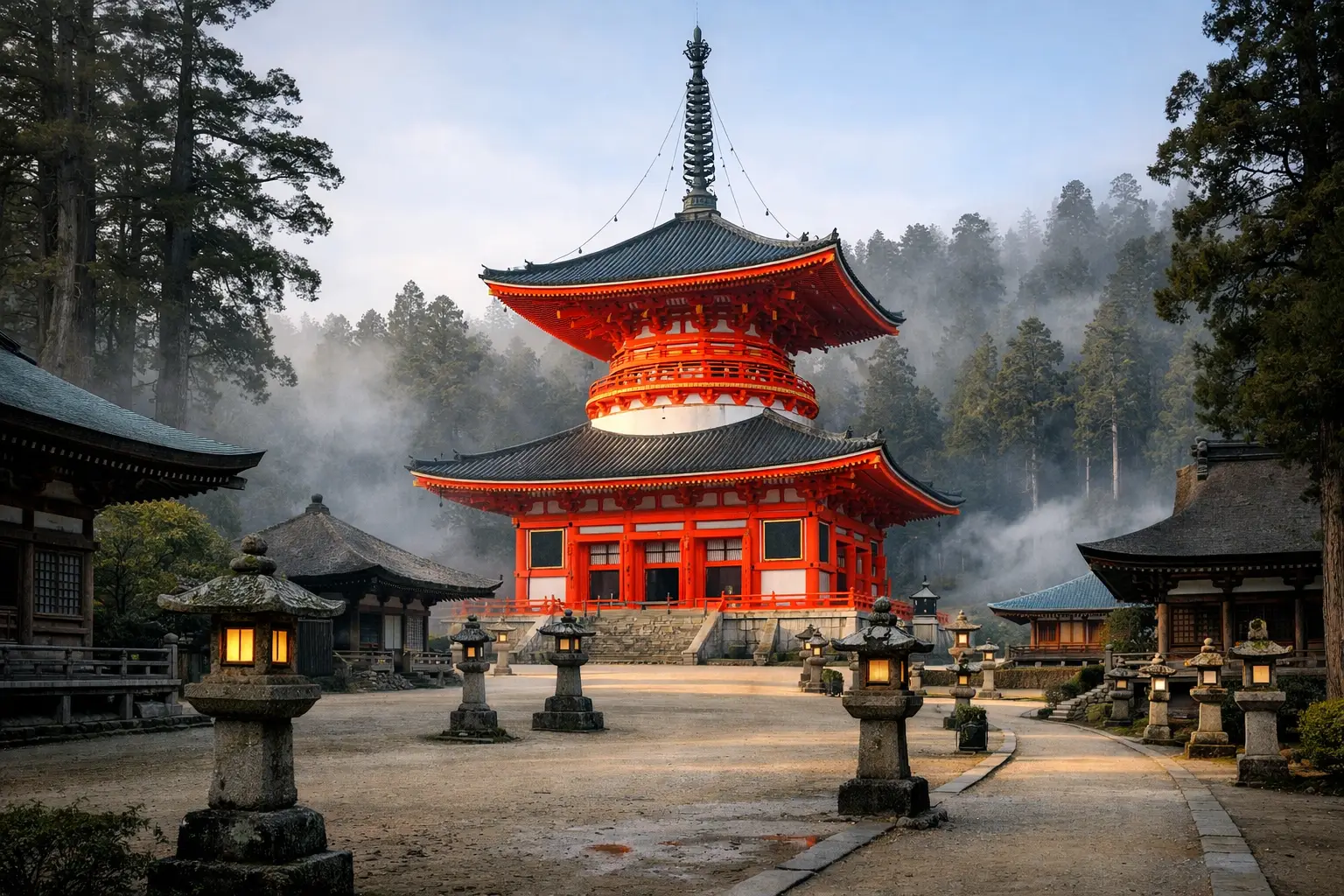
Mount Koya, commonly known as Koyasan, is one of the most important Buddhist religious centers in Japan and there are many old temples there including Danjo Garan, with its red stupa standing 49 meters high. Staying overnight at one of Koyasan’s temple lodgings and participating in morning prayers is one of the most profound travel experiences Japan offers.
Shitennoji Temple, Osaka
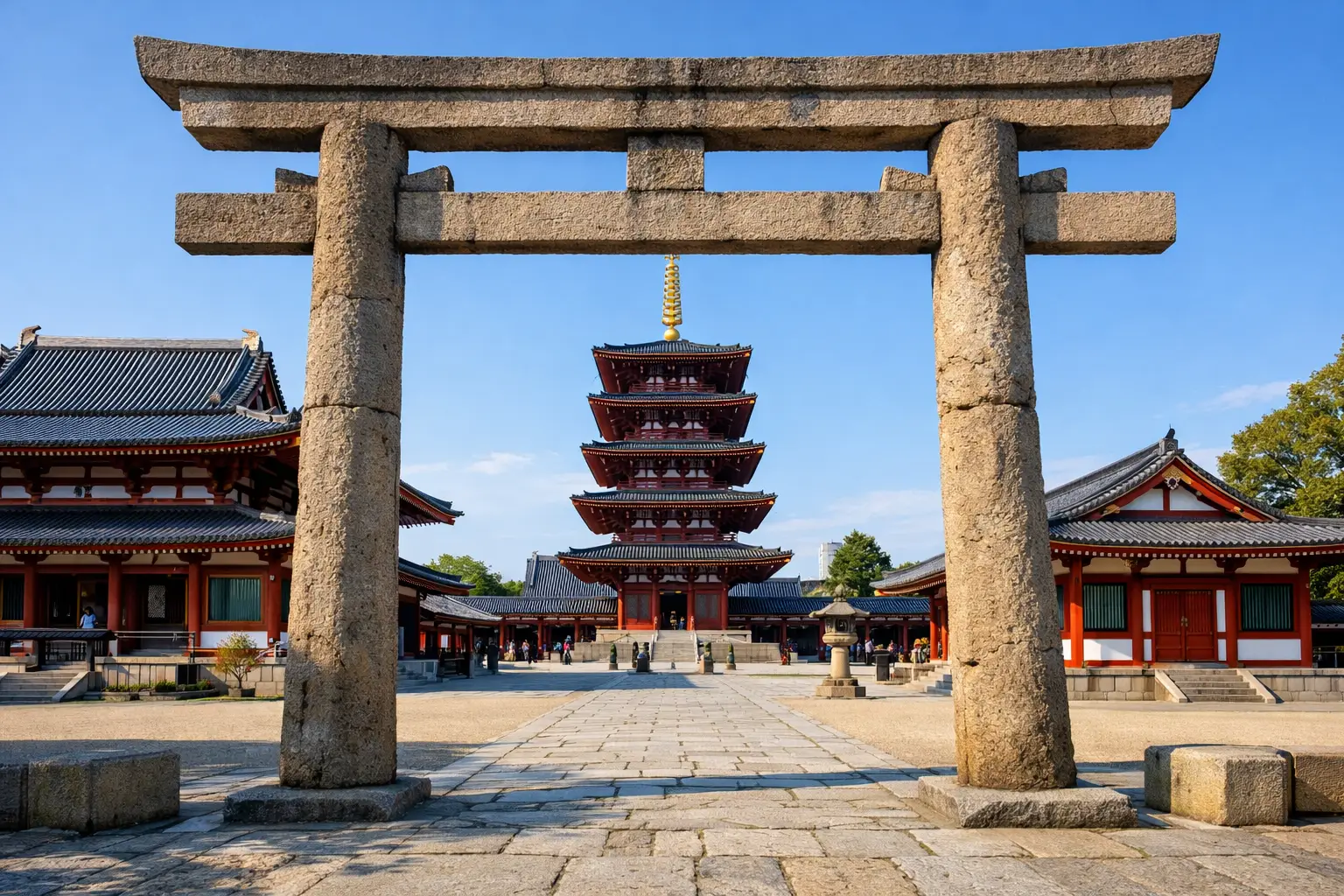
Although Osaka is best known for its atmosphere and street food, you can also visit beautiful temples there like Shitennoji, where the site is huge and you have access to many of the temple’s beautiful wooden buildings. Founded in 593 AD by Prince Shotoku, it is considered one of the oldest officially administered temples in Japanese history.
Chusonji Temple, Hiraizumi
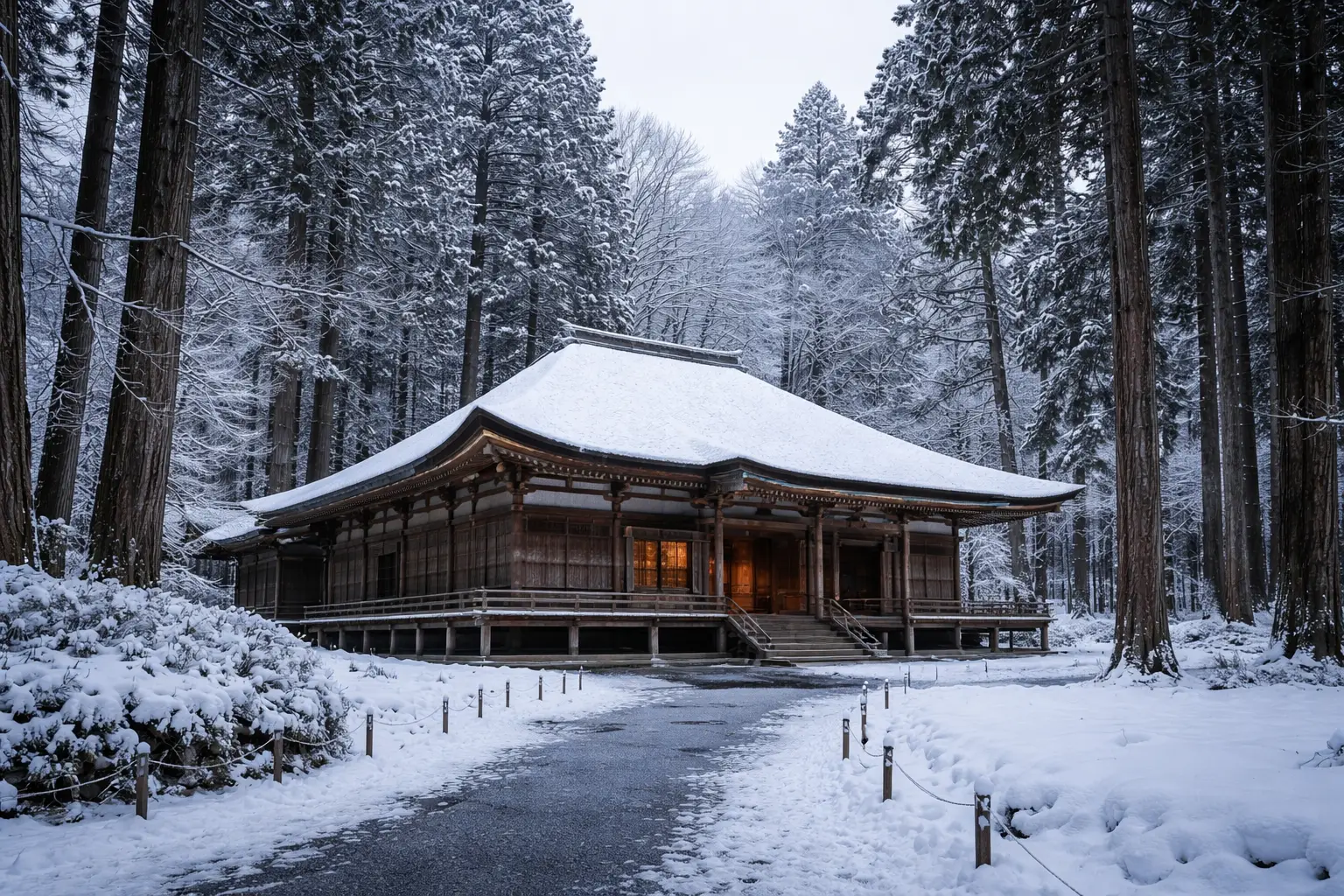
The Chusonji Temple is in Hiraizumi, Iwate Prefecture, and includes the Konjikido which is covered in gold and serves as the mausoleum of a local clan leader. Visiting the temple in winter is particularly recommended because the surrounding landscape looks even more striking under snow.
Kimiidera Temple, Wakayama
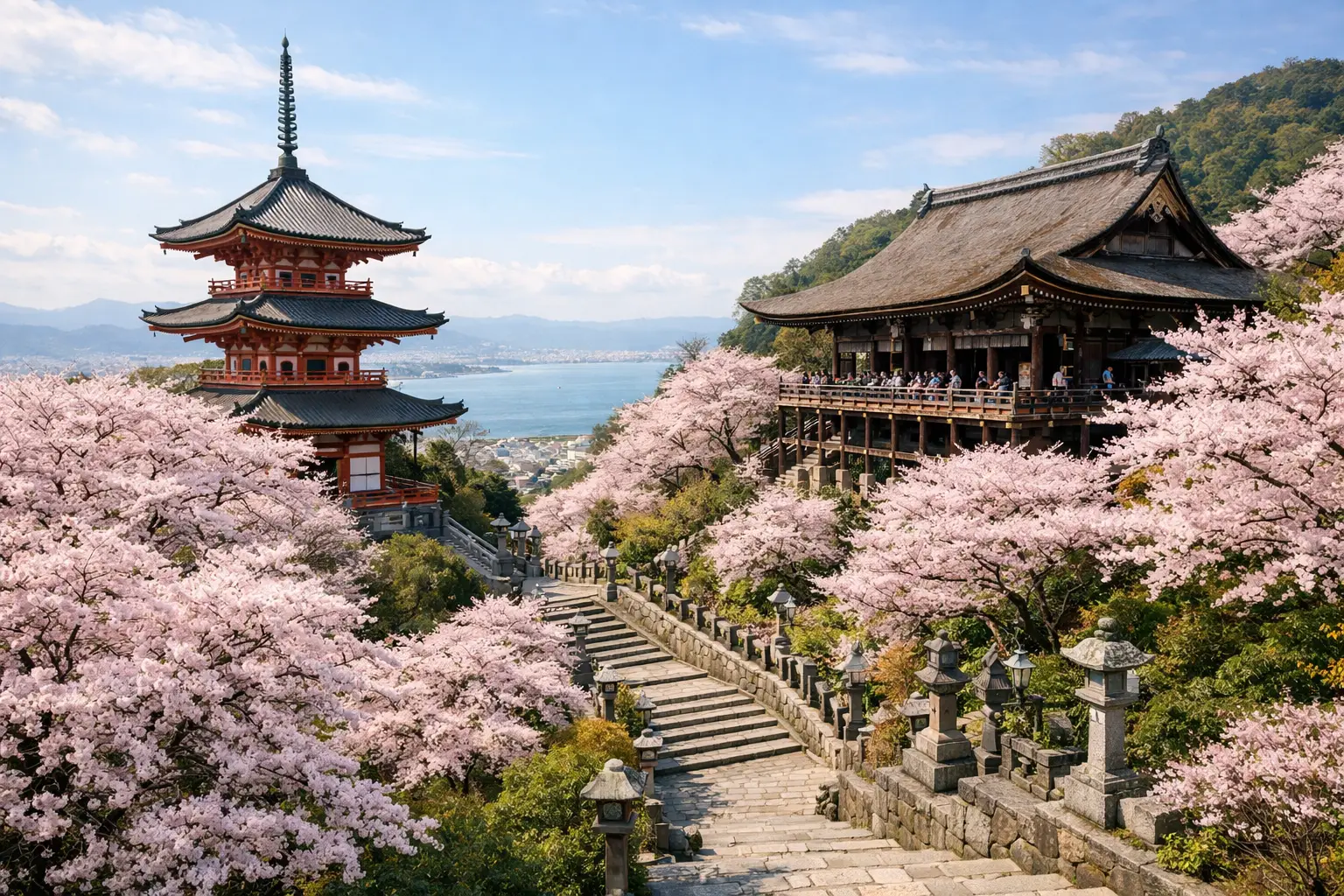
Kimiidera Temple is located on a hill in Wakayama and you have to climb many steps to visit its different structures. Visiting during spring during the cherry blossom season makes it a truly magical experience. The climb rewards visitors with sweeping views of Wakayama Bay that stretch all the way to the horizon.
Ninnaji Temple, Kyoto
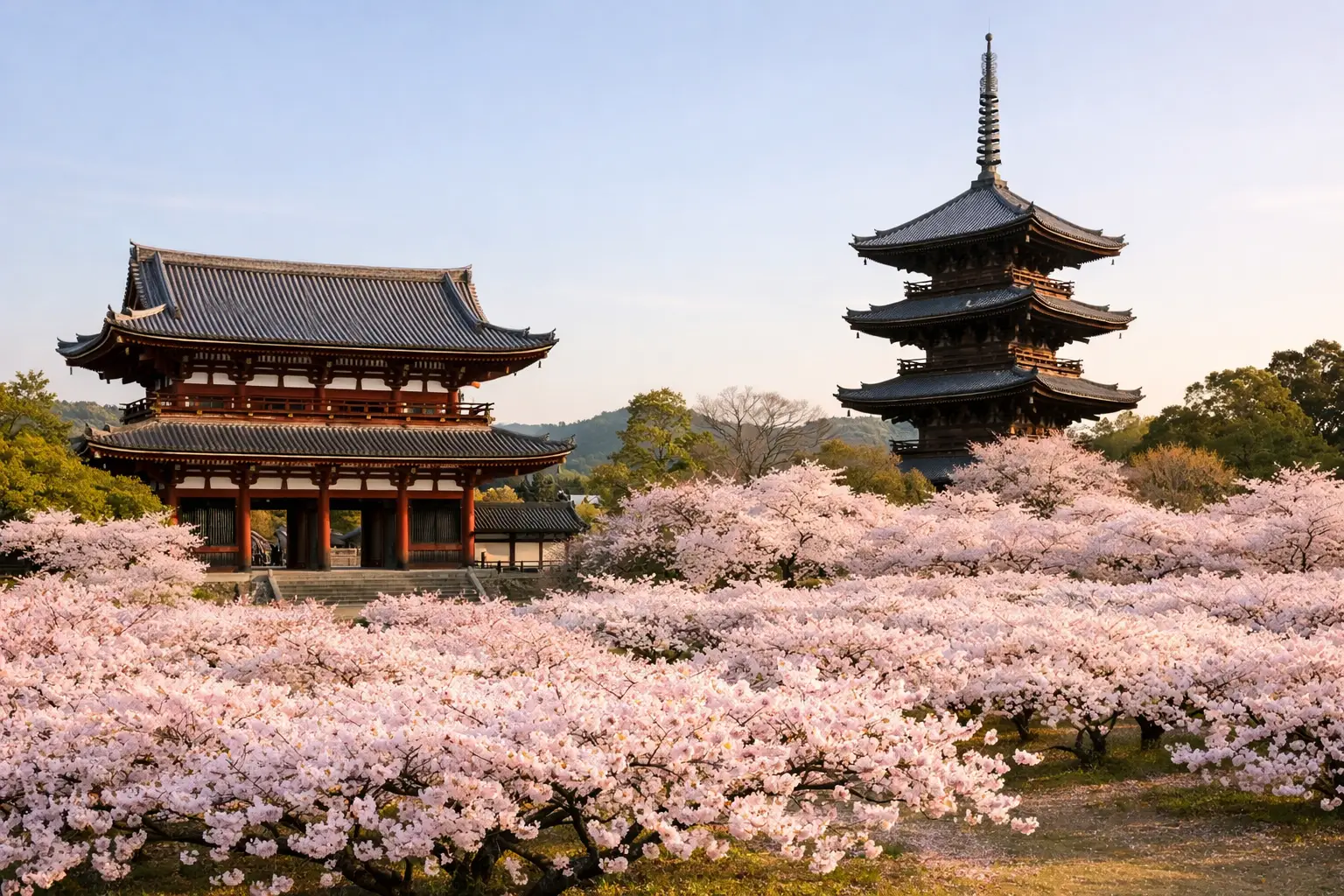
Ninnaji Temple, located in Kyoto’s Ukyo ward, is the head temple of the Shingon Omuro sect and is known for its blessings of protection from misfortune and health prayers, making it especially popular among visitors wishing for longevity. Its late blooming cherry trees, known as Omuro cherries, extend the blossom season well beyond the city’s other famous spots.
Saihoji Temple, Kyoto
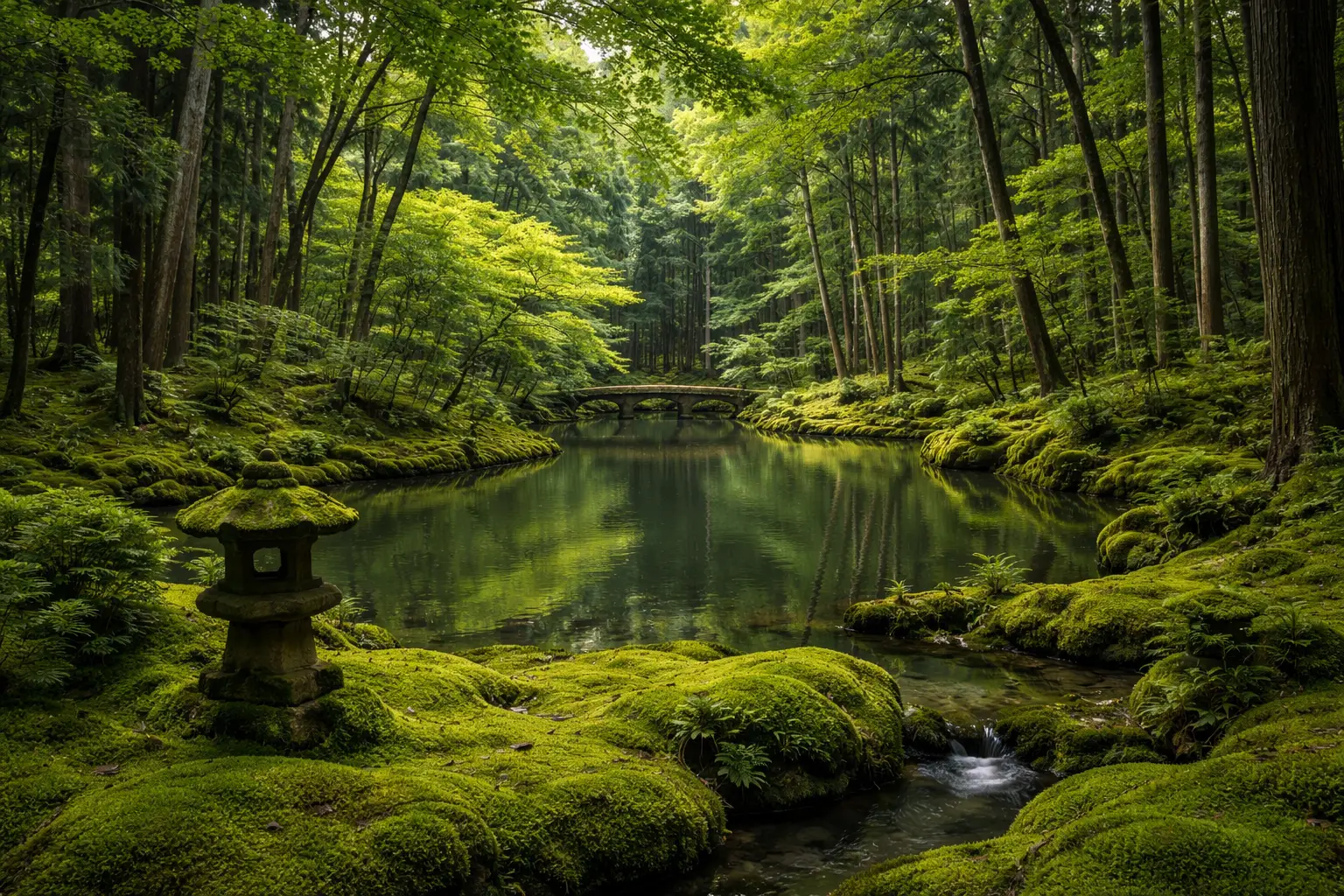
Saihoji Temple, more commonly known as Kokedera, is a famous Zen Buddhist temple located in the western outskirts of Kyoto. The temple is famous for its breathtaking moss garden, which is considered a masterpiece of Japanese garden design and is believed to contain approximately 120 different varieties of moss, creating a serene and otherworldly landscape that changes subtly with the seasons.
Rinnoji Temple, Nikko
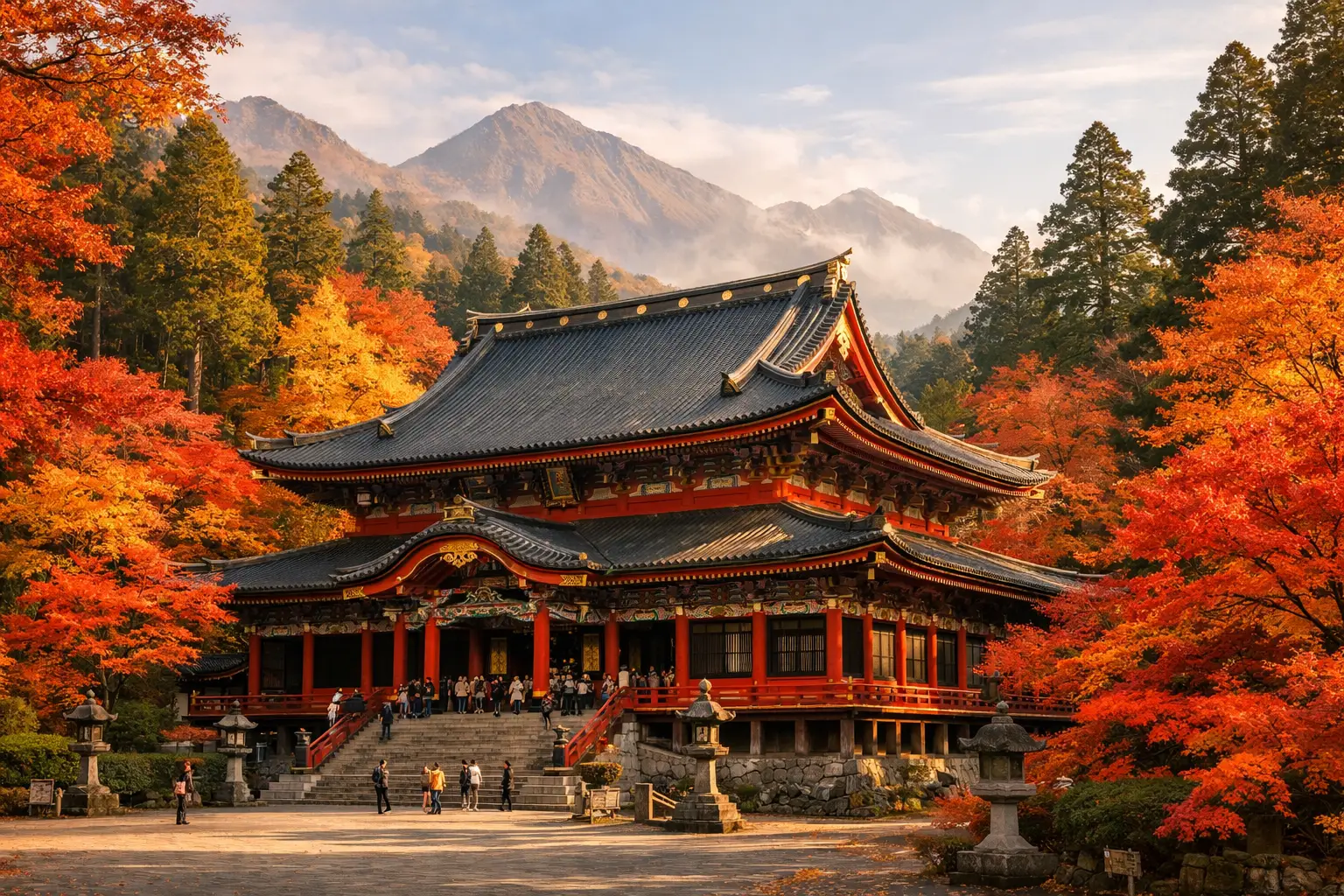
Nikko integrates architecture and environment within Nikko National Park, and the region includes more than 100 Edo era temples and shrines, many set against mountains, lakes, and waterfalls. Seasonal changes, particularly autumn foliage, further reinforce Nikko’s appeal as a destination where natural and built environments intersect. Rinnoji is the spiritual anchor of this extraordinary region.
Yakushiji Temple, Nara
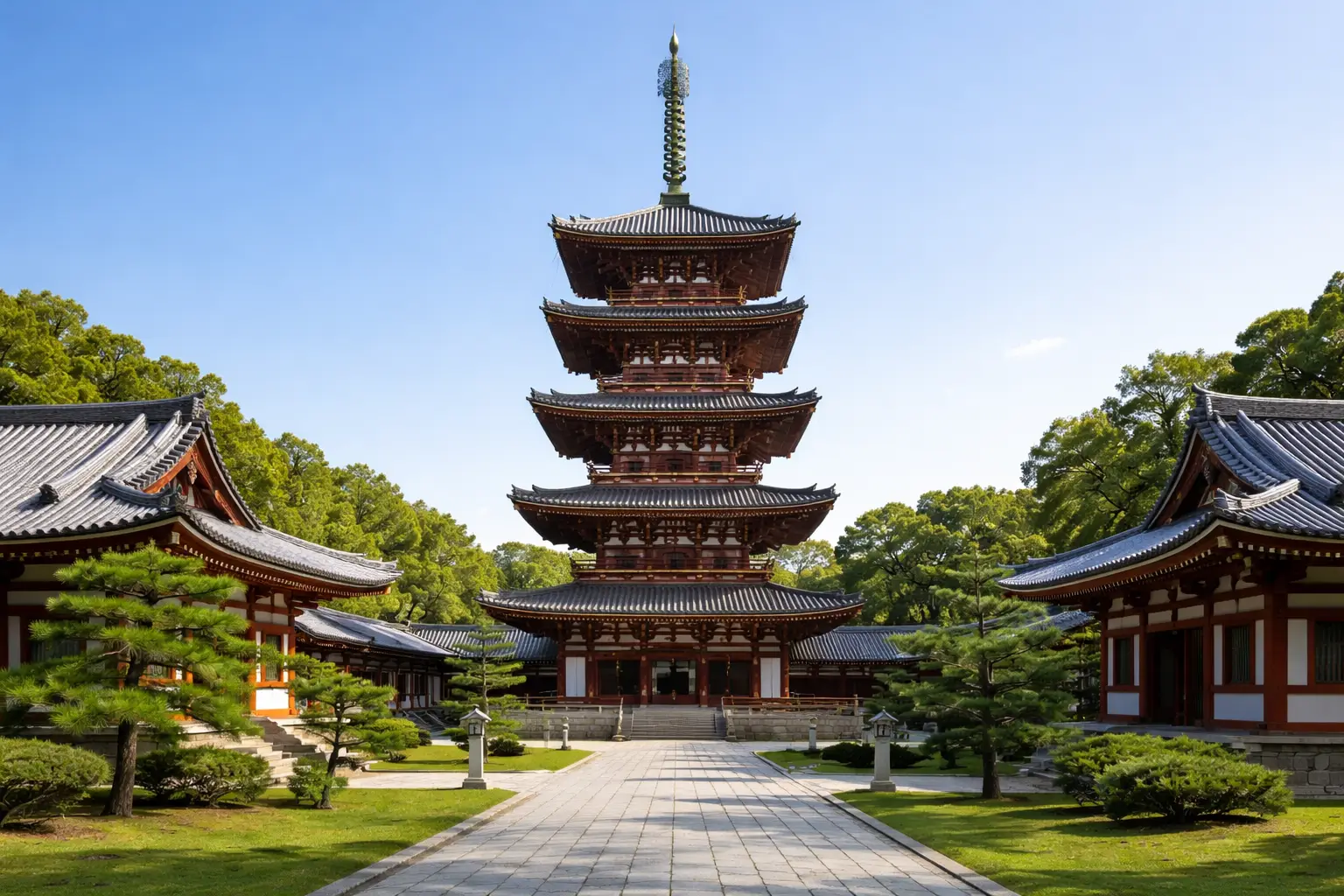
Yakushiji Temple expands the historical scope of a visit to Nara alongside the Great Buddha and the surrounding park. One of the Seven Great Temples of ancient Nara, Yakushiji’s East Pagoda is one of the finest surviving examples of early Japanese Buddhist architecture and stands as a testament to the extraordinary craftsmanship of the eighth century.
Eikan-do Temple, Kyoto
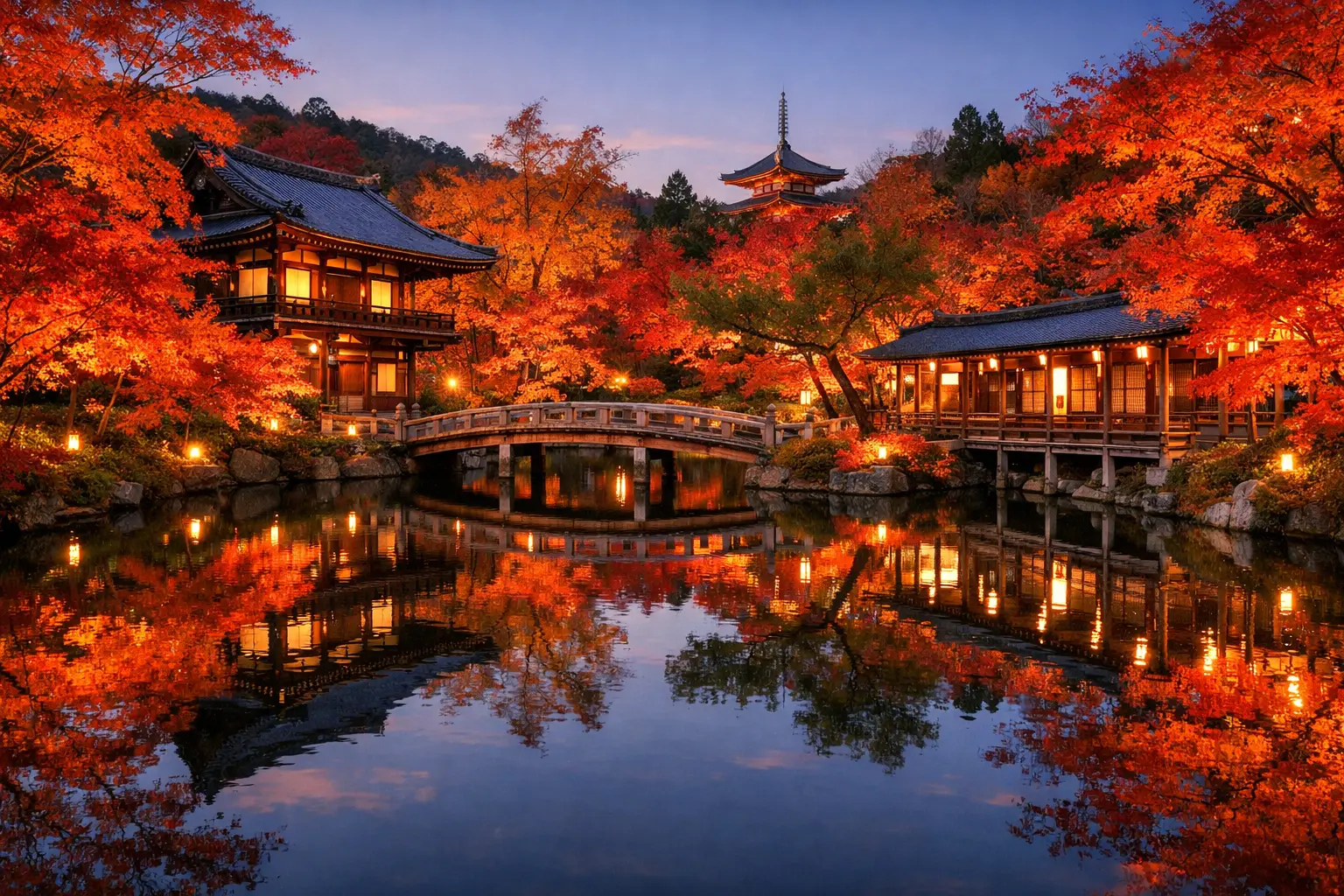
Eikan-do, also known as Zenrinji, is widely regarded as Kyoto’s finest destination for autumn foliage. The temple’s maple trees turn vivid shades of red and orange each November, surrounding the historic pond and wooden corridors in a breathtaking blanket of color. Evening illumination events during the autumn season draw visitors from across Japan and around the world.
Byodoin Temple, Uji
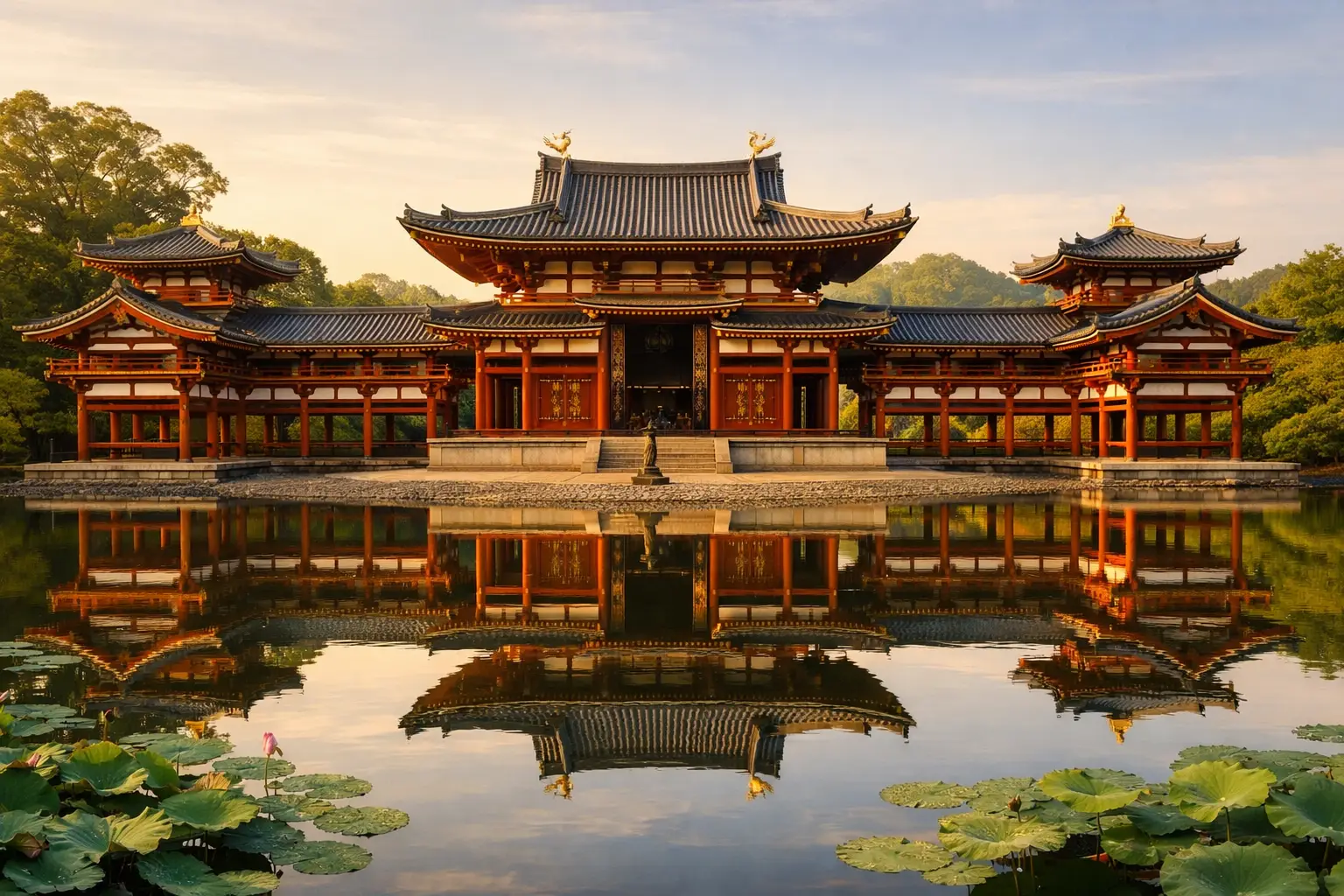
Located just south of Kyoto in the city of Uji, Byodoin Temple is one of the most elegant surviving examples of Heian period Buddhist architecture. Its Phoenix Hall, built in 1053, is so celebrated that its image appears on the Japanese 10 yen coin. Discovering the folklore and rituals surrounding Japanese temples like this one helps visitors appreciate the history, nature, and spirituality that makes Japan such a compelling destination.
Conclusion
Japan’s temples are not simply tourist attractions. They are living monuments to more than fifteen centuries of faith, artistry, and cultural identity. From the golden brilliance of Kinkakuji to the moss wrapped serenity of Saihoji, each of the twenty Japan temples on this list offers something that photographs alone can never fully capture. There are more than 160,000 traditional Japanese temples and shrines scattered across the Land of the Rising Sun, and usually they have a bunch of interesting history behind them, plus the buildings themselves are real works of art. As you plan your 2026 journey, let these sacred spaces remind you that travel at its finest is not about checking destinations off a list. It is about standing somewhere ancient and feeling, for a quiet moment, completely present.
You can may also like this: 18 Beautiful Japan Countryside Places ideas You Must Visit
FAQs
What is the difference between a temple and a shrine in Japan
Temples are Buddhist places of worship while shrines are associated with Shinto, Japan’s native religion. Temples often have pagodas and large Buddha statues, while shrines are marked by torii gates and are dedicated to Shinto deities called kami.
What is the best time of year to visit Japan temples
Spring from late March to early April during cherry blossom season and autumn from mid October to November during foliage season are the most visually spectacular times. Winter visits to mountain temples like Koyasan offer a uniquely peaceful and atmospheric experience.
Is there an entry fee for Japan temples
Most major temples charge a small admission fee ranging from approximately 500 to 1000 yen. Some temples such as Senso-ji in Tokyo allow free access to the main grounds while charging for interior sections or special gardens.
What etiquette should I follow when visiting Japan temples
Dress modestly, speak quietly, and remove shoes when entering interior spaces. At the purification fountain near the entrance, rinse both hands before approaching the main hall. Photography rules vary by temple, so always check posted signs before taking pictures.
Can foreigners stay overnight at a Japanese temple
Yes. Many temples on Mount Koya and in Kyoto offer shukubo, which is temple lodging open to foreign visitors. Guests typically experience vegetarian Buddhist cuisine, morning prayer ceremonies, and a level of calm that hotel stays rarely provide.