
Introduction
Tokyo is one of those rare cities that genuinely delivers more than its reputation promises. For a place that appears in virtually every list of the world’s greatest destinations, it manages to surprise almost every visitor with the sheer density of remarkable experiences packed into its 23 special wards. No single itinerary captures it fully. No single week exhausts it. The city operates at a scale and a pace that requires genuine planning to navigate well, and the difference between a good Tokyo trip and an extraordinary one often comes down to knowing which experiences are genuinely worth your time and which are simply famous for being famous.
This guide presents 18 Tokyo things to do that earn their place on every serious visitor’s itinerary through the quality and distinctiveness of the experience they deliver. Whether you are visiting for the first time or returning to a city you already love, these 18 activities represent the fullest and most rewarding version of what Tokyo has to offer, covering everything from ancient temples and digital art museums to neighborhood street food and rooftop nightlife.
Watch the Shibuya Scramble Crossing
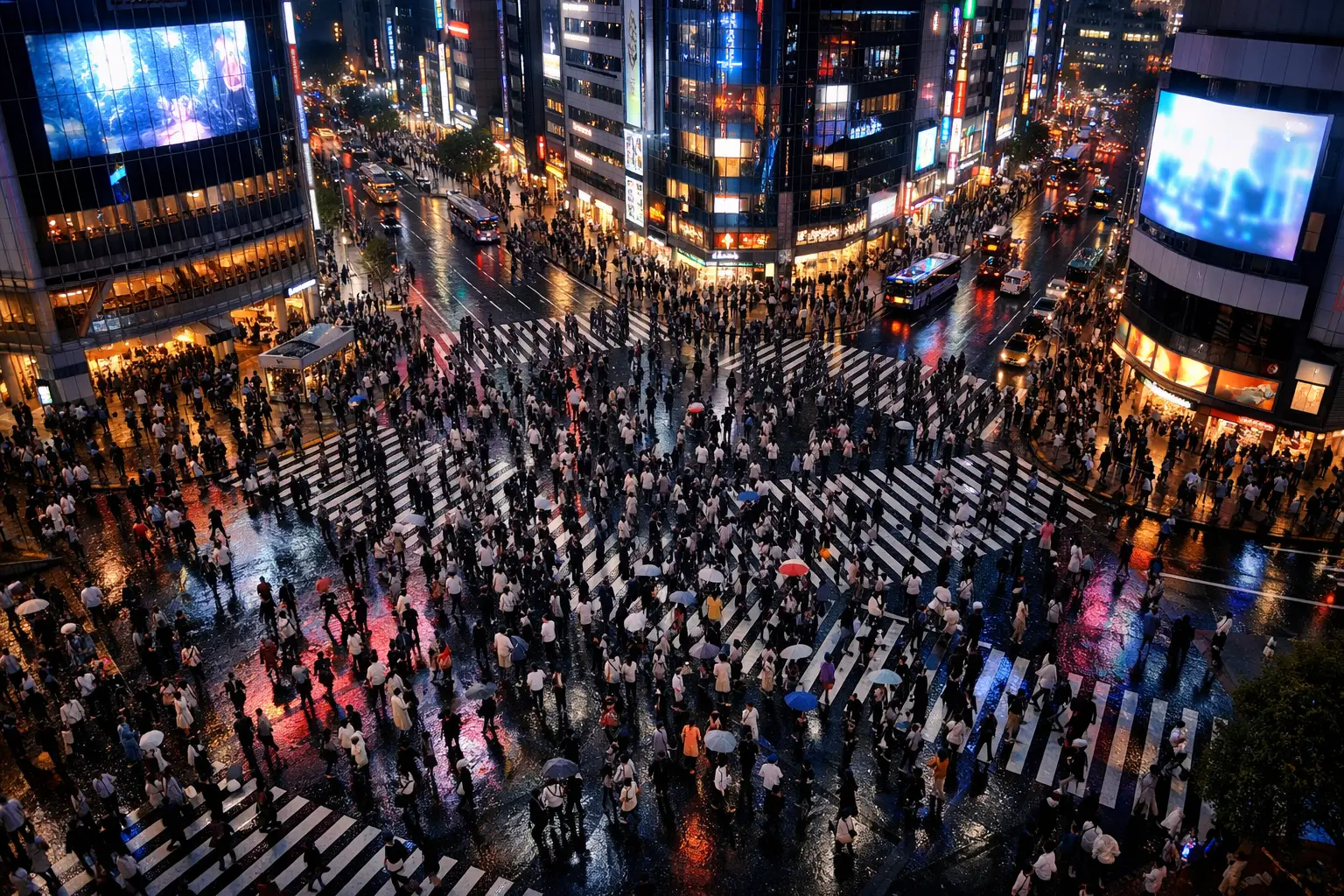
When in Tokyo, most travelers make it a point to see the Shibuya Scramble, the world’s busiest intersection and one of the things Japan is most famous for. It is a pretty wild sight to see crowds merge into one ridiculously packed junction. The crossing functions like a performance that runs every few minutes, and the experience of standing at street level as hundreds of pedestrians move simultaneously in every direction is unlike anything else in the world. For the most dramatic view, head to Shibuya Sky observation deck above Shibuya Station or the Starbucks on the second floor of the QFront building which overlooks the crossing directly. Come during the day for the energy of the crowds and return at night when the surrounding neon signs illuminate everything with a cinematic quality that makes the crossing feel even more surreal than it already does.
Visit Senso-ji Temple in Asakusa
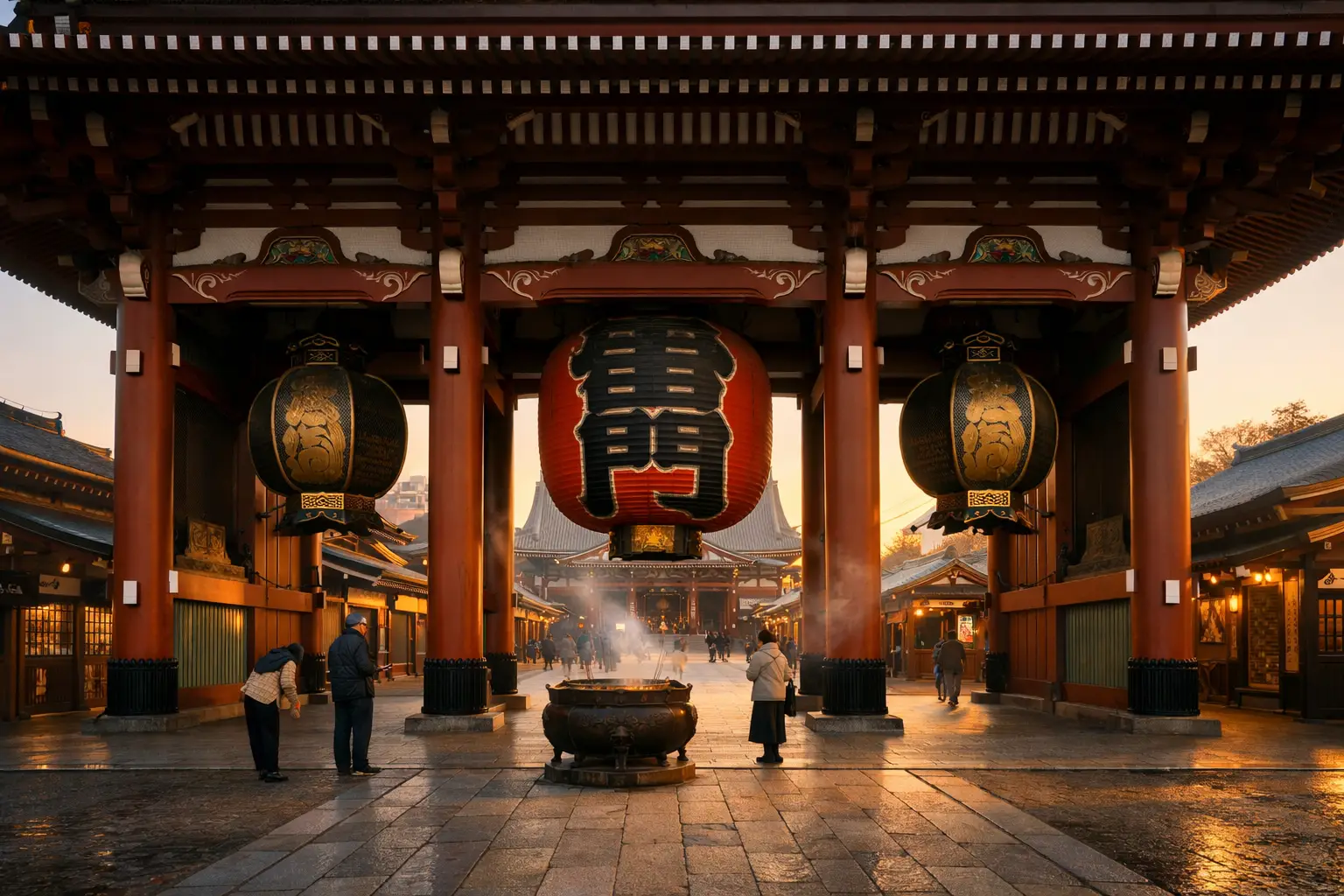
Famous for its giant red lantern, Senso-ji Temple is a top sight in Tokyo. This Buddhist temple is located in Asakusa, a district in downtown Tokyo known for its historical sights. Built in 645, Senso-ji is Tokyo’s oldest temple. The approach to the main hall through the Kaminarimon Gate and along the Nakamise Dori shopping street lined with souvenir stalls creates a layered experience that moves from the commercial to the genuinely sacred within a few hundred meters. Arriving early in the morning before the main tourist crowds transforms the atmosphere entirely, with incense smoke rising through the quiet courtyard and locals performing morning rituals with a calm that the midday crowds cannot replicate. The surrounding Asakusa neighborhood with its rickshaw operators, traditional craft shops, and riverside location along the Sumida River makes this one of Tokyo’s most immersive historical half-days.
Experience TeamLab Borderless Digital Art Museum
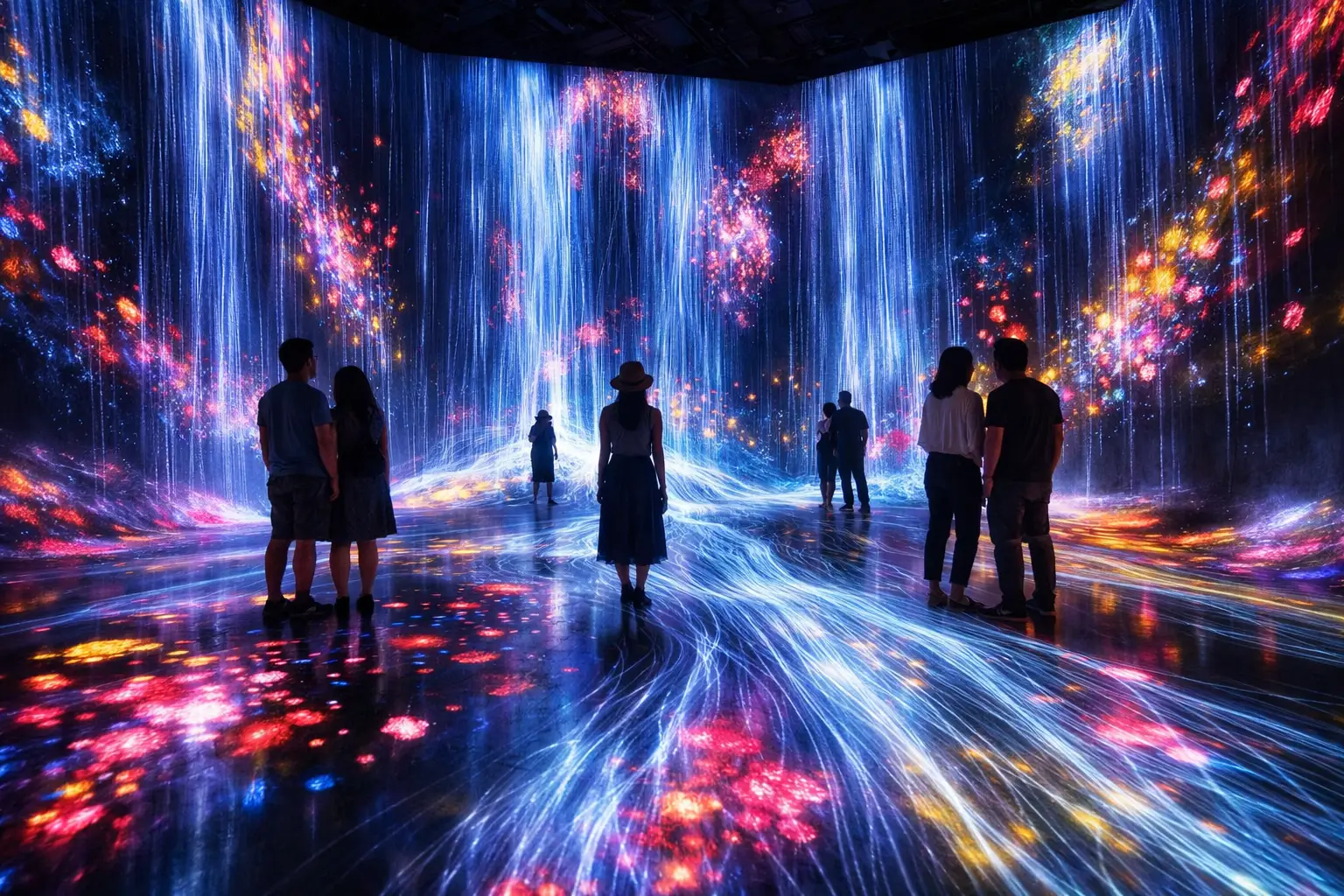
TeamLab Borderless is an absolute favorite digital museum anywhere. The interactive digital art is amazing. Touch a Japanese character on a wall and the graphics coming down the wall will change. Sit on a hill and watch digital water move around you and be mesmerized by the light and crystal rooms.TeamLab Borderless reopened in a new location at Azabudai Hills in 2024 and the experience remains one of the most genuinely extraordinary things Tokyo offers any visitor. The museum has no fixed rooms or directed flow, meaning each visit produces a different sequence of encounters with the luminous, immersive installations. Buying tickets in advance is essential as walk-in availability is almost nonexistent, and bringing a camera while wearing dark clothing maximizes the visual impact of the light-based environments.
Explore the Meiji Shrine in Harajuku
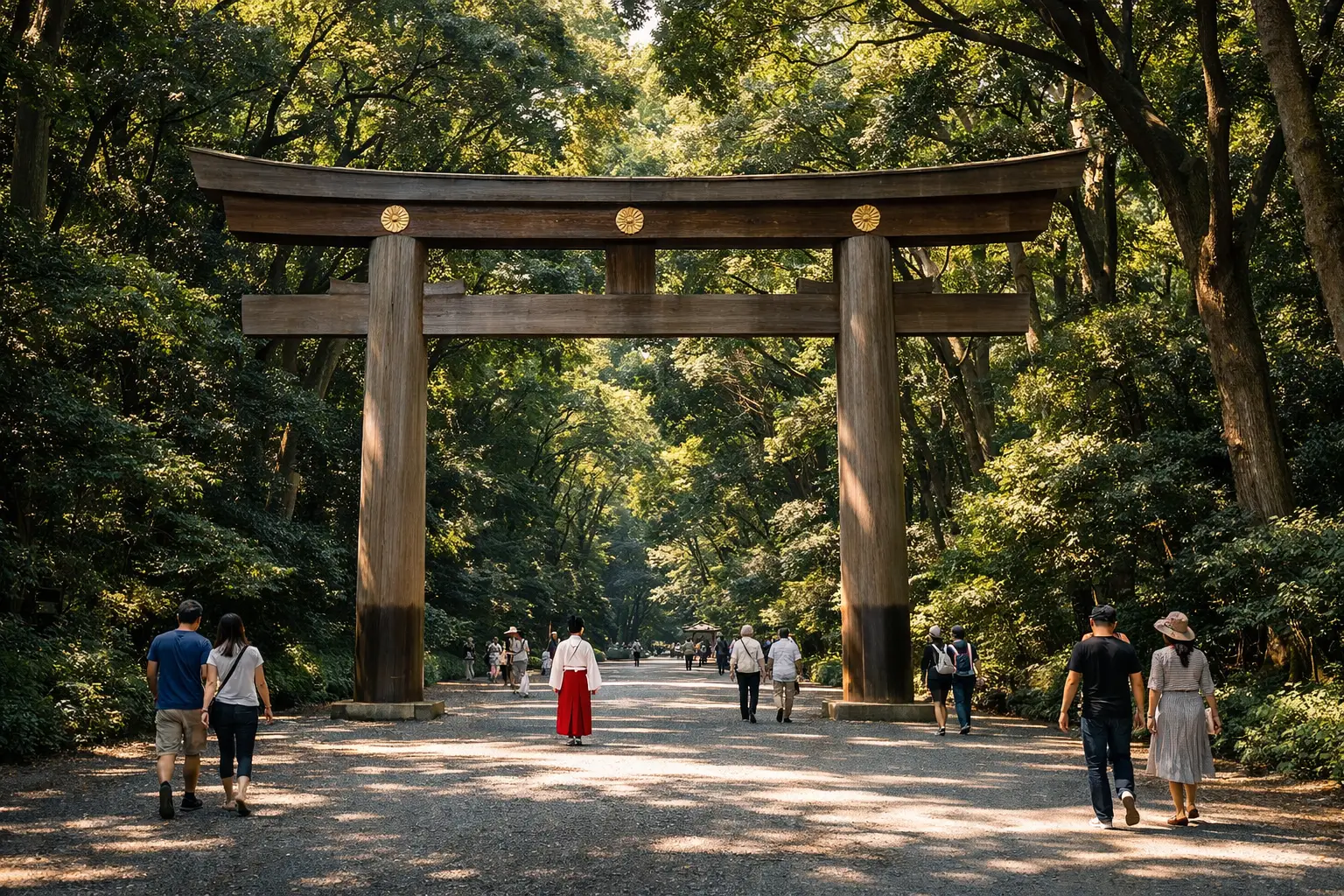
Behind the bustling Harajuku station lies a serene pathway that leads to the tranquil Meiji Shrine. This pathway offers a beautiful and peaceful walk, enveloped by a lush canopy of many trees that provide a refreshing escape from the urban environment. Visitors have the opportunity to immerse themselves in typical Shinto activities, such as making thoughtful offerings at the main hall, purchasing traditional charms and amulets for good fortune, or expressing their heartfelt wishes by writing them out on a wooden plate. The contrast between the ancient forest that surrounds the shrine and the fashionable Harajuku and Omotesando streets immediately outside its perimeter is one of Tokyo’s most compelling juxtapositions. Visiting on a weekend morning gives visitors the chance to witness traditional Shinto wedding processions that move through the shrine precincts in full ceremonial dress.
Climb Tokyo Skytree for Panoramic City Views
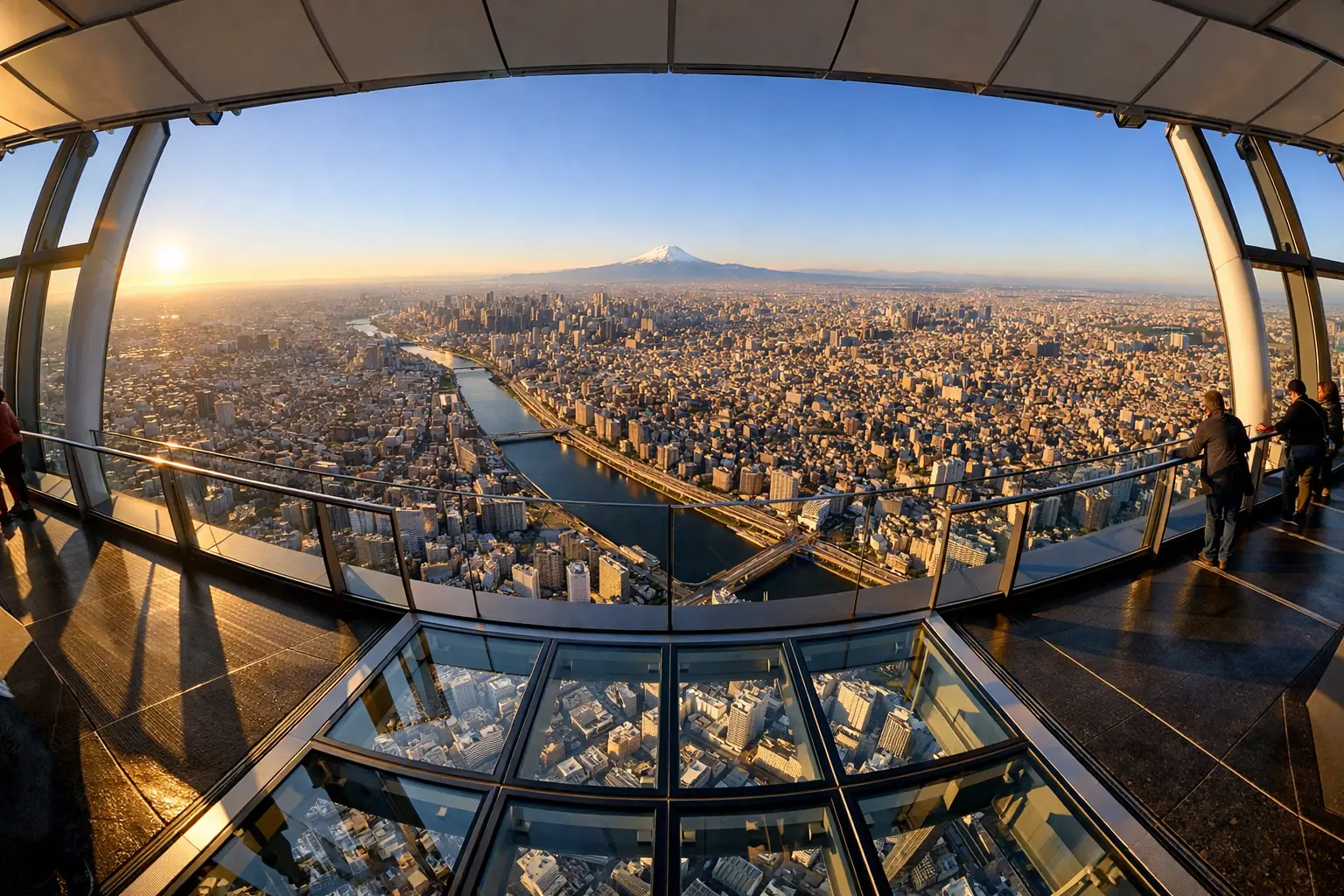
The iconic orange-red Tokyo Tower standing tall and proud at 333 metres is famed as the second tallest structure in Japan. On the observation tower there are two decks at 150m and 250m where you can have panoramic views of the Tokyo cityscape 360 degrees in every direction. Tokyo Skytree surpasses the Tower at 634 meters, currently the tallest structure in Japan and the second tallest in the world, with two observation decks at 350 meters and 450 meters offering the most complete panoramic view of the city available. On exceptionally clear days, particularly in winter when visibility is at its best, Mount Fuji is visible to the southwest from the upper deck. Visiting at sunset allows you to watch the city transform from golden afternoon light to its extraordinary nighttime illumination in a single visit, making the ticket price genuinely worthwhile.
Wander Through Harajuku and Takeshita Street
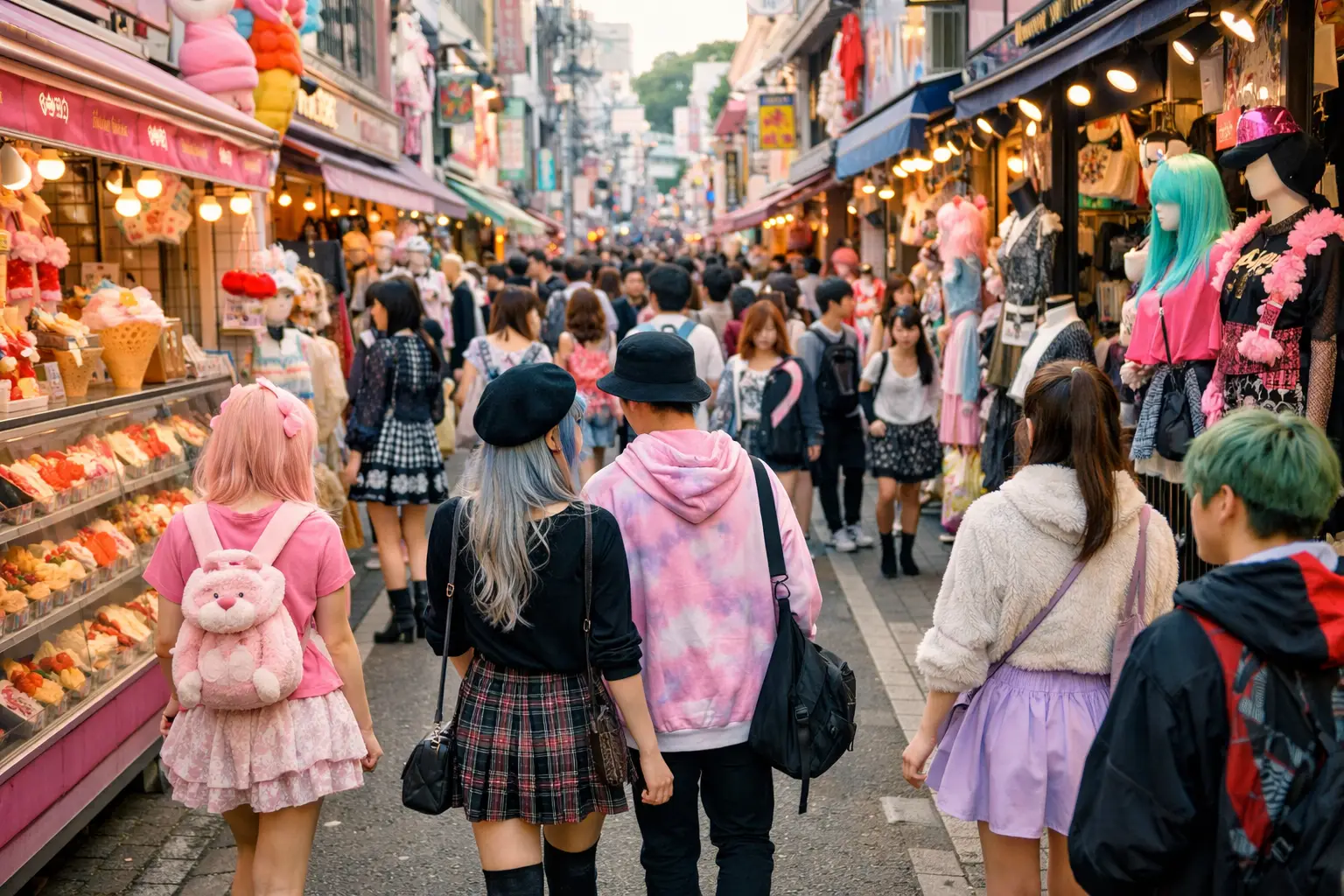
Harajuku is a favorite area of Tokyo when you just feel like wandering. Other than the Kiddy Land toy store along the main street, the side streets including Takeshita Street with its stores dedicated to random Japanese cartoon and anime characters, animal cafes, street food and the occasional Harajuku girl make it worth exploring. The area gets busy on nights and weekends so plan accordingly. The narrow pedestrian Takeshita Street compresses an extraordinary density of fashion boutiques, crêpe stands, sweet shops, and independent clothing stores into a single alley that represents the most visually concentrated expression of Tokyo’s youth culture anywhere in the city. The nearby Omotesando boulevard with its tree-lined elegance and flagship luxury stores provides an immediate and fascinating contrast to Takeshita’s exuberant chaos.
Eat Fresh Sushi at the Tsukiji Outer Market
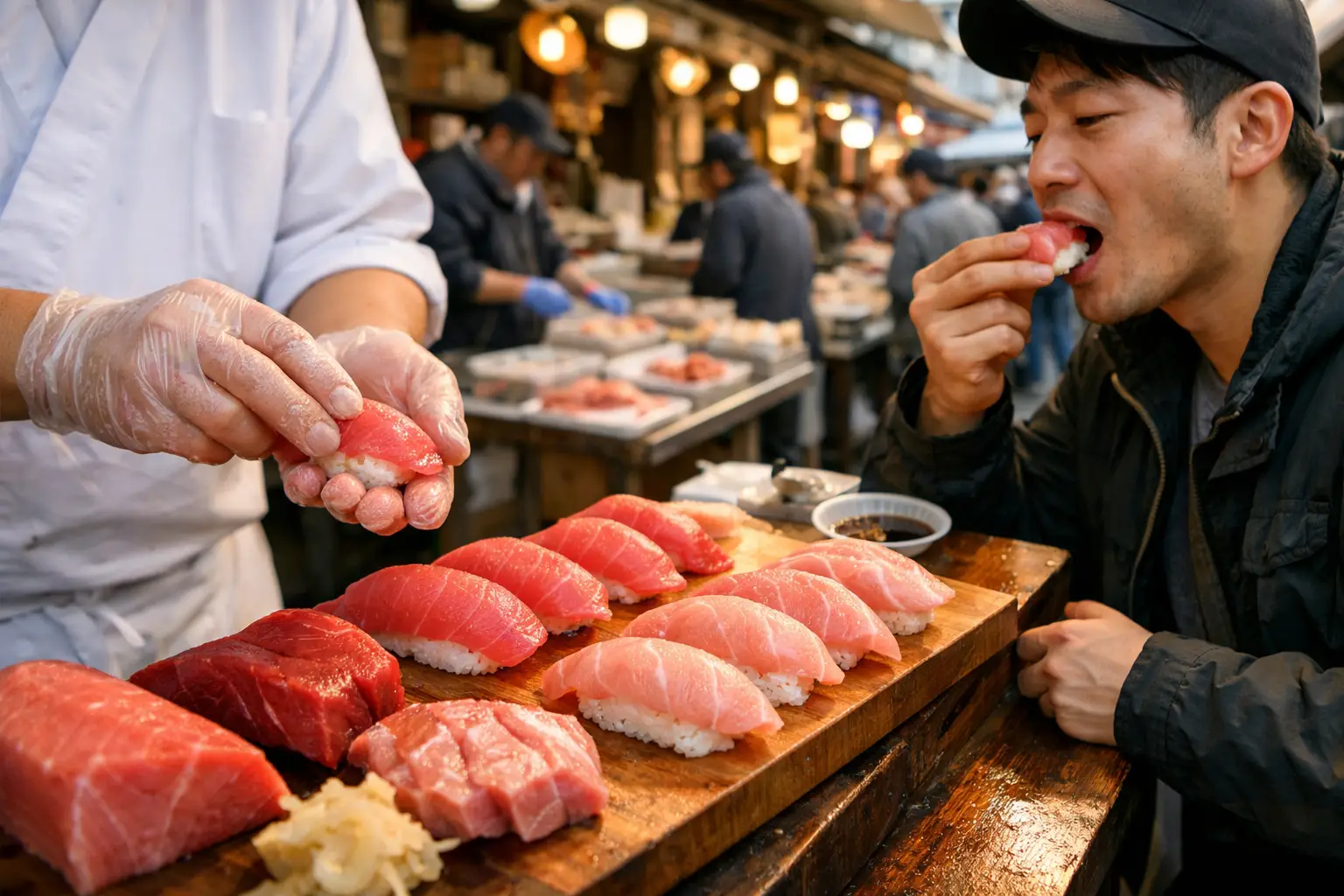
For over 80 years Tsukiji was Tokyo’s central fish market including the world-famous daily tuna auction. The inner market moved to Toyosu at the end of 2018 but the outer market was always the favorite area and it is still there with markets and sushi stands everywhere. It is one of the world’s perfect lunch spots as it does not get any better than sushi on the street in Tokyo. Arriving at Tsukiji between 9 and 11 in the morning allows you to experience the outer market at its most active, with vendors preparing fresh fish, grilling skewers of seafood, and serving some of the most exceptionally fresh sushi and sashimi available at street prices. The experience of eating tuna nigiri standing at an outdoor counter while the market operates around you is a genuinely irreplaceable Tokyo experience that requires no reservation and no planning beyond simply showing up.
Discover Akihabara Electronics and Anime Culture
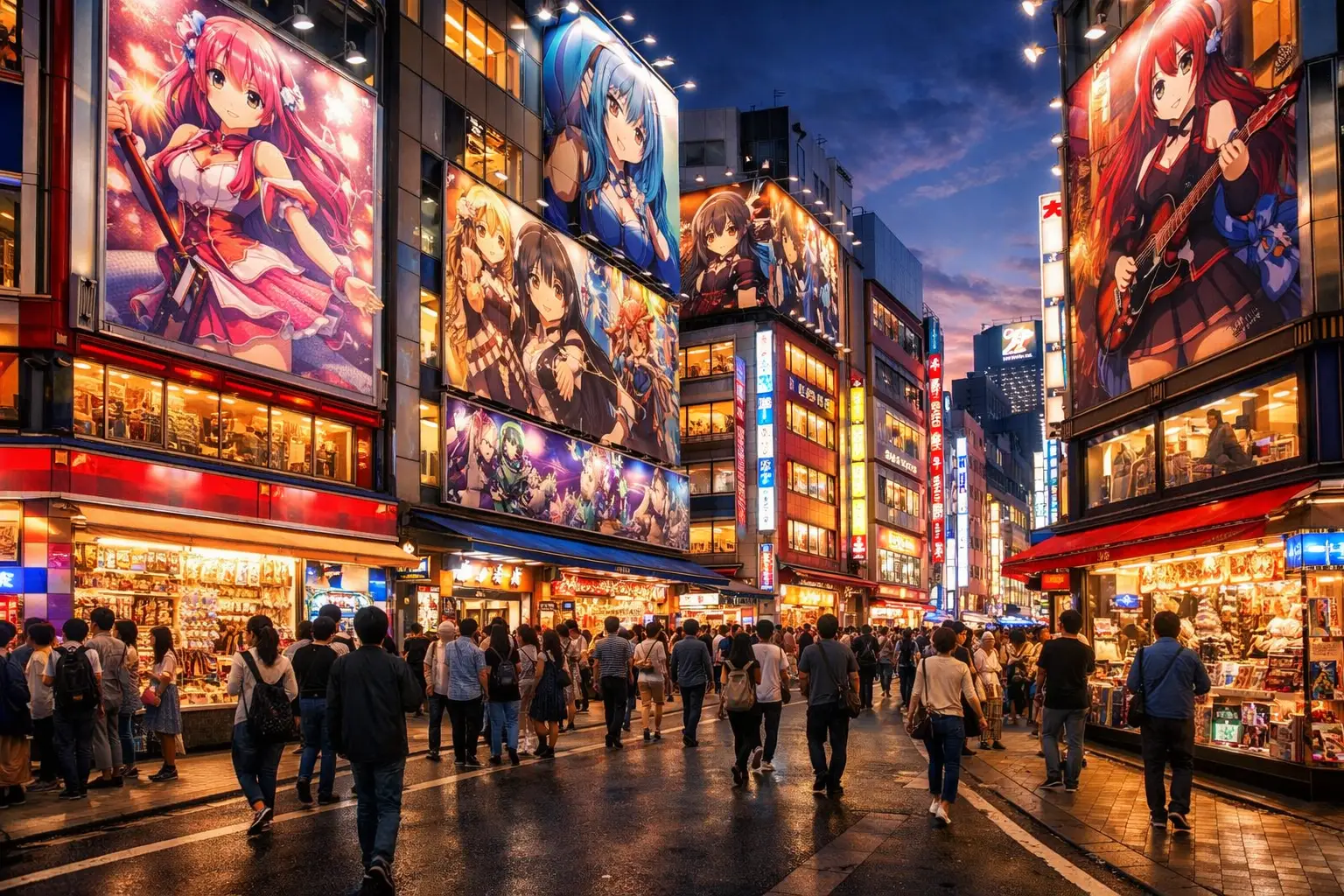
The Akihabara district is a sensory overload. It is where you find the latest tech gadgets and rare collectibles, and where you go to marvel at how in a city with a population like Tokyo you really can find a target audience for absolutely everything. Multi-story electronics retailers selling components, appliances, and gaming hardware sit alongside specialist shops selling vintage anime figurines, manga volumes, and limited-edition merchandise from decades of Japanese popular culture. Ikebukuro, Nakano and Akihabara are among the must-see locations for any fan of anime and manga. Big-name shops like Animate will have everything you need but smaller shops also offer quirky souvenirs. Even visitors with no particular interest in anime or electronics find Akihabara compelling as a cultural artifact, a neighborhood that expresses something genuinely specific and irreplaceable about contemporary Tokyo.
Spend an Evening in Shinjuku Golden Gai
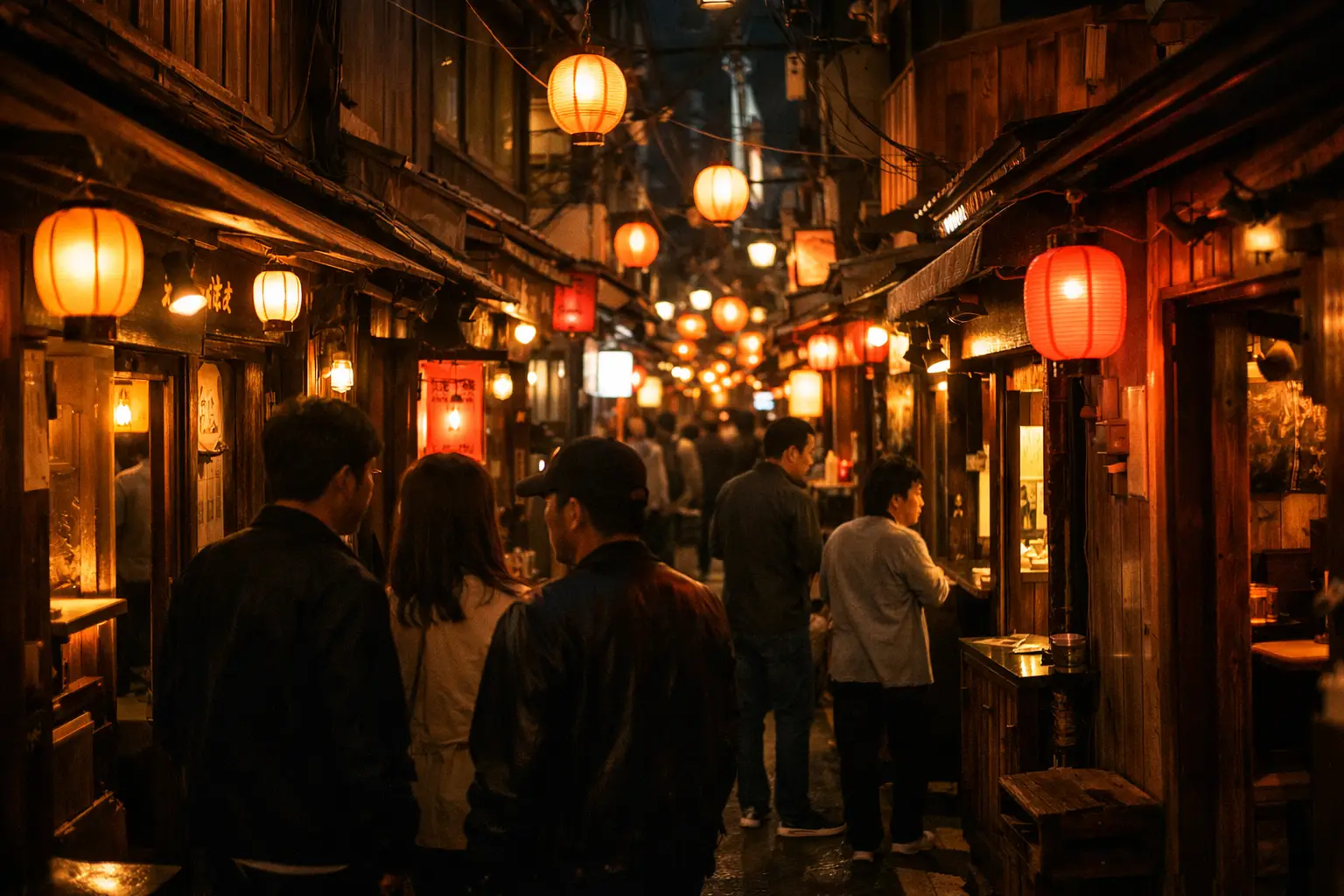
Another absolute must-see in Tokyo is the legendary Golden Gai. This cluster of approximately 200 tiny bars occupying a grid of narrow alleys in Shinjuku is one of Tokyo’s most atmospheric nightlife destinations and one that manages to feel entirely different from the neon excess of the surrounding Kabukicho entertainment district. Each bar seats between four and eight people at maximum, creating an intimacy that makes the experience of choosing a bar and staying for several drinks a genuinely social and exploratory adventure. Many bars have themes, specific music genres, or proprietors who have been running the same tiny establishment for decades, giving Golden Gai a layered and genuinely unique character that is impossible to replicate elsewhere in the city.
Visit Ueno Park and Its World-Class Museums
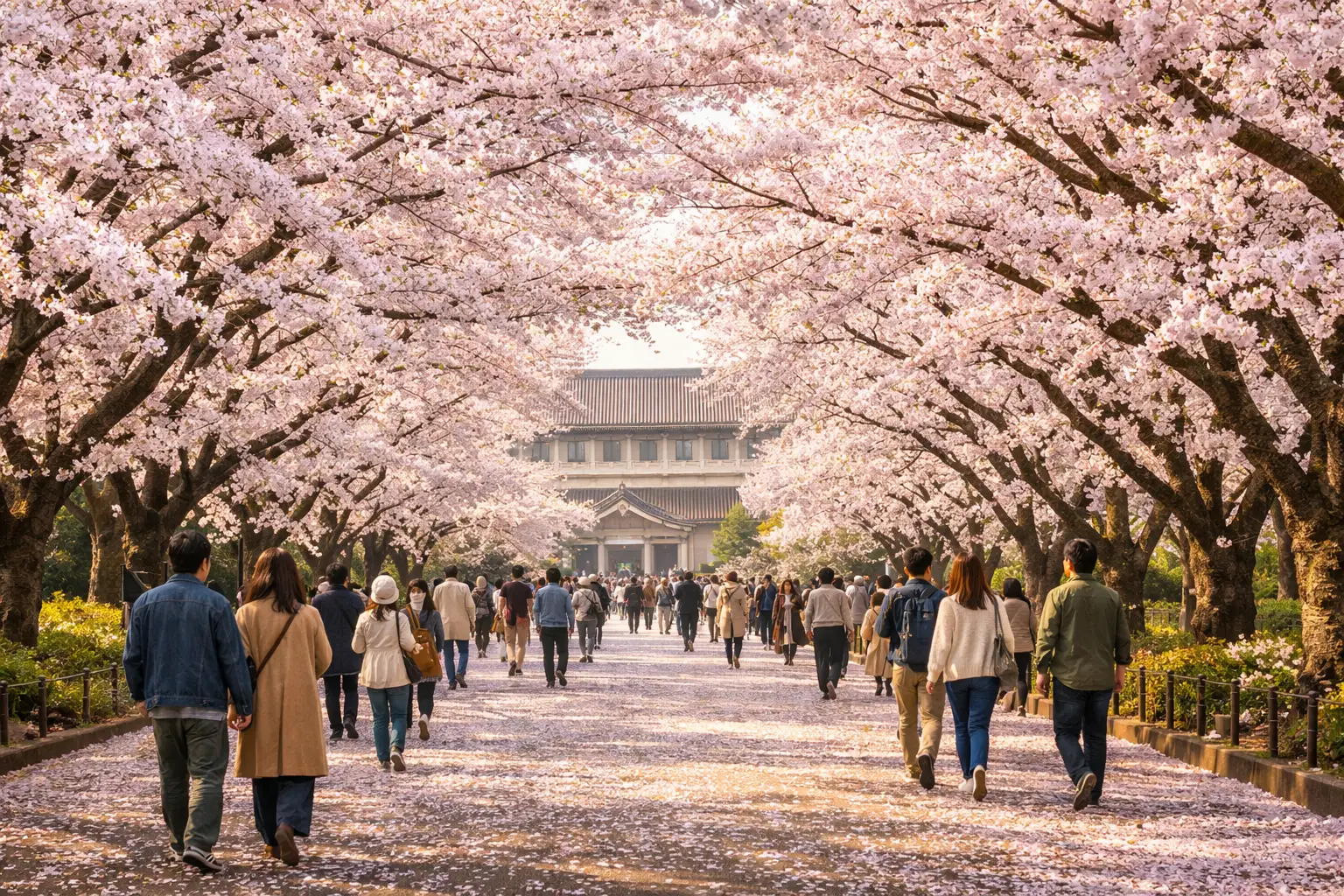
Ueno Park houses many museums including the Tokyo National Museum which has a great selection of art and artifacts. You can also stroll around the beautiful pond, see if you can spot some turtles or carp, and the park also offers many family activities. Stop by Ueno Zoo and say hello to animals from all over the world. The Tokyo National Museum is the largest and oldest museum in Japan, housing over 110,000 objects including the world’s largest collection of Japanese art and artifacts spanning thousands of years of cultural history. Ueno Park itself is one of Tokyo’s great outdoor spaces, particularly during cherry blossom season in late March and early April when its famous tree-lined paths become one of the most celebrated hanami viewing locations in the entire country.
Take a Yakatabune Dinner Cruise on Sumida River
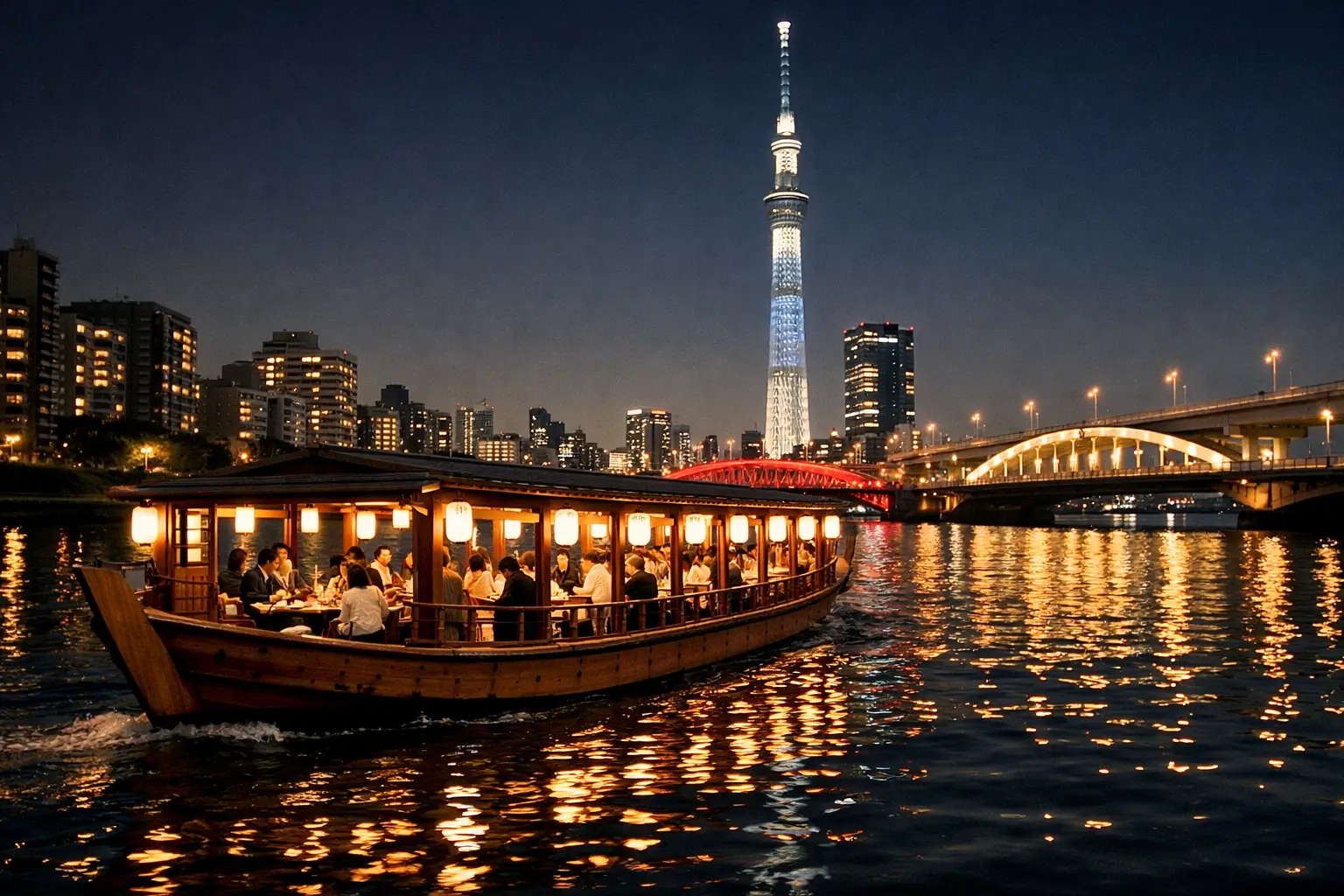
Recommended by friends who live in Tokyo, the Tokyo dinner cruise is among the best experiences available. Climb on board a yakatabune, a type of Japanese boat that has traditional tatami mat floors and tables set up for dinner. A smooth cruise along the Sumida River is relaxing, romantic, and full of photo opportunities especially as many of the historic bridges spanning the river have recently been renovated. Enjoy the evening illuminations. A yakatabune dinner combines traditional Japanese set-course cuisine with unobstructed views of Tokyo’s illuminated skyline, bridges, and waterfront districts from the water. Booking in advance is necessary as the most popular boats fill quickly, particularly on weekends and during cherry blossom season when the riverside trees create an extraordinary backdrop.
Explore the Shimokitazawa Neighborhood
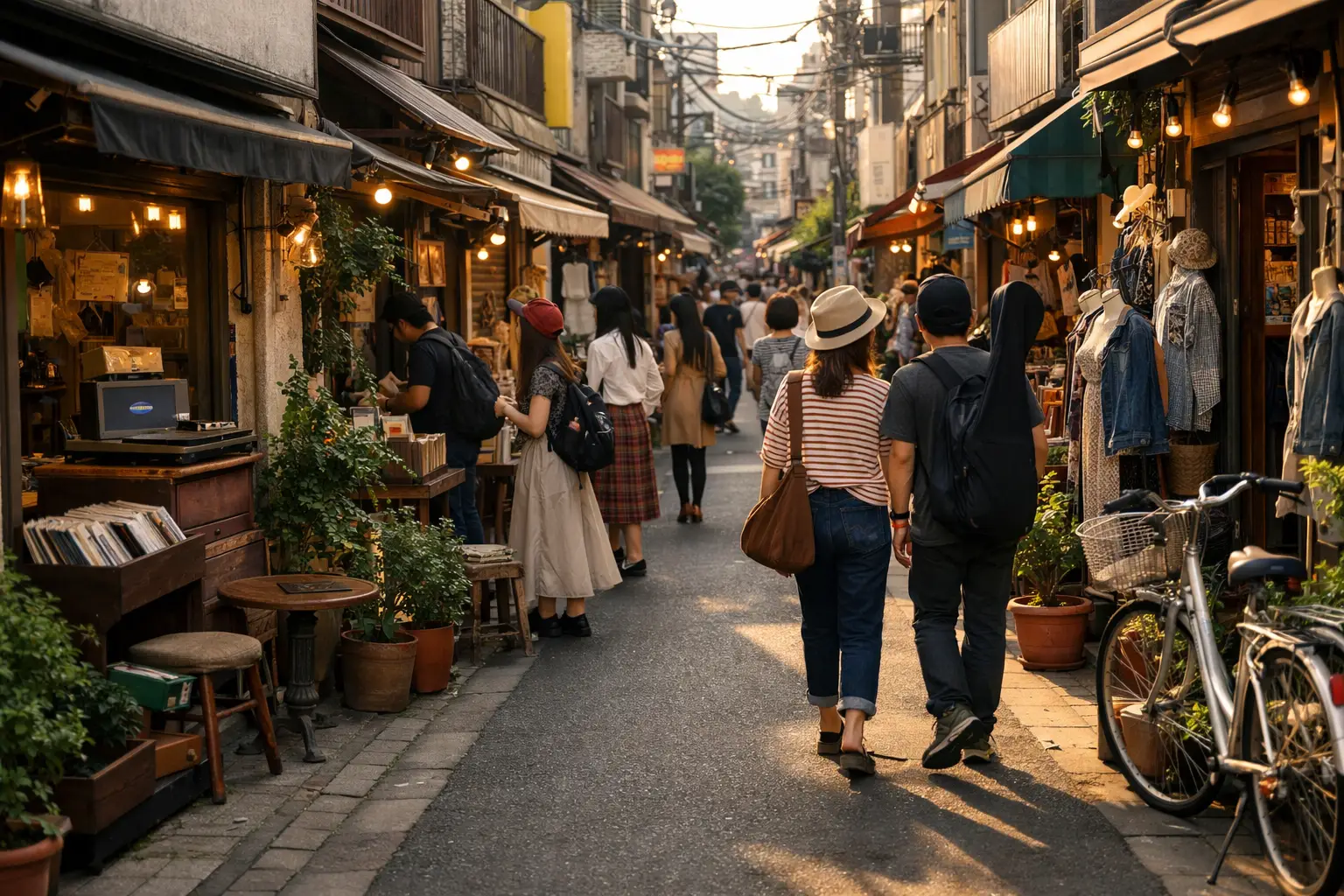
Shimokitazawa is Tokyo’s most beloved bohemian neighborhood and one of the most rewarding districts to explore without any particular agenda or destination. Independent coffee shops, vinyl record stores, live music venues, secondhand clothing boutiques, and small theaters are clustered along narrow pedestrian streets that have maintained their character despite decades of development pressure in the surrounding area. The neighborhood attracts a creative, young local population whose presence gives its streets an authentic energy that is entirely distinct from Tokyo’s more commercial and tourist-facing districts. A morning or afternoon spent wandering Shimokitazawa with no fixed itinerary, stopping at whichever coffee shop or vintage store catches your attention, represents one of the most genuinely local Tokyo experiences available.
Visit the Ghibli Museum in Mitaka
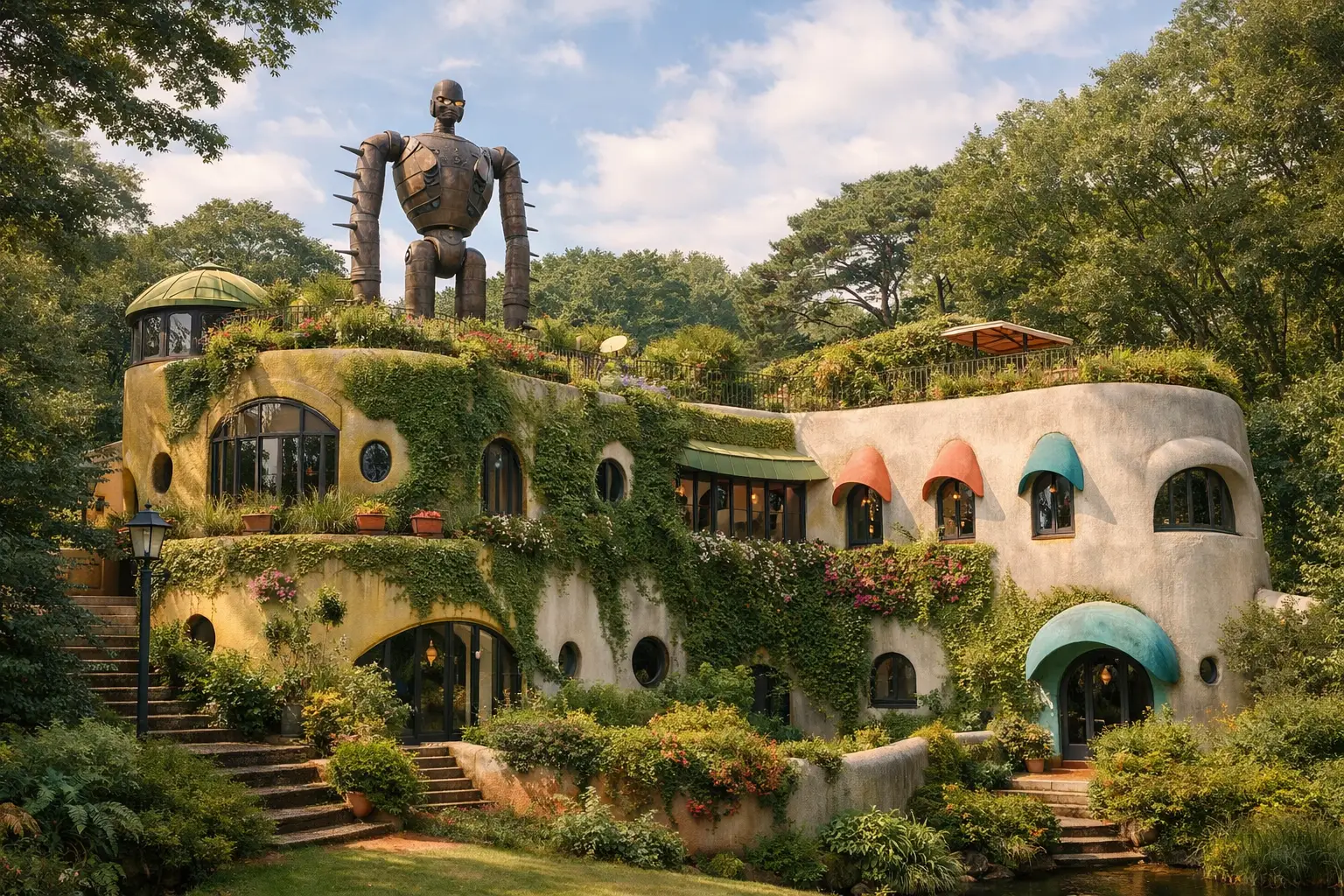
The highlight of any Tokyo trip and absolute top thing to do is the Ghibli Museum, and this applies even for those who are not anime fans. The Ghibli Museum is a must for die-hard anime fans and the curious alike, a dive into the enchanting world of Studio Ghibli. It is like stepping into a Miyazaki film, whimsical, unexpected, and utterly captivating. The museum presents the creative process behind Studio Ghibli’s films through original layouts, animation cels, concept art, and interactive displays in a building whose architecture itself reflects the organic, fantastical aesthetic of the films. Tickets must be purchased a full month in advance through the Ghibli Museum website as they are released on the first day of each month for the following month and sell out within hours. The museum is located in the pleasant Inokashira Park area of Mitaka, a 20-minute train ride west of Shinjuku.
Do Karaoke in a Private Room

Karaoke is an unexpected joy and the place many visitors find their hidden talent. To make the most of Tokyo, indulge in its true highlight: karaoke.Japanese karaoke operates differently from the Western bar karaoke format. Groups book private soundproofed rooms by the hour and receive service including food and drinks delivered directly to the room, creating an entirely private and uninhibited experience. Major karaoke chains including Joysound and Big Echo operate locations throughout the city, many staying open 24 hours. Karaoke is one of those quintessentially Tokyo experiences that manages to be simultaneously deeply local and completely accessible to visitors of any language, because the song catalogs include tens of thousands of English-language songs alongside the Japanese selections.
Watch a Sumo Tournament at Ryogoku Kokugikan
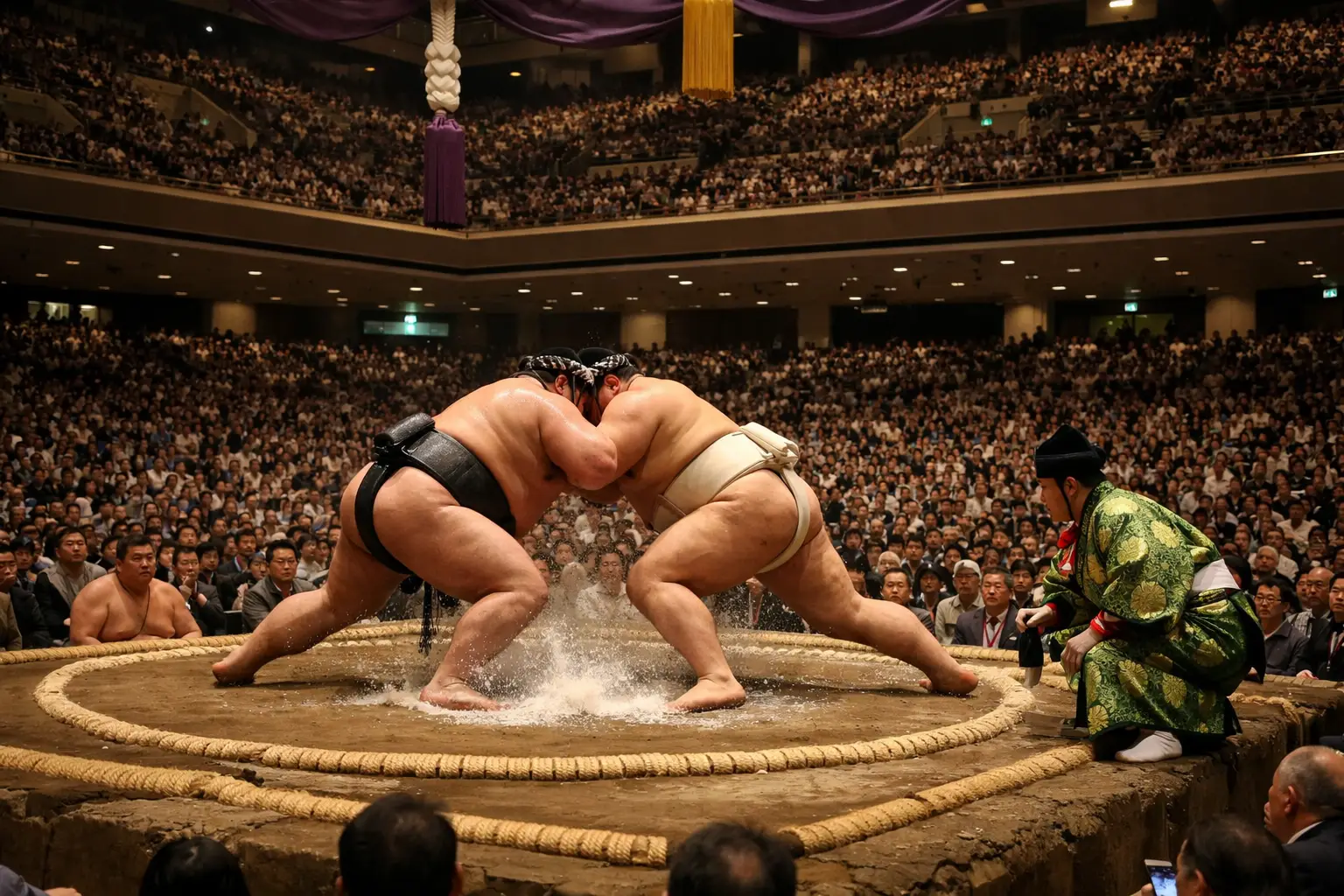
In September you can watch sumo wrestlers throw their weight at the third Tokyo tournament of the year at the Ryogoku Kokugikan arena.Tokyo hosts three of the six annual Grand Sumo tournaments, in January, May, and September, with each tournament running for 15 days at the Ryogoku Kokugikan arena in the sumo district of the same name. The experience of watching professional sumo live in the arena is dramatically different from any televised version of the sport. The rituals, the atmosphere, the scale of the wrestlers, and the extraordinary explosiveness of bouts that can end in under two seconds are all things that only the live experience delivers fully. Tickets range from arena seats to traditional box seating and can be purchased through the Japan Sumo Association website.
Explore Yanaka Ginza Old Town Atmosphere
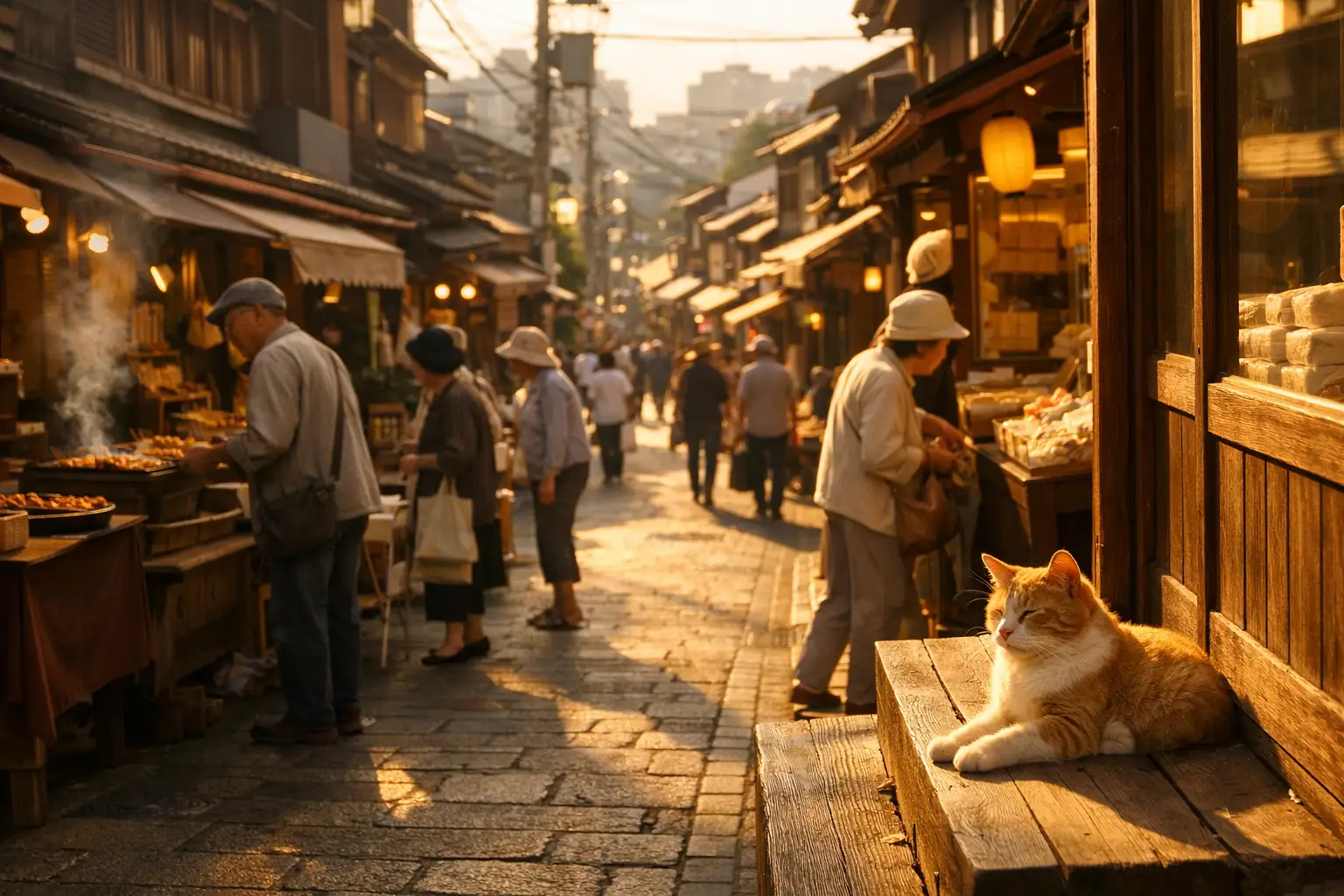
Another quieter area within Tokyo is the small town of Yanaka Ginza. It is a largely undiscovered gem offering a contrasting experience to the modern city. Yanaka survived the Second World War bombing and the subsequent rapid development that transformed most of Tokyo, preserving a network of narrow streets, wooden shopfronts, independent family-run businesses, and old temple cemeteries that feel genuinely continuous with the pre-war city. Walking the sloping Yanaka Ginza shopping street with its butchers, tofu shops, craft stores, and street food vendors gives a window into a version of everyday Tokyo neighborhood life that the city’s more famous districts cannot provide. The nearby Yanesen area combining Yanaka, Nezu, and Sendagi is ideal for a full half-day of slow, unhurried neighborhood exploration.
Experience DisneySea Tokyo
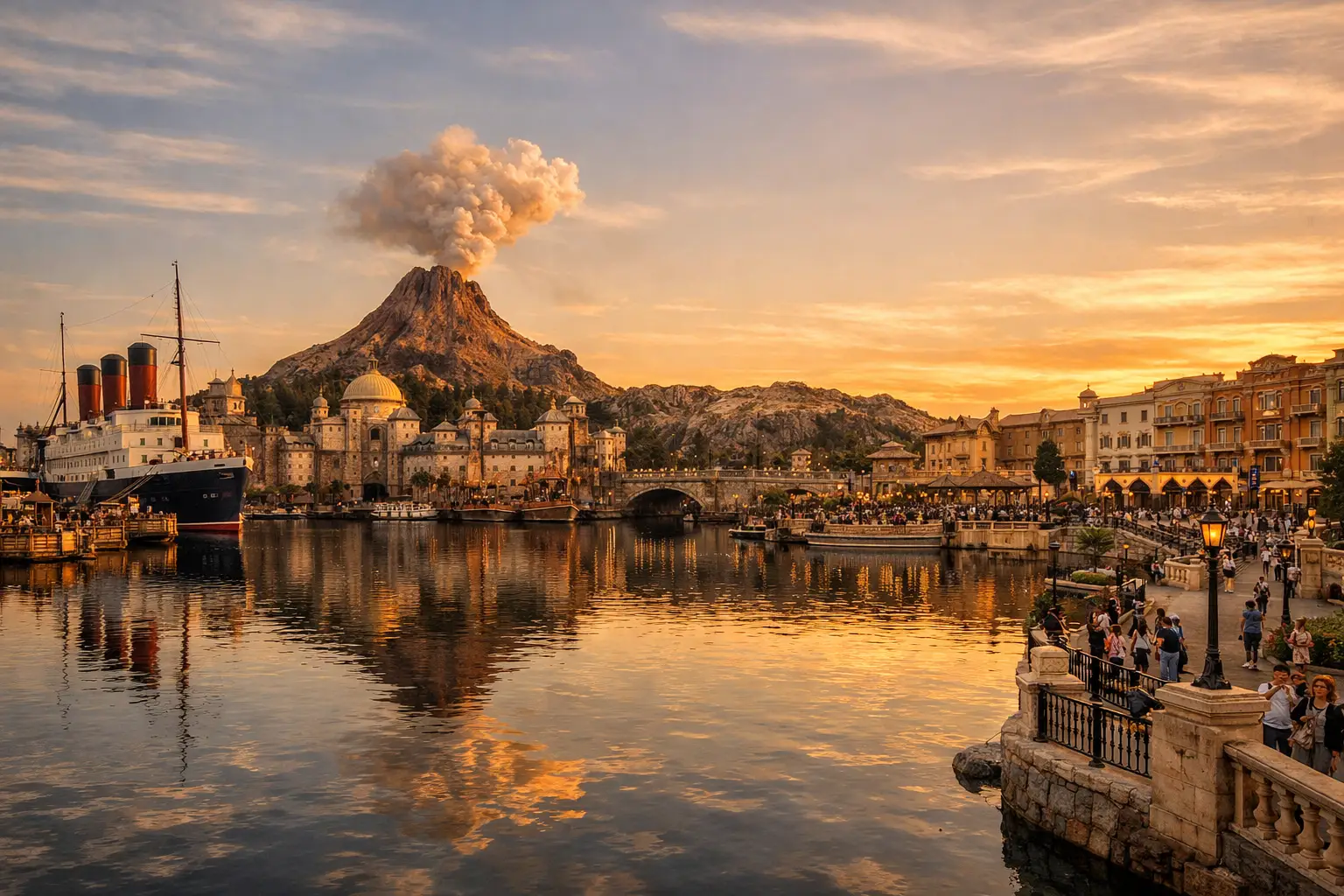
DisneySea is unlike any of the other Disney parks in the world. The nautical theme park features eight ports inspired by real places and ocean legends including American Waterfront, Mediterranean Harbor which looks just like Italy, Arabian Coast, the unique Mysterious Island with erupting volcano, and the new Fantasy Springs. Attractions are more adult-oriented than at neighboring park Tokyo Disneyland and you can even have a cocktail in a 1920s lounge aboard a cruise liner. DisneySea’s architectural and theming quality sets it apart from every other Disney park globally, with the Mediterranean Harbor entrance alone representing a level of design detail that rewards slow exploration as much as ride-seeking. Booking tickets in advance through the official Tokyo Disney Resort website is essential as the park consistently sells out, particularly on weekends and during Japanese school holidays.
Take a Day Trip to Hakone for Mount Fuji Views
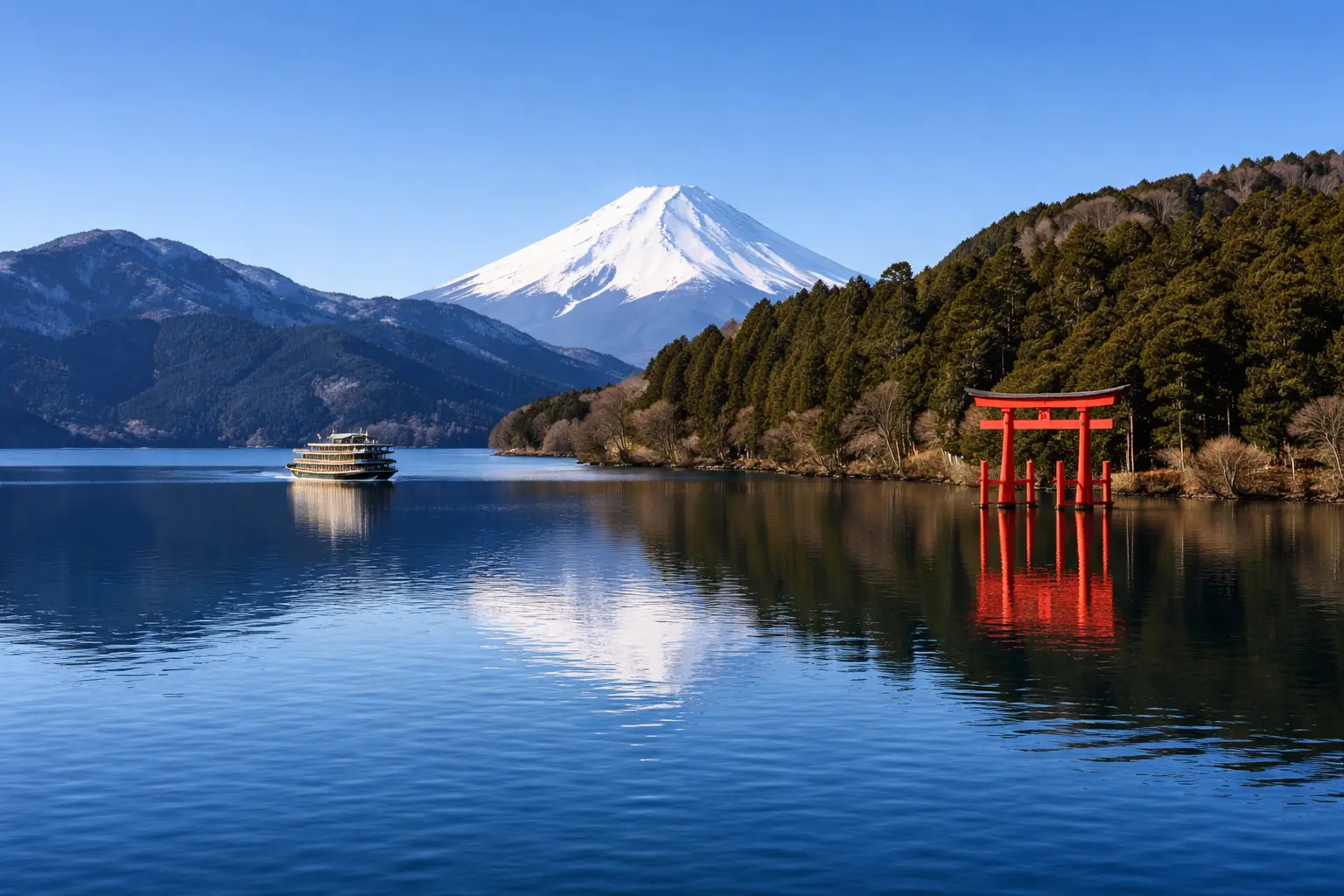
With five days venture out to the surrounding areas. The hot spring town of Hakone with stunning Mount Fuji views is an easy day trip from Tokyo. Hakone is accessible within 90 minutes of Shinjuku via the Romancecar express train and combines an open-air sculpture museum, volcanic hot springs, the Hakone Ropeway offering aerial views across the volcanic Owakudani valley, and the legendary Lake Ashi boat crossing with Mount Fuji visible above the far shore on clear days. A Hakone Free Pass purchased at Shinjuku covers all transportation within the Hakone area including the ropeway, buses, and the lake cruise, making the day trip straightforward and cost-effective. Winter and early spring offer the clearest Mount Fuji visibility while late spring brings the azalea blooms that make the surrounding hillsides particularly beautiful.
Essential Tips for Making the Most of Tokyo
Planning is the difference between a good Tokyo trip and a genuinely remarkable one. Whether you are booking tours, restaurant reservations, or activities like TeamLab Borderless, book far in advance. Cash is required for some things including food stalls, shrines, local trains, and some attractions so always carry cash alongside a card without foreign transaction fees.An IC card such as a Suica or Pasmo loaded with yen simplifies every train and subway journey in the city and is accepted at convenience stores and many vending machines. Google Maps provides reliable real-time public transit directions in English and is the most practical navigation tool available for independent exploration of the city.
Conclusion
Tokyo rewards investment. The city gives most generously to visitors who plan in advance, move between neighborhoods with curiosity rather than rushing from landmark to landmark, and allow themselves to be surprised by the things that have nothing to do with any guidebook recommendation. The 18 activities in this guide represent the most consistently rewarding experiences the city offers across culture, history, food, art, and neighborhood exploration. Use them as a framework, let the city fill in the gaps, and you will find that Tokyo is not simply a destination that lives up to its reputation but one that genuinely exceeds it.
You may also like this: 16 Tokyo Outfits That Feel Stylish and Practical at Once
Frequently Asked Questions
How many days do I need to see the best things to do in Tokyo?
A minimum of five full days allows you to cover the most essential experiences without feeling rushed. Seven to ten days is ideal for visitors who want to explore individual neighborhoods at a slower pace, take a day trip to Hakone or Nikko, and still have time for spontaneous discoveries. Tokyo is genuinely inexhaustible and even residents who have lived in the city for years continue discovering new things.
Do I need to book Tokyo attractions in advance?
Several of Tokyo’s most popular attractions require advance booking and will not be accessible as walk-in visits. The Ghibli Museum requires tickets purchased one month in advance online. TeamLab Borderless should be booked several days to weeks ahead. DisneySea tickets sell out quickly on weekends and holidays. Sumo tournament tickets for popular bouts sell out well before the tournament begins. Planning these bookings before departure is strongly recommended.
Is Tokyo expensive for tourists?
Tokyo’s reputation for being expensive is partly a myth and partly accurate depending on how you travel. Public transportation is efficient and relatively affordable. Street food, convenience store meals, ramen shops, and standing sushi bars offer genuinely excellent food at very low prices. Mid-range restaurant dining is comparable to other major world cities. The primary expenses are accommodation and high-end dining, both of which can be managed with advance booking and flexible date selection.
Is Tokyo safe for solo travelers?
Tokyo is consistently ranked among the safest major cities in the world for solo travelers of any background. Violent crime rates are extremely low, public transportation is reliable around the clock, and the culture of helpfulness means that asking directions or assistance from strangers almost always produces a genuine and useful response. Solo travelers should carry cash, keep their IC transport card charged, and have offline maps available for the occasional area with weak mobile data signal.
What is the best time of year to visit Tokyo?
Spring from late March to early May offers the famous cherry blossom season combined with comfortable temperatures and is the most popular time to visit. Autumn from October to November brings spectacular foliage colors and cooler temperatures ideal for extensive walking. Both seasons require earlier booking of accommodation and popular attractions due to high demand. Winter from December to February offers the clearest Mount Fuji views and fewer crowds at most attractions. Summer is hot and humid but brings vibrant festival culture including neighborhood matsuri festivals throughout July and August.