
Introduction
Winter camping is one of the most rewarding outdoor experiences available, but it punishes poor preparation faster than any other season. The difference between a magical morning in a snow-covered forest and a genuinely dangerous situation comes down almost entirely to what you are wearing. Layering is the number one rule of winter camping, and for good reason. Temperatures can plummet and get really cold, really quickly, exposing you to various weather conditions like rain, snow, and wind.
Winter camping feels magical when you breathe in crisp morning air and your clothing quietly does the heavy lifting. The clothing system you build determines how long you stay out, how much energy you conserve, and how genuinely enjoyable the entire experience becomes. The 18 winter camping outfit ideas in this guide cover every layer, every body zone, and every camping scenario from high-output morning hikes to long stationary evenings beside the campfire, giving every winter camper a complete and practical wardrobe system that keeps the body warm from the first cold morning to the last cold night.
The Merino Wool Base Layer Foundation Outfit
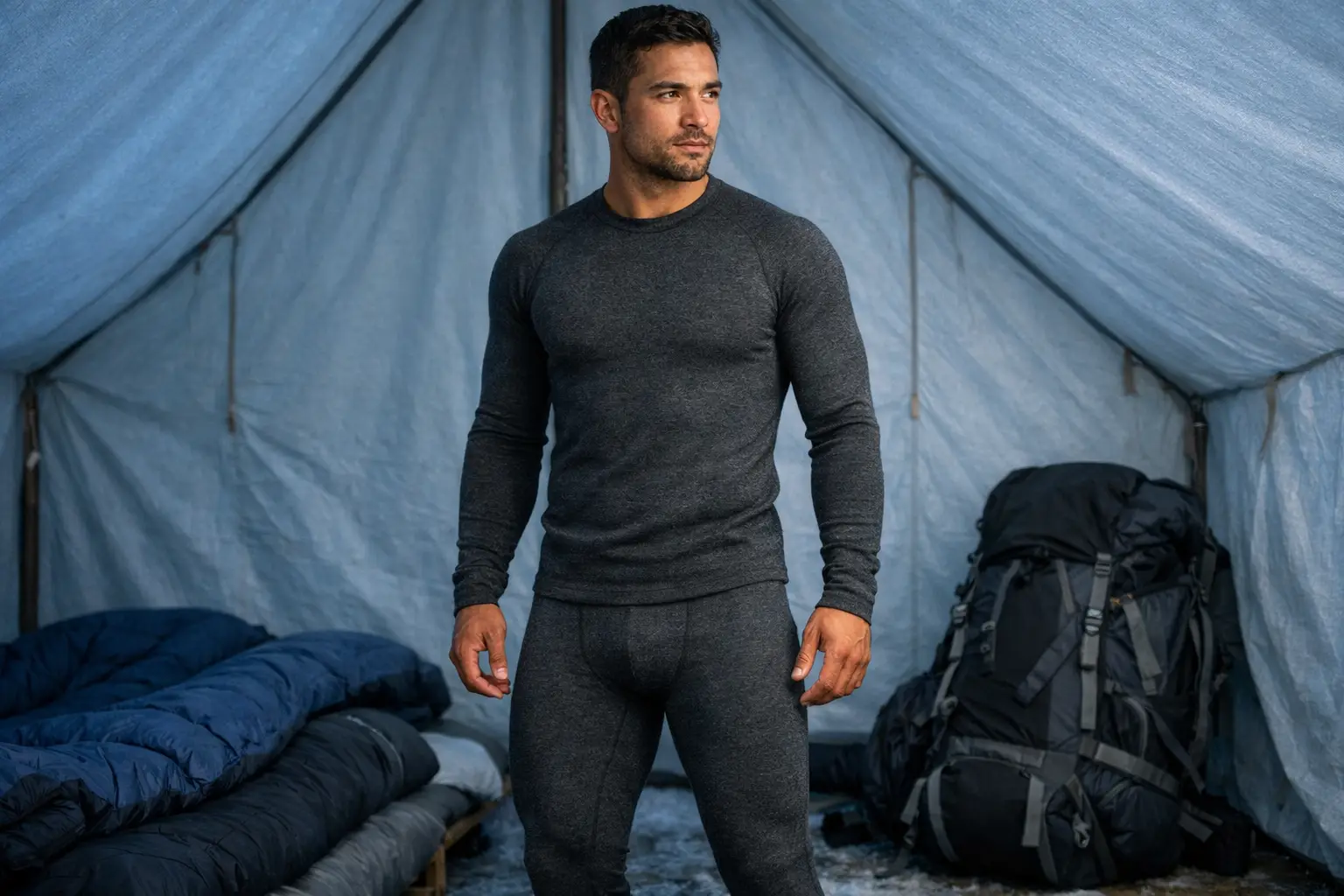
Nothing beats high quality, moisture-wicking base layers made of merino wool. Wool against your skin will keep you warm and cozy, and any moisture like sweat will pass through the wool and evaporate. The merino wool base layer is the single most important piece in the entire winter camping outfit system because it establishes the moisture management foundation that every layer above it depends on. A merino base layer holds warmth while still drying fast when hiking.Choose a midweight merino wool long-sleeve top and matching long john bottoms for below-freezing temperatures, and a lightweight version for conditions where physical activity will generate significant body heat throughout the day. The snug but not restrictive fit of a properly sized merino base layer ensures continuous contact with the skin for maximum moisture transfer.
The Thermal Underwear Base Layer Alternative
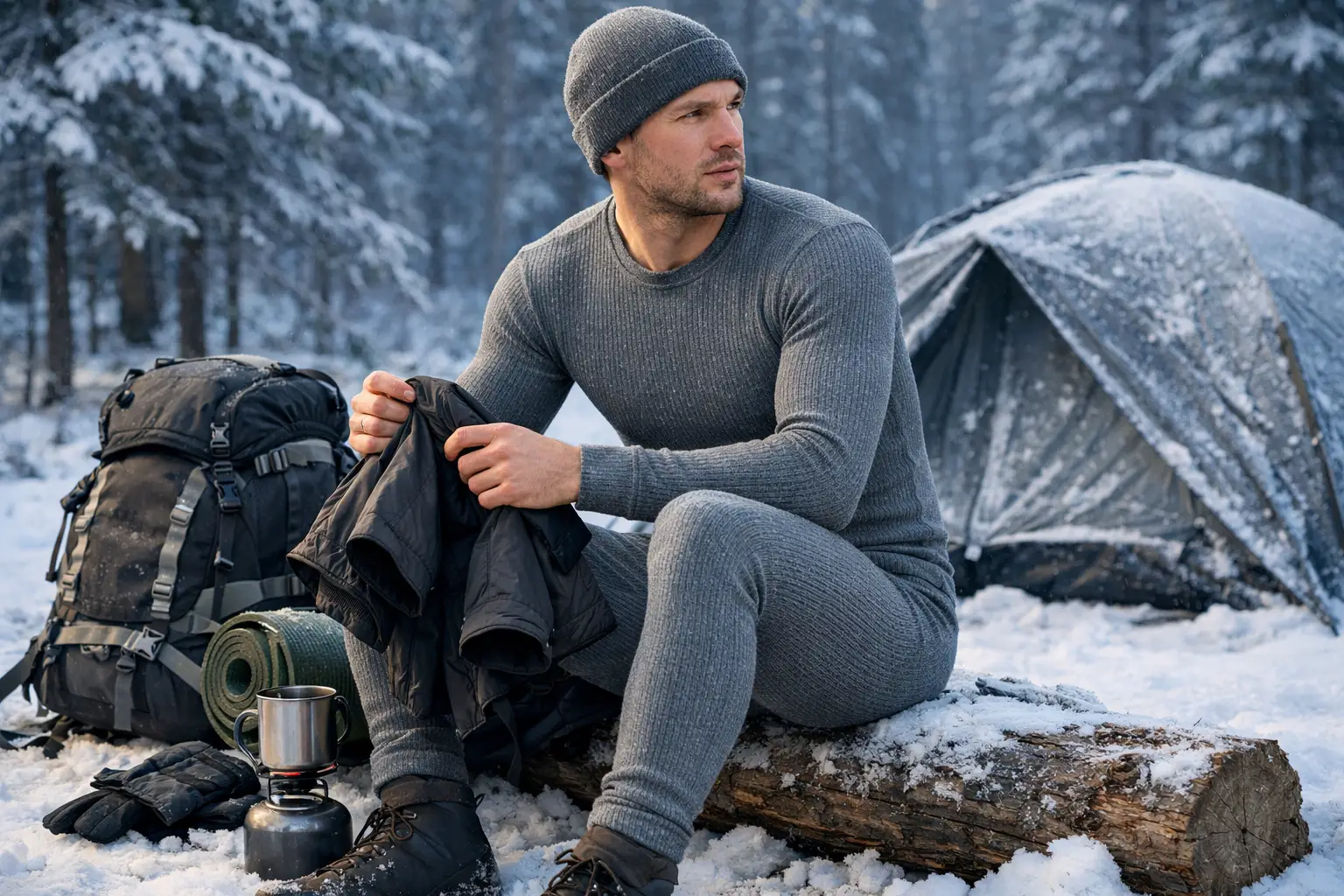
A snug-fitting thermal top and leggings are your first defense against the chill. For campers who find merino wool outside their budget, a high-quality synthetic thermal underwear set in polyester or a polyester blend delivers comparable moisture-wicking performance at a more accessible price point. Consider wearing snug-fitting long underwear as your inner clothing layer when camping in cold weather. Use synthetic materials like polyester or animal-based materials like wool for the wicking inner layer. The thermal underwear base layer works best when worn in direct skin contact with no cotton layer between the thermal fabric and the body, as any cotton barrier defeats the moisture management purpose of the thermal layer and introduces the risk of retained moisture cooling against the skin.
The Fleece Mid Layer Outfit
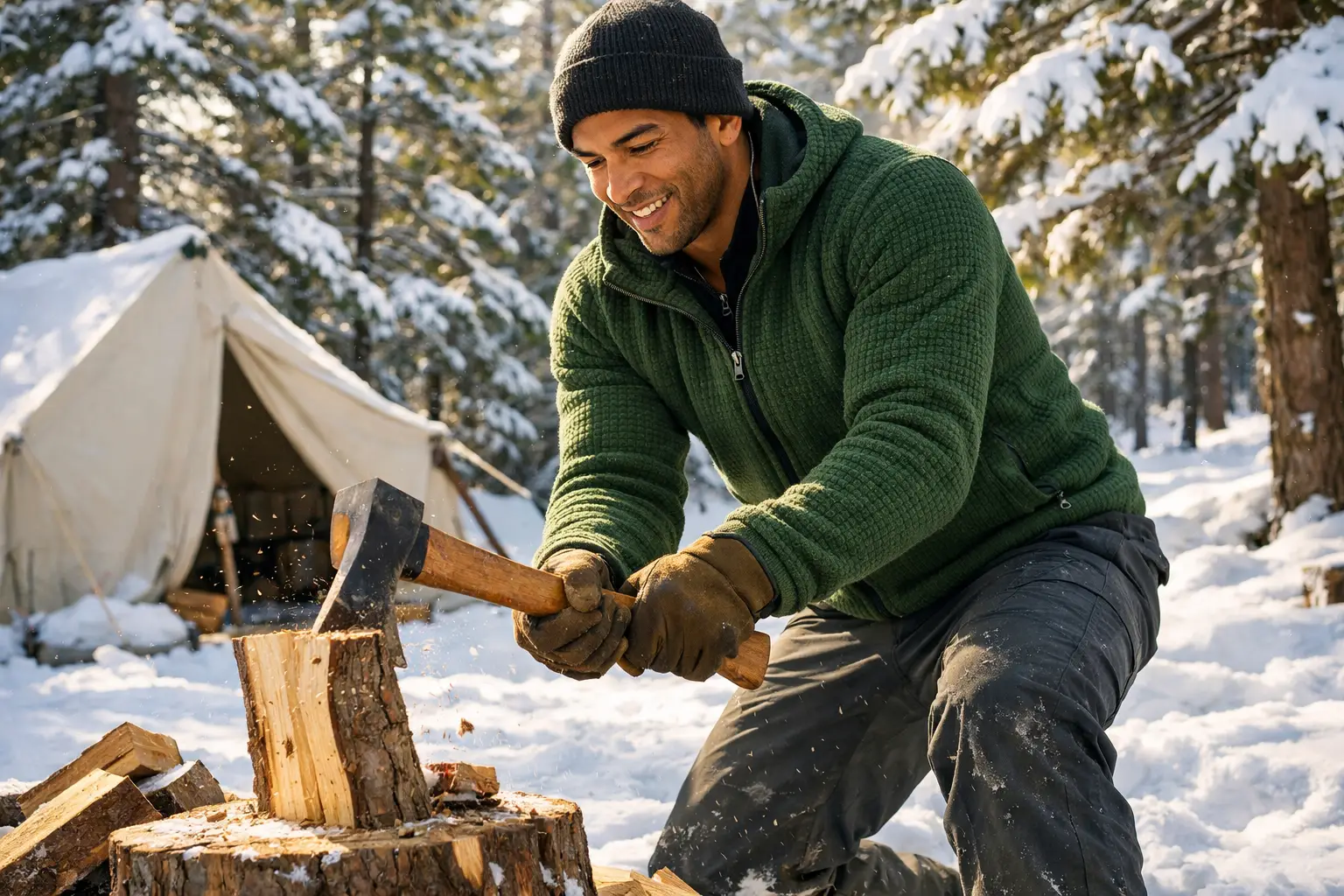
The midlayer is an insulating layer. It provides the majority of the warmth of the system. A quality fleece mid layer worn over the merino or synthetic base layer traps the body heat generated by the base and holds it close to the core. Grid fleeces are awesome for winter camping as they offer significant warmth without excessive bulk. A zip-up fleece hoodie is the most versatile mid layer choice because the zip allows rapid ventilation during high-output activities like hiking, wood chopping, or setting up camp, and full closure during stationary or low-output periods like eating and resting. Larger and looser garments are better for insulation because a slightly looser fit allows for better air circulation which helps to retain heat.
The Down Puffer Jacket Outer Insulation Outfit
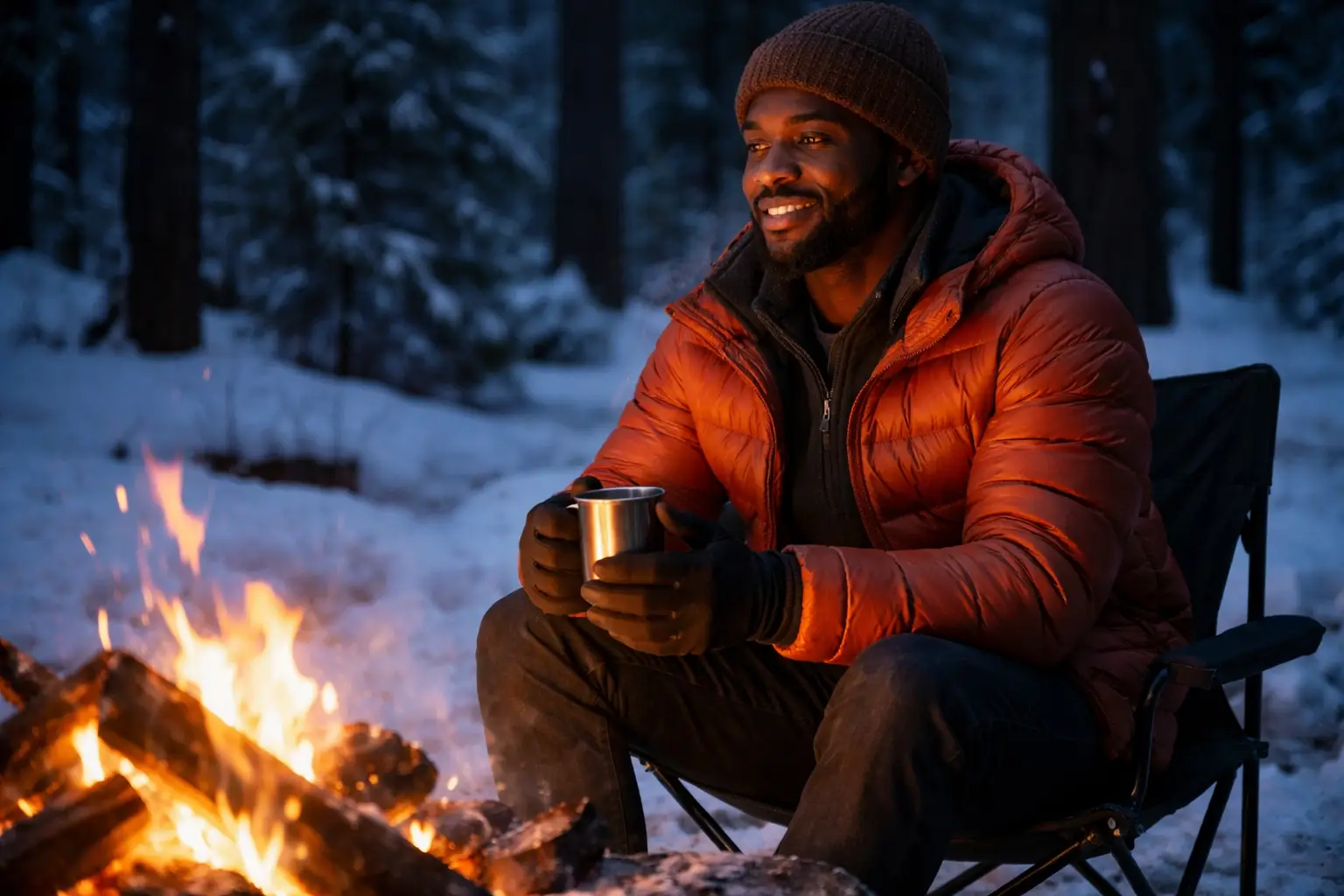
Puffer jackets are lightweight yet incredibly warm. Choose one that is packable and easy to layer over sweaters or thermals. The down puffer jacket represents the warmest weight-to-insulation ratio available in the outer insulation category, making it the preferred choice for stationary cold weather periods at camp including campfire evenings, morning coffee, and tent entry and exit moments. A down jacket or synthetic puffer probably makes a better choice for sitting around a campfire on a cold night. The compressible quality of a quality down puffer jacket means it packs down to a small size in the backpack during high-activity periods when body heat makes the full insulation unnecessary, and expands back to full warmth the moment the activity level drops.
The Waterproof Shell Jacket Outer Layer Outfit
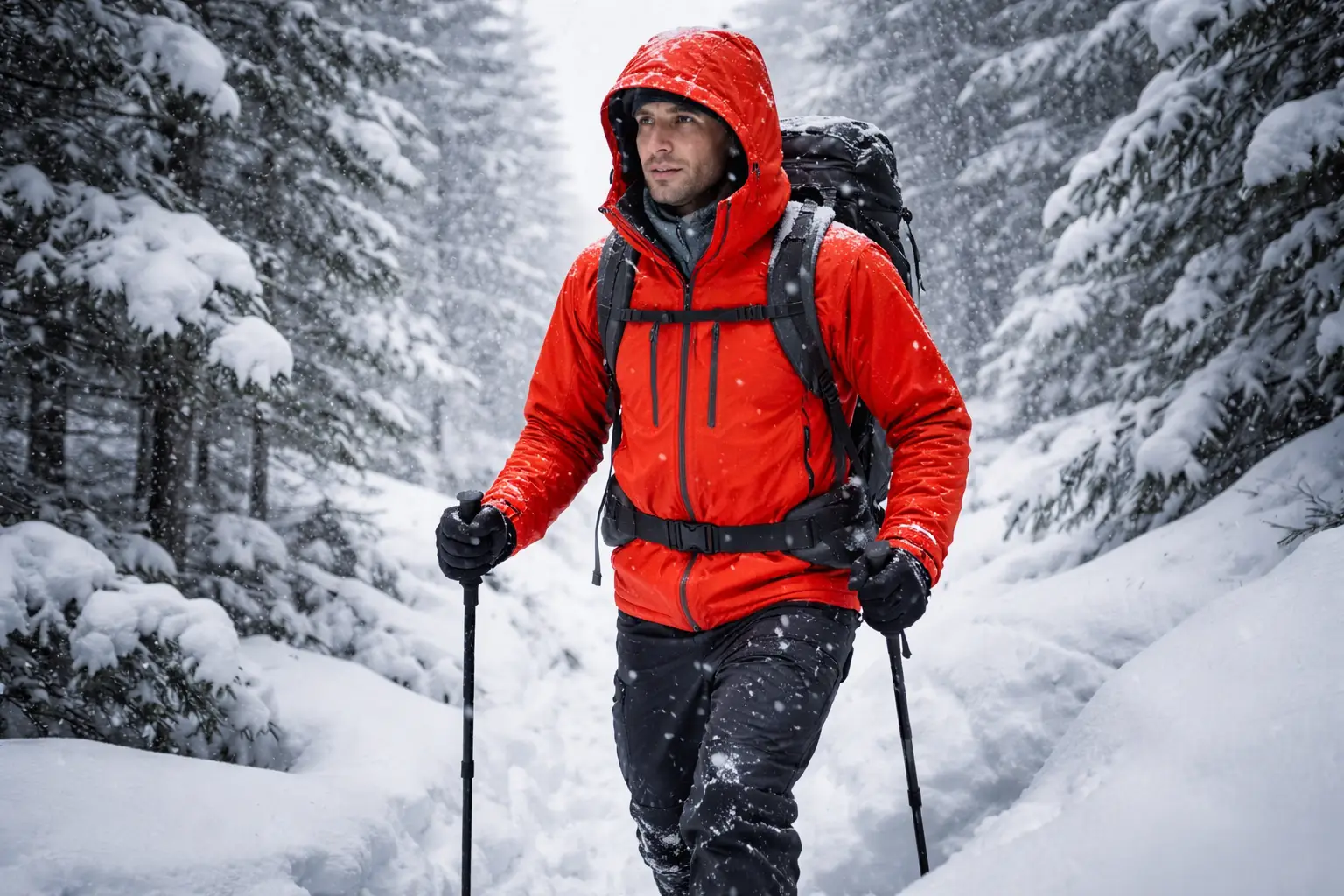
The shell is the outermost layer that protects from rain, wind, snow, and other elements. Its job is to keep the layers underneath dry, blocking them from water or wind. The waterproof shell jacket is worn as the outermost layer over both the mid layer fleece and the down puffer, providing the weather protection barrier that keeps all inner layers dry regardless of precipitation conditions. Waterproof breathable options are the most expensive but they are the best at keeping you dry and are often quite durable, making them a worthwhile investment. A shell jacket that fits comfortably over all underlying layers without restricting arm movement is essential, as a shell that is too tight compresses the insulating layers beneath it and reduces their warming effectiveness.
The Synthetic Insulated Jacket Alternative Outfit
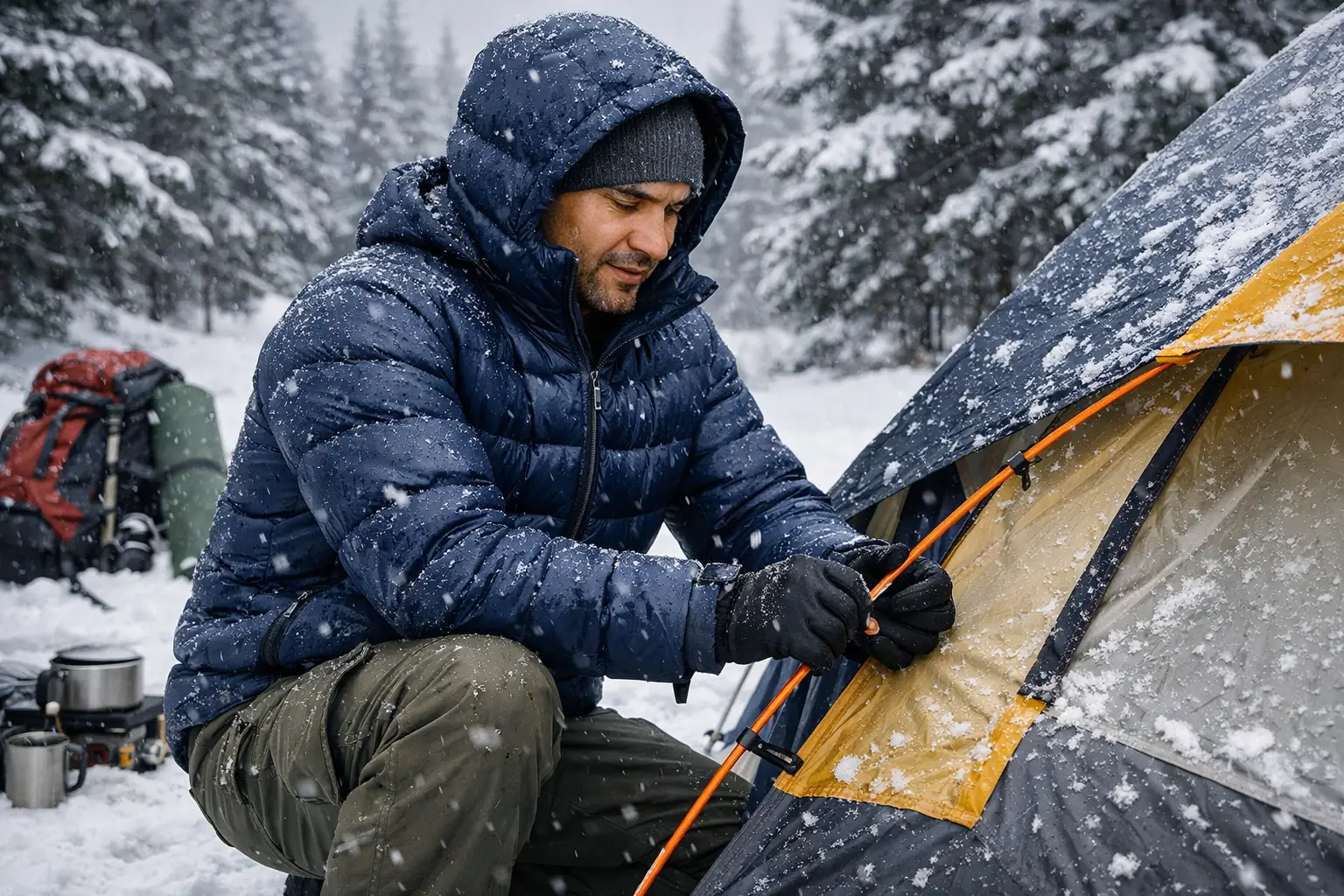
Synthetic insulated jackets do not compress as small as down, but they stay warmer when wet. Like down jackets, they have added water and wind resistance.For winter camping trips where wet snow and rain are likely, the synthetic insulated jacket is a more reliable choice than down because it maintains its insulating warmth even when moisture penetrates the outer shell, whereas wet down collapses and loses most of its thermal effectiveness. A synthetic jacket worn as both the insulating mid layer and the weather-resistant outer layer simplifies the layering system to two layers rather than three, making it the most practical choice for shorter winter camping trips or conditions where pack weight is the primary constraint.
The Insulated Snow Pants Outfit
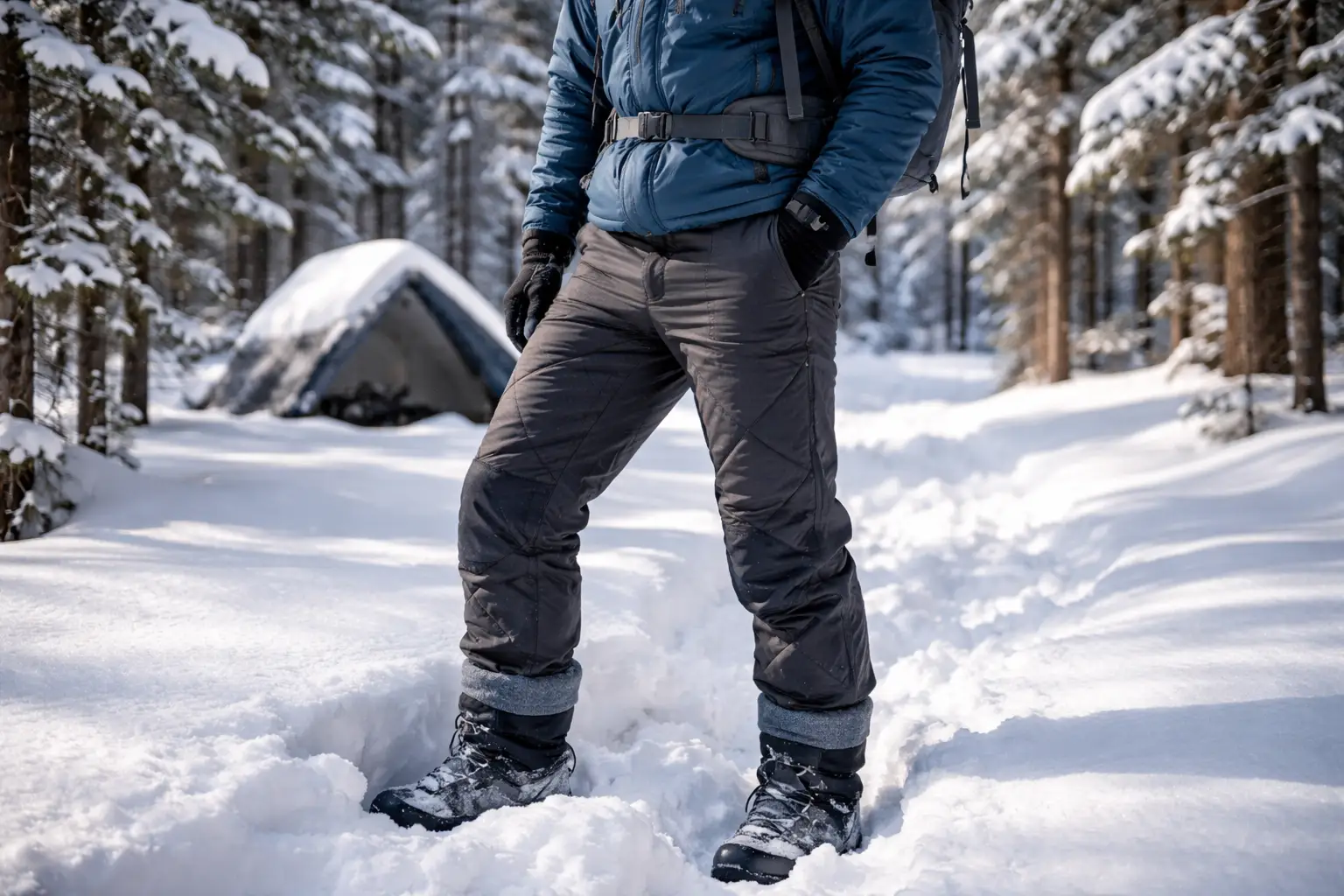
Snow pants are essential for staying dry in wet conditions. They are insulated and designed to keep the snow out while maintaining warmth.The leg layering system follows the same base, mid, outer principle as the upper body but is frequently underestimated by newer winter campers. Cold legs pull heat from the whole body. Plan on two layers for most winter trips. A wicking base layer pulls sweat off the skin. A wind-blocking outer layer stops cold air from pushing through. This setup gives the body a steady grounded warmth that lasts through hikes, camp chores, and long breaks by Insulated snow pants worn over a merino or thermal base layer bottom create a complete lower body system that handles both active and stationary winter camping conditions with equal effectiveness.
The Fleece-Lined Leggings Mid Layer Bottom Outfit
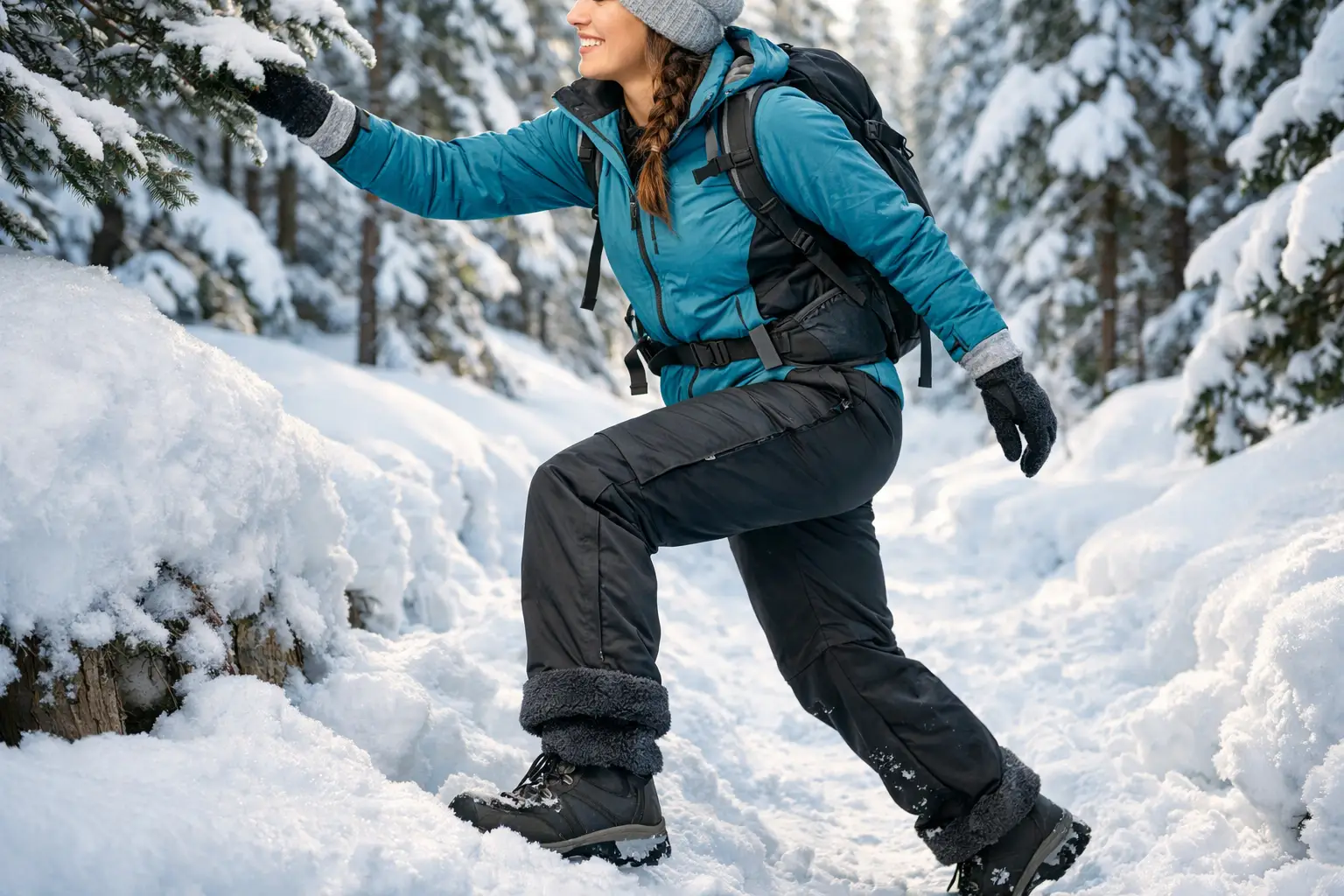
Fleece-lined leggings are a winter must-have. They are comfortable, warm, and perfect for layering under pants or wearing alone. Pair them with long socks for added insulation. Their flexibility makes them ideal for both lounging and hiking. Fleece-lined leggings worn as the mid layer bottom between a moisture-wicking base layer and waterproof snow pants create a triple-layer leg system that maintains warmth during the most intense cold exposure. The stretch quality of fleece-lined leggings makes them the most comfortable mid layer option for active winter camping days where unrestricted movement during hiking and campsite activity is a priority.
The Wool Sock and Layered Foot Outfit
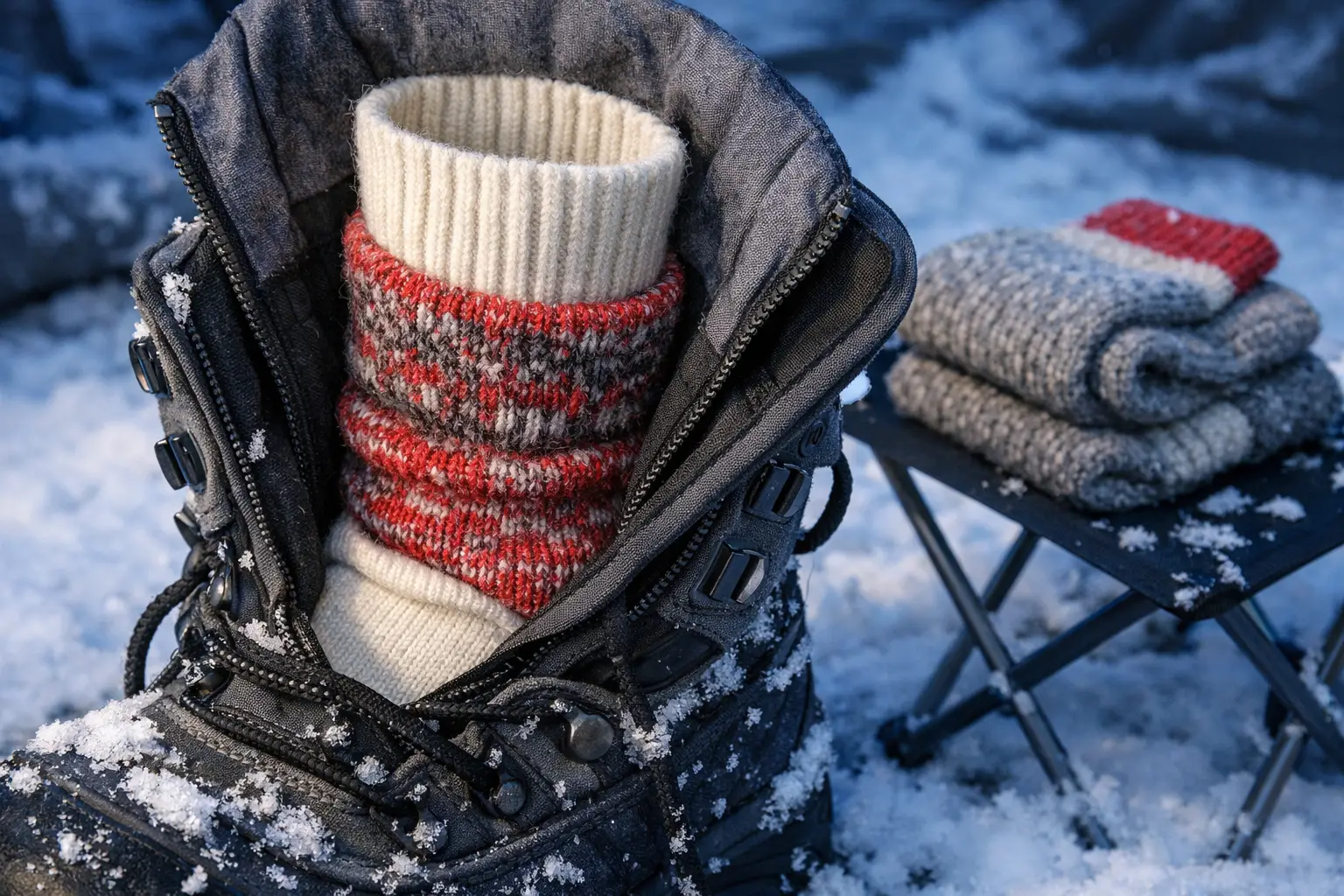
Wool socks are an absolute must for any cold camping trip. Always pack an extra pair of dry socks so you can quickly change into them if you get wet hiking or setting up camp. Foot warmth is the single most overlooked component of winter camping comfort. The feet are the key ingredient to staying warm. If your feet are warm your body is warm. If your feet are cold it is game over. A thin liner sock worn under a midweight merino wool outer sock creates a moisture management system at the foot level that keeps the skin dry while maintaining warmth. The layering approach should also be used for the feet. A thin pair allows the feet to breathe while walking, and the thick pair keeps them dry and warm.
The Insulated Waterproof Boots Outfit
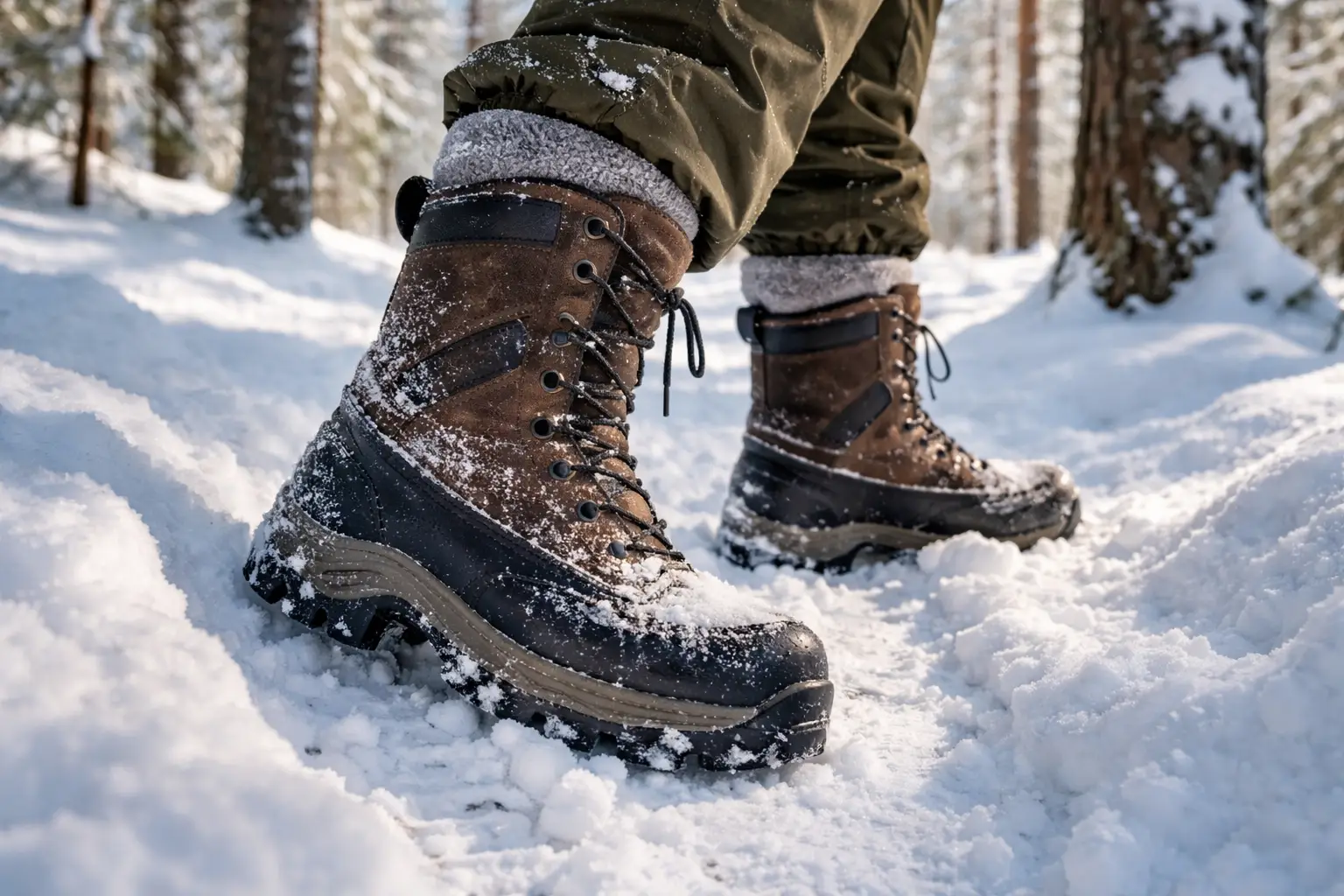
Winter boots in addition to offering traction on snow or ice will include insulation. Boots with thick non-cotton socks can provide warmth when conditions are merely cold but not wet or snowy.Insulated waterproof boots rated for the expected temperature range of the camping trip are non-negotiable winter camping footwear. A boot with a waterproof outer shell, thick insulation rated to at least 20 degrees below the expected overnight low, and a grippy outsole with lugs for traction on icy and packed snow surfaces covers every winter camping footwear requirement. If your feet are cold, you will not sleep well and that is never good on a camping trip, particularly if you are hiking for hours in the day.
The Beanie and Balaclava Head Outfit
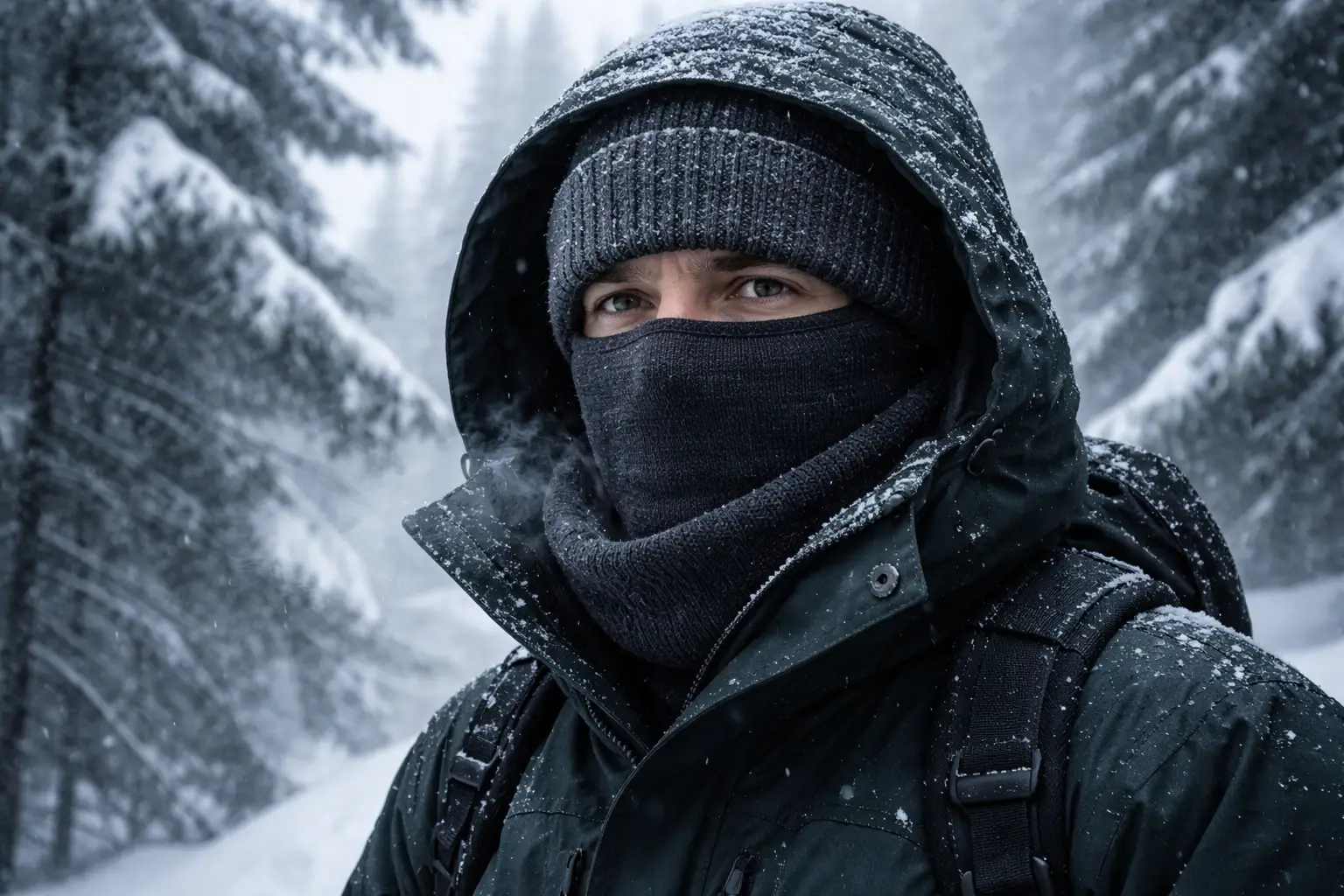
Wool and synthetic beanies work well and you can rely on your shell jacket hood for rain coverage. Make sure any headwear covers the ears. If your face is uncomfortably cold then wear a balaclava. A significant portion of body heat is lost through the head in cold weather, making quality head coverage one of the highest-impact warmth decisions in the entire winter camping outfit. A merino wool or synthetic fleece beanie that covers the ears provides the base level of head protection for moderate cold, while a full balaclava that covers the face, neck, and head provides the comprehensive protection required for extreme cold, high wind, and overnight temperatures below zero degrees Fahrenheit.
The Neck Gaiter and Scarf Outfit
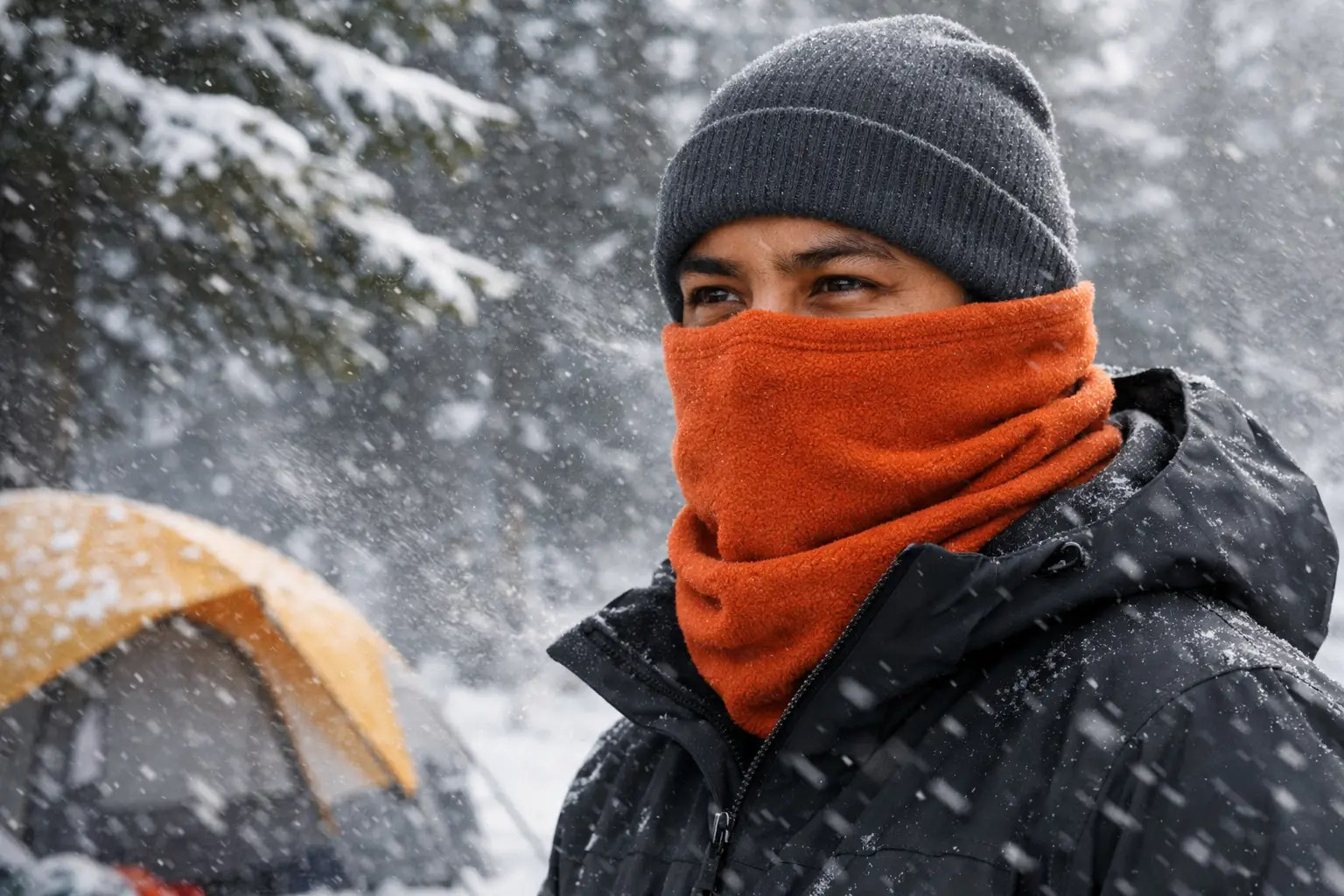
A neck gaiter worn around the neck and lower face fills the gap between the jacket collar and the beanie or balaclava, preventing the cold air infiltration at the neck that causes rapid core heat loss. Opt for knitted or fleece styles for maximum warmth. Infinity scarves are great for avoiding loose ends. They also add a chic element to the outfit. A merino wool or polar fleece neck gaiter can be pulled up over the nose and lower face during particularly cold or windy conditions and pushed down around the neck when the face coverage is not needed, making it one of the most adaptable and lightweight warmth pieces in the entire winter camping outfit system.
The Insulated Gloves and Mittens Outfit
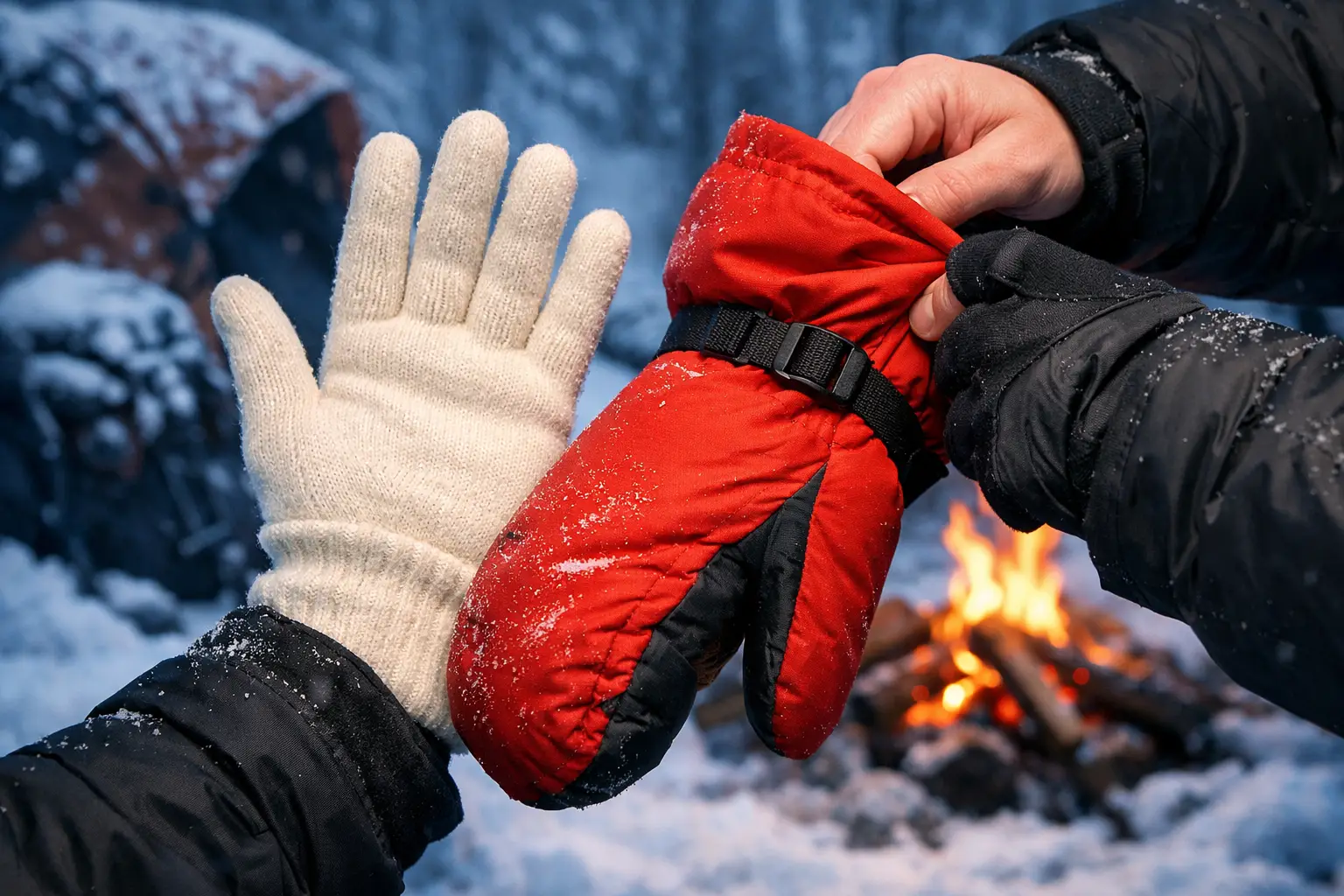
Fleece gloves or glove liners can be worn while cooking dinner, hiking in the cold, and hanging out at camp. If snow camping or needing more warmth, pack a pair of waterproof gloves too. Toes and fingers often get cold first, so good gloves and socks will keep the extremities comfortable. The glove system for winter camping follows the same layering logic as the rest of the outfit. A thin fleece or merino glove liner worn under a waterproof insulated outer glove creates a two-layer hand system that manages moisture from the inner surface while blocking wind and precipitation from the outer surface. Mittens because they let fingers share warmth will always be a warmer option than a glove made of the same materials.
The Flannel Shirt Campfire Outfit
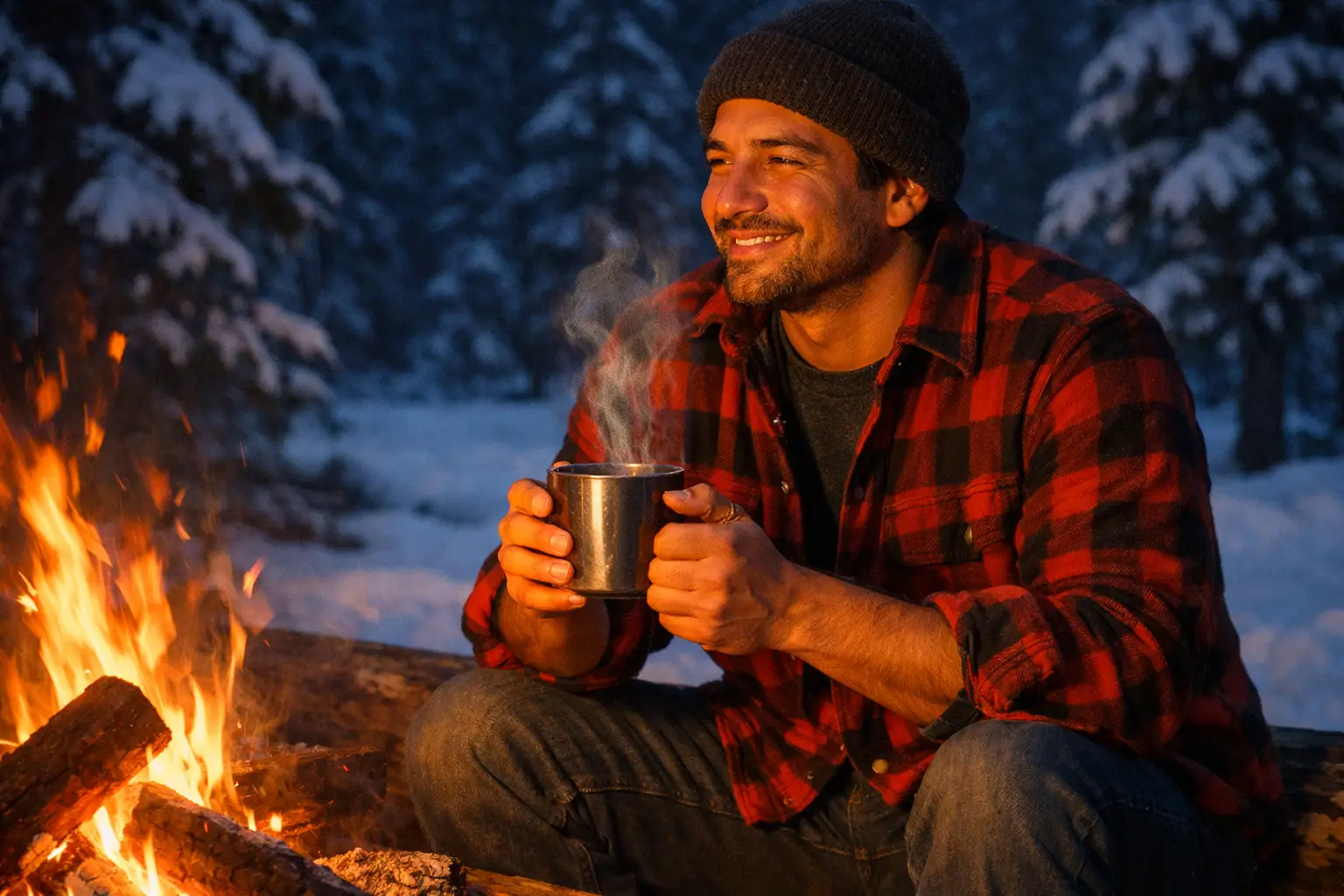
Flannel shirts add a rustic touch to the camping look. They are warm, versatile, and great for layering over thermals. Go for thicker fabrics and classic plaid patterns for that cozy vibe. The flannel shirt campfire outfit represents the most classic and recognizable winter camping aesthetic and remains genuinely functional as a mid layer or additional warmth piece during stationary campfire evenings when the activity level is low and the ambient temperature is dropping toward its overnight minimum. A heavyweight flannel shirt worn over a merino base layer and under a down puffer jacket creates a three-layer core warmth system that handles campfire evenings comfortably down to approximately 20 degrees Fahrenheit.
The Down Vest Mid Layer Outfit
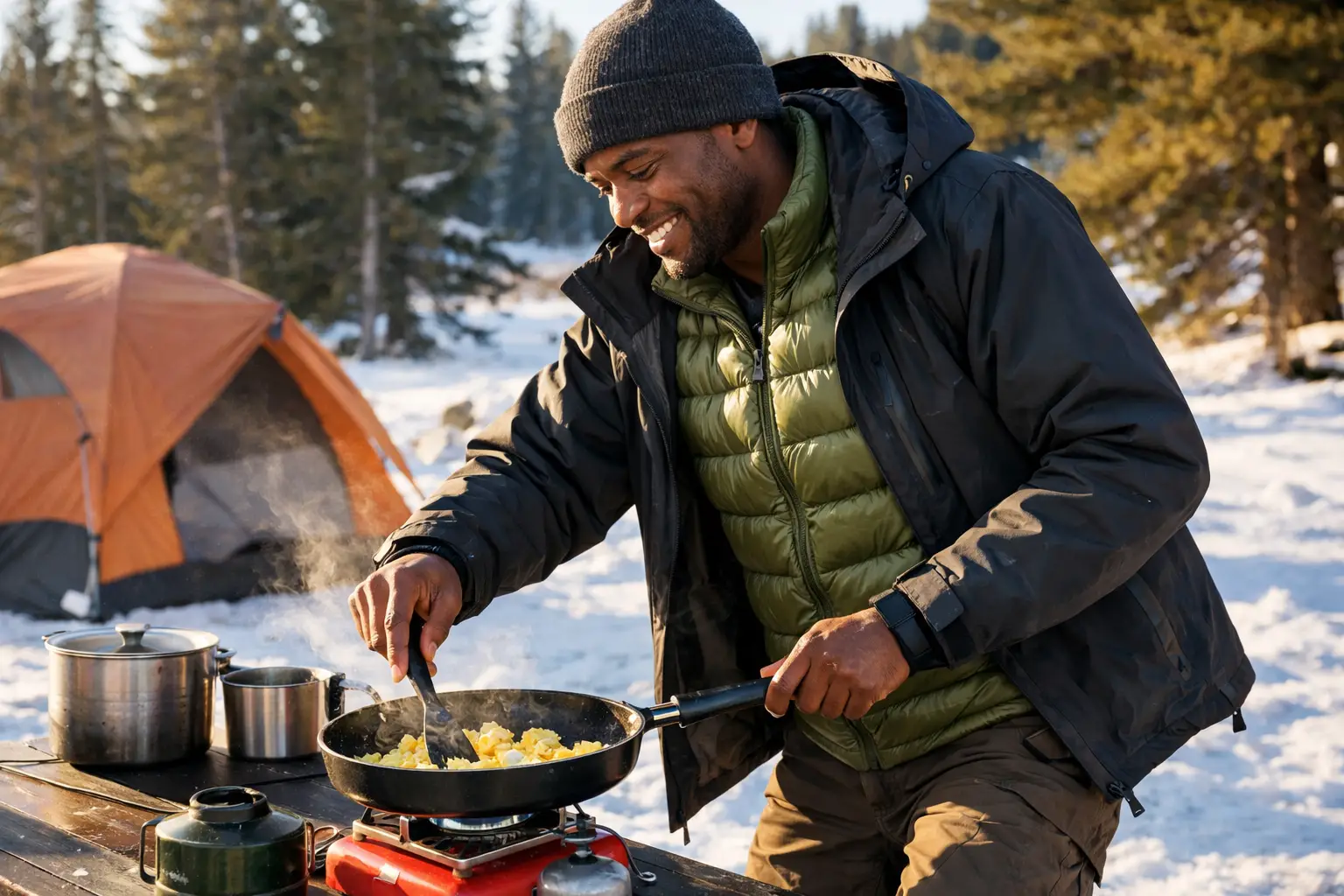
A down vest is a perfect mid-layer option for winter camping. It adds warmth without restricting movement. Wear it over a long-sleeve shirt or under a jacket for extra insulation. Lightweight and packable, it is a practical layering piece. The down vest targets core warmth specifically while leaving the arms free for unrestricted movement during active tasks like cooking, setting up camp, and gathering firewood. By keeping the core warm, the body’s heating system produces sufficient warmth to maintain comfortable arm and hand temperature without requiring a fully insulated jacket during moderate activity level periods. The down vest is particularly useful during shoulder moments of a winter camping day when the temperature is cold but not extreme and full jacket warmth is unnecessary.
The Hand and Foot Warmer Outfit Supplement
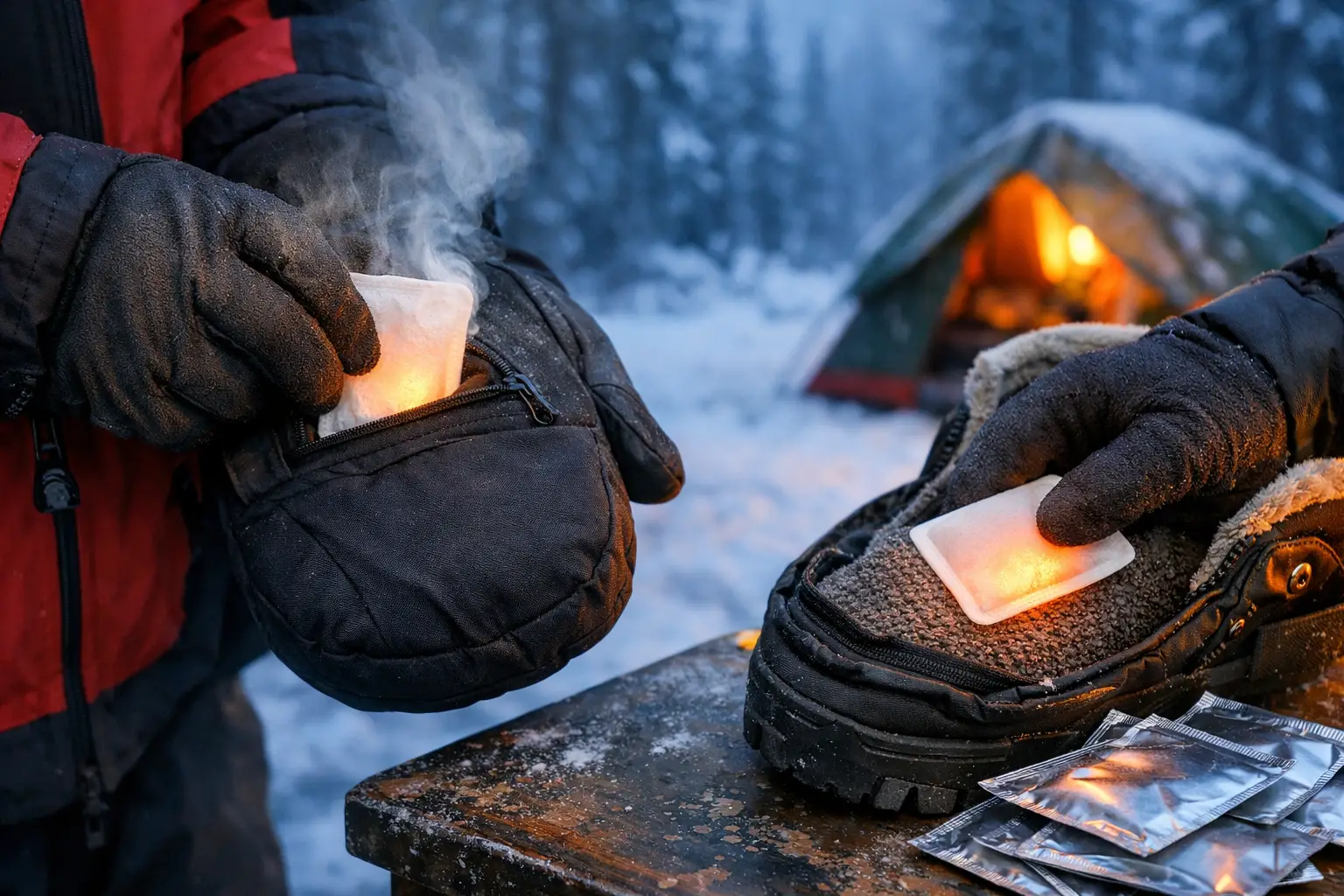
You can add warmth by slipping hand or foot warmers inside your gloves or socks. Some gloves include pockets sized for the packets. Brands like Grabber and Heat Factory make them in a variety of sizes. Hand and foot warmers represent the most targeted and immediately effective warmth supplement available for winter camping extremity protection and serve as both a preventive measure and an emergency warming tool when the base layering system is insufficient for the conditions encountered. When activated these little packs heat up and stay warm for around eight hours. The packs will stick to socks so even when sleeping they will stay on the feet all night long. Packing several pairs of disposable hand and foot warmers adds minimal weight to any winter camping pack while providing a reliable backup warmth source.
The Campfire Evening Layered Outfit
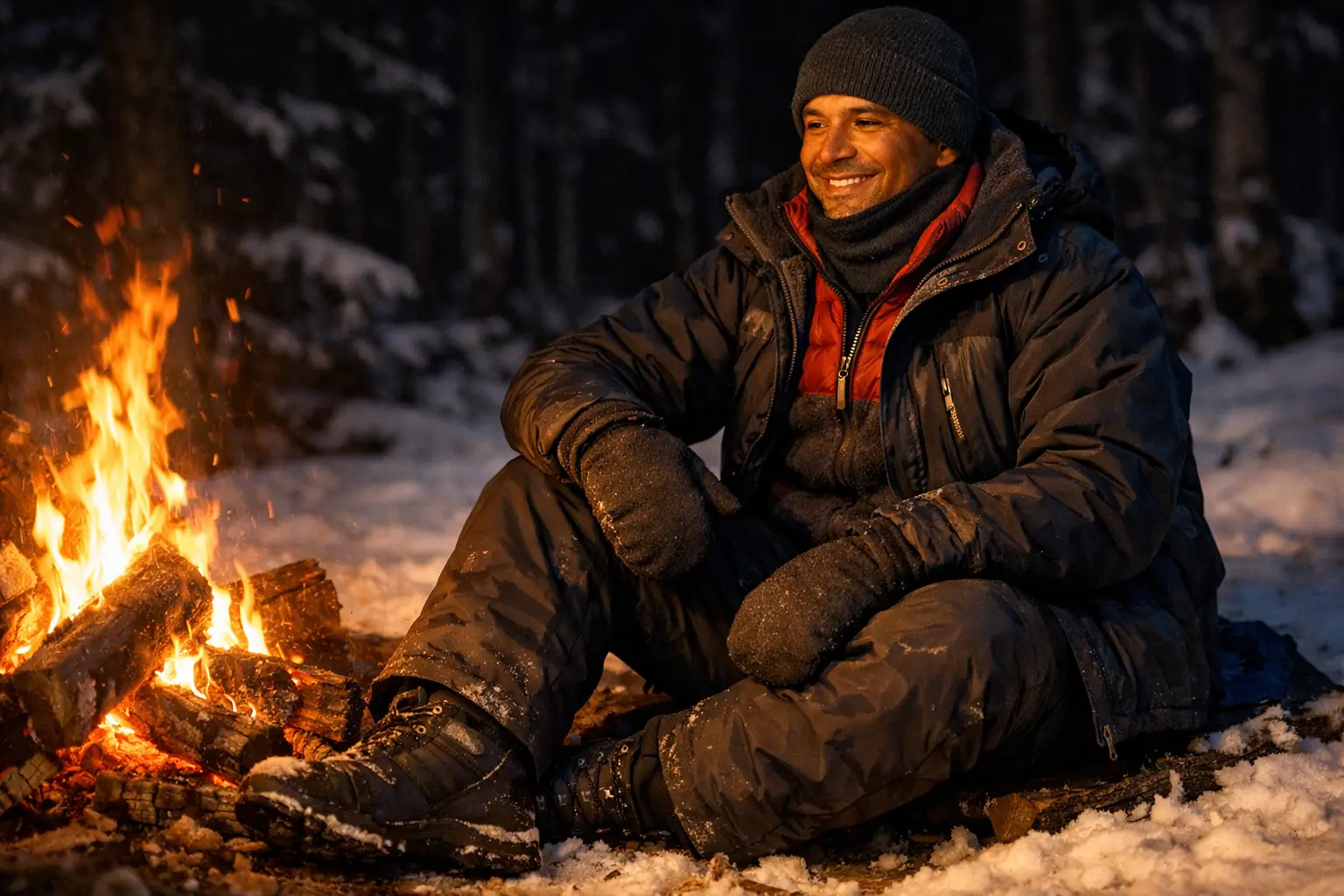
The campfire evening is the coldest stationary period of the winter camping day because activity has stopped, the sun has set, and the ambient temperature is at or approaching its overnight minimum. The campfire evening outfit builds all available layers simultaneously: merino base layer, fleece mid layer, down vest, flannel shirt or down puffer jacket, and waterproof shell as the outermost piece. Adding insulated snow pants over the base layer bottoms, wool socks inside insulated boots, a beanie covering the ears, a neck gaiter at the throat, and insulated gloves creates the maximum warmth outfit that all individual pieces in the winter camping wardrobe build toward collectively. This is the outfit that makes the difference between a memorable evening and a shortened one.
The Winter Camping Sleep Outfit
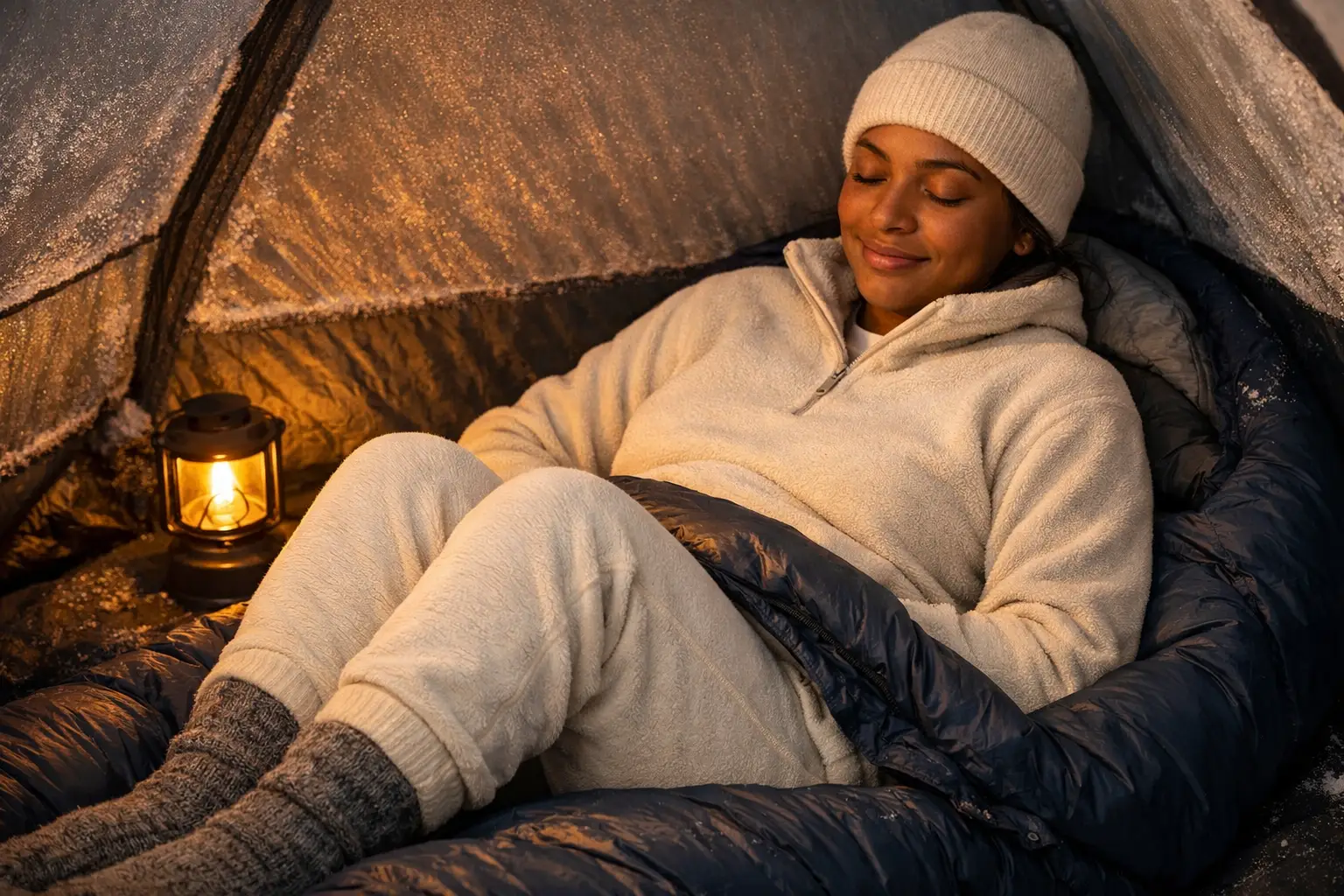
The sleep outfit is a critical and often neglected component of the winter camping wardrobe. Your body goes through cycles of heat generation and heat loss. While sitting or sleeping you are losing heat. A dedicated clean and dry merino wool or synthetic base layer set kept exclusively for sleeping ensures that no moisture accumulated during the day’s activity is brought into the sleeping bag. A lightweight fleece layer worn over the sleep base layer inside a temperature-rated sleeping bag creates a warmth buffer that handles the coldest overnight temperatures without requiring the sleeping bag to work at its absolute limit. Wearing socks to bed can help keep the extremities warm throughout the night. Keeping the beanie on during sleep prevents the significant heat loss through the head that occurs in cold overnight temperatures.
What Not to Wear Winter Camping
There is a purpose to each of the three layers of winter camping clothing. What not to wear is the secret to staying warm. Cotton is the single most dangerous fabric choice for any winter camping outfit because it absorbs and retains moisture from both sweat and precipitation and dries extremely slowly, creating a persistently wet layer against the skin that accelerates heat loss. Cotton might feel comfortable but it is not suitable for winter camping as it retains moisture and dries slowly. Instead opt for moisture-wicking materials such as merino wool or polyester that keep you dry and warm. Denim jeans, cotton hoodies, and standard cotton t-shirts should all be left at home and replaced entirely with wool and synthetic alternatives throughout every layer of the winter camping outfit system.
Conclusion
Winter camping rewards preparation with experiences that no other season provides. The silence of a snow-covered forest, the clarity of a cold night sky, and the deep satisfaction of staying genuinely warm in challenging conditions are all products of a thoughtfully assembled outfit system. The 18 winter camping outfit ideas in this guide collectively build the complete layering system that makes those experiences possible. Start with a moisture-wicking merino or synthetic base, add a fleece or down mid layer for insulation, finish with a waterproof shell for weather protection, and cover every extremity from head to feet with the same layered logic. When the clothing system works with the body rather than against it, the cold feels manageable, the day feels longer, and every winter camping trip delivers exactly what it promises.
You may also like this: 16 Best Things to Do in Big Bear, California Year-Round
Frequently Asked Questions
What is the most important layer in a winter camping outfit?
The base layer is the most important layer in any winter camping outfit because it establishes the moisture management foundation that all other layers depend on. A merino wool or synthetic moisture-wicking base layer keeps the skin dry by transferring sweat away from the body surface, preventing the chilling effect of moisture retained against the skin. A wet base layer compromises the performance of every layer above it, making the base layer the single highest-impact clothing decision in the entire winter camping outfit system.
Why should you never wear cotton when winter camping?
Cotton absorbs and retains moisture from both sweat and precipitation and dries extremely slowly, creating a persistently wet layer against the skin that accelerates heat loss and raises the risk of hypothermia. Cotton is not suitable for winter camping as it retains moisture and dries slowly. Every cotton piece in a winter camping wardrobe should be replaced with a wool or synthetic alternative that wicks moisture away from the skin and dries quickly enough to maintain its insulating performance throughout the day.
How many layers do you need for winter camping?
A complete winter camping layering system consists of three to four layers. The base layer wicks moisture, the mid layer insulates, and the outer shell blocks wind and precipitation. Some winter campers in extreme cold conditions add a fourth insulating layer such as an extra puffy jacket between the fleece mid layer and the outer shell. The number of active layers worn at any given moment adjusts throughout the day based on activity level, with more layers during stationary periods and fewer during high-output activities that generate significant body heat.
How do you keep your feet warm while winter camping?
The feet are the key ingredient to staying warm when camping in cold weather. A thin liner sock worn under a midweight merino wool outer sock creates a moisture-managing two-layer foot system. Insulated waterproof boots rated below the expected overnight low temperature contain the sock layers and prevent external moisture from compromising the foot warmth system. Hand and foot warmers inserted inside the boots provide supplemental warmth during the coldest periods, and wearing dry wool socks to bed inside a temperature-rated sleeping bag maintains foot warmth through the night.
What is the best outfit for sleeping in a tent during winter camping?
A dedicated clean and dry merino wool or synthetic base layer set kept exclusively for sleeping is the best foundation for a winter camping sleep outfit. A lightweight fleece layer worn over the sleep base layer inside a temperature-rated sleeping bag creates a warmth buffer that handles cold overnight temperatures comfortably. Wool socks worn to bed help maintain foot warmth, and keeping a merino or fleece beanie on during sleep prevents the significant heat loss through the head that occurs in cold overnight temperatures inside the tent.