
Introduction
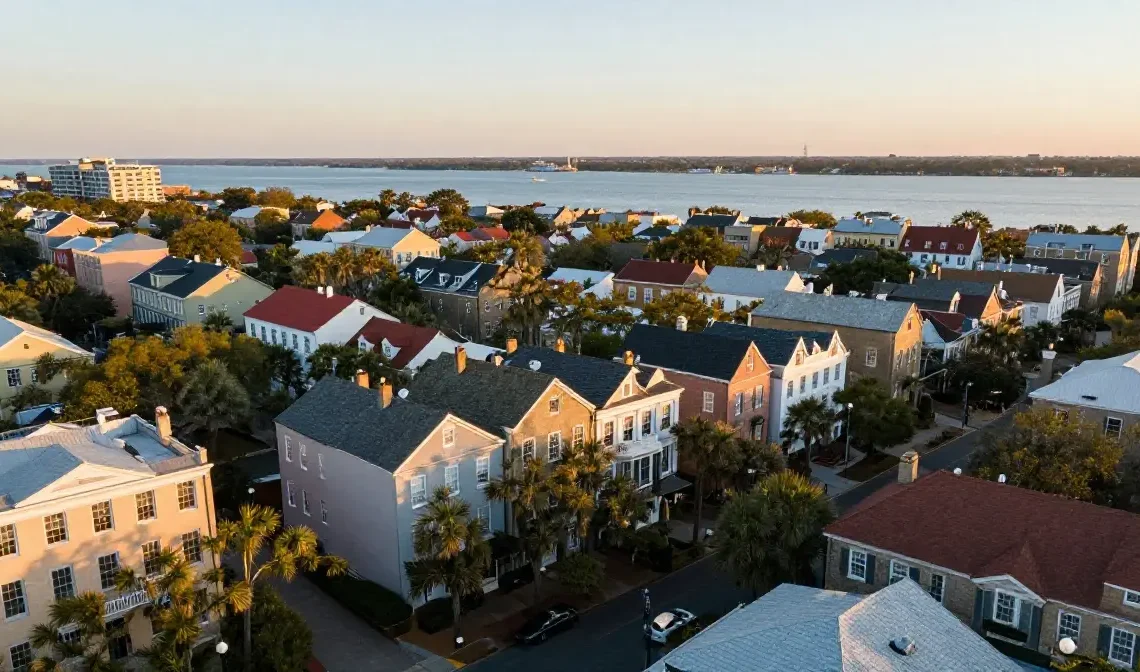
Charleston, South Carolina is one of the most historically rich, architecturally beautiful, and culinarily celebrated cities in the entire United States, offering visitors a travel experience that combines the gracious elegance of the antebellum South with a vibrant contemporary food and arts culture that has earned the city consistent recognition as one of the top travel destinations in the country year after year. A three day Charleston itinerary gives visitors enough time to genuinely explore the city’s most celebrated neighborhoods, historical landmarks, waterfront areas, and world-class dining destinations while still allowing for the kind of unhurried and immersive engagement with the city’s distinctive character and atmosphere that rushed one or two day visits simply cannot provide. Whether you are visiting for the first time and want to cover the essential highlights of this extraordinary city or returning to explore its less-visited neighborhoods and hidden local gems with greater depth and personal discovery, a well-planned three day itinerary will make every hour in Charleston feel purposeful, rewarding, and genuinely memorable. This article explores 22 of the best three day Charleston itinerary ideas to help you build the perfect personalized plan for your upcoming trip to one of America’s most beloved and endlessly fascinating cities.
Start with the Historic District Walking Tour
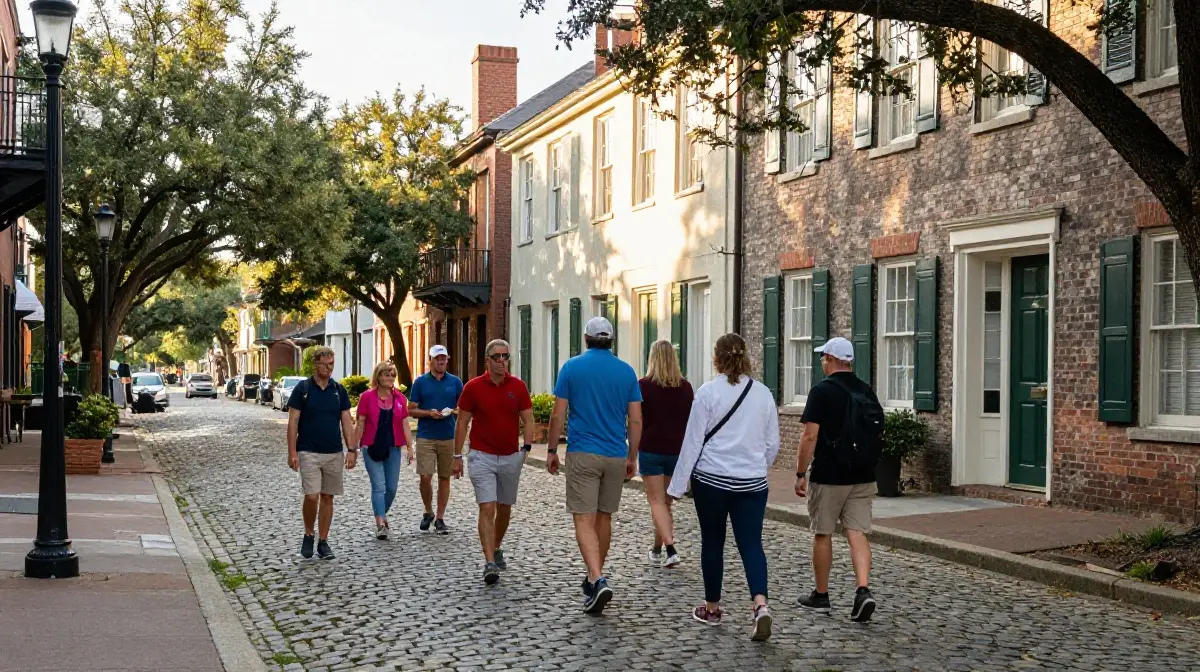
Beginning your three day Charleston itinerary with a comprehensive walking tour of the Historic District on day one is the single most effective way to orient yourself within the city’s layered history and architectural richness while establishing a foundational context that will deepen your appreciation of every subsequent experience and destination during the remainder of your stay. The Historic District contains one of the most intact collections of pre-Civil War architecture in the entire United States, with Rainbow Row, the Battery, White Point Garden, and the streets of the French Quarter all offering extraordinary visual richness and historical depth within a compact and very walkable geographic area. A guided walking tour led by a knowledgeable local historian provides the interpretive context and specific storytelling that transforms what might otherwise be a simple architectural stroll into a genuinely immersive encounter with the full complexity of Charleston’s history, including its complicated and important role in American slavery and the antebellum plantation economy. Morning is the ideal time for this walk as the light is particularly beautiful on the pastel-colored facades of the historic homes and the crowds are smaller than they become during the middle of the day. Plan to spend two to three hours on this tour as a foundation for the remainder of your carefully constructed three day Charleston experience.
Explore Rainbow Row
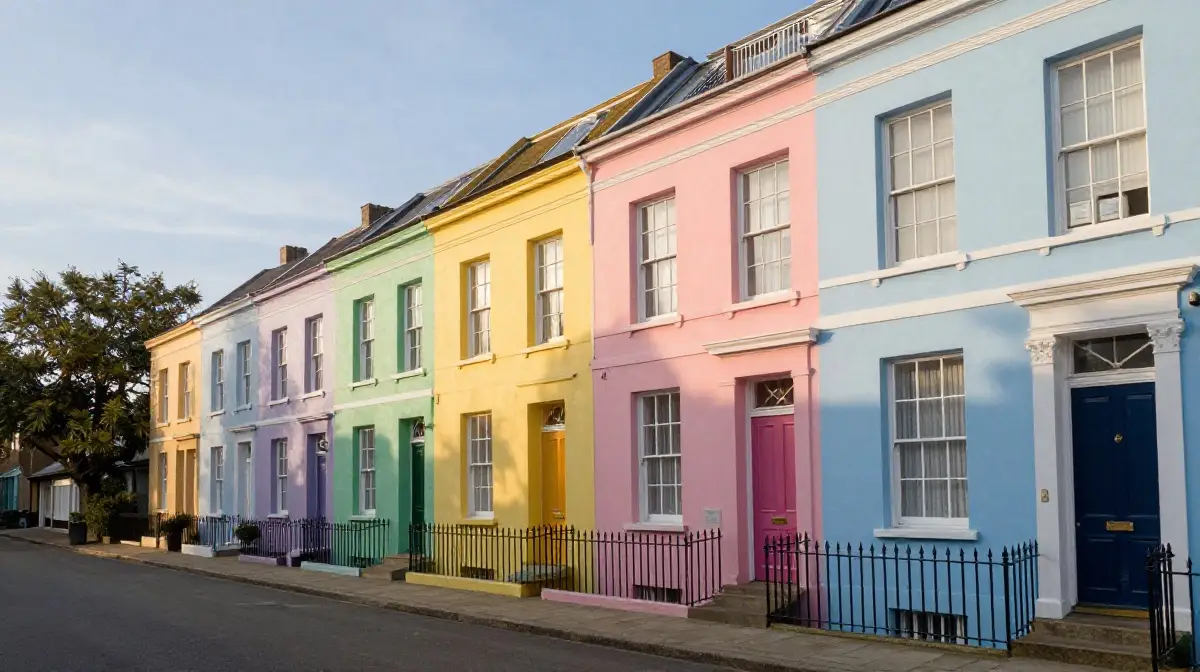
Rainbow Row is one of the most photographed and visually iconic streetscapes in the entire United States, featuring thirteen consecutive Georgian row houses painted in a candy-colored spectrum of pastel pinks, yellows, blues, and greens that create one of the most immediately recognizable and joyfully beautiful architectural compositions in American urban design and historic preservation. Originally built between 1740 and 1830 as merchant homes and commercial properties, the houses were painted in their current distinctive colors during a restoration project in the 1930s and have since become the defining visual symbol of Charleston’s historic district and one of the most reproduced images in all of American travel photography. The best time to visit and photograph Rainbow Row is early morning before the tour groups arrive, when the soft morning light catches the pastel colors at their most luminous and beautiful and the street is quiet enough to allow for unhurried appreciation of the architectural details, iron work, and garden plantings that make each individual house a carefully considered contribution to the collective visual splendor of the whole row. The row is located on East Bay Street and is easily accessible on foot from most Historic District accommodation options, making it a natural and rewarding start to any Charleston morning and an essential component of any serious three day Charleston itinerary. Allow at least thirty minutes here for photography, observation, and the kind of slow appreciative looking that genuinely beautiful places deserve and reward from those who give them the time and attention they merit.
Visit the Charleston City Market
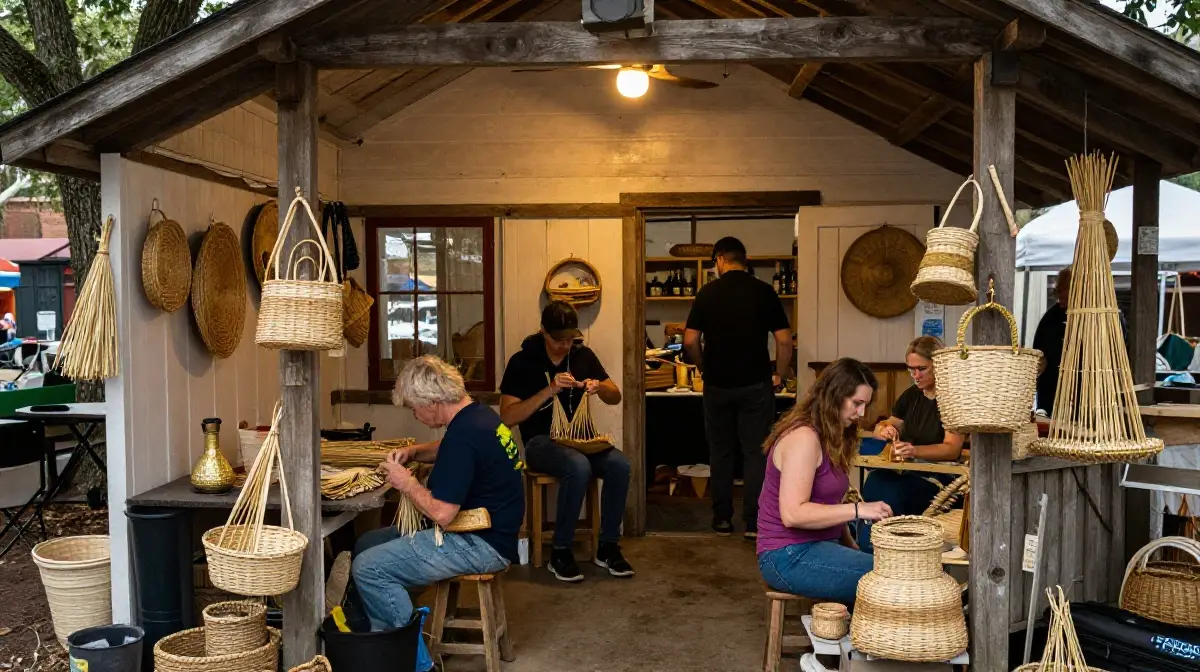
The Charleston City Market is one of the oldest and most historically significant public markets in the United States, operating continuously since the early 1800s and providing a direct and living connection to the commercial heart of Charleston’s antebellum economy and the rich Gullah Geechee cultural traditions that continue to give the market its most distinctive and meaningful character in the present day. The market occupies four blocks of covered shed space in the heart of the Historic District and offers an extraordinary variety of local artisan crafts, sweetgrass basket weaving, regional food products, jewelry, clothing, and various locally made goods that make it one of the best places in Charleston to shop for meaningful souvenirs and support local makers and craftspeople with a genuine connection to the city’s cultural heritage. The sweetgrass basket weavers are the market’s most celebrated and culturally significant artisans, carrying forward a West African basket-making tradition brought to the Carolina Lowcountry by enslaved people that has been designated an important American folk art and has been practiced by Gullah Geechee women in the Charleston area for over three centuries without interruption. Morning visits allow you to watch the basket weavers at work before the midday crowds arrive, and the food vendors in the covered market section offer excellent local options for a casual and culturally rich lunch break during a day of Historic District exploration. The City Market should be on every three day Charleston itinerary as both a shopping destination and a living cultural institution of genuine historical importance and community significance.
Tour the Magnolia Plantation and Gardens
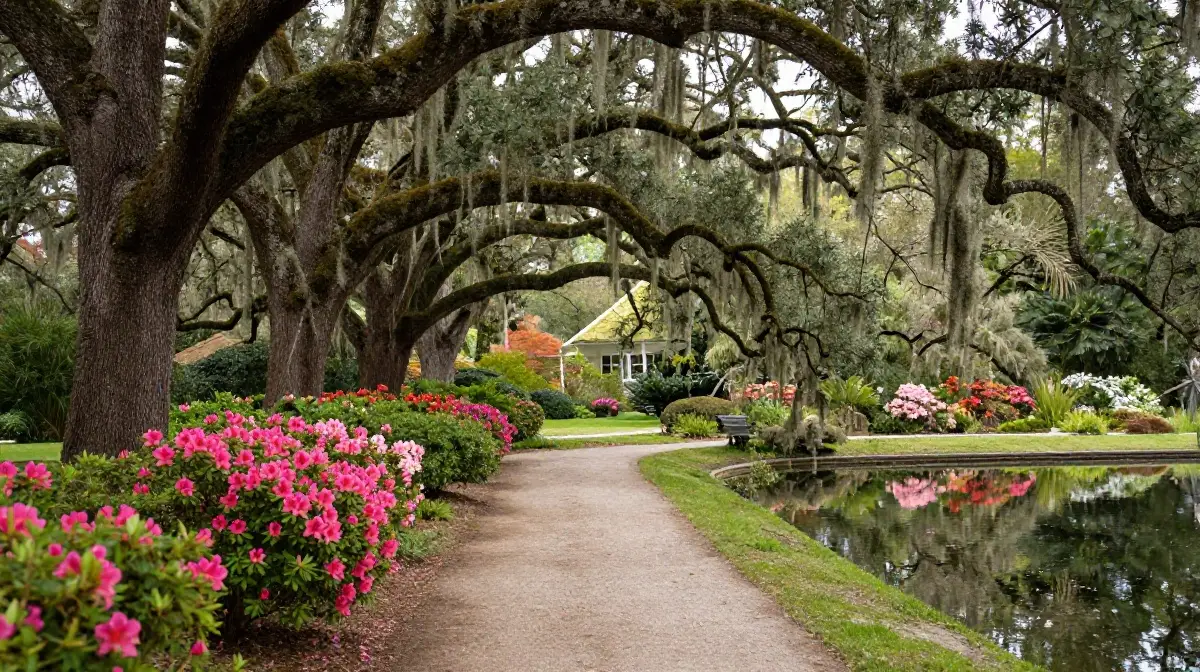
Magnolia Plantation and its extraordinary gardens represent one of the most beautiful and historically significant plantation sites in the entire American South, offering visitors a complex and visually stunning encounter with the landscape of the antebellum Lowcountry that encompasses both the breathtaking natural beauty of one of the oldest ornamental gardens in North America and the deeply important historical reckoning with the enslaved labor that created and maintained this beauty across generations of forced human suffering and exploitation. The gardens themselves are genuinely extraordinary, featuring America’s oldest public garden dating to the 1670s, with ancient live oaks draped in Spanish moss, vast camellia and azalea collections that create spectacular seasonal color displays, formal geometric garden beds, a nature train, canoe tours through the black water cypress swamp, and the original plantation house that survived the Civil War and has been continuously occupied by the Drayton family since the seventeenth century. The plantation’s Slavery to Freedom exhibit provides essential historical context and human stories that make the visit a genuinely educational and morally serious engagement with the full history of the site rather than simply an aesthetic appreciation of its undeniable natural beauty. Allow at least three to four hours for a thorough visit that includes the gardens, the historic house tour, and the nature areas that make Magnolia one of the most complete and rewarding single-site experiences available in any three day Charleston itinerary. The plantation is located approximately ten miles from downtown Charleston and is most easily reached by rental car or organized tour.
Experience the French Quarter Arts District
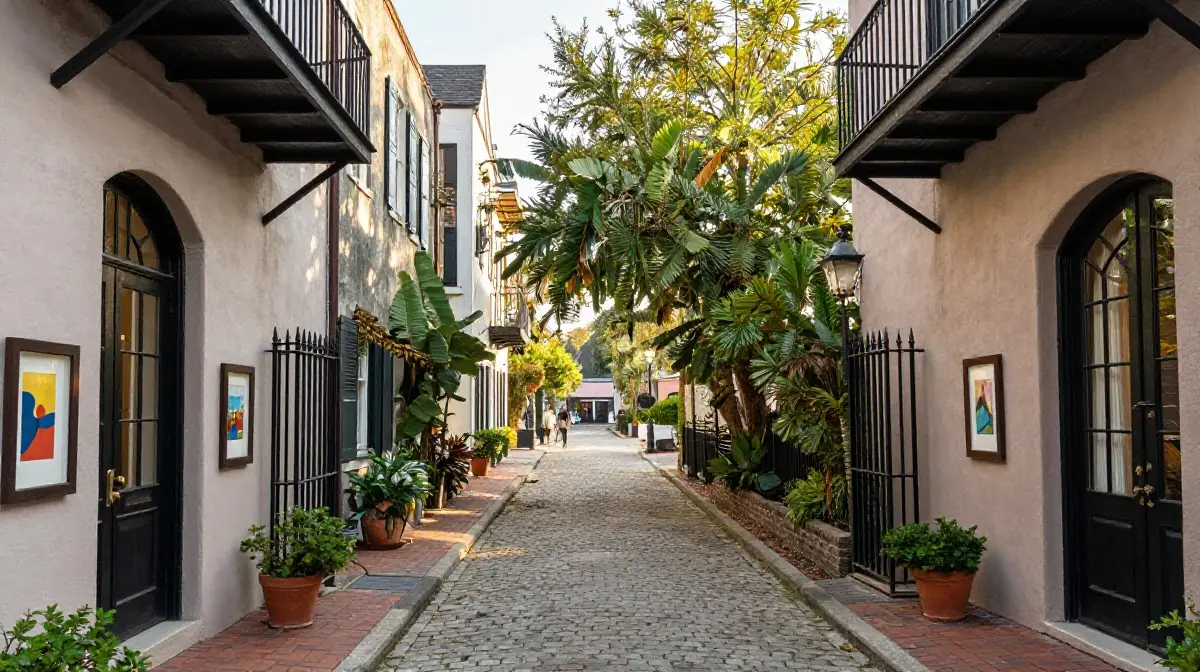
Charleston’s French Quarter is the oldest and most concentrated arts district in the city, occupying a compact area of historic streets between Church Street and East Bay Street that contains the highest density of fine art galleries, antique dealers, specialty shops, and beautifully preserved 18th-century architecture in the entire Historic District and makes it one of the most rewarding urban walking experiences available in any American city of comparable historical character and artistic richness. The district’s galleries represent an extraordinary range of artistic styles and price points, from established and internationally collected artists to emerging local talents working in traditions that reflect the distinctive visual culture of the South Carolina Lowcountry, its landscapes, its history, and its living Gullah Geechee heritage. First Friday gallery openings in the French Quarter are a beloved local tradition that transforms the district’s streets into a lively and convivial outdoor celebration of art and community on the first Friday evening of each month, making this an ideal evening activity for visitors whose three day Charleston itinerary happens to coincide with this popular monthly event. The streets of the French Quarter are also simply beautiful to walk in their own right, with their narrow passages, walled gardens glimpsed through iron gates, historic church steeples rising above the rooftops, and the constant evidence of centuries of continuous urban occupation and architectural care that gives this neighborhood its uniquely concentrated atmosphere of historical depth and living community. Budget at least two hours for a thorough French Quarter exploration that includes several gallery visits, window shopping on King Street nearby, and the kind of slow and pleasurably aimless wandering that this neighborhood rewards most generously.
Walk the Battery and White Point Garden
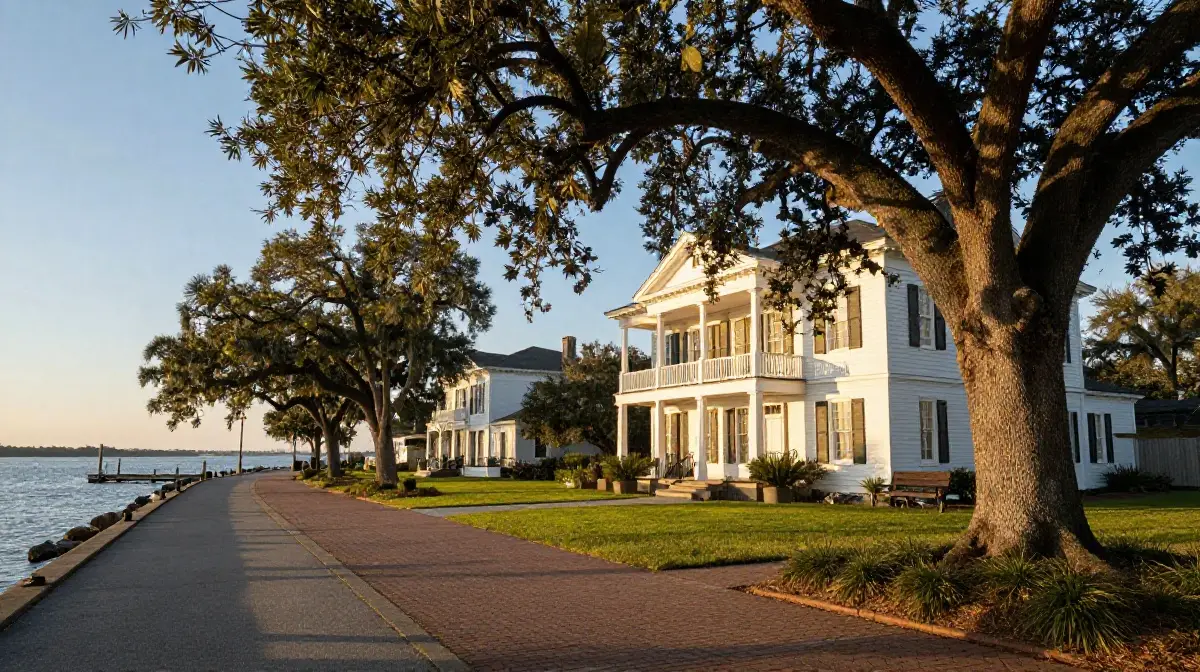
The Battery and White Point Garden at the southern tip of the Charleston Peninsula represent the most scenic and historically resonant public promenade in the city, offering panoramic views of Charleston Harbor, Fort Sumter visible in the distance, the confluence of the Ashley and Cooper Rivers, and the extraordinary collection of antebellum mansions that line the waterfront along East Battery and South Battery streets in one of the most architecturally distinguished residential settings in the entire United States. The Battery seawall and promenade was constructed in the early nineteenth century and served as an observation point for the opening shots of the Civil War fired at Fort Sumter in April 1861, giving this beautiful public space a specific historical significance that adds considerable gravity and narrative depth to its natural scenic beauty and architectural grandeur. White Point Garden, the park space adjacent to the Battery promenade, contains ancient live oaks of extraordinary size and presence, Civil War cannon and mortar displays, historical monuments, and the kind of gracious public green space that invites slow and appreciative visits at any time of day in any season of the year. Morning and late afternoon are the most beautiful times to walk the Battery, with the light on the harbor and the mansions creating photographic opportunities of exceptional quality that reward early rising and unhurried appreciation of the waterfront views. This is an essential component of any three day Charleston itinerary and one of the experiences that most completely captures the particular and incomparable atmosphere of this extraordinary city.
Dine on King Street
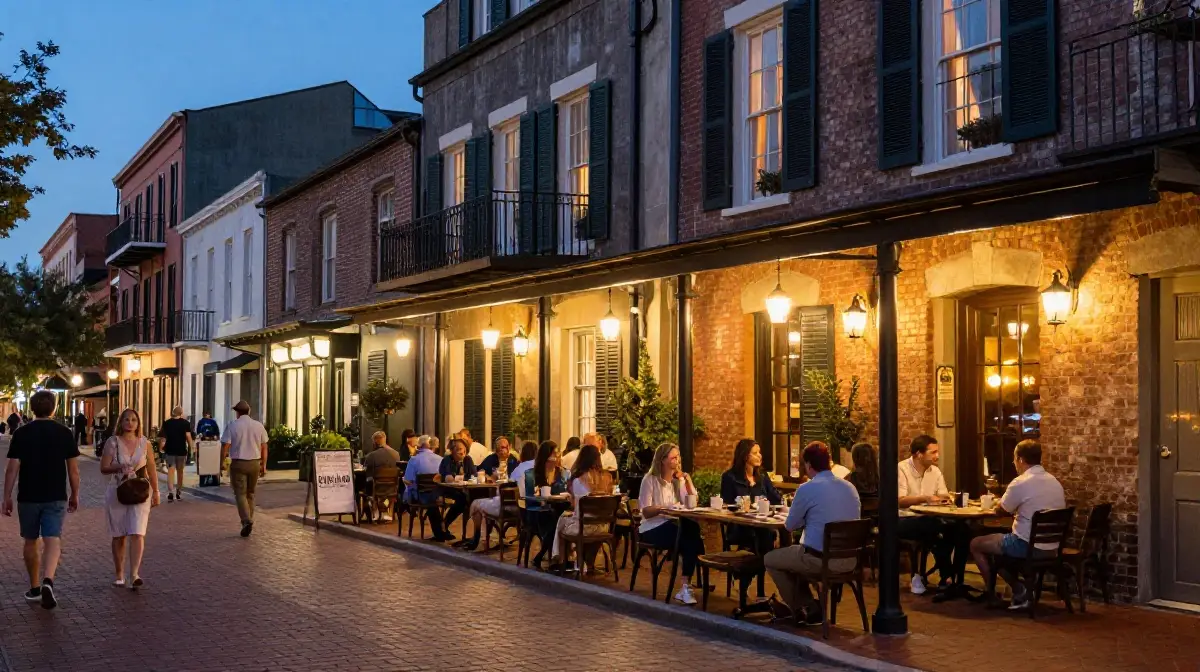
King Street is Charleston’s most celebrated dining and shopping thoroughfare, running the full length of the Historic District from Broad Street in the south through the Antique District, the Fashion District, and the Upper King entertainment corridor in the north, offering the most comprehensive and varied collection of restaurants, bars, boutiques, and entertainment venues available in any single street in the entire city. The dining options on and immediately adjacent to King Street range from James Beard Award-winning fine dining restaurants serving creative contemporary Southern cuisine to beloved local lunch spots, artisan coffee shops, specialty food retailers, and the kind of casual and convivial neighborhood bars that make King Street the social heart of Charleston’s culinary and nightlife culture throughout the week and especially on weekends. Upper King Street in particular has developed one of the most vibrant and creatively dynamic restaurant scenes in the American South over the past decade, with talented young chefs drawing on the extraordinary local ingredient traditions of the Lowcountry, including its famous shrimp, oysters, grits, and heritage pork, to create cuisines of genuine national and international significance and quality. Reservations are strongly recommended for dinner at the most popular King Street restaurants, particularly on weekend evenings when demand consistently exceeds available seating at the city’s most celebrated and talked-about dining establishments. A dedicated evening on King Street exploring its restaurants, cocktail bars, and the general festive atmosphere of a warm Charleston evening should be part of every well-considered three day Charleston itinerary without exception.
Visit Fort Sumter National Monument
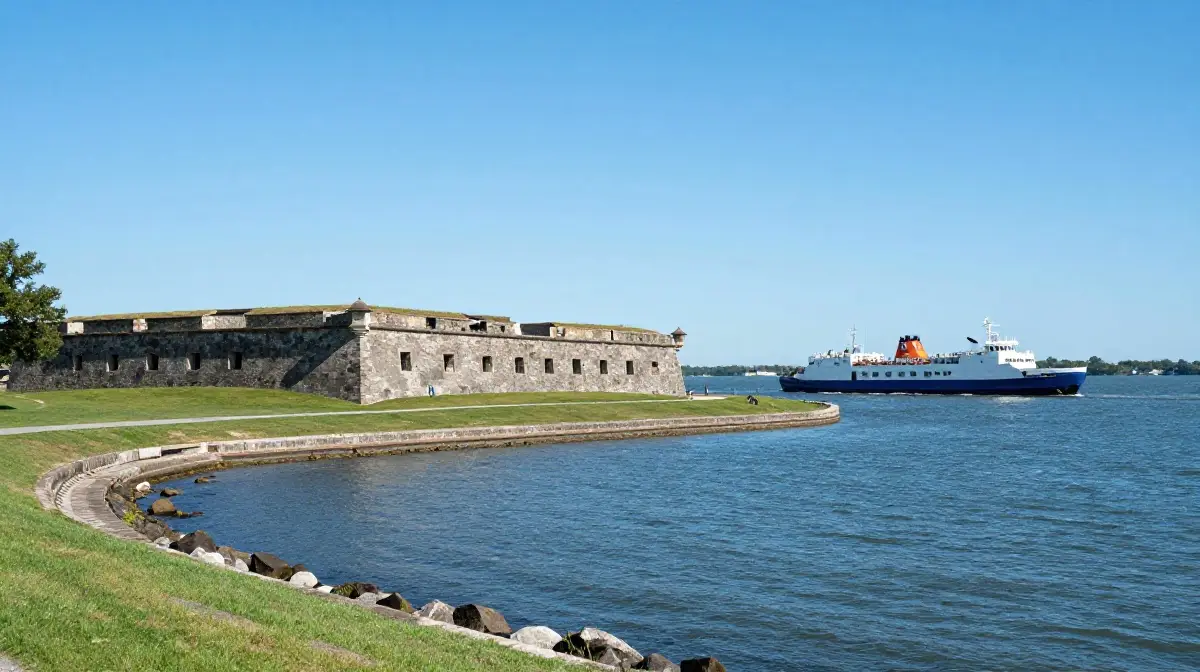
A boat tour to Fort Sumter National Monument in Charleston Harbor is one of the most historically significant and genuinely moving experiences available to any visitor spending three days in Charleston, providing direct physical contact with the site where the first shots of the American Civil War were fired on April 12, 1861 in a moment that forever changed the course of American history and sent the nation into four years of devastating and transformative conflict. The ferry journey to Fort Sumter from the Liberty Square Visitor Center takes approximately thirty minutes each way and provides beautiful harbor views of Charleston’s waterfront skyline, Fort Moultrie on Sullivan’s Island, and the open Atlantic horizon that gives a genuine sense of the strategic and symbolic importance of this harbor position to both Confederate and Union forces throughout the war. The fort itself is managed by the National Park Service and features well-designed interpretive exhibits, restored fortification structures, park ranger-led talks that provide excellent historical context and specific narrative detail, and the distinctive atmosphere of a place where genuinely momentous historical events occurred on the very ground where visitors now stand. Allow a full morning or afternoon for the Fort Sumter excursion including travel time, as the ferry schedule limits flexibility and the site deserves unhurried exploration rather than a rushed visit that fails to do justice to its historical significance. This is one of the most intellectually rewarding and historically important additions to any three day Charleston itinerary for visitors with a genuine interest in American history and its most consequential turning points.
Explore the Heyward-Washington House
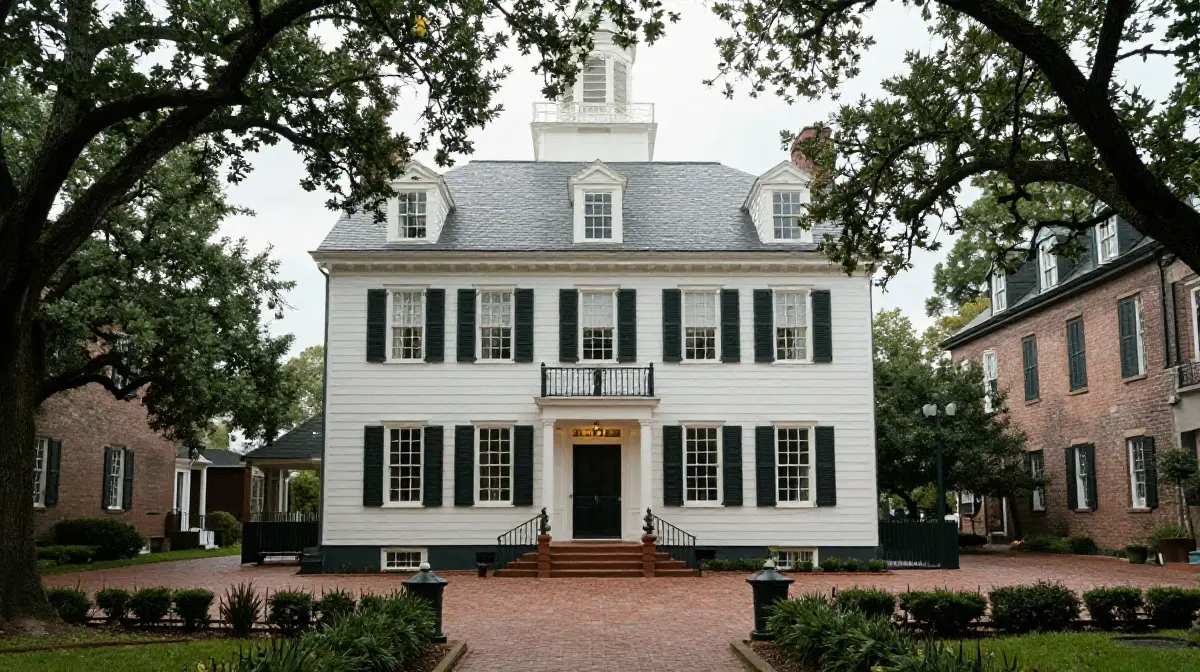
The Heyward-Washington House on Church Street is one of Charleston’s most significant and best-preserved historic house museums, offering visitors an extraordinarily detailed and physically authentic encounter with domestic life and material culture in late 18th-century Charleston through a house that was built in 1772 by rice planter Daniel Heyward, occupied by Thomas Heyward Jr., a signer of the Declaration of Independence, and rented to President George Washington during his presidential tour of the Southern States in 1791. The house preserves an exceptional collection of Charleston-made furniture of the highest quality from the pre-Revolutionary period, demonstrating the extraordinary sophistication and craftsmanship of Charleston’s colonial furniture-making tradition and the remarkable material wealth that the city’s rice and indigo economy generated for its white planter class during the eighteenth century. The kitchen building in the rear courtyard is one of the finest surviving examples of a colonial kitchen structure in the American South, and the interpretive program addresses with honesty and directness the enslaved household workers whose labor maintained every aspect of the household’s daily operations while receiving none of its privileges or protections. The museum is operated by the Charleston Museum, America’s oldest museum, and the guided tours are consistently praised for their depth of historical knowledge and their willingness to engage with the full and complex history of the site without sanitizing or simplifying its most difficult dimensions. This is an excellent and highly recommended morning activity for the second day of a three day Charleston itinerary focused on deep historical engagement with the city’s colonial and antebellum past.
Day Trip to Sullivan’s Island
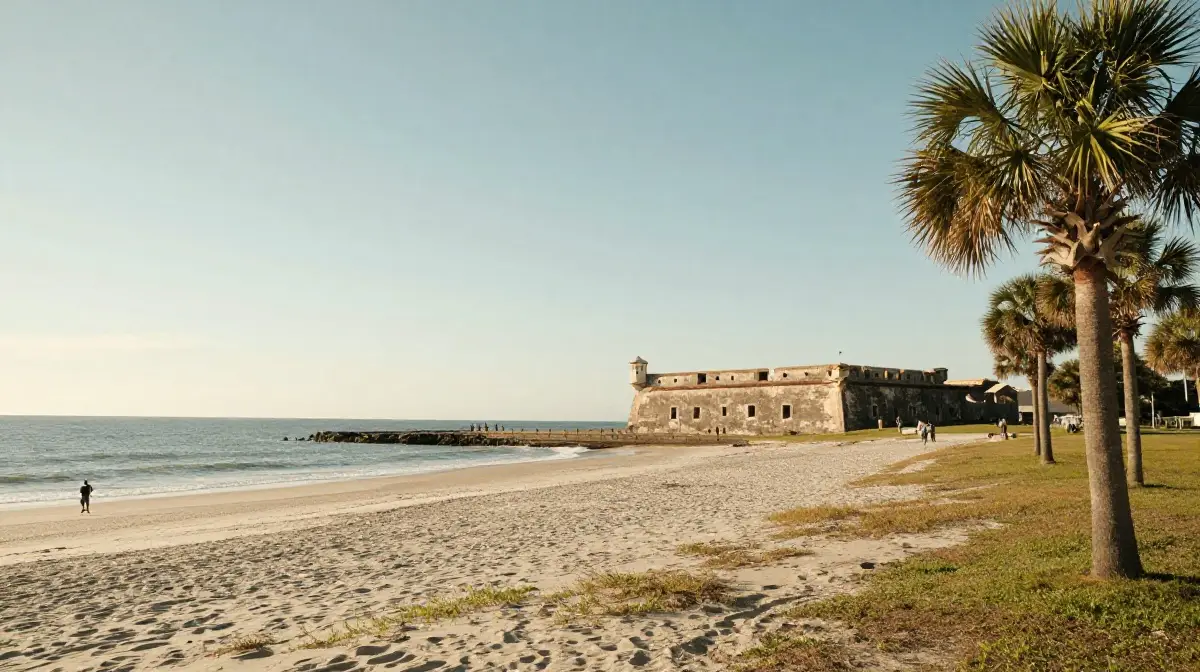
Sullivan’s Island is a beautiful and historically significant barrier island located approximately thirty minutes by car from downtown Charleston that offers visitors a combination of uncrowded Atlantic beaches, extraordinary military history, charming residential architecture, and the kind of quietly authentic and genuinely local beach town atmosphere that has been carefully and successfully protected from the overdevelopment that has transformed many comparable barrier island communities along the South Carolina and Georgia coasts. The island was the site of Fort Moultrie, where American forces successfully defended Charleston against a British naval attack in June 1776 in one of the first significant American victories of the Revolutionary War, and the fort’s National Park Service site provides excellent interpretive exhibits covering the island’s continuous military use from the Revolution through World War Two. Edgar Allan Poe was stationed at Fort Moultrie in the late 1820s and used his experience of the island as the setting for his celebrated short story The Gold-Bug, adding a literary dimension to the island’s already rich historical character that makes it particularly interesting to visitors with a literary as well as a historical sensibility. The island’s Atlantic-facing beaches are among the most beautiful and uncrowded in the Charleston area, with wide sandy stretches, natural dune vegetation, and the absence of the commercial beach infrastructure that characterizes more developed neighboring beaches creating a natural and peaceful beach experience of genuine quality. A Sullivan’s Island day trip makes an excellent and refreshing change of pace for day two or day three of a three day Charleston itinerary that has been focused primarily on urban historic district exploration and cultural institution visits.
Explore the Gibbes Museum of Art
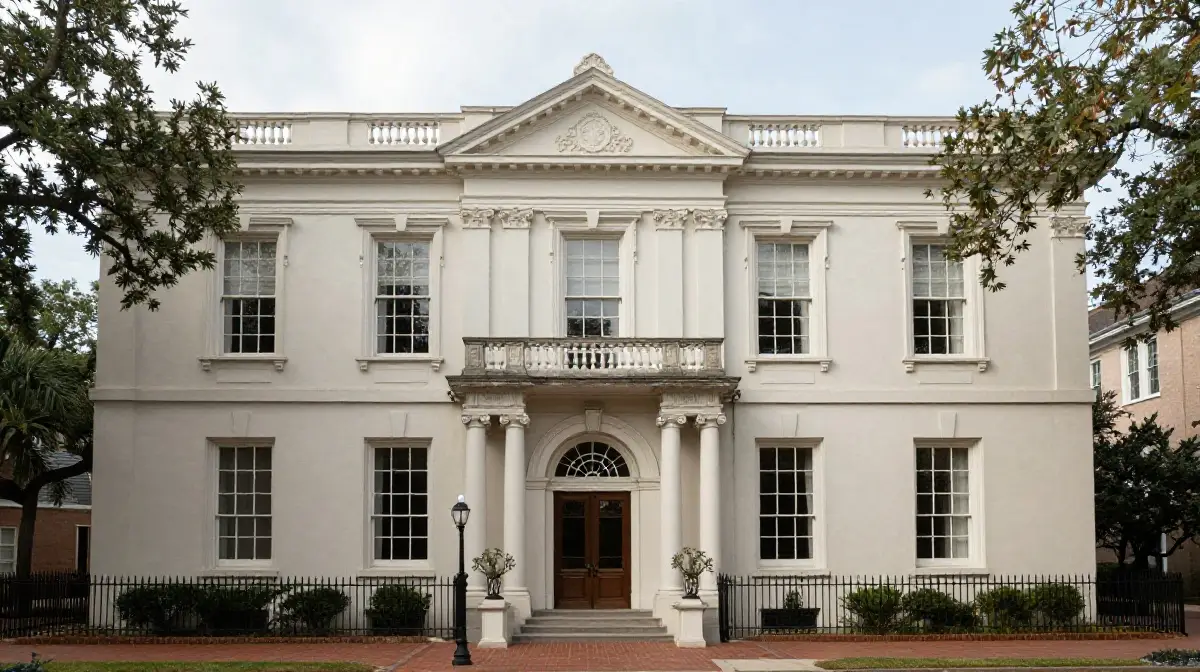
The Gibbes Museum of Art on Meeting Street is Charleston’s premier fine art museum and one of the most significant regional art museums in the American South, housing a permanent collection of approximately 10,000 works that traces the history of American art from the colonial period to the present with particular depth and specificity in works related to the South Carolina Lowcountry, its landscape, its history, and the artists who have been drawn to Charleston and its distinctive visual environment over more than three centuries of artistic production and cultural development. The museum’s collection of miniature portrait paintings from the colonial and Federal periods is particularly important and nationally recognized, representing one of the finest collections of this distinctive art form in the United States and providing an intimate and revealing window into the faces, fashions, and social world of Charleston’s 18th and early 19th century elite society. The Gibbes occupies a beautiful Beaux-Arts building completed in 1905 that is itself an architectural landmark of considerable elegance and historical significance within the context of Meeting Street’s distinguished civic architecture, and the building’s interior spaces including its remarkable skylit rotunda create an extraordinarily beautiful setting for the museum’s collection and programming. Temporary exhibition programming at the Gibbes is consistently ambitious and well-curated, and checking the museum’s current exhibition schedule before your visit will allow you to time your three day Charleston itinerary to coincide with particularly significant shows that might add additional value and interest to an already very rewarding museum visit. Allow two to three hours for a thorough engagement with the permanent collection and any temporary exhibitions that are on view during your visit.
Take a Carriage Tour of the Historic District
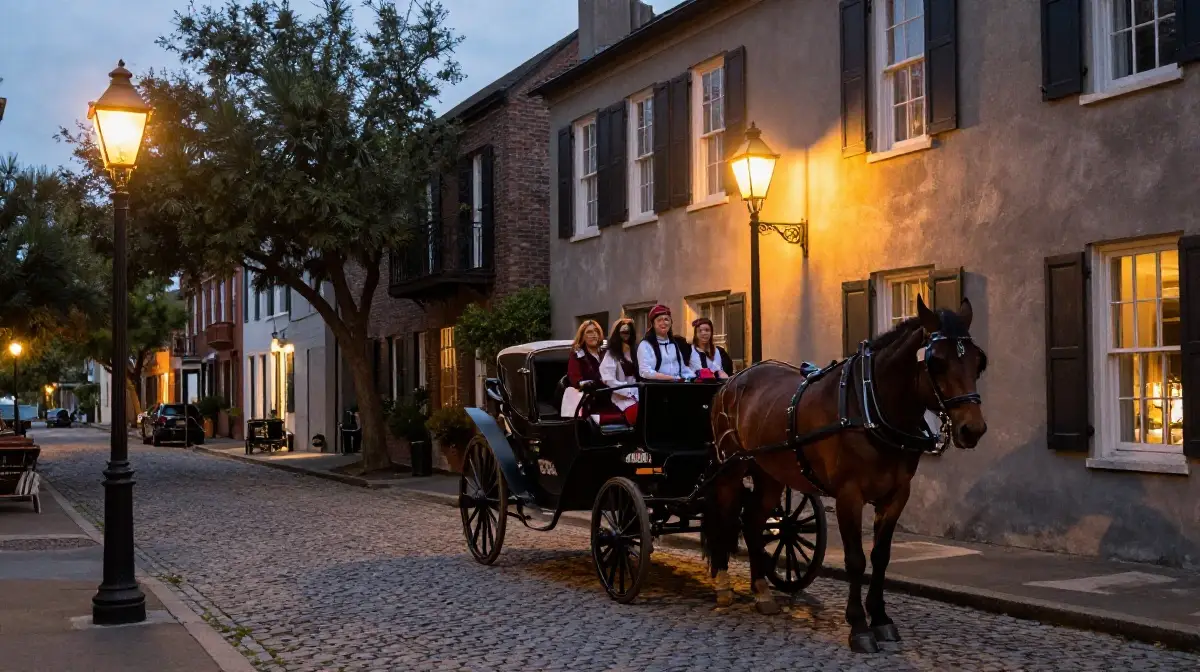
A horse-drawn carriage tour of Charleston’s Historic District is one of the most authentically Southern and genuinely enjoyable ways to cover significant ground in the historic city while receiving a comprehensive and entertaining historical narrative from knowledgeable and personable local guides who know the stories behind virtually every significant building, garden, and streetscape in this extraordinarily rich urban environment. Carriage tours depart regularly from the City Market area and follow routes through the Historic District that are carefully managed by the city to protect the cobblestone streets and ensure that the tours remain a pleasant and non-disruptive addition to the neighborhood’s pedestrian environment rather than a source of traffic congestion or excessive commercial noise. The elevated and slow-moving perspective of the carriage provides a visual experience of the historic streets that is genuinely different from walking, allowing for more relaxed observation of upper story architectural details, walled garden interiors glimpsed over gates, and the overall streetscape compositions that are harder to fully appreciate when navigating at pedestrian eye level and pace. Evening carriage tours are particularly atmospheric, with the warm glow of street lighting on the historic facades, the sound of horses on cobblestones, and the cooling temperatures of a Charleston evening creating a genuinely romantic and memorably beautiful experience of the city. A carriage tour is an excellent and distinctly Charleston activity to schedule on the first or second evening of a three day Charleston itinerary as a relaxed and entertaining way to end a day of more intensive cultural and historical exploration.
Visit the South Carolina Aquarium
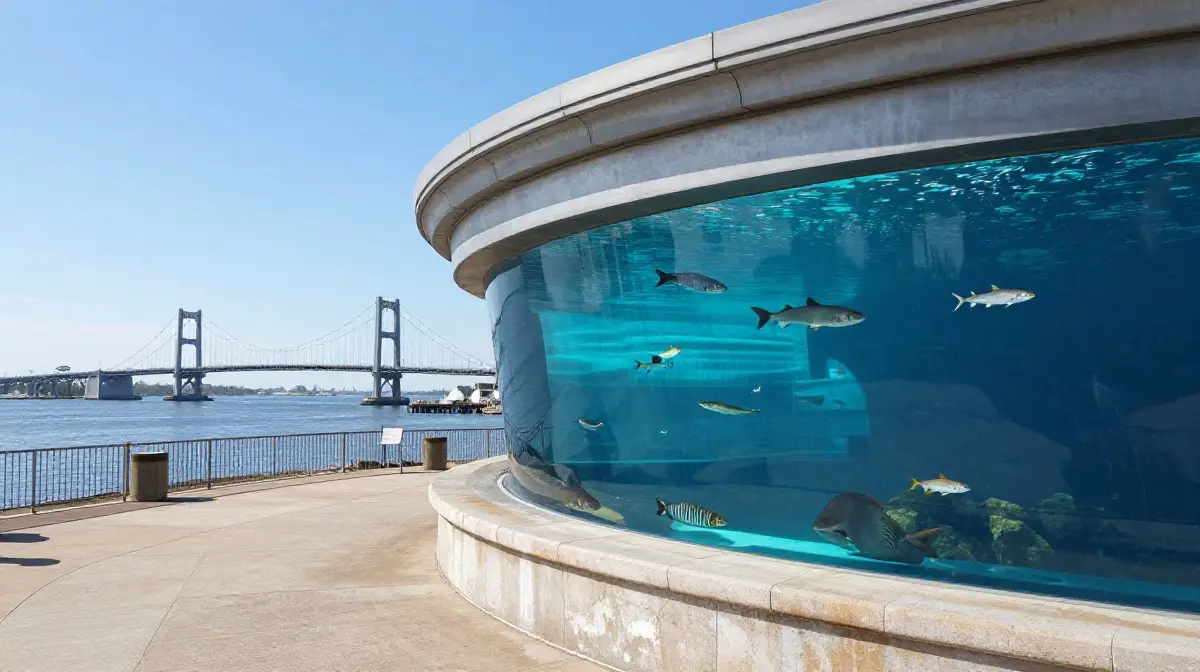
The South Carolina Aquarium on the Charleston waterfront is one of the finest regional aquaria in the American Southeast, offering an exceptionally well-designed and educationally rich exploration of the aquatic ecosystems of South Carolina and the broader Southeast Atlantic region through immersive exhibit spaces, live animal encounters, and interpretive programming that brings the extraordinary biodiversity of the state’s rivers, swamps, estuaries, and coastal ocean environments to life with genuine visual impact and scientific depth. The aquarium’s Great Ocean Tank is one of the largest open ocean exhibits on the East Coast and provides spectacular viewing of the diverse marine life of the Gulf Stream waters that flow along South Carolina’s outer continental shelf, including sharks, sea turtles, large pelagic fish, and the rich variety of reef species that inhabit the warm offshore waters of the region. The Sea Turtle Care Center within the aquarium is a working sea turtle hospital and rehabilitation facility that treats injured and sick sea turtles found along the South Carolina coast, and the behind-the-scenes viewing of the turtles in various stages of treatment and recovery is one of the most emotionally engaging and educationally powerful experiences available at the facility. The aquarium’s location on the Aquarium Wharf provides excellent views of Charleston Harbor and the Ravenel Bridge, making the visit a doubly rewarding experience that combines natural history education with some of the finest waterfront scenery in the city. The South Carolina Aquarium is particularly excellent for families with children and makes a wonderful morning or afternoon activity for day two or day three of a comprehensive three day Charleston itinerary.
Stroll through the Aiken-Rhett House
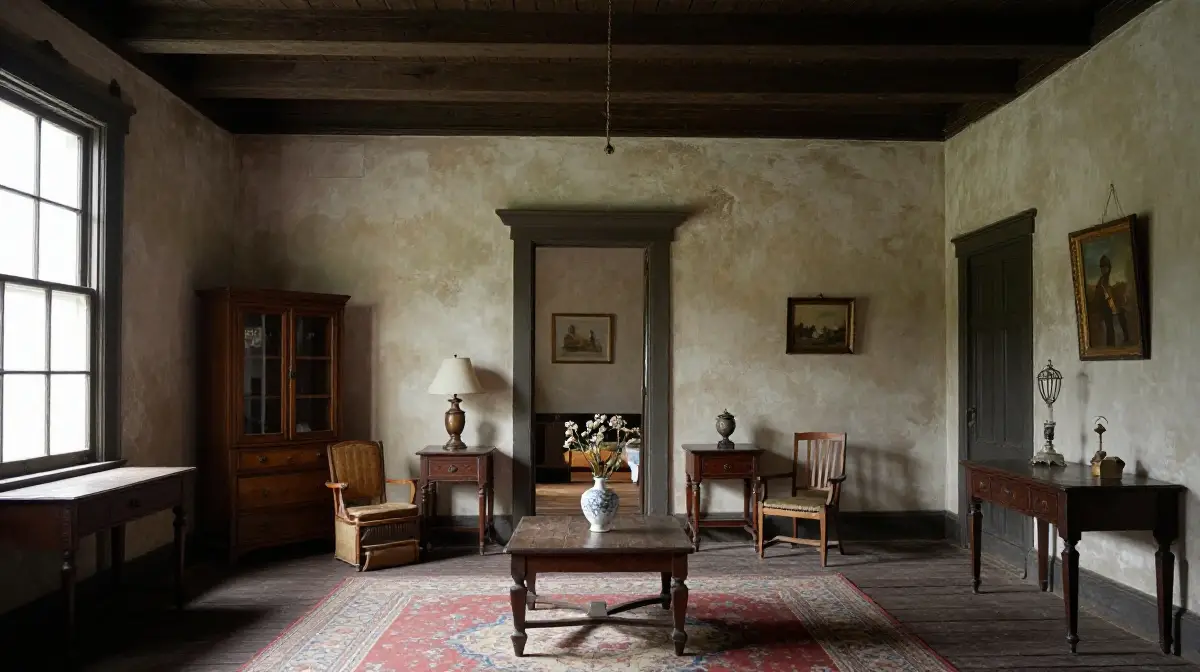
The Aiken-Rhett House Museum on Elizabeth Street is the most remarkably preserved antebellum urban house museum in the United States, offering visitors an experience of extraordinary historical authenticity and archival integrity that is simply not available anywhere else in the American South as the house has been preserved rather than restored, maintaining the actual layers of paint, wallpaper, plaster, and furnishings accumulated across more than a century and a half of continuous family occupation without the reconstructive interventions that have shaped the visitor experience at most comparable historic house museums. The house was built in 1820 and significantly expanded in the 1830s by Governor William Aiken Jr., one of the wealthiest men in antebellum America, and the property includes the main house, extensive outbuildings, a formal garden, a carriage house, and the surviving urban slave quarters in which the enslaved people who maintained the household lived in conditions that the museum interprets with honesty, scholarly rigor, and deep respect for the humanity and individual stories of the people whose labor built and sustained this extraordinary property. The atmosphere of the Aiken-Rhett House is unlike that of any other historic house in Charleston or the broader American South, with its intentionally unrestored surfaces creating a haunting and genuinely moving encounter with the physical passage of time and the accumulated presence of all the lives, both free and enslaved, that have inhabited these rooms across nearly two centuries. Audio tours are the primary interpretive format and are exceptionally well-written and thoughtfully produced to guide visitors through the full complexity of the house’s history and physical fabric. This is an absolutely essential and profoundly rewarding stop on any three day Charleston itinerary that takes the city’s history seriously.
Enjoy Brunch at a Local Charleston Restaurant
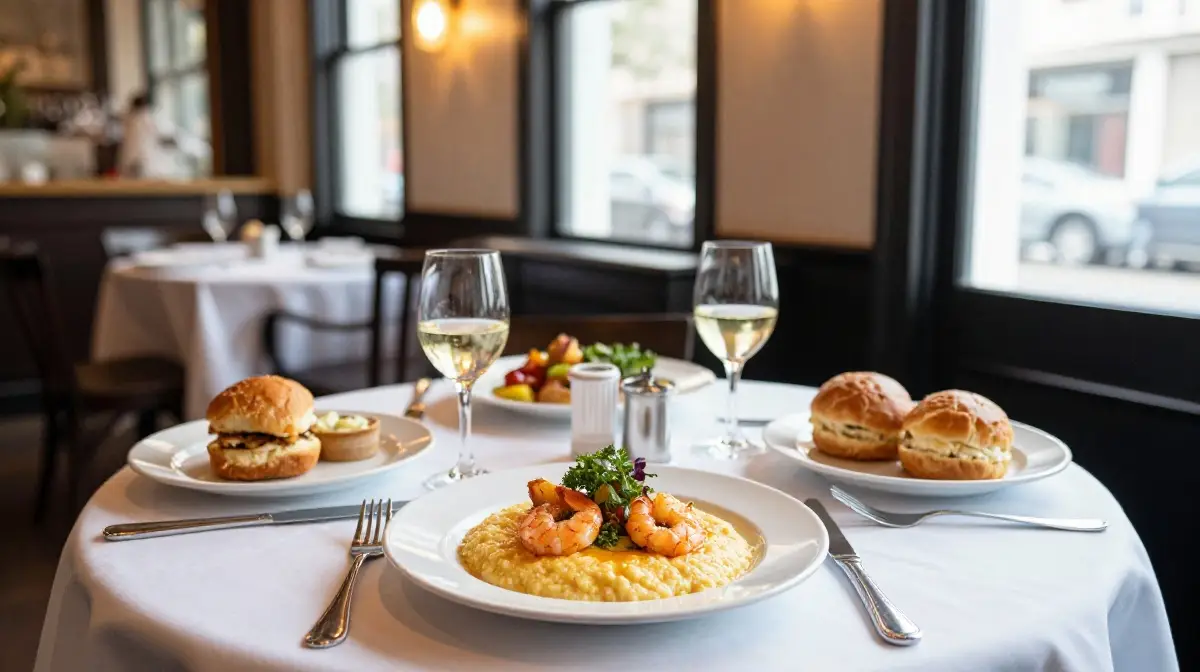
Charleston has developed one of the most celebrated brunch cultures in the entire American South, with dozens of outstanding local restaurants offering weekend and weekday brunch menus that showcase the extraordinary culinary tradition of the Lowcountry through elevated and creative interpretations of classic Southern breakfast and midday dishes that draw on the region’s most distinctive and locally sourced ingredients. Shrimp and grits, the single dish most closely associated with Lowcountry cuisine, appears on brunch menus throughout the city in an extraordinary range of variations that reflect the individual creativity of Charleston’s talented chef community while remaining rooted in the fundamental simplicity and ingredient quality that makes this dish so consistently satisfying and regionally specific in its flavor and character. Eggs Benedict variations incorporating local crab, country ham, pimento cheese, and various other Southern ingredients create brunch dishes of considerable culinary sophistication and regional authenticity that reward the dedicated food traveler with genuine new tastes and cultural discovery. Biscuits made with locally milled soft wheat flour and served with house-made jams, local honey, and cultured butter are a Charleston brunch staple of deceptive simplicity and genuine excellence that demonstrates the city’s deep commitment to ingredient quality and artisanal food production at every level of its remarkable restaurant culture. A leisurely Charleston brunch is one of the most enjoyable and culturally informative activities available during any three day Charleston itinerary and should be planned for at least one morning of the visit as a genuinely memorable and delicious engagement with the culinary heart of this extraordinary city.
Visit Waterfront Park
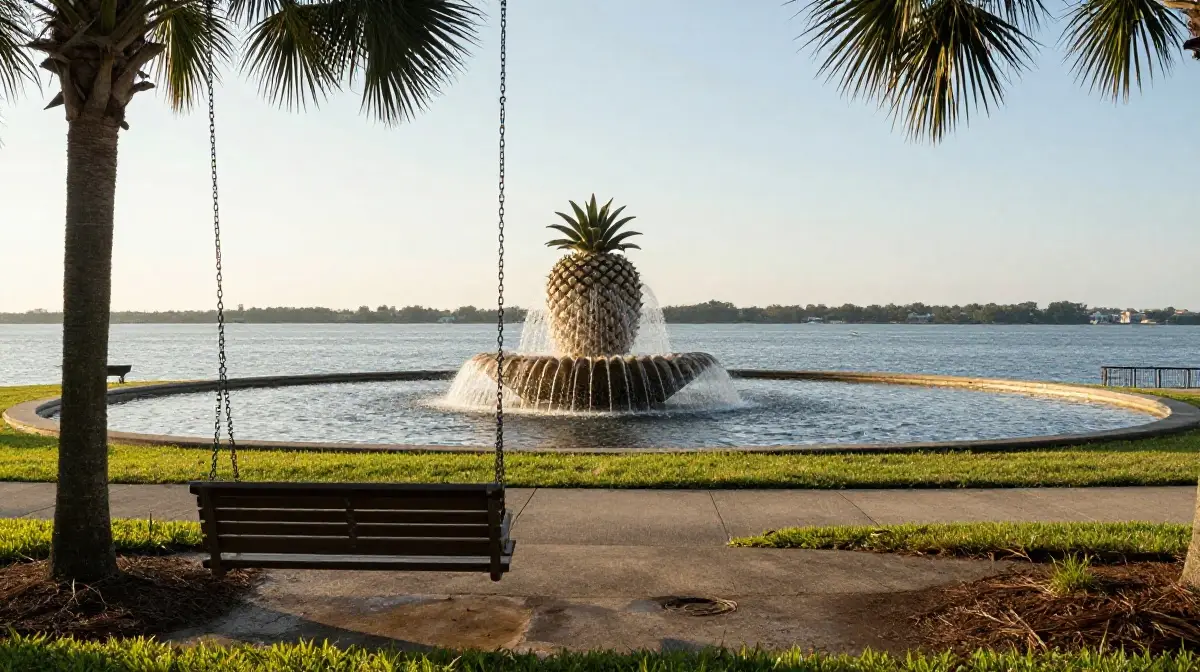
Waterfront Park on Concord Street is one of Charleston’s most beloved and beautifully designed public spaces, offering a long and gracious promenade along the Cooper River waterfront with spectacular views of Charleston Harbor, the Arthur Ravenel Jr. Bridge, container ship traffic, and the marsh and island landscapes of the broader Lowcountry estuary that give this waterfront setting its distinctive and expansive natural beauty. The park’s pineapple fountain, modeled on the carved pineapples that traditionally adorned the gateposts of Charleston’s most distinguished historic homes as a symbol of welcome and hospitality, has become one of the most photographed public art features in the city and provides an excellent and quintessentially Charleston photographic opportunity in a beautiful park setting. The swing benches positioned along the pier at the park’s waterfront edge are among the most popular and pleasurably memorable features of the entire space, providing a gently swaying and wonderfully relaxed vantage point from which to watch harbor activity, enjoy the breeze off the Cooper River, and appreciate the extraordinary quality of light on the water that characterizes Charleston’s harbor at virtually every hour of the day and in every season of the year. The park hosts various seasonal events and is a beloved gathering place for local residents that gives visitors an excellent and naturally arising opportunity to experience Charleston as a living and contemporary community rather than simply as a historic artifact or tourist destination. Waterfront Park is a beautiful and free attraction that suits the early morning, late afternoon, or evening hours of any day in a three day Charleston itinerary with equal natural appropriateness and pleasurable reward.
Explore Folly Beach
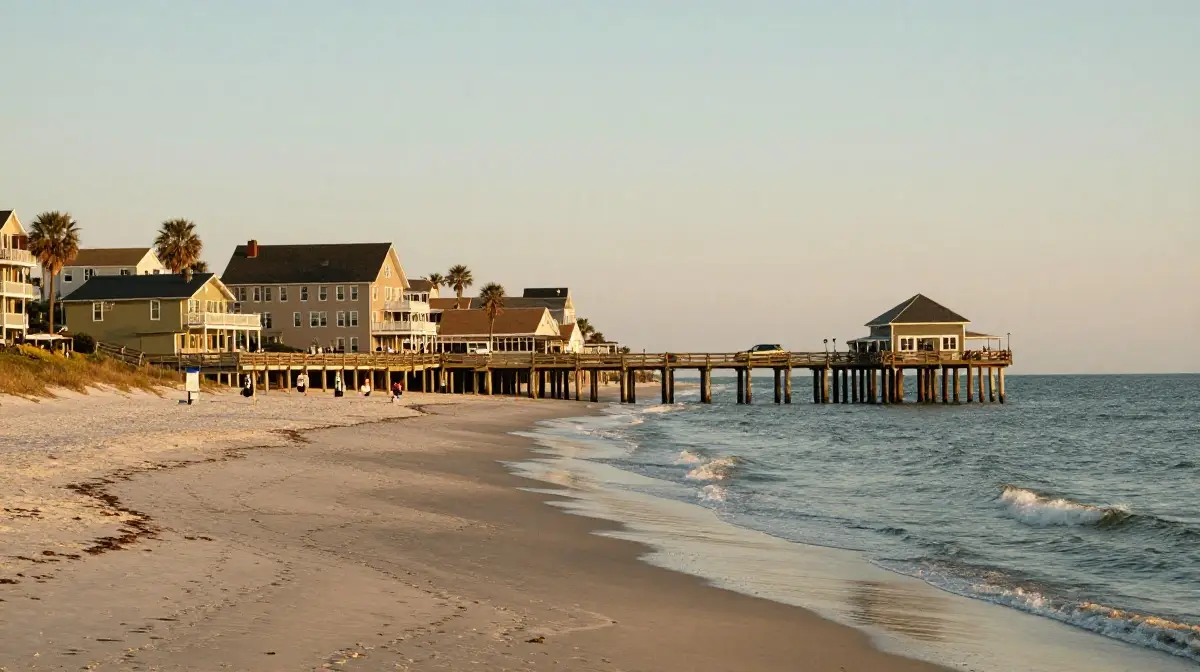
Folly Beach is Charleston’s most accessible and most beloved beach destination, located approximately twelve miles southwest of the Historic District on a barrier island with a character that combines the natural beauty of its Atlantic-facing beaches and back-marsh scenery with the distinctive and slightly funky small-town beach community atmosphere that has made Folly one of the most authentically local and genuinely enjoyable beach towns on the entire South Carolina coast. The beach itself extends for approximately six miles along the island’s Atlantic face and offers a range of beach experiences from the most populated and commercially serviced central sections near the pier to the quieter and more natural stretches toward the island’s east and west ends where the absence of beach infrastructure and the presence of natural dune vegetation and tidal inlet scenery creates a more genuinely wild and contemplative coastal experience. The Folly Beach Pier is one of the longest fishing piers on the East Coast and provides excellent elevated views of the beach, the ocean, and the Charleston skyline visible in the distance on clear days, as well as a lively and social fishing culture that is an authentic and enjoyable part of the island’s year-round community life. The small collection of restaurants, bars, surf shops, and casual eating establishments along Center Street at the heart of Folly Beach creates a low-key and genuinely pleasant beach town commercial strip that suits a relaxed afternoon visit with complete and natural appropriateness. A Folly Beach afternoon makes an excellent and refreshing component of the second or third day of a three day Charleston itinerary and provides a welcome contrast to the intense historical and cultural programming of the Historic District.
Tour the Old Exchange and Provost Dungeon
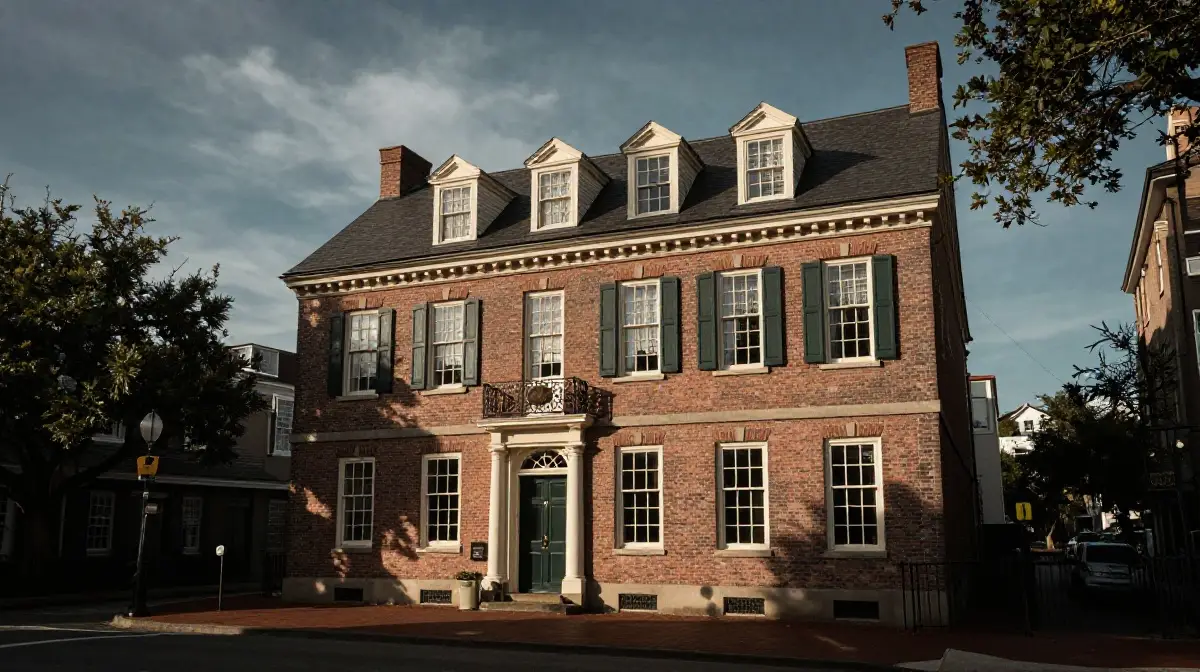
The Old Exchange and Provost Dungeon on East Bay Street is one of the most historically layered and genuinely fascinating historic sites in all of Charleston, occupying a building that has served successively as a colonial customs exchange, a British military prison during the Revolutionary War, a site for the ratification of the South Carolina constitution, and a functioning commercial exchange throughout the 18th and 19th centuries, accumulating layers of historical significance that make it one of the most informationally rich and physically authentic historic sites in the entire American South. The building’s basement Provost Dungeon, where American patriots including three future signers of the Declaration of Independence were imprisoned by British forces during the Revolutionary War occupation of Charleston, provides one of the most viscerally immediate and historically powerful experiences available to visitors in the city, with the original masonry walls, floor surfaces, and atmospheric lighting creating a genuinely haunting encounter with a space where momentous historical events occurred under conditions of considerable physical hardship and political significance. The costumed interpreters who lead tours through the building are exceptionally well-informed and engaging, bringing the full complexity and human drama of the site’s history to life through specific stories, physical demonstration, and the kind of enthusiastic historical knowledge that transforms an educational visit into a genuinely entertaining and memorable experience. The building’s elegant Georgian architecture and its prominent position on East Bay Street make it a visually distinctive and historically significant landmark that merits careful attention from any visitor with a serious interest in the colonial and Revolutionary history of the American South. Allow ninety minutes to two hours for a thorough tour that covers all three floors and the dungeon level of this extraordinary historic site.
Attend a Live Music Event
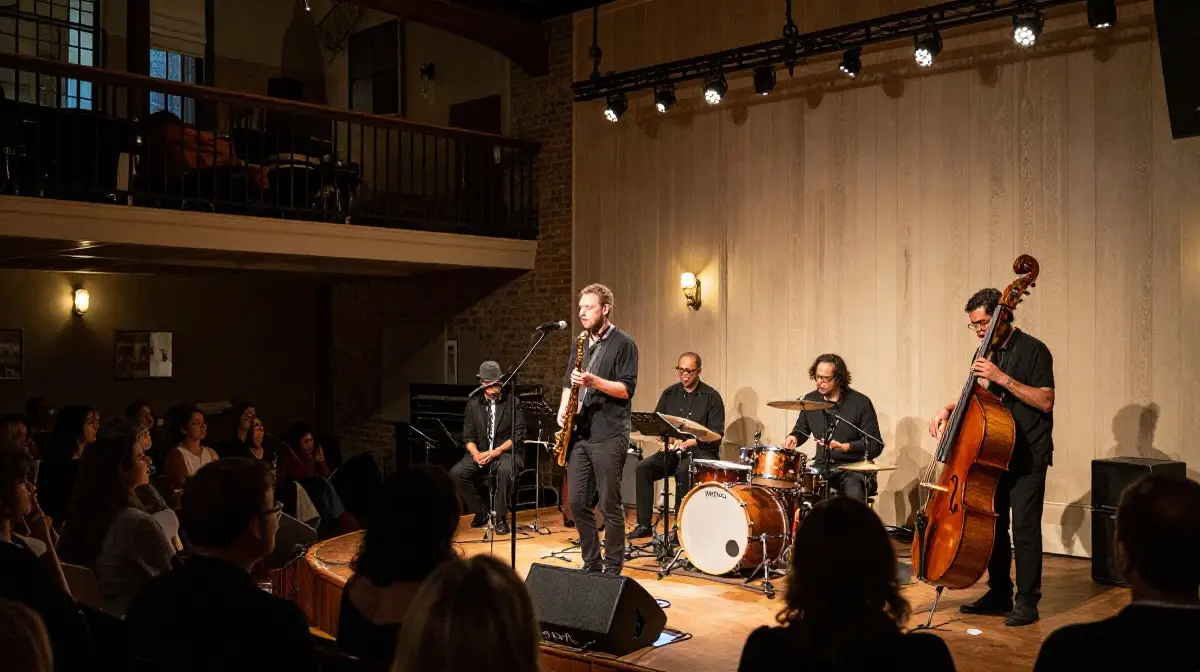
Charleston’s live music scene is one of the most vibrant and diverse in the American South, offering everything from intimate jazz performances in historic venue settings and blues and roots music at local bars to classical concerts at the Dock Street Theatre, which is the oldest theater building in America, and the various music festivals and outdoor performance events that animate the city’s parks, public squares, and cultural institutions throughout the year with a regularity and quality that consistently rewards the visitor willing to plan their three day Charleston itinerary around specific performance events rather than treating music and performance culture as an afterthought to the more conventional historical and culinary attractions. The Dock Street Theatre on Church Street is a particularly significant and beautiful music and theater venue, its current structure dating to 1736 and incorporating the historic Planters Hotel building from the 1800s in a hybrid architectural composition of considerable elegance and historical character that makes attending any performance here a genuinely special and memorably Charleston experience regardless of the specific program being offered on the night of your visit. Local venues in the Upper King Street area and throughout the neighborhoods immediately adjacent to the Historic District regularly feature local and regional musicians working in the blues, jazz, country, folk, and Americana traditions that are most authentically rooted in the musical culture of the American South and the specific heritage of the Lowcountry region. Planning one evening of your three day Charleston itinerary around a specific live music event or simply allowing yourself to be guided by the sounds emerging from the various venues you pass during an evening walk through the city will consistently lead to some of the most spontaneously memorable and authentically local experiences of your entire visit.
Shop on King Street
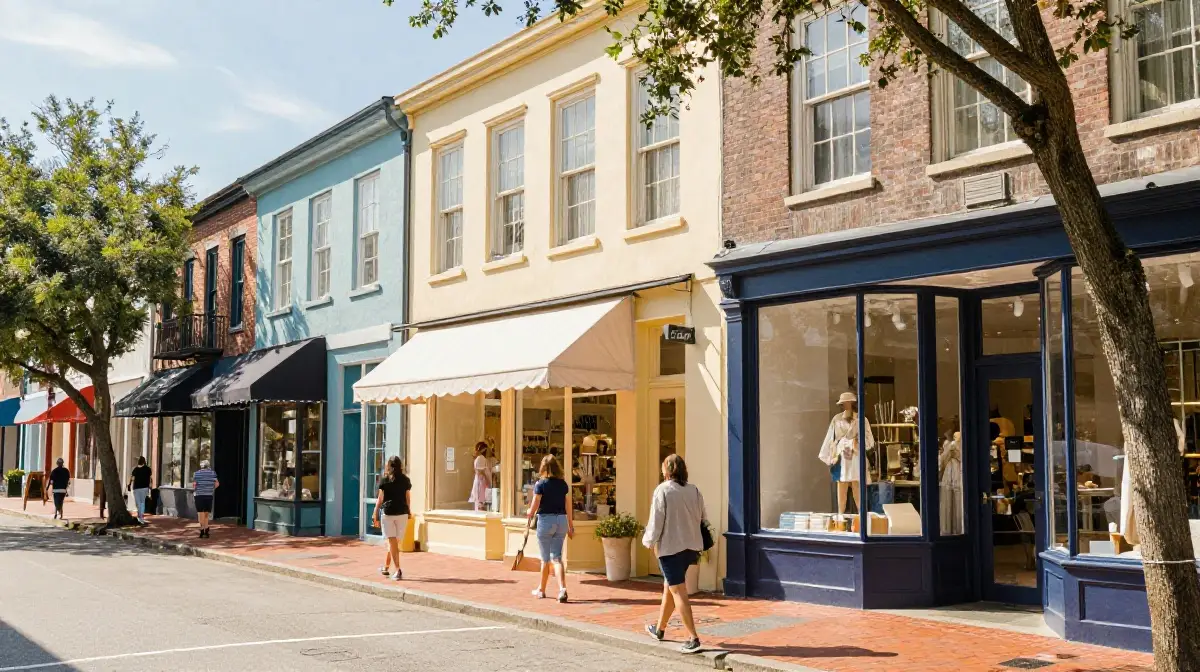
King Street’s retail landscape is one of the most varied and genuinely rewarding shopping destinations in the American South, combining nationally known retail brands with locally owned boutiques, antique dealers, specialty food shops, artisan makers, and the kind of independent retailers whose inventories reflect the specific tastes, traditions, and material culture of Charleston in a way that chain retail simply cannot replicate or approximate regardless of its scale or financial resources. The Antique District in the lower section of King Street between Broad Street and Beaufain Street contains a remarkable concentration of antique dealers specializing in Charleston-made furniture, silver, ceramics, and decorative arts from the colonial and antebellum periods, offering serious collectors and casual browsers alike an extraordinary inventory of historically significant American material culture with direct connections to the city’s distinguished craft and decorative arts traditions. The Fashion District in the middle section of King Street features an excellent mix of national boutiques and local independent clothing retailers whose selections reflect the particular style sensibility of Charleston, which tends toward the classic, the preppy, the Southern, and the quietly elegant rather than the aggressively trend-driven aesthetic of more fashion-forward urban retail environments. Specialty food retailers, artisan chocolate shops, local honey and jam producers, and independent coffee roasters scattered throughout the King Street retail corridor provide excellent opportunities to purchase locally produced food gifts that capture something genuine and specifically local about the culinary culture of the Lowcountry. Budget at least two to three hours for a thorough King Street shopping experience that extends from the Antique District through to the Upper King entertainment corridor.
Take a Sunset Cruise on Charleston Harbor
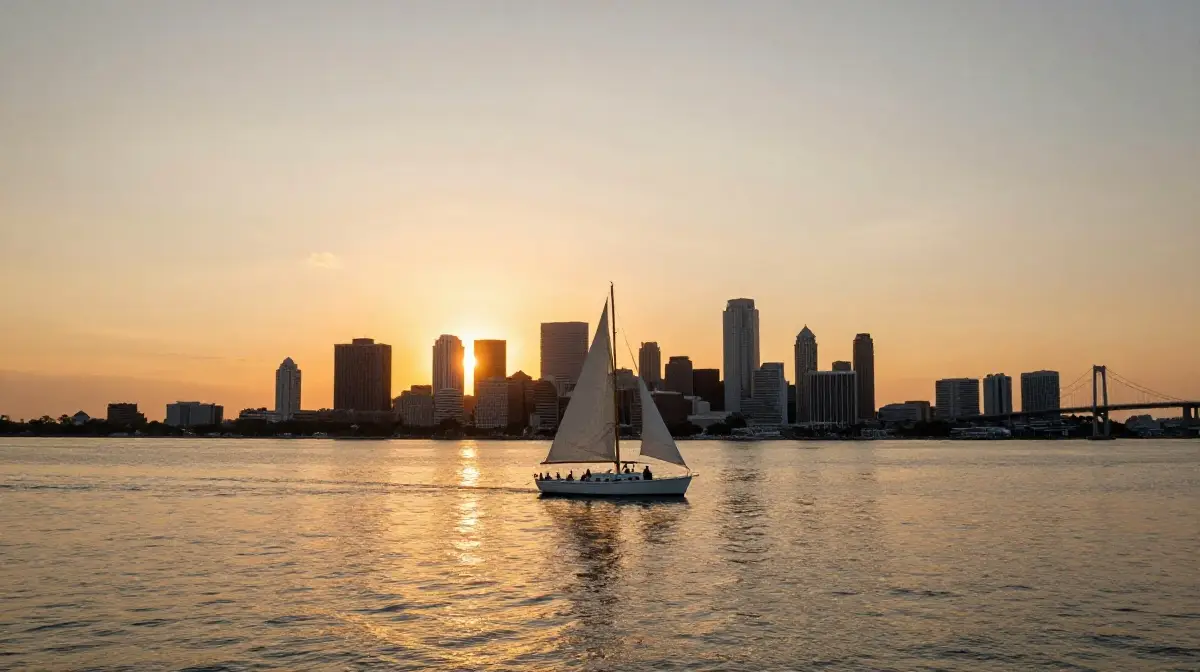
A sunset cruise on Charleston Harbor is one of the most romantically beautiful and memorably scenic experiences available during any three day Charleston itinerary, providing a moving water perspective on the city’s historic skyline, the extraordinary bridge architecture of the Arthur Ravenel Jr. Bridge, the marshland and island landscapes of the broader harbor, and the extraordinary quality of the coastal Lowcountry light as it transforms the water, the sky, and the city’s architectural silhouette during the golden hour before and after sunset. Various operators offer sunset cruises departing from the Historic District waterfront including sailboat charters, catamaran tours, and larger vessel group excursions, with the smaller and more intimate sailing options providing the most peaceful and photographic experience for those willing to pay the modest premium that smaller vessel charters typically command over larger group tour boats. The harbor views from the water reveal aspects of Charleston’s geographic setting and relationship to its coastal environment that are simply not accessible from any land-based vantage point, creating a genuinely new and enriching perspective on a city that most visitors experience primarily from its historic streets and public spaces. Dolphins are frequently sighted in Charleston Harbor and the surrounding tidal creeks and estuaries, and the possibility of dolphin encounters during a sunset cruise adds a natural history dimension to what is already a scenically spectacular and emotionally resonant experience of the city and its extraordinary Lowcountry setting. Book your sunset cruise in advance as popular departure times fill quickly, particularly during the spring and fall peak travel seasons when demand for water-based Charleston experiences is at its highest.
End with a Ghost Tour of the Historic District
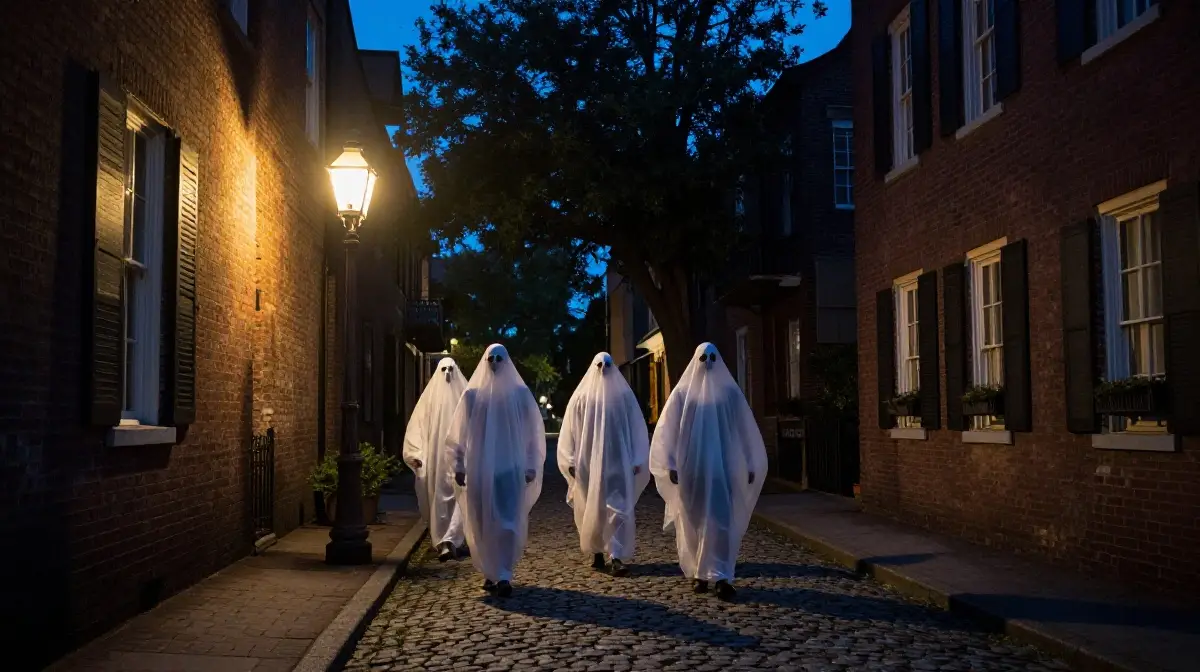
Ending your three day Charleston itinerary with a ghost tour of the Historic District is one of the most entertaining and surprisingly informative ways to spend a final evening in a city that has accumulated more than three centuries of intense human history, dramatic events, and the kind of accumulated emotional weight that has generated a rich and genuinely compelling body of local ghost lore, haunted location stories, and historical mystery that makes Charleston one of the most celebrated haunted cities in the entire United States. Charleston’s ghost tour operators consistently rank among the most highly regarded in the country, with many of them employing professional historians and storytellers who use the framework of the ghost story and the haunted location narrative to deliver genuinely substantive historical content about the city’s most dramatic and consequential events, from the Revolutionary War and the Civil War to the 1886 earthquake, the great fire of 1861, and the various epidemics and personal tragedies that have left their mark on the city’s historical memory and collective imagination. The experience of walking through the Historic District’s most beautiful and atmospheric streets after dark, with the gas lamps casting warm pools of light on the cobblestones and the historic facades, creates a genuinely different and deeply atmospheric engagement with spaces that feel entirely different in the quiet darkness of a Charleston evening than they do during the busy daylight hours of conventional tourist exploration. Ghost tours typically last ninety minutes to two hours and cover a thoughtfully selected route through the most historically rich and atmospheric sections of the Historic District, ending with a satisfying sense of having experienced Charleston’s history through a completely different and unexpectedly revealing lens. This is the perfect and genuinely memorable way to bring a three day Charleston itinerary to its most atmospheric and entertainingly educational conclusion.
Conclusion
A three day Charleston itinerary that thoughtfully incorporates historical depth, culinary exploration, natural beauty, and the kind of slow and appreciative engagement with the city’s living community and contemporary culture that the best travel always seeks will provide an experience of such richness, variety, and genuine personal reward that the challenge of the return trip home is only made bearable by the confident knowledge that Charleston will reward every future visit with equal generosity and continuous discovery. The 22 itinerary ideas explored in this article represent the full range of what makes Charleston one of America’s most extraordinary and endlessly fascinating travel destinations, from the architectural beauty of Rainbow Row and the Battery to the historical gravity of Fort Sumter and the Aiken-Rhett House, from the culinary brilliance of King Street dining to the natural beauty of Folly Beach and Sullivan’s Island and the atmospheric romance of a harbor sunset cruise. Plan thoughtfully, make reservations in advance for the most popular restaurants and tours, allow yourself the flexibility to follow unexpected discoveries and local recommendations that arise organically during your visit, and approach Charleston with the genuine curiosity, historical respect, and open appetite for beauty and experience that this extraordinary city so consistently and generously rewards in the travelers who come to it with those qualities intact and alive.
You can may also like this: 22 Florida Vacation Outfits Ideas You Need for Your Trip
FAQs
When is the best time to visit Charleston for a three day trip
Spring from March through May and fall from September through November offer the most pleasant temperatures, reduced humidity, and the beautiful seasonal displays of azaleas and camellias that make Charleston’s gardens particularly spectacular. Summer is hot and humid but offers beach experiences at their best, while winter is mild by national standards and provides uncrowded access to all historic sites and cultural institutions.
How much should I budget for three days in Charleston
A comfortable three day Charleston visit including mid-range accommodation, dining at a mix of casual and upscale restaurants, admission fees for major historic sites and museums, and transportation typically costs between 600 and 1200 dollars per person depending on personal spending preferences and the specific activities chosen.
Do I need a car for a three day Charleston itinerary
A car is not necessary for exploring the Historic District as most of its major attractions are within comfortable walking distance of each other. However, a rental car or rideshare service is helpful for day trips to Magnolia Plantation, Sullivan’s Island, Folly Beach, and other destinations located outside the walkable core of the city.
What are the must-eat foods during three days in Charleston
Shrimp and grits, she-crab soup, Lowcountry boil, pimento cheese, biscuits, local oysters, and various preparations featuring the extraordinary local shrimp and seafood of the South Carolina coast are the most essential and regionally specific culinary experiences available during any three day Charleston visit and should be prioritized across breakfast, lunch, and dinner throughout the stay.
How far in advance should I book restaurants for a Charleston trip
Popular Charleston restaurants at the upper end of the dining spectrum should be booked four to six weeks in advance, particularly for weekend dinner reservations during the spring and fall peak seasons. More casual dining options can typically be accessed with shorter notice, but having at least two or three dinner reservations confirmed before arrival is strongly recommended for any three day Charleston itinerary.
1 Comment