
Introduction
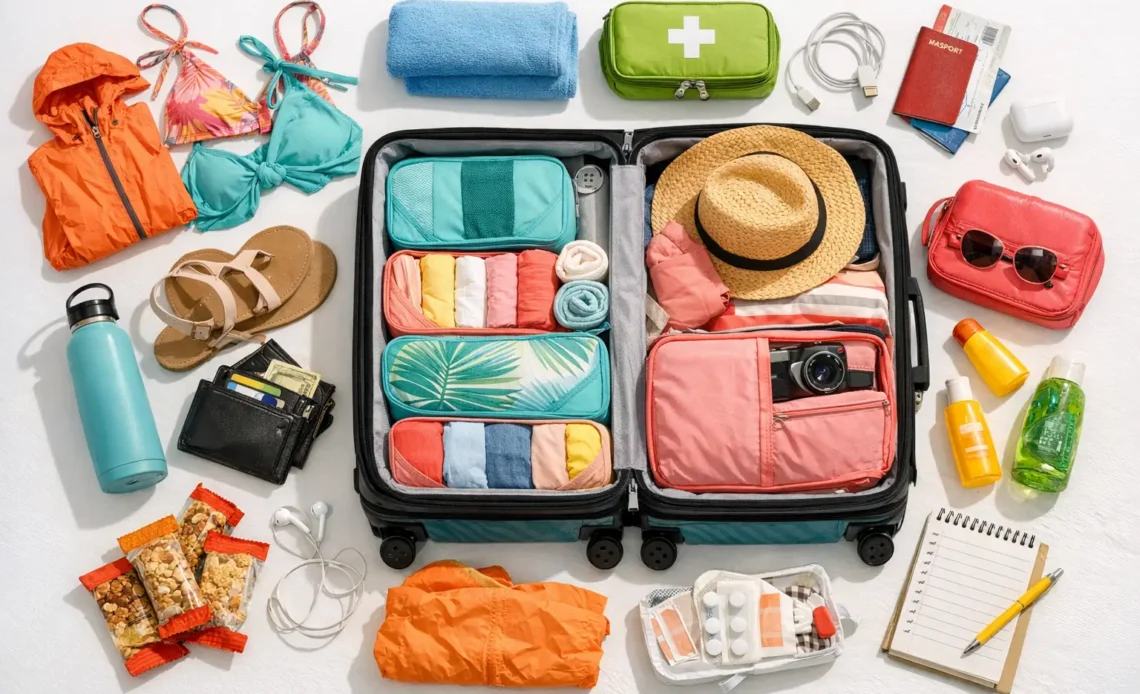
Spring break arrives with the promise of sun, freedom, and a temporary escape from the routine that has been building since January. The only thing standing between you and that feeling is the suitcase sitting open on your bedroom floor. Packing for spring break is one of those tasks that sounds straightforward until you are actually doing it, staring at a pile of clothes and accessories that is clearly three times larger than any bag you own. Overpacking creates stress before the trip even begins. Underpacking leaves you scrambling for things you need once you have arrived. Neither scenario belongs anywhere near a vacation.
This guide presents 15 practical, well-considered packing ideas that make spring break preparation genuinely easier and your travel experience genuinely better. Whether you are heading to a beach destination, a city, an outdoor adventure, or an international trip, these ideas give you a complete and reliable framework for packing with confidence and traveling without unnecessary weight.
Start with a Master Packing List Before You Touch the Suitcase
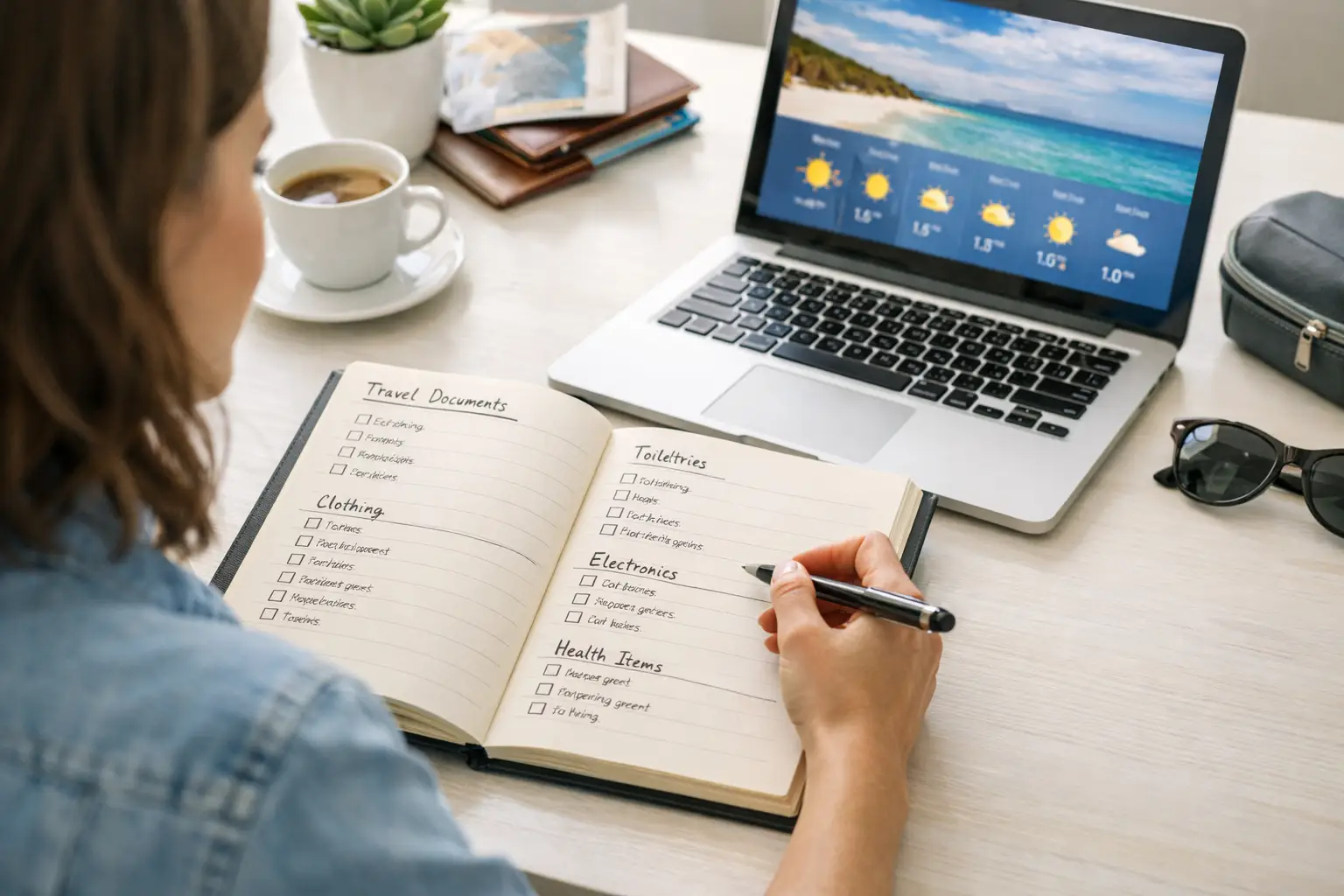
The single most effective step you can take before packing a single item is creating a written master packing list specific to your destination, duration, and planned activities. A list removes the guesswork and the panic-driven last-minute additions that cause overpacking. Divide the list into clear categories including travel documents, clothing, footwear, toiletries, electronics, health and safety, and destination-specific gear. Review it the day before you pack and again on the morning of departure. Researching the weather and climate of your destination in advance allows you to pack appropriate clothing for varying conditions, and planning activities ahead of time ensures you pack the necessary gear and attire for each adventure.A list eliminates the phrase I forgot to pack it from your spring break vocabulary entirely.
Organize Travel Documents and Keep Them Accessible
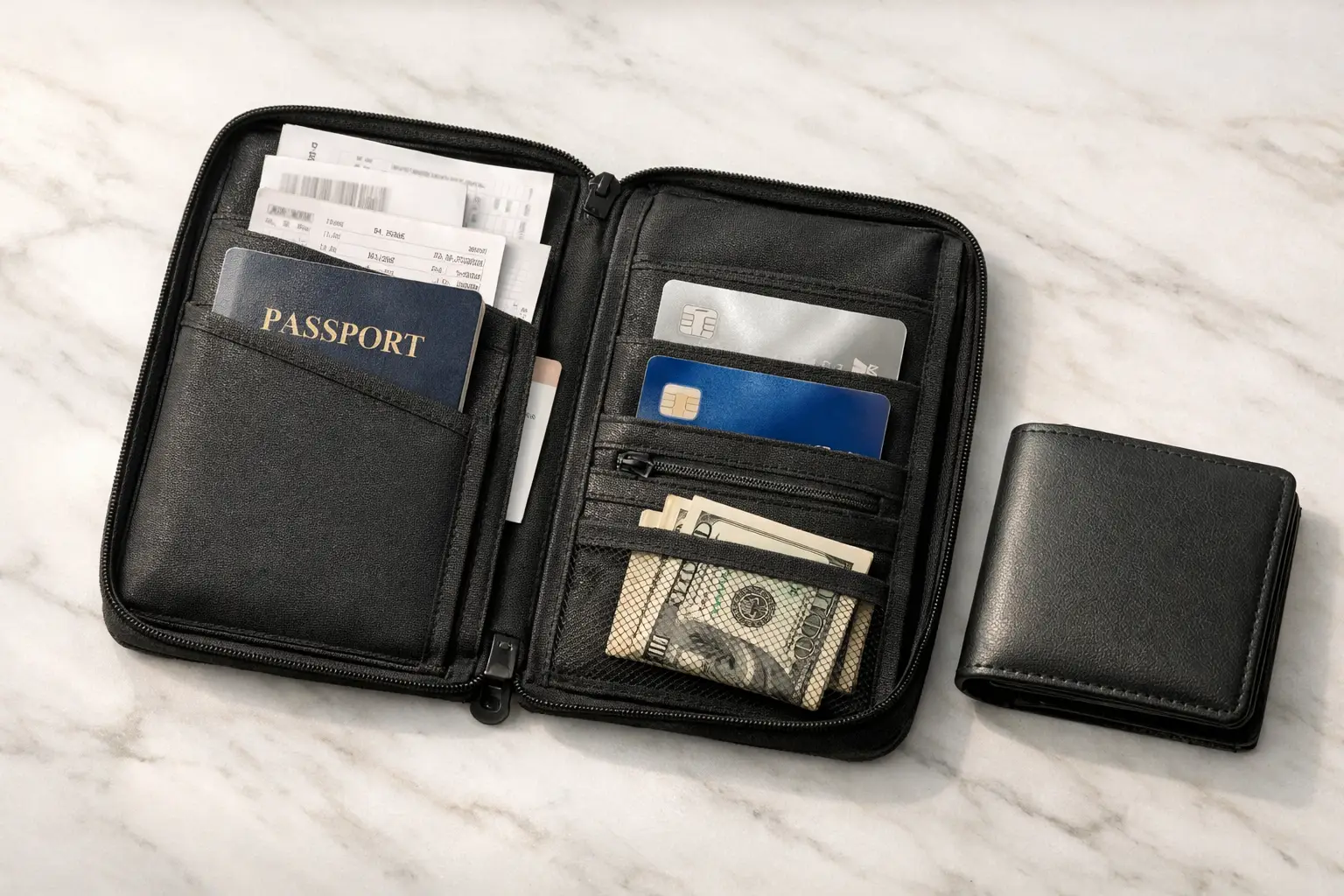
Travel documents are the foundation of any successful trip and the one category where a single overlooked item can derail everything else. A valid ID or passport if you are leaving the country is crucial, and keeping your tickets, itinerary, and any travel confirmations easily accessible makes the journey significantly smoother. If you are traveling internationally, make sure your passport is valid for at least six months beyond your return date. Store physical copies of every important document in a dedicated travel wallet or document organizer that never goes into checked luggage. Digital backups stored in cloud storage or emailed to yourself provide a reliable second layer of security if physical documents are lost or damaged. A wallet with some cash and two credit cards is advisable, with the tip of never keeping all important items in one place.
Choose the Right Bag for Your Trip Length and Destination
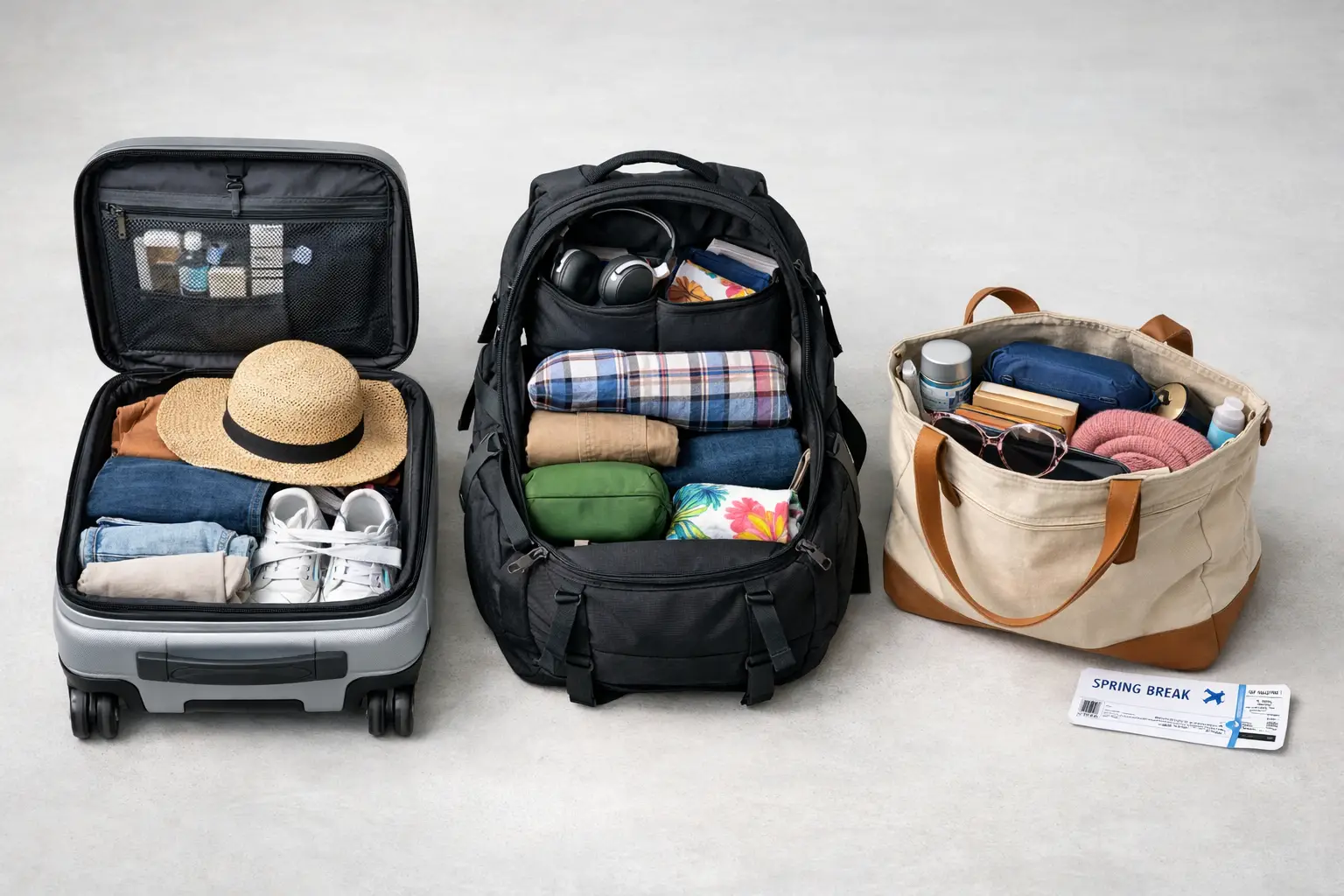
The bag you choose shapes every packing decision that follows. For trips of four to seven days, a medium-sized carry-on or a 40 to 50 liter backpack allows most travelers to pack everything they need without checking luggage, saving both time and baggage fees. Packing light and sticking to a carry-on saves money on checked baggage fees, especially when traveling as a group. A second personal item such as a lightweight tote or backpack carries your electronics, documents, and anything you want during the flight. For longer trips or those requiring specialty gear like hiking equipment or water sports accessories, a medium checked bag with room for expansion is the more practical choice. Choosing a bag with multiple compartments and compression straps prevents items from shifting during transit and makes finding specific items significantly faster at the destination.
Use Packing Cubes to Organize and Compress Your Belongings
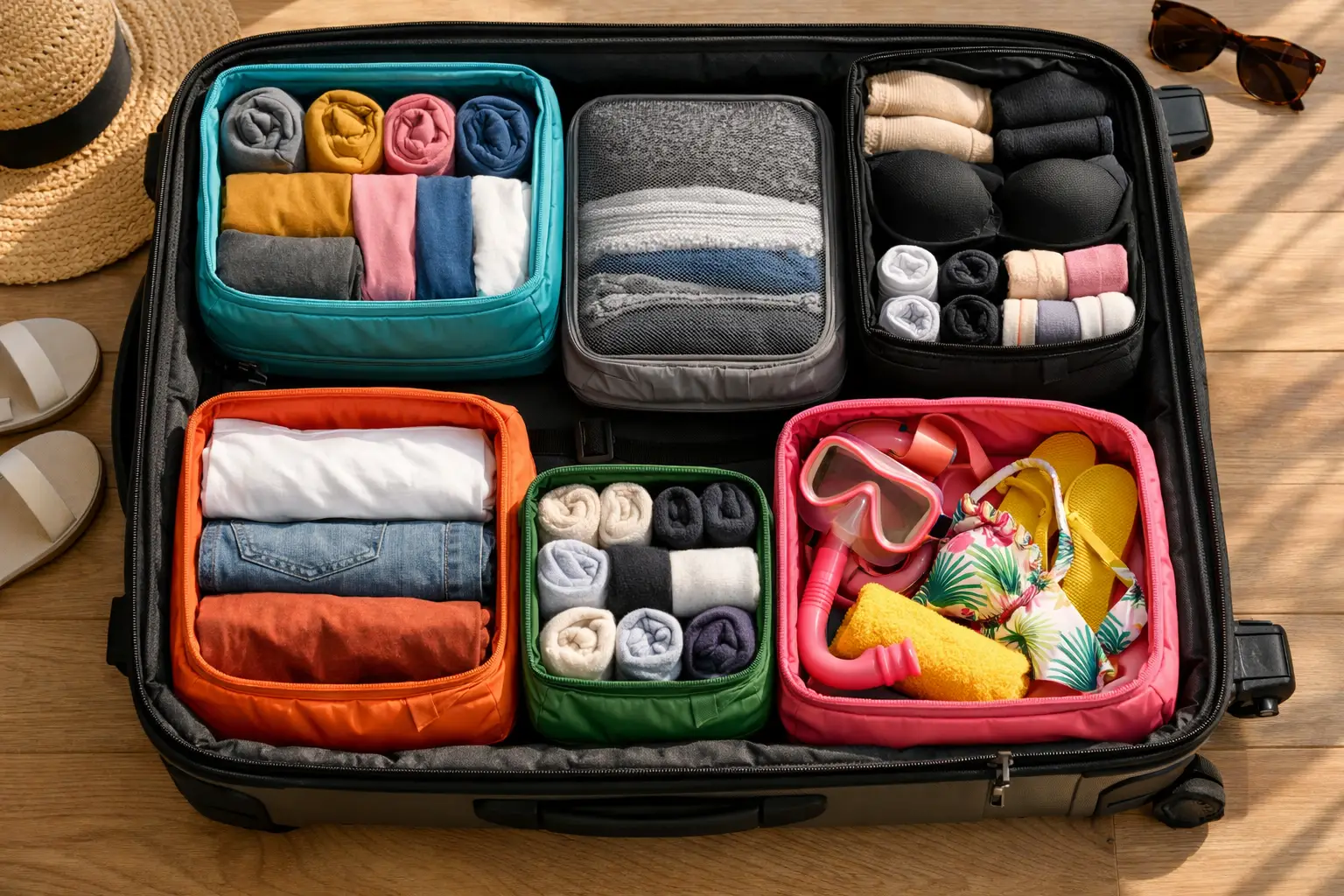
Packing cubes are one of the most impactful organizational tools available to any traveler and they are especially valuable for spring break trips where you may be moving between multiple accommodations or activities. Using packing cubes to stay organized and rolling your clothes to maximize space are two of the most effective packing strategies for any trip.Separate categories of items into individual cubes: one for tops, one for bottoms, one for swimwear and beach accessories, and one for undergarments and socks. Color-coding the cubes by category allows you to find specific items immediately without unpacking everything. Compression cubes, which reduce the volume of clothing by approximately 30 percent when compressed, are particularly useful for trips involving bulkier items like hoodies or casual layers.
Build a Versatile Clothing Capsule for Your Destination
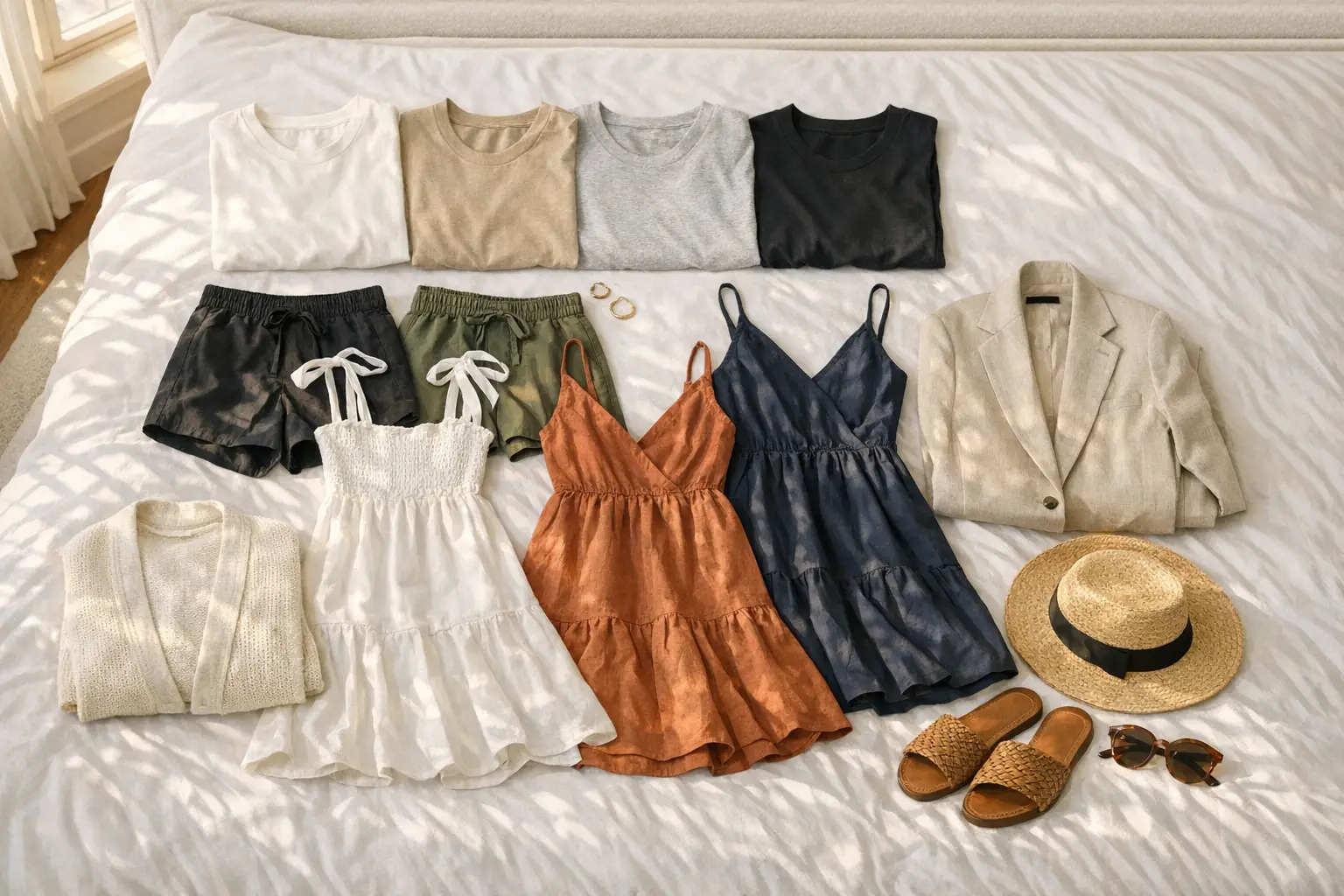
Clothing is where most spring break overpacking happens, and a capsule approach resolves this problem with a simple principle: every item must work with at least two other items in your bag. Lightweight t-shirts or tank tops in breathable fabrics like cotton or moisture-wicking materials, two to three pairs of quick-drying or wrinkle-resistant shorts, and two to three dresses or rompers ideal for casual outings and beachside dinners form a practical warm-weather clothing foundation. A lightweight jacket or cardigan handles cooler evenings without adding significant weight. Wearing the heaviest item such as a jacket on the plane rather than packing it saves valuable luggage space and keeps the bag lighter.Choosing a neutral base palette with one or two accent pieces means that a week of different outfits requires far fewer items than packing individual looks for each day.
Pack Swimwear and Beach Essentials Strategically
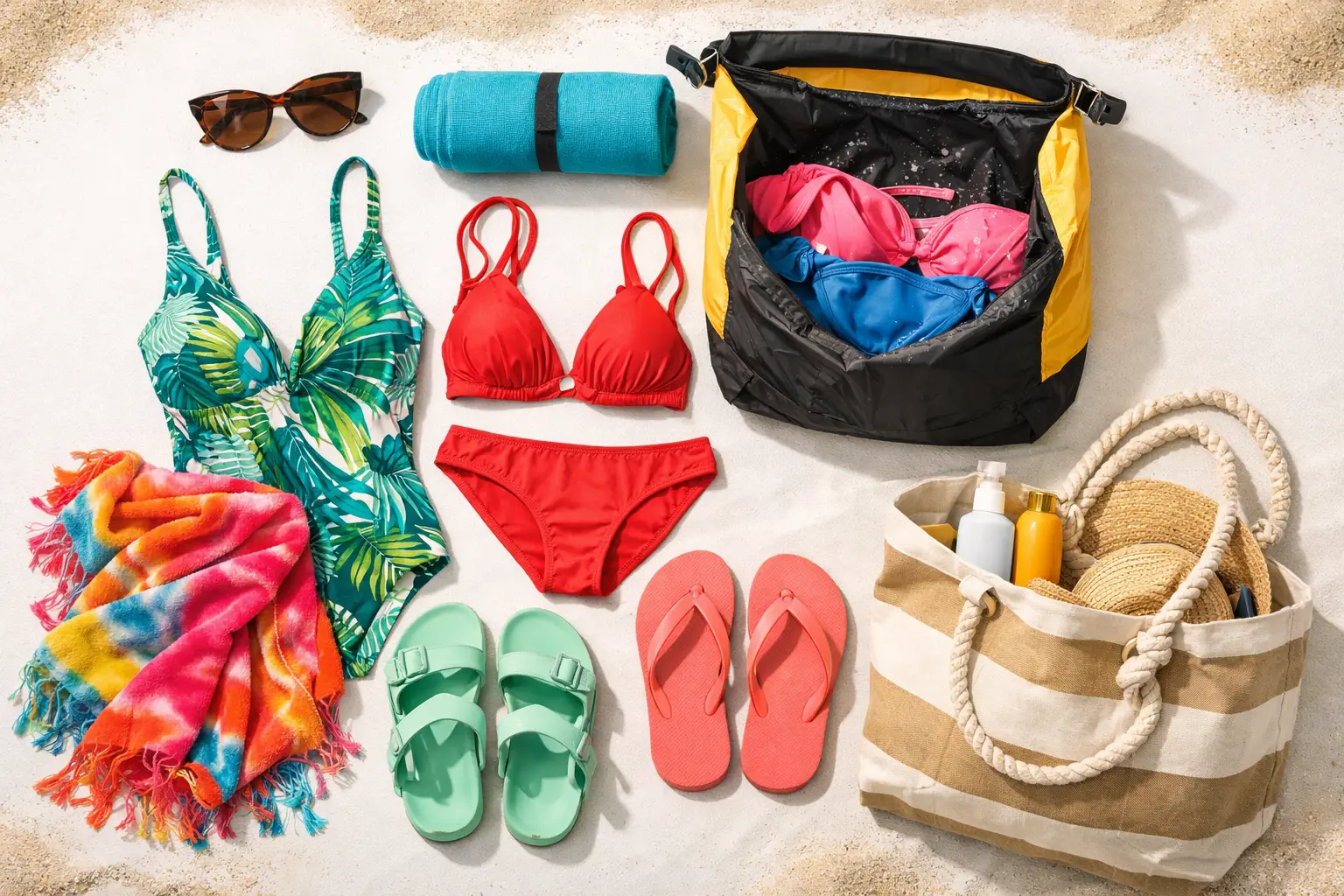
Beach and pool destinations require a specific category of items that non-beach travelers do not need, and packing them strategically prevents them from taking over the entire bag. Two to three swimsuits covering a mix of styles for beach days and poolside lounging, cover-ups or sarongs that are stylish and functional for quick outfit changes, and flip-flops or waterproof sandals essential for sandy shores and pool decks are the foundation of any beach packing list. A quick-dry microfiber beach towel takes up a fraction of the space of a standard cotton towel and dries within an hour of use, making it far more practical for multiple beach days. A waterproof bag or dry sack keeps wet swimwear, damp towels, and sandy items separated from clean dry clothing in the main bag.
Sunscreen and Skin Protection Are Non-Negotiable
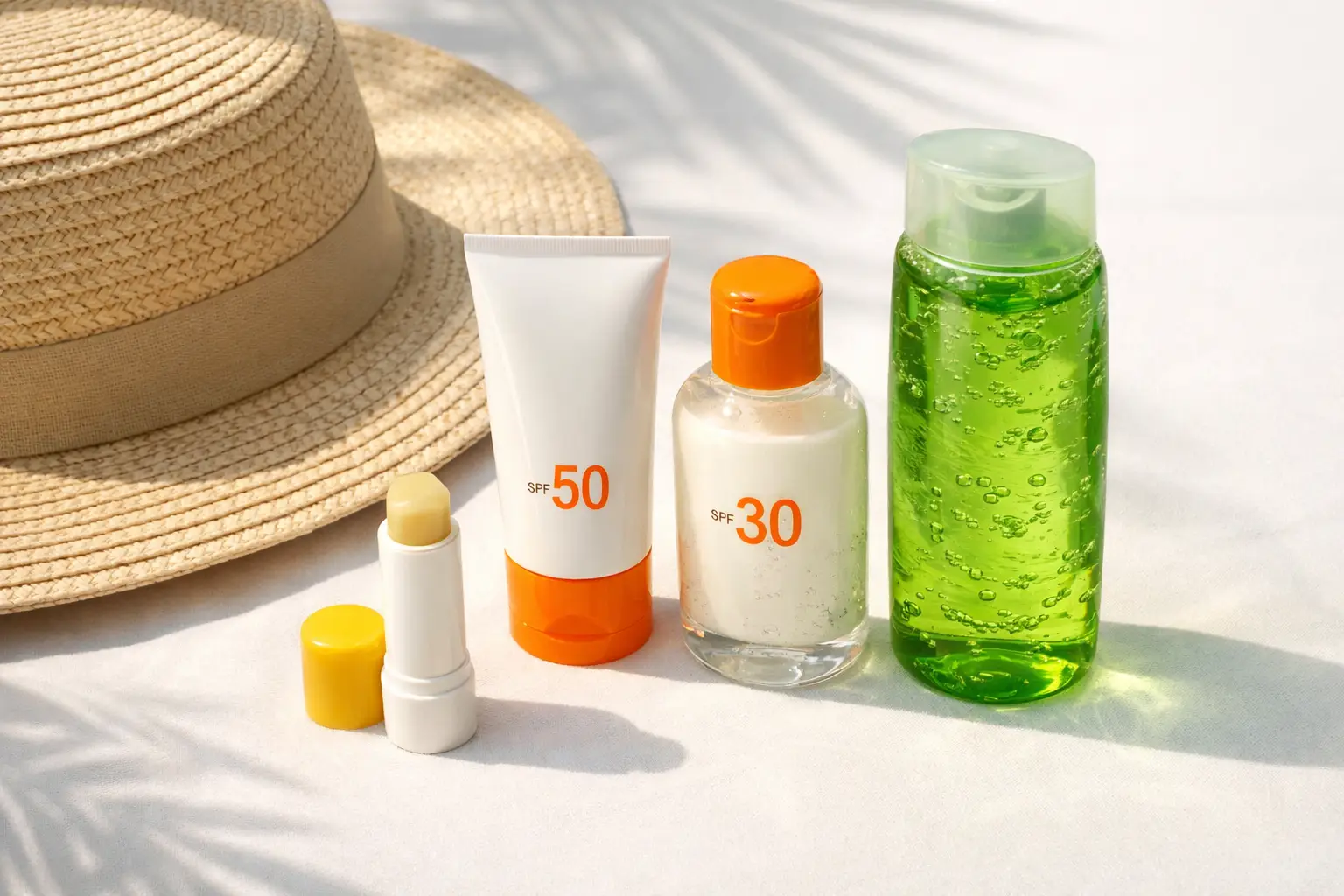
Sunscreen is not an optional accessory for a spring break trip. It is a travel essential in the same category as your passport. Sunscreen with a high SPF is important if you are going to be spending a lot of time outside to protect your skin from harmful sunburns. Pack a face-specific SPF 50 formula and a body sunscreen of SPF 30 or higher in a size that satisfies TSA liquid requirements for carry-on travel. Reef-safe formulas are required at many beach destinations and strongly preferred at others, so checking the specific requirements of your destination before purchasing avoids the frustration of confiscation on arrival. Aloe vera gel, after-sun lotion, and a lip balm with SPF complete a sun protection kit that prevents the kind of sunburn that turns a vacation into an uncomfortable recovery.
Pack a Smart Toiletries Kit Using Travel-Size Containers
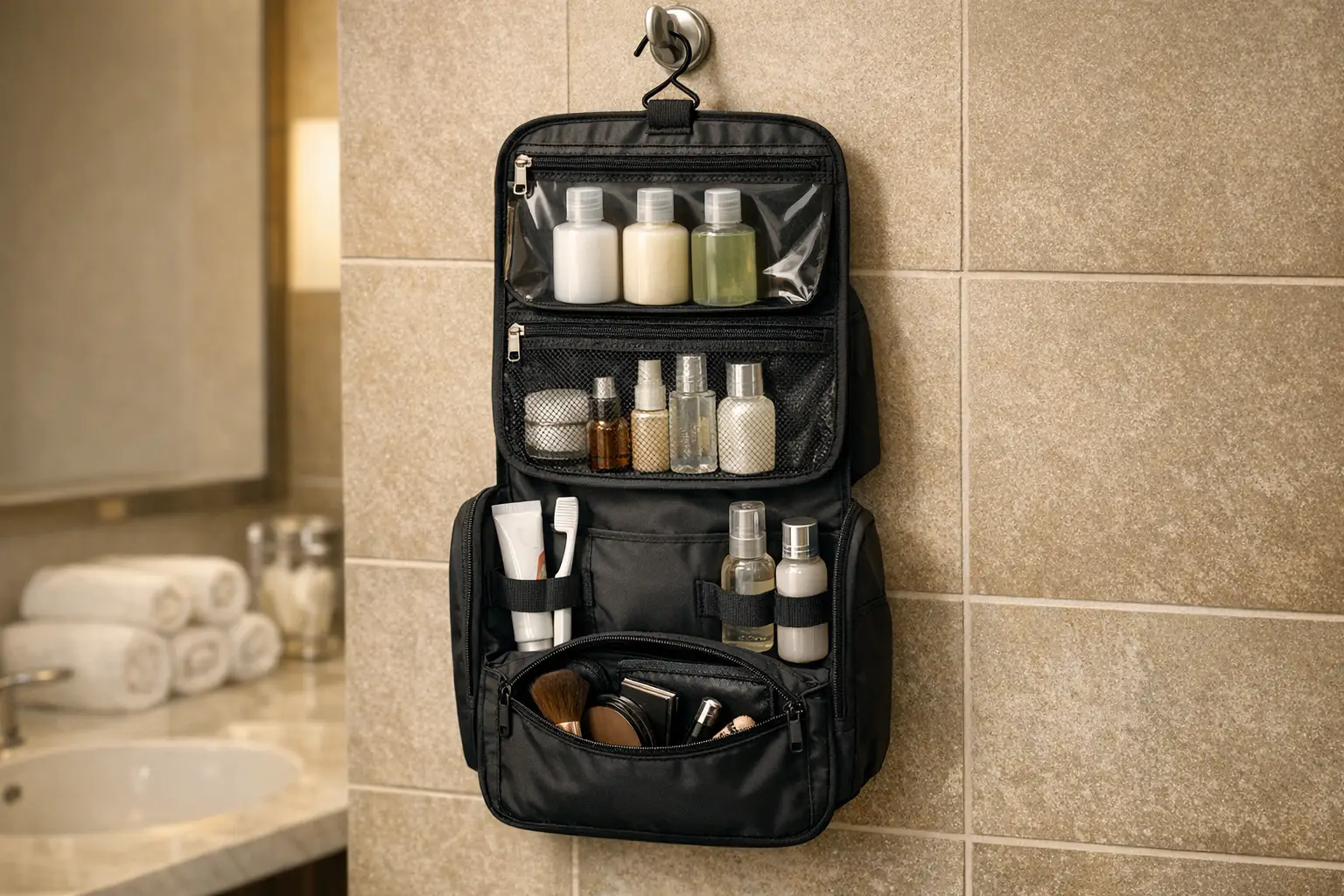
The toiletries bag is one of the most common sources of excess weight and TSA complications in spring break packing. Creating a checklist for toiletries, personal items, and medications with travel-sized containers saves space and simplifies the security process. Invest in a set of refillable travel bottles and transfer your preferred shampoo, conditioner, body wash, and skincare products into them rather than purchasing separate travel-size versions of everything. This approach is more economical, more environmentally responsible, and allows you to use products you know work well rather than gambling on unfamiliar travel-size formulas. A hanging toiletry bag that unfolds to reveal multiple pockets keeps every item organized and accessible whether you are at a hotel, an Airbnb, or a hostel.
Prepare a Compact First Aid and Health Kit
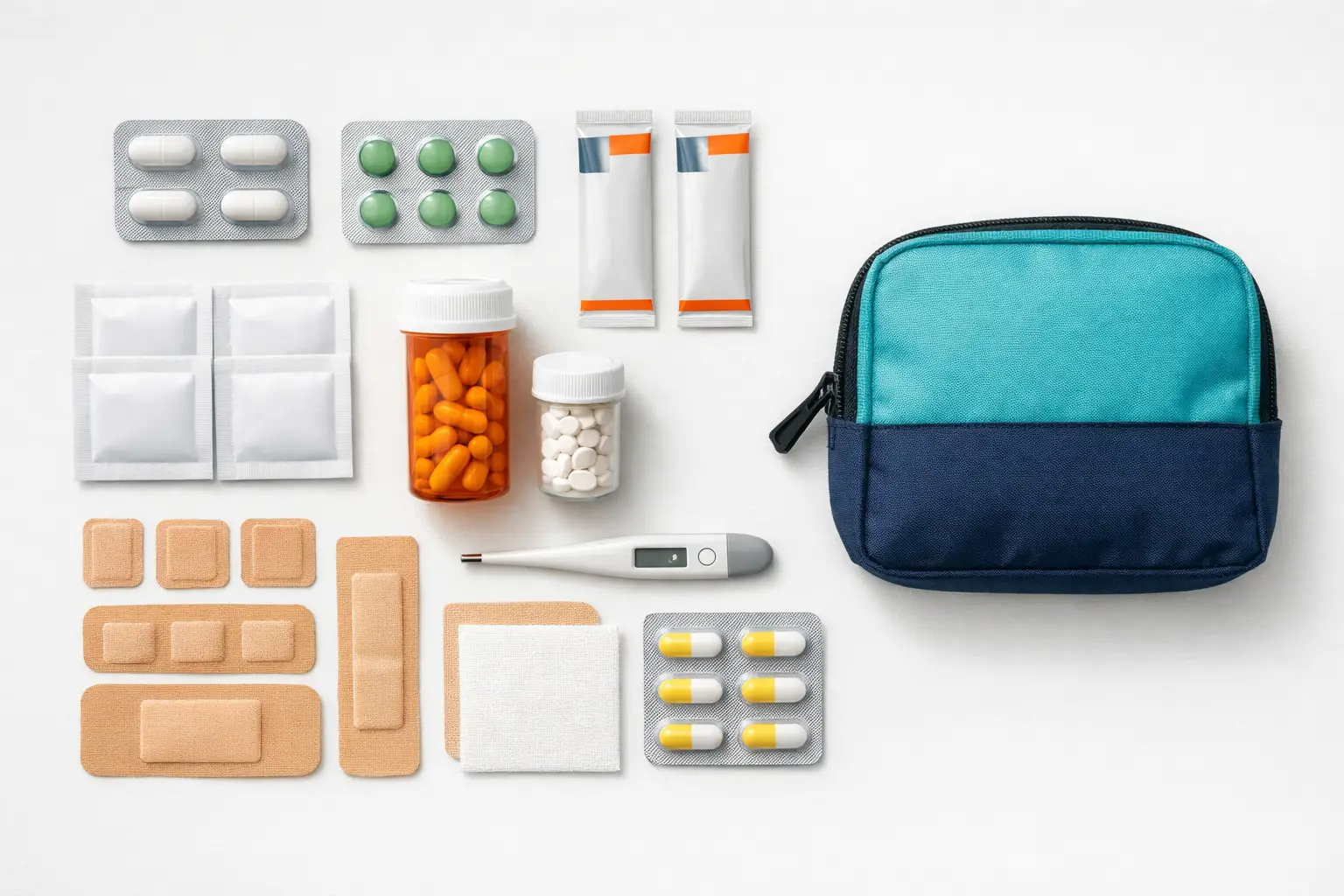
A compact first aid kit is one of those packing items that occupies minimal space but provides enormous value on the specific occasions when it is needed. Spring break travel can bring unexpected surprises including sunburns, blisters from walking, or even motion sickness, and packing a first aid kit with essentials like pain relievers, electrolyte packets, bandages, and travel-size disinfectants can protect your trip from any obstacles. Additional essentials include pain relievers, motion sickness tablets, adhesive bandages, antiseptic wipes, and any prescription medications.Prescription medications should always travel in their original labeled containers and should be packed in your carry-on rather than checked luggage to ensure they are never separated from you during travel.
Pack Electronics and Charging Essentials Thoughtfully
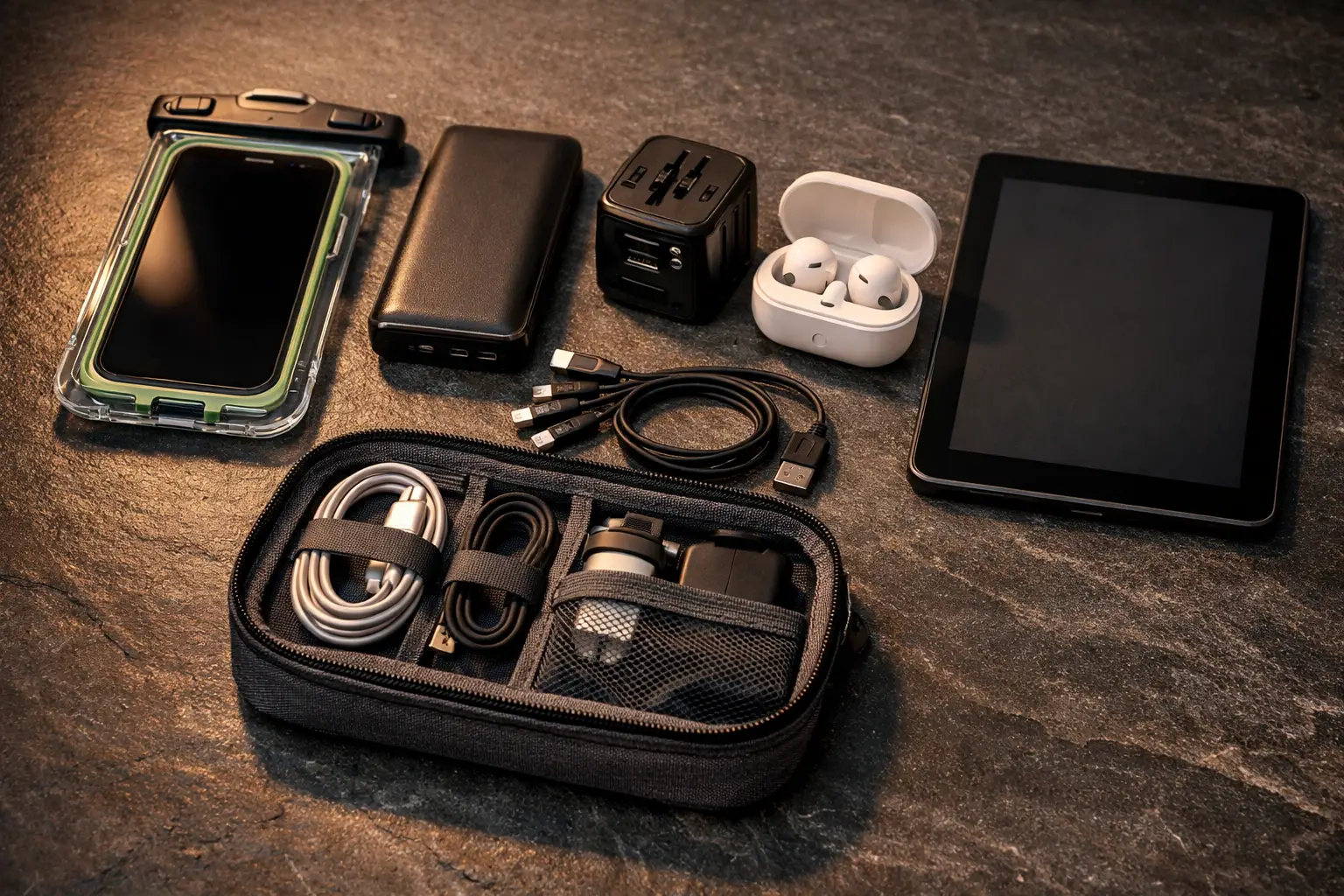
Electronics and their associated charging accessories represent a growing portion of any traveler’s luggage and managing them efficiently requires deliberate planning. A smartphone and charger including a portable power bank for on-the-go charging, an e-reader or tablet for entertainment during flights or downtime, and a universal travel adapter as a lifesaver for international trips are the core electronics packing list for any spring break traveler. A single universal charging cable that works across multiple devices reduces the number of separate cables significantly. A cable organizer or small electronics pouch keeps every charging item together and prevents the cable tangles that make finding the right charger frustrating at the end of a long travel day. A waterproof phone case or pouch is an essential addition for any beach or water-based destination.
Choose Footwear That Works Across Multiple Activities
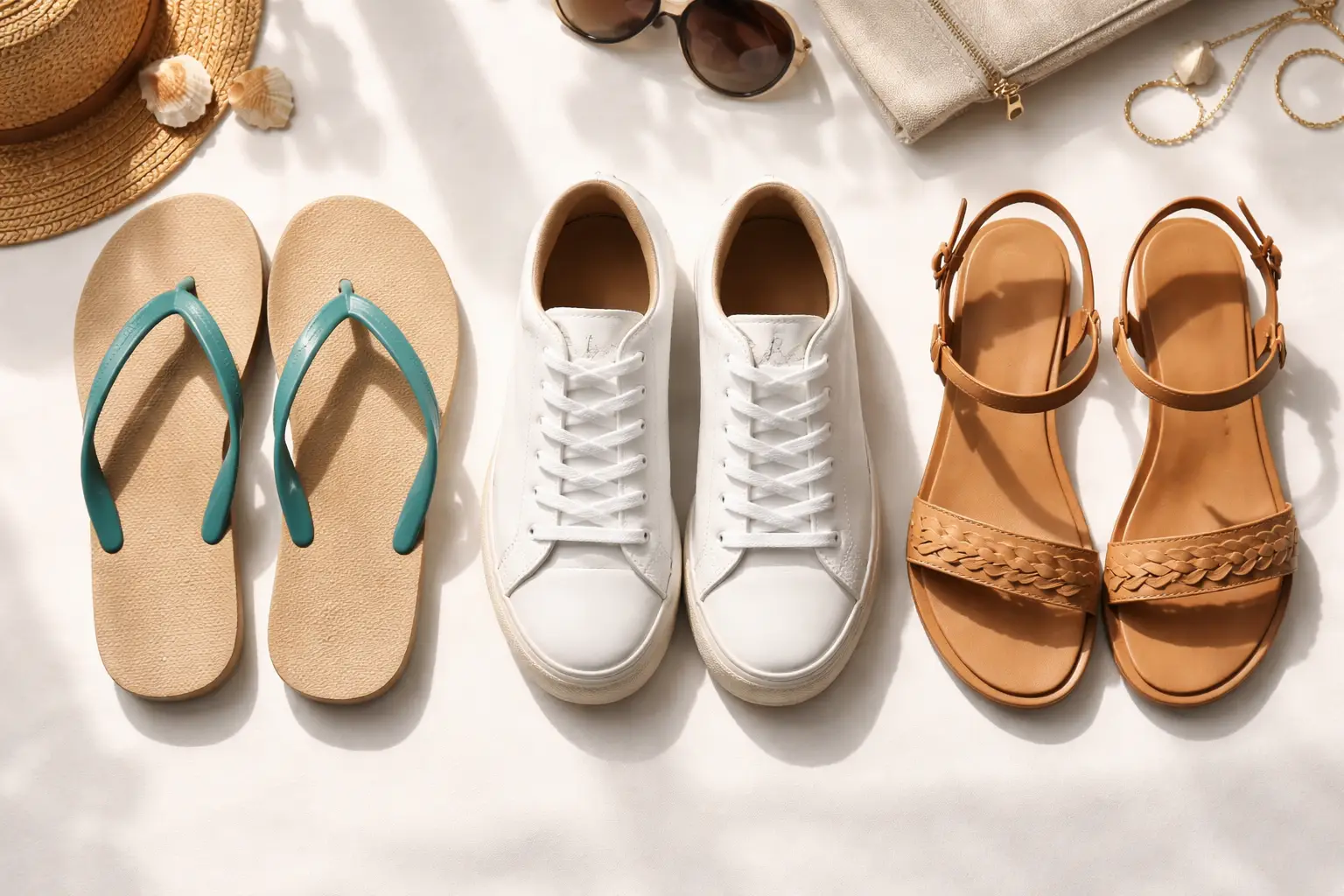
Footwear is one of the heaviest and most space-consuming categories in any bag, and the most effective strategy is selecting shoes that serve multiple purposes. For a beach-focused trip, flip-flops or waterproof sandals handle beach and pool time, a pair of comfortable walking sneakers covers city exploration and evening outings, and a single pair of casual dress sandals addresses any dinner or nightlife occasion. Three pairs of shoes that collectively cover every situation your itinerary involves is the maximum most travelers need. The beauty of choosing versatile footwear is that a single pair of nude sandals can carry you through an entire trip, eliminating the need to pack heels or wedges if you prefer not to.Wearing the bulkiest or heaviest pair during transit rather than packing them saves significant space in the bag.
Carry a Reusable Water Bottle and Snack Supplies
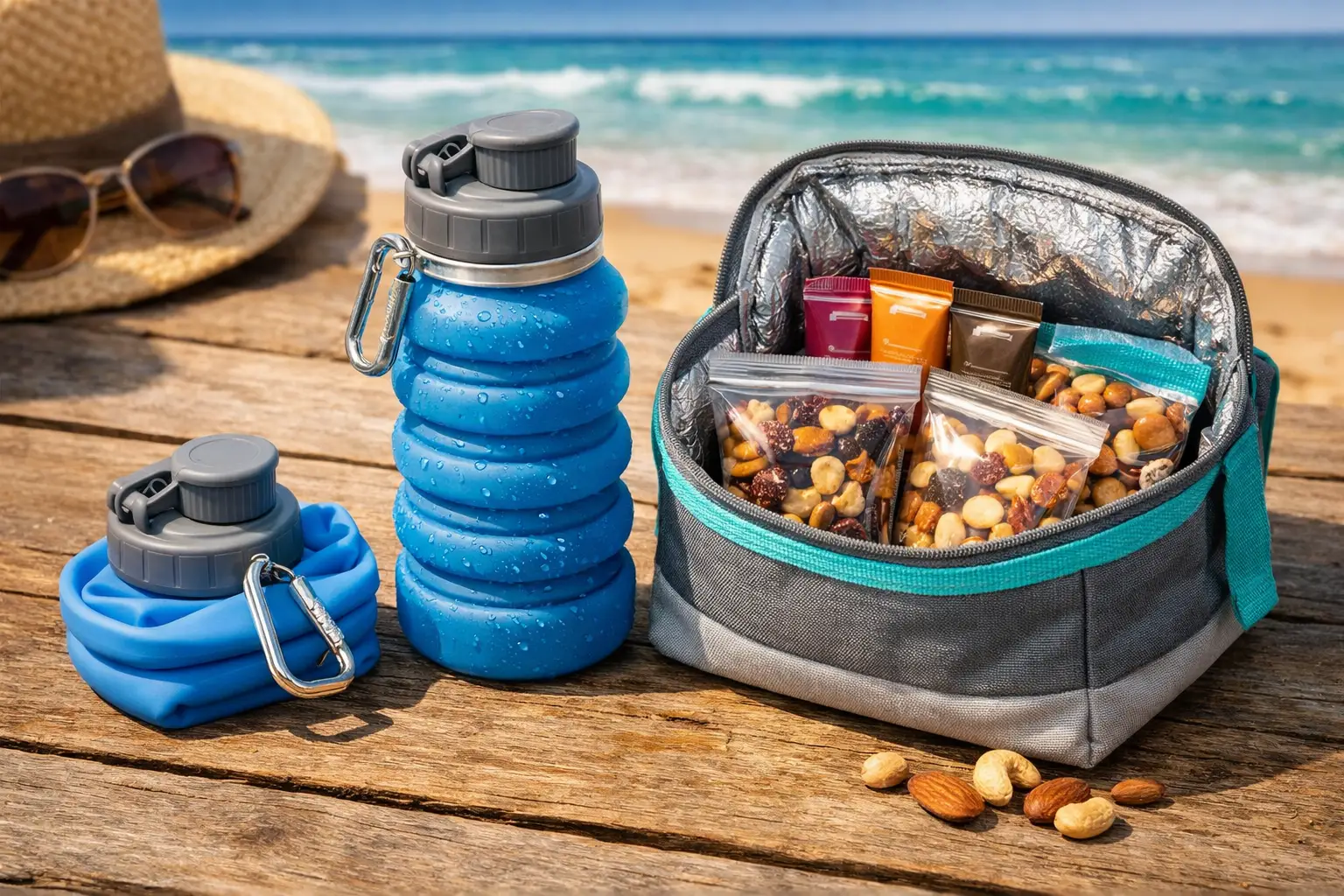
Hydration is a practical necessity on any spring break trip and a reusable water bottle is one of the most consistently useful items any traveler carries. A reusable water bottle is a great way to stay hydrated and can be brought through airport security as long as it is empty. A collapsible silicone water bottle weighs almost nothing and takes up minimal space when empty, making it the most practical format for travel. Snacks including protein bars, trail mix, and individual packs of nuts serve multiple functions: they manage hunger during delayed flights or long travel days, reduce the temptation to purchase expensive airport food, and provide convenient energy for active days of sightseeing or beach activities. A small insulated tote bag keeps snacks and a filled water bottle cool during beach days.
Prepare for Unpredictable Spring Weather with Smart Layering
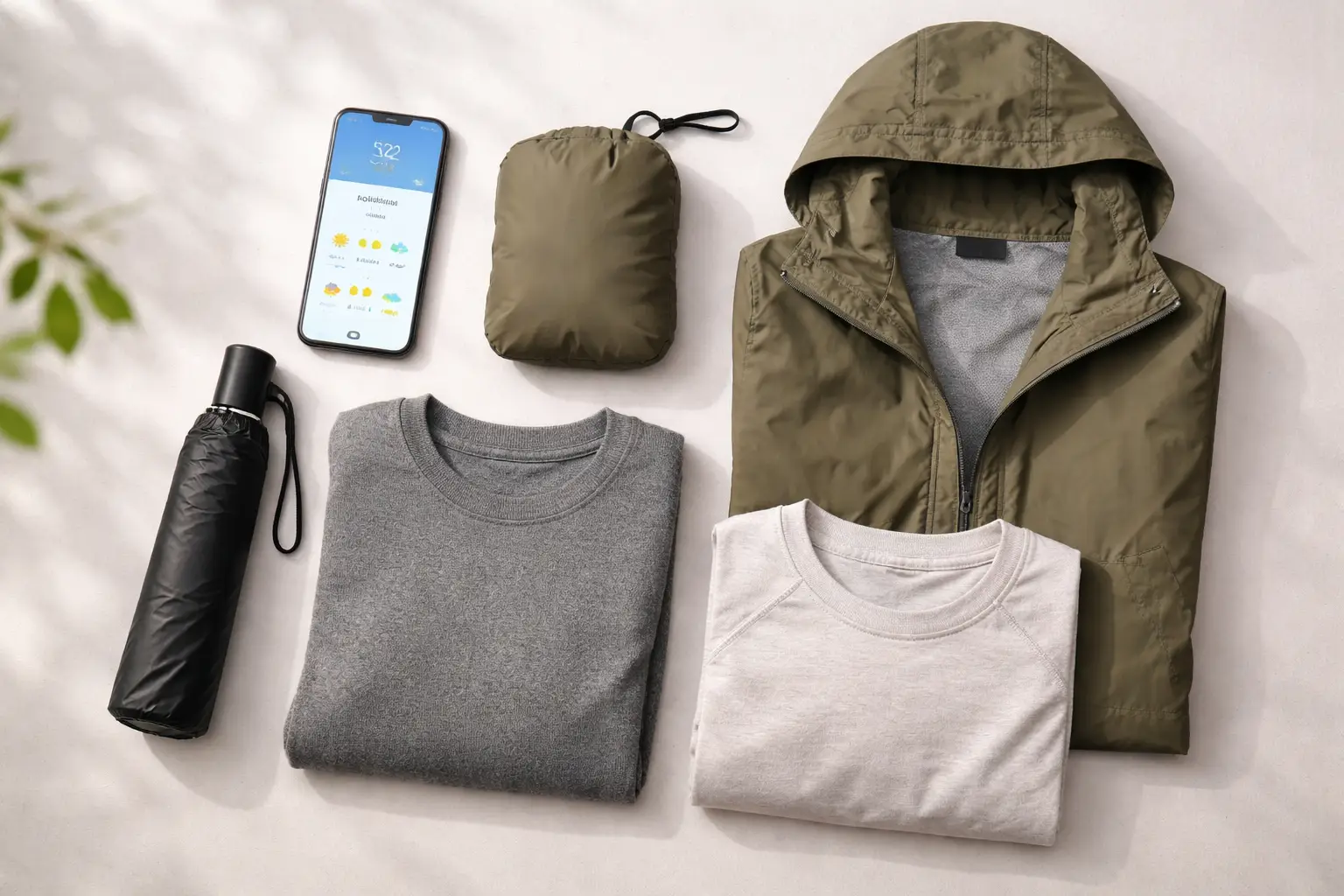
Spring weather is one of the more unpredictable variables in the packing equation because temperatures that are warm enough for swimwear during the day can drop significantly after sunset, particularly in coastal and mountain destinations. Temperature swings are real and checking the forecast in advance helps you pack smarter by layering up for those unexpected weather shifts, while a compact travel umbrella can be a lifesaver for surprise rain showers. Packing a mix of light layers, a rain jacket, and a cozy sweater handles spring weather that can be unpredictable no matter where you are headed. A packable rain jacket that compresses into its own pocket takes up almost no space and weighs under 300 grams, making it the most efficient single weather preparation item available.
Secure Your Valuables with Anti-Theft Travel Accessories
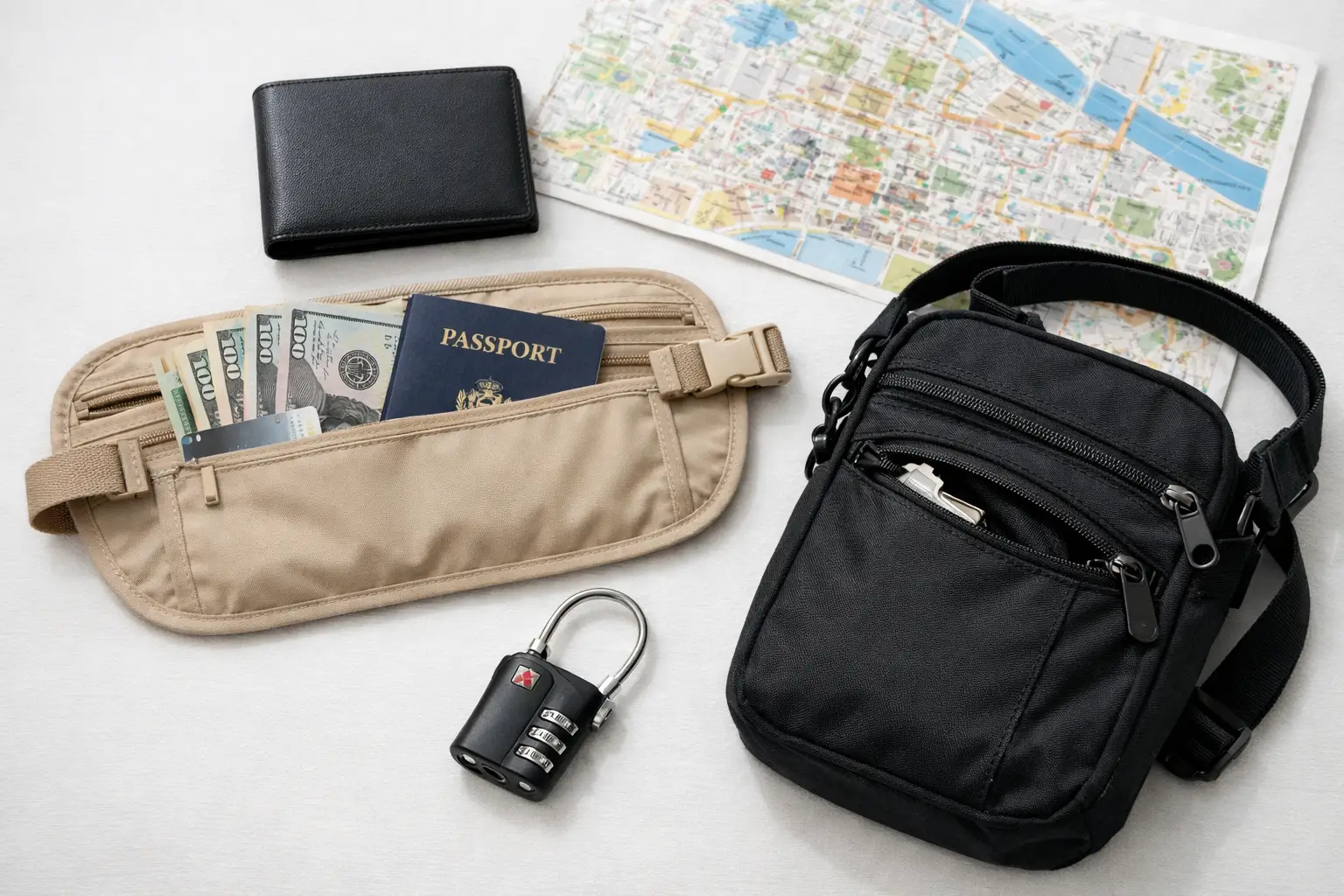
Security-conscious packing prevents the kind of loss that can genuinely derail a trip. Using anti-theft bags or wallets and considering a small lock for your luggage provides practical protection against opportunistic theft in busy spring break destinations. An RFID-blocking wallet prevents electronic card skimming in crowded tourist areas. A money belt worn under clothing carries your passport, emergency cash, and a backup card separately from your main wallet, ensuring that if the wallet is lost or stolen you retain access to the items most critical for continuing your trip. A TSA-approved luggage lock on checked bags provides basic protection against tampering during transit.
Finalize Your Packing the Night Before Departure
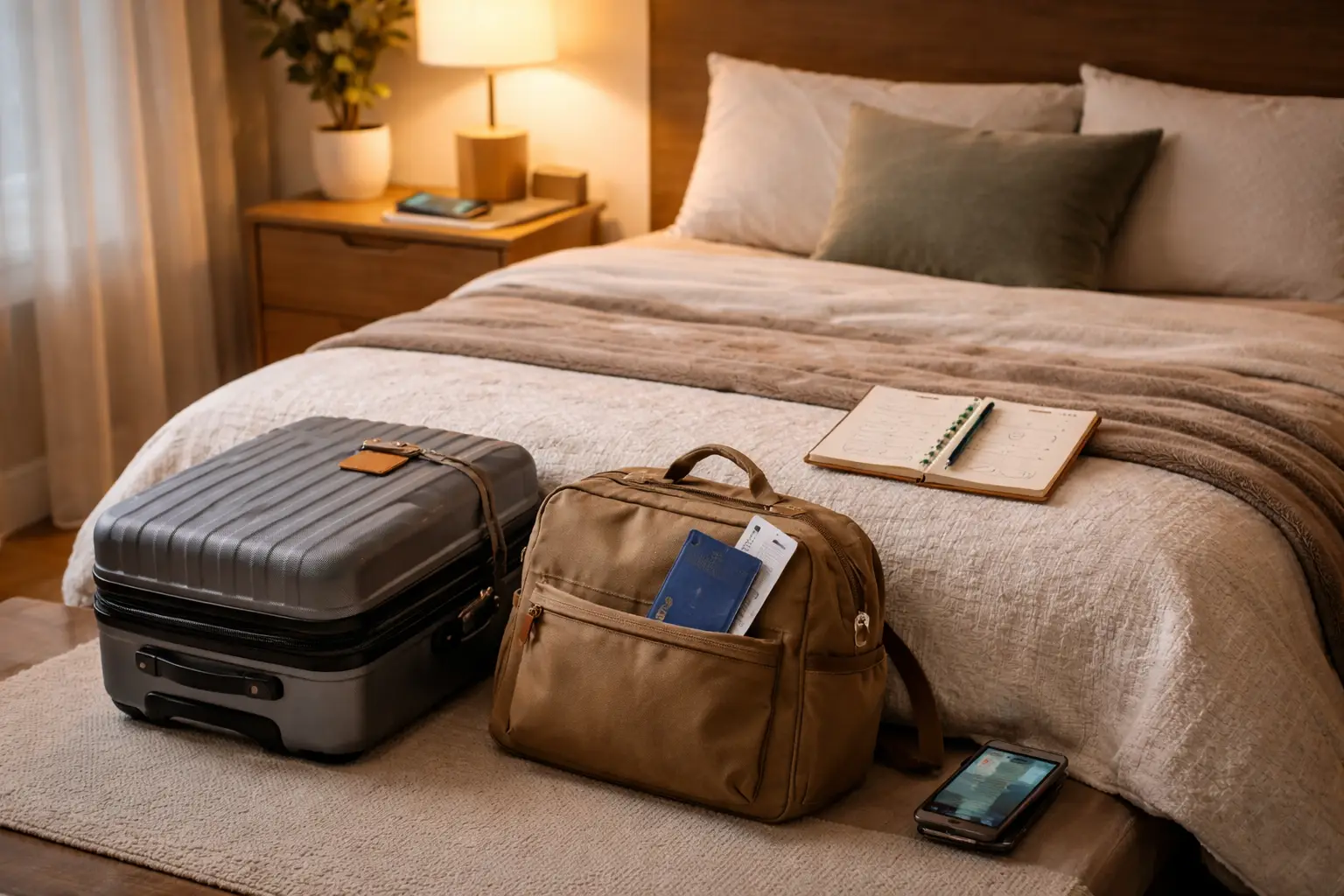
The final packing check the evening before your departure flight is the step that prevents the most common and most frustrating spring break packing mistakes. Double-checking and organizing all essential travel documents, electronics, and chargers before you depart is one of the most important pre-travel steps available.Place your travel documents, passport, boarding passes, and phone charger in your personal item or carry-on where they are immediately accessible. Run through your master packing list one final time and physically confirm that each item is in the bag. Weigh the bag against your airline’s weight limit to avoid unexpected fees at the check-in counter. Set your alarm with enough time for a calm, unhurried departure. The trip that begins without last-minute scrambling, forgotten items, or rushed decisions at the door is the trip that starts with the right energy and that energy tends to carry through the entire week.
Conclusion
Spring break packing does not need to be a source of stress. The 15 ideas in this guide collectively address every aspect of the packing process from the initial planning stage through the final pre-departure check, giving you a complete, practical framework that works across every type of spring break trip. The principle running through all 15 ideas is the same: intentional preparation produces effortless travel. A written list, a versatile clothing capsule, smart organizational tools, and a clear-eyed approach to what you actually need versus what you might convince yourself to bring are all that separate a bag that works from one that becomes a problem the moment you arrive. Pack smart, travel light, and spend the actual week doing exactly what spring break is meant for.
You can also like this: 18 Tokyo Things to Do ideas That Are Worth Your Time
Frequently Asked Questions
How far in advance should I start packing for spring break?
Starting your packing list at least one week before departure gives you time to identify any items you need to purchase, wash clothing you plan to bring, and make deliberate decisions rather than rushed ones. The actual packing can be completed the evening before departure once the list is finalized and all items are ready. Starting the list early and packing late is the most effective approach.
Should I check a bag or use a carry-on for spring break?
For most spring break trips of four to seven days, a carry-on combined with a personal item is sufficient for a well-edited packing list and eliminates baggage fees, wait time at the carousel, and the risk of lost luggage. Longer trips, those requiring specialty sports equipment, or trips with multiple climate zones may justify a checked bag. When in doubt, challenge yourself to fit everything into a carry-on and pack only what you cannot live without.
How do I pack for both beach days and evenings out on the same trip?
The key is choosing clothing with dual function. Lightweight linen or cotton button-down shirts work at the beach and at a casual dinner. Sundresses and maxi dresses transition from day to evening with a change of sandals and accessories. Choosing a color palette that allows pieces to be mixed and matched means that five or six clothing items can produce double the number of outfit combinations.
What is the most commonly forgotten item when packing for spring break?
Sunscreen consistently tops lists of most commonly forgotten travel items despite being one of the most necessary. A portable phone charger or power bank, travel-size laundry detergent for multi-week trips, and a reusable water bottle are also frequently overlooked. Adding these items as fixed entries on your master packing list ensures they are never forgotten regardless of how distracted or rushed the packing process becomes.
How can I avoid overpacking for spring break?
The most effective anti-overpacking strategy is the one-week rule: lay out everything you think you want to bring, then remove one third of it. Most travelers find that the removed items were never actually needed. Focusing on versatile pieces that serve multiple purposes, limiting shoes to three pairs maximum, and committing to the capsule wardrobe approach reduces the total item count significantly without sacrificing any functional need during the trip.