
Introduction
The Dolomites stopped me in a way that very few places have. I came with a camera and a rough plan, and within the first morning I had abandoned both. The light moved too fast, the peaks kept changing color, and the lake I had driven two hours to reach was already reflecting the entire sky before I had even set up. You adapt quickly in the Dolomites, or you miss everything.
The Dolomites became one of the most popular photography spots of the entire country in the last few years, and for good reason: rugged peaks everywhere, wildflowers in summer and golden larches in autumn, turquoise lakes and enchanted rivers pretty much everywhere. The entire region is a UNESCO World Heritage Site, and every direction you look delivers a composition that most photographers spend entire careers searching for. This guide covers 18 specific ideas for epic photos in the Dolomites, with practical notes on timing, access, and what to expect at each location so that every hour of your visit produces the images you came here for.
Tre Cime di Lavaredo at Sunrise
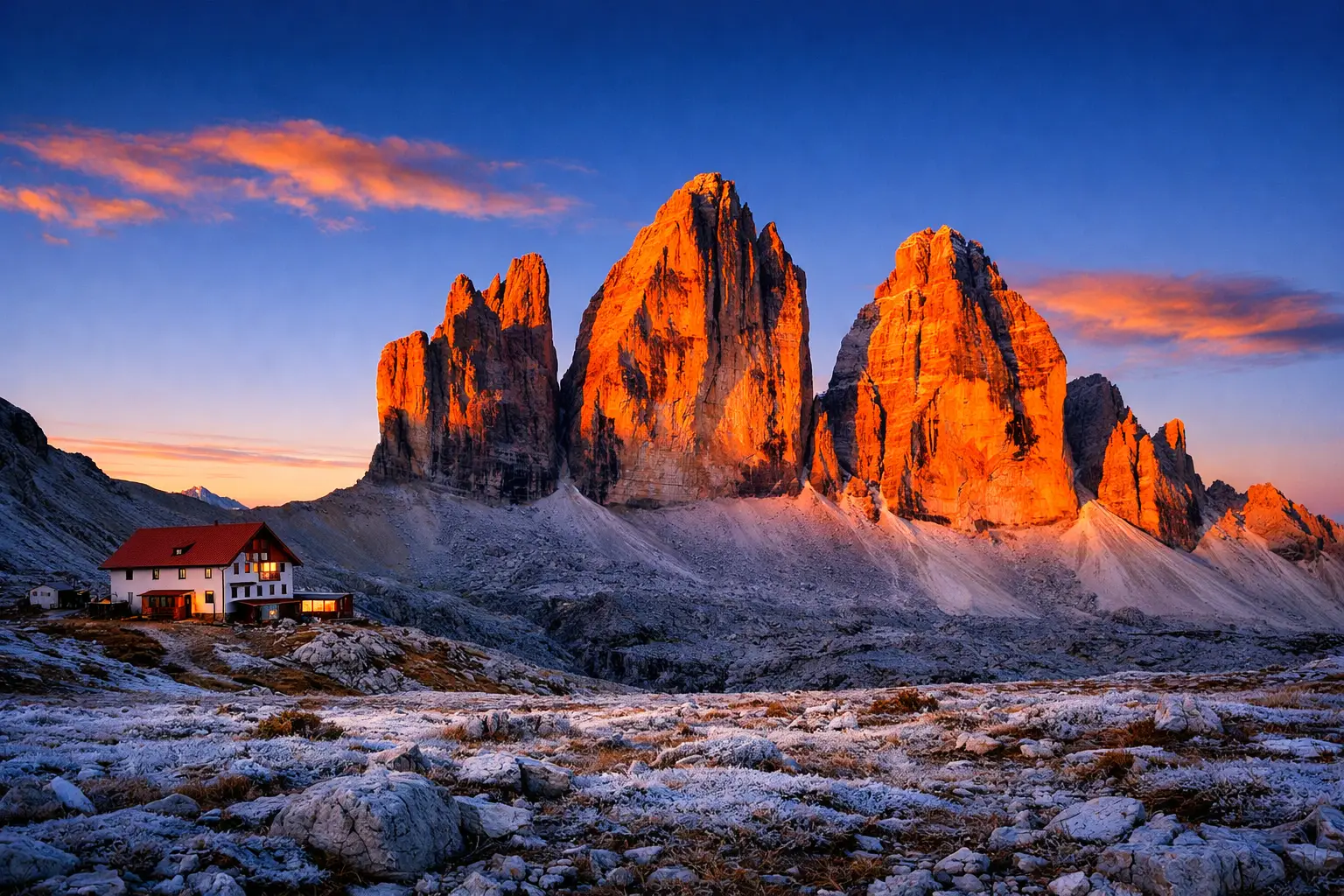
The Tre Cime di Lavaredo are surely the most popular location of the Dolomites and one of the most spectacular places of the area. Three enormous limestone towers rising sharply from the surrounding plateau, visible from every direction and dramatic from every angle. I recommend booking a room at the Rifugio Locatelli in good time so that you can spend the night up there and experience both sunrise and sunset. The sunrise light hits the south face of the three peaks in a warm orange progression that lasts approximately twenty minutes and produces the most iconic single image available in the entire Dolomites. Arrive before first light and face east from the Rifugio Locatelli position for the complete three-peak sunrise composition with the surrounding plateau in the foreground.
Lago di Braies at Pre-Dawn
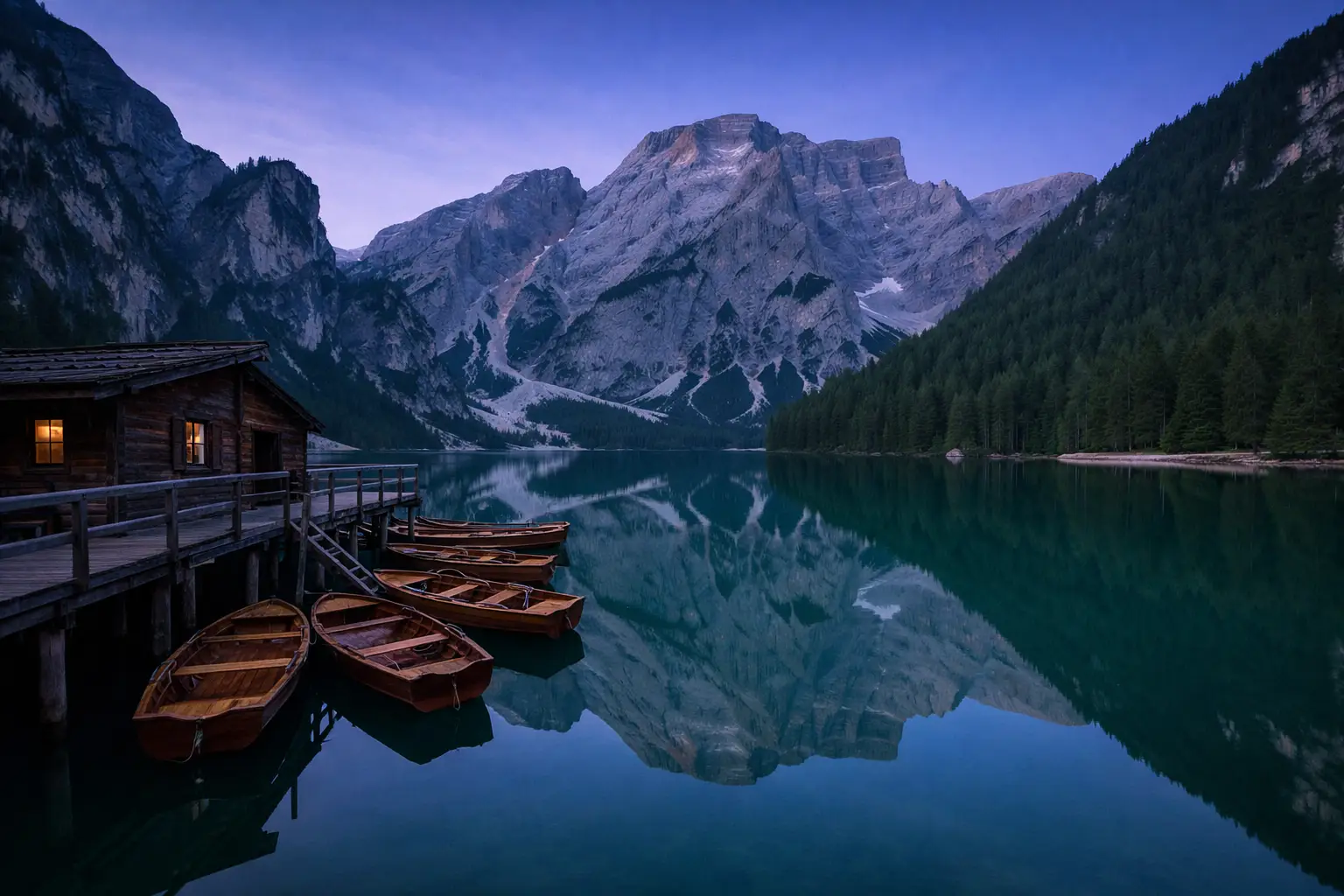
Lago di Braies is at its best in the hour before sunrise, when the refracted glow of twilight enhances the natural colours without the harsh contrast of direct sun. The wooden boats tied along the dock in front of the boathouse create the foreground element that makes this image immediately recognizable worldwide. For the main view of the boathouse and peaks, you will need to arrive very early, at least 90 minutes before sunrise, to get a spot on the small hill overlooking the scene. The emerald water and the surrounding Fanes-Sennes-Braies peaks reflected in the still morning surface produce one of the most replicated landscape photographs in all of Italy. Autumn visits add golden larch reflections to the lake surface that the summer version of this image cannot match.
Alpe di Siusi Alpine Hut Compositions
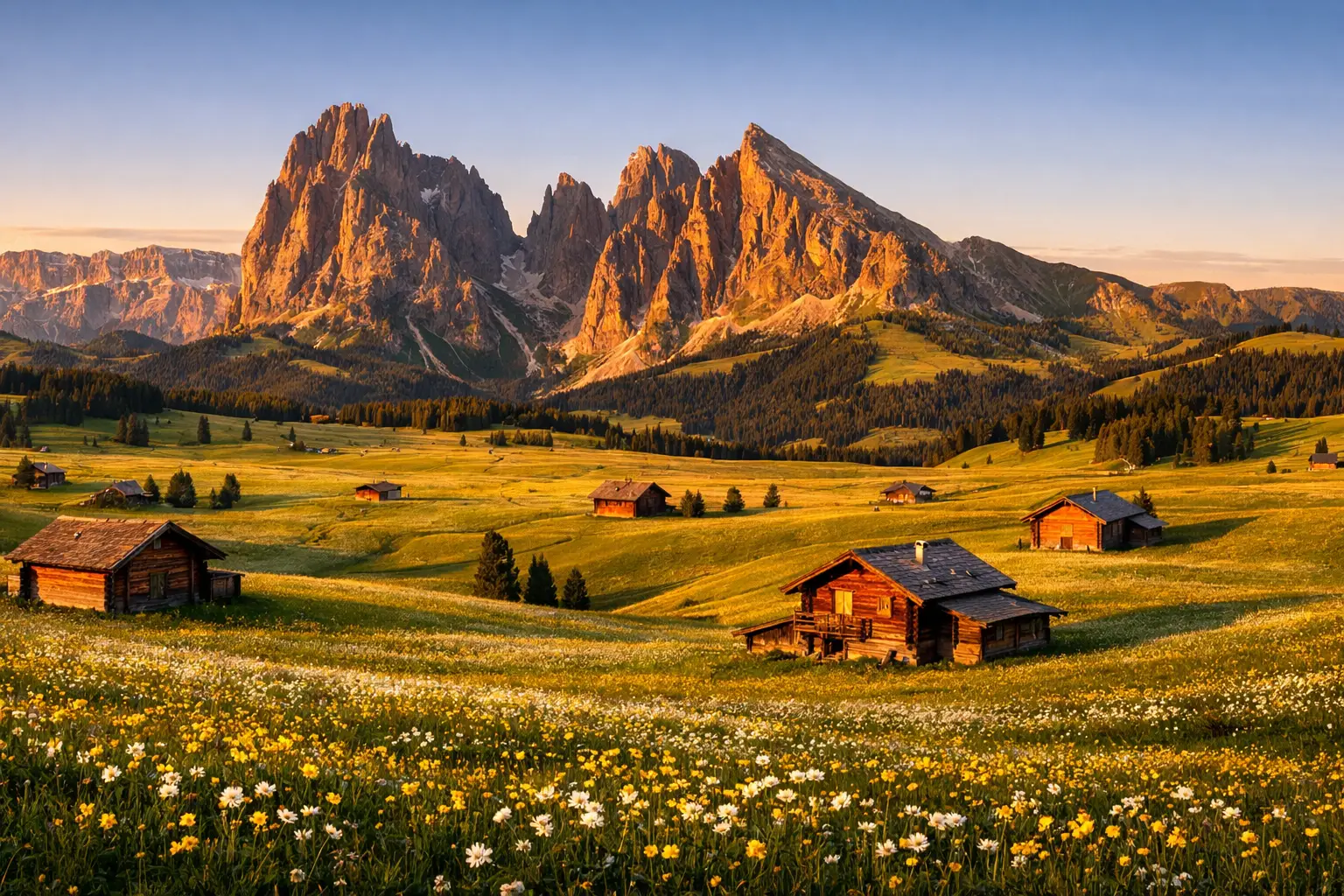
Alpe di Siusi is the largest high-altitude meadow in Europe and one of the most rewarding landscapes for photography in the Dolomites. This enormous plateau is dotted with wooden cabins and alpine huts, framed by the peaks of Sassolunga and Sassopiatto on the horizon, and full of opportunities for creative photography. The wooden huts scattered across the rolling green or snow-covered meadow with the dramatic Dolomite peaks behind them produce an image that looks composed but requires only positioning and patience. Getting there requires quite some planning. There is a paved mountain road from Siusi to Compaccio, but it is closed to traffic between 9 a.m. to 5 p.m., except for the guests using hotel facilities in the area. Arriving before the road closure opens the meadow to photographers with no other visitors present.
Seceda and the Odle Peaks
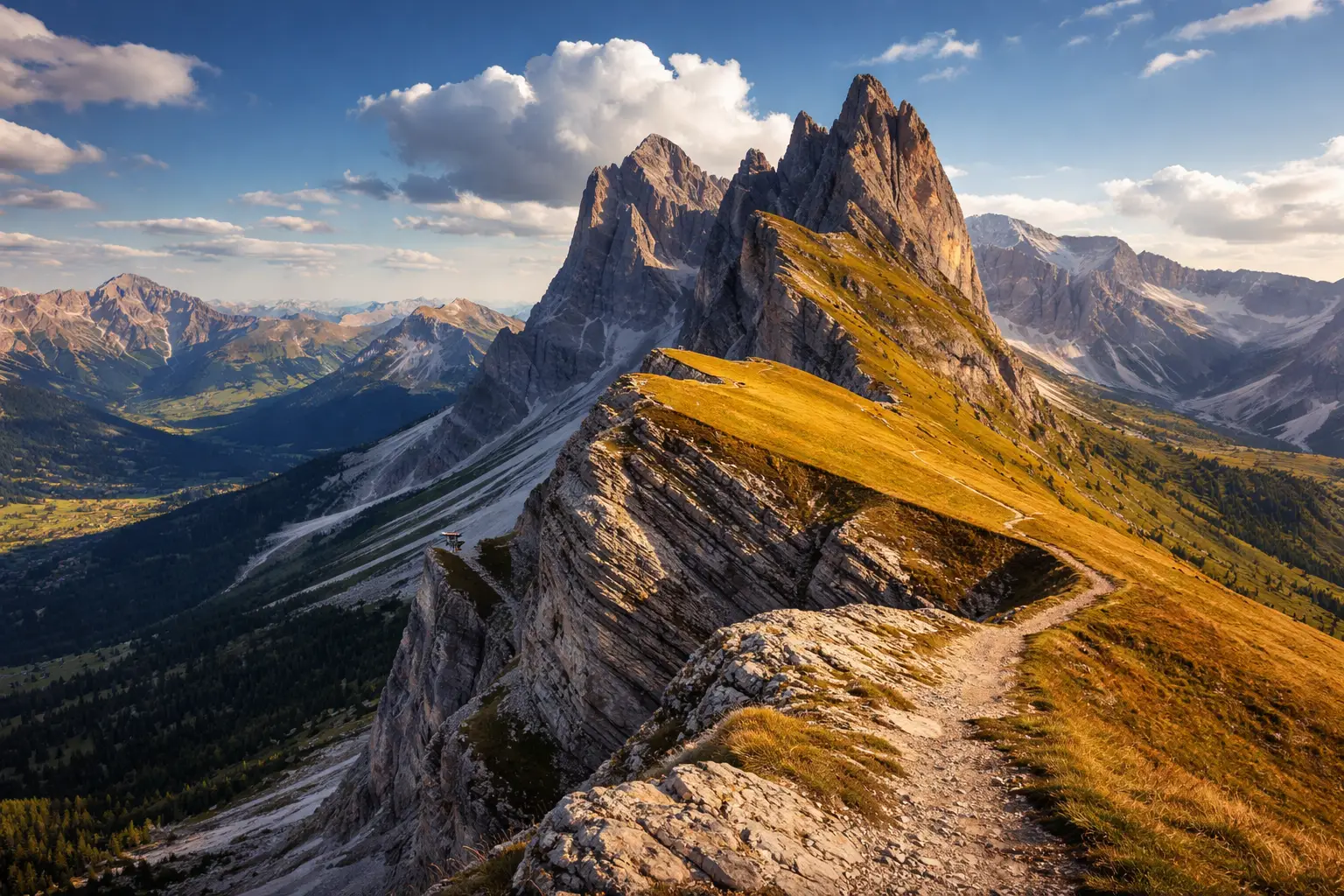
Seceda is a perfect spot for your photos in both summer and winter. It is possible to reach Seceda via two cable car stops from the center of Ortisei and then Furnes. Once you reach the top, exit the cable car and walk to the left to get closer to the best view of the Odle from the summit. The Odle peaks from the Seceda ridge produce one of the most dramatic foreground-to-background mountain compositions in the Dolomites, with the ridge itself serving as a natural leading line that pulls the eye directly into the jagged peak silhouette behind it. The late afternoon light catches the Odle faces from this westward-facing position in a way that the morning cannot replicate, making Seceda primarily an afternoon and sunset destination for photographers.
Lago di Carezza Rainbow Lake Reflection
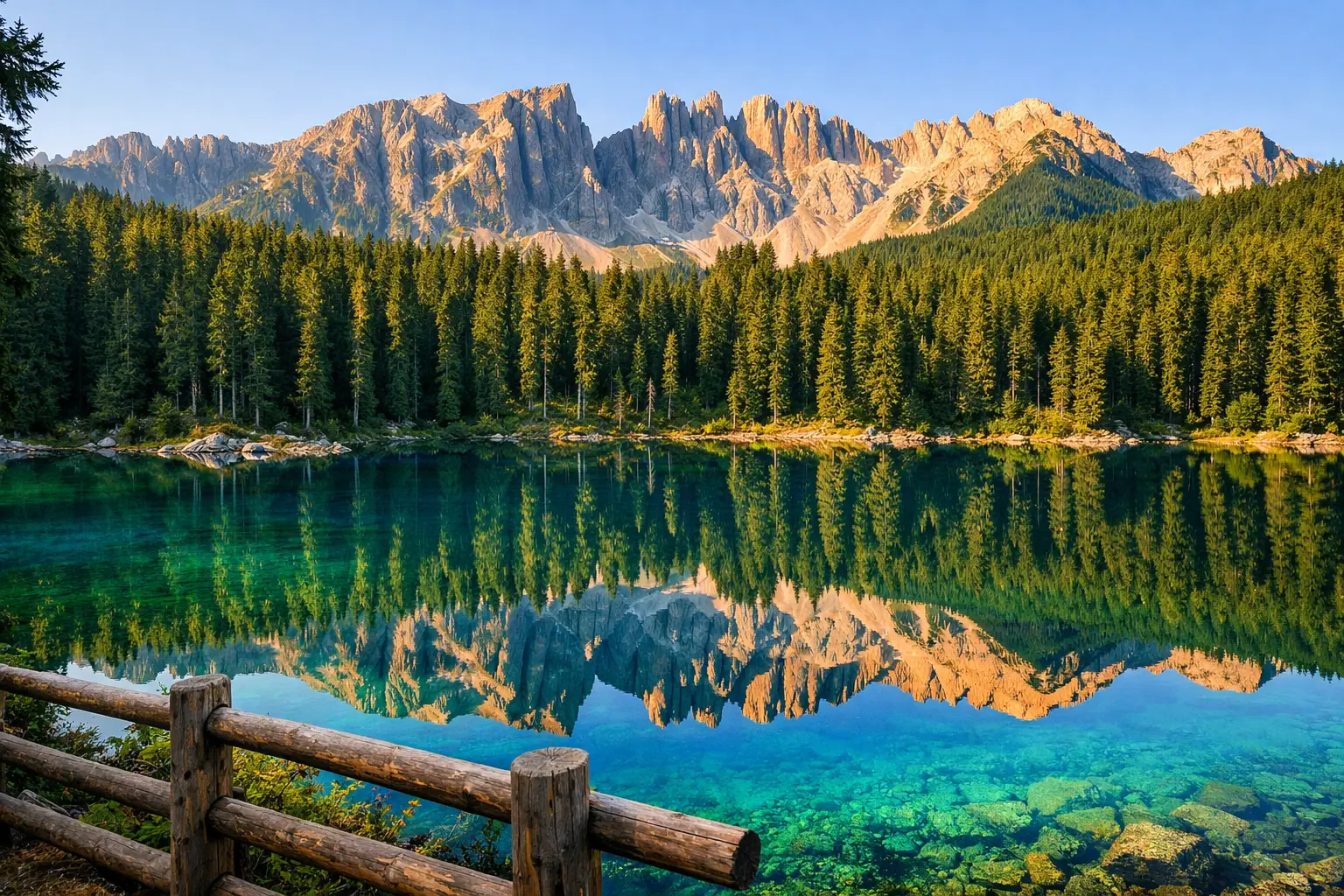
Known as Karersee in German, Lago di Carezza in the South Tyrol region has a mountain range you can see reflecting on its surface called Latemar. The deep emerald color of the lake and the dense fir forest that surrounds it create a contained and jewel-like composition that requires no wide-angle drama to be extraordinary. Lake Carezza is usually crowded especially in summer. For this reason, arriving as early as possible in the morning is strongly recommended. It is forbidden to swim in the lake and to go beyond the fence around the lake. The morning light hits the Latemar peaks from the east and creates a reflection that shifts in color as the sun rises, giving photographers a brief window of genuinely extraordinary natural color before the direct overhead light flattens the scene.
Cinque Torri at Golden Hour
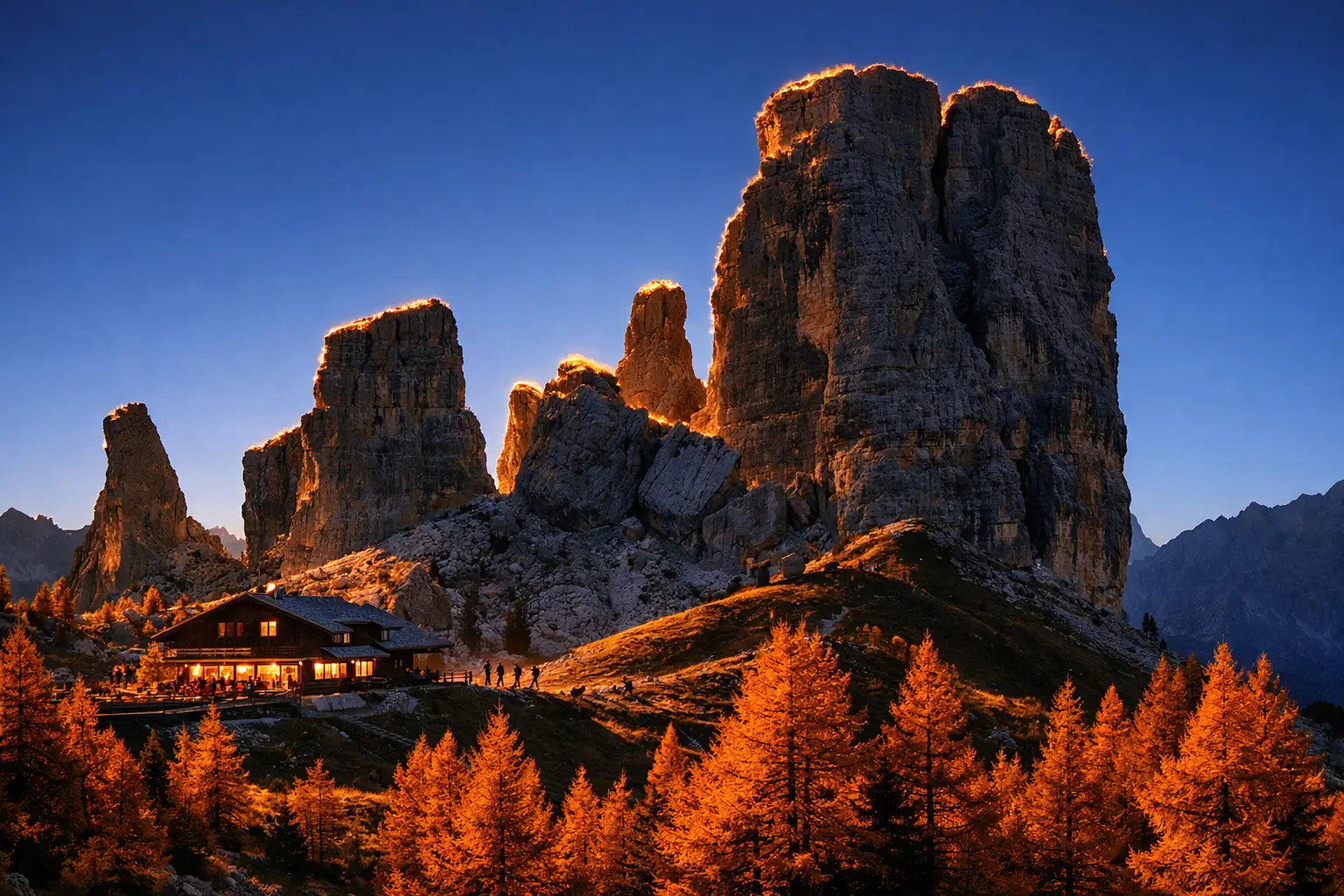
Cinque Torri is near Cortina d’Ampezzo in the Dolomiti Ampezzane. If you are lucky enough you may even get the place entirely for yourself at sunrise. From the parking you will arrive to the Rifugio Scoiattoli, the spot where all the most popular photos are made, with a 25-minute easy hike. The five rock towers rising above the surrounding meadow create an immediately dramatic subject that suits every focal length and every season. In summer the wildflowers below the towers create foreground color that contrasts beautifully with the grey limestone, while autumn delivers golden larches that frame the towers in warm color. The Rifugio Scoiattoli position looking up at the towers from below is the definitive Cinque Torri composition.
Val di Funes Santa Maddalena Church
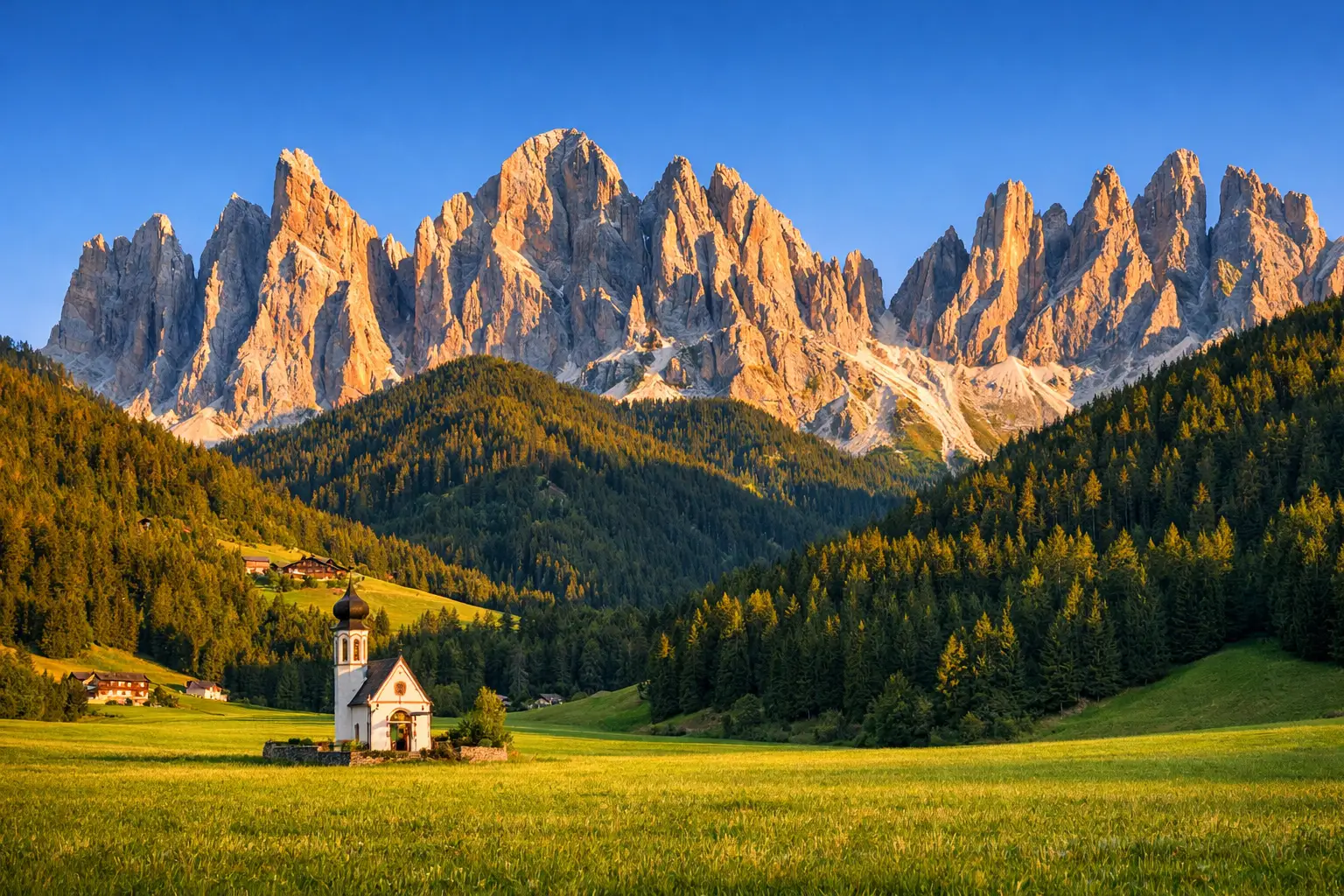
The Church of San Giovanni in Ranui is one of the most photographed subjects in the Dolomites. Located in Funes, the small church enjoys a unique location with picturesque scenery. Usually, the area around the church is not crowded, so you will easily find a place for your photos. Also, try visiting this church at sunrise for your perfect shot. –The small white church standing alone in the green valley meadow with the enormous Odle peaks rising directly behind it creates an image of surreal compositional perfection that looks artificially arranged but is entirely natural. The vertical height contrast between the tiny church and the enormous peaks behind it is the element that makes this composition consistently extraordinary regardless of seasCadini di Misurina at Sunrise
You park at Rifugio Auronzo in Tre Cime, and directly out in front is the Cadini Group peaks. You take the trail right outside that drops down in the direction of the peaks, it takes about 45 minutes to get there. You will need a zoom lens to really capture this properly. Be careful hiking out to the little point, it is incredibly steep on both sides and not recommended for anyone who has a fear of heights or vertigo. The Cadini peaks seen from the viewpoint above the Misurina valley at sunrise produce one of the most dramatically lit and least replicated epic images available in the Dolomites, precisely because the 45-minute hike from the parking area keeps the crowds away. The foreground drop creates a vertiginous perspective that communicates the scale of the landscape more powerfully than any standard viewpoint composition.
Mount Lagazuoi Panoramic Summit
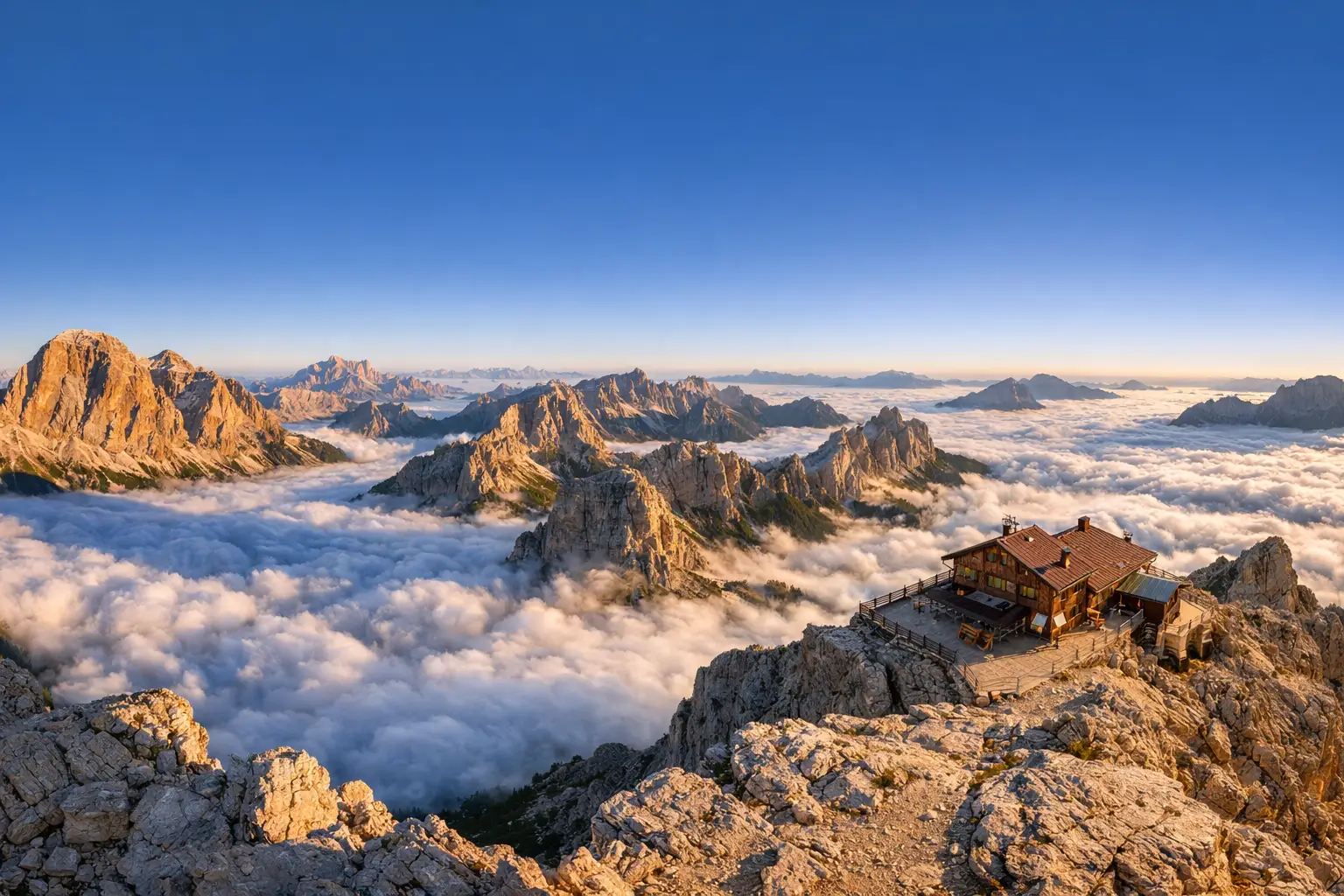
Mount Lagazuoi is located in the Falzarego Pass and with an altitude of 2775 meters, it is a must on a trip to the Dolomites. Panoramic views, good food, nice hikes are all available here. Summer and autumn are probably your best bets for photography purposes. If you want to enjoy an amazing sunset and sunrise, you could stay in the mountain hut. The 360-degree panoramic view from the Lagazuoi summit encompasses an extraordinary sweep of Dolomite peaks in every direction including the Tofane group, the Cinque Torri, and the Marmolada glacier in the distance. The summit position above the clouds on mornings with valley fog creates an above-the-clouds landscape photography opportunity that has no equivalent at a lower-elevation Dolomites location.
Passo Gardena Morning Light
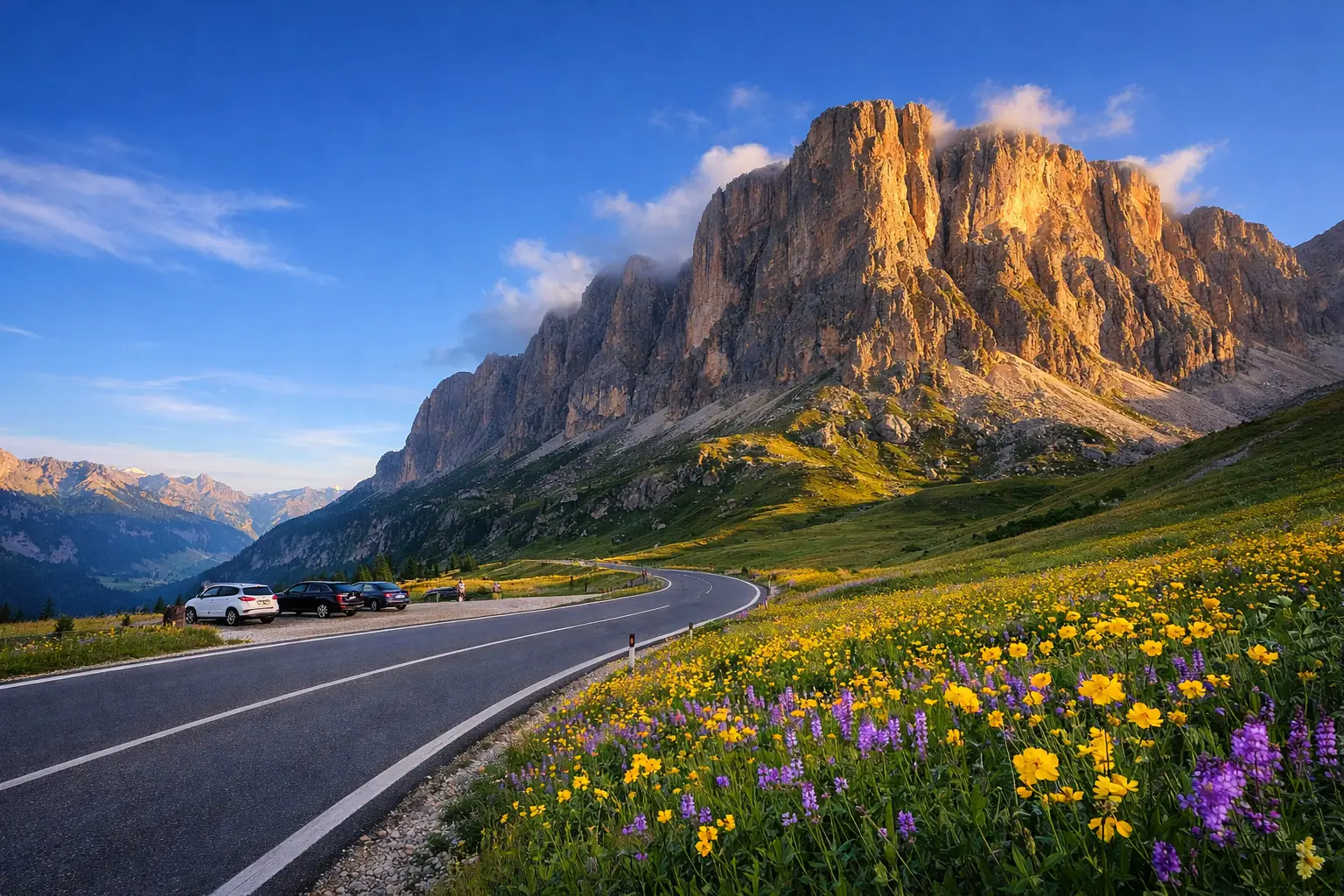
Passo Gardena is the mountain pass that connects Alta Badia and Val Gardena. It is definitely one of the most beautiful places in the Dolomites and you do not even need to hike anywhere to get great views. Best time to visit for photography is early summer. The road-accessible nature of Passo Gardena makes it one of the most practical high-quality photography locations in the entire Dolomites, allowing photographers with limited time or hiking ability to access genuinely dramatic mountain pass scenery without any trail walking. The early morning light from the east catches the Sella Group peaks above the pass in a warm golden progression that creates a compelling and easily framed composition from multiple positions along the road.
Lago di Sorapis Turquoise Water
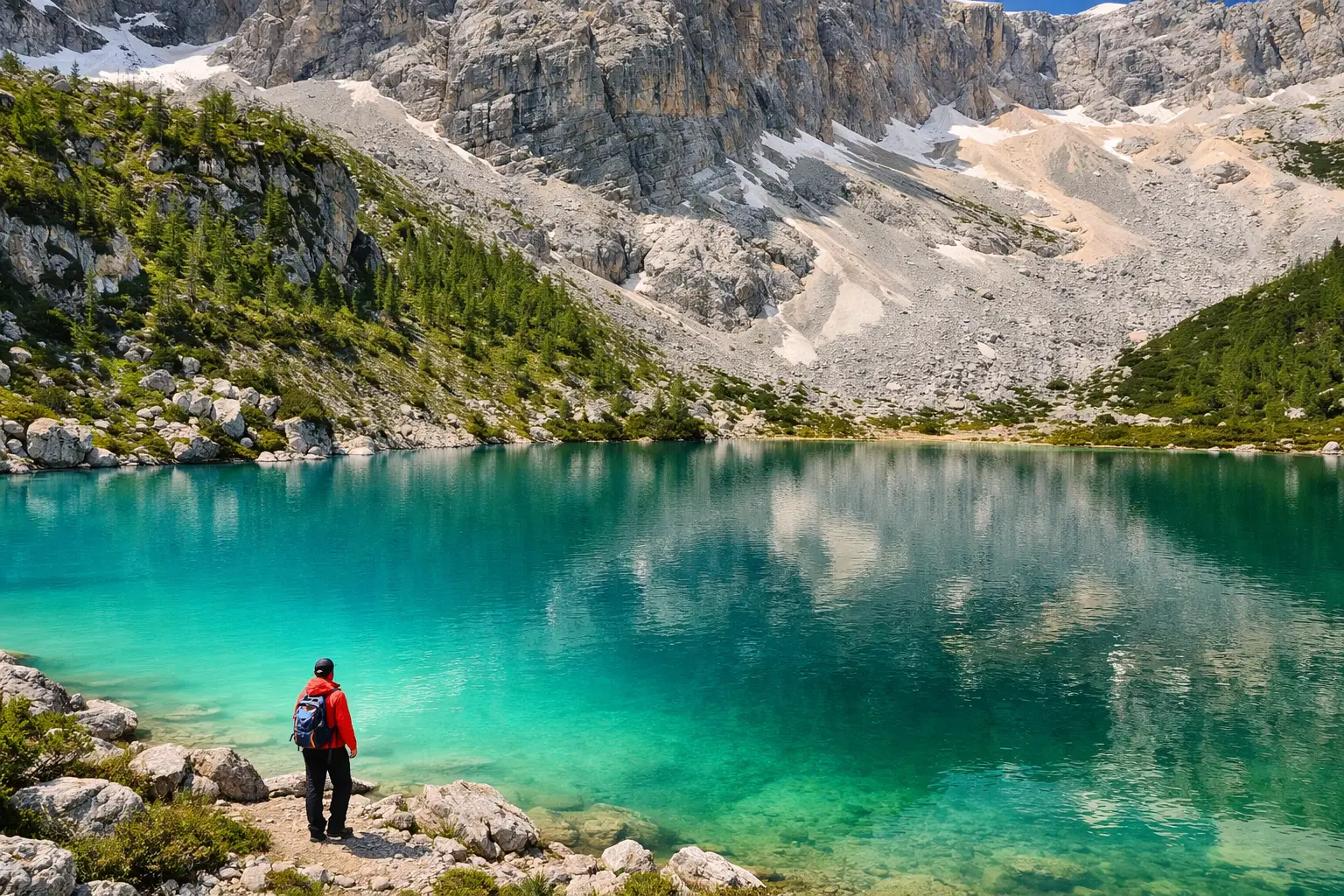
The Lago di Sorapis trail is a hike not to be missed. This beautiful spot is nestled high up in the mountains near Cortina and the 13km hike to the shores of this beautiful blue lake is well worth it. The view of the surrounding peaks along the way is incredible, with the end goal being even more spectacular. The extraordinary turquoise color of the Lago di Sorapis water comes from glacial flour suspended in the lake and produces a color intensity that photographs with an almost artificially vivid quality that requires no editing enhancement. The surrounding vertical Dolomite cliffs rising directly from the lake shore create an enclosed and dramatic composition that isolates the turquoise water against grey limestone in a visually striking natural frame.
Enrosadira Alpenglow on Any Peak
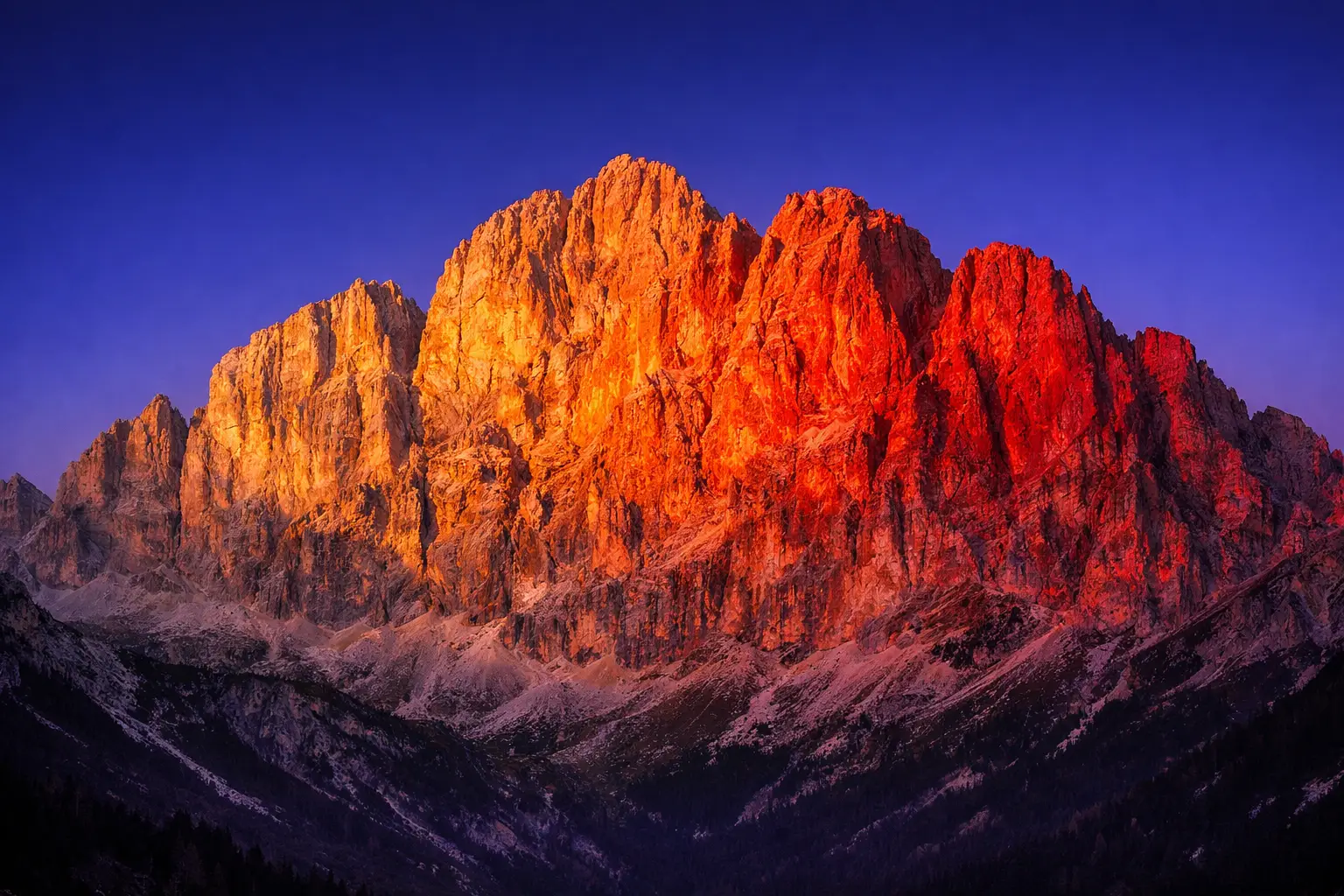
The enrosadira is the Italian Dolomites term for the phenomenon in which the pale limestone peaks glow pink, orange, and deep crimson in the minutes around sunset and again briefly at sunrise. This natural light show happens on every clear evening and is the single most visually extraordinary recurring event available to any Dolomites photographer. The morning sun around the sunrise colors the peaks in pinks and oranges, so if you are comfortable being an early bird, sunrise photography is strongly recommended. Any of the major Dolomite peak faces including the Tre Cime, the Odle, the Tofane, and the Marmolada produce the enrosadira effect on clear evenings, and the intensity of the color varies with the season, with autumn producing the deepest crimson of the year.
Golden Larches in Autumn
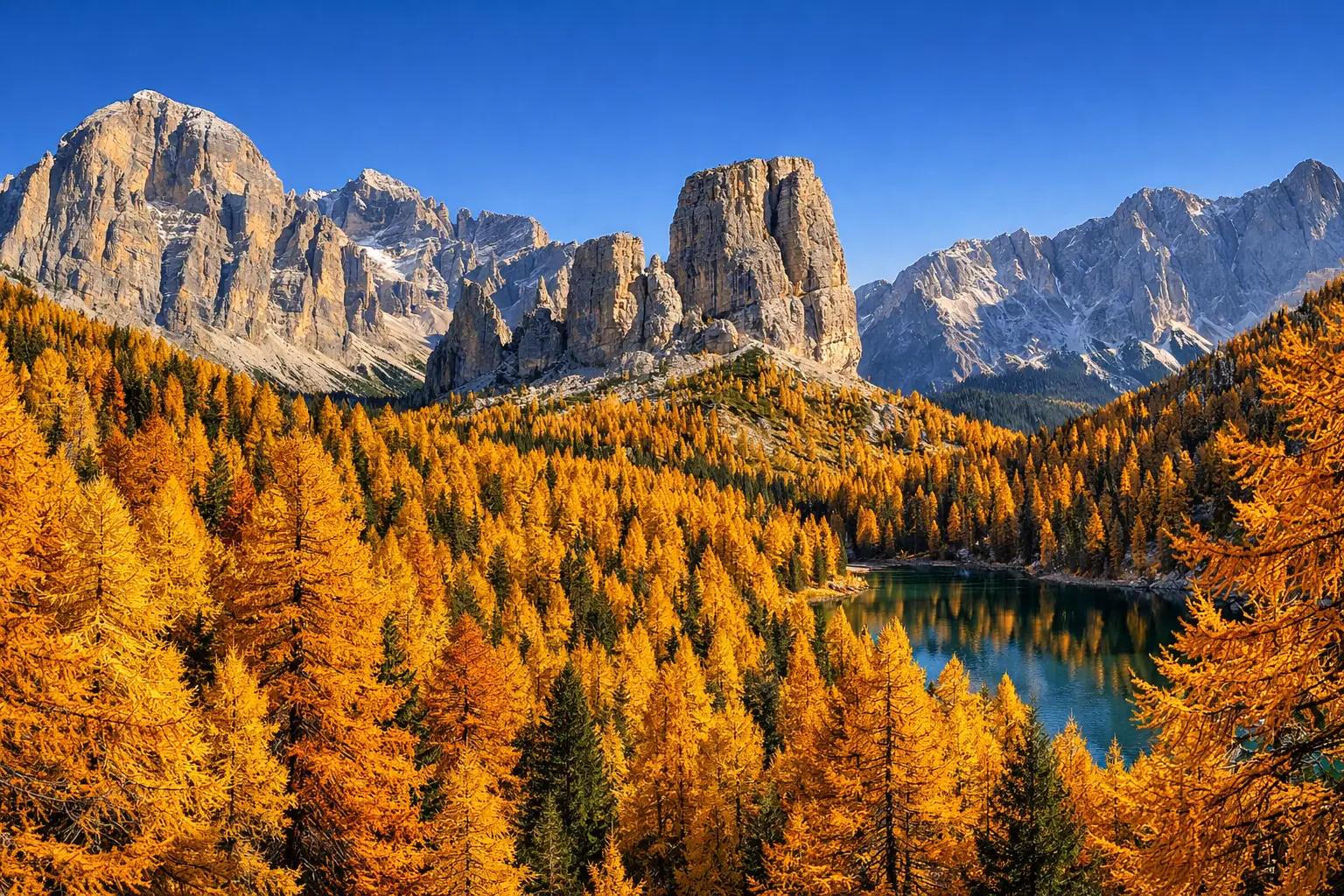
There are many larches around the lake at Braies, so you can shoot far more interesting photos during the fall season compared to summer. Less people and more beautiful shots. The golden larch color transformation typically peaks between late September and mid-October and adds a warm amber foreground layer to every Dolomites composition that the green summer version of the same scene cannot produce. The combination of golden larch trees, deep blue autumn sky, and the pale grey Dolomite peaks creates a color palette that is entirely unique to this season and this region. Cinque Torri, Alpe di Siusi, and the Val di Funes are the three locations where autumn larches enhance the standard composition most dramatically.
Passo Giau Wide Angle Compositions
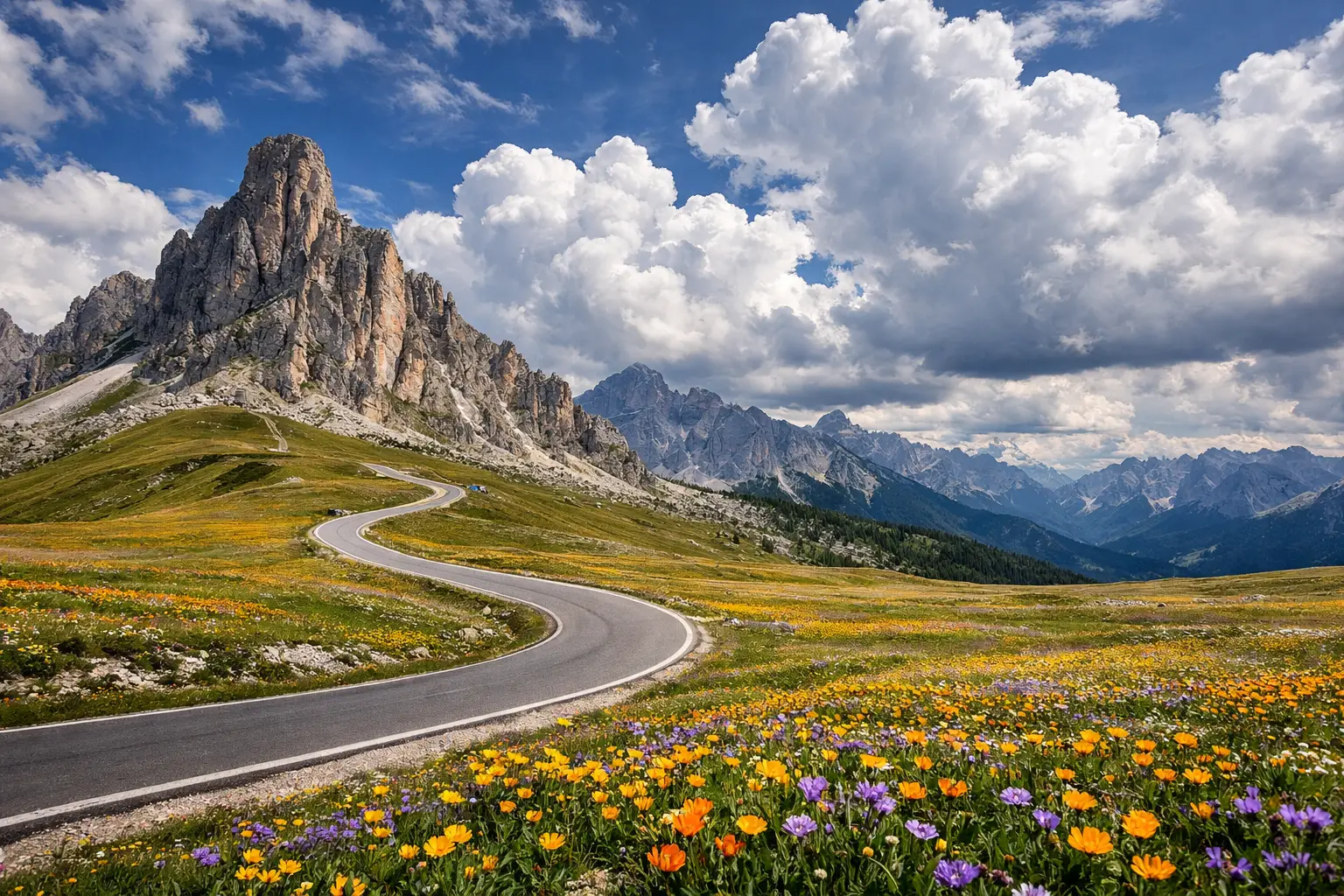
Passo Giau at 2236 meters is one of the highest paved road passes in the Dolomites and offers a broad treeless plateau with the Ra Gusela peak rising dramatically above the surrounding terrain. The road-level accessibility of the pass and the open above-treeline landscape create wide-angle composition opportunities that suit the full panoramic sweep of the Dolomites horizon without requiring any hiking. The plateau wildflowers in summer and the deep snow cover in winter both create compelling seasonal foreground elements that transform the same basic mountain pass composition into entirely different images across the year.
Rifugio Overnight Stay Photography
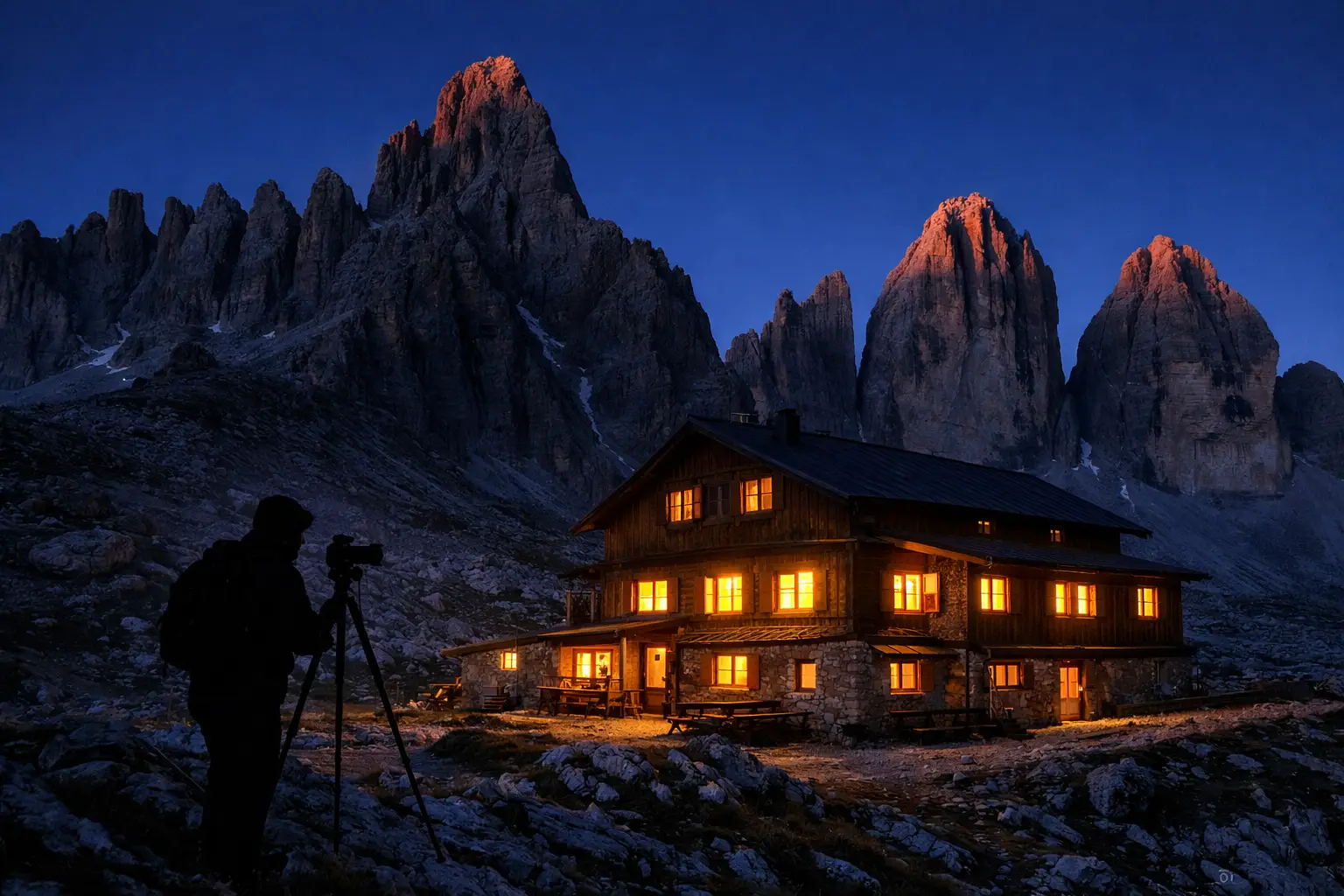
One of the best experiences and also very convenient for photographers is staying in a mountain hut. Sleeping at a rifugio puts you in the middle of the most beautiful scenery and it usually means you are just a few steps from your early morning shooting location. Most rifugios are open in summer and winter only. It is necessary to book rifugios in advance as they tend to fill up quickly. An overnight rifugio stay solves the single most consistent problem in Dolomites photography, which is being at the best location at the best light with no other visitors present. Rifugio Locatelli at Tre Cime, Rifugio Lagazuoi at the Falzarego Pass, and Rifugio Cinque Torri are the three overnight stays that deliver the most significant photography advantages in terms of sunrise access and crowd-free early morning shooting windows.
Milky Way Night Photography at Tre Cime
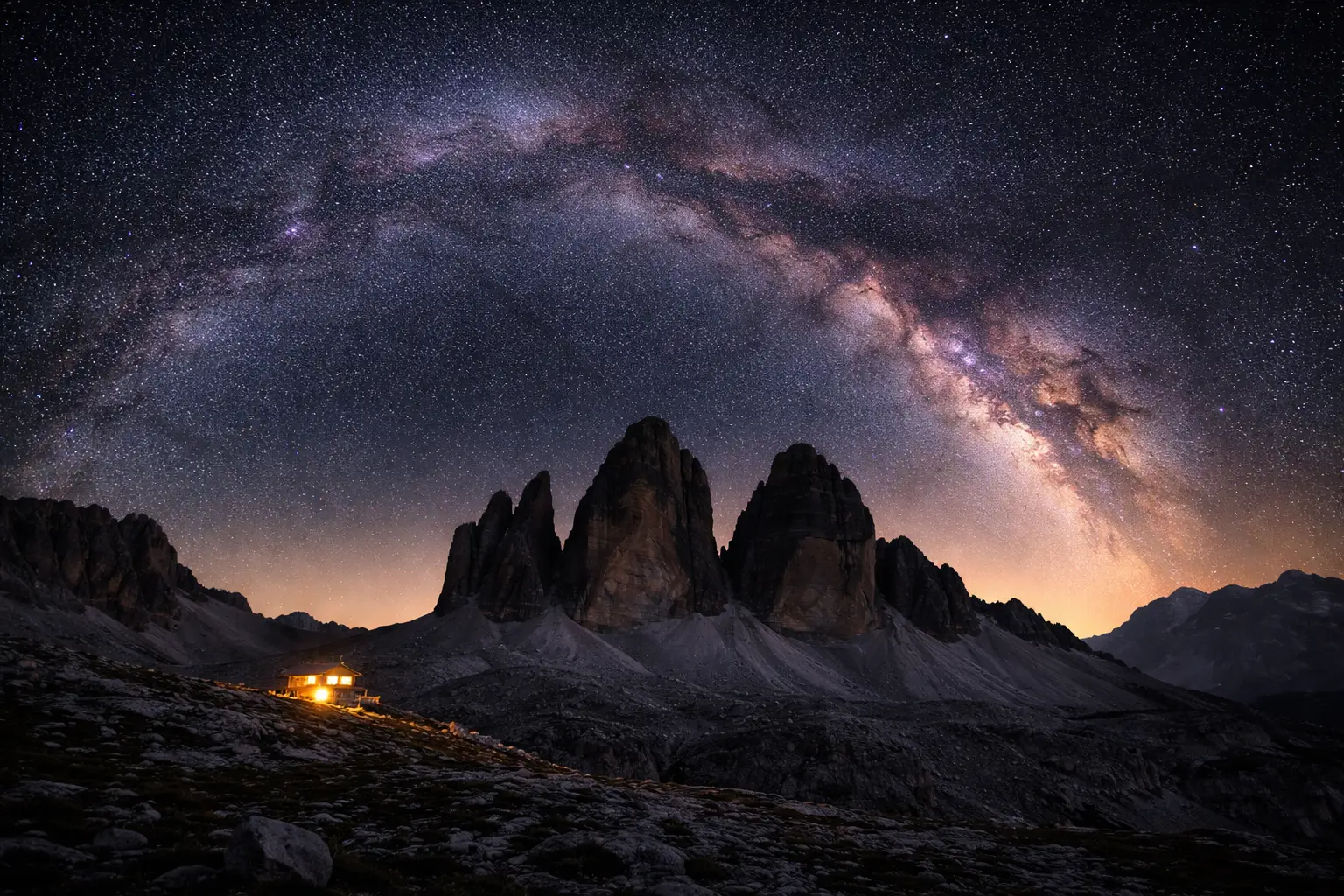
In many places, the light pollution is so low that the stars look amazing. If you would like to photograph the Milky Way over the Tre Cime, try and snag a spot in one of the Rifugios for the late summer, specifically August or September. The Tre Cime silhouette against the Milky Way band is one of the most dramatically powerful night sky compositions available anywhere in the European Alps, and the low light pollution of the high-altitude Dolomite plateau makes the star density genuinely extraordinary compared to lower-elevation Alpine locations. A wide-angle lens at f/2.8, ISO 3200, and a 25-second exposure produces the Milky Way detail above the three peak silhouette that makes this the most memorable single image many Dolomites photographers produce during an entire visit.
Val Gardena Wooden Cabin Landscapes
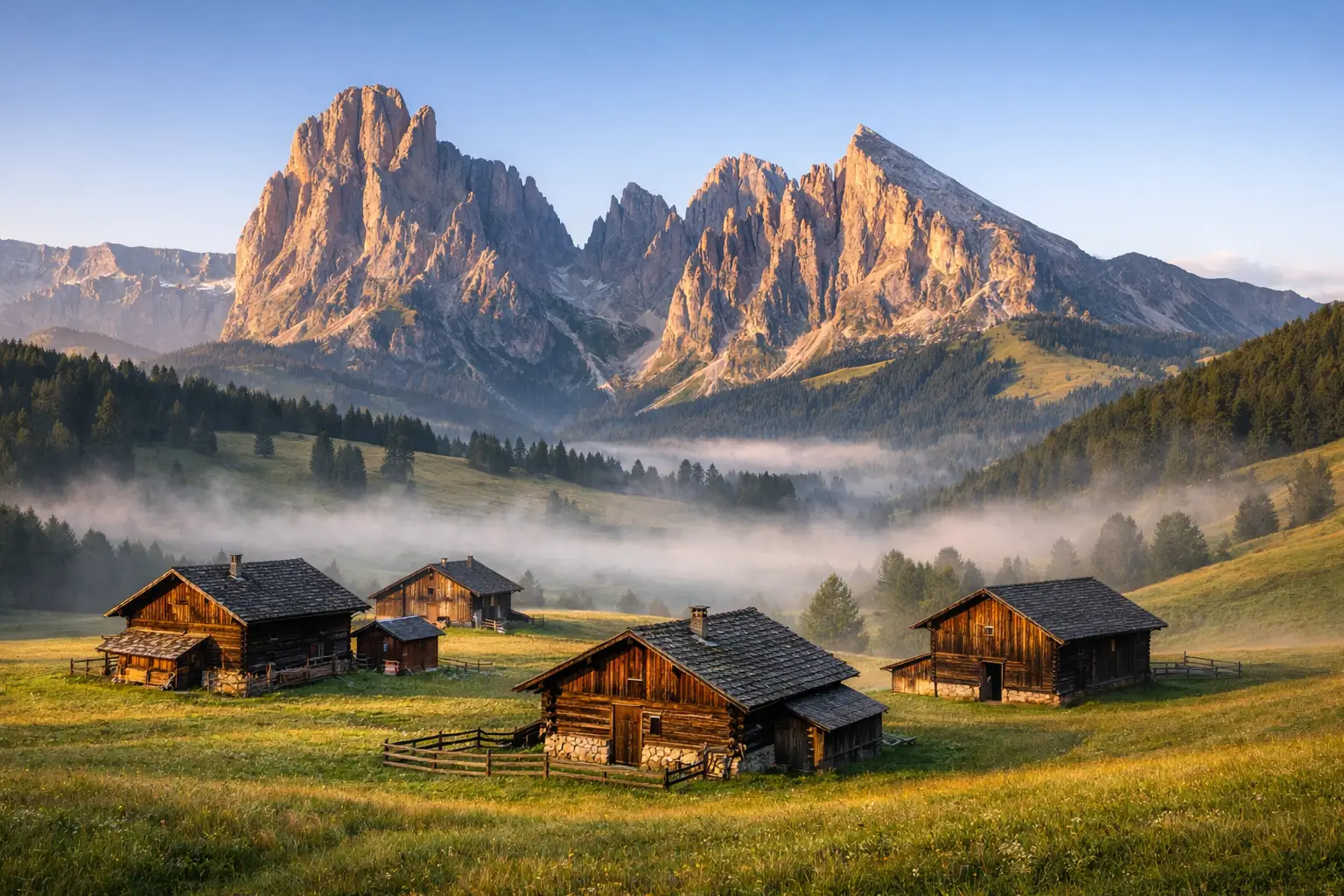
A full week in the Dolomites means that you will be able to visit different areas of the park, ranging from wilder locations near Cortina d’Ampezzo to the classic wooden cabins landscapes of the Val Gardena. The Val Gardena valley combines traditional South Tyrolean wooden architecture with the dramatic Dolomite backdrop in a pastoral composition that represents a gentler and more intimate scale of photography than the big peak vistas. The small family-run farms and the wooden barns surrounded by hayfields create foreground elements that communicate the human relationship with this mountain landscape in a way that pure peak photography cannot. Early morning mist in the valley adds an atmospheric quality to the wooden cabin compositions that fully clear days cannot replicate.
Plan de Corones Summit View
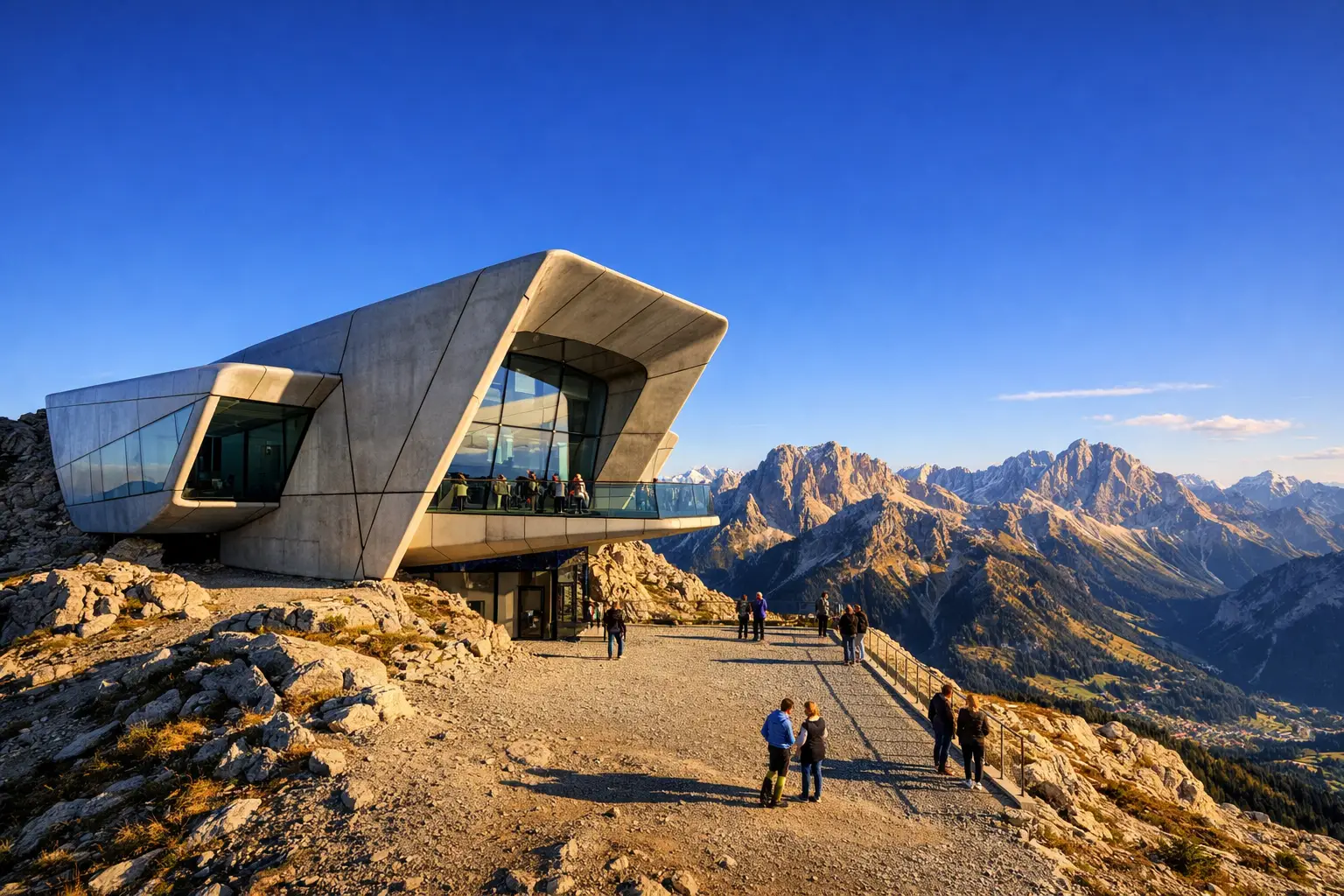
Plan de Corones, also known as Kronplatz, is a 2275m high mountain that offers a wide view of the surrounding mountains. Above you will find one of the Messner Mountain Museums commissioned by the South Tyrolean mountaineer Reinhold Messner. The museum, designed by the Anglo-Iraqi architect Zaha Hadid, is one of the beautiful spots to photograph. –The Zaha Hadid-designed museum building itself is a compelling architectural photography subject that contrasts the organic mountain landscape with a dramatically geometric and contemporary structure. The summit panorama at Plan de Corones encompasses an extraordinary 360-degree sweep across the eastern and western Dolomites simultaneously, making it the single most comprehensive overview photography position in the entire region.
Planning Your Dolomites Photography Trip
Best travel time is May, June, or September, at least for photos. From October onwards many spots are already closed for winter. The Italian Dolomites can best be explored by car. Public transportation is available, but will not bring you to the best spots at the best times. Three days is the bare minimum for covering the most iconic locations, while a full week allows the flexibility to revisit locations in better light and explore the less-visited areas that do not appear in standard guides. A 24-70mm lens covers the majority of Dolomites compositions effectively, while a 70-200mm telephoto lens opens up the compressed mountain-layer compositions and the detailed peak face photography that wide-angle cannot achieve.
Conclusion
The Dolomites reward the photographer who understands patience and light in equal measure. The locations in this guide each deliver something genuinely epic when the light cooperates, and learning to read the morning sky and position yourself accordingly before that light arrives is the single most useful skill a Dolomites photographer can develop. Start early, stay late, book the rifugio, and let the enrosadira do what it has been doing to these pale limestone towers for centuries. The images that result will not require any explanation to anyone who sees them.
You may also like this: 20 Portillo, Chile Ideas: Stunning Views You Must See
Frequently Asked Questions
What is the best time of year to visit the Dolomites for photography?
Late May through June offers wildflowers, full green meadows, and good weather without the extreme July and August crowds. September is the other optimal window, combining the early autumn larch color, emptier locations, and stable weather before the October closures begin. Both periods deliver reliable sunrise and sunset conditions with longer golden hours than midsummer. Avoid July and August at the most popular locations like Lago di Braies and Tre Cime unless arriving at least 90 minutes before sunrise.
Do I need a car to photograph the Dolomites?
A car is strongly recommended for photography purposes. Public transportation serves the main towns and a few popular trailheads, but the best photography windows at sunrise and sunset require arriving and departing at hours when buses do not run. A rental car picked up in Venice or Verona and driven north gives full flexibility to be at any location at any time, which is the single most significant practical advantage available to a Dolomites photographer.
What camera equipment is most useful in the Dolomites?
A wide-angle lens in the 16-35mm or 24mm range covers the classic lake reflections, mountain hut meadow compositions, and peak panoramas. A telephoto in the 70-200mm range opens up the compressed multi-peak layers and the enrosadira detail on distant peak faces. A sturdy tripod is essential for the pre-dawn lake reflection shots and the Milky Way night photography. A polarizing filter significantly improves the turquoise lake color saturation and reduces glare on the water surface at locations like Lago di Braies and Lago di Sorapis.
How do I avoid crowds at the most popular Dolomites photography spots?
Arriving before sunrise is the most consistently effective strategy at every location from Lago di Braies to Tre Cime. Visiting in September rather than July or August reduces the crowd volume at every location significantly. Booking an overnight rifugio stay at Tre Cime or Lagazuoi places you at the location with zero competitors at first light. Visiting the most popular spots on weekdays rather than weekends also reduces the crowd volume substantially, particularly at easily accessible locations like Lago di Carezza and Cinque Torri.
Is the enrosadira alpenglow guaranteed every evening in the Dolomites?
The enrosadira requires clear skies and the correct sun angle to appear, and it is not guaranteed every evening. Clear days with a few high clouds often produce the most dramatic color because the clouds catch and amplify the final orange and crimson light above the peaks simultaneously. Fully overcast days produce no enrosadira at all. The phenomenon is most consistently reliable and most intensely colored in September and October when the angle of the autumn sun and the lower atmospheric humidity combine to produce the deepest crimson progressions of the entire year.