
Introduction
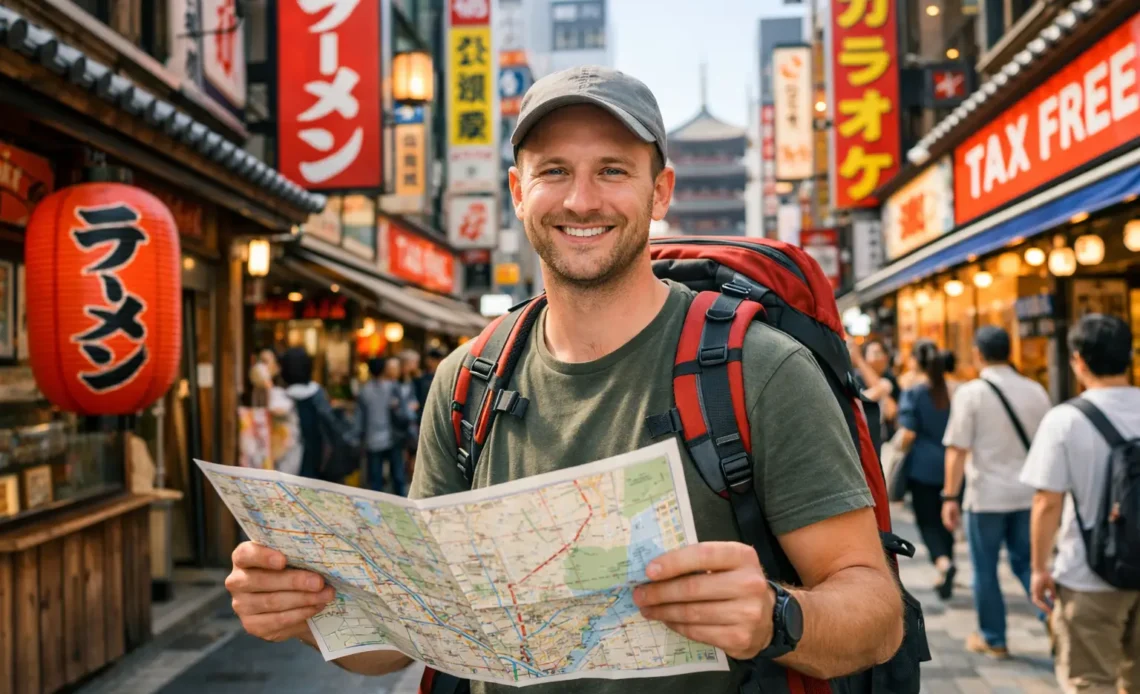
Japan has long carried a reputation for being an expensive destination, but that perception no longer tells the full story. In 2026, traveling Japan on a budget is not only possible but genuinely rewarding for anyone willing to plan thoughtfully. Thanks to the continued weak Japanese yen, travelers from the United States and many other countries are finding their money stretching further than ever before, with what once seemed like an expensive bucket list destination becoming surprisingly comfortable for budget conscious visitors. From world class food for just a few dollars to free temples, walkable neighborhoods, and an incredibly efficient public transport network, Japan offers genuine value at every turn. This guide walks you through 18 practical, tried and tested tips to help you experience the very best of Japan without draining your savings in 2026.
Travel During the Shoulder Season
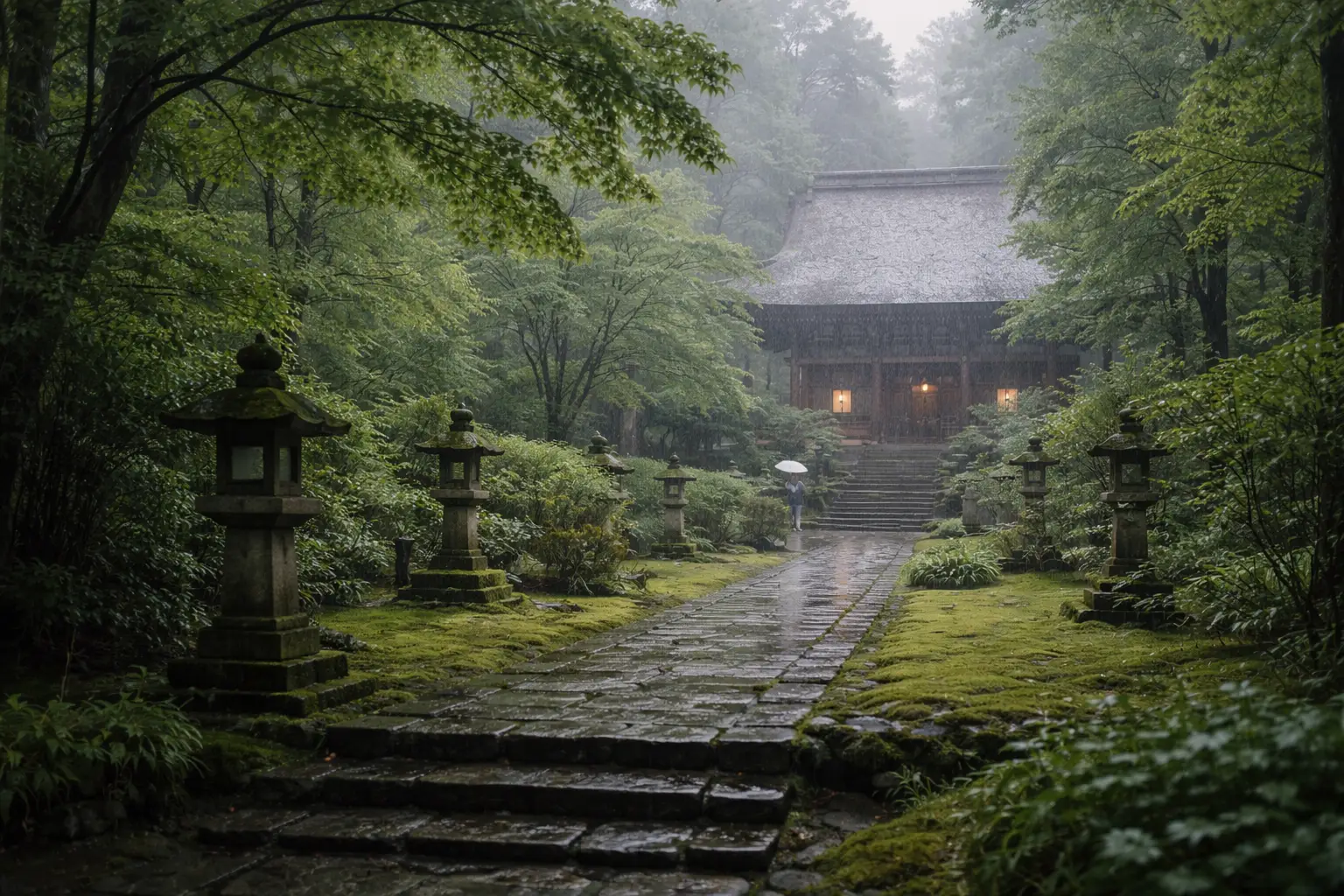
Timing your visit correctly is one of the single most powerful ways to cut costs. The cheapest periods to visit Japan in 2026 are January through February during winter low season, June to early July during rainy season, and mid July through August during the hot summer, when accommodation costs drop 20 to 40 percent and attractions see fewer crowds. Avoiding cherry blossom season and the autumn foliage period will save you significantly on both flights and hotels.
Book Flights 2 to 4 Months in Advance
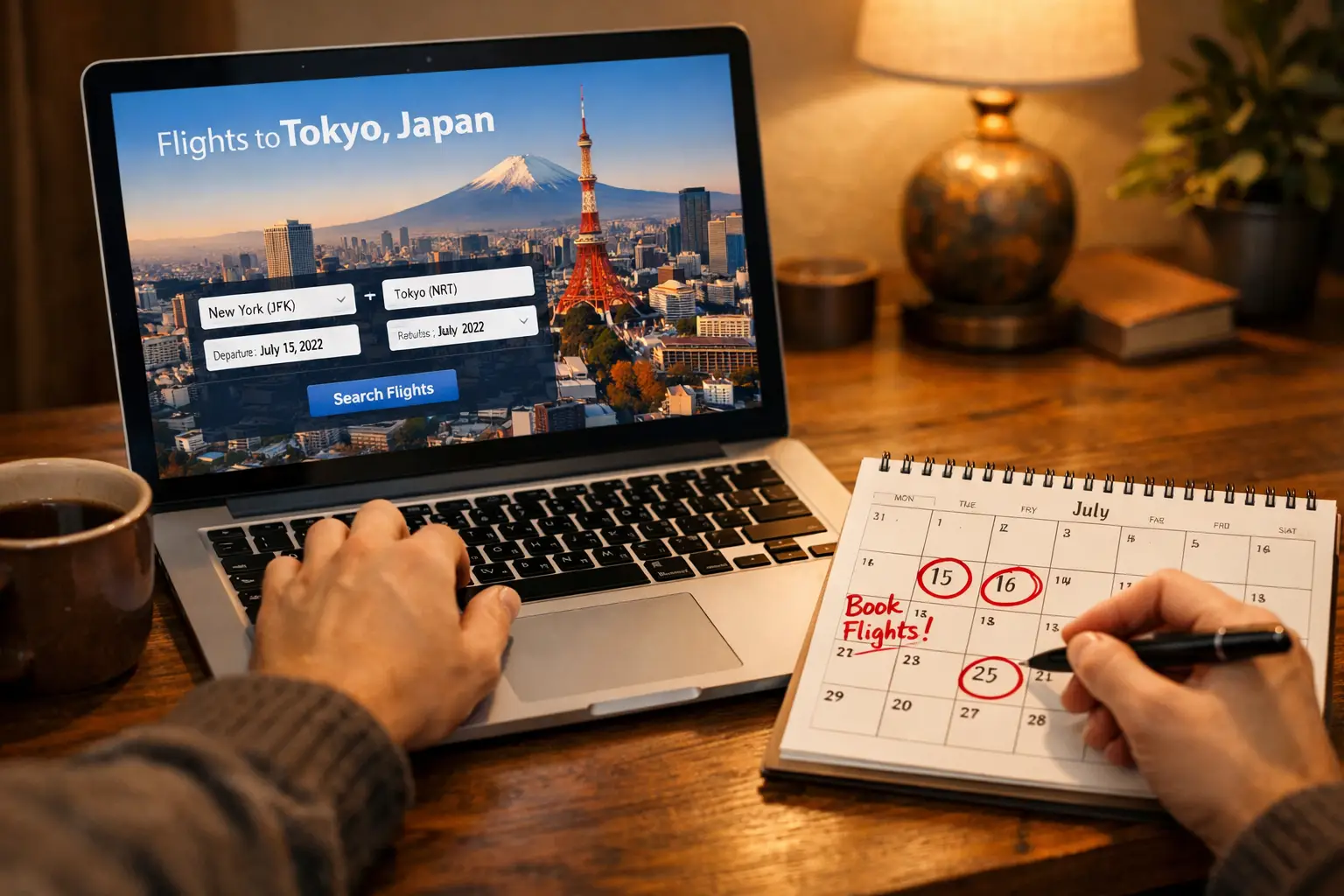
The best time to book flights to Japan is typically 2 to 4 months before your departure date. Prices tend to spike during cherry blossom season in late March to early April and fall foliage season in November, so booking early for these periods is essential. Using flight comparison tools and setting fare alerts gives you the best chance of locking in the lowest available price well before your travel dates.
Calculate Whether the JR Pass Is Worth It for Your Route
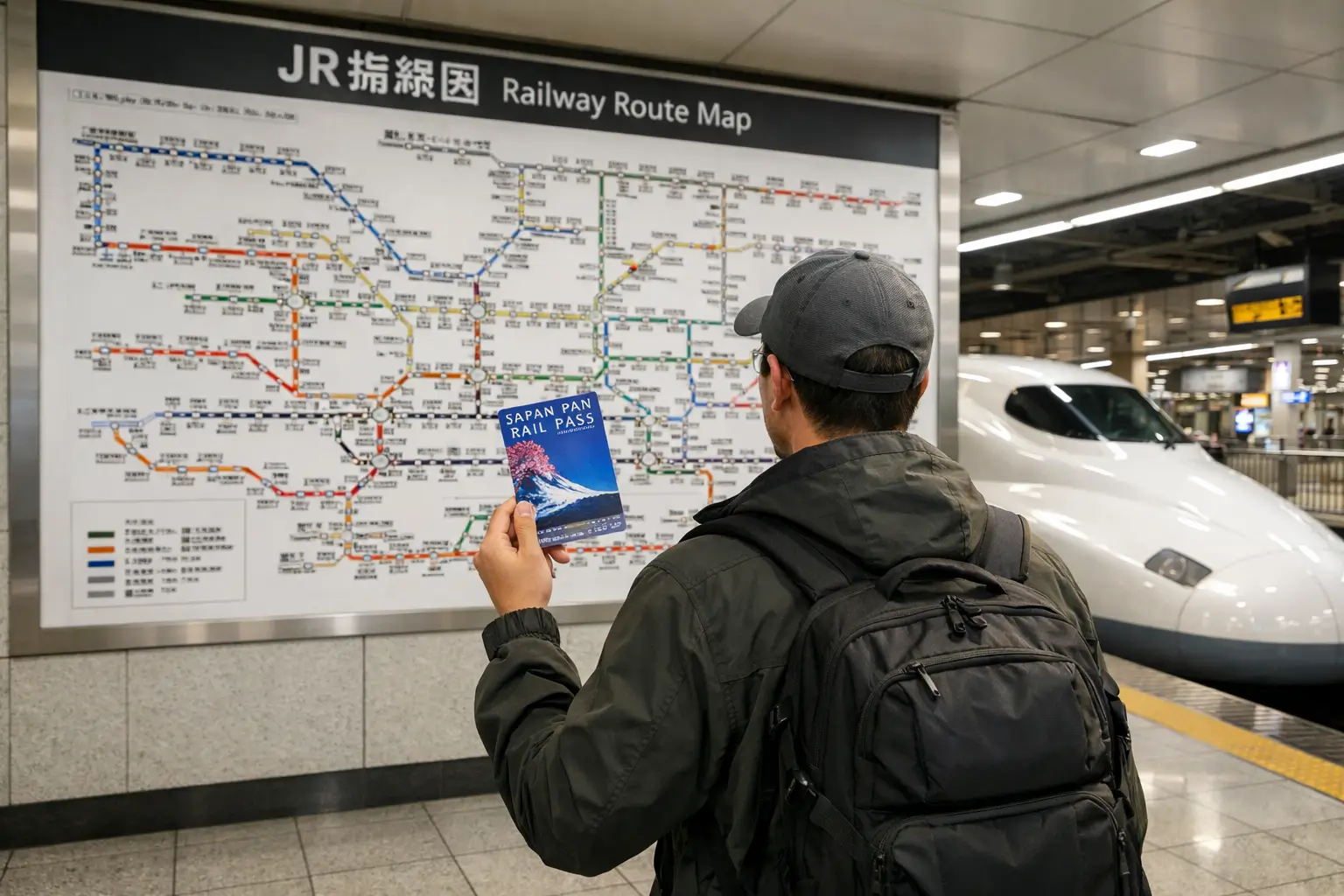
The Japan Rail Pass is one of the most discussed topics in budget travel circles, and the answer in 2026 is more nuanced than ever. The 7 day Japan Rail Pass now costs 50,000 yen following the October 2023 price increase and is only worthwhile if your Shinkansen tickets exceed this amount, making route calculation essential before purchase. For travelers visiting only two cities, buying individual tickets is almost always the smarter financial choice.
Use Regional Rail Passes Instead
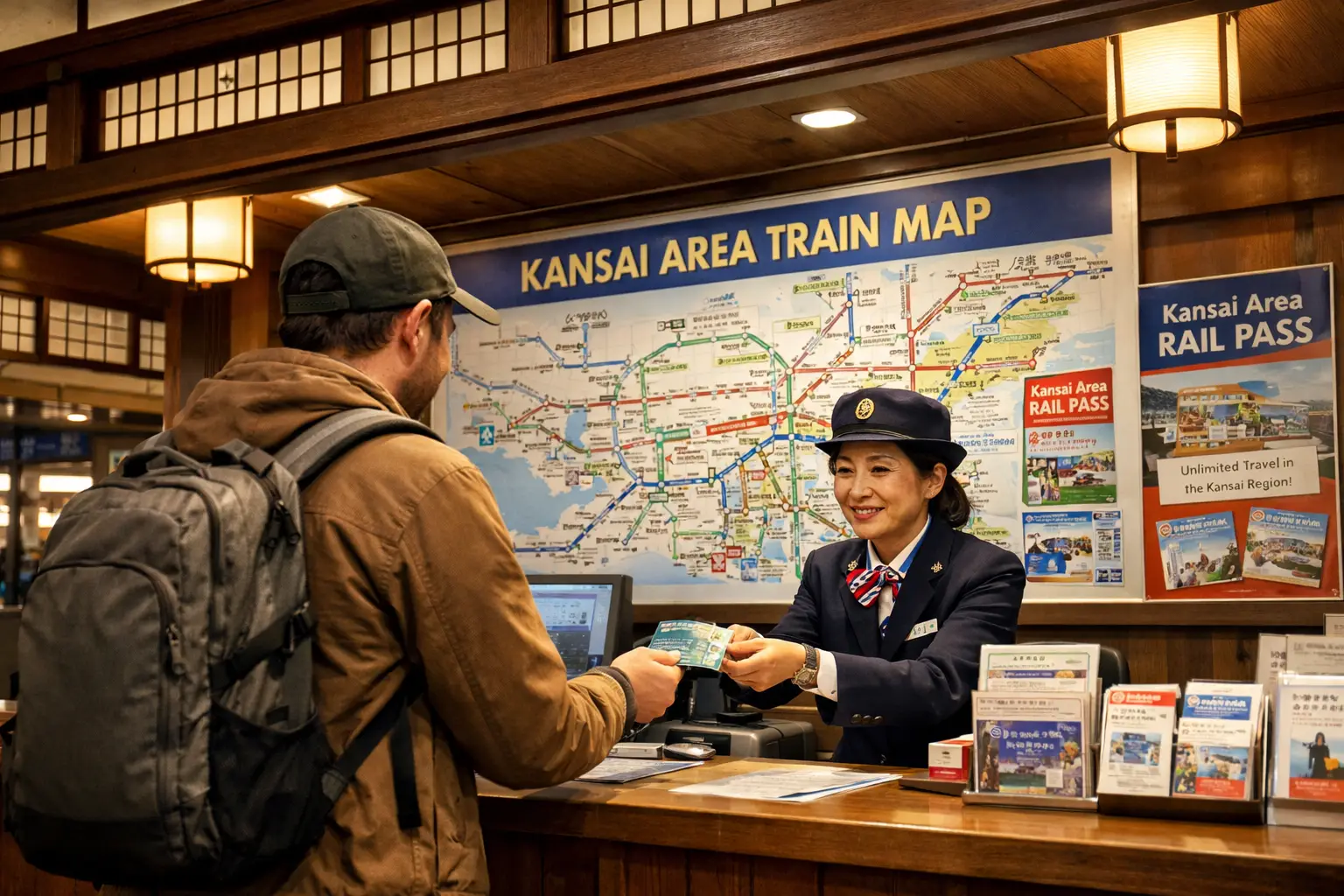
For travelers focused on one area of Japan, regional passes offer outstanding value. Regional passes like the JR East Tohoku Pass or JR West Kansai-Hiroshima Pass often provide better value at 20,000 to 30,000 yen for focused regional travel. The Kansai Thru Pass, for example, covers Kyoto, Osaka, and Nara at a fraction of what a national pass would cost for the same journey.
Load a Suica or Pasmo IC Card
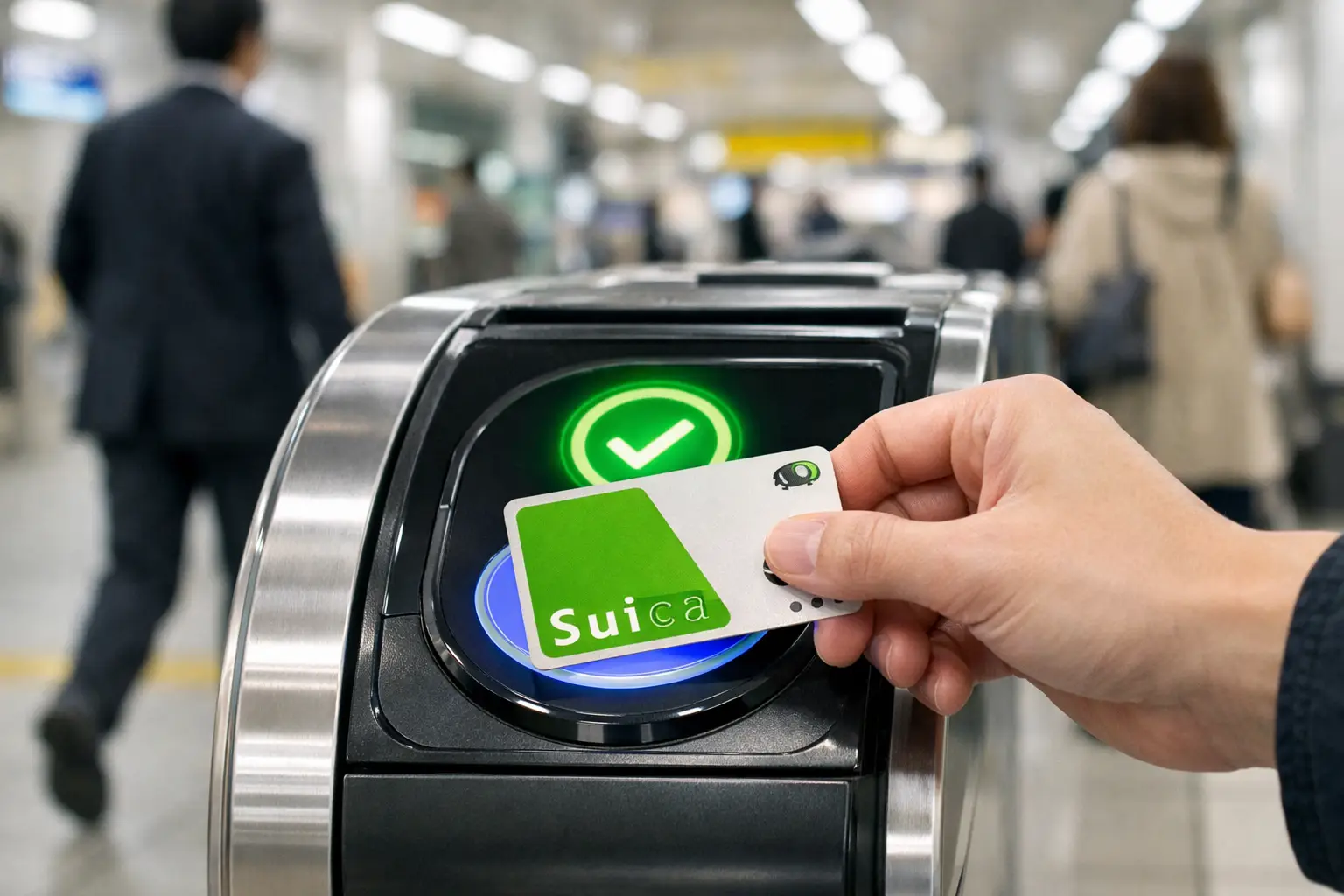
Suica or Pasmo cards make travel on trains, subways, and buses convenient and slightly discounted. Cash is required to load up the cards, but doing so at train stations is simple and fast. These rechargeable cards also work at convenience stores, vending machines, and many restaurants, reducing the need to carry large amounts of cash throughout your trip.
Take Overnight Buses Between Cities
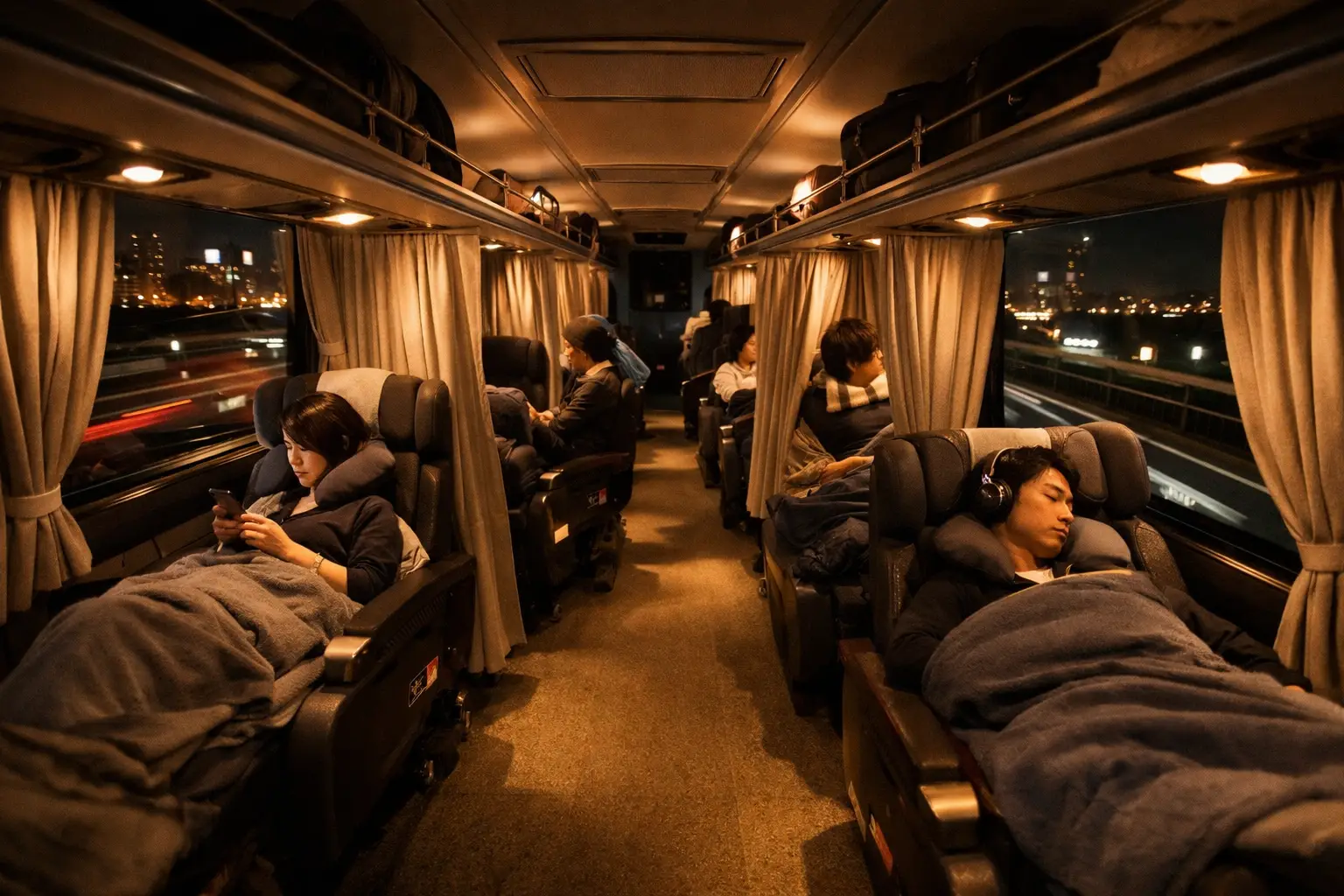
One of the smartest budget moves available to Japan travelers is the overnight highway bus. Overnight buses costing 5,000 to 8,000 yen allow you to skip hotel nights entirely while covering long distances between cities. Routes between Tokyo and Osaka, Kyoto, and Hiroshima are well serviced by comfortable overnight coaches that arrive in the morning, saving you both accommodation and daytime travel time.
Stay in Capsule Hotels and Hostels

Accommodation is typically the largest daily expense in Japan, but budget options are excellent in quality. Budget travelers staying in hostels or capsule hotels pay 2,000 to 6,000 yen per night, which equates to roughly 15 to 40 US dollars, while still accessing clean, safe, and well located accommodation in major cities. Many capsule hotels now include private lockers, hot showers, and communal lounges that rival budget hotels in comfort.
Eat at Convenience Stores
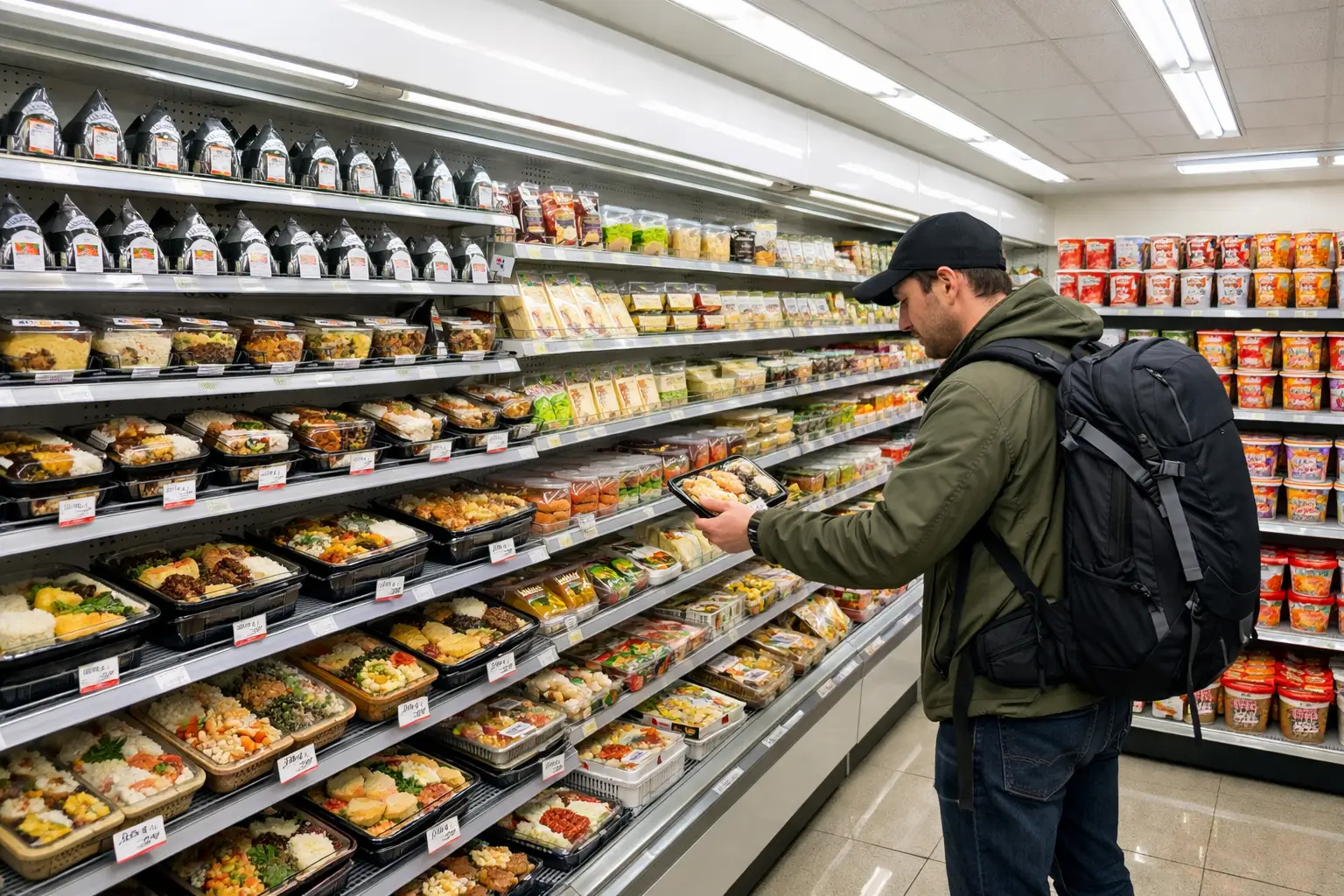
Japan’s convenience stores are genuinely one of the most exciting food discoveries for first time visitors. Eating one convenience store meal per day saves 10 to 20 US dollars compared to restaurants, which adds up to 70 to 140 dollars saved over a week. Seven Eleven, FamilyMart, and Lawson serve fresh, delicious food at unbeatable prices. Onigiri, hot noodles, sandwiches, and bento boxes are all available around the clock at outstanding quality.
Order Lunch Sets at Restaurants
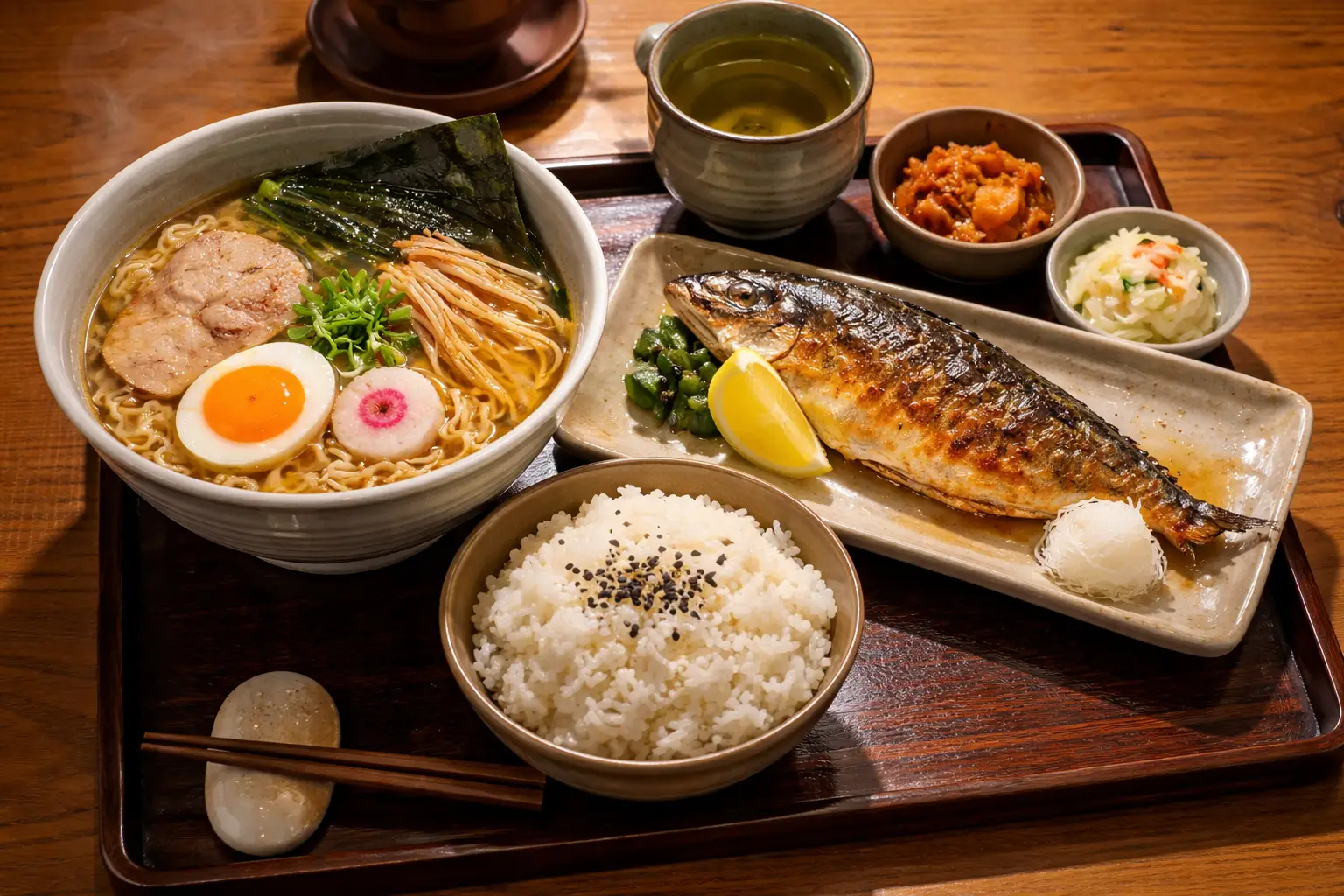
When you do eat at sit down restaurants, always aim for lunchtime. Many restaurants offer lunch specials at 30 to 50 percent off dinner prices, making lunchtime the best window to enjoy quality Japanese cuisine including ramen for 600 to 1,200 yen and quality set meals for 1,000 to 1,500 yen. Eating your largest meal at lunch and keeping dinner lighter is one of the most effective food budget strategies in Japan.
Shop at Supermarkets After 7 PM
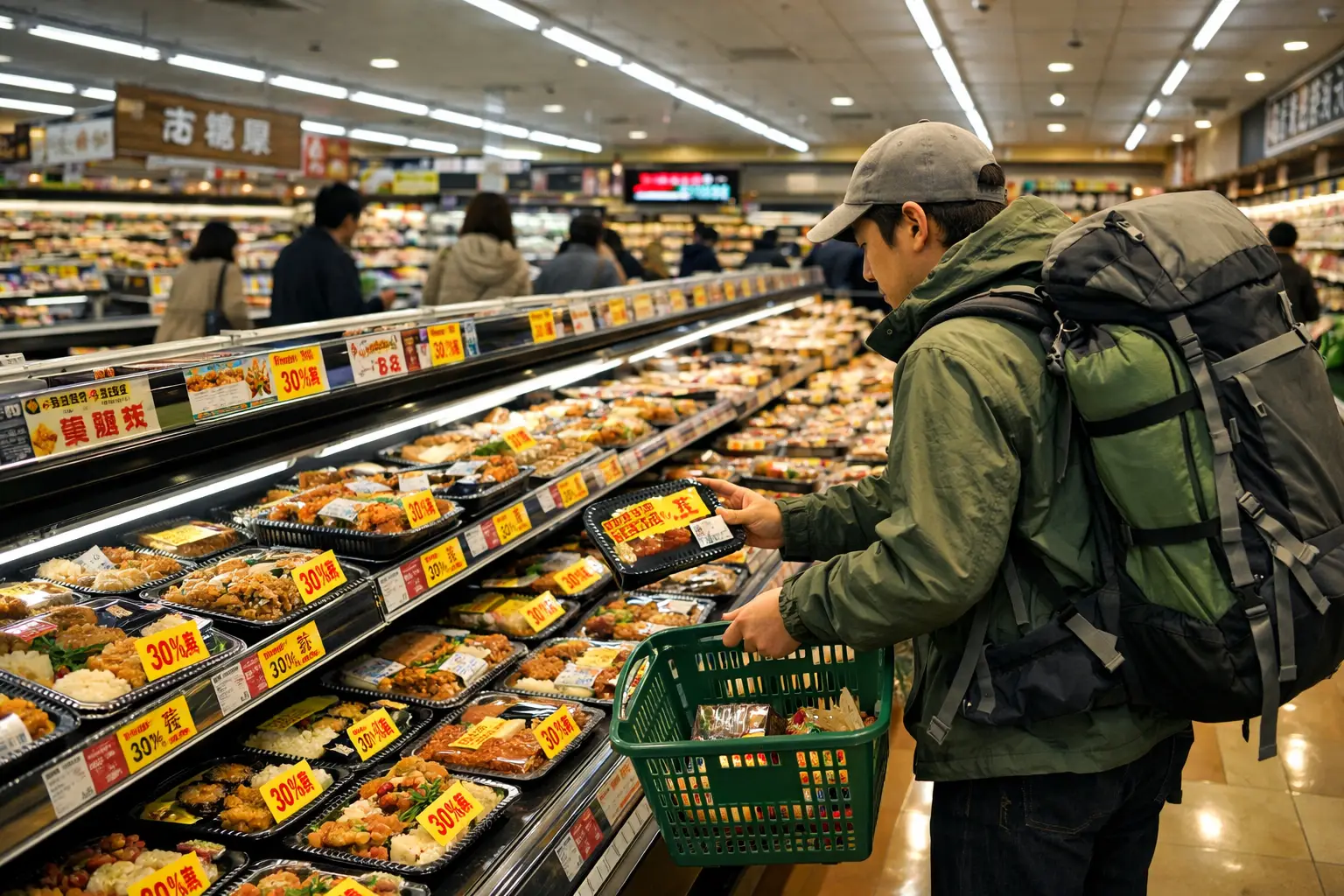
Shopping at supermarkets after 7 PM for 30 to 40 percent discounts on prepared foods is one of the most effective money saving strategies available to budget travelers in Japan. Most Japanese supermarkets slash prices on bento boxes, sushi trays, and cooked dishes in the evening to clear stock before closing, offering restaurant quality food at a fraction of the price.
Exchange Currency Before You Arrive
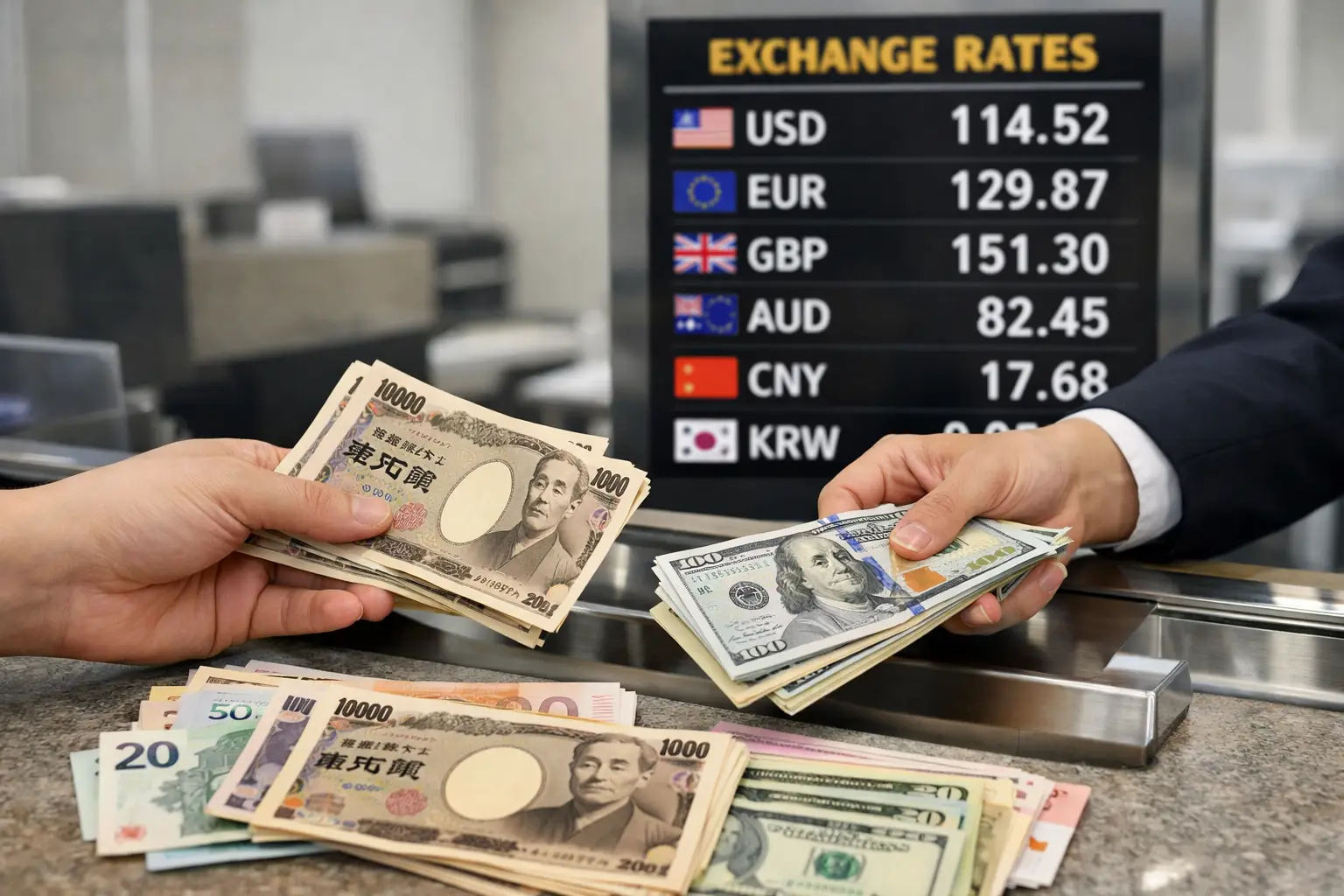
Where and how you exchange your money has a direct impact on how far your budget stretches. Exchanging currency before departure at banks or currency exchanges rather than airport kiosks avoids the 5 to 10 percent worse rates charged at airports. ATMs at Seven Eleven, FamilyMart, and Lawson convenience stores accept international cards with reasonable fees of 110 to 220 yen per transaction, so withdrawing larger amounts weekly rather than making small frequent withdrawals minimizes charges.
Explore Free Attractions and Neighborhoods
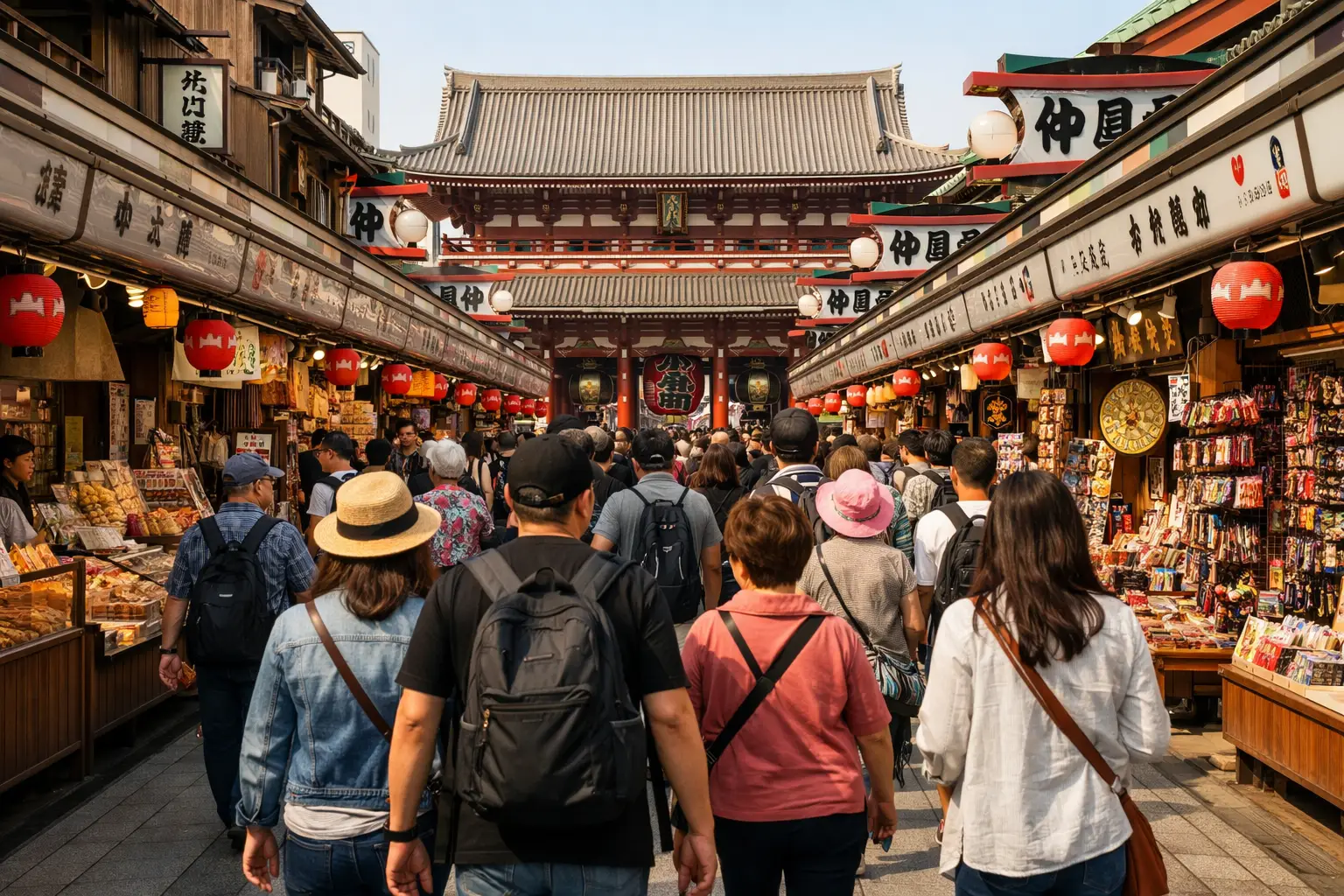
Japan is full of extraordinary experiences that cost absolutely nothing. Traditional neighborhoods like Asakusa and Harajuku have iconic vibes that can be explored without spending anything. Temple grounds, public parks, Shinto shrine precincts, morning markets, and riverside walks in cities like Kyoto, Osaka, and Tokyo provide hours of cultural immersion with zero admission cost.
Rent a Bicycle in Kyoto and Nara
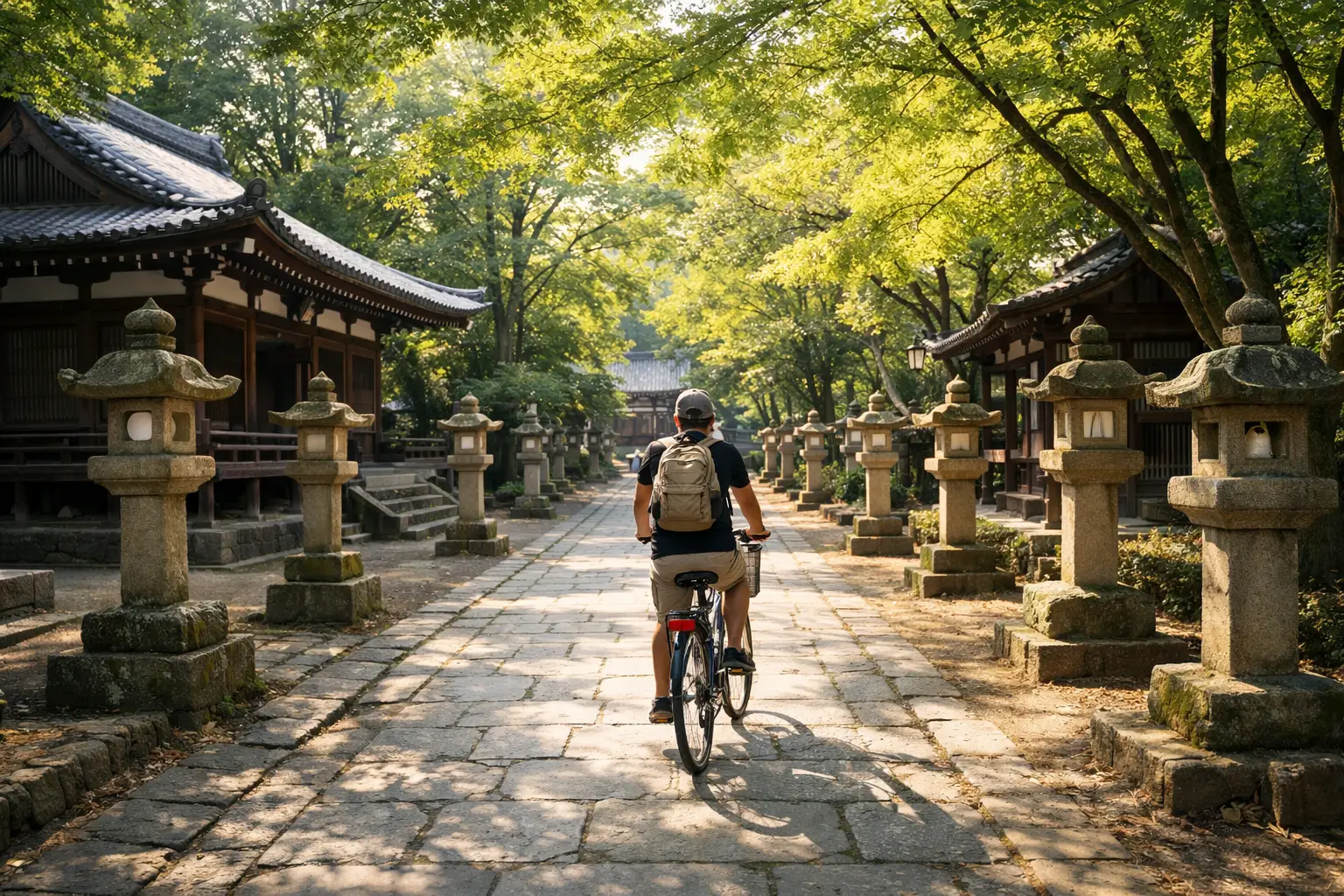
In cities like Kyoto and Nara, renting a bike is a cost effective way to explore, with prices ranging from 5 to 10 US dollars per day. Cycling between temples, shrines, and traditional neighborhoods eliminates individual train and bus fares that accumulate quickly across a full day of sightseeing, and gives you the freedom to stop wherever looks interesting.
Take Advantage of the Weak Yen
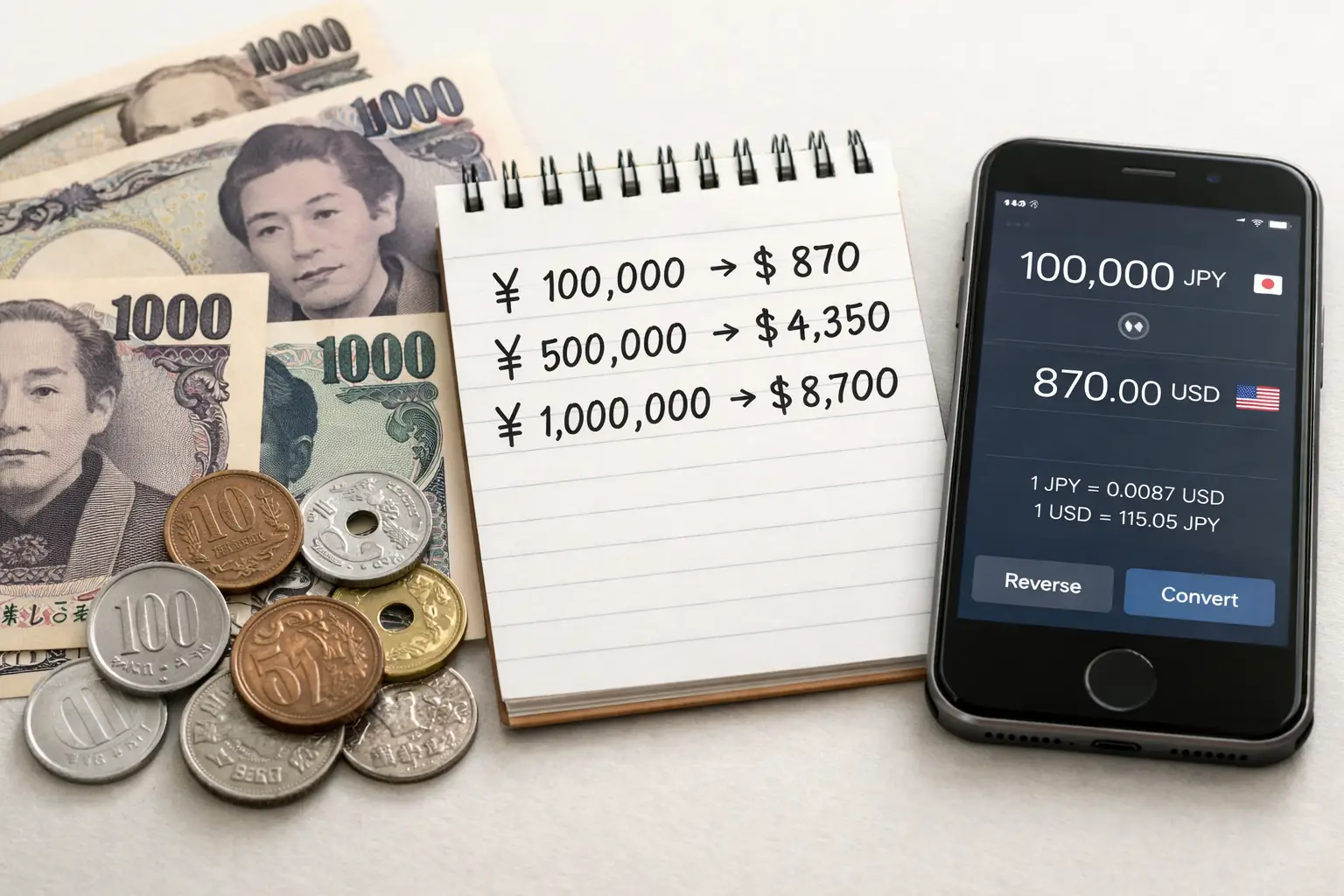
The current exchange rate environment is genuinely exceptional for foreign visitors. The weak Japanese yen has effectively given foreign visitors a 25 to 30 percent discount on everything from hotel rooms to convenience stores. A meal that cost 15 US dollars a few years ago now costs closer to 10 to 11 dollars, and a comfortable hotel that previously ran 150 dollars might now be available for around 100 to 110 dollars. Monitoring the exchange rate before and during your trip helps you time larger cash withdrawals for maximum value.
Factor in New 2026 Tourist Taxes
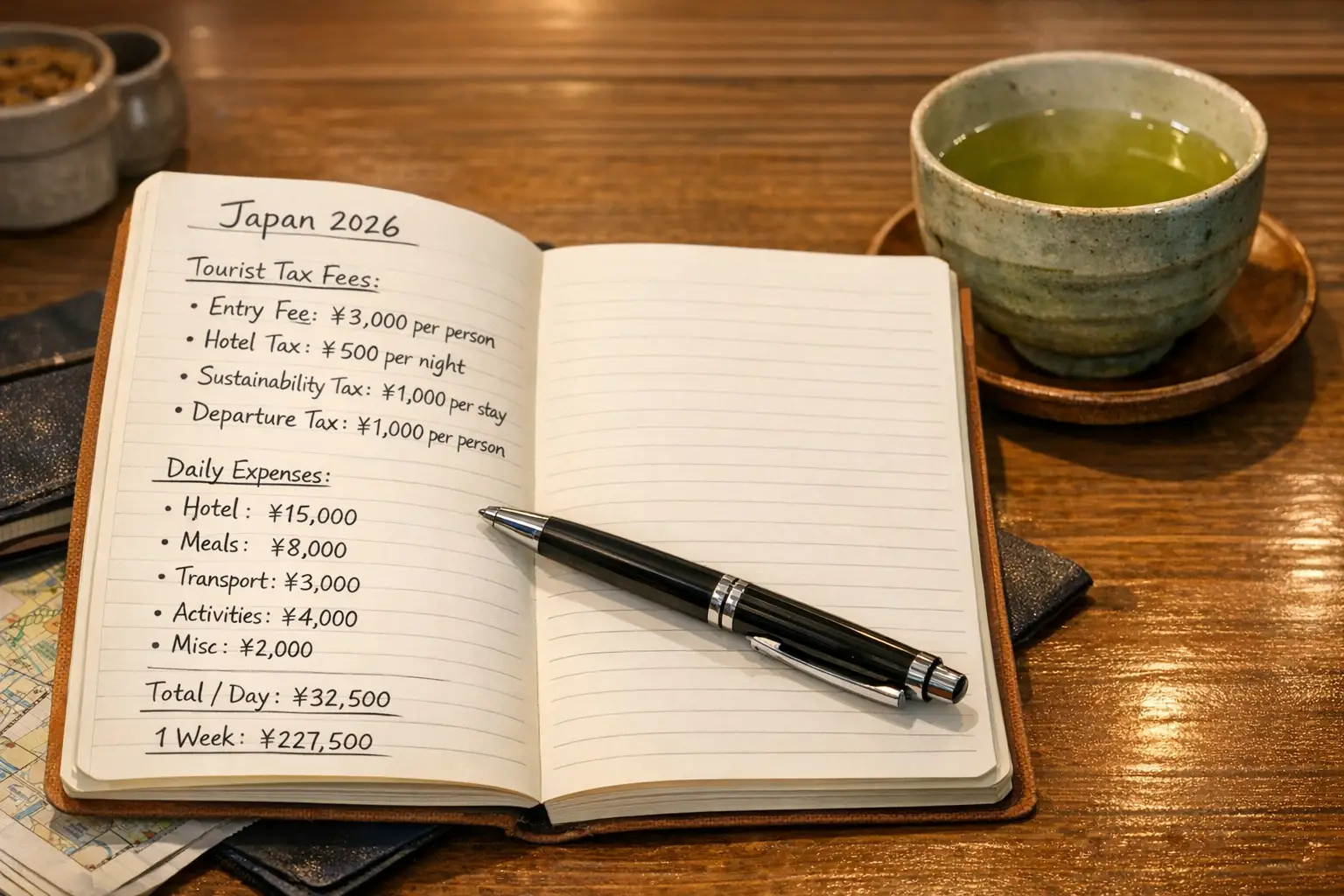
Being aware of new fees prevents unpleasant surprises in your budget. The International Tourist Tax increased to 3,000 yen per person in 2026, Kyoto has implemented a tiered accommodation tax, and dual pricing has launched at major attractions like Himeji Castle, all of which require budget adjustments beyond standard travel costs. Build these additional fees into your daily budget from the start so they do not catch you off guard.
Walk as Much as Possible
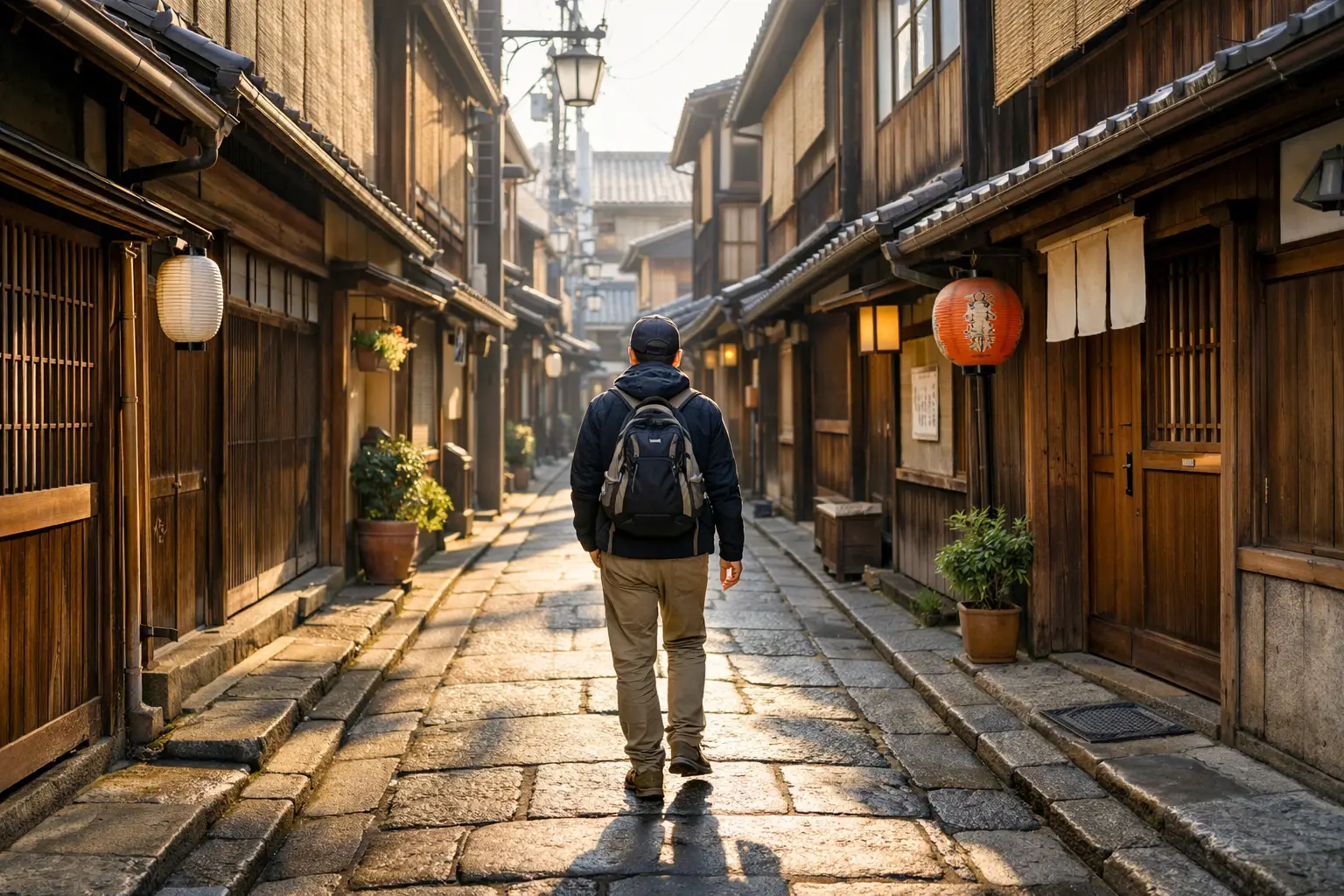
Japan’s cities are extraordinarily walkable, and making walking your default mode of transport saves money on every single day of your trip. Exploring Japan on foot not only saves money but also allows you to discover hidden gems, as so much of the local population walks as a matter of daily habit. In cities like Tokyo and Kyoto, many of the most memorable experiences happen on streets and alleyways that no transport map will ever show you.
Visit 100 Yen Shops for Supplies and Souvenirs
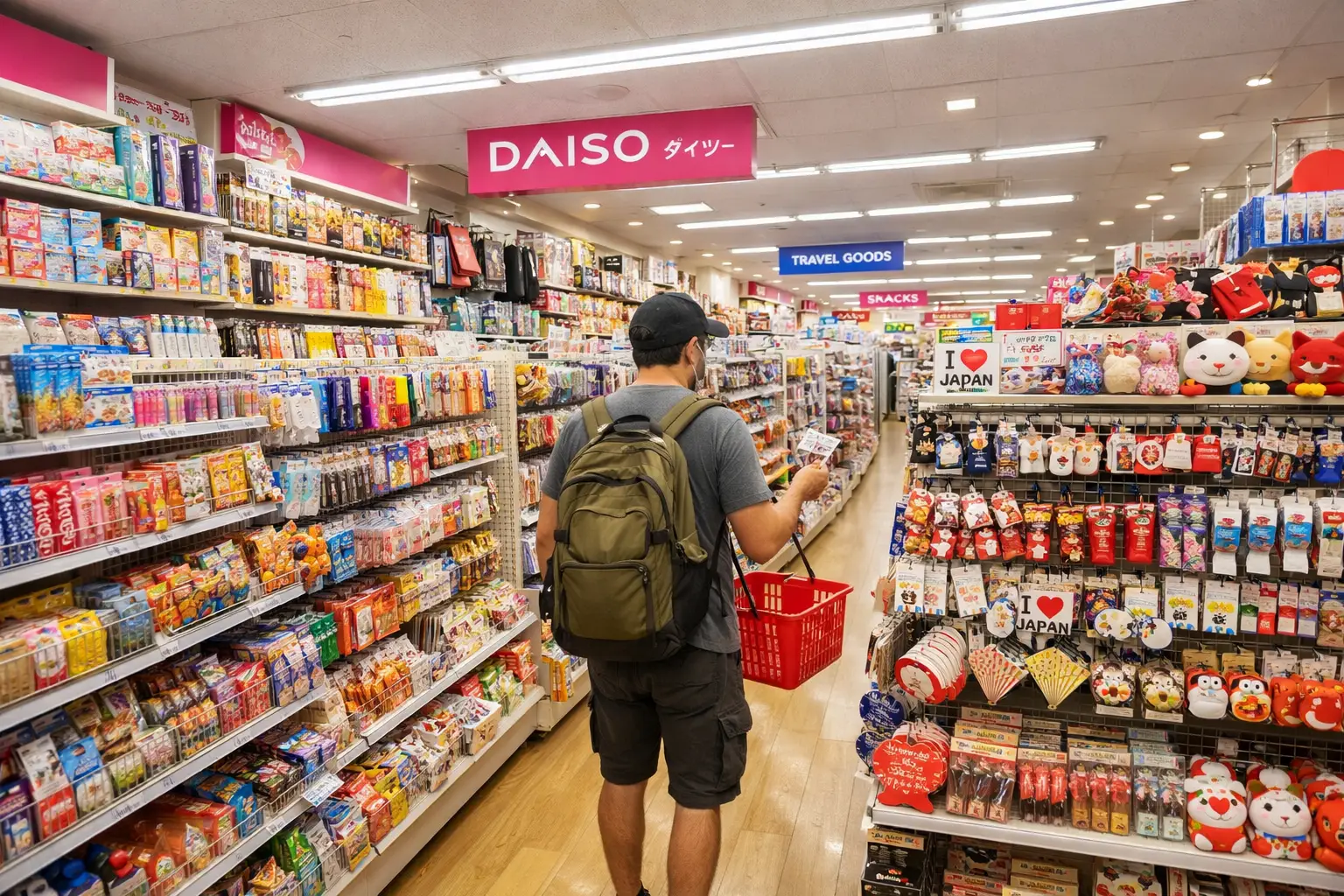
Japan’s 100 yen shops, particularly Daiso and Seria, are a budget traveler’s best friend. These stores sell everything from stationery and kitchen items to snacks, travel accessories, and genuinely beautiful gifts at a fixed price of around 100 yen per item. For souvenirs, the quality and variety available at 100 yen shops easily rivals gift shops charging five times the price for similar products.
Plan Carefully and Book Accommodation Early
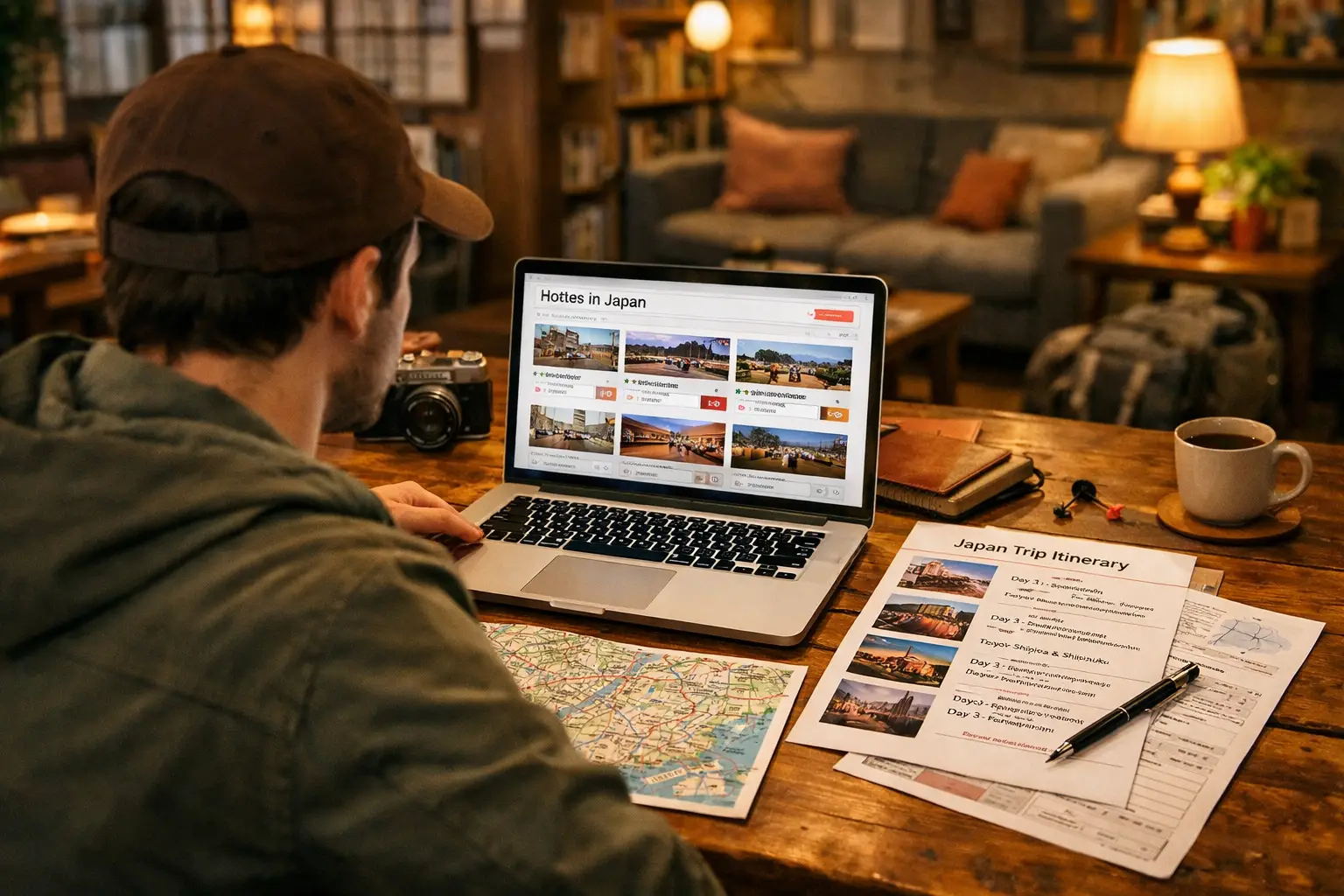
The foundation of every successful budget trip to Japan is advance planning. Booking accommodation 3 to 6 months ahead, using IC cards for local transport, and mixing free attractions with paid experiences are among the core money saving strategies that allow budget travelers to comfortably explore Japan for 80 to 120 US dollars per day including accommodation, food, transport, and activities. The travelers who overspend in Japan are almost always the ones who arrived without a plan.
Conclusion
Traveling Japan on a budget in 2026 is not about sacrifice. It is about making informed choices that let you experience more of this extraordinary country for less money. Stick to budget transit, local food, and smart accommodation choices and you will keep your costs low while still enjoying everything Japan has to offer. The weak yen, world class convenience store food, free cultural neighborhoods, and an unmatched public transport network all work in a budget traveler’s favor. With the 18 tips in this guide, you have everything you need to plan a trip to Japan that is both deeply memorable and genuinely affordable.
You can may also like this: 20 Stunning Japan Temples ideas You Must Visit in 2026
FAQs
How much does a budget trip to Japan cost per day in 2026
Budget travelers can comfortably explore Japan for approximately 80 to 120 US dollars per day. This covers a bed in a hostel or capsule hotel, convenience store and set lunch meals, local transport using an IC card, and a mix of free and low cost attractions.
Is the Japan Rail Pass worth buying in 2026
It depends entirely on your itinerary. Following a 70 percent price increase in 2023, the JR Pass is only worth purchasing if you plan to take three or more long Shinkansen journeys. For shorter itineraries, buying individual tickets or regional passes is usually cheaper.
What is the cheapest time of year to visit Japan
January and February are the cheapest months overall, with the lowest flight prices and hotel rates. Early June and mid September are also excellent value shoulder seasons that combine lower prices with smaller crowds and pleasant weather.
Is Japan safe for solo budget travelers
Japan is consistently ranked among the safest countries in the world for solo travelers. Crime rates are extremely low, public transport is reliable, and even remote areas are accessible and well signposted, making solo budget travel in Japan a comfortable and straightforward experience.
Can I use my credit card in Japan or do I need cash
Japan remains a largely cash based society, particularly at smaller restaurants, temples, shrines, and local shops. Always carry cash for daily expenses. ATMs at Seven Eleven, FamilyMart, and Lawson convenience stores reliably accept international cards and are available around the clock across the country.