
Introduction
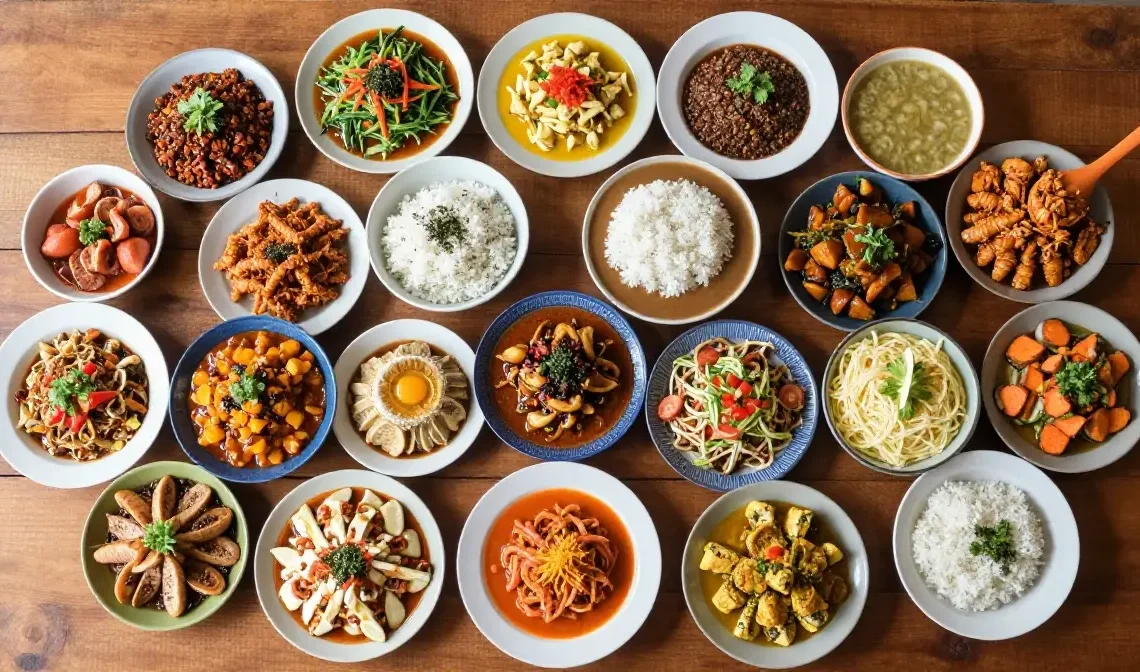
Filipino cuisine is one of the most exciting and underappreciated food cultures in the world. It is a beautiful blend of Malay, Spanish, Chinese, and American influences, shaped by centuries of history and a deep love for bold, comforting flavors. From tangy soups and slow-cooked stews to crispy street food and indulgent desserts, Filipino dishes offer something for every kind of food lover. Whether you are a seasoned home cook or just beginning your culinary journey, this list of 22 Filipino dishes you must try at home will introduce you to a world of unforgettable taste, warmth, and tradition.
Chicken Adobo
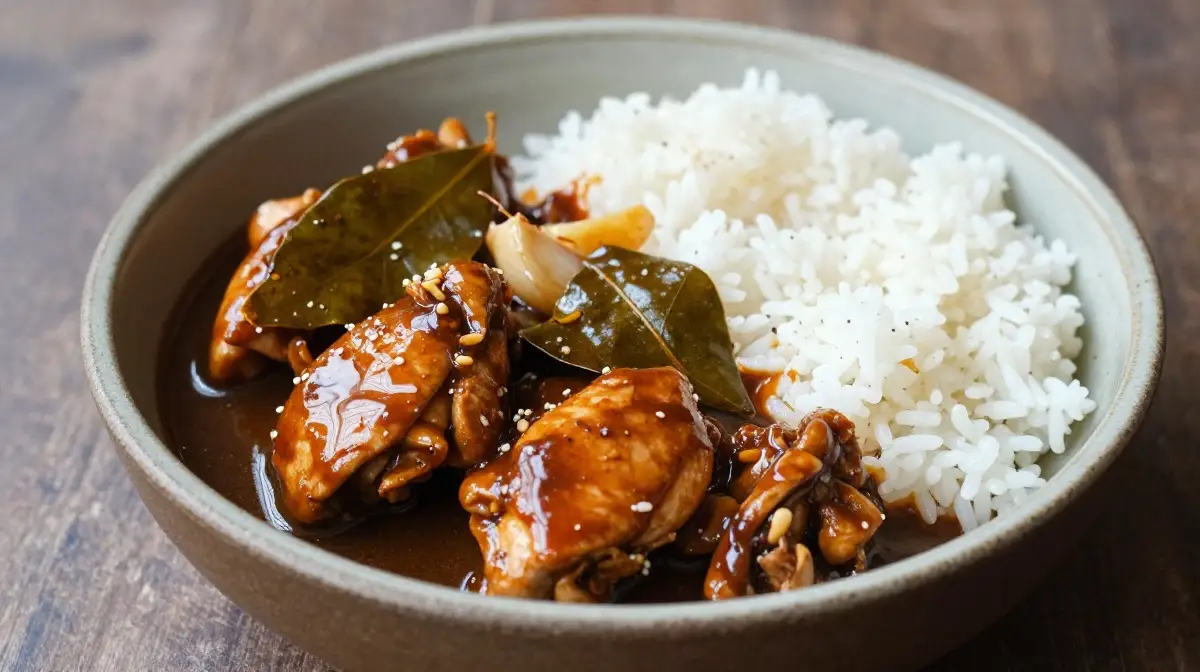
Adobo is the unofficial national dish of the Philippines and the perfect starting point for anyone exploring Filipino cooking. Chicken pieces are marinated and slowly simmered in a rich mixture of vinegar, soy sauce, garlic, black peppercorns, and bay leaves until deeply flavorful and tender. Every Filipino family has its own version, making it a dish that is both universal and personal at the same time.
Sinigang
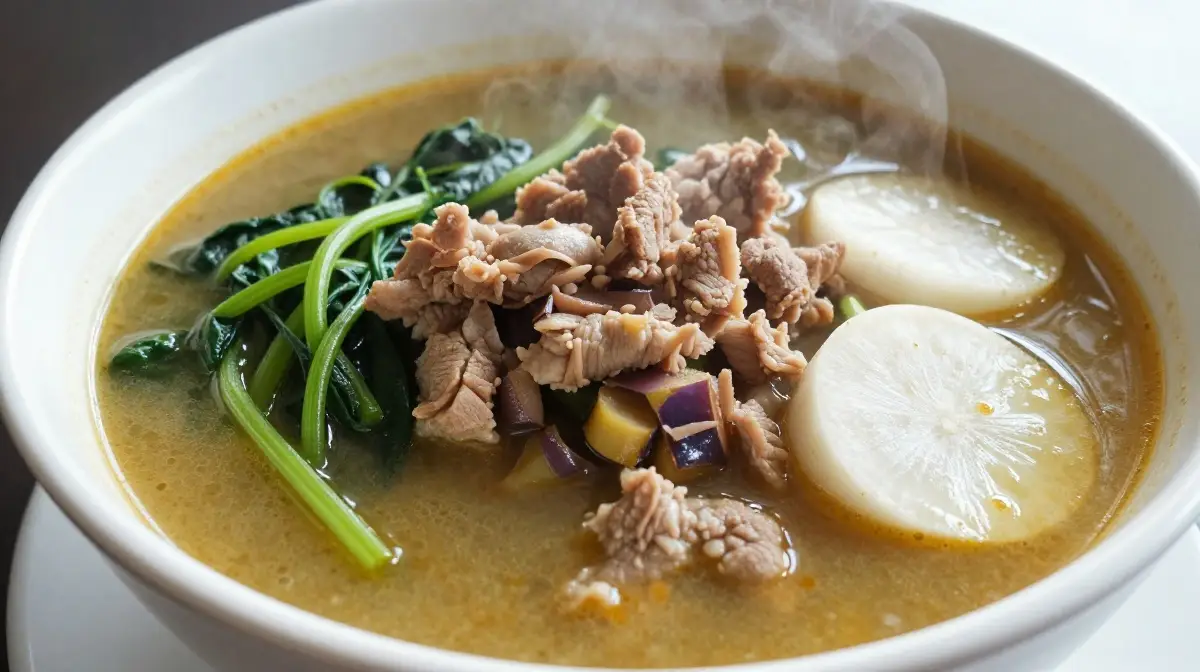
Sinigang is a beloved Filipino soup known for its distinctly sour and savory broth. It is traditionally made with pork, shrimp, or fish and flavored with tamarind. The broth is loaded with fresh vegetables like water spinach, eggplant, radish, and long green peppers. It is warming, satisfying, and one of the most comforting bowls you will ever enjoy at home.
Lechon
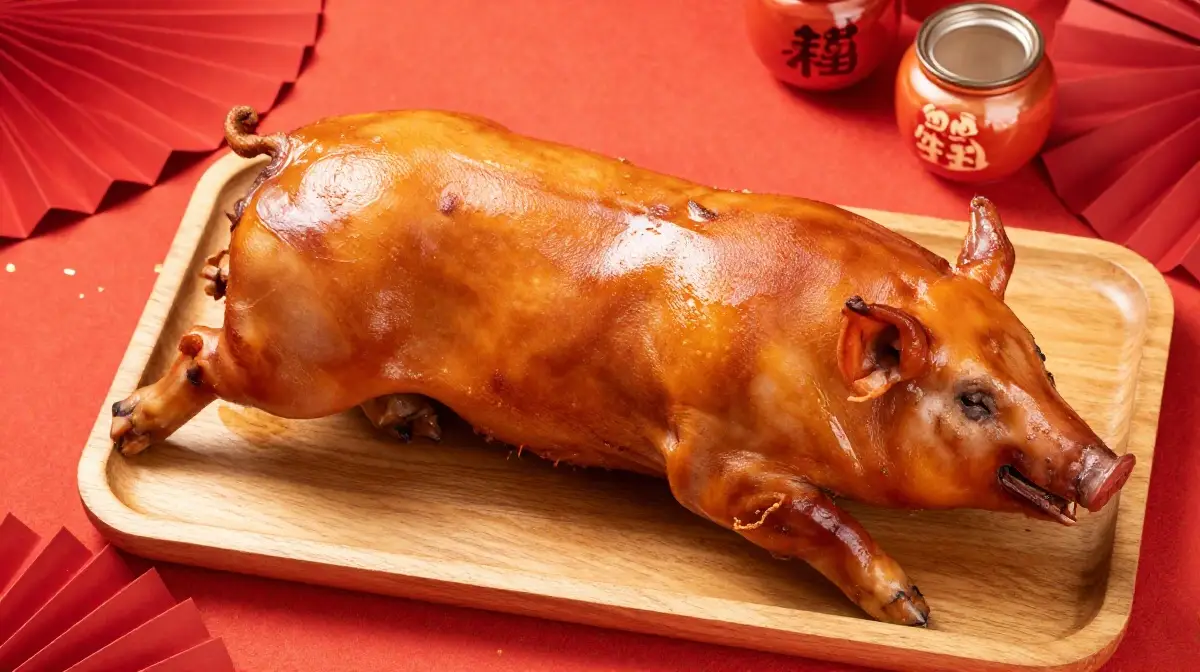
Lechon is the centerpiece of every Filipino celebration. Traditionally, it is a whole roasted pig slow-cooked over charcoal until the skin becomes golden and impossibly crispy while the meat inside stays tender and juicy. For a home version, lechon kawali, which is deep-fried pork belly, delivers the same satisfying crunch without the need for an entire pig.
Kare-Kare
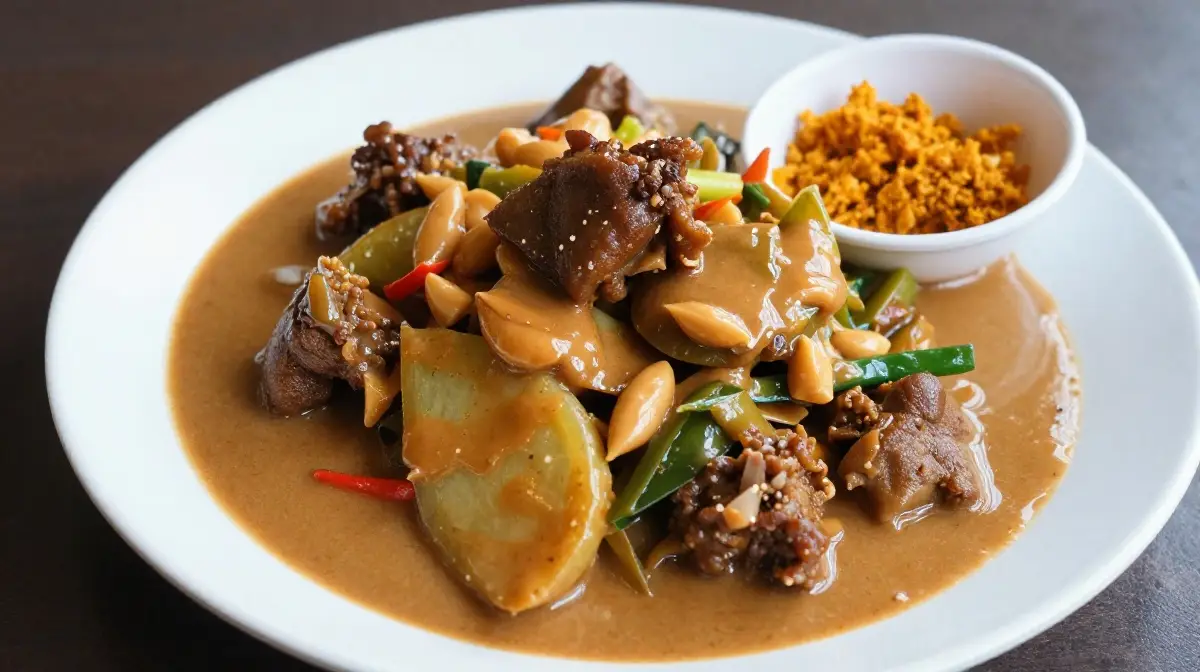
Kare-kare is a rich and indulgent Filipino stew made with oxtail, tripe, or beef, cooked in a thick, creamy peanut sauce with vegetables like banana blossom, eggplant, and string beans. It is always served alongside bagoong, a fermented shrimp paste that adds a salty, savory punch to balance the richness of the dish.
Pancit Bihon
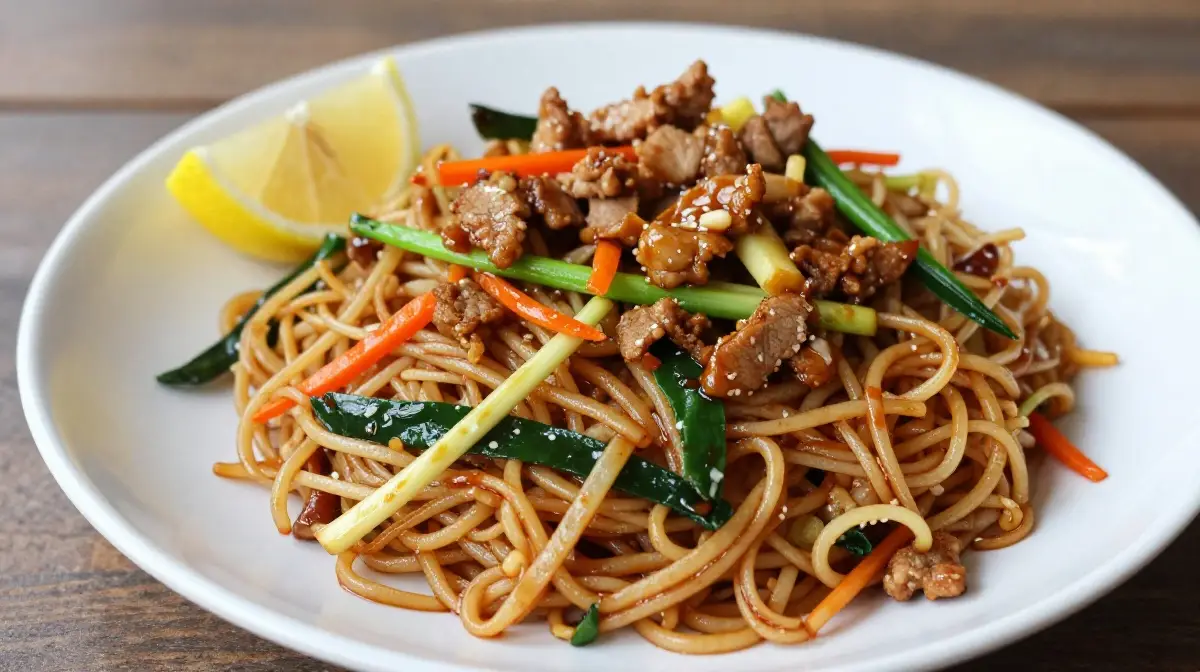
Pancit refers to a family of Filipino noodle dishes and pancit bihon is one of the most popular versions. Rice vermicelli noodles are stir-fried with soy sauce, calamansi juice, vegetables, and sliced meat in a quick and flavorful one-pan meal. Pancit is traditionally eaten at birthdays as it symbolizes long life and good health.
Lumpia Shanghai
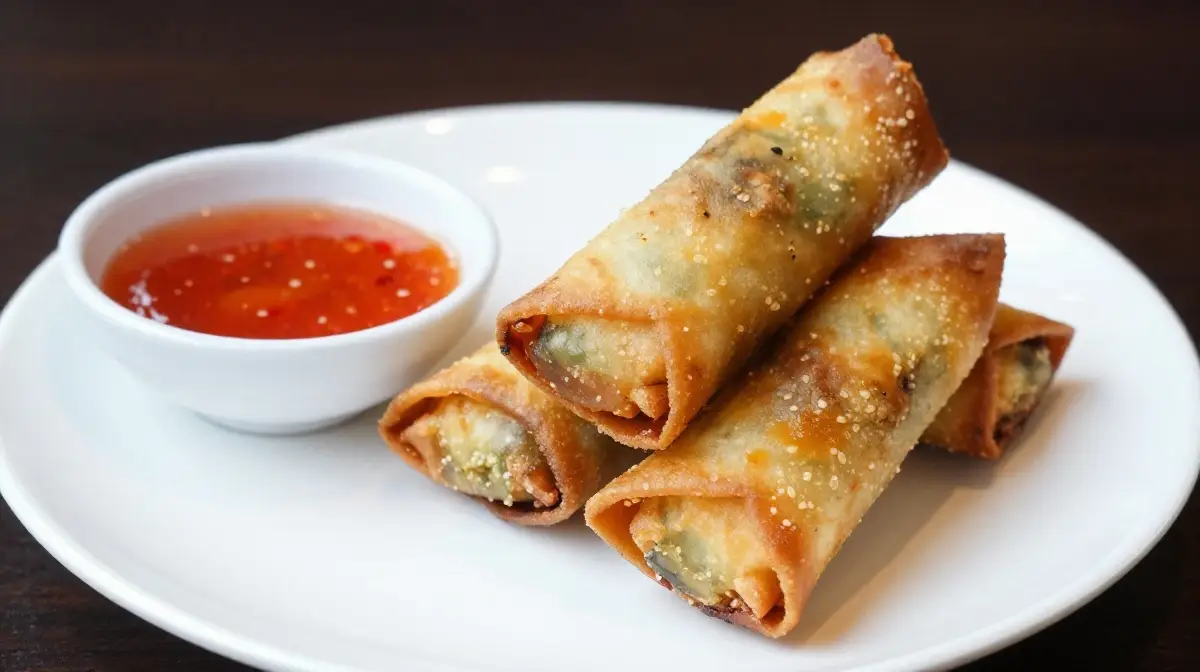
Lumpia shanghai are the Filipino version of spring rolls and they are impossible to stop eating. Ground pork is mixed with carrots, onions, and seasonings, wrapped in thin pastry sheets, and deep-fried to a crispy golden perfection. They are served with a sweet and sour dipping sauce and are a staple at every Filipino gathering and celebration.
Sisig
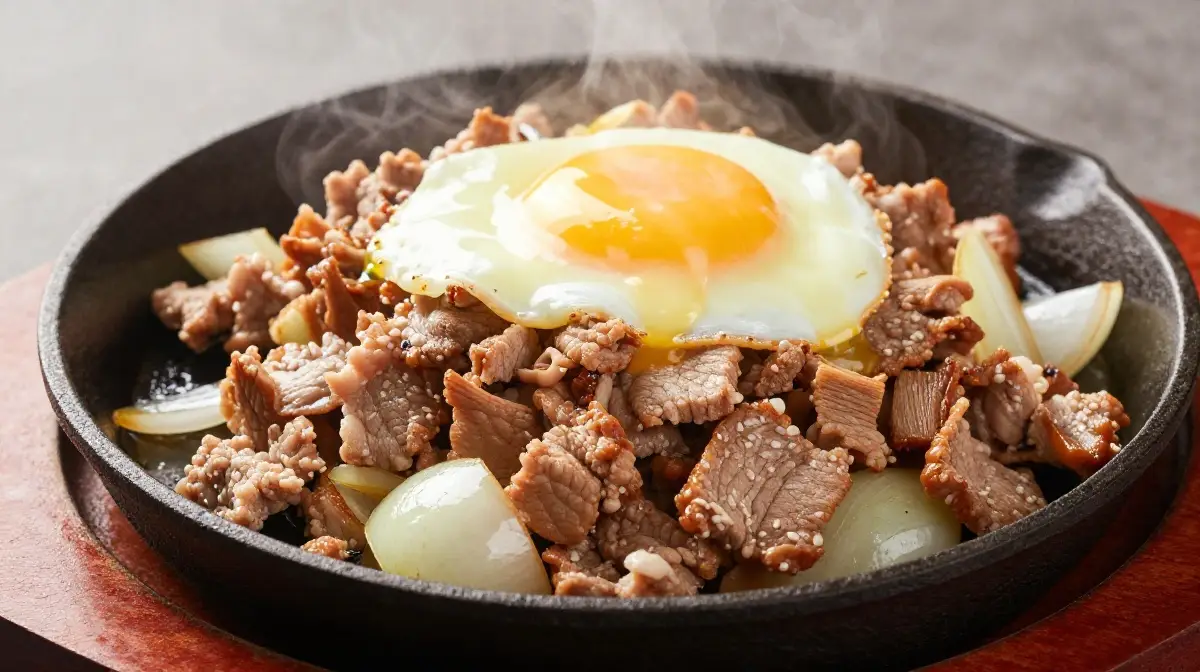
Sisig originated in the Pampanga region and has become one of the most iconic Filipino dishes. It is made from chopped and grilled pork face and ears seasoned with calamansi juice, onions, and chili peppers, then served sizzling hot on a cast-iron plate. A cracked egg stirred in at the end adds creaminess that takes the dish to another level entirely.
Bicol Express
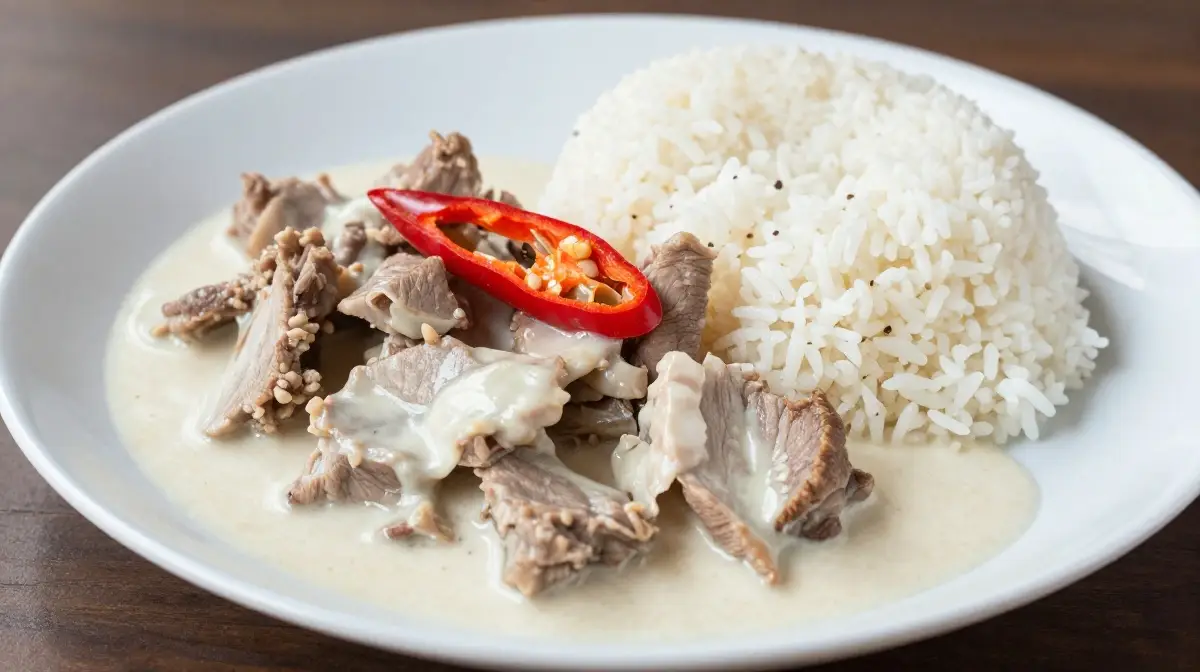
Bicol express is a fiery and flavorful dish from the Bicol region of the Philippines. Bite-sized pieces of pork are cooked with abundant amounts of chili peppers, coconut milk, shrimp paste, onions, and garlic until they form a thick, spicy, and creamy sauce. It is best enjoyed over steamed white rice when you want bold, intense flavor with every spoonful.
Bulalo
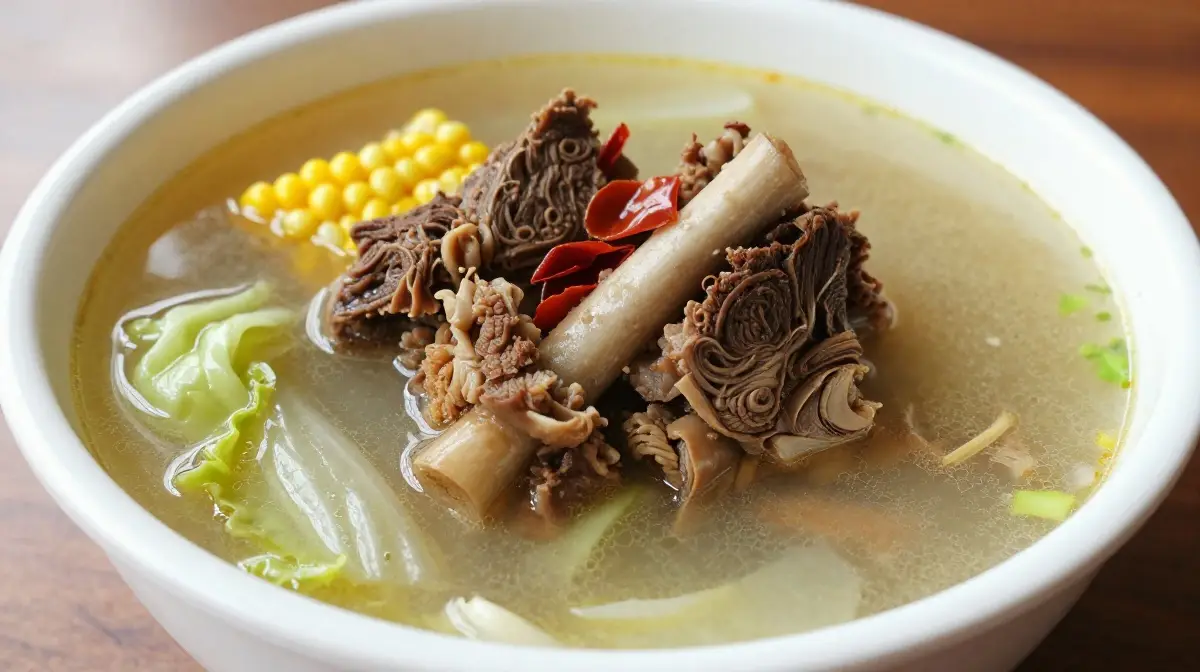
Bulalo is a hearty beef marrow soup that is a specialty of the Luzon region. Beef shanks and bone marrow are slow-boiled for hours until the collagen melts into the broth, creating a deeply rich and velvety soup. Cabbage, corn, and string beans are added toward the end, making it a complete and deeply satisfying meal on its own.
Tinola
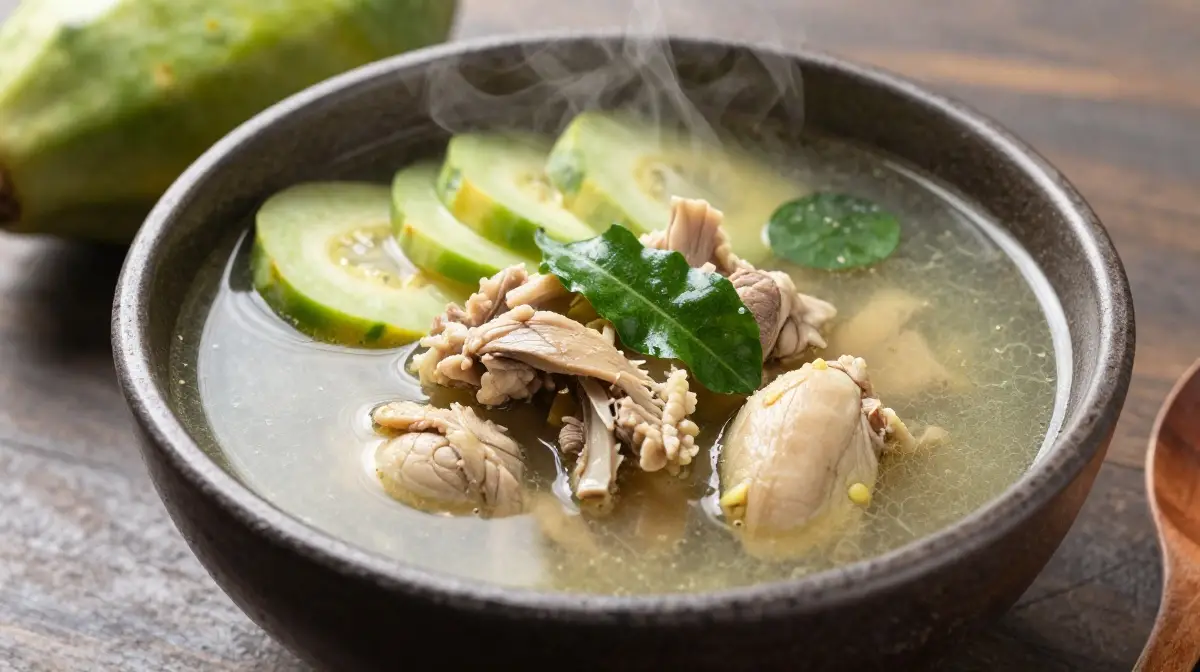
Tinola is a simple, light, and nourishing Filipino chicken soup made with ginger broth, green papaya, and chili leaves. It is one of the most comforting Filipino dishes and is often the first meal prepared for someone who is feeling unwell. The ginger gives the broth a gentle warmth that makes this dish feel like a cure for everything.
Bistek Tagalog
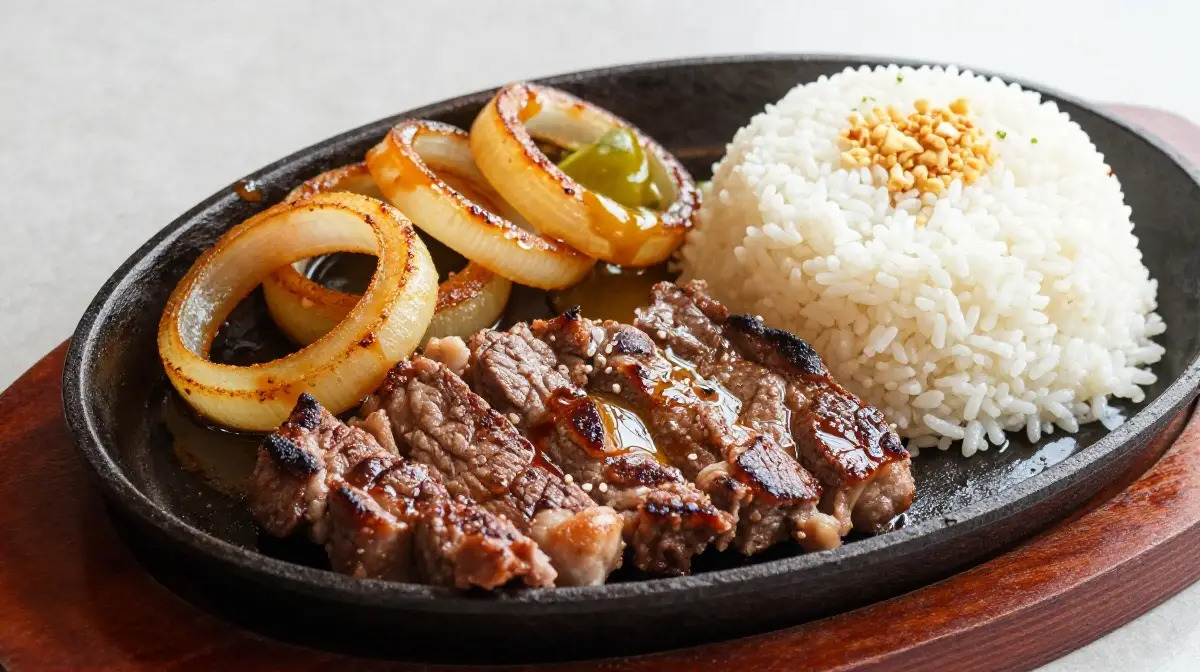
Bistek tagalog is the Filipino take on beef steak and it is remarkably easy to prepare at home. Strips of beef sirloin are marinated in soy sauce and calamansi juice, then pan-fried with soft caramelized onions. The result is a savory, slightly tangy, and deeply satisfying dish that pairs beautifully with garlic fried rice.
Pinakbet
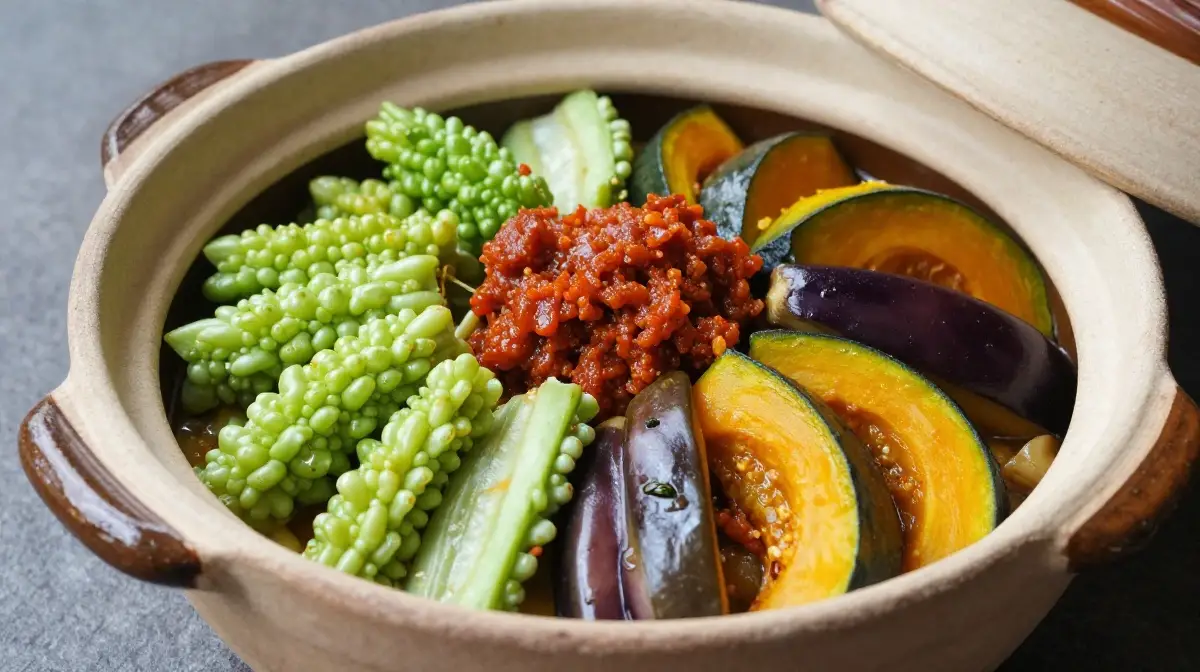
Pinakbet is a traditional Filipino vegetable dish made with a colorful mix of bitter melon, eggplant, squash, okra, and string beans cooked in shrimp paste. It is a nutritious and flavorful dish that showcases the Filipino talent for turning humble vegetables into something truly delicious and satisfying with minimal ingredients.
Laing
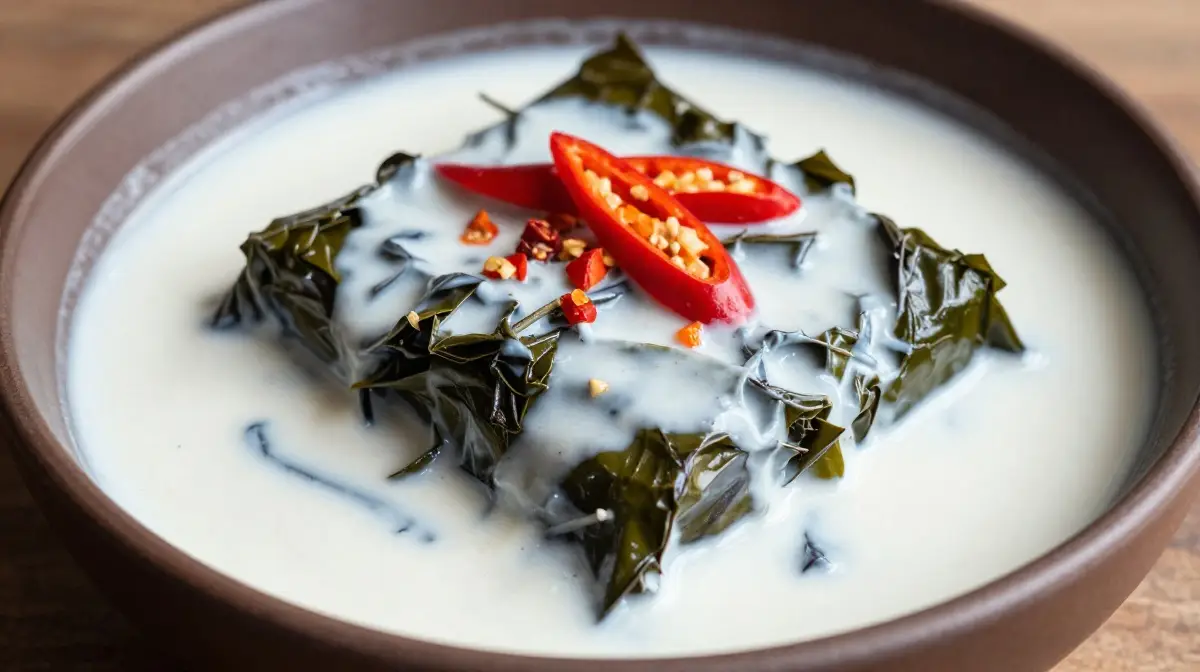
Laing is a creamy and spicy dish from the Bicol region made with dried taro leaves slowly cooked in rich coconut milk with pork, shrimp paste, and generous amounts of chili. The leaves absorb all the flavors of the coconut milk and spices over time, creating a dish with extraordinary depth that tastes even better the next day.
Pork Sinigang sa Miso
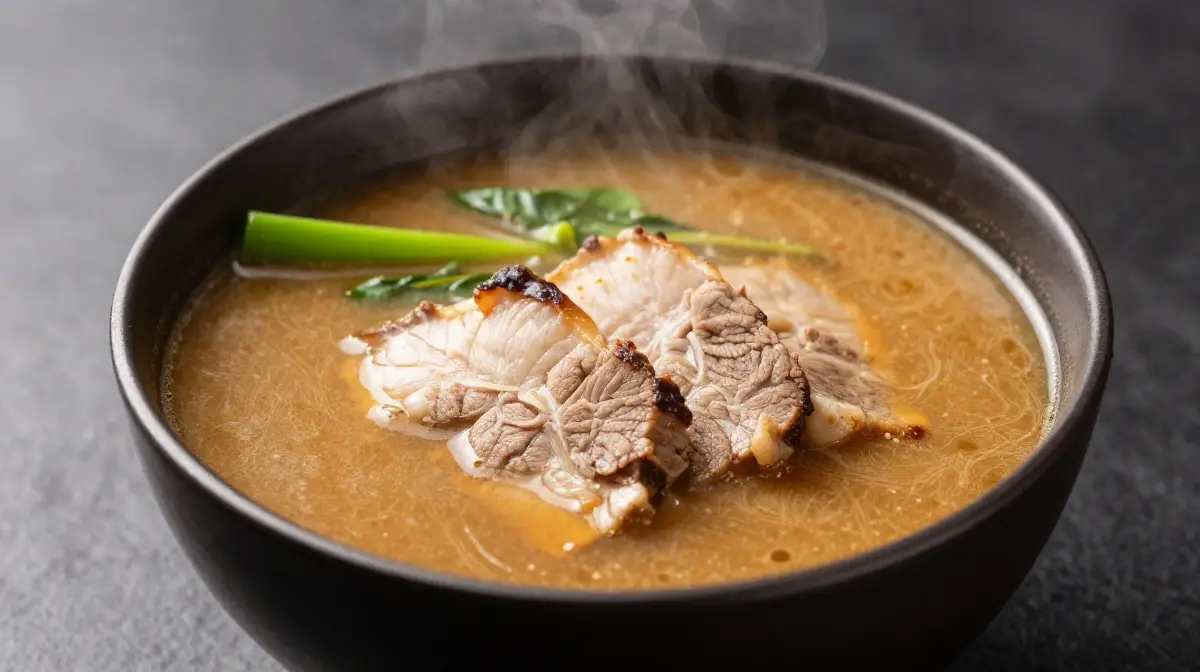
A delicious variation of the classic sinigang, this version uses miso paste to enrich the sour tamarind broth with a deep, fermented umami flavor. Pork belly pieces and vegetables are simmered in this complex broth, creating a soup that is both familiar and uniquely satisfying in a way that stands apart from the original recipe.
Arroz Caldo
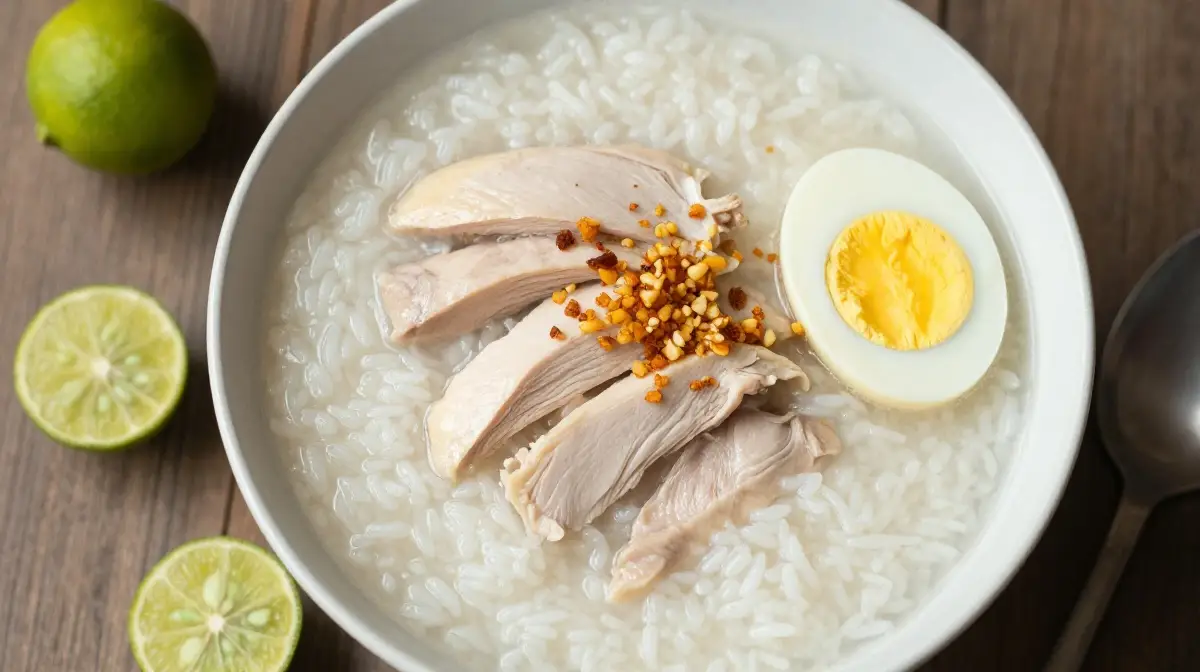
Arroz caldo is a Filipino rice congee made with chicken and flavored with ginger, fish sauce, and garlic. It is the ultimate Filipino comfort food and a popular breakfast dish, especially on cold and rainy mornings. Topped with toasted garlic, chopped scallions, a hard-boiled egg, and a squeeze of calamansi, it is warm, filling, and deeply soothing.
Tortang Talong
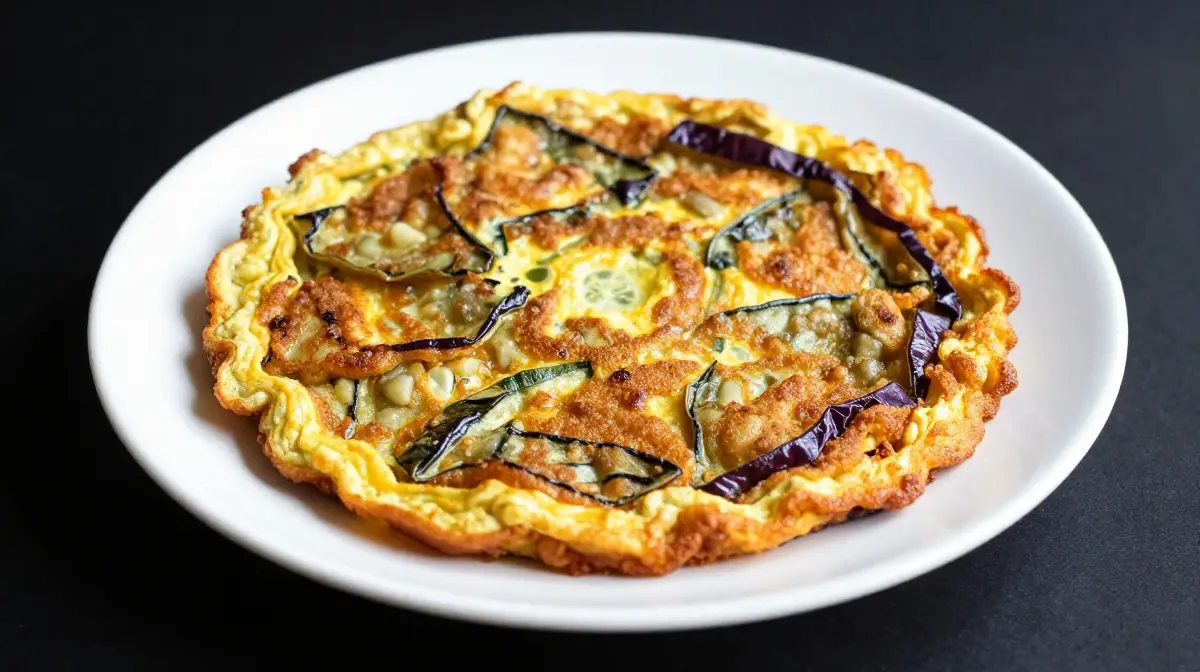
Tortang talong is a simple and satisfying Filipino omelette made with roasted eggplant. The eggplant is grilled directly over a flame until soft, dipped into beaten egg, and pan-fried until golden. It is one of the most affordable and effortless Filipino dishes you can make at home, yet it delivers tremendous flavor with very little effort.
Tokwa’t Baboy
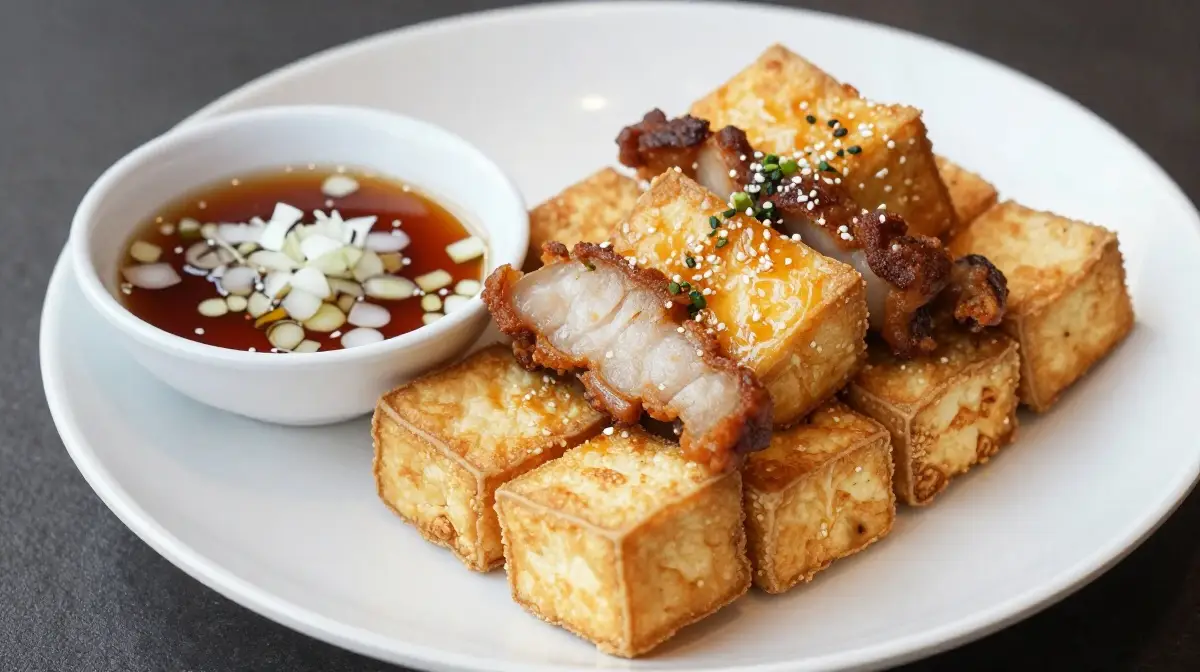
Tokwa’t baboy is a popular Filipino appetizer and pulutan made with crispy deep-fried tofu and boiled pork belly, served with a tangy dipping sauce of vinegar, soy sauce, garlic, onions, and red chili. The contrast of soft pork and crispy tofu in the sharp dressing makes every bite a well-balanced explosion of texture and flavor.
Filipino Spaghetti
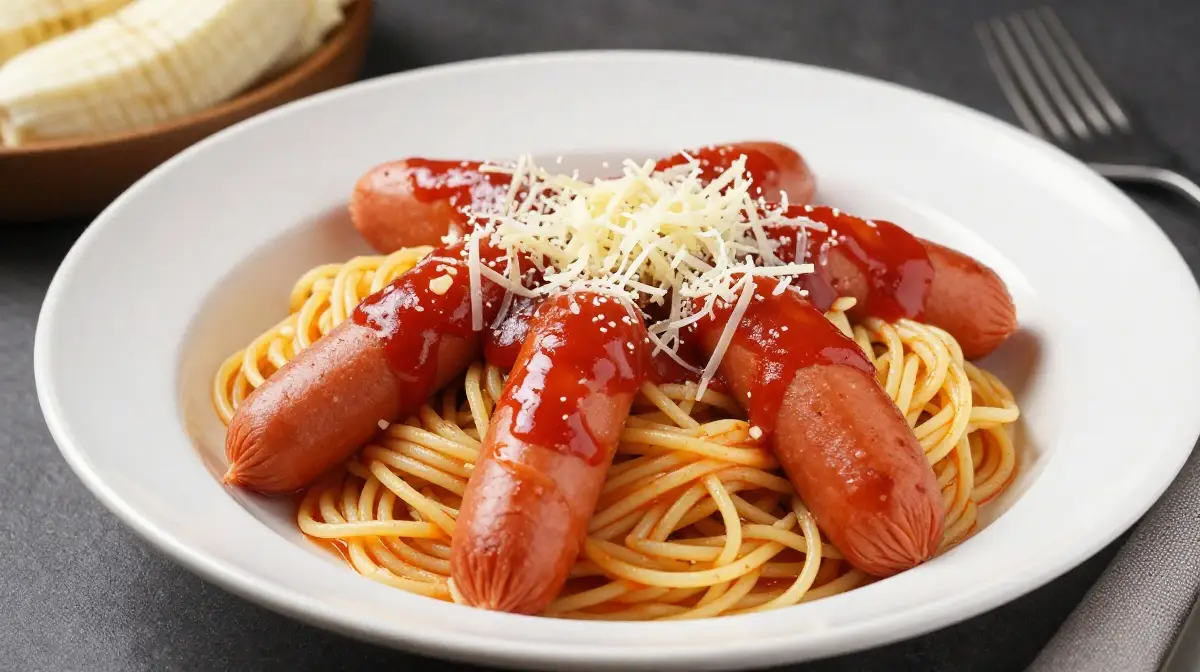
Filipino spaghetti is unlike any pasta you have had before. The sauce is made with banana ketchup instead of tomato, giving it a sweet and slightly tangy flavor that is paired with sliced hotdogs and topped with grated cheese. Born out of wartime resourcefulness, it remains a nostalgic comfort food that Filipinos of all ages adore with genuine enthusiasm.
Lumpiang Sariwa
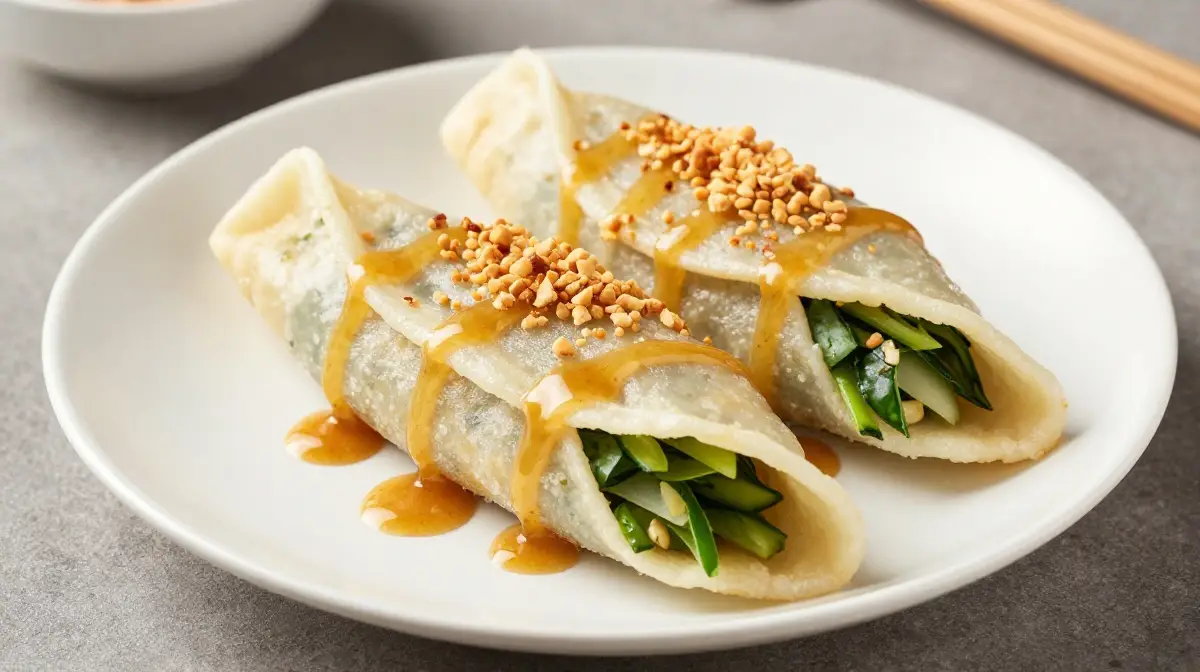
Lumpiang sariwa is the fresh, unfried version of lumpia. A soft crepe is wrapped around a filling of sauteed vegetables, pork, shrimp, and peanuts, then drizzled with a sweet garlic sauce and topped with crushed peanuts. It is a lighter and more refreshing alternative to the fried version and a wonderful introduction to Filipino fresh cooking.
Pork Liempo
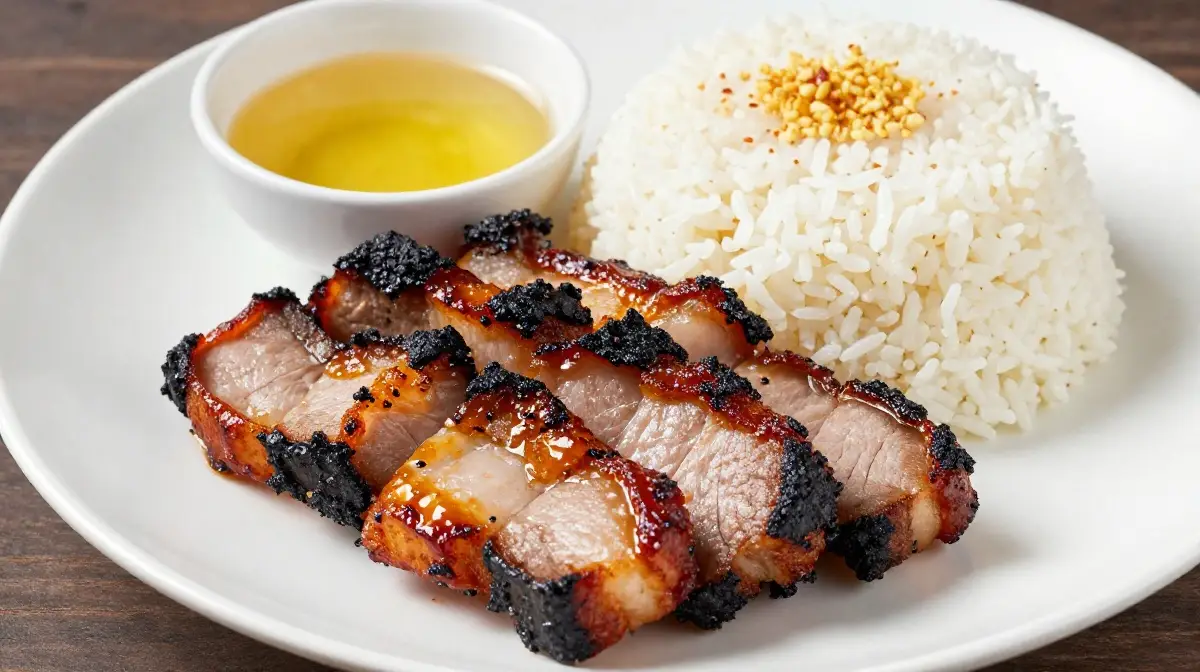
Pork liempo is Filipino-style grilled pork belly marinated in soy sauce, calamansi juice, garlic, and black pepper, then grilled until caramelized and slightly charred at the edges. It is a beloved everyday dish that is simple to prepare and incredibly popular at Filipino barbecue gatherings, street food stalls, and family lunches alike.
Halo-Halo

Halo-halo is the Philippines’ most famous dessert and a true celebration in a glass. Shaved ice is layered with sweetened beans, coconut jelly, kaong, banana, leche flan, and ube ice cream, then drizzled with evaporated milk. Its name literally means mix-mix in Filipino, and the experience of combining all the toppings together is half the joy of eating it.
Leche Flan
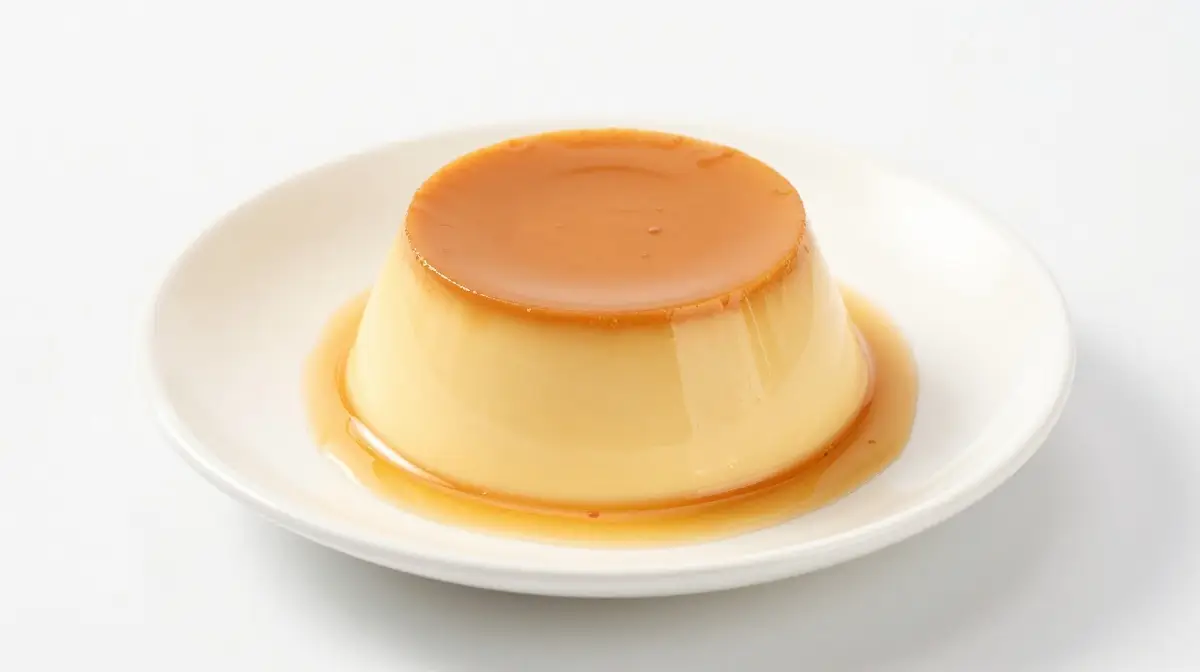
Leche flan is the Philippine version of crème caramel and it is richer, creamier, and denser than its European counterpart. Made with an abundance of egg yolks, condensed milk, and evaporated milk, it is steamed rather than baked in traditional Filipino households. The result is a silky, luscious custard topped with deep golden caramel that is simply impossible to resist.
Conclusion
Filipino cuisine is a treasure chest of bold flavors, comforting textures, and deeply personal recipes passed down through generations. These 22 Filipino dishes represent only a glimpse into the extraordinary depth and diversity of what Philippine cooking has to offer. Whether you start with the simplicity of chicken adobo or the indulgent richness of leche flan, each dish will reward you with authentic flavor and a genuine connection to one of Asia’s most vibrant food cultures. Begin your journey in your own kitchen today and discover why Filipino food deserves a permanent place on every home cook’s table.
You can may also like this: 20 Stylish Venice Outfits to Pack for Every Season Ideas
FAQs
What is the most popular Filipino dish
Chicken adobo is widely considered the most popular and iconic Filipino dish. It is easy to cook, uses simple pantry ingredients, and is loved by Filipinos and food enthusiasts around the world.
Are Filipino dishes difficult to cook at home
Most Filipino dishes are very approachable for home cooks. Recipes like adobo, tinola, tortang talong, and pancit require minimal ingredients and basic cooking techniques that any beginner can master.
What makes Filipino food unique compared to other Asian cuisines
Filipino food stands out for its balance of sour, salty, and savory flavors. The use of vinegar in many dishes, the influence of Spanish and Chinese cooking traditions, and the reliance on simple, hearty ingredients give Filipino cuisine a flavor profile found nowhere else.
What are the key ingredients used in Filipino cooking
Common staples include vinegar, soy sauce, garlic, ginger, calamansi, fish sauce, coconut milk, shrimp paste, bay leaves, and tamarind. These ingredients form the foundation of most traditional Filipino recipes.
Which Filipino dish is best for first-time cooks
Chicken adobo is the best starting point for first-time cooks. It requires only a handful of ingredients, takes less than an hour to prepare, and consistently delivers rich and satisfying results every single time.