
Introduction
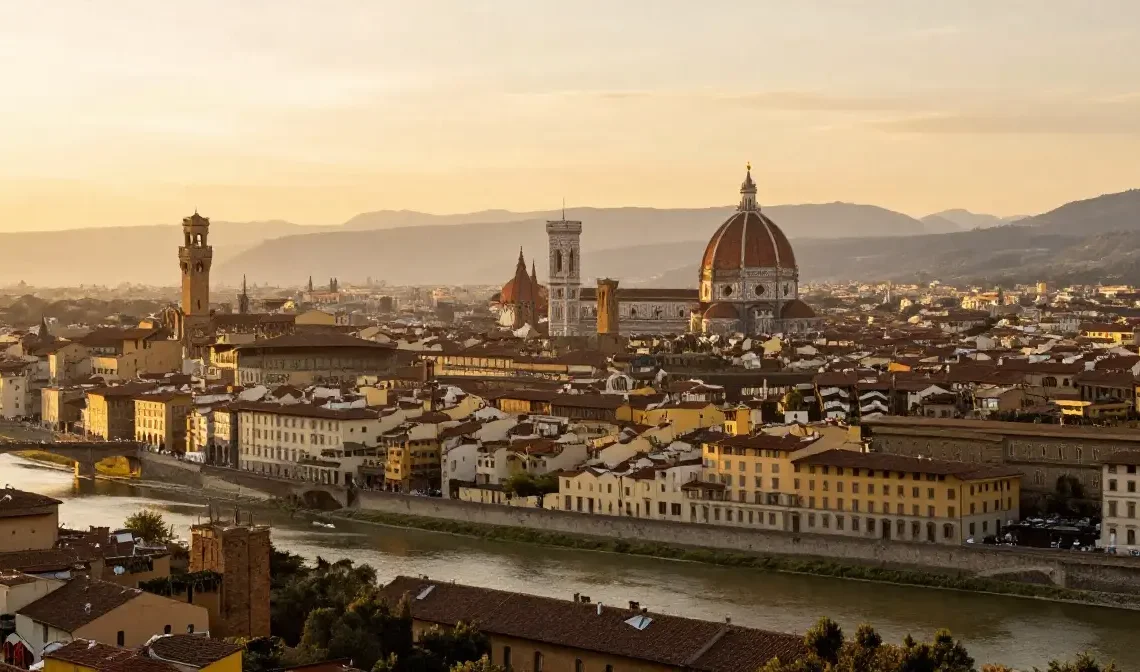
Florence is one of those rare cities that genuinely exceeds every expectation. As the birthplace of the Renaissance and the capital of Tuscany, it holds within its compact historic center some of the greatest art, architecture, food, and cultural heritage found anywhere in the world. Walking through its medieval streets feels like moving through the pages of a living history book, where every corner reveals a masterpiece, every piazza tells a story, and every meal reminds you that Italian food culture began right here. Whether you are planning your first visit or returning for the fifth time, this collection of 22 things to do in Florence Italy will help you build an itinerary that captures everything extraordinary this magnificent city has to offer.
Visit the Uffizi Gallery
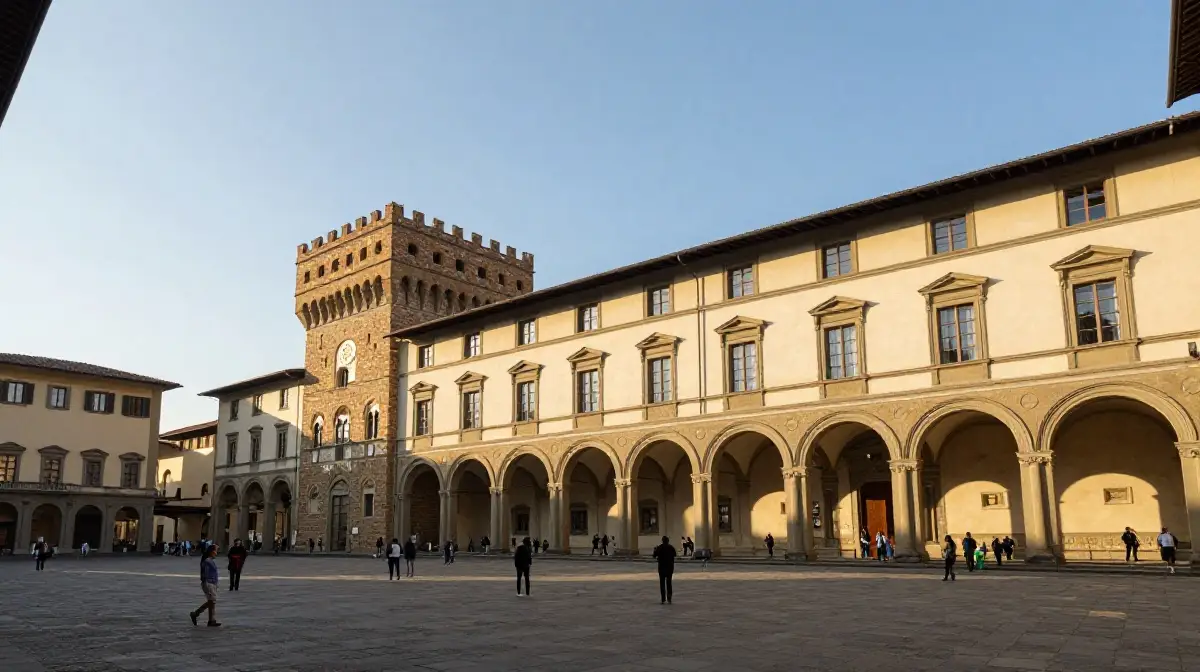
The Uffizi Gallery is one of the most important and celebrated art museums in the entire world, and visiting it is an absolute essential for any trip to Florence. Housed in a stunning sixteenth-century palazzo commissioned by the Medici family, the gallery contains masterpieces by Botticelli, Leonardo da Vinci, Michelangelo, Raphael, Caravaggio, and Titian among countless others. Botticelli’s Birth of Venus and Primavera alone justify the visit entirely. Book tickets well in advance to avoid the long queues that form outside the museum every single day of the year.
Climb the Florence Cathedral Dome
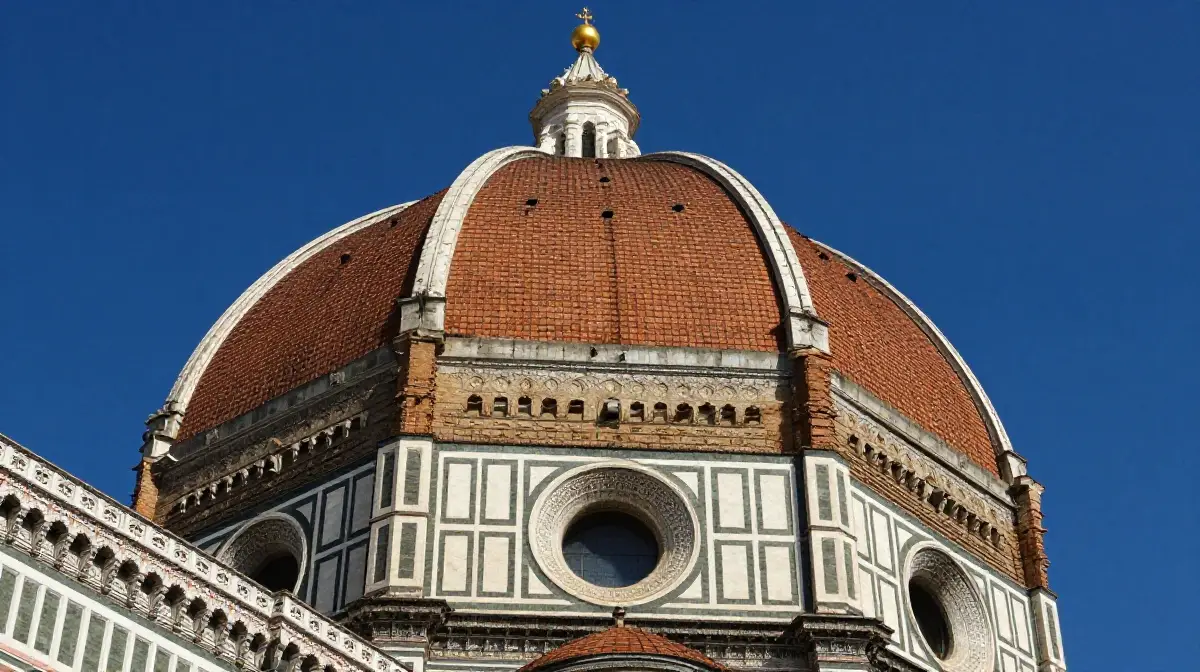
The Cathedral of Santa Maria del Fiore, universally known as the Duomo, is the defining landmark of Florence and its terracotta dome designed by Filippo Brunelleschi is one of the greatest architectural achievements in human history. Climbing the 463 steps to the top of the dome rewards visitors with a breathtaking panoramic view over the terracotta rooftops of Florence and the rolling Tuscan hills beyond. The interior of the cathedral is equally stunning, with Giorgio Vasari’s dramatic fresco of the Last Judgment covering the interior surface of the dome.
Walk Across Ponte Vecchio
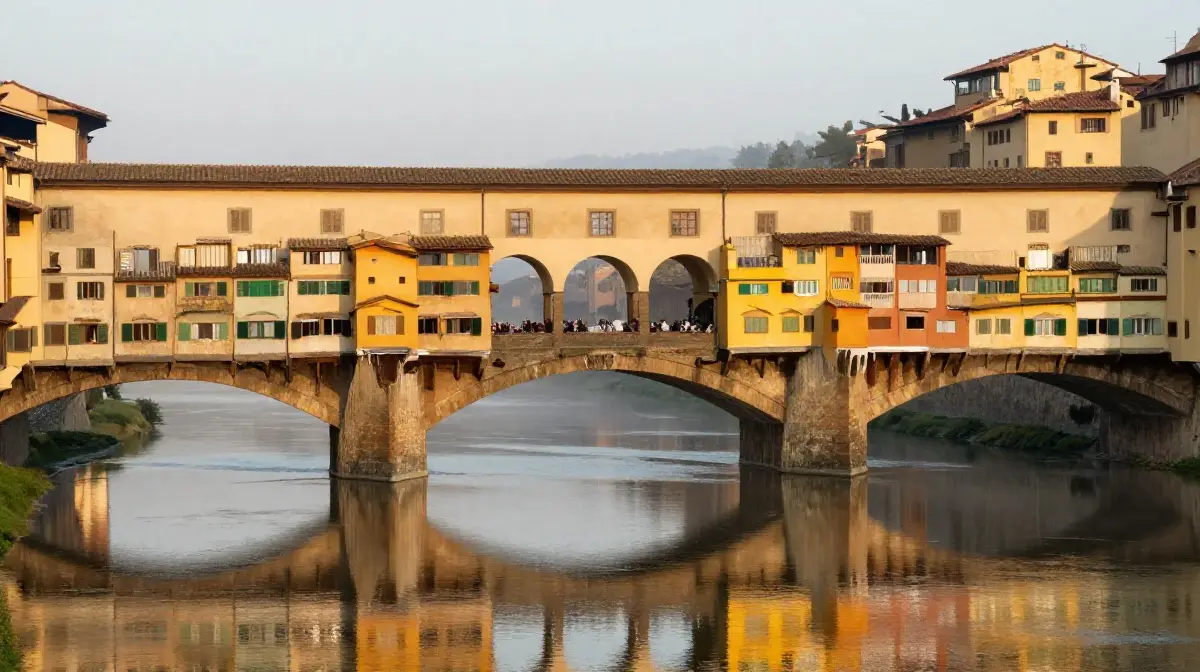
Ponte Vecchio is the oldest bridge in Florence and one of the most photographed landmarks in all of Italy. Built in 1345 across the narrowest point of the Arno River, it is lined on both sides with small jewelers and goldsmiths shops whose overhanging structures create its distinctive and unmistakable silhouette. Walking across Ponte Vecchio at sunrise or sunset, when the light turns the Arno golden and the crowds are thinner, is one of the most romantic and memorable experiences Florence can offer any visitor.
See Michelangelo’s David at the Accademia
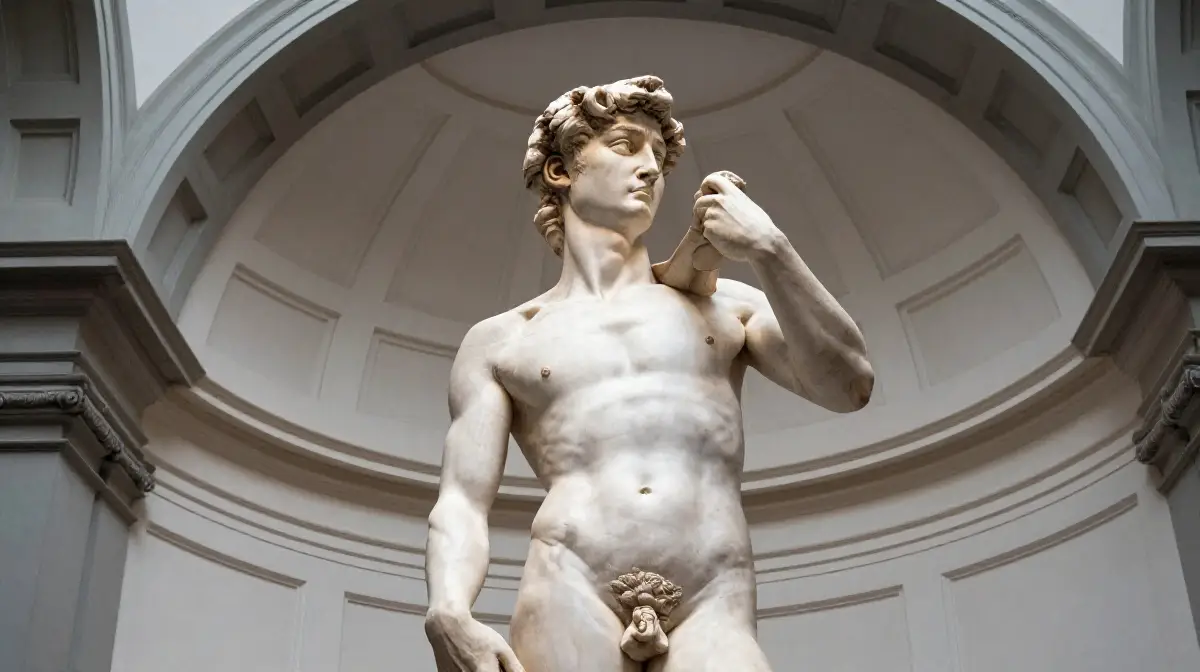
The Galleria dell’Accademia is home to Michelangelo’s David, widely considered the most perfect sculpture ever created by human hands. Standing over five meters tall in white Carrara marble, the statue commands the specially designed tribuna built to house it with an authority and presence that photographs can never fully capture. The gallery also contains several of Michelangelo’s unfinished Prisoners sculptures and a significant collection of Florentine Renaissance paintings that are well worth exploring after seeing the David.
Explore the Boboli Gardens
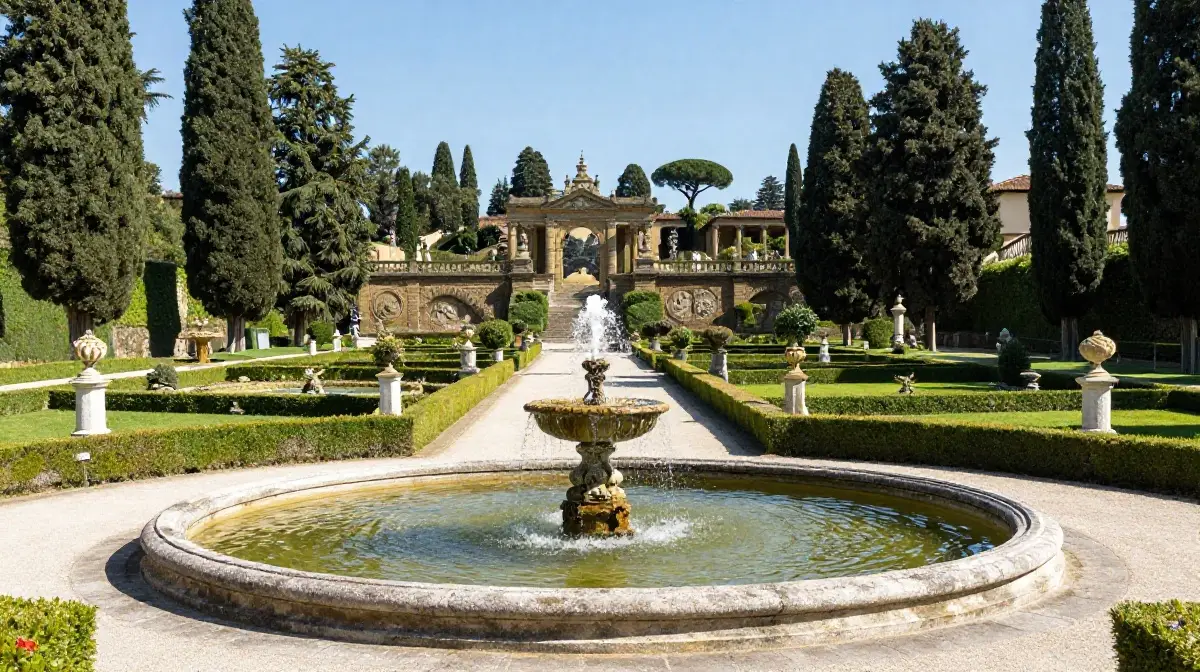
The Boboli Gardens stretch behind the Palazzo Pitti and represent one of the finest examples of Italian Renaissance garden design anywhere in Europe. Covering eleven hectares on the Oltrarno hillside, they are filled with fountains, grottos, statues, terraced walkways, and hidden corners that reward slow and unhurried exploration. The gardens also contain several small museums and offer spectacular elevated views over Florence that rival even the famous Piazzale Michelangelo viewpoint on the opposite hill.
Admire the View from Piazzale Michelangelo
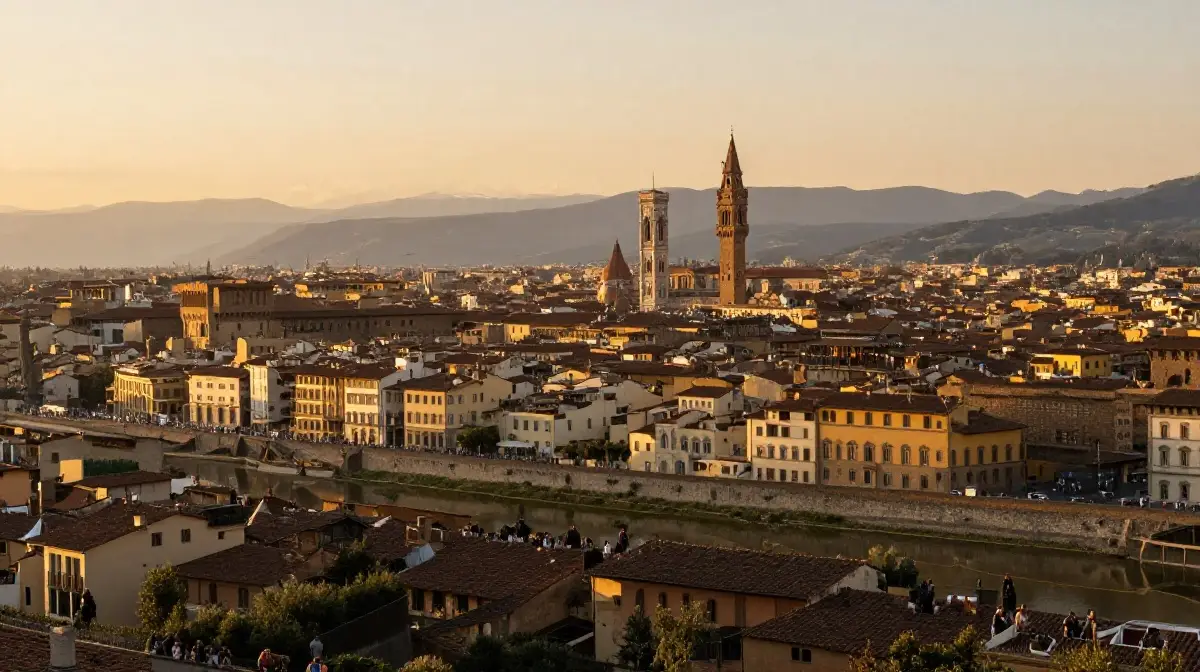
Piazzale Michelangelo is the most famous viewpoint in Florence, offering a sweeping panorama of the entire city with the Duomo, Palazzo Vecchio, Ponte Vecchio, and the surrounding Tuscan hills all visible simultaneously. The piazza is particularly magical at sunset when the warm golden light bathes the city in a soft glow that makes the entire skyline appear to shimmer. A bronze replica of Michelangelo’s David stands at the center of the square, and several cafe bars serve aperitivo drinks that can be enjoyed while watching the sun descend over one of the world’s most beautiful cities.
Discover the Palazzo Vecchio
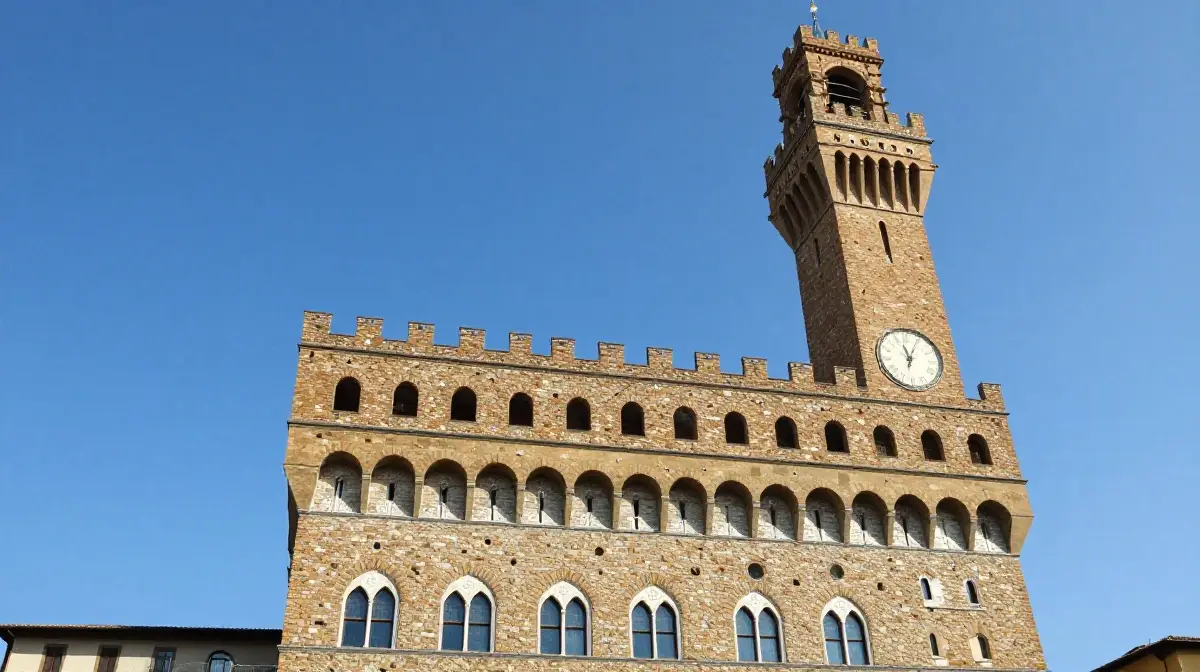
The Palazzo Vecchio is Florence’s medieval town hall and one of the most impressive civic buildings in Italy. Its iconic crenellated tower has dominated the Piazza della Signoria for seven centuries and remains one of the most recognizable silhouettes in the city. The interior contains richly decorated chambers including the magnificent Salone dei Cinquecento with its enormous Vasari frescoes celebrating Florentine military victories. Guided tours reveal fascinating historical details about the Medici family who used the palazzo as their private residence.
Take a Food Tour of the Mercato Centrale
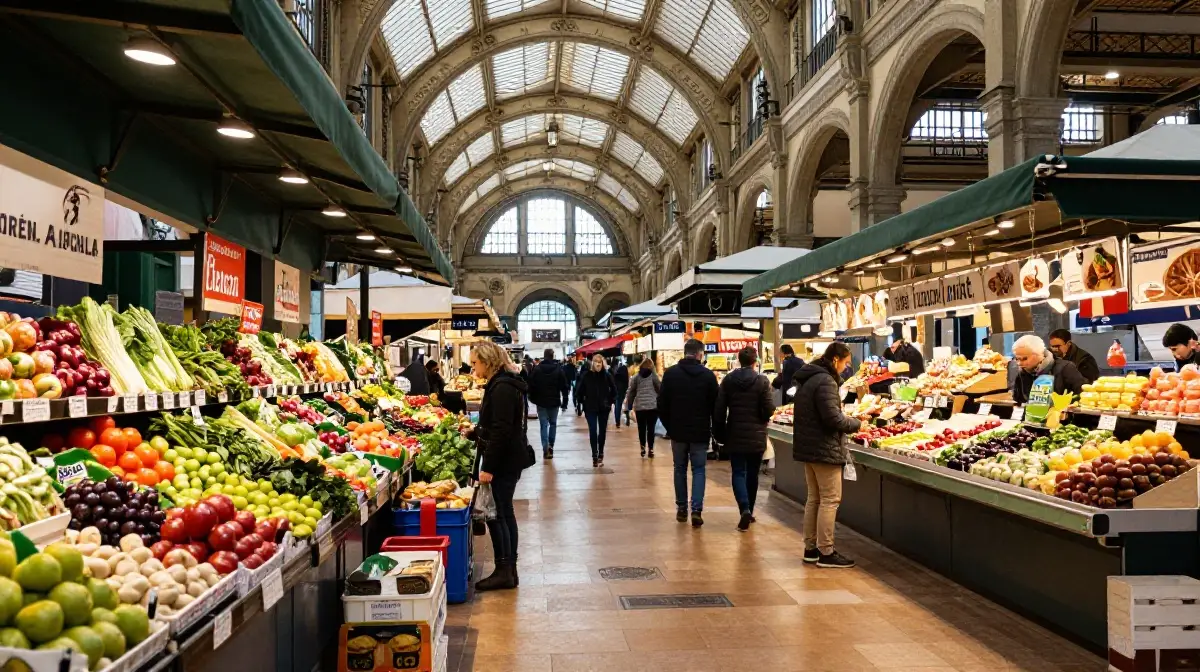
The Mercato Centrale in the San Lorenzo neighborhood is Florence’s most vibrant and authentic food market and one of the best places in the city to eat, drink, and understand Florentine food culture in a single visit. The ground floor is dedicated to fresh produce, meat, cheese, and specialty food vendors who supply the restaurants and kitchens of Florence. The upper floor houses a lively food hall where visitors can sample lampredotto sandwiches, fresh pasta, Florentine steak, artisan cheeses, Tuscan wines, and much more in a convivial and energetic atmosphere.
Visit the Bargello Museum
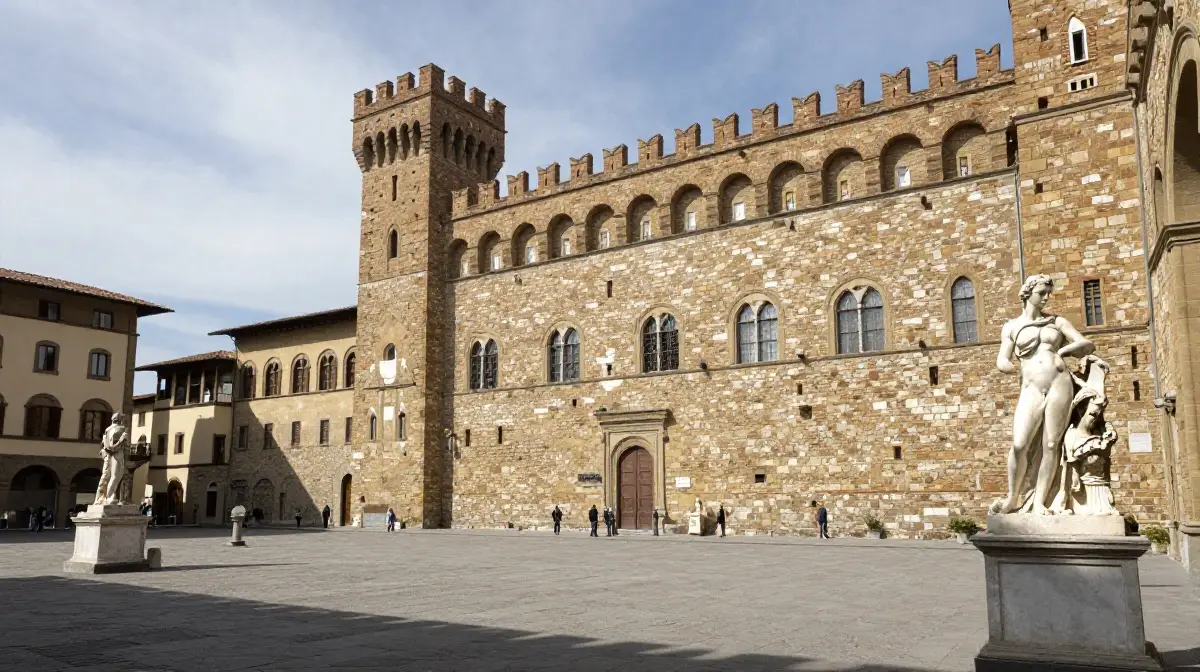
The Bargello is one of Florence’s most underrated museums and a mandatory stop for anyone seriously interested in Renaissance sculpture. Housed in a beautiful medieval fortress that once served as Florence’s main prison, the museum contains an extraordinary collection including works by Donatello, Michelangelo, Cellini, and Verrocchio. Donatello’s bronze David, the first freestanding nude sculpture created since ancient times, is among the most historically significant works housed here and repays close attention and contemplation.
Cross the Arno to Oltrarno
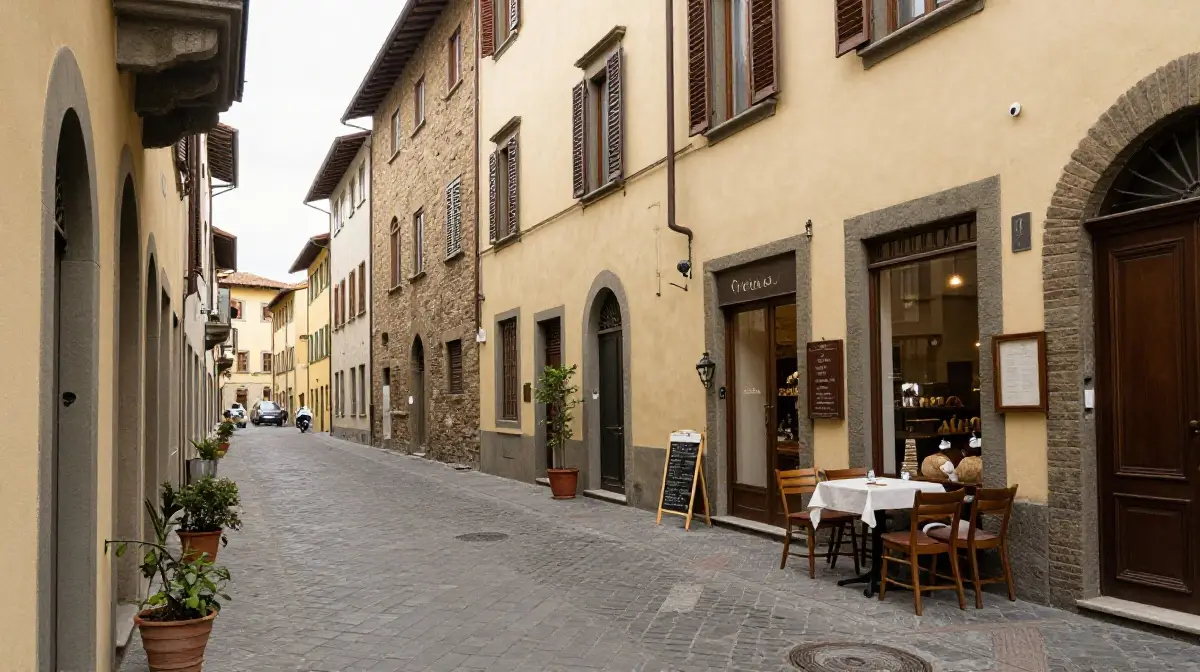
The Oltrarno neighborhood on the south bank of the Arno River offers a quieter, more authentic, and less touristy experience of Florentine daily life than the areas north of the river. Traditional artisan workshops, family-run trattorias, independent bookshops, and local bars line its narrow medieval streets, creating an atmosphere that feels genuinely lived-in and undisturbed by mass tourism. The neighborhood is also home to the Palazzo Pitti, the Brancacci Chapel, and the church of Santo Spirito, making it one of the most culturally rewarding areas in the entire city.
See the Baptistery and Gates of Paradise
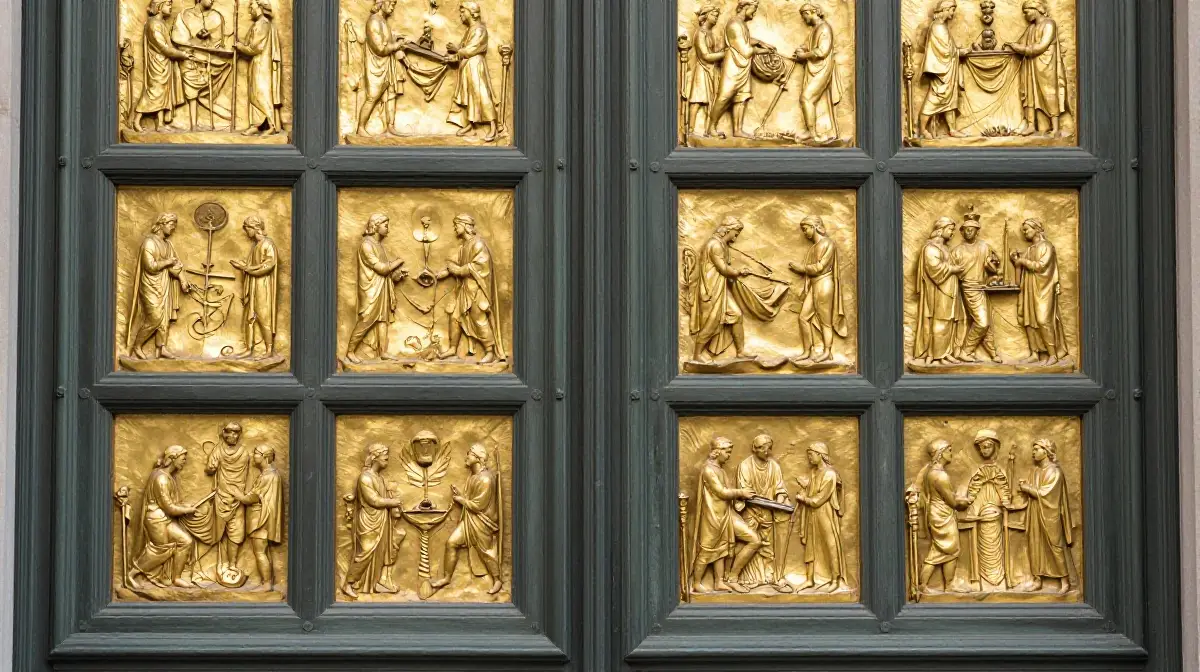
The Florence Baptistery of Saint John is one of the oldest and most significant religious buildings in the city, standing directly across from the Duomo in the Piazza del Duomo. Its most famous feature is Lorenzo Ghiberti’s gilded bronze east doors, known as the Gates of Paradise, which Michelangelo himself reportedly described with that celebrated name. The original panels are now housed in the Museo dell’Opera del Duomo for preservation, while high-quality replicas adorn the baptistery exterior, allowing visitors to study their extraordinary narrative detail at close range.
Attend a Classical Concert in a Historic Venue
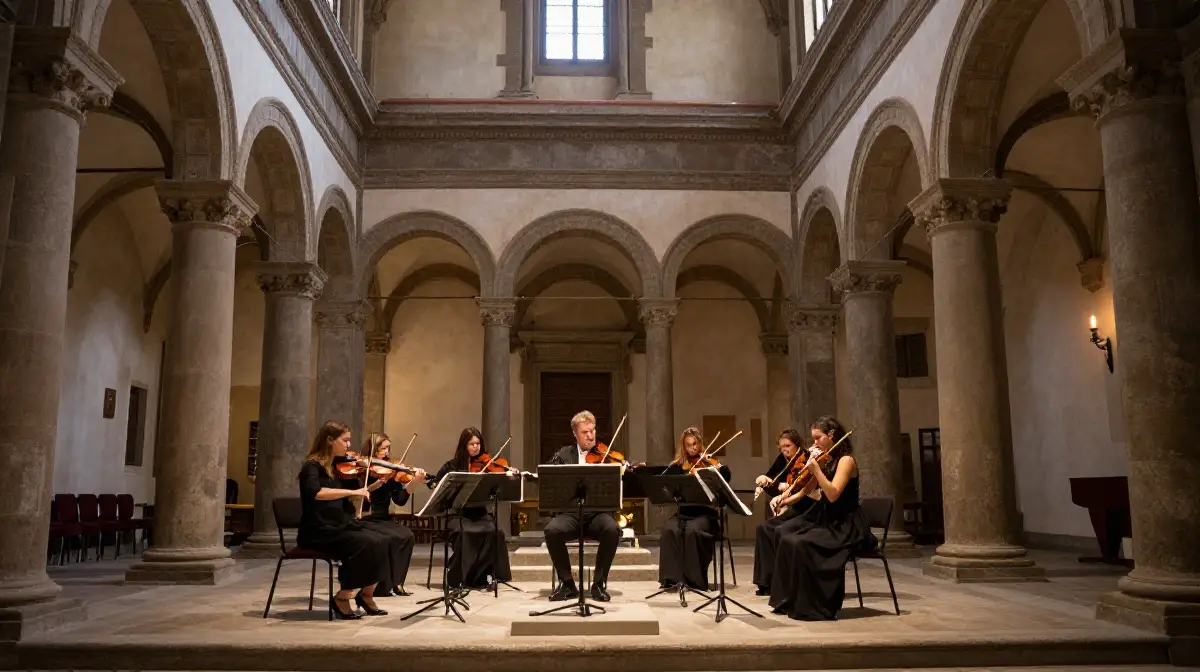
Florence has a rich tradition of classical music and opera, and attending a live performance in one of the city’s historic churches, palazzos, or theaters is an experience that connects visitors to the deep cultural roots of the city in a uniquely powerful way. Concerts featuring Vivaldi, Mozart, and other Baroque and classical composers are performed regularly in venues including the stunning Orsanmichele church and various historic palazzos throughout the city. Tickets are relatively affordable and the experience of hearing live music in centuries-old surroundings is genuinely unforgettable.
Learn to Cook Tuscan Food

Taking a cooking class in Florence is one of the most enjoyable and memorable ways to connect with Tuscan food culture and bring a piece of Italy home with you. Classes are available for every level from complete beginner to confident home cook and typically include a market visit to select fresh seasonal ingredients followed by hands-on preparation of classic dishes like fresh pasta, ribollita, pappa al pomodoro, bistecca alla Fiorentina, and traditional Tuscan desserts. Many classes are hosted in beautiful private kitchens in the historic center or in the Florentine countryside.
Explore the San Miniato al Monte Church
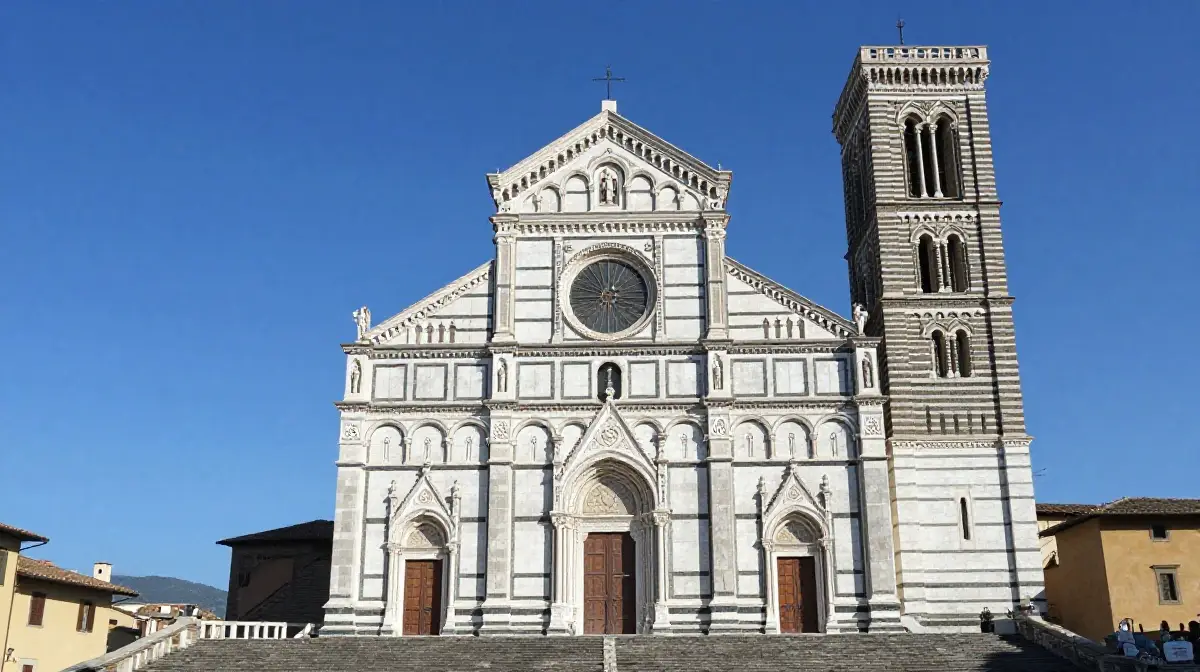
The Basilica of San Miniato al Monte sits above Piazzale Michelangelo on one of the highest points overlooking Florence and is widely considered one of the finest examples of Romanesque architecture in all of Tuscany. Its striking black and white marble facade is visible from much of the city below, and its interior contains remarkable medieval mosaics, a stunning inlaid marble floor, and an atmosphere of profound tranquility that feels entirely removed from the busy tourist activity of the city center. The walk up to the church through the surrounding cemetery and gardens is a pleasure in itself.
Shop for Leather Goods at the San Lorenzo Market
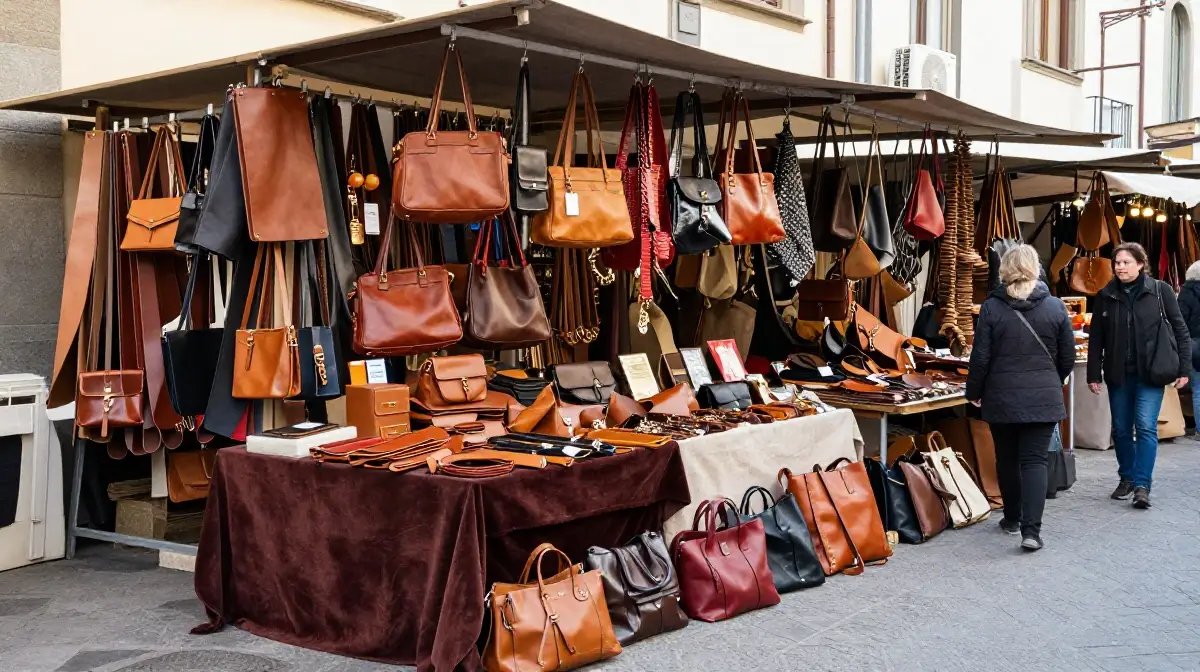
Florence has been one of the world’s most important centers of leather craftsmanship for centuries, and the San Lorenzo leather market surrounding the Mercato Centrale is the best place in the city to shop for handmade leather goods at competitive prices. Jackets, bags, belts, wallets, gloves, and shoes made from Florentine leather are available from dozens of stalls and small shops, and gentle bargaining is widely accepted and expected. For the highest quality artisan pieces, visiting the smaller workshops in the Oltrarno neighborhood where craftspeople work in traditional leather ateliers is highly recommended.
Visit the Brancacci Chapel
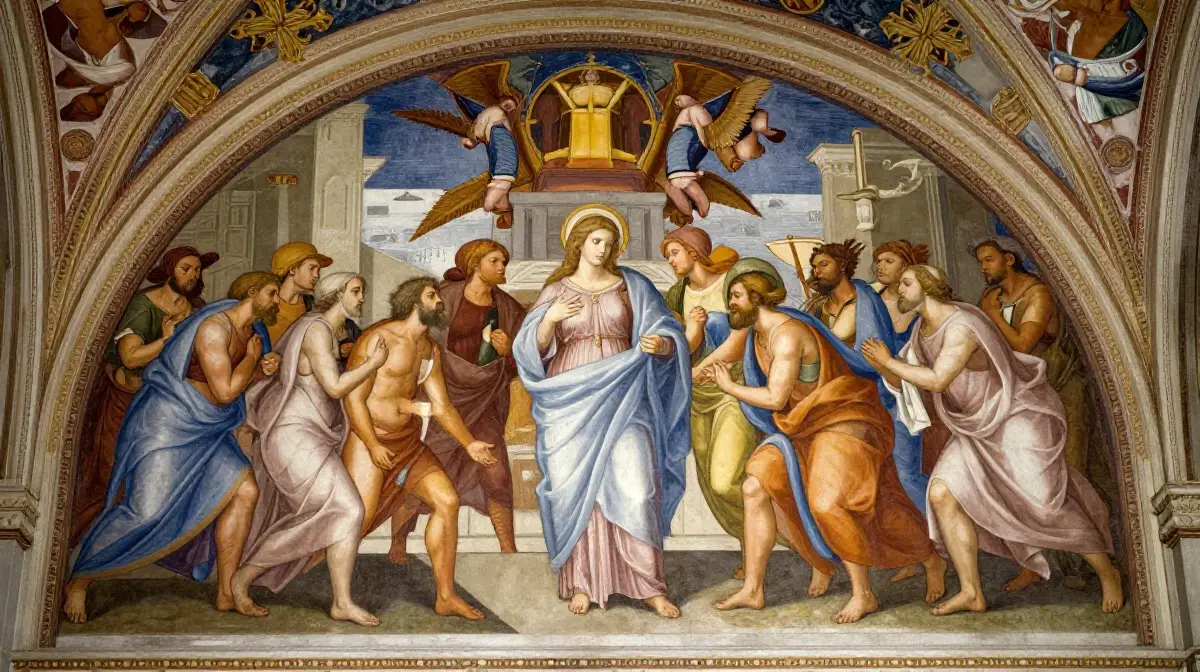
The Brancacci Chapel inside the church of Santa Maria del Carmine in Oltrarno contains what many art historians consider the most important cycle of fresco paintings in the entire history of Western art. The frescoes depicting the life of Saint Peter were painted by Masaccio and Masolino in the early fifteenth century and later completed by Filippino Lippi. Masaccio’s revolutionary use of perspective, naturalism, and emotional depth in these paintings directly influenced every major Renaissance artist who followed, including Michelangelo who is known to have studied them intently as a young artist.
Take a Day Trip to the Tuscan Countryside
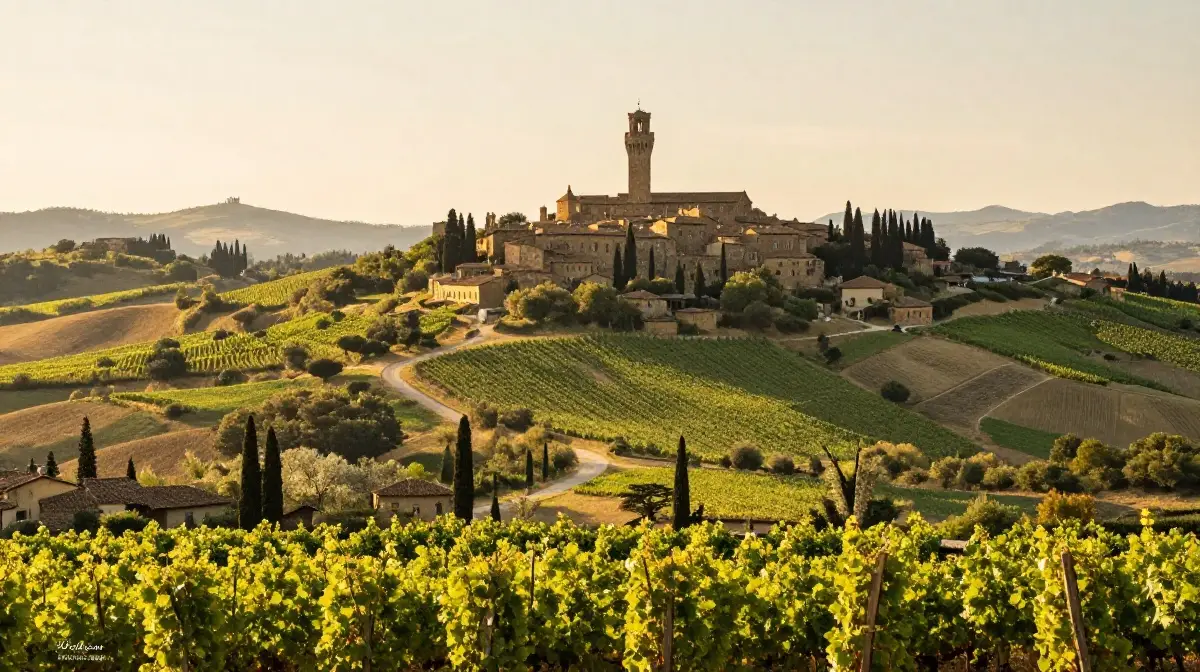
Florence’s position at the heart of Tuscany makes it the perfect base from which to explore some of the most beautiful rural landscapes in Europe. Day trips to the medieval hilltop towns of San Gimignano, Siena, and Volterra are all easily achievable by car or organized tour, offering a completely different experience from the art-filled streets of Florence. The rolling vine-covered hills of the Chianti wine region lie just thirty minutes south of the city and offer outstanding wine tasting experiences in stunning historic estates.
Discover the Museo dell’Opera del Duomo
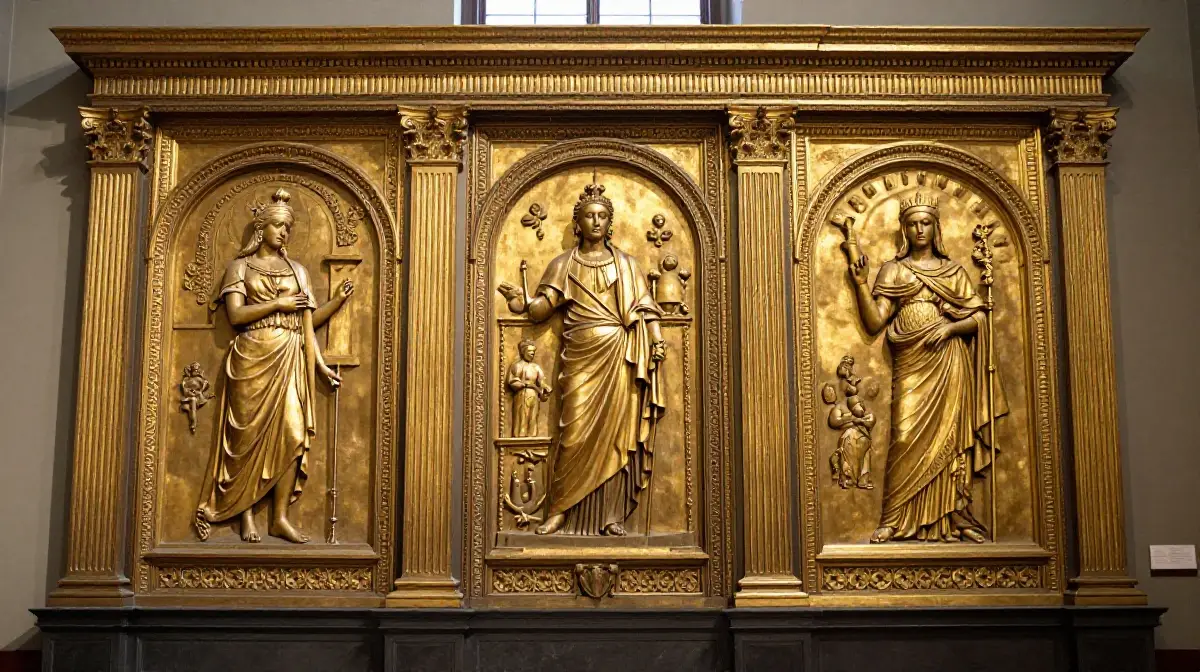
The Museo dell’Opera del Duomo, located directly behind the cathedral, houses the original artworks that once decorated the exterior of the Duomo, Baptistery, and Campanile before they were replaced with replicas for preservation purposes. The museum contains an extraordinary collection including Ghiberti’s original Gates of Paradise panels, Michelangelo’s unfinished Bandini Pieta, Donatello’s wooden sculpture of Mary Magdalene, and the original cantorie or singing galleries by Donatello and Luca della Robbia. It is one of the most undervisited major museums in Florence and rarely overcrowded.
Enjoy an Aperitivo at Sunset
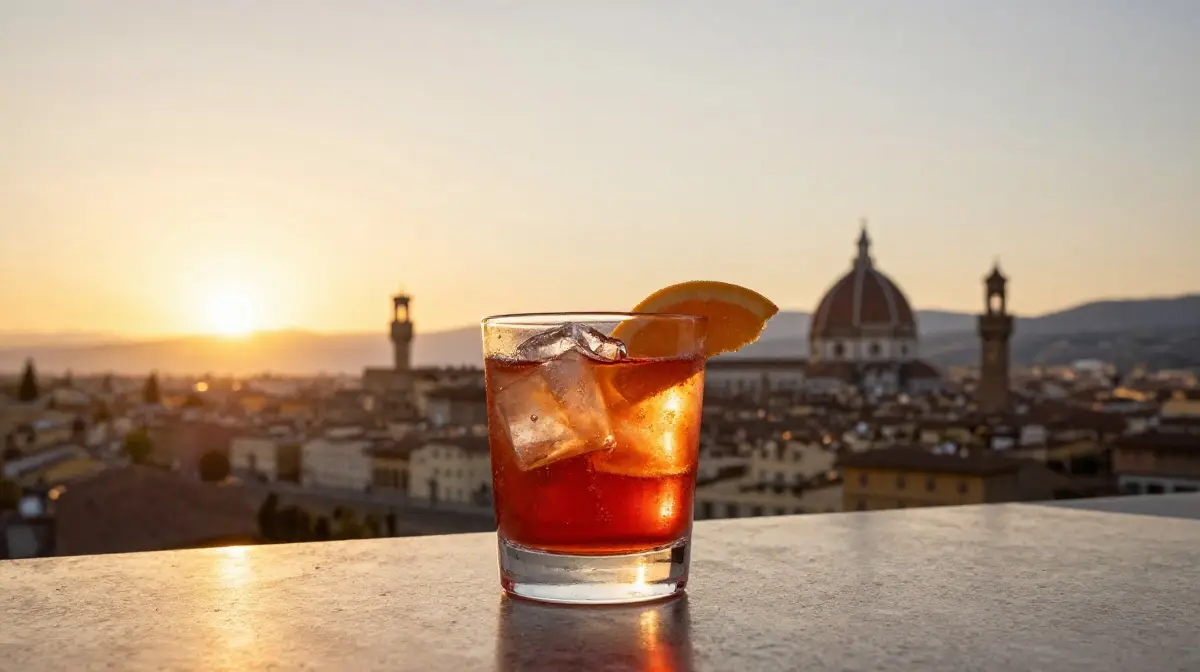
The Italian tradition of aperitivo, enjoying a pre-dinner drink accompanied by small snacks in the early evening, is practiced with particular enthusiasm and style in Florence. The hour between six and eight in the evening sees the city’s bars and wine bars fill with locals and visitors alike for Aperol Spritz, Negroni, local Chianti, and plates of cured meats, cheeses, and bruschetta. Finding a bar with a rooftop terrace or a window overlooking the Arno or a historic piazza makes this ritual one of the most pleasurable and distinctly Italian moments of any Florentine visit.
Visit the Palazzo Pitti and Its Museums
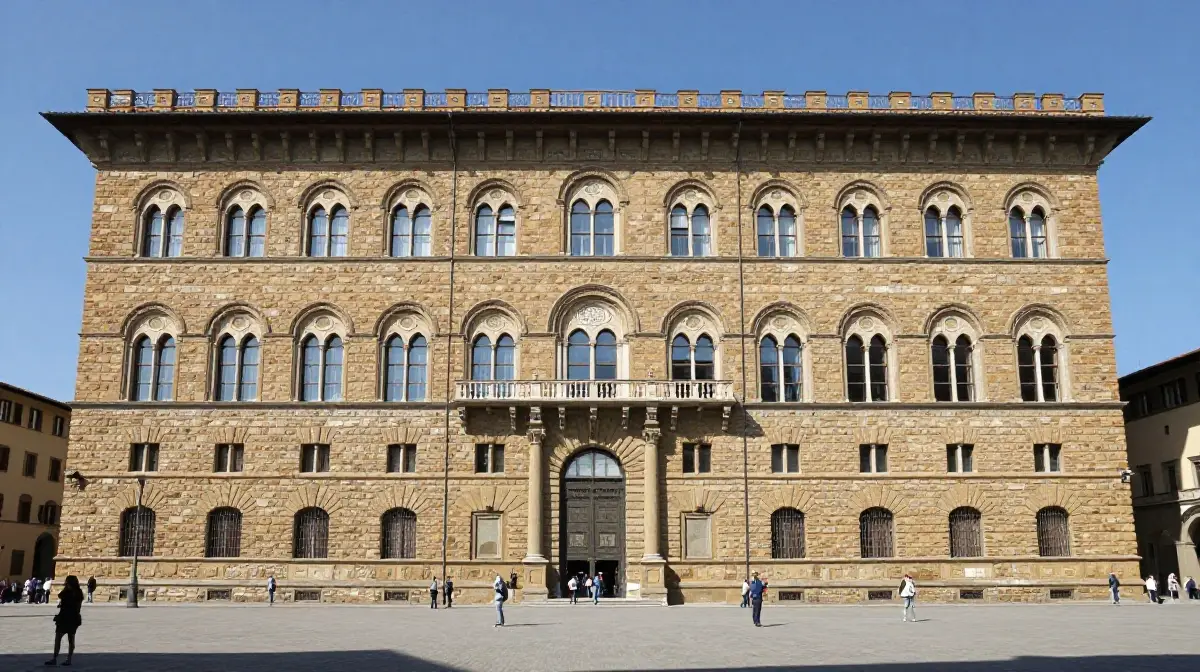
The Palazzo Pitti is the largest palace in Florence and was once the primary residence of the powerful Medici dynasty. Today it houses six separate museums within its vast interior, including the Palatine Gallery with its outstanding collection of Raphael and Titian paintings, the Royal Apartments, the Gallery of Modern Art, and the Costume Gallery. Combined with the adjacent Boboli Gardens, a full day spent exploring the Palazzo Pitti complex rewards visitors with a comprehensive and deeply impressive experience of Medici taste, power, and cultural patronage.
Walk the Walls of Fiesole
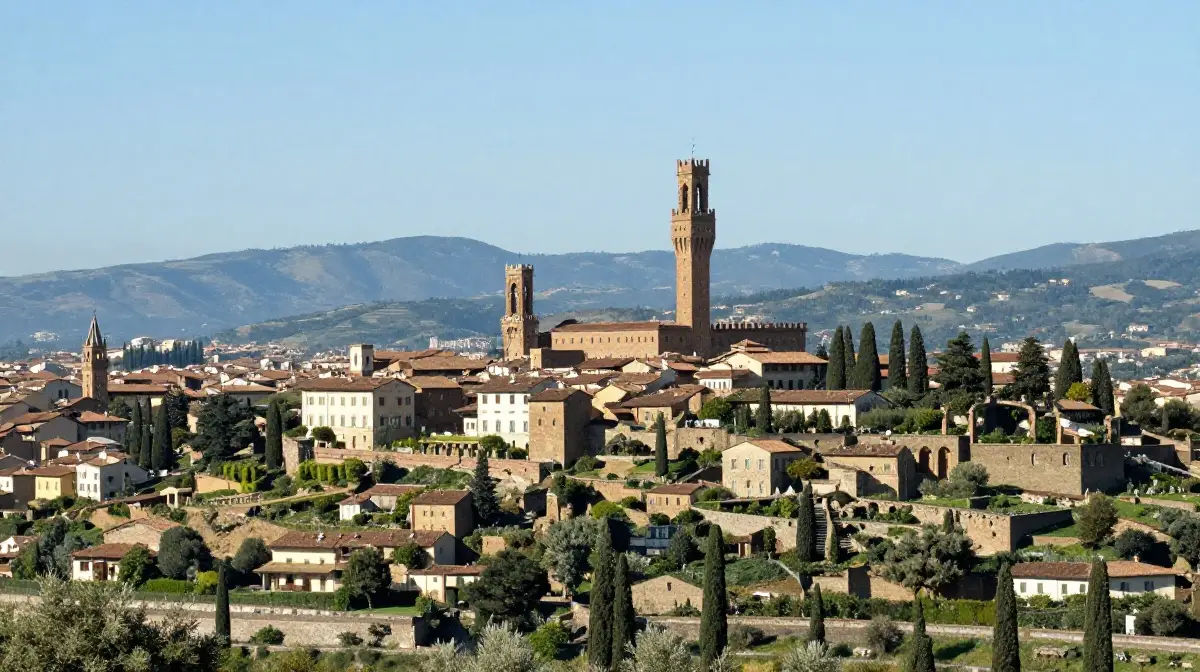
The ancient Etruscan and Roman hill town of Fiesole sits just eight kilometers north of Florence and is easily reached by local bus in under thirty minutes. Its elevated position offers some of the most beautiful panoramic views of Florence and the Arno valley available from any vantage point, and its well-preserved Roman theater, archaeological museum, and peaceful medieval cathedral provide a fascinating complement to the Renaissance splendors of the city below. Fiesole is a perfect half-day escape from the intensity of central Florence.
Taste Authentic Gelato at an Artisan Gelateria
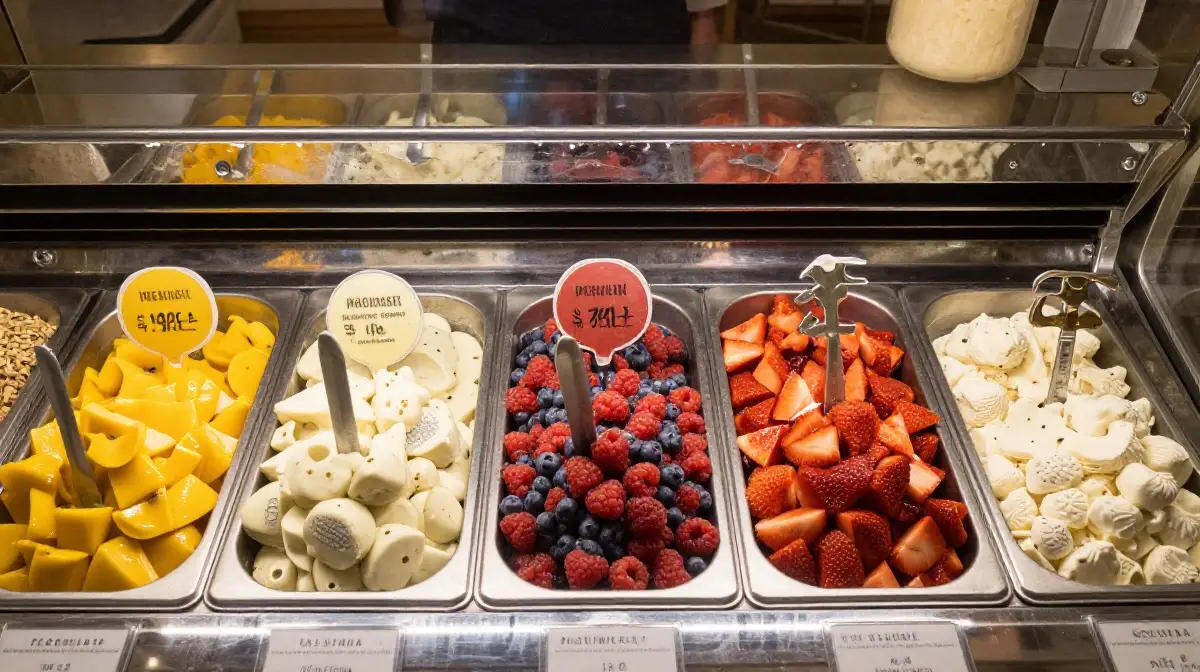
No visit to Florence is complete without experiencing authentic artisan gelato made the traditional way with fresh, seasonal, and natural ingredients. Florence takes its gelato extremely seriously and the difference between a genuine artisan gelateria and a tourist-oriented shop serving artificially colored and flavored product is significant and immediately visible. Look for gelato displayed in covered metal containers rather than piled high in colorful mounds, and seek out flavors made with Tuscan ingredients like fig, hazelnut, saffron, and fresh local ricotta for the most authentic experience.
Conclusion
Florence rewards every kind of traveler with something genuinely extraordinary. Whether you spend your days inside its world-class museums standing face to face with the greatest art ever created, wandering the atmospheric streets of Oltrarno discovering artisan workshops and hidden churches, or simply sitting in a piazza eating gelato and watching Florentine life unfold around you, this city delivers experiences that stay with you long after you return home. These 22 things to do in Florence Italy represent the very best of what this incomparable city has to offer, and they will help you make every moment of your trip as rich, meaningful, and memorable as possible.
You can may also like this: 22 Travel Journal Examples Ideas for Creative Travelers
FAQs
How many days do you need in Florence Italy
Three to four days is generally considered the minimum time needed to experience the major highlights of Florence without feeling rushed. A week allows for a more relaxed pace that includes day trips to the surrounding Tuscan countryside as well as deeper exploration of the city’s neighborhoods and less-visited museums.
What is the best time of year to visit Florence
April through June and September through October offer the most pleasant weather and manageable crowds, making them the ideal periods for visiting Florence. July and August are extremely hot and crowded with tourists, while the winter months from November to February are quieter, cooler, and offer significantly lower prices on accommodation and attractions.
Do you need to book Florence attractions in advance
Booking tickets in advance is strongly recommended for the Uffizi Gallery, the Accademia Gallery, and the Duomo dome climb, all of which have long queues that can consume hours of precious travel time. Most other attractions can be visited without advance booking, though arriving early in the morning significantly reduces waiting times.
Is Florence walkable as a tourist
Florence is one of the most walkable cities in Europe, and the vast majority of its major attractions are located within comfortable walking distance of one another in the compact historic center. Comfortable shoes are essential given the uneven cobblestone streets, and many of the best experiences in the city are discovered simply by walking without a specific destination in mind.
What is the most famous food to eat in Florence
Bistecca alla Fiorentina, a thick and perfectly cooked T-bone steak from Chianina cattle, is the most iconic dish of Florentine cuisine and a mandatory experience for meat-eaters. Lampredotto sandwiches, ribollita soup, pappardelle with wild boar ragu, and schiacciata flatbread are also essential local specialties that should not be missed during any visit to the city.
1 Comment