
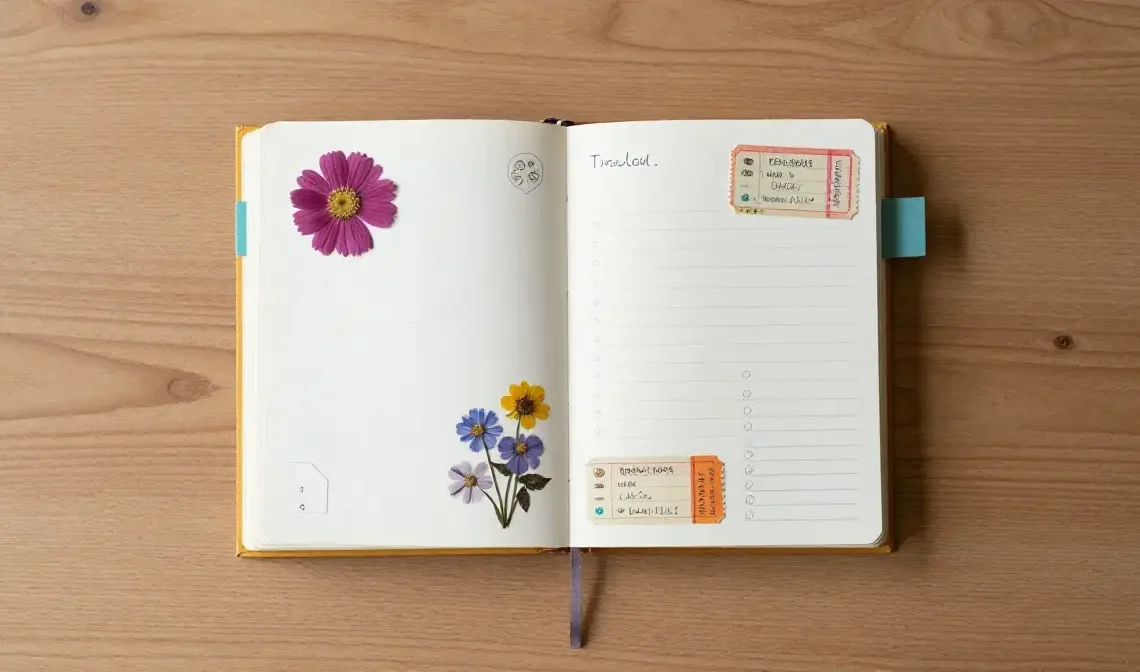
Introduction
Travel changes you. It shifts your perspective, broadens your understanding of the world, and fills your life with moments that deserve to be remembered long after the trip ends. Yet most travelers rely only on photographs to hold onto those memories, and photographs often capture the view but miss the feeling. A travel journal captures everything else. It holds the sounds of a morning market, the taste of a meal you cannot name, the conversation with a stranger that stayed with you for weeks. Whether you are a first-time traveler or a seasoned adventurer, these 22 travel journal examples and ideas will help you build a creative and meaningful record of every journey you take.
The Classic Daily Entry Journal
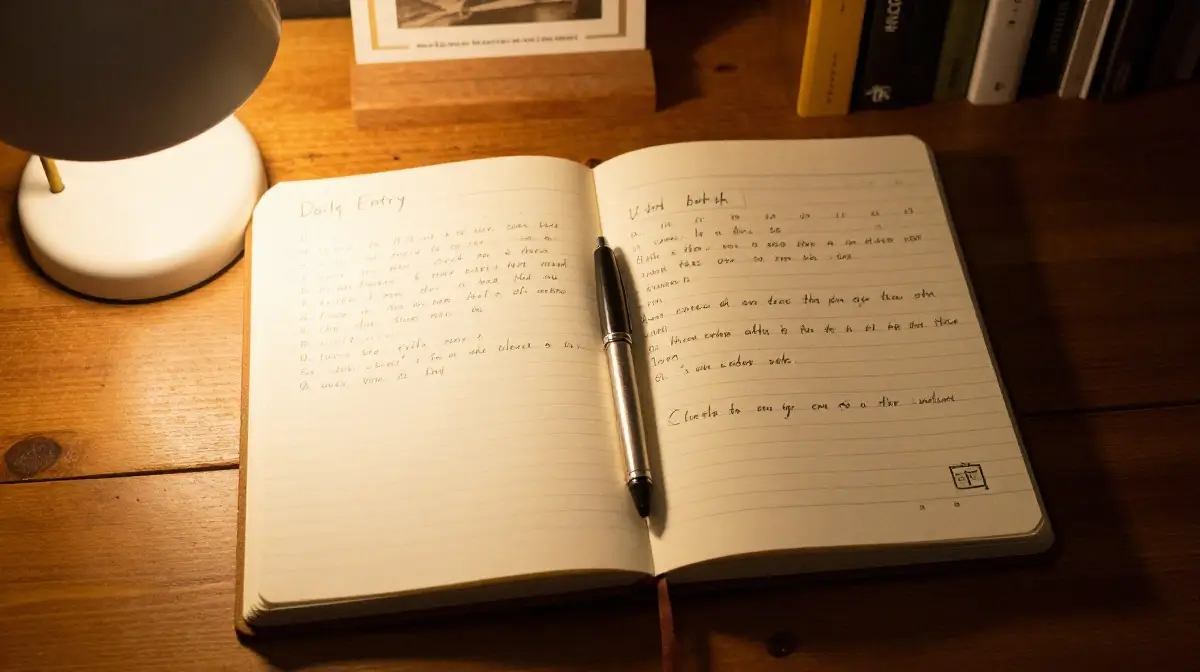
The daily entry journal is the most traditional and widely used form of travel journaling. You simply write about your day from morning to night, recording where you went, what you saw, who you met, and how you felt throughout. The beauty of this format is its simplicity and its power to capture the full emotional arc of each day. Writing consistently each evening before sleep ensures your memories remain vivid and detailed for years to come.
The Bullet Journal Travel Spread
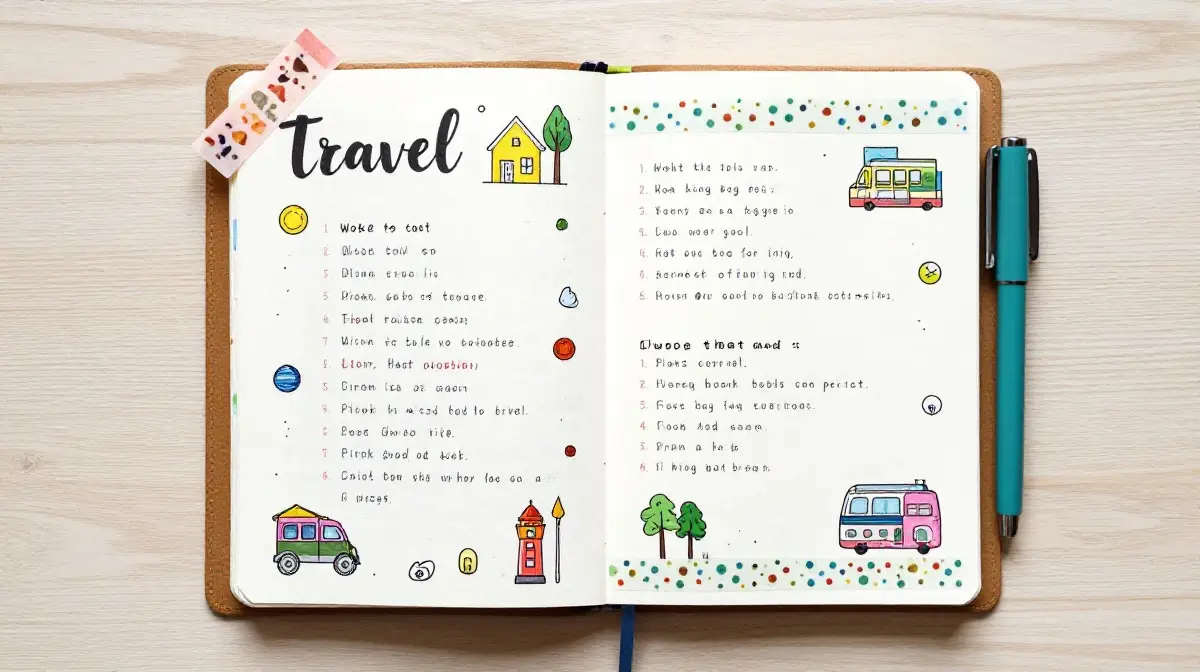
A travel bullet journal uses a minimal, structured approach to journaling that focuses on lists, symbols, and short entries rather than lengthy paragraphs. You can create spreads for itineraries, packing lists, daily logs, gratitude entries, and budget tracking all within the same notebook. This format is especially popular among organized travelers who want both creativity and practicality in one compact book.
The Scrapbook Style Journal
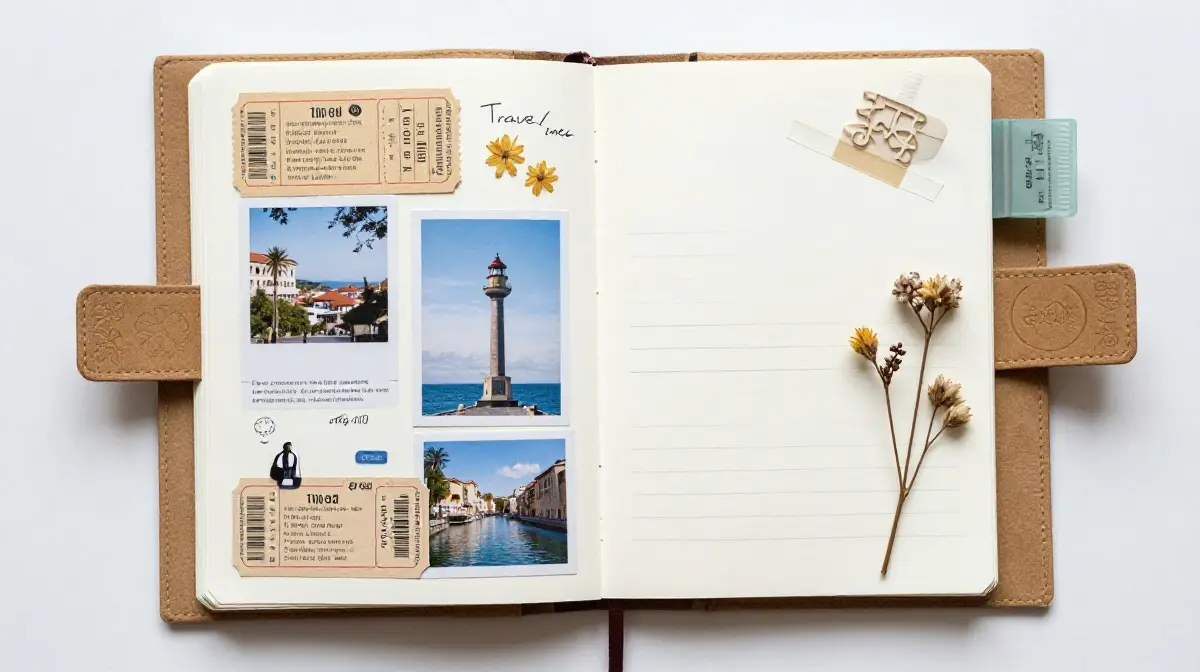
A scrapbook travel journal combines writing with physical mementos collected along the way. Ticket stubs, boarding passes, restaurant menus, pressed flowers, postcards, hotel business cards, and museum brochures are all glued onto the pages alongside handwritten notes and reflections. The result is a richly layered, tactile record of your travels that feels like holding the trip itself in your hands.
The Watercolor Sketch Journal
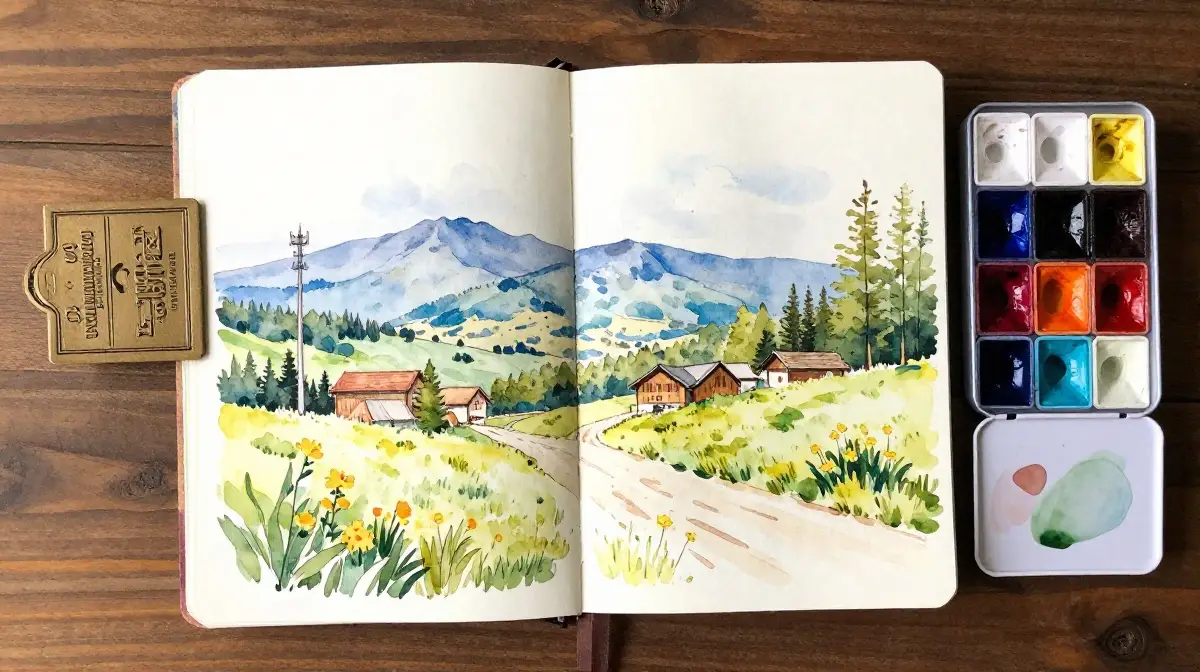
For visually creative travelers, a watercolor sketch journal replaces lengthy descriptions with hand-painted illustrations of landscapes, architecture, street scenes, and food. A small travel watercolor kit takes almost no luggage space, and even basic painting skills can produce pages that are deeply personal and visually stunning. Many travelers find that the act of painting slows them down and deepens their observation of a place.
The Food and Flavor Journal

A food and flavor travel journal documents every meal, snack, drink, and culinary discovery encountered during a trip. You write about the taste, texture, ingredients, setting, and story behind each dish, along with sketches or photos of the food if possible. This format works brilliantly for food lovers and helps you recreate favorite dishes at home long after the journey is over.
The Conversation Journal
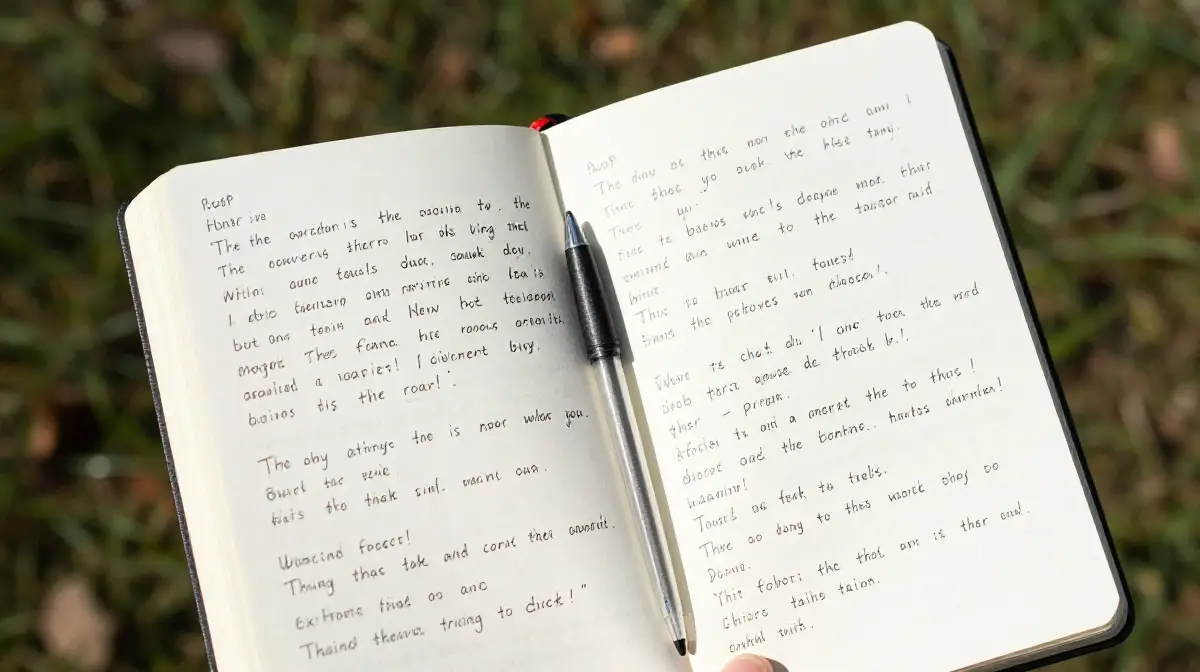
The conversation journal is dedicated entirely to the people you meet while traveling. You record meaningful exchanges with locals, fellow travelers, guides, shop owners, and anyone who left an impression on you. Writing down the exact words someone used, their story, and what you learned from the encounter transforms your journal into a living portrait of the human side of every destination.
The Sensory Journal

A sensory travel journal focuses not on what you saw but on what you heard, smelled, tasted, felt, and experienced with all five senses. Describing the sound of rain on old cobblestones, the smell of street food on a crowded alley, or the texture of ancient stone walls creates a richness that photographs can never replicate. This style of journaling produces the most vivid and transportive entries imaginable.
The Reflective Journal

The reflective travel journal goes beyond documenting events and digs into how a trip is changing you. You write about what challenged your assumptions, what surprised you, what made you uncomfortable, and how your thinking evolved from one destination to the next. This format is especially valuable for solo travelers who want to use travel as a tool for genuine self-discovery and personal growth.
The Quote and Phrase Collection Journal
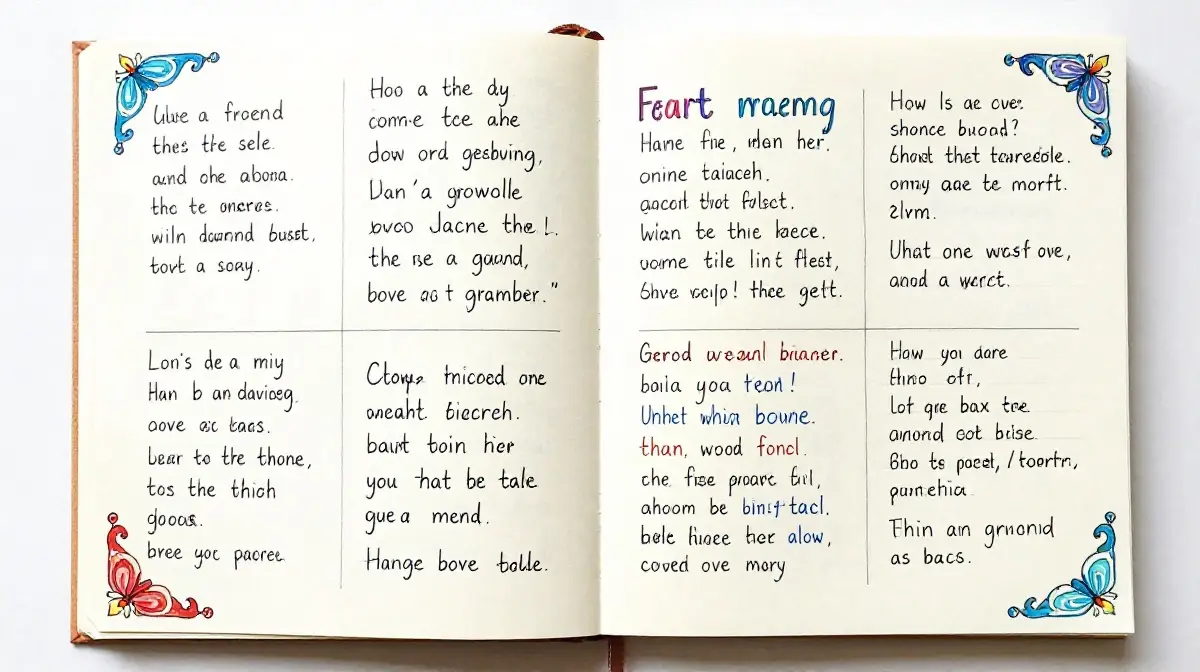
This journal type is dedicated to collecting memorable words. You record quotes from locals, phrases learned in the local language, signs that caught your eye, poetry found in a bookshop, or lines overheard in a cafe. Building a collection of language from each destination gives your journal a poetic and cross-cultural dimension that brings the voice of each place to life on the page.
The Photography Companion Journal
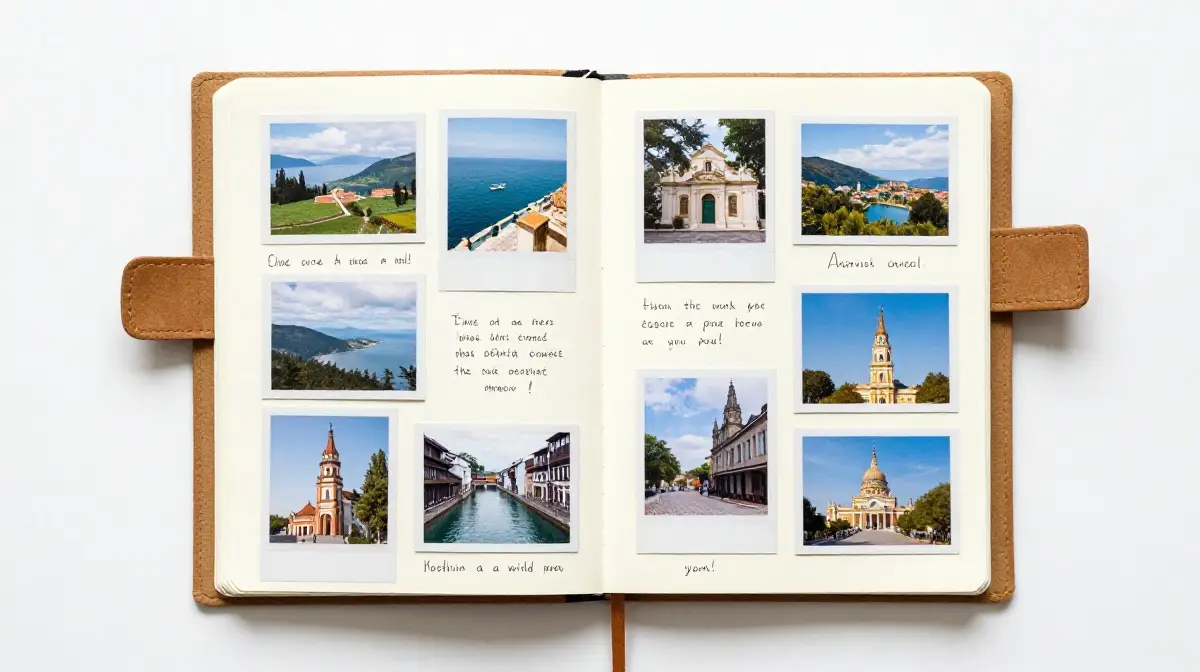
A photography companion journal pairs written entries directly with your best travel photographs. Rather than storing photos only on a phone or hard drive, you print select images and attach them to journal pages, then write the story behind each photo. This format transforms a collection of images into a fully narrated visual story that brings enormous depth to your travel memories.
The Letter Writing Journal
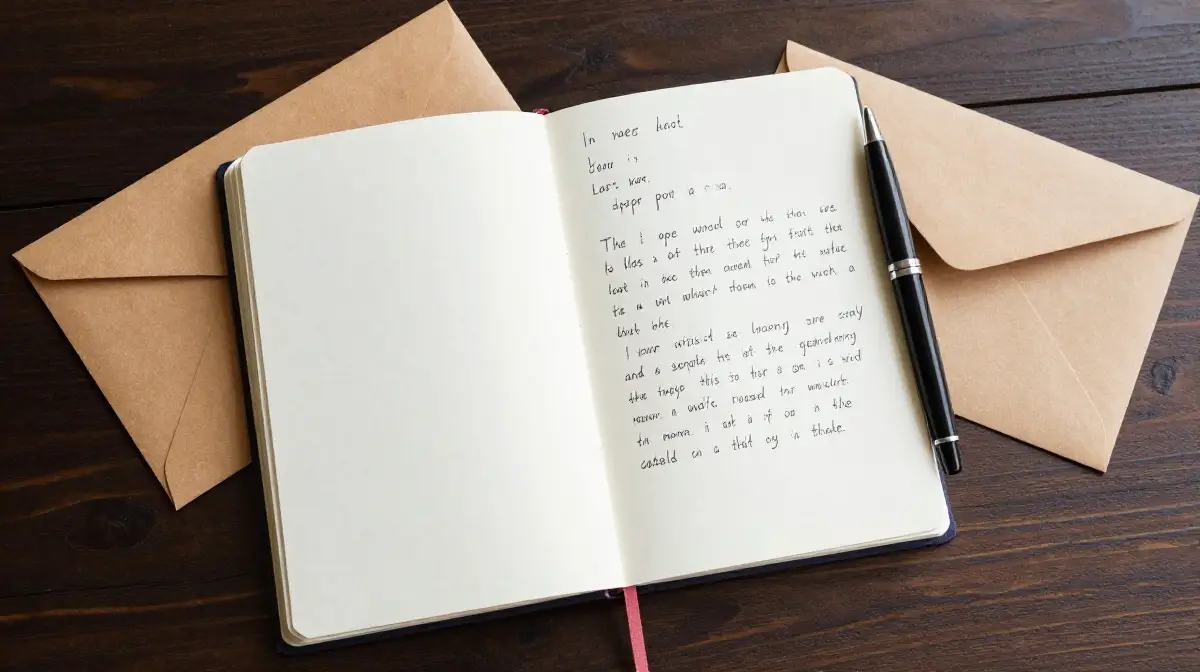
Instead of traditional entries, this journal consists entirely of letters written to people back home, to your future self, or even to the place you are visiting. Writing in letter form encourages warmth, honesty, and a natural storytelling voice that makes for some of the most readable and emotionally resonant travel journal entries. It is a wonderful format for travelers who find traditional diary writing difficult to sustain.
The Budget and Itinerary Journal
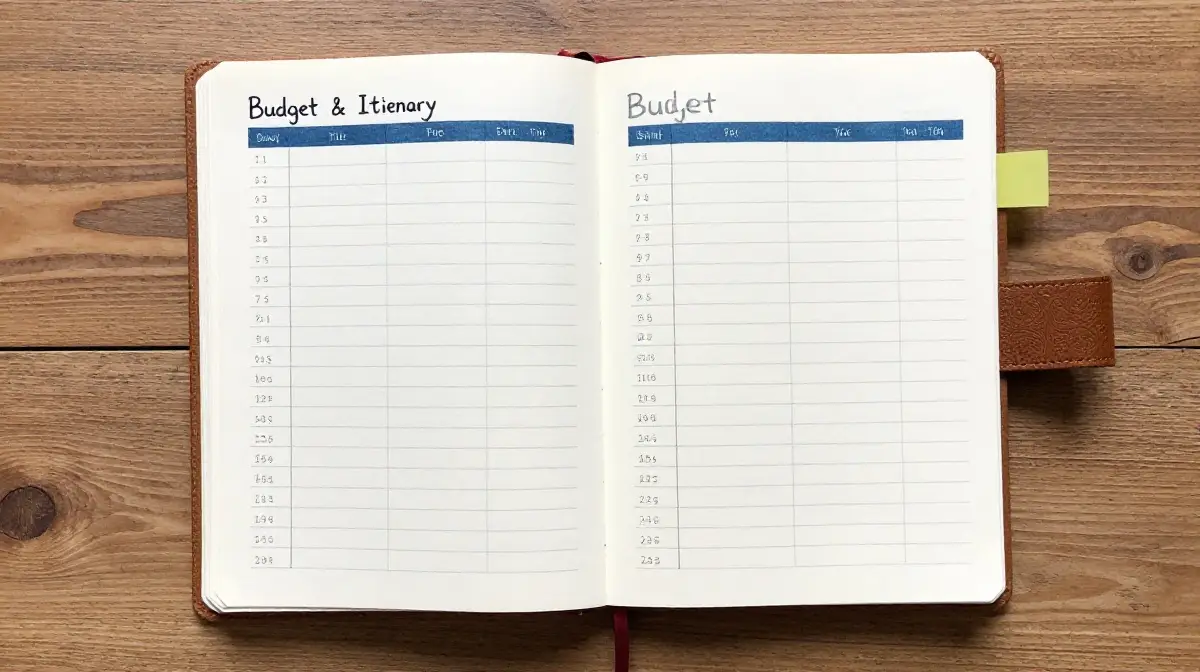
Practical travelers will appreciate a journal that combines trip planning with memory keeping. You record daily budgets, accommodation details, transport notes, restaurant recommendations, and packing lists alongside brief written reflections. When the trip ends, this journal also becomes an invaluable planning resource for future trips to the same destination or region.
The Gratitude Travel Journal
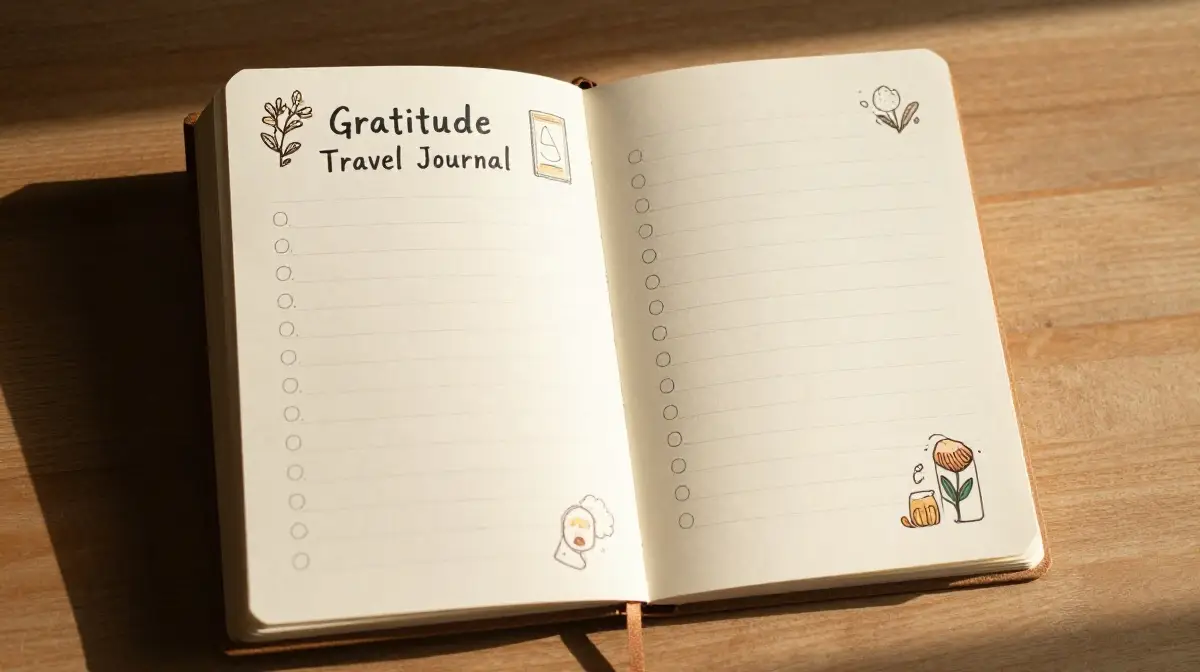
Each entry in a gratitude travel journal ends with a dedicated section listing three to five things you are grateful for from that day. It could be a kind stranger, a beautiful sunset, an unexpectedly delicious meal, or simply the freedom to be somewhere new. This journaling habit trains you to notice the small joys of travel that are easy to overlook and makes every destination feel more meaningful.
The Local Life Observation Journal
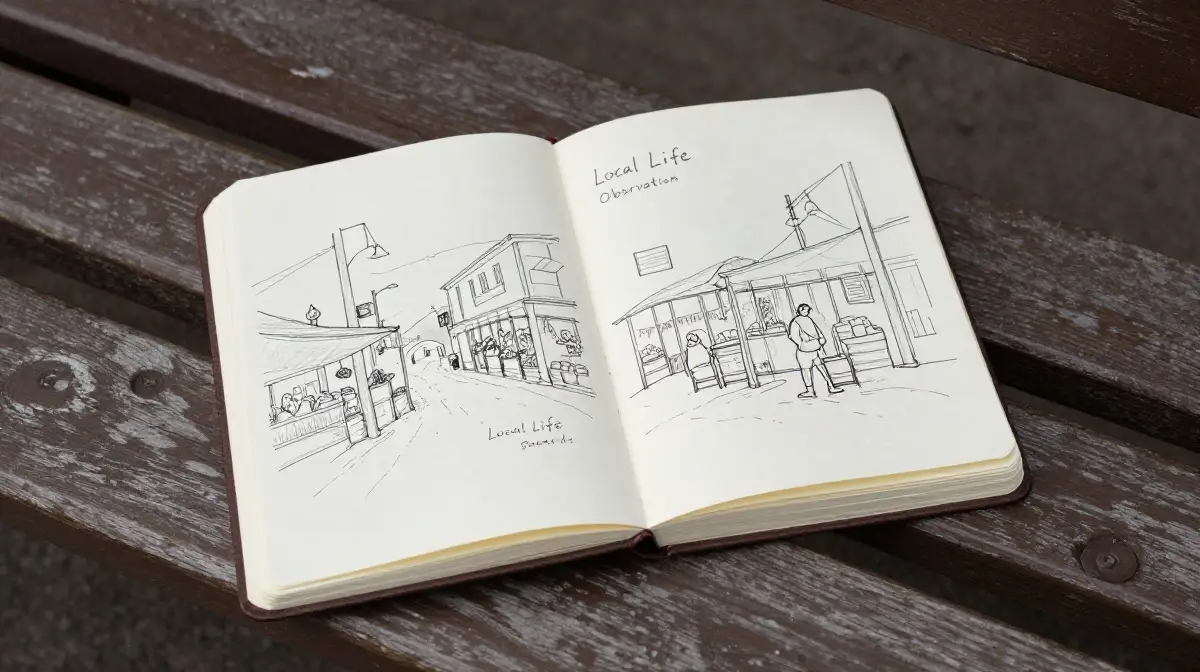
This journal style focuses entirely on observing and documenting everyday local life rather than tourist attractions. You write about the rhythm of a neighborhood, the morning routines of residents, the way a market operates, or the way children play in a square. This approach produces some of the most insightful and culturally rich travel writing possible, revealing the soul of a place beyond its landmarks.
The Map and Route Journal
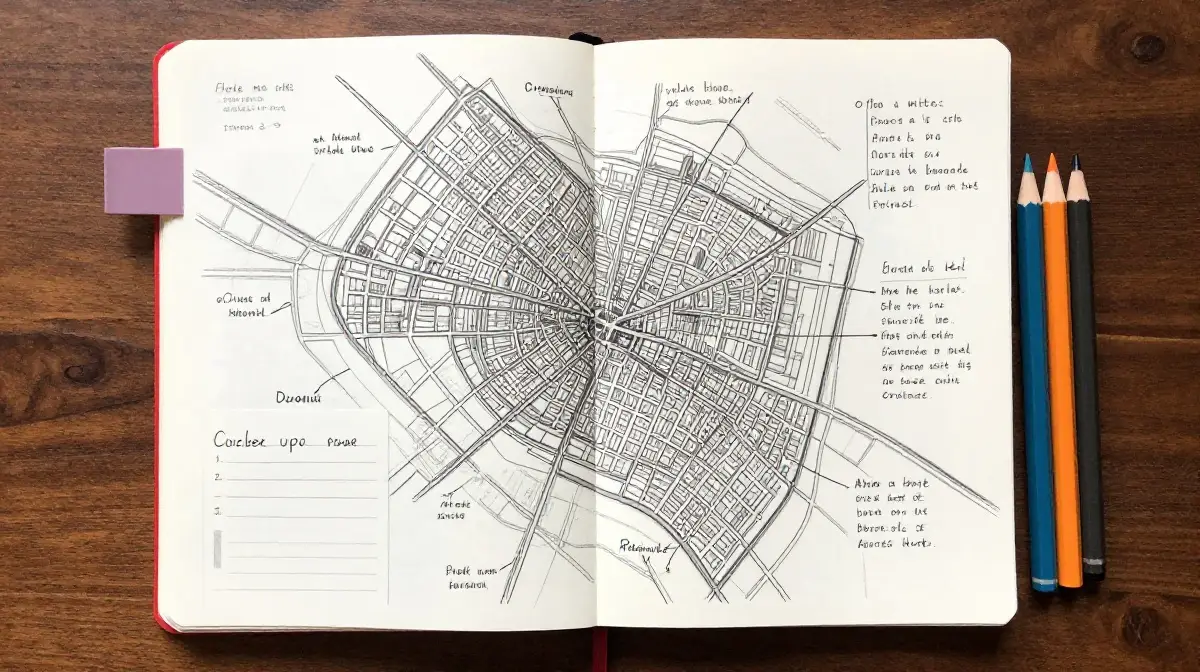
A map and route journal includes hand-drawn maps of neighborhoods, cities, hiking trails, and routes traveled. You annotate the maps with personal notes about what you discovered along the way, places you loved, and moments worth remembering. This visual journaling format is both creative and practical and results in pages that are as useful as they are beautiful to look back on.
The Digital Travel Journal

Not every traveler prefers pen and paper, and a digital travel journal kept in a dedicated app or private blog is just as valuable as a handwritten one. Apps like Day One allow you to combine written entries with photographs, location data, and timestamps in a clean and searchable format. A digital journal is easy to maintain on the go and can be backed up securely to protect your memories forever.
The One Line a Day Journal
For travelers who struggle to find time for lengthy entries, the one line a day journal offers a minimal yet meaningful solution. You write just one sentence each day that captures the single most important thing you want to remember. Over time, these brief entries accumulate into a surprisingly powerful record of your travels that takes no more than two minutes to maintain each evening.
The Cultural Discovery Journal
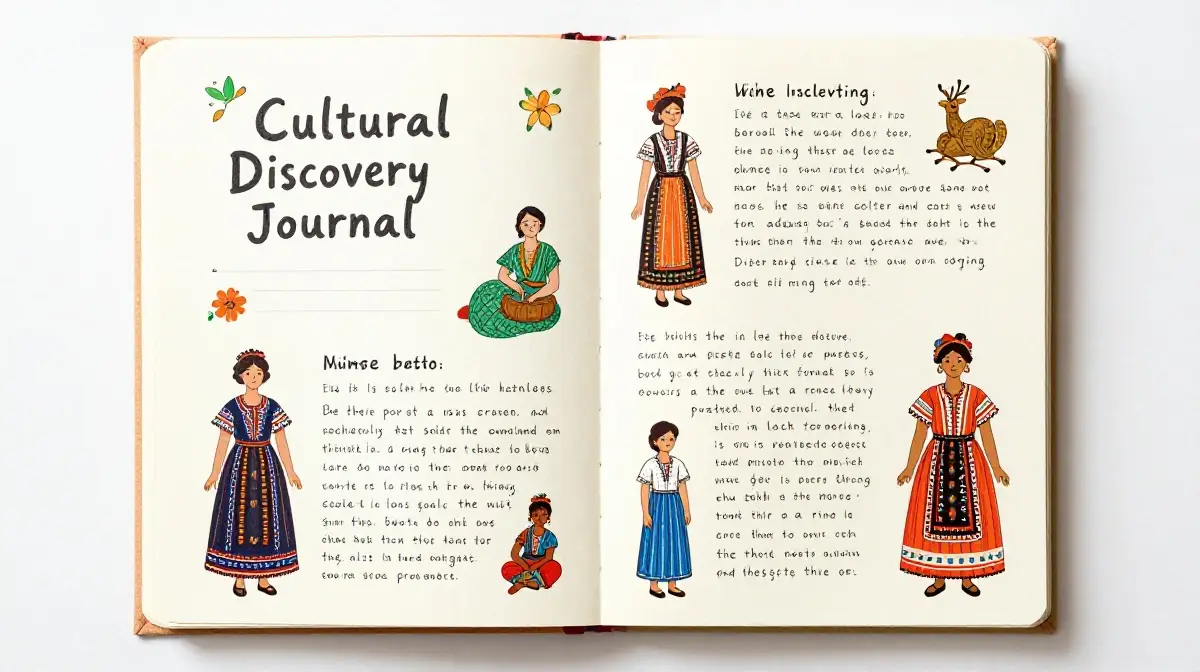
This journal is dedicated to documenting cultural differences, traditions, festivals, customs, and social observations encountered during travel. You record how people greet each other, celebrate milestones, dress, worship, and organize their communities. Over time, this format builds a personal anthropological record of the world that is both educational and deeply humbling to read back.
The Challenge and Growth Journal
Some of the most memorable travel moments are the difficult ones. A challenge and growth journal intentionally focuses on things that went wrong, moments of discomfort, language barriers, getting lost, and how you handled each obstacle. Writing honestly about these experiences reveals more about your character and resilience than any highlight reel of perfect days ever could.
The Poetry and Creative Writing Journal
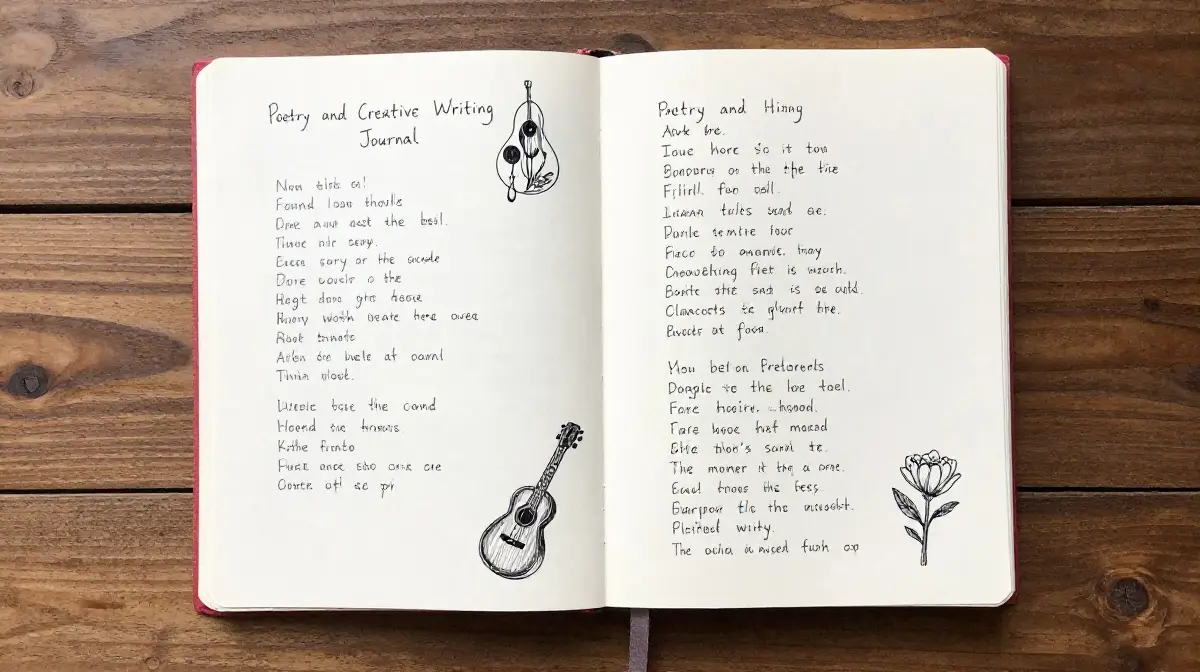
A creative writing travel journal uses your experiences as raw material for poems, short stories, prose sketches, and creative descriptions. You are not writing a diary but using the places, people, and moments of your trip as inspiration for original literary work. This approach produces journal pages of remarkable artistic value and deepens your engagement with every destination you visit.
The Kids Travel Journal
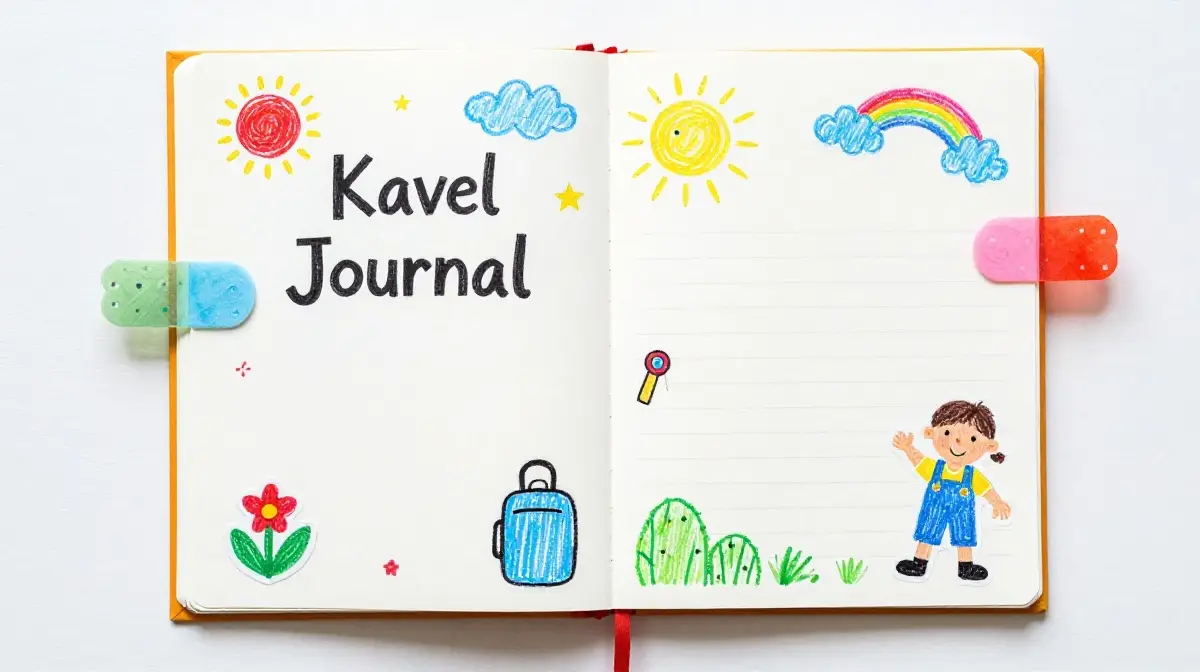
A travel journal designed for younger travelers makes the journey educational and interactive. Children can draw pictures of what they see, stick in tickets and wrappers, write about their favorite moments, and play games like rainbow pages where they note something of each color they spotted that day. A kids travel journal makes children active participants in the family journey rather than passive passengers.
The Post-Trip Reflection Journal
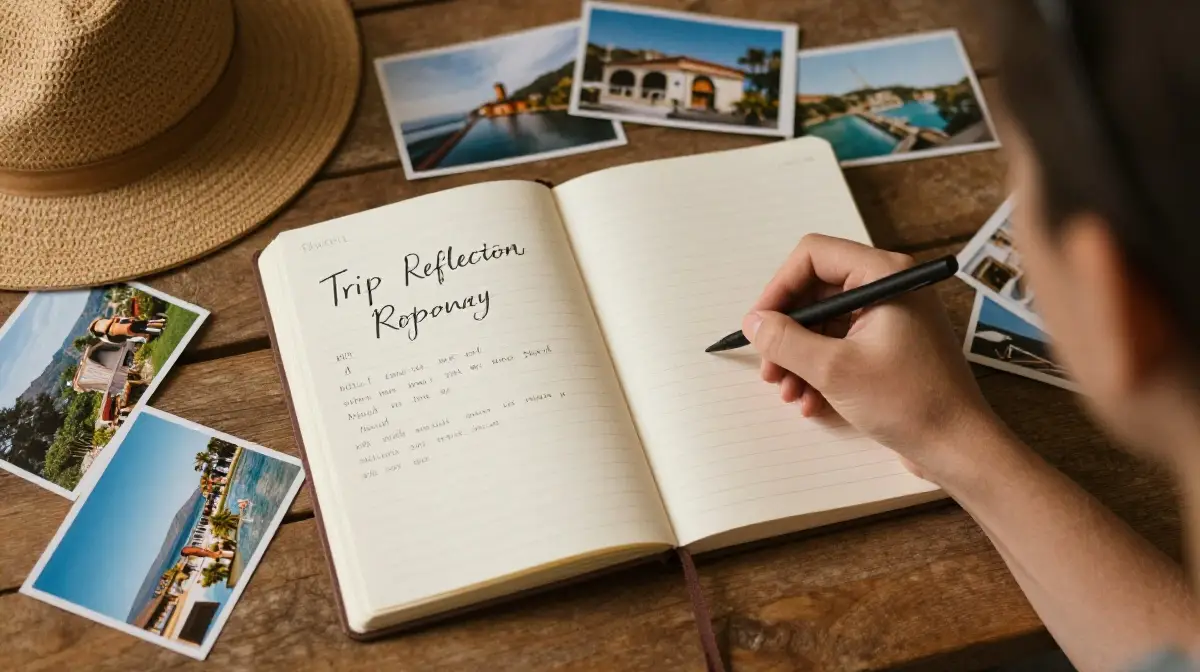
The post-trip reflection journal is written after returning home rather than during the journey itself. With distance and perspective, you write about what the trip meant to you, how it changed you, what you miss most, and what you will carry forward into your daily life. This format captures a depth of meaning that in-the-moment writing often cannot reach and serves as the most emotionally honest record of all.
Conclusion
A travel journal is one of the most personal and enduring gifts you can give yourself as a traveler. It does not matter which format you choose, whether it is a scrapbook full of ticket stubs or a simple notebook with one line per day. What matters is that you begin. These 22 travel journal examples offer something for every kind of creative traveler, from the detail-obsessed writer to the artistic sketcher to the practical planner. Choose the style that resonates with how you experience the world, and let every journey become a story worth telling.
You can may also like this: 22 Filipino Dishes Ideas You Must Try at Home
FAQs
What is the best type of travel journal for beginners
The daily entry journal or the one line a day journal are the best starting points for beginners. Both require minimal time, no special skills, and produce a meaningful record of your travels without feeling overwhelming or intimidating.
Do I need artistic skills to keep a creative travel journal
No artistic skills are required. Even simple stick figures, basic sketches, or cut-out images from brochures can make a journal visually engaging. The personal value of a travel journal comes from honesty and consistency, not from artistic perfection.
Should I write my travel journal by hand or use a digital app
Both are equally valid and it depends entirely on personal preference. Handwritten journals feel more tactile and personal, while digital journals are easier to maintain, search, and back up. Many experienced travelers keep both formats simultaneously.
How much time should I spend writing in my travel journal each day
Even ten to fifteen minutes each evening is enough to capture the most important moments of a day. The goal is consistency rather than length. Short, honest entries written regularly are far more valuable than long entries written only occasionally.
Can I start a travel journal after a trip has already ended
Absolutely. Writing a post-trip reflection journal from memory can be just as powerful as real-time journaling. Use your photographs, receipts, and any notes you kept during the trip to help reconstruct the details and emotions of each day.
1 Comment