
Introduction
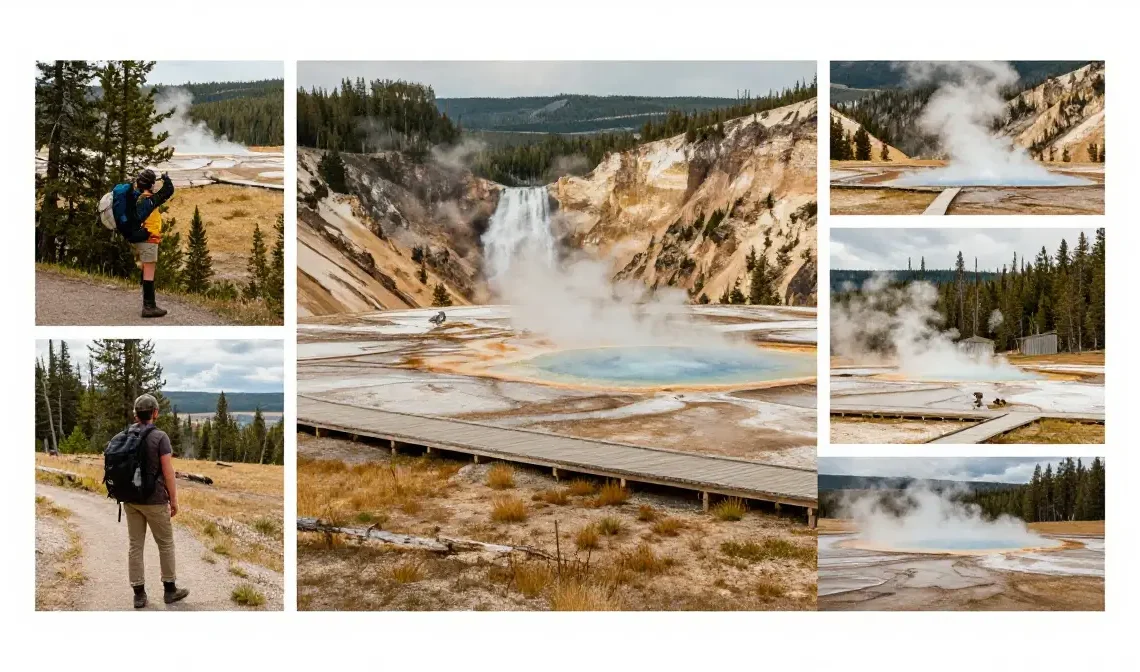
Yellowstone National Park is one of the most extraordinary places on earth, sitting at over 6,000 feet of elevation across Wyoming, Montana, and Idaho and offering everything from erupting geysers and rainbow-colored hot springs to vast open valleys filled with bison, wolves, and elk moving freely across a landscape that has remained essentially unchanged for thousands of years. But visiting Yellowstone comes with a very specific challenge that catches many first-time visitors completely off guard, which is that the weather here is genuinely unpredictable in every season and sometimes within the same afternoon.
A warm sunny morning on the boardwalk at Grand Prismatic Spring can become a cold and rainy early afternoon at Old Faithful and then a brisk and breezy evening wildlife watching session in Lamar Valley, all within the same day. Getting your Yellowstone National Park outfits right means understanding layering, choosing the right footwear for the specific activity, and building a wardrobe around functional fabrics that protect you from the sun, the cold, the wind, and occasional rain without making you miserable or preventing you from fully experiencing everything the park has to offer. This guide brings together 22 of the most practical and stylish Yellowstone outfit ideas for every season, activity, and personal aesthetic.
Classic Yellowstone Layering Outfit
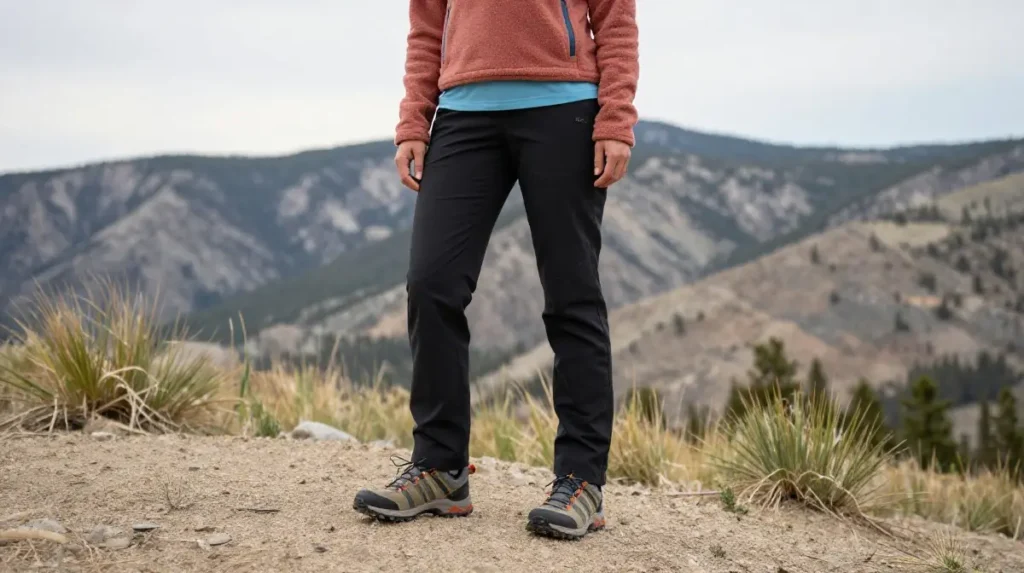
The foundational principle behind every successful Yellowstone outfit is the three-layer system, and understanding how to build and use this system correctly makes the difference between a genuinely comfortable day in the park and one spent regretting every clothing decision made that morning. The base layer sits closest to the skin and its primary function is moisture management, wicking perspiration away from the body to prevent the chilling effect that occurs when sweat cools against the skin during or after physical activity.
A merino wool or synthetic moisture-wicking long sleeve top and thermal leggings represent the ideal base layer combination for Yellowstone in any season other than the warmest summer days. The mid layer goes over the base and provides insulation, with a fleece pullover or a light down vest being the most practical options for most visitors. The outer layer, a waterproof and windproof jacket, protects against rain, wind, and the temperature drops that arrive quickly at elevation. This three-layer system is the starting point for every other outfit in this guide.
Yellowstone Summer Sightseeing Outfit
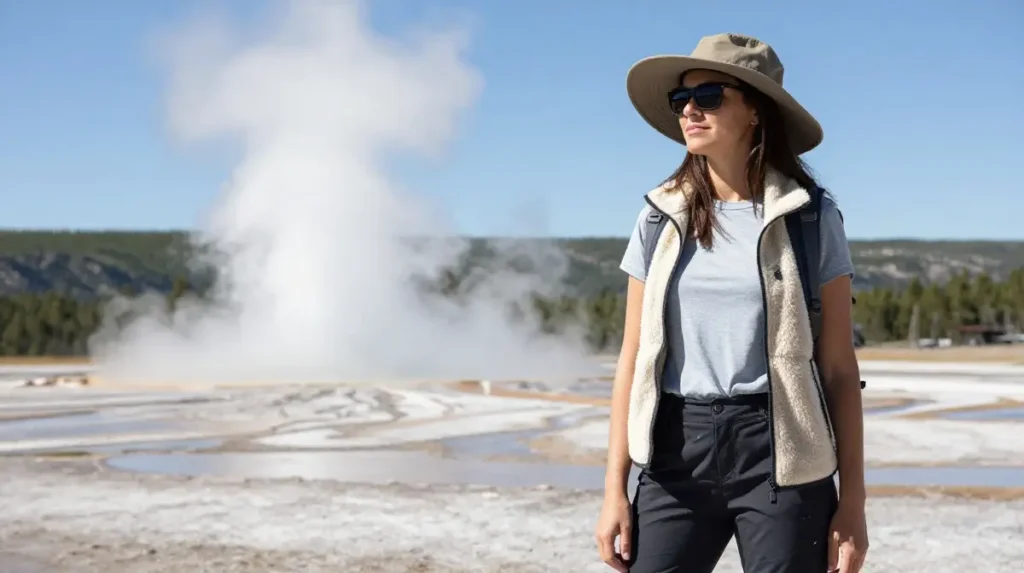
Summer days at Yellowstone can reach genuinely warm temperatures, particularly in the early afternoon on clear days, which means the summer sightseeing outfit needs to handle warmth, sun exposure, and the possibility of rapid temperature change all within the same compact and practical clothing selection. A moisture-wicking UPF-rated short sleeve t-shirt worn over a light base layer with zip-off convertible pants or quick-dry hiking shorts covers the temperature range of a typical Yellowstone summer day from the cool morning hours to the warm afternoon peak and then back to the cooler evening wildlife watching window.
A fleece or a light puffer vest tied around the waist or packed into a small daypack is essential for the inevitable temperature drop that occurs as the afternoon progresses into evening, particularly in areas like the Lamar Valley where the open landscape allows wind to move freely across the valley floor. Polarized sunglasses and a wide brim sun hat protect against the intense mountain sun that burns considerably faster at Yellowstone’s elevation than most visitors accustomed to lower altitudes typically expect.
Yellowstone Hiking Outfit for Women
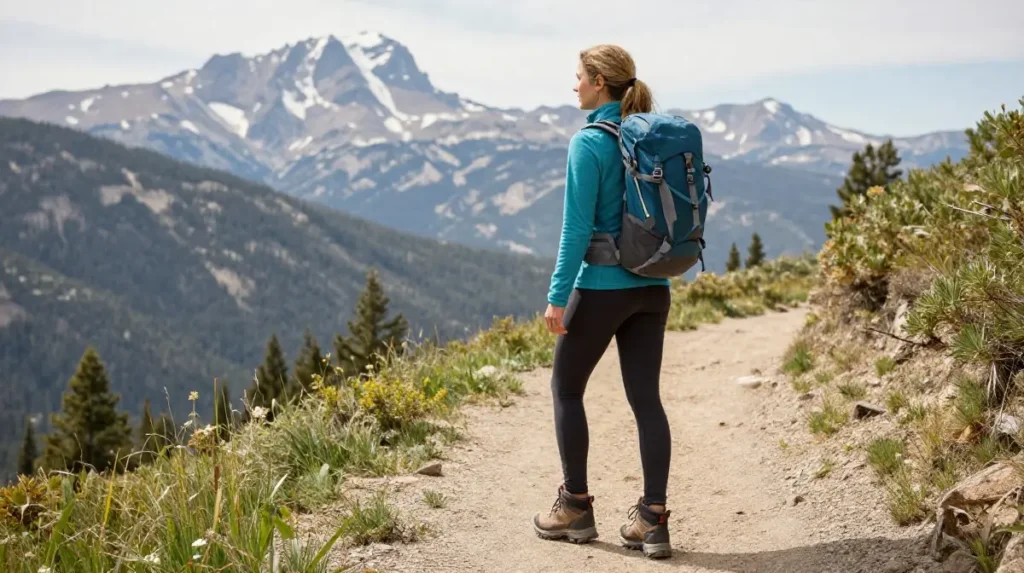
A well-considered hiking outfit for women visiting Yellowstone addresses four specific functional requirements simultaneously, which are moisture management, temperature regulation, weather protection, and trail-appropriate footwear that can handle both the park’s well-maintained boardwalks and its more demanding backcountry trail surfaces without causing discomfort or injury. Moisture-wicking leggings or lightweight hiking pants in a quick-dry fabric provide the most versatile lower body option for Yellowstone hiking, working comfortably in warm temperatures while accepting thermal layers underneath on colder days without creating a tight or restrictive fit.
A UPF-rated long sleeve shirt over a lightweight base layer top creates a sun-protective and temperature-adaptable upper body combination that suits the changing conditions of a Yellowstone hiking day without requiring a full outfit change at midday. Waterproof hiking boots or sturdy trail runners with good traction are the most important single piece of the Yellowstone hiking outfit for women because the trail surfaces in the park vary from paved boardwalks to rocky and muddy backcountry paths where inadequate footwear creates a genuinely uncomfortable and potentially unsafe experience.
Yellowstone Wildlife Watching Outfit
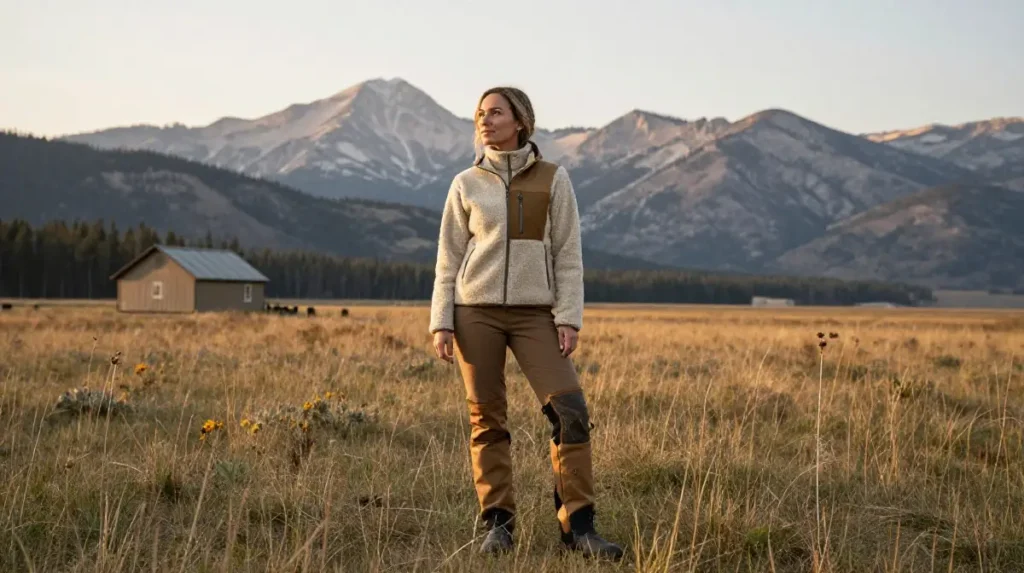
Wildlife watching at Yellowstone requires specific outfit considerations that differ meaningfully from a general sightseeing or hiking day in the park, primarily because the early morning and late evening hours when animal activity is highest are also the coldest parts of the day, and standing still in an open valley watching a wolf pack or a herd of bison through binoculars for an extended period generates none of the body heat that active hiking produces. A thermal base layer set worn beneath a fleece mid-layer and topped with a waterproof windproof outer shell creates the ideal static warmth system for extended wildlife watching sessions in Yellowstone’s open valleys.
A buff neck gaiter pulled up over the chin and lower face provides significant warmth to the most exposed facial area during early morning sessions when temperatures at the Lamar Valley or the Hayden Valley can feel genuinely cold regardless of the season. Earth tones in olive, rust, forest green, and dark navy are the most appropriate color choices for wildlife watching outfits because they minimize visual disturbance to animals while also photographing beautifully against the park’s natural landscape palette.
Yellowstone Fall Outfit
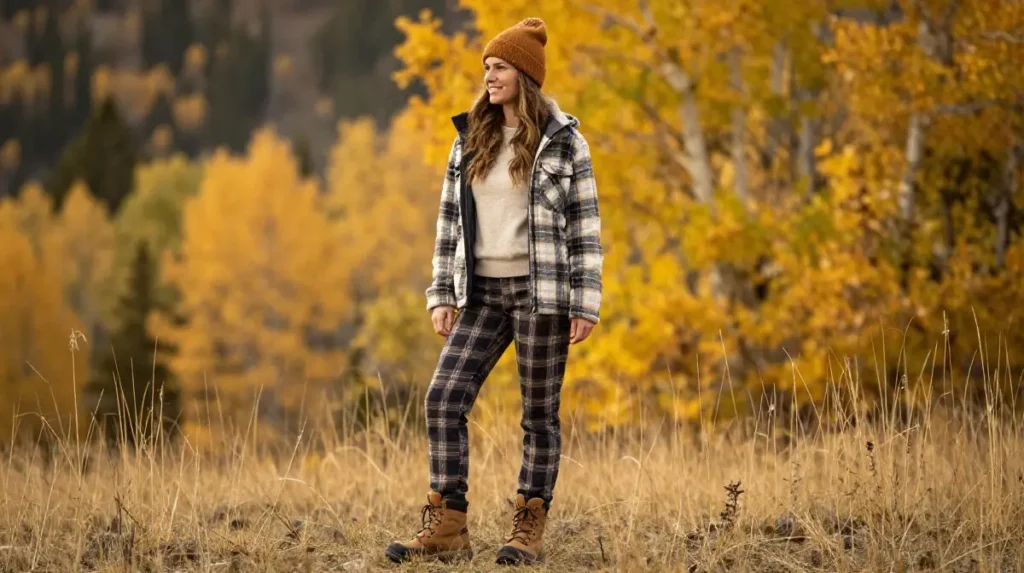
Fall at Yellowstone is one of the most visually spectacular and deeply atmospheric seasons to visit the park, when the hillsides turn gold and amber, the elk rut fills the valleys with dramatic calls, and the crowds thin considerably compared to the peak summer months. The fall outfit challenge at Yellowstone is significant because temperatures during this season can range from near-freezing morning temperatures to genuinely pleasant afternoon warmth and then back to cold and potentially snowy evenings, all within a single September or October day.
A merino wool base layer, a heavy fleece or a light insulated puffer jacket, and a waterproof hardshell outer layer together with warm hiking pants and waterproof boots covers the full temperature range of a Yellowstone fall day reliably. Plaid or flannel shirts worn over the base layer during milder afternoon hours add the classic and seasonally appropriate outdoor aesthetic that photographs beautifully against the amber and gold of the fall foliage. A beanie and a buff gaiter should be in the daypack at all times during fall Yellowstone visits.
Yellowstone Spring Outfit
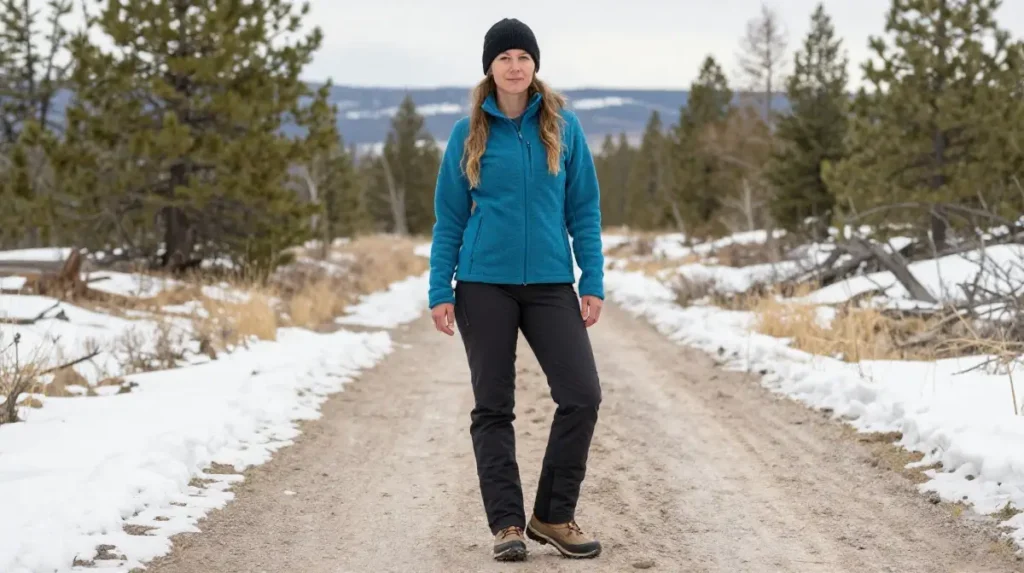
Spring at Yellowstone arrives gradually and unpredictably, with snowfall possible in any month through May and genuinely pleasant mild afternoons alternating with cold and wet mornings throughout April and much of June in the higher elevation areas of the park. The spring outfit for Yellowstone requires perhaps the most comprehensive layering commitment of any season because the temperature variation within a single spring day can easily exceed twenty degrees Fahrenheit between the coldest morning moment and the warmest afternoon point.
A moisture-wicking thermal base layer, a midweight fleece, a softshell or hardshell waterproof outer layer, and waterproof hiking boots with good traction for muddy trail surfaces represent the minimum practical outfit for a spring day at Yellowstone. Quick-dry fabrics are specifically valuable in spring when trail surfaces, thermal feature areas, and meadow crossings can leave clothing damp throughout the day. A packable waterproof rain jacket that compresses into its own pocket is the single most important spring packing addition for Yellowstone visitors who want to stay dry regardless of whatever the afternoon weather decides to deliver.
Yellowstone Winter Outfit
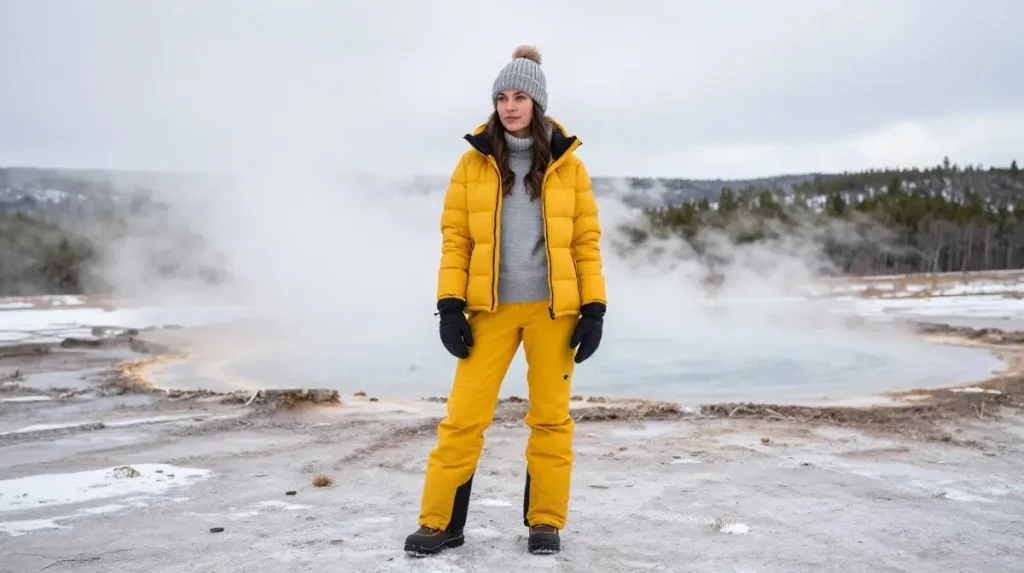
Winter at Yellowstone is an extraordinary and genuinely surreal experience where geysers steam dramatically against snow-covered landscapes, bison push through deep powder to find forage, and the park takes on a quiet and otherworldly beauty that summer crowds prevent most visitors from ever experiencing. But dressing for a Yellowstone winter visit requires a completely different and considerably more serious approach to layering than any other season, because temperatures regularly drop below zero degrees Fahrenheit and the wind chill in open areas can make even moderate cold feel dangerously extreme without adequate preparation.
A heavyweight merino wool or synthetic thermal base layer set worn beneath a thick down insulated mid-layer and topped with a waterproof and insulated outer shell creates the essential warmth foundation for a Yellowstone winter day. Insulated waterproof snow boots rated to temperatures well below freezing are absolutely essential, as are heavyweight wool gloves or insulated mittens, a wool beanie that covers the ears, and a buff gaiter that can be pulled up over the face during snowcoach rides and outdoor exploration sessions. Hand warmers in the outer pockets provide a reliable additional heat source that most winter Yellowstone visitors find genuinely necessary rather than simply nice to have.
Yellowstone Photoshoot and Instagram Outfit
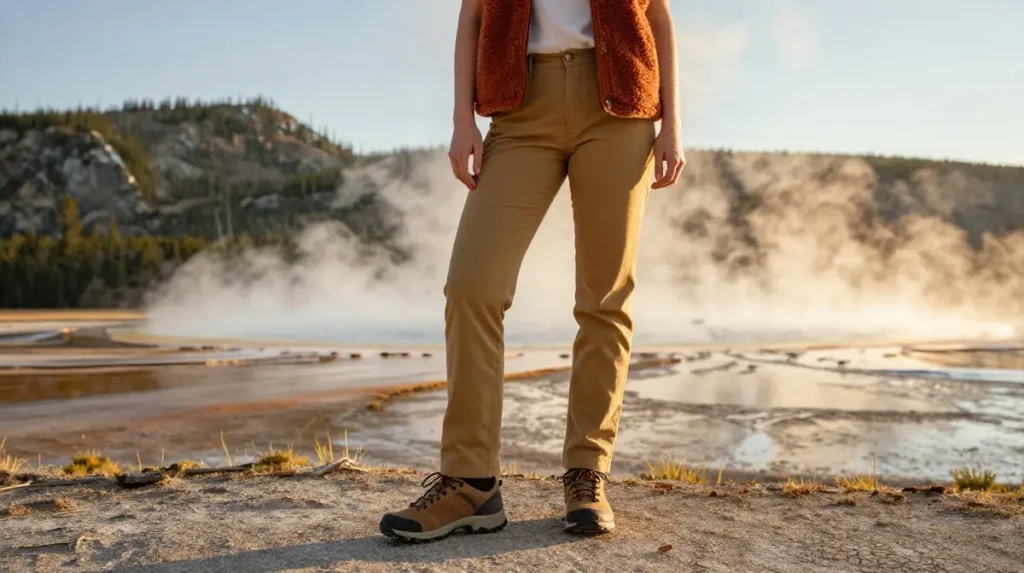
Yellowstone provides some of the most naturally photogenic and extraordinary landscapes available anywhere in North America, and choosing the right outfit for a photoshoot means thinking about how colors, silhouettes, and textures read against the specific visual environments of the park’s most iconic locations. Earth tones including rust orange, olive green, camel, cream, and warm beige all photograph beautifully against Yellowstone’s natural color palette because they complement rather than compete with the blues and greens of the thermal features, the gold of the grasslands, and the deep grey of the canyon walls.
A flannel shirt in a warm plaid, a fleece vest, hiking pants in an earth tone, and trail runners or hiking boots creates a complete Yellowstone photoshoot outfit that is simultaneously practical for the park environment and visually cohesive in photographs. Solid colors generally work better than busy patterns against the complex visual backgrounds of Yellowstone’s most dramatic locations because a single strong color creates a clean focal point while a busy pattern adds visual noise that competes with the landscape behind it.
Yellowstone Couples Outfit
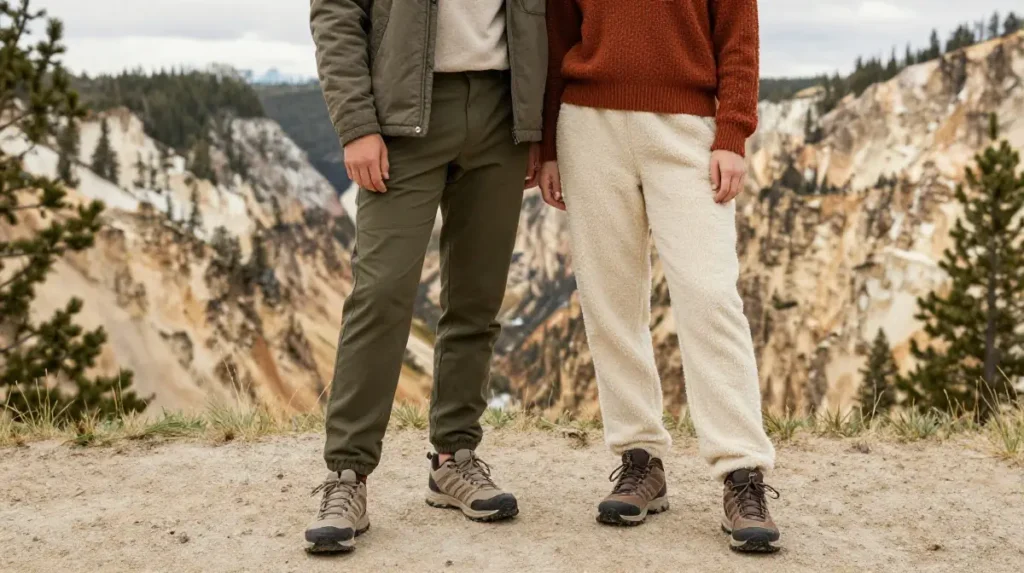
Coordinating outfits as a couple visiting Yellowstone does not require matching clothes but choosing a shared color palette or complementary tones creates photographs that feel visually cohesive and intentional rather than accidentally assembled from two different packing lists. Earth tones across both outfits work most reliably because they allow each person’s individual style and practical clothing preferences to show through while the overall image reads as unified and deliberately considered.
A woman in rust-toned hiking pants with a cream merino wool base layer and a fleece vest paired with a man in olive hiking pants and a matching fleece over a moisture-wicking base layer creates a classic and visually satisfying Yellowstone couple aesthetic that suits both the active outdoor environment and the photographic opportunities the park provides. Planning the coordinated look around the specific activities of the day ensures both partners are genuinely comfortable and appropriately equipped rather than prioritizing aesthetics over the practical reality of Yellowstone’s weather and terrain demands.
Yellowstone Family Outfits
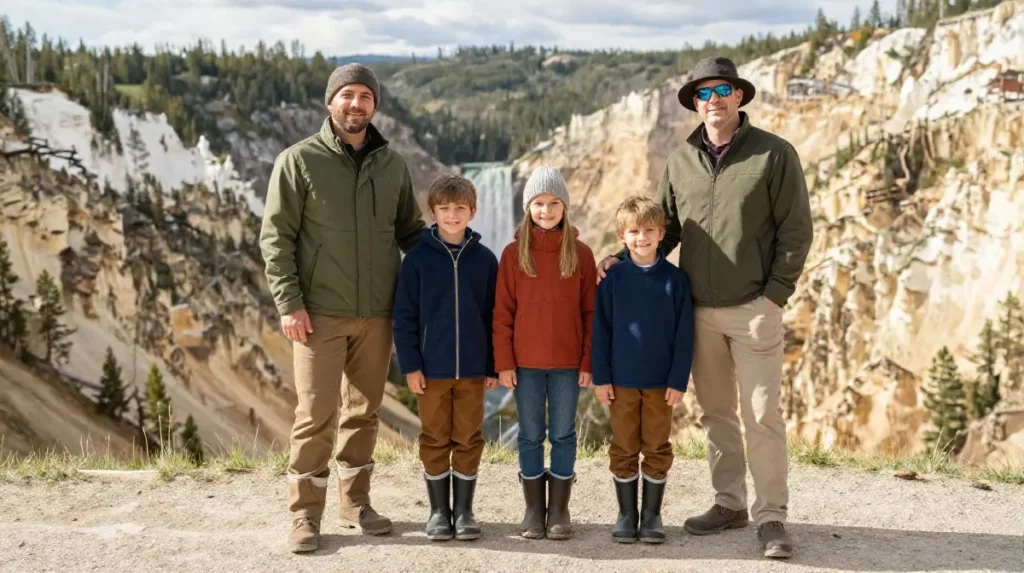
Dressing a family for a Yellowstone visit means balancing the functional requirements of adults with the entirely different durability, comfort, and movement needs of children, all while maintaining enough visual coordination that family photographs look genuinely pleasant rather than chaotic and haphazard. Kids need waterproof outer layers, comfortable footwear that handles both boardwalk walking and light trail hiking without causing blisters, and base layers that manage moisture effectively during active exploring sessions. Coordinating the family in a color palette of olive, navy, rust, and cream rather than identical outfits creates a more natural and genuinely flattering family photograph aesthetic without requiring everyone to wear uncomfortable or impractical matching clothing.
Adults can maintain their three-layer system while ensuring children have the same layering capability in smaller sizes, because children lose body heat more quickly than adults and need the same moisture management and insulation principles applied to their outfit planning. Comfortable and supportive footwear for children is arguably the single most important family Yellowstone outfit consideration because sore feet on children end hiking days and park visits considerably earlier than any adult would prefer.
Yellowstone Girls Trip Outfit
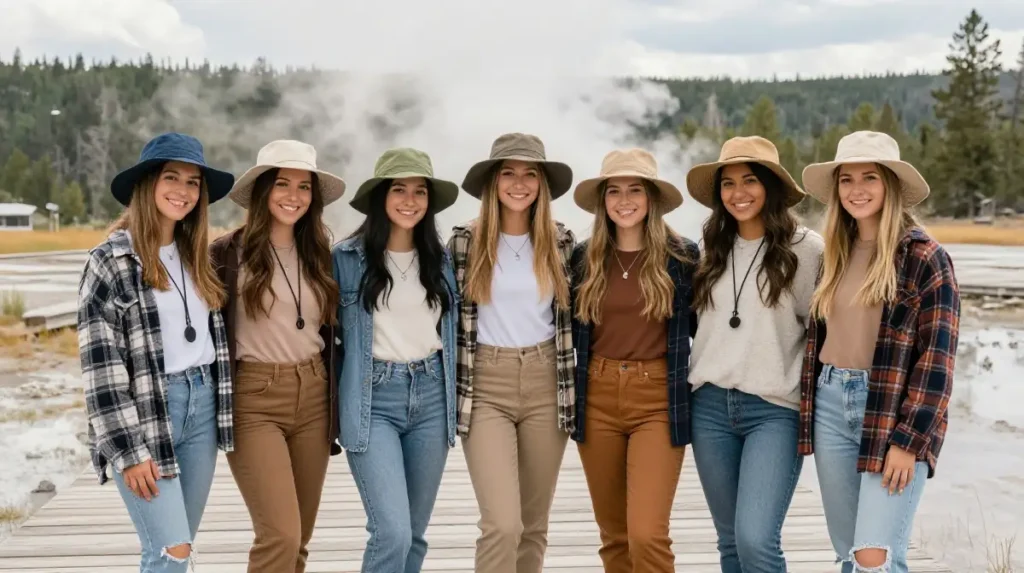
A Yellowstone girls trip wardrobe works best when built around a shared aesthetic language that allows each person’s individual style and practical preferences to show through while the group photographs feel visually connected and intentional. Earth tones, outdoor-inspired plaid and flannel, and a cohesive palette of olive, rust, cream, and navy across the group create a visual thread through the photographs without requiring anyone to wear something that does not suit their personal comfort or style preferences. Planning one slightly more elevated daytime look for the most photogenic boardwalk locations, one active hiking outfit for trail days, and one cozy layered look for wildlife watching sessions covers most of what a three to four day Yellowstone girls trip requires without overpacking significantly.
Matching accessories such as the same style sun hat or coordinated buff gaiters creates a subtle visual cohesion through group photographs without making the group look uniformed or costume-like. The most important practical principle for a girls trip Yellowstone wardrobe is ensuring that every person has genuinely adequate layering for the cold morning sessions because early morning wildlife watching is one of the most magical Yellowstone experiences and being underdressed ruins it completely.
Yellowstone Athleisure Outfit
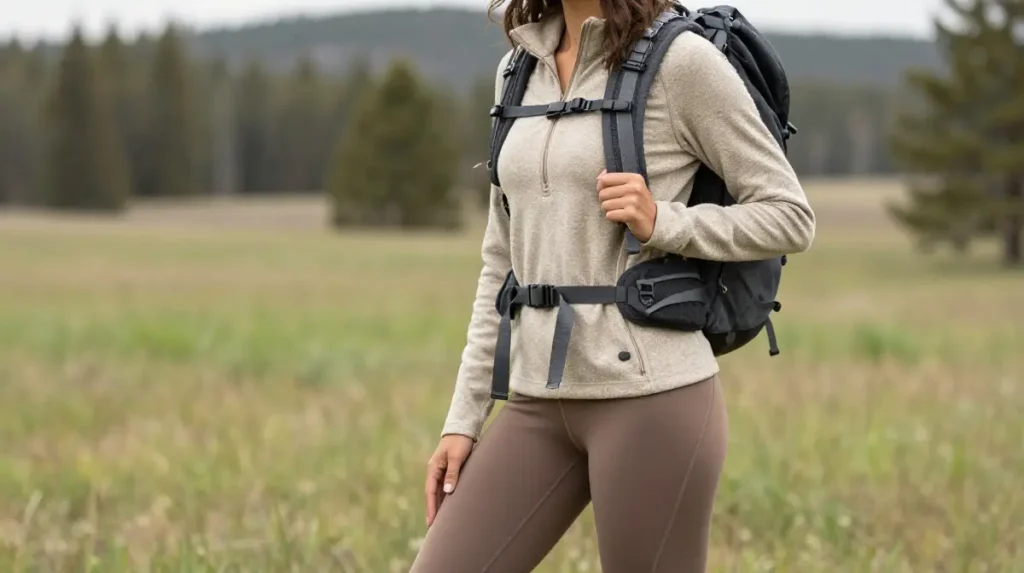
The athleisure approach to Yellowstone outfits has become one of the most popular and practically effective options for visitors who want to move fluidly between active hiking, boardwalk sightseeing, and casual scenic drive stops without needing outfit changes throughout the day. High-waist moisture-wicking leggings in an earth tone or a neutral paired with a long sleeve athletic top, a zip-up fleece, and a waterproof packable jacket creates a Yellowstone athleisure outfit that handles the full range of daily activities without looking purely athletic or sporty in the photographic context of the park’s extraordinary landscape.
Trail runners rather than dedicated hiking boots work well for the athleisure approach to Yellowstone when the planned activities include primarily boardwalk walking and shorter trail hikes rather than longer backcountry routes where the additional ankle support and waterproofing of a hiking boot becomes genuinely necessary. A structured crossbody bag or a small daypack completes the athleisure Yellowstone outfit practically without compromising the clean and coordinated visual quality of the overall look.
Yellowstone Rain and Wet Weather Outfit
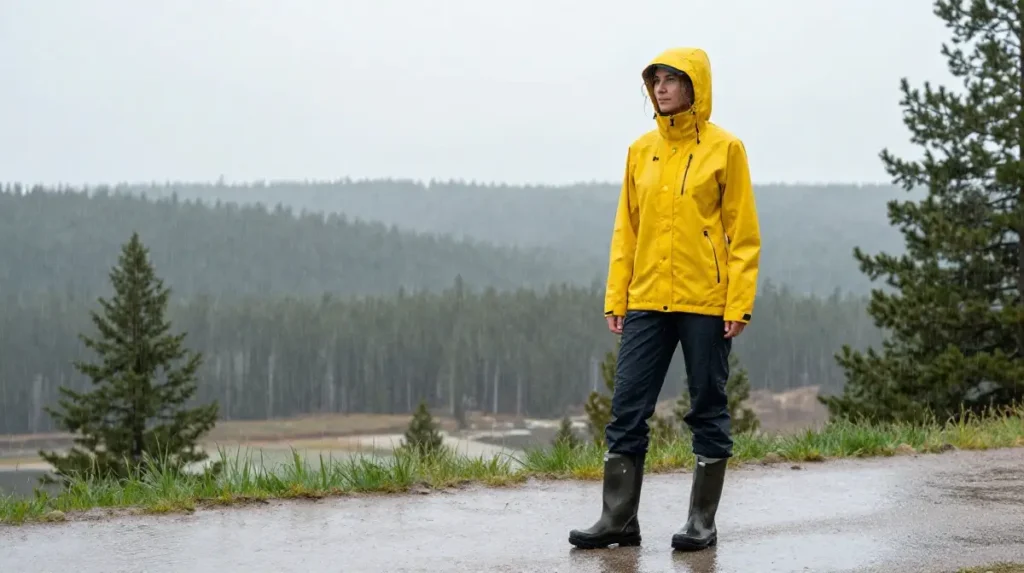
Rain at Yellowstone arrives with relatively little warning and the wet weather outfit preparation that a visitor has or has not done determines whether a rainy afternoon becomes a genuinely enjoyable continuation of the park experience or a cold, damp, and miserable retreat to the car or the lodge. A packable waterproof rain jacket that compresses into its own interior pocket and can be carried in the daypack at all times without adding significant weight or bulk is the single most important wet weather outfit preparation for any Yellowstone visit regardless of the forecast.
Waterproof hiking pants or quick-dry pants that resist water absorption rather than holding it against the skin keep the lower body comfortable during rain in a way that regular cotton jeans absolutely cannot achieve, because wet denim is both cold and physically heavy in a way that makes hiking and extended outdoor walking genuinely uncomfortable. Waterproof hiking boots with sealed seams and waterproof membranes keep the feet dry during rain and through wet meadow crossings and muddy trail surfaces that remain after rain has stopped. Gaiters worn over the boot and lower pant leg create an additional layer of protection against trail splash and tall wet grass that reaches into the lower leg area.
Yellowstone Budget Outfit Ideas
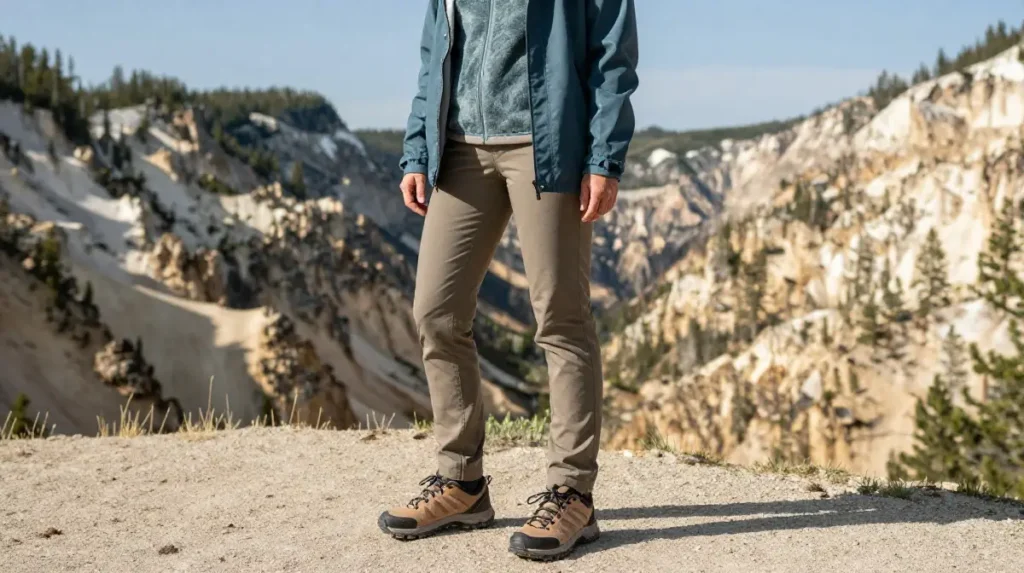
Looking appropriately equipped and genuinely comfortable at Yellowstone does not require expensive specialized outdoor gear from premium brands, and some of the most effective and practically functional Yellowstone outfits are assembled from accessible and reasonably priced pieces that perform the essential moisture management, insulation, and weather protection functions just as reliably as their more expensive equivalents. A waterproof rain jacket is the single most important investment piece for a Yellowstone outfit budget because it is the item that will be used most frequently and that makes the biggest practical difference to comfort across the widest range of weather conditions.
Everything beneath the rain jacket, including the base layer, the fleece mid-layer, the hiking pants, and the accessories can come from accessible outdoor or activewear retailers without any compromise to the fundamental functioning of the layering system. Zip-off convertible pants that function as both full-length hiking pants and shorts represent one of the best value purchases available for Yellowstone visitors on a budget because they genuinely replace two separate garments in the packing list without taking any additional suitcase space.
Yellowstone Boardwalk and Geyser Viewing Outfit
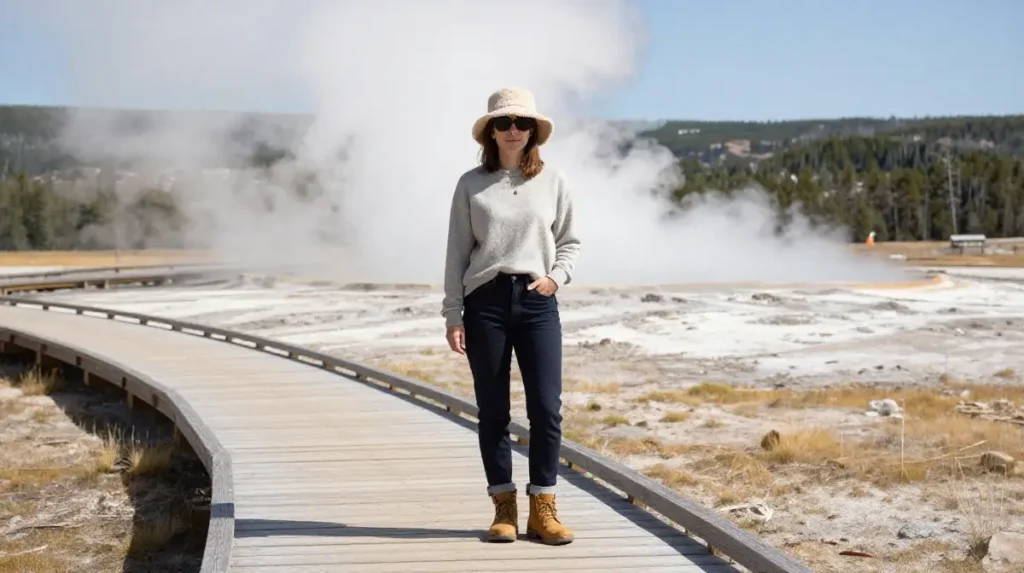
The boardwalk and geyser viewing areas of Yellowstone including Old Faithful, Grand Prismatic Spring, Mammoth Hot Springs, and the Upper Geyser Basin are some of the most heavily visited and most photographically rewarding locations in the park, and the specific outfit considerations for these areas differ slightly from the hiking and wildlife watching contexts because they involve slow walking on flat surfaces close to active thermal features. The most important specific consideration for boardwalk and geyser viewing outfits is footwear with closed toes and good grip because the thermal areas produce significant moisture that can make boardwalk surfaces slippery in cool temperatures when condensation and steam contact creates icy patches in the morning.
A complete layering system is as important at the boardwalks as anywhere else in the park because the thermal feature areas are often exposed to significant wind that makes temperatures feel considerably colder than the air temperature reading would suggest. Earth tone outfits photograph particularly beautifully against the vivid blues, greens, and oranges of the thermal features because the warm neutrality of the clothing colors provides a clean and unobtrusive visual backdrop for the extraordinary natural colors of the features themselves.
Yellowstone Scenic Drive Outfit
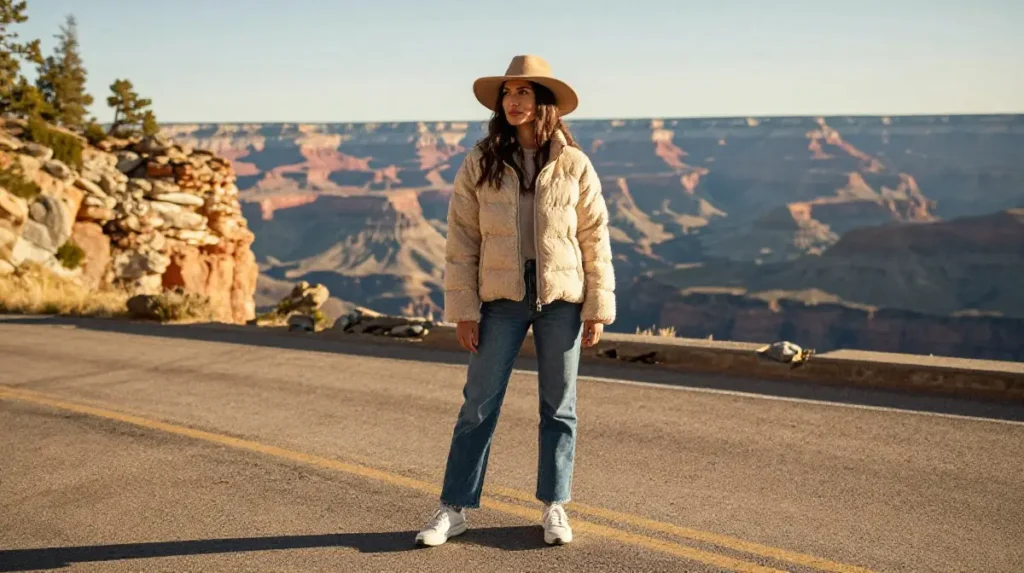
Scenic driving through Yellowstone along the park’s grand loop road provides access to the majority of the park’s most spectacular viewpoints and wildlife watching areas without the physical demands of hiking, which means the scenic drive outfit can prioritize comfort and layering adaptability over the specific performance requirements of active trail use. A comfortable fleece, a light puffer jacket, straight-leg jeans or comfortable hiking pants, and supportive sneakers or light trail runners creates the ideal scenic drive Yellowstone outfit for summer and fall visits when the temperatures during midday stops are genuinely pleasant.
The most important practical addition to a scenic drive outfit is a waterproof outer layer accessible in the back seat or stored in the daypack for stops at viewpoints and overlooks where the exposure to wind and occasional rain requires immediate weatherproofing that cannot wait while rummaging through a packed trunk. A sun hat and sunglasses are as essential for scenic drive stops as they are for hiking because the midday sun at Yellowstone’s elevation burns quickly regardless of whether you are walking a trail or simply standing at a canyon overlook for twenty minutes.
Yellowstone Men’s Outdoor Outfit
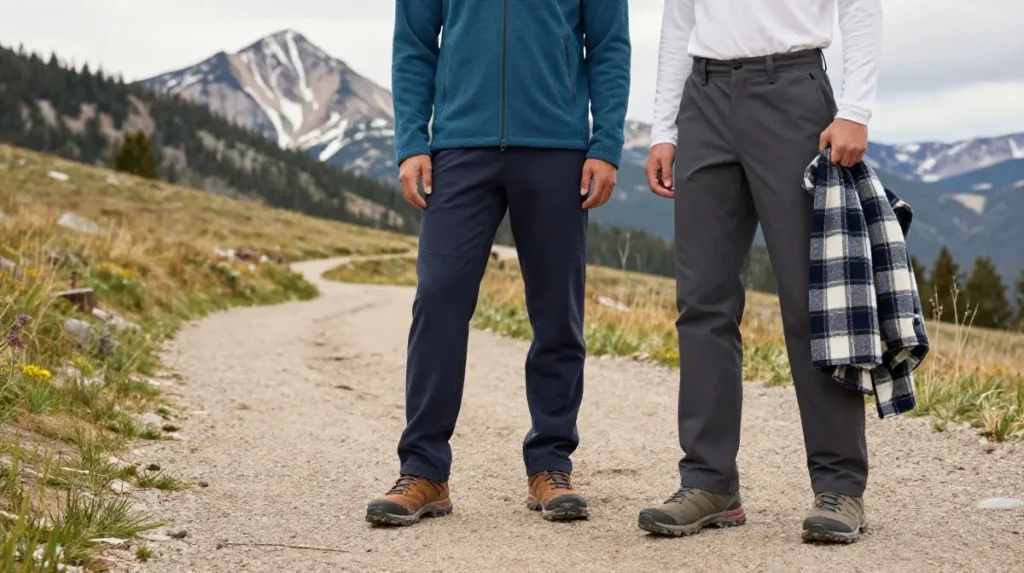
Men visiting Yellowstone do best with a wardrobe built around the same fundamental layering principles as women but with slightly different garment choices that suit the typical activity range and aesthetic preferences of male outdoor travelers. A moisture-wicking merino wool or synthetic base layer top paired with quick-dry hiking pants or zip-off convertible pants and a fleece over-layer creates the ideal Yellowstone men’s daytime outfit that handles the morning to afternoon temperature swing without requiring any full changes.
A waterproof outer shell carried in the daypack protects against the afternoon rain and wind that appear regularly throughout every Yellowstone season regardless of what the morning forecast indicated. Hiking boots or sturdy trail runners are the most appropriate footwear for active Yellowstone days while clean sneakers work for less demanding scenic drive days when the planned walking is primarily on level surfaces and paved boardwalks. A flannel shirt worn over the base layer during milder conditions creates the classic and authentically outdoor aesthetic that photographs well against Yellowstone’s remarkable natural landscapes.
Yellowstone Outfit Mistakes to Avoid
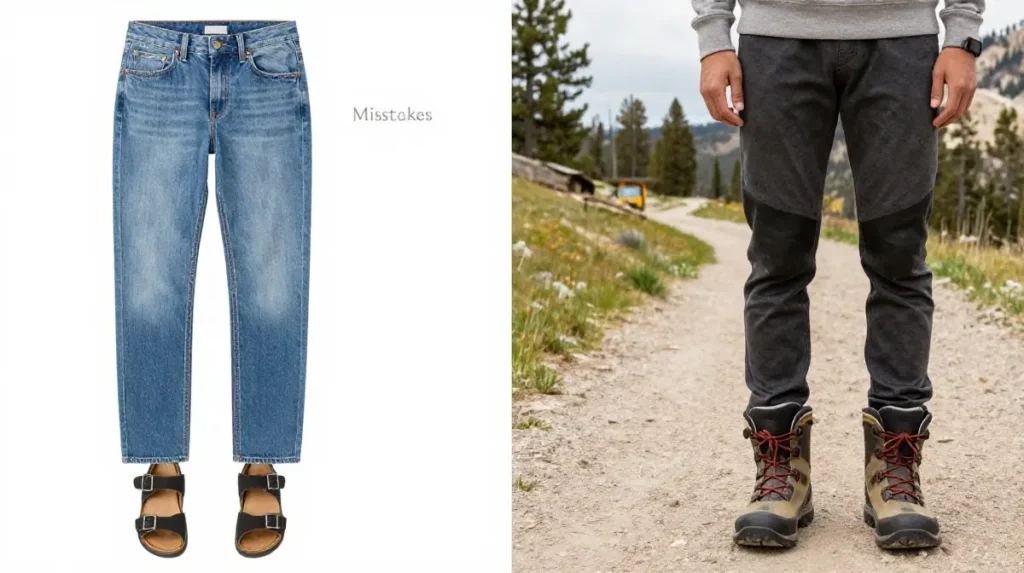
Several consistent outfit mistakes appear among first-time Yellowstone visitors that lead to genuine discomfort and occasionally to cut-short park days, and addressing them directly before packing prevents the most avoidable and frustrating errors. Wearing cotton as a base layer is the single most dangerous outfit mistake for Yellowstone because cotton absorbs and holds moisture against the skin rather than wicking it away, creating a rapid and persistent chilling effect that makes even moderate cold feel genuinely uncomfortable and potentially dangerous on days when temperatures drop unexpectedly during afternoon thunderstorms.
Bringing only sandals without any closed-toe alternative creates real problems on wet boardwalks, muddy trails, and during the cold morning wildlife watching sessions when open footwear allows the cold ground temperature to penetrate directly to the feet within minutes of standing still. Underestimating how cold Yellowstone evenings feel even in summer is one of the most consistently reported disappointments among first-time visitors who packed primarily for the warm daytime temperatures shown in the forecast and found themselves retreating indoors before sunset because they had no adequate warm layer for the evening wildlife watching sessions.
Yellowstone Packing List Essentials
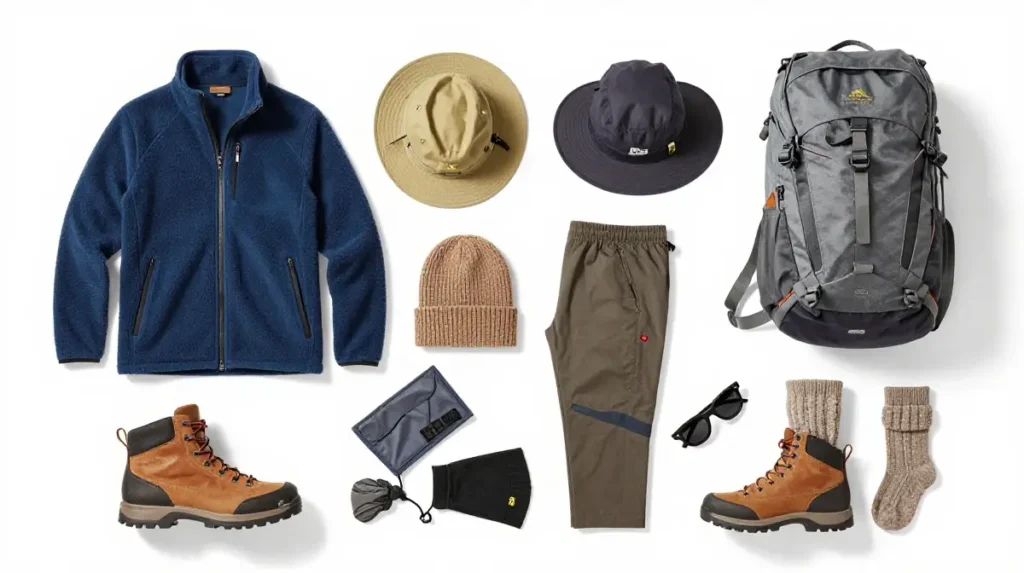
A well-organized Yellowstone outfit packing list is built around the three-layer system applied consistently across every planned day in the park with adjustments made for the specific season and the most demanding activity on each day’s itinerary. For any season, the non-negotiable essentials include a moisture-wicking base layer set, a fleece or insulated mid-layer, a waterproof and windproof outer shell, hiking pants or zip-off pants, hiking boots or trail runners, wool or synthetic socks in sufficient quantity to change daily, a sun hat, a beanie, polarized sunglasses, a buff neck gaiter, and a daypack large enough to carry the layers that are removed during the warmest part of the day.
Summer trips require the addition of moisture-wicking t-shirts, convertible shorts, and sun protection items including UPF clothing, sunscreen, and a wide brim hat for the most sun-exposed midday hours. Winter trips require the addition of heavyweight thermal underwear, insulated waterproof snow boots, heavyweight gloves or mittens, and chemical hand warmers. A hydration system, either a water bottle or a hydration pack, is essential in every season because dehydration at altitude is both faster and more difficult to perceive than at lower elevations.
Yellowstone Earth Tone Outfit Aesthetic
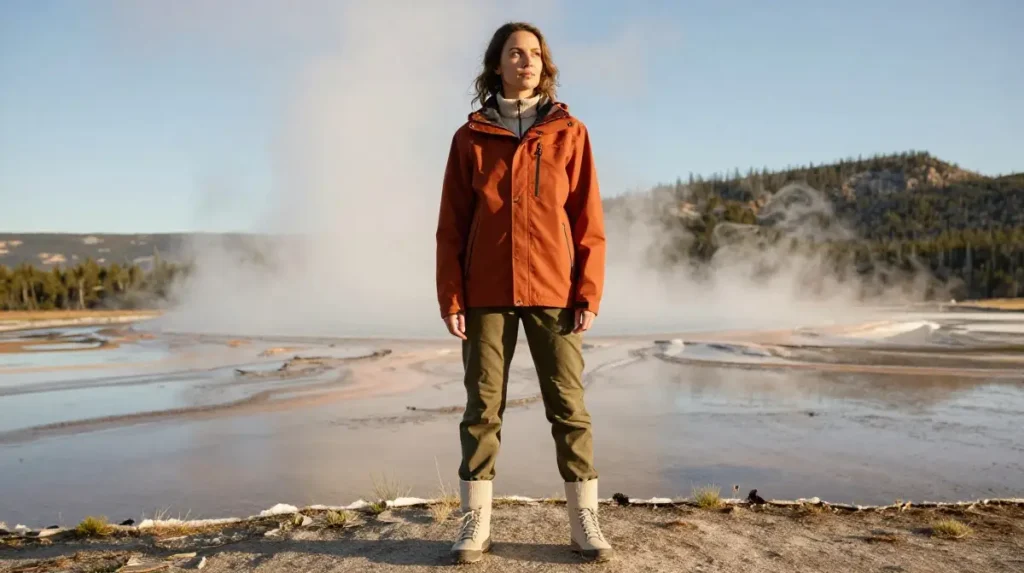
The earth tone aesthetic has become the most widely adopted and photographically celebrated approach to Yellowstone outfit styling on Pinterest and Instagram because the warm and natural color palette of rust, olive, camel, cream, forest green, and dark navy complements the park’s extraordinary visual environment in a way that no bright or synthetic color can match. Earth tones read as belonging within Yellowstone’s natural color world rather than contrasting sharply against it, which creates the most visually harmonious and genuinely beautiful outdoor photographs available at any of the park’s iconic locations.
Building a complete Yellowstone wardrobe entirely within the earth tone palette also creates the additional practical benefit that every piece works automatically with every other piece across the entire trip, eliminating any morning uncertainty about which items go together and allowing the focus to remain entirely on the experience rather than the outfit planning. A rust or burnt orange rain jacket over olive hiking pants and a cream merino base layer creates one of the most complete and visually cohesive earth tone Yellowstone outfit combinations available.
Yellowstone Footwear Guide
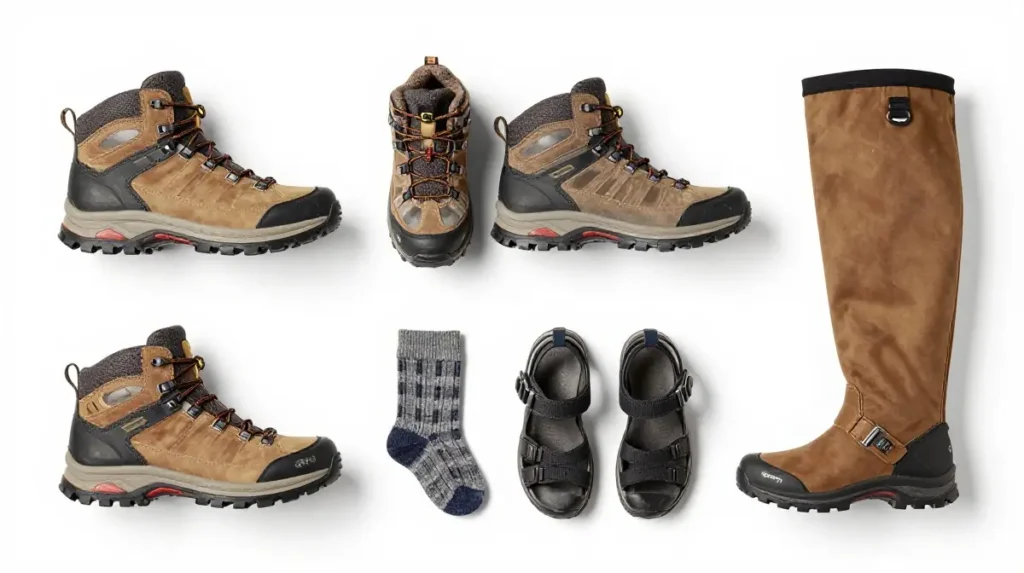
Footwear is arguably the single most important element of any Yellowstone outfit because the quality and appropriateness of what is on the feet determines more than any other item how much of the park a visitor can comfortably explore and for how long they can stay out on the trails and boardwalks before physical discomfort begins affecting the overall experience. Waterproof hiking boots with ankle support and a lugged rubber sole are the most versatile and practically appropriate footwear choice for active hiking days at Yellowstone because they handle wet conditions, muddy surfaces, rocky trails, and cold temperatures simultaneously and reliably across every season.
Trail runners with good grip and a waterproof membrane represent an excellent lightweight alternative for visitors whose planned activities stay primarily within the park’s more accessible trail network rather than venturing into the more demanding backcountry terrain. Athletic sandals like Chacos or Tevas work well for summer boardwalk walking and wading activities but should never be the only footwear option for a Yellowstone trip because cold temperatures, wet surfaces, and longer trail distances all make closed-toe footwear genuinely necessary at various points throughout most park visits
Yellowstone Outfit Inspiration by Activity
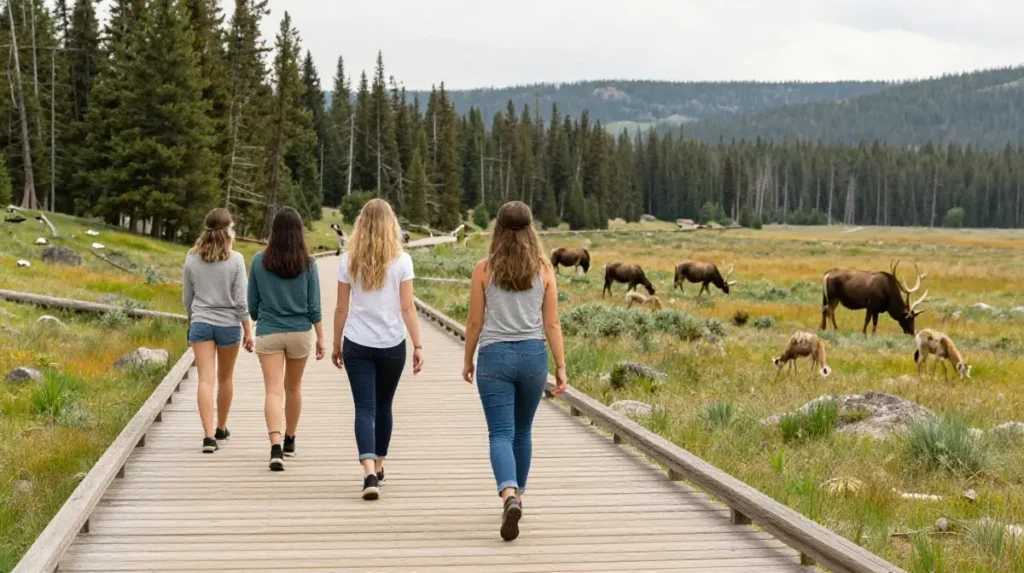
Yellowstone offers an extraordinary range of activities from passive scenic drives and boardwalk strolls to demanding backcountry hikes and multi-day camping excursions, and the outfit needs of these different activity types vary meaningfully enough that building a Yellowstone wardrobe around the specific activities on the personal itinerary produces significantly better practical results than attempting to find a single outfit approach that covers everything equally well. The passive scenic drive and short boardwalk visitor needs a comfortable layering combination, supportive footwear, and excellent sun and rain protection but does not require the performance-focused base layers and aggressive waterproofing that the serious day hiker genuinely needs.
The wildlife photographer who spends long early morning and late evening sessions in open valley locations needs the most comprehensive static warmth system because the stillness of photography sessions eliminates the body heat generation that active hiking provides as a natural thermal buffer. The backcountry hiker and overnight camper needs the most technically complete layering system including everything from heavyweight thermal underwear to waterproof gaiters and a sleeping system appropriate for temperatures that can drop well below freezing in any Yellowstone season including summer. Matching the outfit to the activity rather than attempting a single universal compromise produces the most genuinely comfortable and practically successful Yellowstone park experience.
Quick Reference Table: Yellowstone National Park Outfits by Season and Activity
| Season or Activity | Key Pieces | Footwear | Accessories | Color Palette |
|---|---|---|---|---|
| Summer Sightseeing | UPF t-shirt, zip-off pants, fleece, packable rain jacket | Trail runners or sandals | Wide brim hat, sunglasses, sunscreen | Earth tones, cream, olive |
| Fall Visit | Merino base layer, heavy fleece, waterproof shell, hiking pants | Waterproof hiking boots | Beanie, buff gaiter, gloves | Rust, camel, forest green |
| Winter Visit | Heavyweight thermal base, down mid-layer, insulated shell, waterproof pants | Insulated waterproof snow boots | Wool beanie, heavyweight gloves, hand warmers | Navy, dark olive, grey |
| Spring Visit | Thermal base layer, midweight fleece, hardshell jacket, quick-dry pants | Waterproof hiking boots | Rain hat, buff gaiter, sunglasses | Neutral earth tones |
| Wildlife Watching | Thermal base, fleece, windproof shell, warm hiking pants | Waterproof hiking boots | Buff gaiter, beanie, binoculars | Dark olive, navy, forest green |
| Boardwalk Geyser | Layered base and fleece, waterproof jacket, hiking pants | Closed-toe shoes with grip | Sun hat, sunglasses, daypack | Earth tones, rust, cream |
| Hiking Day | Moisture-wicking base, fleece vest, hardshell jacket, hiking pants | Waterproof hiking boots or trail runners | Daypack, hydration system, trekking poles | Olive, rust, grey, cream |
Conclusion
Yellowstone National Park outfits work best when they are built around three consistent principles which are proper layering for the specific season and activity, footwear that genuinely handles the terrain and weather conditions of the planned park experience, and a color palette that complements the extraordinary natural beauty of the park rather than competing with it. The 22 outfit ideas in this guide cover every season, activity level, travel style, and personal aesthetic from the most technically prepared backcountry hiker to the scenic drive visitor who simply wants to look and feel good at every viewpoint stop throughout the day.
Pack with the weather’s unpredictability firmly in mind, never leave the car without a packable waterproof layer, always have a warm layer accessible regardless of the morning forecast, and let the outfits you have chosen support rather than limit your experience of one of the most extraordinary places on earth.
You can may also like this: 22 Outfits to Wear in Austin Texas Ideas for Trendy Travel Style
FAQs
What should I wear to Yellowstone National Park
The most important principle is layering. Start with a moisture-wicking base layer, add a fleece or insulated mid-layer, and always have a waterproof and windproof outer shell accessible. Hiking boots or trail runners, a sun hat, and a beanie should be included in every season.
Can I wear jeans to Yellowstone
Yes for casual scenic drives and short boardwalk visits in dry conditions. However, jeans are not ideal for active hiking because they are heavy when wet, dry slowly, and provide no moisture-wicking function. Quick-dry hiking pants are significantly more practical for active days.
What colors look best for Yellowstone photos
Earth tones including rust, olive, camel, cream, forest green, and warm beige photograph most beautifully against Yellowstone’s natural color palette. These tones complement the blues of the thermal features, the gold of the grasslands, and the dramatic greys of the canyon walls without competing with them.
What shoes are best for Yellowstone
Waterproof hiking boots are the most versatile option for active days. Trail runners work well for easier trails. Athletic sandals like Chacos suit summer boardwalk walking. Always bring closed-toe options regardless of season for cold mornings and wet conditions.
What should I pack for Yellowstone in summer
A moisture-wicking base layer, a fleece mid-layer, a packable waterproof rain jacket, zip-off hiking pants, trail runners or hiking boots, a wide brim sun hat, polarized sunglasses, sunscreen, a daypack, and a hydration system are the core summer Yellowstone packing essentials.
1 Comment