
Introduction
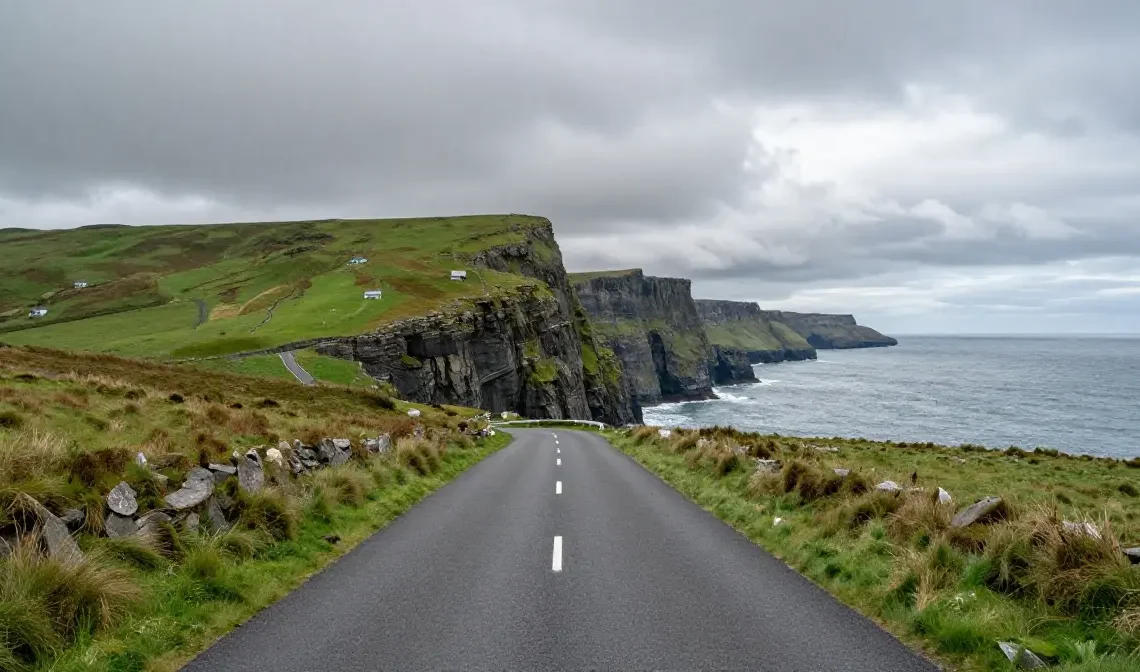
Ireland is one of those countries that gets under your skin in a way that is genuinely difficult to explain until you have been there. The green landscape Ireland is famous for looks almost impossibly vivid in person. The Atlantic Ocean coastline stretches in ways that make you stop the car and stare. The people in a traditional Irish pub make you feel welcome within minutes of walking through the door. And the weight of Celtic culture heritage sits quietly behind every ancient stone, every ruined monastery, and every winding country road.
The challenge is that Ireland packs an extraordinary amount into a relatively small island, and seven days goes faster than you expect when the scenery is this good. Most first-time visitors either try to see everything and spend the week exhausted in a rental car, or stay too long in Dublin and run out of time for the countryside that makes Ireland genuinely special.
These 22 how to travel Ireland in 7 days ideas give you a realistic, practical, and genuinely enjoyable framework for spending a week in Ireland without missing the things that matter most. This is not a rushed checklist. It is a week-long plan that lets you actually experience the country rather than just photograph it from a moving car.
Fly Into Dublin and Spend Day 1 in the City
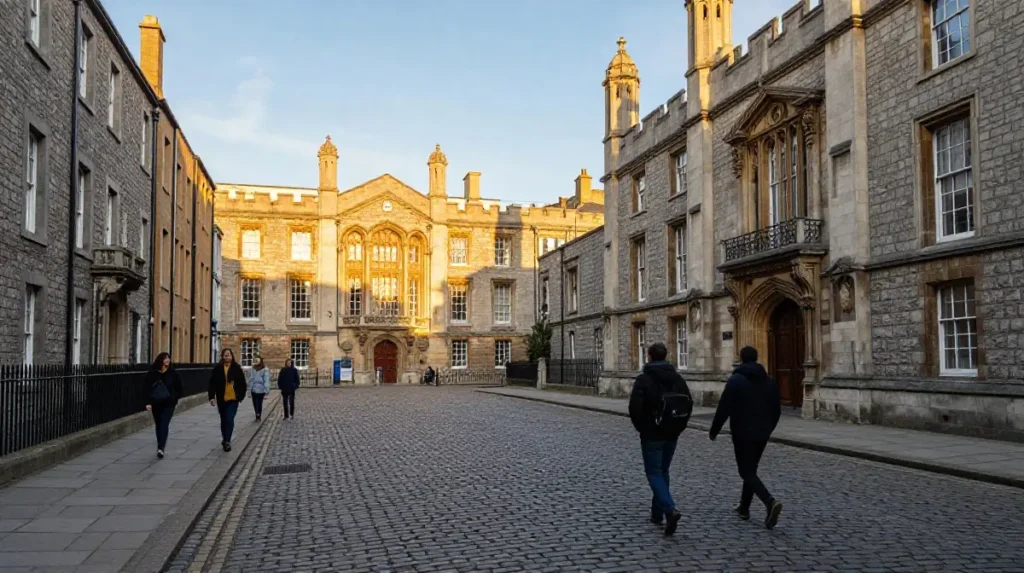
Every Ireland 7 day itinerary should begin in Dublin city for practical and experiential reasons. Dublin Airport is the main international gateway and the city itself deserves at least a full day before you head into the countryside. Spend your first afternoon at Trinity College Dublin to see the Book of Kells, then walk through Temple Bar Dublin for an early evening pint at a traditional Irish pub. The EPIC Irish Emigration Museum near the Docklands is one of the most thoughtful and well-designed museums in the country and takes about two hours. End your first evening with a proper Irish breakfast full experience at a classic Dublin cafe or settle into your accommodation and rest before the driving begins.
Book Your Rental Car Before You Arrive
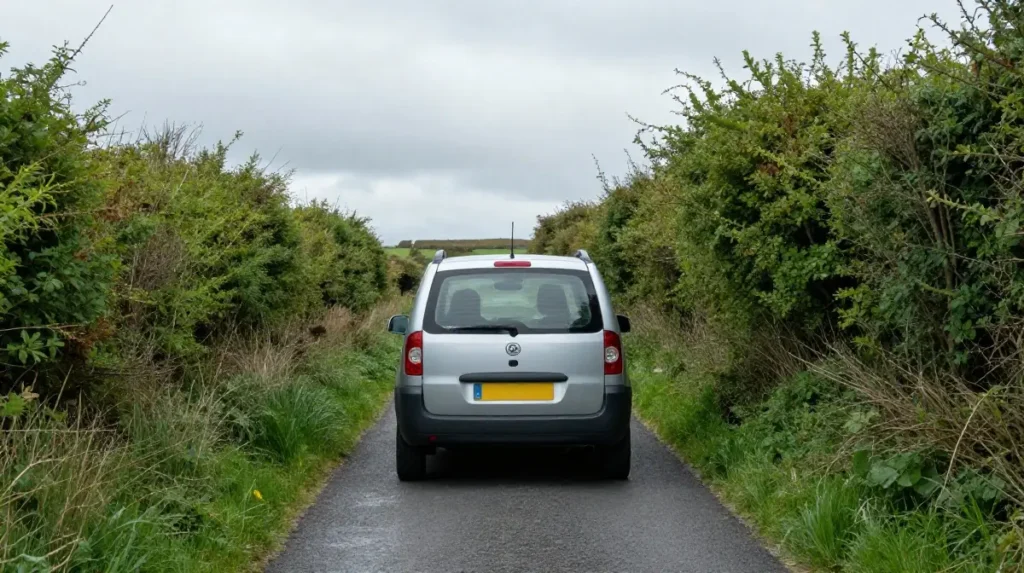
A rental car service Ireland is not optional for a 7 day road trip through the countryside. Public transport between rural attractions is too slow and too infrequent to make the most of your week. Book your rental car in advance through Dublin Airport or Shannon Airport depending on your flight arrival, and remember that Ireland driving tips left side of the road applies to the entire island. Automatic transmission vehicles cost more but are strongly recommended for first-time visitors who will be concentrating heavily on unfamiliar roads, roundabouts, and narrow country lanes. Book a smaller car than you think you need because many rural roads are genuinely very narrow.
Use the Wild Atlantic Way as Your Western Route
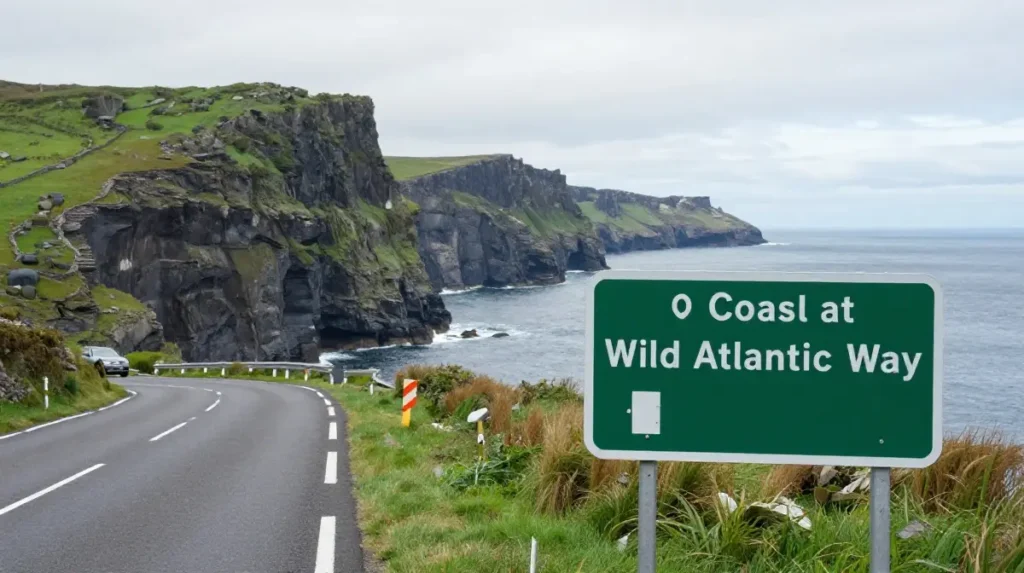
The Wild Atlantic Way is a marked coastal road trip route that runs along the entire western coast of Ireland from Donegal in the north down to Cork in the south. For a 7 day travel guide, you will not complete the entire route but using it as your western framework keeps you on the most scenic roads with the clearest signposting. The Wild Atlantic Way route passes through Connemara region, Galway city, the Cliffs of Moher, Dingle Peninsula, and the Ring of Kerry, which covers the highlights of the western coast within a manageable driving structure.
Dedicate Day 2 to Wicklow and Glendalough
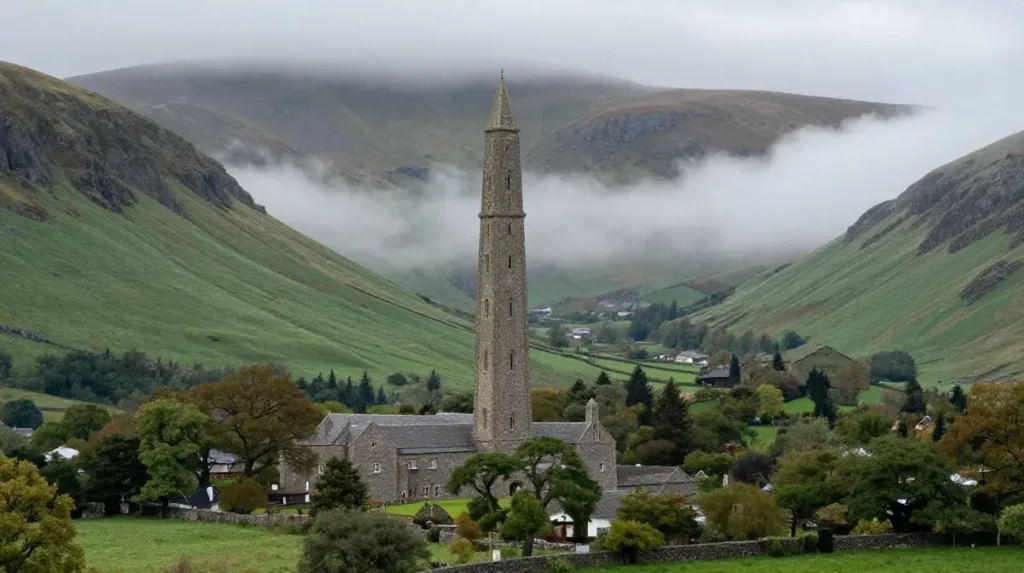
On your second morning, collect your rental car and head south from Dublin into the Wicklow Mountains. Glendalough monastery is one of the most atmospheric early medieval sites in Ireland, a sixth-century monastic city set in a glacial valley that looks like it belongs in a different time entirely. The drive through the Wicklow Mountains from Dublin takes about an hour and the scenery changes dramatically from city to rugged highland within a very short distance. Spend the morning at Glendalough, have lunch in the valley, and drive south through Kilkenny Castle in the afternoon before continuing toward Cork city for the night.
Spend Day 3 in Cork and Visit Blarney Castle
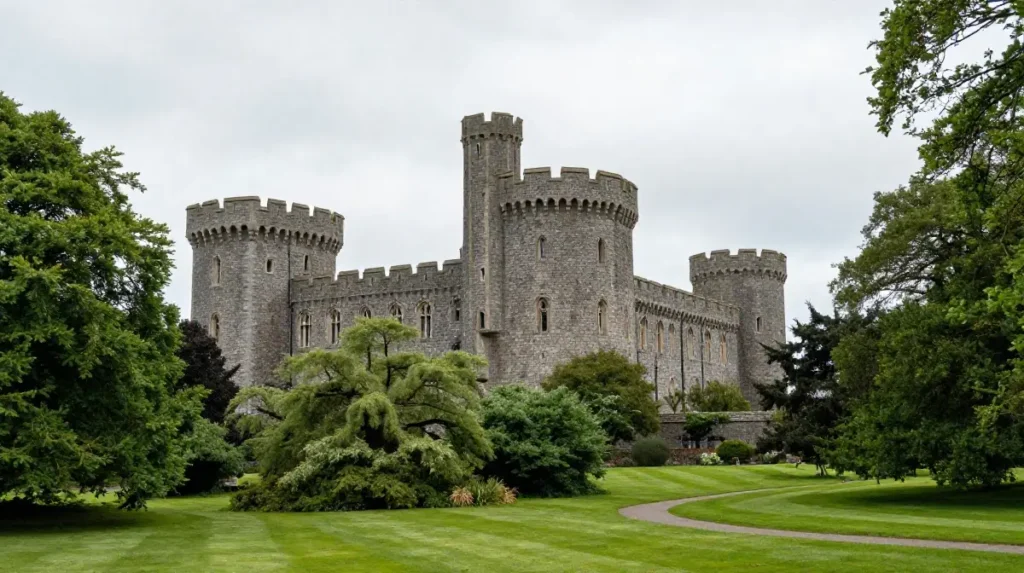
Cork city is Ireland’s second largest city and a genuinely underrated stop on any Ireland week long vacation. The English Market in the city center is one of the best food markets in Ireland and the perfect place for a morning coffee and a browse before heading to Blarney Castle a short drive outside the city. The Blarney Stone tradition is touristy by anyone’s measure but the castle grounds and the surrounding woodland gardens are genuinely beautiful and worth the visit beyond the stone itself. From Cork, the coastal village of Kinsale is a 30-minute drive and one of the most charming small towns in the south of Ireland for an evening meal.
Drive the Ring of Kerry on Day 4
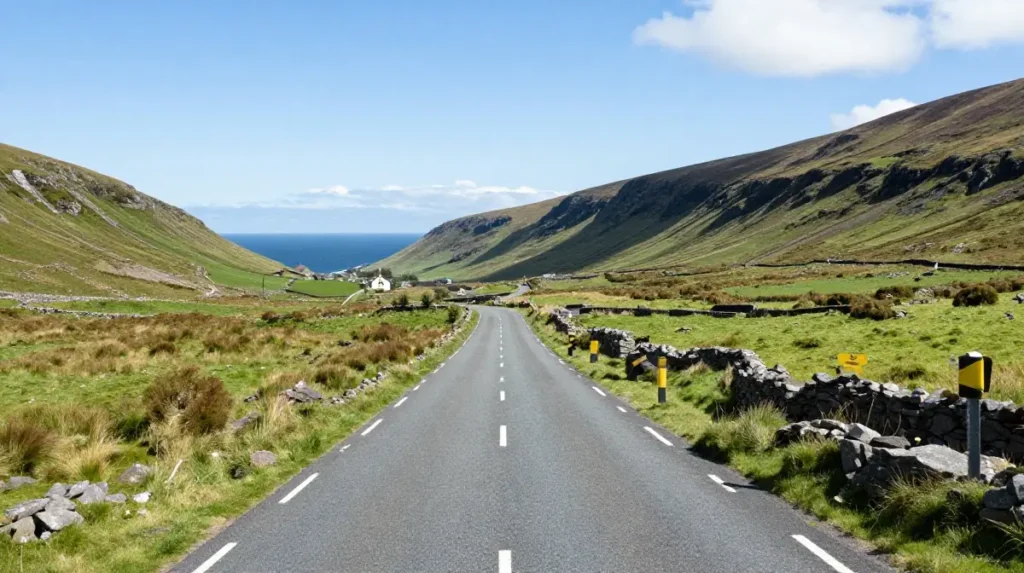
The Ring of Kerry is one of the most famous scenic drives in Europe and deserves a full day from your Ireland 7 day road trip plan. The circular route runs approximately 179 kilometers around the Iveragh Peninsula from Killarney town, passing through mountain passes, ancient stone forts, and stretches of Atlantic coastline that are genuinely breathtaking in any weather. Start the Ring of Kerry drive clockwise from Killarney in the morning and take it slowly. The drive itself is the experience rather than any single stop along it, though the views over the Skellig Michael island from the Kerry coast viewpoints are among the most memorable of any Ireland trip.
Visit the Dingle Peninsula as a Ring of Kerry Alternative
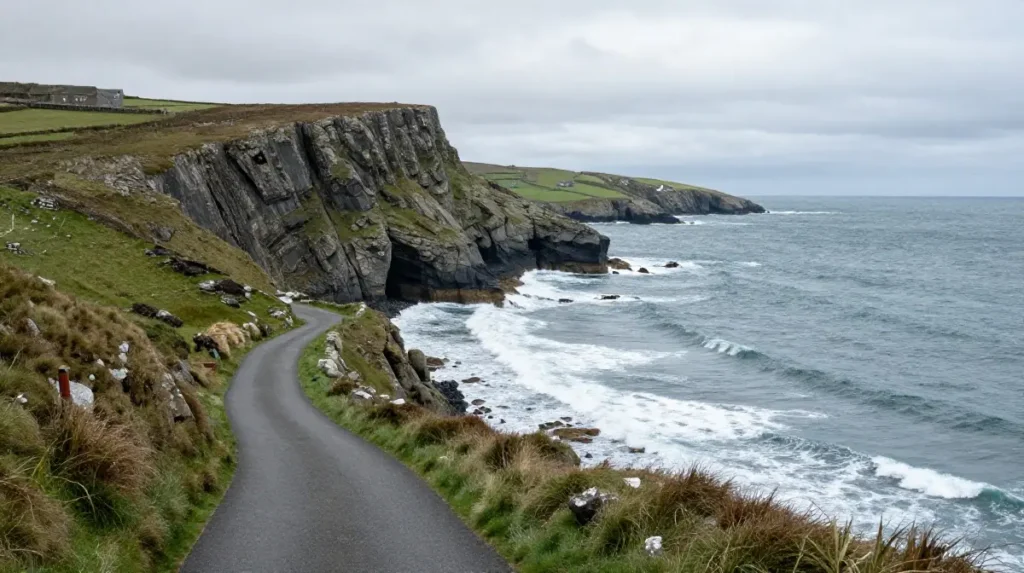
If your Ireland 7 day itinerary has already included the Ring of Kerry, the Dingle Peninsula makes an outstanding alternative or addition. Dingle is smaller, less traveled, and in many ways more authentically Irish than the Ring of Kerry route which can become crowded with tour buses in peak summer months. The coastal scenery is equally impressive and the town of Dingle itself has some of the best seafood chowder Ireland has to offer, excellent traditional Irish pub music most evenings, and a warmth that characterizes the best of small-town Irish hospitality.
Drive to Galway on Day 5
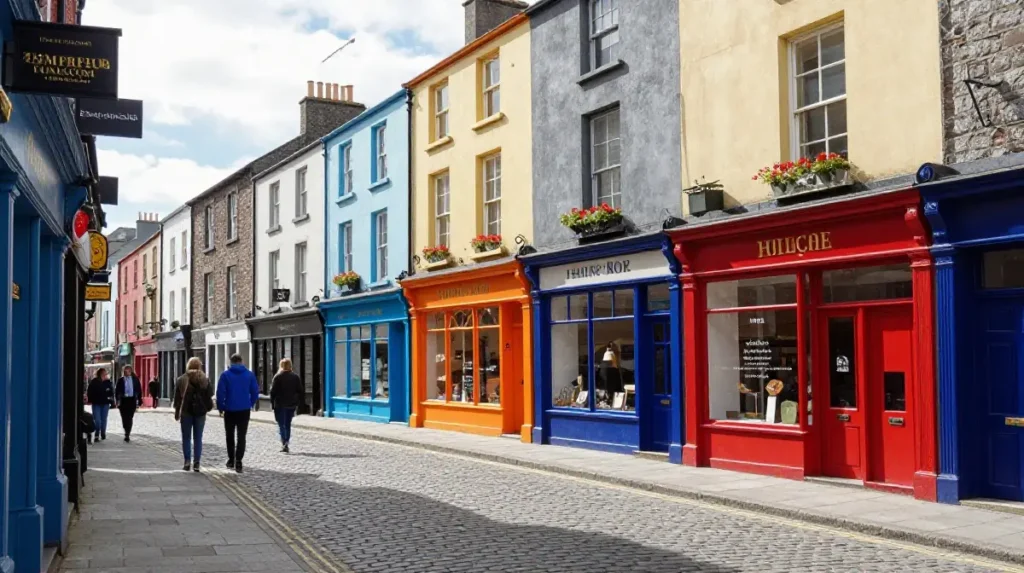
From Killarney, the drive north to Galway city takes approximately three hours through the Irish countryside and is worth doing at a pace that allows stops at the Burren landscape, one of the most unusual and striking natural environments in Ireland. The Burren is a vast limestone plateau stretching across County Clare that supports a wildflower ecosystem unlike anywhere else in Europe. Galway city itself is one of the most enjoyable stops on any Ireland first time visitor guide. The Latin Quarter around Shop Street is full of traditional Irish pub options, live Irish trad music session performances most nights, and some of the best restaurants in the west of Ireland.
Visit the Cliffs of Moher on Day 5 or 6
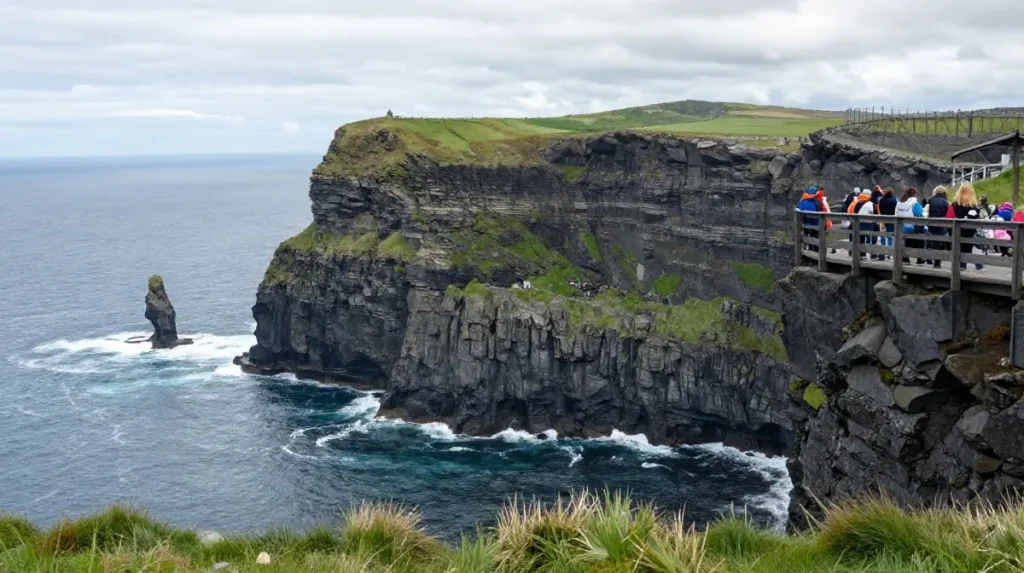
The Cliffs of Moher are the most visited natural attraction in Ireland and a non-negotiable stop on any Ireland 7 day travel guide. The cliffs rise to over 200 meters above the Atlantic Ocean and stretch for approximately eight kilometers along the County Clare coast. Visit as early in the morning as possible to avoid the peak midday crowds and to catch the best light for Ireland photography spots opportunities. The Cliffs of Moher are a short detour from the main Galway to Doolin road and combine naturally with a stop in Doolin village Clare, a tiny village that is one of the most important traditional Irish music locations in the entire country.
Take a Day Trip to the Aran Islands
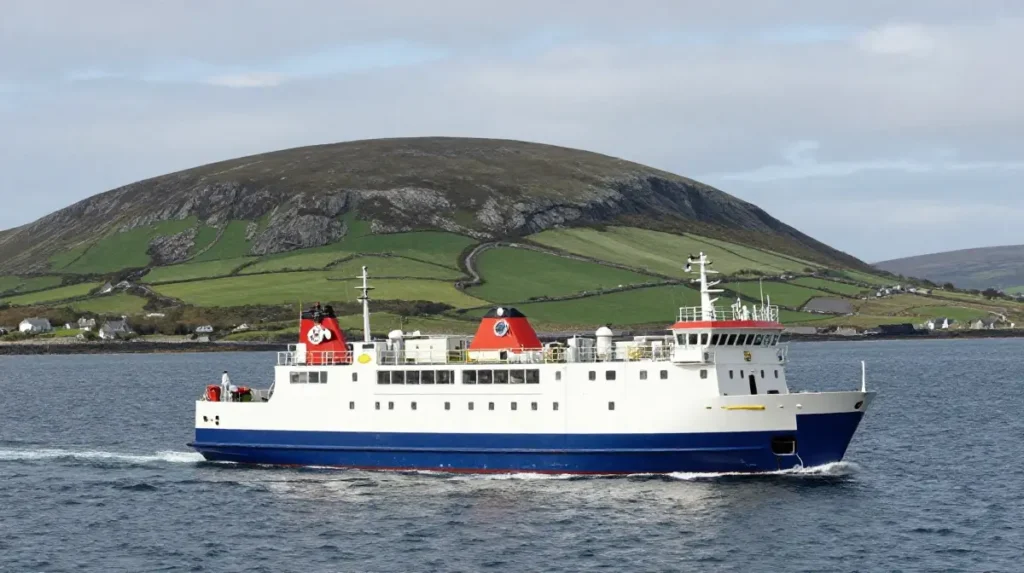
If your Ireland travel schedule has flexibility around the Galway section of your week, a day trip to the Aran Islands from Galway city or Doolin is one of the most memorable experiences available on a 7 day Ireland trip. The islands sit at the mouth of Galway Bay and retain a way of life and a connection to Gaelic language Irish culture that is rare on the mainland. The ferry crossing takes approximately 40 minutes from Doolin and the island of Inis Mor, the largest of the three, can be explored by bicycle in a half day. The ancient stone fort of Dun Aonghasa on the cliff edge is one of the Ireland hidden gems travel experiences that most visitors describe as a trip highlight.
Head to Northern Ireland on Day 6
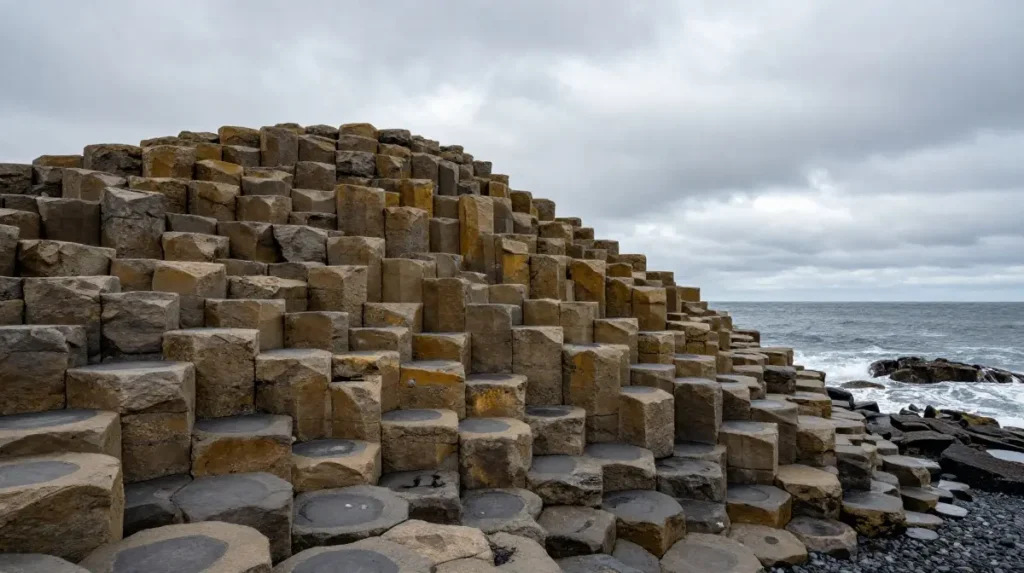
A complete how to travel Ireland in 7 days plan that includes Northern Ireland gives you access to some of the most dramatic natural scenery on the island. The Giant’s Causeway is one of the most extraordinary geological formations in the world and the Causeway Coastal Route that runs between Ballycastle and Belfast is one of the most beautiful coastal drives in Europe. Allow a full day for the northern coastal route. The Bushmills Distillery near the Giant’s Causeway is one of the oldest licensed Irish whiskey distillery operations in the world and offers excellent tours for those interested in the Irish whiskey tour tips experience.
Spend an Evening in Belfast
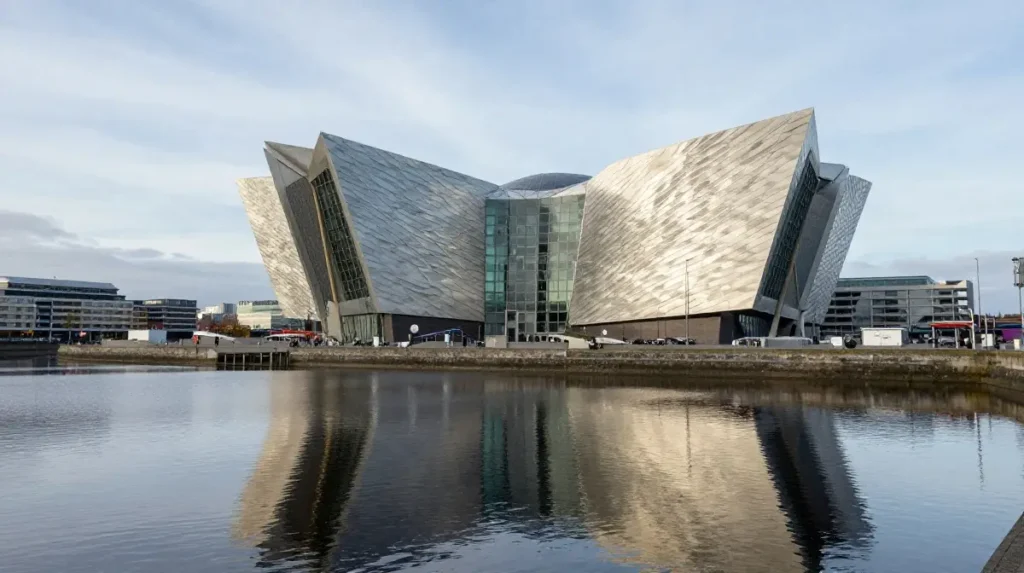
Belfast has transformed remarkably over the past two decades and the Belfast Titanic Museum is genuinely one of the best maritime museums in the world, covering the design, construction, and story of the Titanic in extraordinary detail. The Black Taxi Tour Belfast experience is a highly recommended way to understand the city’s complex political history through the murals and landmarks of the Falls Road and Shankill Road areas. The city also has an excellent food scene and a lively pub culture that makes it a thoroughly enjoyable evening stop before the drive south back toward Dublin on your final day.
Plan Your Accommodation Around Your Route
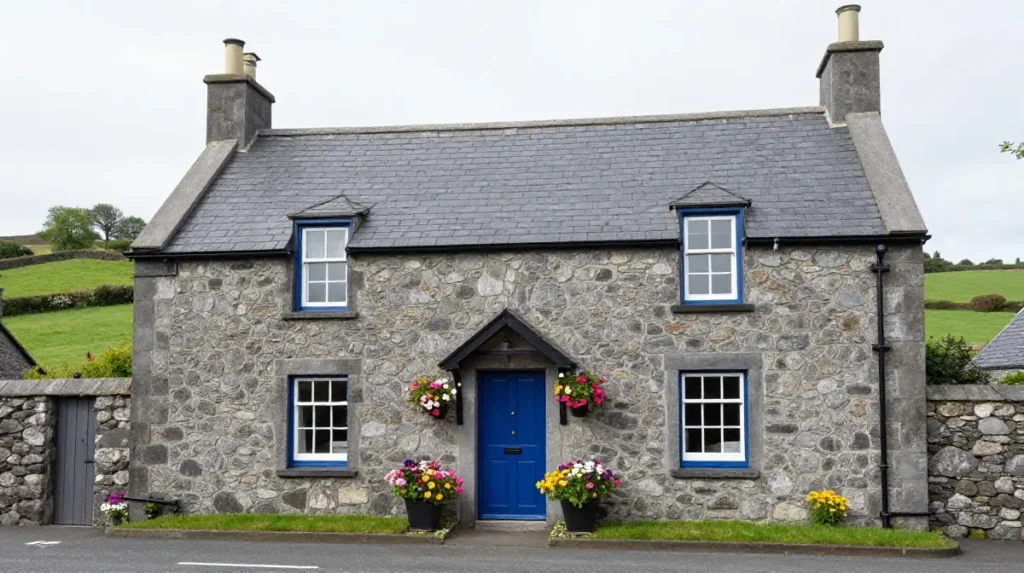
Ireland bed and breakfast tips are some of the most useful practical advice for any Irish road trip. Traditional Irish bed and breakfast accommodation is genuinely excellent value compared to hotels, often includes a full Irish breakfast, and places you in family homes where the local knowledge you receive over the breakfast table is often better than any guidebook. Book accommodation at Killarney town for your Ring of Kerry night, Galway city for the western coast section, and a location near the Giant’s Causeway for the northern coastal night. Castle hotels at properties like Ashford Castle are a genuinely special Irish experience if your Ireland budget travel tips allow for one splurge night.
Pack for Ireland’s Unpredictable Weather
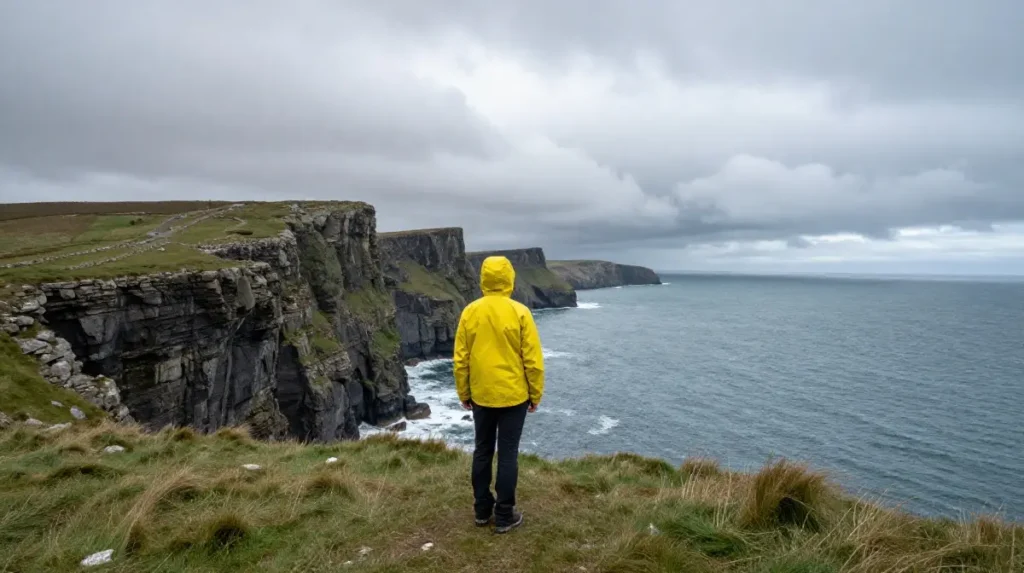
Ireland weather Atlantic means rain is possible on any day of the year regardless of the season you visit. Ireland packing list essentials include a proper waterproof jacket that packs small, waterproof walking shoes or boots for cliff walks and countryside exploration, multiple lightweight layers for Ireland layering tips, and at least one warm jumper even for summer visits. The Ireland weather tips that matter most are to check the forecast daily rather than relying on the season, and to never plan an outdoor activity that cannot be rescheduled because the weather genuinely can change within an hour.
Eat Like a Local at Every Opportunity

Ireland traditional food tips are straightforward but important. Start every morning with a full Irish breakfast if you are staying in a bed and breakfast because it fuels a long driving day and is genuinely one of the best meals the country offers. Soda bread traditional alongside seafood chowder Ireland at a coastal pub is one of the defining food memories of any Irish trip. Irish stew dish at a rural pub on a cold evening is deeply satisfying. And a proper fish and chips Ireland from a good chipper in any town is a legitimate Irish food experience that rivals any restaurant meal on the island.
Experience a Traditional Irish Pub Music Session

Irish trad music session performances happen organically in pubs across Ireland, particularly in Doolin village Clare, Galway city, Dingle, and dozens of smaller towns throughout the west. These are not performances put on for tourists but actual musicians gathering to play together in a pub setting, and sitting in a traditional Irish pub listening to a genuine trad session with a pint of Guinness Storehouse inspiration beside you is one of the most authentic cultural experiences the island offers. Ask locally or check pub noticeboards for session nights, which typically happen midweek as well as on weekends in music-active towns.
Visit Newgrange and the Boyne Valley on Your Final Day
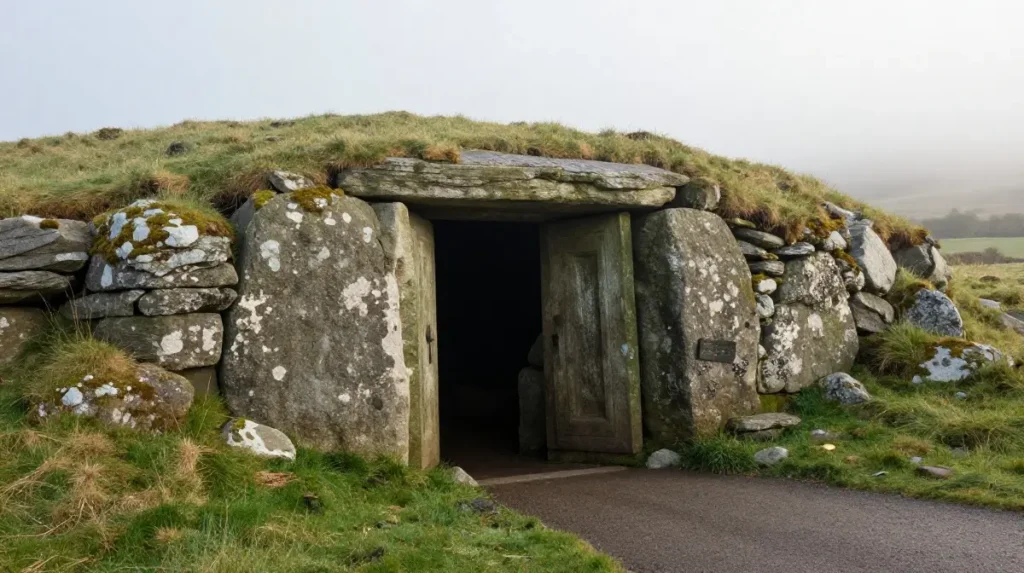
If your Ireland 7 day itinerary begins and ends in Dublin, the Boyne Valley in County Meath between Belfast and Dublin makes an ideal final day stop before returning your rental car. Newgrange passage tomb is a 5,200-year-old megalithic monument that predates both Stonehenge and the Egyptian pyramids. The guided tour of the interior chamber is one of the most genuinely moving archaeological experiences available anywhere in Europe. The Rock of Cashel in County Tipperary is another outstanding Ireland ancient sites guide recommendation if your route passes through the south rather than the north.
Consider a North vs South Split for Your Week
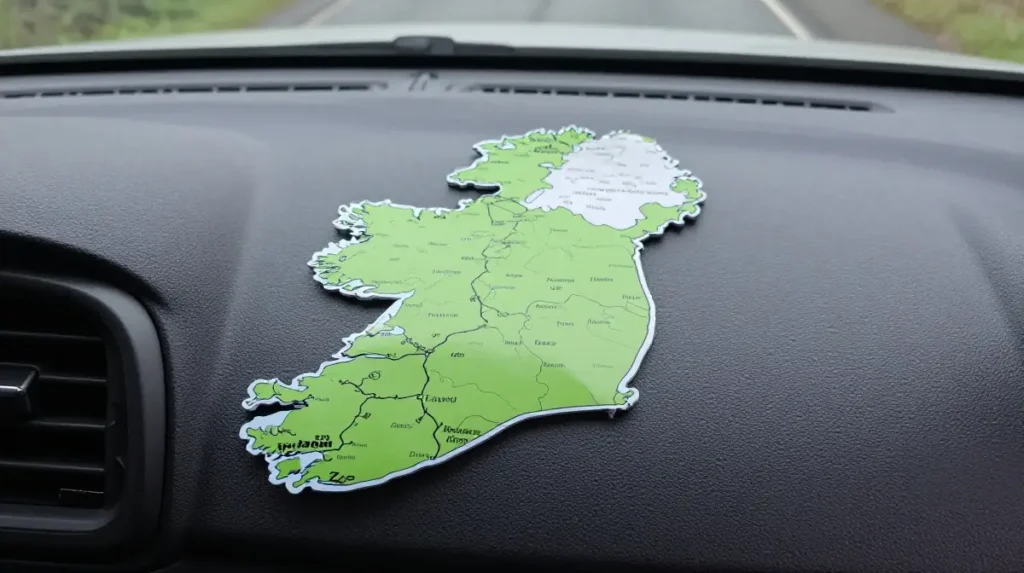
An Ireland north vs south guide decision helps first-time visitors structure their 7 days more realistically. The Republic of Ireland and Northern Ireland have different currencies, different phone roaming tips considerations for some visitors, and distinctly different cultural and political atmospheres that are worth understanding before you arrive. A practical split for a 7 day trip is five days in the Republic covering Dublin, Cork, Kerry, and Galway, with two days crossing into Northern Ireland for the Giant’s Causeway and Belfast. This ratio gives you the greatest variety of landscape and experience within the week.
Use Irish Rail for Dublin to Cork or Galway
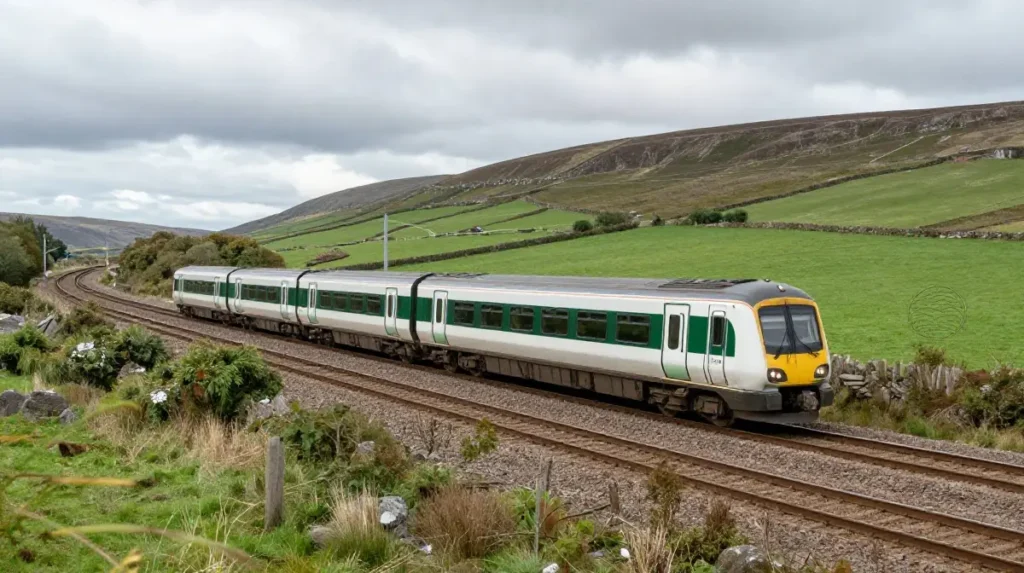
Irish Rail train service connects Dublin to Cork city and Dublin to Galway city with regular and comfortable services that make these legs of the journey stress-free and scenic. If you are renting a car only for the rural western sections of your trip, consider taking the Bus Eireann service or Irish Rail train service from Dublin to Cork or Galway on your outbound journey and collecting your rental car there rather than driving out of Dublin in traffic. This saves time and reduces the pressure of driving in an unfamiliar city immediately after arriving in a new country.
Build in Time for Ireland’s Off the Beaten Path Stops
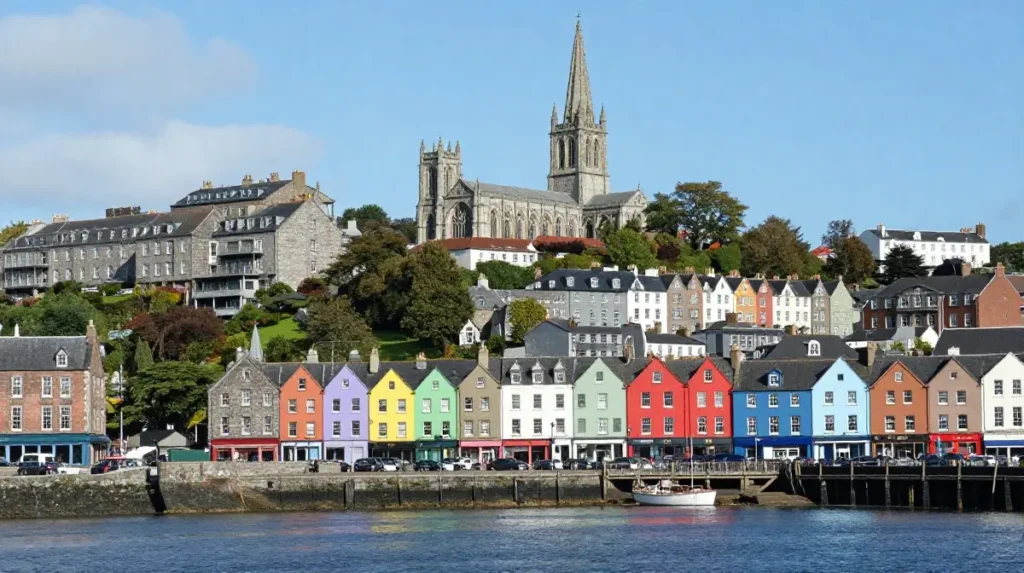
Some of the most memorable moments of any Ireland trip come from the Ireland off beaten path tips that do not appear in the main itinerary. Powerscourt Estate in Wicklow has some of the most beautiful formal gardens in Ireland. Cobh heritage town in Cork harbor is the last port of departure for the Titanic and has an extraordinarily poignant local history. Adare village Limerick is one of the most photographed villages in Ireland with its thatched cottages and medieval ruins. And Westport town Mayo on the west coast is one of the most pleasant small towns in the country for an unplanned overnight stop.
Budget Realistically for a 7 Day Ireland Trip
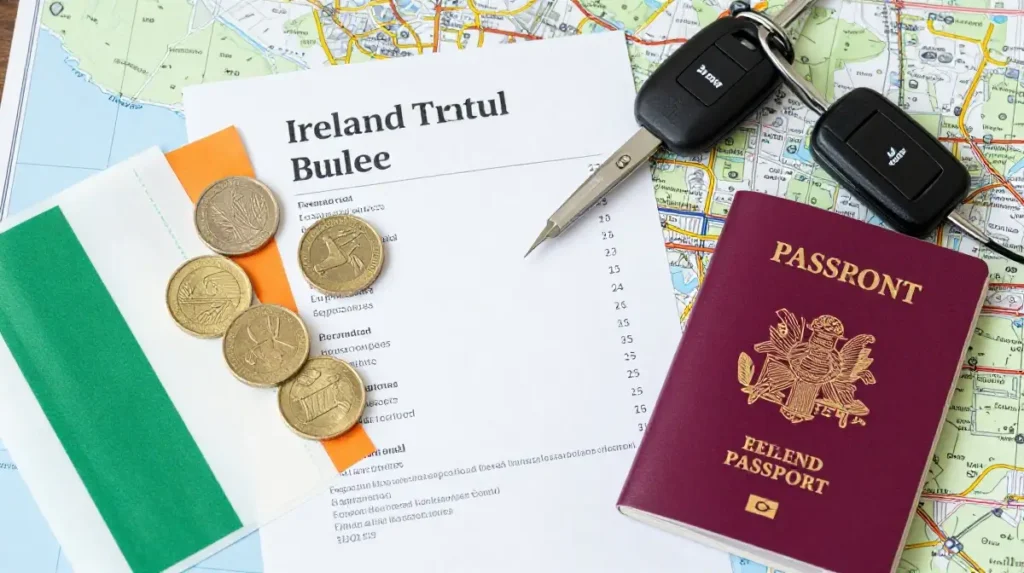
Ireland budget travel tips begin with the reality that Ireland is not a cheap destination by European standards. Accommodation, food, and rental car costs are all higher than comparable mainland European countries. A realistic daily budget for a mid-range Ireland week long vacation is approximately 150 to 200 euros per person per day including accommodation, meals, fuel, and attraction entry fees. Ireland currency tips note that the Republic of Ireland uses the Euro and Northern Ireland uses British Pounds, so carry both or use a no-fee travel card that handles currency conversion automatically across the border.
The Common Mistakes to Avoid on a 7 Day Ireland Trip
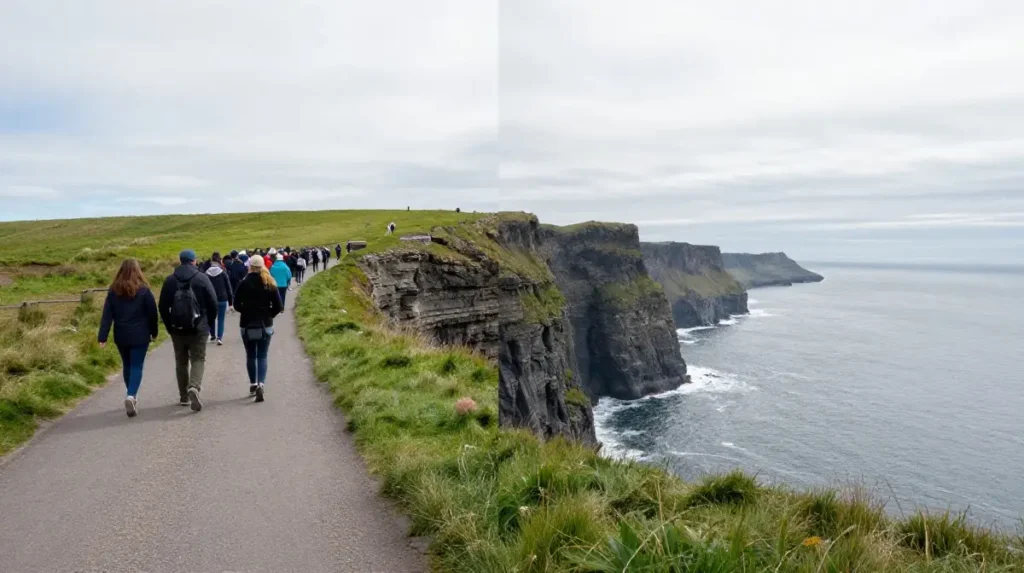
Ireland travel planning tips for first-timers include several important mistakes to avoid. The biggest mistake is trying to cover too much distance in a single day because Irish country roads are slower than they appear on a map and the scenery tempts you to stop far more frequently than any schedule allows. Allow at least 30 percent more driving time than any mapping app suggests. A second common mistake is spending too many days in Dublin at the expense of the countryside, which is where Ireland reveals itself most fully. And a third mistake is visiting only in summer peak season when Killarney National Park, the Cliffs of Moher, and the Ring of Kerry are genuinely very crowded. Ireland fall travel tips note that September and October offer excellent weather, smaller crowds, and lower accommodation prices across the entire island.
Quick Reference Table: Ireland 7 Day Itinerary Overview
| Day | Location | Key Attraction | Accommodation | Drive Time from Previous |
|---|---|---|---|---|
| Day 1 | Dublin city | Trinity College, Temple Bar, EPIC Museum | Dublin hotel or hostel | Arrival day |
| Day 2 | Wicklow to Cork | Glendalough, Kilkenny Castle | Cork city B&B | 3 to 4 hours |
| Day 3 | Cork area | Blarney Castle, Kinsale village | Cork or Killarney | 1 to 2 hours |
| Day 4 | Ring of Kerry | Killarney National Park, Kerry coast | Killarney or Dingle | 30 minutes to start |
| Day 5 | Galway and Clare | Cliffs of Moher, Burren, Galway city | Galway city | 3 to 4 hours |
| Day 6 | Northern Ireland | Giant’s Causeway, Causeway Coastal Route | Belfast city | 3 to 4 hours |
| Day 7 | Return to Dublin | Newgrange or Boyne Valley | Dublin or fly home | 2 to 3 hours |
Conclusion
Seven days in Ireland is enough time to see a genuinely impressive range of what the island has to offer, from the ancient streets of Dublin to the wild Atlantic coastline of Kerry and Clare to the extraordinary geology of the Giant’s Causeway in the north. But the key to making those seven days feel full rather than rushed is pacing yourself, accepting that you will not see everything, and leaving room for the unplanned moments that Ireland delivers better than almost any other country.
The 22 how to travel Ireland in 7 days ideas in this guide give you a practical and enjoyable framework that covers the highlights without turning your holiday into a logistics exercise. Pick the route that suits your interests, book your rental car early, pack a proper waterproof jacket, and trust that the green landscape Ireland is famous for will look even better in person than it does in any photograph.
You can may also like this: 22 Yellowstone National Park Outfits Ideas for Outdoor Adventure
FAQs
Is 7 days enough to see Ireland
Seven days is enough to see the highlights of both the Republic of Ireland and a portion of Northern Ireland if you plan your route carefully and focus on one main region per day. You will not see everything in a week, but you will see enough to understand why people return to Ireland repeatedly throughout their lives.
Do I need a rental car to travel Ireland in 7 days
Yes, for the countryside sections a rental car service Ireland is essentially required. Public transport connects the major cities but does not reach the Ring of Kerry, the Cliffs of Moher, the Giant’s Causeway, or most of the rural attractions that make a 7 day Ireland trip worthwhile. Book in advance and choose a small automatic car.
What is the best time of year to travel Ireland in 7 days
May, June, and September are the best months. May and June offer the longest daylight hours and generally drier weather. September combines good weather with significantly smaller crowds than the peak summer months and lower accommodation prices across the island.
How much does a 7 day Ireland trip cost
A realistic budget for a mid-range 7 day Ireland trip is approximately 1,500 to 2,500 euros per person including flights, accommodation, rental car, fuel, food, and attraction entry fees. Budget travelers using hostels and self-catering can reduce this significantly. Castle hotels and fine dining increase it considerably.
Should I drive clockwise or counterclockwise on the Ring of Kerry
Drive the Ring of Kerry clockwise from Killarney town. Most tour buses drive counterclockwise, so driving clockwise keeps you moving in the opposite direction from the heaviest traffic on the narrowest sections of the route. Start early in the morning to have the best sections largely to yourself before the day-trip crowds arrive.
1 Comment