
Introduction
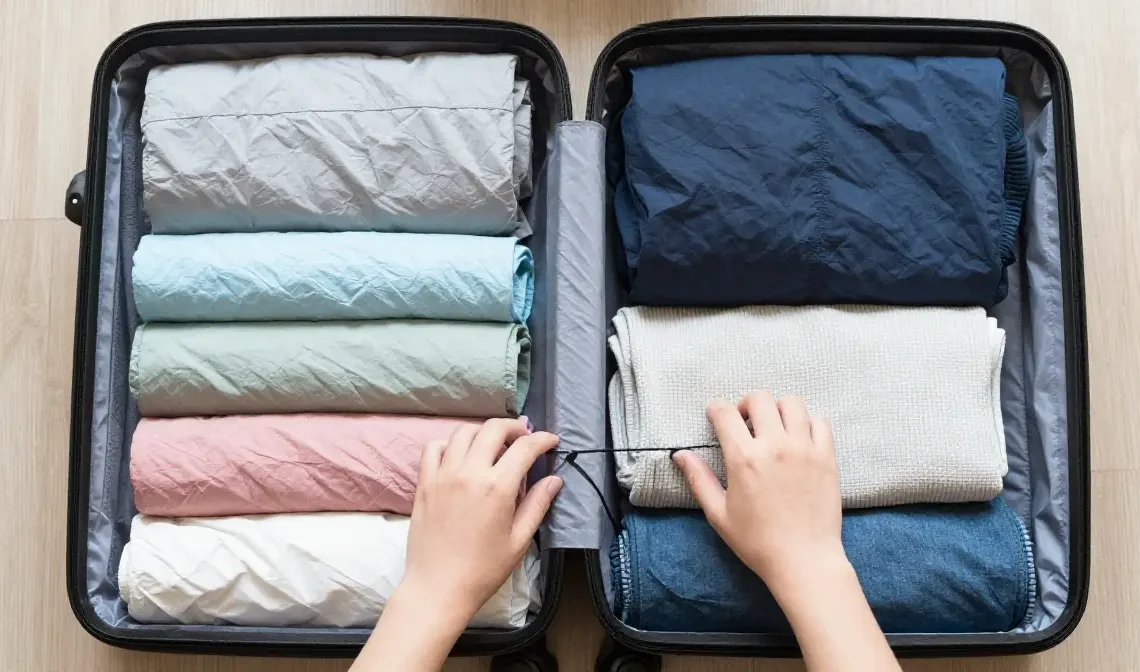
Arriving at your destination with a suitcase full of wrinkled, creased, and crumpled clothing is one of the most avoidable and frustrating aspects of travel, and yet it remains one of the most common complaints among travelers of every experience level. The good news is that packing a suitcase without wrinkles is an entirely achievable skill that requires no special equipment, no expensive products, and no expert knowledge beyond a clear understanding of a handful of reliable techniques that professional travelers, flight attendants, and seasoned adventurers have refined over years of constant experience. These 22 how to pack a suitcase without wrinkles ideas cover every strategy, technique, fabric consideration, and organizational approach needed to ensure that your clothes arrive in perfect, ready-to-wear condition wherever your journey takes you.
Choose Wrinkle-Resistant Fabrics
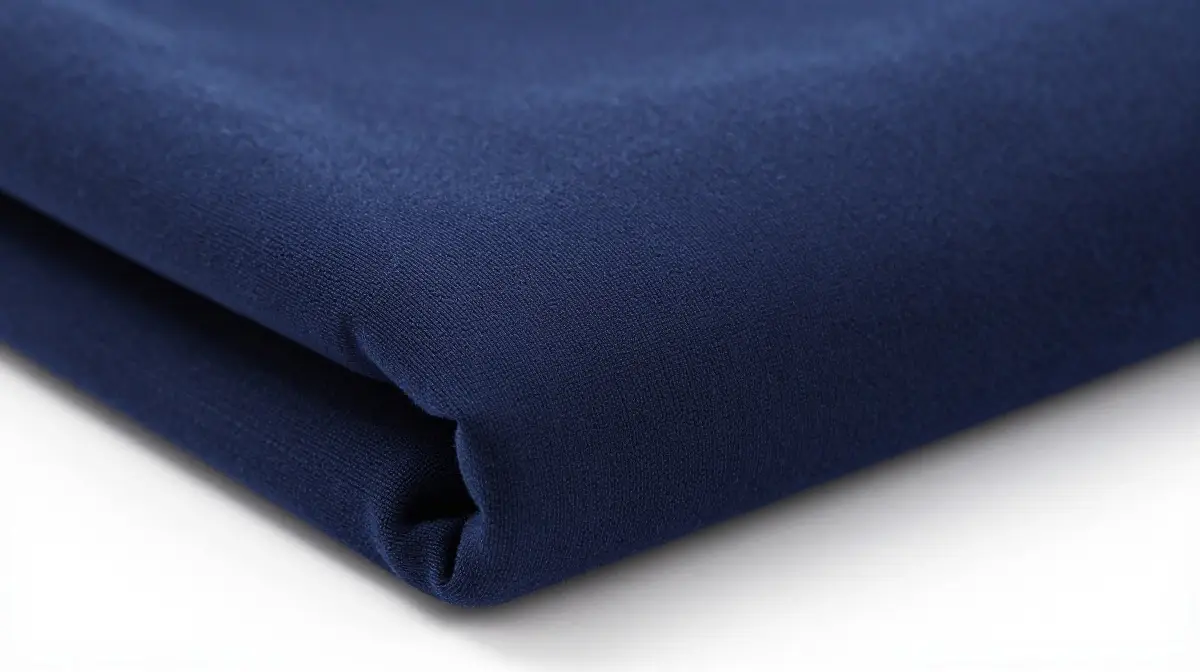
The single most effective wrinkle-prevention strategy begins before any folding or rolling technique is applied, and that is selecting clothing made from fabrics that resist creasing during transport rather than fabrics that hold wrinkles with determined stubbornness. Jersey knits, synthetic blends including polyester and nylon, merino wool, stretchy fabrics, and technical travel-specific materials are all significantly less likely to wrinkle than natural woven fabrics such as linen, pure cotton, and silk. When building a travel wardrobe specifically for packing efficiency, prioritizing wrinkle-resistant fabric construction over purely aesthetic considerations dramatically reduces the effort required to arrive at a destination with wearable, presentation-ready clothing.
Use the Rolling Method
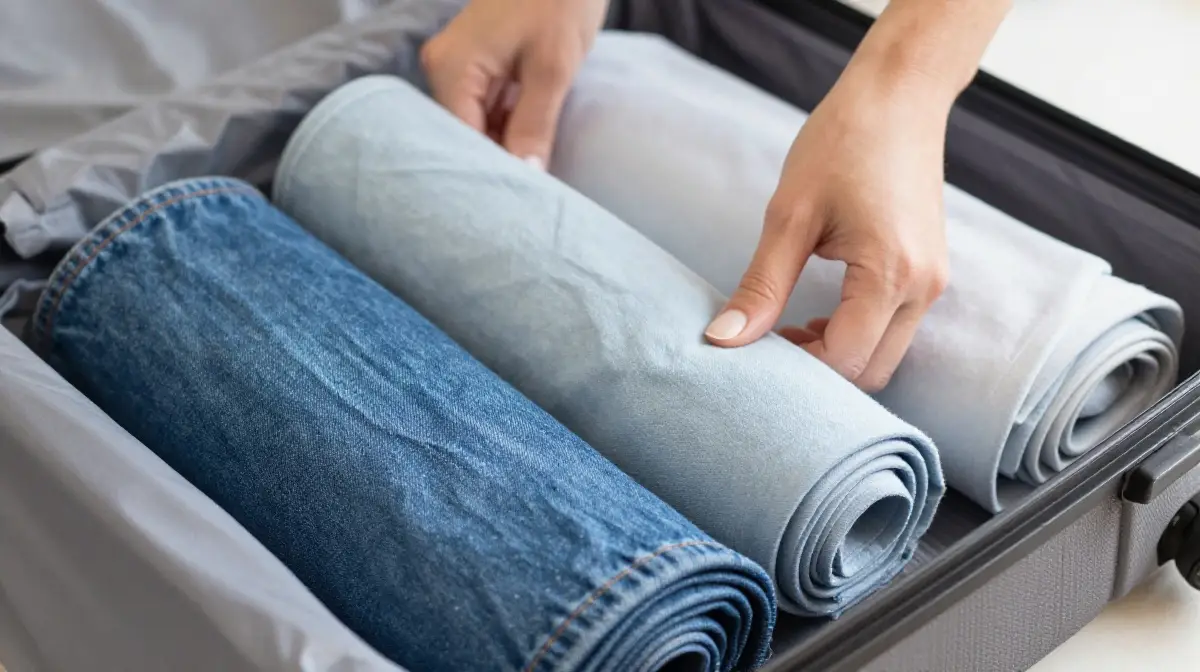
Rolling clothes tightly rather than folding them flat is one of the most widely practiced and genuinely effective wrinkle-reduction packing techniques available, particularly for casual clothing items including t-shirts, jeans, casual trousers, knitwear, and lightweight fabrics that respond well to the cylindrical rolling format. Rolled clothes take up less space than folded alternatives, create fewer sharp crease lines by distributing pressure more evenly across the fabric, and allow for more efficient use of the available suitcase space by fitting neatly into corners and irregular spaces that flat-folded items cannot fill. Rolling also makes it significantly easier to see every item in the suitcase at a glance without disturbing other packed items.
Master the Bundle Wrapping Method
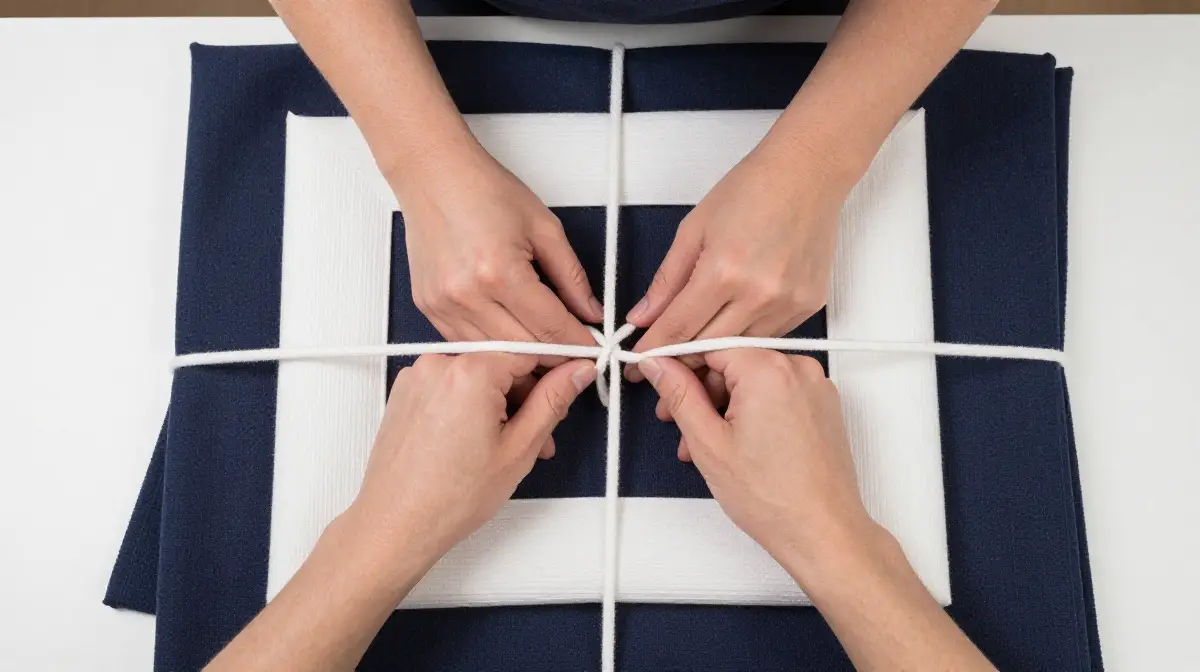
Bundle wrapping is a professional packing technique where all garments are wrapped around a central core item in successive layers, creating a single tightly bound bundle that holds each garment in a smooth, uncreased position throughout the journey. The technique works by placing the largest and most crease-prone items flat first, adding subsequent items in layers, wrapping each layer smoothly around the previous one, and finishing by tucking everything tightly around a soft central core such as a toiletry bag. Because no sharp folds are created during bundle wrapping, the method virtually eliminates the creasing that folding-based packing techniques inevitably introduce at fold lines.
Pack Using Packing Cubes
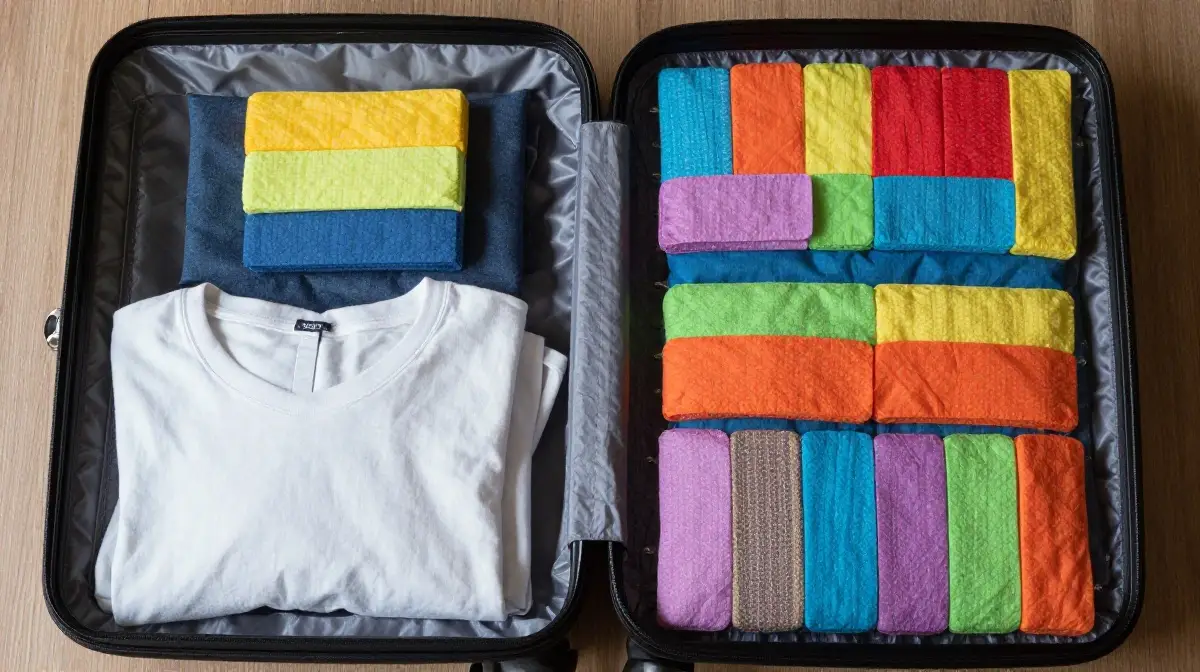
Packing cubes are rectangular fabric organizers with zippered closures that compress and organize clothing into neat, manageable blocks that maintain their shape and position throughout the journey far more reliably than loose items placed directly into a suitcase. The compression that packing cubes provide reduces the movement and shifting of clothing during transit that causes items to rub against each other and develop wrinkles, and the organized category approach that most cube systems use means individual garments are never buried under or crushed by heavier items. Choosing packing cubes sized appropriately for the garments they contain prevents overstuffing, which is one of the primary causes of travel wrinkles.
Use Dry Cleaning Bags
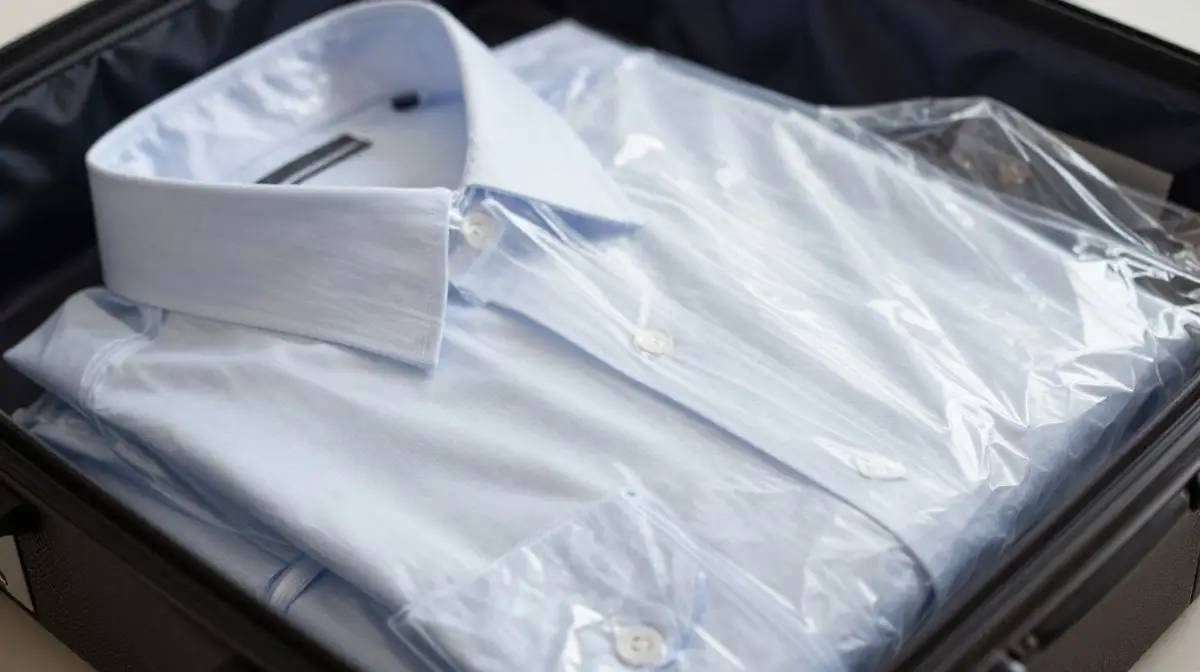
The dry cleaning plastic bag trick is one of the most celebrated and genuinely effective professional packing secrets for wrinkle-free travel, using the slippery surface of the thin plastic bags to create a frictionless layer between folded garments that allows them to slide against each other rather than catching and creasing. Placing a dry cleaning bag inside each folded garment before packing means that when the suitcase is closed and pressure is applied, the fabrics slip smoothly against each other rather than creating the resistance that causes deep fold creases. This technique is particularly effective for dress shirts, formal trousers, blazers, and any garment that would typically hold stubborn crease lines during transport.
Place Heavier Items at the Bottom
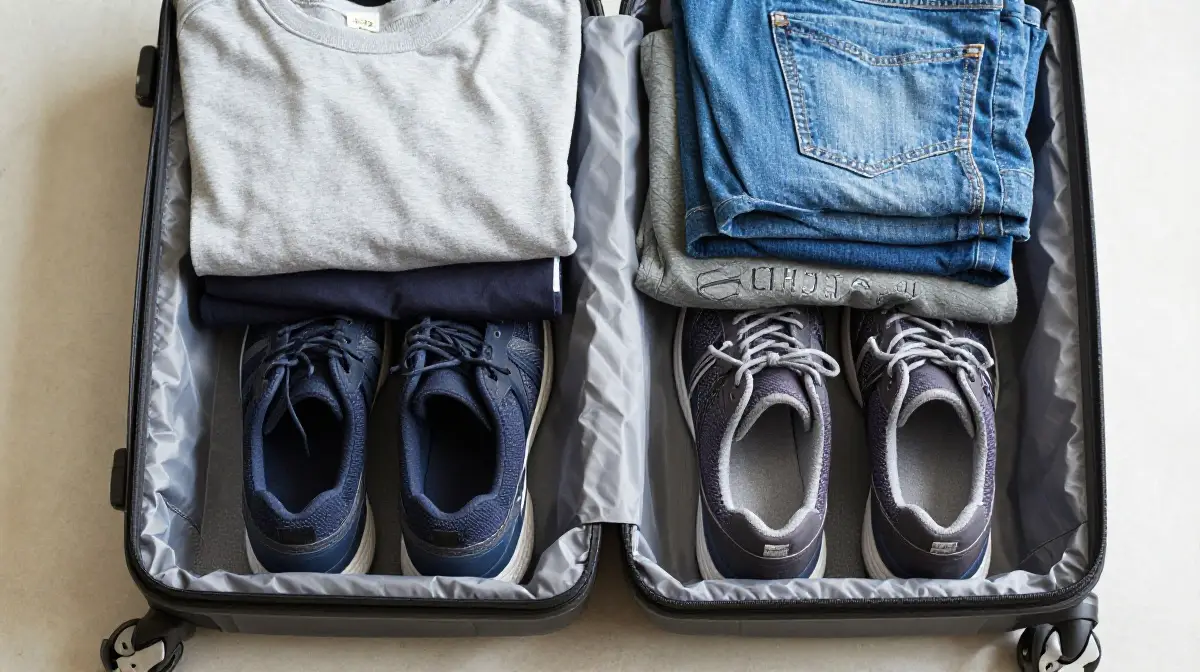
Packing heavy items at the bottom of the suitcase, closest to the wheels, ensures that lighter and more delicate clothing items are not compressed under significant weight throughout the journey. When a suitcase is standing upright during transport, which is its normal orientation in overhead compartments and at baggage carousels, heavier items placed at the wheel end remain at the base while lighter clothing sits above without bearing unnecessary compressive weight. This weight distribution principle also prevents the deformation and crushing of delicate fabrics and structured garments that occurs when heavy shoes, toiletry bags, or books are packed on top of fine clothing.
Stuff Shoes with Socks
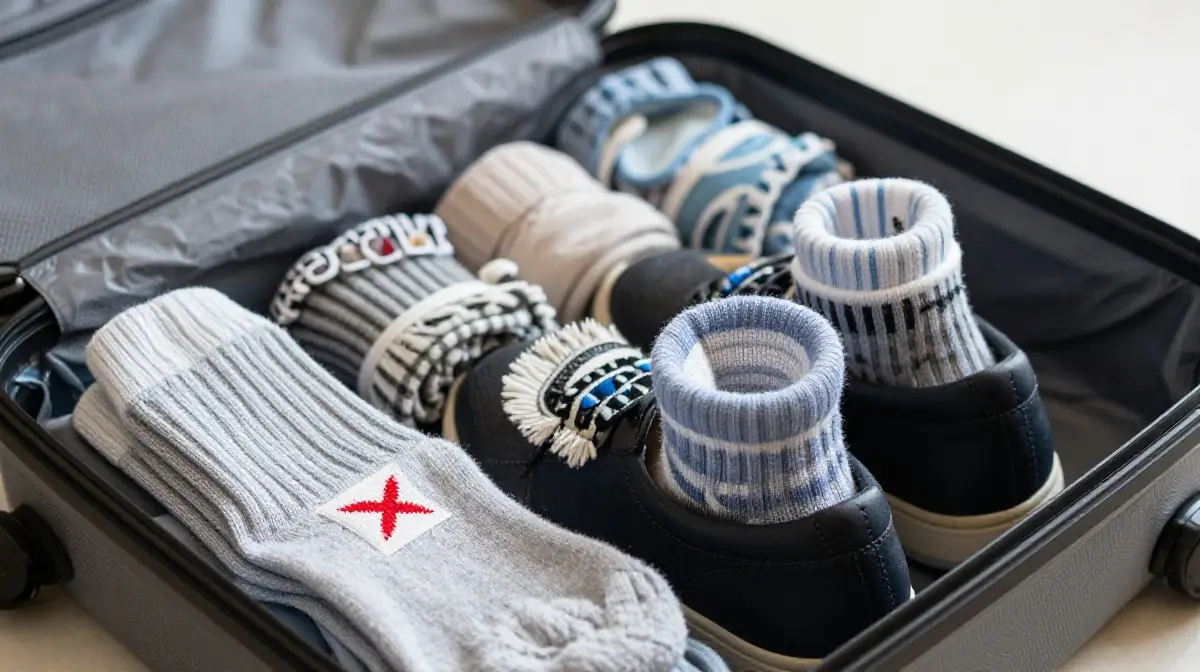
Filling the interior of packed shoes with rolled socks, small accessories, or other soft items serves the dual purpose of making efficient use of otherwise wasted shoe space and maintaining the shape of the shoes themselves during transit to prevent them from collapsing and creating pressure points within the suitcase that could damage surrounding clothing. Shoes packed with their interior stuffed maintain their three-dimensional form and can be positioned along the edges of the suitcase as natural structural supports that help maintain the overall organization and prevent clothes from shifting and compressing against each other during the journey.
Pack Suits in Garment Bags
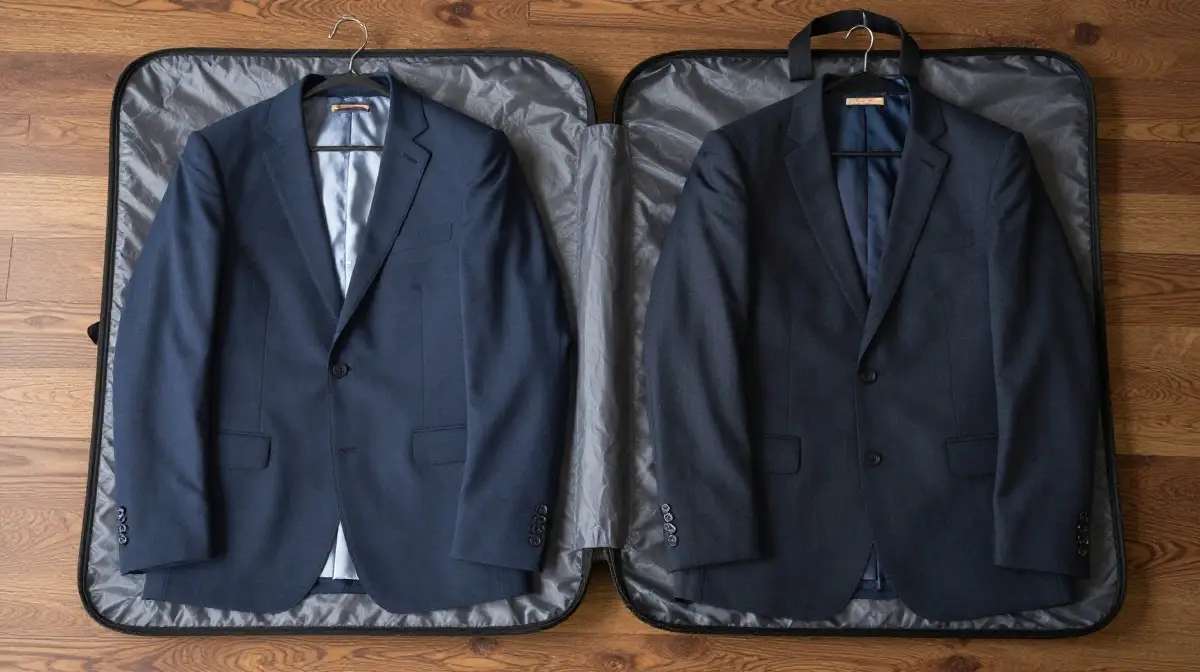
Suits and formal dresses that must arrive in perfect, presentation-ready condition should be transported in dedicated garment bags whenever possible rather than folded into a standard suitcase, as the hanging or laying-flat format of a garment bag distributes the fabric of structured garments in the most natural and crease-minimizing position. When a full garment bag is not possible and a suit must be packed in a regular suitcase, the jacket should be turned inside out, folded along its natural construction lines, and placed on top of all other packed items with a dry cleaning bag between the layers to minimize friction and pressure-induced creasing.
Lay Dress Shirts Face Down
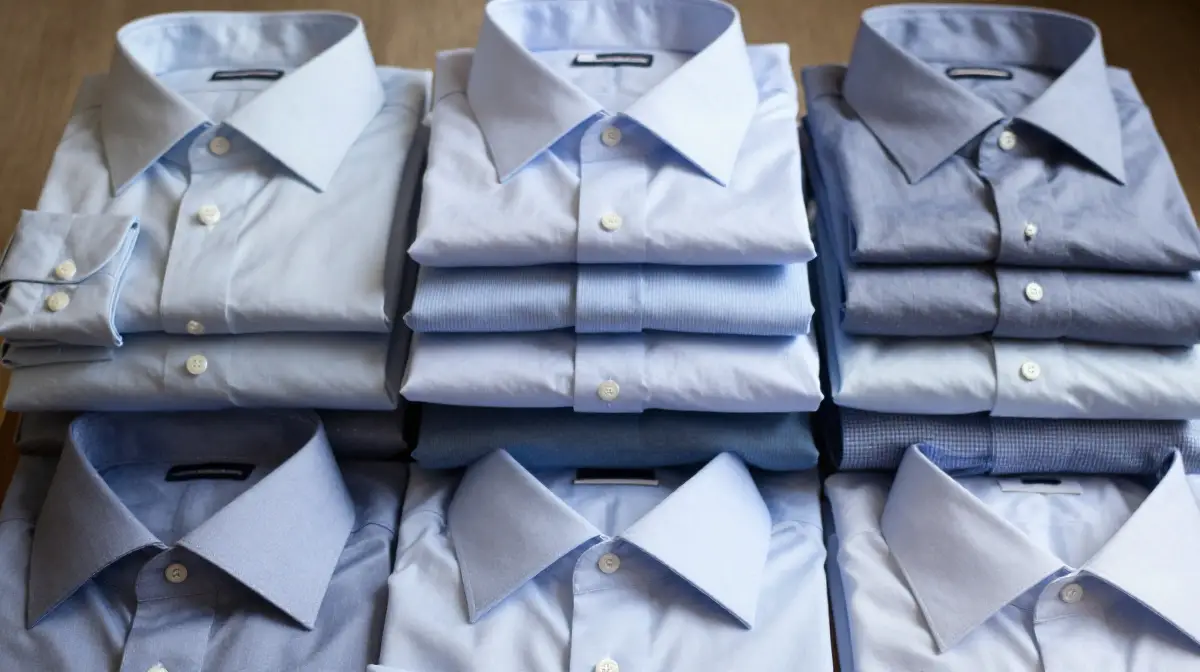
Packing dress shirts by laying them face down, folding the sleeves behind the body in a gentle arc rather than at a sharp angle, and placing each subsequent shirt with its collar oriented in the opposite direction to the previous one creates a stacking arrangement that distributes thickness evenly across the width of the pile and minimizes the pressure on any individual fold line. The face-down orientation protects the front placket and button area from direct pressure that could cause prominent wrinkle lines, and the alternating collar direction means each shirt supports the one above it more evenly across its full width rather than creating a raised lump at one end of the pile.
Roll Casual Items First
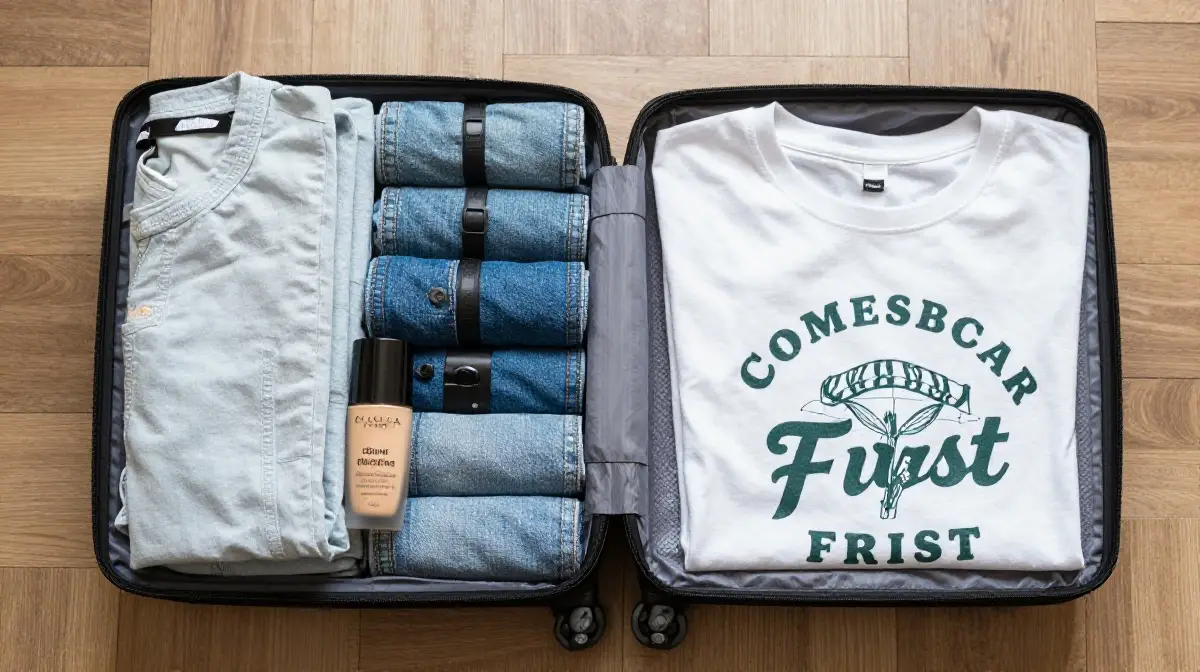
Organizing the packing process by rolling all casual, wrinkle-tolerant items first and using them as the foundational layer at the base of the suitcase creates a soft, cushioned foundation that absorbs the impact and pressure from heavier items placed above while keeping the less wrinkle-resistant formal items in the upper portion of the suitcase where they experience less compression and movement. T-shirts, jeans, knitwear, casual trousers, and sportswear all make excellent rolled foundation items because their wrinkle tolerance means that even if they do pick up some compression marks during transit, a brief hang or gentle tumble in a warm dryer for a few minutes upon arrival returns them to a wearable state.
Use Tissue Paper Between Layers
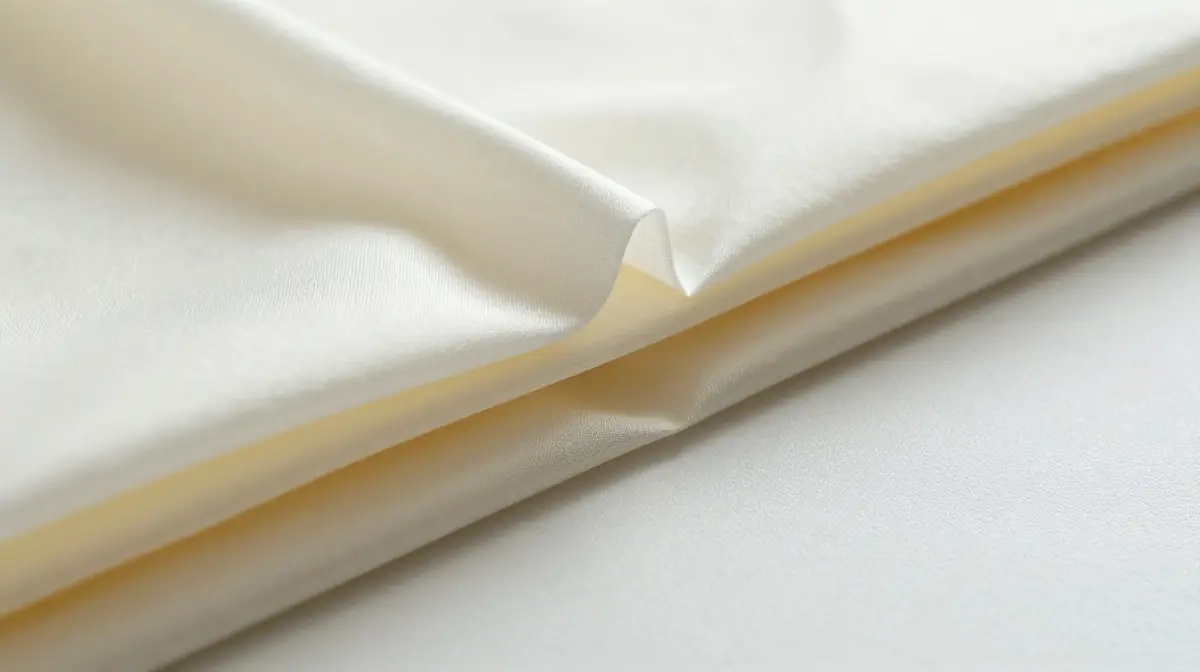
Placing sheets of acid-free tissue paper between folded garments, particularly for delicate fabrics including silk, satin, chiffon, and finely knit items, creates a smooth slippery layer that reduces the friction between garment surfaces that contributes to the development of crease lines during transport. Tissue paper is lightweight, takes up minimal space, and can be reused for multiple trips, making it a highly practical and cost-effective addition to any travel packing kit. The tissue paper technique is particularly valuable for protecting delicate evening wear, silk blouses, and fine knitwear that would otherwise arrive bearing the imprint of every fold and pressure point experienced during transit.
Avoid Overpacking
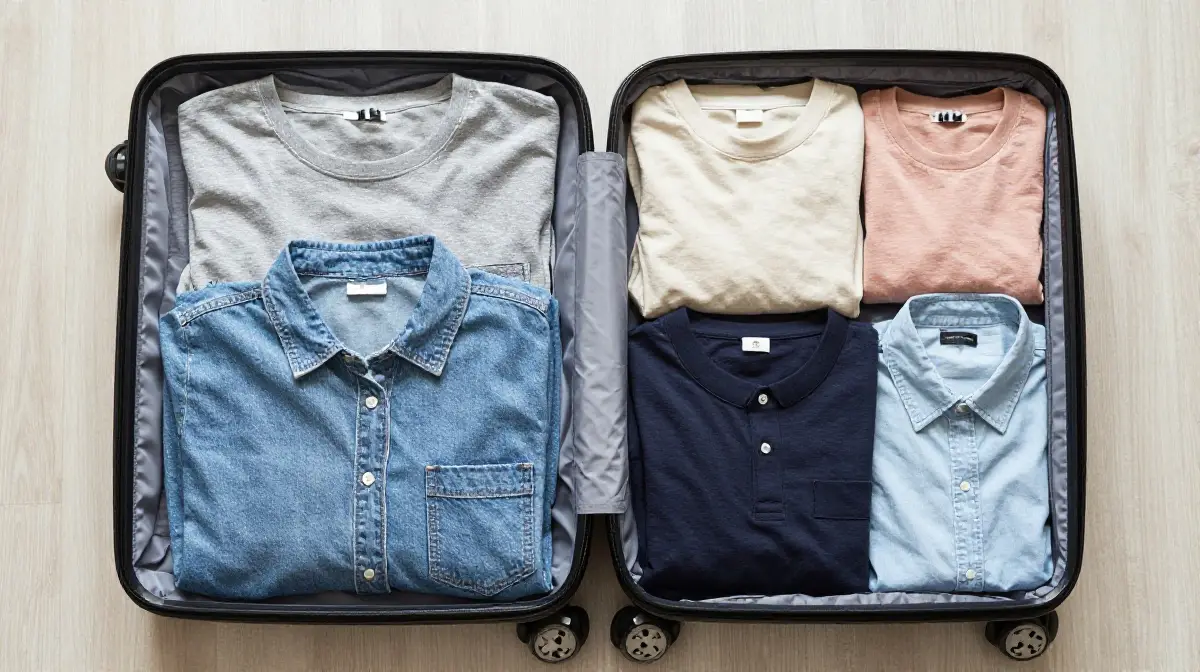
Overpacking is one of the single greatest contributors to wrinkled travel clothing because a suitcase packed beyond its comfortable capacity creates a compressed environment where every garment is under constant pressure from surrounding items, with nowhere for fabric to breathe or maintain its natural relaxed state during transit. Leaving sufficient space in the suitcase for clothing to settle without excessive compression significantly reduces the degree of creasing that occurs, and the discipline of packing only genuinely necessary items eliminates the crushing weight of surplus clothing that is inevitably the most damaging element in any overpacked bag. A suitcase that closes without requiring physical force is a suitcase with optimal packing density for wrinkle prevention.
Pack Jackets and Blazers Last
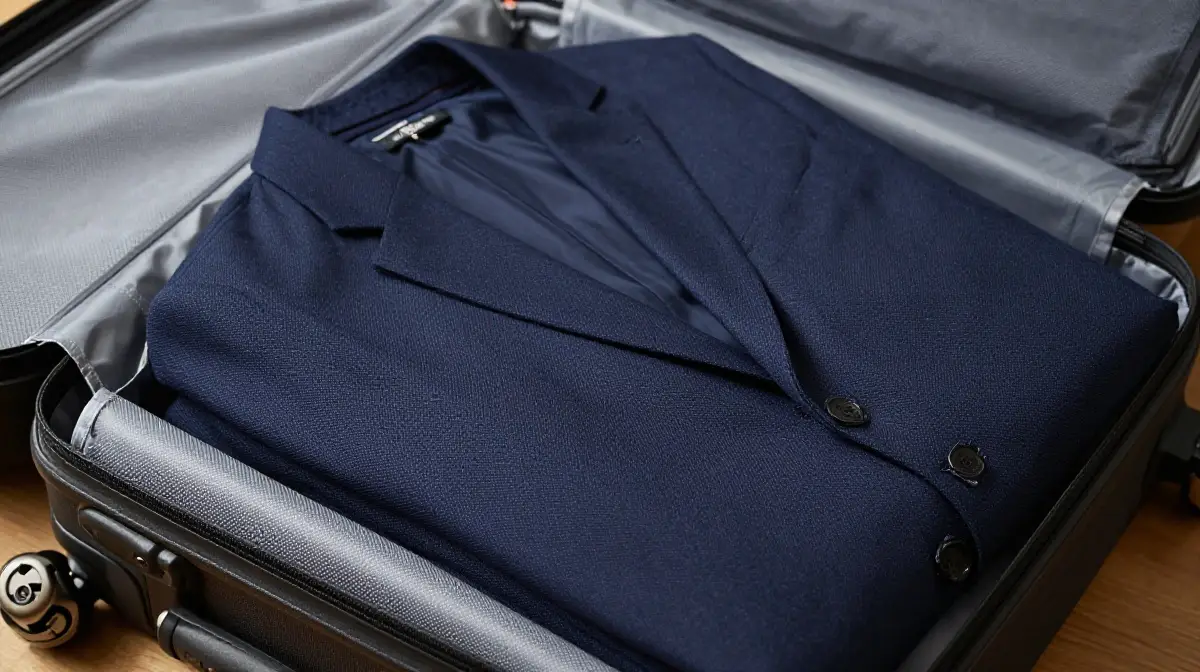
Structured jackets and blazers should be packed last and placed on the very top of all other packed items to prevent them from bearing the weight of anything packed above them, which would otherwise cause the structured shoulders and lapels to collapse and develop prominent creasing that is difficult to remove without professional pressing. A blazer packed on top can be laid flat with its natural construction allowed to maintain its shape, and in the event that it does develop minor travel wrinkles, its position at the top of the suitcase means it is the first item removed upon arrival and can be hung immediately to allow gravity to release any creases before the garment is needed.
Use Hotel Iron or Steamer Immediately
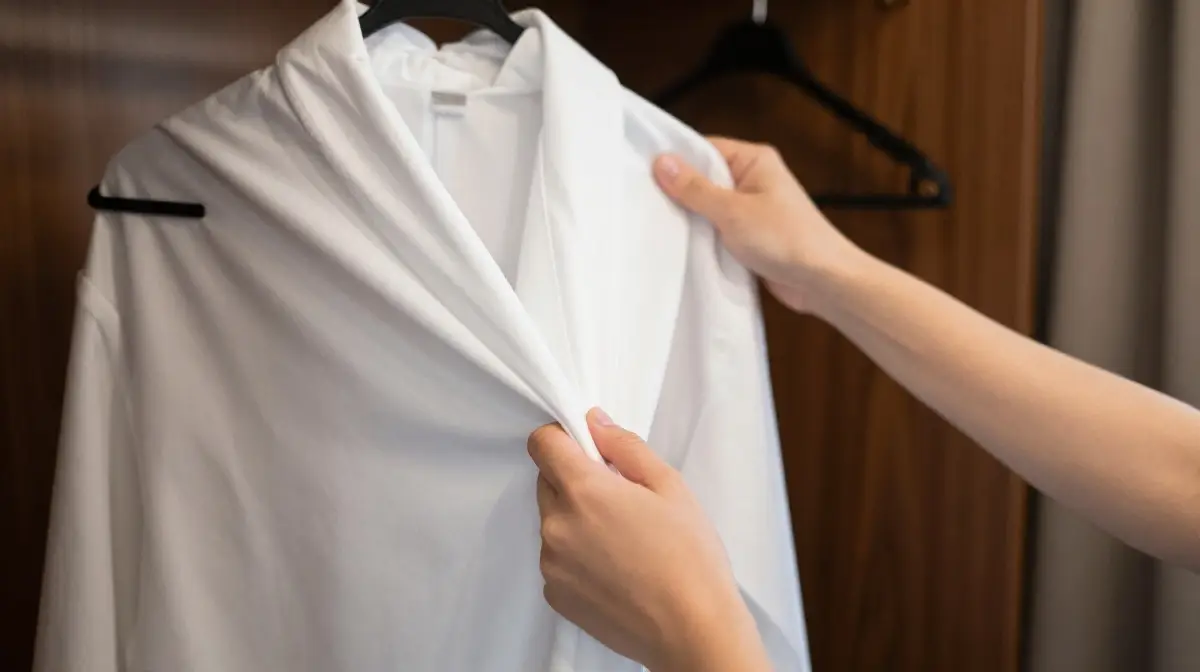
Regardless of how carefully clothes are packed, having a reliable plan for releasing any travel creases immediately upon arrival at the accommodation is an essential complement to good packing technique. The hotel room iron and ironing board, where available, can remove even stubborn travel wrinkles from dress shirts, trousers, and structured garments in a few minutes. A portable travel steamer carried in the suitcase represents a small but highly valuable investment for frequent travelers who need to freshen garments quickly without the precision required for ironing, as steam relaxes fabric fibers and releases creases effectively from most fabric types.
Hang Clothes Immediately Upon Arrival
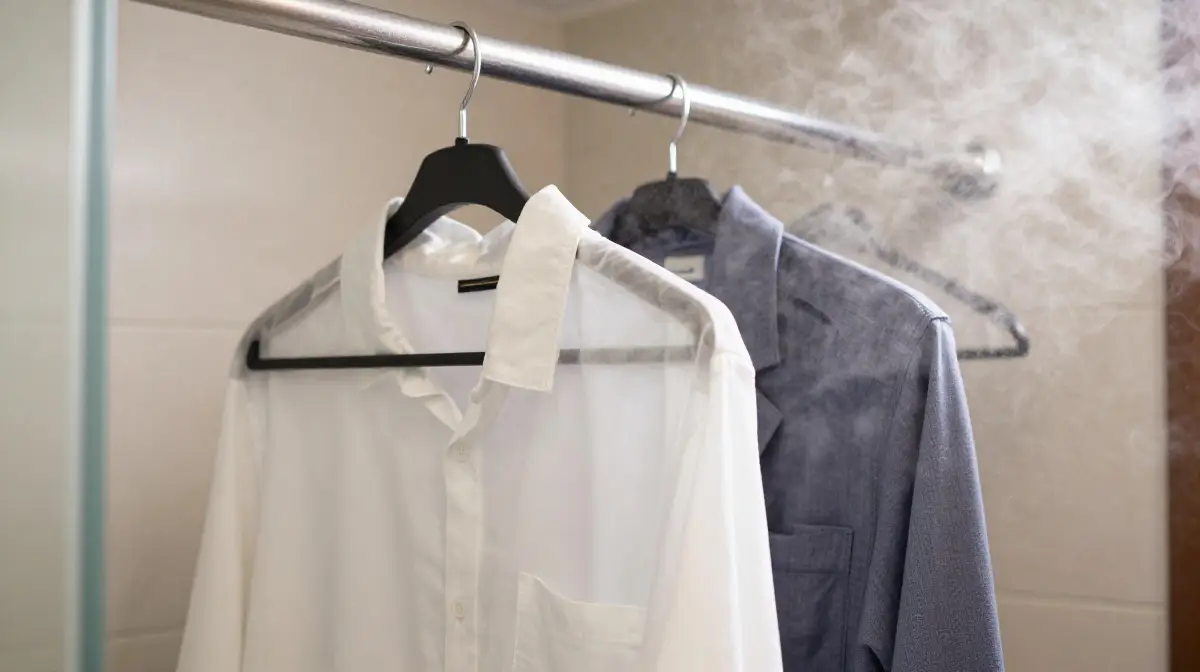
Removing clothes from the suitcase immediately upon arriving at the hotel or accommodation and hanging every garment that benefits from hanging, rather than leaving everything compressed in the closed suitcase until needed, allows gravity and air circulation to begin releasing travel creases naturally over the hours between arrival and wearing. Many travelers find that a garment hung in a bathroom during a hot shower benefits significantly from the warm steam environment, which relaxes fabric fibers and releases light to moderate creasing without requiring any direct pressing or steaming. This simple no-effort technique works particularly well for cotton shirts, synthetic blends, and most casual garments.
Choose the Right Suitcase Size
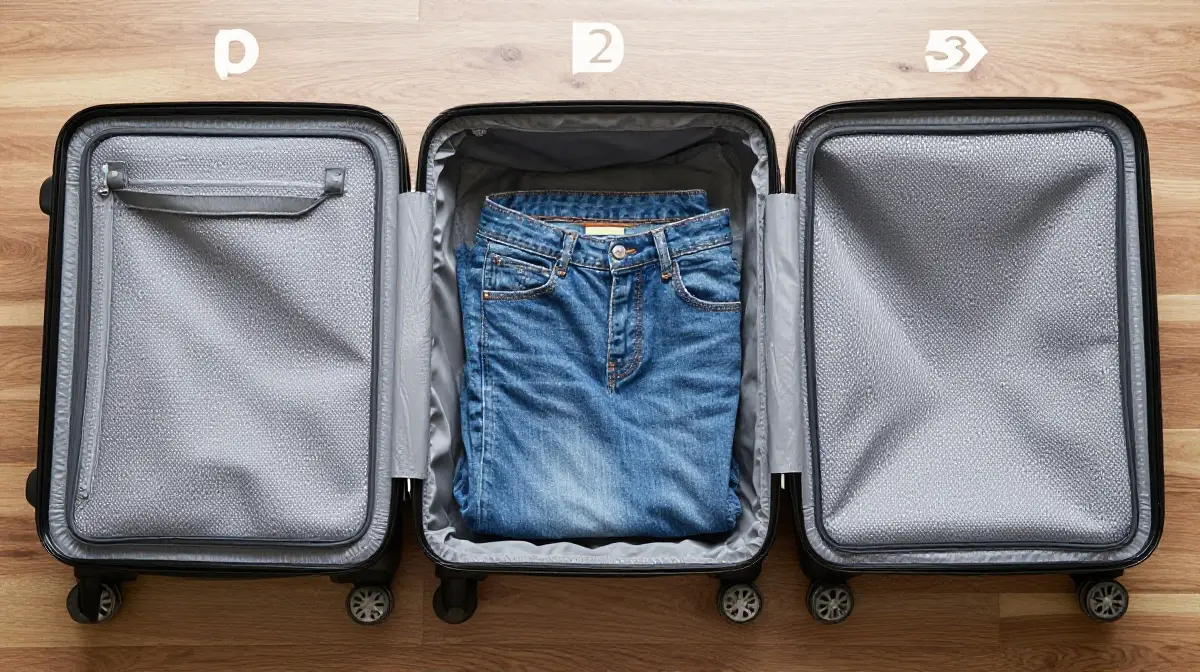
Traveling with a suitcase appropriately sized for the planned clothing quantity rather than using a larger bag that creates excess space for clothes to shift around, or a smaller bag that creates excessive compression, is a fundamental but frequently overlooked wrinkle-prevention strategy. Clothes packed in a suitcase with significant empty space experience more movement and shifting during transit than clothes in a snugly filled bag, with the increased movement creating friction and tumbling that generates wrinkles in garments that might have arrived crease-free in a properly sized luggage piece. Matching suitcase volume to clothing quantity as precisely as possible is one of the most practical organizational decisions a traveler can make.
Zip-Lock Bags for Accessories
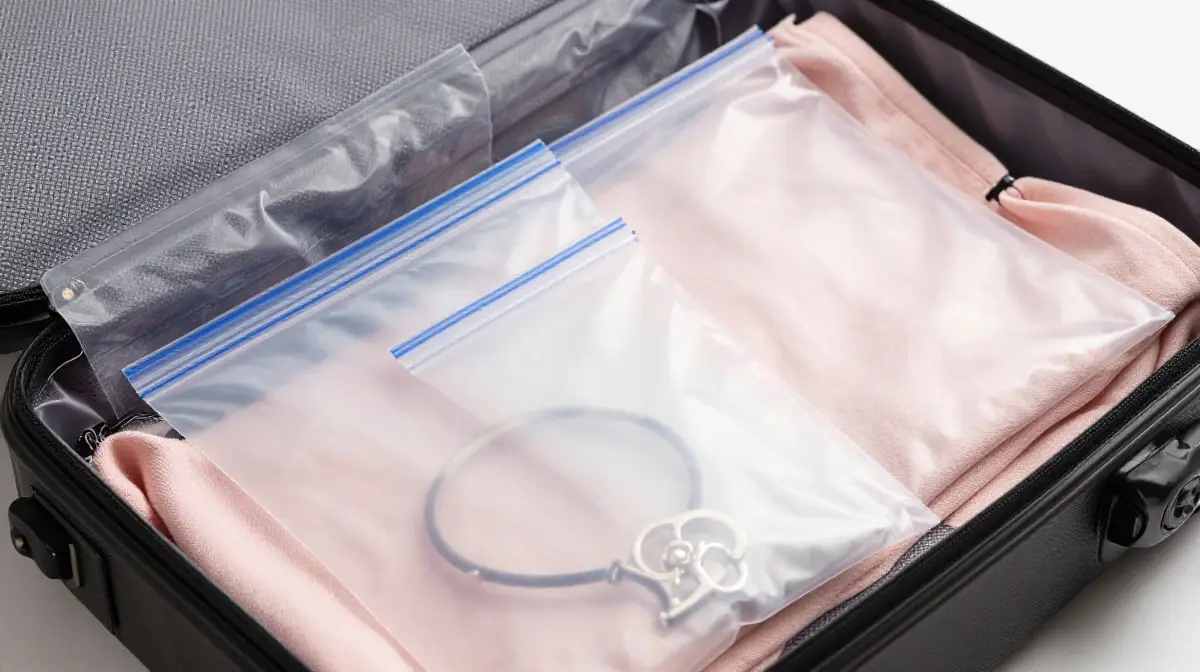
Packing accessories, jewelry, and small personal items in zip-lock bags before placing them in the suitcase prevents them from migrating through the packed clothing and creating hard pressure points that leave imprints in the fabric of surrounding garments. Hard accessories including belt buckles, hair clips, shoe heels, and jewelry findings are particularly effective at transferring their shape into fine fabrics during transit, and containing them in sealed bags ensures that their pressure is distributed across the bag surface rather than concentrated at specific points that would otherwise leave visible marks in clothing. This organizational step takes only a few minutes during packing and eliminates the specific category of wrinkle caused by hard object imprinting.
Pack Pants Inside Out
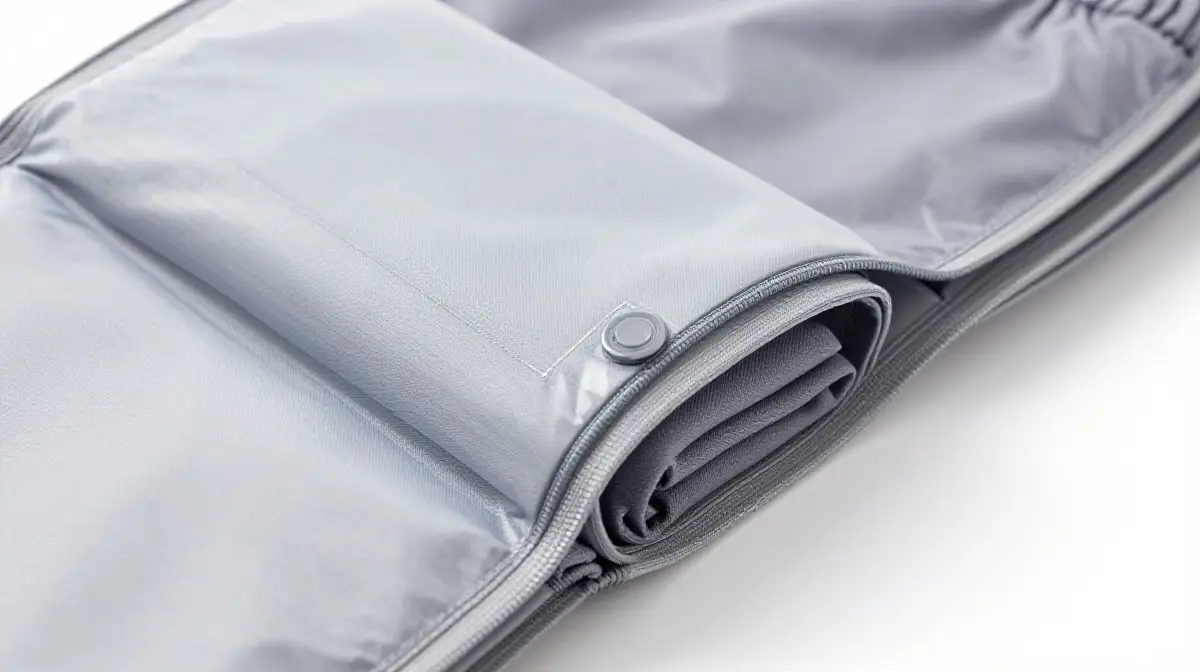
Folding trousers inside out before packing means that any crease lines that do develop during transit appear on the interior of the garment rather than on the visible outside surface, leaving the outer fabric presentation largely unmarked even if the packing conditions were not ideal. This technique is particularly useful for finely woven or smooth-surface trousers in materials including wool, polyester blends, and dress pants that hold crease lines visibly on their outer surface but can be quickly turned right-side out and smoothed upon arrival. The inside-out packing approach adds virtually no time to the packing process while providing an effective layer of protection for the outer presentation surface of trousers.
Use Compression Bags Carefully
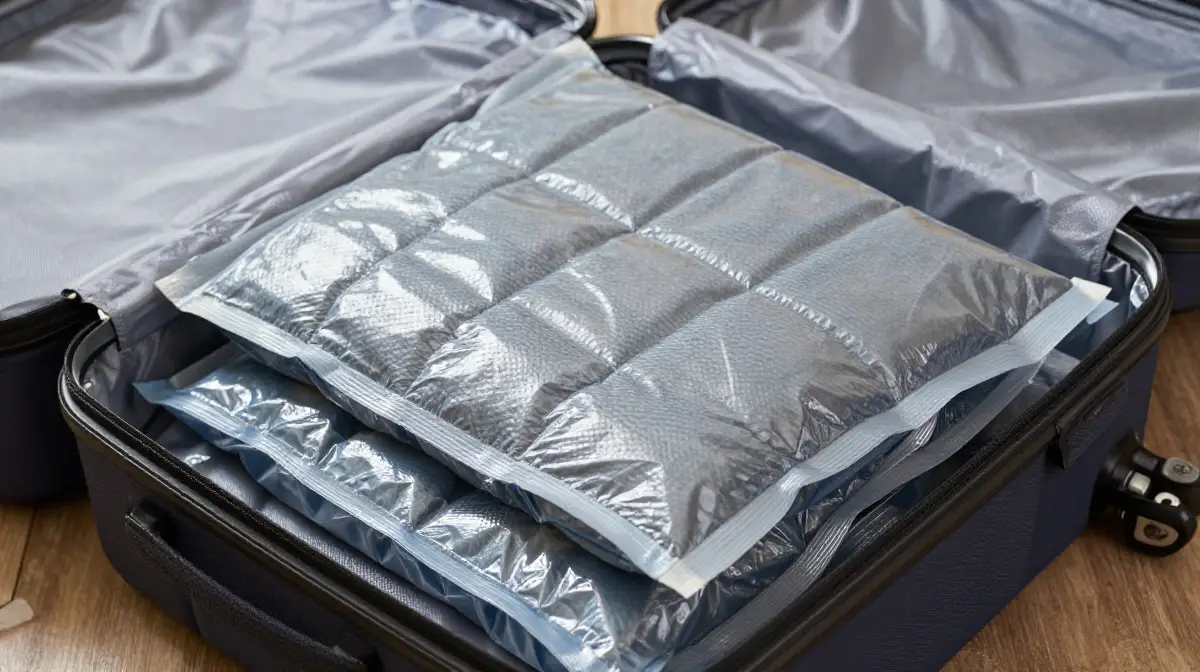
Compression bags that use vacuum-sealing or manual rolling to remove air and dramatically reduce the volume of packed clothing are effective space-savers but must be used with an understanding of their wrinkle-creating limitations. While compression bags reduce bulk, they create intense pressure on folded fabrics that almost guarantees prominent fold-line creasing in any garment that holds creases easily, making them more suitable for casual items like t-shirts, underwear, and knitwear than for formal or structured garments that must arrive in wearable condition. Using compression bags selectively for the most crease-tolerant categories of clothing while packing formal items using conventional techniques represents the most balanced approach.
Pack Dresses with the Interleaving Method
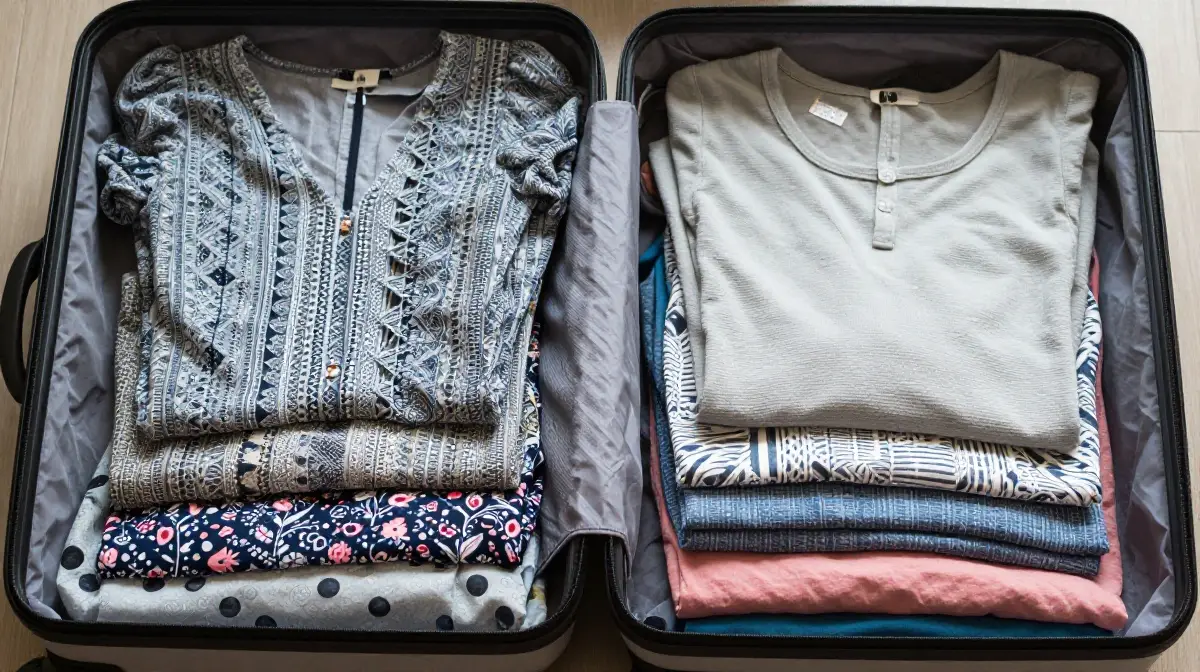
Long dresses and skirts are best packed using an interleaving method where each dress is laid flat across the full width of the suitcase with its hem extending over one edge, the next item is packed in the center, and the extended hem is then folded back over the top of the second item to cushion it. This technique eliminates the sharp center-fold that would occur if the dress were simply folded in half and ensures that the longer sections of the dress are cushioned by the garment beneath rather than bearing a direct fold pressure. Interleaving is particularly effective for flowing evening dresses, formal gowns, and full-length skirts that cannot be rolled without creating an unmanageable bulky cylinder.
Spray Water Mist on Wrinkles
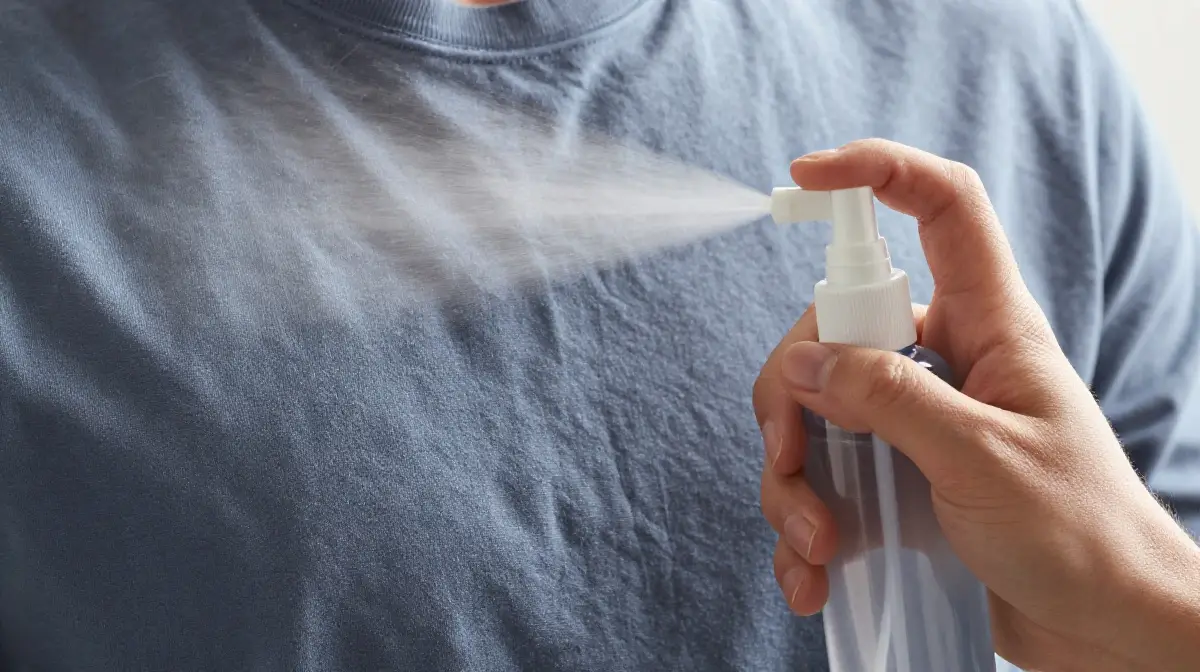
A small travel-size spray bottle filled with clean water provides a quick and effective wrinkle-release solution for minor creases that develop during transit, using the moisture to relax the fabric fibers enough to allow the wrinkles to release when the garment is gently pulled into shape and hung to dry for a short period. This technique works best on natural fabrics including cotton, linen, and viscose that respond well to moisture, and the water spray method is quick enough to be used on any item that needs urgent freshening before a meeting or event immediately after arrival. Keeping a small spray bottle among the travel toiletries ensures this simple but effective wrinkle-release tool is always available when needed.
Plan Your Packing Order Strategically
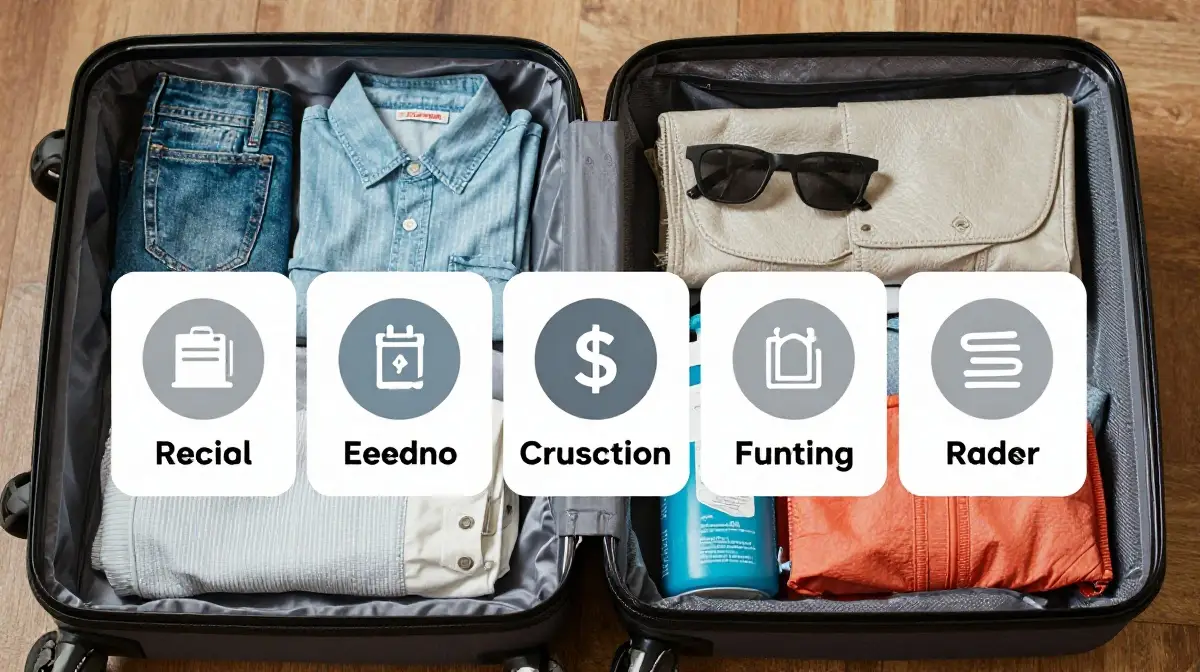
The sequence in which different categories of clothing are packed into the suitcase has a significant impact on how well each garment survives the journey, and taking a few minutes before packing to plan the logical order, with the heaviest and most wrinkle-tolerant items at the base and the most delicate and crease-sensitive items at the top, creates an internal suitcase environment that protects fine garments from the compression and weight that causes the most damaging wrinkles. A packing plan also prevents the need to reopen and reorganize a packed bag to find a forgotten item, which disrupts the careful arrangement and often forces compression in areas of the bag where delicate items cannot bear additional pressure.
Conclusion
Arriving with wrinkle-free clothing is entirely within reach for any traveler willing to apply a handful of the straightforward techniques described in this collection, and the investment of a few extra minutes in the packing process pays dividends throughout every trip in the form of clothing that is immediately wearable, professionally presentable, and genuinely comfortable without the delay and inconvenience of emergency pressing or steaming sessions. Whether you adopt the professional bundle wrapping method, commit to wrinkle-resistant fabric choices, or simply pack more mindfully with appropriate weight distribution and fabric layering, the result will be a suitcase that opens at your destination to reveal clothing that looks as carefully arranged and ready to wear as it did before you left home.
You can may also like this: 22 Field Trip Lunch Ideas Kids Will Actually Enjoy
FAQs
Is rolling or folding clothes better for preventing wrinkles
Rolling is generally better than folding for casual, lightweight, and flexible fabrics because it eliminates sharp fold lines and allows clothes to settle into a cylindrical form that distributes pressure more evenly. Folding with the dry cleaning bag technique is often better for structured garments like dress shirts and suits because rolling can create unwanted cylindrical creases in stiff or structured fabrics.
What fabrics travel best without wrinkling
Jersey knit, polyester blends, nylon, merino wool, and technical travel fabrics are the most wrinkle-resistant options for travel. Pure cotton, linen, and silk are the most prone to wrinkling and require the most careful packing technique and immediate hanging upon arrival to look their best after transit.
How do I pack a suit without wrinkles
Turn the jacket inside out, fold it along its natural construction seams, place it in a dry cleaning bag, and pack it on the very top of all other items in the suitcase. Alternatively, use a dedicated garment bag whenever possible. Remove the suit immediately upon arrival and hang it in a steamy bathroom to release any remaining creases naturally.
Do packing cubes prevent wrinkles
Packing cubes help prevent wrinkles primarily by reducing the movement and shifting of clothing during transit and preventing heavy items from crushing delicate garments. They are most effective at wrinkle prevention when not overfilled, as an overfilled packing cube creates the same compressive environment as an overpacked suitcase without the organizational benefits.
How quickly can I remove wrinkles from clothes after arriving
Most travel wrinkles can be removed in under ten minutes using a hotel iron on the appropriate fabric setting, a portable travel steamer, or by hanging the garment in a bathroom during a hot shower where the steam environment relaxes the fabric. For very delicate or stubborn wrinkles, a professional pressing service available at most hotels provides the most complete and reliable result.
1 Comment