
Introduction
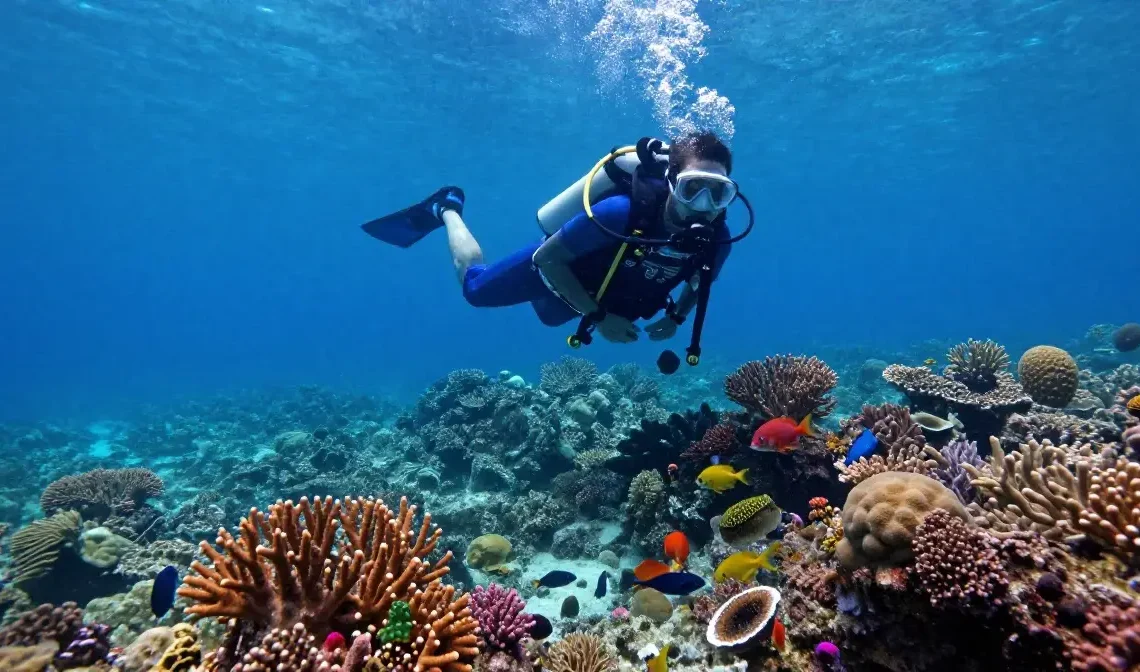
There is a moment that every diver remembers from their first time descending below the surface into genuinely clear water. The noise of the world disappears. Your breathing slows. And the ocean floor opens up into something that looks less like a place you have traveled to and more like a place that was always there, just waiting for you to pay attention.
Scuba diving destinations span every ocean on the planet and range from calm, shallow coral reef ecosystems accessible to newly certified open water diver level graduates to advanced drift dive sites and cave dive sites that require years of experience and specialized training. The challenge for anyone planning a scuba diving vacation is knowing which destinations match their current certification level, what marine biodiversity they most want to experience, and what practical considerations like budget, season, and dive center quality actually make a destination worthwhile.
These 22 scuba diving destinations give you a specific, honest guide to the world’s best underwater trips across every region, every experience level, and every type of marine encounter. Whether you are planning your first post-certification dive trip or your twentieth liveaboard dive boat adventure, there is a destination here worth putting on your list.
Raja Ampat, Indonesia — The Center of Marine Biodiversity
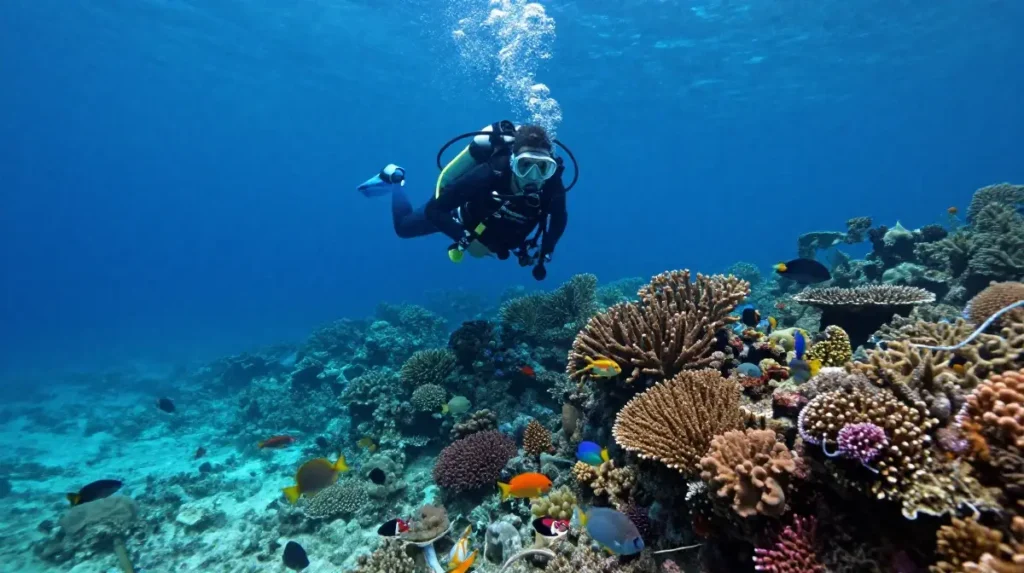
Raja Ampat Indonesia sits at the heart of the Coral Triangle region and is widely considered the single most biodiverse marine environment on the planet. The sheer variety of nudibranch marine species, colorful fish, coral formations, and larger pelagic encounters available in a single dive week is unmatched anywhere else in the world. Visibility is typically excellent and the range of dive sites accommodates both open water diver level graduates and advanced divers. A liveaboard dive boat is the most effective way to access the full range of sites, though several quality dive resort accommodation options exist on the islands for those who prefer a land-based trip.
The Great Barrier Reef, Australia — The World’s Largest Coral System
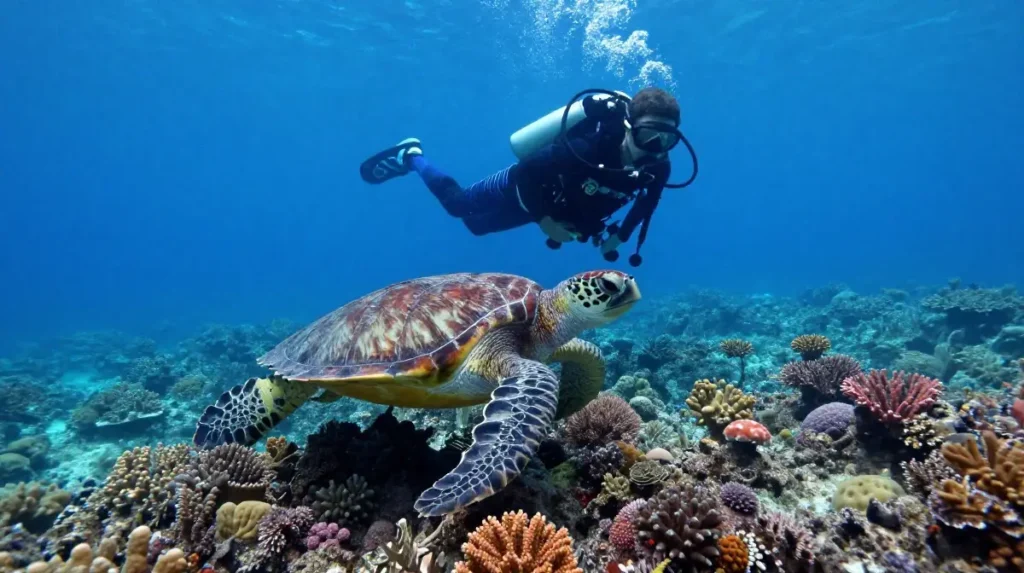
The Great Barrier Reef Australia is the largest coral reef ecosystem on Earth and one of the most recognized scuba diving destinations worldwide. The outer reef sections accessible from Cairns and Port Douglas offer the best visibility and marine biodiversity, with sea turtle encounter opportunities, whale shark encounter possibilities during season, and extraordinary coral diversity throughout. The reef suits scuba diving destinations beginners at its shallower protected sections and offers wall dive sites and drift dive sites for more experienced divers in its outer reaches. Plan your visit between June and October for the best combination of visibility and water temperature.
Palau, Micronesia — World War II Wrecks and Marine Abundance
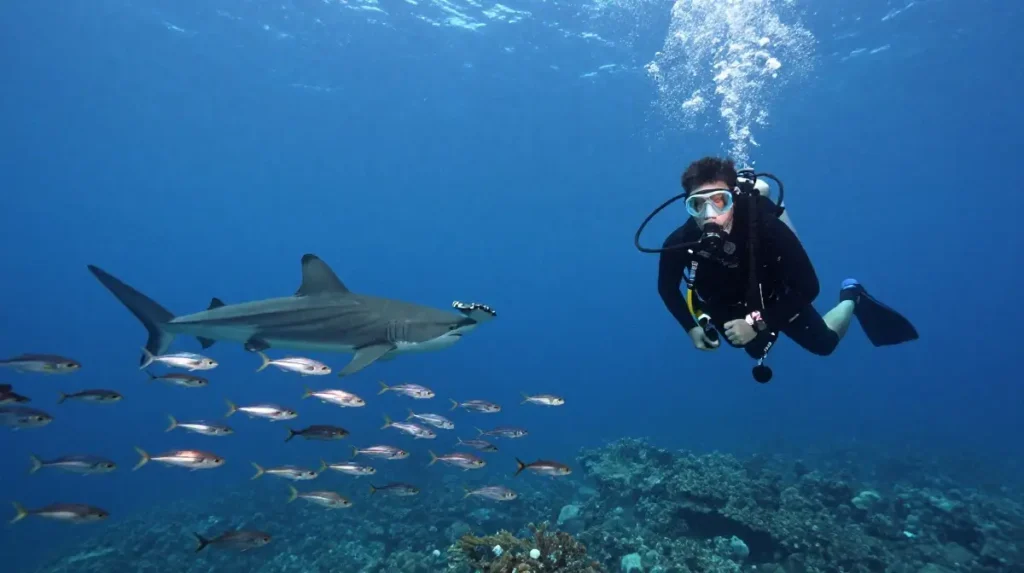
Palau Micronesia is one of the most extraordinary scuba diving destinations for divers who want to experience both scuba diving wreck sites and exceptional marine life in the same trip. The wrecks from World War II battles in the area have been colonized by coral and fish over decades and now function as fully integrated artificial reef systems. Blue Corner is Palau’s most famous drift dive sites location and regularly produces hammerhead shark diving encounters, manta ray encounter opportunities, and schooling fish in numbers that are genuinely difficult to describe without underwater photography. Palau suits advanced open water and rescue diver certification level divers for its stronger current sites.
Maldives — Drift Diving and Manta Ray Encounters
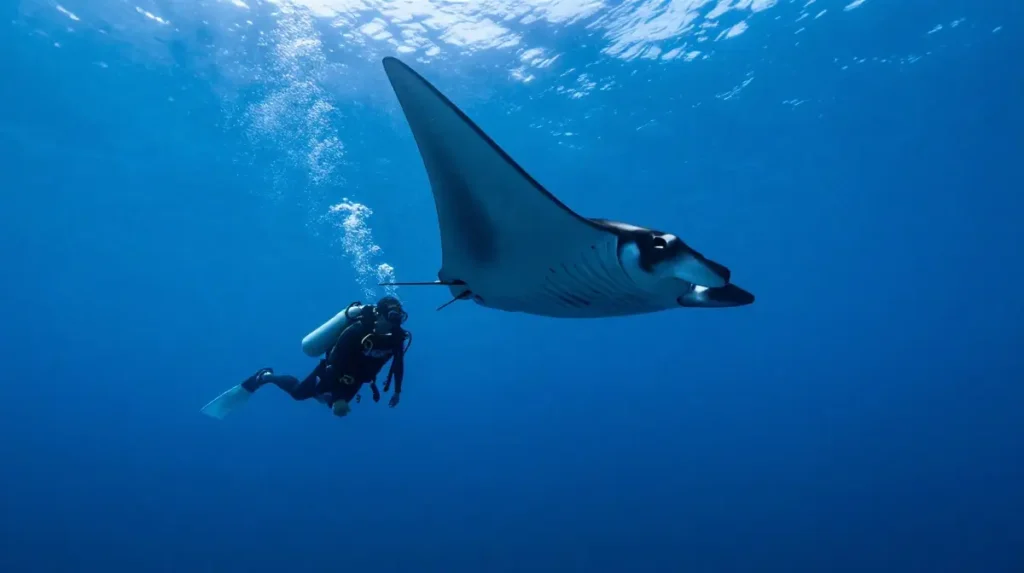
The Maldives Indian Ocean archipelago is one of the best scuba diving destinations worldwide for manta ray encounter opportunities, with several specific cleaning stations where manta rays congregate predictably throughout the year. The drift dive sites within the Maldivian atolls carry strong currents that require confident buoyancy control device management, making the Maldives better suited to experienced divers than absolute beginners. A liveaboard dive boat trip through multiple atolls gives you access to far more dive sites than a single island resort stay and is the standard approach for serious diving visitors to the Maldives.
Silfra, Iceland — Freshwater Diving Between Two Continents
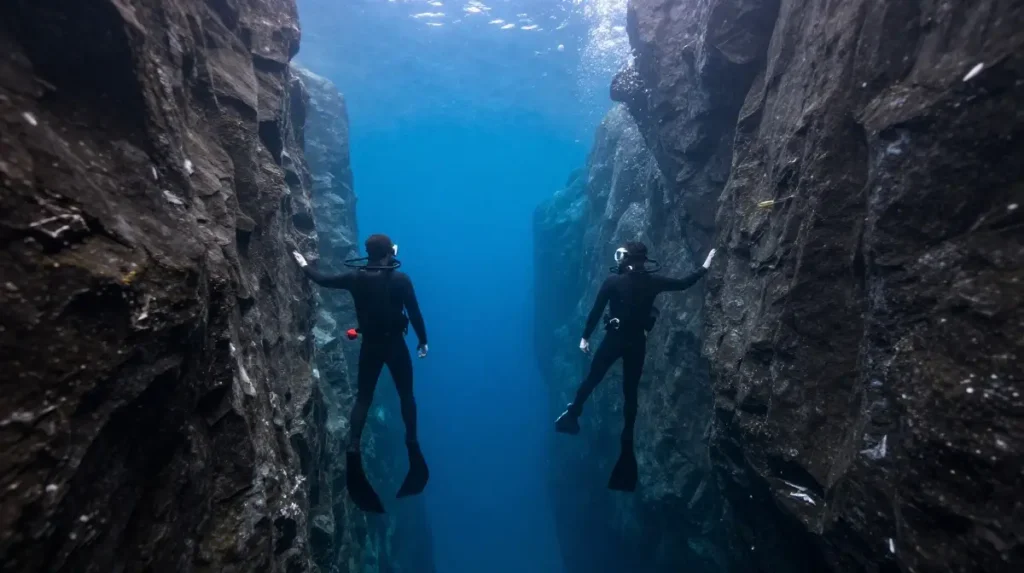
Silfra in Iceland is one of the most unique scuba diving destinations on the planet because it is a freshwater fissure between the North American and Eurasian tectonic plates where you can touch both continents simultaneously during a single dive. Visibility in Silfra regularly exceeds 100 meters, making it one of the clearest diving environments in the world. The water temperature stays close to 2 degrees Celsius year-round, which means a drysuit cold water setup is essential and drysuit certification is required by most dive operators at this site.
Cozumel, Mexico — Caribbean Drift Diving for All Levels
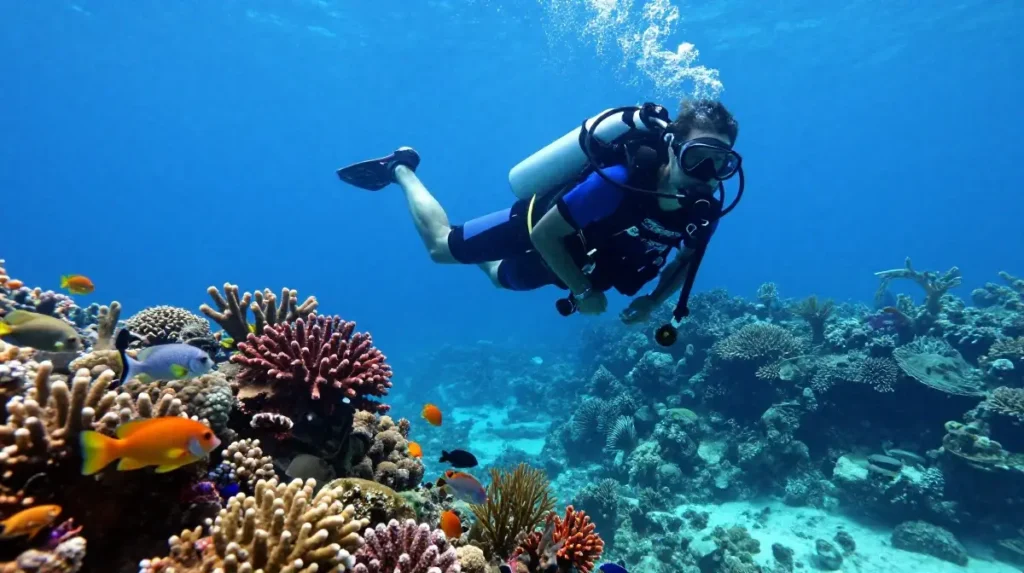
Cozumel Mexico is one of the most accessible and genuinely excellent scuba diving destinations Caribbean for divers at every certification level. The Mesoamerican Barrier Reef running alongside Cozumel produces some of the best Caribbean wall dive sites and drift dive sites available, with consistent visibility, warm water temperature, and a healthy coral reef ecosystem that survived the region’s hurricane damage better than many Caribbean alternatives. Palancar Reef is the most celebrated site and suits open water diver level graduates comfortably. The island’s dive center operator infrastructure is extensive and prices are reasonable by international diving standards.
Cenote Diving, Mexico — Underground Cave Systems
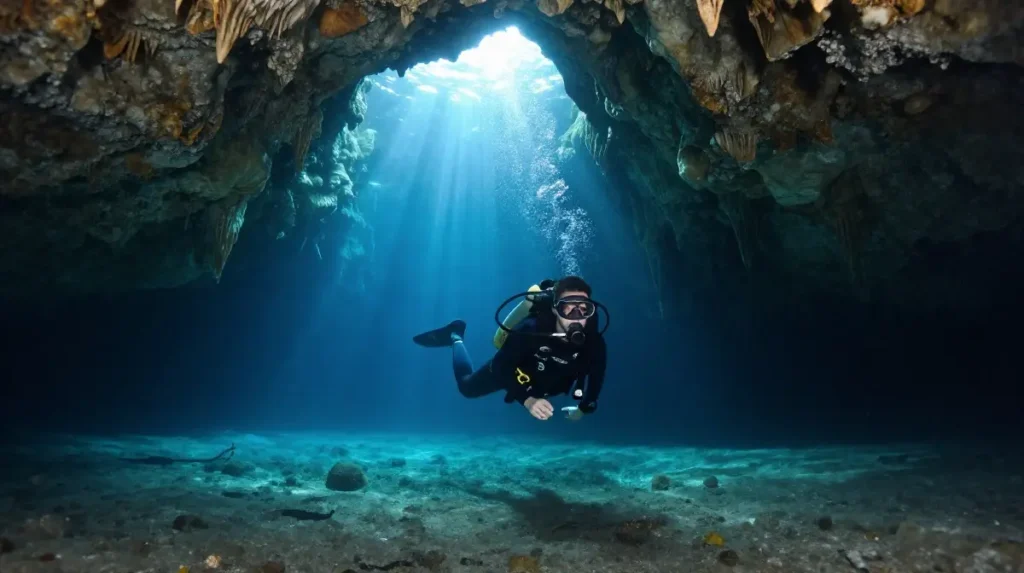
Cenote diving Mexico is one of the most surreal and visually extraordinary underwater experiences available anywhere in the world. The cenotes of the Yucatan Peninsula are flooded limestone cave systems with crystal clear freshwater, light beams entering through surface openings, and geological formations that look like science fiction. Many cenote dive sites are suitable for open water divers in their shallower cavern zones, while full cave dive sites require cave diving certification beyond standard PADI course or SSI diving certification training. The combination of cenote diving with open ocean reef diving at Cozumel makes the Yucatan region one of the best value scuba diving vacation ideas available.
Sipadan Island, Malaysia — Schooling Barracuda and Turtles
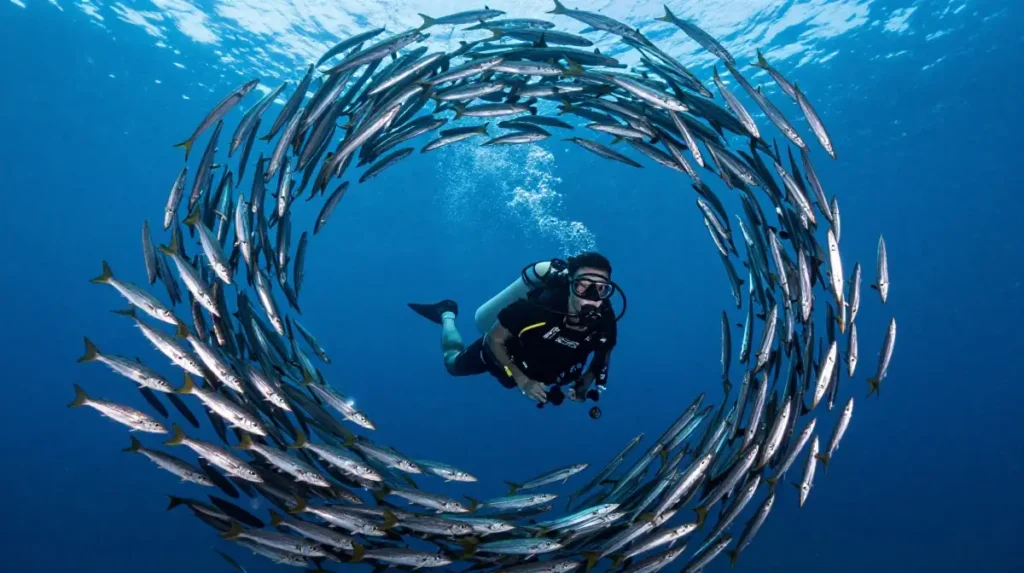
Sipadan Island Malaysia is one of Southeast Asia’s most celebrated scuba diving destinations and one of the few places in the world where diving alongside hundreds of schooling barracuda and sea turtle encounter opportunities happens as a matter of routine rather than exceptional luck. Access to Sipadan is restricted by the Malaysian government to protect the reef, with a limited number of daily dive permits available. Booking well in advance through a reputable dive center operator is essential because permits sell out months ahead during peak season.
The Blue Hole, Belize — Iconic Wall Diving
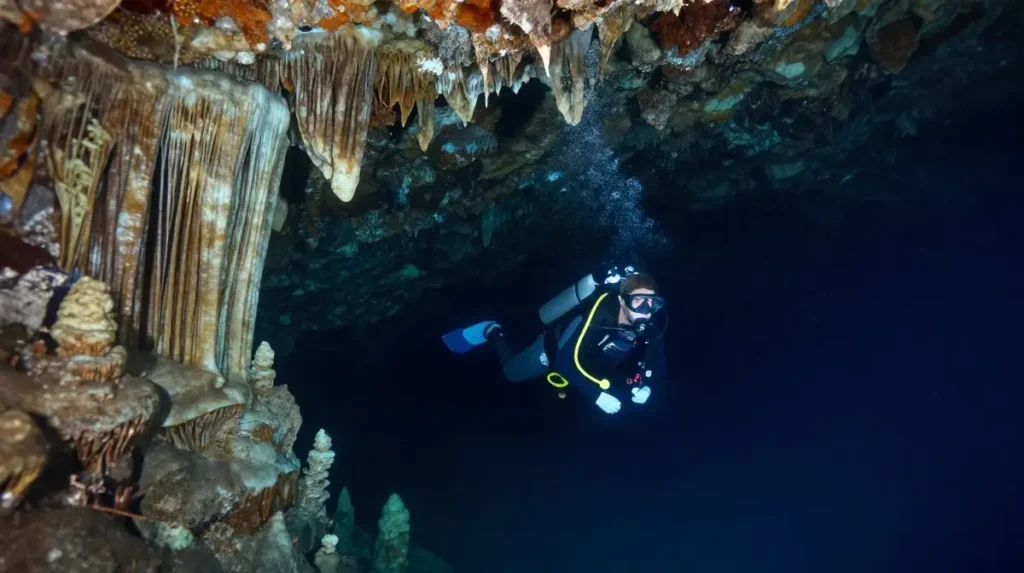
The Blue Hole Belize is one of the most visually striking scuba diving destinations in the world from both above and below the surface. The enormous circular sinkhole, part of the Belize Barrier Reef system, drops to over 120 meters and its walls are decorated with stalactite formations from when it was a dry cave system thousands of years ago. Most dive operators run the Blue Hole as a single deep dive to approximately 40 meters, making advanced open water certification the minimum requirement. Combine the Blue Hole with the shallower reef diving around Ambergris Caye for a complete Belize scuba diving trip.
Koh Tao, Thailand — Best Value Certification Destination
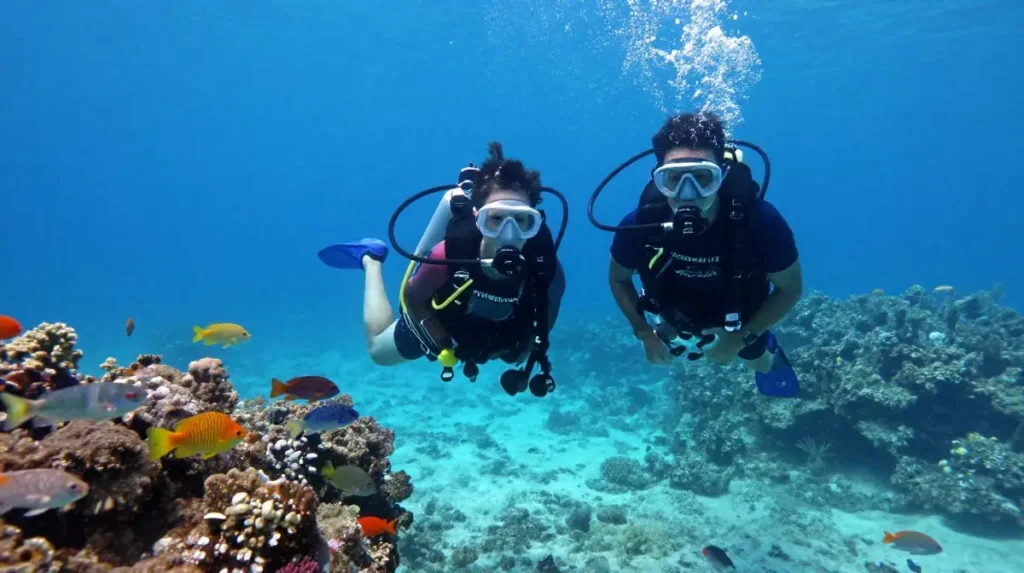
Koh Tao Thailand has become one of the world’s most popular destinations for PADI course and SSI diving certification training because the combination of calm, clear water, abundant marine life, and extremely affordable dive center operator pricing makes it genuinely one of the best value open water course locations anywhere. The island issues more open water diver certification cards per year than almost any other location on the planet. Beyond certification, the local reef diving around Chumphon Pinnacle and Southwest Pinnacle offers more experienced divers solid whale shark encounter possibilities during season and consistently colorful fish encounters year-round.
Similan Islands, Thailand — Remote Liveaboard Diving
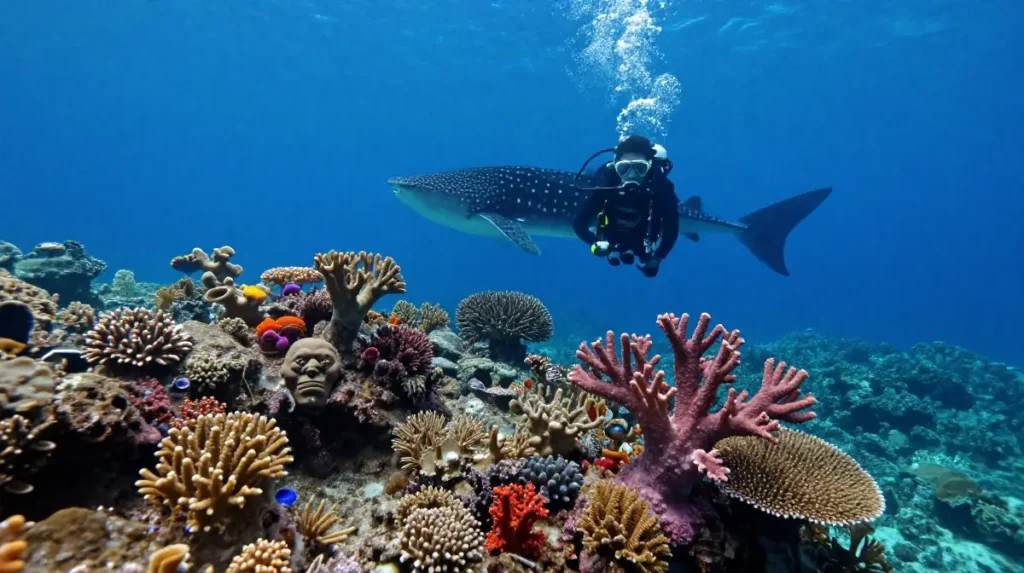
The Similan Islands Thailand are accessible only by liveaboard dive boat from Khao Lak and offer some of the best scuba diving in Southeast Asia for marine biodiversity and visibility. The islands are a national park with restricted access that protects the reef quality, which means diving conditions here remain significantly better than more heavily visited Thai dive sites. Richelieu Rock Thailand, accessible as part of most Similan liveaboard dive boat itineraries, is one of the best whale shark encounter sites in the region and a genuinely exceptional dive site for both wide-angle underwater photography and macro nudibranch marine species photography.
Galapagos Islands, Ecuador — Advanced Diving With Large Pelagics
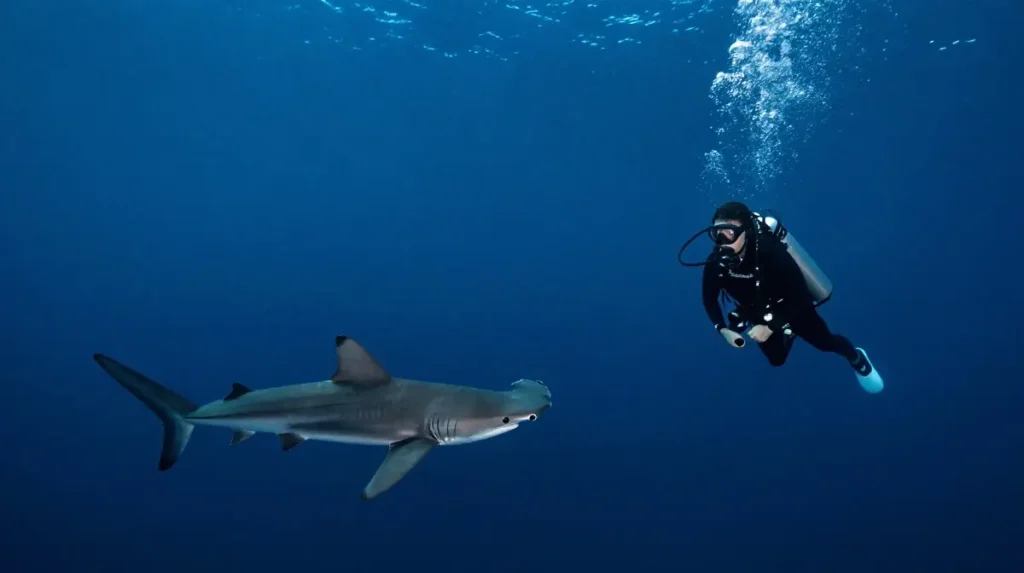
The Galapagos Islands Ecuador are one of the most extraordinary scuba diving destinations advanced divers can access, with hammerhead shark diving in schooling numbers, whale shark encounter opportunities, marine iguana encounters unique to the islands, and an otherworldly underwater landscape shaped by volcanic geology. The strong currents and cold water temperature at many Galapagos sites make it unsuitable for beginners, and most reputable dive operators require proof of advanced open water certification and logged dives before accepting booking. A liveaboard dive boat itinerary is the only way to access the most remote and productive dive sites in the archipelago.
Bonaire, Caribbean — Shore Diving Capital of the World
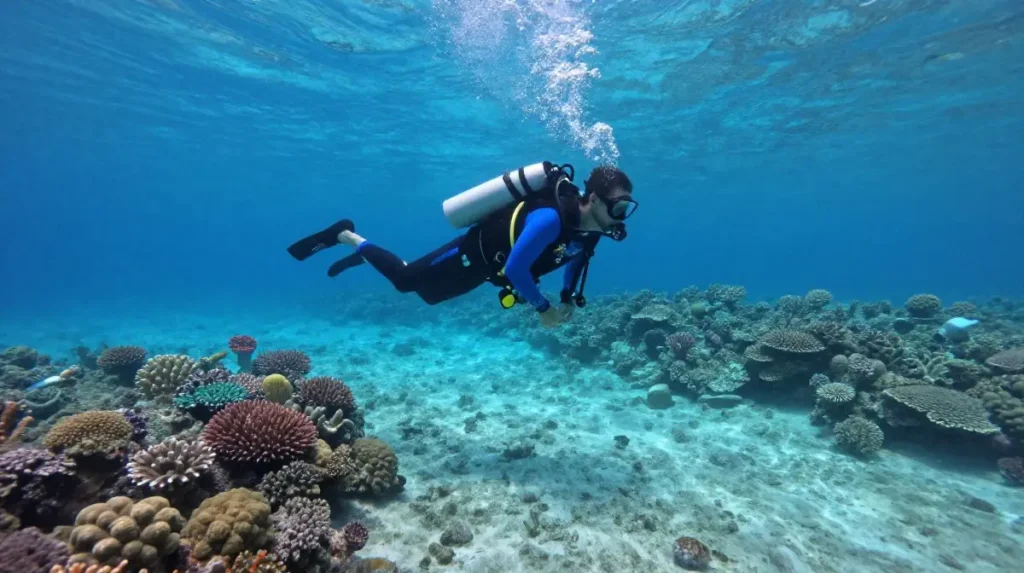
Bonaire Netherlands Antilles is one of the most unusual scuba diving destinations Caribbean because it offers exceptional shore diving directly from the beach without requiring a boat at most sites. The entire coastline is a protected marine park and the reef health is among the best remaining in the Caribbean. Bonaire suits scuba diving destinations beginners perfectly because the calm conditions, easy shore access, and shallow entry points allow new divers to build confidence while still diving genuinely healthy coral reef sites. Rent a pickup truck from your dive resort accommodation, drive along the coast, and enter the water at any marked dive site.
Tubbataha Reef, Philippines — Remote UNESCO World Heritage Diving
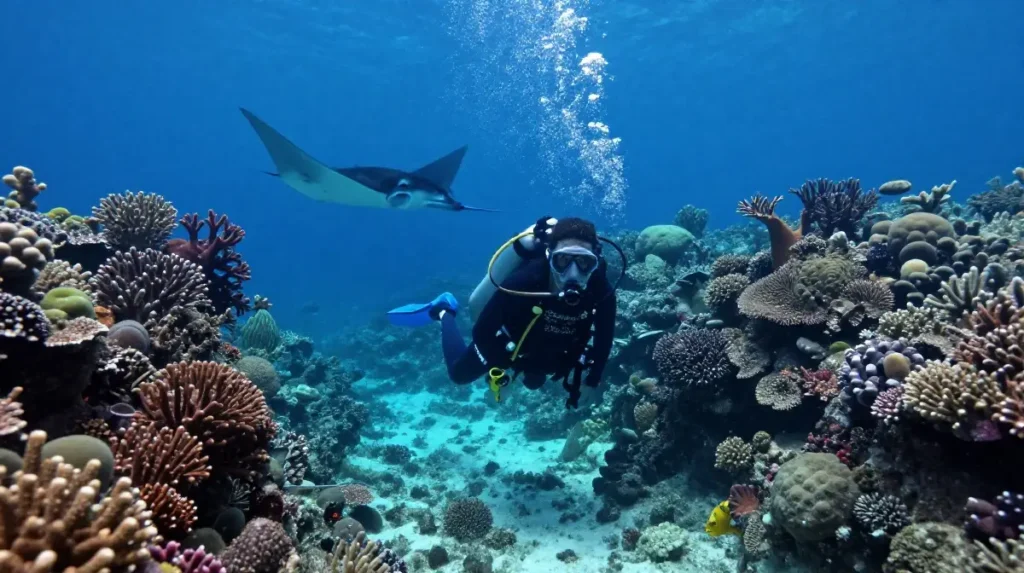
Tubbataha Reef Philippines is a UNESCO World Heritage Site accessible only by liveaboard dive boat during a limited season from March to June. The remoteness of the reef has preserved its marine biodiversity at a level rarely encountered elsewhere, with hammerhead shark diving, manta ray encounter opportunities, and coral coverage that covers virtually every surface of the reef structure. Tubbataha is one of the most consistently mentioned bucket list scuba diving destinations among experienced divers who have visited and it fully justifies the logistics and cost required to reach it.
Florida Keys, USA — Accessible American Reef Diving
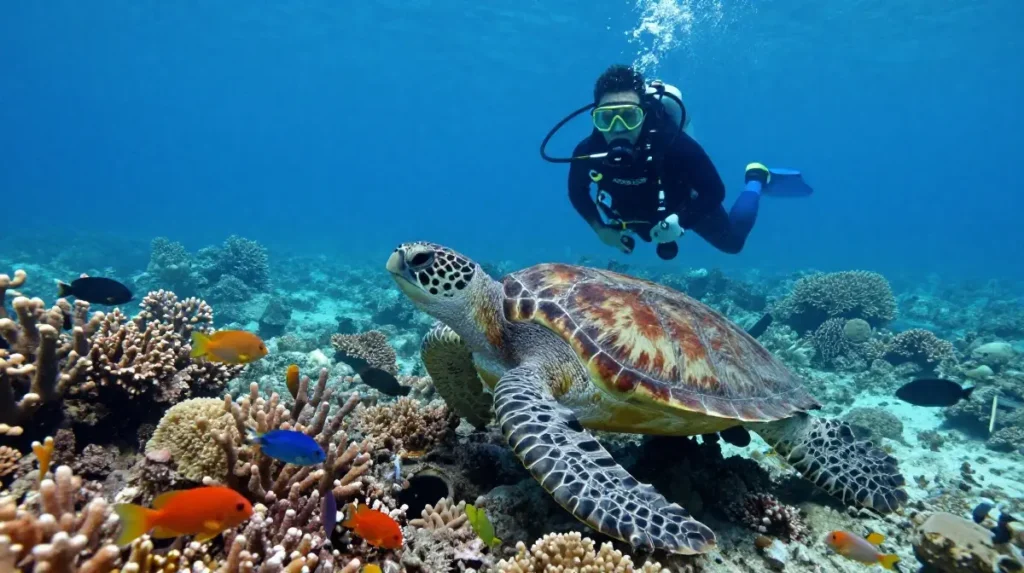
The Florida Keys USA offer some of the most accessible scuba diving in North America with a well-developed dive center operator infrastructure and a range of dive sites suitable for open water diver level graduates through to experienced divers. The John Pennekamp Coral Reef State Park contains one of the most famous underwater statues in the world, and the deeper wrecks accessible from Key West provide excellent scuba diving wreck sites for more experienced visitors. The Florida Keys suits scuba diving solo travel and scuba diving couples trip visitors equally well with its range of accommodation options and easy logistics.
Cocos Island, Costa Rica — Remote Hammerhead Shark Diving
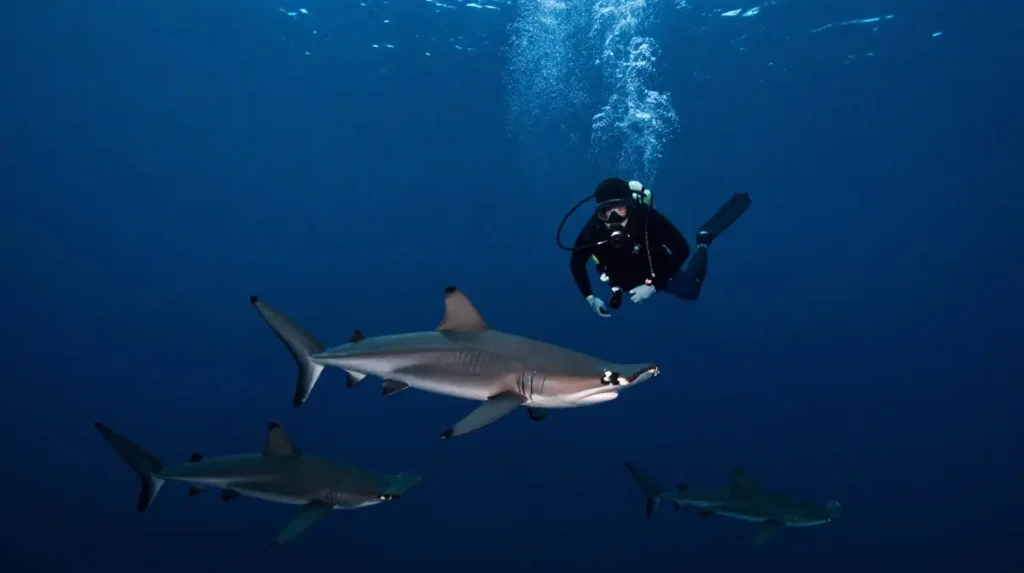
Cocos Island Costa Rica is consistently ranked among the top five scuba diving destinations worldwide for marine life encounters and is the primary inspiration for the underwater sequences in several wildlife documentaries. The island is accessible only by a 36-hour liveaboard dive boat journey from Puntarenas, and the diving involves strong currents and cold water temperature that require significant dive experience. The reward is schooling hammerhead shark diving in numbers that remain one of the most extraordinary ocean floor exploration experiences available to divers who have the experience and budget to make the trip.
Red Sea, Egypt — Wrecks and Colorful Reef Diving
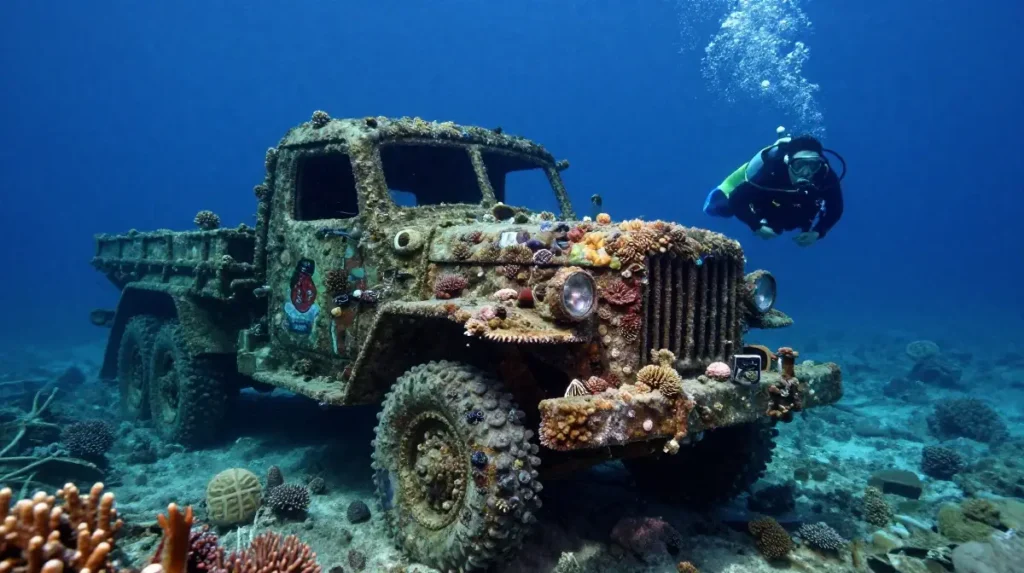
The Red Sea Egypt offers some of the best combination wreck and reef diving available anywhere in the world at prices that are genuinely accessible compared to other top scuba diving destinations. The SS Thistlegorm wreck near Sharm el-Sheikh is one of the most celebrated scuba diving wreck sites globally, while the reefs around Dahab and Ras Mohammed National Park provide excellent coral reef ecosystem diving with exceptional visibility that regularly exceeds 30 meters. Dahab is also home to one of the world’s most challenging scuba diving cave dive sites, the Blue Hole Egypt, which should be treated with serious respect regarding scuba diving safety tips and depth limits.
Fiji Islands — Soft Coral Capital of the Pacific
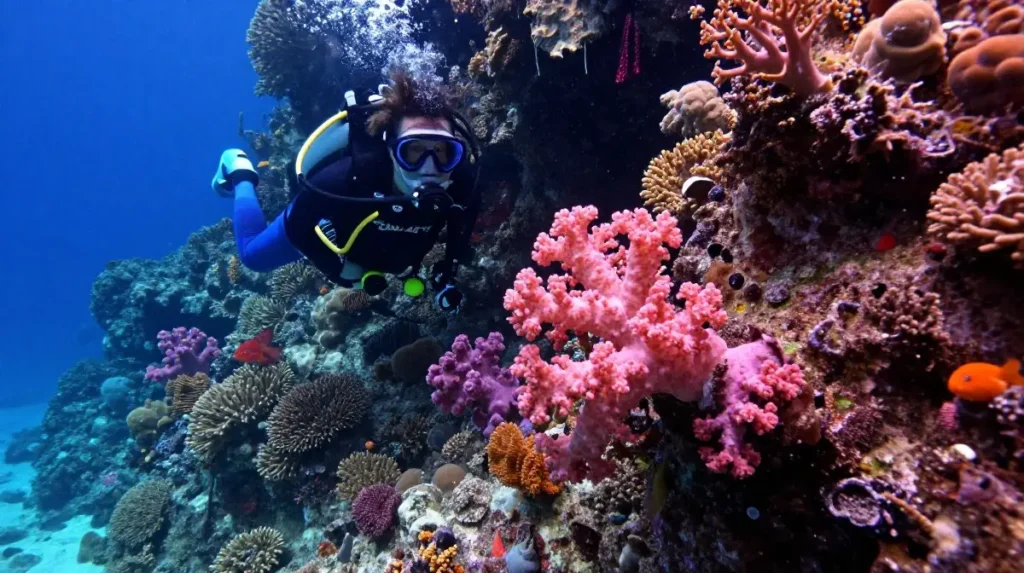
The Fiji Islands Pacific are internationally recognized as the soft coral capital of the world, with reef walls covered in extraordinary concentrations of soft coral in every color that create some of the most visually stunning underwater photography tips subject matter available anywhere. The Bligh Waters region and the Beqa Lagoon in particular offer exceptional marine biodiversity alongside organized shark diving experiences where bull sharks and other species are observed in a responsible managed diving context. Fiji suits scuba diving destinations beginners at its calmer reef sites and scuba diving destinations advanced divers at its stronger current outer wall sites.
Monterey Bay, California — Cold Water Kelp Forest Diving
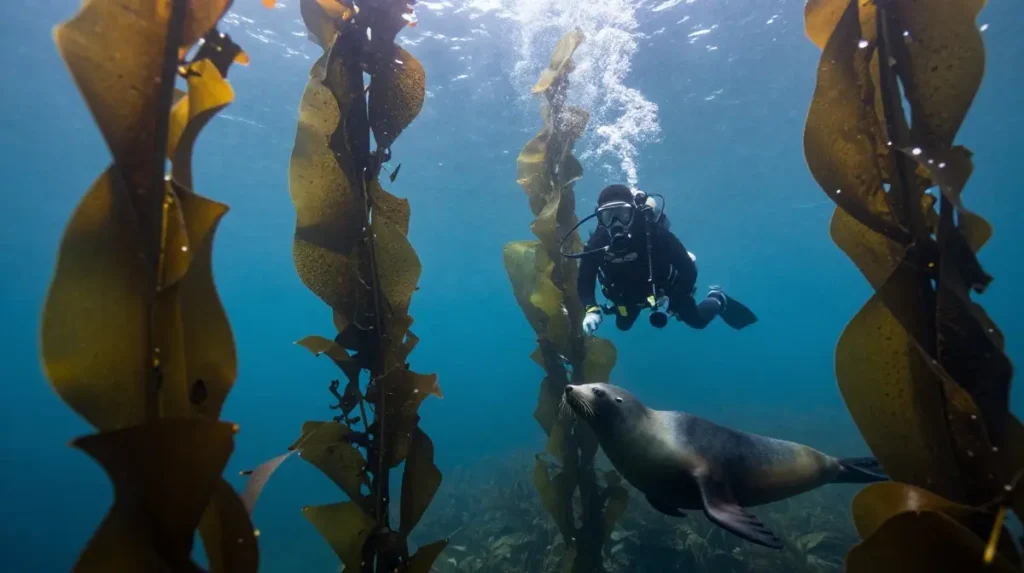
Monterey Bay California offers a completely different underwater experience from tropical reef diving, with giant kelp forest ecosystems that create cathedral-like underwater environments and marine life including sea otters, harbor seals, giant Pacific octopus, and extraordinary nudibranch marine species diversity. The cold water temperature requires a drysuit cold water setup or a thick wetsuit thermal protection, and current conditions require solid buoyancy control device skills. Monterey is one of the most respected locations for scuba diving advanced course and rescue diver certification training on the US West Coast.
Tonga, Pacific — Humpback Whale Diving
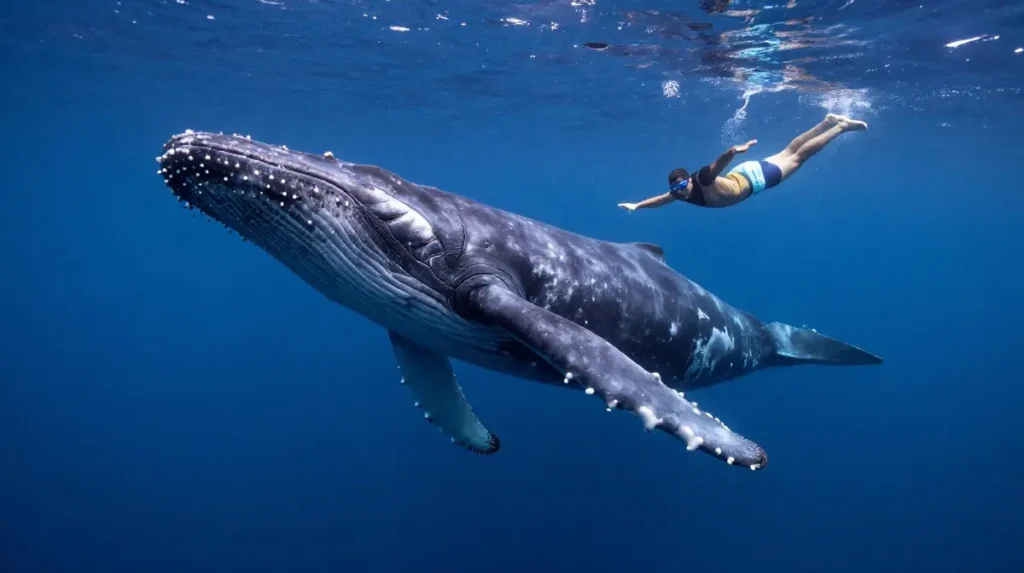
Tonga Pacific diving offers one of the rarest and most emotionally powerful ocean floor exploration experiences available to certified divers: in-water encounters with humpback whales during their annual migration through Tongan waters from July to October. Swimming, not diving, is the standard approach for whale encounters as bubbles from scuba tank equipment can disturb the whales, but many operators combine whale encounters with conventional scuba diving at the surrounding reef sites. This creates a scuba diving vacation that is unlike anything else available in any scuba diving destinations Pacific region.
Apo Island, Philippines — Marine Sanctuary Success Story
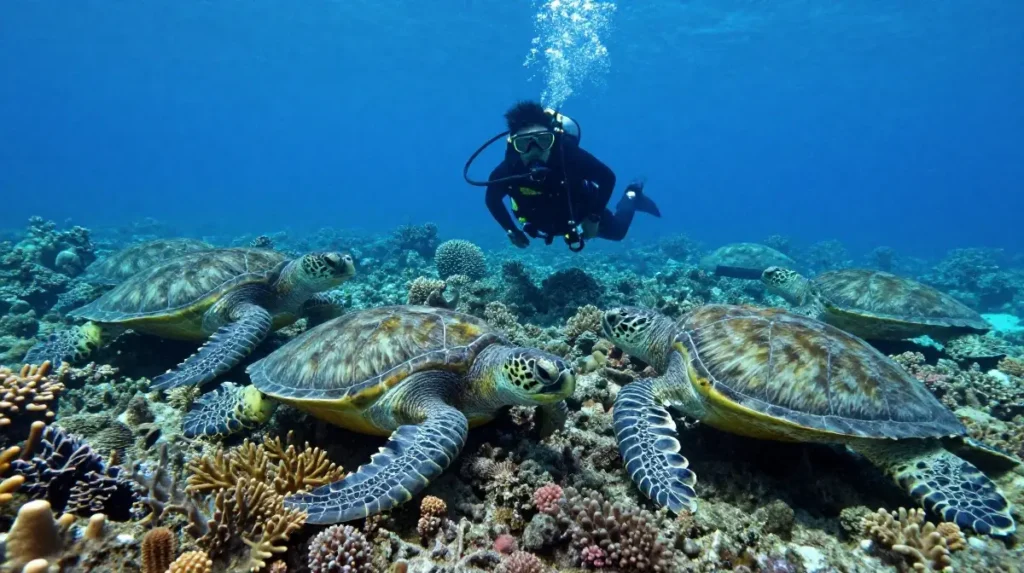
Apo Island Philippines is one of the most important success stories in marine conservation and a genuinely outstanding scuba diving destination that demonstrates what protected reef systems can achieve. The marine sanctuary established by the local community in the 1980s has restored the reef to a condition that now supports exceptional sea turtle encounter density, colorful fish populations, and healthy coral coverage. The diving is accessible to open water diver level graduates and the island’s small size and community-based tourism model creates a more personal and meaningful dive trip experience than larger commercial destinations offer.
Choosing the Right Scuba Diving Destination for Your Level
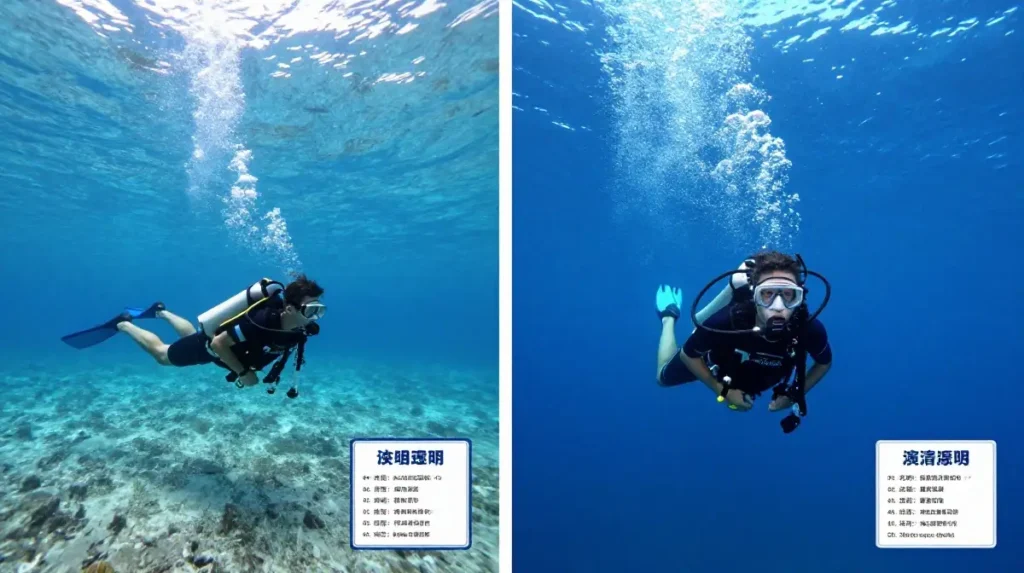
Matching your scuba diving certification level to your destination choice is the most important practical scuba diving trip planning decision you can make. Open water diver level graduates are ready for calm, clear, shallow reef sites at destinations like Bonaire, Koh Tao, Cozumel, and Apo Island. Advanced open water and rescue diver certification holders can access stronger current sites, deeper wrecks, and liveaboard dive boat itineraries at destinations like Palau, Maldives, Sipadan, and the Red Sea. Divemaster professional level and above allows access to the most demanding destinations including Galapagos, Cocos Island, and Tubbataha. Always be honest with your dive center operator about your logged dives and actual experience when booking any dive trip.
Quick Reference Table: Scuba Diving Destinations by Level, Region, and Best Feature
| Destination | Region | Cert Level | Best Feature | Best Season |
|---|---|---|---|---|
| Koh Tao Thailand | Asia Pacific | Open water | Affordable certification | Nov to Apr |
| Bonaire Caribbean | Caribbean | Open water | Shore diving access | Year round |
| Great Barrier Reef | Australia | All levels | Coral diversity | Jun to Oct |
| Maldives | Indian Ocean | Advanced | Manta ray encounters | Nov to Apr |
| Raja Ampat | Indonesia | All levels | Marine biodiversity | Oct to Apr |
| Galapagos | Pacific | Advanced | Hammerhead sharks | Jun to Nov |
| Red Sea Egypt | Middle East | All levels | Wrecks and visibility | Mar to May |
Conclusion
The world’s best scuba diving destinations share one quality that no amount of marketing language fully captures: the feeling of being somewhere that most people on the surface will never see. Every dive site on this list offers that experience in a different form, whether it is the staggering biodiversity of Raja Ampat, the ghostly halls of a Red Sea wreck, the swirling hammerheads of Galapagos, or the gentle drift through a Maldivian atoll.
The 22 scuba diving destinations in this guide cover every ocean, every experience level, and every type of underwater encounter from shallow beginner reefs to remote liveaboard expeditions. Use your current certification as your starting point, plan toward the destinations that excite you most, and let each trip add to the experience and confidence that opens up the next destination on your list.
The ocean has more to show you than any single lifetime of diving can cover. Start with what you can reach from where you are, and keep going.
You can may also like this: 22 Road Trip Snacks Ideas for Easy Travel Food
FAQs
What certification do I need to scuba dive at most destinations
An open water diver certification from PADI course, SSI diving certification, or NAUI certification body is accepted at virtually every dive center operator worldwide and qualifies you for dives to 18 meters. Advanced open water certification extends your depth range to 30 meters and opens access to a significantly wider range of dive sites at most scuba diving destinations.
What is the best scuba diving destination for beginners
Bonaire, Koh Tao Thailand, Cozumel Mexico, and the shallower sections of the Great Barrier Reef Australia are consistently ranked as the best scuba diving destinations beginners because they combine calm conditions, excellent visibility, healthy marine life, and well-developed dive center operator infrastructure at accessible price points.
When is the best time to visit most scuba diving destinations
Seasonality varies significantly by region. Tropical destinations generally offer the best visibility and calmest conditions during their dry seasons. The Red Sea Egypt is good year-round. The Maldives is best from November to April. Galapagos diving peaks from June to November. Always check the specific best seasons for your target destination before booking.
Is a liveaboard dive boat worth it
For remote destinations like Raja Ampat, Tubbataha, Cocos Island, and the outer Maldives, a liveaboard dive boat is essentially the only way to access the best dive sites and it is absolutely worth the cost. For destinations with good shore diving like Bonaire or established reef systems close to island accommodation like Cozumel, land-based diving is equally good and significantly cheaper.
What scuba diving equipment should I bring on a dive trip
Most dive center operators provide scuba tank equipment, buoyancy control device, regulator breathing equipment, and weights as part of their dive packages. Bringing your own dive mask equipment, fins swimming equipment, wetsuit thermal protection or drysuit cold water, and dive computer device ensures equipment that fits properly and performs reliably. An underwater camera housing for GoPro underwater filming is worth bringing if underwater photography tips interest you.
1 Comment