
Introduction
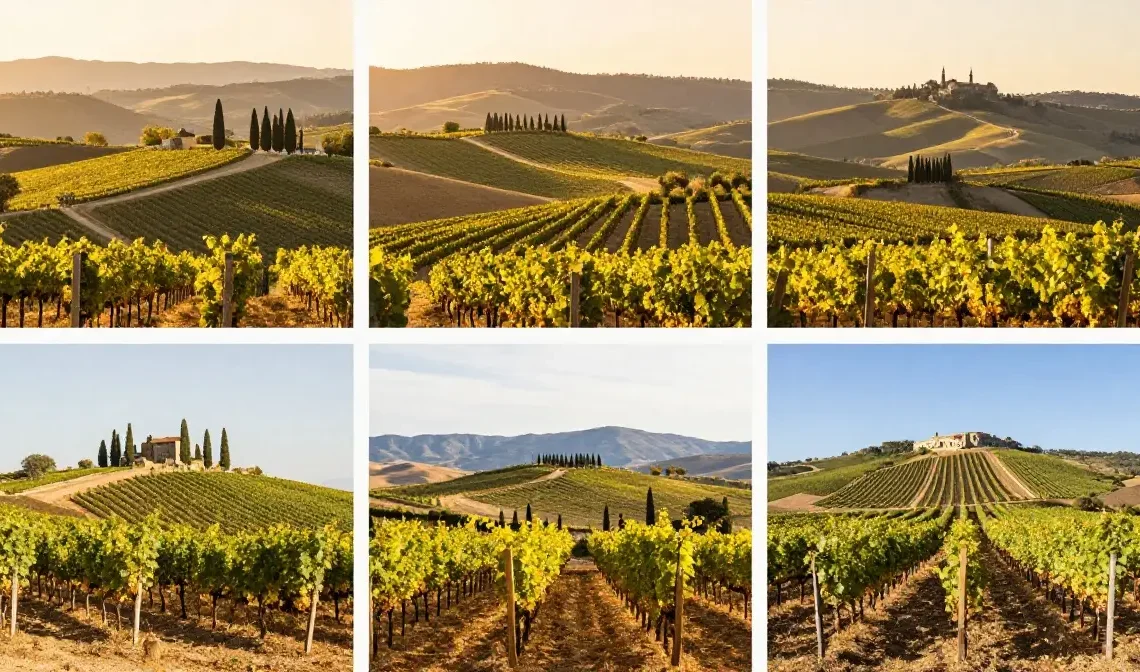
There is something genuinely special about drinking wine in the place where it was made. The glass tastes different when you can see the vineyard through the window, when the person pouring it is the same person who tended the vines, and when the food on the table was grown in the same soil as the grapes. Wine destinations offer exactly this kind of experience, a combination of landscape, culture, history, and flavor that no wine shop or restaurant can fully replicate. Whether you are a seasoned enthusiast who has already visited Bordeaux and Tuscany or someone just beginning to explore wine country travel, this guide brings together 22 of the most rewarding wine destinations in the world across every budget, travel style, and experience level. Each destination on this list offers something genuinely distinct, from the ancient cellars of Portugal to the volcanic vineyards of Greece, the sun-drenched estates of Argentina, and the boutique tasting rooms of California wine country.
Tuscany, Italy
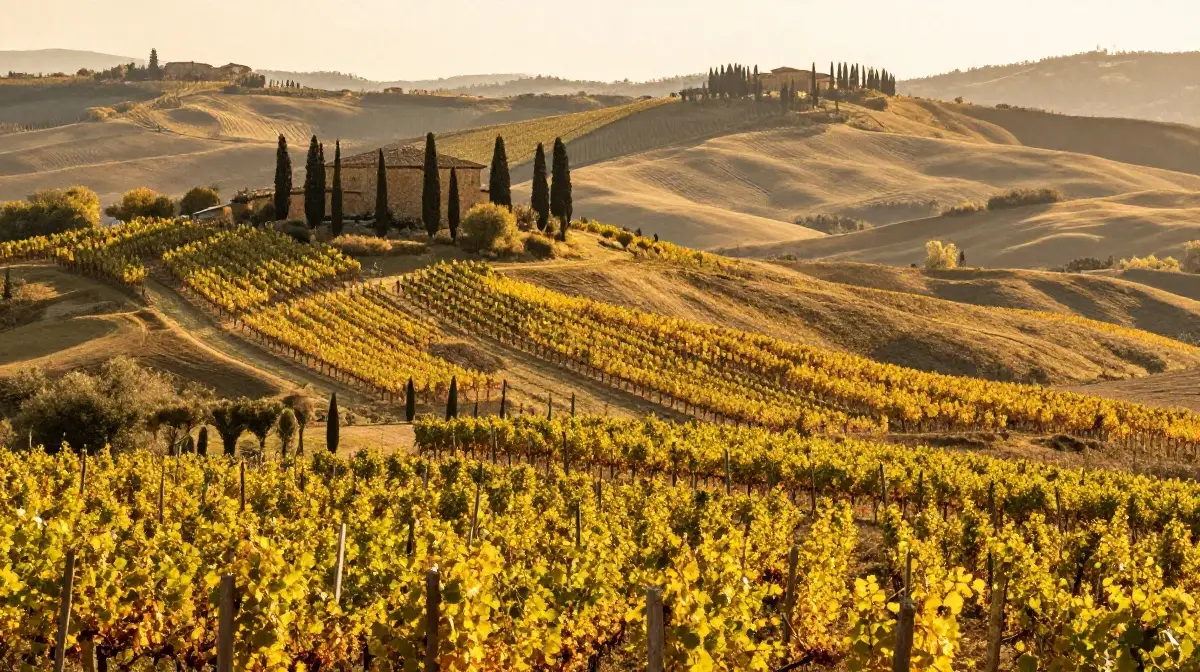
Tuscany remains one of the most beloved and consistently rewarding wine destinations in the world, and it earns that reputation with every visit. The rolling hills of Chianti, the medieval towers of Montepulciano, and the cypress-lined roads leading to centuries-old estates create a landscape that is as visually extraordinary as the wines it produces. Sangiovese-based Chianti Classico and Brunello di Montalcino are the flagship wines of the region, both expressing the terroir of central Italy with remarkable depth and complexity.
A cellar door experience at a family-run Tuscan winery, paired with local cured meats, aged Pecorino, and freshly pressed olive oil, is one of the most complete food and wine travel experiences available anywhere. The harvest season in September and October brings an additional layer of activity and beauty to an already extraordinary destination.
Bordeaux, France
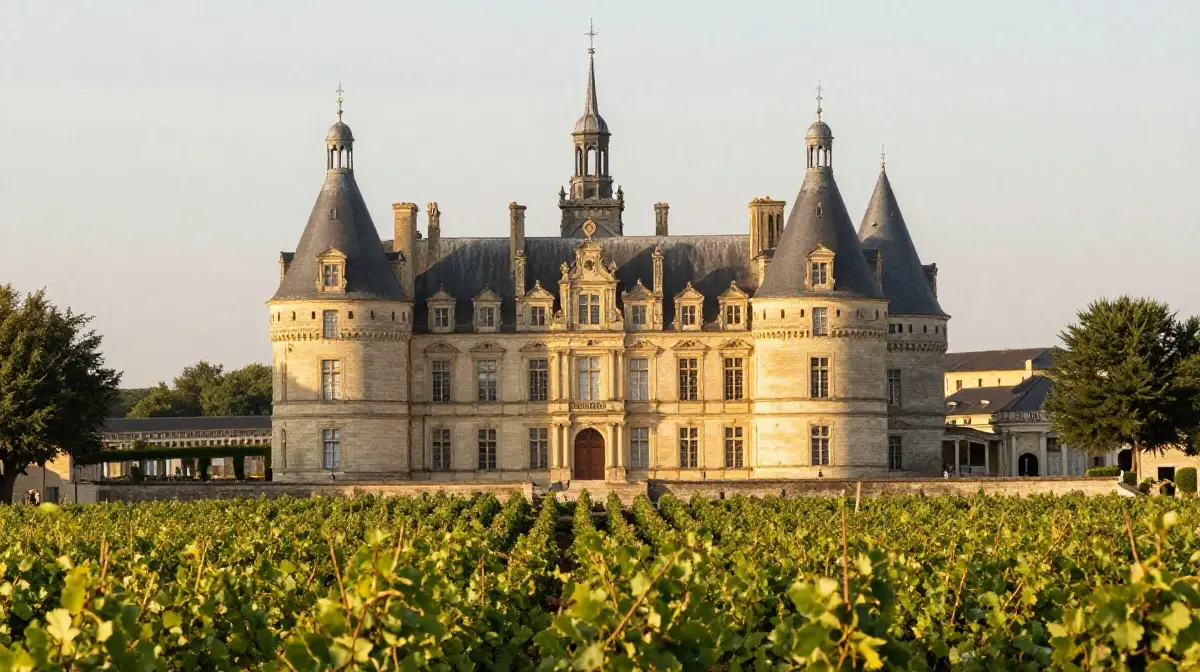
Bordeaux is arguably the most historically significant wine destination on earth, home to the AOC appellation system that shaped modern wine classification and producing some of the most celebrated Cabernet Sauvignon and Merlot blends in existence. The Left Bank estates of the Medoc, including the legendary Chateau Margaux, Chateau Latour, and Chateau Mouton Rothschild, represent the pinnacle of wine estate architecture and prestige. A day trip from the city of Bordeaux to the medieval village of Saint-Emilion, where deep-colored full-bodied red wines have been produced since before the Roman era, is one of the most rewarding single excursions available in French wine country.
The wine tourism infrastructure in Bordeaux is exceptionally well developed, with guided cellar tours, tasting flights, and sommelier-led experiences available at every budget level. This is a destination where wine education and genuine pleasure exist in perfect balance.
Napa Valley, California, USA
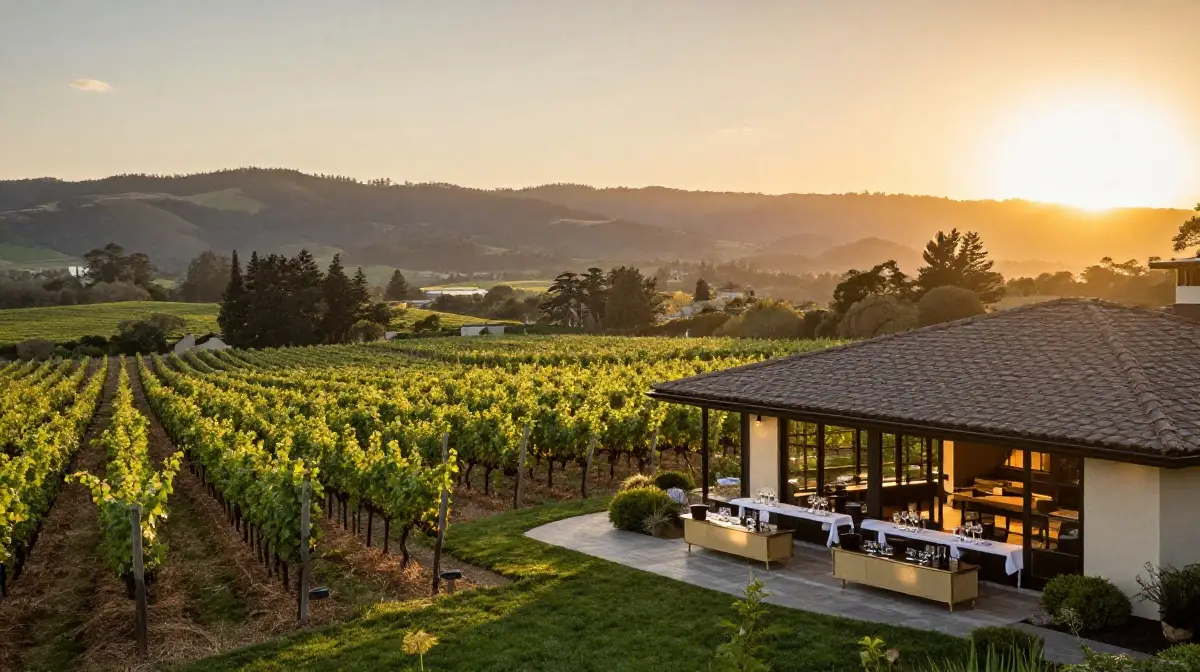
Napa Valley sits at the center of California wine country and has built a global reputation for world-class Cabernet Sauvignon that was confirmed dramatically during the famous Judgement of Paris tasting in 1976. The valley’s combination of warm days, cool nights, and diverse AVA sub-regions creates a range of wine styles that extends well beyond Cabernet into outstanding Chardonnay, Pinot Noir, and Sauvignon Blanc. The tasting room culture in Napa is sophisticated, experience-focused, and genuinely welcoming to visitors at every level of wine knowledge. Vineyard tours, barrel tastings, wine and food pairing experiences, and chateau-style estate visits are all readily available throughout the valley.
Napa Valley wine country accommodation ranges from budget-friendly inns to extraordinary luxury resorts set directly among the vines, making it one of the most accessible and complete wine destinations in North America.
Mendoza, Argentina
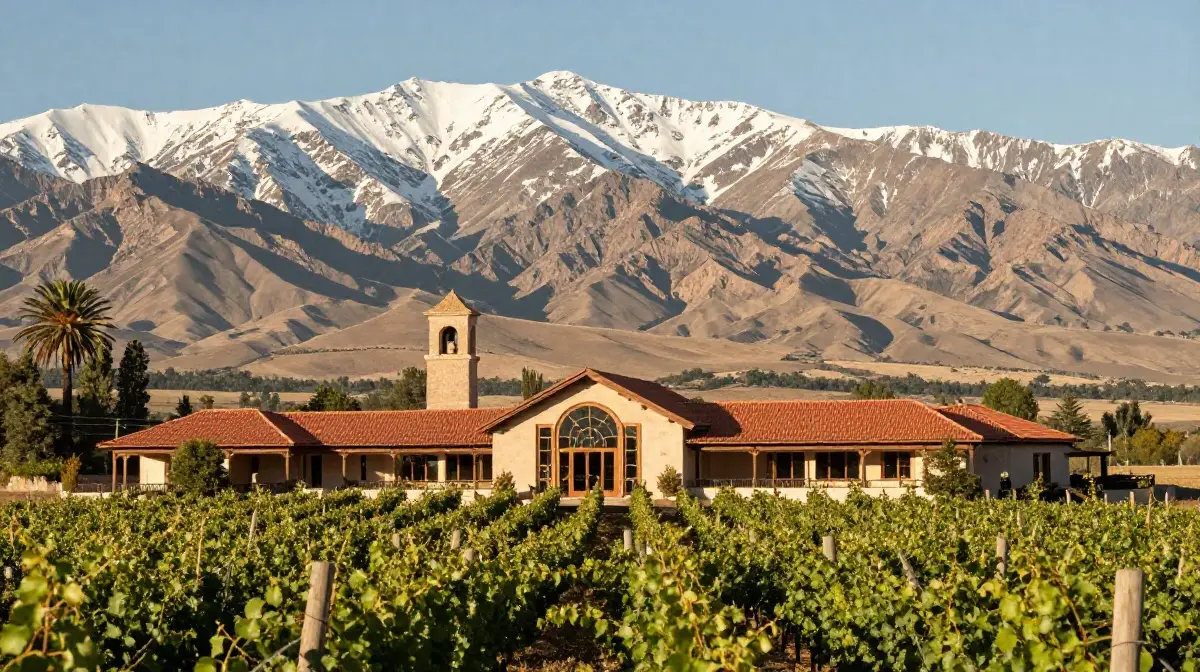
Mendoza is South America’s most celebrated wine destination and the global home of Malbec, a grape variety that found its finest expression in the high-altitude vineyards at the foot of the Andes mountains. The combination of intense sun, dramatic temperature variation between day and night, and the mineral-rich alluvial soils of the Mendoza plain produces wines of remarkable concentration and elegance. A visit to Mendoza typically includes vineyard cycling tours, asado lunches at family-run bodegas, and tasting flights that trace the relationship between altitude and wine character across the region’s different growing areas.
The dramatic backdrop of the snow-capped Andes visible above the vines creates a wine country landscape unlike any other in the world. Mendoza is also one of the most affordable wine destinations globally, offering extraordinary quality tasting experiences at a fraction of the cost of comparable European destinations.
Douro Valley, Portugal
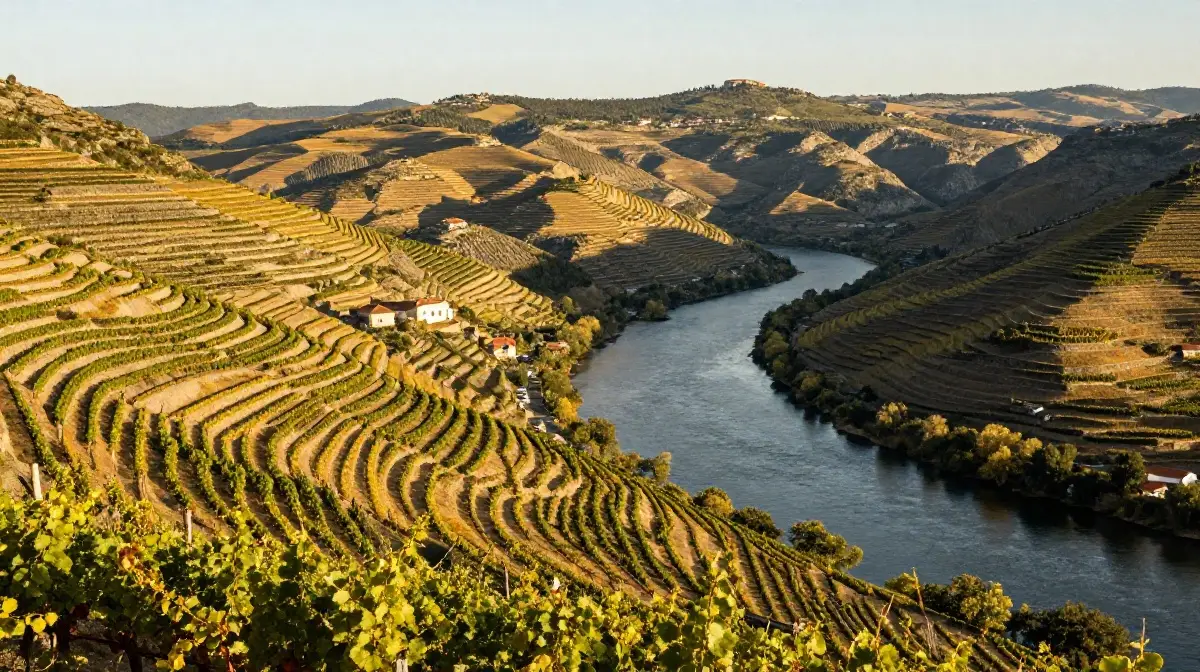
The Douro Valley in northern Portugal is one of the oldest demarcated wine regions in the world, established in 1756, and its terraced vineyards carved into steep schist hillsides above the Douro River create one of the most dramatic and visually extraordinary wine landscapes on earth. The region is best known for Port wine, the fortified wine that made the Douro famous internationally, but it also produces outstanding unfortified red and white table wines from indigenous grape varieties including Touriga Nacional and Touriga Franca.
A river cruise along the Douro is one of the most memorable ways to experience the landscape, passing ancient quintas perched above the water and stopping for cellar door tastings along the route. The Alentejo region in southern Portugal offers an equally compelling but entirely different wine experience, with vast cork oak forests, rolling plains, and bold warm-climate red wines.
Rioja, Spain
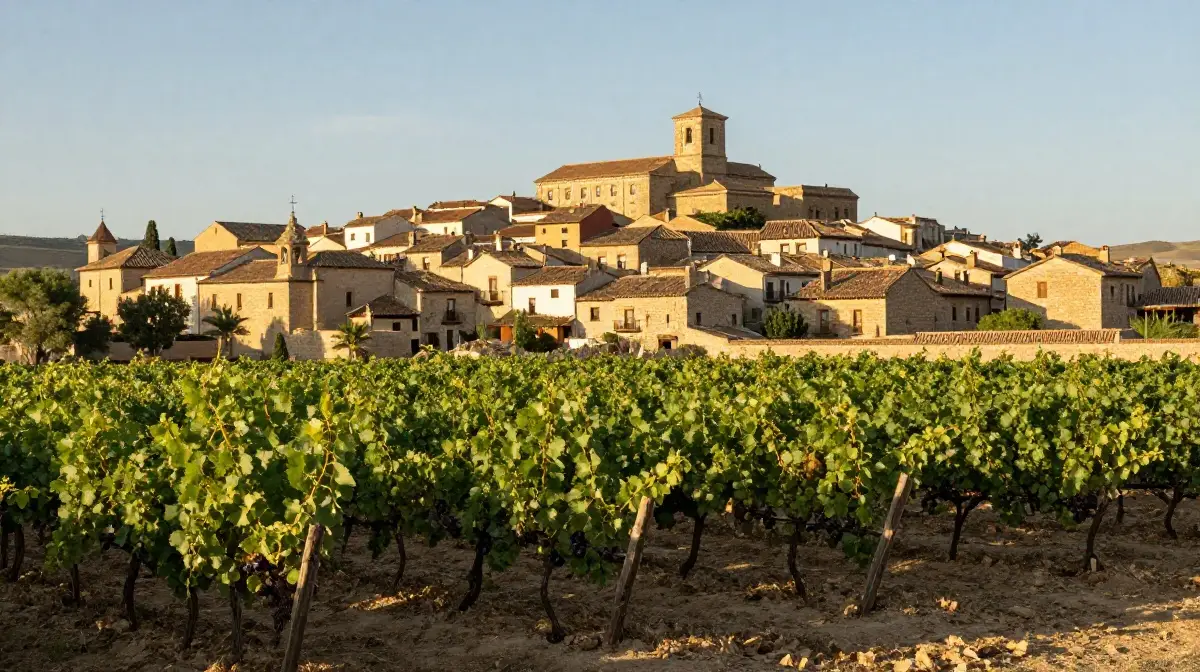
Rioja is Spain’s most internationally recognized wine destination and the heartland of Tempranillo, the grape variety that defines Spanish red wine culture at its finest. The region is divided into three distinct subzones, Rioja Alta, Rioja Alavesa, and Rioja Oriental, each producing wines with a distinct character shaped by the specific soils and climate of their particular valley position. The town of Haro in Rioja Alta is home to a remarkable concentration of historic bodegas, some of which have been producing wine continuously for over a century and offer extraordinary cellar tours through barrel rooms that stretch for hundreds of meters underground.
The wine festival culture in Rioja, including the famous Haro Wine Festival held each June, adds an additional layer of cultural richness to an already deeply rewarding wine travel destination. Spanish wine tourism is generally excellent value compared to French and Italian equivalents, making Rioja a particularly attractive option for budget-conscious wine travelers.
Champagne, France
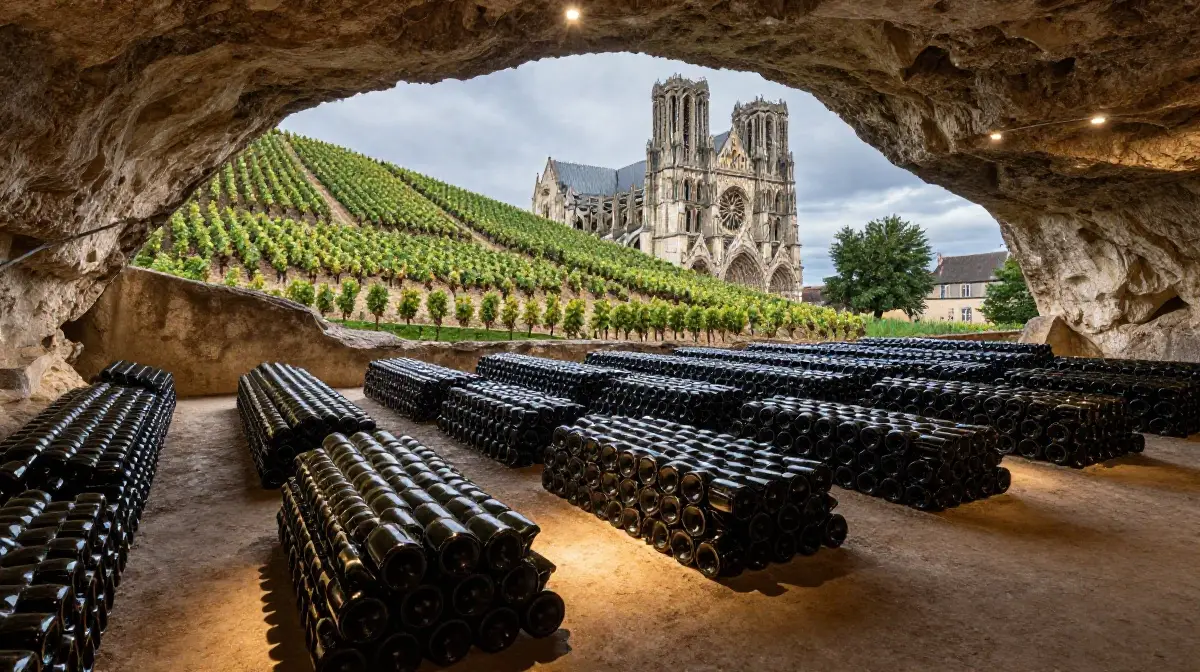
The Champagne region in northeastern France is the only place in the world where genuine Champagne can be produced, and visiting the grand houses and small grower producers of this extraordinary region is one of the most memorable wine travel experiences available anywhere. The cities of Reims and Epernay are the twin capitals of the Champagne world, both offering remarkable underground cellar tours through kilometers of chalk caves where millions of bottles age in the constant cool darkness. Visiting a small grower-producer Champagne house offers a completely different perspective from the grand luxury brands, providing an intimate and personal insight into the craft of traditional method sparkling wine production.
The vine-covered hillsides of the Champagne region, recognized as a UNESCO World Heritage landscape, are beautiful in every season and particularly striking in autumn when the leaves turn gold before the harvest. A tasting flight of vintage Champagne in a chalk cave beneath the city of Reims is genuinely among the finest wine experiences the world provides.
Barossa Valley, Australia
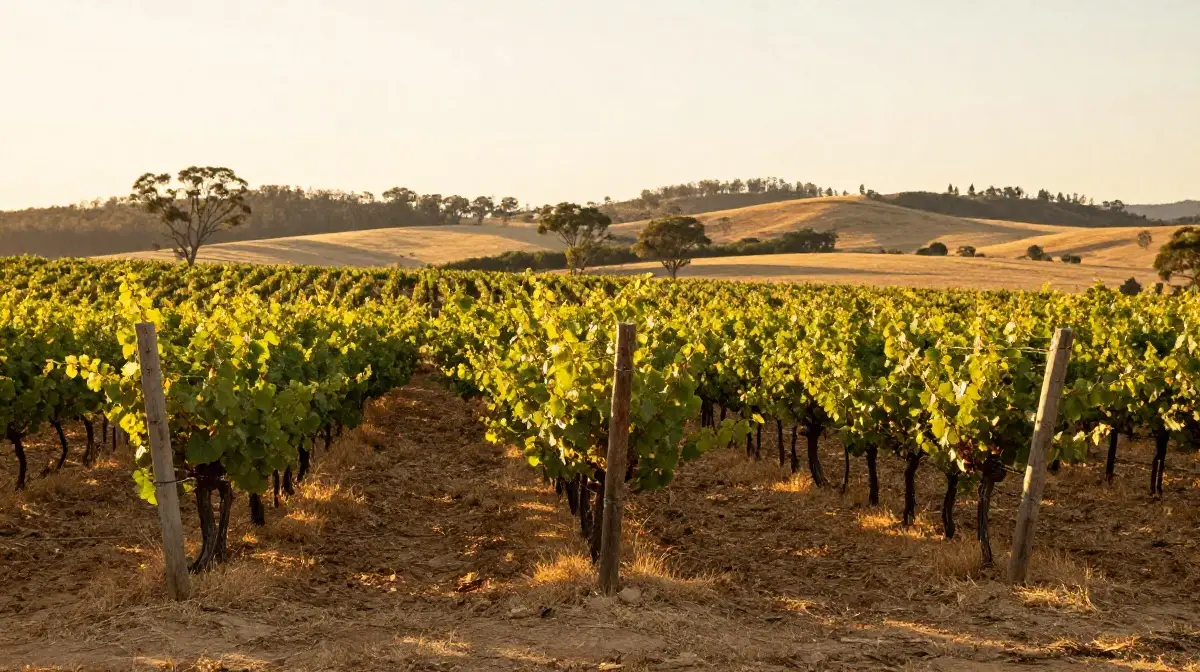
The Barossa Valley in South Australia is one of the most significant wine destinations in the Southern Hemisphere, home to some of the oldest continuously producing Shiraz vines in the world, with several estates managing vines that date back well over a century. The region’s combination of warm dry summers, cool winters, and ancient low-yielding bush vines produces Shiraz of extraordinary concentration, depth, and longevity that has built the Barossa’s global reputation over the past several decades. The tasting room culture in the Barossa is friendly, relaxed, and genuinely welcoming, reflecting the broader character of South Australian hospitality.
Local food producers, artisan cheese makers, and farm-to-table restaurants throughout the valley create a food and wine travel experience that extends well beyond the cellar door. The Barossa Valley is also within easy driving distance of the McLaren Vale wine region, which produces outstanding Grenache, Shiraz, and Mourvèdre blends from a completely different but equally compelling terroir.
Marlborough, New Zealand

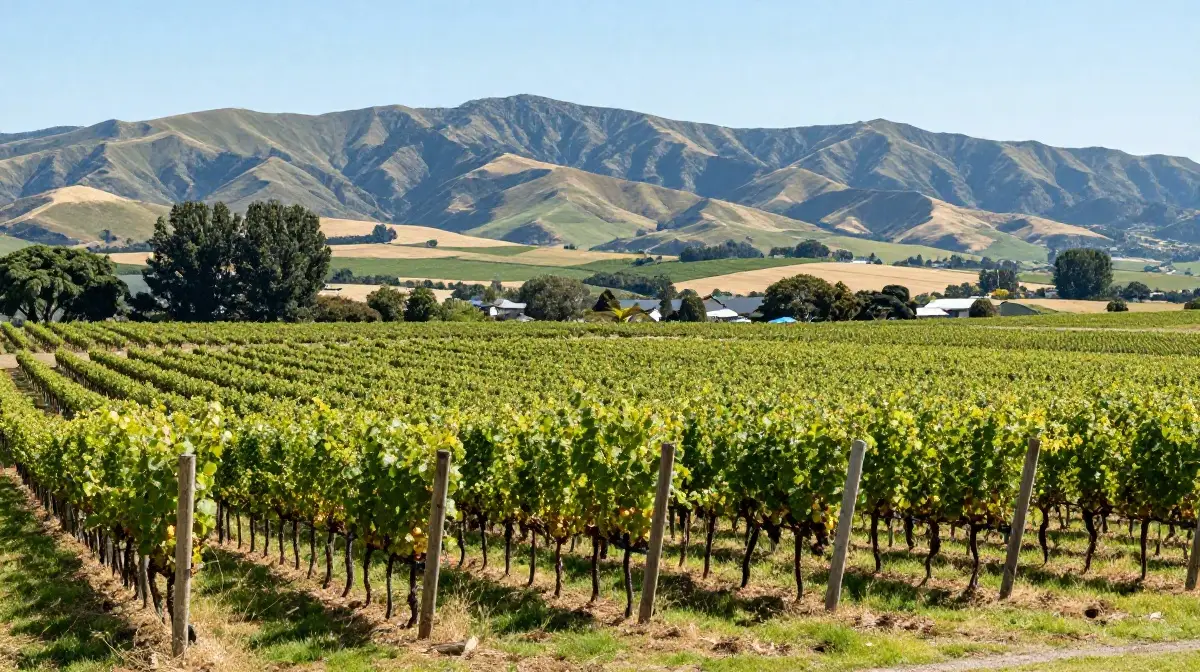
Marlborough at the northern tip of New Zealand’s South Island has established itself as the world’s benchmark region for Sauvignon Blanc, producing wines of an intensity, purity, and aromatic expressiveness that no other growing region has been able to consistently replicate. The broad Wairau Valley floor, with its free-draining stony soils and the dramatic contrast between warm sunny days and cold clear nights, creates the ideal conditions for producing the herbaceous, citrus-driven, and intensely fresh style of Sauvignon Blanc that made Marlborough internationally famous. The region is also producing increasingly impressive Pinot Noir, Pinot Gris, and Riesling from cooler hillside sites.
Visiting Marlborough also provides access to the extraordinary natural landscape of the South Island, including the Marlborough Sounds, Abel Tasman National Park, and the broader wine and adventure travel combination that makes New Zealand one of the most compelling overall destinations on this list. The cellar door culture in Marlborough is approachable, informal, and genuinely educational.
Stellenbosch, South Africa
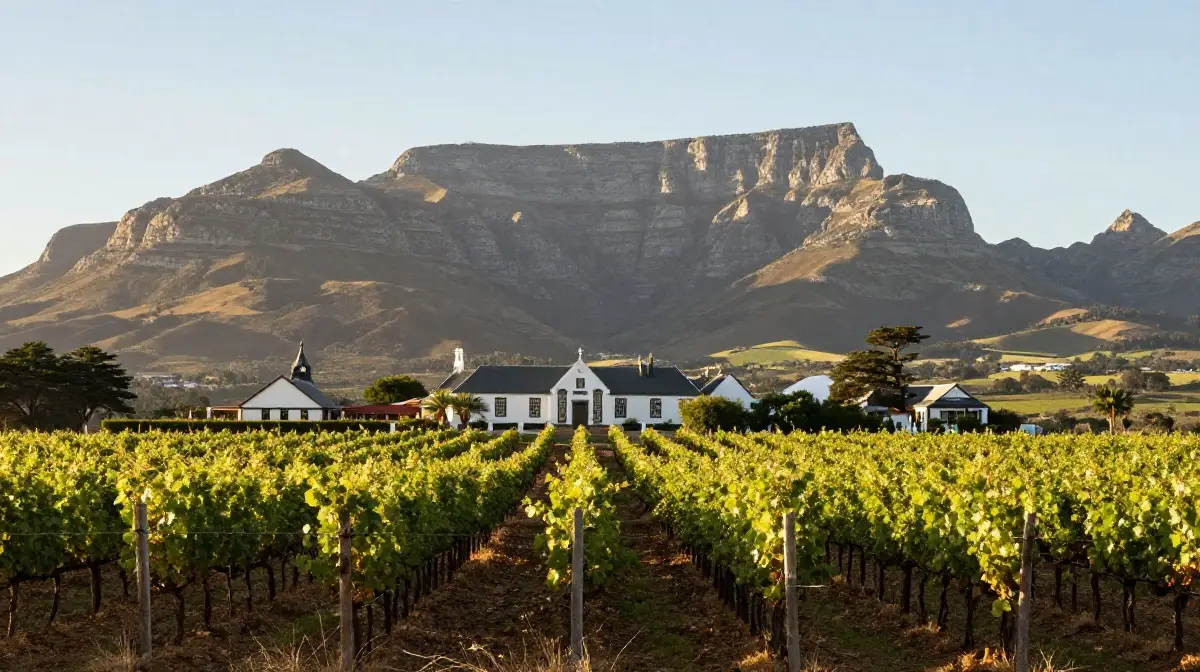
Stellenbosch in the Cape Winelands of South Africa is one of the most visually stunning wine destinations in the world, where historic Cape Dutch architecture, mountain backdrops, and some of the Southern Hemisphere’s finest wines create a travel experience of extraordinary richness. The region produces outstanding Cabernet Sauvignon, Chenin Blanc, and Pinotage, the grape variety unique to South Africa, alongside increasingly impressive expressions of Syrah, Grenache, and Cinsault from the cooler hillside sites surrounding the town. Wine tasting costs in Stellenbosch remain genuinely affordable compared to European and North American equivalents, making it one of the best value wine destinations in the world for quality-conscious travelers.
The nearby Franschhoek valley, a short drive from Stellenbosch, offers an additional layer of wine tourism richness with its Huguenot heritage, outstanding restaurants, and the famous Franschhoek Motor Museum. The Cape Winelands as a whole represent one of the most complete wine tourism regions available to the international traveler.
Burgundy, France
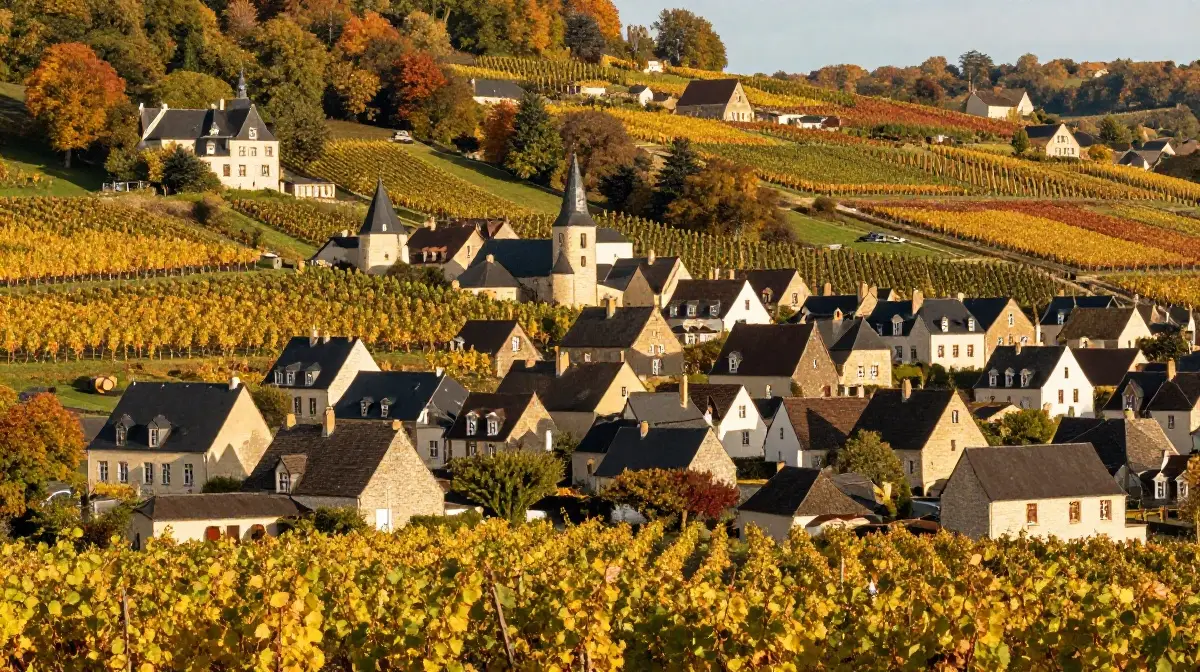
Burgundy occupies a place in the wine world that is entirely its own, producing Pinot Noir and Chardonnay wines from a patchwork of precisely defined vineyard parcels called climat that have been farmed and studied for over a thousand years. The DOC and AOC classification system of Burgundy, recognized as a UNESCO World Heritage landscape along with the famous Hospices de Beaune, represents the most detailed and historically documented relationship between specific plots of land and the wines they produce that exists anywhere in the world. Visiting the villages of the Cote d’Or, including Gevrey-Chambertin, Nuits-Saint-Georges, Meursault, and Puligny-Montrachet, provides a wine education that no classroom or book can replicate.
Small family domaine visits in Burgundy are among the most intimate and genuinely memorable cellar door experiences available in France. The autumn harvest season in Burgundy, when the Pinot Noir leaves turn gold and the cellars fill with the smell of fermenting grape juice, is one of the most beautiful and evocative travel experiences in European wine country.
Colchagua Valley, Chile
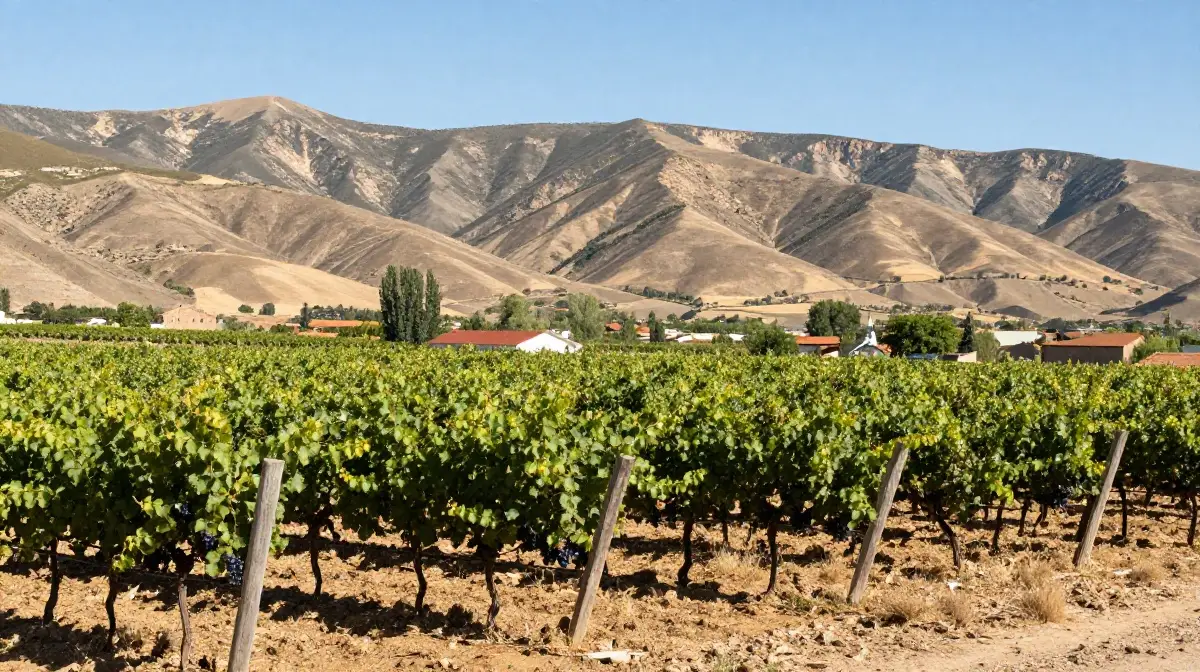
The Colchagua Valley in central Chile is South America’s most exciting red wine destination outside of Mendoza, producing outstanding Cabernet Sauvignon, Carmenere, and Syrah from a warm Mediterranean climate moderated by Pacific Ocean influence and the cooling effect of the nearby Andes foothills. The valley sits approximately 80 miles south of Santiago, making it an accessible day trip or weekend destination from the Chilean capital. Several of Chile’s most prestigious and internationally recognized estates are located in Colchagua, including producers whose wines regularly appear on the world’s most respected wine lists.
The valley’s wine tourism infrastructure has developed significantly in recent years, with modern tasting rooms, winery restaurants, and guided tour experiences now available at multiple price points. Colchagua also hosts an annual wine harvest festival each March that draws wine enthusiasts from across South America and internationally.
Provence, France
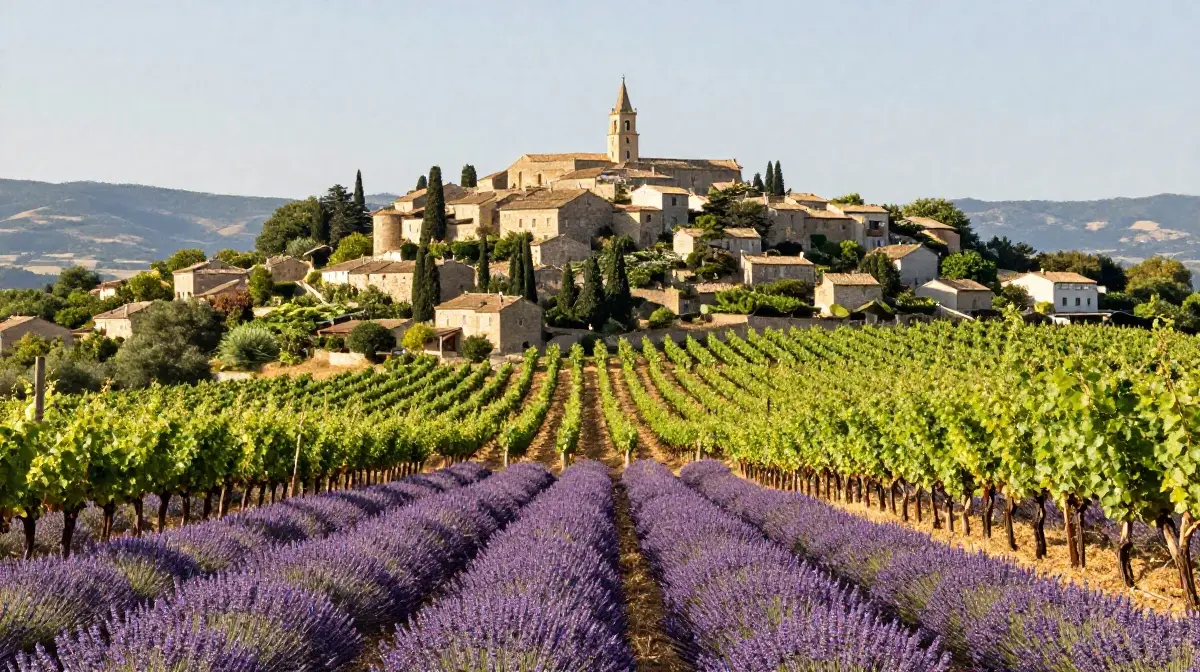
Provence is the home of the world’s most celebrated and widely imitated rosé wines, producing pale, dry, and elegantly structured rosé from Grenache, Syrah, and Mourvèdre blends across a landscape of extraordinary natural beauty. The combination of lavender fields, ancient hilltop villages, Roman ruins, and sun-drenched limestone vineyards creates a wine travel experience that engages every sense simultaneously. The appellations of Cotes de Provence, Bandol, and Les Baux de Provence each produce wines with a distinct character shaped by the specific microclimate and soils of their particular location within the broader regional landscape.
Visiting the wine estates of Provence during the summer months provides the added pleasure of the surrounding Provencal landscape at its most spectacular, with wildflowers, cicadas, and the scent of herbs contributing to an experience that is deeply atmospheric. The food and wine pairing culture of Provence, built around local olives, tomatoes, anchovies, and herbs, is among the most naturally expressive and satisfying in all of France.
Willamette Valley, Oregon, USA
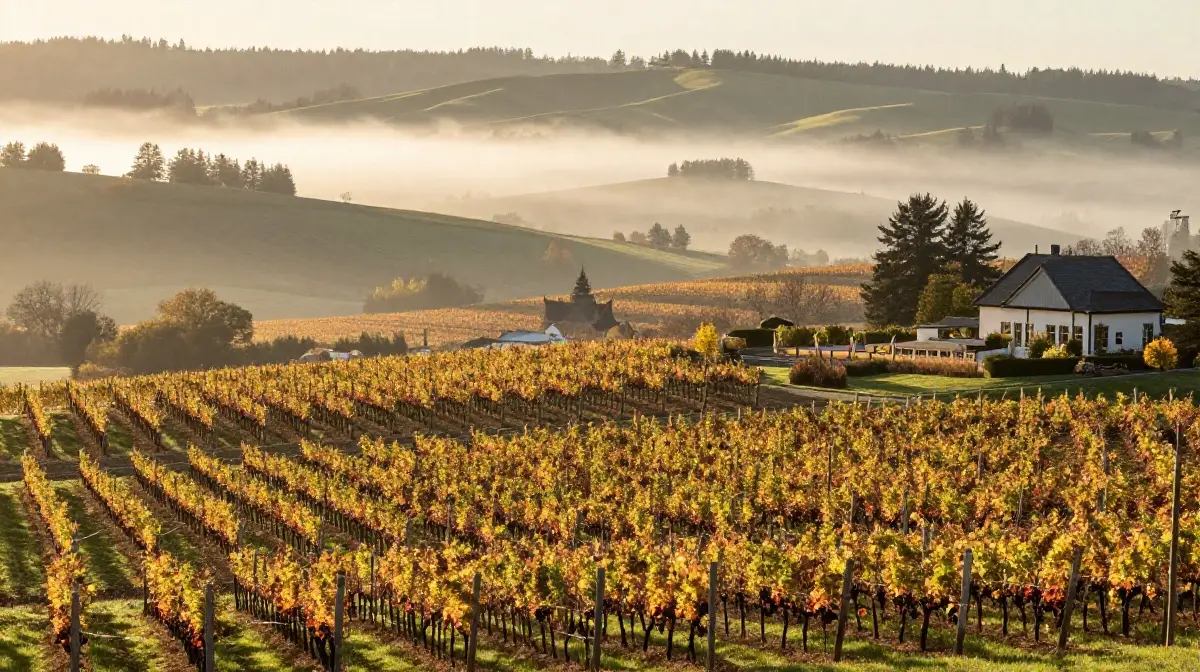
The Willamette Valley in Oregon has established itself as America’s most important Pinot Noir destination, producing wines of remarkable elegance, complexity, and site-specific character that have drawn comparisons to the great Burgundies of France. The valley’s cool maritime climate, moderated by the Pacific Ocean and the Coast Range mountains, creates ideal conditions for slow-ripening varieties that develop aromatic complexity and natural acidity without requiring excessive alcohol. The wine tourism culture in the Willamette Valley reflects the broader character of the Pacific Northwest, combining genuine warmth and informality with a deep commitment to craft, sustainability, and organic and biodynamic winemaking practices.
The city of Portland, located just an hour north of the main wine growing areas, provides an outstanding urban base for exploring the valley’s tasting rooms and estate wineries. Harvest season in the Willamette Valley, typically occurring in October, is a particularly magical time to visit when the vineyards are at their most visually dramatic and the wineries are buzzing with activity.
Piedmont, Italy
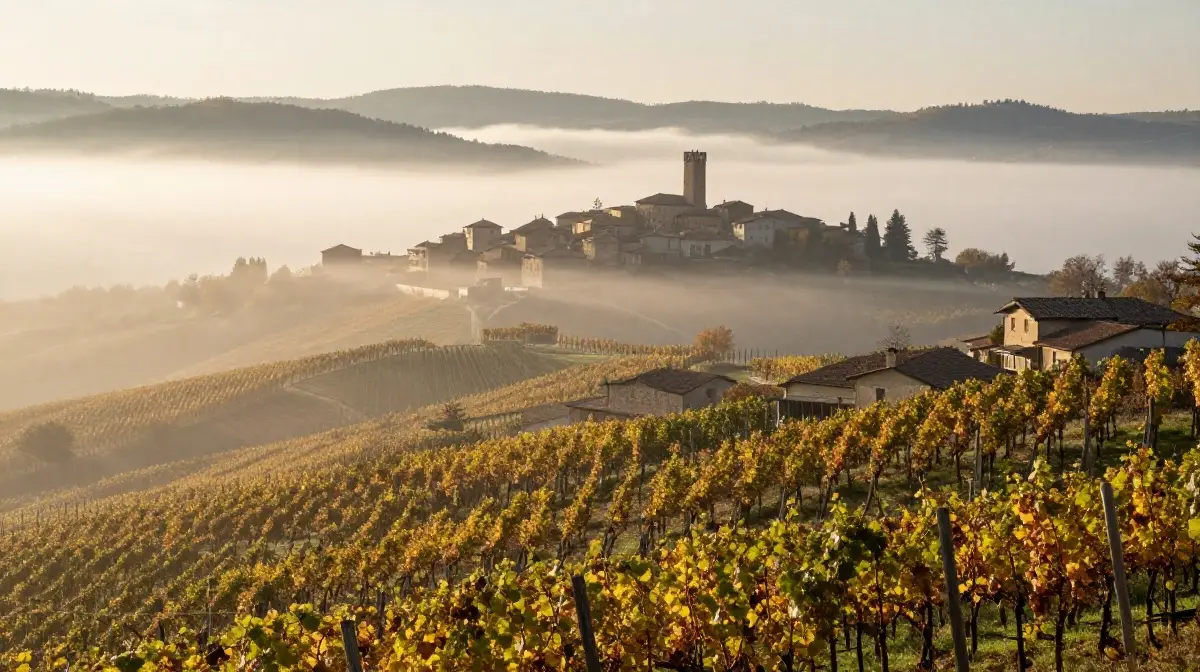
Piedmont in northwestern Italy is home to Barolo and Barbaresco, the two most prestigious and age-worthy red wines produced from the Nebbiolo grape, and visiting the Langhe hills where these wines are made is one of the most profound wine travel experiences available in Italy. The medieval town of Alba serves as the ideal base for exploring the vineyards of the Barolo and Barbaresco DOCG zones, with the harvest season in October coinciding with the famous Alba White Truffle Fair that draws food and wine travelers from around the world. The combination of Barolo, Barbaresco, Barbera, Dolcetto, and the extraordinary white Gavi wines produced from Cortese grapes makes Piedmont one of the most diverse and rewarding wine regions in Italy.
The fog that fills the Langhe valleys in autumn, with vineyard rows emerging from the mist above the valley floor, creates one of the most atmospheric and memorable wine landscape experiences in all of Europe. Piedmont also produces the beloved Moscato d’Asti and Asti Spumante sparkling wines that offer a completely different but equally pleasurable side of the regional wine character.
Santorini, Greece
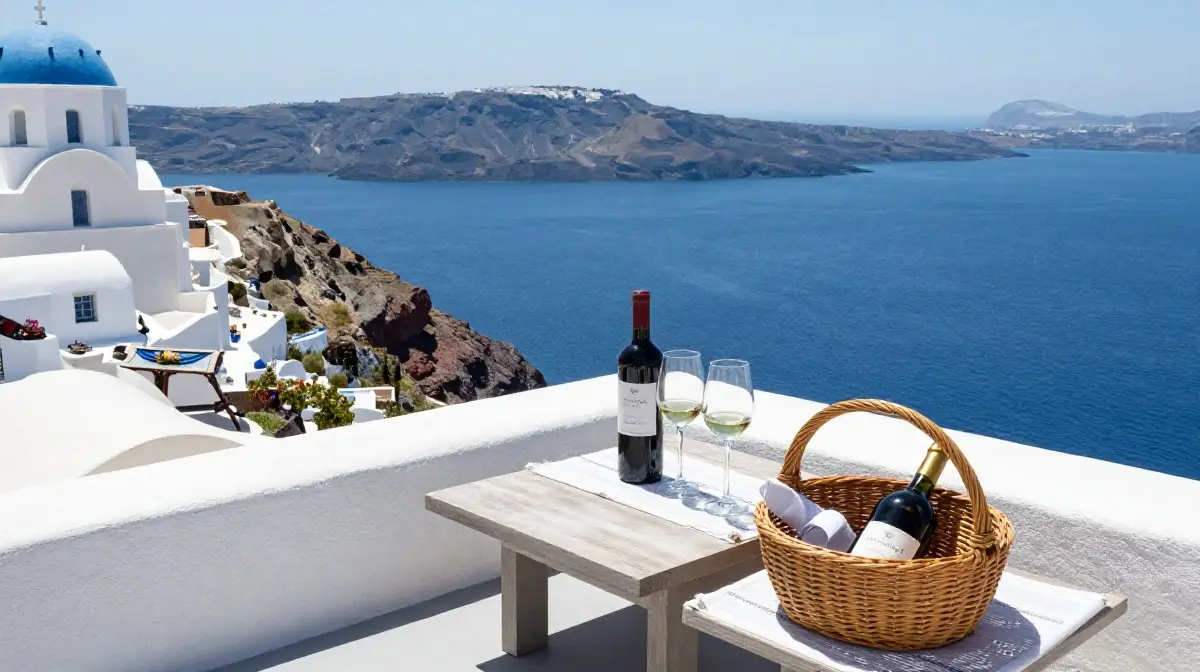
Santorini is one of the most visually dramatic and geologically unique wine destinations in the world, where ancient Assyrtiko vines trained in the traditional basket shape called kouloura grow in volcanic pumice soil that has been cultivated for wine production for over three thousand years. The white wines produced from Assyrtiko on Santorini have a mineral intensity, saline freshness, and citrus-driven complexity that is completely unlike any other white wine in the world, a direct expression of the volcanic terroir and the island’s extraordinary sun-drenched growing conditions. The small number of serious wine producers on the island, including Santo Wines and Estate Argyros, offer tasting experiences with views across the caldera that are genuinely among the most spectacular settings for wine tasting anywhere on earth.
Vinsanto, the rare and extraordinarily complex sweet wine made from sun-dried Assyrtiko and Athiri grapes, is one of the great hidden treasures of Greek wine culture. A visit to Santorini for wine alone is entirely justified.
Okanagan Valley, Canada
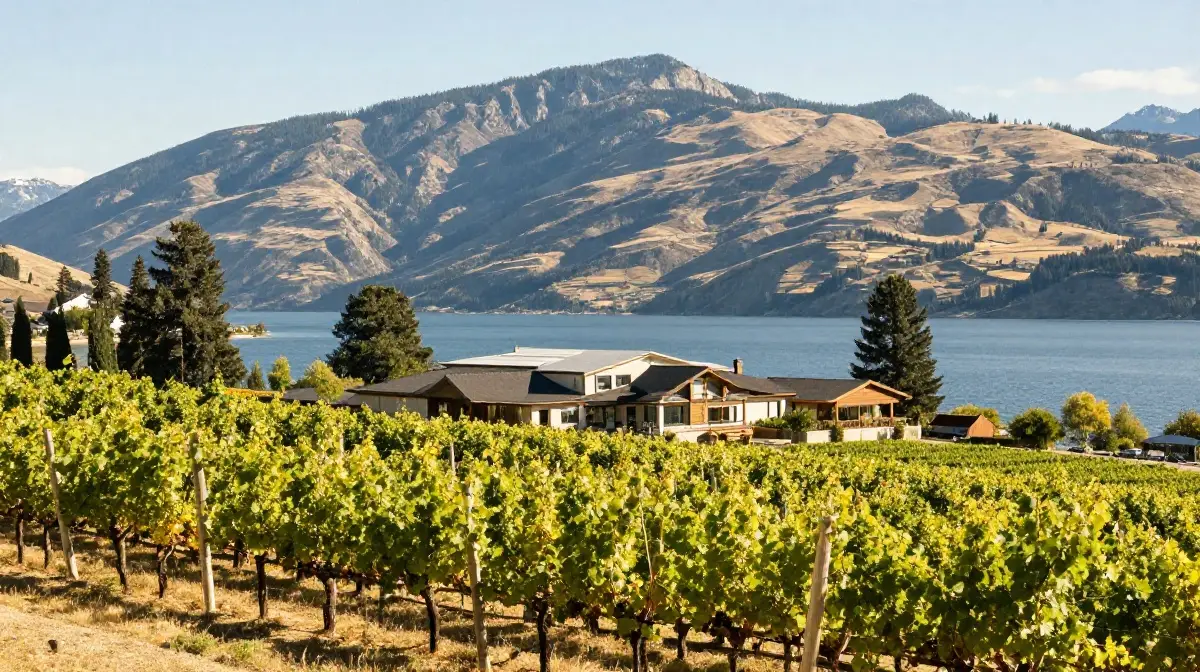
The Okanagan Valley in British Columbia is Canada’s most exciting and rapidly developing wine destination, producing outstanding Pinot Gris, Riesling, Chardonnay, Pinot Noir, Merlot, and Cabernet Franc from a diverse landscape that stretches from the semi-arid north to the warmer south. The valley’s dramatic scenery, combining mountain ranges, glacial lakes, and orchard-covered hillsides, creates a wine tourism landscape of extraordinary visual richness that attracts visitors for the natural beauty as much as the wines themselves. The city of Kelowna serves as the main hub for Okanagan wine tourism, with dozens of estate wineries concentrated on the nearby benchlands and lakeside slopes.
The ice wine produced in the Okanagan during the deep winter months, made from naturally frozen grapes harvested at temperatures well below freezing, is one of the most distinctive and celebrated specialty wine styles produced in Canada. Okanagan Valley wine tourism represents exceptional value compared to comparable destinations in the United States and Europe.
Mosel Valley, Germany
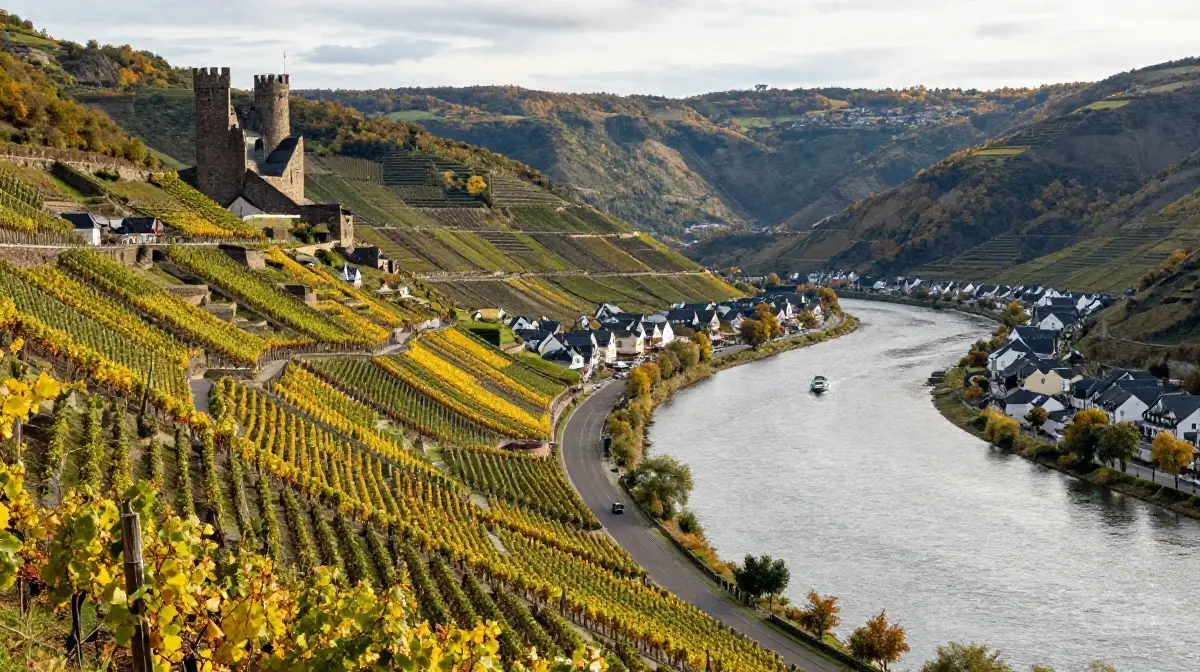
The Mosel Valley in western Germany is one of the most ancient and scenically spectacular wine destinations in the world, where Riesling vines cling to near-vertical slate slopes above the winding river in some of the steepest vineyard terrain found anywhere on earth. The wines produced from these ancient Riesling vines range from bone-dry Grosses Gewachs expressions of breathtaking precision and mineral depth to lusciously sweet Auslese, Beerenauslese, and Trockenbeerenauslese wines that represent some of the greatest sweet wines ever produced. The small wine villages of Bernkastel, Piesport, Zeltingen, and Wehlen are among the most charming and historically preserved in all of European wine country, offering cellar door experiences that feel genuinely removed from the modern world.
A river cruise along the Mosel during the autumn harvest season, passing castle ruins, vineyard slopes, and half-timbered wine villages, is one of the great wine tourism experiences of northern Europe. German wine tourism remains significantly underrated and undervisited relative to the extraordinary quality of the wines produced here.
Valle de Guadalupe, Mexico
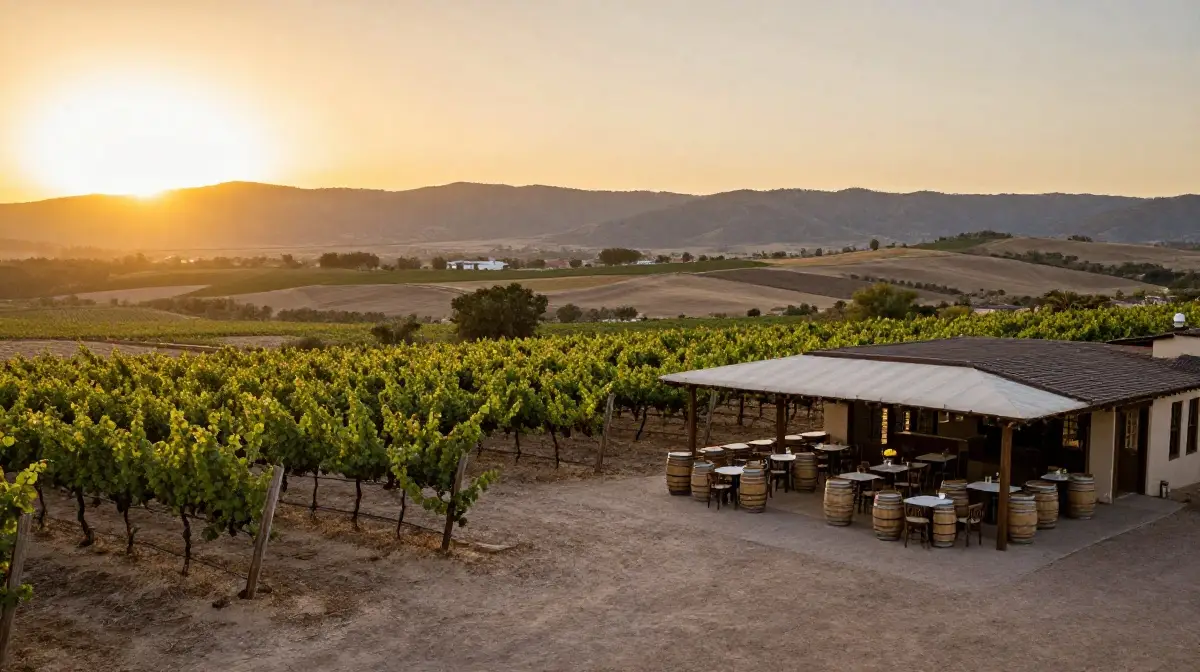
Valle de Guadalupe in Baja California is one of the most exciting and genuinely surprising wine destinations in the world, located just two hours south of San Diego and producing wines of increasingly international recognition from over 100 wineries spread across a warm, dry Mediterranean-climate valley. The culinary scene in Valle de Guadalupe has developed alongside the wine culture to create one of the most vibrant and creative food and wine travel experiences available in North America, with open-air restaurants, artisan cheese producers, craft breweries, and olive oil estates all contributing to a destination that rewards visitors with a genuine sense of discovery. The harvest season grape festival each August draws visitors from across Mexico and the United States and provides an outstanding introduction to the valley’s wine culture and community.
Valle de Guadalupe is still developing its wine tourism infrastructure in some areas, which is precisely what gives it the rough-edged authenticity and sense of genuine exploration that more established destinations have long since lost. This is a destination that rewards those who arrive early to a great wine story.
Tokaj, Hungary
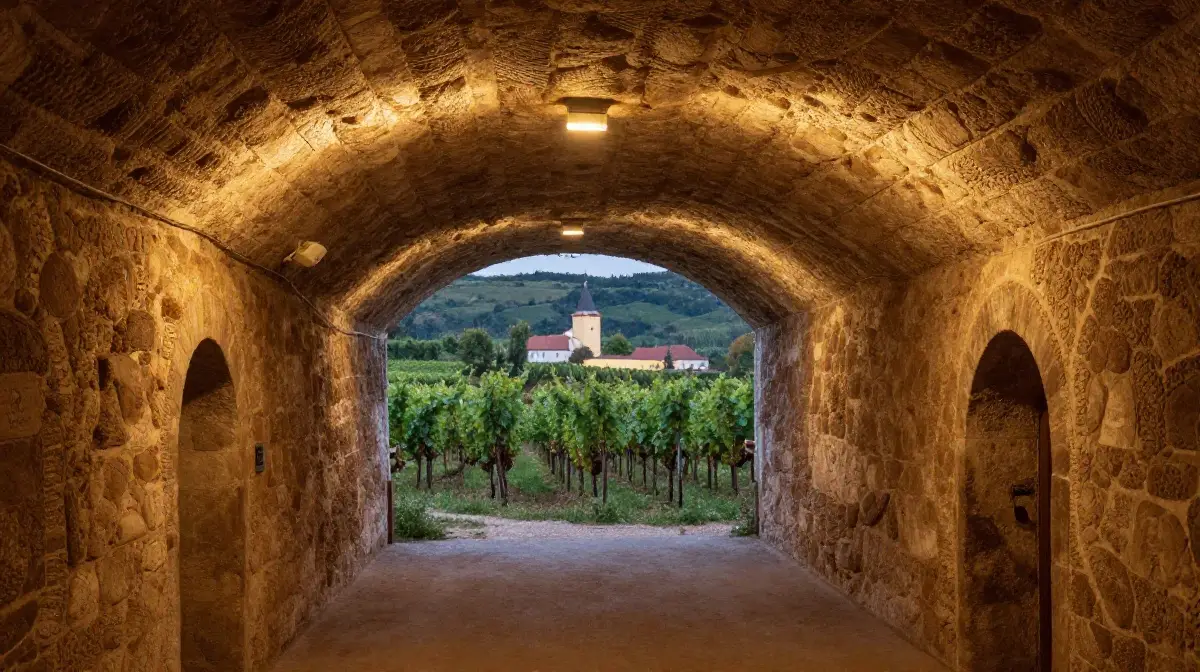
Tokaj in northeastern Hungary is one of the oldest and most historically significant wine destinations in Europe, producing the legendary Tokaji Aszu sweet wine from Furmint and Harslevelu grapes affected by noble rot in a UNESCO World Heritage landscape that has been celebrated for centuries. The Hungarian King Louis XV famously described Tokaji as the wine of kings and the king of wines, a quote that has followed this extraordinary destination ever since. The wine villages of Tokaj, Tarcal, and Mad are among the most atmospheric and historically layered in Central Europe, with ancient underground cellars lined with black Cladosporium mold that contributes to the unique character of wines aged in this extraordinary environment.
The recent wave of investment and international interest in Tokaj has produced a new generation of producers making both outstanding sweet wines and increasingly impressive dry Furmint that is now generating significant attention from the international wine community. Tokaj represents one of the most authentic and historically rich wine travel experiences available in Europe today.
Wachau, Austria
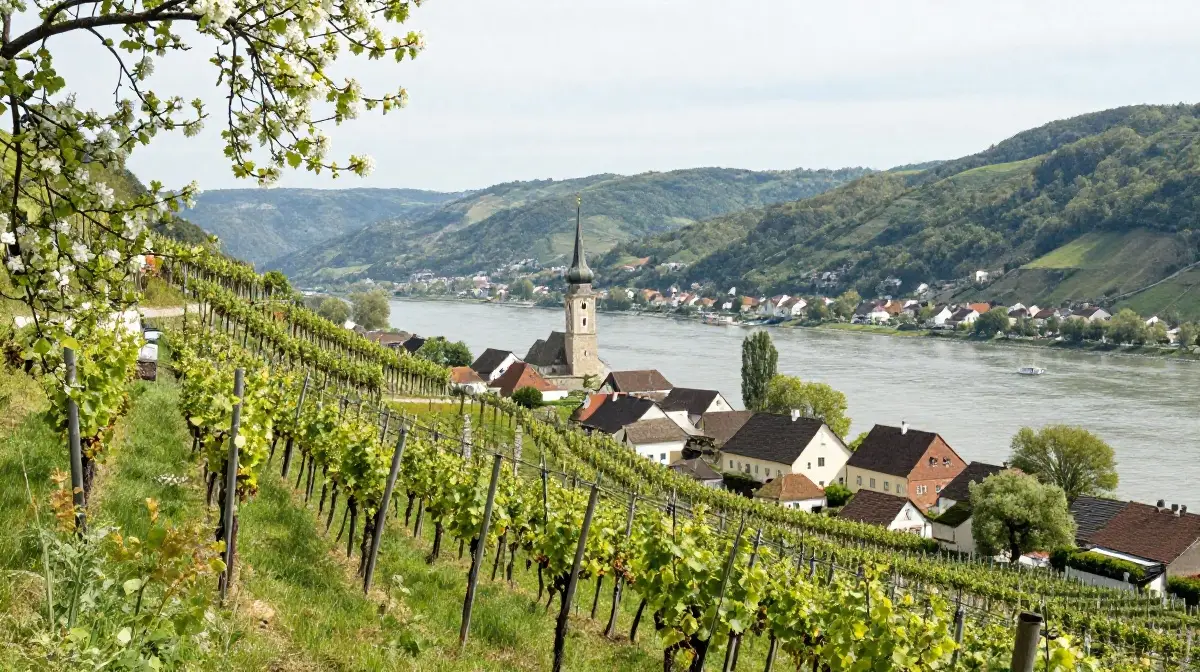
The Wachau in the Danube Valley of Lower Austria is one of the most visually spectacular and vinously distinguished wine destinations in Europe, where Gruner Veltliner and Riesling wines of extraordinary quality are produced from terraced vineyards above the river in a UNESCO-listed landscape of medieval villages, monastery ruins, and dramatic river scenery. The Wachau wine classification system, using the terms Steinfeder, Federspiel, and Smaragd to indicate wine body and alcohol level, is unique to this region and provides a useful framework for understanding the full range of wines produced here. The small towns of Durnstein, Spitz, and Weissenkirchen are among the most charming and authentically preserved wine villages in Central Europe and reward leisurely exploration on foot between cellar door tastings.
Visiting the Wachau during the apricot blossom season in spring, when the valley is covered in white flowers and the first green shoots are appearing in the vineyards, is one of the most beautiful seasonal wine tourism experiences available in Europe. Austrian wine tourism is genuinely excellent value relative to the extraordinary quality on offer.
Finger Lakes, New York, USA
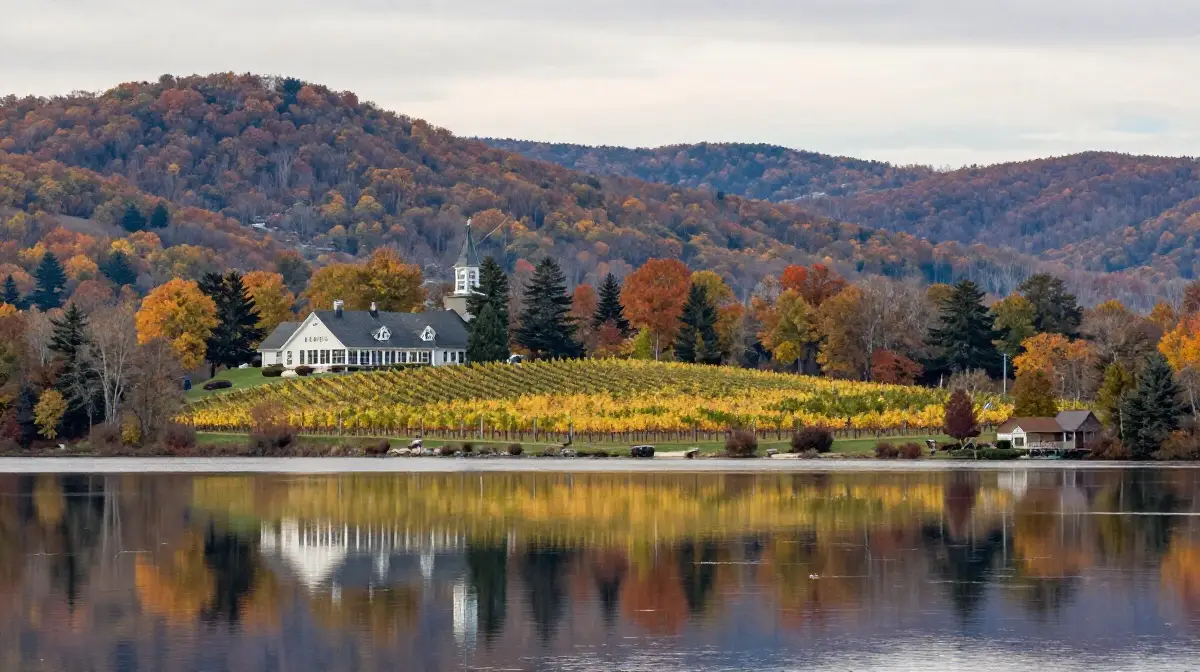
The Finger Lakes region in upstate New York is America’s most underrated wine destination, producing world-class Riesling, outstanding Gewurztraminer, and increasingly impressive Pinot Noir from a cool continental climate moderated by the temperature-regulating effect of the eleven glacial lakes that give the region its name. The wine culture of the Finger Lakes has a refreshingly informal and genuinely community-focused character that stands in pleasant contrast to the more polished and commercially oriented tasting room experiences of Napa and Sonoma. The town of Watkins Glen at the southern end of Seneca Lake and the village of Hammondsport on Keuka Lake both serve as excellent base camps for exploring the surrounding wineries.
The Finger Lakes wine festival held each summer on the shores of Seneca Lake is one of the most enjoyable wine events in the eastern United States, drawing producers and visitors from across the region in a genuinely festive and accessible celebration of New York wine culture. Ice wine and late harvest Riesling produced in the coldest vintages represent some of the most distinctive and exciting wines made anywhere in North America.
Quick Reference Table: Best Wine Destinations at a Glance
| Wine Destination | Country | Signature Wine | Best Season to Visit | Budget Level |
|---|---|---|---|---|
| Tuscany | Italy | Chianti Classico, Brunello | September to October | Moderate to high |
| Mendoza | Argentina | Malbec, Cabernet Sauvignon | March to April harvest | Budget friendly |
| Napa Valley | USA | Cabernet Sauvignon, Chardonnay | September to November | Moderate to luxury |
| Douro Valley | Portugal | Port wine, Touriga Nacional | September to October | Budget to moderate |
| Marlborough | New Zealand | Sauvignon Blanc, Pinot Noir | February to April | Moderate |
| Stellenbosch | South Africa | Cabernet Sauvignon, Chenin Blanc | February to April | Budget to moderate |
| Champagne | France | Champagne, sparkling wine | September to October | Moderate to high |
Conclusion
The world’s great wine destinations offer something that goes well beyond the wine itself. They offer landscape, history, culture, hospitality, and a connection to place that stays with you long after the glass is empty. Whether you choose to explore the ancient terraced vineyards of the Douro Valley, the volcanic slopes of Santorini, the elegant estates of Bordeaux, or the informal and genuinely exciting energy of Valle de Guadalupe, each destination on this list will give you a different and genuinely memorable perspective on what wine is and where it comes from. The best advice for any wine traveler is simple. Slow down, talk to the people making the wine, eat the local food, stay longer than you planned, and always ask if there is something they only pour for visitors who make the effort to visit in person. Those are the wines and the memories that last.
You can may also like this: 22 What to Wear in Portofino Outfit Ideas You Need
FAQs
What is the best wine destination for beginners
Napa Valley in California and Marlborough in New Zealand are both excellent starting points because their tasting room cultures are welcoming, educational, and genuinely accessible to visitors without prior wine knowledge.
What is the most affordable wine destination in the world
Mendoza in Argentina and Stellenbosch in South Africa consistently offer the best combination of world-class wine quality and genuinely affordable tasting experiences. Both destinations provide outstanding value compared to European equivalents.
When is the best time to visit wine destinations
Harvest season, which falls between August and October in the Northern Hemisphere and February and April in the Southern Hemisphere, is generally the most exciting and visually rewarding time to visit any wine region.
What should I pack for a wine country trip
Comfortable walking shoes for vineyard tours, layers for cool cellar temperatures, a small notebook for tasting notes, and a reusable wine tote for carrying bottles home are the most practical items for any wine travel experience.
Can I visit wine destinations without knowing much about wine
Absolutely. Most wine destinations actively welcome visitors at every knowledge level. The best cellar door experiences are designed to be educational and enjoyable for complete beginners as much as for experienced enthusiasts.
1 Comment