
Introduction
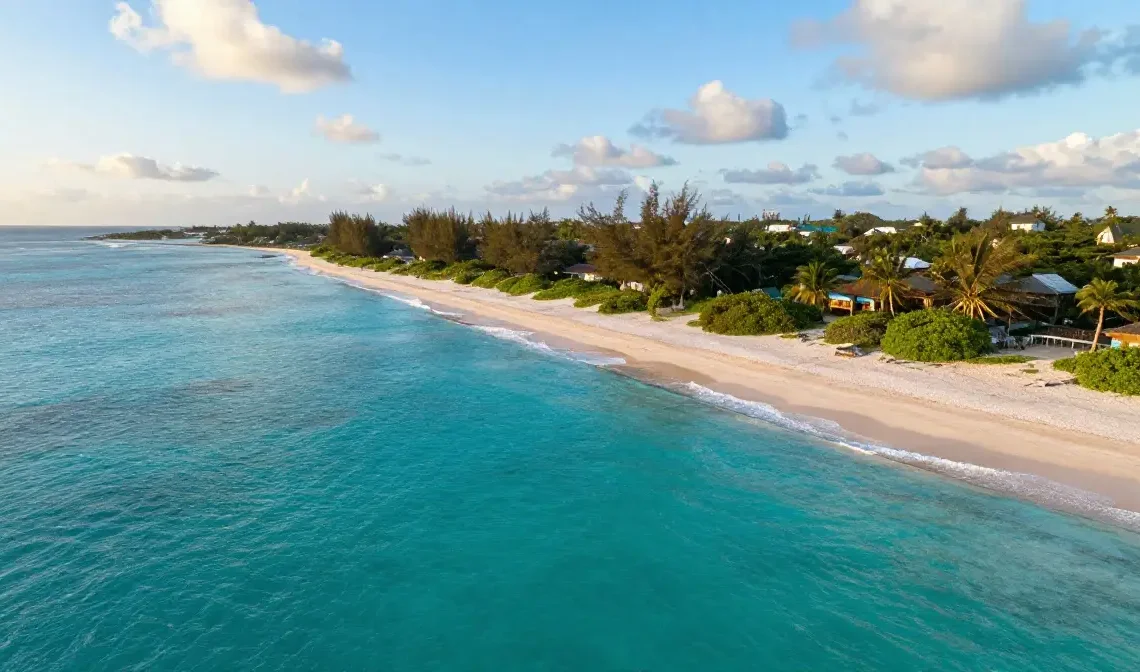
Okinawa is Japan’s tropical paradise, a chain of more than 160 islands stretching across the southwestern tip of the Japanese archipelago into warm, crystal-clear subtropical waters that bear no resemblance to the temperate seas surrounding the rest of the country. Known throughout Asia and increasingly throughout the world for its extraordinary marine biodiversity, its coral reefs, its impossibly clear turquoise water, and its long white sandy beaches, Okinawa offers a beach experience that rivals the finest tropical destinations anywhere on earth. Whether you are seeking a vibrant and well-equipped beach resort, a secluded and pristine natural cove, or a world-class snorkeling site above a living coral garden, these 22 beautiful beaches in Okinawa Japan will give you everything you need to plan an unforgettable island escape.
Emerald Beach
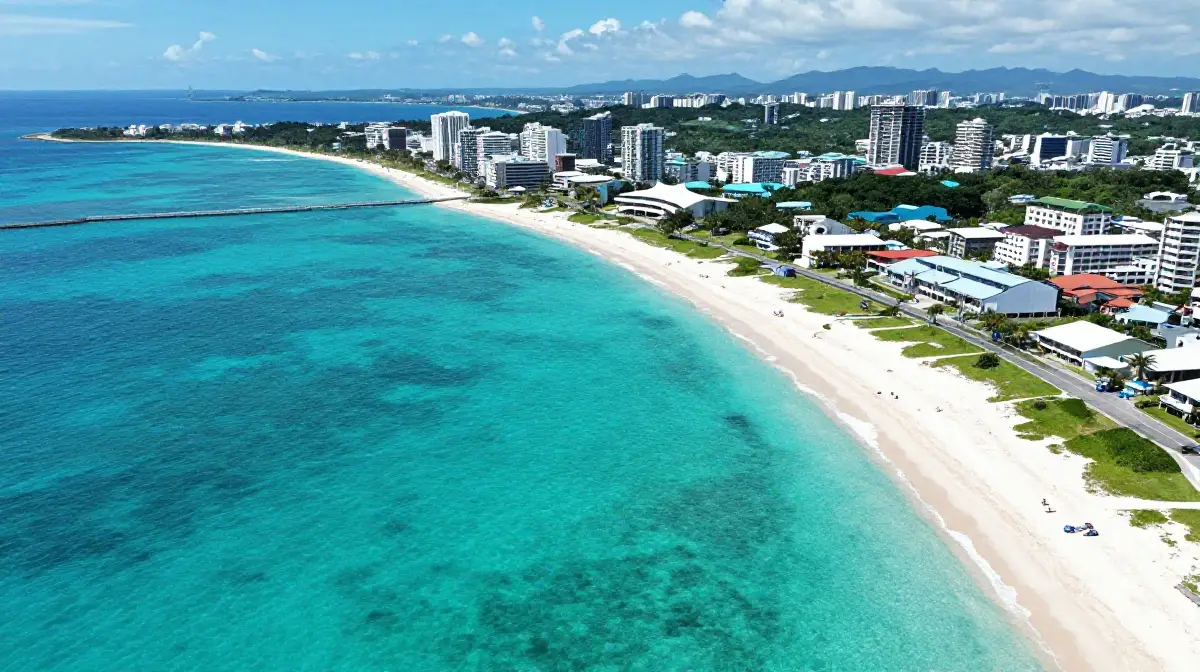
Emerald Beach is the most famous and widely recognized beach on Okinawa’s main island and one of the most visited beaches in all of Japan. Located within the grounds of Ocean Expo Park in the Motobu Peninsula, this artificially developed beach is divided into three connected zones that allow visitors to swim, snorkel, and relax on clean white sand with full access to modern facilities including changing rooms, showers, restaurants, and equipment rental. The water at Emerald Beach lives up to its name with a luminous green-blue clarity that is immediately striking, and the surrounding park contains the renowned Okinawa Churaumi Aquarium making it an ideal full-day destination for families and first-time visitors.
Yonaha Maehama Beach
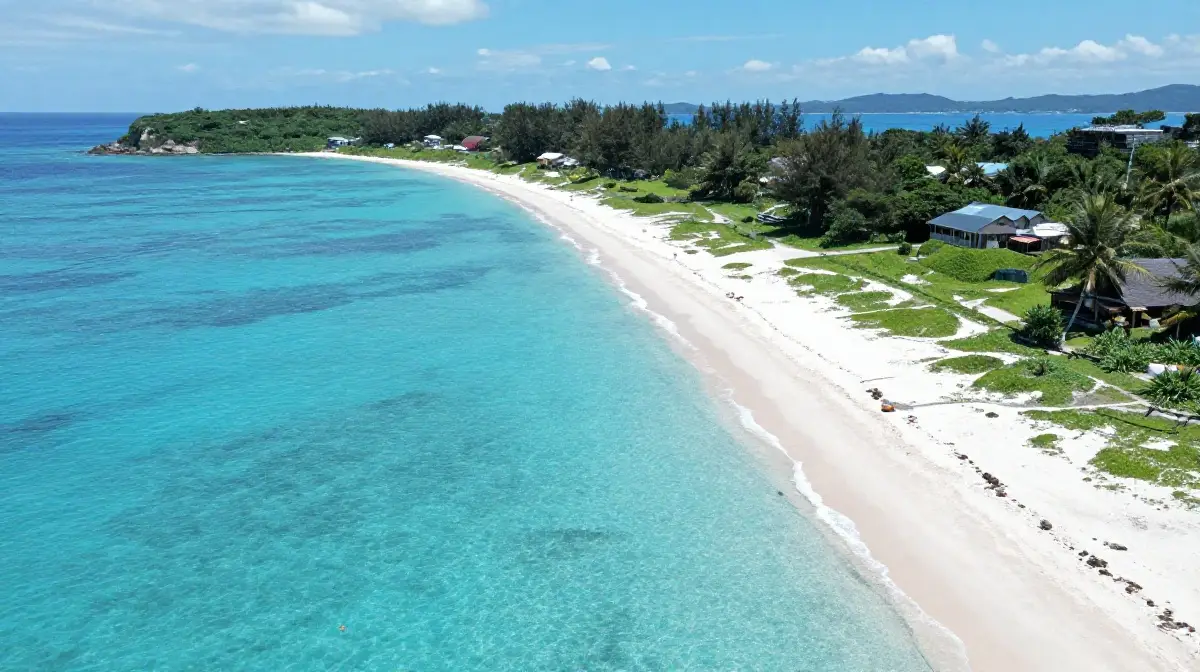
Yonaha Maehama Beach on Miyako Island is widely considered the most beautiful beach in Okinawa and frequently named among the finest beaches in all of Asia. Stretching for seven kilometers along the western coast of Miyako Island, this long and gently curving expanse of powdery white sand is lapped by shallow, impossibly blue water that maintains its extraordinary clarity and warmth throughout the swimming season. The beach is relatively uncrowded compared to its international reputation, and the absence of coral in the swimming area makes it one of the safest and most comfortable beaches for young children and non-swimmers to enjoy fully.
Kondoi Beach
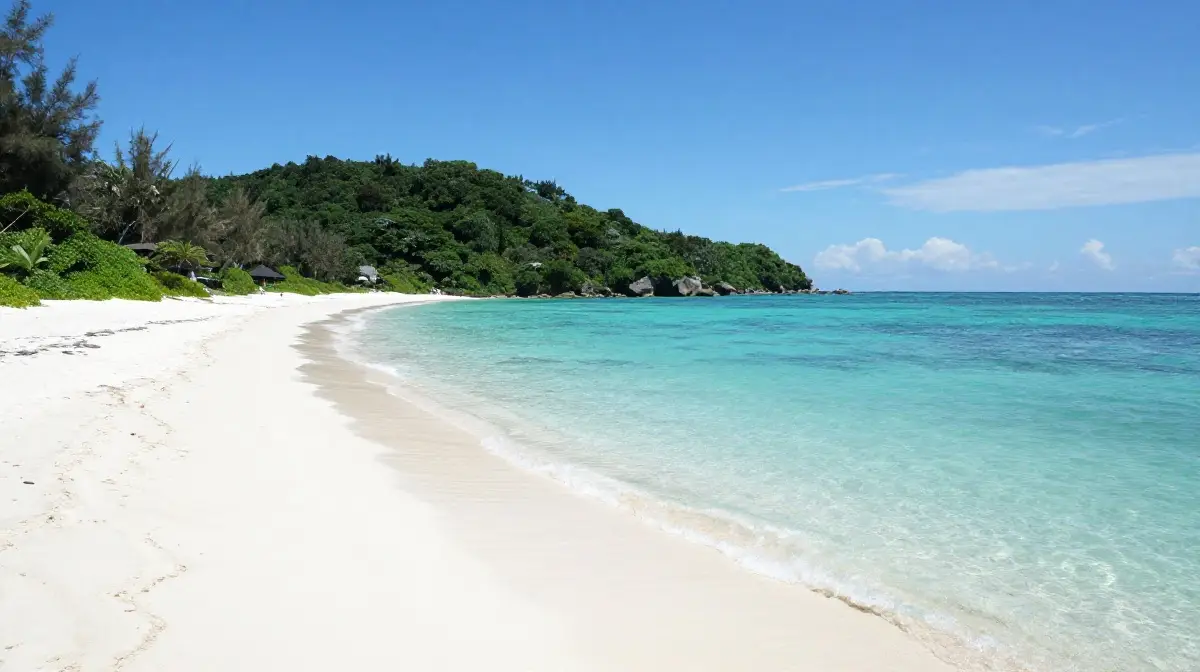
Kondoi Beach on Taketomi Island is a small and exquisitely beautiful beach that is considered by many visitors to be among the most magical in the entire Okinawan archipelago. The beach is renowned for its shallow, sheltered bay of turquoise water that warms quickly in the sun and remains flat and calm even when stronger winds affect other beaches in the region. Taketomi Island itself is a remarkable destination accessible by a short ferry ride from Ishigaki Island, and the combination of the traditional Ryukyuan village preserved on the island and the pristine natural beach creates an experience of extraordinary cultural and natural richness.
Aharen Beach
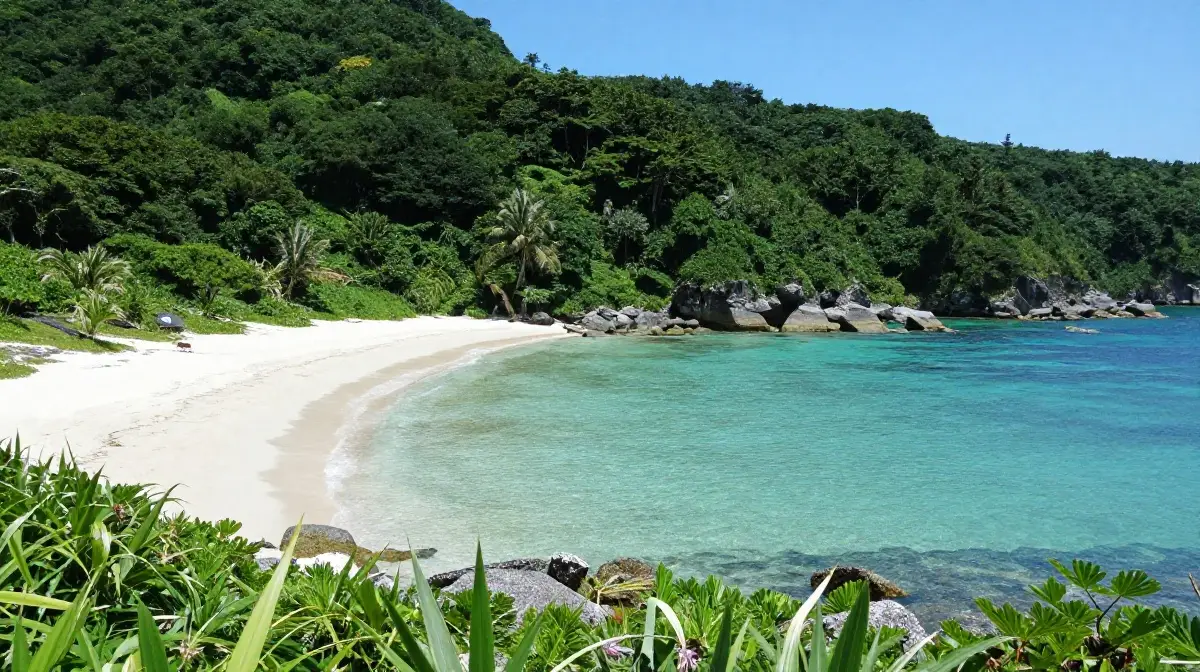
Aharen Beach on Tokashiki Island in the Kerama Islands chain is a stunning and relatively accessible beach that delivers the kind of crystalline water quality that the Kerama Islands are celebrated for throughout Japan and internationally. The beach sits within a protected cove surrounded by green forested hills that descend directly to the waterline, creating a beautifully sheltered and intimate setting that feels removed from the wider world despite being only a short ferry journey from Naha. The snorkeling directly off Aharen Beach is outstanding, with healthy coral formations and abundant tropical fish visible in the shallow waters just meters from the shoreline.
Furuzamami Beach
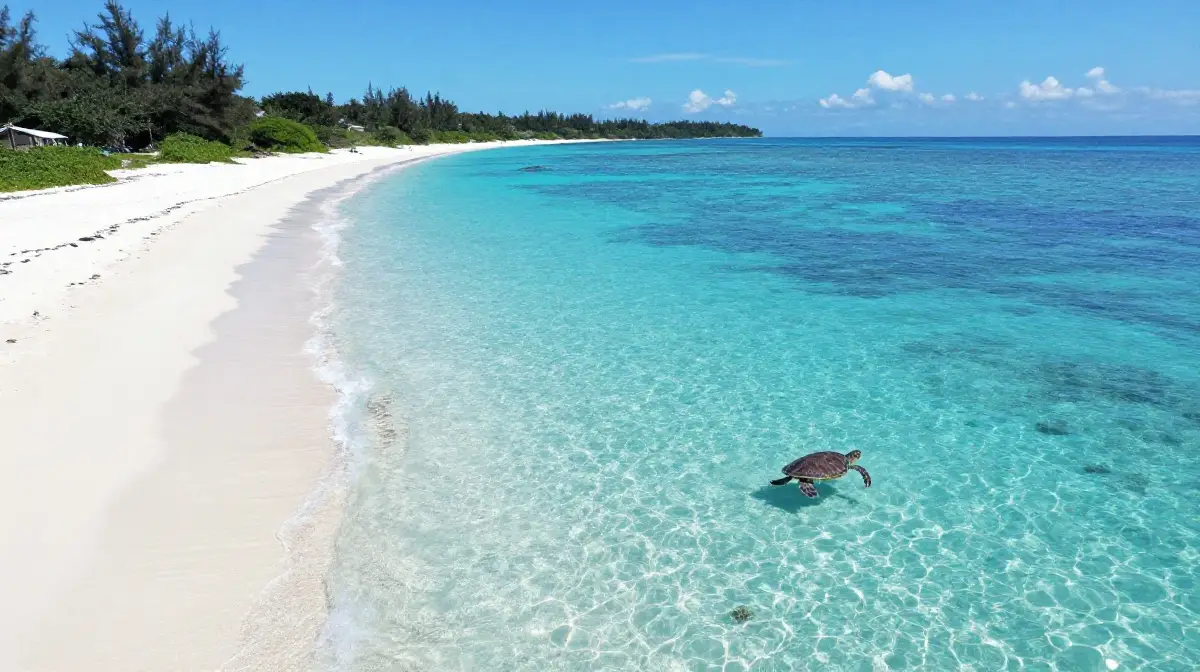
Furuzamami Beach on Zamami Island is consistently ranked among the top snorkeling and diving beaches in Japan and attracts serious underwater enthusiasts from throughout the country and from across Asia. The beach is set on a small and beautiful island within the Kerama Islands National Park and the water surrounding it has been awarded the distinction of Kerama Blue, a term used to describe the uniquely vivid and transparent blue color of the sea in this protected marine area. Sea turtles are frequently spotted in the waters around Furuzamami Beach, making it one of the few places in Japan where encounters with wild sea turtles in their natural habitat are a realistic and relatively common occurrence.
Cape Maeda
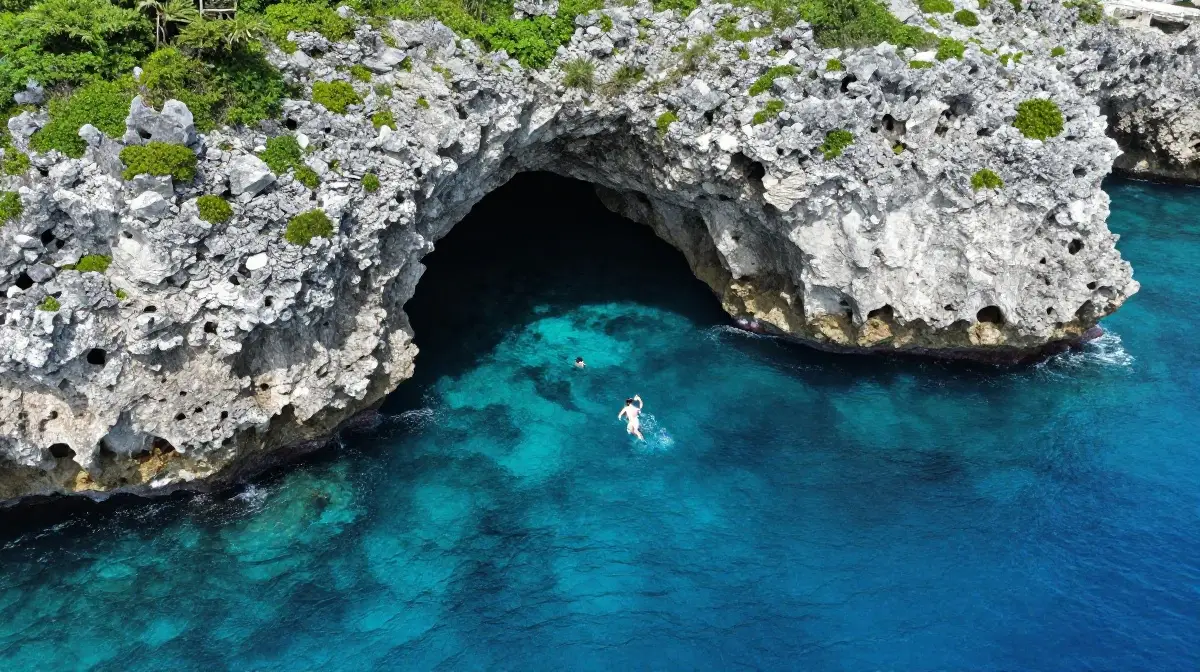
Cape Maeda on Okinawa’s main island is not a traditional beach destination but rather one of the most celebrated and accessible marine diving and snorkeling sites in all of Japan. The limestone cape descends into the sea in a series of dramatic underwater formations including the famous Blue Cave, a cavern that fills with extraordinary blue luminescence when sunlight enters through an underwater opening and reflects off the white sand floor. Snorkeling tours from Cape Maeda are available daily and are enormously popular with visitors of all experience levels, making it one of the most memorable and photographed natural experiences the Okinawa main island has to offer.
Nishihama Beach
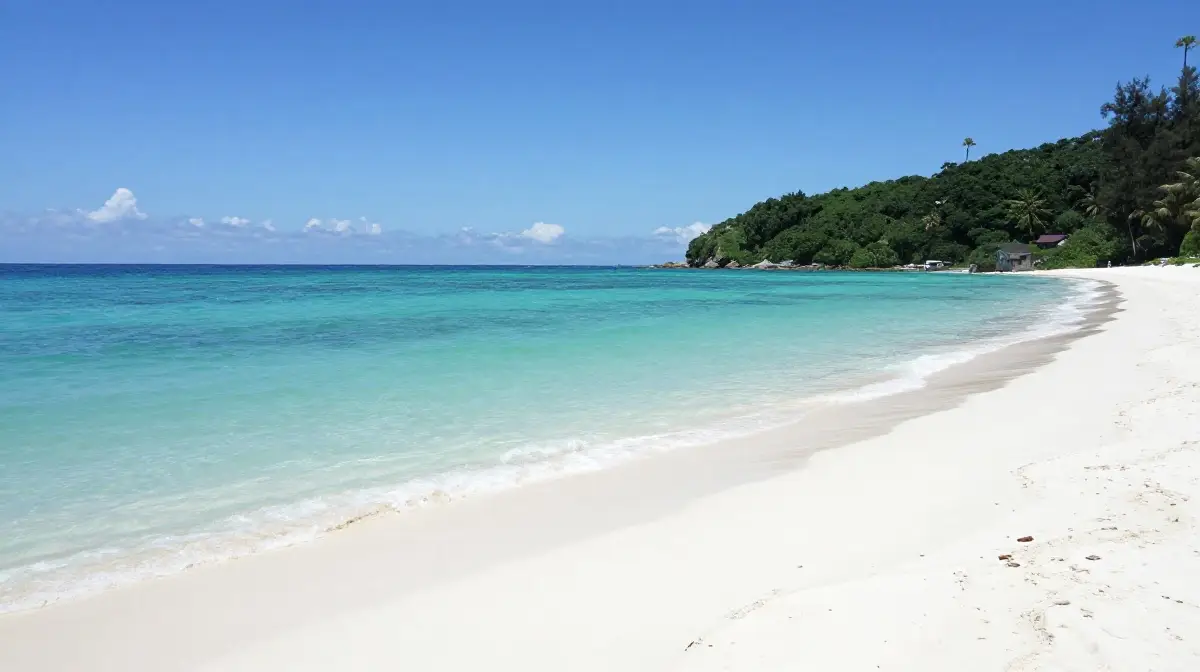
Nishihama Beach on Hateruma Island is one of the most remote and pristine beaches in all of Okinawa and the journey required to reach it makes the experience of arriving all the more rewarding and memorable. Hateruma Island is the southernmost inhabited island in Japan and is accessible only by ferry from Ishigaki Island, meaning that the number of visitors who make the effort to reach Nishihama is relatively small compared to more accessible destinations. The beach itself is a masterpiece of natural simplicity, featuring brilliant white coral sand, shallow water of an almost unreal blue-green clarity, and a sense of absolute tranquility and remoteness that is increasingly rare anywhere in the world.
Sunset Beach Okinawa
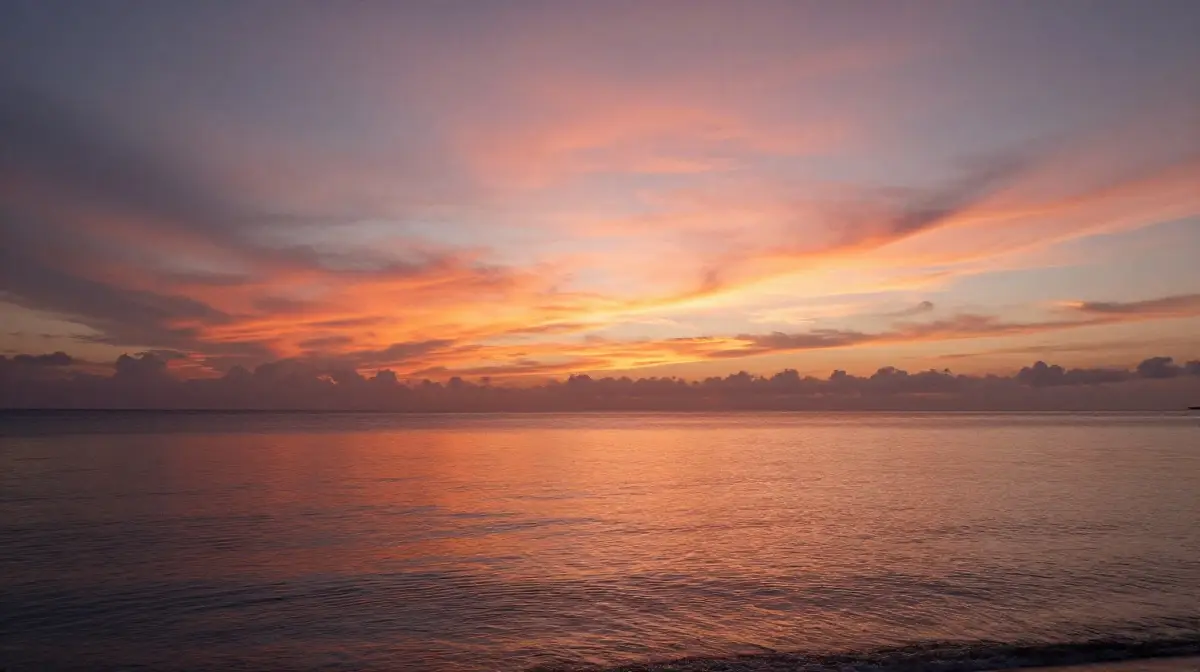
Sunset Beach in the northern part of Okinawa’s main island near Chatan town is a popular and well-equipped beach destination that offers a more social and lively beach experience than the quieter island destinations further offshore. True to its name, Sunset Beach is particularly celebrated for the spectacular views of the East China Sea at dusk when the sky transforms into an extraordinary palette of orange, pink, and purple that reflects off the calm water with breathtaking beauty. The beach is surrounded by the American Village shopping and entertainment complex, making it an ideal destination for visitors who want to combine beach time with dining, shopping, and evening entertainment.
Manza Beach
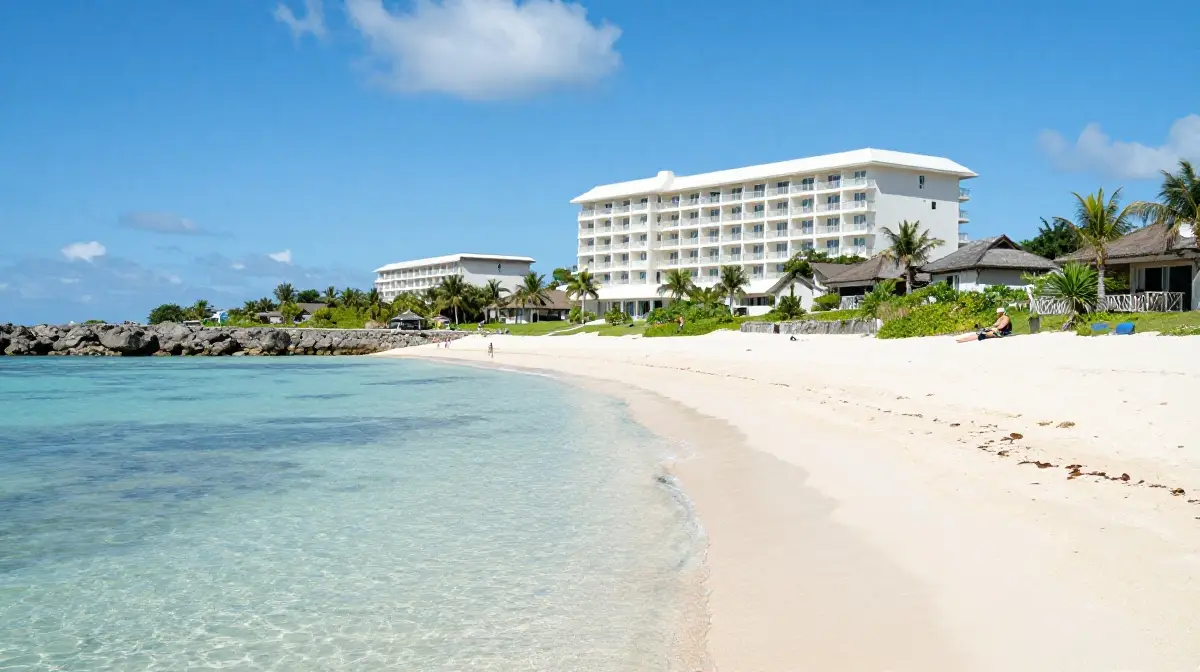
Manza Beach in Onna Village on Okinawa’s main island is one of the island’s premier resort beaches and sits adjacent to several of Okinawa’s finest luxury hotels, making it a destination of choice for travelers who want to combine beach access with high-quality resort amenities and services. The beach is relatively sheltered by surrounding rock formations that break the open sea swell, creating calm and safe swimming conditions that suit families and casual swimmers particularly well. The coral reefs just offshore from Manza Beach offer excellent snorkeling for those willing to swim a short distance from the shoreline, with colorful reef fish and healthy coral formations visible in clear water.
Kouri Beach
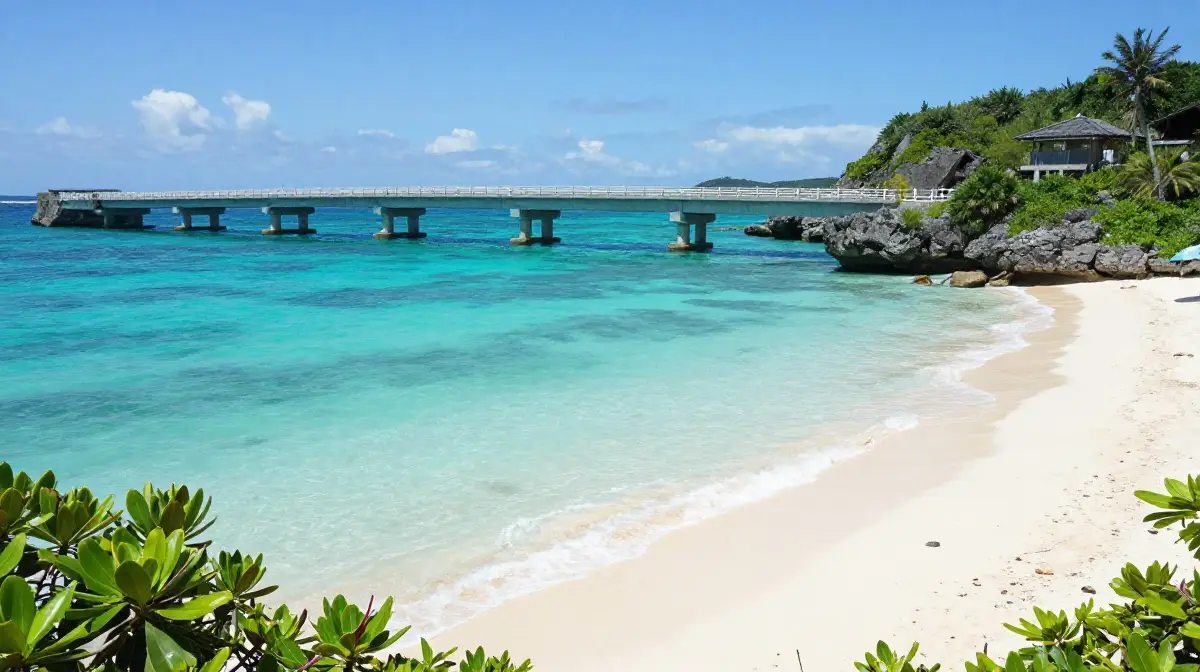
Kouri Island is connected to Okinawa’s main island by the beautiful Kouri Bridge, a long suspension bridge that offers breathtaking views of the turquoise sea on both sides as visitors cross, and the beach directly beneath the bridge on the island’s southwestern shore has become one of Okinawa’s most photographed destinations. The water at Kouri Beach is shallow, warm, and clear with a brilliant turquoise intensity that is visible even from the height of the bridge above, and the beach itself is small and intimate enough to retain a sense of discovery and natural beauty despite its increasing popularity with both Japanese and international visitors.
Sunayama Beach
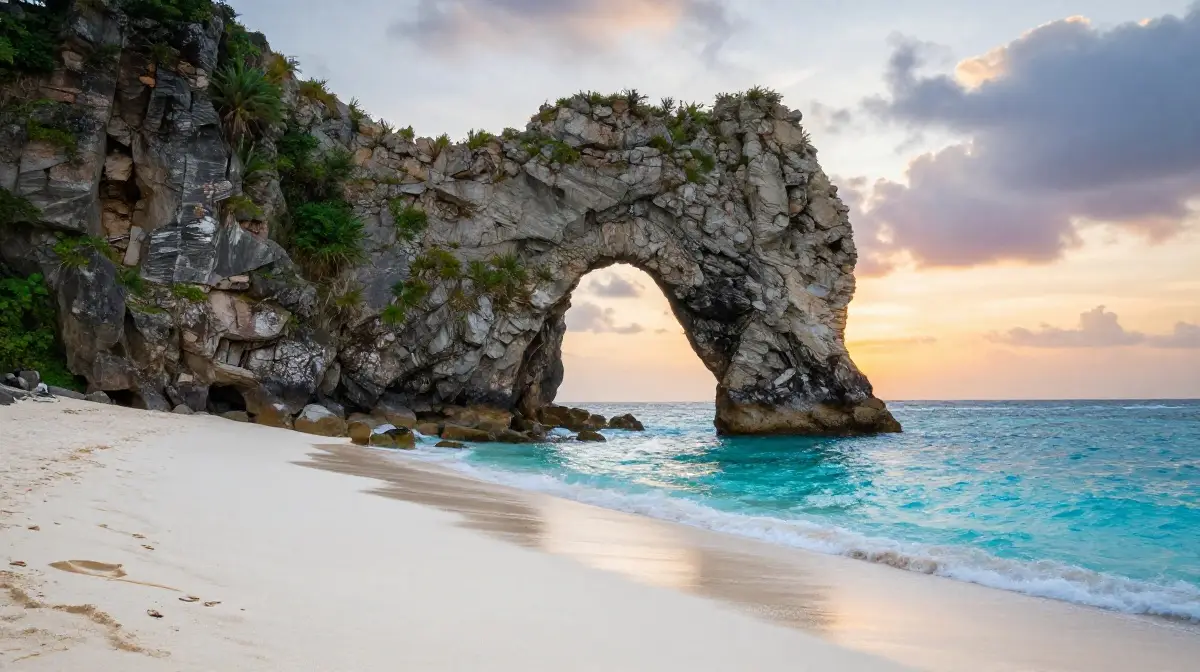
Sunayama Beach on Miyako Island is named for the large sand dune that visitors must climb before descending to the beach itself, creating a sense of dramatic revelation as the extraordinary expanse of white sand and blue water comes into view from the top of the dune. The beach is framed by a striking natural rock arch that has become one of the most iconic landscape features in Okinawa, and the combination of the arch, the dune, and the luminously clear water creates a setting of unusual natural drama that photographers and nature lovers find endlessly compelling. Sunayama Beach is particularly beautiful at sunset when the rock arch frames the descending sun over the open sea beyond.
Nakamoto Beach
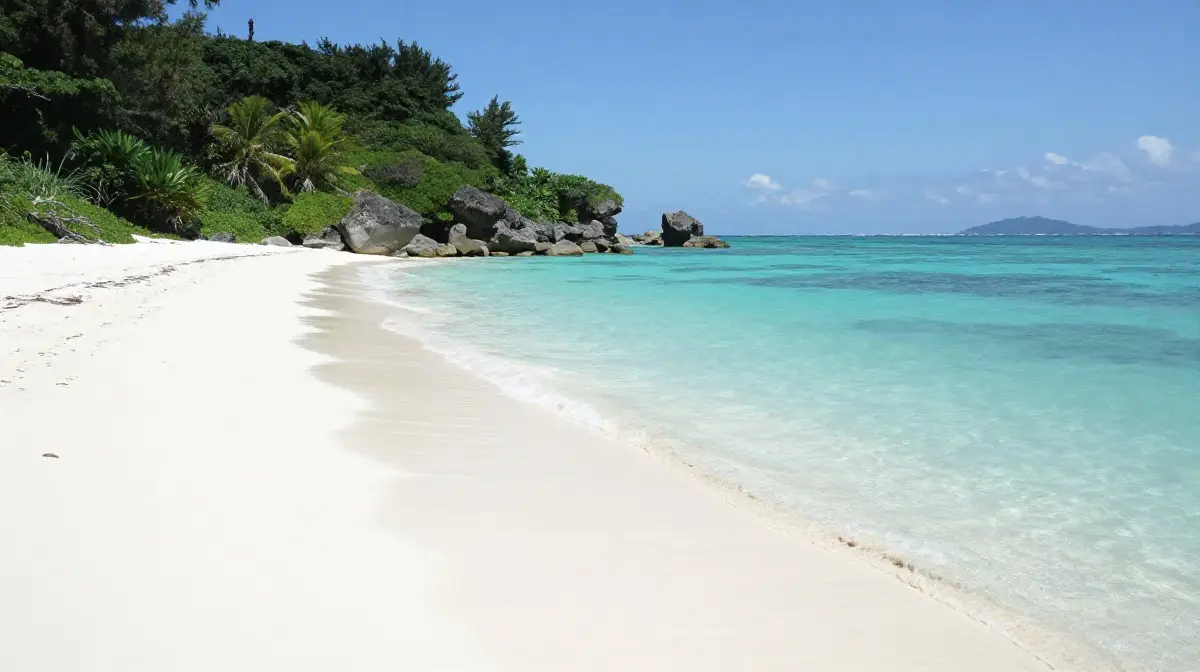
Nakamoto Beach on Miyako Island is a quieter and less commercially developed alternative to the famous Yonaha Maehama nearby, offering a similar quality of white sand and clear turquoise water in a more relaxed and uncrowded setting that suits visitors who prefer their beach experience without the accompaniment of resort facilities and organized activities. The beach is accessible by car and has basic facilities but retains a natural and undeveloped quality that makes it feel genuinely wild and unspoiled. The snorkeling at Nakamoto Beach is rewarding for those who explore beyond the swimming area, with coral formations and reef fish visible in the clearer water further from shore.
Ishigaki Kabira Bay
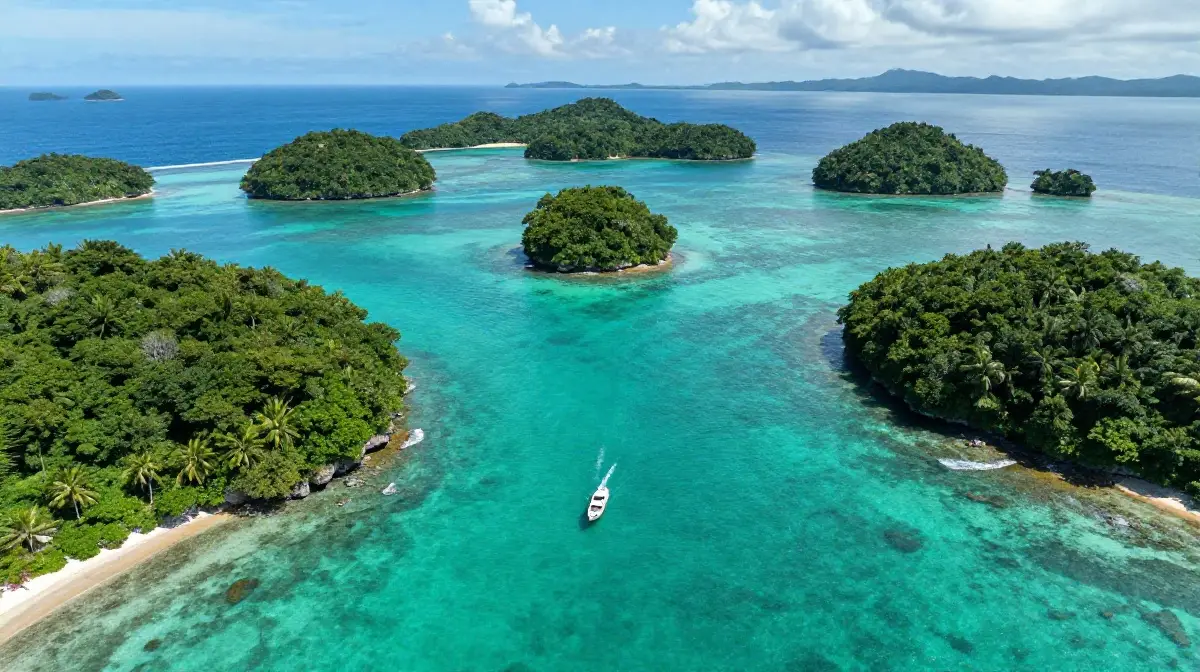
Kabira Bay on Ishigaki Island is one of the most scenically beautiful natural bays in Japan, featuring a calm lagoon of extraordinary turquoise and emerald water studded with small forested islands that create a landscape of remarkable natural composition. Swimming is not permitted within the bay due to the presence of black pearl cultivation operations and strong currents in certain areas, but glass-bottomed boat tours allow visitors to observe the stunning underwater world of the bay including the pearl oyster beds, coral, and marine life from the safety and comfort of the boat. The viewing from the shore above the bay at Kabira is equally spectacular and fully justifies the visit on its own terms.
Yonaguni Beach
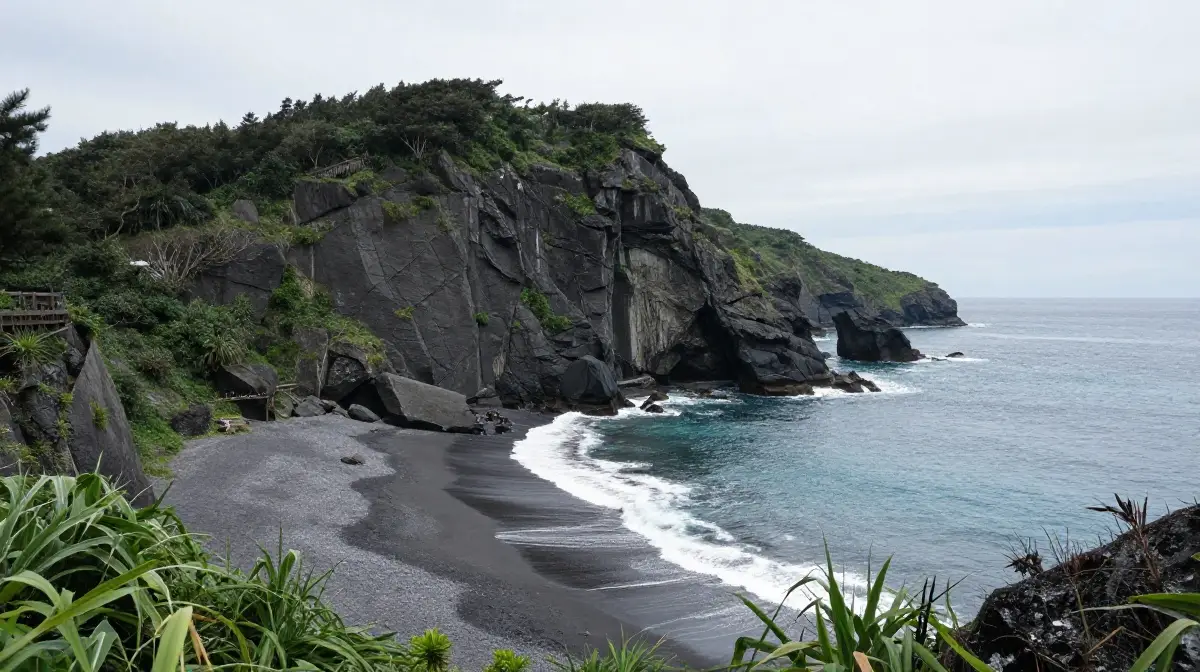
Yonaguni Island is the westernmost point of Japan and sits closer to Taiwan than to Okinawa’s main island, giving it a remote and frontier quality that appeals strongly to adventurous travelers seeking experiences well off the standard tourist circuit. The beaches around Yonaguni are wild, dramatic, and largely uncrowded, framed by rugged cliffs and open sea views that extend to the horizon without any visible land beyond. Yonaguni is also world-famous among divers for the controversial Yonaguni Monument, a series of underwater rock formations that some researchers believe may be the remnants of an ancient man-made structure, adding an additional layer of mystery and fascination to any visit to the island.
Iriomote Island Beaches
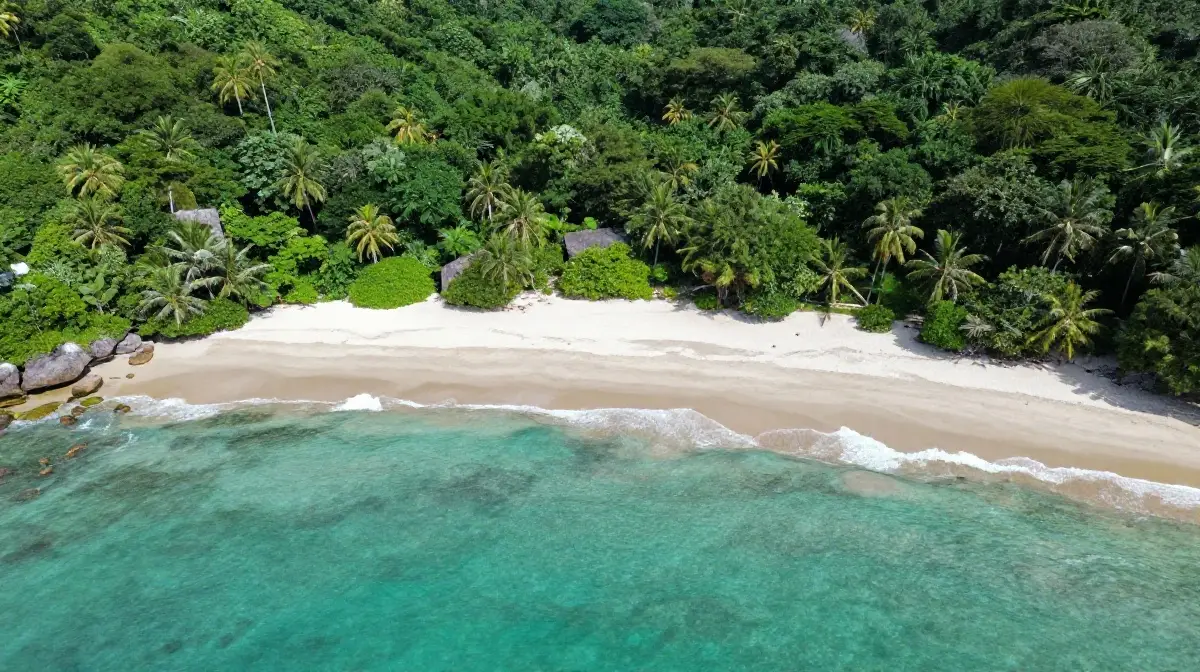
Iriomote Island is the largest island in the Yaeyama group after Ishigaki and one of the most ecologically significant wild places in Japan, with approximately ninety percent of its land area covered by subtropical jungle that descends to meet remarkable and relatively undisturbed beaches along its coastline. The beaches of Iriomote are characterized by their wild and natural setting, with jungle vegetation reaching almost to the waterline and the surrounding sea offering world-class snorkeling and diving above some of the most biodiverse coral reef systems in Japanese waters. Reaching the most beautiful beaches on Iriomote requires genuine effort involving boats and hiking, but the rewards for those who make the journey are extraordinary.
Naminoue Beach
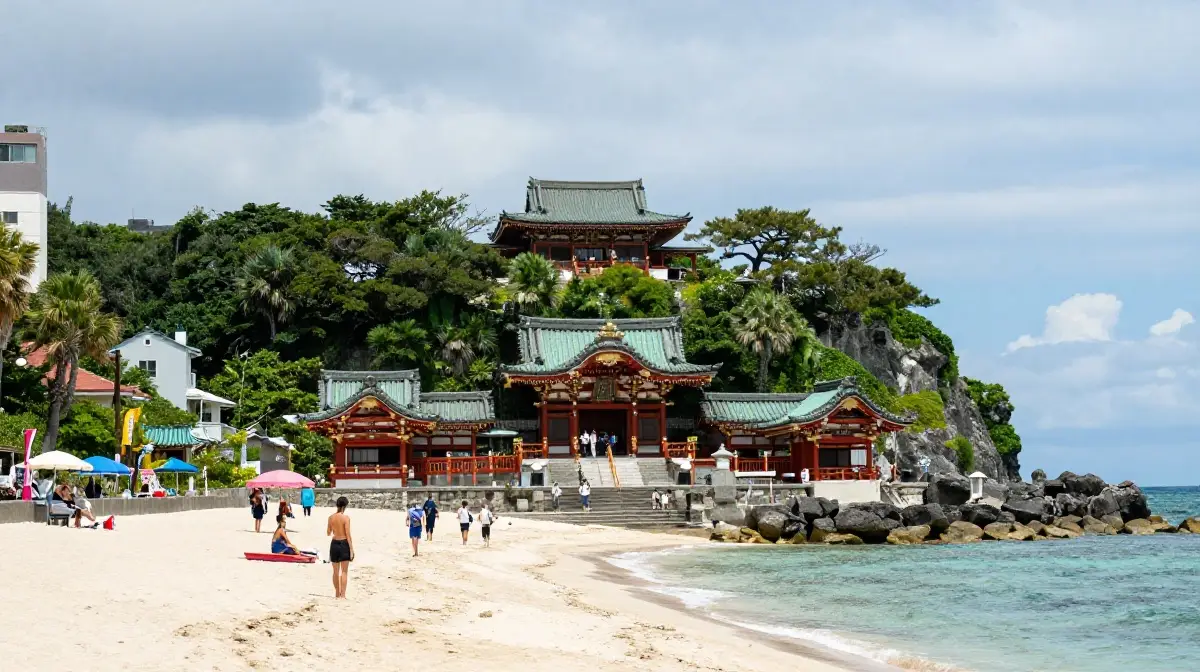
Naminoue Beach in central Naha is Okinawa’s most urban beach and occupies a unique position as a popular swimming and recreation destination located directly beneath the famous Naminoue Shrine that perches dramatically on a clifftop above the shoreline. While the water quality and natural setting do not match the outer island beaches, Naminoue Beach is a beloved local destination that provides Naha residents with easy beach access and offers visitors a genuine insight into everyday Okinawan beach culture rather than a tourist-polished resort experience. The combination of the shrine, the clifftop views, and the beach itself creates a distinctive urban beach atmosphere found nowhere else in Okinawa.
Sesoko Beach
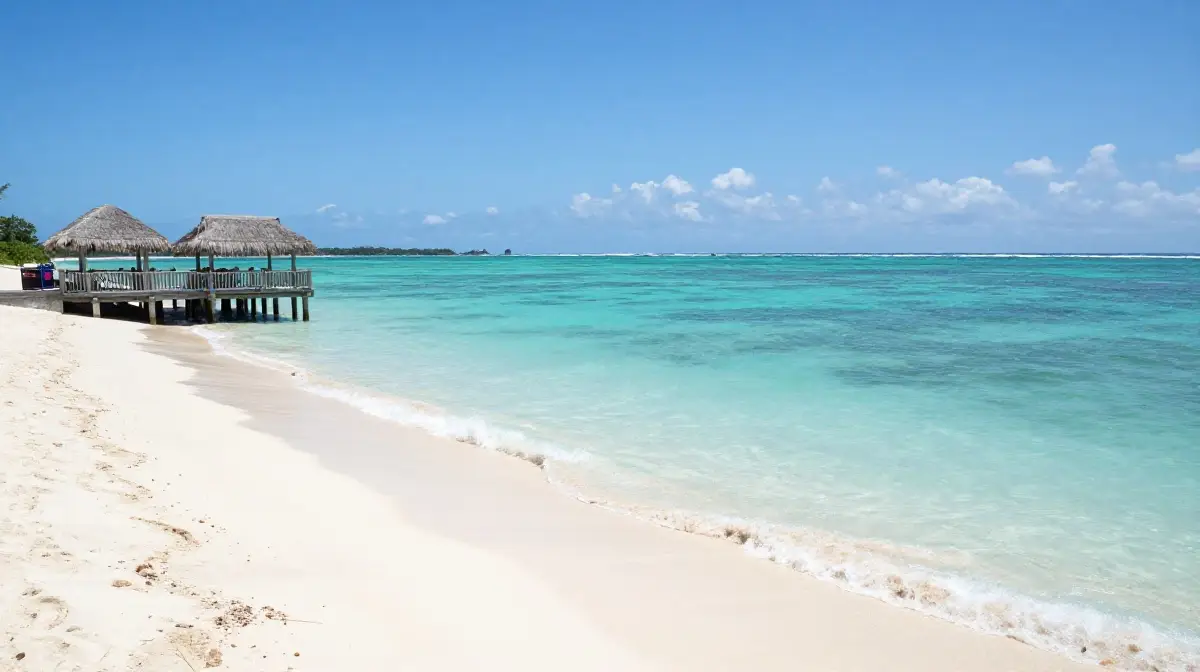
Sesoko Beach on Sesoko Island, connected to Okinawa’s main island by a short bridge, is a popular destination for both day-tripping locals and visitors staying in the nearby Motobu area who want beach access combined with the convenience of main island infrastructure and accommodation. The beach has clear, clean water and a relaxed atmosphere with a selection of beach bars and casual eateries that make it a particularly enjoyable destination for spending a full and leisurely beach day. The snorkeling just offshore at Sesoko is among the best available on the main island, with healthy coral and diverse reef fish populations visible in reasonably clear water.
Toguchi Beach
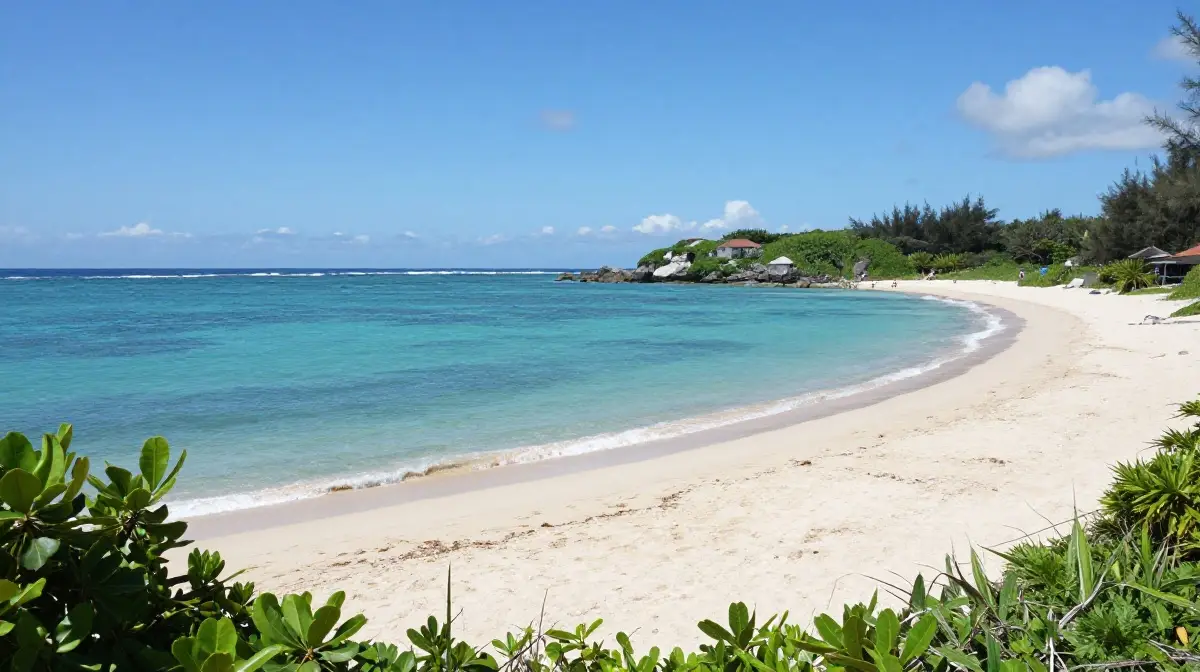
Toguchi Beach in the Yomitan area of central Okinawa’s main island is a local favorite that remains relatively uncrowded compared to more famous main island beaches and offers a genuinely relaxed and unpretentious beach atmosphere that suits visitors looking for an authentic rather than tourist-oriented beach experience. The water at Toguchi is clean and clear for a main island beach and the surrounding area is one of the most historically and culturally interesting parts of Okinawa, with numerous important pottery studios, craft workshops, and historical sites located within easy reach of the beach itself. Visiting Toguchi Beach can be combined with a broader cultural exploration of the Yomitan peninsula.
Aragusku Beach
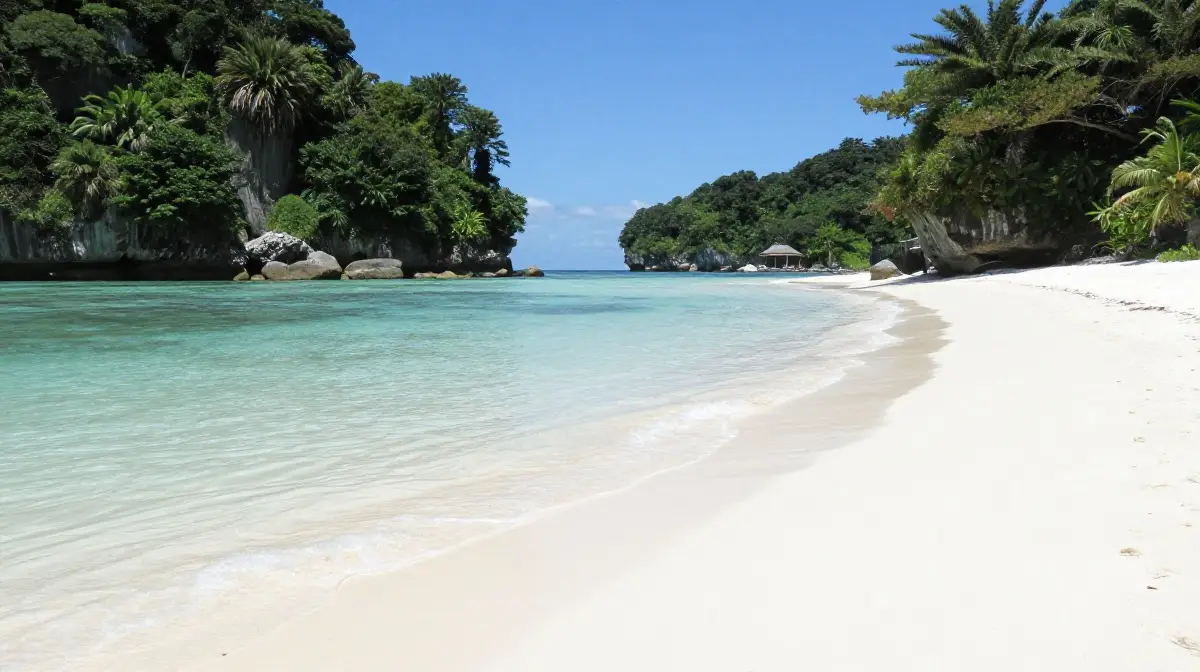
Aragusku Beach on Miyako Island is a secluded and relatively unknown beach that rewards those who seek it out with an experience of exceptional natural beauty and complete tranquility in a setting that has retained its wild and undeveloped character despite the increasing popularity of Miyako Island as a travel destination. The beach is accessible via a short walk through low coastal vegetation and its remote quality means that visitor numbers remain low even during the peak summer season when more famous Miyako beaches can become crowded. The combination of white sand, clear shallow water, and the surrounding natural landscape makes Aragusku one of Miyako’s most rewarding beach discoveries.
Tokashiku Beach
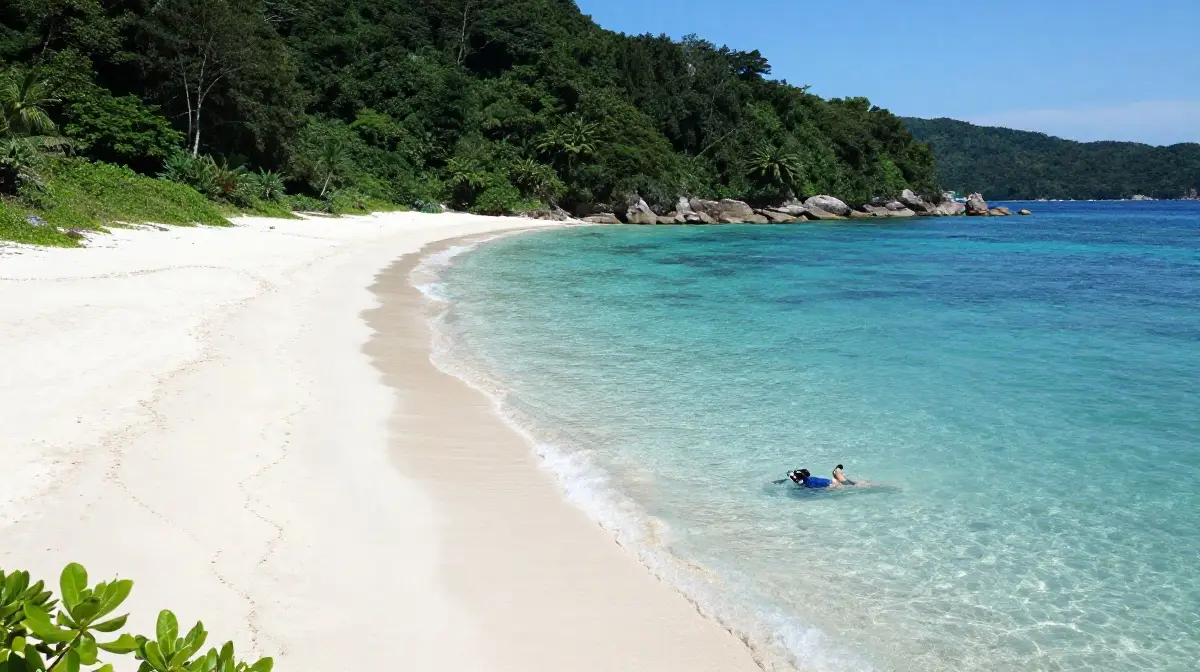
Tokashiku Beach on Tokashiki Island is a longer and more open beach than the neighboring Aharen Beach and offers a slightly different character with a wider expanse of white sand, more exposure to the open sea, and a stronger sense of natural scale and coastal drama. The beach is set within a beautiful bay and surrounded by forested hillsides, creating a setting of considerable natural beauty that attracts visitors throughout the swimming season. Snorkeling at Tokashiku is excellent with coral formations accessible from the beach and the opportunity for sea turtle encounters in the surrounding waters making it a memorable destination for underwater enthusiasts.
Painagama Beach
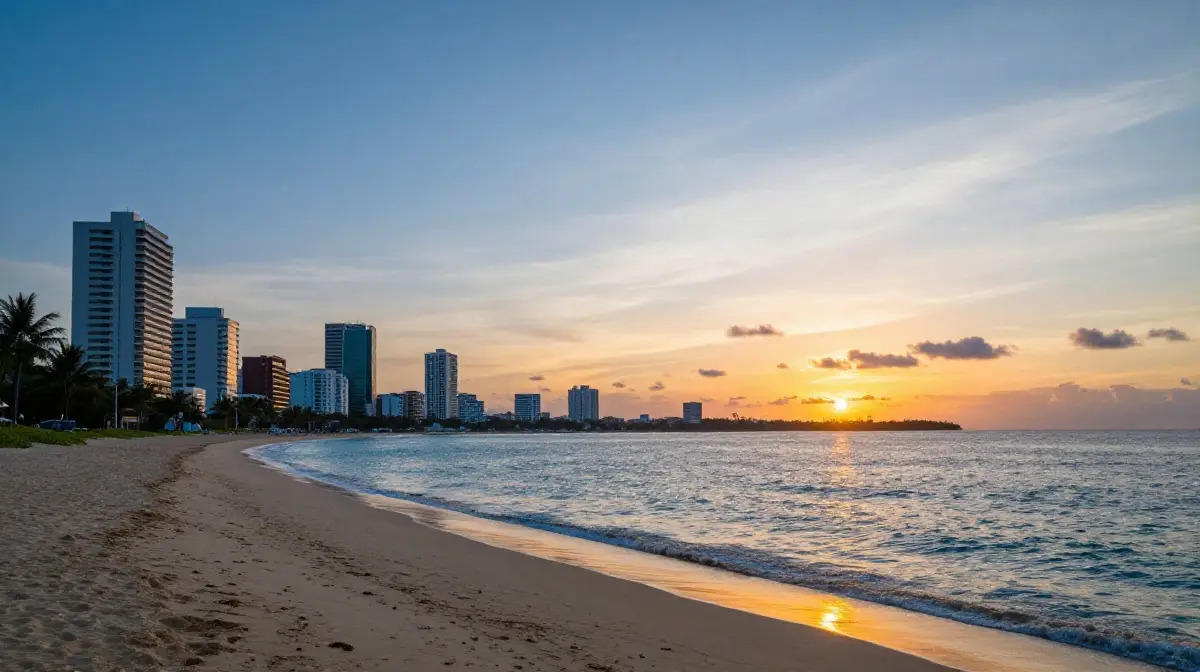
Painagama Beach in Hirara city on Miyako Island is the most accessible and centrally located beach on the island, making it a popular destination for visitors staying in the city who want beach access within walking distance of their accommodation and the town center. While the beach is smaller and more urban in character than the famous Yonaha Maehama, Painagama offers genuinely clear and clean water with good swimming conditions and the beautiful deep blue of the Miyako sea visible in the deeper water beyond the shallows. Painagama Beach is particularly popular for watching sunsets over the East China Sea, with the western orientation of the beach providing ideal conditions for evening coastal photography.
Yoshino Beach
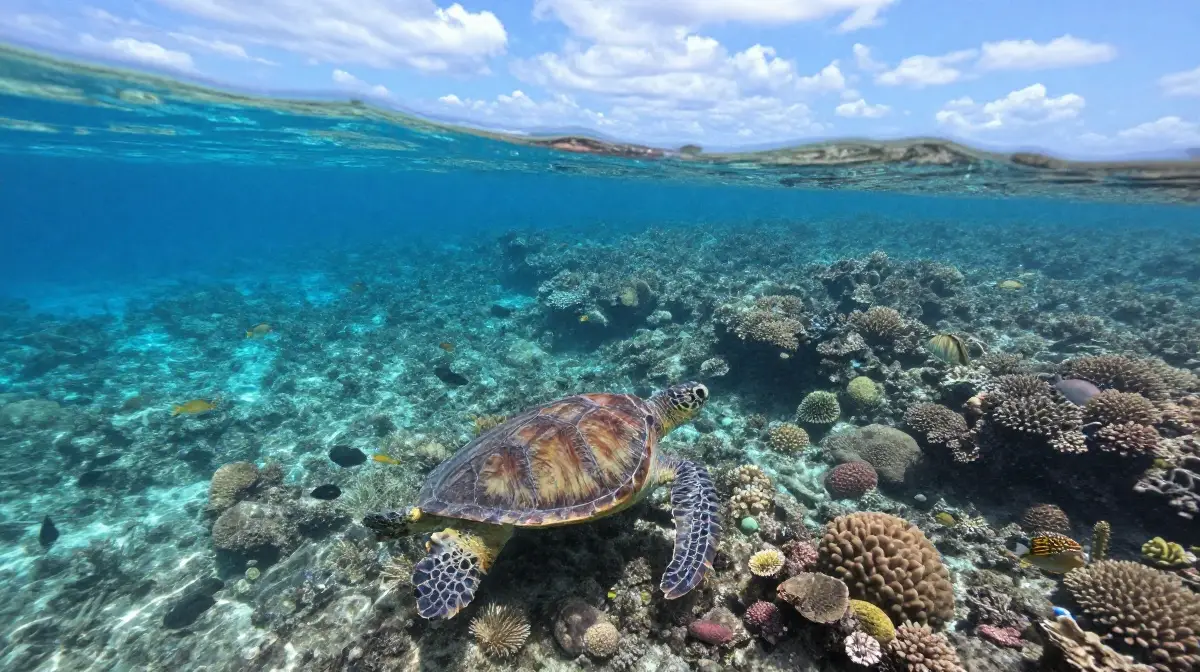
Yoshino Beach on Ishigaki Island is one of the most celebrated snorkeling destinations in all of Okinawa and attracts visitors specifically for the quality and accessibility of its coral reef, which begins just a very short distance from the shoreline and hosts an extraordinarily abundant and colorful community of marine life including large populations of sea turtles, reef sharks, eagle rays, and countless species of tropical fish. The beach itself is small and the facilities are basic but the underwater experience at Yoshino is of a quality that rivals dedicated diving destinations throughout the wider Asia-Pacific region, making it a mandatory visit for any snorkeling enthusiast traveling to Ishigaki Island or the broader Yaeyama group.
Conclusion
Okinawa’s beaches represent some of the finest coastal experiences available anywhere in the world and the extraordinary diversity of the archipelago means that every type of traveler can find their perfect beach within its island chain. From the accessible and family-friendly resort beaches of the main island to the remote and pristine natural shores of Hateruma and Yonaguni, from the world-class snorkeling of Yoshino and Furuzamami to the legendary beauty of Yonaha Maehama, Okinawa delivers beach experiences of consistently remarkable quality across every island in its chain. Plan your visit for the summer swimming season between May and October, choose your islands with care based on the experience you are seeking, and you will find that Okinawa’s beautiful beaches reward every moment of the journey required to reach them.
You can may also like this: 22 Stylish Outfits for Florence Italy Ideas You’ll Love
FAQs
When is the best time to visit beaches in Okinawa Japan
The best time to visit Okinawa’s beaches is between May and October when the water is warm enough for comfortable swimming and snorkeling. July and August offer the warmest conditions but are also the most crowded. June brings the rainy season but swimming remains possible. September and October offer excellent weather with fewer visitors and good value accommodation.
How do you get to the outer islands of Okinawa
The outer islands of Okinawa including the Kerama Islands, Miyako Island, and the Yaeyama Islands including Ishigaki and Iriomote are all accessible by direct flights from Naha Airport or by regular ferry services. The Kerama Islands are the easiest to reach by ferry from Naha, while Miyako and Ishigaki are most conveniently reached by the frequent domestic flights from Naha that take between forty-five and sixty minutes.
Is snorkeling good at Okinawa beaches
Okinawa offers some of the best snorkeling in Japan and among the finest in Asia. Beaches on the outer islands including Yoshino Beach on Ishigaki, Furuzamami on Zamami Island, and Aharen on Tokashiki Island offer particularly outstanding snorkeling directly from the shore with coral reefs, sea turtles, and abundant tropical fish visible in clear, shallow water without the need for a boat or guide.
Are Okinawa beaches safe for swimming
Most designated swimming beaches in Okinawa are safe for recreational swimming during the official beach season from late April to October when beaches are equipped with lifeguards, safety nets, and jellyfish warning systems. Box jellyfish can be present in Okinawan waters particularly from May to October, and swimming within netted areas provides protection against this risk during the warmer months.
What should I bring to a beach in Okinawa
Essential items for Okinawa beach visits include high-factor reef-safe sunscreen, water shoes for walking on coral and rocky areas, snorkeling equipment if you plan to explore the reefs, drinking water and light snacks particularly for more remote beaches with limited facilities, and a rash guard for sun protection during extended snorkeling sessions in the strong subtropical sun.
1 Comment