
Introduction
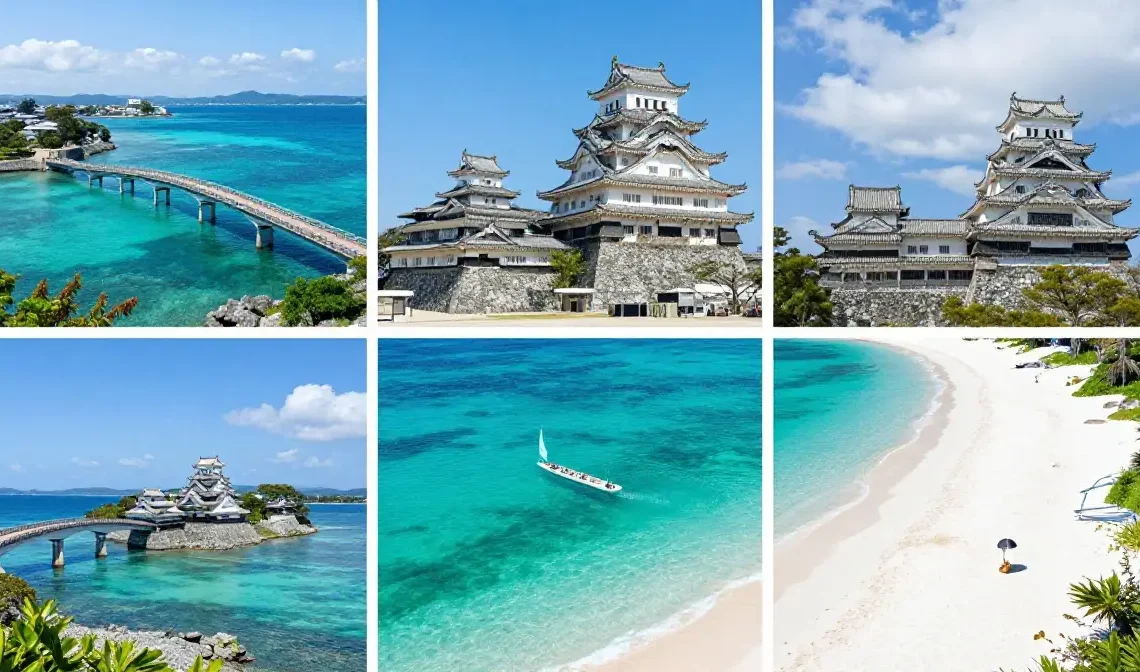
Okinawa is one of the most visually extraordinary destinations in all of Japan, a subtropical island chain where ancient Ryukyuan castles stand above turquoise seas, where centuries-old banyan trees create cathedral-like tunnels of green, where vast flower fields bloom against ocean backdrops, and where every beach seems to glow with a clarity and color intensity that challenges belief until you are standing right in front of it. For travelers who love to document their journeys through photography, Okinawa offers an almost overwhelming abundance of world-class visual material across its main island and its remarkable outer islands. These 22 instagrammable spots in Okinawa Japan will guide you to the most photogenic, memorable, and genuinely beautiful locations the archipelago has to offer, helping you create images that do true justice to one of Asia’s most spectacular travel destinations.
Kouri Bridge and Kouri Island
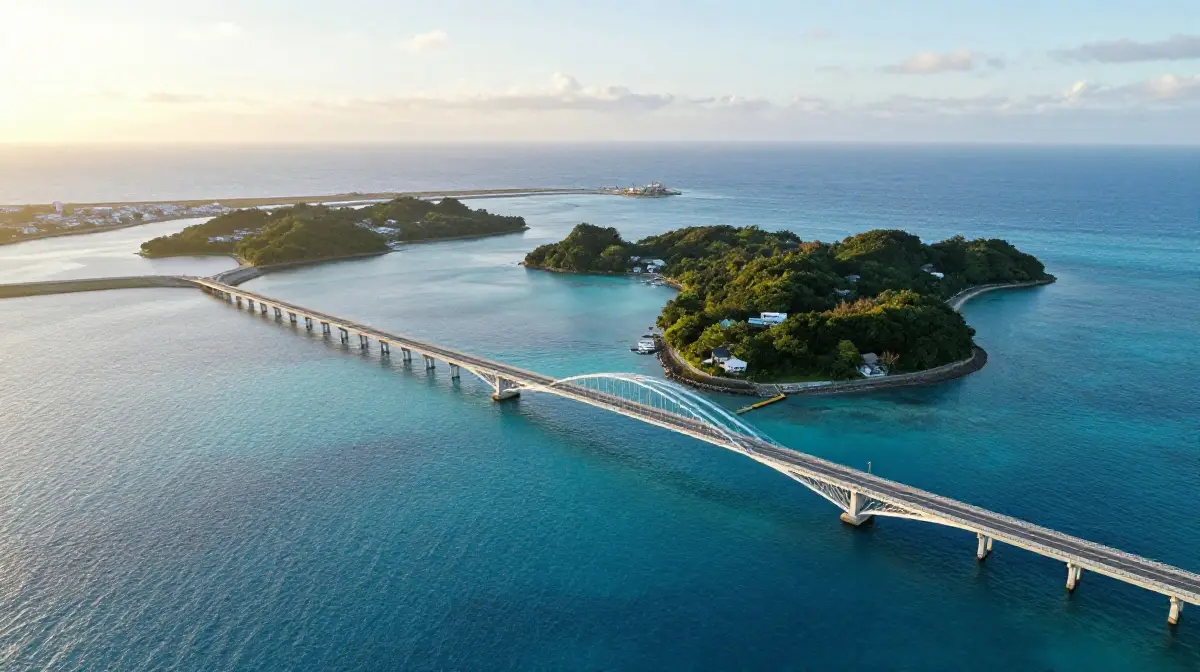
Kouri Bridge is one of the most photographed landmarks in all of Okinawa and the view from its 1.9-kilometer span across the turquoise sea to the small forested island beyond is immediately and unmistakably iconic. The bridge is best photographed from the viewpoint on the hill above Yagaji Island at the mainland end, where a sweeping elevated perspective reveals the full length of the bridge arcing across water of an extraordinary blue-green clarity that seems almost too perfect to be real. Sunrise visits offer the cleanest light and the fewest crowds, while the view from the bridge itself looking back toward the main island at sunset produces some of the most beautiful coastal photography possible anywhere in Okinawa.
Shuri Castle
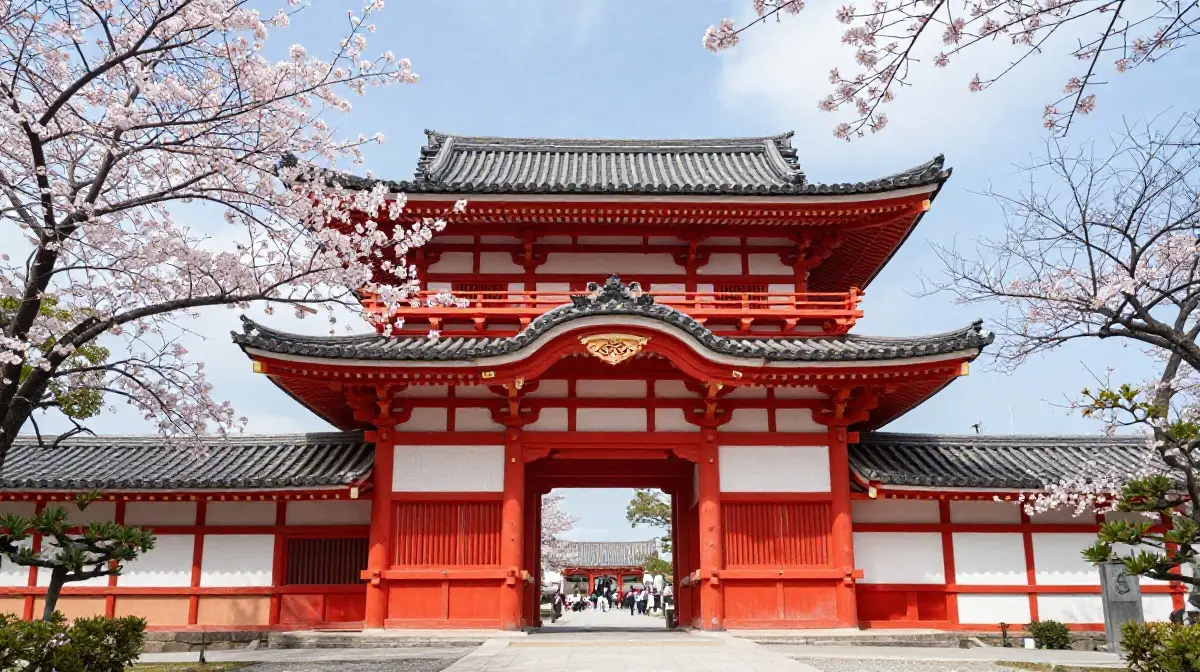
Shuri Castle in Naha is the most historically significant and architecturally magnificent building in Okinawa, a reconstructed Ryukyuan royal palace whose dramatic red lacquered buildings, ornate gates, and tiered stone walls create a setting of exceptional photographic richness. The Shureimon gate at the main entrance is the most iconic single image in Okinawan cultural photography and appears on the two thousand yen banknote, but the interior courtyards, the golden throne room, and the views over Naha from the castle’s elevated position all provide outstanding photographic material. The castle is particularly beautiful during cherry blossom season in late January and early February when pink blossoms frame the red architecture in an unforgettable combination.
Cape Hedo
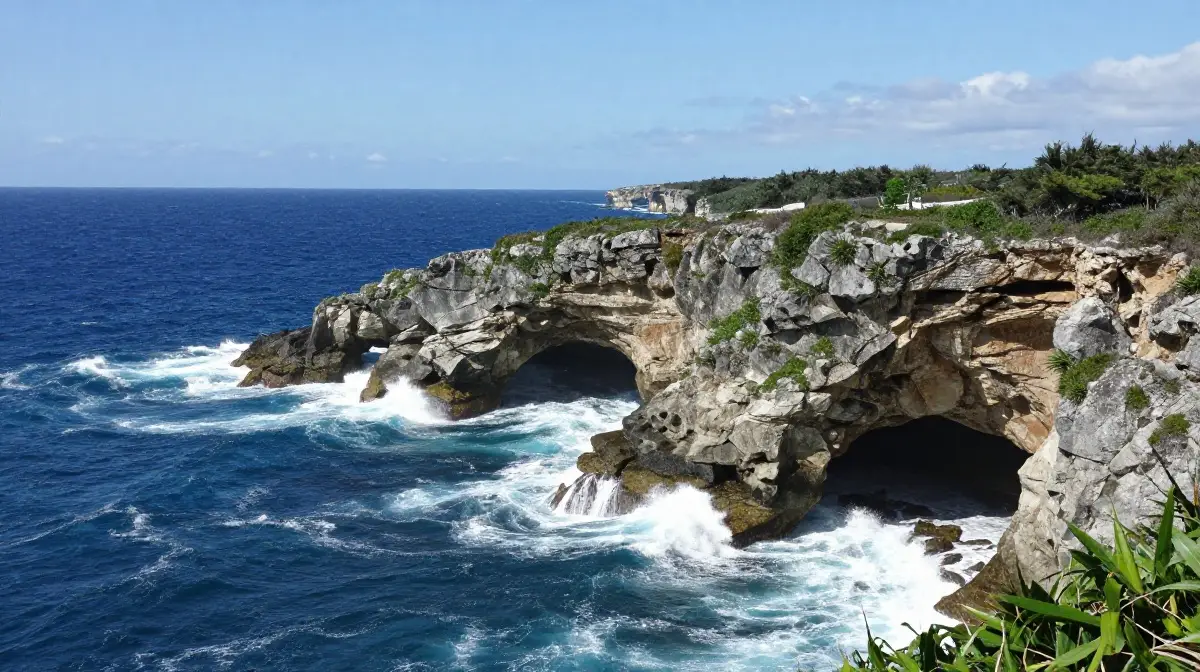
Cape Hedo at the northernmost tip of Okinawa’s main island is a dramatic and wild coastal landscape where the East China Sea and the Pacific Ocean meet in a constant churning of surf and spray against rugged limestone cliffs and rock formations. The cape has an untamed and elemental quality that differs completely from the manicured resort beaches further south, and the panoramic ocean views from the clifftop in every direction create a sense of standing at the edge of the world that translates powerfully into photography. The drive north through the Yanbaru forest to reach Cape Hedo is itself a beautiful journey through some of the most verdant and unspoiled natural landscape on the main island.
Bise Fukugi Tree Road
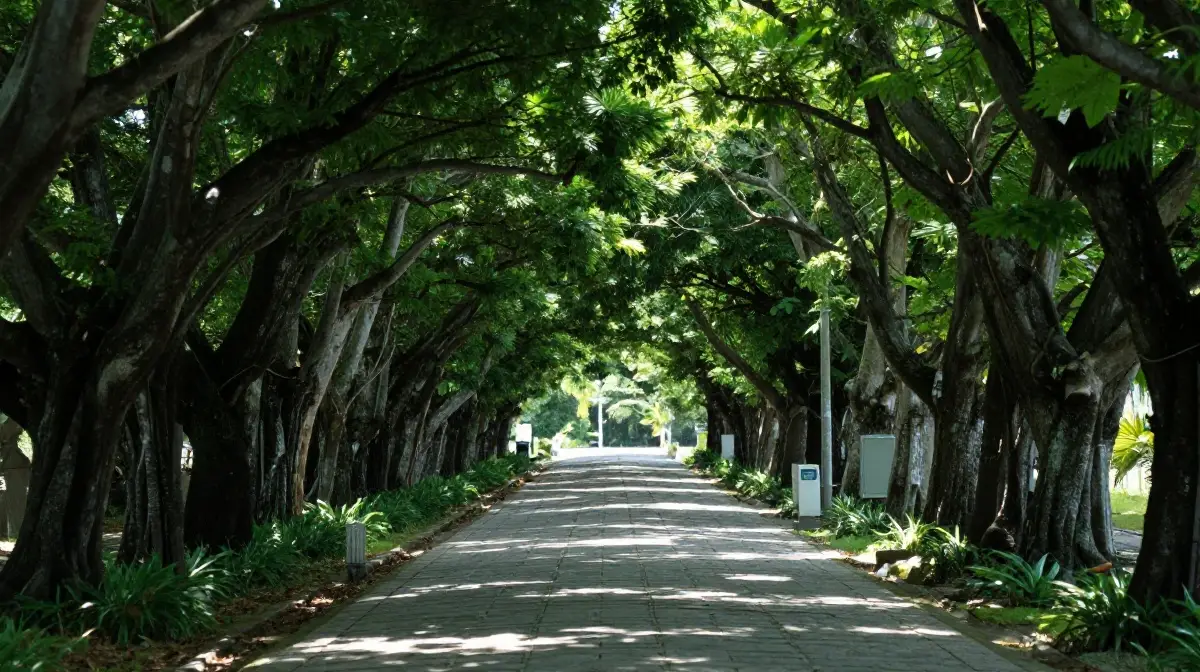
The Bise Fukugi Tree Road is one of the most enchanting natural corridors in Okinawa, a narrow lane in the small coastal village of Bise lined on both sides by enormous ancient fukugi trees whose dense canopies interlock overhead to create a cool and atmospheric green tunnel that filters the light into a soft, dreamlike quality. Walking or cycling slowly through the tunnel while the sea breeze moves the leaves and dappled sunlight shifts across the stone-paved lane creates a sensory experience of rare tranquility and beauty that is equally compelling on camera as it is in person. The village of Bise itself, with its traditional coral stone walls and views of Sesoko Island beyond, adds additional photographic interest to the visit.
Taketomi Island
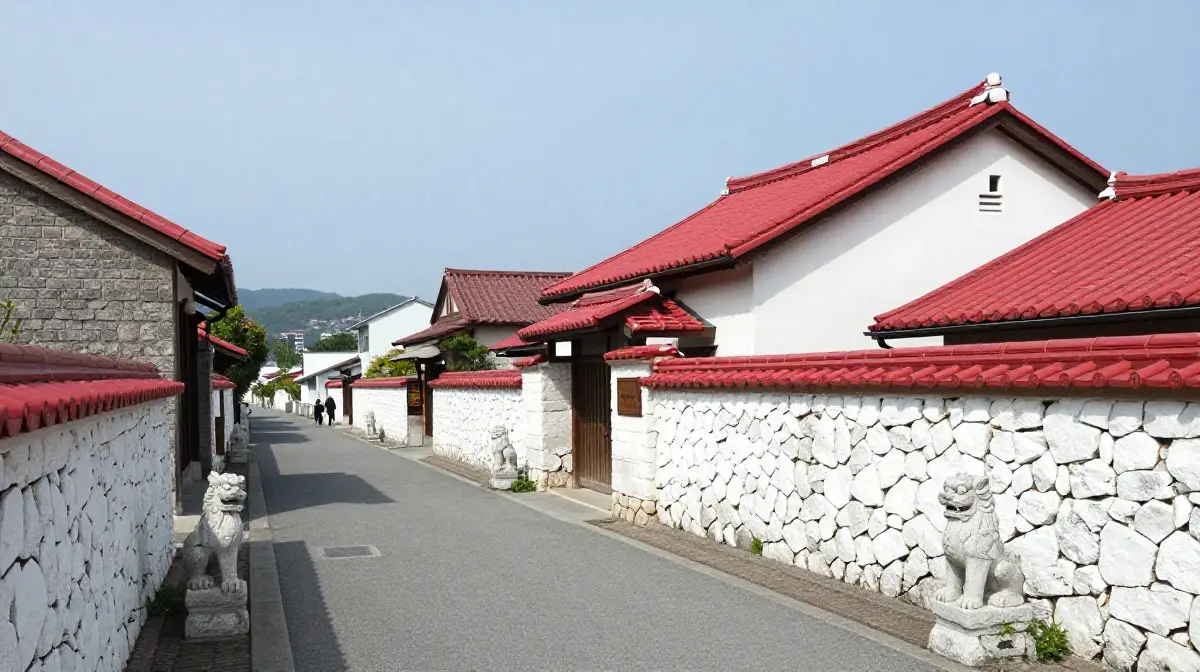
Taketomi Island is one of the most visually distinctive and culturally preserved destinations in the entire Okinawan archipelago, a small and flat island where traditional Ryukyuan village architecture including white coral stone walls, red-tiled roofs topped with shisa guardian lion statues, and carefully tended garden paths creates an atmosphere of extraordinary historical authenticity and photographic richness. The island is best explored by rental bicycle which allows visitors to move at their own pace through the village lanes and out to the brilliant white and turquoise Kondoi Beach. The famous water buffalo cart rides through the village lanes provide another iconic and immediately charming photographic subject.
Nakijin Castle Ruins
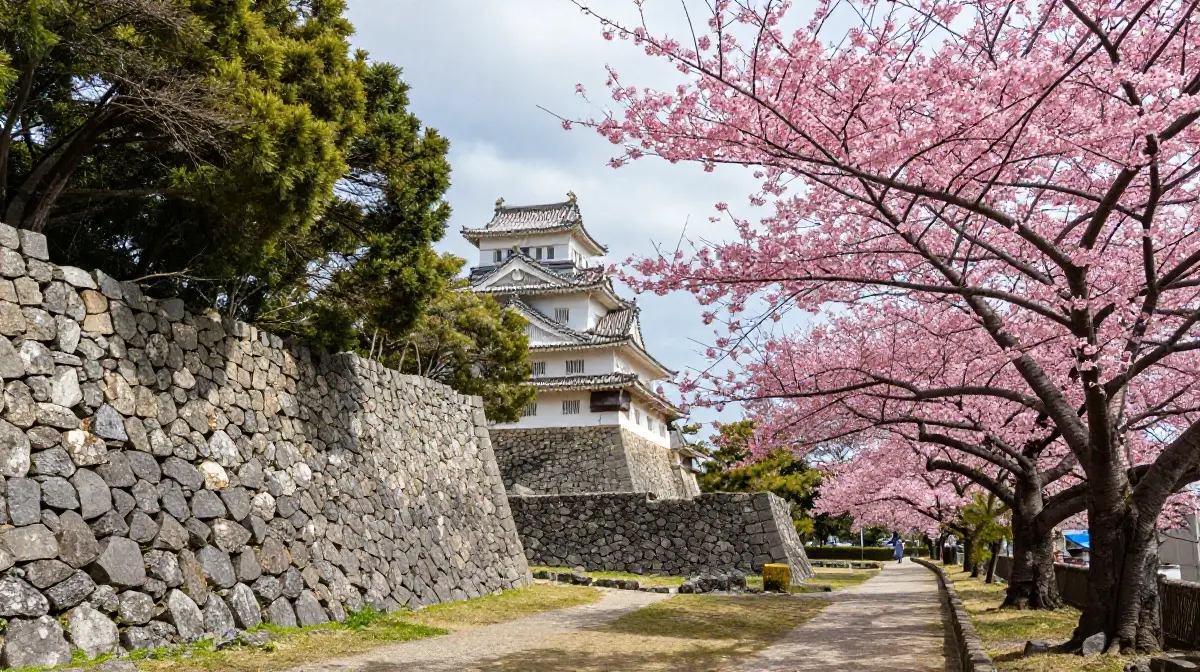
Nakijin Castle is a UNESCO World Heritage Site located in the northern part of Okinawa’s main island and its remarkably preserved stone walls, which curve along a forested ridgeline in a series of graceful arcs that seem to grow naturally from the landscape, create one of the most dramatically beautiful heritage photography subjects in all of Japan. The castle is particularly spectacular during cherry blossom season when hundreds of Kanhizakura cherry trees bloom in deep pink along and within the ancient walls, creating a combination of historic architecture and natural color that draws photographers from throughout Japan. The views from the castle walls over the surrounding countryside and distant sea are equally outstanding.
American Village Sunset Beach
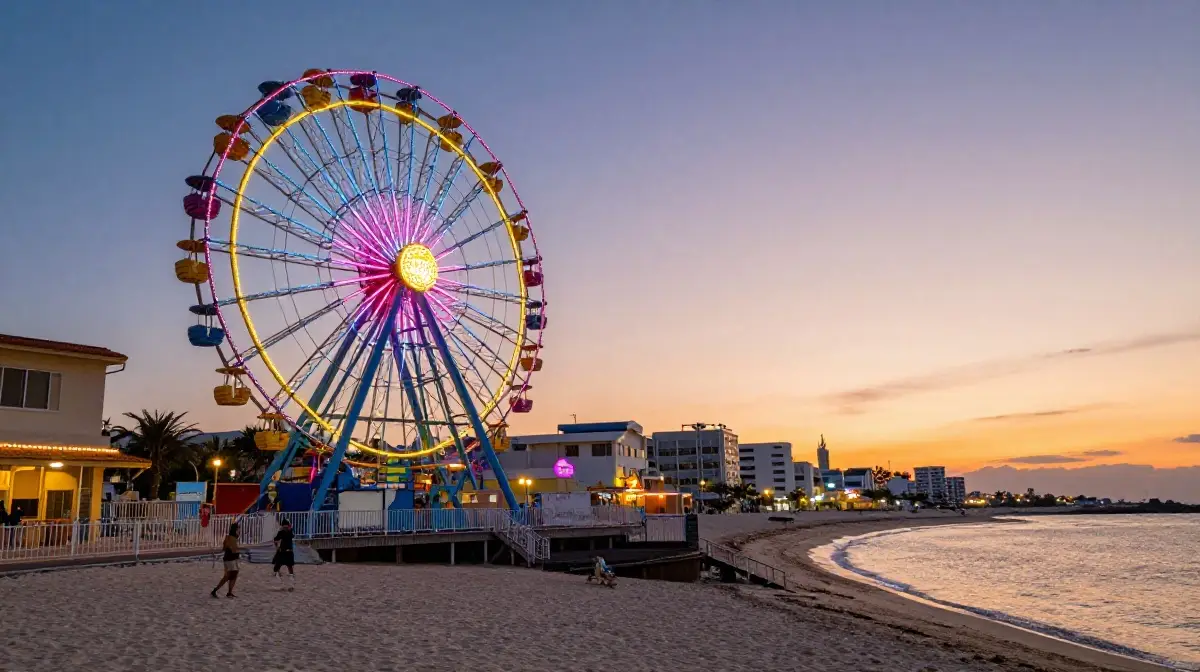
The American Village in Chatan is a distinctive and colorful shopping and entertainment district that blends American postwar cultural influences with contemporary Japanese commercial aesthetics to create a visual environment unlike anything else in Japan. The large Ferris wheel overlooking the sea, the brightly painted building facades, the neon-lit entertainment strips, and the direct access to Sunset Beach where the sun descends over the East China Sea in spectacular fashion every evening create a location of continuous photographic interest throughout the day and into the night. Evening photography at American Village captures a mood of retro nostalgia mixed with contemporary Japanese urban energy that is completely unique to this part of Okinawa.
Okinawa Churaumi Aquarium
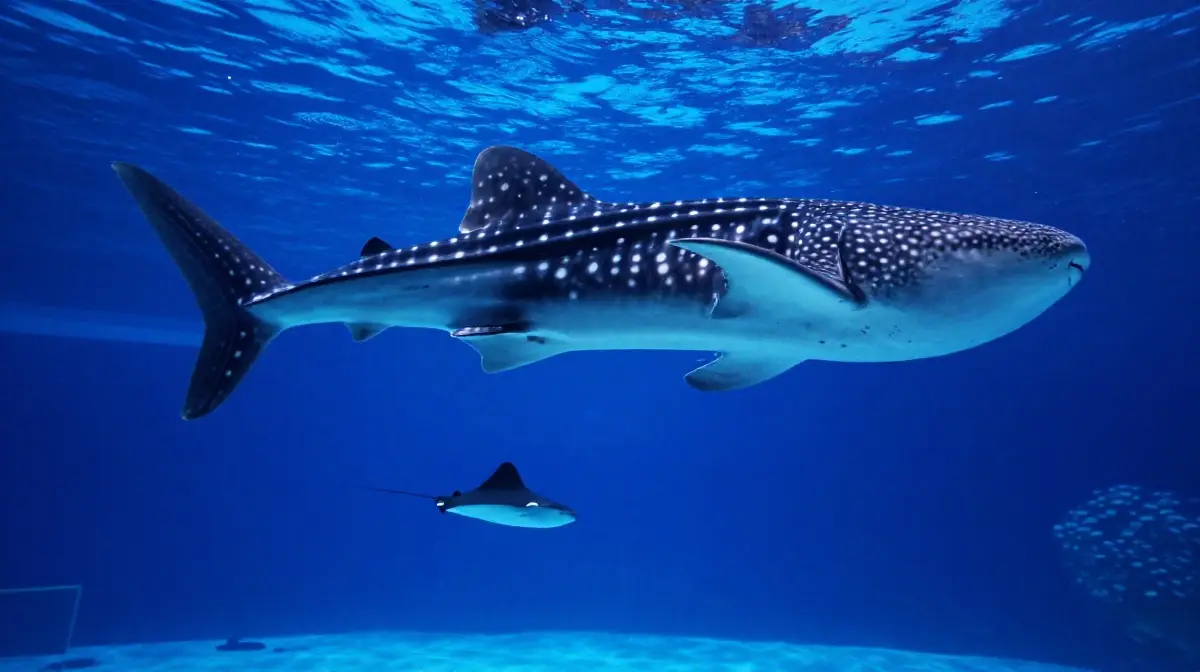
The Okinawa Churaumi Aquarium within Ocean Expo Park is one of the largest and most impressive aquariums in the world and the photographs possible inside its enormous main tank, where whale sharks, manta rays, and thousands of other marine species move through fourteen thousand tonnes of crystal-clear water, are among the most extraordinary indoor photography opportunities available anywhere in Japan. The blue luminescence of the main tank creates a natural lighting effect that makes every photograph taken in front of it appear professionally lit, and the presence of whale sharks, the largest fish in the world, swimming just behind the glass provides a scale and drama that no aquarium photography can replicate.
Okinawa World and Gyokusendo Cave
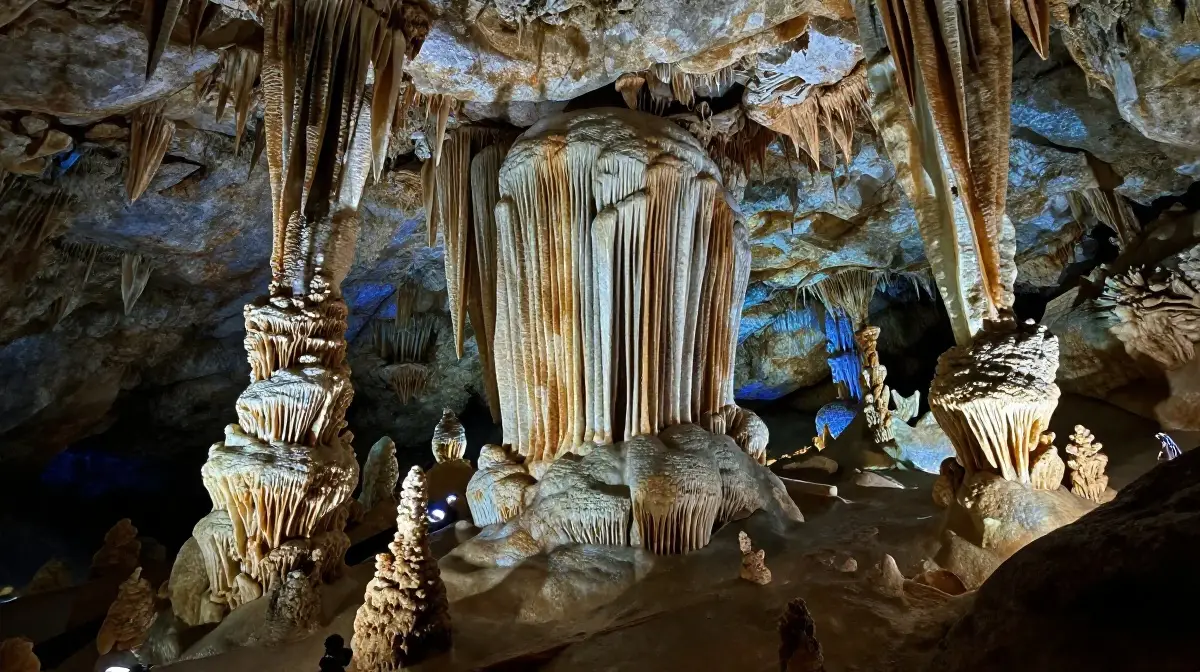
Okinawa World is a cultural theme park that combines the extraordinary natural spectacle of Gyokusendo Cave, one of Japan’s largest limestone cavern systems, with traditional Ryukyuan craft demonstrations, Habu snake shows, and the beautiful Gangala Valley nature trail to create a destination of diverse and continuously engaging photographic material. The interior of Gyokusendo Cave is filled with dramatic stalactites and stalagmites illuminated by carefully positioned colored lights that create an otherworldly atmosphere of great photographic drama. The cave has been forming for approximately three hundred thousand years and its most ancient and complex formations produce images of genuinely surreal beauty.
Sunayama Beach Rock Arch
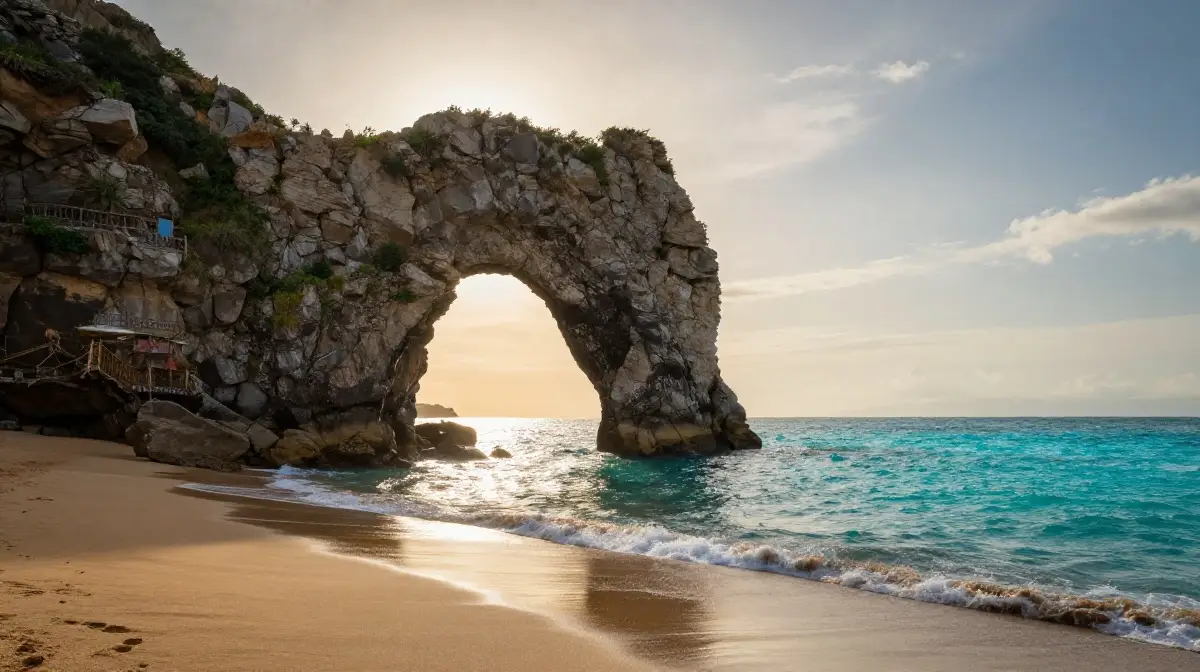
The natural rock arch at Sunayama Beach on Miyako Island is one of the most iconic and immediately recognizable natural features in all of Okinawa, a dramatic formation that frames perfectly composed views of the open sea and horizon beyond in a way that almost no other natural feature anywhere in Japan can match. The arch is large enough to walk through and stand beneath, allowing photographers to compose shots using it as a foreground frame for the turquoise sea and white sand beach visible through the opening. Golden hour photography at Sunayama, when the setting sun turns the rock arch and the surrounding sand to warm gold and the sea glows orange and pink, produces some of the most beautiful beach photography in the entire archipelago.
Yanbaru National Park
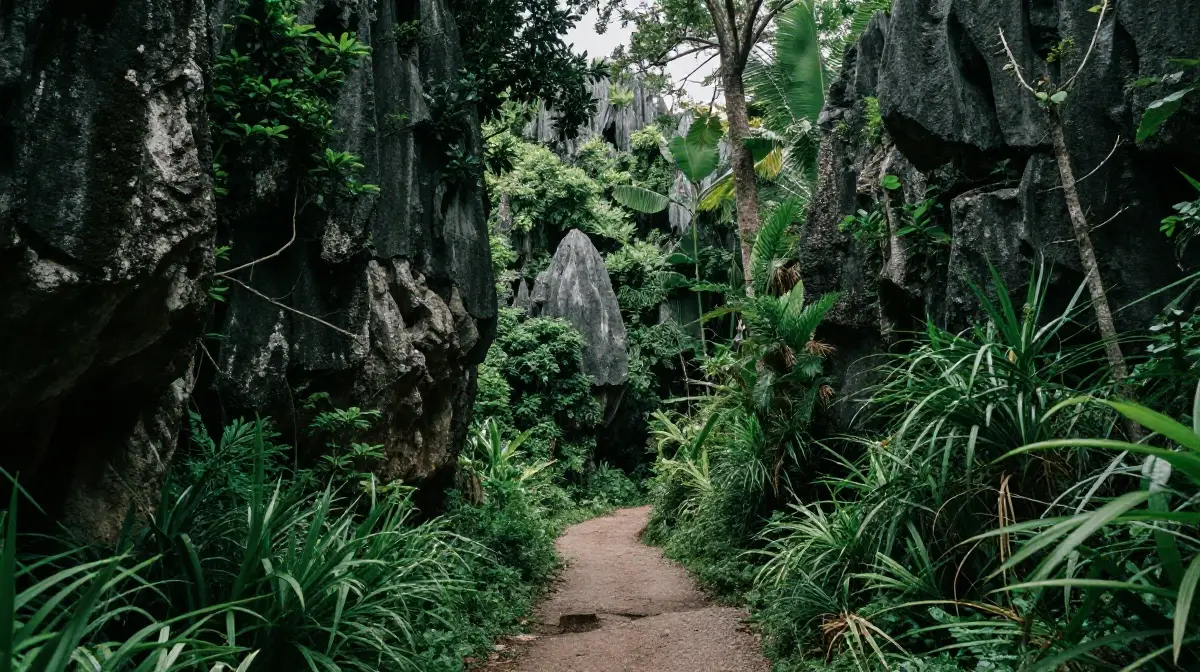
Yanbaru National Park in the northern third of Okinawa’s main island is a vast area of subtropical forest that is home to numerous endemic species found nowhere else on earth, including the extraordinary Okinawa Rail bird, the Ryukyu black-breasted leaf turtle, and a richly diverse community of subtropical flora that creates a visual environment of dense, layered green beauty. The forest is threaded with hiking trails that lead through ancient trees draped in moss and fern to viewpoints, waterfalls, and coastal vistas that reveal a completely different and wilder face of Okinawa from the beach resorts and cultural sites of the south. The Daisekirinzan park within Yanbaru features unique limestone rock formations rising from the forest floor that create a landscape of dramatic and unusual visual character.
Kijoka Ogimi Village
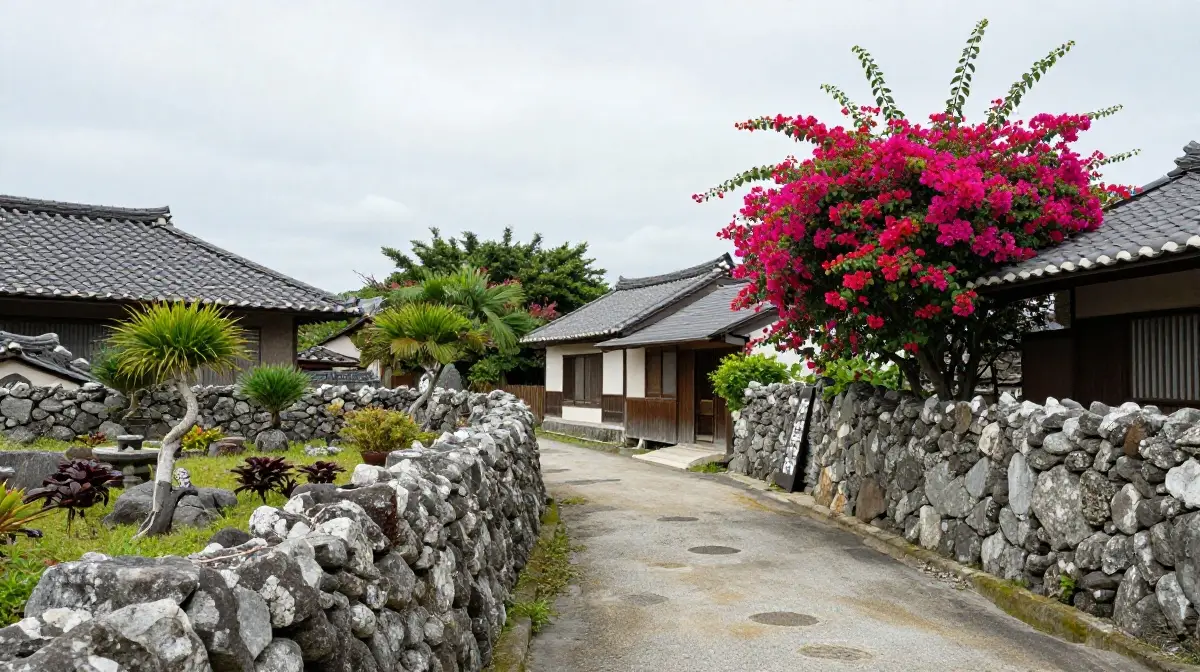
Ogimi Village in the northern Yanbaru region is known as the village of long life and is celebrated throughout Japan for its remarkable population of centenarians, its traditional weaving craft of Bashofu banana fiber fabric, and the authentic and unhurried pace of Ryukyuan village life that it preserves with genuine conviction. The visual appeal of Ogimi lies in the combination of traditional stone-walled gardens, bougainvillea-draped lanes, elderly weavers working at traditional looms, and the surrounding mangrove forests and coastal landscapes that create a portrait of rural Okinawa of extraordinary authenticity and photographic richness that feels completely removed from the tourist circuits of the main island’s south.
Kabira Bay Ishigaki
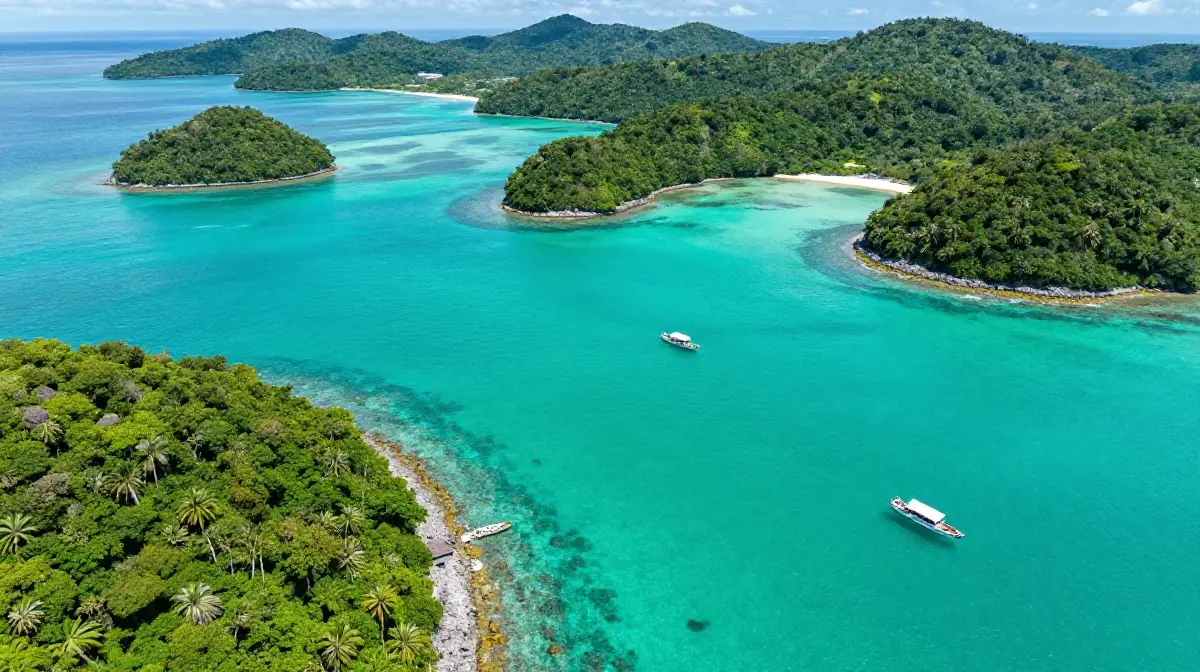
Kabira Bay on Ishigaki Island is widely considered the most scenically beautiful bay in all of Okinawa and the view from the elevated observation deck above the bay, looking down over the emerald and turquoise lagoon scattered with small forested islands while glass-bottomed boats glide silently across the shimmering surface, is one of the most photographed natural scenes in Japan’s southwest. The colors of Kabira Bay are genuinely extraordinary, shifting from deep emerald green in the shallows near the islands through brilliant turquoise to deep cobalt blue in the channel beyond, creating a natural color palette of remarkable sophistication that requires no filter enhancement to produce stunning results.
Sesoko Island Beaches and Bridges
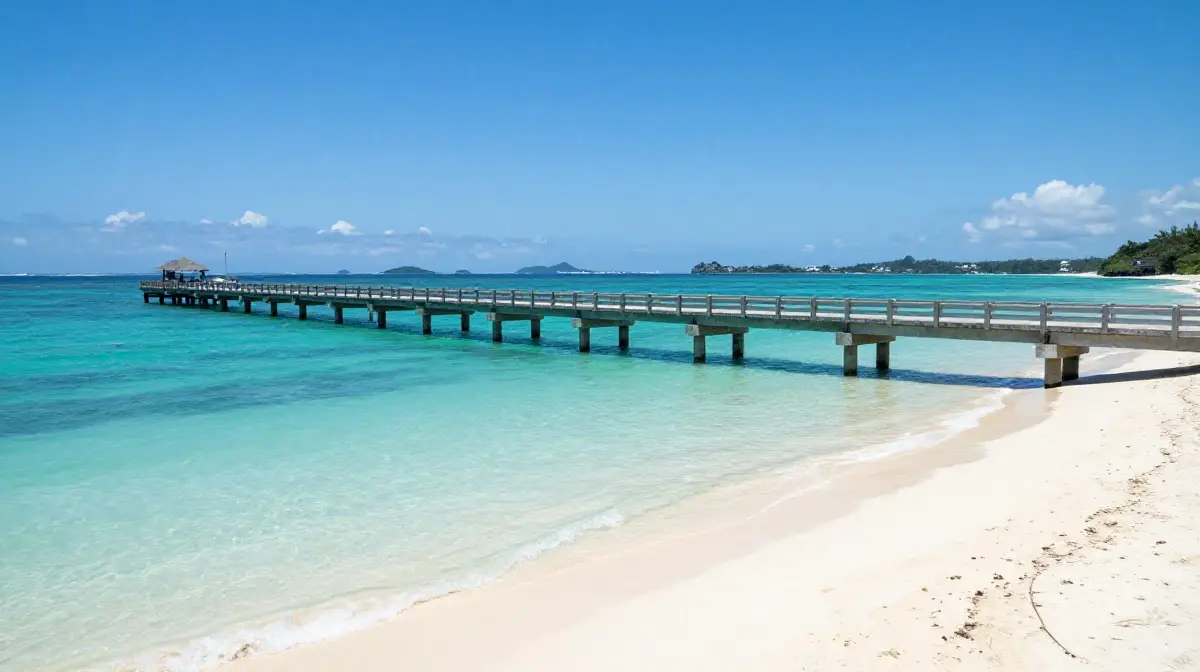
Sesoko Island connected to the Okinawan main island by a short but scenic bridge offers a combination of beach and bridge photography that captures the essence of Okinawa’s island chain aesthetic particularly well. The view of the bridge from the beach with the turquoise sea in the foreground and the main island visible in the hazy distance beyond creates a composition that speaks directly of the island-hopping character of Okinawan travel. The beaches of Sesoko have clear, clean water with a beautiful natural color and the surrounding area retains enough of a local and unhurried quality to make photography there feel genuinely exploratory rather than scripted.
Penguin Cafe and Themed Cafes Naha

Naha and the surrounding urban areas of Okinawa’s main island have developed a remarkable collection of highly photogenic themed cafes and restaurants that offer interior and exterior photography of great creativity and visual interest. The most celebrated include cafes where visitors can interact with owls, hedgehogs, and penguins in carefully designed environments, as well as Ryukyuan-themed tea houses and ocean-view restaurants with floor-to-ceiling windows that create beautiful natural light photography opportunities. These venues have developed strong social media followings for the quality and consistency of the imagery their interiors and experiences generate.
Zamami Island and Kerama Blue Sea
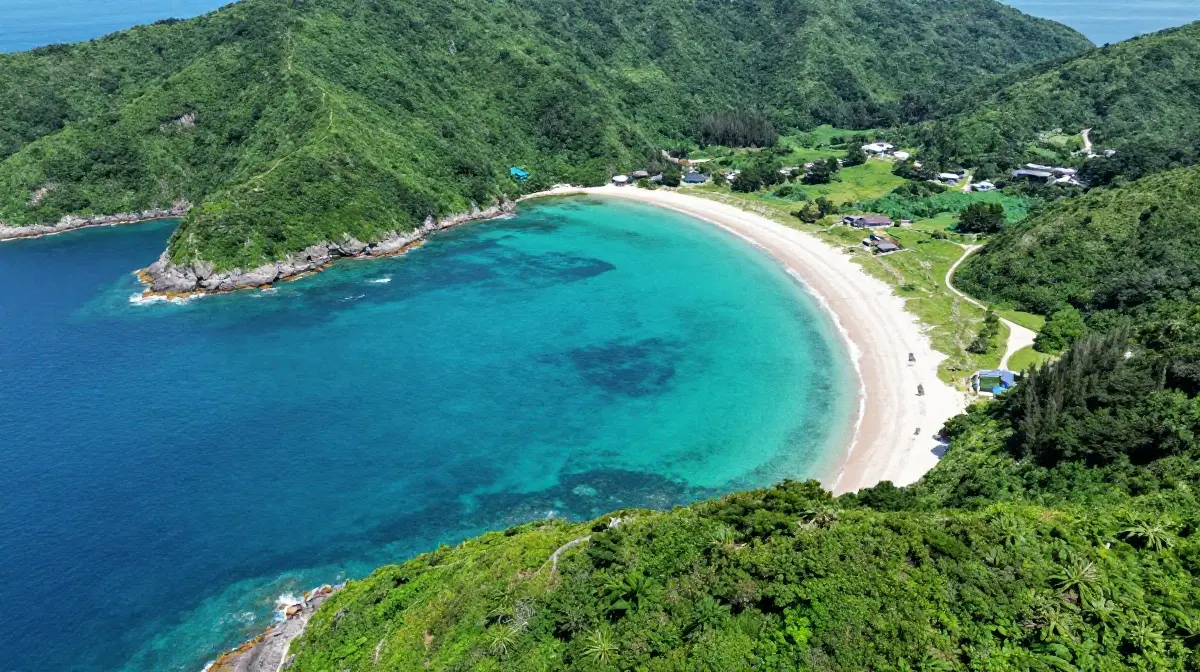
Zamami Island in the Kerama Island chain offers photography of the famous Kerama Blue sea, a color designation given to the uniquely vivid and transparent blue of the water in this protected marine national park that is so consistently striking and visually extraordinary that it has become a recognized and celebrated natural phenomenon. The elevated viewpoints on Zamami Island looking down over the bays and coves where the water transitions through every shade of blue and turquoise simultaneously create landscape photography of exceptional color richness. The combination of pristine white beaches, the vibrant Kerama Blue sea, and the green forested hills of the surrounding islands creates a natural composition of almost perfect photographic balance.
Hateruma Island Milky Way
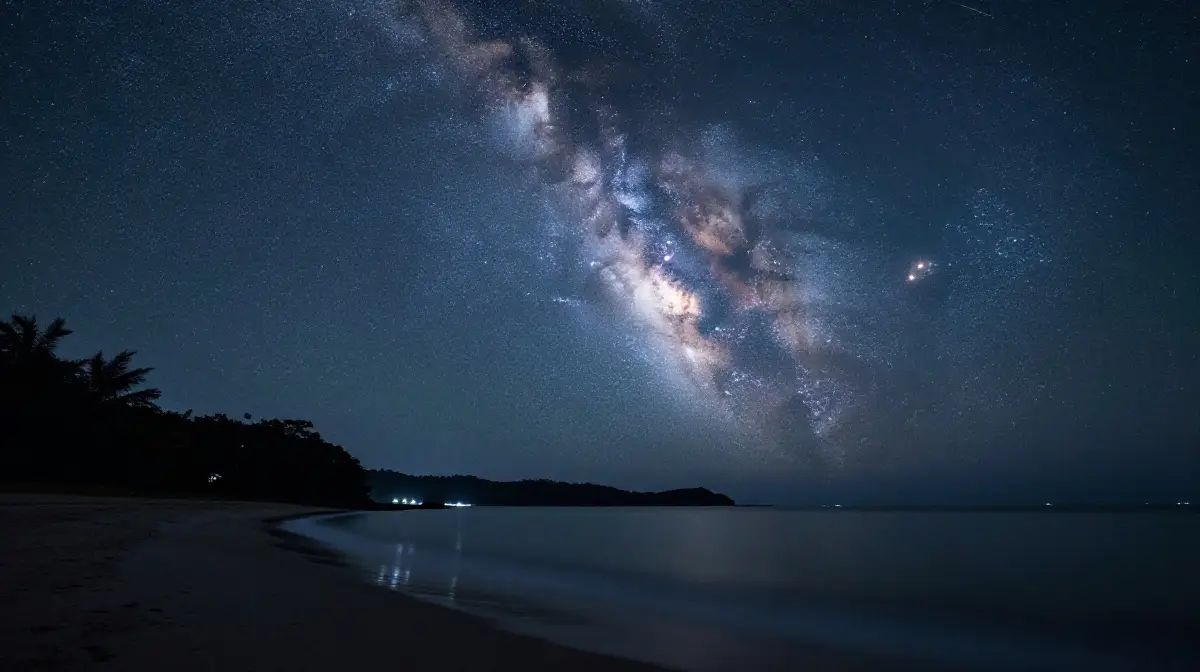
Hateruma Island, the southernmost inhabited island in Japan, is celebrated among photographers and stargazers for the extraordinary clarity and density of the night sky visible from its shores, where the complete absence of light pollution from any nearby city or town allows the Milky Way to appear in full visual splendor directly overhead on clear nights. Long exposure astrophotography from Hateruma Island’s beaches, with the star-filled sky reflected in the calm sea below and the silhouettes of beach vegetation in the foreground, produces images of cosmic beauty that are unlike anything achievable from any light-polluted location. The island has a dedicated stargazing observatory and the best viewing periods coincide with the clear weather windows between typhoon seasons.
Tsuboya Pottery District Naha
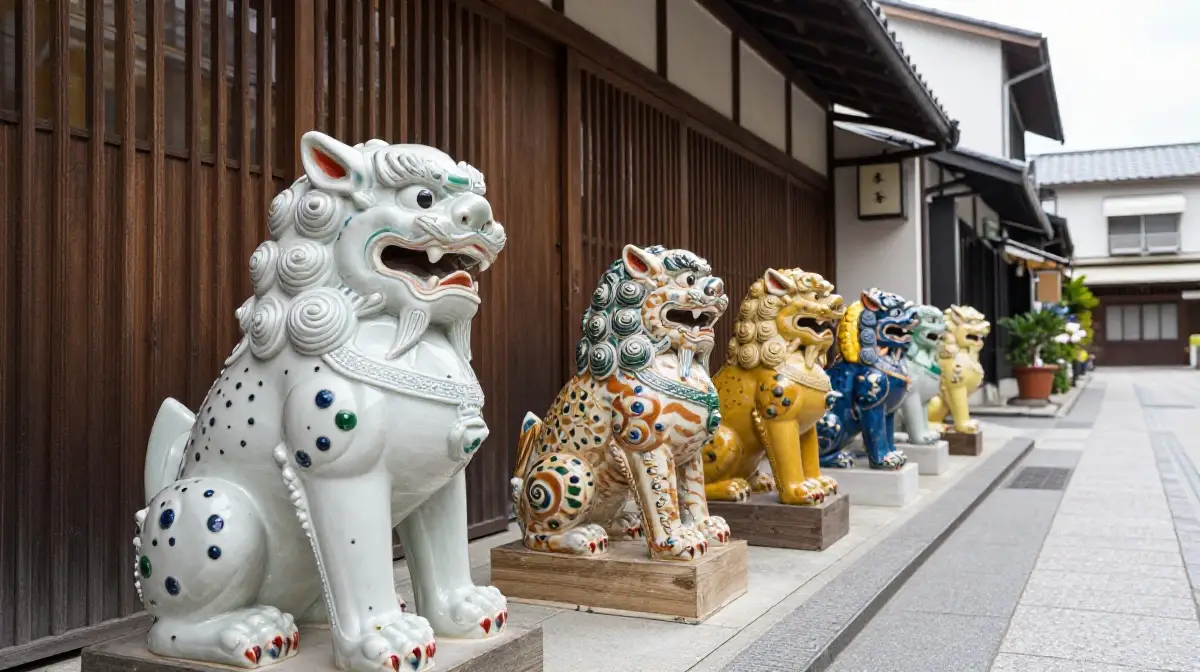
The Tsuboya pottery district in the heart of Naha is a narrow and beautifully preserved historic lane lined with traditional pottery workshops and galleries that has produced distinctive Okinawan ceramics for over three hundred years. Walking through Tsuboya’s main shopping lane, which is decorated with colorful ceramic shisa lions, decorative tiles, and traditional pottery displays that spill out from every shopfront, creates a rich and continuously interesting visual experience that translates beautifully into street photography with strong local color and cultural character. The working pottery kilns visible through open workshop doors and the craftspeople at their wheels add life and authenticity to the photographic material available throughout the district.
Kokusai Street Festival Atmosphere
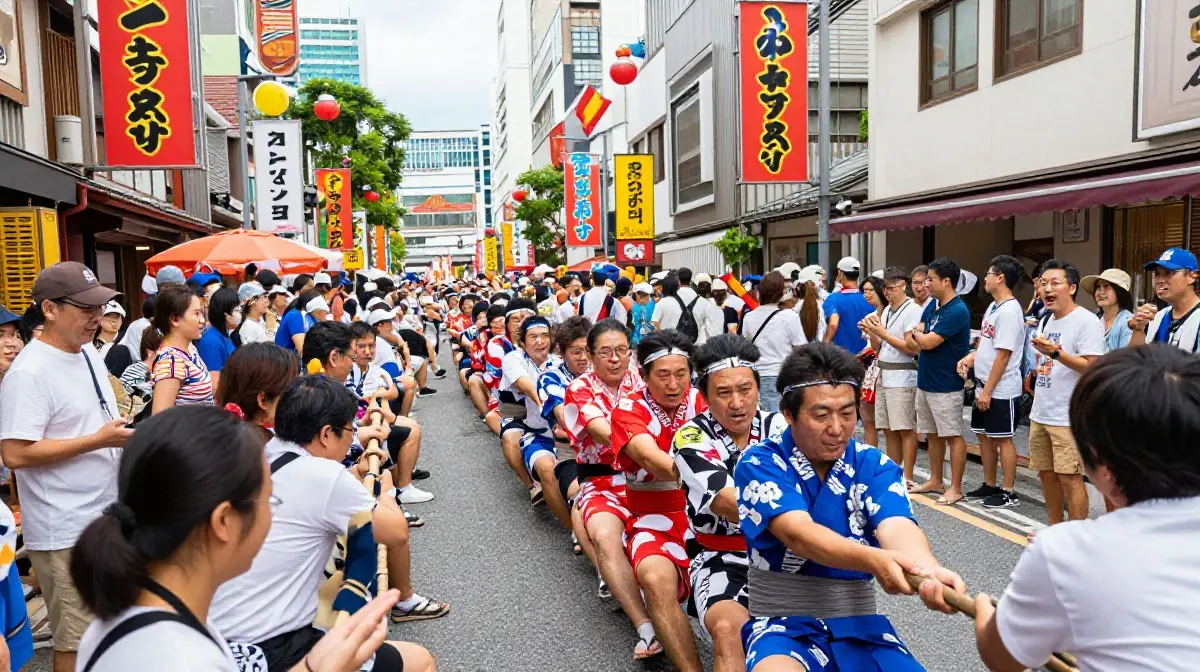
Kokusai Street in central Naha is Okinawa’s most famous commercial thoroughfare and a destination of enormous visual energy and cultural interest where traditional Ryukyuan craft shops, Okinawan food stalls, souvenir vendors, live music performances, and the constant movement of a diverse international crowd create a street photography environment of continuous and changing interest. During the Naha Tug of War Festival in October, Kokusai Street transforms into the stage for one of the world’s largest tug of war competitions, a UNESCO-listed cultural event where thousands of participants pull a rope hundreds of meters long through streets lined with equally enormous crowds of spectators in a celebration of extraordinary visual drama and communal energy.
Cape Zanpa Lighthouse
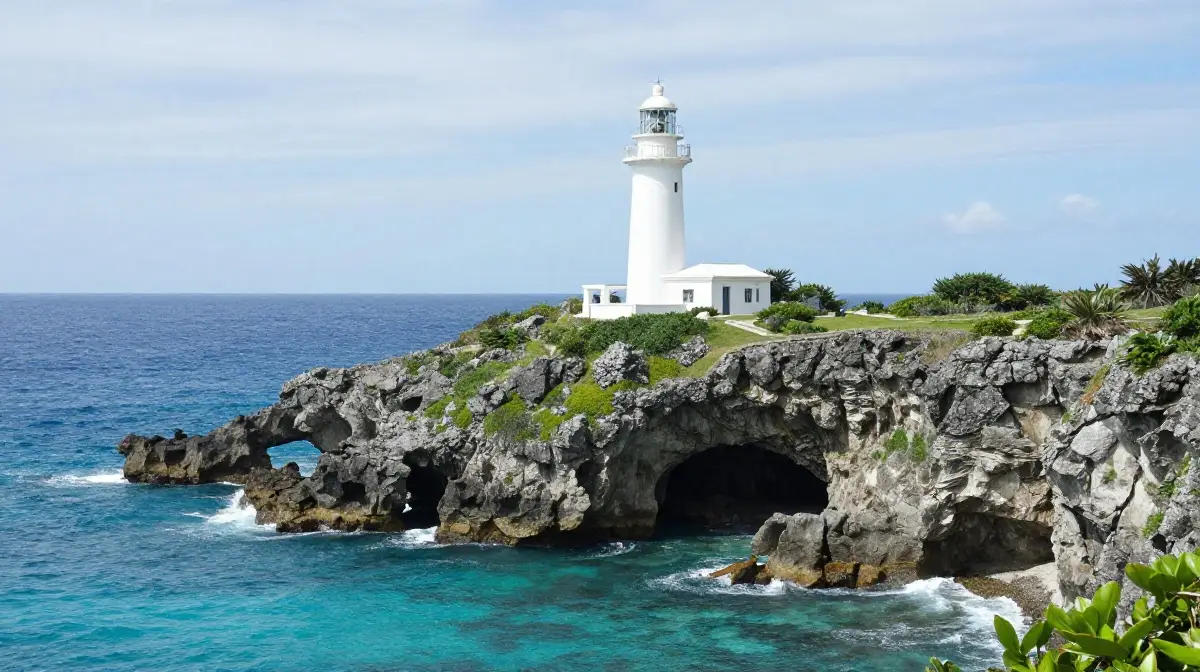
Cape Zanpa on the western coast of Okinawa’s main island is dominated by a striking white lighthouse that stands at the edge of dramatic limestone cliffs above the East China Sea, creating one of the most classically beautiful lighthouse photography compositions available in Japan. The combination of the pure white lighthouse, the rugged brown and grey limestone formations of the cape, the vivid turquoise water visible far below, and the wide open sea horizon beyond creates a natural composition of timeless visual appeal that works beautifully in both wide landscape and more intimate detail-focused photography. The cape is also home to a large shisa lion sculpture that provides additional cultural photographic interest alongside the natural coastal scenery.
Hiji Falls Yanbaru
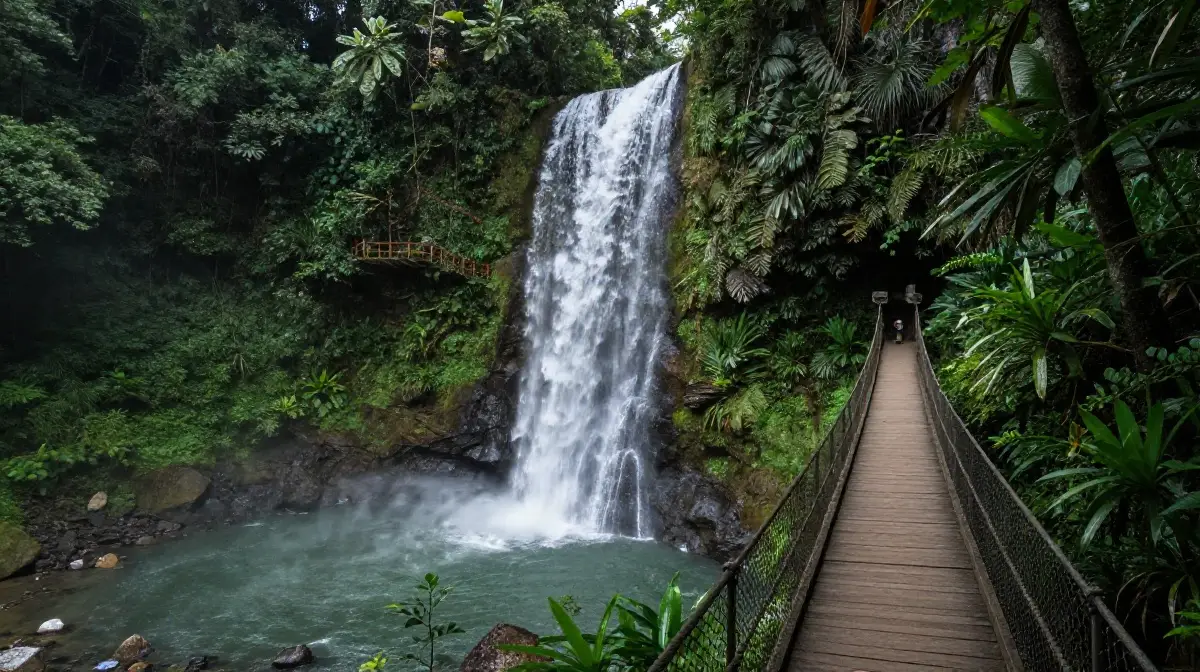
Hiji Falls in the Yanbaru forest of northern Okinawa is the main island’s most celebrated waterfall, a beautiful cascade that tumbles through dense subtropical jungle into a clear pool below and is accessible via a well-maintained hiking trail that passes through some of the most visually impressive forest scenery available on the main island. The trail to Hiji Falls is itself a continuous photographic pleasure with ancient trees, hanging vines, wooden suspension bridges over mountain streams, and occasional glimpses of the endemic wildlife that makes the Yanbaru forest one of Japan’s most biologically significant natural areas. The falls are most impressive after heavy rainfall when the volume and power of the cascade is at its greatest.
Miyako Island Yoshino Coral Gardens
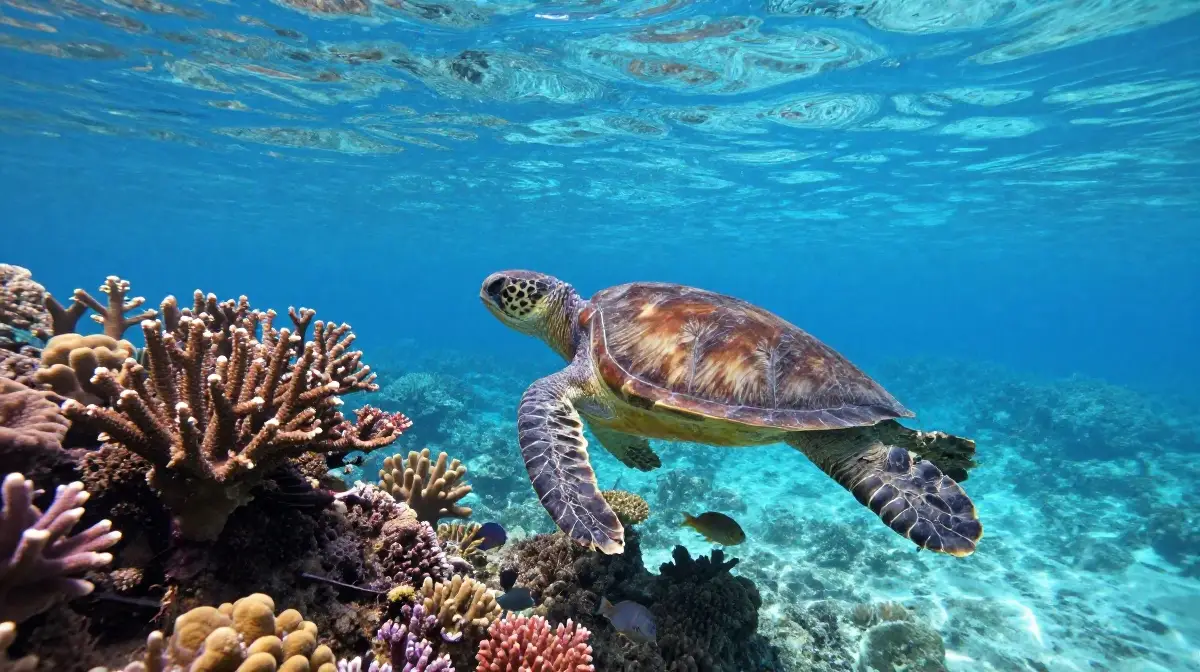
The coral gardens of Yoshino Beach on Ishigaki Island and the surrounding snorkeling waters of Miyako Island offer underwater photography opportunities of extraordinary quality and accessibility, where healthy and vibrant coral formations in shallow, crystal-clear water create an underwater landscape of almost supernatural color and visual complexity. Even basic waterproof cameras and entry-level underwater photography equipment can produce genuinely beautiful results in these exceptionally clear and well-lit shallow waters, and the presence of sea turtles, eagle rays, and abundant tropical fish provides continuously moving and compelling photographic subjects. The combination of the above-water beach beauty and the underwater world directly accessible from the shoreline makes these locations complete photographic destinations in themselves.
Conclusion
Okinawa is a destination that rewards the photographically curious traveler with an almost inexhaustible supply of world-class visual material, from the iconic cultural landmarks and extraordinary natural landscapes of the main island to the remote and pristine outer islands where nature has been allowed to remain in its most extraordinary and undisturbed state. Whether you are capturing the ancient stone walls of a UNESCO World Heritage castle in the last light of a winter afternoon, the otherworldly Kerama Blue sea from an elevated island viewpoint at midday, or the dense and luminous star field over a black sand beach on Japan’s southernmost inhabited island, Okinawa consistently delivers the kind of photography that makes memories permanent and inspires the desire to return. Plan your visit with these 22 instagrammable spots in mind and you will come home with a collection of images that do genuine justice to one of Asia’s most beautiful and distinctive travel destinations.
You can may also like this: 22 Beautiful Beaches in Okinawa Japan Ideas to Visit
FAQs
What is the most photogenic spot in Okinawa Japan
Kouri Bridge and the surrounding turquoise sea is widely considered the single most photogenic spot on Okinawa’s main island, while Kabira Bay on Ishigaki Island and the Kerama Blue waters around Zamami Island are the most celebrated photography destinations on the outer islands. Shuri Castle is the most iconic cultural photography location in Okinawa.
When is the best time of day to photograph Okinawa
Golden hour photography at sunrise and sunset consistently produces the most beautiful results at Okinawa’s coastal and beach locations when the low light turns the sea and sand to warm gold. Midday light on clear days produces the most vibrant and saturated water colors at beach and reef photography locations. Night photography for astrophotography is best on outer islands away from light pollution.
Do I need special equipment to photograph Okinawa
A standard camera or smartphone is sufficient for most photography in Okinawa. A wide-angle lens is beneficial for capturing the expansive coastal landscapes and castle grounds. A waterproof camera or underwater housing is recommended for snorkeling and beach photography. A tripod is valuable for long-exposure night sky photography on outer islands like Hateruma.
Are there photography restrictions at Okinawa attractions
Some cultural sites including Shuri Castle charge entrance fees and have specific rules about photography within certain interior spaces. Kabira Bay restricts swimming due to pearl cultivation operations but photography from the shoreline and observation decks is freely permitted. Most natural outdoor locations have no photography restrictions.
How many days do I need to photograph Okinawa properly
A minimum of seven to ten days is recommended to photograph both the main island highlights and at least one or two outer island destinations adequately. Visiting Miyako Island or the Yaeyama Islands including Ishigaki and Taketomi requires additional days of island hopping by flight or ferry to reach the most photogenic outer island locations.
1 Comment