
Introduction
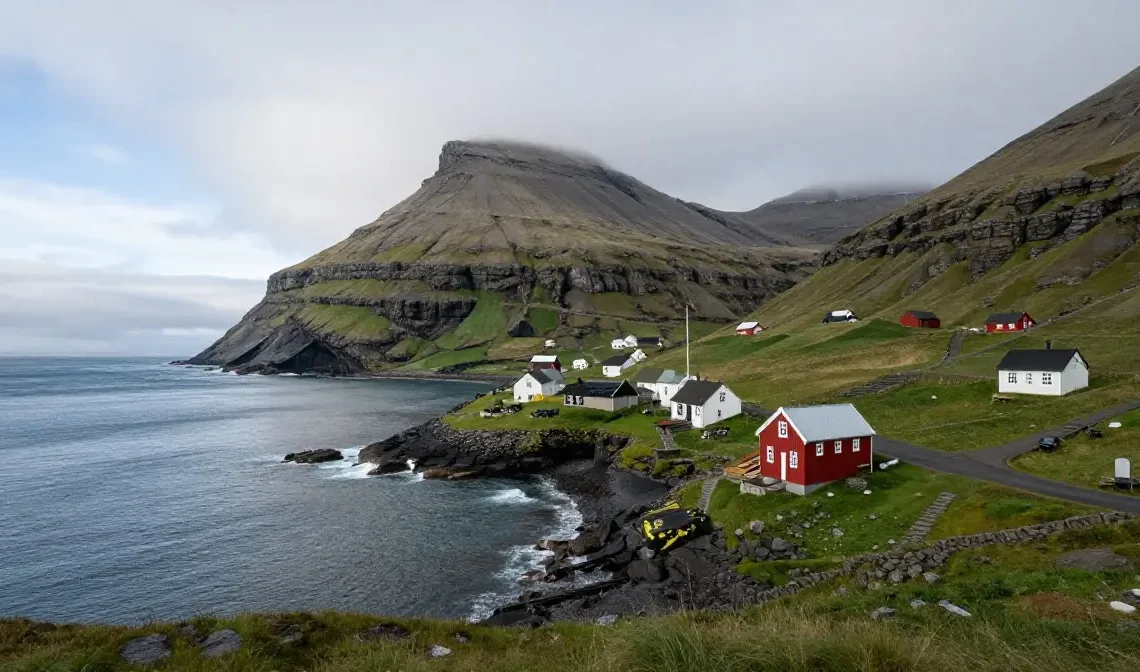
The Faroe Islands sit in the North Atlantic Ocean between Norway and Iceland — an autonomous territory Denmark that most people could not place on a map ten years ago and that now appears on almost every serious travel photographer’s bucket list destination.
The landscape here operates at a different scale. Cliffs drop hundreds of meters straight into the ocean. Waterfalls pour off cliff edges and disappear into the sea before reaching the ground. Villages of turf roof architecture sit in valleys so green they look painted. Fog rolls over the Faroese archipelago in minutes and clears just as fast.
This guide covers 22 of the best Faroe Islands ideas for travel, photography, hiking, and simply standing somewhere so visually overwhelming that you need a moment before you can take a photograph.
Mulafossur Waterfall, Gasadalur
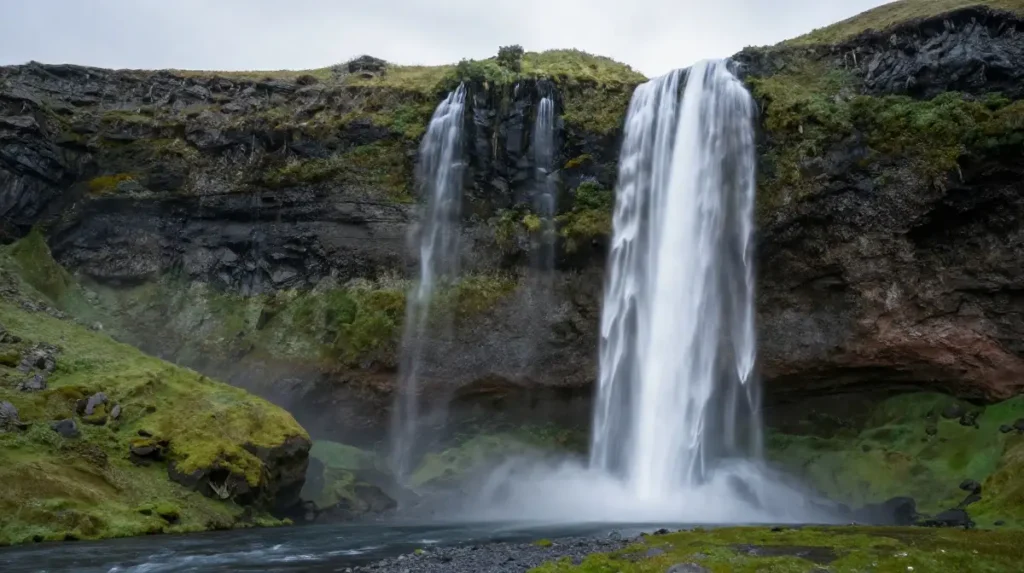
Mulafossur waterfall is the single most photographed image from the Faroe Islands — a cascade that falls from the cliff edge of Gasadalur village directly into the North Atlantic below. The village sits above the falls, its turf roof houses visible at the top of the frame.
Before the undersea tunnel connecting Vagar island to the mainland was built, Gasadalur was accessible only by a mountain path. The isolation preserved its character. Even now, with easy road access, the village feels genuinely remote.
Visit at low tide when the waterfall runs full and the ocean below is visible. This is a Faroe Islands photography spots essential — arrive early morning or stay late for the best light.
Lake Sorvagsvatn — The Hanging Lake Illusion
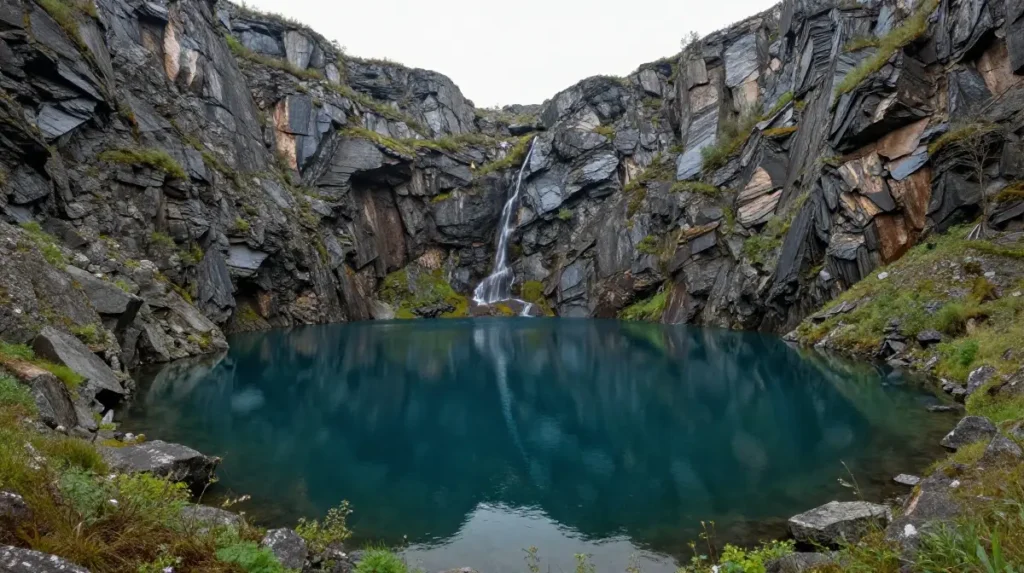
Lake Sorvagsvatn creates one of the most shared optical illusions in travel photography — from the right viewpoint on the cliff walk, the lake appears to float above the ocean, separated from the sea far below by an impossible margin.
The reality is a matter of perspective — the lake sits on a plateau above the cliff, and the specific viewpoint on the trail creates the floating appearance. The hike to reach the viewpoint takes about two hours from the village of Sandavagur on Vagar island.
This is one of the most distinctive Faroe Islands Instagram spots because the image is so specific and so unlike anything else in European travel photography.
Kallur Lighthouse, Kalsoy Island
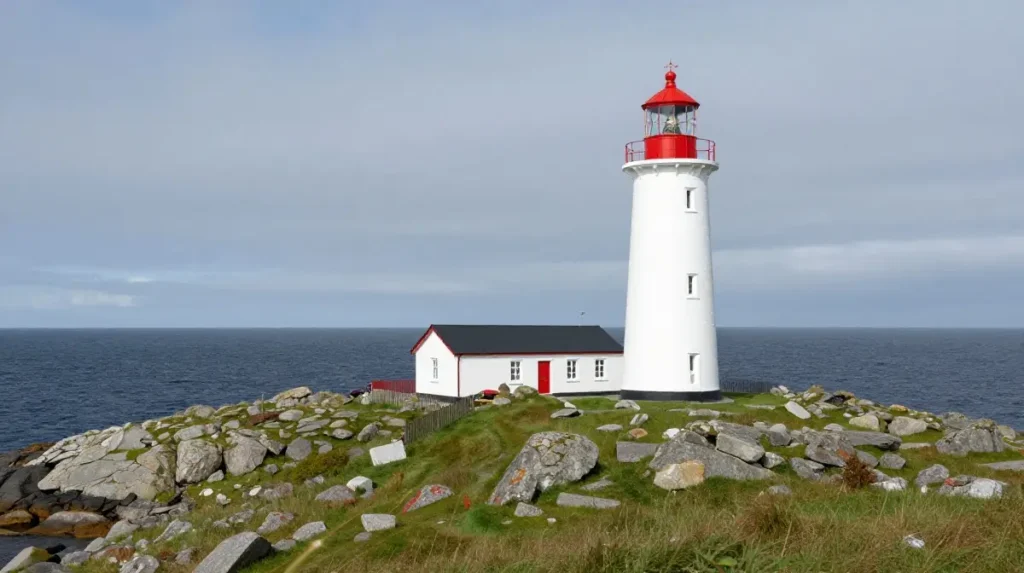
The Kallur lighthouse sits at the northern tip of Kalsoy island on a headland surrounded on three sides by ocean. The hike to reach it crosses green valley ridges with dramatic cliff scenery on both sides — the North Atlantic visible the entire way.
Kalsoy island is reached by ferry transportation from Klaksvik on Bordoy island. The ferry runs a limited schedule — check times carefully before planning the hike, as missing the last ferry back is a real logistical problem on a small island.
This is consistently rated one of the best Faroe Islands hiking trails for the combination of accessibility and visual reward.
Saksun Village
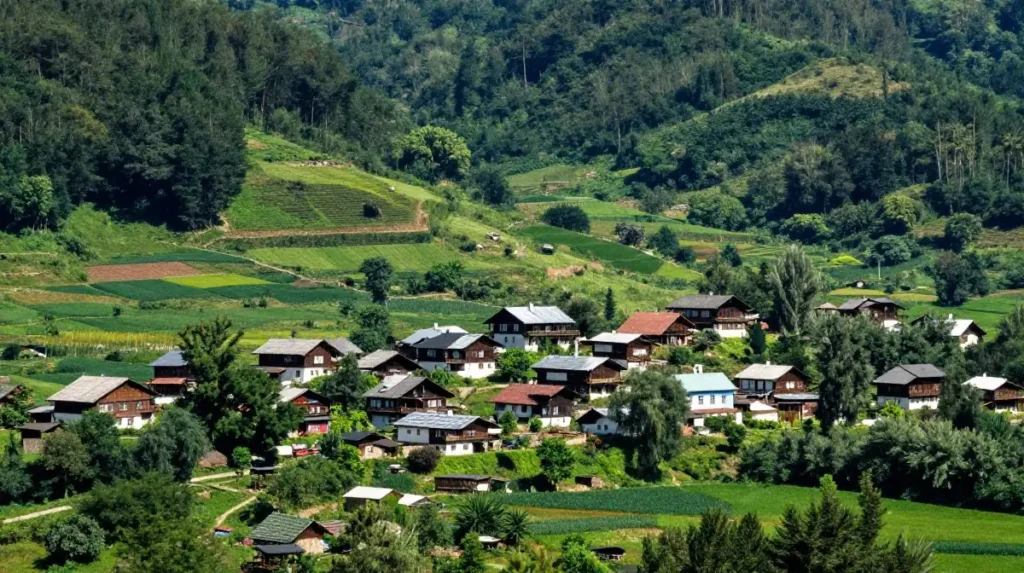
Saksun village on Streymoy island sits at the end of a narrow fjord that fills and empties with the tide — a tidal lagoon enclosed on three sides by steep hillsides. The village itself has fewer than twenty inhabitants, a 17th-century church, and a traditional Faroese house museum.
At high tide, the lagoon fills completely and the village reflects in the water. At low tide, the mudflats stretch toward the ocean. Both versions are worth photographing.
Saksun suits Faroe Islands solo travel and Faroe Islands couple travel particularly well because the atmosphere of the village is quiet and specific — it does not suit large tour groups.
Vestmanna Bird Cliffs
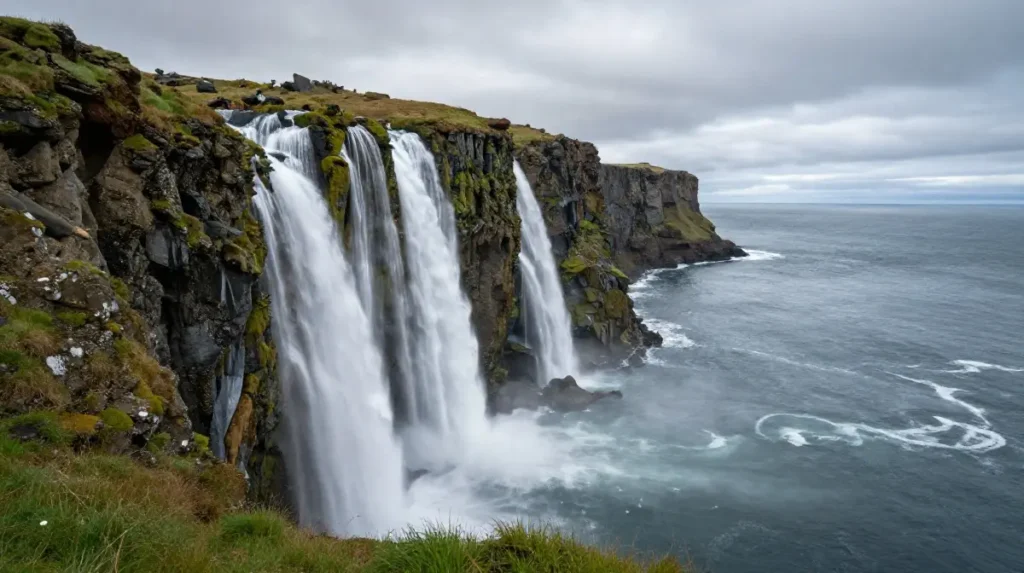
The Vestmanna bird cliffs on Streymoy island are accessible only by boat — tour operators run trips from the town of Vestmanna into narrow sea caves and along cliff faces that rise hundreds of meters above the ocean.
Atlantic puffin bird colonies, northern gannet bird nesting sites, and Arctic tern bird populations are visible at close range from the water. The boat tours pass through openings in the cliff so narrow the boat slows to navigate them while the cliff walls tower on both sides.
This is one of the best Faroe Islands wildlife experiences and one of the most compelling Faroe Islands adventure travel activities regardless of season.
Torshavn Capital City
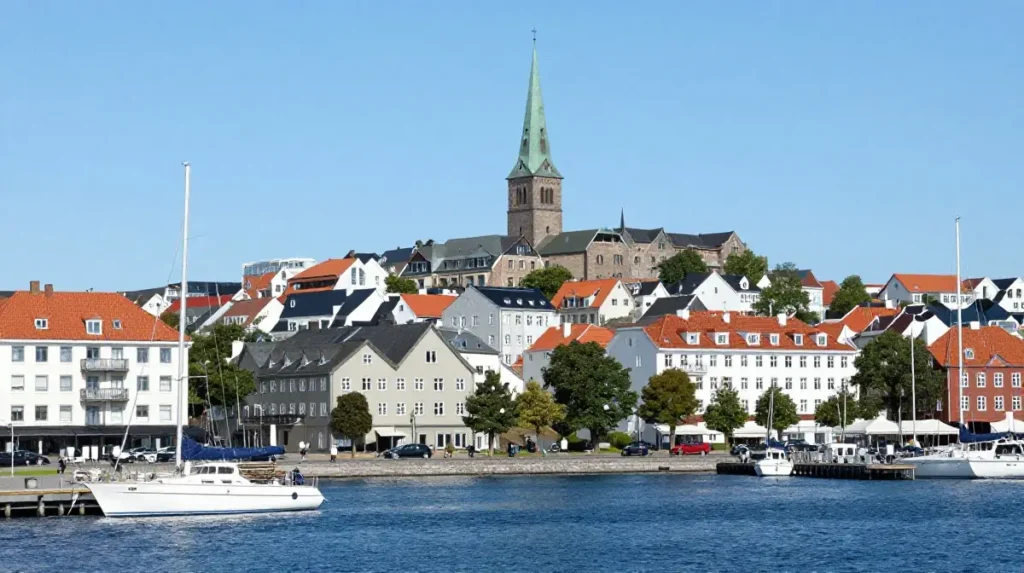
Torshavn capital city is the smallest capital in Europe by population — approximately 22,000 people — and one of the most manageable. The old town of Tinganes, a small peninsula jutting into the harbor with turf roof architecture houses painted in red and black, is the historic center.
The city has good restaurants serving Faroese cuisine, including fermented lamb skerpikjot and Faroese fish dishes from local seafood. The National Museum covers Viking heritage and the history of Norse mythology roots in the islands.
Torshavn makes a practical base for Faroe Islands road trip exploration because of its central location on Streymoy island and the tunnel road system that connects the main islands.
Tralanipan Cliffs, Sandoy Island
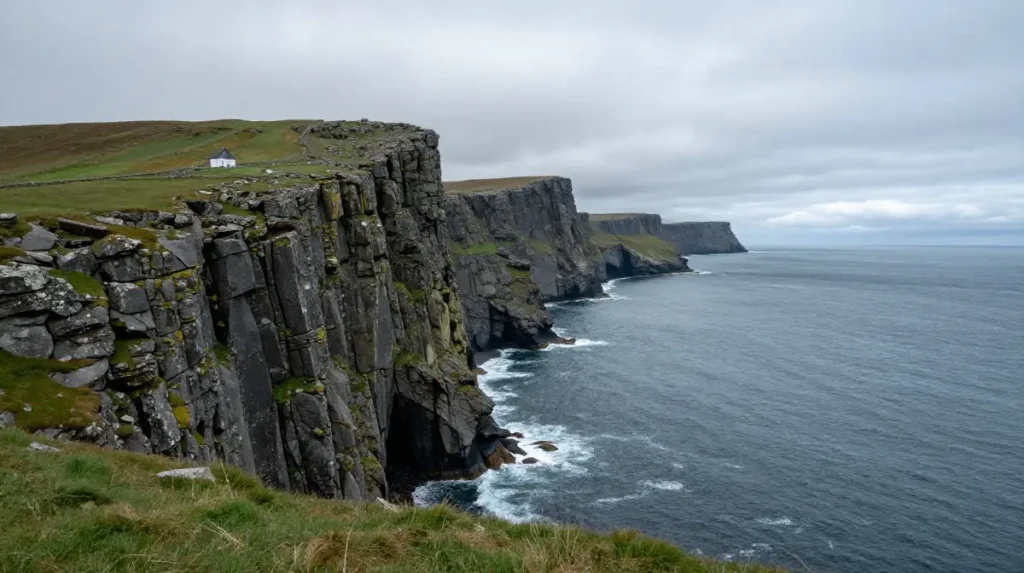
The Tralanipan cliffs on Sandoy island drop sheer into the Atlantic with a dramatic cliff scenery quality that rivals any coastal formation in Europe. The walk along the cliff top gives unobstructed views across open ocean — on a clear day, the horizon line is the only thing visible beyond the cliff edge.
Sandoy island is reached by ferry transportation from Gamlarett on Streymoy. It sees significantly fewer visitors than the main tourist circuit islands, which suits Faroe Islands off beaten path travel preferences.
Gjogv Village
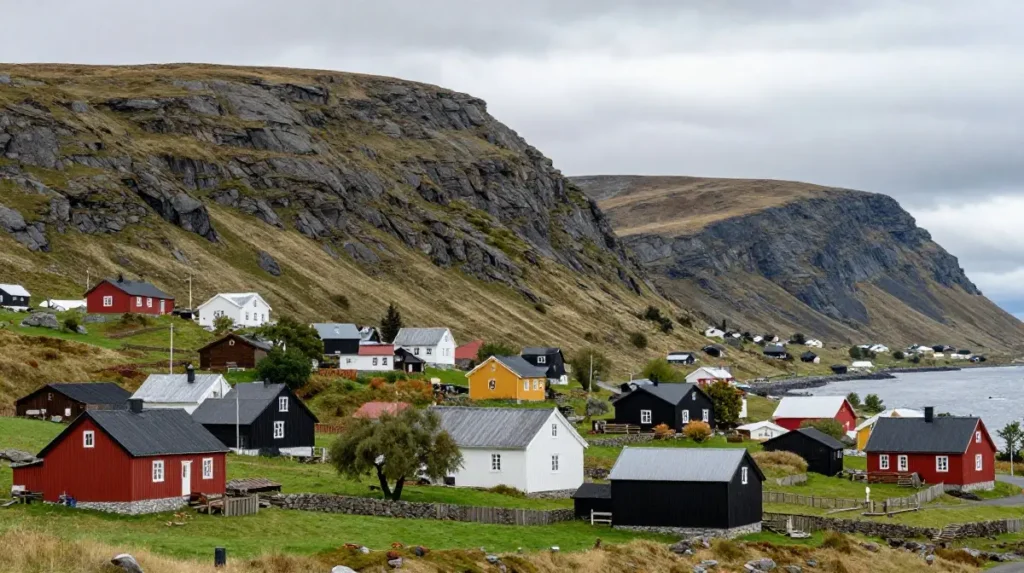
Gjogv village on Eysturoy island has a natural gorge that cuts into the cliff at the end of the village and functions as a natural harbor — boats are hauled out by crane onto the grass beside the gorge. The village has turf roof houses, a small guesthouse, and views across the North Atlantic that on clear days extend to the outline of Kalsoy island.
This is one of the most photographed Faroe Islands fishing villages and suits Faroe Islands drone photography given the dramatic gorge and ocean backdrop.
Slattaratindur Mountain Hike
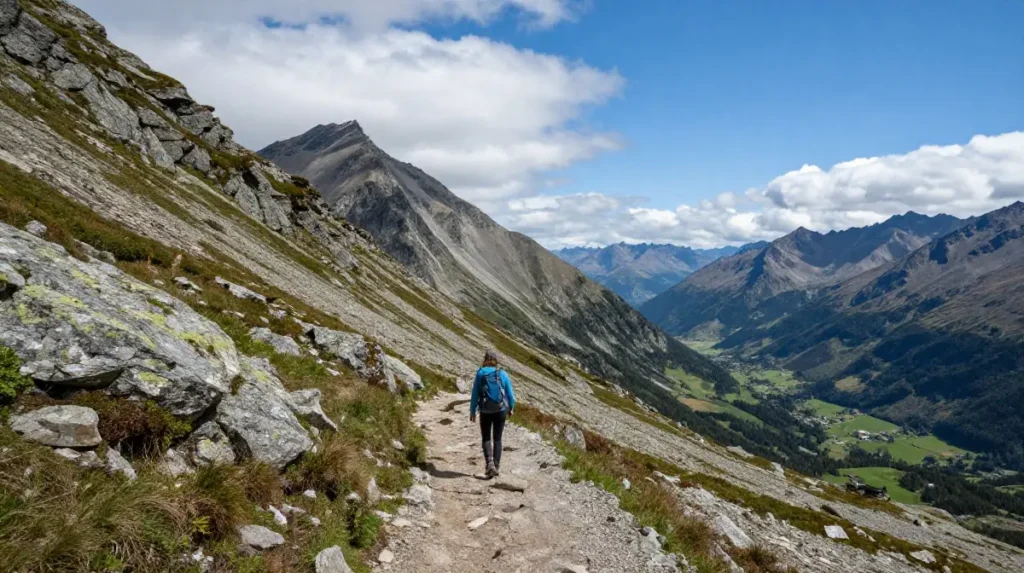
Slattaratindur is the highest peak on Eysturoy island at 882 meters. The hike to the summit is straightforward in good weather — four to five hours return — and gives a 360-degree view across the Faroese archipelago with multiple islands visible simultaneously.
This suits Faroe Islands best hikes for experienced walkers. Faroe Islands weather changes rapidly — a clear morning can turn to cloud and wind within an hour. Carry waterproof layers regardless of the forecast.
Sornfelli Viewpoint
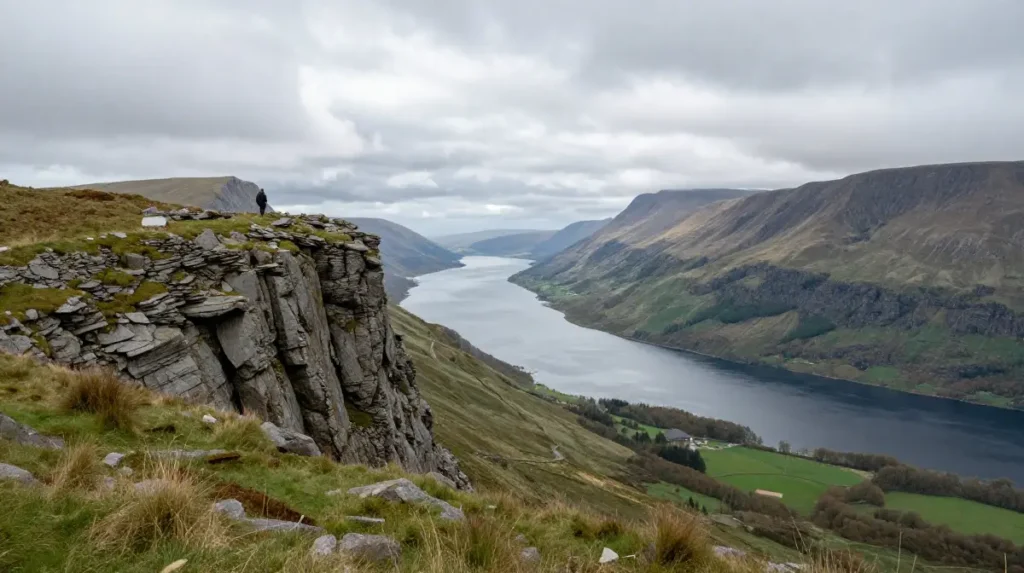
Sornfelli is the highest road-accessible point in the Faroe Islands, reaching approximately 750 meters on Streymoy island. A television tower marks the summit. On clear days, the viewpoint looks out across the capital, the surrounding fjords, and several neighboring islands.
The road to the summit is accessible by car — no hiking required. This makes Sornfelli one of the most accessible Faroe Islands viewpoints for travelers who want altitude without significant physical effort.
Kirkjubour Village
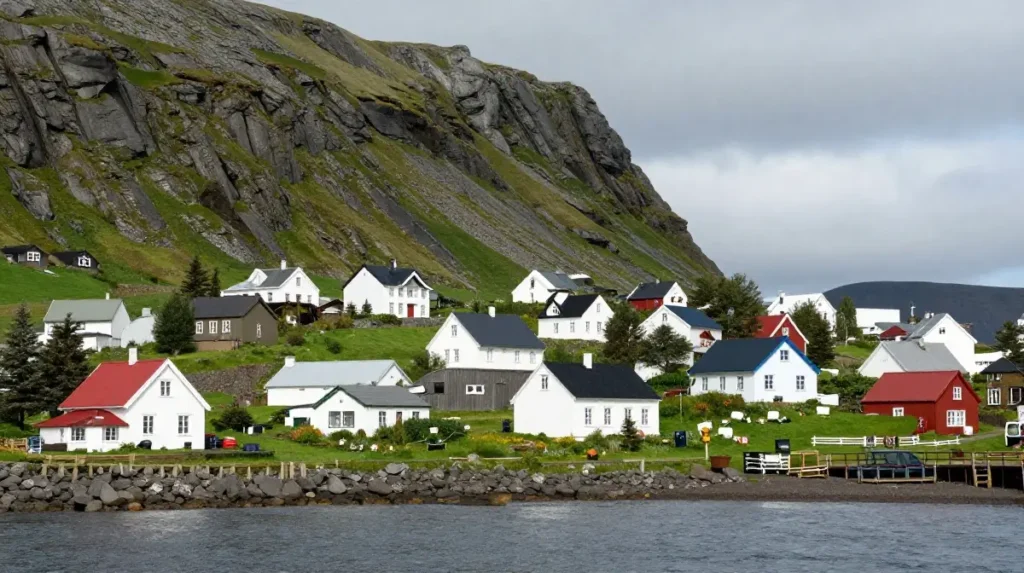
Kirkjubour village on the southern tip of Streymoy island is the oldest surviving settlement in the Faroe Islands, with a ruined medieval cathedral dating to the 13th century and a farmhouse — Roykstovan — that has been continuously inhabited by the same family for over five centuries.
The farmhouse is open to visitors and one of the most tangible Faroe Islands history and Faroese culture experiences available. The combination of the medieval ruins, the traditional architecture, and the ocean views makes this one of the most historically significant Faroe Islands best places to visit.
Bosdalafossur Waterfall
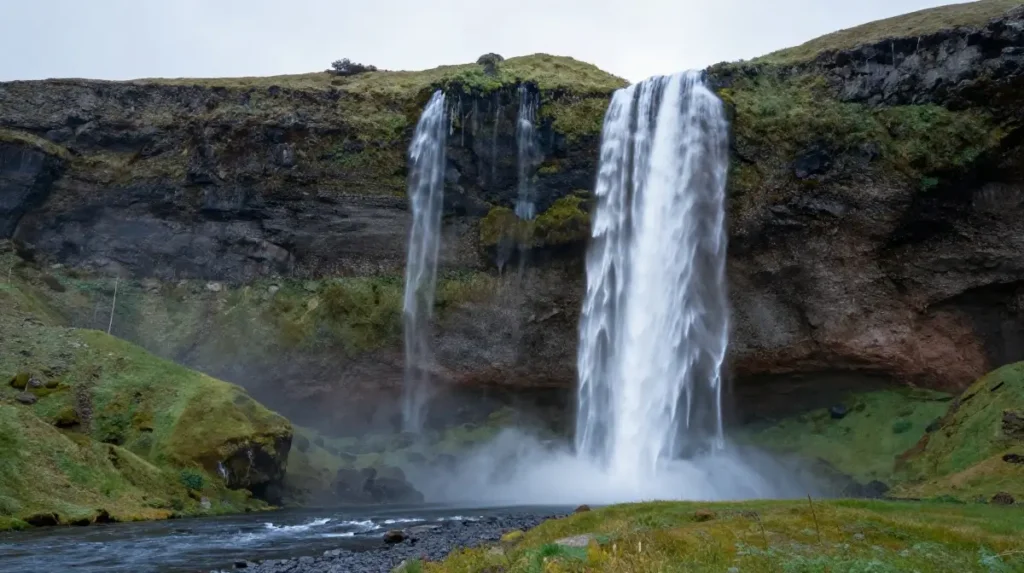
Bosdalafossur waterfall is located at the point where Lake Sorvagsvatn drains — the lake’s water pours over the cliff edge in a cascade visible from the hanging lake viewpoint above. The falls are most powerful after heavy rain when the lake level is high.
This waterfall is part of the same hike as the Lake Sorvagsvatn viewpoint, making the trail one of the most rewarding single hikes in the Faroe Islands — two distinct dramatic Faroe Islands waterfalls accessible on the same route.
Puffin Watching Season
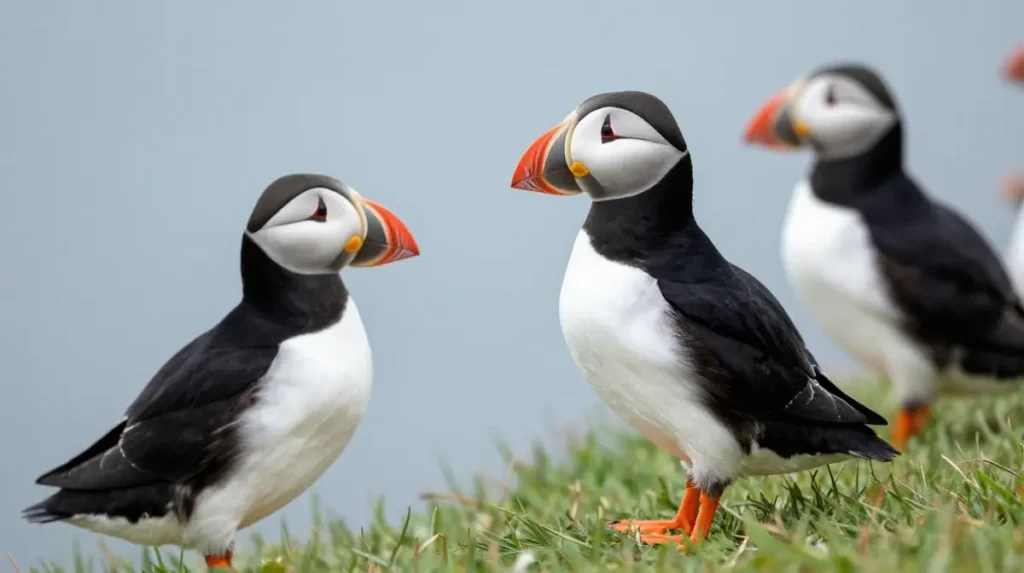
Atlantic puffin bird colonies nest across multiple Faroe Islands from May to August. The largest colonies are on Mykines island — a small island on the western edge of the archipelago accessible by ferry or helicopter from Sorvagur on Vagar island.
Mykines suits Faroe Islands bird watching and Faroe Islands wildlife priorities. The puffins are remarkably close to visitors — the birds nest in burrows along the cliff paths and are accustomed to human presence. This is one of the most memorable Faroe Islands bucket list experiences available within the islands.
Northern Lights in the Faroe Islands
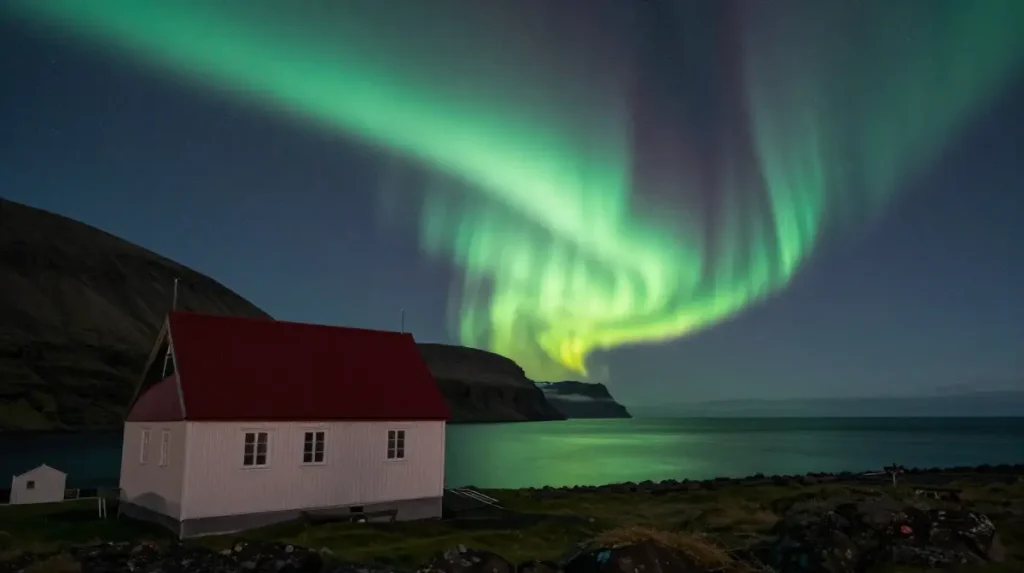
The Faroe Islands northern lights aurora season runs from late September through March when the nights are long enough and dark enough for clear aurora displays. The remote location of the archipelago with minimal light pollution produces some of the clearest aurora viewing conditions in Europe.
The Sornfelli viewpoint and the Saksun valley are particularly good northern lights photography locations because the absence of artificial light and the water surfaces reflect the aurora color.
This suits Faroe Islands winter travel and Faroe Islands fall travel priorities for photographers specifically.
Faroe Islands Road Trip Route
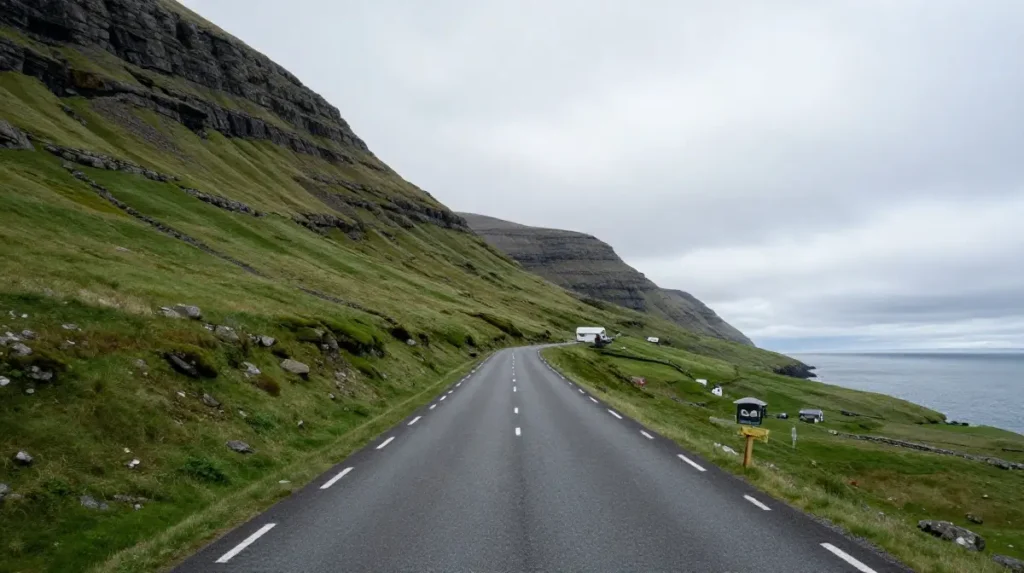
A Faroe Islands road trip across the main islands uses the tunnel road system — including several undersea tunnel connections between islands — to cover the archipelago without ferry dependency. The main tourist circuit connects Torshavn, Saksun, Gasadalur, Gjogv, and the Vestmanna cliffs in a three to four day loop.
The road infrastructure is well-maintained and the distances are short — the main islands can be crossed in under an hour. This suits Faroe Islands couple travel and Faroe Islands solo travel because the driving itself, through green valley landscape and along cliff edges, is a significant part of the experience.
Funningur and Elduvik Villages
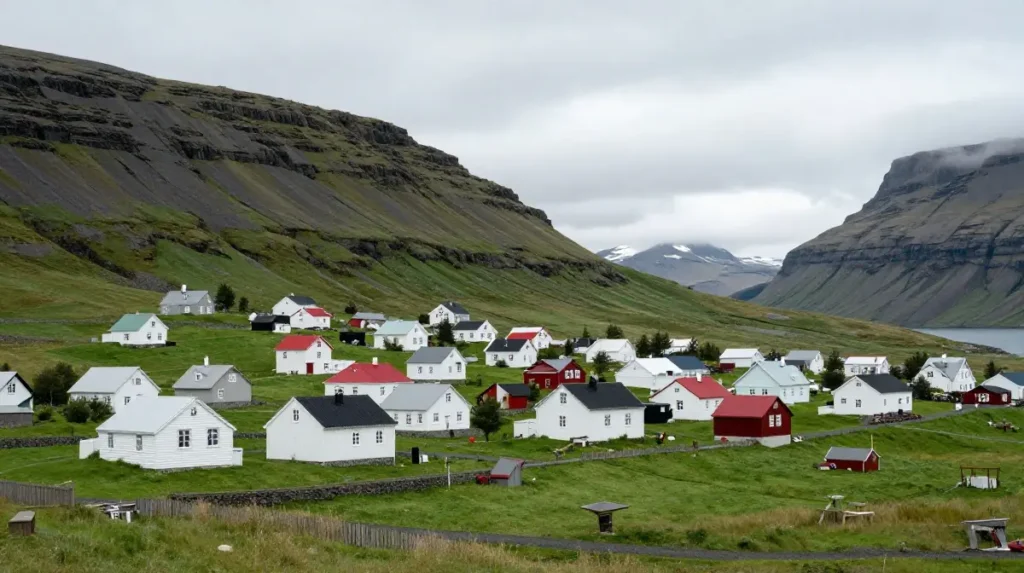
The villages of Funningur and Elduvik sit at the end of Funningsfjordur fjord on Eysturoy island — two of the most scenically located fishing villages in the archipelago. The fjord narrows toward its head where the villages sit beneath steep hillsides, and the reflection of the mountains in the still fjord water on calm days is one of the most compelling Faroe Islands photography spots outside the main tourist circuit.
These villages suit Faroe Islands hidden gems priorities — they see far fewer visitors than Saksun or Gasadalur and have a more genuinely local character.
Faroese Local Food Experience
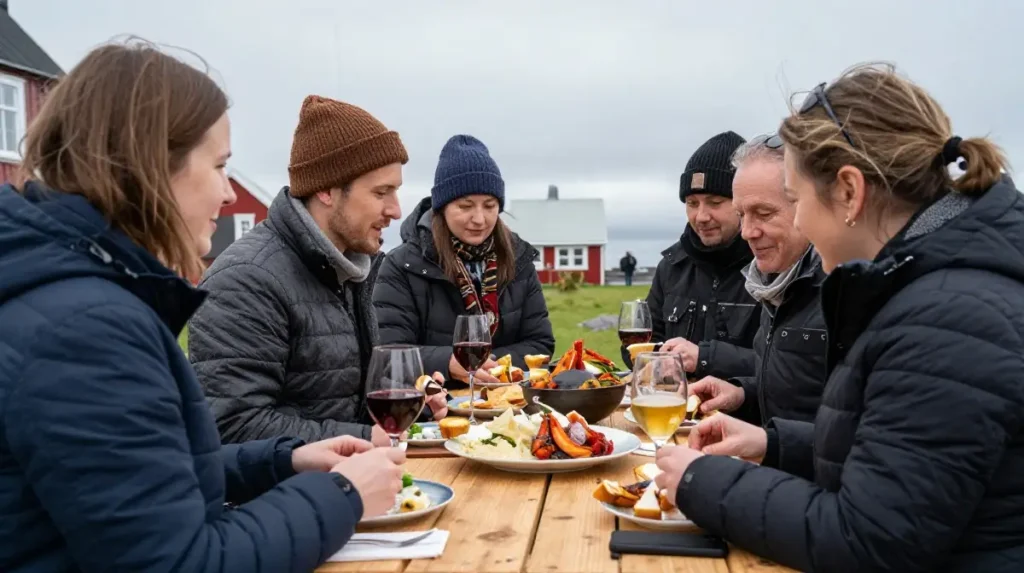
Faroese cuisine is one of the most distinctive in the Nordic countries — rooted in preservation techniques developed for a population that survived on local resources through long winters. Fermented lamb skerpikjot — air-dried in traditional wooden racks called hjallur — has a sharp, complex flavor unlike any other cured meat.
Torshavn has several restaurants serving modern interpretations of Faroese fish dishes alongside traditional preparations. Faroese beer from the Foroya Bjor brewery is available across the islands and worth trying alongside the local seafood.
Midnight Sun Phenomenon
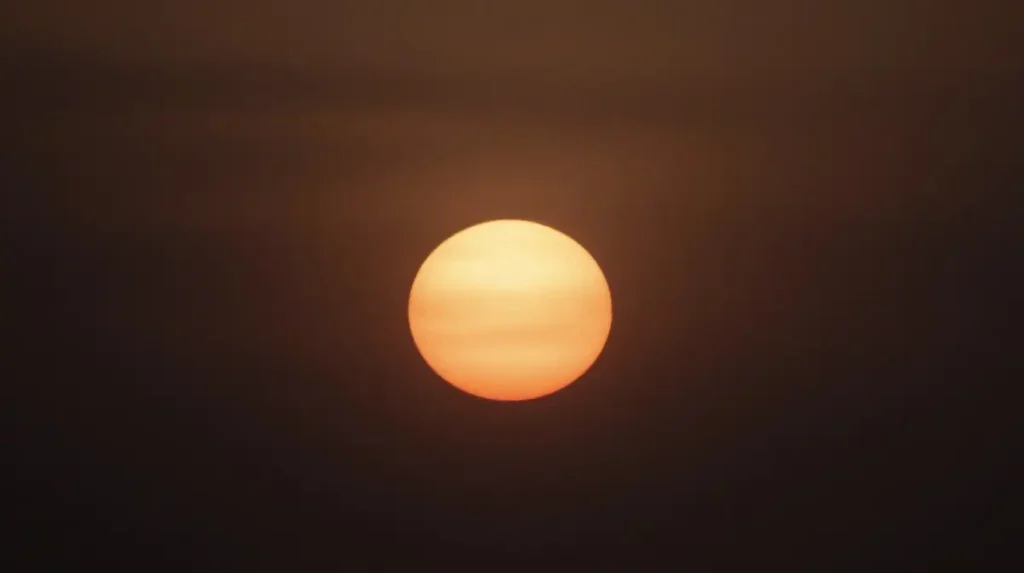
The Faroe Islands midnight sun phenomenon runs from late May through mid-July when the sun barely sets and the sky remains light throughout the night. The quality of light during this period — golden hour that lasts for hours rather than minutes — is one of the primary reasons photographers target summer for Faroe Islands landscape photography.
The midnight light at Mulafossur waterfall and the cliff walks above Gjogv are particularly rewarding during this period. This is the best time to visit Faroe Islands for photographers specifically.
Faroe Islands vs Iceland Comparison
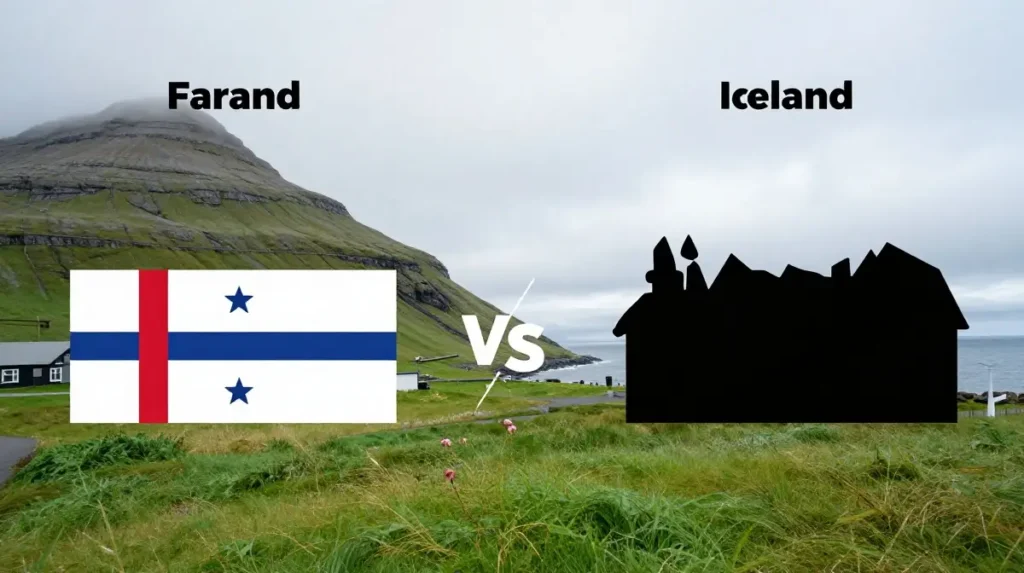
The Faroe Islands vs Iceland comparison is one of the most searched travel questions for people considering Nordic island destinations. The key differences are scale, accessibility, and atmosphere.
Iceland is larger, has more infrastructure, and is significantly more developed for mass tourism. The Faroe Islands are more compact, less crowded, and have a rawness that Iceland’s heavily touristed main circuit has lost.
For Faroe Islands adventure travel and Faroe Islands solo travel, the smaller scale and the absence of large tour groups gives a more immersive experience. Iceland suits first-time Nordic travelers. The Faroe Islands suit travelers who have already visited Iceland and want something less curated.
Sustainable Tourism in the Faroe Islands
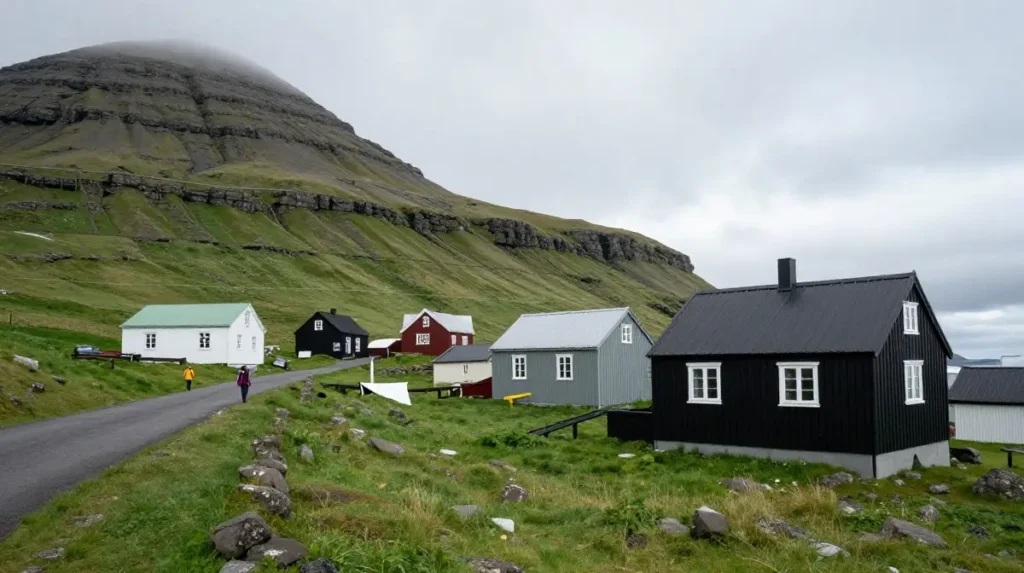
Visit Faroe Islands has implemented a sustainable tourism program that invites visitors to participate in conservation volunteer work in exchange for exclusive access to normally closed areas. The program — called Closed for Maintenance, Open for Voluntourism — has become one of the most shared eco friendly travel initiatives in European tourism.
Participants repair hiking trails, remove invasive species, and work on environmental projects alongside local guides. The experience suits Faroe Islands adventure travel preferences and produces a connection to the landscape that standard tourism cannot replicate.
Getting to the Faroe Islands
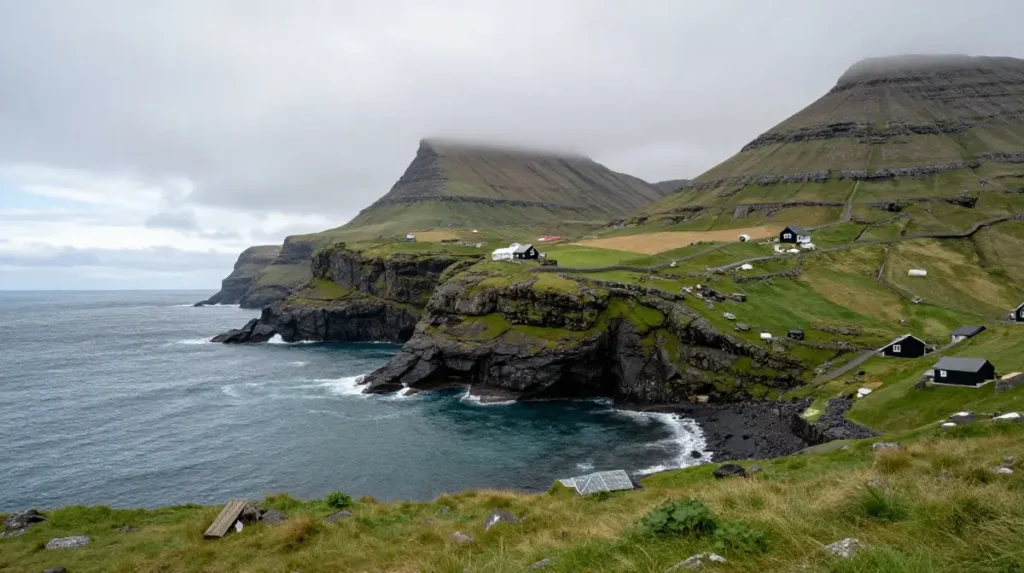
Atlantic Airways airline operates flights to Vagar Airport from Copenhagen, London, Edinburgh, and several other European cities. Vagar Airport is the only airport in the archipelago — all flights arrive and depart from here.
Faroe Islands from UK direct flights operate on Atlantic Airways and connect in under two hours. Faroe Islands from Denmark is typically a ninety-minute flight from Copenhagen. Faroe Islands from USA requires a connection through Copenhagen or London.
The Faroese króna currency is used domestically. Danish kroner are also accepted throughout the islands. Credit cards are accepted in most places.
Best Time to Visit the Faroe Islands
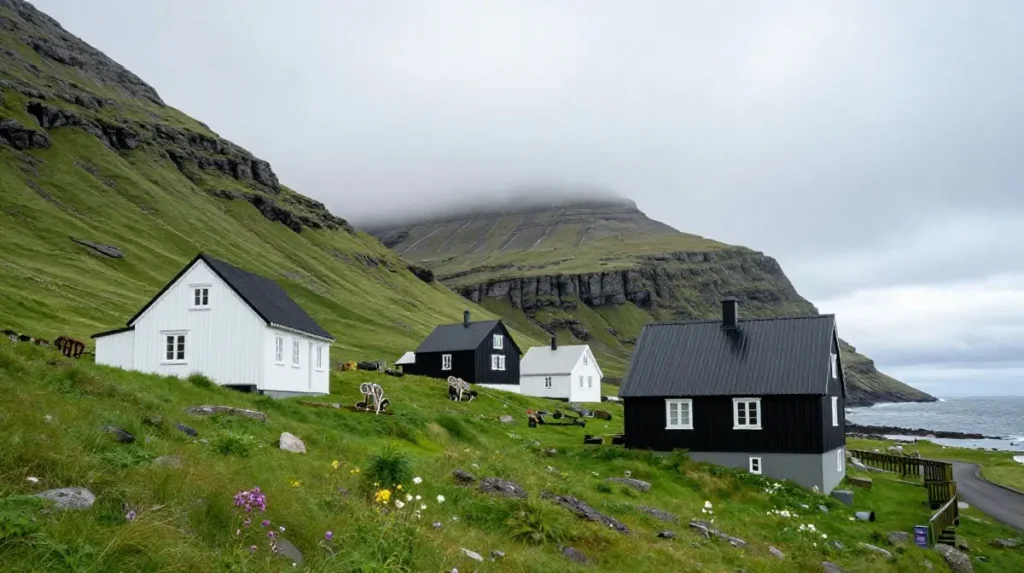
Faroe Islands best time to visit depends entirely on what you want from the trip. June and July offer the midnight sun phenomenon and the best weather probability for Faroe Islands hiking trails and photography. May adds puffin watching season to the calendar.
September and October suit Faroe Islands northern lights priorities and autumn color in the green valley landscape. Winter is harsh — many hiking routes are inaccessible and the weather is genuinely challenging — but the Faroe Islands winter travel experience of storm light, rough ocean, and near-empty villages has its own particular appeal.
Quick Reference: Faroe Islands Travel Guide
| Experience | Location | Best Season | Difficulty | Best For |
|---|---|---|---|---|
| Mulafossur Waterfall | Gasadalur, Vagar | June–Sept | Easy | Photography, couples |
| Kallur Lighthouse Hike | Kalsoy Island | May–Sept | Moderate | Hiking, photography |
| Puffin Watching | Mykines Island | May–August | Easy–Moderate | Wildlife, photography |
| Northern Lights | All islands | Oct–March | Easy | Photography, winter |
| Vestmanna Boat Tour | Streymoy Island | April–Oct | Easy | Wildlife, adventure |
| Lake Sorvagsvatn | Vagar Island | May–Sept | Moderate | Photography, hiking |
| Torshavn City | Streymoy Island | Year-round | Easy | Culture, food, history |
Conclusion
The Faroe Islands are one of the few destinations that consistently exceed the expectations set by their photographs. The landscape is genuinely as dramatic as it looks on screen — and in person, the scale, the sound of the ocean below the cliffs, and the quality of light in the long Nordic evenings add dimensions that no photograph captures.
The 22 ideas in this guide cover the iconic and the overlooked, the accessible and the remote, the summer midnight sun and the winter northern lights. Any length of visit — from a long weekend to two full weeks — produces the kind of travel memories that last because the Faroe Islands offer something increasingly rare: a place that still feels like it has not been entirely discovered.
You can may also like this: 22 Family Vacation Destinations Ideas for Memorable Trips
FAQs
How many days do you need in the Faroe Islands
A minimum of five days covers the main highlights — Gasadalur, Saksun, Kallur lighthouse, Vestmanna cliffs, and Torshavn. Seven to ten days allows a more thorough exploration including the outer islands and repeat visits to viewpoints in different weather conditions.
Is the Faroe Islands expensive to visit
Yes, relative to most European destinations. Accommodation, food, and car rental are priced similarly to Norway or Iceland. Faroe Islands budget travel is possible with camping and self-catering but the destination is not inexpensive. Factor the Faroese króna currency exchange into the planning budget.
Do you need a visa for the Faroe Islands
The Faroe Islands are an autonomous territory Denmark but are not part of the EU or the Schengen Area — they have their own Faroe Islands visa requirements. Most European and North American passport holders do not need a visa for short stays. Check current requirements for your specific nationality before travel.
What is the best hike in the Faroe Islands
The Kallur lighthouse hike on Kalsoy island is consistently rated the most rewarding for the combination of accessibility and dramatic cliff scenery. The Lake Sorvagsvatn trail on Vagar is the most photographed. Slattaratindur suits experienced hikers wanting the highest viewpoint.
How does the Faroe Islands compare to Iceland for travel
The Faroe Islands are more compact, less developed for tourism, and significantly less crowded than Iceland’s main tourist circuit. The landscape is equally dramatic in different ways — the Faroese green valley landscape and ocean cliffs versus Iceland’s volcanic terrain and glaciers. The Faroe Islands suit travelers who prefer a quieter, more remote experience. Iceland suits first-time Nordic travelers with more infrastructure and a wider range of activities.
2 Comments