
Introduction
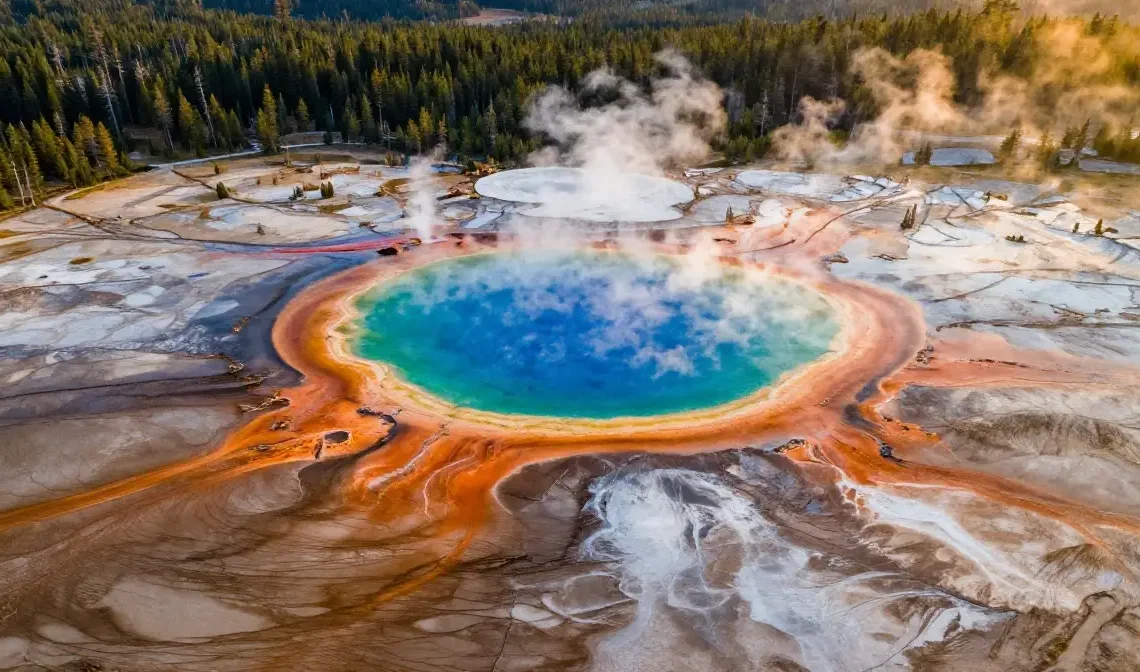
There is something about Yellowstone that stays with you long after you have seen it. The vivid turquoise thermal pools, the golden light settling over Hayden Valley, the steam rising slowly from the earth while bison stand completely still in the foreground. It does not look real, yet it is one of the most photographed landscapes in America for a reason.
Whether you are a photographer looking for your next shot, a content creator building a nature mood board, or someone who simply loves the raw beauty of the American wilderness, the Yellowstone aesthetic offers something genuinely different. It is not polished or perfectly manicured. It is earthy, dramatic, and honest. And that is exactly what makes it so compelling.
This guide walks you through 22 ideas that capture the heart of the Yellowstone aesthetic so you can bring that same energy into your photography, design work, or creative projects.
Grand Prismatic Spring Color Palette
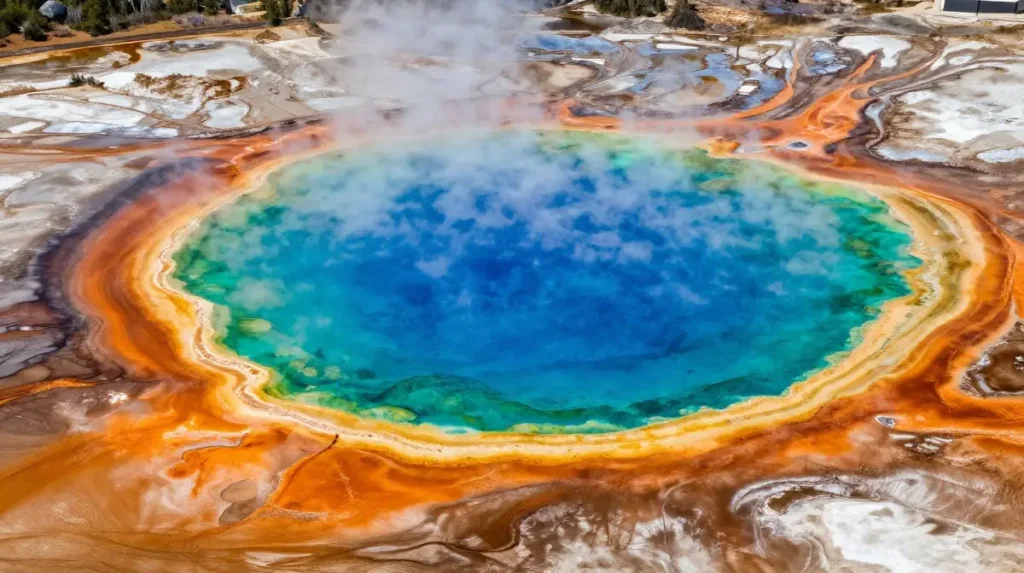
The Grand Prismatic Spring is probably the most recognizable image in Yellowstone National Park photography. The rings of deep blue, turquoise, green, orange, and rust around the pool create a vivid prismatic color palette that almost looks painted.
If you are building a nature-inspired mood board or looking for color ideas, these mineral deposit tones are a strong starting point. The contrast between the cool center and the warm outer ring is striking without being overdone.
Old Faithful Geyser Steam Clouds
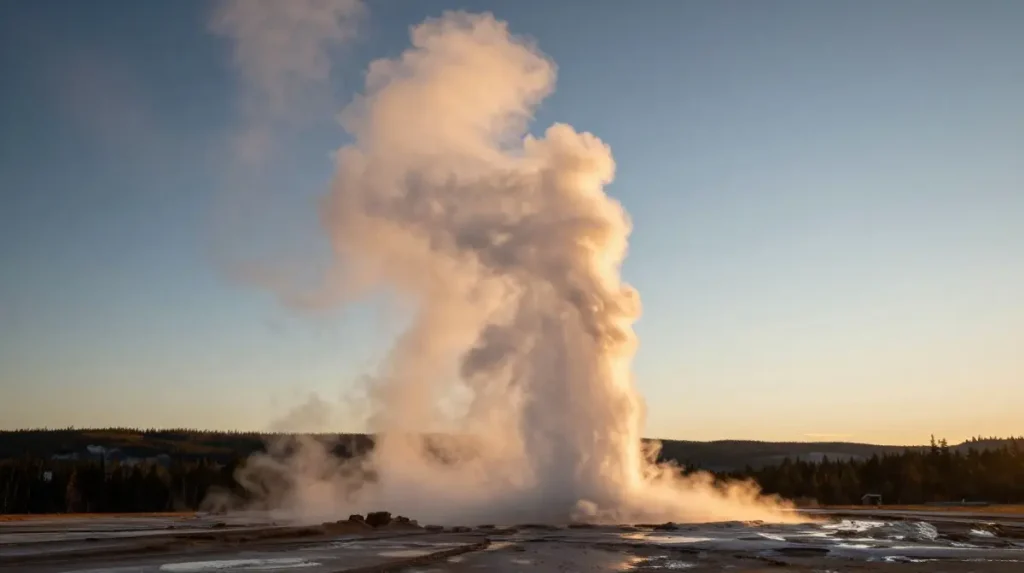
There is a quiet drama to Old Faithful that photographers keep coming back to. The moment the geyser erupts and a column of steam rises against a wide blue sky, it creates a powerful geyser eruption image that is cinematic in the best way.
For aesthetic photography, the best results come from shooting during golden hour when the steam catches warm amber light. Early morning works well too, especially when the air is cool and the steam cloud looks thicker and more atmospheric.
Bison Herd on Open Prairie
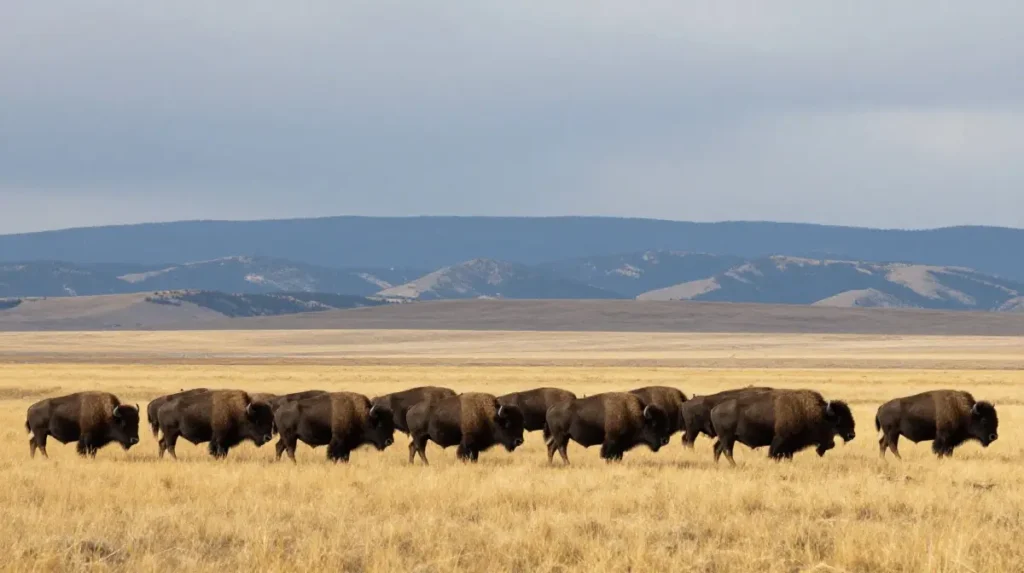
Few images feel more tied to the American wilderness than a bison herd spread across a wide open prairie with mountains in the background. The Lamar Valley and Hayden Valley both offer this kind of scenery regularly.
What makes this aesthetic work is the contrast between the massive, dark animals and the pale grass around them. It is raw biodiversity on display. For wildlife portrait ideas, get low and use a longer lens to compress the background and bring the landscape into the frame.
Thermal Pool Reflections
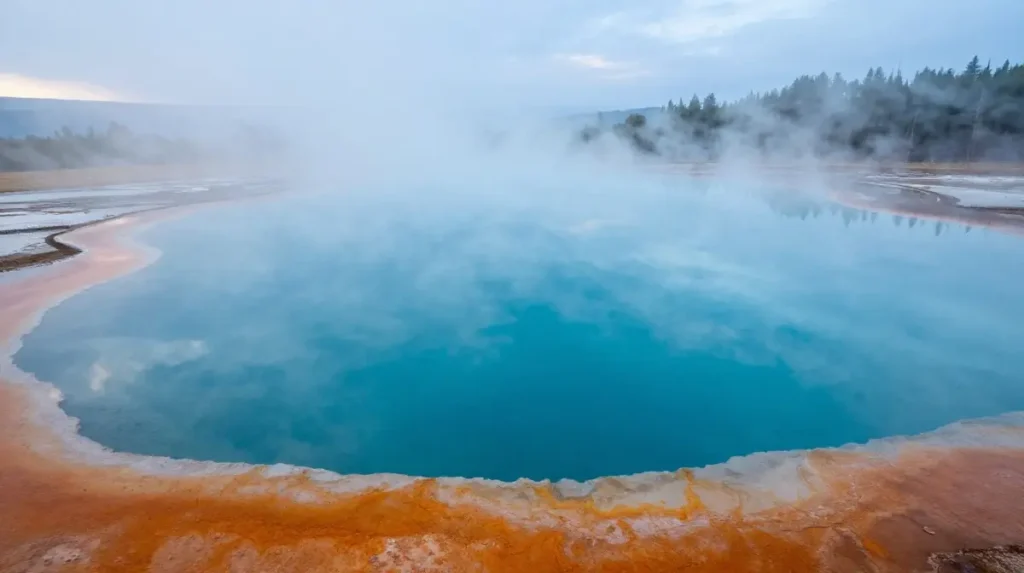
Yellowstone’s thermal pools are naturally reflective, and on calm mornings they mirror the sky above them perfectly. These symmetrical thermal pool photos work especially well for minimal, meditative aesthetics.
The deep blue spring reflections paired with surrounding orange mineral crusts create a color story that is genuinely unlike anything else in nature. Try visiting just after sunrise when the light is soft and the crowds are still thin.
Misty Morning Along the Firehole River
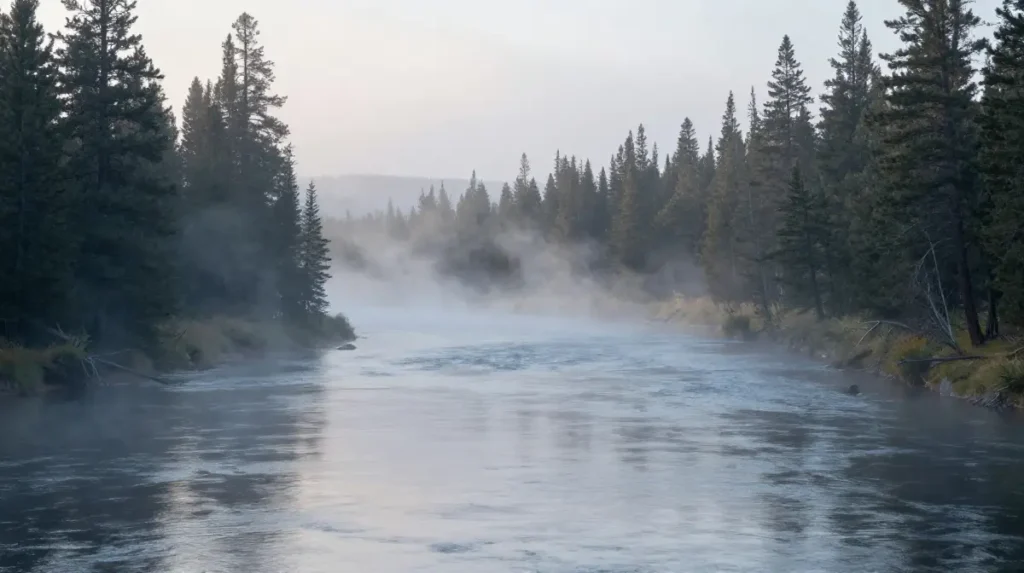
Moody misty landscape photography comes naturally in Yellowstone. The Firehole River runs through geothermally heated water, which means fog and steam sit close to the surface even on warm mornings.
Walking along the river bank during the early hours gives you soft, layered visuals with pine forest aesthetic in the background and pale mist in the foreground. It is calm, slightly eerie, and incredibly photogenic.
Mammoth Hot Springs Terraces
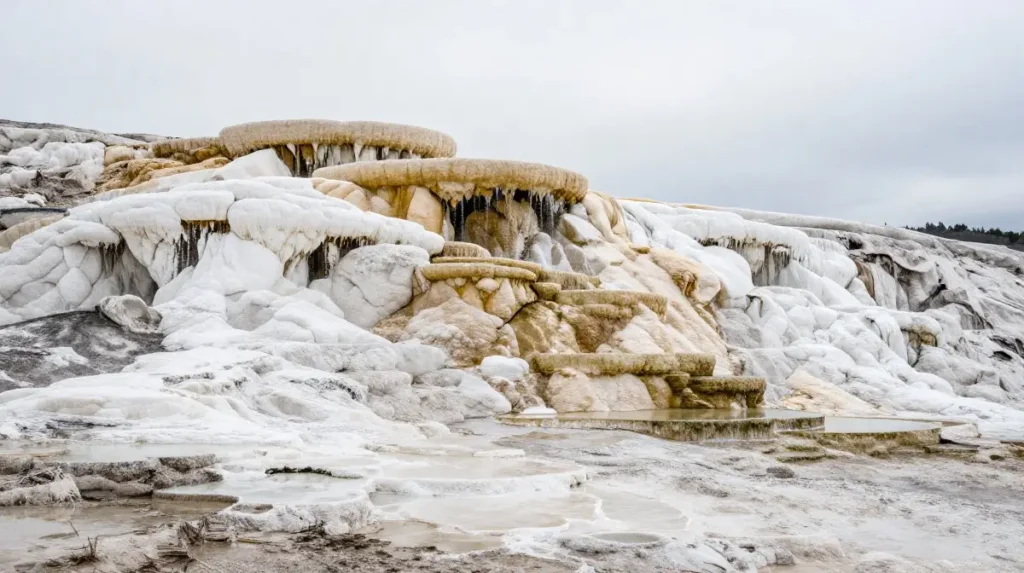
The travertine formations at Mammoth Hot Springs look like something from another planet. Pale white and cream-colored natural travertine formations stack in wide, flowing shelves as mineral-rich water moves across them slowly.
The earthy tone nature aesthetic here is subtle compared to the brighter thermal pools, but it has a raw, ancient quality that photographs beautifully in flat or overcast light. Avoid harsh midday sun here as it washes out the delicate textures.
Autumn Foliage Along the Canyon
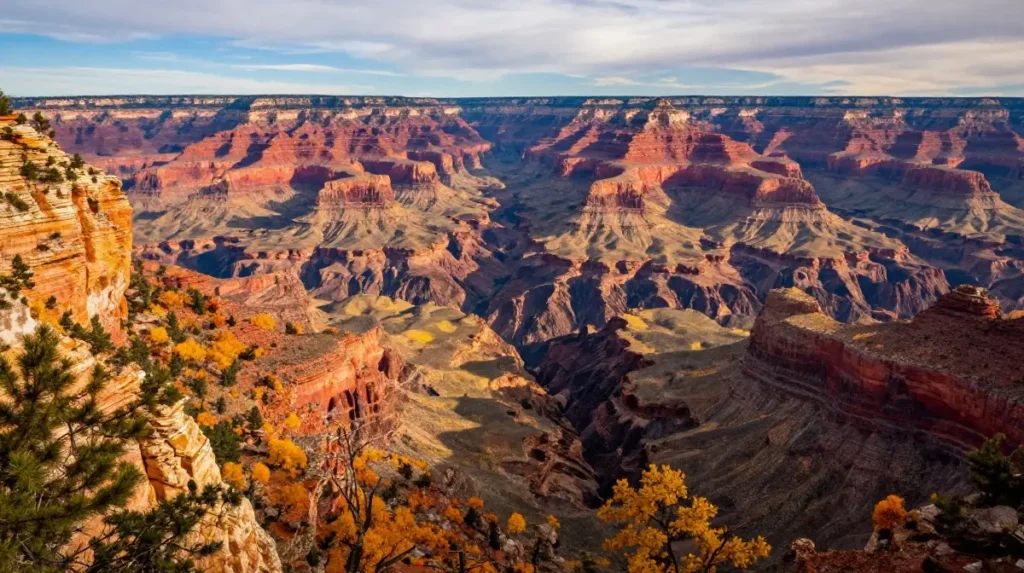
Autumn foliage in Yellowstone brings warm amber, deep rust, and golden tones to the treeline. The vivid autumn color palette set against volcanic rock formations and blue sky creates one of the most layered visual experiences the park offers.
The Grand Canyon of the Yellowstone is especially striking during this season when the canyon walls and surrounding trees compete in warmth. This is a strong idea for anyone building an earth tone color palette for design work.
Steam Vents Against a Cold Sky
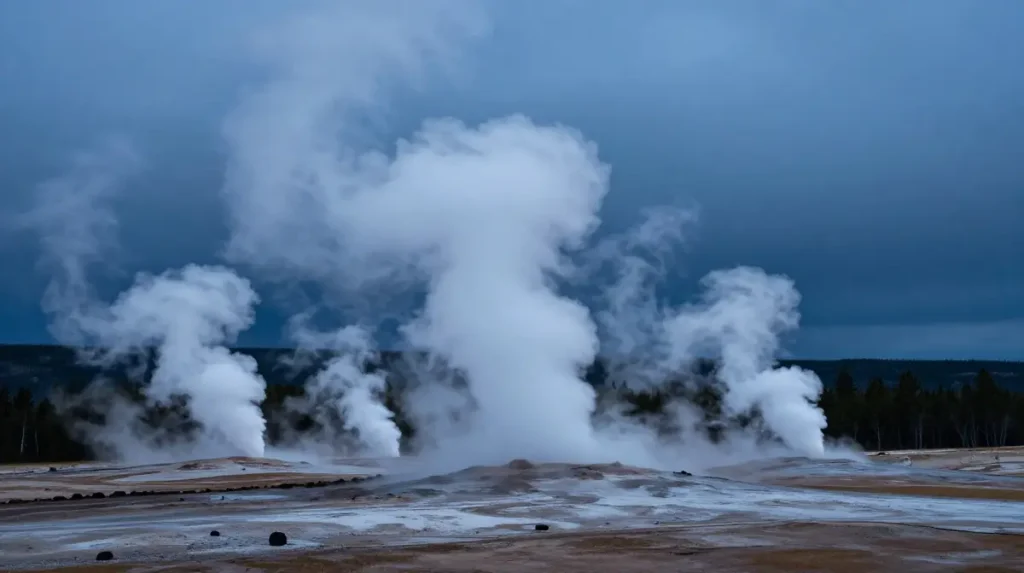
Steam vent landscapes have a quiet, dramatic quality that works beautifully for moody content. On cold mornings, the contrast between the white steam cloud and a deep blue or overcast sky creates a high contrast landscape photography moment.
The steam moves constantly, so shooting in short bursts gives you more options to choose from. These images feel alive and atmospheric without needing much else in the frame.
Lamar Valley Wildlife at Dawn
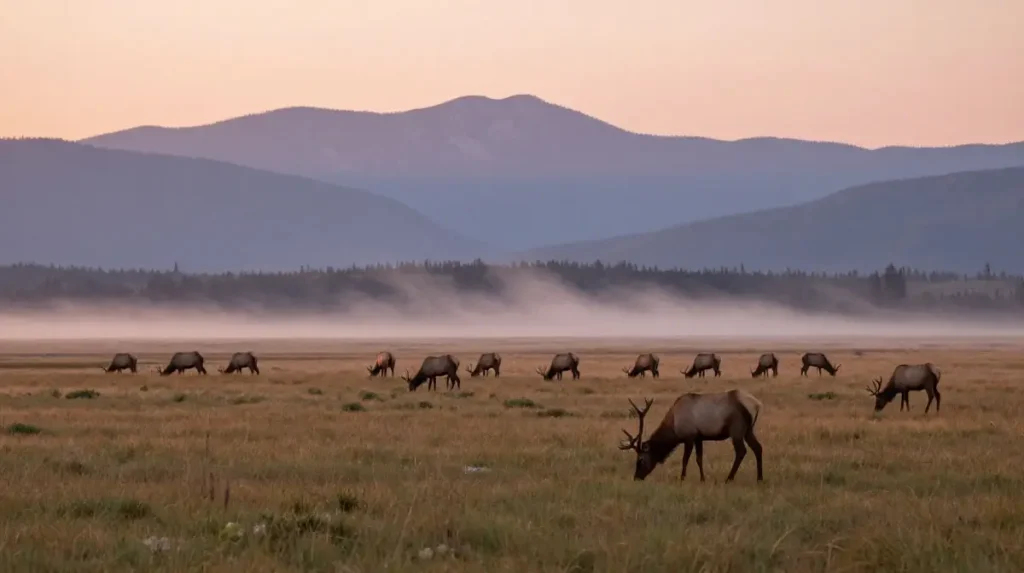
Lamar Valley is considered one of the best wildlife corridors in North America. At dawn, you can find elk, wolves, bison, and pronghorn all within a single stretch of scenery.
The soft light during sunrise nature photography here wraps everything in a golden, slightly hazy warmth that feels both wild and peaceful. Long meadow stretches with layered mountain horizon views in the background make every shot feel wide and open.
Volcanic Rock and Dark Terrain Textures
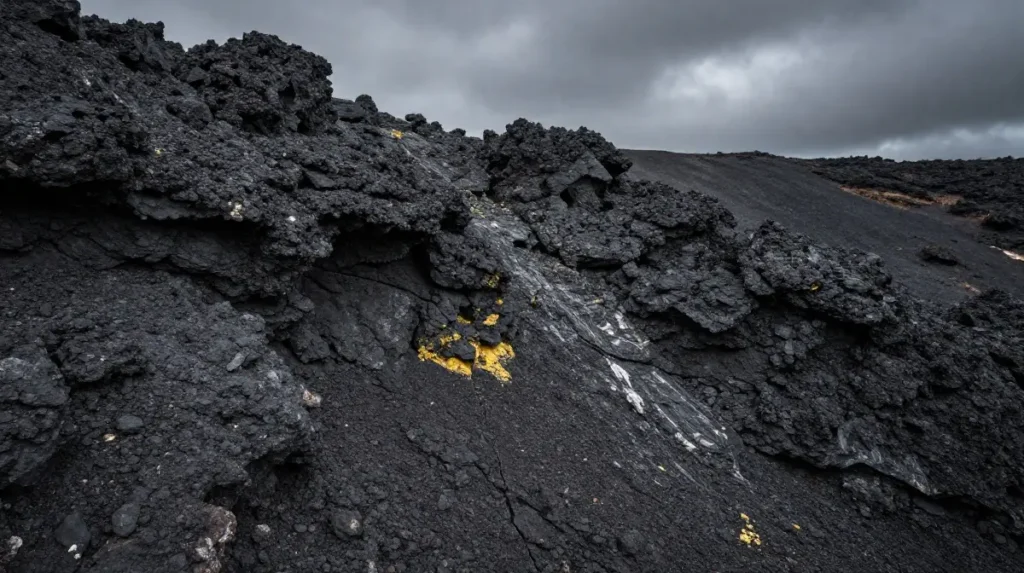
Yellowstone sits on top of a massive caldera, and the volcanic rock formations across the park reflect that geological history.
Dark, rough, and textured surfaces contrast sharply with bright thermal features nearby. These organic texture nature inspiration shots work well in black and white or with minimal color editing. The rawness of the terrain communicates something that more polished landscapes simply cannot.
Winter Snow Landscape With Geothermal Steam
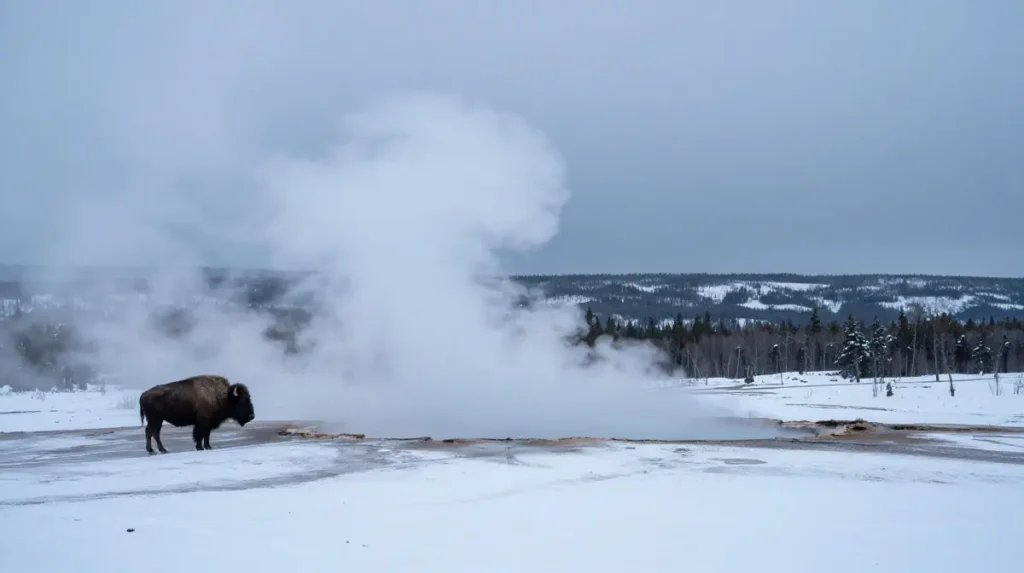
Winter is one of the most underappreciated seasons for Yellowstone aesthetic photography. When snow covers the ground and geothermal steam rises from pools and vents, the result is an ethereal, almost surreal visual.
Cool toned winter wilderness photography from Yellowstone has a quiet power to it. Bison standing in snow beside a steaming thermal feature is one of the most iconic and striking images the park produces during colder months.
Waterfall Framed by Pine Forest
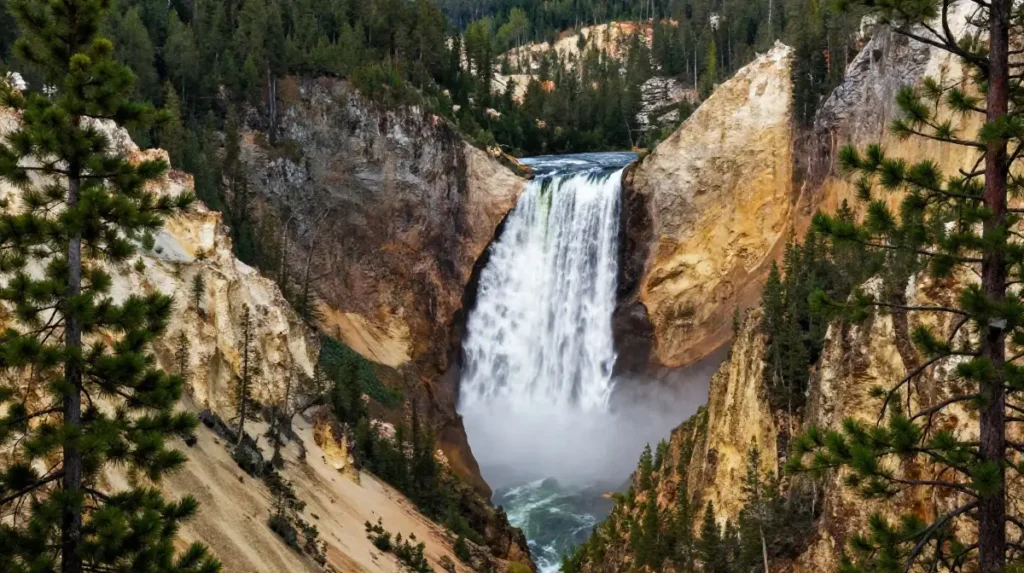
Yellowstone has dozens of waterfalls, with the Upper and Lower Falls of the Yellowstone River being the most photographed.
A flowing waterfall visual concept that includes a pine forest aesthetic on either side gives depth and natural framing to the shot. The combination of moving water, still trees, and canyon walls creates natural contrast without needing any editing tricks.
Golden Hour Over Hayden Valley
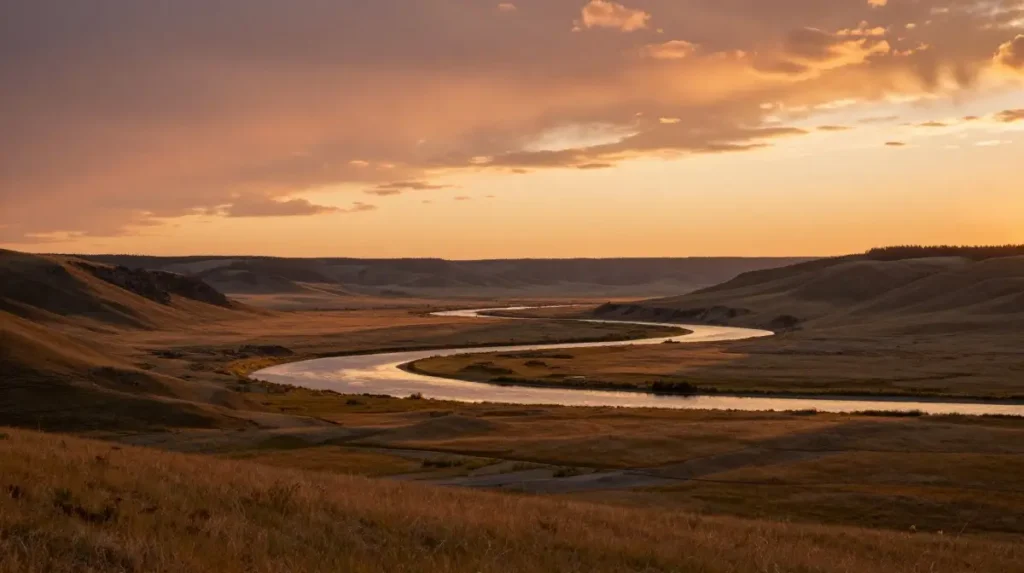
Hayden Valley at golden hour is one of the most peaceful versions of the Yellowstone aesthetic. The Yellowstone River curves through wide, open grasslands as the sky turns warm amber and soft orange. This warm amber sunset landscape feels timeless and unhurried. It is the kind of scene that makes you stop moving and just look.
For photographers, this light lasts roughly 20 to 30 minutes, so arriving early and having your composition ready matters.
Rainbow Pool Colors at West Thumb
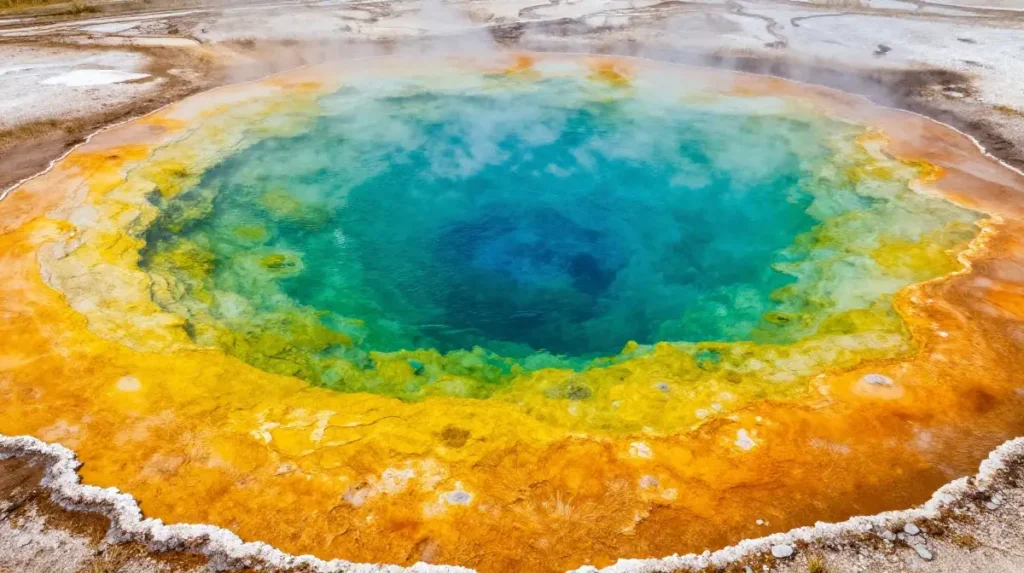
The Rainbow Pool at West Thumb Geyser Basin earns its name. The layered rings of turquoise, yellow, orange, and green create a rainbow pool color gradient that looks almost digitally created. These vibrant hot spring colors come from heat-loving microorganisms that live in the mineral-rich water.
For aesthetic photography and mood board creation, this pool offers some of the most vivid and ready-to-use color references in the entire park.
Backcountry Trail Through Dense Forest
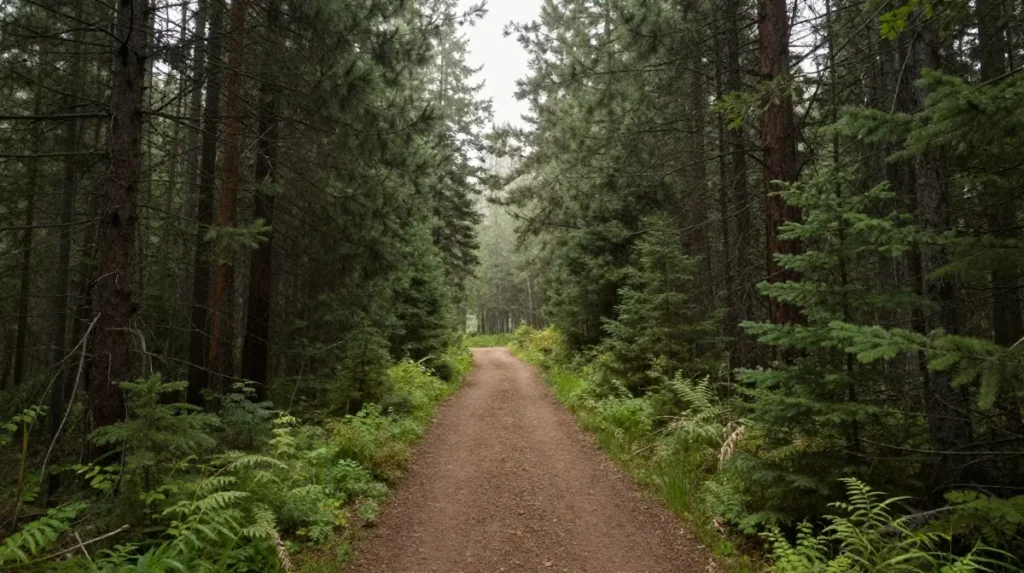
Not all Yellowstone aesthetics come from iconic landmarks. The backcountry hiking aesthetic has its own quiet appeal. Dense canopy, dappled light coming through pine branches, soft trail dirt underfoot, and the occasional glimpse of a meadow ahead.
This serene forest landscape aesthetic works well for outdoor adventure inspiration content because it feels personal and immersive rather than staged.
Elk Portrait in Open Meadow
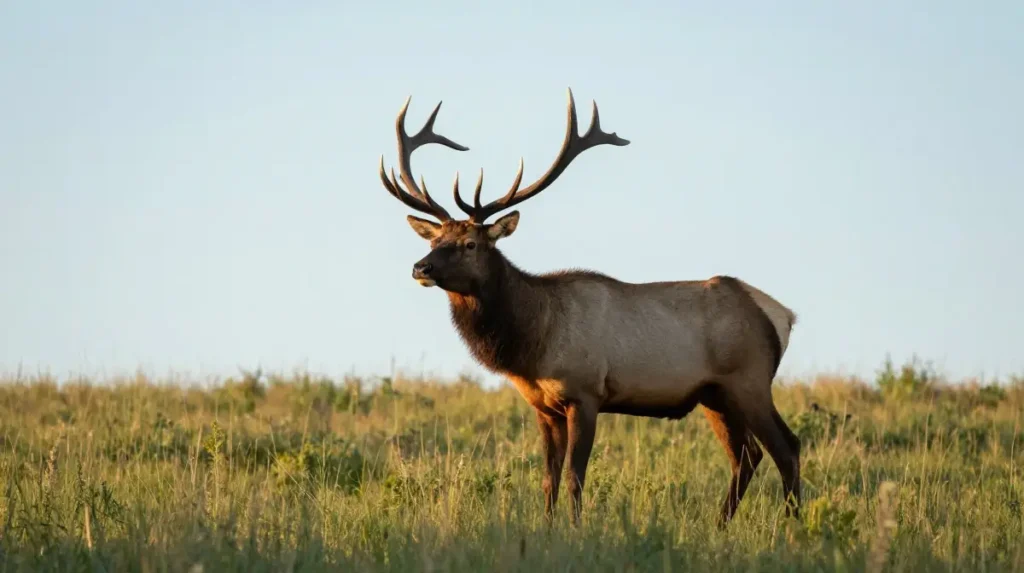
A single elk standing in a mountain meadow with soft morning light is one of those images that never gets old.
The elk and deer wildlife photography in Yellowstone benefits from patient, quiet observation. The animals are not afraid of people, but they are sensitive to sudden movement. Waiting and letting them walk into your frame almost always produces a more natural result than chasing a shot.
Sulphur Mountain and Yellow Rock Tones
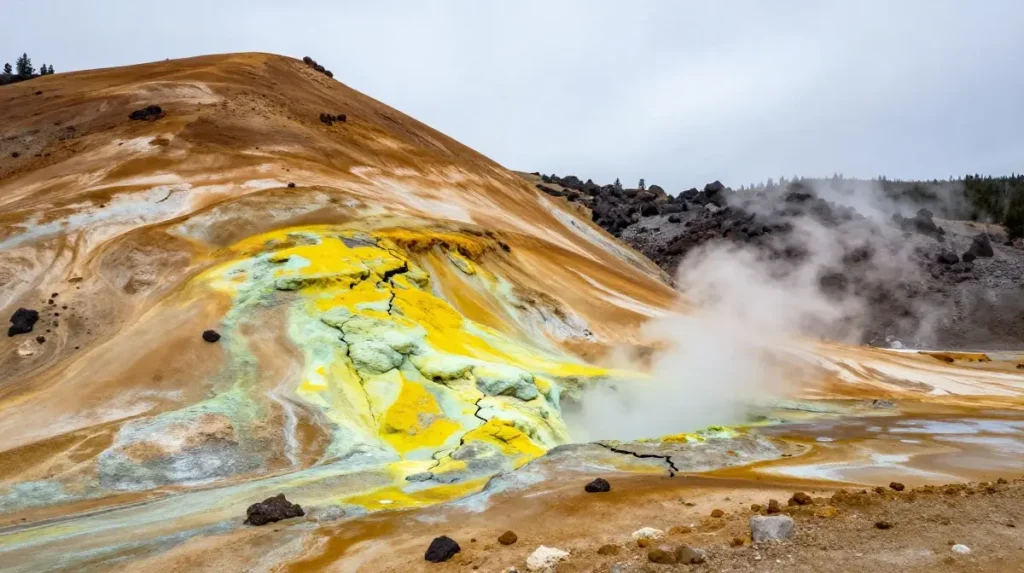
The sulphur-stained terrain around certain thermal areas produces shades of yellow, mustard, and pale green that feel otherworldly. Sulphur mountain photography and the surrounding yellow earth pigment tones add a striking contrast to the more commonly photographed blue pools.
These areas also produce strong ambient odors and constant steam, which adds to the sensory quality of being there, even if the camera only captures the visual side.
Reflective Lake at Sunrise
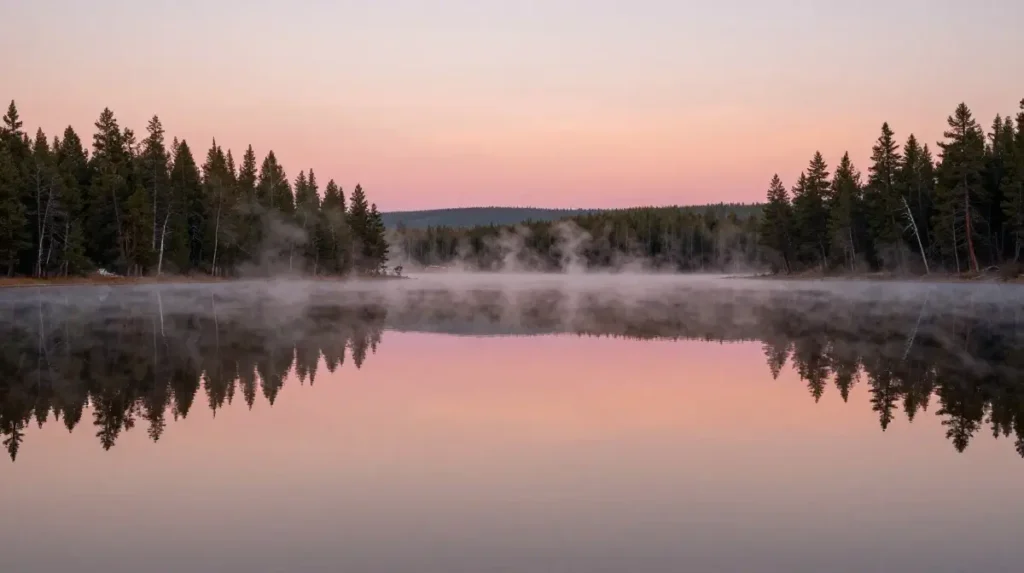
Yellowstone Lake is one of the largest high-altitude lakes in North America. On still mornings before wind picks up, the surface acts like a perfect mirror.
Tranquil lakeside nature views with a glowing sunrise geothermal steam backdrop and forest treeline create a layered, reflective composition that feels effortless. The pink and orange tones of early morning light across open water are hard to replicate anywhere else.
Canyon Wall Color Gradients
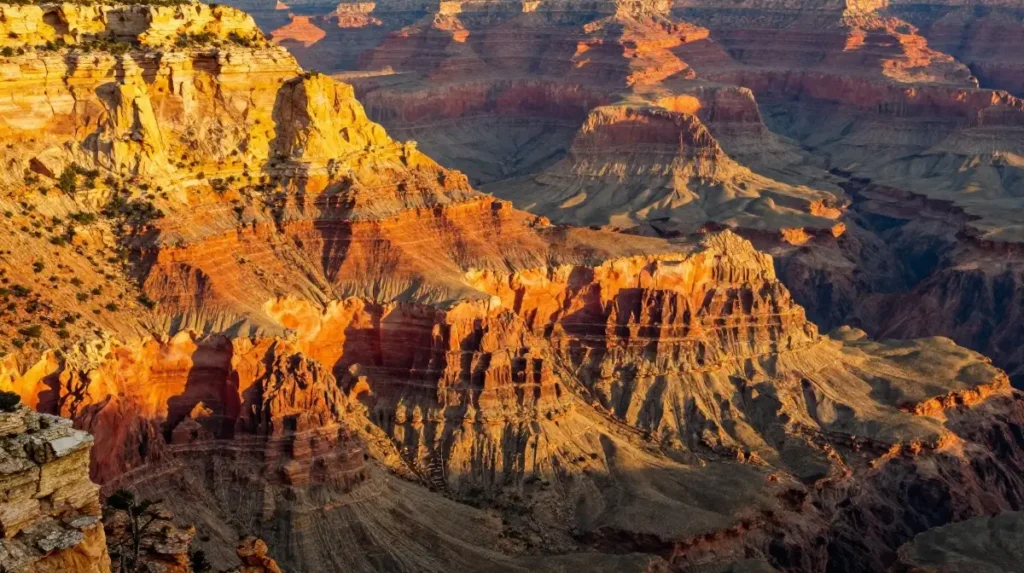
The canyon walls of the Grand Canyon of the Yellowstone are layered in shades of yellow, orange, cream, and red. These layered mountain horizon views and canyon textures tell a geological story that spans thousands of years.
For anyone exploring natural earth pigment tones or raw earth aesthetic ideas, this is one of the richest references in American landscape photography.
Wildflower Meadow in Summer
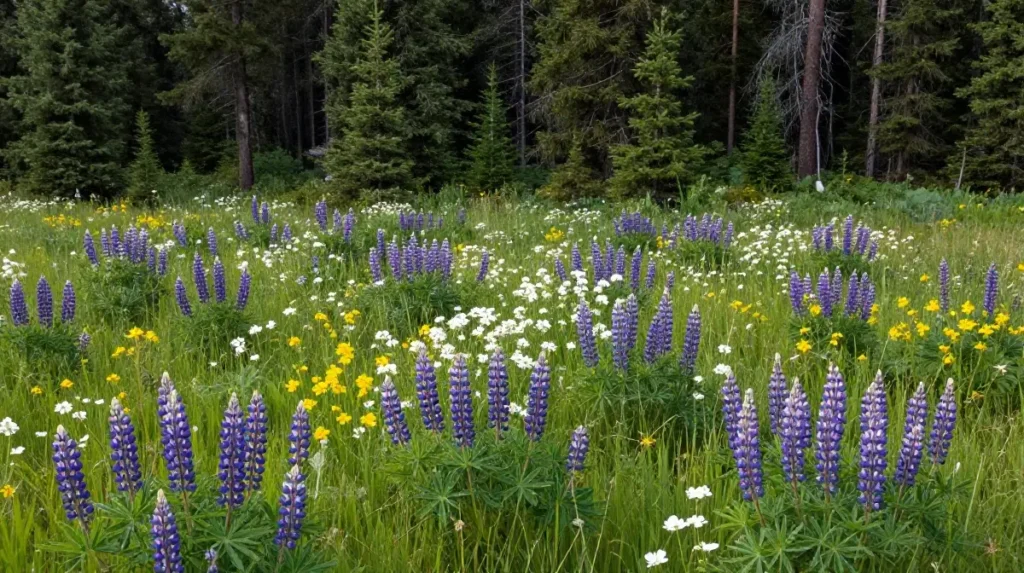
Yellowstone meadows in early summer fill quickly with wildflowers. Purple lupine, yellow arrowleaf balsamroot, and white yarrow spread across open fields that back up to pine treeline.
This peaceful meadow nature inspiration scene works particularly well during mid-morning light when colors are rich but shadows are still soft. It is one of the few Yellowstone aesthetics that feels soft and gentle rather than dramatic.
Dynamic Action Shot of Geyser Eruption
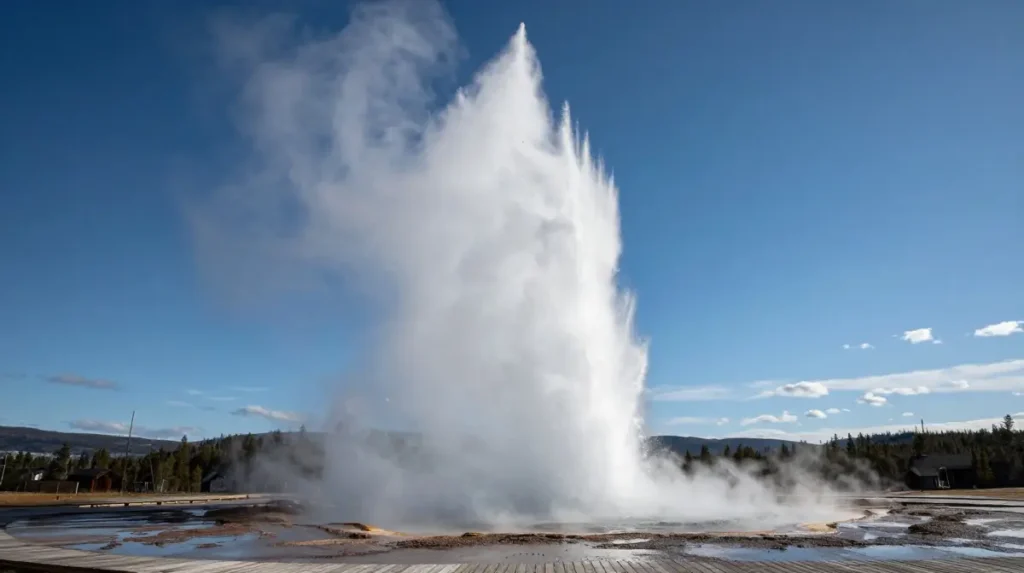
Catching an active geyser mid-eruption with the right light and camera timing creates a dynamic wildlife action shot energy in a geological form.
The water column, the steam cloud expanding outward, the surrounding boardwalk, and the wide sky all come together in a powerful, cinematic national park scene. Having your camera on burst mode and pre-focusing on the geyser vent helps ensure you catch the peak moment.
Nighttime Star Trail Over Thermal Features
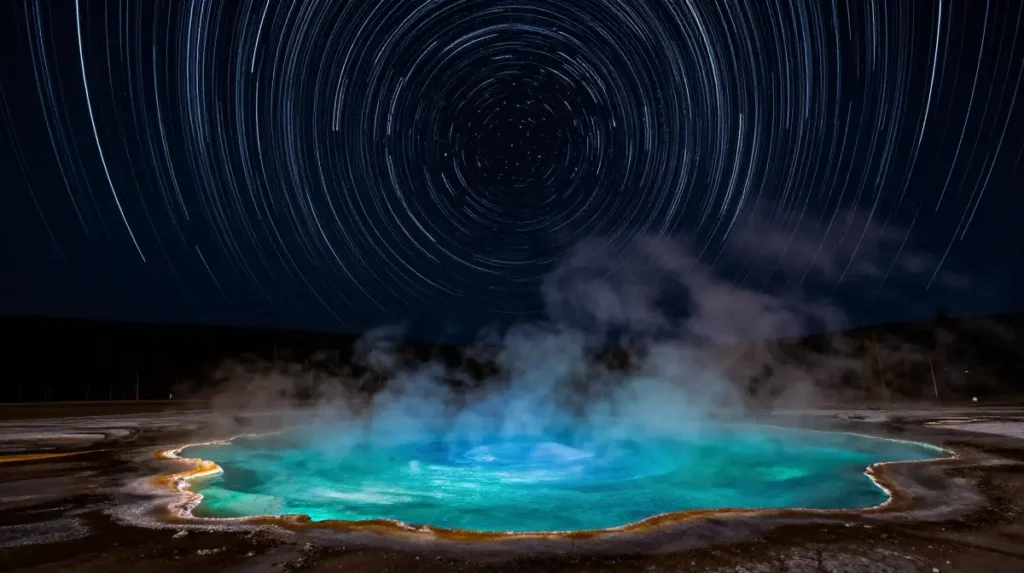
One of the more adventurous Yellowstone aesthetic ideas is nighttime photography. On clear nights away from major visitor centers, the sky fills with stars.
Long exposure shots that capture star trails over glowing thermal pools or steaming vents produce images that are deeply dramatic and genuinely rare. The contrast between the warm glow of the earth and the cool expanse of the night sky creates a visual story that feels ancient and modern at the same time.
Quick Reference: Yellowstone Aesthetic Photography Guide
| Idea | Best Time | Light Condition | Skill Level | Primary Colors |
|---|---|---|---|---|
| Grand Prismatic Spring | Midday aerial or edge walk | Bright sun | Beginner | Blue, orange, green |
| Old Faithful Geyser | Golden hour | Warm backlight | Beginner | White, amber, blue |
| Bison Herd Prairie | Early morning | Soft diffused | Intermediate | Brown, gold, grey |
| Thermal Pool Reflections | Sunrise | Calm, flat light | Beginner | Turquoise, rust |
| Winter Steam Landscape | Winter mornings | Cold overcast | Intermediate | White, grey, blue |
| Canyon Wall Gradients | Late afternoon | Side lighting | Beginner | Yellow, orange, red |
| Nighttime Star Trails | Clear nights | No moon | Advanced | Black, teal, gold |
Conclusion
The Yellowstone aesthetic is not one single look. It is a whole collection of moods, colors, textures, and moments that exist within a landscape unlike anything else on earth. From the vivid turquoise of the thermal pools to the quiet drama of a misty river at dawn, every part of the park offers something visually distinct.
What ties it all together is a sense of rawness. Yellowstone does not try to be beautiful. It simply is. And that honesty is what makes images from this landscape feel so timeless. Whether you are shooting for a portfolio, building a mood board, or just looking for nature color palette ideas to bring into your creative work, these 22 ideas offer a solid foundation to build from.
Start with what draws you in most, whether that is color, light, wildlife, or texture, and let the rest follow naturally.
You can may also like this: 22 Faroe Islands Ideas for Stunning Nature Travel Views
Frequently Asked Questions
1. What is the Yellowstone aesthetic exactly?
The Yellowstone aesthetic refers to the visual style and mood inspired by Yellowstone National Park. It typically includes earthy color palettes, geothermal textures, wildlife imagery, misty landscapes, and vivid thermal pool colors.
2. What time of year is best for Yellowstone aesthetic photography?
Each season offers something different. Summer gives wildflowers and golden light. Autumn brings warm foliage tones. Winter produces dramatic steam and snow contrasts. Early morning in any season tends to offer the best light and fewest crowds.
3. Do I need professional camera gear to capture the Yellowstone aesthetic?
No. Many compelling shots come from smartphones when you focus on composition, timing, and natural light. The landscape itself does most of the visual work. A tripod helps for long exposures and low light situations.
4. Can the Yellowstone color palette be used in home decor or design?
Absolutely. The earth tones, turquoise blues, rust oranges, and deep greens from Yellowstone translate well into interior design, branding, and digital aesthetics. They feel natural, grounded, and visually rich without being overwhelming.
5. What are the most photogenic spots in Yellowstone for aesthetic images?
The Grand Prismatic Spring, Lamar Valley at sunrise, Mammoth Hot Springs terraces, the Grand Canyon of the Yellowstone, and Hayden Valley during golden hour are consistently among the most visually rewarding locations in the park.
6 Comments