
Introduction
Most people planning a European trip think of Paris, Rome, Barcelona, or Lisbon. Very few consider flying another two hours west into the Atlantic Ocean to reach a Portuguese archipelago of nine volcanic islands where twin crater lakes sit inside ancient calderas, hot springs bubble up from beneath restaurant floors, whales breach within clear sight of the shoreline, and the roads are lined with blue hydrangea that bloom almost all year.
The Azores islands are one of the last genuinely off-beaten-path destinations in Europe, combining extraordinary natural scenery, world-class marine wildlife encounters, adventurous hiking, and a warm and unhurried Azorean culture and tradition with a price point that makes even budget travel here feel genuinely rewarding. This guide brings together 22 of the best ideas for experiencing the Azores islands across every island, activity type, and travel style so you can plan a trip that genuinely reflects what this remarkable destination has to offer.
See the Twin Lakes of Sete Cidades on Sao Miguel
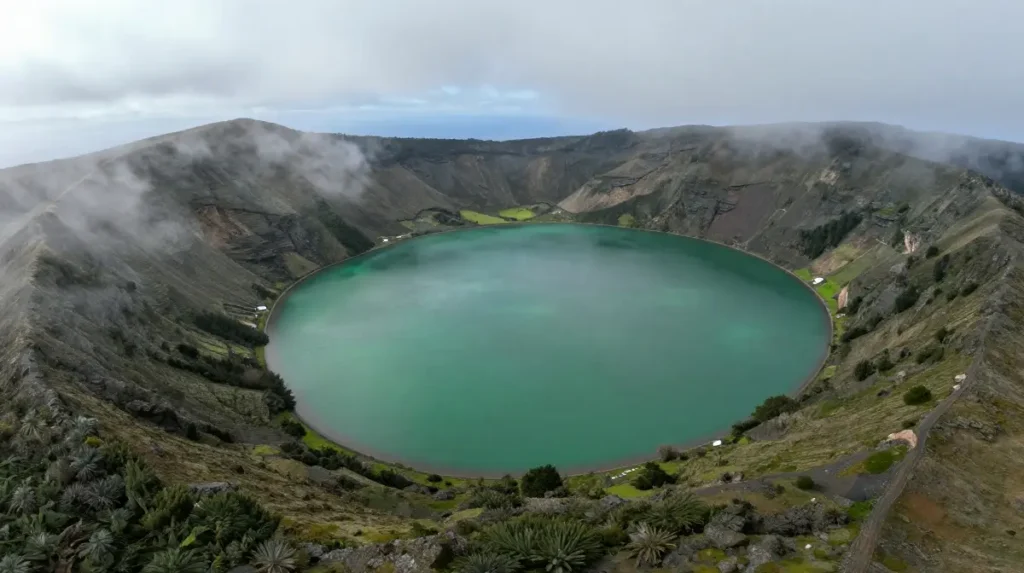
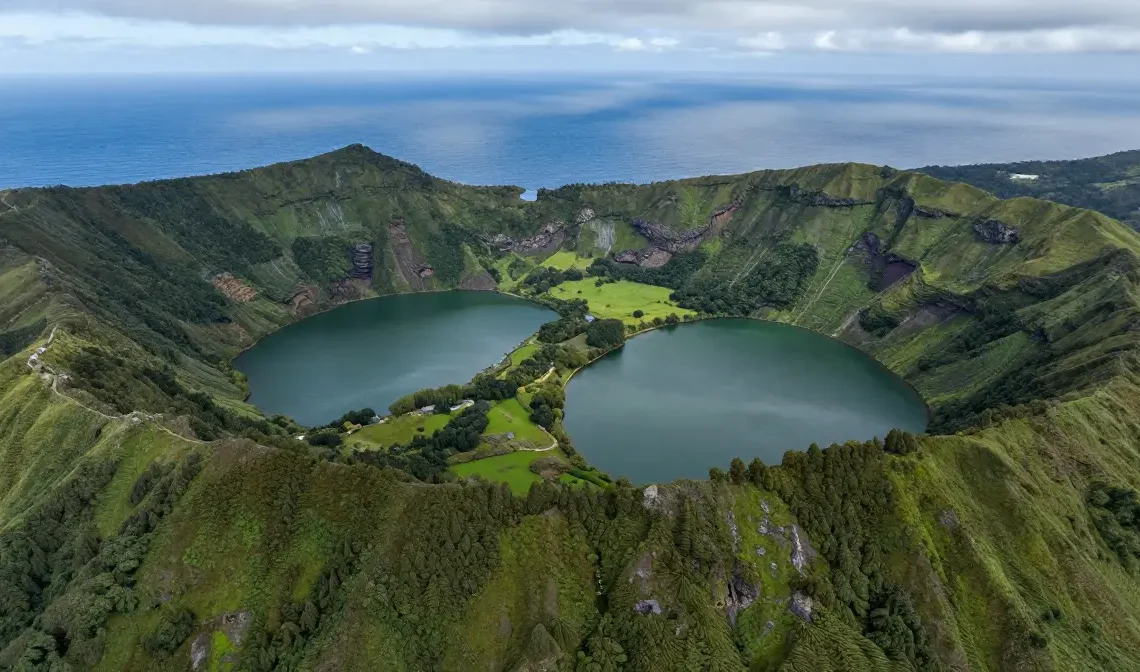
The twin volcanic crater lakes of Sete Cidades on Sao Miguel island are the single most photographed and most emotionally powerful landscape feature in the entire Azores islands archipelago, sitting inside a dormant volcanic crater in the western part of the island with the two lakes separated by a narrow bridge and appearing in slightly different shades of blue and green depending on the light conditions and weather of the day. The classic view is photographed from the Vista do Rei viewpoint on the rim of the caldeira volcanic crater, where the entire scene of the twin lakes, the surrounding green landscape terrain, and the small village at the water’s edge is visible in a single panoramic composition that consistently appears among the most shared travel photography images from the entire North Atlantic region.
The lakes are also accessible by kayaking from the village level, with kayak rental available at the water’s edge for those who want to experience the volcanic lake from within rather than from above. Early morning visits before the tour buses arrive provide the most atmospheric and photographically rewarding experience.
Hike to the Summit of Pico Mountain
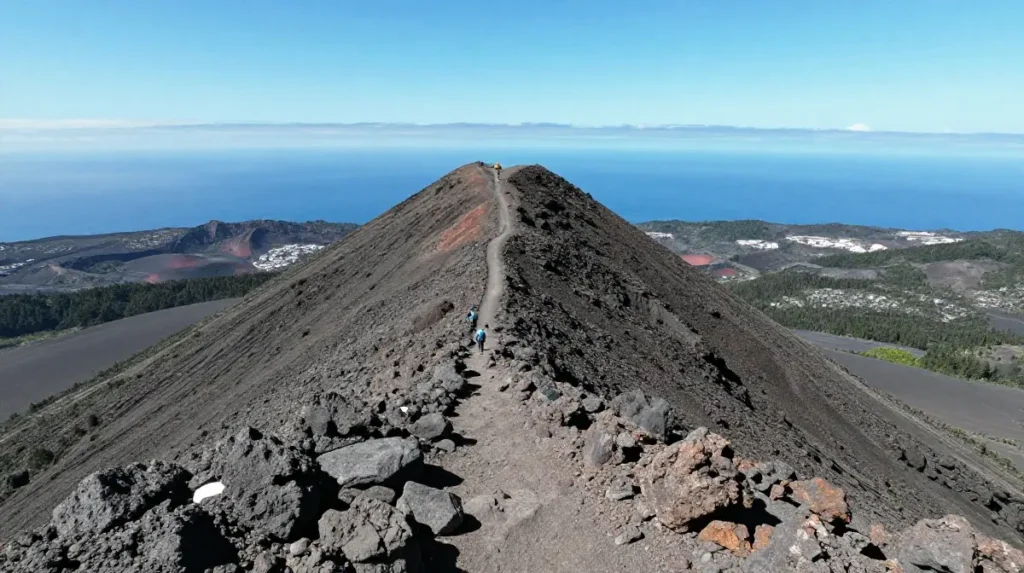
Mount Pico on Pico island is the highest peak in Portugal and the highest peak in the entire Portuguese archipelago, rising 2,351 meters above sea level in a near-perfect volcanic cone that is visible from multiple surrounding islands on clear days and offers one of the most physically demanding and genuinely rewarding hiking experiences available anywhere in Europe. The ascent from the trailhead to the summit crater and the Piquinho inner peak typically takes between three and five hours depending on fitness level and weather conditions, and the route crosses a landscape of extraordinary lunar quality, with ancient lava rock formation fields, endemic plant species, and the gradually increasing revelation of the surrounding Atlantic Ocean and neighboring islands as altitude is gained.
A licensed guide is required for all summit attempts and must be booked through the Pico Mountain Activities Center, which also provides mandatory safety equipment rental. The summit experience, when clear weather aligns with the effort of the ascent, is regularly described by hikers who have climbed mountains across the world as one of the most genuinely moving and memorable summit experiences they have ever had.
Swim in the Natural Volcanic Swimming Holes
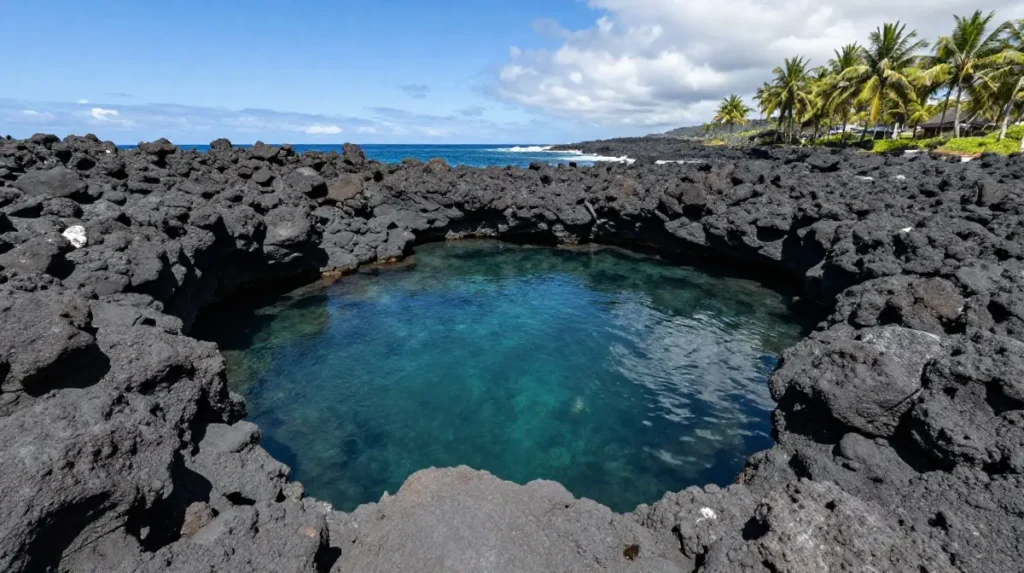
The natural volcanic swimming holes of the Azores islands are among the most visually extraordinary and unique swimming experiences available anywhere in Europe, created by the accumulation of ancient lava rock formation at the sea’s edge that has formed natural basalt pools and channels filled by the Atlantic tide with water of extraordinary clarity. The most celebrated of these are the Biscoitos natural swimming pools on Terceira island, the Piscinas Naturais on Santa Maria island, and the Poça da Dona Beija thermal pools in Furnas on Sao Miguel, each offering a different character and atmosphere within the broader category of volcanic swimming experience.
The Furnas hot springs swimming pools are heated to approximately 40 degrees Celsius by geothermal activity beneath the surface, creating a thermal bathing experience that is completely natural and genuinely unique to this volcanic island context. The black sand beach and volcanic rock pool combination found on several Azores islands creates swimming environments that look unlike anything found in the Mediterranean or the Caribbean and photograph with an extraordinary drama and visual intensity.
Go Whale Watching from São Miguel or Pico
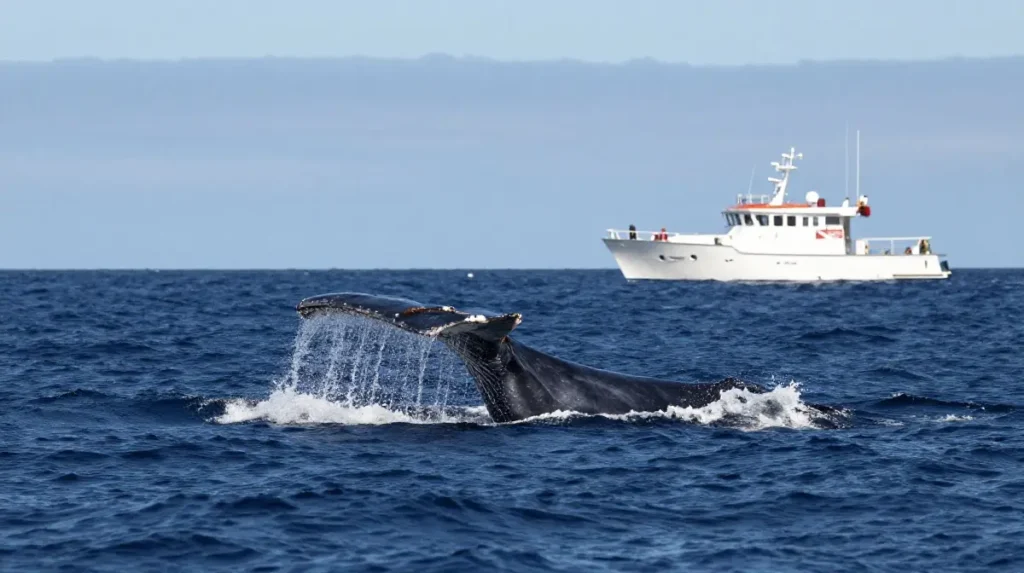
Whale watching in the Azores islands is consistently rated as one of the finest and most reliable cetacean watching experiences available anywhere in the world, with the deep Atlantic waters surrounding the archipelago functioning as a critical corridor for sperm whale sighting year-round and blue whale migration, fin whales, sei whales, and multiple dolphin watching trip opportunities across the spring and summer months. The Azores occupy a uniquely fortunate geographic position at the convergence of cold northern Atlantic and warmer southern Atlantic water masses that creates an extraordinary concentration of marine biodiversity and the rich food supply that attracts cetaceans in numbers that few other destinations can match consistently.
Whale watching tour operators are based on multiple islands including Sao Miguel, Pico, Faial, and Terceira, with trips typically lasting three to four hours and using vigia lookout stations on the hilltops above the ports to spot whales from shore before directing the boats to the precise location. The chance of seeing at least one cetacean species on any given whale watching trip is typically stated by operators at over ninety-five percent during the peak spring and summer season.
Eat Cozido das Furnas Cooked Underground
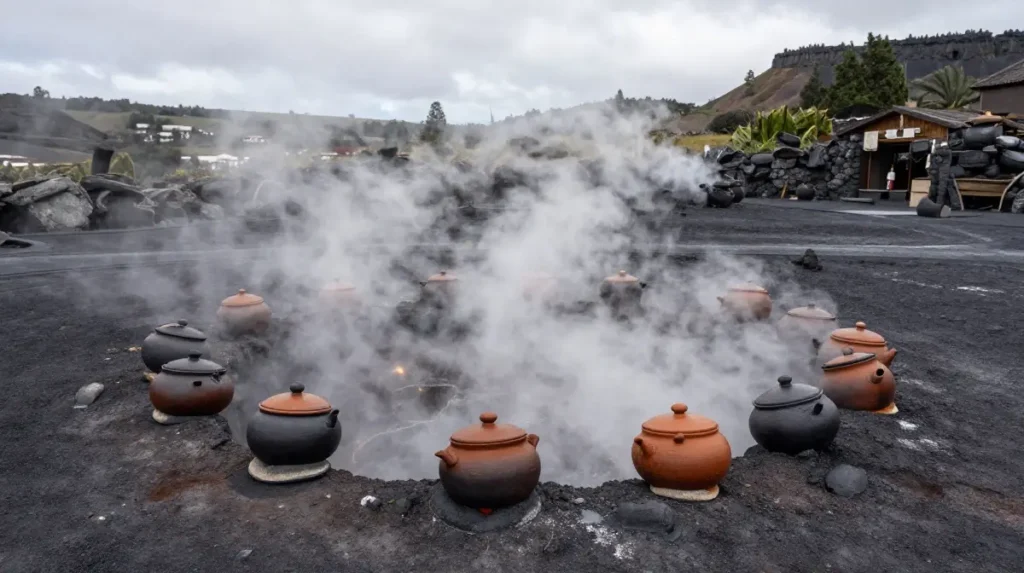
Cozido das Furnas is the most famous and genuinely unique dish in the entire Azorean cuisine repertoire, a traditional Portuguese meat and vegetable stew that is placed in sealed pots and lowered into holes in the geothermally heated ground around the volcanic lake at Furnas on Sao Miguel island in the early morning to cook slowly throughout the day in the natural heat of the earth before being lifted out and served for lunch at the restaurants surrounding the park. The dish itself is a rich and deeply flavored combination of various meats including pork, chicken, beef, and chouriço alongside root vegetables that have been transformed by the long and gentle underground cooking process into a warmly satisfying and utterly distinctive meal that no conventional stovetop preparation can replicate.
Eating cozido das Furnas at the Furnas lake is one of those genuinely irreplaceable travel experiences where the food, the setting, the method of preparation, and the cultural context all combine to create a meal that is fundamentally impossible to have anywhere else in the world. Reservations at the most popular restaurants, particularly Tony’s Restaurant beside the lake, are strongly recommended especially during summer.
Explore Faial Island and the Horta Marina
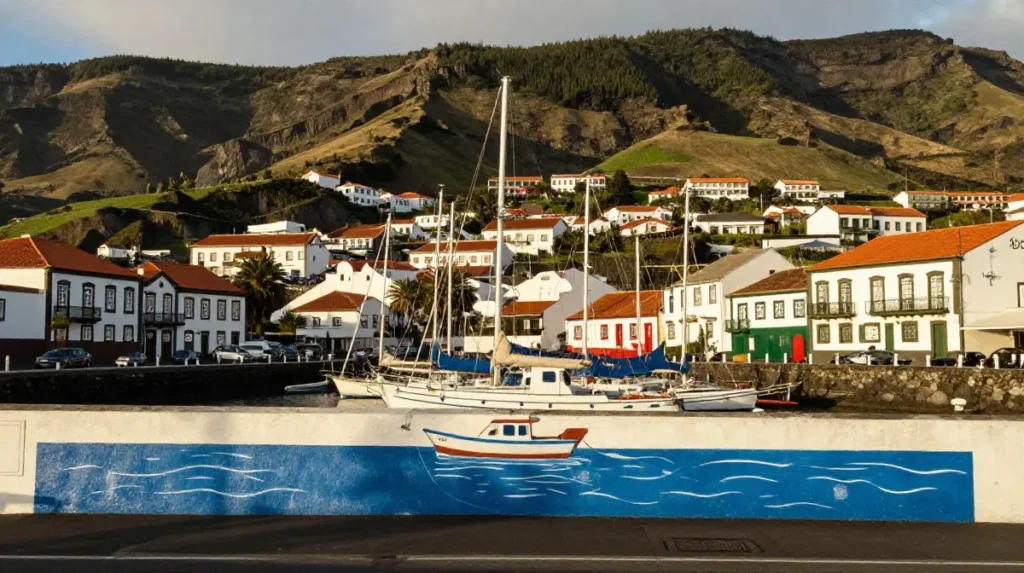
Faial island is one of the most charming and personally rewarding of all the Azores islands, centered on the small city of Horta whose marina port has served as a provisioning and rest stop for transatlantic sailors since the age of discovery and continues to attract a constant stream of yachts completing Atlantic crossings whose crews paint murals on the marina walls in a tradition that now covers every horizontal and vertical surface of the port infrastructure in a continuous tapestry of color and nautical imagery that is genuinely unlike anything else in the world. The caldeira volcanic crater at the center of Faial is one of the most accessible and visually impressive of all the Azores volcanic crater walks, with a well-maintained circular trail around the rim offering extraordinary views into the crater interior and across the island to the sea on clear days.
The Capelinhos volcano on the western tip of Faial, which erupted in 1957 and 1958 and added significantly to the island’s landmass, is one of the most dramatically preserved and visually extraordinary volcanic landscape features in Europe, with the visitor center built partially underground into the volcanic material providing one of the most immersive and educational geological experiences available in the Atlantic region.
Take the Ferry Between Islands
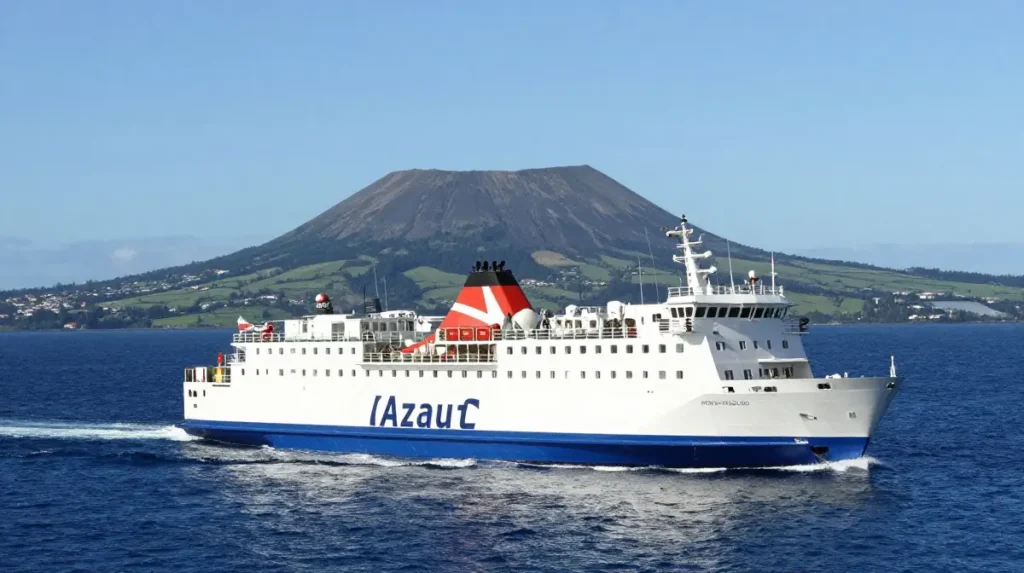
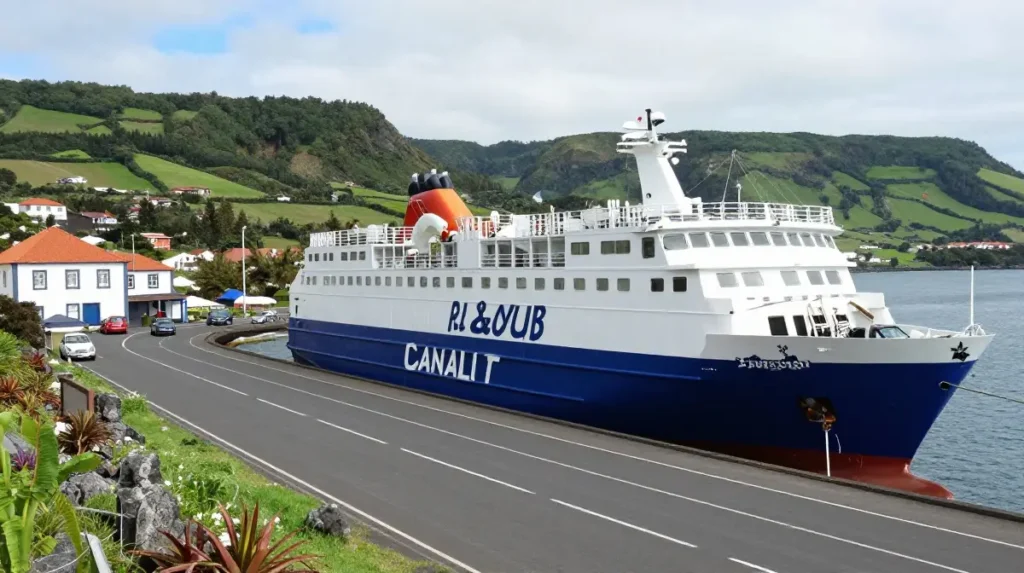
Inter-island ferry travel in the Azores islands is one of the most practical, affordable, and scenically rewarding ways to experience the sense of distance and open ocean that defines the archipelago’s character, with the Grupo Oriental ferries connecting the central group islands of Faial, Pico, Sao Jorge, Graciosa, and Terceira on a network of scheduled routes that allows multi-island trips to be planned without the cost and booking complexity of inter-island flights on SATA airline. The ferry crossing between Faial and Pico is the most popular and frequently used route, taking approximately thirty minutes across a narrow and spectacular channel with the volcanic cone of Pico Mountain rising dramatically ahead throughout the crossing.
The longer crossings between the central and eastern island groups take several hours and provide extraordinary open Atlantic views and the possibility of dolphin or whale sightings from the ferry deck that add a genuinely adventurous quality to what is essentially a practical transport choice. Ferry travel in the Azores is significantly more budget-friendly than inter-island flying and is the preferred choice for travelers carrying bicycles, surfboards, or other oversized equipment.
Visit Lagoa do Fogo for a Remote Lake Experience
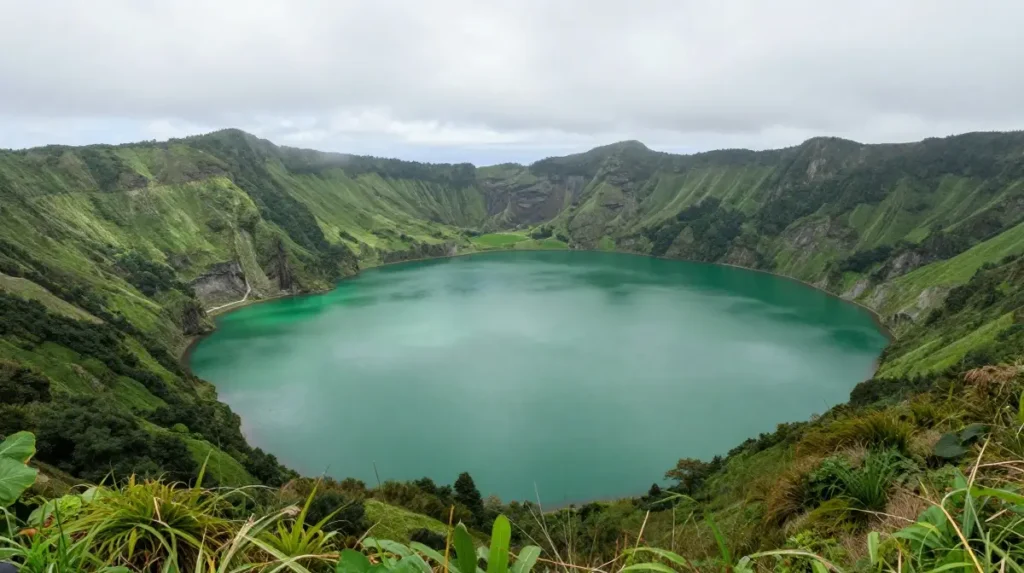
Lagoa do Fogo, the Lake of Fire, sits inside a volcanic crater at the highest point of Sao Miguel island and is protected as a nature reserve that limits visitor numbers and prohibits motorized access, creating a lake experience of genuine remoteness and natural integrity that contrasts sharply with the more developed and accessible Sete Cidades. The hiking trail down from the viewpoint on the main island road to the lake edge takes approximately forty minutes each way and passes through a landscape of endemic plant species and lava rock that feels genuinely wild and untouched by comparison with most European natural areas.
The water of Lagoa do Fogo has an extraordinary clarity and a deep turquoise color that is most spectacular in the morning before cloud typically descends on the crater rim in the early afternoon. Swimming is permitted in the lake and provides one of the most serene and personally moving natural bathing experiences available in the entire Azores islands, combining the remoteness of the location with the extraordinary quality of the volcanic landscape surrounding the water on every side.
Try Canyoning in the Island Gorges
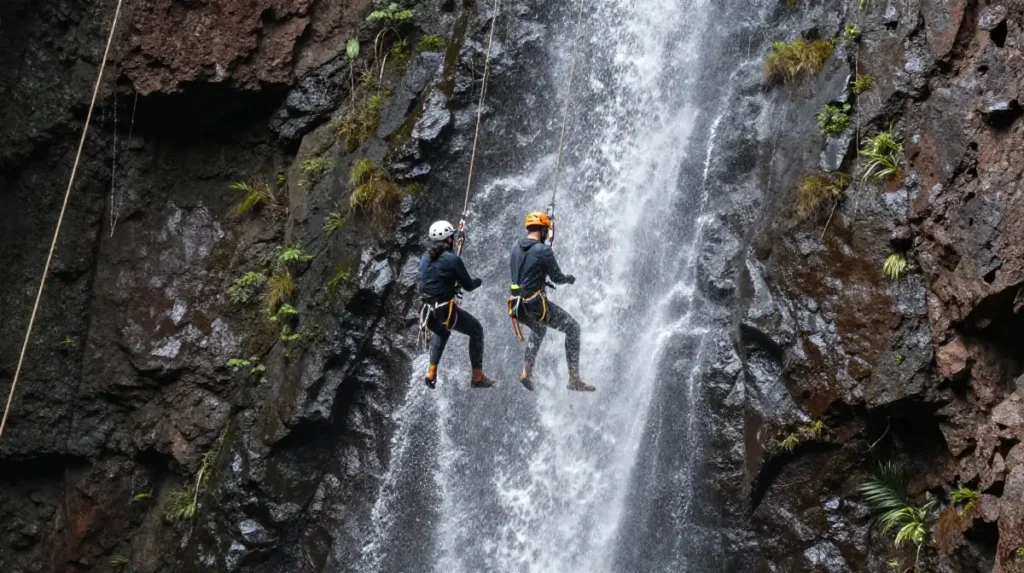
Canyoning adventure tours in the Azores islands take participants through the steep-sided volcanic gorges and waterfalls that form naturally in the island landscapes as rainfall and stream erosion cut through the ancient lava rock layers, creating routes that combine swimming, abseiling, jumping, and scrambling through a landscape of extraordinary natural beauty that is accessible only through this specific activity. The gorges of Sao Miguel, Flores, and Sao Jorge are particularly well-suited for canyoning routes that range from beginner-appropriate introductory experiences to technically demanding full-day descents that challenge experienced canyoners and provide access to some of the most visually dramatic and inaccessible interior landscapes on any of the islands.
Guided canyoning tours are essential for safety and navigation and are offered by multiple certified operators on the main islands, with all technical equipment including wetsuits, helmets, and harnesses provided as part of the tour package. The activity is suitable for participants of average fitness with no technical climbing background when undertaken with an experienced guide on beginner routes.
Watch the Sunset from Flores Island
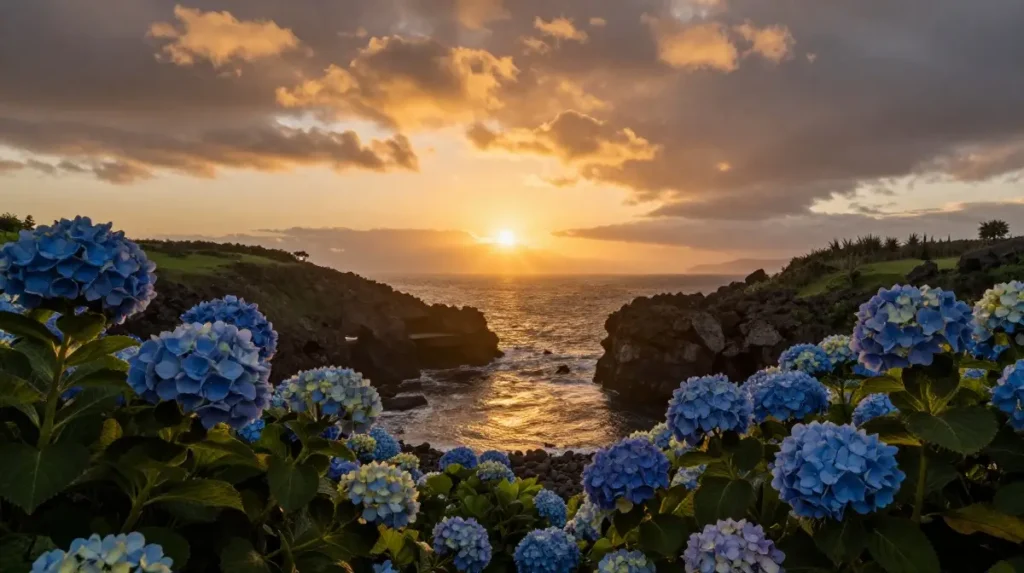
Flores island is the westernmost island in the entire Azores archipelago and one of the most westerly points of European territory, sitting so far into the Atlantic that its sunsets are correspondingly extraordinary and its landscape of waterfalls, volcanic lakes, and hydrangea-lined roads represents the Azores island aesthetic at its most intensely dramatic and visually concentrated. The island’s UNESCO biosphere reserve designation reflects its extraordinary ecological integrity and the remarkable density of natural features in a small area, with seven volcanic lakes, more than fifty waterfalls, and endemic plant species distribution creating a hiking environment of almost overwhelming natural richness that rewards those willing to make the additional journey from the more accessible central island group.
The Rocha dos Bordoes basalt rock formation on the western coast of Flores is one of the most spectacular and unusual natural geological features in the entire Atlantic, with vertical basalt columns rising from the sea cliff in a fan-like arrangement that photography consistently fails to capture at its full scale and drama. Flores is accessible by SATA airline flights from Sao Miguel or Terceira.
Explore the UNESCO World Heritage City of Angra do Heroismo
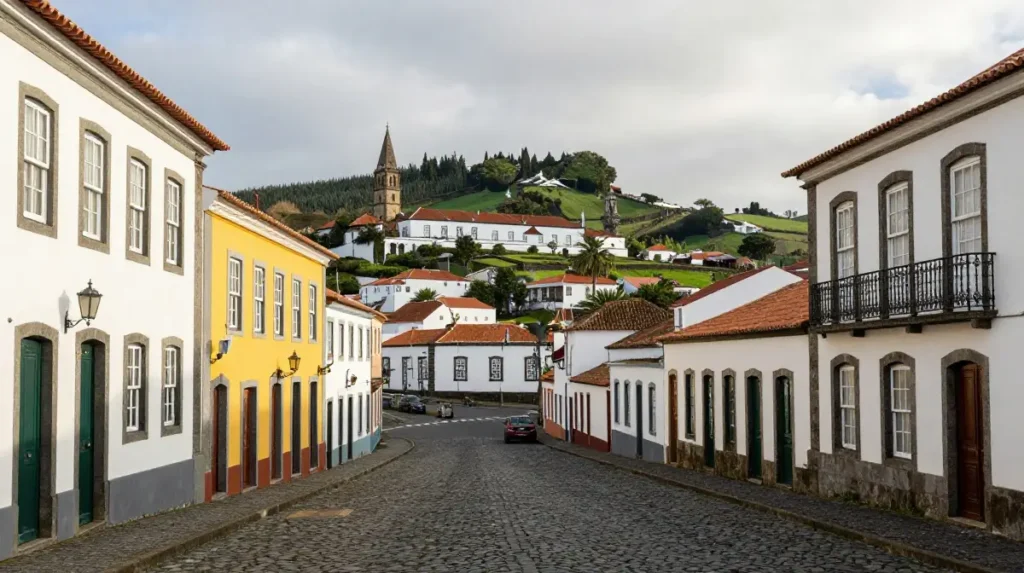
Angra do Heroismo on Terceira island is the only city in the Azores islands that holds UNESCO world heritage status, recognized for its extraordinarily well-preserved colonial-era urban architecture, its historic fortifications, and its central role in the history of Portuguese maritime expansion during the age of discovery when it served as the principal refueling and provisioning stop for Portuguese ships crossing the Atlantic. The city is genuinely one of the most beautiful and historically interesting small cities in the entire Portuguese-speaking world, with cobblestone street town lanes, brightly painted traditional architecture, historic churches, and a working waterfront that maintains a genuinely living relationship with the sea trade that created the city.
The Sanjoaninas festival on Terceira, held in June, is one of the most celebrated traditional religious festival traditions in the Azores, featuring street parties, traditional bullfighting on leashes, and live music that fills the streets of Angra do Heroismo for an entire week and provides one of the most authentic and joyful cultural experiences available in the Atlantic islands.
Surf the Waves at Santa Maria and Sao Miguel
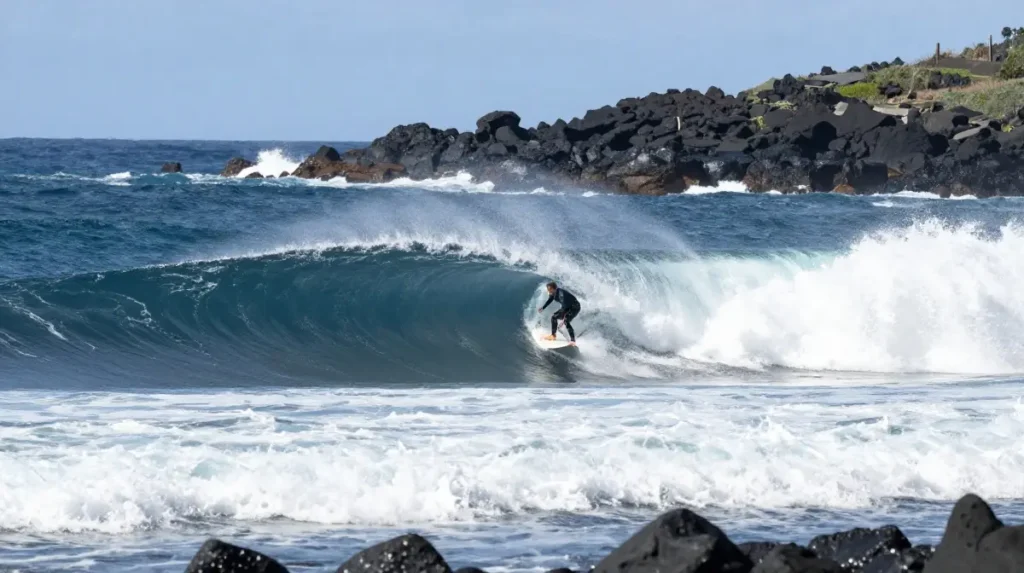
The surfing wave spots of the Azores islands attract a dedicated and growing community of international surfers who appreciate the combination of consistent Atlantic swell, uncrowded breaks, dramatic volcanic rock scenery, and the genuinely extraordinary natural environment that makes surfing in the Azores a completely different experience from surfing any Mediterranean or North Atlantic mainland coast. Santa Maria island, the southernmost and sunniest of the Azores islands, has the most developed surf culture and the most consistently accessible wave conditions for intermediate surfers, with several beach breaks along its southern coast that work across a range of swell directions and sizes.
Sao Miguel also has several reliable surfing spots along its northern coast that pick up Atlantic groundswell with particular consistency during autumn and winter when the swell frequency and size creates the most impressive and powerful conditions. Surf schools and board rental are available on both islands for beginners and intermediate surfers.
Hike the Caldeira on Graciosa Island
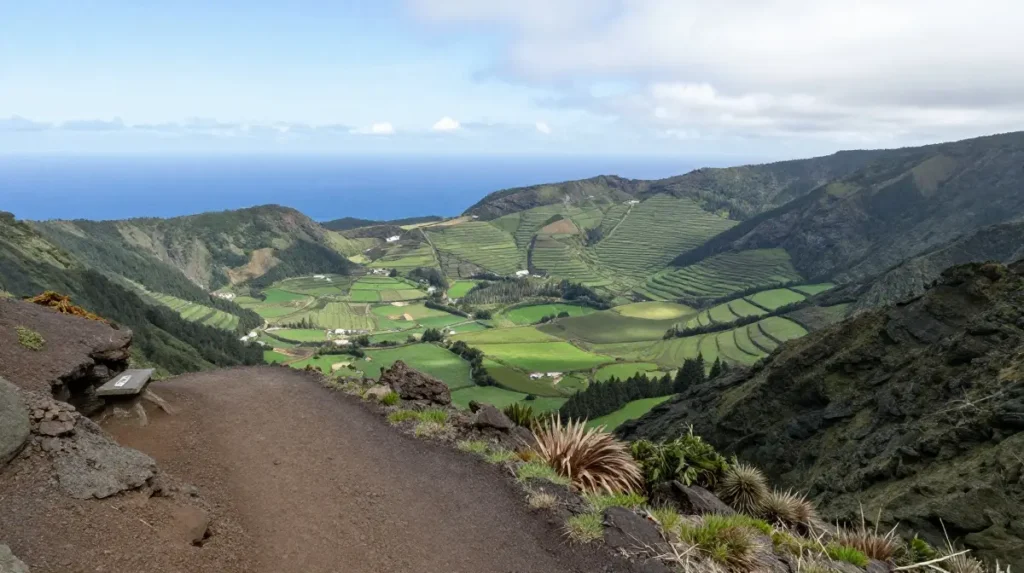
Graciosa island is one of the least visited and most personally rewarding of all the Azores islands, offering a landscape of gentle terraced fields, traditional windmills, limestone formations, and the remarkable Caldeira crater that contains a volcanic grotto called the Furna do Enxofre at its base, where a subterranean sulfurous lake is accessible by elevator and walkway inside the volcanic cavity. The hiking trail around the rim of the Graciosa caldeira volcanic crater provides extraordinary views across the entire island and out to the surrounding sea, with the characteristic green landscape and the blue sea creating a visual composition that is less dramatic than Pico or Flores but carries a quiet and intimate beauty that suits the island’s gentle character perfectly.
Graciosa is also recognized as a UNESCO biosphere reserve for its distinctive ecology and the exceptional state of preservation of its traditional agricultural landscape. The island is small enough to explore comprehensively over two to three days and provides a genuinely different Azores experience from the more adventure-oriented larger islands.
Go Birdwatching for Endemic Azores Species
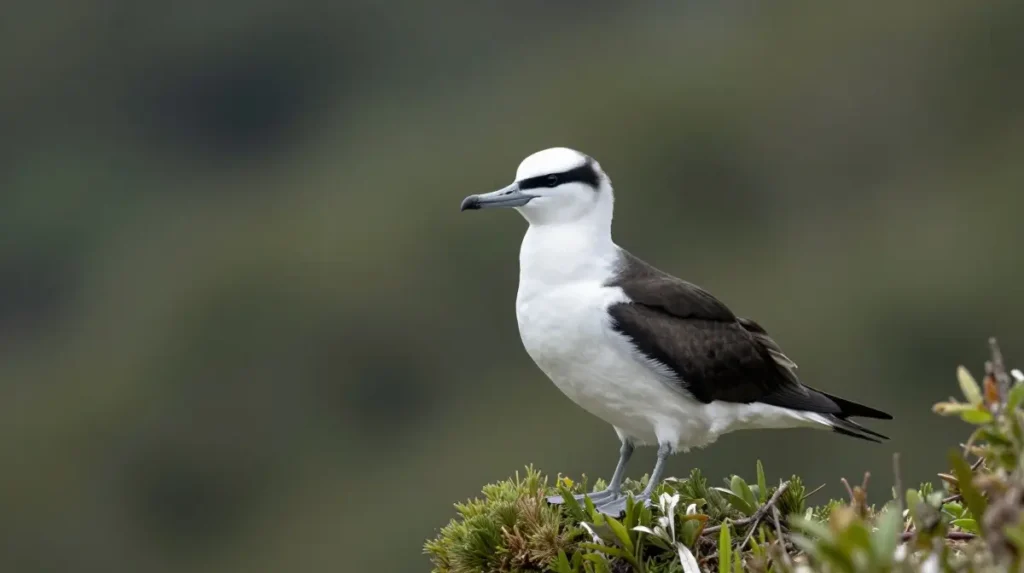
The Azores islands are one of the most important birdwatching destinations in the entire Atlantic region, supporting several endemic bird species found nowhere else on earth alongside extraordinary concentrations of seabirds, migrating species, and the spectacular Cory’s shearwater whose autumn migrations bring millions of birds past the island shores in what birding guides describe as one of the most impressive seabird spectacles available anywhere in the Northern Hemisphere. The Azorean bullfinch species, known locally as the Priolo, is one of the rarest birds in Europe and is found exclusively in the laurisilva forest of northeastern Sao Miguel island, where dedicated birdwatching tours provide the best chance of seeing this critically important conservation success story in its native habitat.
Flores island and Corvo island are particularly celebrated among international birders for the extraordinary frequency of rare North American vagrant species that arrive on these islands when Atlantic storms push migrating birds off their intended continental destinations, creating a vagrant watching scene that draws serious birders from across Europe and North America every autumn.
Try Azores Wine from Pico Island Vineyards
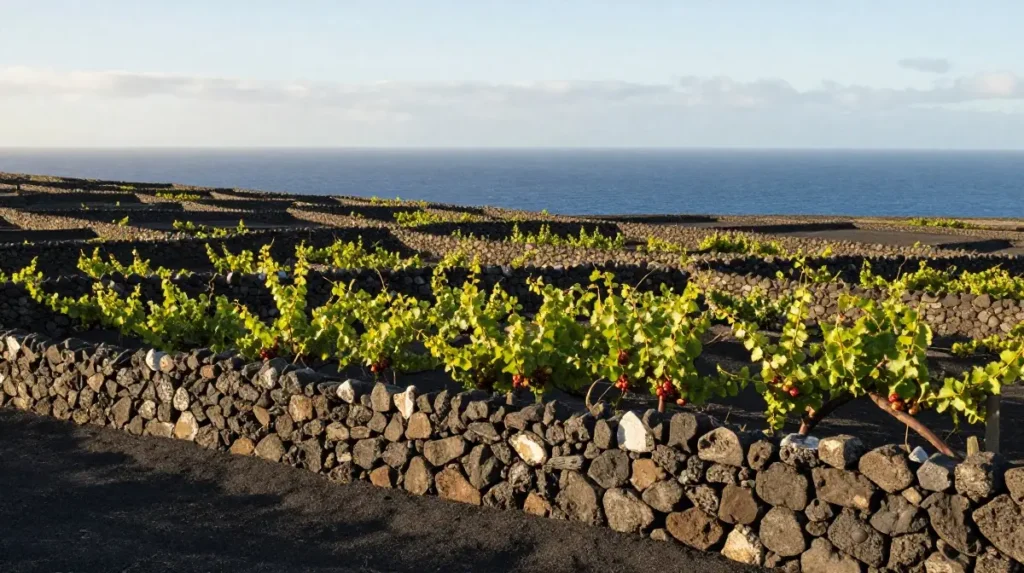
Pico island wine is produced from vineyards cultivated in one of the most extraordinary and visually dramatic agricultural landscapes in the world, where the traditional lajido stone walled growing system uses low stone walls of ancient volcanic rock to create thousands of small enclosures directly above the sea that protect the Verdelho grape variety from the Atlantic wind and create the specific microclimate that gives Pico wine its distinctive mineral and oceanic character. The entire lajido vineyard landscape of Pico island is recognized as a UNESCO world heritage site for the extraordinary visual and cultural significance of this centuries-old agricultural system that has been maintained almost unchanged since the sixteenth century when Portuguese settlers first planted vines on the volcanic rock.
Wine tastings and vineyard tours are available through the Pico wine cooperative and several small independent producers, with the fortified Verdelho wines and the dry table wines both representing genuinely distinctive expressions of this singular volcanic terroir that have no close equivalent anywhere else in the wine world. The wines are excellent value relative to their quality and cultural significance.
Visit the Hidden Waterfalls of Flores
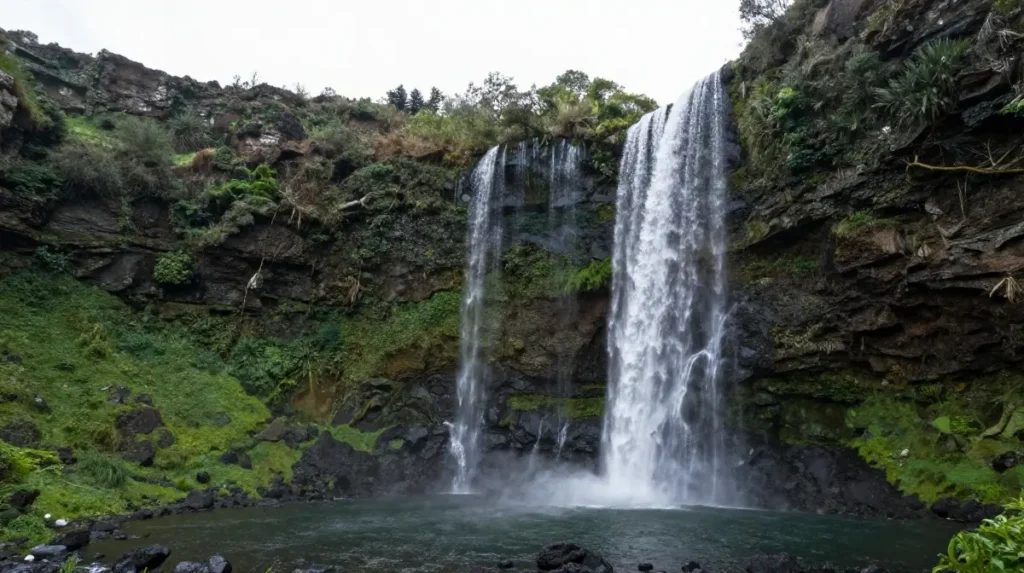
Flores island deserves its own dedicated mention for the extraordinary concentration and quality of its waterfall network, which includes some of the most beautiful and photographically spectacular waterfalls in the entire Azores islands system, cascading over ancient volcanic cliffs into swimming holes, valleys, and the sea in a continuous series of falling water that makes the island feel perpetually animated and alive in a way that its quiet population of less than four thousand people would never suggest. The Alagoinha lagoon and its surrounding waterfall complex in the southern part of the island is particularly celebrated, with multiple falls of different heights and characters accessible by a network of hiking trail paths that pass through fern-covered gorges and endemic plant species communities.
The waterfalls of Flores are at their most spectacular in spring and early summer when rainfall levels are highest and the flow is fullest, though they remain genuinely impressive throughout the year due to the island’s consistently high annual rainfall that maintains the green landscape terrain that defines the Azores visual identity.
Sample Local Azores Cheese and Food Culture
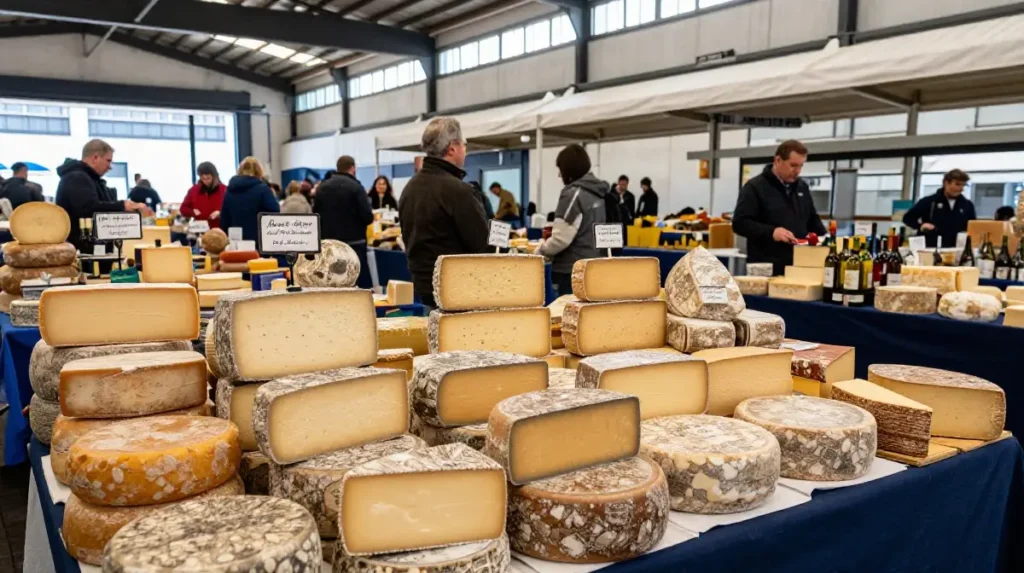
The local cheese variety produced across the Azores islands represents one of the finest and most underappreciated cheese traditions in the entire Portuguese-speaking world, with the grass-fed Azores beef cattle that graze the year-round green pastures of the volcanic islands producing the exceptionally rich milk that gives Azorean cheeses their characteristic quality. The queijo Sao Jorge from Sao Jorge island is the most celebrated, a semi-hard aged cheese with a complex and slightly spicy flavor that has been produced on the island since the sixteenth century and is now the most widely exported and internationally recognized food product of the entire Azores islands.
Local food markets in Ponta Delgada, Angra do Heroismo, and Horta provide the best access to the full range of Azorean food products including local cheese variety, Pico island wine, local honey, preserved fish, and the sweet breads and pastries that form the most immediately approachable introduction to Azorean food culture. The broader food guide of the Azores also includes remarkable fresh seafood, traditional soup preparations, and the cozido das Furnas dish that together create one of the most distinctive and genuinely rewarding regional food cultures in Atlantic Europe.
Dive the Underwater Volcanic World
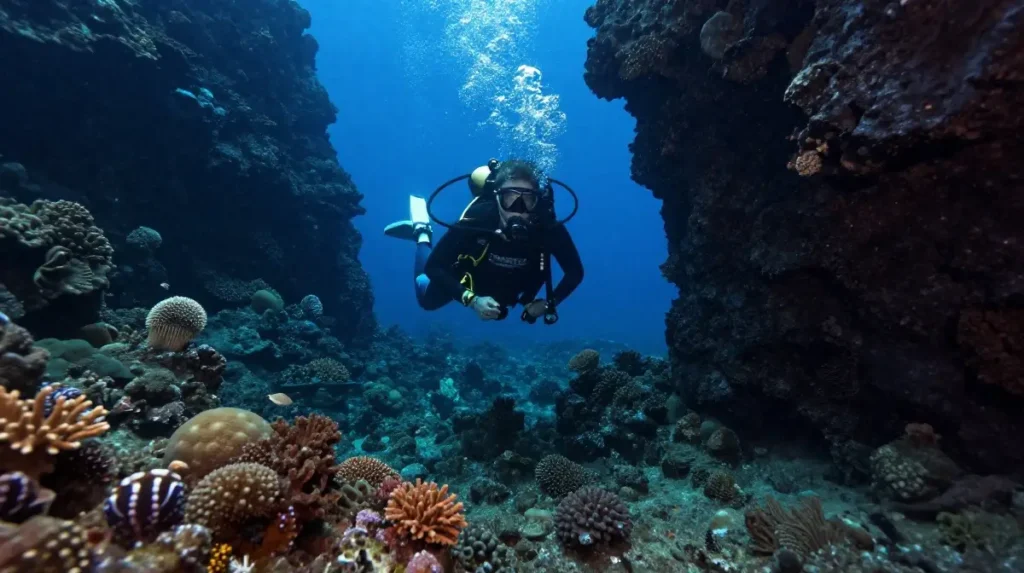
Scuba diving in the Azores islands provides access to a genuinely extraordinary and biologically rich underwater environment that combines the dramatic visual character of underwater volcanic rock formations with the extraordinary marine biodiversity that the deep Atlantic waters surrounding the archipelago support in abundances rarely seen in more temperate or enclosed sea environments. The dive sites around the Princess Alice Bank, a seamount rising from deep water southwest of Faial, are among the most famous in the entire Atlantic for the extraordinary concentrations of pelagic species including manta ray sighting opportunities, schools of hammerhead sharks, and the full range of large Atlantic pelagic fish that aggregate around this underwater mountain.
More accessible dive sites around Sao Miguel, Faial, and Pico include underwater volcanic rock caves, lava tubes, and coral-covered walls that provide excellent diving for open-water certified divers without the boat time required to reach the offshore seamount sites. Water temperatures are cooler than Mediterranean equivalents and a 5mm wetsuit is recommended for most diving throughout the year.
Explore the Cobblestone Villages of Sao Jorge
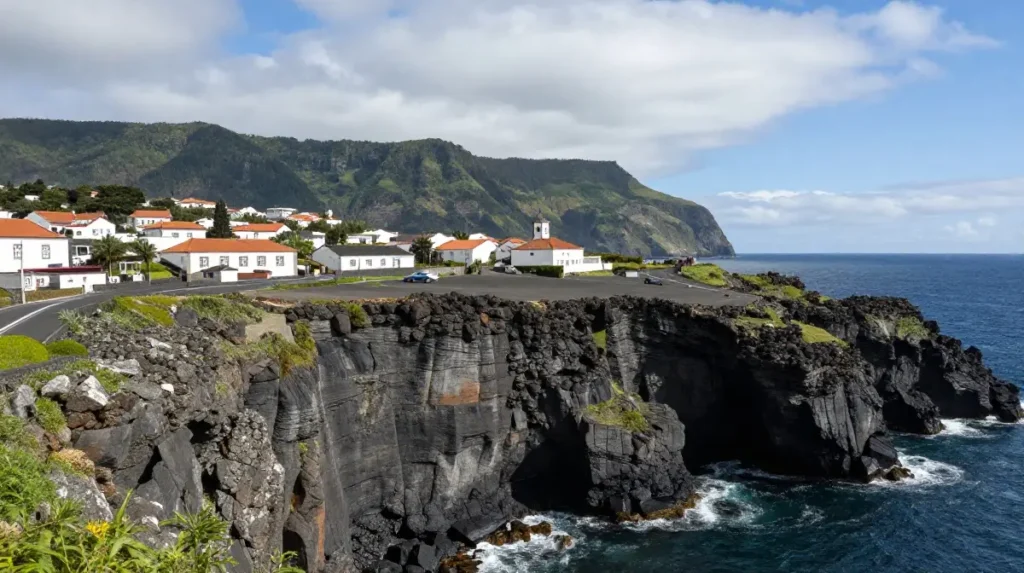
Sao Jorge island is a long, narrow, and dramatically vertical island formed by a single volcanic ridge whose northern coast drops sheer to the sea while its southern slopes carry the characteristic green landscape of Azorean farmland in a series of fajã coastal platforms created by ancient lava flows that reached the sea and built flat land directly at the cliff base. These fajã platforms, unique geological formations found at their most dramatic and accessible concentration anywhere in the Atlantic exclusively on Sao Jorge, are the most distinctive and visually remarkable landscapes in the island, each one supporting small fishing village communities, their own microclimates, and the coffee plantations that produce some of the highest-quality coffee grown anywhere in Europe.
The hiking trail from the village of Velas down to the Fajã dos Cubres and along the northern coast fajã system is consistently rated by experienced hikers as one of the most spectacular and rewarding hiking trail network experiences available in the entire Azores, combining extraordinary volcanic scenery with the cultural interest of the isolated fishing village communities that occupy these extraordinary geological formations.
Understand the Best Time to Visit the Azores

The best time to visit the Azores islands involves a genuinely nuanced consideration because the tropical climate mild of the archipelago and its hurricane-free location mean that the islands are accessible and pleasant throughout the year, but different seasons offer meaningfully different experiences across activities, crowd levels, and weather conditions. The summer months of June through September offer the warmest temperatures averaging between 22 and 26 degrees Celsius, the lowest rainfall levels, and the best conditions for swimming, whale watching, and hiking the higher trails, alongside the highest visitor numbers and the Sanjoaninas festival tradition in June on Terceira.
Spring from April through June offers extraordinary wildflower displays including the hydrangea lined roads at their peak bloom, excellent whale watching as blue whale migration peaks, and lower visitor numbers than summer with still-pleasant temperatures. Autumn from September through November is the preferred season for surfing, birdwatching for vagrant species, and experiencing the islands in a more local and less tourist-oriented atmosphere, though rainfall increases from October onward and higher-altitude hiking becomes less reliable.
Plan a 7-Day Azores Island Itinerary
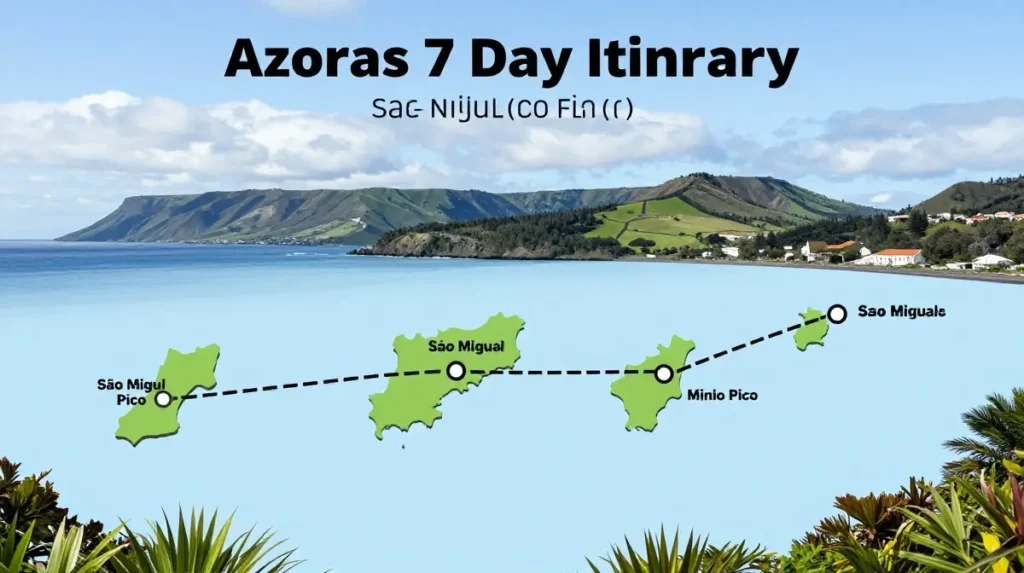
A well-structured Azores islands 7 day itinerary for a first-time visitor should use Sao Miguel as the base for the first four days, allowing thorough exploration of Sete Cidades, Lagoa do Fogo, Furnas hot springs and the cozido das Furnas dining experience, Ponta Delgada and the local food market, whale watching, and the natural swimming pools near Nordeste.
The final three days should involve a short SATA airline flight or ferry to the central island group for at least two nights on Pico or Faial, allowing time for the Pico mountain hiking trail or caldeira walk on Faial, wine tasting at the UNESCO lajido vineyards, and the Horta marina port mural experience. A ten-day Azores itinerary adds Sao Jorge and its fajã hikes or Flores island for the waterfall network, creating a genuinely comprehensive multi-island experience that shows the full range of the archipelago’s character and natural diversity.
Budget and Practical Travel Information
The Azores islands represent one of the finest budget travel and eco tourism destination values available in Western Europe, with accommodation costs, food prices, and activity fees running significantly below the equivalent quality equivalents in mainland Portugal, France, or Spain while offering an experience standard that matches the finest nature and adventure travel destinations anywhere in the continent. The euro currency Portugal makes spending straightforward for European visitors and avoids currency exchange costs. Travel visa requirements follow the Schengen zone framework, making entry straightforward for EU citizens and requiring only a valid passport for most nationalities of major travel markets including the United States, Canada, Australia, and the United Kingdom.
Travel insurance coverage is strongly recommended for all Azores visits because the active hiking, water sports, whale watching, and inter-island ferry activities that define the typical Azores trip create a higher than average exposure to the kind of minor travel incidents that insurance is most valuable for covering. The most common budget travel mistake is underestimating inter-island travel costs and failing to budget for ferry or flight tickets between the islands.
Quick Reference Table: Azores Islands at a Glance
| Island | Best For | Key Attraction | Travel Difficulty | Best Season |
|---|---|---|---|---|
| Sao Miguel | First-time visitors, nature | Sete Cidades lakes, Furnas hot springs | Easy, well-connected | April to September |
| Pico | Hiking, wine, diving | Pico Mountain summit, UNESCO vineyards | Moderate, ferry access | May to October |
| Faial | Sailing culture, caldeira | Horta marina, Capelinhos volcano | Easy, ferry access | May to September |
| Flores | Waterfalls, birdwatching | Rocha dos Bordoes, waterfall network | Remote, SATA flights only | April to June |
| Terceira | Culture, history, food | Angra do Heroismo UNESCO city | Easy, direct flights | June to September |
| Sao Jorge | Hiking, cheese, fajã | Fajã coastal platforms, local cheese | Moderate, ferry access | May to October |
| Graciosa | Off-beaten-path, geology | Caldeira, Furna do Enxofre grotto | Easy, quiet island | May to September |
Conclusion
The Azores islands are the kind of destination that ruins you for conventional beach holidays in the best possible way. Once you have stood on the rim of a volcanic crater and looked down at twin turquoise lakes, eaten a stew cooked in the earth, watched sperm whales surfacing in the open Atlantic, and hiked through a landscape of ancient lava fields and hydrangea-lined roads to a summit that overlooks several islands simultaneously, the idea of simply sitting on a crowded Mediterranean beach feels genuinely incomplete by comparison.
The practical reality of visiting the Azores is that it is easier, more affordable, and more rewarding than most travelers initially expect, and the combination of sustainable travel azores infrastructure, genuine local culture and tradition, and natural scenery that has no equivalent anywhere else in Europe creates an experience that stays with visitors long after the trip ends. Start with Sao Miguel, add one or two other islands, and give the place the time it deserves.
You can may also like this: 22 Cayman Islands Ideas for Luxury Tropical Vacation Spots
FAQs
How many days do you need in the Azores
A minimum of seven days is recommended to do justice to Sao Miguel alone. Ten to fourteen days allows for a multi-island trip that includes two or three islands from the central group alongside the eastern island of Sao Miguel.
Is the Azores expensive to visit
The Azores is one of the most affordable destinations in Western Europe. Accommodation, food, and activities cost significantly less than equivalent quality options in mainland Portugal, France, or Spain, making it excellent value for budget travelers and backpackers.
Do I need a visa to visit the Azores
The Azores is part of Portugal and therefore part of the Schengen zone. EU citizens require no visa. Citizens of the United States, Canada, Australia, and the United Kingdom can visit for up to ninety days without a visa using a valid passport.
What is the best island in the Azores to visit first
Sao Miguel is the best first island because it has the most direct international flight connections, the widest range of natural attractions including Sete Cidades and Furnas, the best tourist infrastructure, and enough variety to fill a full week of rewarding exploration without ever leaving the island.
Is whale watching in the Azores worth it
Absolutely. The Azores offers some of the most reliable and species-diverse whale watching available anywhere in the world, with year-round sperm whale presence and seasonal visits from blue whales, fin whales, and multiple dolphin species. Most operators report a cetacean sighting rate above ninety-five percent during the peak spring and summer months.
1 Comment