
Introduction
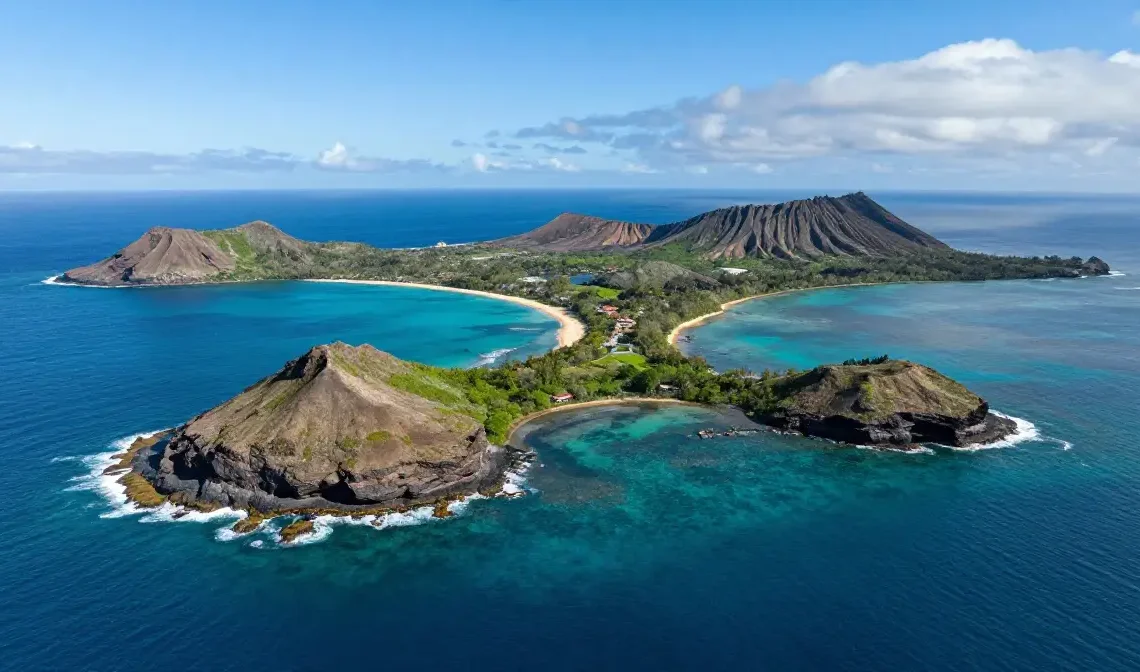
There are places in the world that feel like they belong to a different time. The Galapagos Islands is one of them. Sitting in the Pacific Ocean about 1,000 kilometers off the coast of Ecuador, this volcanic island chain holds some of the rarest and most fearless animals on earth. These creatures have never learned to be afraid of humans, which means you can stand just a few feet away from a giant tortoise, watch a blue-footed booby perform its mating dance, or swim alongside a sea lion without either of you flinching.
Whether you are planning your first big trip, working through a bucket list, or simply looking for ideas that go beyond the usual tourist trail, this guide covers 22 experiences worth knowing about. From snorkeling with marine iguanas to watching penguins waddle along the equator, the Galapagos has something that will genuinely surprise you.
Watch Giant Tortoises in Their Natural Habitat
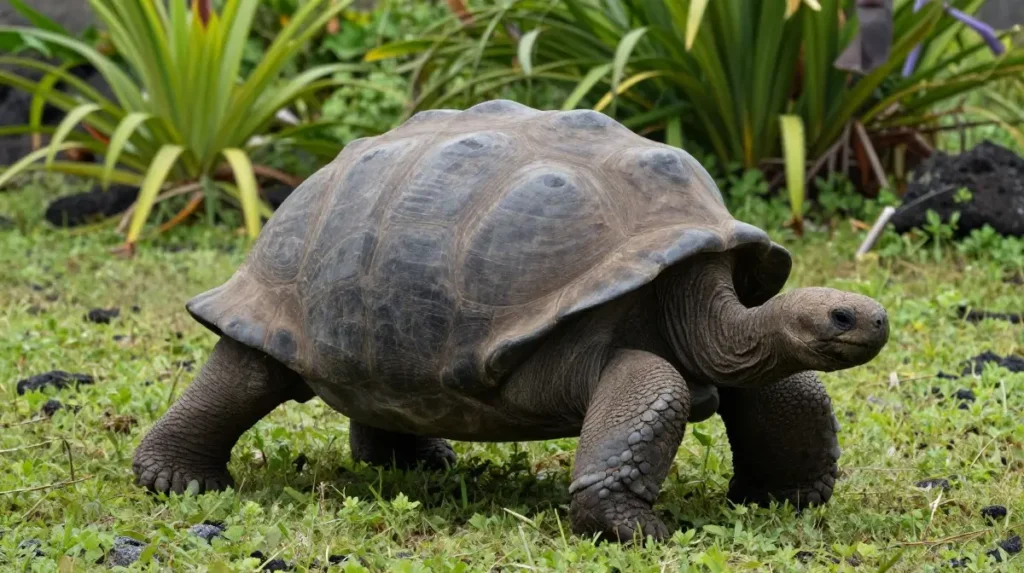
Few experiences compare to standing near a Galapagos giant tortoise in the wild. These ancient animals can live over 100 years and weigh up to 400 kilograms.
Santa Cruz Island is one of the best places to see them roaming freely through highland vegetation. There are also tortoise breeding centers where conservation efforts help protect younger animals before they return to the wild.
Snorkel with Marine Iguanas
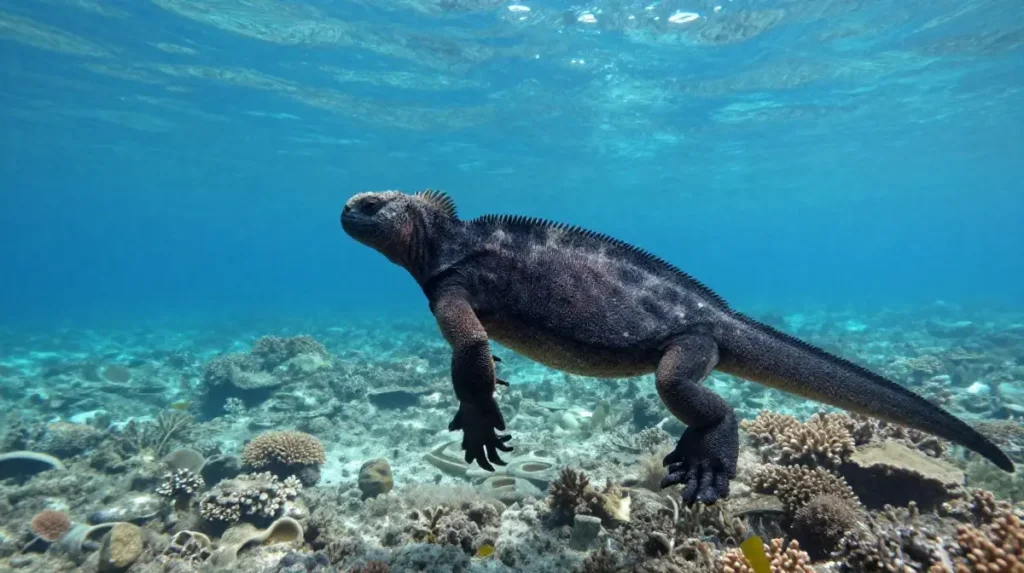
The marine iguana is found nowhere else on earth. These dark, prehistoric-looking reptiles dive into the cold Pacific water to feed on algae.
Snorkeling alongside them in shallow coastal areas is one of the most unusual wildlife encounters you can have anywhere in the world.
Visit the Blue-Footed Booby Colonies
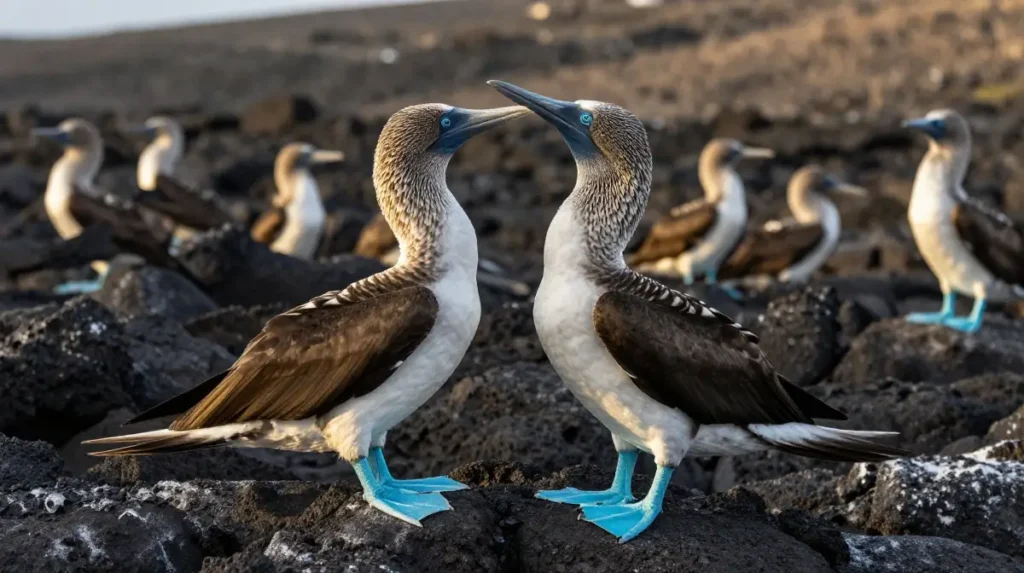
The blue-footed booby is practically a symbol of the Galapagos. Their bright turquoise feet are used during courtship displays, and watching a male lift his feet proudly in front of a female is genuinely entertaining. Española Island and North Seymour are two reliable spots for close sightings.
Dive with Hammerhead Sharks
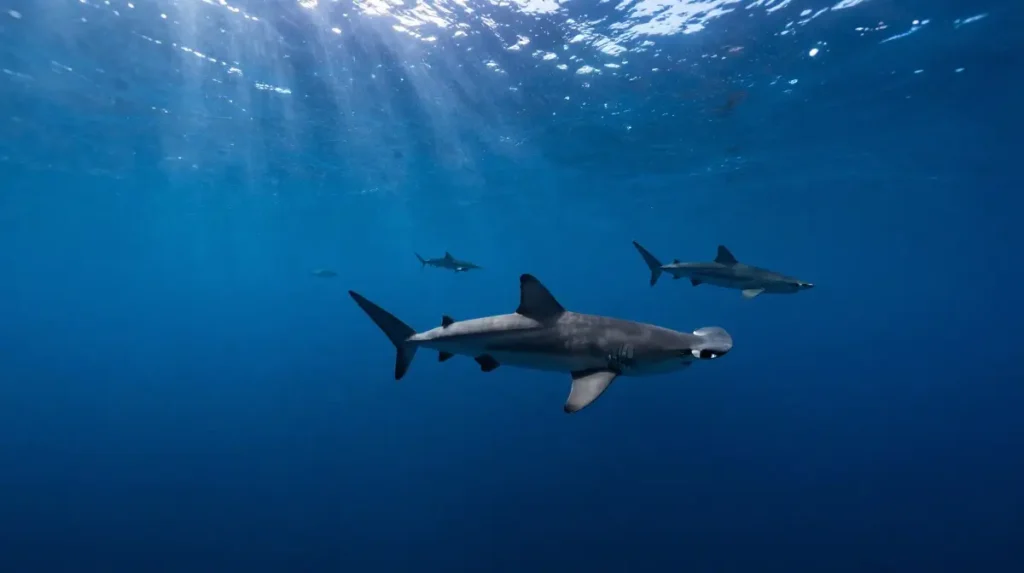
For those with diving experience, the Galapagos offers some of the most thrilling underwater wildlife encounters on the planet.
Darwin Island and Wolf Island are famous for large schools of hammerhead sharks circling in the current. This is also one of the best places in the world for spotting whale sharks.
Kayak Around Isabela Island
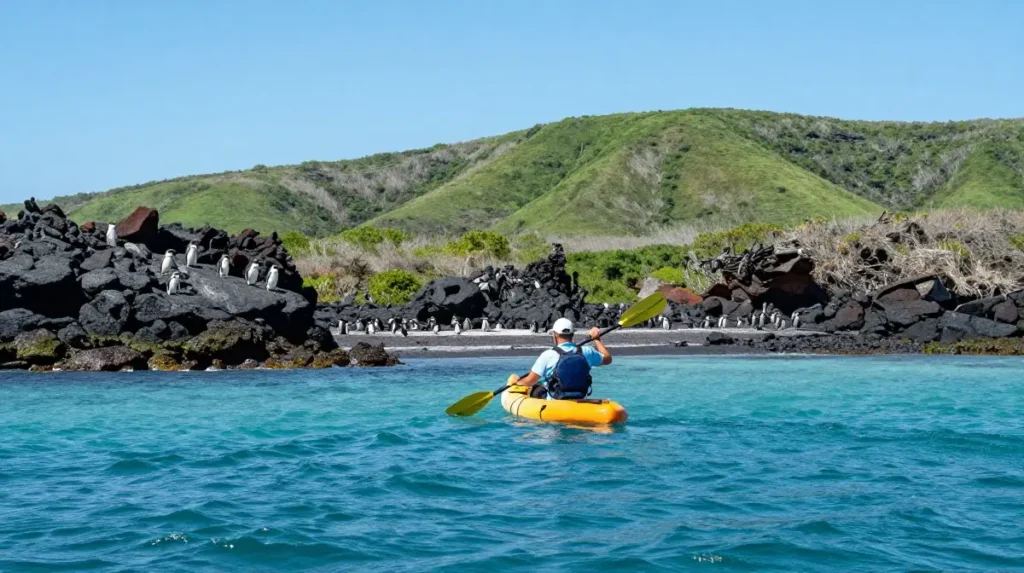
Isabela is the largest island in the archipelago and one of the most rewarding to explore slowly. Kayaking around its coastline lets you get close to Galapagos penguins, sea turtles, and flightless cormorants at water level.
The pace is calm, the scenery is dramatic, and the wildlife does not seem bothered by your presence at all.
Observe the Waved Albatross on Española Island
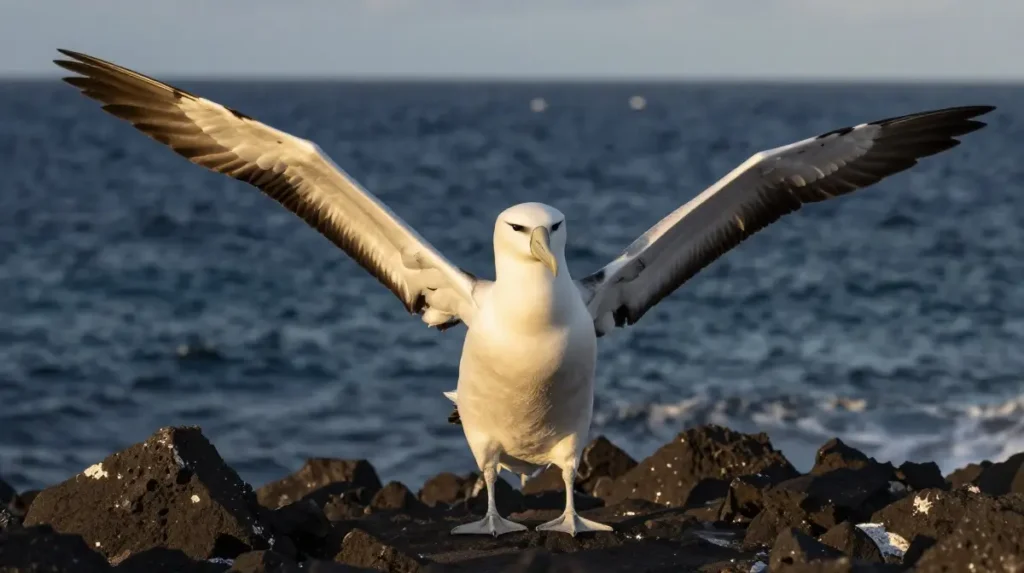
The waved albatross is one of the most impressive seabirds in the world, with a wingspan reaching up to 2.4 meters.
Española Island is the only breeding colony for this species in the Galapagos. Visiting between April and December gives you the best chance of watching their elaborate courtship rituals.
Hike the Volcanic Landscapes of Fernandina Island
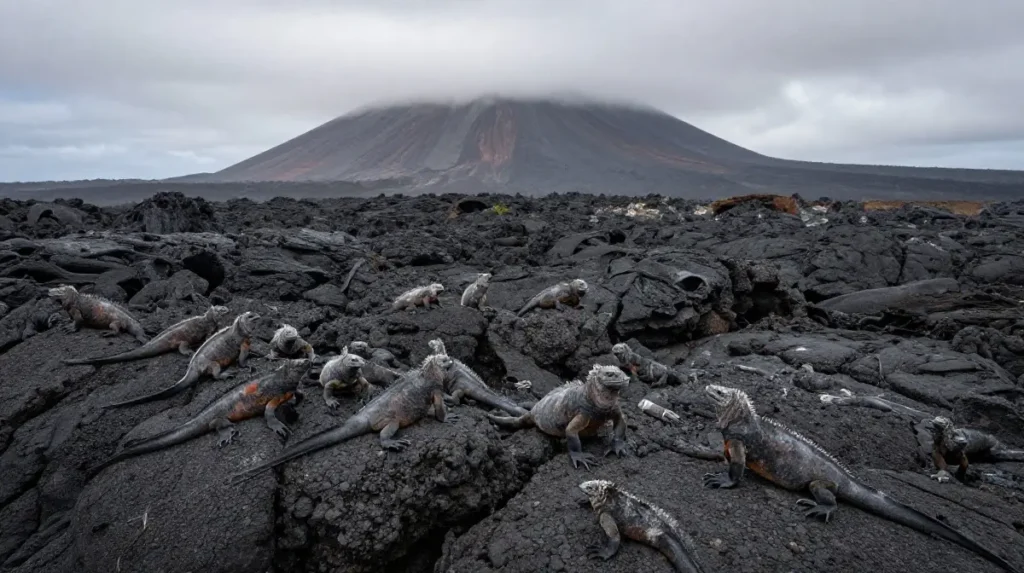
Fernandina is one of the youngest and most volcanically active islands in the chain.
It is also one of the most pristine, with no introduced species. Hiking here feels like walking on another planet, and the concentration of marine iguanas and flightless cormorants is remarkable.
Swim with Galapagos Sea Lions
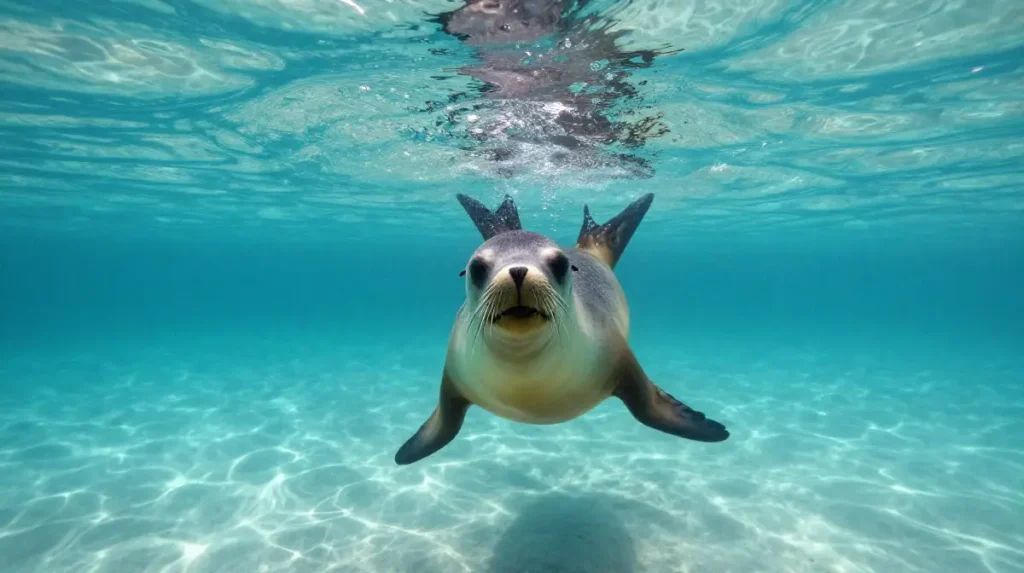
Sea lions are playful, curious, and completely unbothered by swimmers. Snorkeling near a sea lion colony means they will often approach you, spin around you, and blow bubbles in your face.
Gardner Bay on Española Island and Rabida Island are two particularly good locations for this kind of encounter.
Go Birdwatching Across Multiple Islands
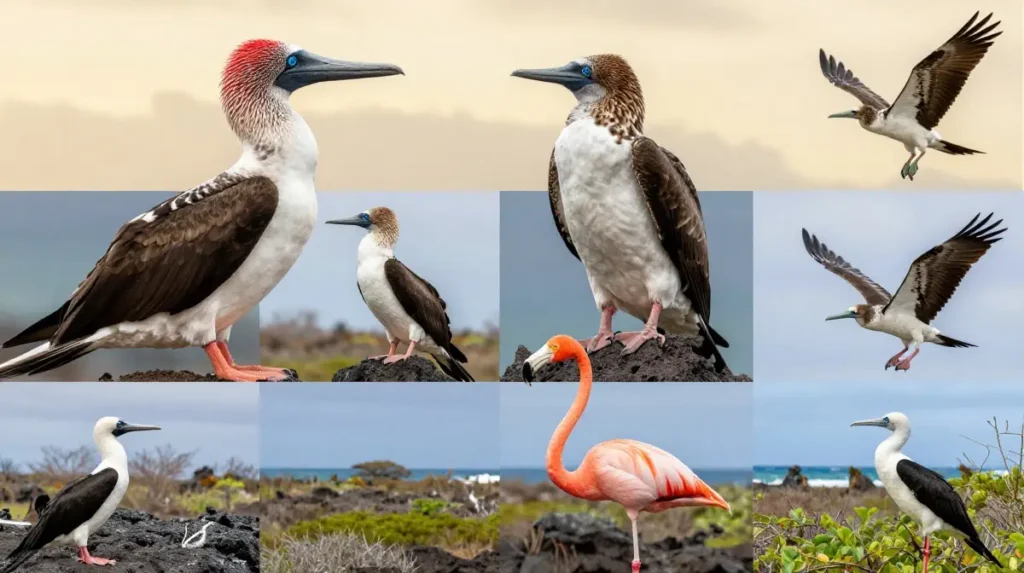
The Galapagos is a birdwatcher’s dream. Beyond the famous blue-footed booby, you can also spot the Galapagos hawk, red-footed booby, Galapagos flamingo, frigate bird, lava heron, and the famous Darwin finches, each with beaks shaped by millions of years of adaptation.
Carrying binoculars and moving slowly will serve you well.
Take a Galapagos Cruise Expedition

A liveaboard cruise is one of the most efficient ways to visit multiple islands without spending hours on day boats. Many cruises travel at night and arrive at new islands each morning.
You cover more ground, have naturalist guides on board, and experience the islands at a pace that feels genuinely unhurried.
Explore the Charles Darwin Research Station
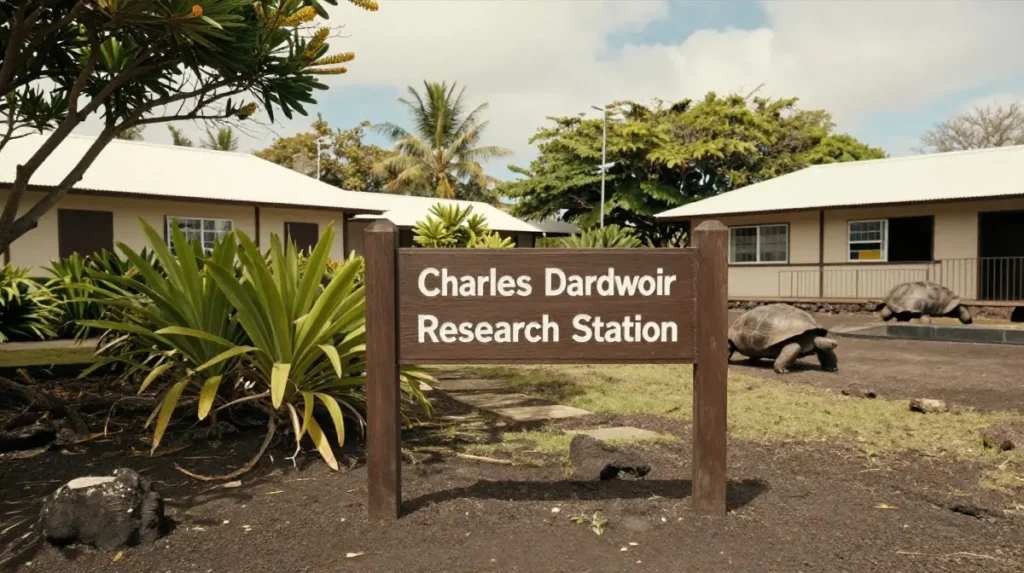
Located on Santa Cruz Island, this research station has been central to Galapagos conservation efforts since 1959. Visiting here adds important context to everything else you see.
You can learn about Darwin finches evolution, the reintroduction programs for giant tortoises, and the ongoing challenges of protecting endemic species.
Watch Sea Turtles Nesting
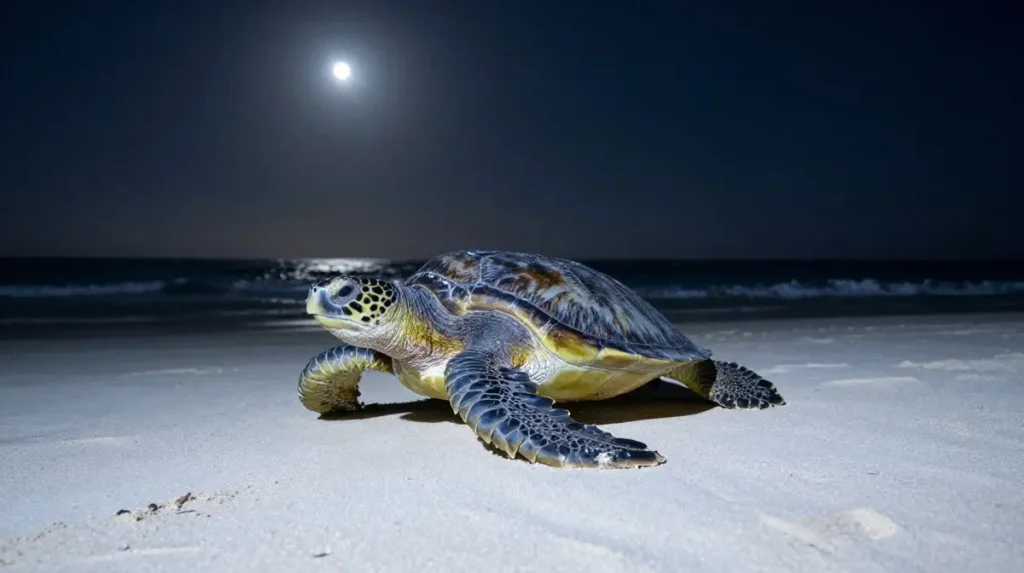
Several beaches in the Galapagos serve as nesting grounds for Pacific green sea turtles. Gardner Bay and Las Bachas beach on Santa Cruz are both known nesting sites.
Visiting at the right time of year, typically between December and June, may reward you with the sight of females coming ashore at night.
Photograph the Galapagos Penguin Colony
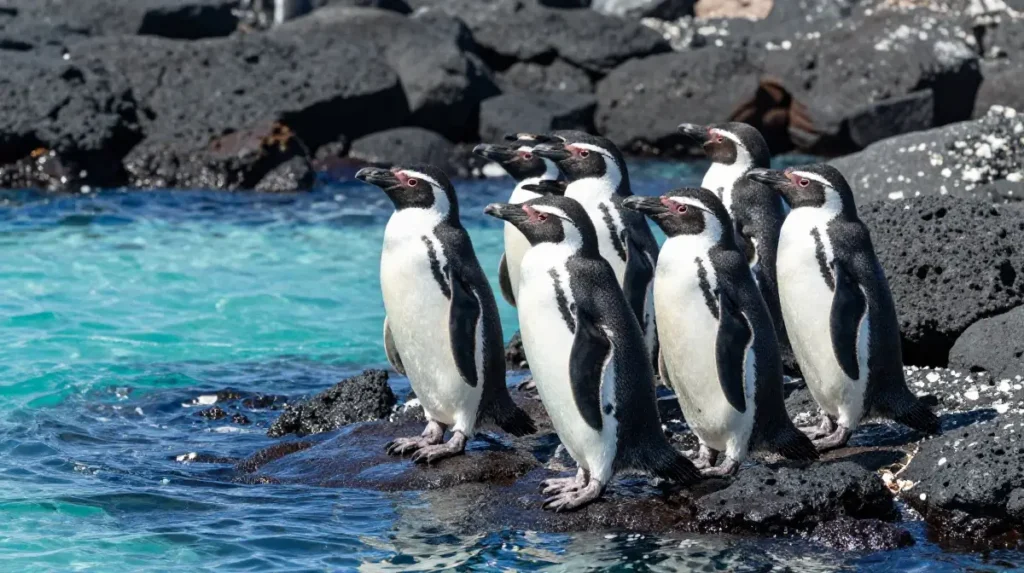
The Galapagos penguin is the only penguin species found north of the equator. They are small, fast in the water, and surprisingly easy to approach.
Isabela and Fernandina islands hold the largest populations. Bringing a waterproof camera for snorkeling sessions gives you the best chance of getting a good shot underwater.
Walk the Tortuga Bay Trail on Santa Cruz
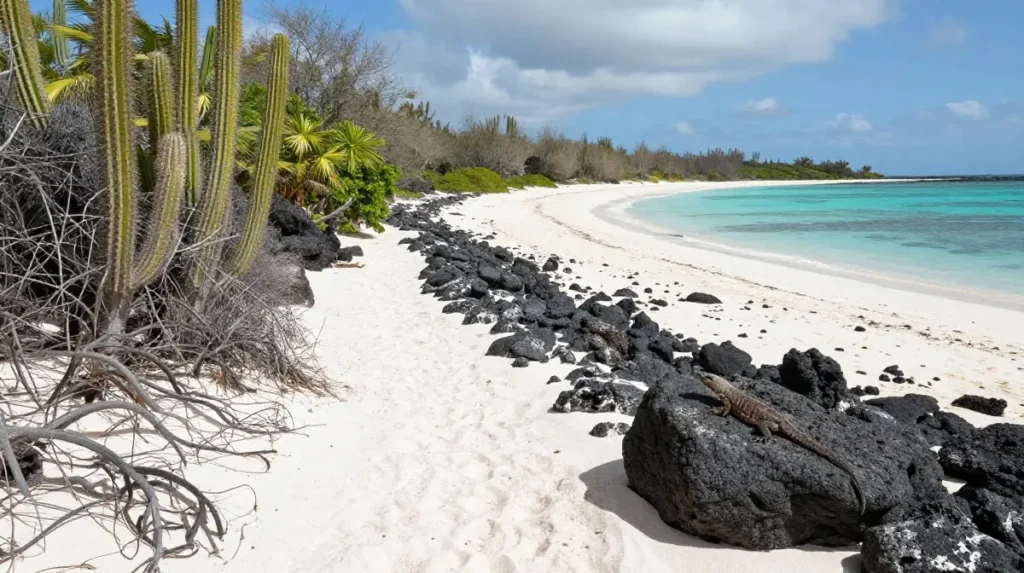
This 2.5-kilometer trail leads to one of the most beautiful beaches in the Galapagos.
The walk itself passes through dry zone vegetation and is a good opportunity for spotting lava lizards, Darwin finches, and marine iguanas along the path before you even reach the water.
Snorkel at Devil’s Crown, Floreana Island
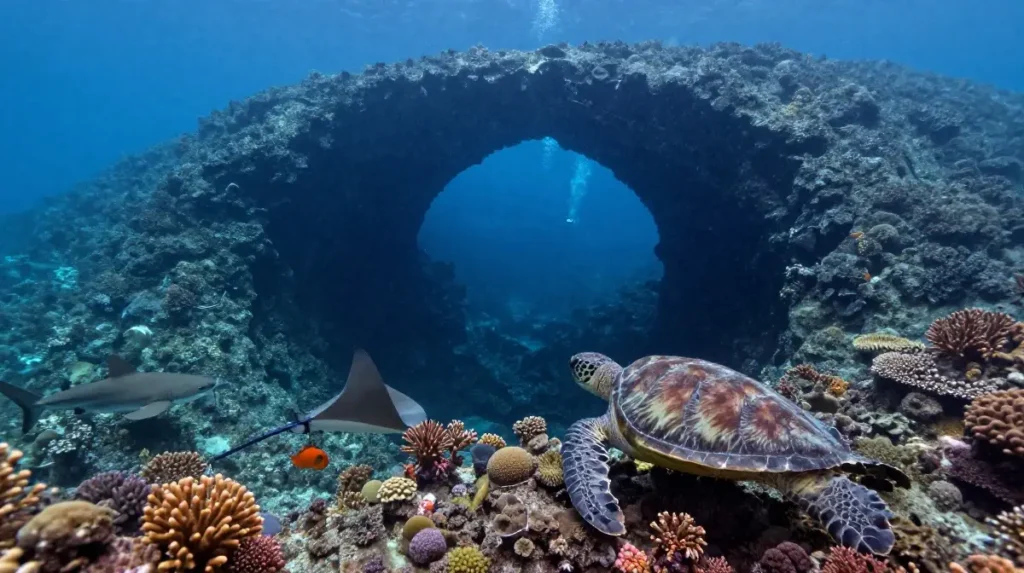
Devil’s Crown is a partially submerged volcanic crater near Floreana Island. Inside and around it, the marine life is extraordinary, including sea turtles, reef sharks, eagle rays, and Galapagos puffer fish.
The current can be strong, so this one is best suited for confident swimmers.
Visit a Galapagos Flamingo Lagoon
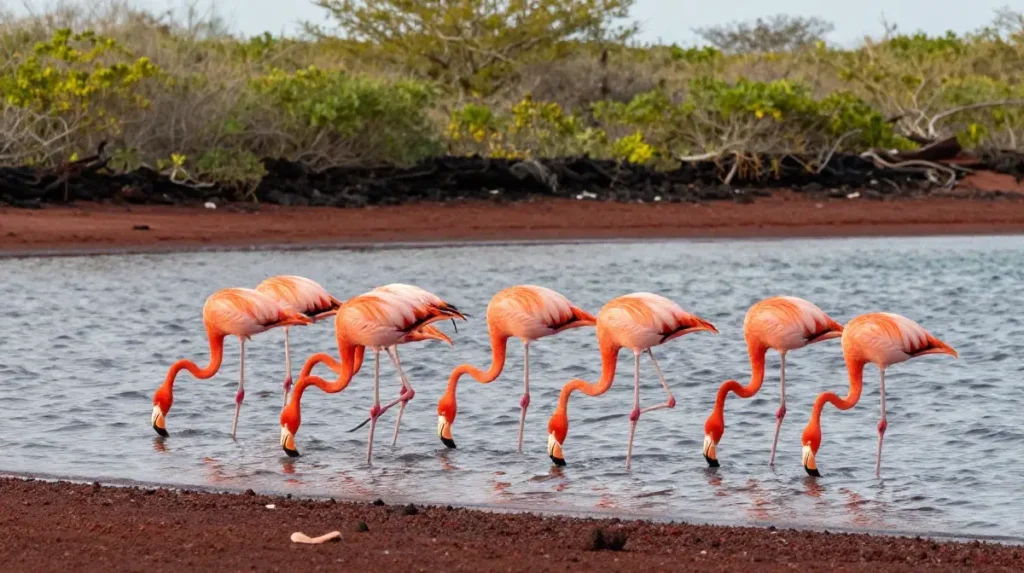
Several islands have brackish lagoons where flamingos feed. Floreana and Rabida islands are two of the most accessible.
Watching flamingos stand in pink-tinged water against a backdrop of volcanic rock is one of those quiet, unexpected moments that stays with you long after you leave.
Track the Galapagos Hawk
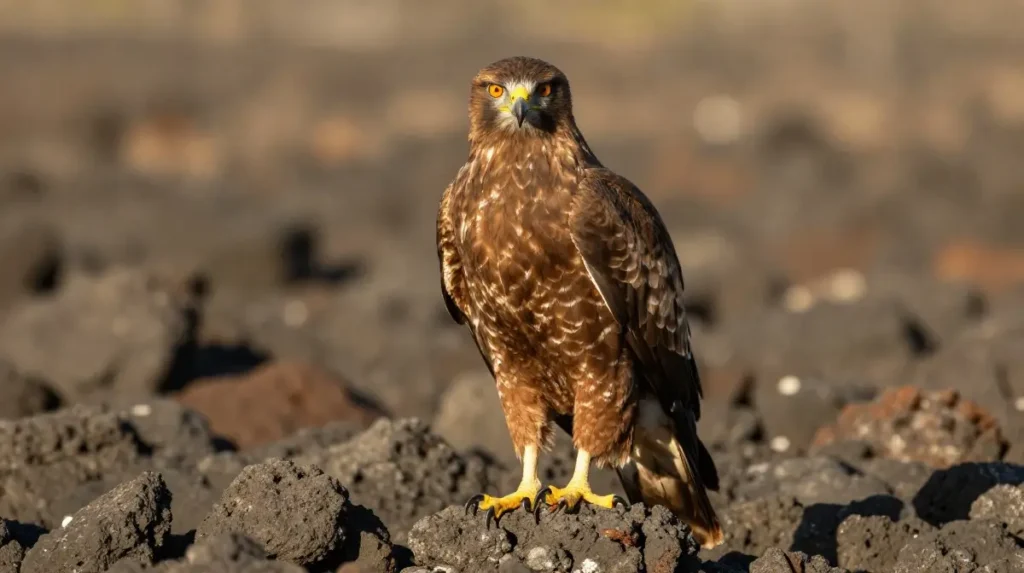
The Galapagos hawk is the apex predator on land and completely fearless around humans. Española and Fernandina islands are good spots for sightings.
Because these hawks have no natural predators, they often land just a meter or two away from visitors and simply observe you with calm curiosity.
Ride a Glass-Bottom Boat for Family-Friendly Wildlife Viewing
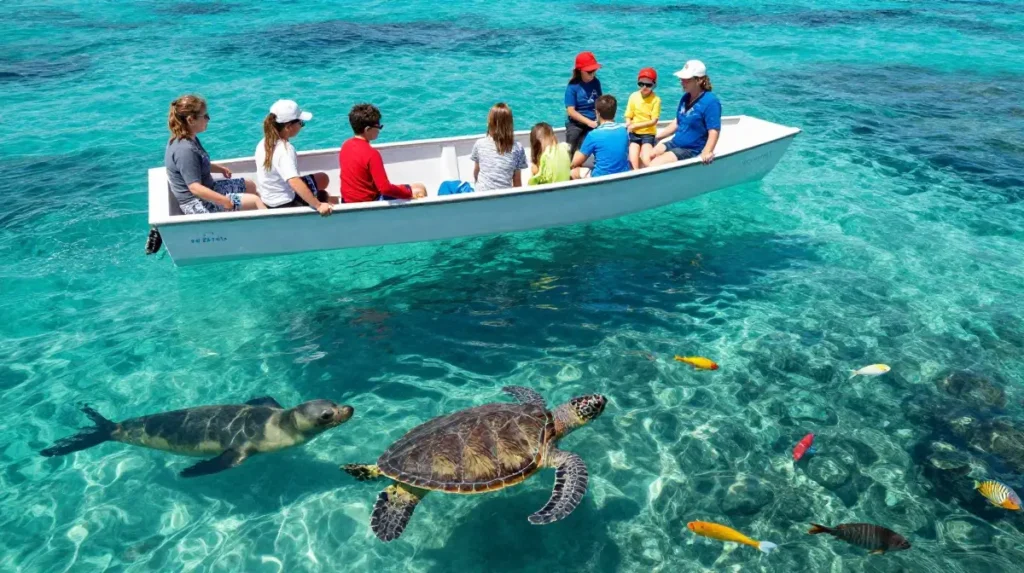
Not every traveler is comfortable snorkeling or diving, but that does not mean missing out on underwater Galapagos marine life.
Glass-bottom boat tours operate around several islands and give a clear view of the tropical marine ecosystem below, including rays, fish, turtles, and sea lions, without getting wet.
Hike Sierra Negra Volcano on Isabela Island
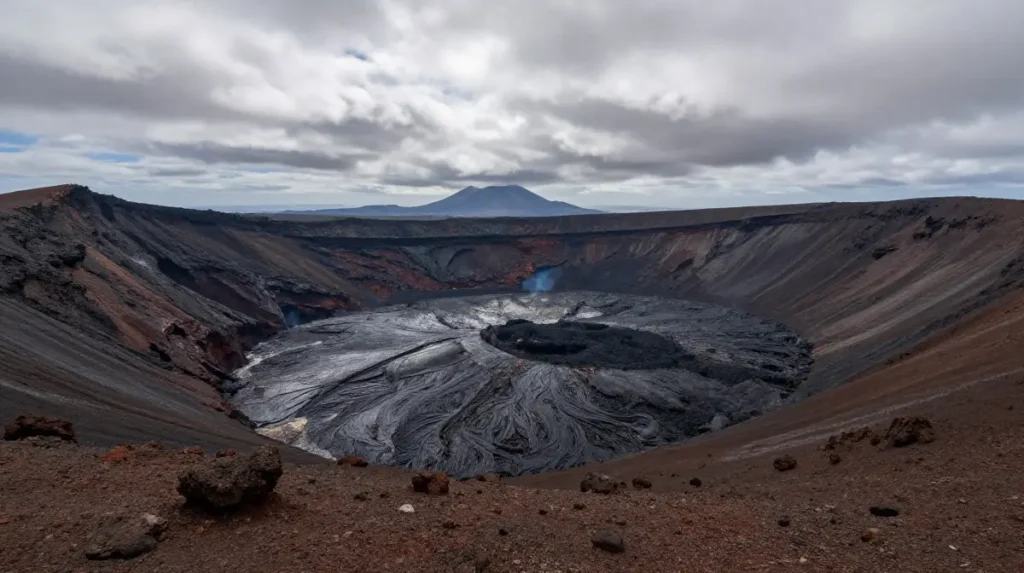
Sierra Negra has one of the largest volcanic calderas in the world, stretching about 10 kilometers in diameter.
The hike to the rim takes around two hours and rewards you with sweeping views of the island and surrounding ocean. It is a physically rewarding activity that also shows the geological forces behind these islands.
Join a Naturalist-Guided Shore Excursion
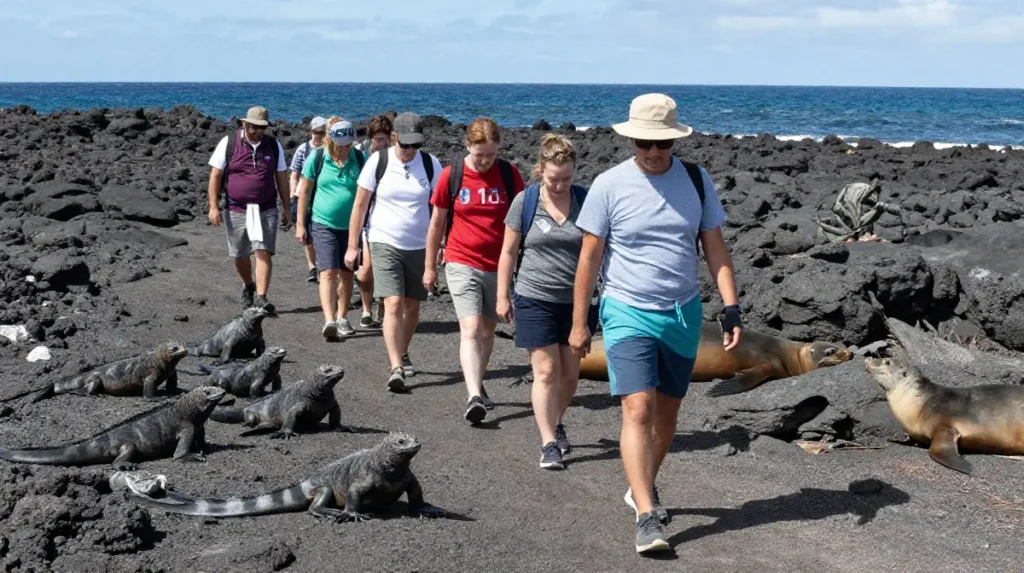
Every landing in the Galapagos National Park must be done with a licensed naturalist guide. This is not just a rule but a genuine advantage.
Guides know exactly where animals are, how to move without disturbing them, and can explain what you are seeing in a way that makes the whole trip more meaningful.
Explore the Underwater World with a Galapagos Liveaboard Diving Experience
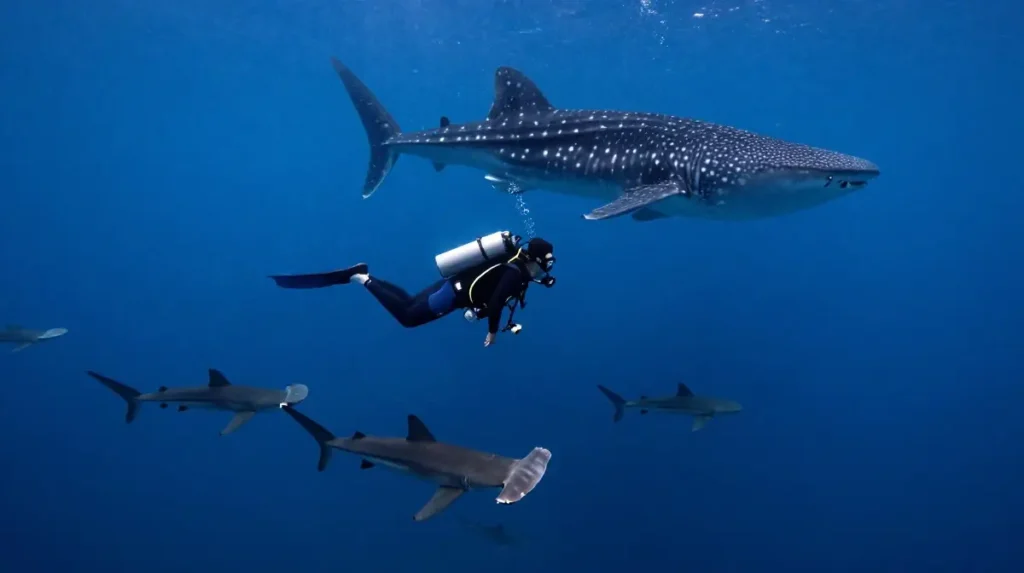
For serious divers, a dedicated diving liveaboard is different from a standard cruise. These trips go to remote dive sites like Darwin and Wolf islands that day boats cannot reach.
The diving here regularly involves Galapagos manta rays, whale sharks, and massive schools of hammerheads in conditions that rival anywhere on earth.
Plan Island Hopping Across Española, Santa Cruz, and Isabela
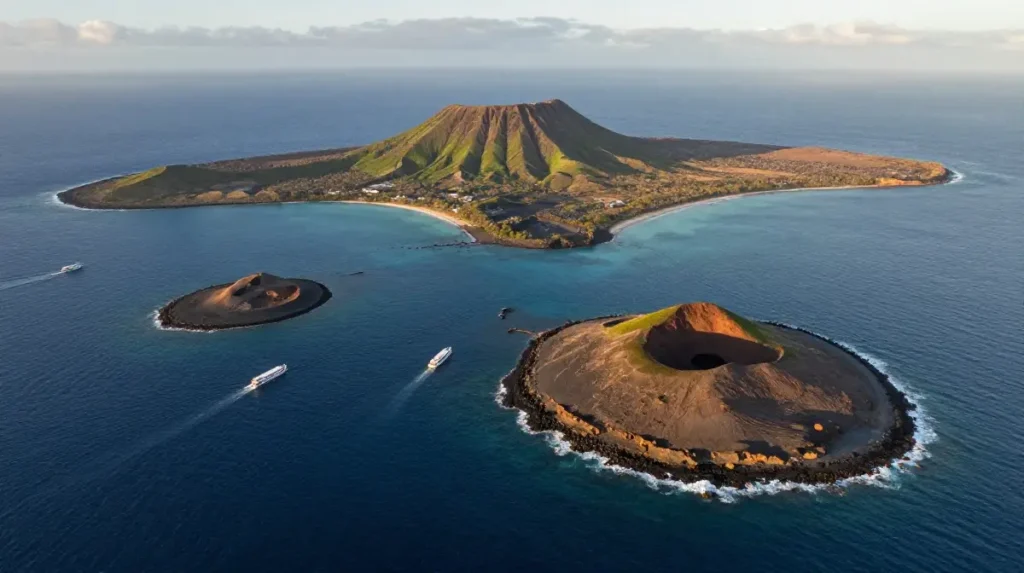
No single island tells the whole Galapagos story. Española offers seabirds and sea lions. Santa Cruz brings tortoises and research history. Isabela delivers volcanic scenery and penguin sightings.
Combining at least three islands in your Galapagos travel itinerary gives you a genuinely rounded picture of this place and the endemic species that make it unlike anywhere else.
Conclusion
The Galapagos Islands offer a kind of travel experience that is genuinely rare. Animals that show no fear of humans. Landscapes shaped by volcanic forces over millions of years. Ecosystems that inspired one of the most important scientific ideas in history.
Whether you spend a week on a cruise or piece together a land-based trip across several islands, you will leave with memories and photographs that feel different from anywhere else you have been. The 22 ideas above cover a wide range of activities, comfort levels, and budgets, so there is something here regardless of how you prefer to explore. T
he most important thing is simply to go thoughtfully, move slowly, and pay attention to what is around you.
You can may also like this:22 Azores Islands Ideas for Scenic Coastal Adventure Trips
Frequently Asked Questions
1. What is the best time of year to visit the Galapagos Islands?
Both seasons have advantages. June to November offers cooler water, great diving, and whale shark sightings. December to May is warmer with green landscapes, nesting sea turtles, and baby animals. There is no bad time to visit.
2. Do I need a guide to visit the Galapagos Islands?
Yes. All visits to Galapagos National Park areas require a licensed naturalist guide. This protects the wildlife and honestly makes the experience much better since guides know where to find animals and how to interpret what you are seeing.
3. How many days should I spend in the Galapagos?
A minimum of five to seven days is recommended. Shorter trips limit how many islands you can visit. Ten to fourteen days on a cruise allows you to cover the most remote and rewarding sites.
4. Is the Galapagos suitable for families with children?
Yes, it is an excellent destination for families. The wildlife is approachable, the activities are varied, and children tend to find the animal encounters genuinely exciting. Glass-bottom boats and beach days work well for younger travelers.
5. How much does a Galapagos trip typically cost?
Costs vary widely. Budget travelers doing land-based trips from Santa Cruz can manage on around 150 to 200 USD per day including tours. Mid-range cruises run from 3,000 to 6,000 USD per person for a week. Premium liveaboards and luxury cruises can go considerably higher.