
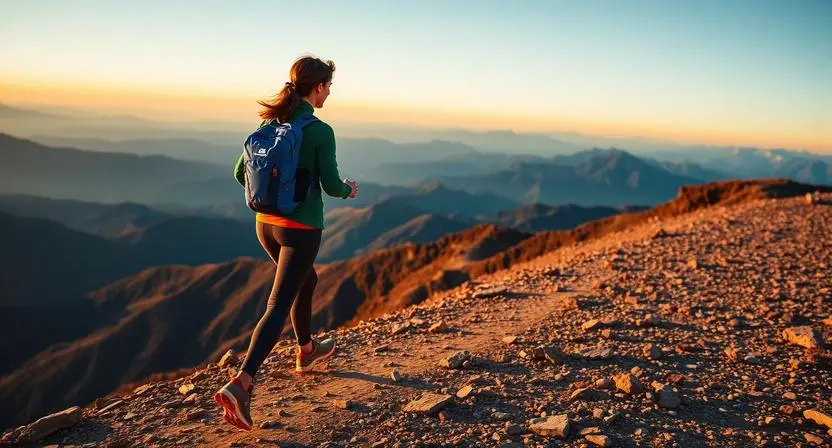
The trail doesn’t care how you look. But you do — and that tension between performance and personal expression is exactly what makes hike outfits such a genuinely fascinating category. Millions of Americans hit trails every weekend wearing outfits that either fail them technically or fail them aesthetically and occasionally both simultaneously. This guide closes that gap. Whether you’re new to hiking or rebuilding your trail wardrobe from scratch, every section here delivers actionable, deeply researched guidance covering fabric science, layering systems, seasonal strategy, budget options, sustainable brands, and the visual styling principles that make trail photography genuinely compelling. Function and style are not opposing forces on the trail. They’re the same decision, made well.
The Silent Outfit Killer Every New Hiker Wears Without Knowing It
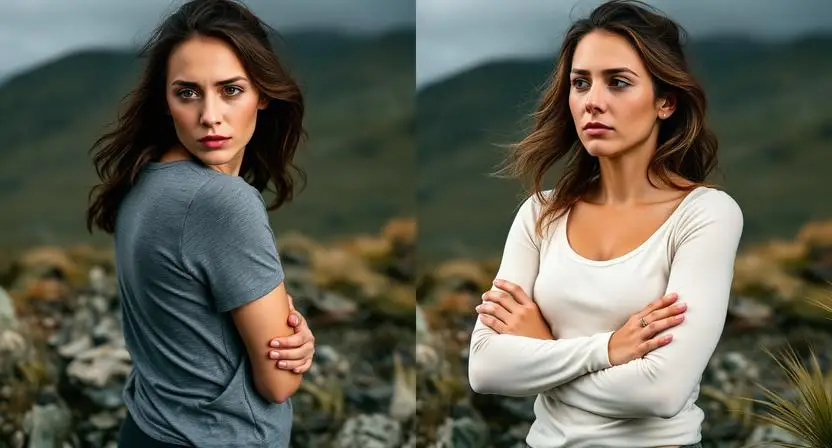
Cotton feels comfortable at the trailhead. It’s soft, familiar, and you probably own more of it than any other fabric. That comfort is the trap. Cotton absorbs moisture — sweat, rain, morning dew from trailside vegetation — and holds it against your skin with remarkable tenacity. When wind hits a moisture-saturated cotton layer, your body temperature drops rapidly and the hike that felt manageable at 60 degrees suddenly feels hostile at 55. What not to wear on a hike is a short list but cotton tops it with unchallenged authority.
The technical term for what cotton does is conductive heat loss — wet fabric conducts heat away from your body up to 25 times faster than dry fabric. This is why experienced hikers refer to the cotton danger as a genuine safety concern rather than mere comfort preference. Moisture wicking fabric hiking alternatives — polyester, nylon, merino wool — transfer perspiration outward through the fabric structure rather than absorbing and holding it. The upgrade from a cotton t-shirt to a basic synthetic hiking shirt costs under thirty dollars at most outdoor retailers and transforms the first-mile-to-last-mile comfort experience completely.
Hike Outfits Built for Women Who Refuse to Choose Between Comfort and Style
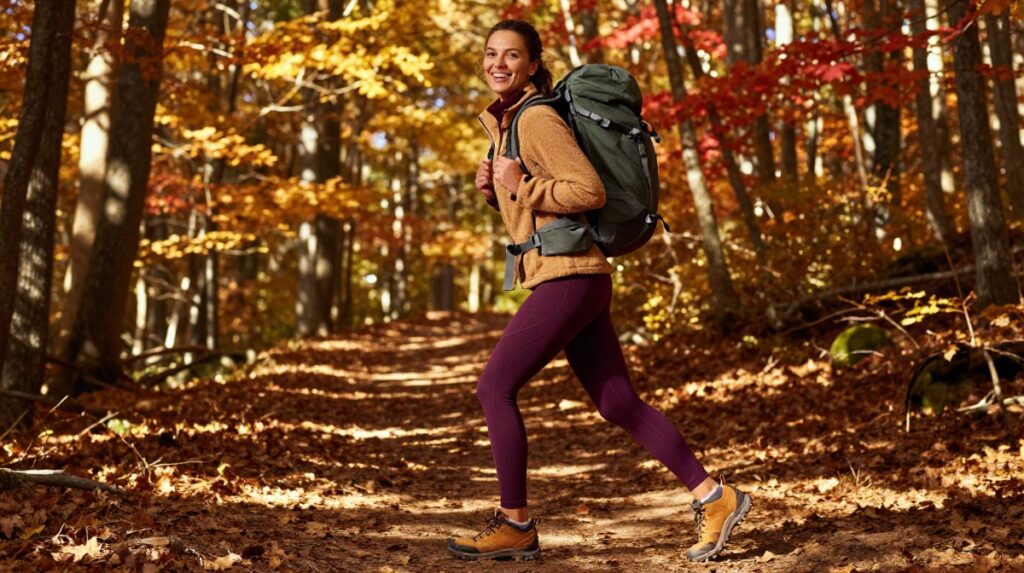
The women’s outdoor apparel market has undergone a genuine aesthetic revolution in the past five years. What once meant boxy, shapeless technical pieces in muted earth tones now encompasses fitted silhouettes, intentional color stories, and fabric technology that performs as well as it photographs. Hike outfits built for women who want both dimensions — genuine trail capability and visual identity — have never been more accessible or more varied than they are right now in the American outdoor market.
Cute and comfortable hiking outfit ideas that consistently perform on both dimensions share three structural characteristics: a fitted base layer in technical fabric that moves without restriction, a midlayer with visual texture interest — fleece, patterned softshell, or a quilted vest — and trail-specific bottoms in either compression leggings or articulated pants. Lululemon outdoor wear and Patagonia hiking clothes both serve this dual-purpose market with pieces designed explicitly for the hiker who documents her trail experiences rather than disappearing into the wilderness unseen. Your outfit tells a story. Make it the right one.
Cotton Is Lying to You — the Fabric Truth Every Hiker Needs to Hear
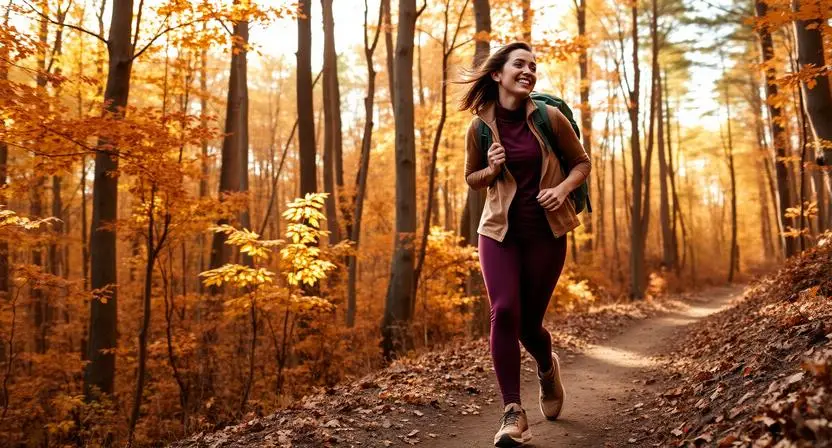
Fabric choice is the single most consequential decision in any hiking outfit and it’s the decision most people make by default rather than by design. The technical fabrics that transformed outdoor performance apparel over the past three decades — synthetic polyester blends, nylon ripstop, merino wool — all address the cotton problem from different angles and with different trade-offs. Understanding those differences lets you build an outfit where every layer is the right material for its specific function.
Best fabrics for hiking outfit comfort rank differently depending on the specific performance property you’re prioritizing. Merino wool leads for odor resistance and temperature regulation across wide ranges. Synthetic polyester leads for moisture transfer speed and durability at lower price points. Nylon leads for abrasion resistance on technical terrain. Performance fabric stretch hiking capability matters most in the base layer and legging category where range of motion directly affects trail comfort. Breathable hiking shirt women designs using mesh ventilation zones or open-knit fabric constructions address the airflow problem that solid-weave synthetics can create in high-exertion summer conditions.
| Fabric | Best Property | Weakness | Best Layer Position |
|---|---|---|---|
| Merino Wool | Odor resistance, temperature regulation | Cost, slower drying | Base layer |
| Polyester | Moisture wicking speed, durability | Odor accumulation | Base and mid layer |
| Nylon | Abrasion resistance | Less breathable | Pants and outer layer |
| Softshell Blend | Stretch and wind resistance | Not fully waterproof | Outer layer |
Trail Leggings That Move With Your Body Instead of Fighting Against It
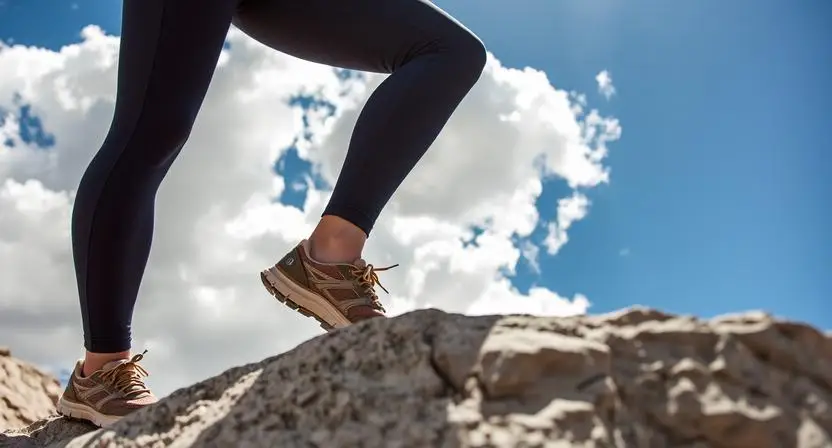
Leggings dominate women’s trail fashion for a reason that goes beyond aesthetics — well-constructed trail leggings offer a freedom of movement that even the best articulated hiking pants struggle to match on technical terrain. A steep step-up on a boulder section, a deep knee bend to clear a downed tree, a lateral scramble across a scree field — these movements happen naturally in trail leggings and require conscious effort to accommodate in traditional hiking pants.
Compression leggings trail use adds a functional dimension beyond fit and freedom of movement. Graduated compression in quality trail leggings actively supports venous blood return from the legs, reducing the lower limb swelling that tightens footwear fit and creates friction points during long trail days. Lululemon outdoor wear trail leggings and prAna outdoor clothing legging options both deliver technical compression architecture in addition to the moisture management and stretch that basic athletic leggings offer. The distinction between an athletic legging repurposed for hiking and a purpose-built trail legging matters most on hikes exceeding six miles where cumulative leg fatigue and footwear pressure become meaningful comfort variables.
The Layering Formula That Handles Any Season on Any Mountain
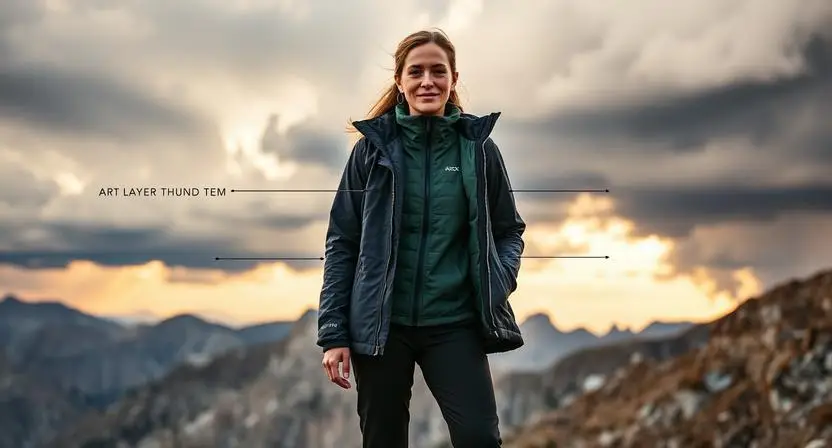
Every experienced hiker eventually internalizes the three-layer principle not as a rule imposed by outdoor brands but as a logical response to the meteorological reality of mountain environments. Mountains generate their own weather. Temperature at the trailhead and temperature at the summit can differ by 25 degrees. Morning clouds burn off to afternoon sun. Afternoon sun produces afternoon thunderstorms at elevation. A layering system outdoor clothing approach provides the adaptive capacity that single-outfit planning never can.
Layer one — the base layer — manages moisture against skin. Layer two — the midlayer — traps insulating warmth. Layer three — the outer shell — blocks wind and precipitation while allowing moisture vapor to escape outward. The critical property of this system is that each layer must work with the others: a bulky base layer undermines a slim midlayer’s fit, and a stiff outer shell compromises the stretch mobility of the layers beneath it. Hiking outfit layering works best when pieces are chosen as a coordinated system rather than as independent selections. REI hiking apparel and Arc’teryx trail clothing both offer explicitly layered collections where each piece is designed to nest with the others — a useful starting point for building a coherent system from scratch.
Sun Summer and Sweat — Dressing Smart for Hot Weather Trails
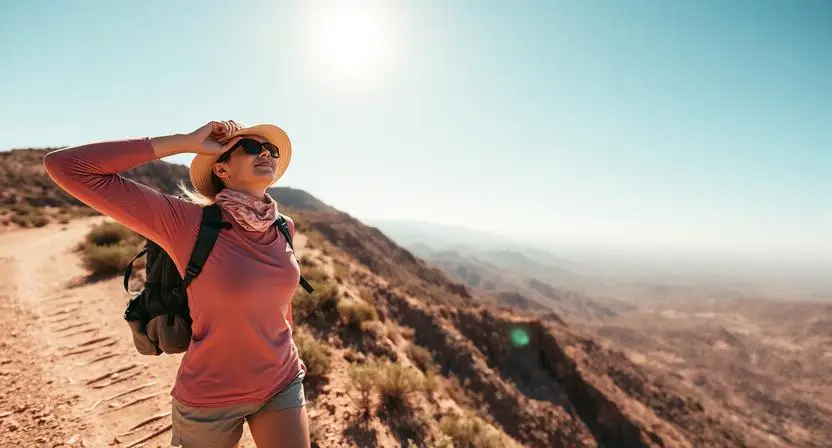
Summer hiking presents a specific dress challenge that winter hiking doesn’t: the enemy isn’t cold but heat accumulation, UV radiation, and the dehydration amplified by sweat-soaked clothing that radiates warmth back at the body. How to dress for a hike in summer therefore operates on principles almost opposite to cold-weather dressing — prioritize ventilation over insulation, UV protection over coverage minimalism, and moisture transfer speed over warmth retention.
Hiking clothes for hot weather that perform in the American summer — Appalachian humidity, Sonoran Desert dry heat, Sierra Nevada high-altitude intensity — share specific technical features regardless of brand. Sun protective clothing UPF rating of 30 or higher in a lightweight long-sleeve shirt protects exposed skin on exposed ridgelines without the weight and heat accumulation of sunscreen reapplication. Breathable hiking shirt women designs with underarm mesh panels, back ventilation zones, and open-collar structures address the specific hot-spot anatomy of sustained aerobic hiking. Best hiking outfit for hot humid weather scenarios additionally require quick dry trail pants or shorts in fabrics that shed sweat and dry in under 20 minutes rather than holding moisture against the skin for hours.
Cold Trail Mornings Demand More Than a Hoodie — Here Is the Fix
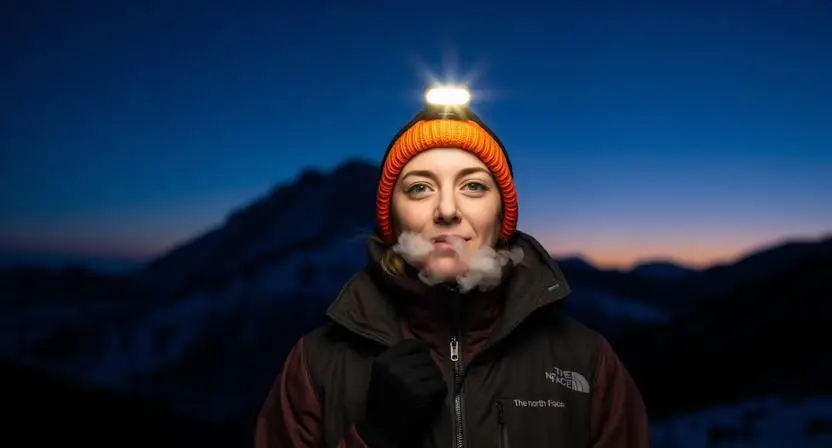
A standard cotton hoodie on a cold fall or winter trail is the second most common cold-weather hiking mistake after — predictably — a cotton base layer. Hoodies insulate adequately when dry and stationary but compress to near-zero loft when wet, lose their insulating capacity as you begin to sweat on the uphill, and become physically uncomfortable as damp sweat-saturated fleece presses against your neck and wrists. What to wear hiking in cold weather requires a fundamentally different structural approach than civilian cold-weather dressing.
Hiking outfit cold weather strategy builds from a merino wool or synthetic base layer that keeps moisture off your skin, through a high-loft midlayer — The North Face hiking outfit insulated pieces or Patagonia hiking clothes fleece — that maintains warmth even when compressed by pack straps, to a wind-resistant and water-resistant outer shell that seals the system against the specific cold-weather threat that’s most likely in your terrain: sustained wind, precipitation, or simple ambient cold. Winter hiking outfit planning also includes extremity protection — merino or synthetic glove liners, a lightweight technical beanie, and a neck gaiter — because fingers, ears, and neck lose heat disproportionately to their surface area and compromise thermal comfort before the core temperature is meaningfully affected.
Rain on the Trail Is Not Bad Luck — It Is a Gear Decision You Made Early
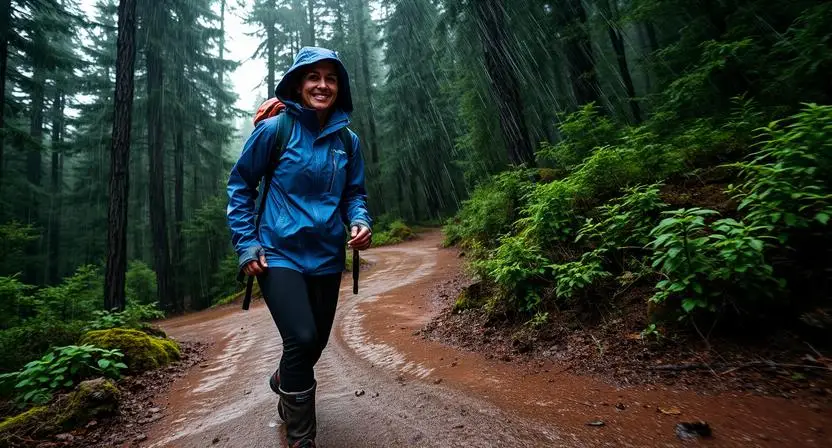
Every experienced hiker who has been caught in trail rain without appropriate gear remembers it with the specific clarity of an avoidable lesson. Rain on the trail is not an edge case to plan around — in most American mountain regions it’s a baseline probability that the layering system should address before departure rather than react to after arrival. A packable rain jacket hiking weight under 8 ounces stuffed in a hip belt pocket represents the single most important insurance policy in any trail kit.
Waterproof jacket trail use technology has advanced to the point where packable rain shells weighing under 250 grams deliver genuine seam-sealed waterproofing for sustained moderate precipitation rather than merely deflecting light drizzle. Columbia Sportswear outfit waterproof jacket lines and Arc’teryx trail clothing shell options both offer packable models appropriate for day hiking in different technical categories. The key distinction to understand is DWR treatment — a water-repellent coating applied to the outer fabric face — versus a waterproof membrane. DWR alone handles light rain. A membrane handles sustained heavy rain. Know your terrain’s precipitation profile and choose your shell’s waterproofing tier accordingly rather than buying the cheapest packable jacket available.
The Hiking Boot Versus Trail Runner Debate That Finally Has a Clear Answer
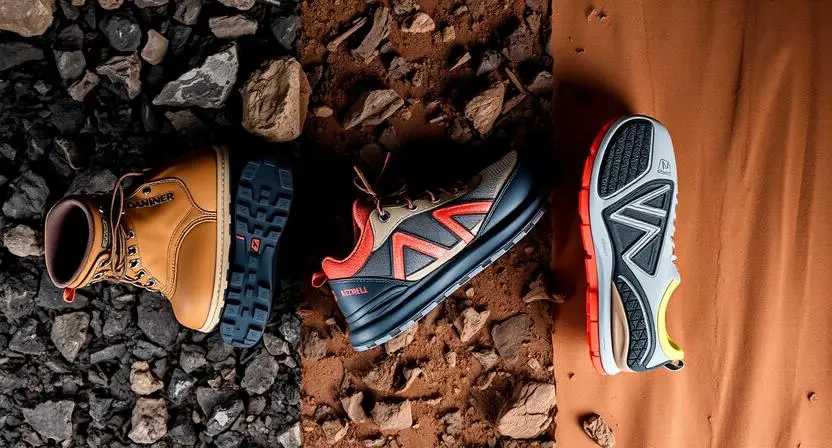
The boots-versus-trail-runners debate has consumed outdoor forums for a decade and the resolution is actually straightforward once you stop treating it as a philosophical question and start treating it as a terrain-specific decision matrix. Hiking boots offer ankle encapsulation, midsole stiffness for load-bearing on heavy pack trips, and outsole protection on rocky technical terrain. Trail runners offer superior ground feel, lighter weight for faster movement, and better proprioception on maintained trail surfaces. Neither is universally superior.
Trail running shoe grip from Salomon hiking shoes and Altra trail running shoes models outperforms traditional hiking boots on maintained singletrack where the trail surface is relatively predictable and the pack weight is under 20 pounds. Trail shoe ankle support from a low-cut trail runner is genuine but different in character from boot ankle encapsulation — it works through the foot’s natural proprioceptive mechanisms rather than external rigid support. Merrell trail shoes mid-cut options serve as the practical middle ground for hikers who want more ankle awareness than a low-cut provides without the weight and break-in period of a full hiking boot. Waterproof hiking boot traction Vibram outsoles on Danner hiking boots remain the benchmark for wet rocky technical terrain where every foot placement matters.
Sock Science — the Underrated Detail That Makes or Breaks Every Hike
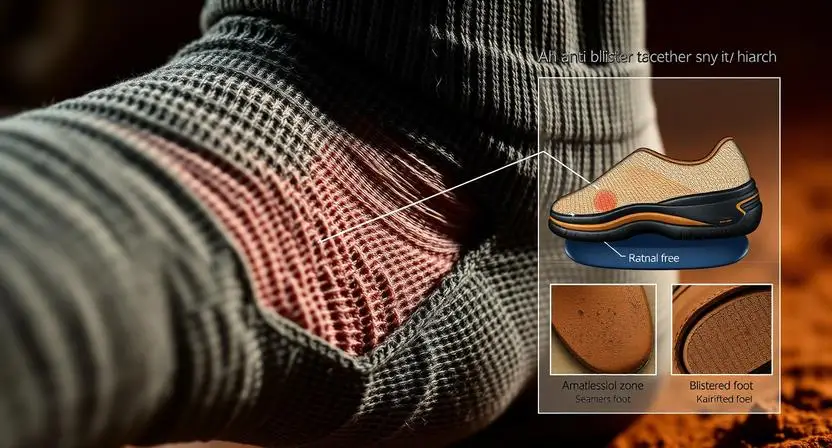
Nobody plans a hike around their socks. Everyone should. The interface between your foot, your sock, and your boot interior is where blisters form, where heat builds to discomfort, where moisture accumulates to create the friction conditions that make the last three miles of an otherwise excellent hike a study in focused misery. Merino wool hiking socks address the blister problem most comprehensively because the fiber’s natural crimp creates a microscopic cushion layer while simultaneously managing the moisture that loosens sock-to-skin adhesion and enables friction.
Anti blister sock technology in premium trail sock construction uses seamless toe box construction, targeted cushioning zones calibrated to the specific pressure points of hiking footwear, and compression architecture that prevents the sock from bunching and shifting inside the boot during descent. Darn Tough hiking socks and Smartwool hiking socks both offer lifetime replacement guarantees that simultaneously demonstrate product confidence and reveal the durability quality gap between premium hiking socks and basic athletic socks sold at mass-market retailers. Carry a spare pair of quality hiking socks on any hike over six miles. A dry sock change at the midpoint turn-around genuinely transforms the second half of a long trail day from endurance test to continued pleasure.
Hike Outfits for Beginners That Nail Function Before Chasing Aesthetics
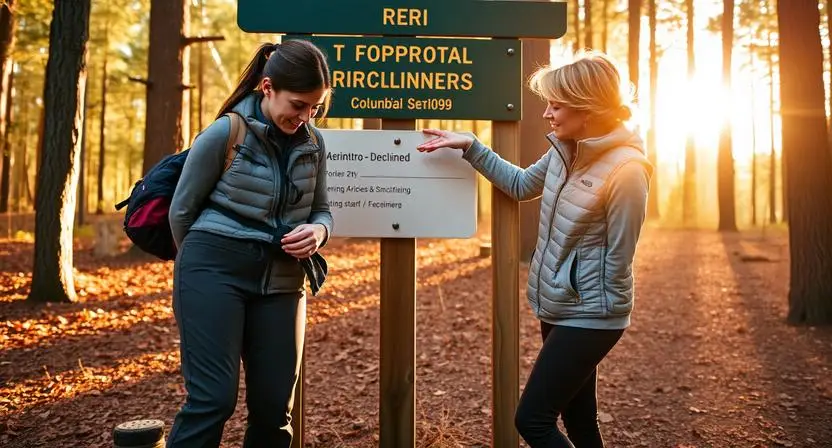
New hikers face a specific decision sequence that more experienced outdoor enthusiasts have already resolved: should you invest in technical gear before you know whether you’ll love hiking enough to justify the expense? The answer from virtually every experienced outdoor educator is consistent — start with the function non-negotiables and delay the aesthetic upgrades until trail habit is established. Best hiking outfit for beginners women builds around four non-negotiable items and fills the rest from whatever athletic wear you already own.
Hiking outfit for beginners non-negotiables in order of priority: one pair of waterproof hiking boots or trail runners with adequate traction (the single most important investment), one pair of merino or synthetic trail socks (the most impactful low-cost upgrade), one moisture-wicking base layer shirt in any technical synthetic or merino fabric (not cotton), and a packable windproof layer. Everything beyond these four items — trail leggings, technical pants, midlayer insulation, hiking-specific accessories — can be added progressively as trail frequency justifies the investment. REI hiking apparel and Columbia Sportswear outfit lines offer functional beginner kits at price points that make the non-negotiable investment accessible without requiring a four-figure outdoor gear budget.
The Minimalist Hiker’s Capsule Wardrobe That Covers Every Condition
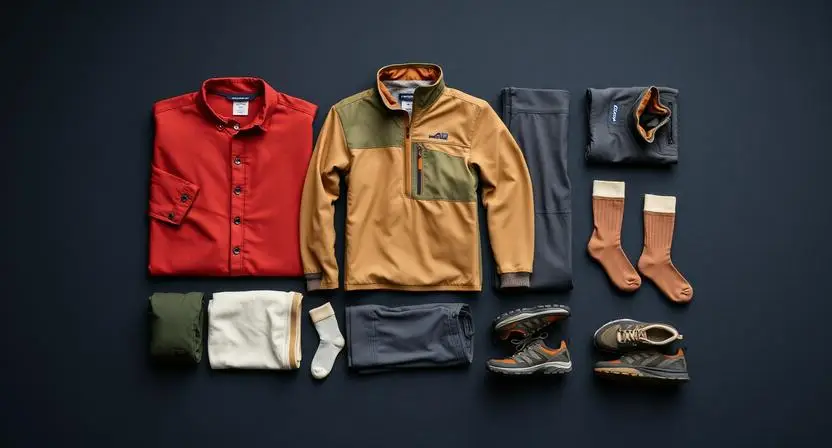
A hiking capsule wardrobe is the outdoor apparel equivalent of a professional wardrobe capsule — a small collection of versatile, high-quality pieces that combine to cover a wide range of conditions without redundancy or waste. The minimalist trail wardrobe philosophy prioritizes cross-season adaptability, inter-layer compatibility, and multi-use versatility over the specialized single-condition pieces that fill and exceed most outdoor gear budgets.
How to build a functional hiking wardrobe from capsule principles requires nine core pieces: two technical base layer shirts in merino or synthetic, one lightweight insulated midlayer, one waterproof packable shell, one pair of trail leggings, one pair of convertible hiking pants, two pairs of premium trail socks, one sun-protective long-sleeve shirt, and one trail-appropriate footwear pair. This nine-piece hiking wardrobe essentials collection handles day hikes from spring through fall across most American terrain types. Hiking outfit ideas for different seasons from this foundation require only minor seasonal additions — heavier midlayer for winter, lighter shell for summer — rather than complete seasonal wardrobe replacement. prAna outdoor clothing and Patagonia hiking clothes both build their collections around this capsule logic explicitly.
| Capsule Piece | Seasonal Use | Can Replace |
|---|---|---|
| Technical base layer | Year-round | Any synthetic tee |
| Packable insulated midlayer | Fall, winter, spring | Heavy fleece at lower temps |
| Waterproof packable shell | Year-round | Separate rain jacket and wind layer |
| Trail leggings | Spring, summer, fall | Hiking pants on easy terrain |
| Convertible hiking pants | Year-round | Separate shorts and pants |
| Sun protective long sleeve | Summer primarily | Sunscreen on shorter hikes |
Stylish Hike Outfits Dominating Trails and Instagram Feeds Simultaneously
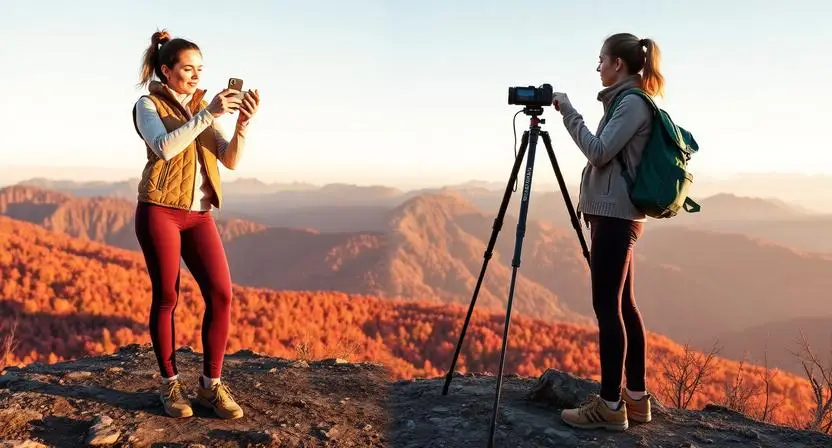
The hiking outfit aesthetic conversation has fundamentally changed how outdoor brands design and market trail apparel. The hiker who documents every trail in photography — and that community now numbers in the tens of millions on American trails — approaches outfit curation with the same intentionality that a fashion photographer applies to an editorial shoot. Color coordination, layer visibility, texture contrast, and silhouette clarity all matter on trail in ways they simply didn’t before social media made the trail a visual stage.
Stylish hiking outfits for Instagram photos that consistently generate engagement share specific visual characteristics: earth-tone or saturated single-color palettes that read clearly against natural backdrops, visible layering that communicates warmth and coziness, and footwear that bridges the gap between technical performance and aesthetic interest. Stylish hiking outfit construction for photography purposes benefits from the same outfit rule that fashion stylists apply: no more than three colors in any single outfit, with one neutral anchor and two complementary accent tones. Hiking outfit aesthetic shots with a Fjallraven or Osprey hiking pack in a complementary colorway complete the composition without competing with the outfit’s primary visual story.
Men’s Trail Style — Functional Looks That Don’t Sacrifice Personal Aesthetic
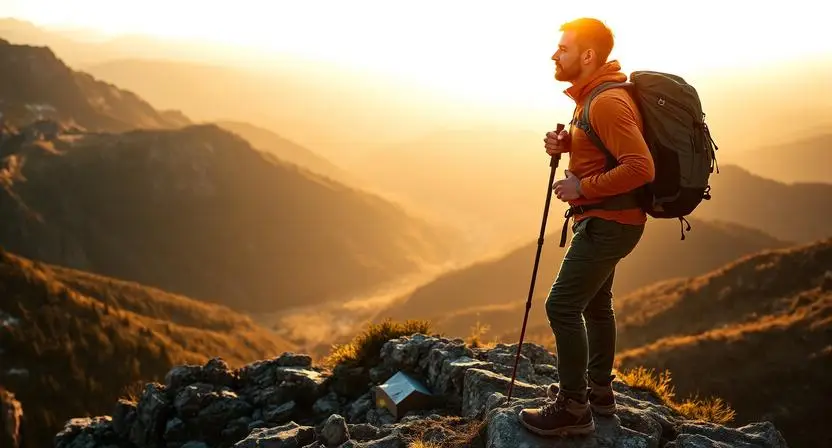
Men’s hiking fashion has lagged significantly behind women’s in the aesthetic evolution of outdoor apparel but that gap is closing rapidly. The men’s trail style movement emerging across outdoor brand campaigns and hiking content creator feeds demonstrates that hiking outfit men can carry genuine personal aesthetic expression without sacrificing any of the technical performance that makes trail clothing functional. The formula differs from women’s trail style in silhouette and proportion but the underlying styling principles are identical.
Outdoor adventure clothing women styling principles translate to men’s trail fashion with adjustment: fitted performance base layers, midlayers with visual texture interest, trail pants or shorts with visible technical detailing, and footwear with personality rather than pure function. The North Face hiking outfit men’s range and Columbia Sportswear outfit men’s technical line both demonstrate that a men’s trail kit can be simultaneously REI-functional and Instagram-worthy. Arc’teryx trail clothing men’s pieces in particular have developed a cult following among style-conscious male hikers because the brand’s design language — clean lines, minimal branding, sophisticated color options — translates technical outdoor performance into something that reads as genuinely fashionable rather than purely utilitarian.
The Backpack and Accessory Formula That Completes Every Trail Look
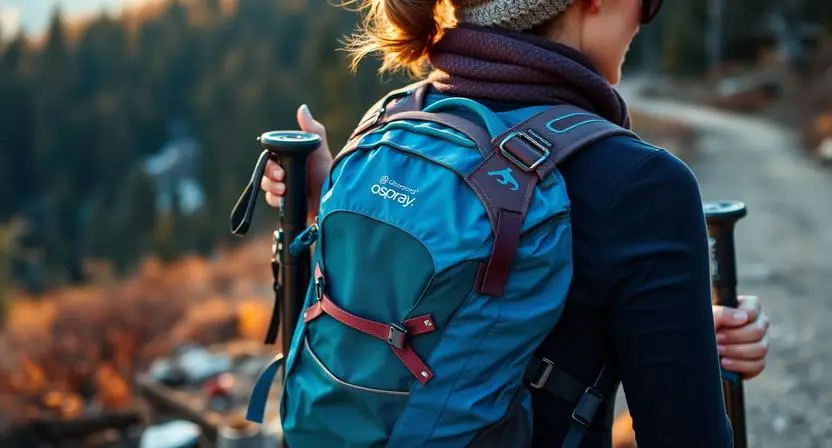
A trail outfit without a considered pack and accessory selection is a building without a roof — technically present but visually incomplete. The Osprey hiking pack in the 20 to 30 liter day hiking range represents the standard of functional and aesthetic pack design that most hikers should benchmark against — comfortable, organized, well-fitted, and designed with color options that coordinate intentionally with the brand’s companion apparel offerings.
Trekking pole grip comfort from Black Diamond trekking poles cork grip designs contributes both functional stability on technical terrain and a visual compositional element in trail photography that many hikers overlook. The poles extend outward from the body and appear in virtually every wide-angle trail shot — their color and design quality affect the visual quality of photographs taken on the trail. Buff neck gaiter accessories serve triple duty as neck protection from sun and wind, face covering in cold or dusty conditions, and a visual accent piece in trail outfit photography. Gaiters trail use for ankle mud and debris protection complete the lower body outfit story on wet or technical terrain where the gap between boot top and pant hem would otherwise accumulate trail debris constantly.
Color Strategy on the Trail — Safety Visibility and Style in One Decision
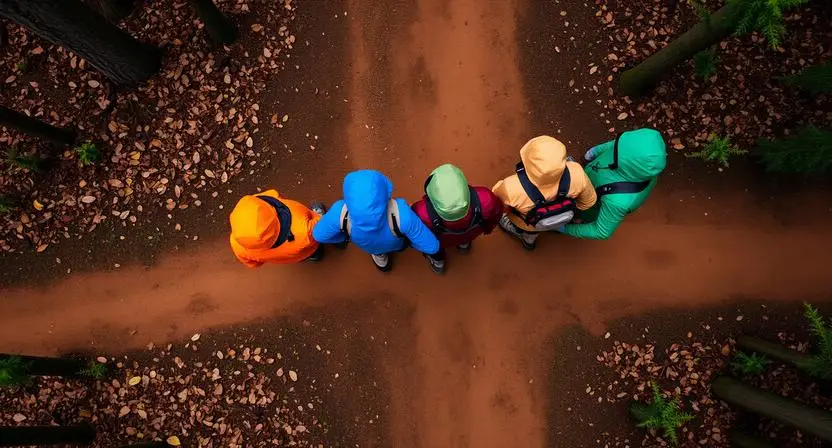
Color on the trail serves a safety function that purely aesthetic choices must account for. Orange, red, and bright yellow — the traditional high-visibility colors — read clearly against green, brown, and grey natural backdrops from distances where identity is important for group safety and search-and-rescue visibility. Paradoxically, these same colors photograph least successfully against autumn and summer trail backdrops because they compete with rather than complement the natural environment’s color palette.
Hiking outfit aesthetic color solutions that serve both visibility and photography simultaneously use saturated but non-competing tones: cobalt blue, deep forest green, rich burgundy, and warm rust all provide strong contrast against natural trail backdrops in photography while maintaining reasonable visibility for group safety. Nature photography outfit ideas favor these mid-saturated tones over both the washed-out earth tones that disappear against trail backdrops and the neon colors that compete with natural color stories. Sun protective clothing UPF pieces in warm golden or dusty rose tones achieve the visibility-aesthetics balance most elegantly on summer trails where the clothing’s color plays against the high-contrast blue-sky-and-green-vegetation backdrop typical of American summer trail environments.
Seasonal Outfit Shifts That Keep You Comfortable From January to December
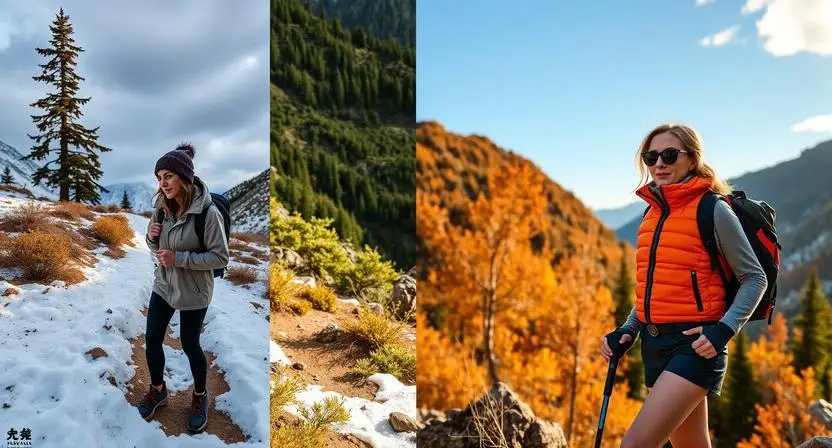
The mistake most hikers make with seasonal outfit planning is treating each season as a completely independent wardrobe problem requiring entirely new gear. The efficient approach treats the core capsule as constant and manages seasonal variation through targeted layer additions and subtractions. Your summer hiking outfit base layer is the same technical synthetic or merino shirt you wear in winter — the seasonal difference is what goes over and under it.
Hiking outfit ideas for different seasons from a capsule foundation: spring adds waterproof shell deployment frequency as precipitation peaks and temperatures swing widely between morning and afternoon. Summer hiking outfit subtracts the insulation midlayer entirely on most days and adds sun protection through sun protective clothing UPF long sleeves. Fall hiking outfit reintroduces the midlayer and keeps the shell accessible in the hip belt. Winter hiking outfit adds a heavyweight insulation layer, merino or fleece-lined leggings or pants, glove liners, and a beanie as standard rather than emergency deployment. The spring hiking outfit and fall hiking outfit seasons are actually the most technically demanding because the temperature swing within a single day is greatest — the layering system earns its value most demonstrably in these transitional seasons.
Budget Trail Outfits That Perform Like Premium Without the Price Tag
Premium outdoor brand pricing creates a pervasive misconception that functional trail clothing requires significant financial investment. The reality is more nuanced. Some technical outdoor gear categories have genuine performance tier differences that justify premium pricing — footwear, waterproof shells, and base layers where fabric technology directly affects safety and comfort. Other categories — midlayers, trail accessories, hiking pants — have adequate budget alternatives that perform equivalently to premium options in most recreational hiking scenarios.
Budget trail outfit building for recreational day hikers in typical American trail conditions should prioritize spending on: footwear first (the one category where cheap options create genuine safety and comfort risks), base layer fabric second (where cotton avoidance is non-negotiable), and waterproof shell third (where a packable rain jacket from Columbia Sportswear outfit budget lines outperforms a premium jacket left at home due to cost). REI hiking apparel Co-op house brand offerings represent the budget hiking category’s best performance-to-price ratio consistently — technical construction meeting recreational hiking requirements at 40 to 60 percent less than comparable premium brand pricing. Hiking outfit for beginners on a tight budget should visit REI’s used gear section, where returned and lightly used technical pieces sell at significant discounts from retail.
Sustainable Hiking Brands Changing the Way the Trail Gets Dressed
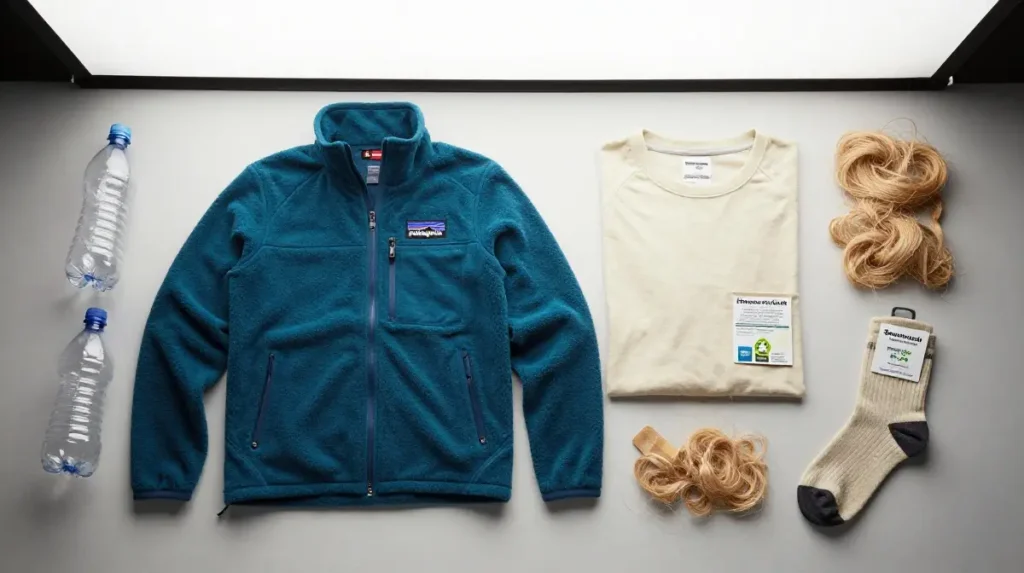
The outdoor apparel industry’s sustainability commitments have evolved from marketing language to genuine material and manufacturing innovation over the past decade — and the brands driving this evolution are producing some of the most technically compelling trail clothing currently available. Understanding which brands make meaningful environmental commitments versus surface greenwashing requires examining specific certifications rather than brand messaging.
Patagonia hiking clothes built from recycled polyester and organic cotton demonstrate that performance fiber and sustainable material sourcing are completely compatible manufacturing choices. Their worn-wear program creates a secondary market for used Patagonia gear that reduces the lifecycle environmental impact of each garment produced. Smartwool hiking socks and Icebreaker merino products operate under certified responsible wool standards that verify animal welfare and pasture management practices in the New Zealand merino supply chain. Sustainable hiking brands in the footwear category include Altra trail running shoes parent company VF Corporation’s sustainability commitments and Merrell trail shoes Wolverine Worldwide’s environmental standards program. The sustainable outdoor apparel category has matured to the point where environmental commitment and technical performance no longer require trade-off — the best sustainable gear is genuinely excellent gear.
Couple and Group Hike Coordination That Photographs Beautifully Every Time
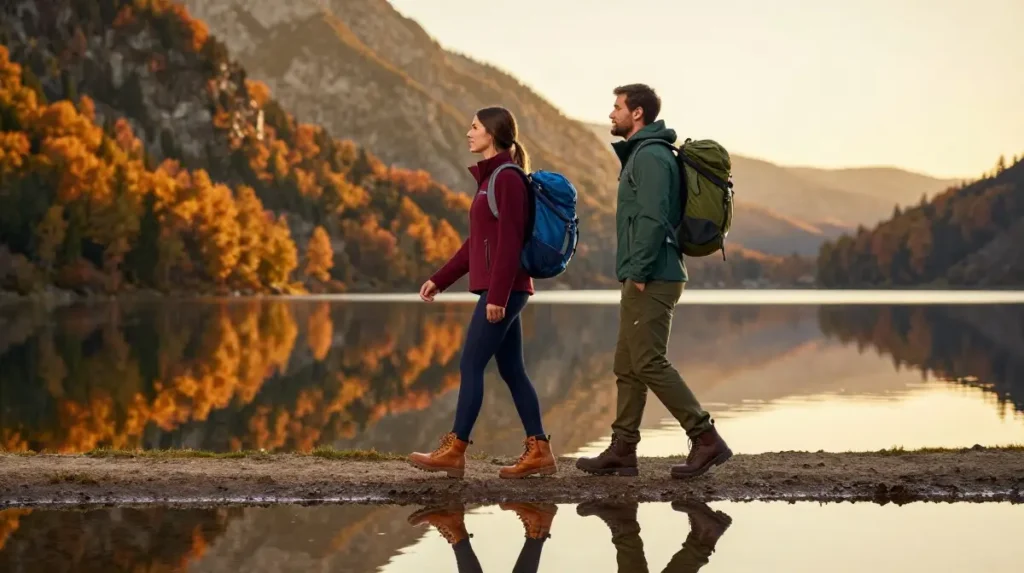
Group and couple hiking outfit coordination solves a visual problem that nobody acknowledges as a problem until they see their trail photographs: when two or more people dress in completely uncoordinated palettes, group trail photography reads as visual chaos rather than shared experience. The eye doesn’t know where to land. The story the image tells is accidental rather than intentional. Deliberate color coordination transforms group trail photography from documentation into genuine visual narrative.
Hiking outfit ideas for couples that work photographically use complementary color families rather than identical outfits — the costume reading of perfectly matched hiking gear undermines the authentic quality that makes trail photography compelling. One partner in deep navy and the other in warm rust. One in forest green and the other in camel. The trail style aesthetic women principle of earth-tone anchors with accent color variation applies equally to couple and group coordination. Stylish hiking outfits for Instagram photos featuring groups additionally benefit from height and silhouette variation — different pack sizes, different layer combinations, different boot heights — that creates visual interest within the coordinated color framework. Fjallraven pack colorways offered in complementary tones make couple pack coordination straightforward and visually effective.
The Golden Hour Outfit Formula Every Trail Photographer Needs to Know
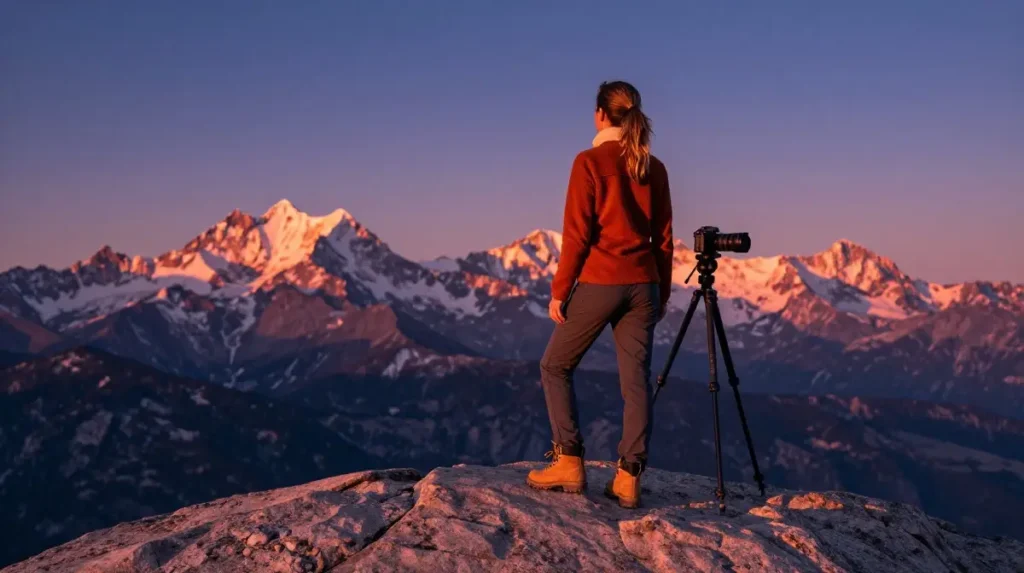
Golden hour on the trail — the 30 to 45 minutes following sunrise and preceding sunset — produces directional warm light that transforms competent trail photography into extraordinary trail photography. The horizontal angle of golden hour light rakes across fabric surfaces and trail terrain simultaneously, revealing texture in fleece pile, leather boot surfaces, and rocky trails in ways that overhead midday light completely flattens. Your outfit for golden hour trail photography deserves specific planning beyond what you’d wear for a purely functional mid-morning hike.
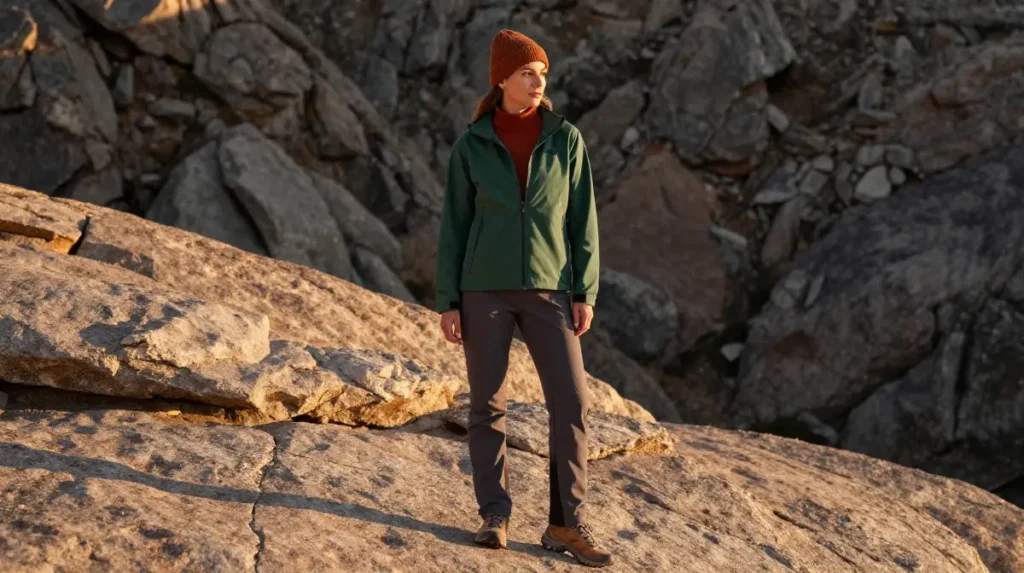
Cute hiking outfits for golden hour photography specifically benefit from warm-toned fabric choices that resonate harmonically with the light quality — rust, amber, camel, deep burgundy, and forest green all interact with warm horizontal light in ways that amplify rather than fight the light’s natural color temperature. Fall hiking outfit styling is particularly aligned with golden hour because autumn’s warm color palette in both the environment and the outfit creates a layered warmth that no other seasonal combination matches. Nature photography outfit ideas from professional outdoor content creators consistently schedule golden hour as the primary shooting window and position the subject facing slightly away from the light source — creating rim-lit silhouette effects on hair and outer layer edges that add cinematic quality to trail photography without any post-processing enhancement.
Petite and Plus Size Hike Outfits That Fit and Perform Without Compromise
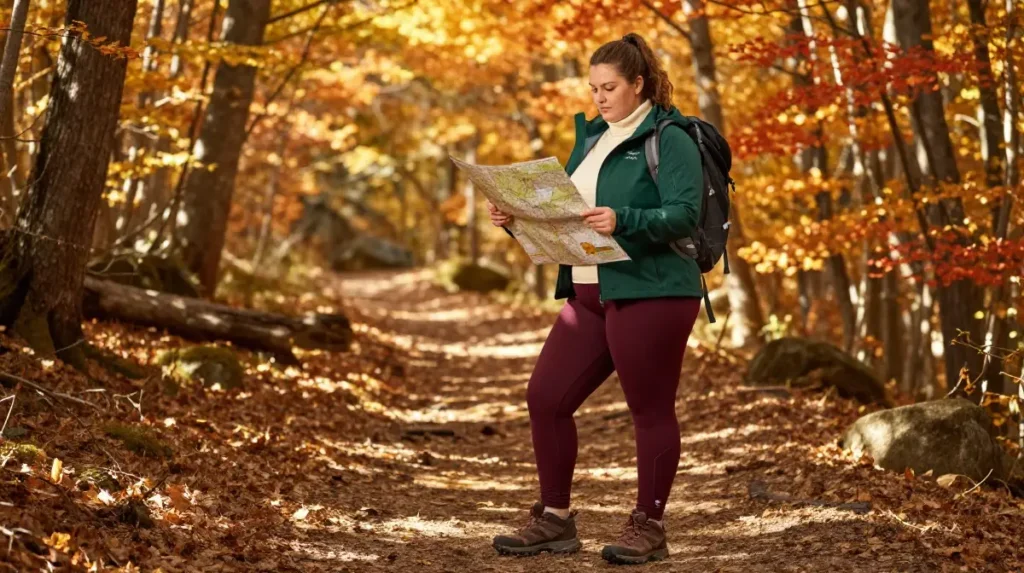
The outdoor apparel industry’s historical failure to serve body diversity has improved substantially but unevenly across brands and categories. The size inclusivity gap — between what petite and plus size hikers need from trail clothing and what the mainstream market offered them — has narrowed meaningfully in the past three years, driven by consumer demand, social media visibility of diverse hiking communities, and brand recognition that inclusive sizing is both ethically appropriate and commercially significant.
Hiking outfit ideas for petite women benefit most from brands that offer dedicated petite sizing rather than proportionally scaled standard sizes. Petite-specific trail pants maintain the articulated knee position correctly relative to shorter inseam lengths — a detail that standard-scaled petite sizing frequently compromises. Lululemon outdoor wear offers genuine size inclusivity through 3X across most of their technical legging and outdoor pant lines with no performance compromise at extended sizes — the technical fabric and construction specifications are identical across the full size range. Plus size hike outfits in the base layer category specifically benefit from moisture wicking fabric hiking technical fabrics with technical fabric breathability rating appropriate for sustained aerobic activity — the performance fabric quality most directly affecting comfort during exertion regardless of body size.
Frequently Asked Questions
What to wear on a hike for women as a complete beginner?
What to wear on a hike for women starting from zero trail experience requires four non-negotiables: waterproof or water-resistant trail footwear with traction, merino or synthetic base layer shirt (no cotton), one packable windproof or rain layer, and one pair of quality hiking or trail socks. Everything else — trail leggings, technical pants, midlayer insulation — can come from existing athletic wear on beginner hikes under five miles on maintained trails. Invest in footwear and socks first before anything else.
What are the best fabrics for hiking outfit comfort in all conditions?
Best fabrics for hiking outfit comfort differ by layer position. Merino wool leads for base layer odor resistance and temperature regulation across wide ranges. Polyester leads for moisture wicking speed at lower cost. Nylon leads for abrasion resistance in pants and outer layers. Softshell blends provide the best stretch-to-wind-resistance ratio for outer layers in non-rain conditions. Performance fabric stretch hiking capability matters most in leggings and base layers where range of motion is the primary comfort variable.
How do I dress for a hike in summer heat and humidity?
How to dress for a hike in summer hot and humid conditions prioritizes three properties above all others: ventilation, UV protection, and moisture transfer speed. A breathable hiking shirt women design with mesh ventilation panels, sun protective clothing UPF rating of 30 or higher in a lightweight long sleeve, and quick dry trail pants or technical shorts that dry in under 20 minutes address the summer trail discomfort triad directly. Avoid dark colors in direct sun exposure — they absorb solar radiation and increase apparent temperature significantly.
How many layers do I need for a fall or winter hike?
Hiking outfit layering for cold season hiking uses three active layers: moisture-wicking base layer, insulating midlayer, and wind or waterproof outer shell. The practical application is dynamic rather than static — you’ll typically start the morning with all three active, shed layers as you warm up on the ascent, and rebuild the full system during rest breaks and descents. Packability of each layer determines how smoothly this dynamic adjustment operates. Every layer should compress to fit in a pack hip belt pocket or small stuff sack.
What shoes should I wear for different types of hikes?
Trail running shoe grip from low-cut trail runners suits maintained singletrack under 10 miles with packs under 20 pounds. Trail shoe ankle support mid-cut shoes serve transitional terrain between maintained trail and light scrambling. Full hiking boots with waterproof hiking boot traction Vibram outsoles suit technical rocky terrain, heavy packs, and multi-day trips where ankle protection and sole stiffness matter. Merrell trail shoes mid-cut waterproof options serve most recreational day hikers across American trail conditions comprehensively.
Conclusion
Hike outfits done right are one of the most satisfying categories of functional dressing available to American outdoor enthusiasts. The gap between looking good and performing well on the trail is narrower than most people assume — because the technical properties that make trail clothing perform (moisture management, stretch mobility, layering compatibility, foot protection) also make it fit better, move more naturally, and photograph more compellingly than the cotton casual alternatives most beginners default to. Start with the four non-negotiables. Build the capsule systematically. Apply the color and layering principles that make trail photography genuinely compelling. And then get outside — because a well-considered trail outfit is only as good as the trail it gets worn on.
1 Comment