
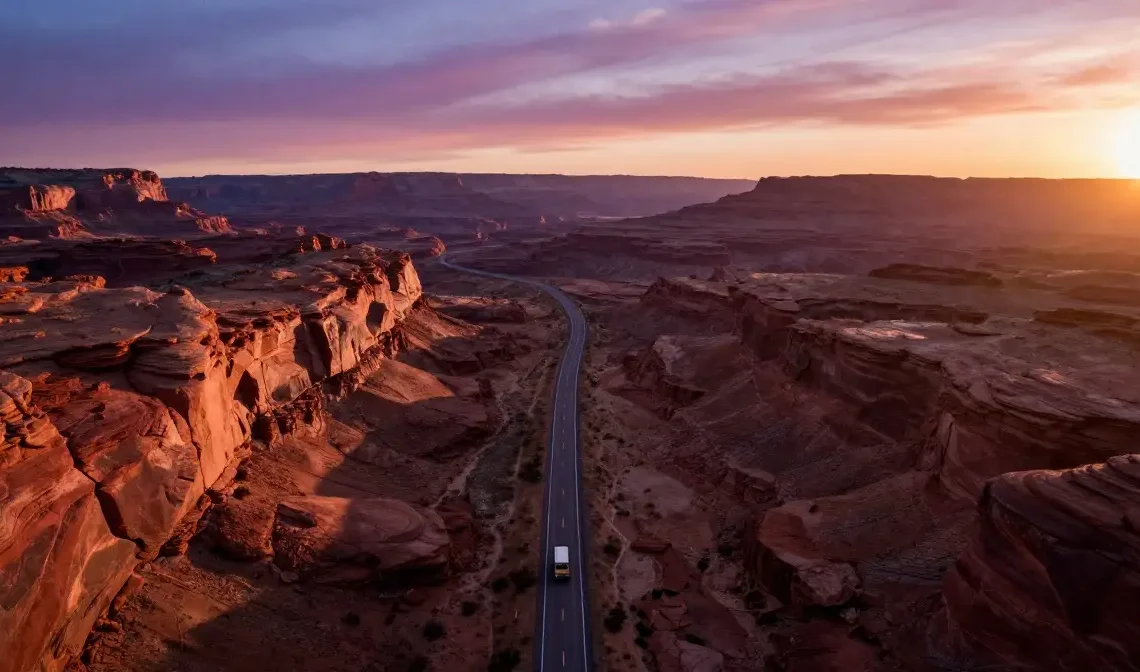
There is a specific kind of freedom that only exists on an open American highway. Wind hitting the windshield. A canyon appearing from nowhere. A moose standing twenty feet from your bumper. A national parks road trip isn’t just a vacation — it’s a transformation. This guide covers everything: routes, passes, budgets, gear, wildlife safety, and the hidden details that separate a forgettable drive from a story you’ll tell for the rest of your life. America’s public lands are waiting. Let’s go.
Why a National Parks Road Trip Is the Greatest American Adventure
No other country offers what America does: 63 national parks spread across deserts, mountains, coastlines, and ancient forests — all connected by some of the most dramatic roads on earth. A national parks road trip puts you inside landscapes that feel genuinely prehistoric. You’re not looking at a photo. You’re standing in it, breathing the altitude, feeling the silence press against your ears.
The sheer variety is staggering. American road trip destinations range from the geothermal fury of Yellowstone National Park to the red-rock silence of Arches National Park to the fog-laced coastline of Olympic National Park. No two parks share the same personality. That’s precisely what makes connecting them by road so addictive — every hundred miles delivers a completely different America.
How to Build a National Parks Road Trip Route That Actually Works
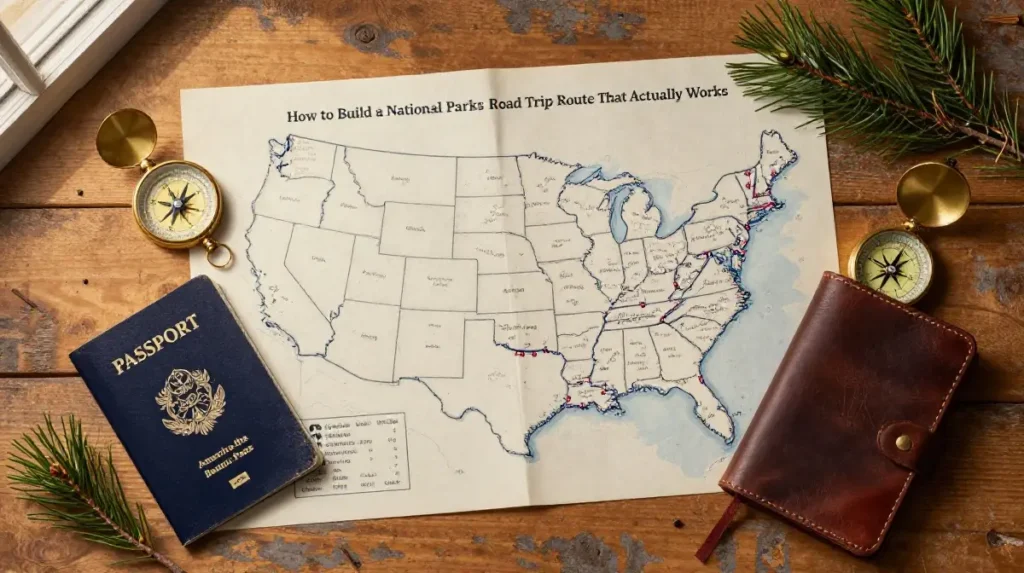
The biggest mistake first-timers make is building a national parks road trip itinerary around ambition rather than reality. Driving 600 miles a day to hit seven parks in five days isn’t a road trip — it’s a commute with prettier rest stops. The sweet spot is 200 to 300 miles of driving per day, leaving genuine time to explore each park on foot, not just through a windshield.
Start with a geographic cluster. The southwest national parks road trip — linking Zion National Park, Bryce Canyon National Park, Arches National Park, and Grand Canyon National Park — is the most efficient way to experience maximum landscape diversity with minimum backtracking. A solid national parks road trip planner tool like the NPS website’s trip planner helps you map best routes connecting multiple national parks before you commit to a single reservation. Build in buffer days. Weather, wildlife, and wonder all demand flexibility.
| Region | Parks Included | Estimated Drive Miles | Best Season |
|---|---|---|---|
| Southwest Utah Loop | Zion, Bryce, Arches, Canyonlands | 650 miles | March–May, Sept–Nov |
| Wyoming / Montana | Yellowstone, Grand Teton, Glacier | 850 miles | June–September |
| California Circuit | Yosemite, Sequoia, Joshua Tree, Death Valley | 900 miles | Spring and Fall |
| East Coast Loop | Acadia, Shenandoah, Great Smoky Mountains | 1,100 miles | May–October |
The America the Beautiful Pass and Why Every Road Tripper Needs One
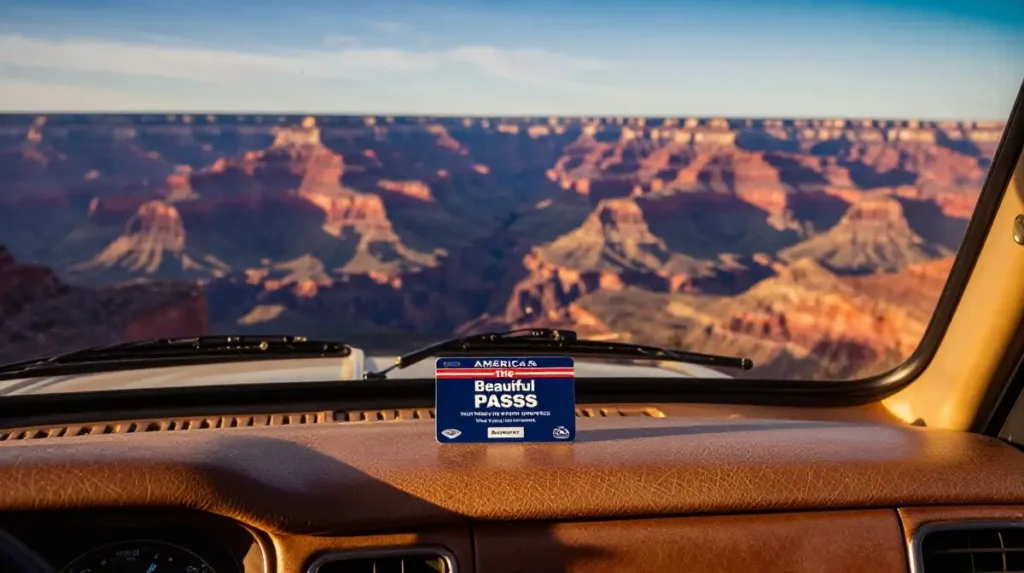
At $80 per year, the America the Beautiful Pass is the single best financial decision any road tripper can make. A single visit to Grand Canyon National Park costs $35 per vehicle. Yosemite National Park runs $35. Two parks and you’ve already broken even. Hit five parks on a two-week route and you’ve saved over $100 on park entrance fees alone.
The pass covers the entry vehicle and all passengers at over 2,000 federal recreation sites — not just national parks but national monuments, national forests, and Bureau of Land Management areas too. You can buy the America the Beautiful annual pass at any park entrance, online at the USGS store, or at REI locations nationwide. If you’re a senior, a fourth-grade student, or a military family member, you may qualify for a free or deeply discounted version. Don’t skip this step. It’s the first line in any road trip through multiple national parks budget.
Yellowstone to Grand Teton — A Two-Park Drive Worth Every Mile
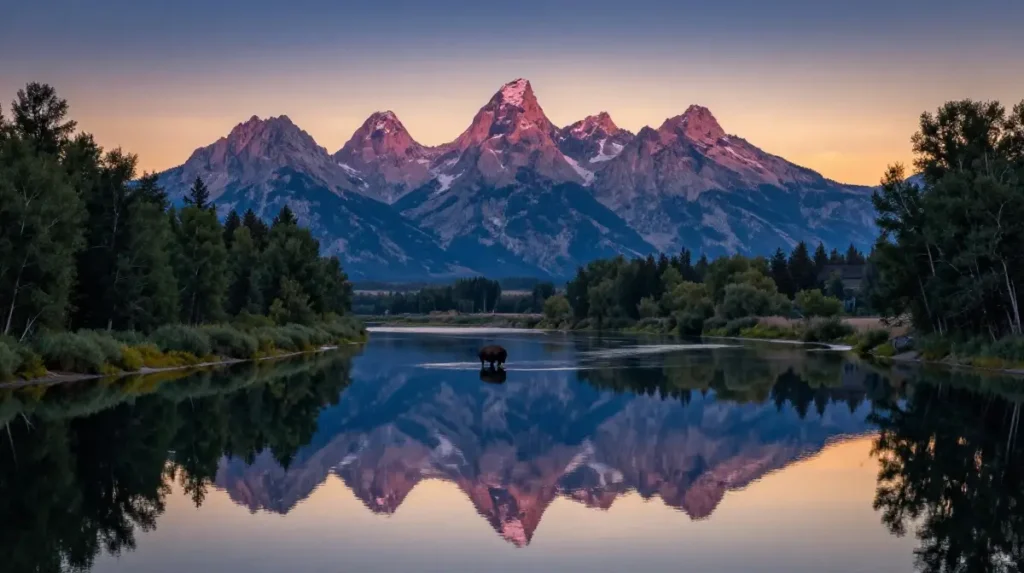
The drive south from Yellowstone National Park to Grand Teton National Park covers roughly 60 miles along the John D. Rockefeller Jr. Memorial Parkway — and it’s among the most emotionally affecting stretches of road in America. Bison graze the shoulder. The Teton Range materializes ahead like a rumor becoming fact. Pull over at Oxbow Bend and you’ll understand why landscape painters have been obsessed with this view for 150 years.
Yellowstone alone demands a minimum of three days. The scenic drives national parks USA circuit within the park — the Grand Loop Road — covers 142 miles and passes every major thermal feature, canyon overlook, and wildlife corridor. Grand Teton adds another two days of hiking, lake kayaking, and jaw-dropping valley views. This two-park combo is the definitive western national parks road trip anchor. Plan it for June through early September when Yellowstone’s higher roads are fully open and road condition updates favor smooth passage throughout.
Zion Bryce and Arches — The Utah Trifecta That Will Rewire Your Brain
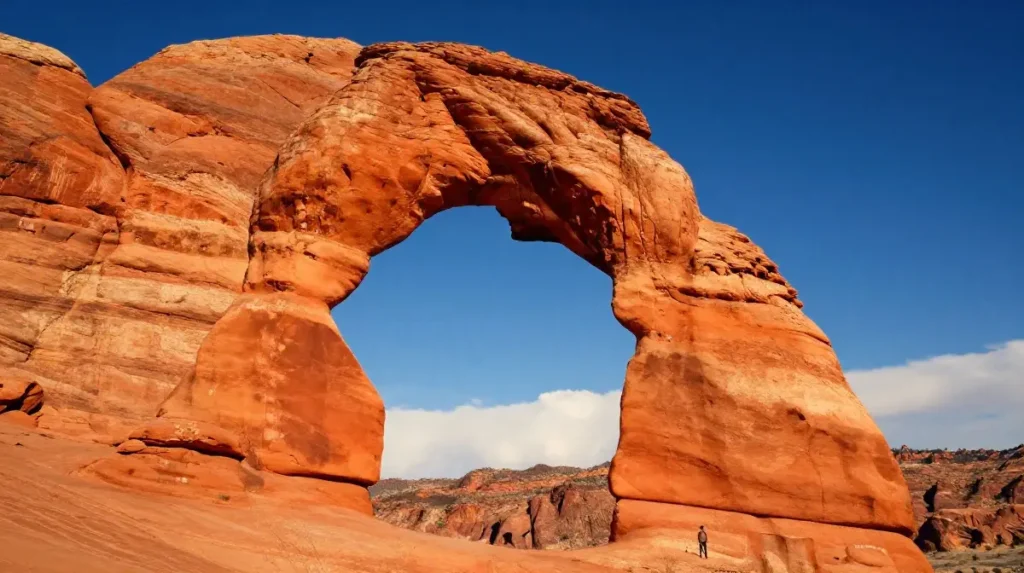
Utah is where the American landscape stops being polite. Zion National Park, Bryce Canyon National Park, and Arches National Park together constitute perhaps the most visually overwhelming 400-mile stretch of road anywhere on the planet. The colors alone — burnt sienna, salmon pink, ochre gold — feel digitally enhanced even when you’re standing in them. They’re not. This is just Utah.
Zion National Park operates a mandatory shuttle system within the main canyon during peak season, so personal vehicles park at the visitor center. Bryce Canyon National Park sits at 9,000 feet elevation — elevation change driving hazards include ice on the road as late as May and as early as October. Arches National Park introduced timed entry reservations in 2022 to manage the 1.8 million annual visitors who’ve made it one of the most-photographed American road trip destinations in existence. Book your entry window weeks in advance. The southwest national parks road trip simply doesn’t work without it.
How to Time Your Visit So Crowds Never Ruin the Experience
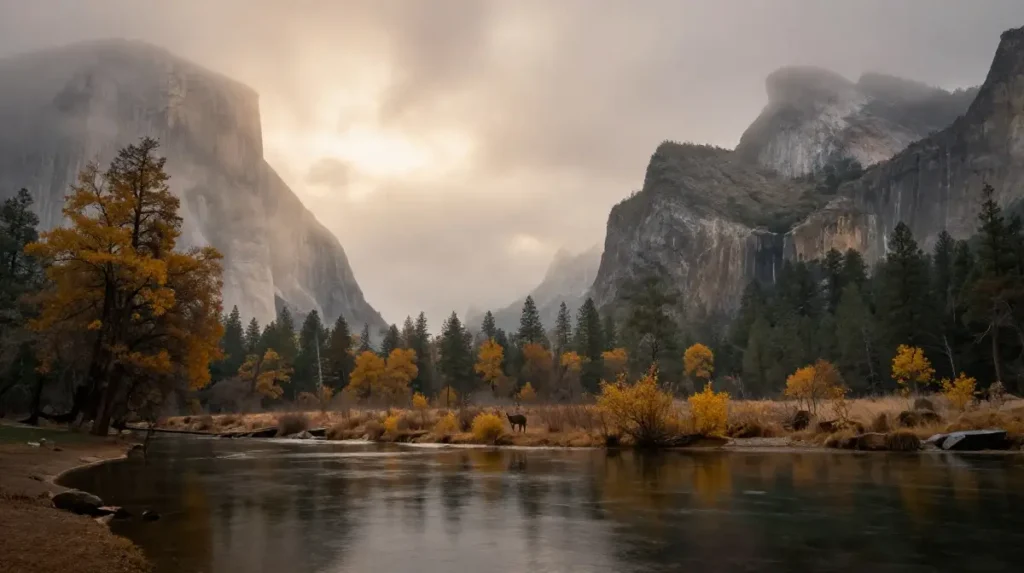
Timing is the invisible variable that separates a transcendent trip from a frustrating one. The best time to visit national parks road trip style is overwhelmingly shoulder season — April through May and September through October. Summer brings the crowds. July at Yosemite National Park means traffic backed up for two miles at the valley entrance and parking that fills by 8 AM. Come in October and you’ll find the same valley draped in golden oak leaves with half the people.
you may also like this:22 Road Trip Snacks Ideas for Easy Travel Food
Seasonal road closures in national parks follow predictable patterns but still catch travelers off guard. Going-to-the-Sun Road in Glacier National Park typically opens in late June and closes again by mid-October. Trail Ridge Road in Rocky Mountain National Park closes at the first significant snowfall, sometimes as early as September. Check the visitor center hours and road status pages for each specific park before finalizing dates. The NPS website updates closures in real time and it’s worth bookmarking for the entire duration of your trip.
Grand Canyon Road Trip Stops Most Visitors Completely Miss
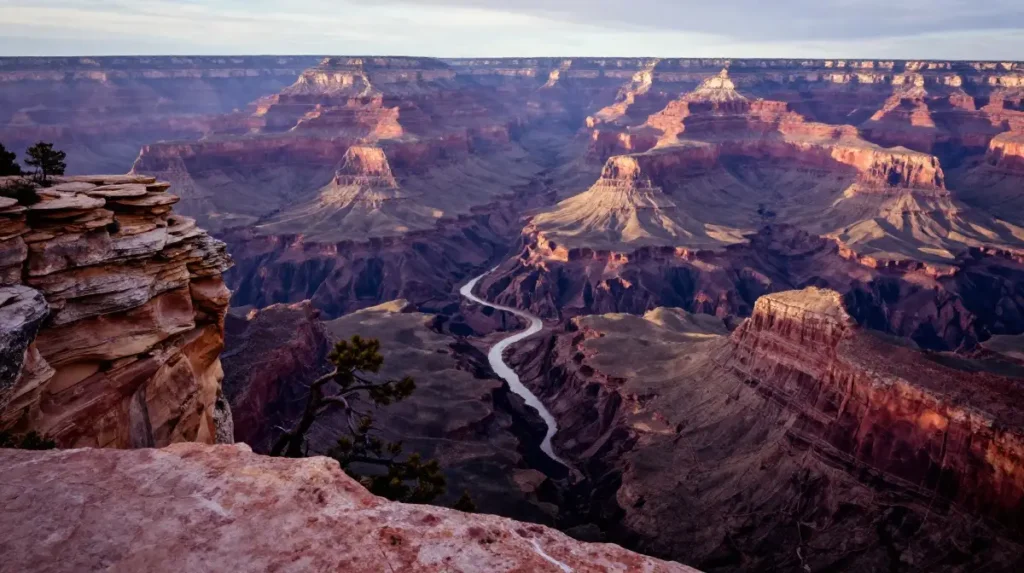
Most visitors to Grand Canyon National Park stop at Mather Point, photograph the rim, eat a sandwich, and leave. That’s a tragedy. The South Rim stretches 33 miles along the canyon edge and contains viewpoints — Pima Point, Mohave Point, Hopi Point — that are dramatically superior to the crowded overlooks near the visitor center. Desert View Watchtower at the canyon’s east entrance is an architectural masterpiece built in 1932 and almost no one walks up to it.
The North Rim is the off the beaten path road trips version of the canyon experience. It sits 1,000 feet higher than the South Rim and receives roughly one-tenth the visitors despite offering equally staggering views. The road to the North Rim closes from mid-October through mid-May due to snow. If your national parks road trip stops include the canyon, consider building in one night at the North Rim Lodge — reservations open a year in advance and sell out within hours. Hidden gems near major national parks don’t get more rewarding than this.
Yosemite Valley Driving Tips That Save Your Sanity and Your Day
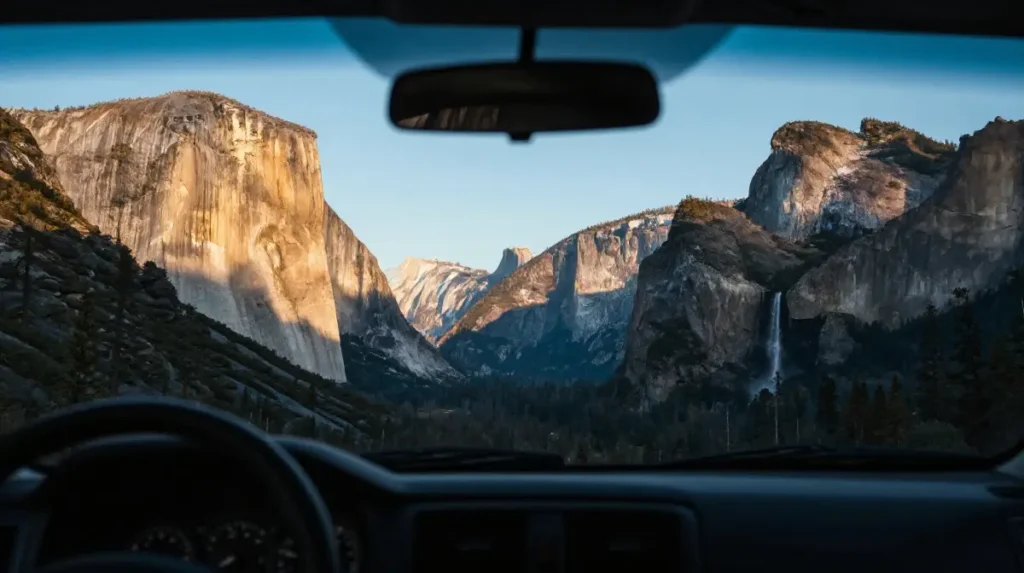
Yosemite National Park replaced its old day-use parking system with timed entry reservations in 2023 for peak season visits between May and September. You must reserve a time window online before arriving — walk-up entry to the valley is no longer guaranteed during summer. This isn’t bureaucracy for its own sake. The valley floor is genuinely three miles wide and seven miles long. Without reservation management, it becomes a parking lot with waterfalls.
Once inside, the one-way valley loop is your primary national parks driving route. Eastbound on Southside Drive, westbound on Northside Drive — the loop takes about 45 minutes to drive completely without stops. Stop at Valley View for the first full El Capitan sighting. Stop at Tunnel View for the panoramic reveal of the entire valley. Overlooks and pullouts worth stopping for are marked with brown signs throughout; don’t skip Sentinel Bridge at golden hour when Half Dome reflects perfectly in the Merced River. Cell service and navigation in national parks like Yosemite is patchy at best — download offline maps before you enter.
Rocky Mountain National Park Roads That Reach the Sky Literally
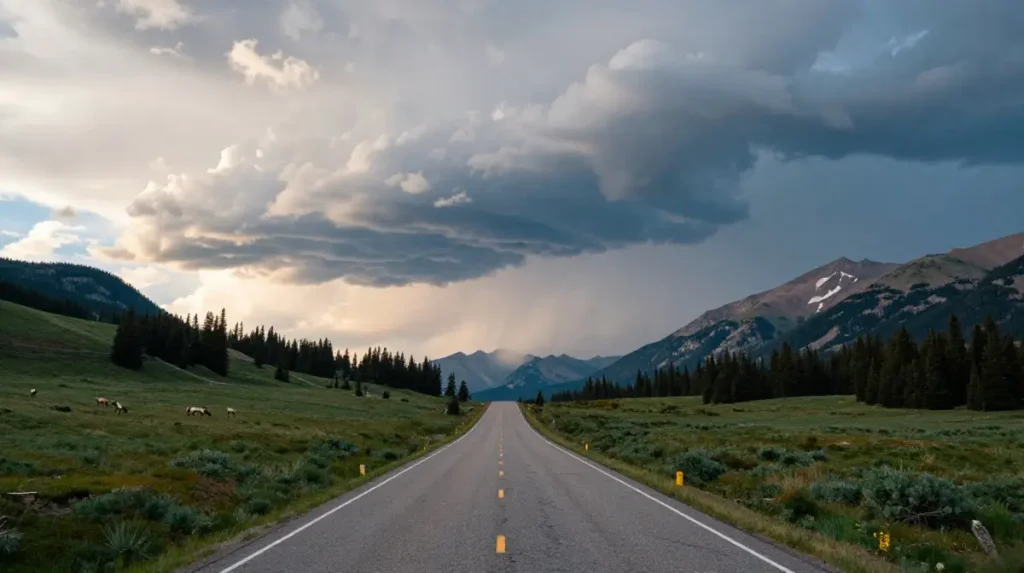
Trail Ridge Road in Rocky Mountain National Park is the highest continuous paved road in America, peaking at 12,183 feet above sea level. For 11 miles it travels above treeline through alpine tundra that feels more like the Tibetan plateau than Colorado. The air is thin. The views are planetary. Elk graze meadows at 11,000 feet as if altitude were irrelevant to them. It’s one of the most genuinely otherworldly scenic drives national parks USA has to offer.
Elevation change driving hazards are real on Trail Ridge. Altitude sickness affects visitors who ascend too quickly — headache, nausea, and dizziness are common above 10,000 feet. Drink water aggressively, drive slowly on the switchbacks, and pull over if you feel dizzy. The road is typically open from Memorial Day weekend through mid-October. How long to spend at each national park depends on your pace but Rocky Mountain rewards at least two full days — one for Trail Ridge, one for Bear Lake and the hiking corridors below treeline. This is essential mountain and canyon road trips territory.
Gear and Packing Essentials That Separate Survivors From Sufferers
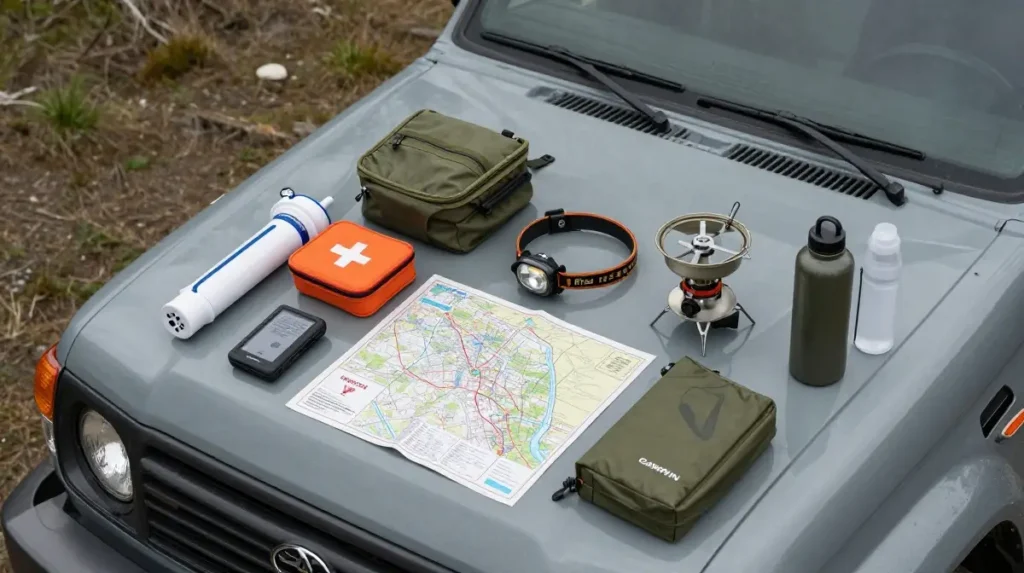
The national parks road trip packing list is not optional reading. It’s the difference between a magical trip and a miserable one. Start with the vehicle: a full-sized spare tire, a tire plug kit, jumper cables, and two gallons of water per person stored in the trunk. Cell service vanishes in most parks and emergency services remote areas can be hours away. Self-sufficiency isn’t paranoia — it’s basic respect for the remoteness.
Essential gear for a national parks road trip extends beyond the vehicle. A quality headlamp — not a phone flashlight — is non-negotiable for tent camping and trail emergencies. A paper atlas or downloaded offline maps cover the inevitable cell dead zones. A portable water filter like a Sawyer Squeeze means you can drink from streams in a pinch and dramatically reduces potable water availability anxiety in backcountry zones. Pack a first aid kit with blister treatment, because even casual day hikers destroy their feet on uneven trail surfaces. The national parks road trip packing list should be assembled a week before departure — not the night before.
| Essential Item | Why It Matters | Recommended Product |
|---|---|---|
| America the Beautiful Pass | Saves $100+ on entrance fees | USGS Store or park entrance |
| Offline Map Download | No cell service in most parks | Google Maps or Gaia GPS |
| Portable Water Filter | Remote water sources only | Sawyer Squeeze |
| Paper Road Atlas | GPS fails in canyon terrain | Rand McNally Road Atlas |
| First Aid Kit | Trail injuries, blisters, cuts | Adventure Medical Kits |
| Tire Plug Kit | Gravel roads puncture tires | Slime Emergency Kit |
Glacier National Park and Going-to-the-Sun Road — Pure Road Trip Poetry
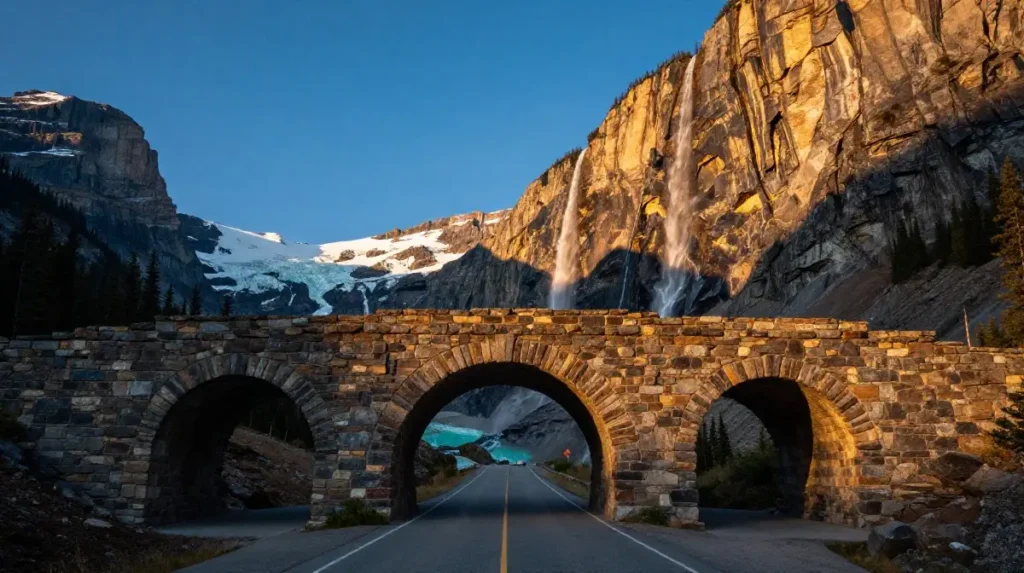
Going-to-the-Sun Road is 50 miles long and contains more visual drama per mile than almost any other road in North America. It crosses the Continental Divide at Logan Pass — 6,646 feet — through a carved rock corridor so narrow that vehicles over 21 feet are prohibited past certain points. Waterfalls drop from cliff faces directly onto the road. Bighorn sheep stand on ledges ten feet above your roof. Glacier National Park delivers the kind of scenery that makes you question whether you’re still in America.
The park introduced a campsite reservation system and vehicle reservation requirement for Going-to-the-Sun Road during peak hours starting in 2021. Reserve your vehicle entry pass at recreation.gov before arriving — it sells out weeks in advance during July and August. Fuel range planning is critical here: there are no gas stations within Glacier National Park itself and the nearest reliable fuel is in Whitefish or St. Mary outside the park boundaries. Fill up before entering and check your gauge before heading up. Scenic byway designation status means the road is maintained to high standards but still demands full attention and slow speeds throughout.
How Fuel Range and Cell Dead Zones Can Make or Break Your Route
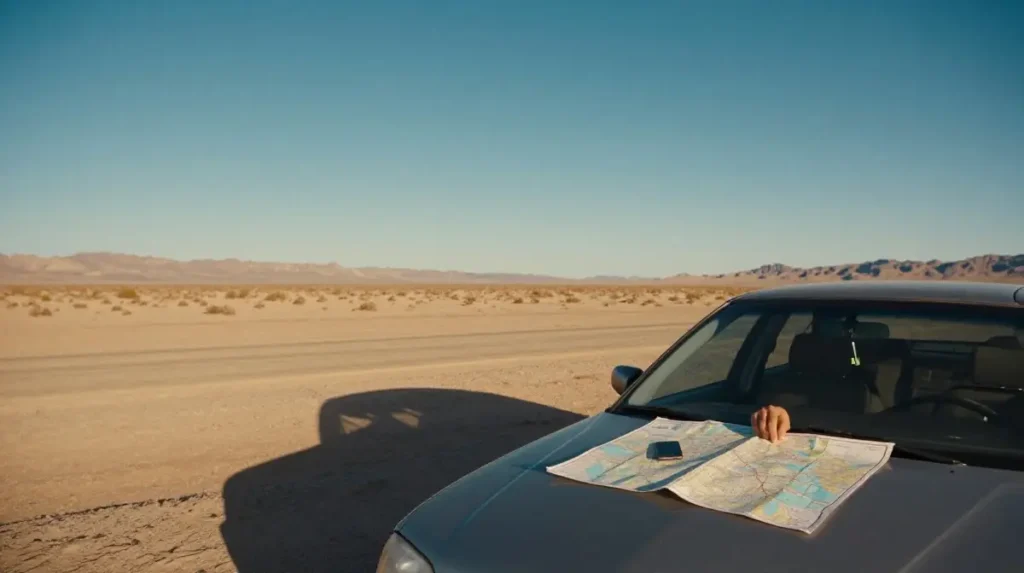
Between Death Valley National Park and the Nevada border lies a 90-mile stretch with zero fuel availability. Between the east entrance of Yellowstone National Park and Cody, Wyoming, there are 53 miles of wilderness with no services. These gaps aren’t anomalies — they’re standard geography on any cross country road trip national parks route through the American West. Running out of fuel in a remote area isn’t an inconvenience. It’s potentially a survival situation.
Fuel range planning requires knowing your vehicle’s real-world range — not the manufacturer’s optimistic estimate — and mapping fuel stops against that number before each driving day. Apps like GasBuddy and PlugShare (for EVs) show fuel locations along your route. Cell service and navigation in national parks is genuinely unreliable in canyon terrain, forested valleys, and remote desert stretches. Download every park map from the NPS website before entering. Screenshot the ranger station locations for your specific parks. When technology fails — and it will — paper and preparation take over.
Death Valley and Joshua Tree — Desert Roads That Humble the Soul
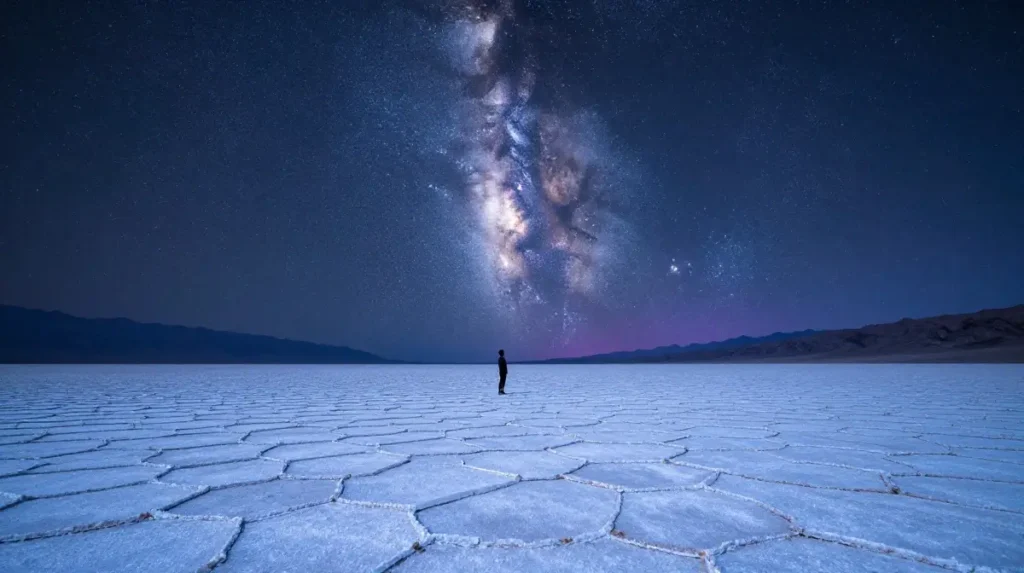
Death Valley National Park is the lowest, hottest, driest place in North America and one of the most extraordinary drives on the planet. Badwater Basin sits at 282 feet below sea level — the salt flat stretches so wide that the earth’s curvature is visible from the center. Artist’s Drive is a nine-mile one-way loop through volcanic hills of surreal purples, greens, and pinks. It looks like someone painted the mountains. It’s just geology, doing its best work.
Joshua Tree National Park offers a completely different desert personality — the surreal sculptural forest of its namesake trees against massive granite boulder formations creates a landscape that feels like science fiction. The park sits at the junction of the Mojave and Colorado deserts, so the ecosystem shifts noticeably as you drive through it. Coastal and desert driving routes through Southern California can link both parks in a single three-day loop from Los Angeles. Potable water availability is severely limited in both parks — carry a minimum of four liters per person per day during any visit between May and October. Desert roads that humble the soul tend to do so most dramatically when you’re unprepared.
Campsite Booking Strategies That Guarantee You Sleep Under the Stars
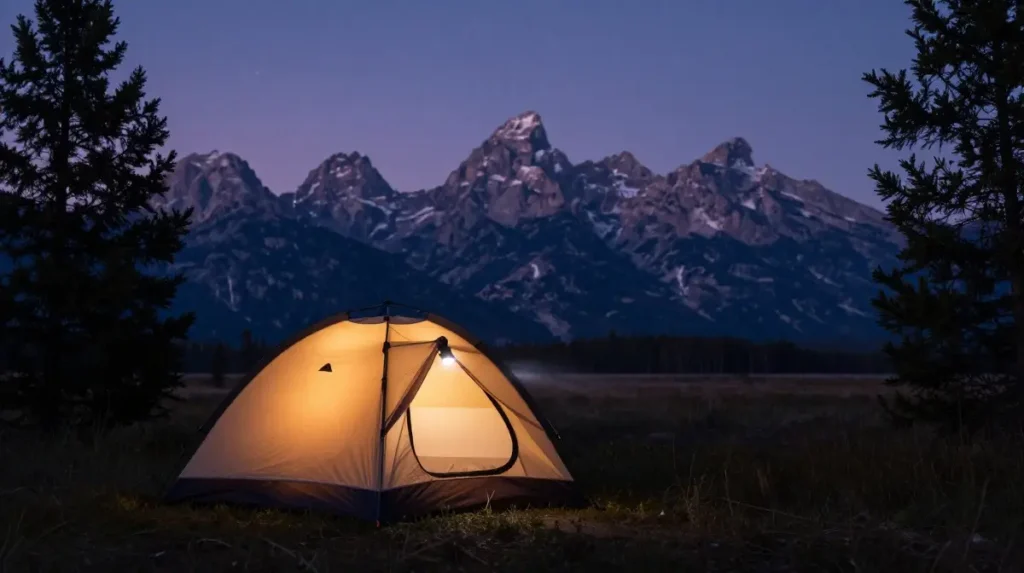
The campsite reservation system used by most major national parks runs through recreation.gov and it is ruthlessly competitive during peak season. Yosemite National Park campsite reservations open five months in advance at 7 AM Pacific time and sell out in minutes. Literally minutes. Set a calendar reminder, have your payment details ready, and be logged in before 6:55 AM on release day. Treat it like a concert ticket drop — because that’s essentially what it is.
Dispersed camping near national park roads on adjacent National Forest land is often a legal and free alternative when park campgrounds are full. The Dixie National Forest borders Bryce Canyon National Park and offers free dispersed camping within a short drive of the park entrance. The Coconino National Forest surrounds Grand Canyon National Park on the South Rim’s approach roads. How to plan a national parks road trip that guarantees nightly accommodation means booking a mix of reserved park campgrounds, first-come-first-served sites, and dispersed forest camping as backup options — never relying on a single system alone.
Great Smoky Mountains Road Trip for East Coast Adventurers
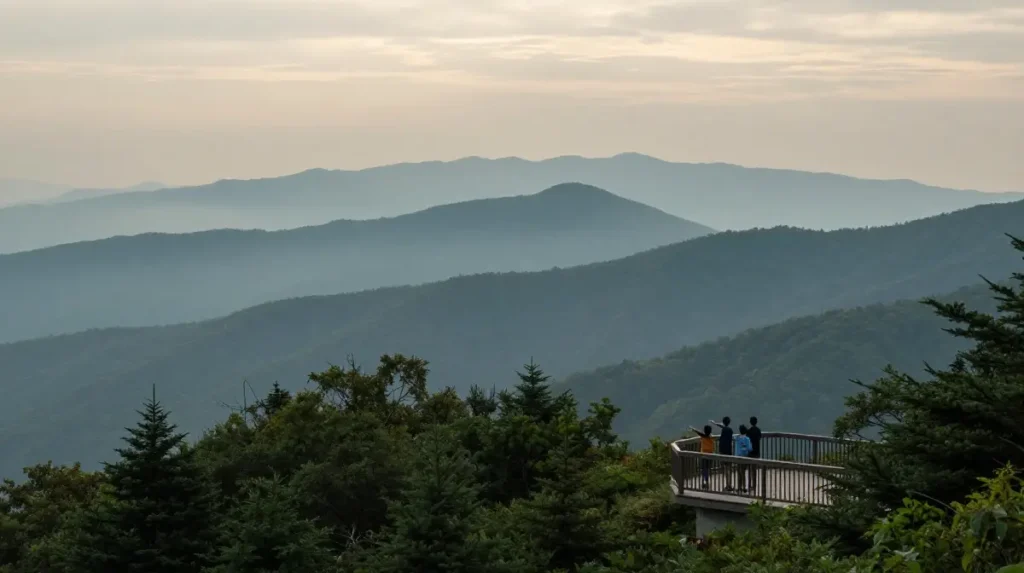
Great Smoky Mountains National Park is the most visited national park in America — over 12 million visitors annually, nearly double Yellowstone’s numbers. It’s also completely free to enter, one of the few major parks without park entrance fees. For East Coast families building their first national parks road trip with kids, it’s the natural starting point: accessible from Atlanta in two hours, Charlotte in three, and Washington D.C. in seven.
The Newfound Gap Road bisects the park from Cherokee, North Carolina to Gatlinburg, Tennessee — 31 miles of ridge-line driving through old-growth forest that represents some of the finest mountain and canyon road trips in the eastern United States. Clingmans Dome Road branches off near the Tennessee state line and climbs to 6,643 feet — the park’s highest point. The overlook tower at the summit offers a 360-degree view that extends into seven states on a clear day. Best national parks for first time road trippers in the eastern U.S. reliably include the Smokies at the top of every list.
Leave No Trace Rules Every Road Tripper Must Know and Follow
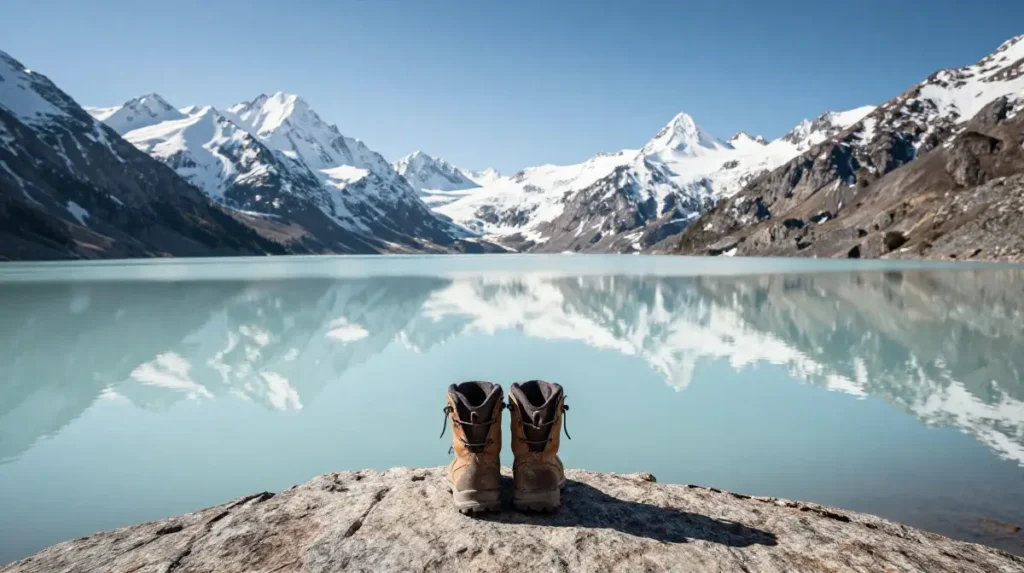
Leave No Trace principles aren’t suggestions — they’re the ethical foundation that keeps these landscapes intact for the next generation of travelers. The seven core principles include packing out all waste, staying on designated trails, camping at least 200 feet from water sources, and leaving rocks, plants, and cultural artifacts exactly where you find them. Every year, park rangers document thousands of incidents where visitors remove rocks, pick wildflowers, or carve names into ancient formations. Every one of those actions permanently damages the landscape.
Campfire rules vary dramatically by park and season. Death Valley National Park prohibits open campfires year-round. Yellowstone National Park only permits fires in designated fire grates at established campgrounds. During high fire-risk periods, fire bans extend across entire regions with zero exceptions. The backcountry permit system in parks like Yosemite National Park and Olympic National Park requires approved waste disposal methods — pack-out waste bags, not burial — for overnight trips. Public lands exploration by car and on foot carries a responsibility that the landscape depends on you to honor. The wilderness doesn’t recover from disrespect on any human timeline.
Olympic National Park — One Loop Road Three Completely Different Worlds
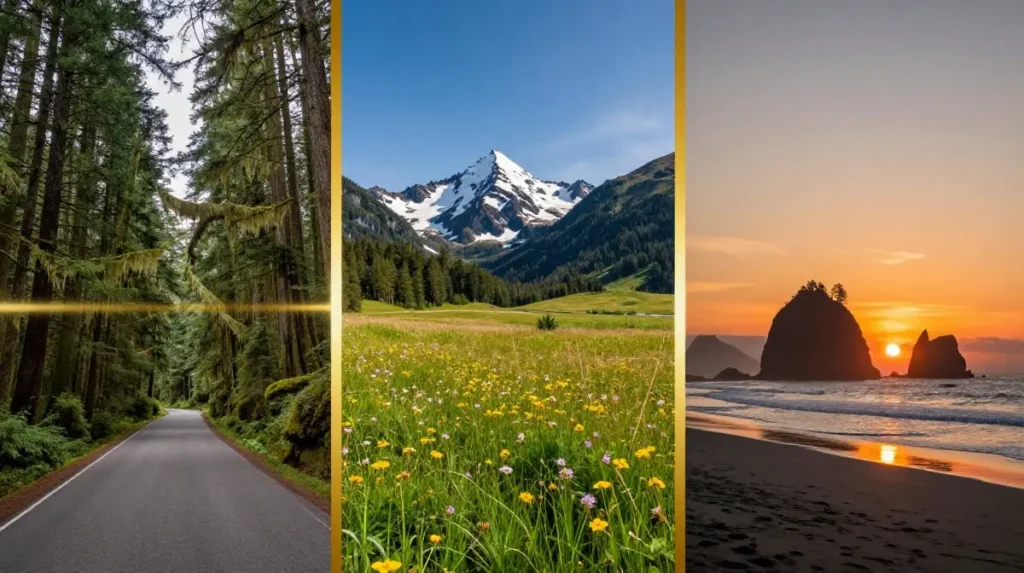
Olympic National Park on Washington’s Olympic Peninsula is technically three parks in one: a temperate rainforest, an alpine wilderness, and 73 miles of wild Pacific coastline — all within the same park boundary. No road connects all three zones directly. You drive out, circle the peninsula on Highway 101, and dive back in from different directions. That’s the entire point. Olympic National Park rewards the traveler who understands it as a loop, not a destination.
The Hoh Rain Forest receives over 12 feet of rainfall annually and looks like Middle-Earth made real — moss hangs in curtains from 300-year-old Sitka spruce trees, the forest floor carpeted in luminous green. Hurricane Ridge Road climbs from sea level to 5,242 feet in 17 miles, delivering alpine meadow views that feel entirely disconnected from the coastal fog below. Multi-state nature travel rarely delivers the ecological compression of a single day in Olympic — rainforest breakfast, alpine lunch, tide pool sunset. Van life national park routes consistently rank Olympic as one of America’s most rewarding loop drives for precisely this trifecta of ecosystems.
Budget Breakdown — What a National Parks Road Trip Actually Costs
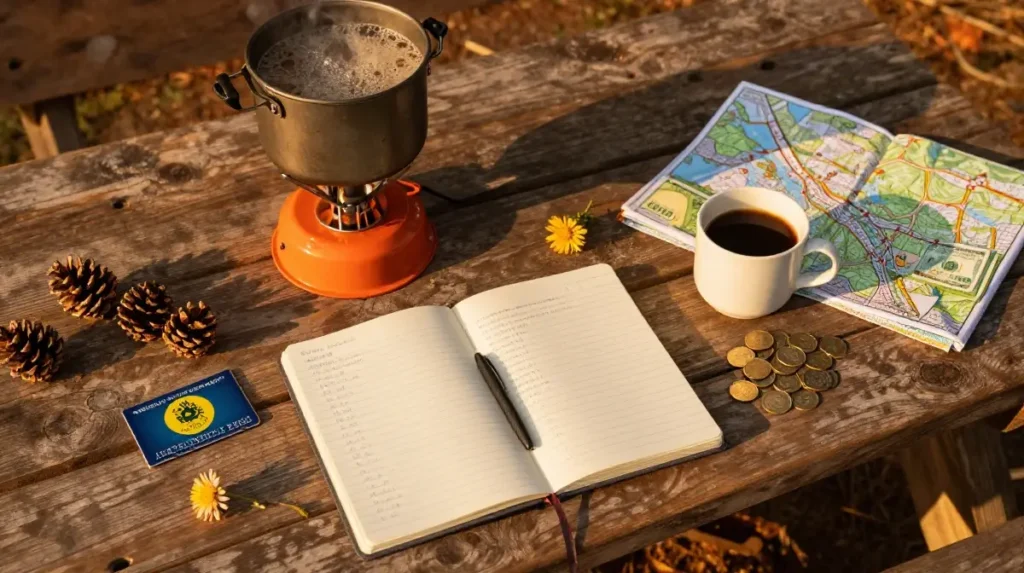
Honesty first: a national parks road trip is not cheap. But it’s dramatically more affordable than most domestic vacations of equivalent experience. A two-week budget national parks road trip for two people, camping throughout and cooking most meals, runs between $1,800 and $2,500 total — including fuel, the America the Beautiful Pass, campsite fees, food, and incidentals. That’s under $90 per person per day for two weeks of extraordinary American landscape.
The biggest variable is fuel. A 2,500-mile route in a vehicle averaging 25 MPG at current national average fuel prices of roughly $3.50 per gallon burns about $350 in gas. Camping averages $25 to $35 per night at established national park campgrounds. National park entrance fees road trip budget planning is simplified entirely by the America the Beautiful annual pass at $80. Food costs drop significantly with a quality cooler and a camp stove — cooking breakfast and dinner at camp while eating a packed lunch on the trail keeps per-day food costs under $30 for two. Cross country road trip national parks adventures don’t require a trust fund. They require a spreadsheet and some planning discipline.
| Expense Category | Budget Option | Mid-Range | Estimated 14-Day Total (2 people) |
|---|---|---|---|
| America the Beautiful Pass | $80 | $80 | $80 |
| Campsite Fees | $25/night | $35/night | $350–$490 |
| Fuel (2,500 miles) | $300 | $400 | $300–$400 |
| Food | $25/day | $45/day | $350–$630 |
| Gear and Supplies | $0 (owned) | $200 | $0–$200 |
| Total | $1,080–$1,800 |
Acadia and the Northeast — Why This Corner of America Hits Different
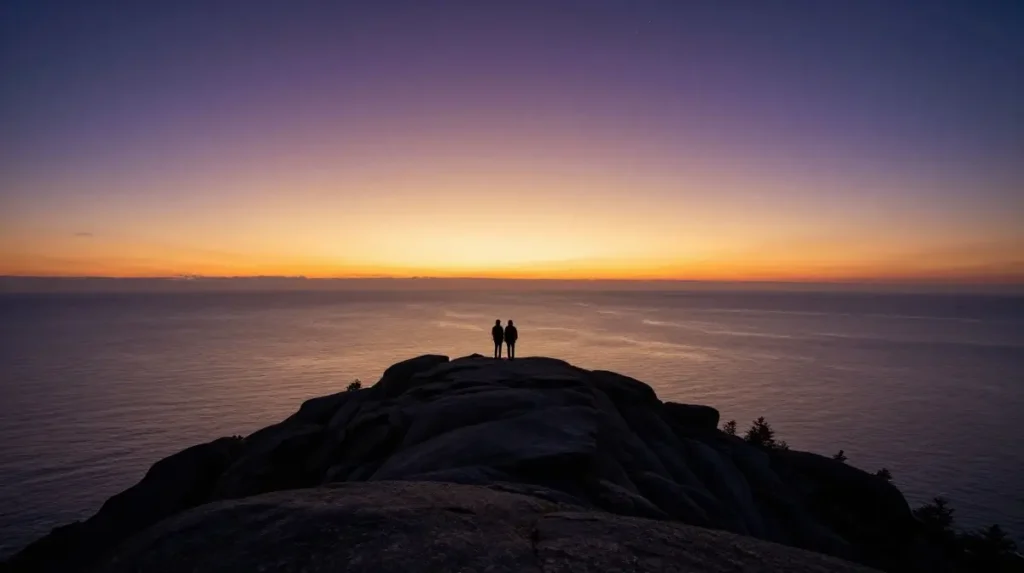
Acadia National Park on the Maine coast is everything the western parks aren’t — intimate, fog-drenched, salty, and architecturally New England to its core. The park covers most of Mount Desert Island and offers 45 miles of historic carriage roads built by John D. Rockefeller Jr. in the early 20th century, deliberately designed to exclude automobiles. Park Loop Road circles the island’s eastern shore past Thunder Hole, Sand Beach, and the summit of Cadillac Mountain — the first place in the continental U.S. to receive sunrise from October through March.
Coastal and desert driving routes of the American Northeast feel entirely distinct from western park drives. There are lobster shacks at the trailhead. The ocean is visible from summit hikes. Bar Harbor village, just outside the park boundary, offers genuine Maine character — not tourist-trap facsimile but actual fishing community infrastructure that predates the park by a century. The national parks camping road trip experience in Acadia means falling asleep to the sound of Atlantic surf. Blackwoods Campground sits a five-minute walk from the ocean shore. Timed entry reservations for Acadia’s peak sunrise experience on Cadillac Mountain run through recreation.gov and sell out weeks ahead — book early.
Wildlife Encounters on the Road — What to Do and What Never to Do
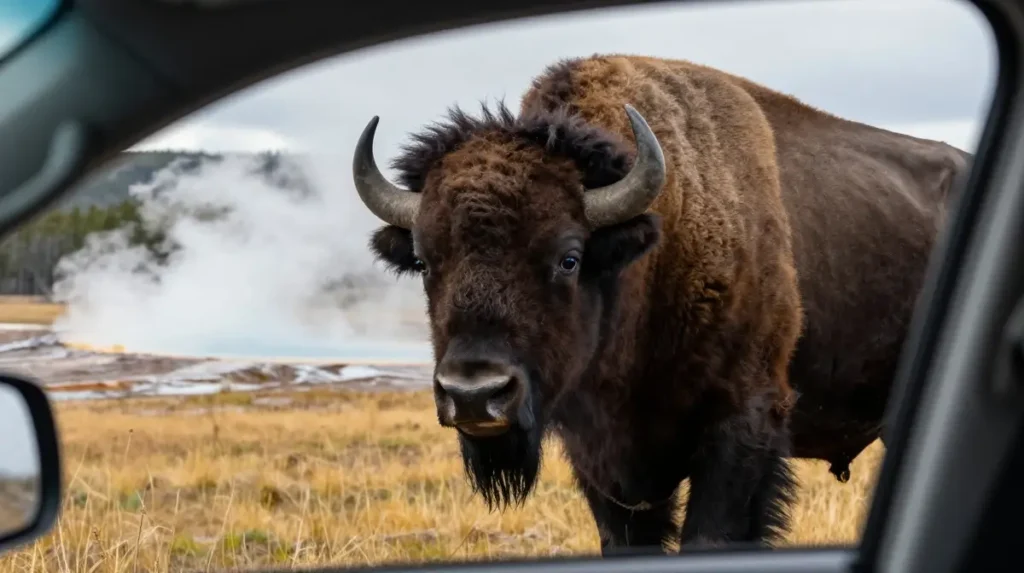
Wildlife viewing while driving national parks is one of the defining pleasures of any road trip through America’s wild spaces. It’s also where the most dangerous human behavior consistently occurs. A bison at Yellowstone National Park weighs 2,000 pounds and can sprint at 35 mph. Every year, visitors are gored because they approach for a photograph. The NPS minimum safe distance is 25 yards for most wildlife and 100 yards for bears and wolves. These aren’t suggestions.
Wildlife corridor crossings on roads through Grand Teton National Park, Rocky Mountain National Park, and Glacier National Park mean animal-vehicle collisions are a genuine risk — especially at dawn and dusk when ungulates move most actively. Drive at posted speed limits, scan the road shoulders constantly, and pull completely off the road if you stop to watch. Seasonal road closures in national parks often coincide with critical wildlife migration periods — those closures protect both the animals and you. Never feed wildlife under any circumstances. A fed animal becomes a dangerous animal and eventually a dead one. The Leave No Trace principles apply as much to wildlife interaction as to waste disposal.
Road Trip Safety in Remote Parks Where Help Is Hours Away
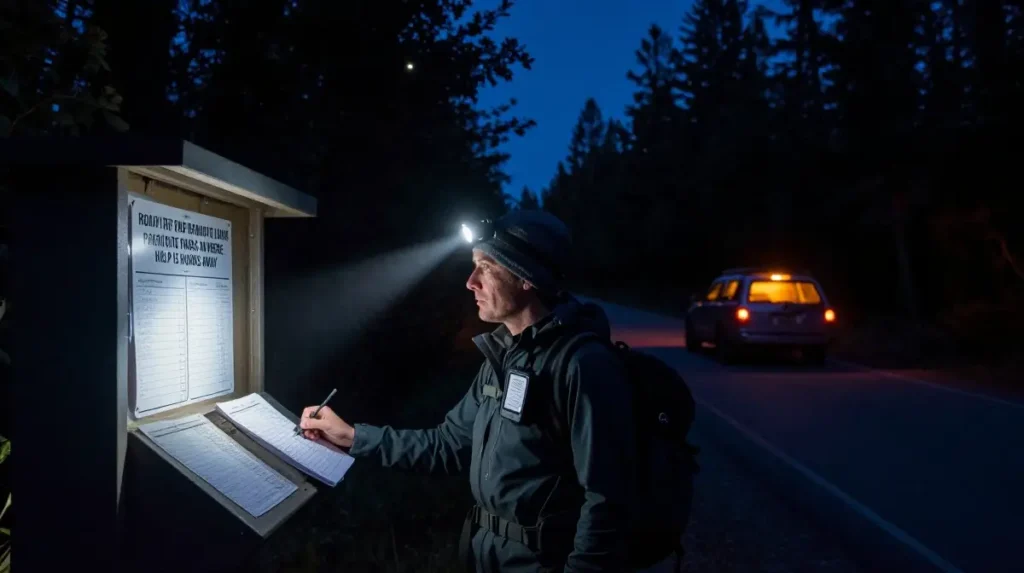
Remote park safety starts before you leave the trailhead. Always file a trip plan with the park visitor center or a trusted contact at home — include your expected route, campsites, and return date. Emergency services remote areas response times in places like Death Valley National Park or the backcountry of Olympic National Park can exceed four hours. A satellite communicator like a Garmin inReach sends SOS signals and two-way messages from anywhere on earth regardless of cell coverage.
Safest roads for national park driving routes are paved park roads maintained by the NPS — but unpaved backcountry roads, common in Joshua Tree National Park and Arches National Park, require high-clearance vehicles and careful speed management. Flash flooding is a genuine mortal hazard in canyon country — if road condition updates mention any storm activity within 50 miles of a canyon system, do not enter narrow canyons or washes. Carry the ranger station locations map for every park on your route and check in at visitor centers when entering isolated areas. The wilderness rewards preparation. It punishes complacency without apology.
Sequoia and Kings Canyon — America’s Tallest Trees and Deepest Canyons
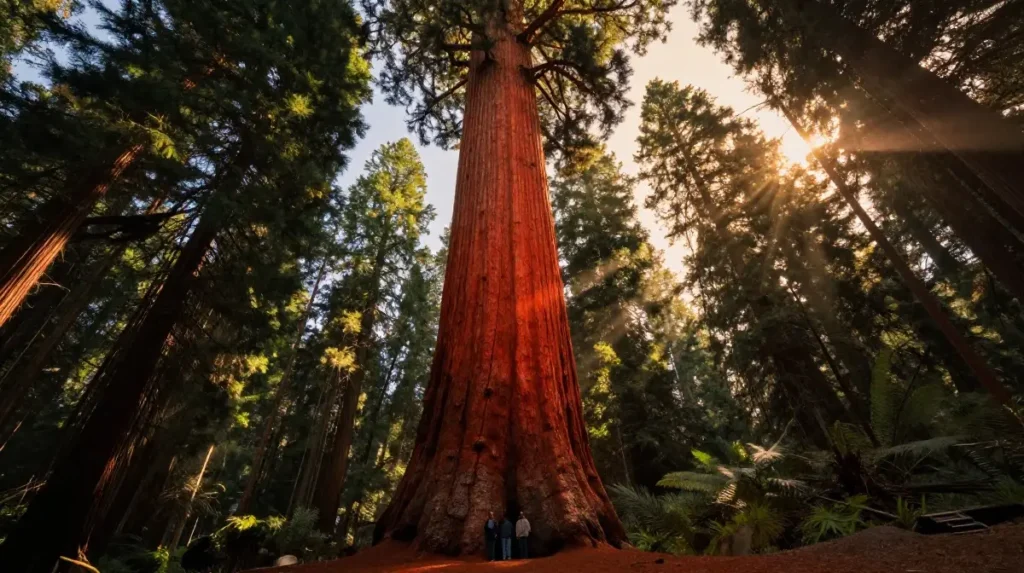
Sequoia National Park holds something that no photograph ever fully prepares you for. General Sherman Tree — the largest living thing on earth by volume — stands 274 feet tall and measures 102 feet around its base. You walk toward it through a forest of giants and still gasp when it finally appears. Scenic drives national parks USA rarely deliver a moment this physically humbling.
The Generals Highway connecting Sequoia National Park to Kings Canyon is one of America’s most underrated scenic byway designation routes — 46 miles of winding mountain road through groves so dense the sky disappears entirely. Elevation change driving hazards are real here: the road drops 6,000 feet in under 30 miles on the Kings Canyon side. Large RVs and trailers are prohibited on certain steep sections. How long to spend at each national park in this pairing is at minimum two full days — one per park — and even that feels rushed.
Frequently Asked Questions
How many national parks can you realistically visit on a two-week road trip?
Five to seven parks is the realistic range for two weeks of genuine exploration. Trying to hit ten or more means spending more time driving than experiencing. The national parks road trip itinerary sweet spot is one to two parks per three-day cluster, with buffer days built in for weather and spontaneous discovery.
Do I need a 4WD vehicle for a national parks road trip?
Not for most main park roads. A standard two-wheel-drive sedan handles every paved road in every major national park. However, unpaved scenic roads in Arches National Park, Death Valley National Park, and Joshua Tree National Park benefit from higher clearance. A mid-size SUV or crossover covers 95 percent of all scenarios comfortably.
Is the America the Beautiful Pass worth it for a short trip?
If you visit three or more parks, yes — absolutely. At $80, it pays for itself after two Grand Canyon National Park or Yosemite National Park visits at $35 each. The America the Beautiful annual pass also covers re-entry to the same parks within the calendar year.
What’s the best national parks road trip for families with children?
The national parks road trip with kids works best at parks with shorter, paved interpretive trails and strong junior ranger programs. Great Smoky Mountains National Park, Rocky Mountain National Park, and Acadia National Park consistently deliver accessible experiences for younger hikers without the extreme remoteness of desert parks.
How do I handle campsite reservations if parks are fully booked?
Combine strategies. Book whatever’s available on recreation.gov, then add first-come-first-served campgrounds as a fallback, and identify dispersed camping near national park roads on adjacent National Forest land as a free backup option. Flexibility in your national parks road trip planner approach is more valuable than any single reservation.
Conclusion
A national parks road trip is the most honest version of America you’ll ever experience. Strip away the airports, the hotel lobbies, the curated itineraries — and what’s left is you, a road, and landscapes that have been forming for 65 million years before you arrived. From the geothermal wilderness of Yellowstone National Park to the salt-bleached silence of Death Valley National Park to the fog-wrapped coast of Acadia National Park, the national parks system is the greatest public inheritance any democracy has ever created.
Plan carefully. Buy the America the Beautiful Pass. Respect the Leave No Trace principles. File your trip plans. Download your offline maps. And then go — with full presence, genuine slowness, and the understanding that the greatest American road trips aren’t measured in miles covered but in moments absorbed. The highway is waiting. The parks are patient. The only question is when you leave.