
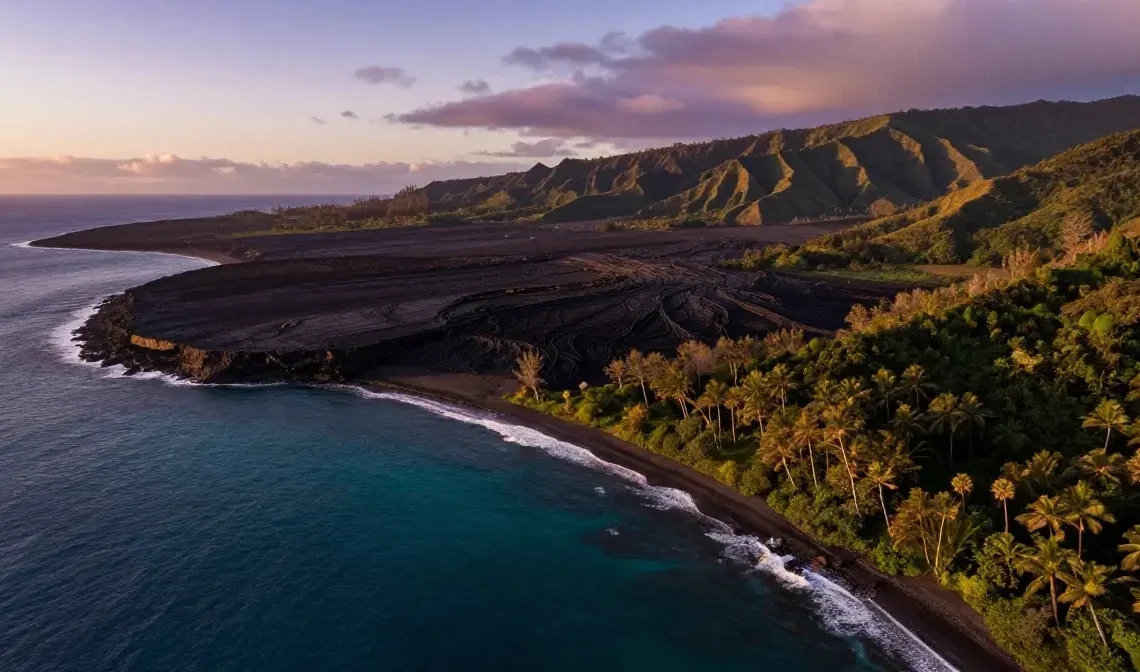
The Big Island Hawaii isn’t just a destination on a map — it’s a living, breathing force of nature that reshapes everything you thought you knew about travel. This island is the youngest and largest in the Hawaiian archipelago, covering more than 4,000 square miles of terrain so varied it genuinely defies categorization. You’ll find active volcanoes, snow-capped summits, black sand beaches, tropical rainforests and sun-baked lava fields — all within a single island boundary. No other place in the United States compresses this much geological and ecological drama into one landmass.
Why Big Island Hawaii Belongs at the Top of Every Serious Traveler’s Bucket List
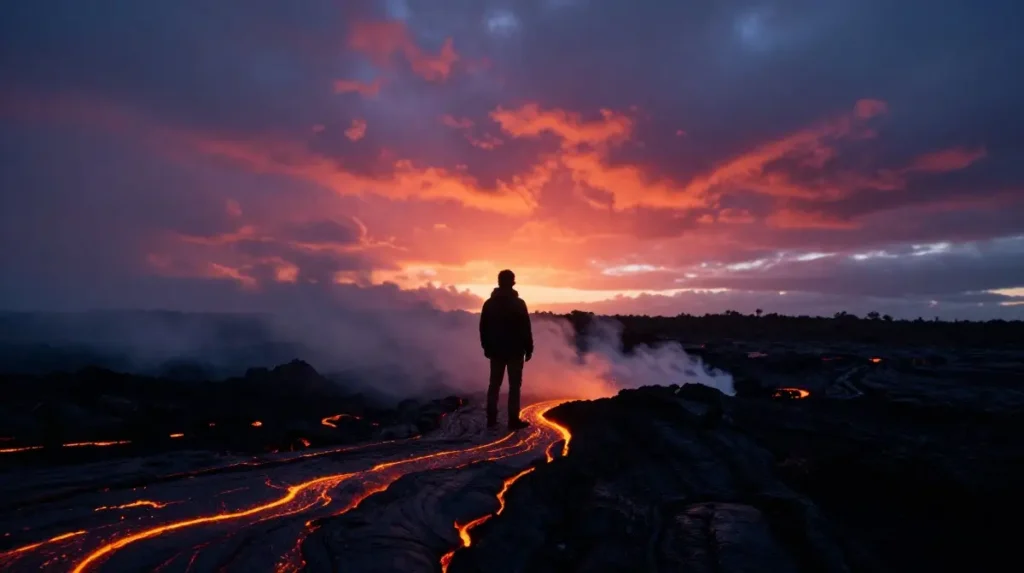
The Big Island Hawaii isn’t just another tropical escape. It’s a geological masterpiece still writing its own story. Where else can you witness active lava flows, summit a 14,000-foot peak and snorkel above coral gardens — all in one day?
Hawaiian island vacation planning begins and ends here for a reason. This island holds eleven of the world’s thirteen climate zones. That’s not a travel brochure claim — that’s a scientific fact. No other place on Earth compresses this much raw, untamed diversity into a single landmass.
The Geography That Makes This Island Unlike Anything Else on the Planet
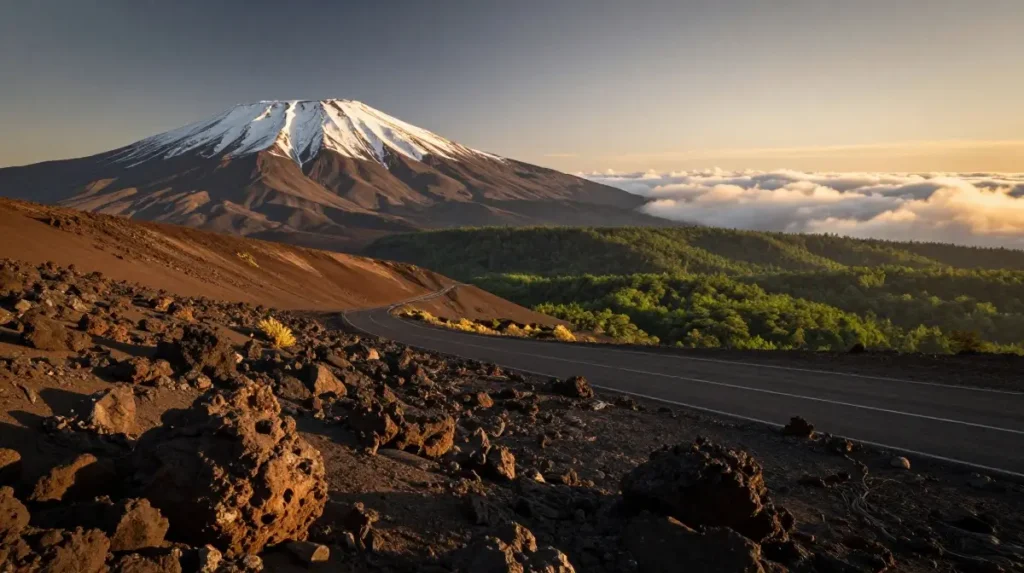
Big Island volcanic landscape shaped everything you’ll see here. The island sits directly over a Pacific hotspot — a superheated plume of magma that has been punching through the ocean floor for millions of years. Mauna Loa, when measured from its oceanic base, is technically the tallest mountain on Earth.
Five volcanoes built this island. Two remain active today. The terrain shifts dramatically — from lava field landscape tours across hardened pahoehoe to lush tropical rainforest exploration Hawaii on the windward side. You don’t just visit different landscapes here. You cross entire ecosystems in under an hour.
Big Island Hawaii Travel Guide for First-Timers Who Want to Do It Right
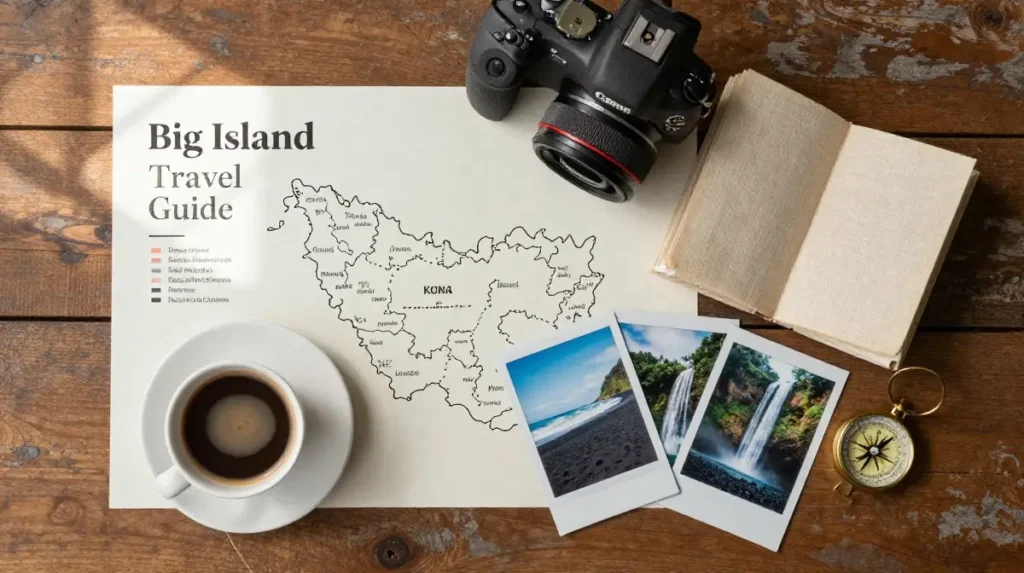
First-timers often underestimate this island’s scale. The Big Island Hawaii covers over 4,000 square miles — bigger than all the other Hawaiian islands combined. That scale demands a plan. Don’t wing it. You’ll spend half your trip stuck in a rental car going the wrong direction.
This Big Island Hawaii travel guide starts with one essential truth: you need more time than you think. Most travelers who rush through in three days leave wishing they’d stayed ten. Read every section of this guide before you book anything. Your future self will thank you for it.
| First-Timer Essentials | Details |
|---|---|
| Minimum recommended stay | 7 to 10 days |
| Best entry airport | Kona International Airport |
| Car rental necessity | Absolutely essential |
| Best starting base | Kona or Waikoloa |
| Must-download app | Hawaii Volcanoes NPS app |
How to Plan the Perfect Big Island Itinerary Without Wasting a Single Day
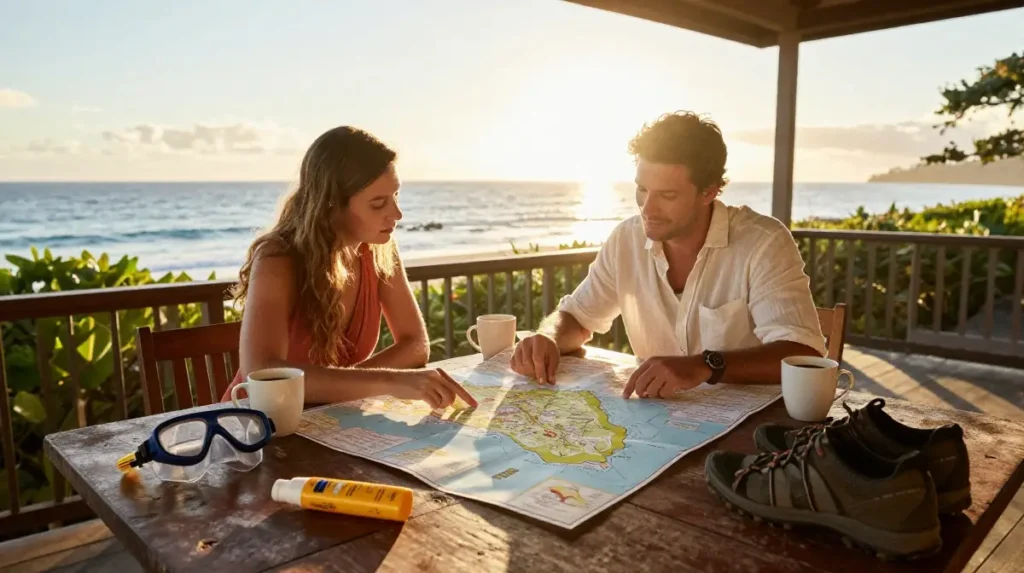
Hawaiian island vacation planning works best when you think in zones. Divide the island into its distinct geographic corridors — the Kona coast, the Kohala Coast, the Saddle Road corridor, and the Hilo windward side. Move systematically and you won’t double back or miss critical stops.
A strong Big Island Hawaii vacation planning guide builds around anchor experiences first. Book your Mauna Kea Summit stargazing tour early. Reserve your manta ray snorkel night in advance. Then fill everything else around those fixed points. Flexibility matters but structure saves days.
| Sample 7-Day Big Island Itinerary | Focus |
|---|---|
| Day 1 | Arrive Kona, explore Ali’i Drive |
| Day 2 | Kohala Coast beaches and snorkeling |
| Day 3 | Waipio Valley and North Kohala |
| Day 4 | Hawaii Volcanoes National Park |
| Day 5 | Hilo, Akaka Falls, Hilo Farmers Market |
| Day 6 | Mauna Kea Summit stargazing |
| Day 7 | South Point, Green Sand Beach |
Kona vs Hilo — Which Side of the Island Actually Suits Your Travel Style
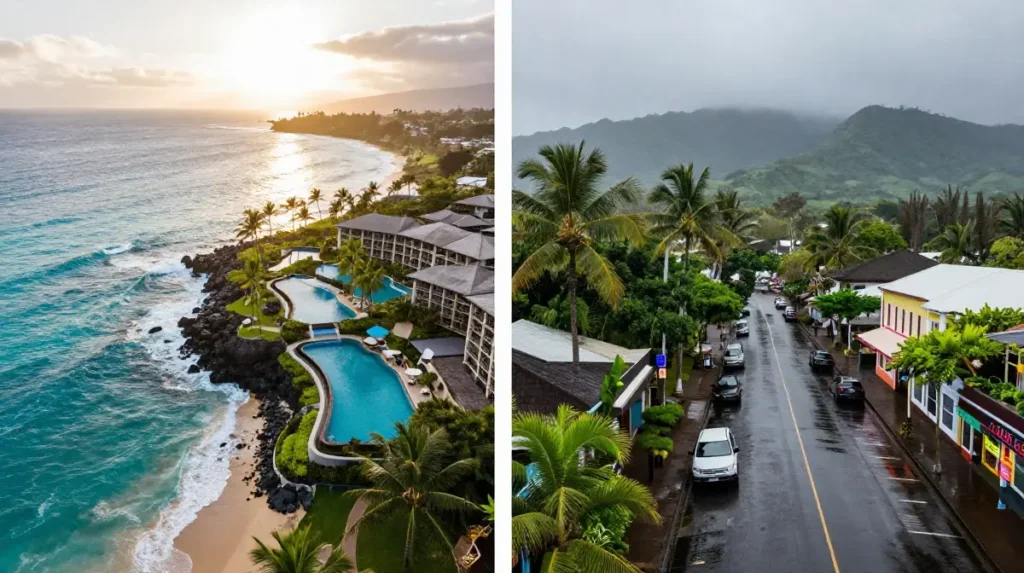
Kona coast Hawaii is sunny, resort-polished and built for travelers who want comfort alongside adventure. The skies stay clear almost year-round. The restaurants are excellent. The Big Island snorkeling spots here rank among the finest in the entire Pacific. It’s an easy, confident choice for most visitors.
Hilo Hawaii attractions tell a completely different story. Hilo is lush, rain-drenched and deeply authentic. It’s where locals actually live. The Hilo Farmers Market buzzes with life every Wednesday and Saturday. If you want to feel Hawaii rather than just photograph it, Hilo is where that happens.
The Volcano That Still Breathes — Exploring Hawaii Volcanoes National Park
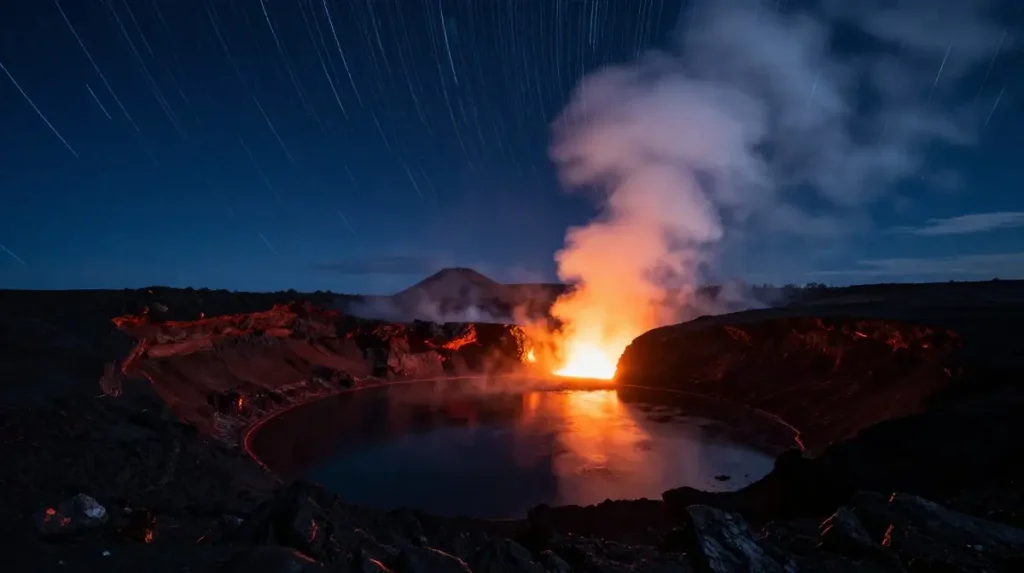
Hawaii Volcanoes National Park is the island’s most extraordinary destination without question. Kilauea Crater sits inside this park — one of the most persistently active volcanic systems on the planet. The summit caldera glows molten orange after dark. Standing at the rim changes your relationship with the ground beneath your feet.
The park covers 335,000 acres of volcanic terrain, rainforest and coastal lava flats. Big Island Hawaii volcano tour experience means hiking through hardened lava tubes, crossing desolate lava fields and watching steam vents exhale from fissures in the earth. This isn’t a theme park recreation. It’s the planet doing what it does.
Black Sand, Green Sand, and White Sand — The Beaches That Defy Expectation
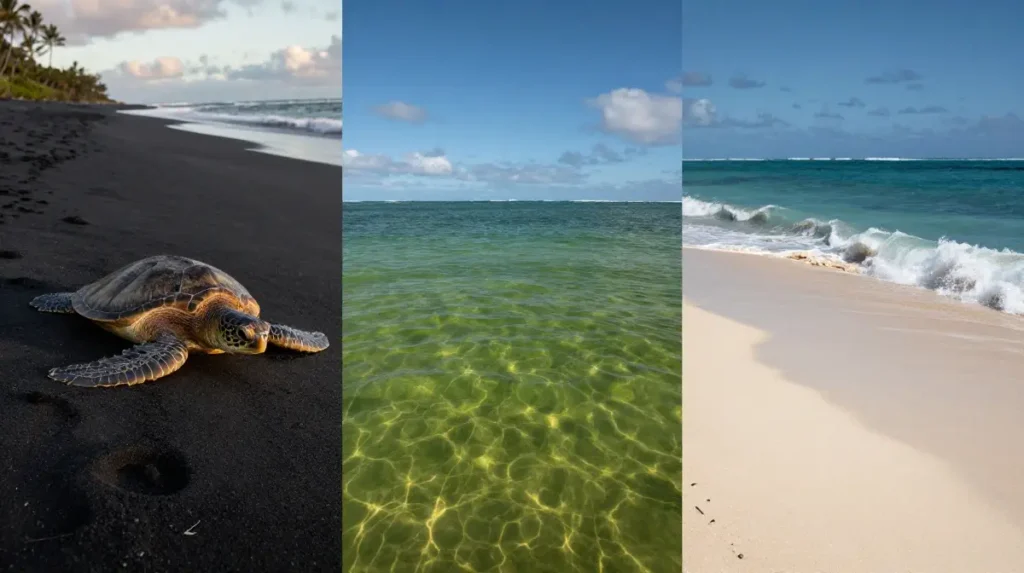
The best beaches on Big Island Hawaii don’t all look the same — and that’s exactly the point. Punaluu Black Sand Beach stops every visitor cold. The volcanic sand is obsidian-dark and warm underfoot. Hawaiian green sea turtles haul themselves onto the shore here as if they own the place. Because they do.
you may aslo like this:22 Cayman Islands Ideas for Luxury Tropical Vacation Spots
Green Sand Beach Papakolea earns its reputation through sheer geological rarity. Only four green sand beaches exist on Earth. Reaching it requires a 2.5-mile hike across windswept coastal cliffs. Hapuna Beach State Park delivers the postcard version — wide, white and blessed with some of the clearest water on the Kona coast. Each beach is a completely separate experience.
Why Mauna Kea at Sunset Is the Most Humbling Experience in All of Hawaii
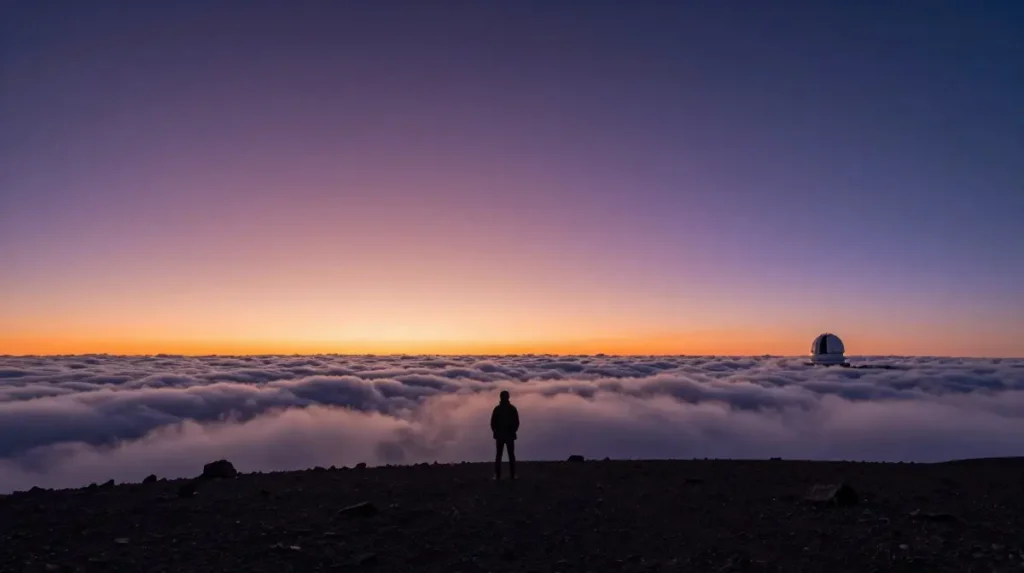
Mauna Kea Summit rises to 13,796 feet above sea level. Above 40 percent of Earth’s atmosphere. Above the cloud layer. The light at summit level turns amber then violet then a shade of purple that has no name yet. Every serious traveler remembers their first Mauna Kea sunset for the rest of their lives.
Stargazing at high altitude Hawaii reaches its pinnacle here. The Mauna Kea observatory Hawaii complex hosts thirteen telescopes operated by eleven countries. On clear nights, the Milky Way doesn’t just appear — it dominates the entire sky in three dimensions. If you’ve never felt genuinely small before, this summit will fix that.
The Kohala Coast Resorts That Redefine What a Luxury Island Escape Looks Like
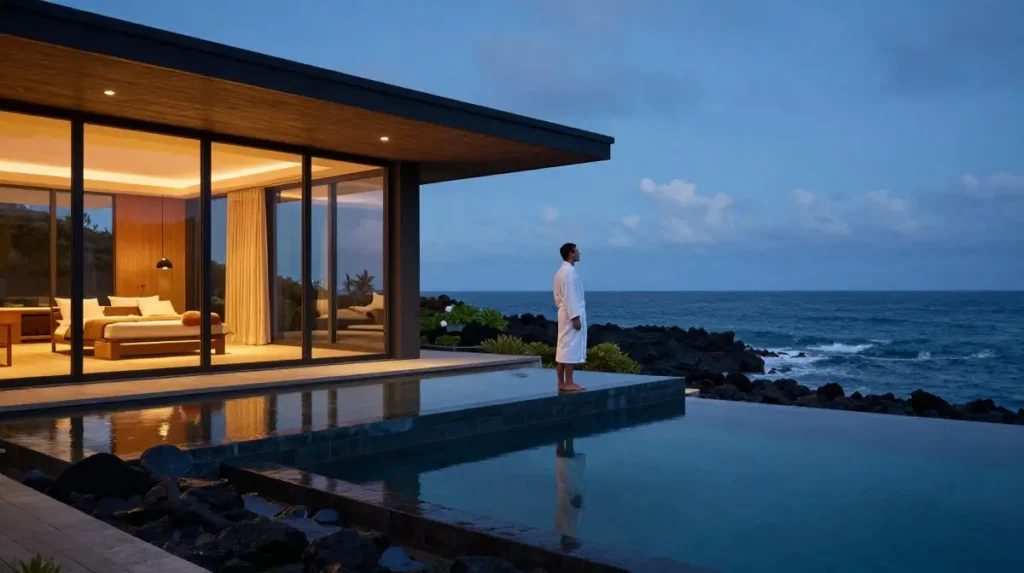
Kohala Coast Hawaii hosts some of the most architecturally ambitious resort properties in the entire United States. The Mauna Kea Beach Hotel opened in 1965 and set a standard that still influences Hawaiian resort design today. These properties don’t just offer rooms — they offer curated landscapes built into volcanic coastline.
Big Island resorts and hotels along the Kohala strip place guests minutes from world-class snorkeling, championship golf and outdoor spa terraces overlooking the Pacific. Where to stay on Big Island Hawaii depends on your priorities but the Kohala Coast answers the luxury question definitively and without apology.
Snorkeling With Manta Rays — A Night Dive Experience You Will Never Forget
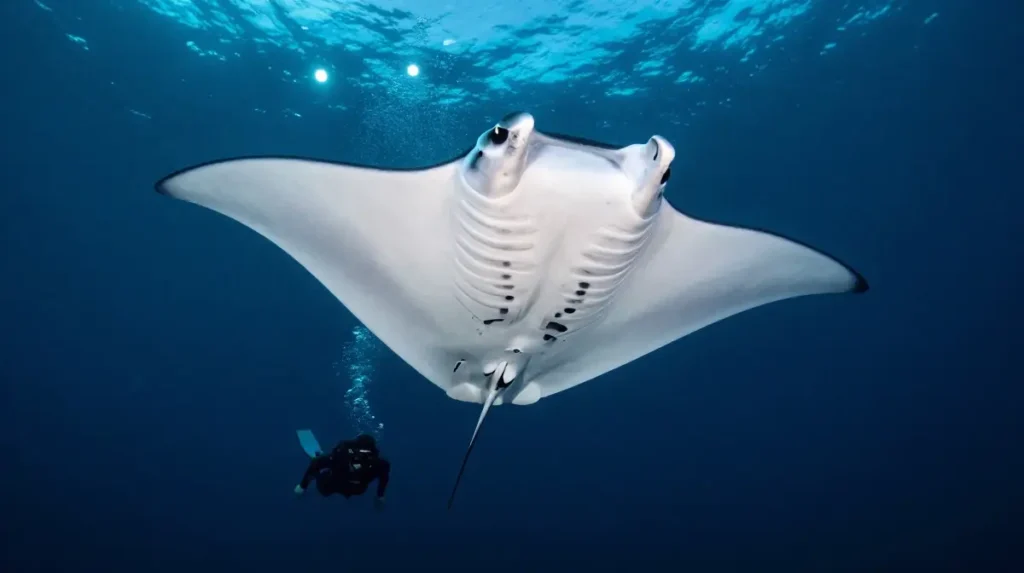
Big Island Hawaii snorkeling and diving spots include dozens of excellent reefs but nothing compares to the manta ray night dive off the Kona coast. Operators anchor a light platform above the water after dark. The light attracts plankton. The plankton attracts manta rays. Massive, barrel-rolling mantas glide inches from your face mask. It’s visceral and beautiful simultaneously.
Snorkeling Hawaii doesn’t get more dramatic than this. Manta rays here have wingspans reaching fourteen feet. They’re harmless filter feeders — but their scale is staggering up close. Island wildlife and marine life experiences don’t come more intimate than floating above a light beam while ancient rays circle below you in slow, silent spirals.
Hidden Waterfalls and Jungle Trails That Most Tourists Never Find
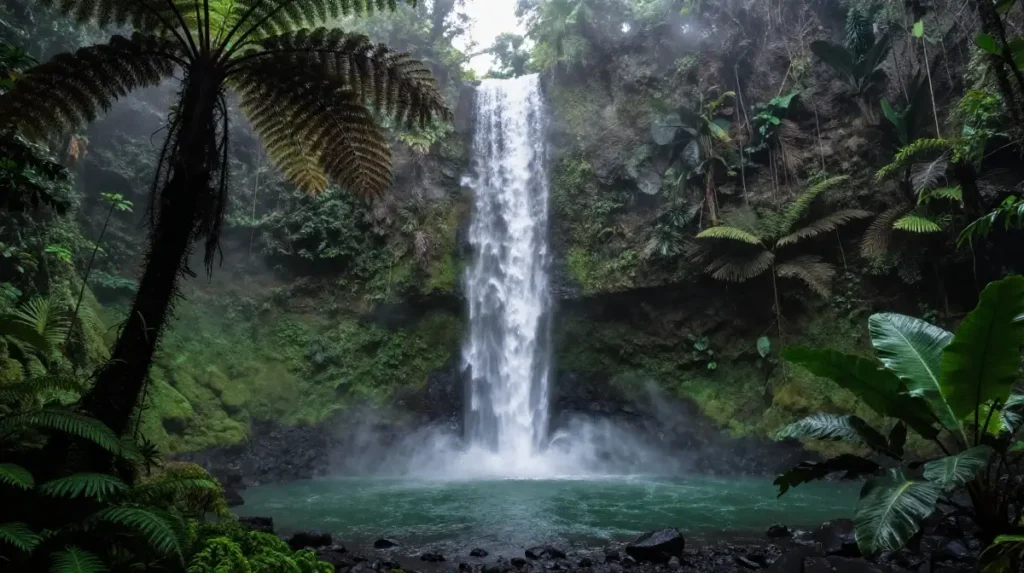
Tropical waterfall hikes on the Big Island reward travelers willing to leave the main highway. Akaka Falls State Park near Hilo delivers a 442-foot plunge waterfall accessible via a short paved loop trail. It’s stunning and deservedly popular. But the island hides deeper falls that don’t appear on most maps.
Hidden gems on the Big Island of Hawaii include unmarked valley trails behind Waimea, switchback paths descending into remote North Kohala gulches and stream crossings deep inside the Hamakua Coast rainforest. Big Island hiking trails vary enormously in difficulty. Some require a guide. All reward the effort with scenes that feel entirely private.
Waipio Valley — The Sacred Hawaiian Landmark That Stops You in Your Tracks
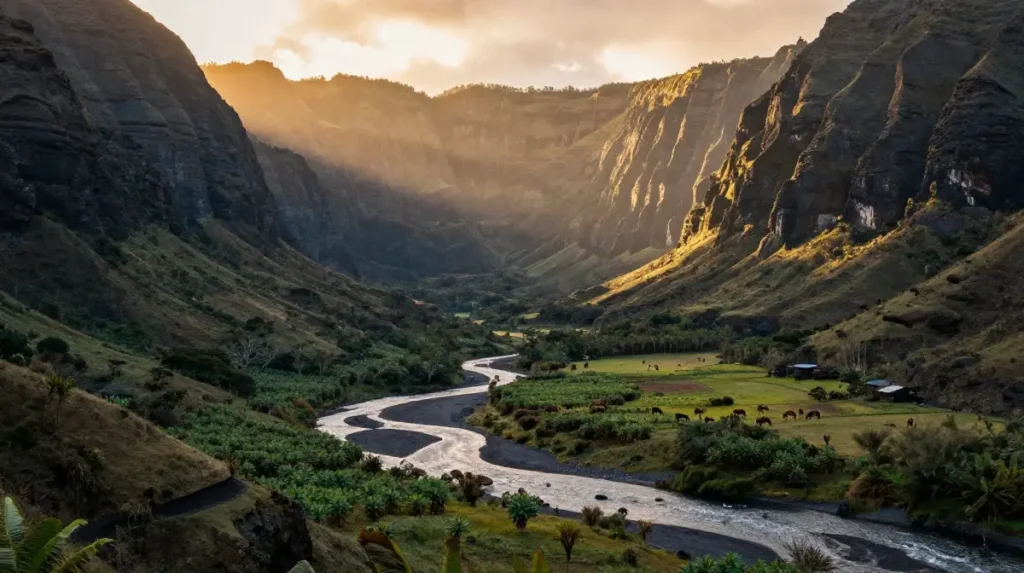
Waipio Valley cuts into the Hamakua Coast like a cathedral carved by water and time. The valley floor sits 2,000 feet below the lookout rim. Wild horses graze beside taro fields. A black sand beach stretches across the valley’s mouth where a river meets the Pacific. The visual scale is almost incomprehensible from the overlook.
Hawaiian culture and traditions live inside Waipio with unusual intensity. This valley was the spiritual and political center of ancient Hawaiian royalty. It isn’t merely a scenic overlook stop. Descending requires four-wheel drive or a guided tour — the road drops at a 25 percent grade. Respect the valley. It’s earned that respect across centuries.
How the Big Island’s Coffee Culture Became a World-Class Destination in Itself
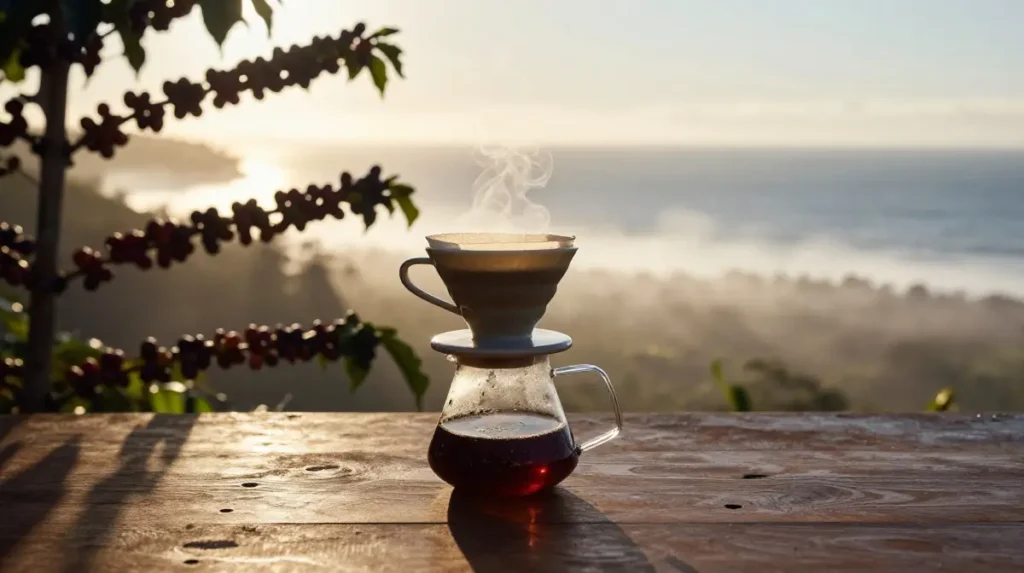
Coffee farm tours Hawaii concentrate heavily along the mountain slopes above the Kona coast — an elevation band between 1,000 and 3,000 feet where volcanic soil, afternoon cloud cover and consistent temperatures produce exceptional arabica beans. Kona coffee commands premium prices globally. Tasting it fresh-roasted at the source is a completely different experience from anything you’ve bought in a grocery store.
The Big Island Hawaii coffee belt stretches roughly thirty miles along the southern Kona slopes. Many farms offer free tastings and walking tours. Some allow you to pick alongside workers during harvest season. It’s one of the most genuinely engaging and underrated aspects of Big Island Hawaiian cuisine and local food scene culture.
Whale Watching Season and the Marine Life That Calls This Coastline Home
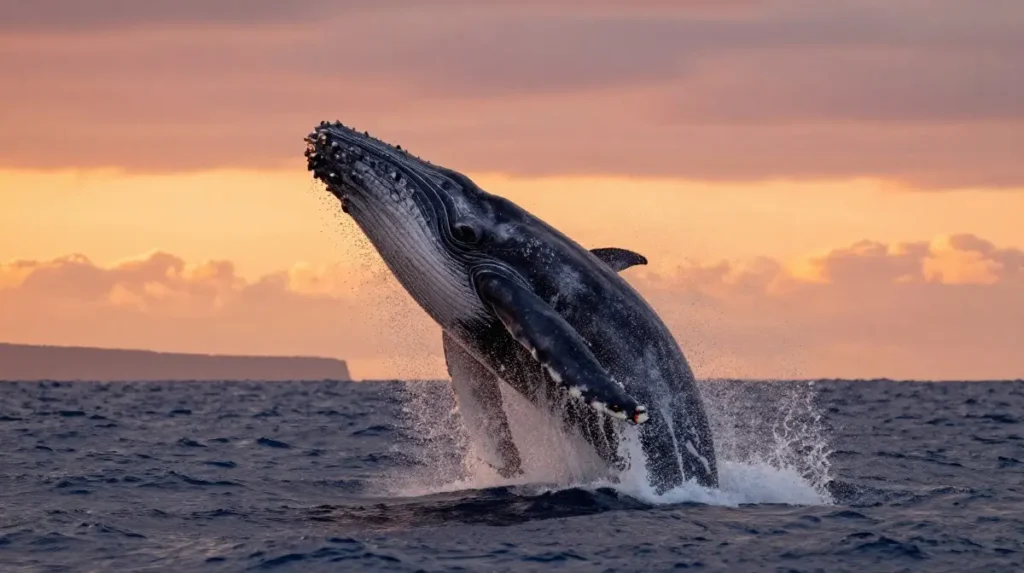
Whale watching Hawaii coastline peaks between December and April when humpback whales migrate from Alaskan feeding grounds to Hawaiian birthing waters. The channel between the Big Island’s western coast and Maui becomes one of the densest humpback concentrations on Earth during peak season. You can sometimes hear them singing from underwater while snorkeling.
Island wildlife and marine life here extends far beyond whales. Spinner dolphins frequent the bays near Captain Cook Monument. Hawaiian monk seals — one of the rarest marine mammals alive — occasionally haul out on remote beaches. The Pacific coastline supports an entire ecosystem operating largely independent of human activity. Eco-tourism in Hawaii finds its most compelling expression here.
The Local Food Scene That Turns Every Meal Into a Cultural Immersion
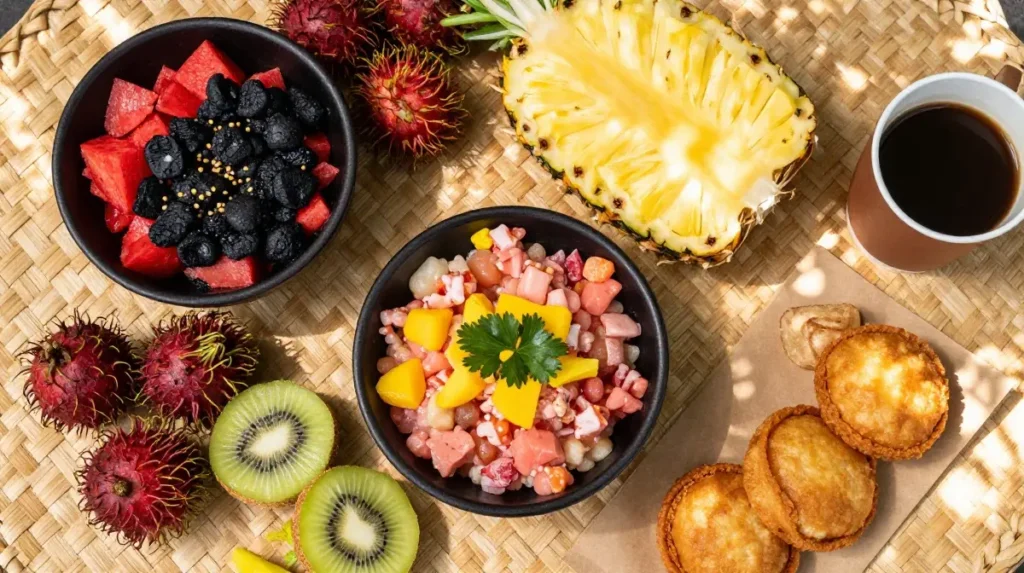
Hawaiian cuisine and local food scene on the Big Island draws from Japanese, Filipino, Portuguese, Korean and native Hawaiian traditions simultaneously. The plate lunch — rice, macaroni salad and a protein — is the island’s working-class masterpiece. It’s honest, filling and deeply local. Poke bowls here bear almost no resemblance to mainland versions. The fish is fresher by hours not days.
The Hilo Farmers Market is the island’s most vibrant food destination. Vendors sell rambutan, white pineapple, locally grown cacao, smoked fish and fresh-baked malasadas before 9 a.m. on weekends. Things to see near Kona Big Island Hawaii include roadside shave ice stands that use real fruit syrups. Every meal here feels like an act of place-specific discovery.
Stargazing Above the Clouds — Why Astronomers Treat This Summit as Sacred Ground
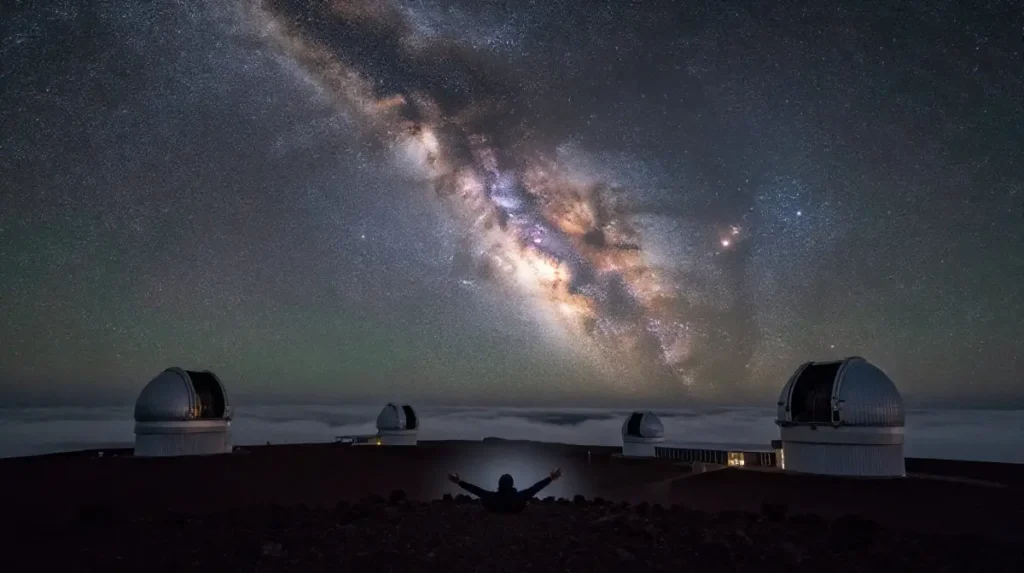
Mauna Kea observatory Hawaii represents the most scientifically productive ground-based observatory site on Earth by several measures. The summit’s elevation, atmospheric stability and minimal light pollution combine to create viewing conditions that rival space-based telescopes for certain wavelengths. Thirteen world-class observatories operate from this summit by international agreement.
Stargazing at high altitude Hawaii is accessible to civilians through ranger-led programs at the Visitor Information Station at 9,200 feet. The summit itself requires acclimatization. Altitude sickness is real at 13,796 feet. Go slowly. Spend an hour at the mid-level station first. Then ascend. The reward is a sky so densely populated with stars that it looks digitally enhanced. It isn’t.
How to Road Trip the Entire Island Without Missing Its Most Dramatic Corners
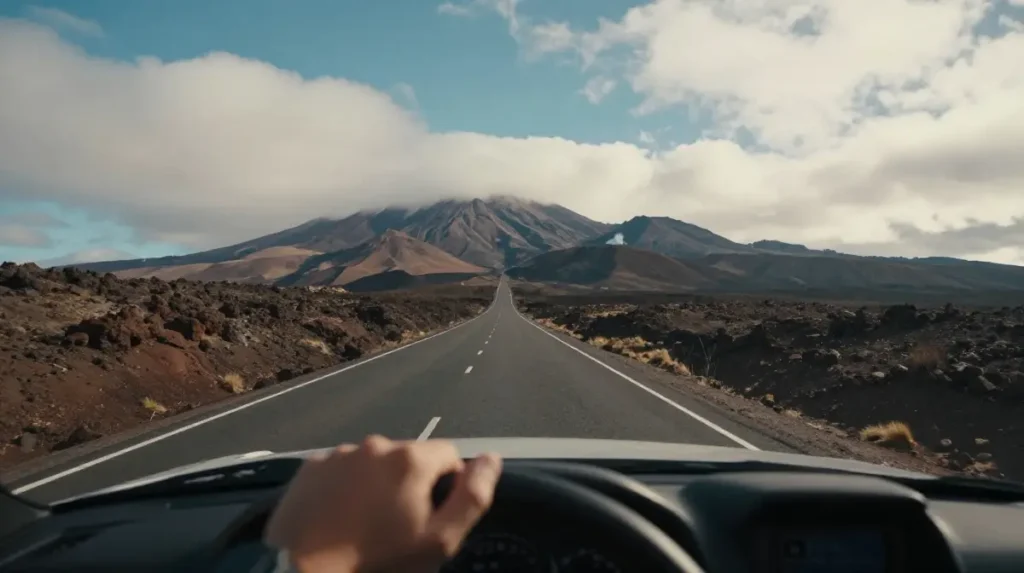
A Hawaii Island road trip circumnavigating the entire Big Island covers roughly 250 miles of coastal and highland highway. The Saddle Road — officially the Daniel K. Inouye Highway — cuts directly between Mauna Kea and Mauna Loa across the island’s interior. This drive alone passes through five climate zones in under an hour. It’s one of the most extraordinary drives in America.
How to get around Big Island Hawaii without a rental car is essentially impossible if you want to see the island seriously. Rideshare coverage is limited outside population centers. Public transit doesn’t reach most attractions. Book your rental at Kona International Airport before arrival — vehicles sell out during peak season. A four-wheel drive vehicle opens up remote beach access and mountain roads that standard vehicles can’t attempt.
The Ancient Hawaiian Heiau and Sacred Sites That Demand Respect and Attention
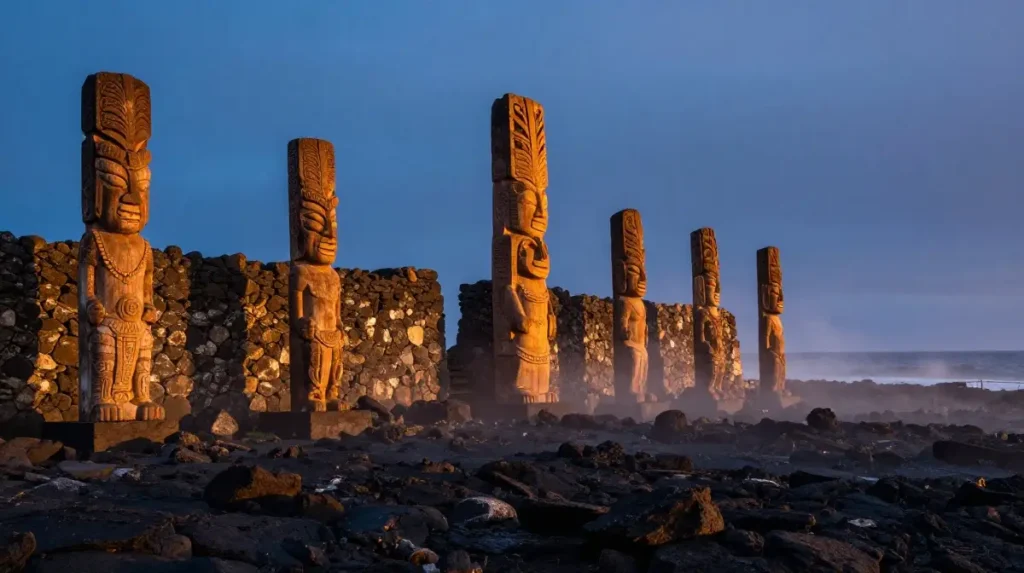
Hawaiian culture and traditions embedded in the landscape appear most powerfully at the island’s ancient heiau — stone temple platforms built by Hawaiian priests and chiefs across centuries. Pu’uhonua o Honaunau, the Place of Refuge, sits on the southern Kona coast and preserves a sacred sanctuary where kapu-breakers could seek absolution. The stone walls stand fifteen feet tall and several centuries old.
South Point Hawaii — Ka Lae — is the southernmost point in the United States and one of the earliest Polynesian landing sites in the Hawaiian archipelago. The wind here is relentless and the cliffs drop straight into churning blue ocean. Ancient canoe mooring holes are still visible in the volcanic rock. Standing there connects you to a navigational achievement that still stuns historians.
Adventure Sports on Lava Fields That Only the Boldest Travelers Dare to Try
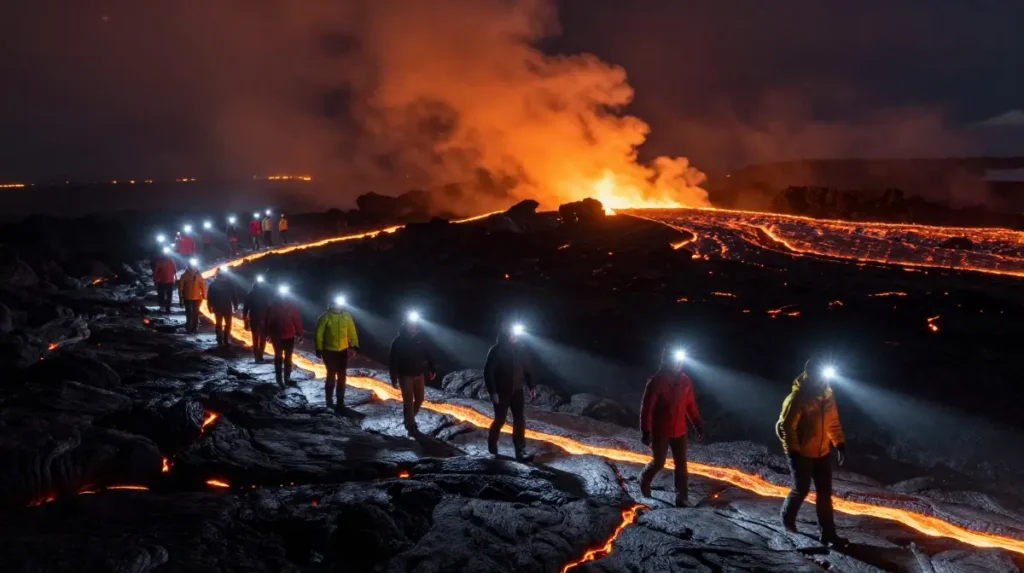
Lava fields create terrain unlike anything in the adventure sports world. Hardened pahoehoe and jagged a’a lava form a landscape that is simultaneously beautiful and brutally unforgiving. Guided lava hike tours operate from the national park and take experienced groups across active flow fields after dark to witness molten rock meeting the ocean. It’s one of the rawest experiences available to any traveler anywhere.
Big Island Hawaii also supports zip-lining above rainforest canopy near Hilo, off-road ATV tours through volcanic lowlands and deep-sea fishing charters out of Kona coast harbors targeting marlin, ahi and mahi-mahi. Island activities here scale from gentle to genuinely demanding. Pick your threshold and the island will meet you exactly there.
Budget Travel on a Volcanic Island — Where to Sleep, Eat, and Explore for Less
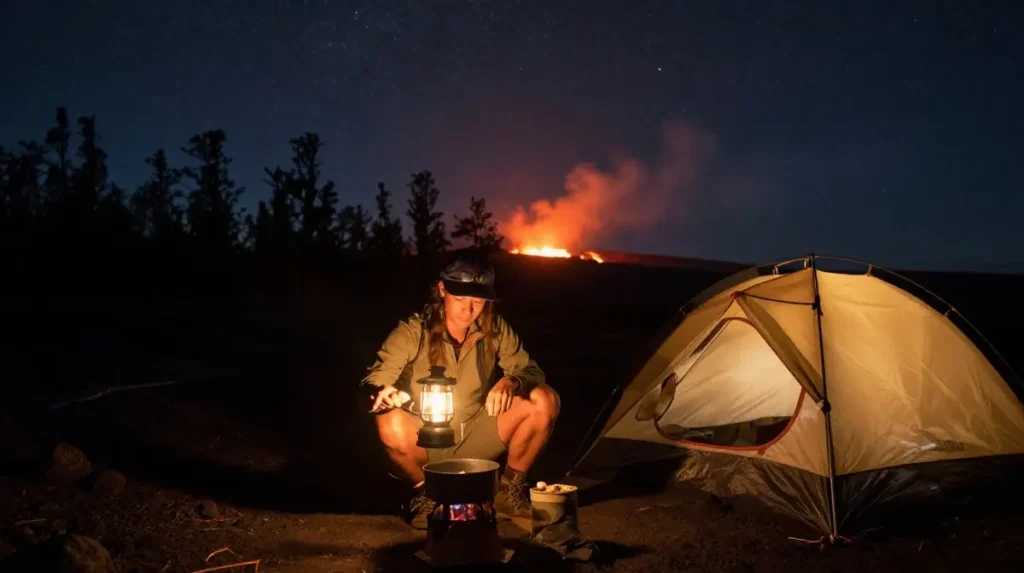
Budget travel tips for Big Island Hawaii start with accommodation strategy. State-run campgrounds inside Hawaii Volcanoes National Park and at beach parks along the Hamakua Coast cost a fraction of resort rates. Nāmakanipaio campground inside the national park puts you minutes from the caldera for under $25 a night. Hostels in Hilo run significantly cheaper than anything in the Kohala resort corridor.
Big Island Hawaii family vacation ideas on a budget lean heavily on free and low-cost public beaches, national park access and farmers market meals. Hilo Hawaii grocery stores and plate lunch counters feed you generously for under $15. The most dramatic experiences on this island — watching lava glow, summit sunsets, black sand beaches — cost nothing beyond the effort of showing up.
The Best Kept Secret Towns That Locals Love and Tourists Rarely Discover
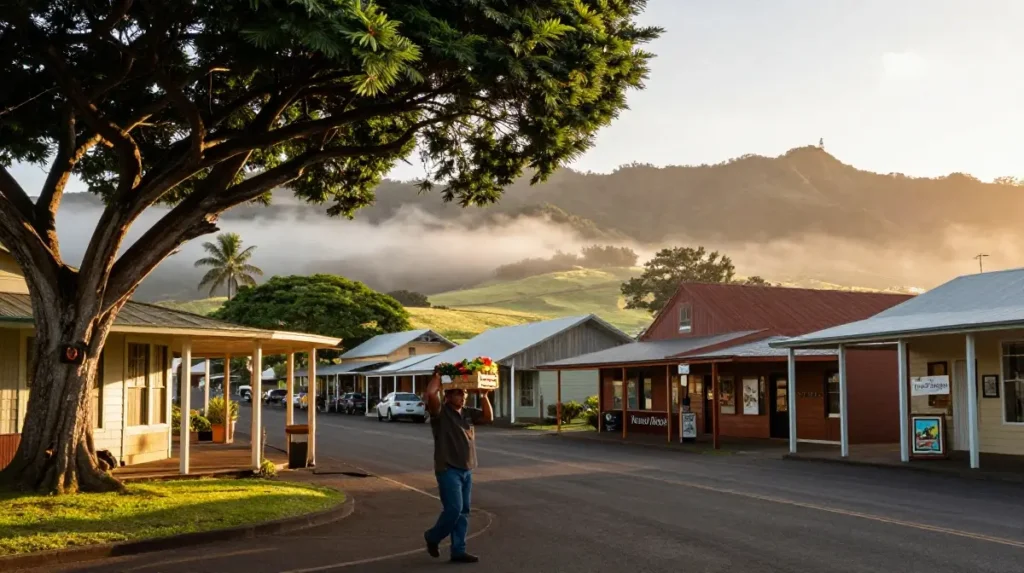
Waimea Hawaii sits at 2,500 feet elevation in the cool uplands between the Kohala Coast and the Hamakua rainforest. It’s a paniolo — Hawaiian cowboy — town with excellent farm-to-table restaurants, local art galleries and morning fog rolling through Parker Ranch pastures. Most visitors drive through it. Smart travelers stop for a full day.
Pahoa, in the lower Puna district, pulses with alternative energy and genuine local character. The main street is lined with wooden storefronts that feel transplanted from a different era. Hot ponds warmed by geothermal activity sit minutes away. Hidden gems on the Big Island of Hawaii don’t announce themselves. Pahoa certainly doesn’t. That’s entirely the point.
When to Visit, What to Pack, and Everything Else First-Timers Get Wrong
Best time of year to visit Big Island Hawaii depends on what you prioritize. April through early June and September through November offer lower crowds, competitive rates and stable weather on both coasts. December through March brings whale season and holiday pricing. Summer is peak family season — expect full campgrounds and booked-out rental cars weeks in advance.
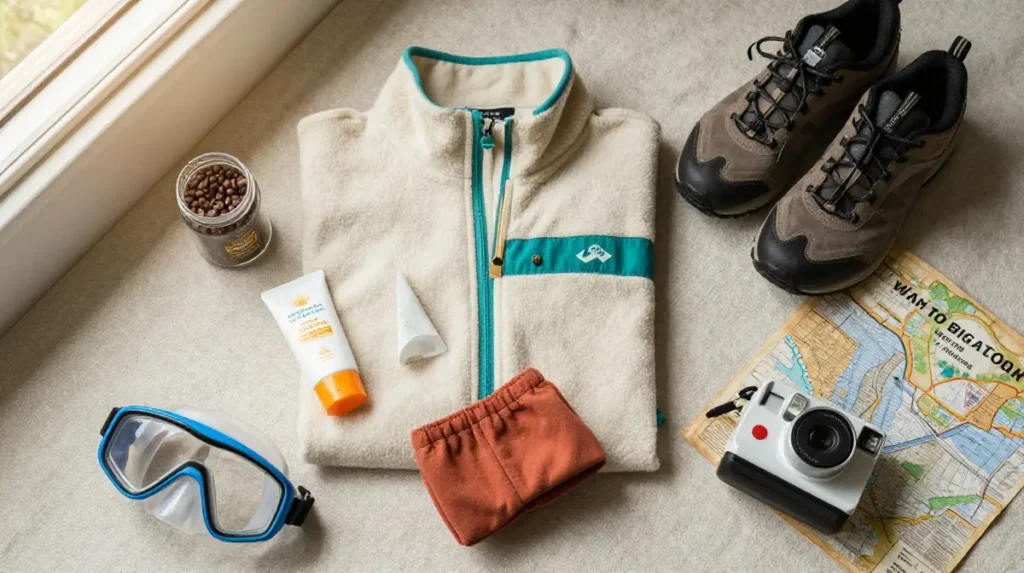
Big Island weather and climate varies so dramatically across the island that packing requires genuine thought. You’ll need reef-safe sunscreen, light layers for the Kona coast and a warm jacket for Mauna Kea where summit temperatures drop below freezing even in summer. Waterproof shoes matter enormously in Hilo. Pack for four seasons simultaneously. First-timers who don’t always regret it by day two.
| Packing Essentials for Big Island Hawaii | Why You Need It |
|---|---|
| Reef-safe sunscreen | Protect marine ecosystems and your skin |
| Warm jacket or fleece | Mauna Kea summit drops below freezing |
| Waterproof hiking shoes | Hilo and rainforest trails stay wet |
| Snorkel gear | Rentals are available but personal gear is better |
| Rain jacket | Windward side rains daily |
| Reusable water bottle | Summit altitude causes rapid dehydration |
Frequently Asked Questions
How many days do you need to properly explore the Big Island of Hawaii?
Most travel experts recommend a minimum of seven to ten days for a thorough Big Island Hawaii experience. The island’s geographic scale and the travel time between major attractions means that rushing produces a frustrating, incomplete visit. Ten days allows you to explore both coastlines, summit Mauna Kea, spend serious time in Hawaii Volcanoes National Park and still discover quieter corners of the island at a relaxed pace.
What is the best side of the Big Island to stay on for first-time visitors?
The Kona coast and the Kohala Coast offer the most consistent weather, the widest range of accommodation options and the most accessible Big Island snorkeling spots for first-time visitors. Hilo is excellent for travelers prioritizing authentic local culture and proximity to the national park but comes with significantly more rainfall. Most first-timers base themselves on the western side and take day trips east.
Do you need a rental car to get around the Big Island of Hawaii?
Yes — unequivocally. How to get around Big Island Hawaii without a personal vehicle is genuinely impractical for any traveler wanting to explore beyond resort boundaries. Distances between major attractions regularly exceed 50 miles. Rideshare services exist but coverage outside Kona and Hilo is unreliable. Book a rental at Kona International Airport as early as possible — inventory disappears quickly during peak travel periods.
What is the best time of year to visit the Big Island of Hawaii?
Big Island Hawaii weather and climate stays relatively favorable year-round but the shoulder seasons — April through early June and September through November — consistently deliver the best combination of good weather, manageable crowd levels and competitive pricing. Whale watching peaks between January and March. Summer fills campgrounds and rental inventory fast. Winter holiday weeks see the highest prices of the entire year.
Is it safe to visit Hawaii Volcanoes National Park right now?
Hawaii Volcanoes National Park maintains active monitoring of Kilauea Crater and updates park access conditions in real time. The park is generally safe for visitors but specific areas may close during eruption events or elevated volcanic activity. Check the National Park Service website and the Hawaiian Volcano Observatory daily updates before your visit. Volcanic smog — locally called vog — can affect air quality and is a consideration for visitors with respiratory sensitivities.
Conclusion
The Big Island Hawaii doesn’t ask for your attention — it commands it. From the living fire of Kilauea Crater to the crystalline silence above the clouds on Mauna Kea Summit, from the obsidian sweep of Punaluu Black Sand Beach to the ancient stillness of Waipio Valley, this island operates at a scale and intensity that simply has no peer in the American travel landscape. It is the only place in the United States where you can witness the planet actively building new land and stand on a summit above most of Earth’s atmosphere — on the same afternoon. Plan deliberately. Move slowly enough to feel each landscape. Eat at the roadside stands. Talk to the locals in Waimea Hawaii and Hilo and Pahoa. This island rewards curiosity and presence above everything else. Come with an open schedule and an open mind and the Big Island will return the investment many times over.
1 Comment