
Introduction
There is a difference between taking travel photos and creating a traveling aesthetic.
Anyone with a phone can document where they went. A traveling aesthetic is something more intentional than that. It is the consistent visual language that runs through everything you capture, the color palette, the mood, the way light falls in every frame, the specific feeling that connects a beach shot in Greece to a cafe shot in Paris to a mountain shot in Switzerland.
Building a traveling aesthetic is not about following a trend. It is about figuring out which visual world feels genuinely like yours and learning how to create it consistently, whether you are shooting on a professional camera, a phone, an analog film camera, or a disposable camera from a pharmacy.
This guide covers 22 traveling aesthetic ideas across every major style, platform, and approach, with practical advice on how to actually create them rather than just admire them on other people’s feeds.
Vintage Film Traveling Aesthetic
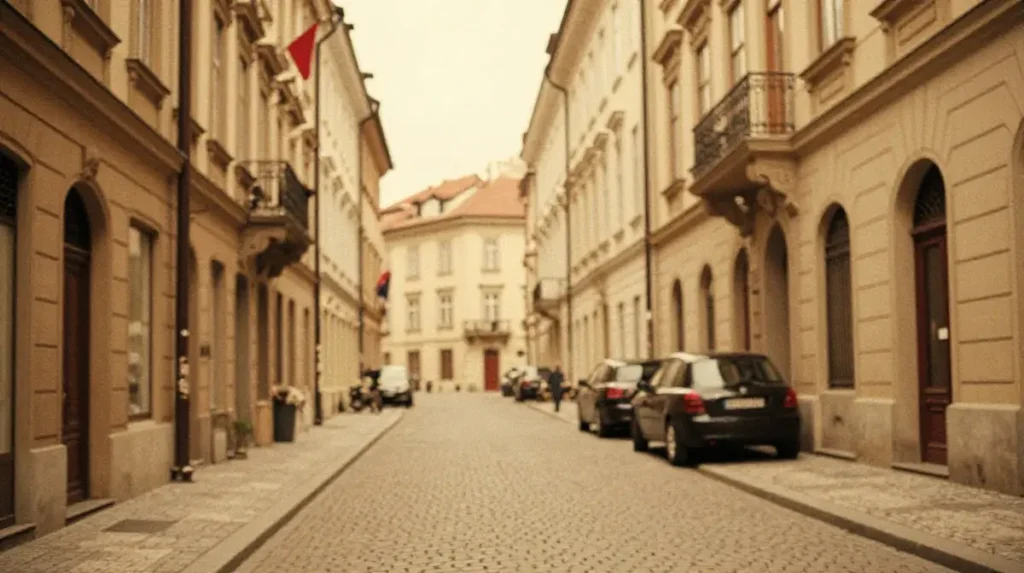
The vintage film aesthetic recreates the look of photographs shot on 35mm film, with warm color shifts, soft grain, slightly faded colors, and the subtle imperfections that film produces. This aesthetic has become one of the most consistently popular traveling aesthetics on Instagram and Pinterest because it gives travel photos a timeless, nostalgic quality that feels personal rather than polished.
To achieve this digitally, apply warm Lightroom presets that shift highlights toward yellow and orange, lift the shadows to create a faded effect, and add slight grain in the detail panel. VSCO filters in the A-series or C-series produce similar results on mobile.
The more committed version is shooting on actual analog film. A 35mm point-and-shoot camera produces genuine film grain, authentic color shifts, and the specific soft focus quality that no digital preset fully replicates. Disposable cameras produce a rougher, more lo-fi version of this aesthetic that suits casual travel documentation.
Moody Dark Traveling Aesthetic
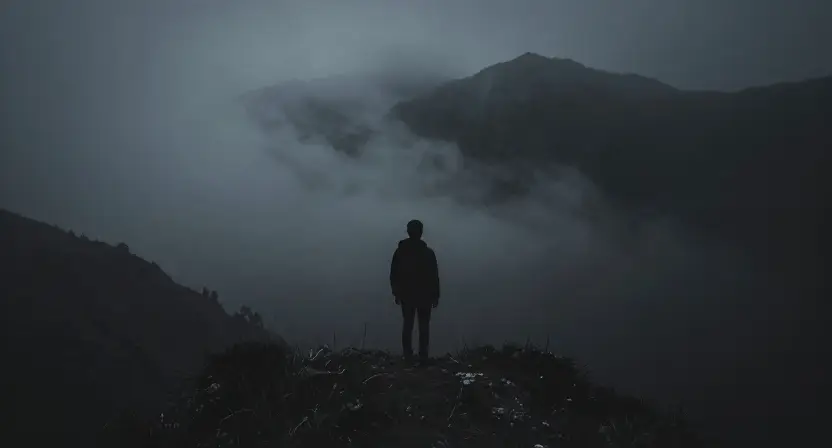
The moody traveling aesthetic uses deep shadows, desaturated colors, and a cool blue-grey color palette to create travel photos that feel atmospheric and cinematic rather than bright and cheerful. This suits destinations with dramatic architecture, foggy mountain landscapes, rainy city streets, and low-light scenes that benefit from the added drama.
In Lightroom, pull the exposure down slightly, drop the highlights, lift the blacks slightly to avoid pure black, shift the color temperature cool, and desaturate specific colors to create the muted palette that defines this aesthetic. Deep blue, grey, and muted green tones carry the mood best.
This aesthetic suits solo travel photography particularly well, where the single figure in a dramatic landscape creates the kind of cinematic frame that resonates on platforms where storytelling matters.
Golden Hour Traveling Aesthetic

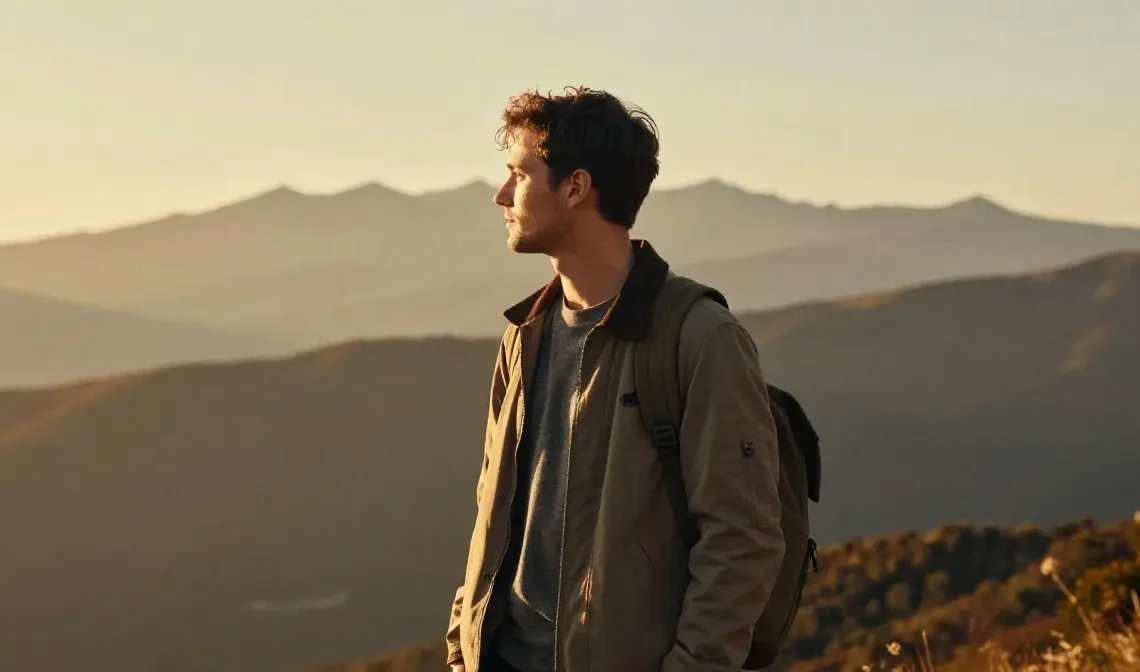
Golden hour, the period roughly one hour after sunrise and one hour before sunset, produces the warmest, softest, most flattering natural light available to any photographer. The golden hour traveling aesthetic builds an entire visual identity around this light, shooting almost exclusively in its warm glow and editing to preserve and emphasize those golden tones.
Planning travel activities around golden hour rather than treating it as an afterthought changes the entire character of a travel photography practice. Research sunrise and sunset times for each destination before arrival. Position yourself at viewpoints and locations during these windows rather than at midday when the light is harsh and flat.
The result is a travel feed with a warm, consistent golden palette that holds together visually regardless of how different the individual destinations are.
Minimal Clean Traveling Aesthetic
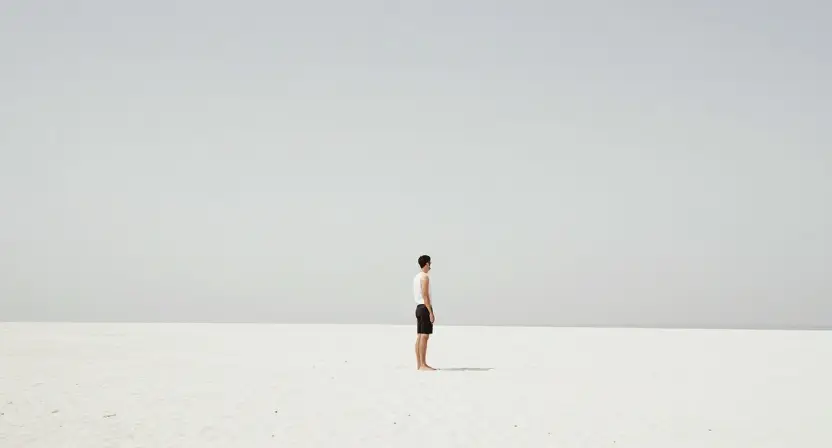
The minimal traveling aesthetic uses clean compositions, negative space, neutral color palettes, and deliberate restraint to create travel photos that feel calm and considered rather than busy or cluttered. This aesthetic suits architectural photography, empty landscape shots, and quietly beautiful details rather than crowded tourist scenes.
Shoot in clean weather, seek out uncluttered backgrounds, and resist the urge to include everything in the frame. A single figure against an expansive landscape, one beautiful detail against a plain wall, or a perfectly centered architectural element against a clear sky all suit the minimal aesthetic.
Edit with subtle, low-saturation presets that pull colors toward neutral without making the images feel cold. The minimal traveling aesthetic is one of the most practical for creating a cohesive Instagram grid because its restraint translates well across very different locations.
Boho Traveling Aesthetic

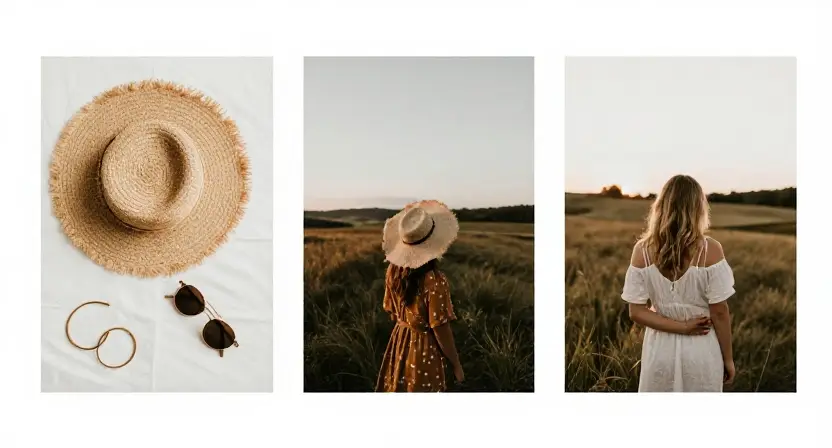
The boho traveling aesthetic combines earthy tones, natural textures, loose clothing, and organic compositions to create a travel visual style that feels free-spirited and connected to the natural world. This aesthetic suits outdoor destinations, beach locations, desert landscapes, and any setting where natural light, natural materials, and a relaxed atmosphere come together.
Warm terracotta, dusty rose, sage green, cream, and sand tones form the boho color palette. Outfits with flowing fabrics, natural textures, and earthy colors reinforce the aesthetic in photos where the photographer is visible. Editing with warm, slightly faded Lightroom presets in earthy tones keeps the visual language consistent.
Polaroid and Instant Film Aesthetic
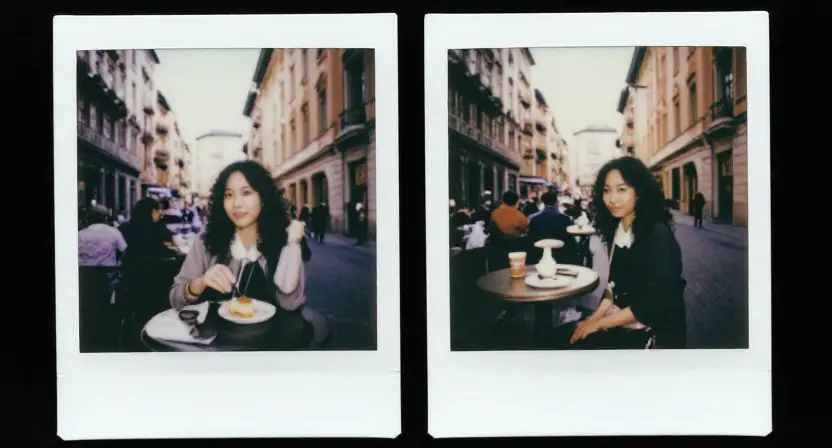
Polaroid and instant film photography creates a distinctive square format with white borders, slightly faded colors, imperfect exposure, and the specific charm of a physical object that cannot be deleted or reconsidered. The polaroid traveling aesthetic treats each photo as a physical artifact of a specific moment rather than a digital file to be edited.
This aesthetic suits slow travel approaches where the goal is documenting genuine moments rather than creating polished content. Collecting polaroids in a travel journal, pinning them to a mood board, or sending them as postcards all extend the aesthetic beyond the photograph itself into a broader travel memory-making practice.
For digital versions, square crop travel photos with white border overlays and apply soft, faded editing presets that replicate the color characteristics of Fujifilm or Polaroid instant film.
Traveling Aesthetic Outfits for Content Creation

A cohesive traveling aesthetic requires that outfit choices within photos complement the established visual palette. This does not mean wearing the same thing everywhere. It means making deliberate color choices that fit within the established aesthetic’s palette.
For a warm vintage aesthetic, earth tones, warm whites, rust, and camel work naturally. For a moody dark aesthetic, navy, forest green, black, and deep burgundy suit the color temperature. For a minimal aesthetic, white, cream, light grey, and beige keep the palette clean.
Pack with the photography palette in mind rather than with outfits chosen purely for comfort or practicality. A small, curated capsule wardrobe in a consistent color range photographs more cohesively than a mixed collection of favorite items from home.
Train Journey Traveling Aesthetic
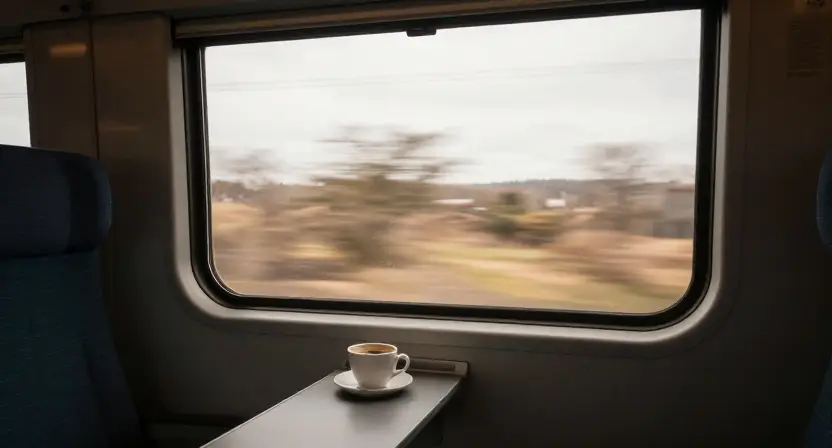
Train travel produces some of the most naturally atmospheric travel photography available. The combination of interior wooden or upholstered seats, window light, moving landscape, and the specific quality of being between places creates a visual setting that suits the traveling aesthetic from almost any angle.
Window seat compositions with landscape blurring past behind the subject, coffee cups and books on the tray table, hands holding a map or ticket, and the reflection of landscape in the train window are all classic train journey aesthetic frames. The Orient Express aesthetic, golden compartment light against dark outside, is a specific version of this that evokes old-world European travel glamour.
The Glacier Express in Switzerland, the Bernina Express, the Trans-Siberian Railway, and Japan’s shinkansen all produce specific train aesthetics that are worth planning photography around.
Cafe Hopping Traveling Aesthetic
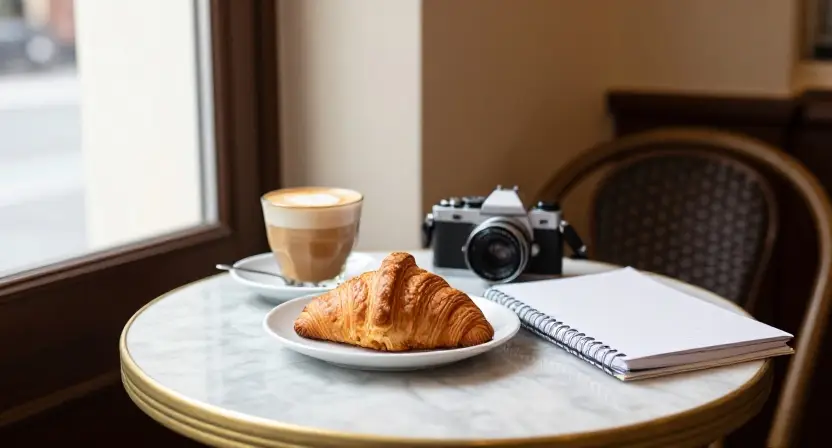
Cafe hopping, visiting multiple cafes in a destination for their ambiance, coffee quality, and photographic potential, has become a specific travel approach that generates its own aesthetic. The cafe traveling aesthetic uses interior light, coffee and pastry compositions, notebook and camera on marble tables, and the specific visual warmth of a well-designed cafe space.
This aesthetic suits European city travel particularly well, where historic cafes in Vienna, Paris, Prague, and Amsterdam provide photographic settings that carry decades of atmosphere. In Asia, the specific aesthetic of third-wave coffee shops in Tokyo, Seoul, and Taipei creates a different but equally strong visual identity.
Shoot near windows to use natural light. Position coffee, food, and personal objects in the frame to create depth. Shoot both the wide environment and the close detail to give the resulting photos variety while keeping the cafe aesthetic consistent.
Road Trip Traveling Aesthetic
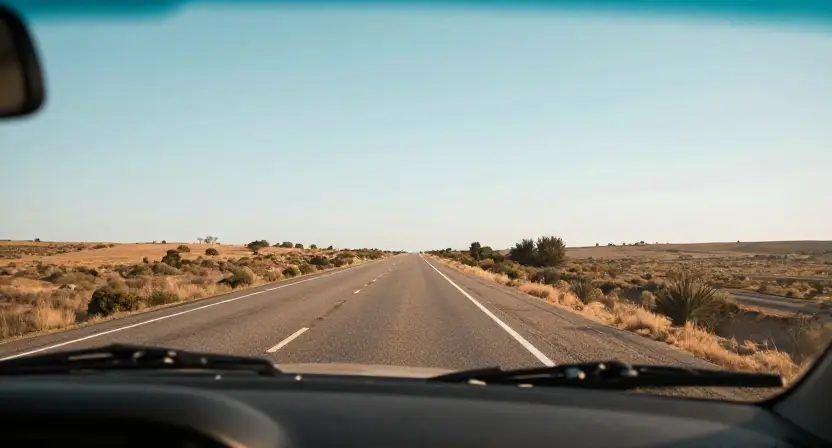
The road trip traveling aesthetic captures the specific visual language of moving through landscape by car. Long empty roads disappearing toward the horizon, dashboard photos with landscape beyond the windscreen, map spreads on the steering wheel, and the specific quality of afternoon light through a car window all define this aesthetic.
American Southwest landscapes, Route 66, the Pacific Coast Highway, and Scottish highland roads all produce iconic road trip aesthetic settings. The combination of vehicle, landscape, and the freedom of self-directed movement creates a visual narrative that resonates because it suggests experience and decision rather than packaged tourism.
Wide angle lenses capture the full sweep of landscape. Drone footage from above a winding road creates the overhead perspective that is particularly striking in road trip content.
Cottagecore Traveling Aesthetic
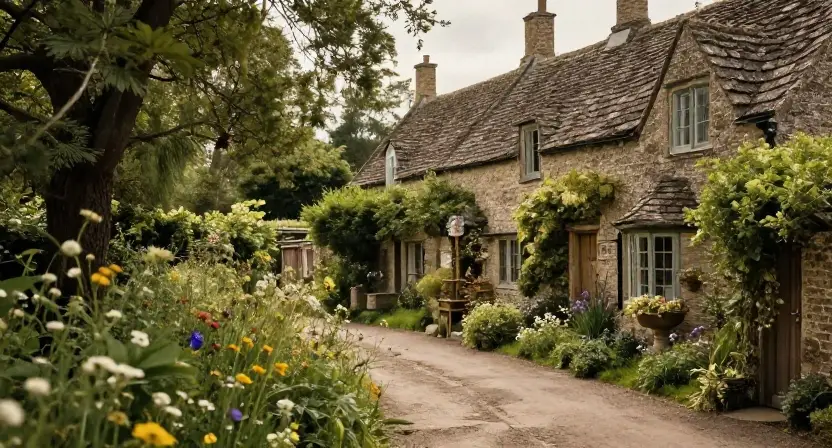
The cottagecore traveling aesthetic applies the visual language of rural simplicity, wildflowers, old stone buildings, moss-covered walls, country paths, and the specific warmth of candlelit interiors, to travel photography. This aesthetic suits the English Cotswolds, Irish countryside, French Provence, Italian Tuscany, and any destination where pre-industrial rural life left its visual mark.
Soft, warm editing with lifted shadows and slightly desaturated greens creates the dreamy quality that suits cottagecore travel photography. Compositions featuring wildflowers, stone textures, wooden gates, and dappled light through leaf cover all fit the aesthetic naturally.
Traveling Aesthetic Photography Editing Guide
| Aesthetic | Color Palette | Lightroom Adjustments | Best Destinations | Platform Fit |
|---|---|---|---|---|
| Vintage Film | Warm, faded | Warm temp, lifted shadows, grain | Europe, Asia | Instagram, Pinterest |
| Moody Dark | Cool, desaturated | Cool temp, deep shadows | Mountains, cities | Instagram, TikTok |
| Golden Hour | Warm gold | Warm highlights, orange tones | Any destination | All platforms |
| Minimal Clean | Neutral | Low saturation, clean whites | Architecture, landscapes | Instagram, Pinterest |
| Boho | Earthy warm | Warm midtones, faded blacks | Beaches, deserts | Pinterest, Instagram |
| Film Polaroid | Soft, faded | Square crop, white border, fade | Any destination | Instagram, Pinterest |
| Cottagecore | Soft warm green | Lifted shadows, warm greens | Rural Europe | Pinterest, TikTok |
Solo Traveling Aesthetic for Women
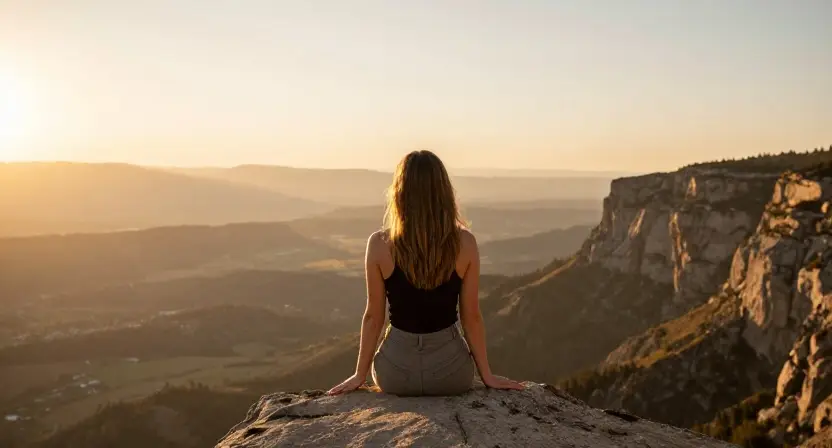
Solo female travel photography has developed its own aesthetic conventions that balance the vulnerability and freedom of solo travel with a visual confidence that suits the experience. The solo traveler as a small figure in a vast landscape, the back-view pose on a cliffside or mountain path, and the candid street photography of a woman moving independently through unfamiliar spaces all create images that carry genuine narrative weight.
Self-timer and tripod setups allow solo travelers to create photographs that appear to have a photographer behind them. Gorilla pod flexible tripods attach to railings, branches, and surfaces that standard tripods cannot use. Remote shutter releases allow the photographer to control timing precisely.
Couple Traveling Aesthetic
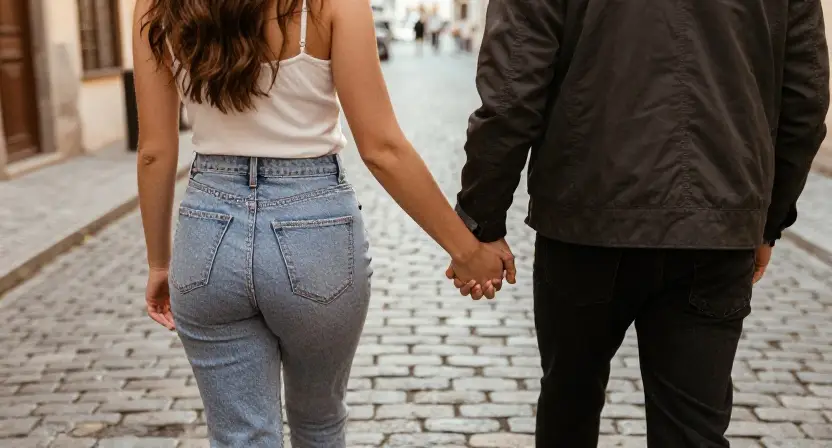
Couple travel photography creates a visual narrative around two people experiencing the world together. The most effective couple travel aesthetic avoids forced poses and instead captures genuine shared moments: holding hands while walking through a new place, one person pointing at something while the other looks, leaning together on a viewpoint, or simply sitting side by side in a beautiful location.
Candid photography between planned shots produces images that feel more real and more personally significant than posed versions. The traveling companion as photographer and subject creates a collaborative aesthetic that reflects the actual experience of traveling together rather than a photoshoot that happened to occur during travel.
Mountain Traveling Aesthetic
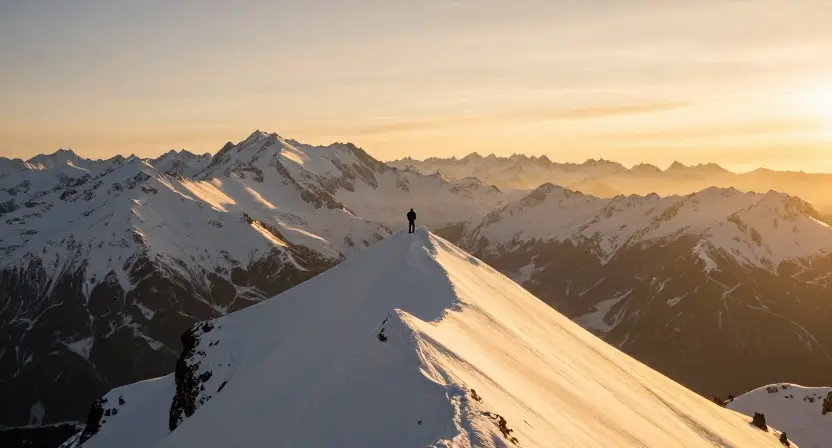
Mountain travel photography creates some of the most visually dramatic travel content available, using scale contrast, dramatic light, and the specific atmosphere of high altitude to create images that communicate the physical intensity of the experience.
The mountain traveling aesthetic uses wide compositions that include the full sweep of the landscape, a human figure for scale that emphasizes rather than minimizes the mountain’s size, and the specific quality of golden hour and blue hour light at altitude where atmospheric conditions create colors not available at lower elevations.
Morning shots before the cloud cover builds, evening shots as alpenglow turns peaks pink and orange, and the clear midday light above the cloud line all create different mountain aesthetic opportunities.
Beach and Coastal Traveling Aesthetic
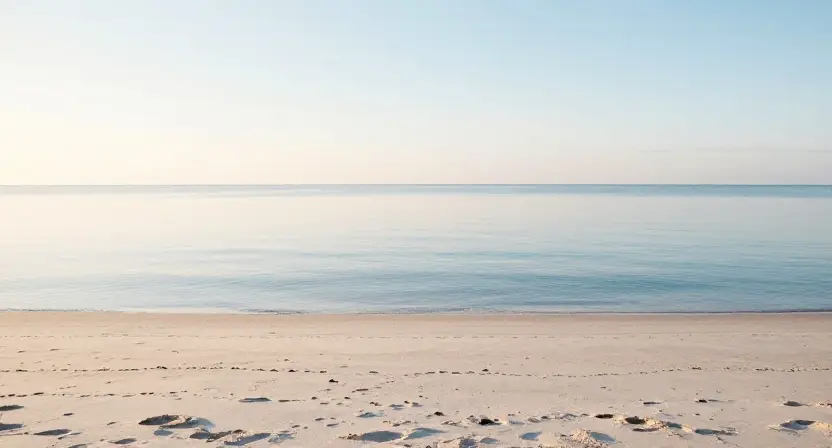
The beach traveling aesthetic operates in a specific visual world of blue water, white sand, golden light, and the specific textures of coastal life. It covers a wide range of specific sub-aesthetics, from the clean luxury of Mediterranean resorts to the raw energy of surf beaches to the quiet intimacy of hidden coves.
Shooting at low tide when wet sand reflects the sky doubles the visual interest of beach compositions. Early morning at beach locations before other people arrive produces the empty, clean shots that suit the minimal beach aesthetic. Golden hour on west-facing beaches creates the warm backlit compositions that define the aspirational beach travel aesthetic.
City Traveling Aesthetic
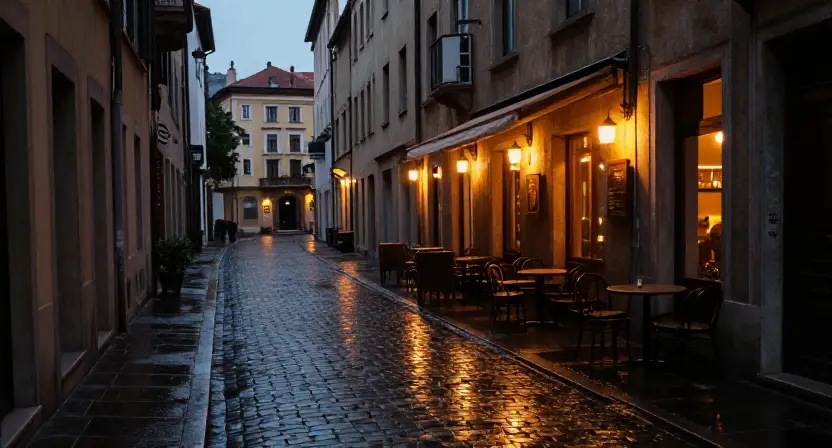
Urban travel photography creates a visual aesthetic from the specific character of city environments: the architecture, the street life, the markets, the cafes, and the particular quality of city light in narrow streets and on wide boulevards.
Each city has its own aesthetic identity. Paris has Haussmann boulevards, warm cream stone, and the specific blue-grey quality of its light. Tokyo has neon density, geometric precision, and the specific visual energy of compressed urban life. Marrakech has geometric tile patterns, saturated color, and the specific depth of shadow in medina streets.
Learning to photograph a city’s specific character rather than applying a generic urban aesthetic to every destination produces travel content with genuine sense of place.
Travel Journal Aesthetic
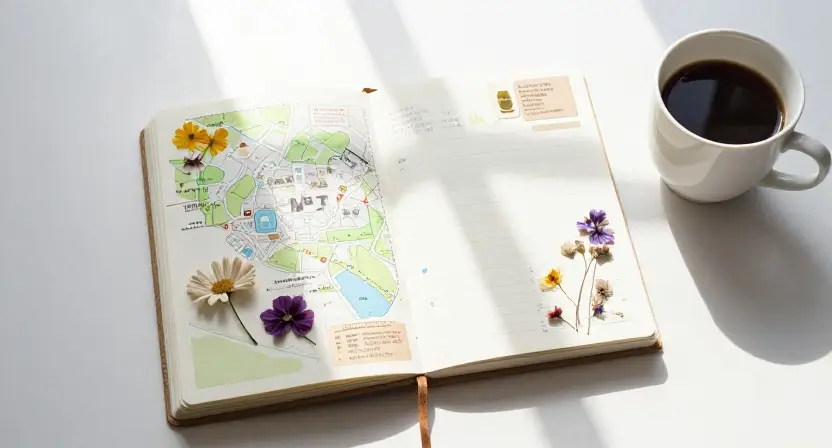
The travel journal aesthetic extends the visual world of travel beyond photography into the physical artifact of a kept journal. Maps folded into journal pages, ticket stubs and pressed flowers between pages, handwritten notes about specific moments, and small sketches of things seen all create a visual document of travel that carries different meaning from photography alone.
Photographing journal pages creates content that bridges the physical and digital versions of the traveling aesthetic. A journal spread on a cafe table or a hotel bed, with morning light across the pages and a coffee cup beside it, creates a meta-image that references both the travel and the practice of documenting it.
Rainy Day Traveling Aesthetic
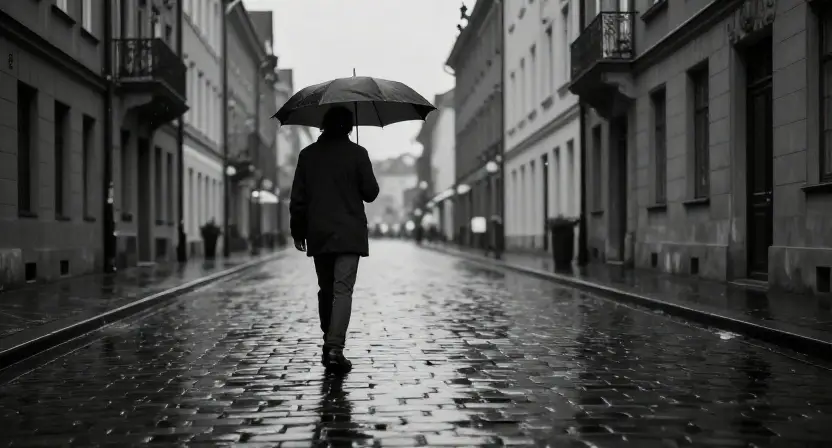
Rainy day travel photography is one of the most underused approaches in travel content creation because most people put cameras away when it rains. The visual quality of rain is genuinely beautiful. Reflections in wet cobblestones, rain streaks on cafe windows, umbrellas against grey skies, and the specific desaturated atmosphere of a city in rain all create images with a melancholic, intimate quality that sunny travel photography cannot produce.
This aesthetic particularly suits cities with historic street-level architecture where wet surfaces create double images of what is above. Paris in rain, London in grey mist, Edinburgh in fog, and Amsterdam with its canal reflections all produce particularly strong rainy day aesthetic opportunities.
Airport Traveling Aesthetic
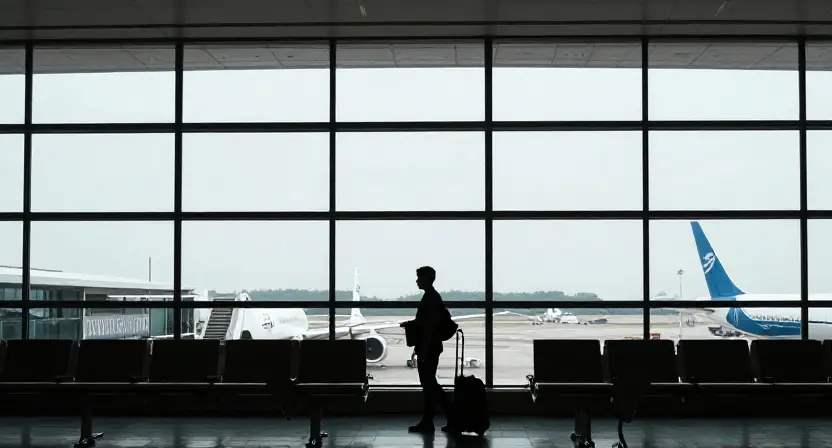
Airports as photographic subjects are underestimated. The specific quality of departure hall light, the graphic repetition of gate numbers, the convergence of people from everywhere moving in the same temporary space, and the particular emotional atmosphere of travel beginning or ending all create photographic opportunities with genuine visual and emotional content.
Silhouettes against departure hall windows, overhead shots of terminal floors, departure boards as background for portrait shots, and the abstract graphic qualities of airport architecture all suit the airport traveling aesthetic. This aesthetic particularly resonates on travel platforms because it captures the anticipation and transition that defines the feeling of travel at its most essential.
Van Life Traveling Aesthetic
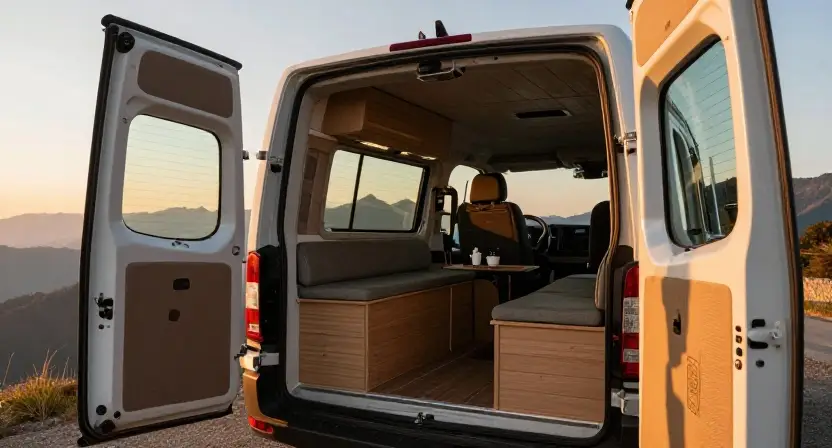
Van life travel photography has developed into one of the most distinct and recognizable traveling aesthetics, with a visual language built around mobile homes, outdoor cooking, waking up in landscapes, and the specific freedom of having no fixed destination.
The van itself is a central character in this aesthetic. The back doors open to a mountain view, the bed made up looking out over a forest, coffee made on a portable stove in golden morning light, all create images that communicate the van life philosophy as much as the specific location.
This aesthetic suits social media platforms where storytelling over time matters, as van life content works best as a series that builds a narrative rather than as individual isolated photographs.
Building a Consistent Traveling Aesthetic
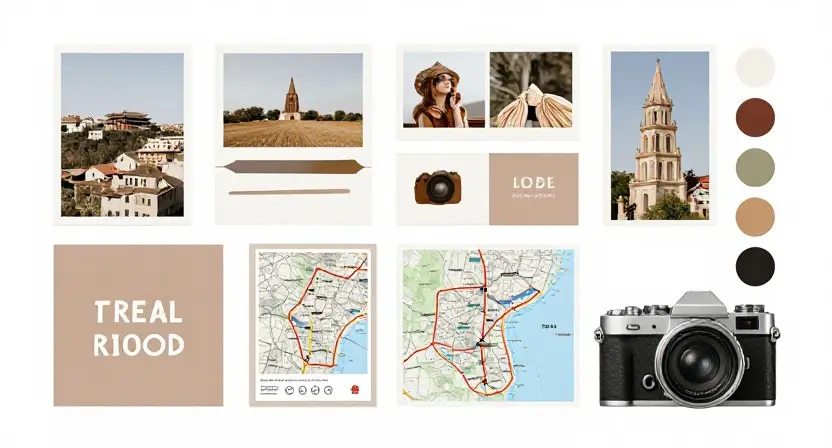
Consistency is what separates a traveling aesthetic from a collection of unrelated travel photos. Consistency comes from making similar decisions repeatedly: the same editing approach, a limited color palette, similar compositional habits, and a clear sense of what belongs in the aesthetic and what does not.
The most practical approach is choosing two or three elements to keep consistent, a specific color temperature, a recurring compositional device, a consistent editing preset, and applying these to every image regardless of the destination. The destination changes. The aesthetic language remains stable.
Building a mood board before each trip, collecting references that match the intended aesthetic rather than references of the destination itself, helps maintain visual direction when in the field. The mood board answers the question of what you are going for when you are standing in front of a beautiful scene wondering how to frame it.
Conclusion
A traveling aesthetic is not something you find fully formed. It develops through practice, experimentation, and the gradual understanding of which visual choices feel genuinely like yours and which ones you are borrowing because they look good on someone else’s feed.
Start with the aesthetic that most resonates with how you already see the world. If you are drawn to moody, atmospheric images, pursue that. If you naturally photograph in warm golden light, build on that tendency rather than fighting it. The most authentic traveling aesthetics develop from existing tendencies made conscious and consistent.
Invest time in understanding light rather than locations. Light is what makes the same destination look completely different from one hour to the next and one season to the next. Understanding how to find and use the light that suits your specific aesthetic is the skill that produces consistently beautiful travel photography regardless of where you happen to be.
You can may also like this: 22 Babymoon Destinations Ideas for Romantic Relaxing Trips
Frequently Asked Questions
What is a traveling aesthetic
A traveling aesthetic is a consistent visual style applied to travel photography and content. It includes a specific color palette, editing approach, compositional preferences, and mood that makes individual travel photos feel like they belong to a coherent visual world rather than being unrelated snapshots from different places.
How do I create a consistent traveling aesthetic on Instagram
Choose a consistent editing preset or set of adjustments and apply it to every photo. Limit your color palette to three or four complementary tones. Develop consistent compositional habits, similar framing, similar use of light, and similar relationship between subject and background. Shoot in similar lighting conditions where possible, and curate your posted photos to include only those that fit the established aesthetic.
What camera is best for a traveling aesthetic
The best camera is the one you will consistently carry and use. A phone with a good camera and access to editing apps produces excellent aesthetic travel photography. A mirrorless camera provides more control over depth of field, low light performance, and image quality. An analog film camera produces a specific aesthetic that digital cannot fully replicate. The choice depends on the specific aesthetic you are pursuing and your commitment to carrying additional equipment.
How do I find my personal traveling aesthetic
Collect travel photography you respond to from photographers whose work you admire, without analyzing why initially. Look at what you have collected and identify the common qualities: the light, the color palette, the mood, the compositional approach. The patterns in what you are drawn to indicate your actual aesthetic preferences rather than the ones you think you should have.
What editing apps are best for a traveling aesthetic
Lightroom mobile is the most powerful and flexible option for applying consistent presets and making precise adjustments. VSCO offers high quality filters with a strong travel aesthetic tradition. Snapseed provides specific tools for targeted adjustments. For film simulation, Grain and Halide on iPhone produce genuine film-like results. The specific app matters less than developing a consistent editing approach and applying it reliably.
1 Comment