
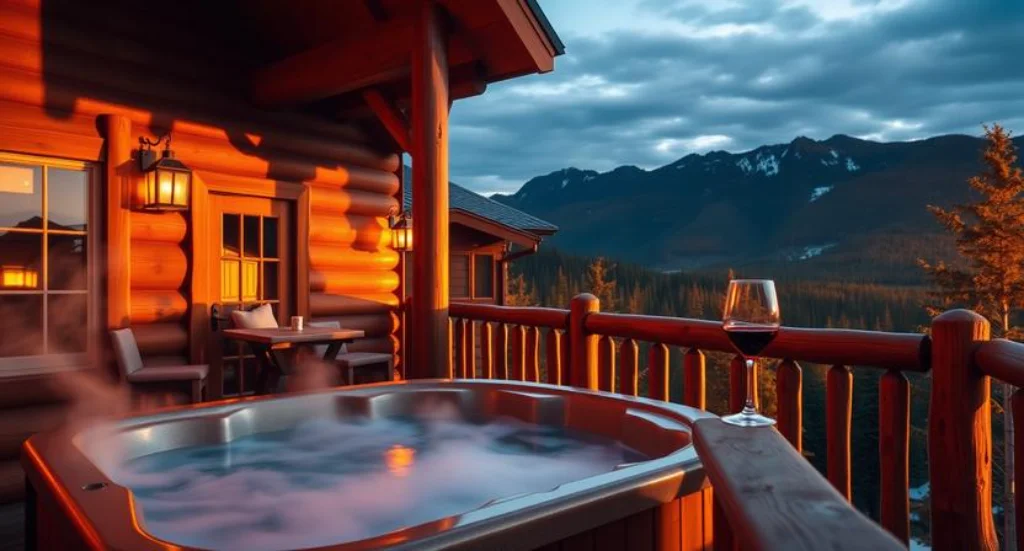
There’s something a hotel room genuinely cannot deliver regardless of its thread count, its lobby art or its breakfast spread. It’s the specific feeling of waking up to absolute silence, looking through a wall of timber-framed glass at a mountain ridge catching first light, and understanding completely why you drove four hours to get here. A cabin resort produces that feeling reliably. A hotel almost never does.
The US cabin rental and cabin resort market generated over $5.8 billion in 2023 according to AirDNA data, growing at nearly 12 percent annually as travelers increasingly prioritize experience over amenity checklists. This guide breaks down every dimension of the cabin resort category — destinations, design, booking strategy, pricing, activities and what genuinely separates the memorable properties from the forgettable ones.
The Cabin Resort Experience That Hotels Have Been Trying to Replicate for Decades
What is a cabin resort at its most essential? It’s a collection of private, individually designed cabin accommodations set within a managed natural property that provides both the seclusion of a standalone rental and the service infrastructure of a resort — maintained grounds, on-site staff, shared amenities and a curated guest experience that a private cabin rental simply can’t match without professional hospitality management.
What makes a cabin resort different from a hotel comes down to spatial architecture and sensory environment. A hotel room positions you inside a building surrounded by other people, sharing corridors, elevators and lobby spaces. A cabin resort positions you in your own freestanding structure, often with nothing visible from your private deck except trees, water or mountains. That difference isn’t aesthetic — it’s physiological. The nervous system responds to genuine spatial privacy in ways that a DO NOT DISTURB sign on a corridor door simply cannot replicate.
Mountain Cabin Resorts and the Elevation Effect That Changes Everything
Best cabin resorts in the mountains deliver a specific atmospheric quality that lower-elevation properties can’t manufacture regardless of their landscape design budget. Elevation changes air quality measurably — reduced particulate matter, lower humidity and higher atmospheric oxygen purity combine to create the characteristic clarity that visitors to mountain environments describe repeatedly as the most immediately noticeable physical sensation upon arrival.
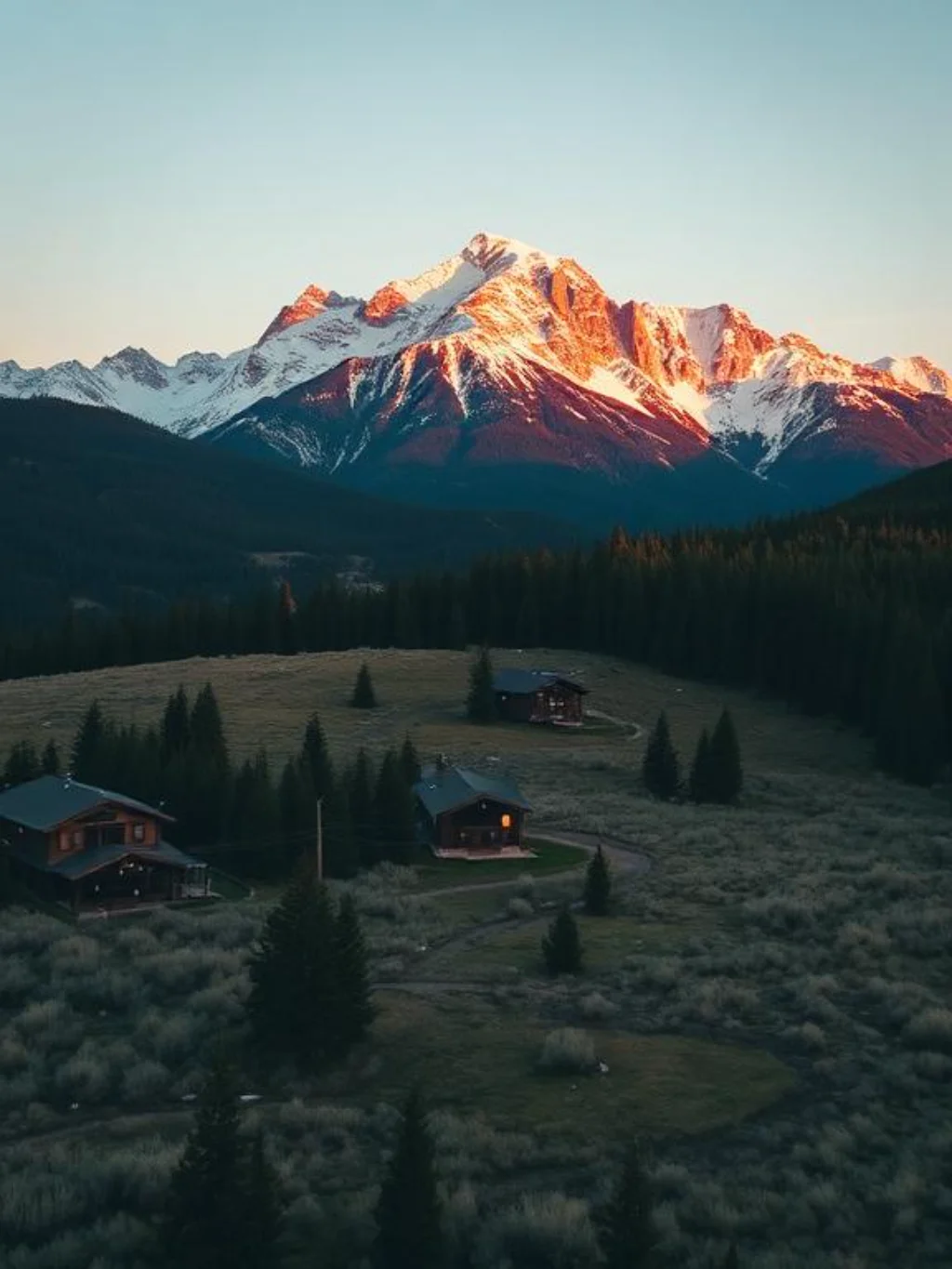
Mountain cabin resort properties across the American West and Appalachian range benefit from this elevation effect as a free amenity that costs the property nothing but delivers disproportionate guest satisfaction. Sunrise from a mountain cabin deck at 8,000 feet — alpenglow on snow-capped peaks, absolute silence broken only by wind through surrounding pines — is simply not reproducible at lower altitudes regardless of how thoughtfully the landscape is designed. Colorado mountain cabin resort properties leverage this specifically, positioning their cabin units on ridgelines and elevated terraces where the morning panorama becomes the most photographed and most described element of every guest’s stay.
Lakeside Cabin Resorts Where the Water Does Half the Work for You
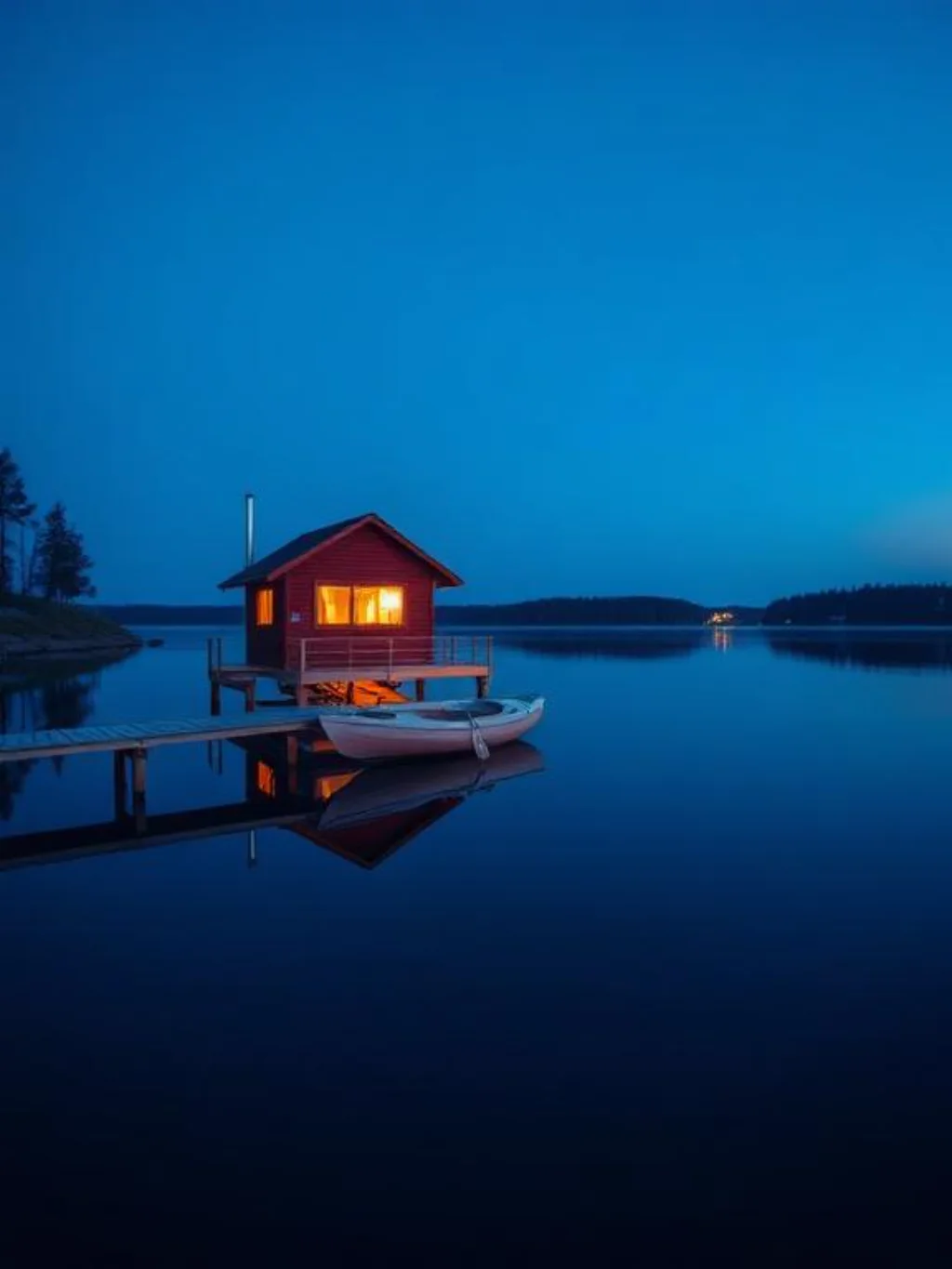
Best cabin resorts by a lake consistently generate among the highest guest satisfaction scores in the cabin resort category, and the reason is straightforward: water is inherently therapeutic in ways that neuroscience has begun documenting rigorously. The visual complexity of moving water, the acoustic masking of ambient sound by lapping waves and the specific humidity and air chemistry of lake environments all reduce cortisol response in ways that dry-land resorts can’t replicate.
Lakeside cabin resort design at well-executed properties positions each cabin to maximize the lake view from both the sleeping area and the main living space, often incorporating a private dock, kayak and canoe access, and morning fishing opportunities as expected features rather than add-on packages. Cabin resort with lake access at properties like Finger Lakes cabin resort New York and Lake Tahoe cabin resort California demonstrates that the water feature’s quality matters as much as the cabin’s interior specification — a mediocre cabin with a spectacular lakefront position consistently outperforms a beautifully furnished cabin with an obscured or distant water view on every guest satisfaction metric.
Cabin Resort Ideas Built Around Fireplaces Hot Tubs and Private Deck Solitude
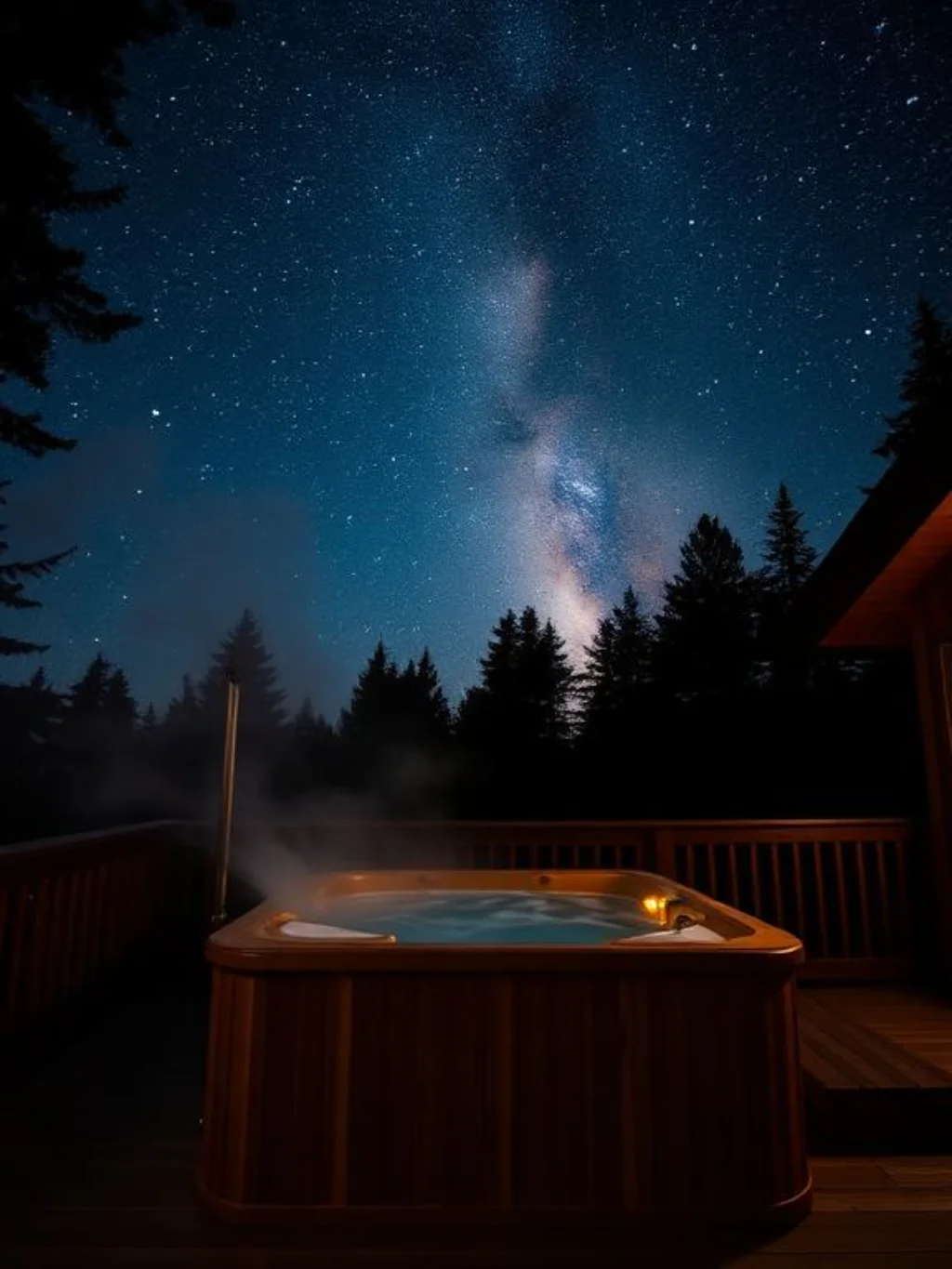
Cabin resort with hot tub amenity combinations represent the single highest-impact feature pairing in the entire cabin resort amenity vocabulary — consistently cited in guest reviews as the experience element that most exceeded expectations and most directly drove the decision to rebook. A private outdoor hot tub on a deck with a forest or mountain view, used after a day of hiking or simply after dinner under a clear night sky, creates a specific sensory experience that guests describe in almost identical terms across every review platform and every geographic market.
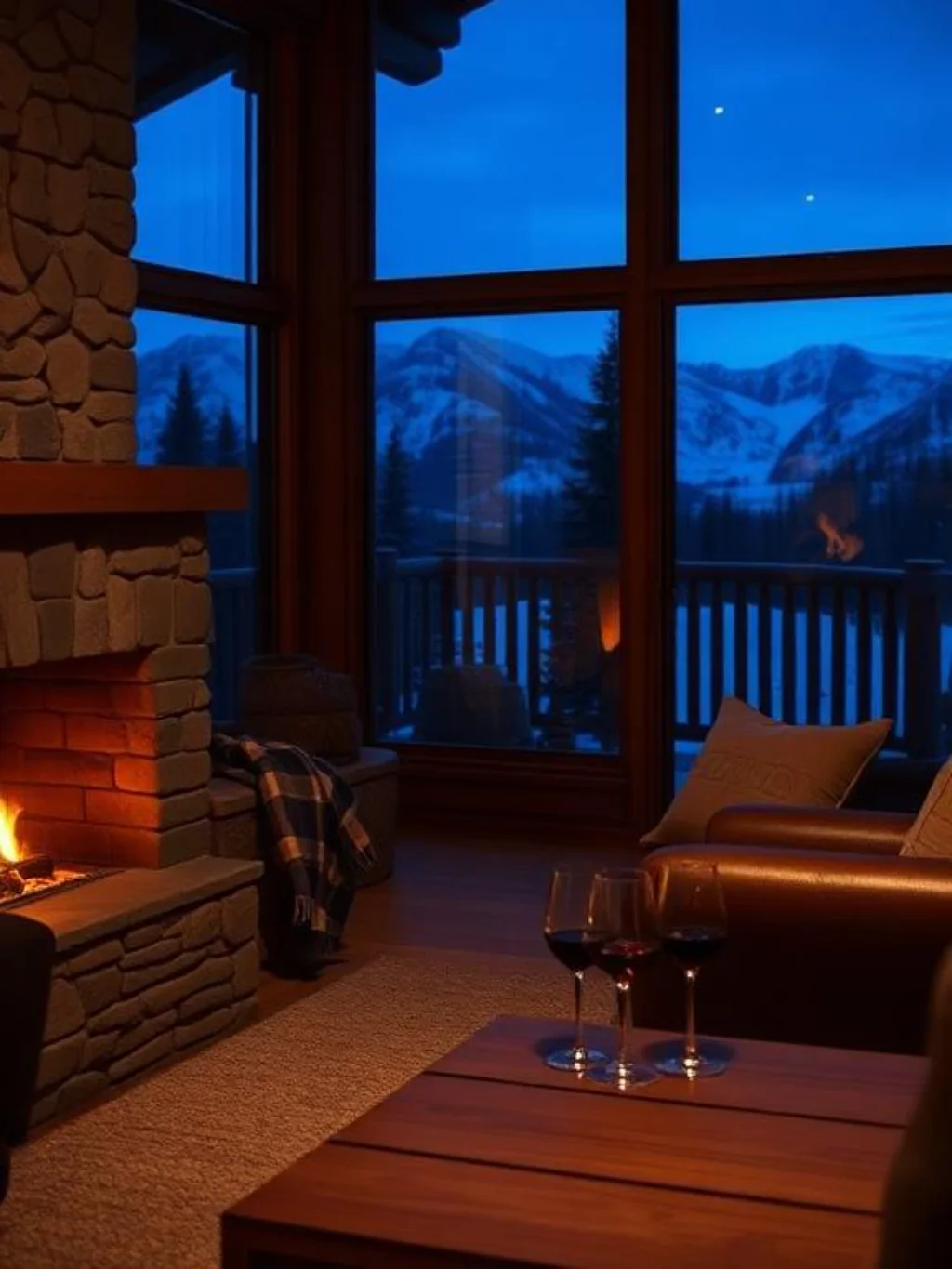
Cabin resort fireplace amenity delivers its own irreplaceable atmospheric contribution — not just as a heat source but as a social object that organizes an evening’s activities around itself, slowing conversation, encouraging presence and creating the specific quality of shared warmth that screens and streaming can’t compete with. Cabin resort private deck views complete the triumvirate that elite cabin resort guests consistently prioritize: hot tub for physical pleasure, fireplace for social warmth and a private deck for the unobstructed natural view that justifies the entire journey. Properties offering all three in combination command premium pricing that the market supports willingly.
Family Cabin Resort Stays That Actually Make Everyone Happy Simultaneously
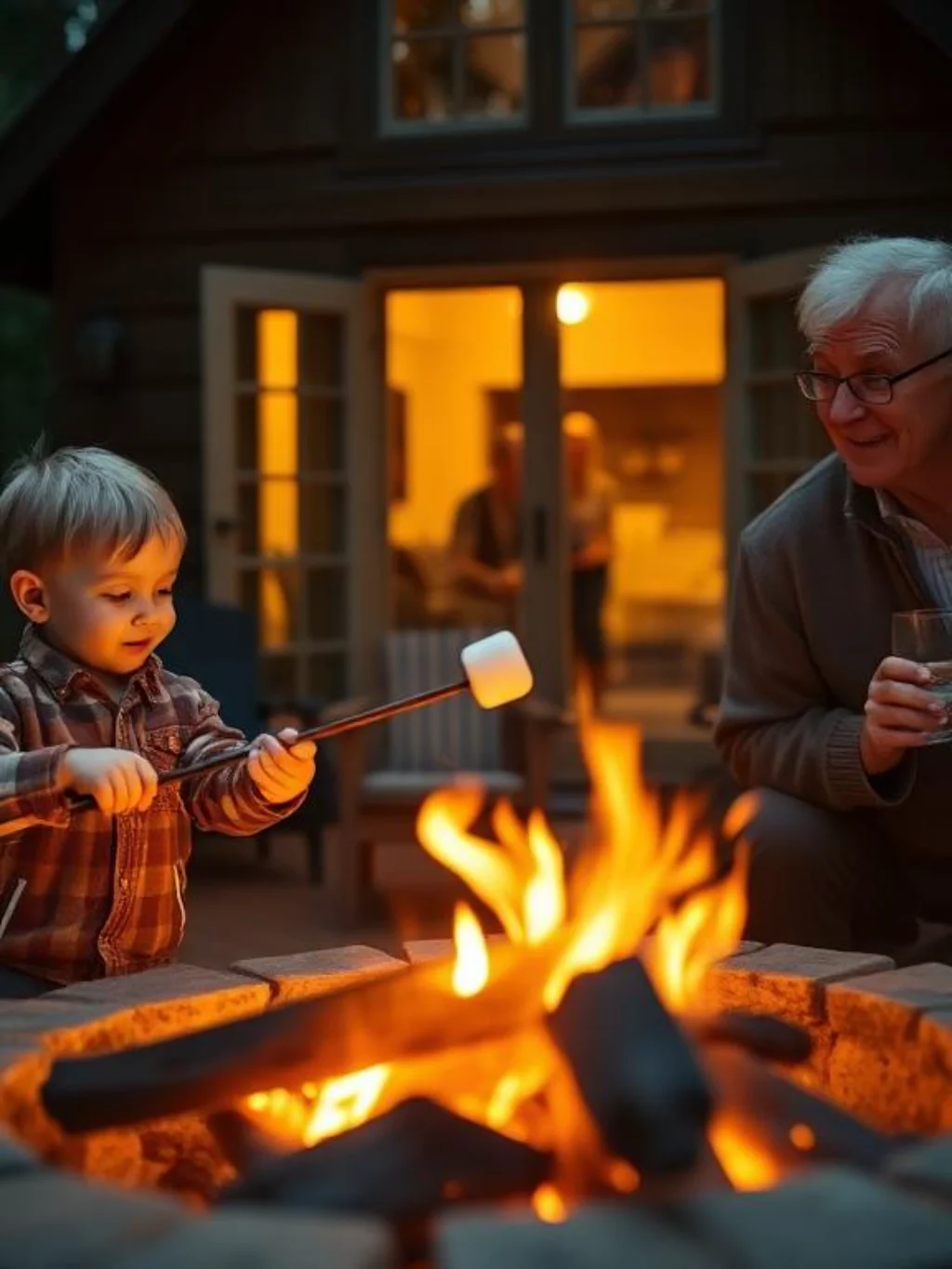
Best cabin resorts for families solve a specific problem that family vacations typically fail to address: the impossibility of simultaneously satisfying wildly different age groups whose ideal vacation experiences share almost no overlap. A teenager’s perfect vacation and a six-year-old’s perfect vacation and a forty-year-old parent’s perfect vacation are three completely different experiences — and a family cabin resort property with thoughtful programming addresses all three without asking any one family member to fully sacrifice their preferences for the others.
Cabin resort with pool combined with organized children’s programming liberates parents from constant supervision duty in ways that a private cabin rental can’t provide, creating genuine adult rest alongside genuine child entertainment. Jellystone Park cabin resort and KOA cabin resort locations have built their entire business models around this family satisfaction equation, with organized activities, playground infrastructure and supervised programming running alongside adult amenity spaces that parents can actually use. Cabin resort activities at family-focused properties also extend to family-participatory experiences — guided nature walks, campfire cooking sessions, fishing instruction — that create shared memories across the age spectrum rather than simply entertaining each group separately.
Couples Cabin Resort Escapes Built for Genuine Disconnection and Reconnection

Best cabin resorts for couples succeed precisely when they create conditions for genuine presence — an environment that makes putting the phone down feel natural rather than forced and makes sustained, unhurried conversation feel easy rather than effortful. The physical environment of a well-designed couples cabin resort does most of this work automatically: no lobby crowds to navigate, no restaurant noise to speak over, no corridor traffic outside the door at 2am.
Cabin resort romantic package offerings at premium properties typically combine a private hot tub, in-cabin fireplace, bottle of locally sourced wine on arrival, optional couples massage, and a private deck breakfast delivery — a sequence of small, thoughtfully timed gestures that collectively create a feeling of being genuinely looked after rather than simply accommodated. Asheville cabin resort North Carolina and Blue Ridge cabin resort Georgia properties have built strong reputations in the couples market specifically because their mountain settings, proximity to craft beverage producers and sophisticated dining scenes provide the off-property cultural richness that keeps a couples retreat feeling active and engaging rather than purely passive.
The Smoky Mountains Cabin Resort Scene and What Makes It So Irresistible
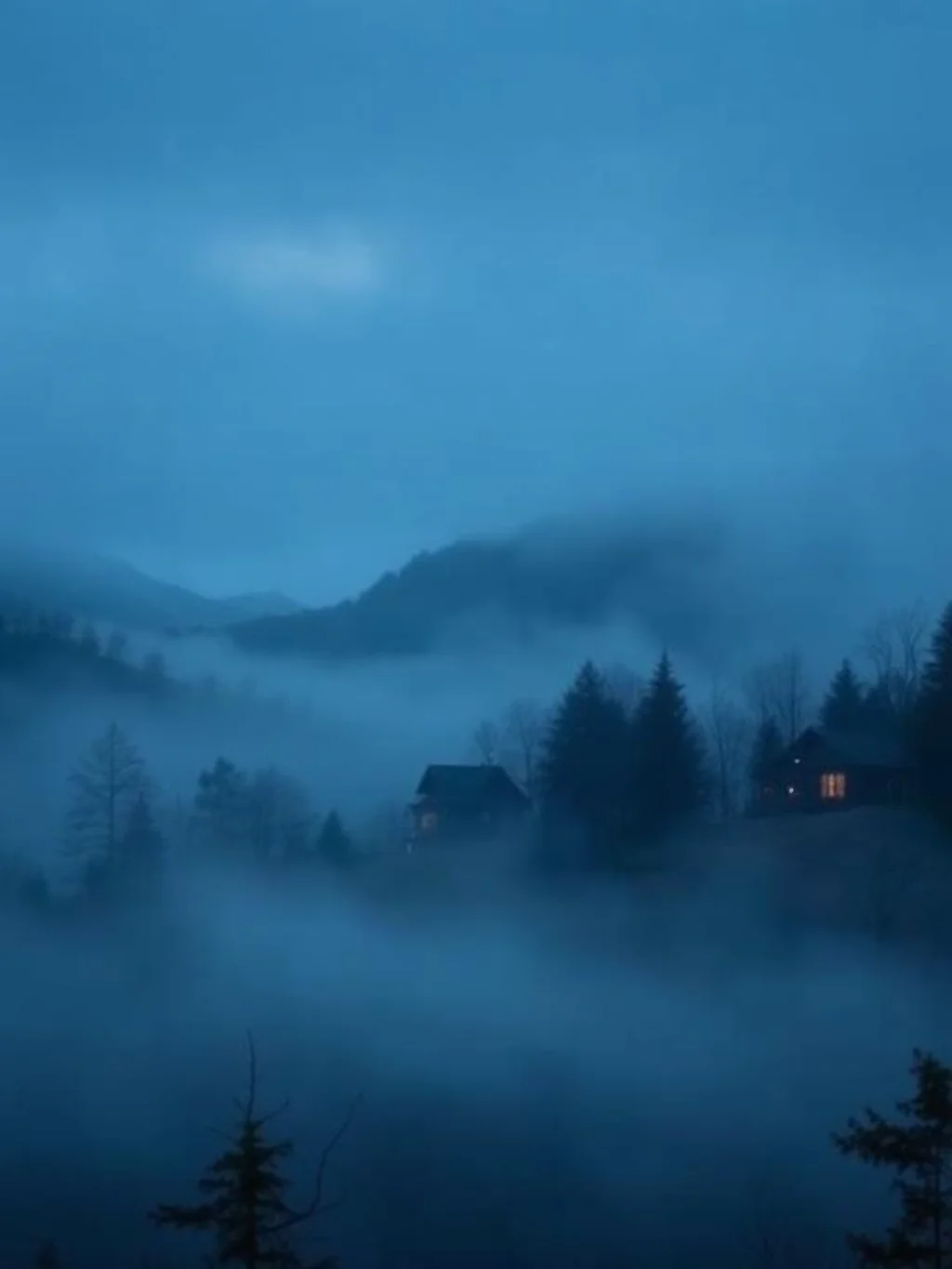
Smoky Mountains cabin resort properties dominate American cabin vacation culture for reasons that go beyond simple familiarity or marketing reach. The Great Smoky Mountains National Park — the most visited national park in the United States, receiving over 12.5 million visitors annually according to the National Park Service — creates a demand concentration for nearby private accommodation that no other cabin market in the country matches in sheer volume.
you may also like this:22 Small Resort Ideas That Blend Comfort and Style
Gatlinburg cabin resort Tennessee and surrounding Sevier County properties benefit from a unique convergence: extraordinary natural landscape, established tourism infrastructure, year-round mild access conditions and the specific cultural character of the Appalachian region that gives the destination an authentic sense of place that manufactured resort communities can’t replicate. Dollywood cabin resort Tennessee adds an entertainment anchor that makes the Smoky Mountains a multi-generational destination rather than purely a nature-focused retreat, bringing families who then discover the surrounding mountain cabin experience as a discovery rather than their primary travel purpose.
Colorado Mountain Cabin Resorts That Deliver Four Season Drama Without Compromise
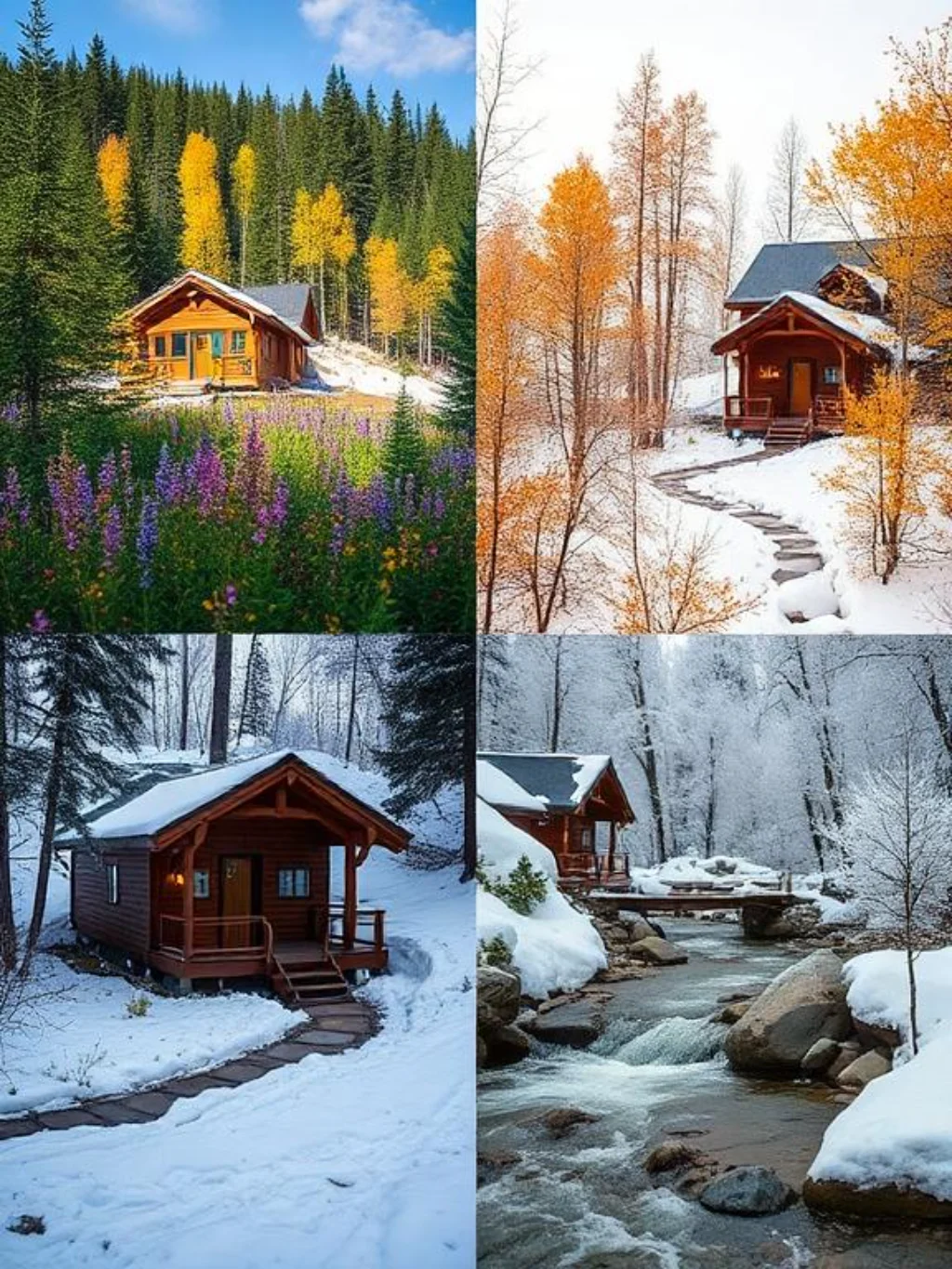
Colorado mountain cabin resort properties have a structural advantage that most other American cabin markets don’t share: genuine four-season appeal with dramatically different but equally compelling experiences in each season. Summer delivers wildflower meadows, mountain biking, fly fishing and hiking at altitude. Fall delivers aspen groves turning molten gold across entire mountainsides. Winter delivers world-class skiing, snowshoeing and the specific beauty of snow-covered evergreen forests. Spring delivers rushing snowmelt streams and the first wildflowers emerging from the retreating snowpack.
Are cabin resorts open year round in Colorado — yes, and the year-round demand creates pricing stability and property investment returns that seasonal-only markets can’t match. Properties near Breckenridge, Telluride, Steamboat Springs and Crested Butte benefit from both summer and winter demand peaks with genuine shoulder-season traffic between them. Cabin resort seasonal pricing in Colorado creates specific value windows — mid-September through mid-November and late April through mid-June typically offer shoulder-season rates 30 to 40 percent below peak at comparable properties with essentially unchanged landscape beauty in most cases.
Pet Friendly Cabin Resorts Where the Whole Family Including the Dog Belongs
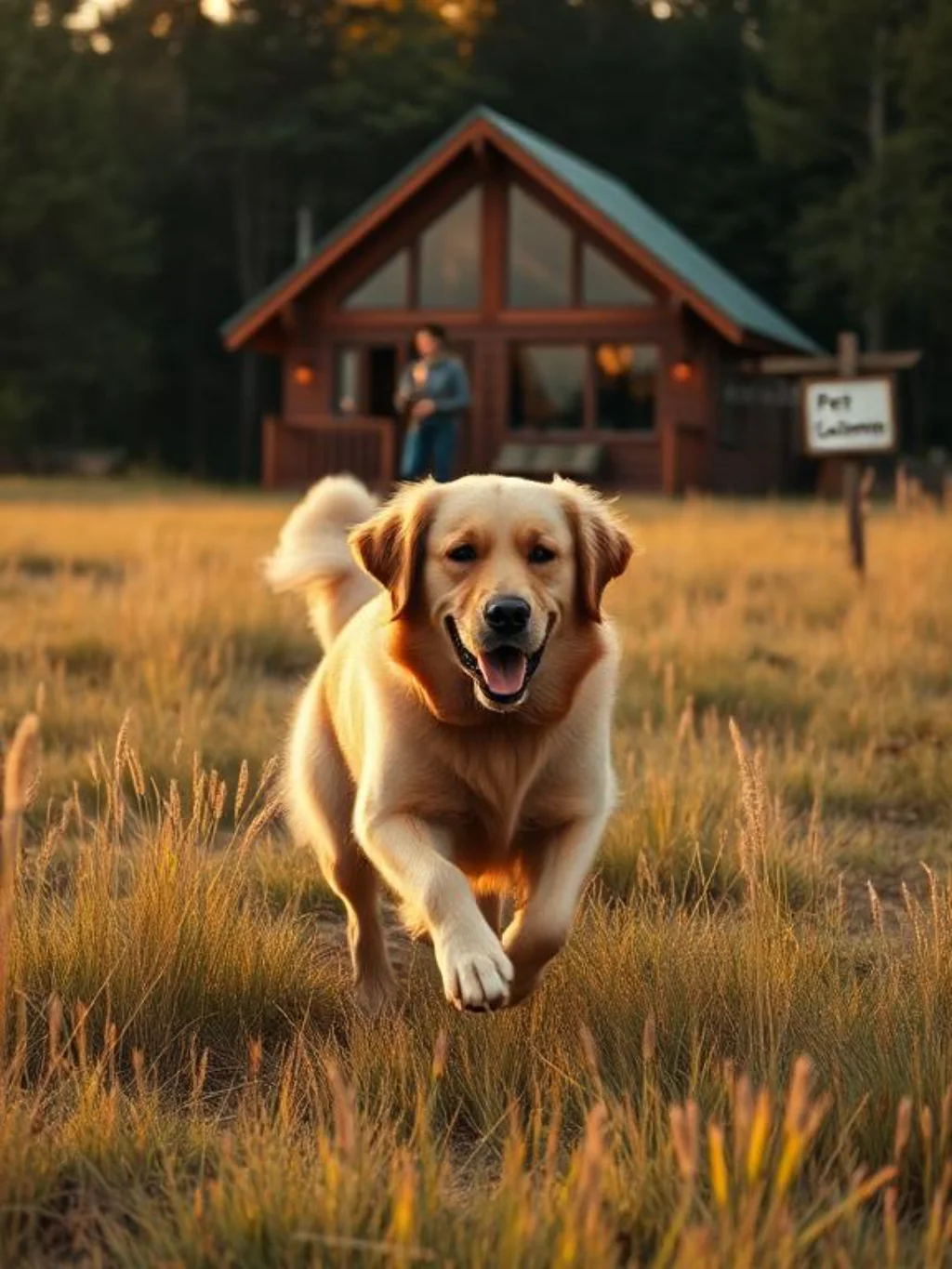
Are cabin resorts pet friendly — the short answer is that more are now than ever before, driven by the dramatic growth in pet ownership following 2020 and the recognition that pet owners represent a valuable market segment that conventional hotels have historically underserved. A 2024 American Pet Products Association survey found that 67 percent of American households own a pet, and a significant portion of those households specifically seek accommodations that welcome their animals.
Pet friendly cabin resort properties that truly earn that designation go beyond simply tolerating pets to genuinely designing for them — fenced yard areas adjacent to cabin units, dedicated dog washing stations, proximity to hiking trails accessible to leashed dogs and welcome amenity packages that include a treat, a branded bandana and a printed map of the property’s dog-friendly walking routes. Hipcamp cabin resort listings filter specifically for pet-friendly accommodations because the demand is significant enough to justify dedicated search functionality, and properties that actively market their pet-friendliness rather than simply permitting pets passively see measurably higher booking volumes from this growing traveler segment.
Cabin Resort Design Elements That Separate Memorable Properties From Mediocre Ones
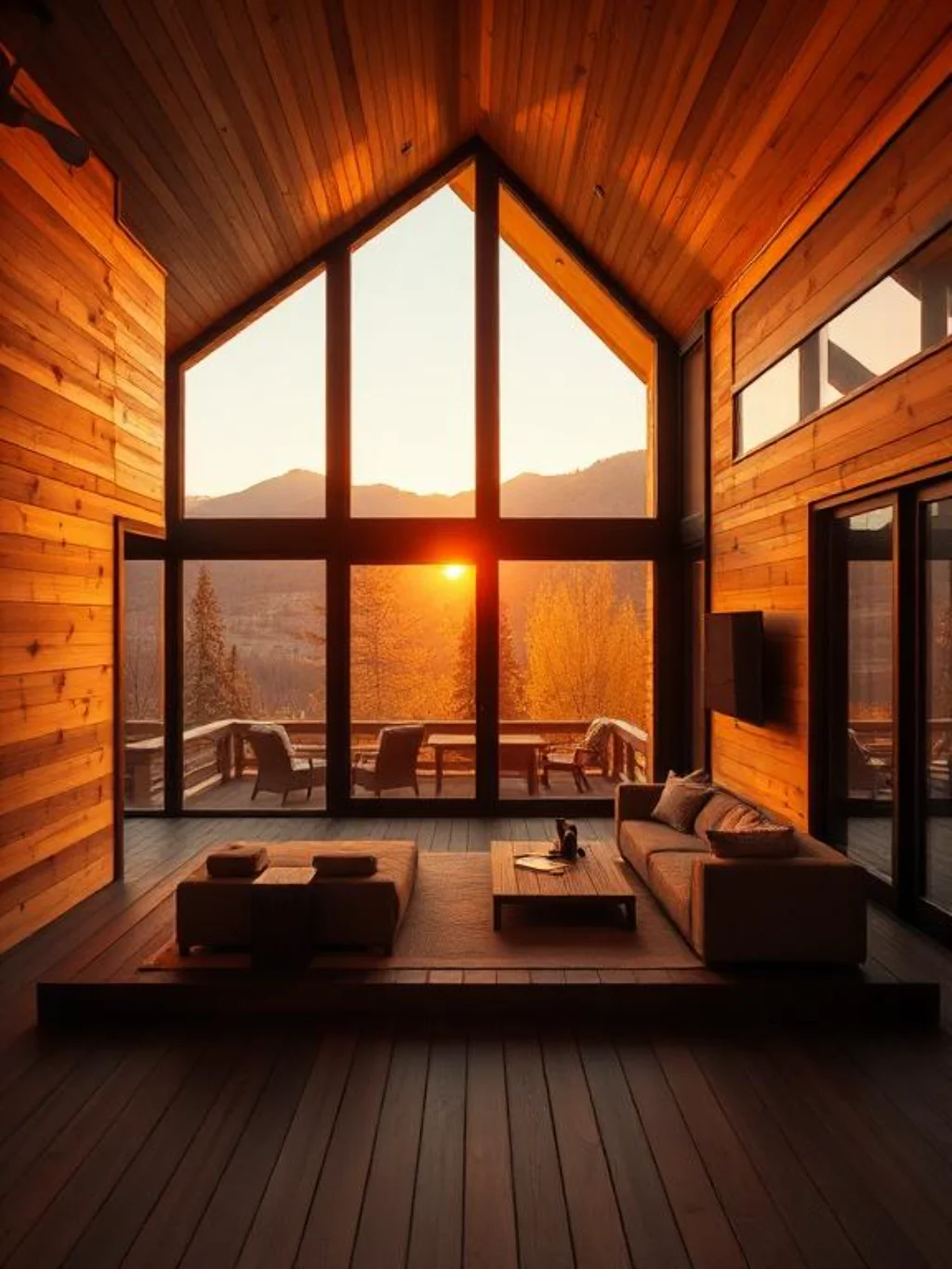
Cabin resort design philosophy at the most successful properties treats each cabin as a complete architectural experience rather than a functional shelter with decorative additions. The relationship between the cabin’s interior and the exterior landscape it occupies — how the primary view sightline aligns with the bed’s orientation, where the windows are positioned relative to sunrise direction, how the deck extends the living space outward toward the natural environment — determines whether the guest feels genuinely immersed in the landscape or simply adjacent to it.
Modern cabin resort design trends from the past five years favor materials that age beautifully in outdoor environments — weathering steel, dark-stained cedar, concrete with natural aggregate — over materials that require constant maintenance or that look dramatically worse after their first winter. Rustic cabin resort aesthetic, conversely, uses reclaimed timber, stone masonry and vintage furnishings to create a sense of timelessness that new-construction materials can only approximate. Both approaches work when executed with genuine commitment and craft — what fails universally is the middle ground of inexpensive materials dressed with superficial rustic decoration that deteriorates quickly and photographs poorly.
Stargazing Fishing and Hiking: Cabin Resort Activities That Replace Screen Time
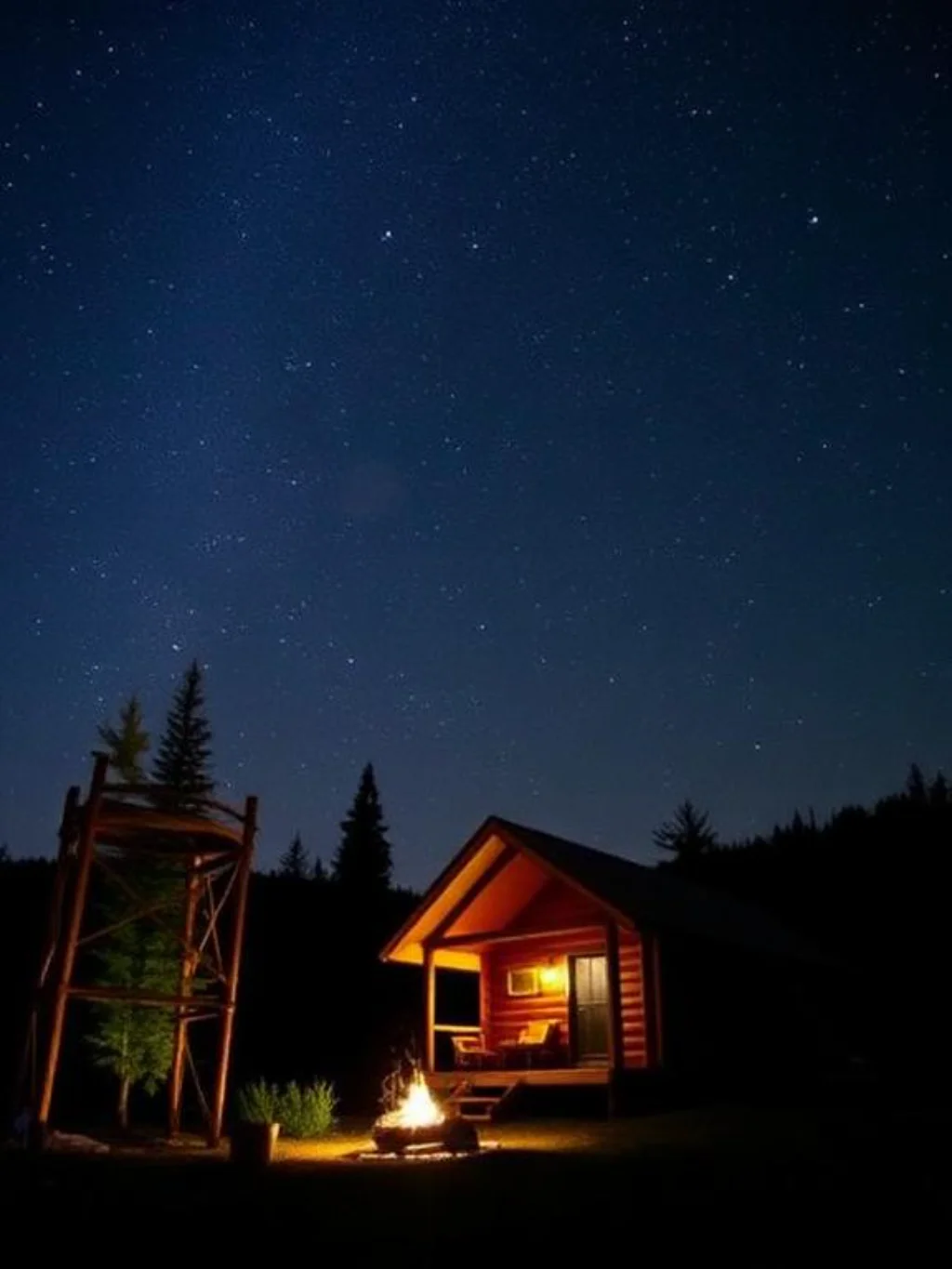
What activities do cabin resorts offer at properties that do this well extends far beyond passive amenity access into genuinely guided, experienced-led programming that converts casual outdoor interest into deep engagement. The difference between a cabin resort that offers “hiking trail access” and one that offers “guided morning hike with naturalist identifying endemic species, followed by a forager-led wild edible plant session” represents entirely different vacation propositions despite the same underlying resource — the surrounding landscape.
Cabin resort stargazing experience has emerged as a premium programming category as the International Dark Sky Association has certified increasing numbers of rural areas across the American West, Southwest and Midwest as genuinely exceptional astronomical viewing zones. Cabin resort fishing access to managed private water — stocked with fish, maintained by property staff and offering guided instruction for non-anglers — delivers a fishing experience that public water simply can’t match in consistency or convenience. Cabin resort hiking trail access on property-maintained trails rather than public access trails provides safety infrastructure, signage, difficulty grading and emergency communication capabilities that enhance confidence and engagement across all fitness levels.
All Inclusive Cabin Resort Packages and What They Actually Cover in Detail
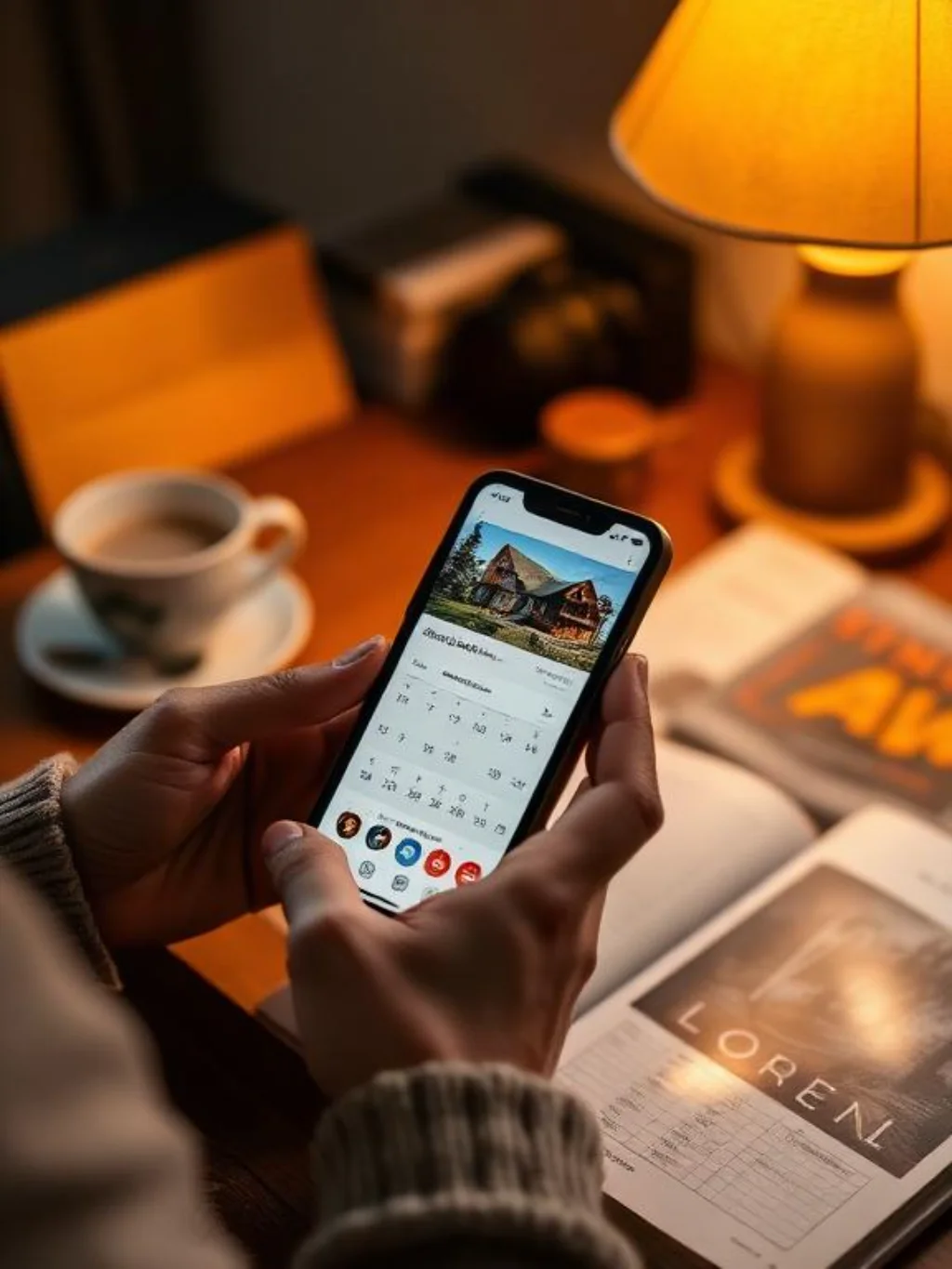
What is included in a cabin resort stay under an all-inclusive package varies so dramatically between properties that the term “all-inclusive” requires specific due diligence before booking rather than assumed equivalence to what the same phrase means at a beachside resort. At most US cabin resort properties, “all-inclusive” typically covers accommodation, one or two daily meals, access to shared amenities and a selection of guided activities — but frequently excludes alcoholic beverages, premium activities like guided fishing or horseback riding, and in-room spa services.
All inclusive cabin resort packages at premium properties like Collective Retreats cabin experience and Under Canvas cabin resort include daily guided programming, meals prepared with regional ingredients, and curated activity sequences that eliminate all planning burden from the guest experience. Cabin resort packages at more accessible price points often bundle accommodation with a breakfast delivery, one couples activity and access to kayaks or bikes as a mid-tier offering between fully bare-bones rental and full all-inclusive programming. Reading the package inclusions itemized rather than summarized is the single most important due diligence step before booking any all-inclusive cabin resort experience.
| Package Tier | Typical Inclusions | Average Nightly Cost |
|---|---|---|
| Basic | Accommodation + WiFi + fire pit | $150–$250 |
| Standard | Above + breakfast + 1 guided activity | $250–$400 |
| Premium | Above + all meals + daily activities | $400–$650 |
| Luxury All-Inclusive | All meals, all activities, spa, concierge | $650–$1,200+ |
Booking a Cabin Resort: Timing Lead Time and the Platforms Worth Using
How far in advance should I book a cabin resort for peak season dates — the honest answer is six to twelve months for the most desirable properties during summer weekends, holiday weeks and fall foliage season. Cabin resort booking data from Booking.com cabin resort options and VRBO cabin resort USA shows that the top-rated properties in popular destinations like the Smoky Mountains, Lake Tahoe and the Colorado Rockies fill their peak weekends within hours of a prior-year vacancy becoming available.
How to book a cabin resort strategically means identifying your target destination and date range, then setting availability alerts on multiple platforms simultaneously rather than checking one source periodically. Airbnb cabin resort rentals, VRBO cabin resort USA and Hipcamp cabin resort listings each carry different property inventories — a property not listed on one platform may have excellent availability on another. Expedia cabin resort deals and Booking.com cabin resort options often carry negotiated rates unavailable on owner-direct platforms, while direct booking through a property’s own website frequently eliminates platform service fees that add 12 to 16 percent to the displayed nightly rate.
Cabin Resort Versus Glamping: Which Outdoor Accommodation Actually Wins
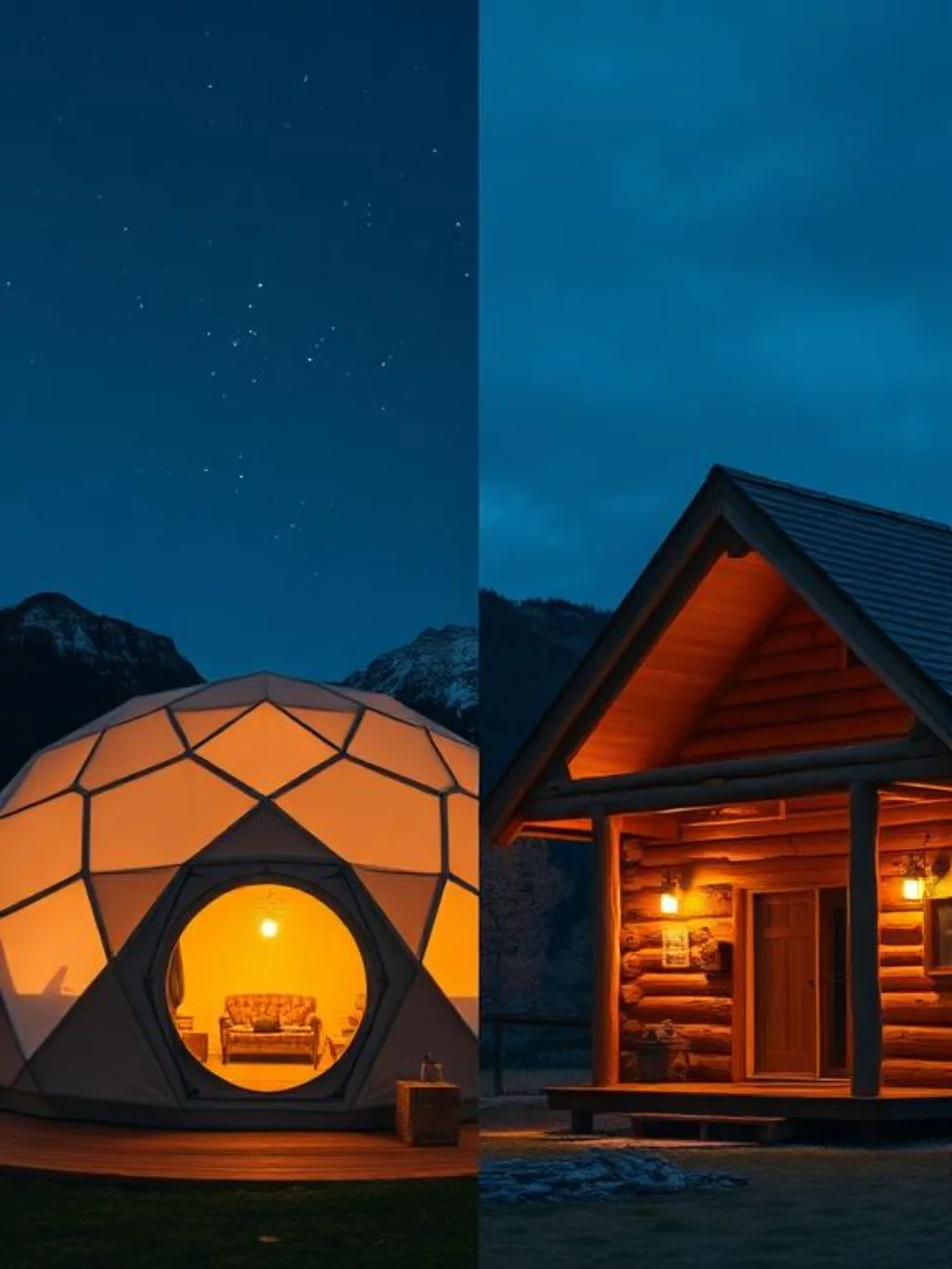
What is the difference between a cabin resort and glamping is a question that comes up frequently as both categories have grown substantially in the past five years and their marketing language has increasingly overlapped. A cabin is a permanent, rigid structure — built from wood, concrete or steel, weather-sealed and designed for multi-season use with genuine structural longevity. Glamping typically describes a non-permanent structure — a furnished tent, a yurt, a geodesic dome — that provides comfort within a temporary or semi-permanent shelter.
Cabin resort properties generally provide more year-round weather reliability, more robust heating and cooling infrastructure, and a sense of permanence and solidity that many guests find psychologically comforting in a way that a canvas wall, however beautifully appointed, doesn’t replicate. Glamping wins on visual novelty, sky-view potential and the specific romance of sleeping in a structure that feels more intimately connected to the outdoor environment without a building’s full separation. Getaway House cabin experience and AutoCamp cabin resort both occupy the interesting middle territory — structures more permanent than glamping but less architecturally traditional than a log cabin, serving a market that wants design distinctiveness alongside genuine shelter robustness.
Winter Cabin Resort Stays and the Snow Covered Magic Most People Skip
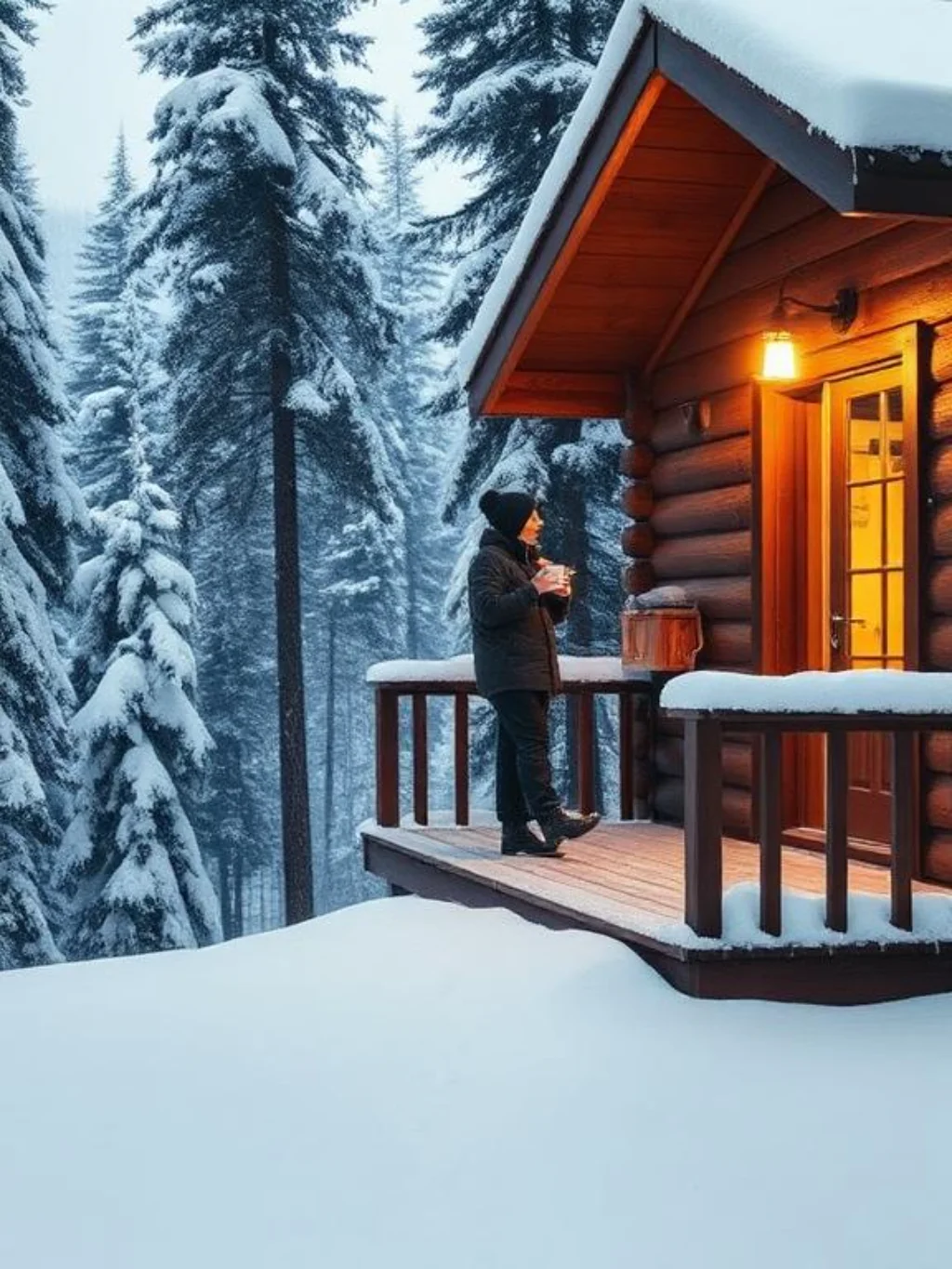
Cabin resort winter experience is one of the most genuinely underbooked seasons in the American cabin market, and the reasons most people skip winter cabin stays are practical concerns — cold, road accessibility, shorter days — that good property selection and basic preparation completely resolve. The guest who does show up for a January cabin resort stay in the Smoky Mountains or the Colorado Rockies gets something unavailable at any other time of year: the landscape in its most dramatic and least crowded state simultaneously.
How do cabin resorts handle weather emergencies during winter is a legitimate question that the best properties address directly through their pre-arrival communications — specifying their snow removal schedule for access roads, confirming 4-wheel drive or chain requirements during heavy snowfall periods and providing emergency contact protocols for power outages or road closures. Cabin resort WiFi availability during winter serves a secondary function beyond entertainment — it ensures that weather alerts, road condition updates and emergency communications reach guests in remote locations without cellular coverage reliably.
Luxury Cabin Resort Properties Pushing the Boundary Between Wild and Refined
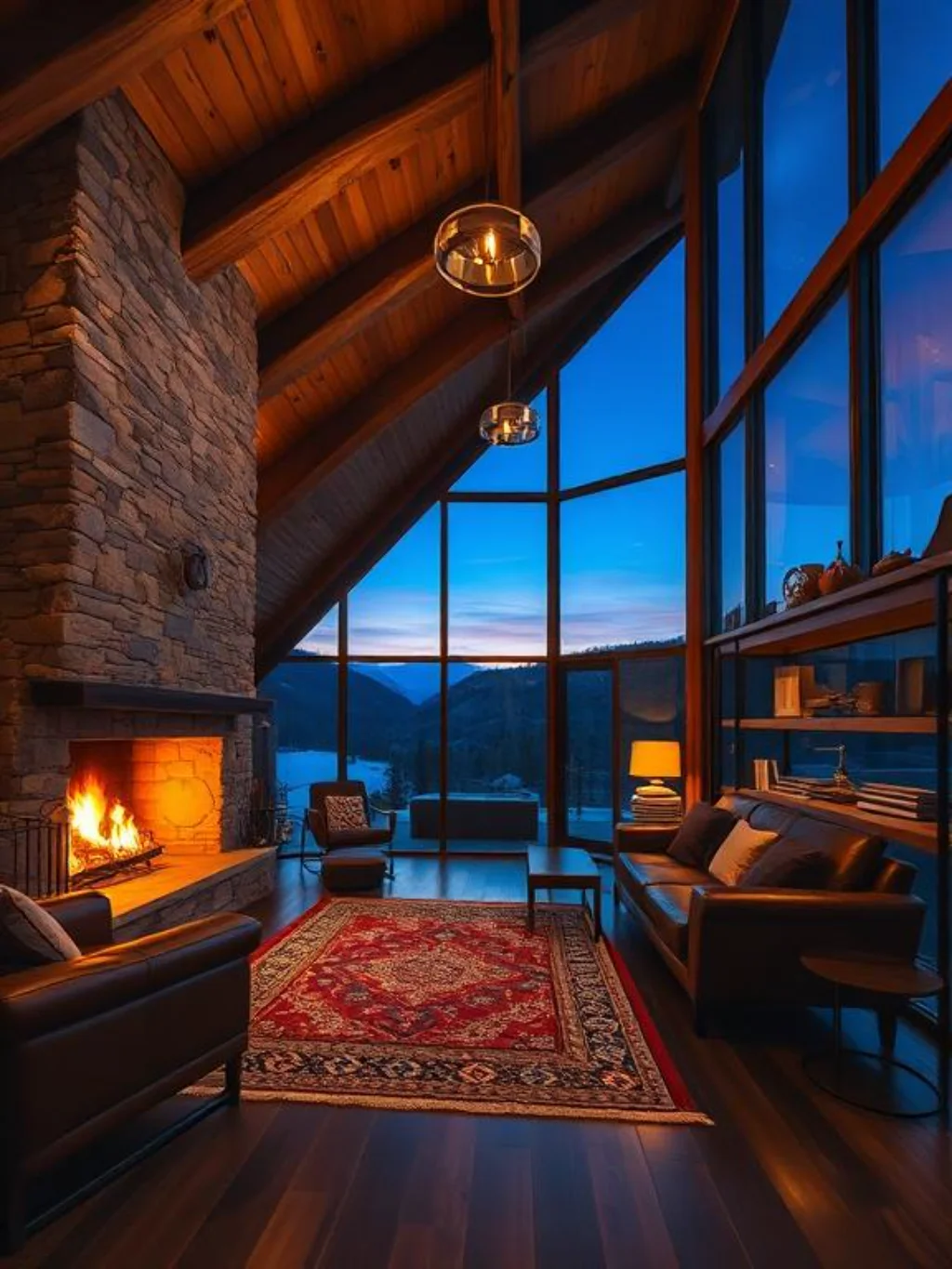
What is a luxury cabin resort experience at its current ceiling? It’s a property where the cabin’s interior specification equals or exceeds a five-star urban hotel in terms of bedding quality, bath fixtures, furniture craftsmanship and technology integration — but where everything outside the cabin door is wild, unmanaged landscape that delivers the emotional impact of genuine wilderness rather than a landscaped version of it.
Luxury cabin resort properties at this level operate at nightly rates of $600 to $2,000 and earn those rates through a combination of exceptional architecture, extraordinary natural positions and service standards that anticipate needs rather than simply responding to them. Poconos cabin resort Pennsylvania and Big Bear cabin resort California both have luxury-tier properties that demonstrate this quality ceiling within accessible driving distance of major population centers. TripAdvisor cabin resort reviews for luxury-tier properties show that the most critical determinant of guest satisfaction at this price point isn’t the amenity list — it’s the consistency of execution, since a single service failure at $1,000 per night generates a review response disproportionate to the incident’s actual severity.
Group Cabin Resort Bookings for Family Reunions Corporate Retreats and Weddings
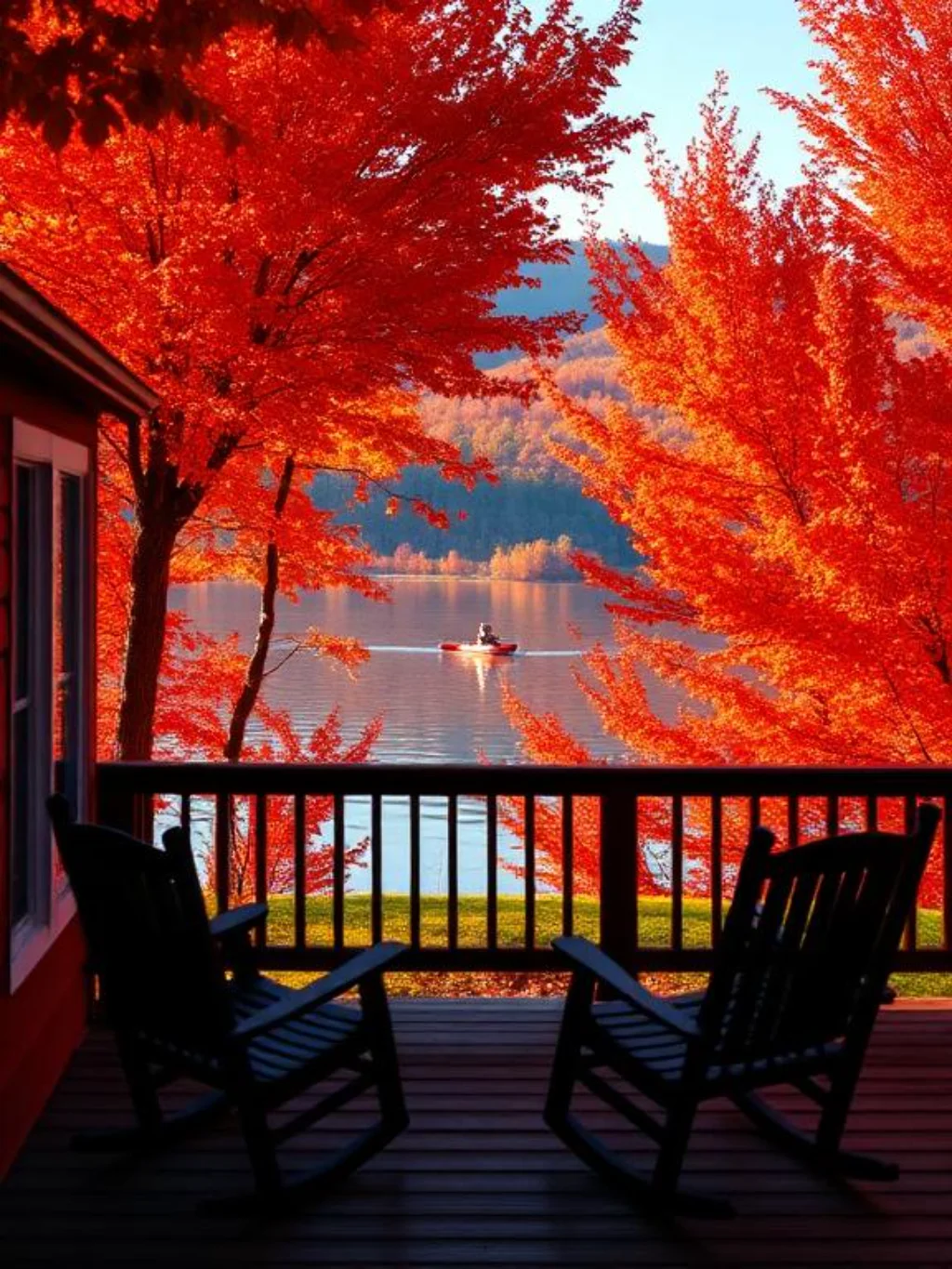
Are cabin resorts good for large groups — yes, when the property is specifically designed or specifically configured to accommodate multiple related parties sharing a natural setting. A property offering six individual cabins within a single managed landscape allows a group of 24 to 36 people to occupy adjacent private accommodations while sharing communal gathering spaces — a configuration that a hotel block provides only in a corridor context rather than a genuine shared natural environment.
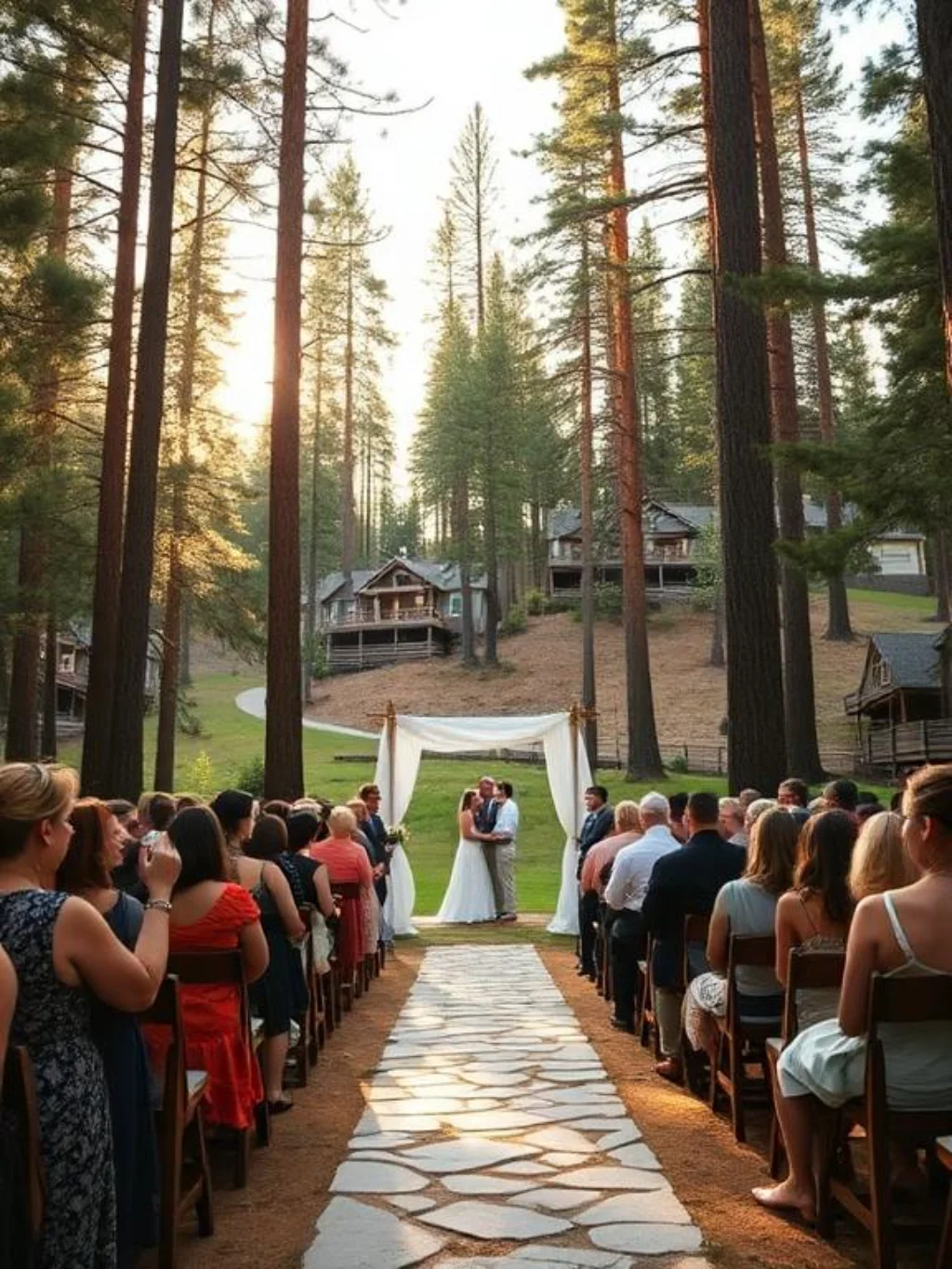
Cabin resort group booking discount availability varies significantly by property and season, but most dedicated group-capable cabin resorts offer 10 to 20 percent discounts for full-property exclusive bookings that eliminate individual cabin availability uncertainty for large reunion or retreat groups. Can you have a wedding at a cabin resort — increasingly yes, as cabin resort wedding venue facilities have expanded to serve the growing market for nature-immersive wedding experiences that provide both ceremony backdrop and guest accommodation within a single managed property. Branson cabin resort Missouri and Blue Ridge cabin resort Georgia both operate active wedding venue programs specifically because the combination of natural beauty, private accommodation and dedicated event space serves the wedding market at a competitive price point relative to conventional wedding venues.
The Most Underrated Cabin Resort Destinations Across America Right Now
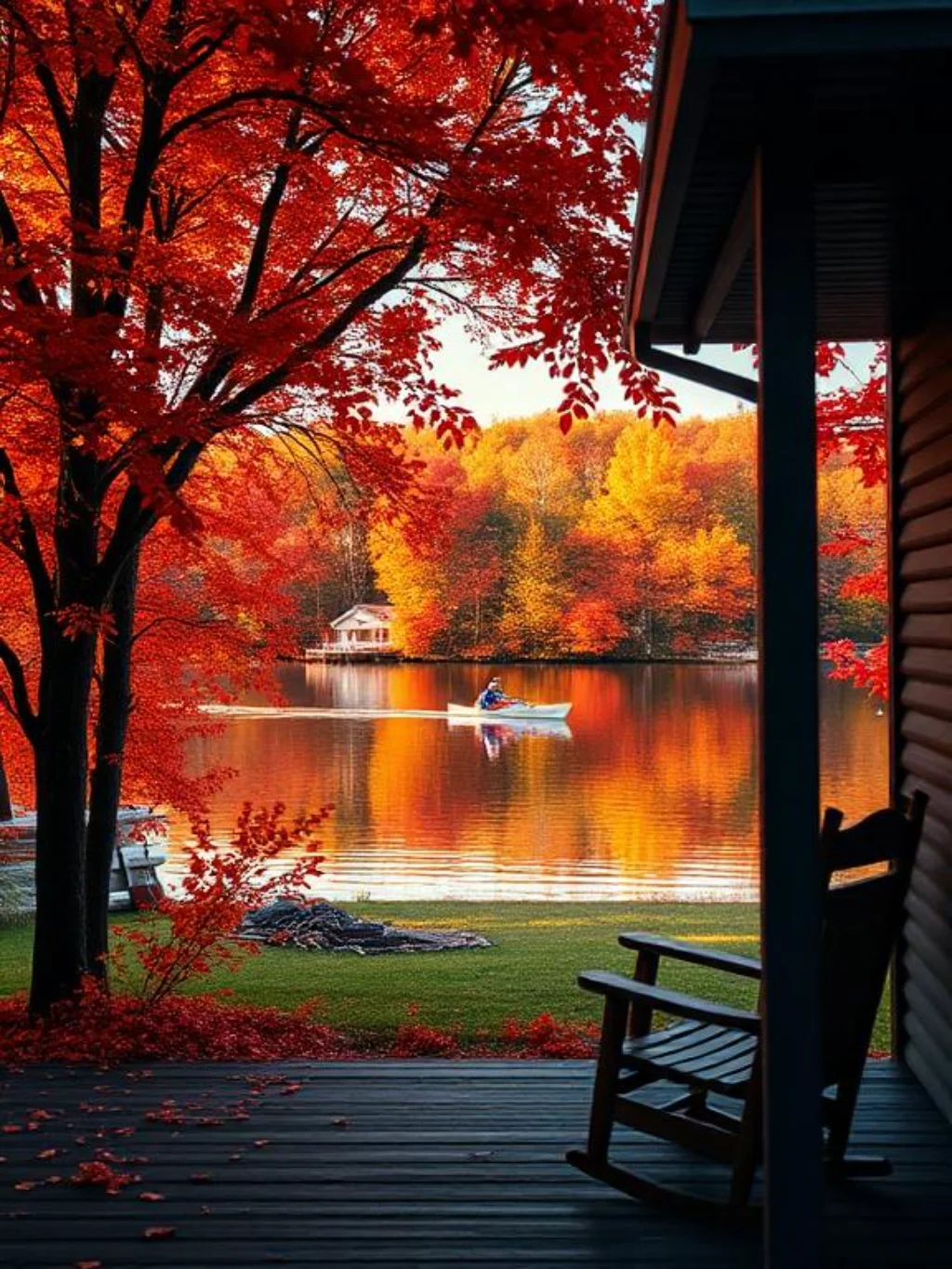
Best cabin resorts in the USA conversation almost always defaults to the same three or four destinations — the Smokies, Lake Tahoe, the Colorado Rockies — while genuinely extraordinary cabin resort regions remain functionally undiscovered by the broader market. The Ozark Mountains straddling Missouri and Arkansas offer stunning lake and river landscapes with cabin resort infrastructure developed enough to provide excellent amenities but undiscovered enough to offer remarkable value and availability relative to overcrowded marquee destinations.
Finger Lakes cabin resort New York region sits within five hours of 50 million people yet maintains a genuinely rural character that the more famous Hudson Valley has largely lost to gentrification and the weekend tourism density that popularity brings. Cabin resort near me searches in the upper Midwest consistently return results in Minnesota’s Boundary Waters area, Wisconsin’s Door Peninsula and Michigan’s Upper Peninsula — all regions with exceptional natural credentials, legitimate cabin resort infrastructure and visitor volumes dramatically lower than their natural beauty warrants.
Cabin Resort Kitchens Decks and Private Amenities That Justify the Premium Price
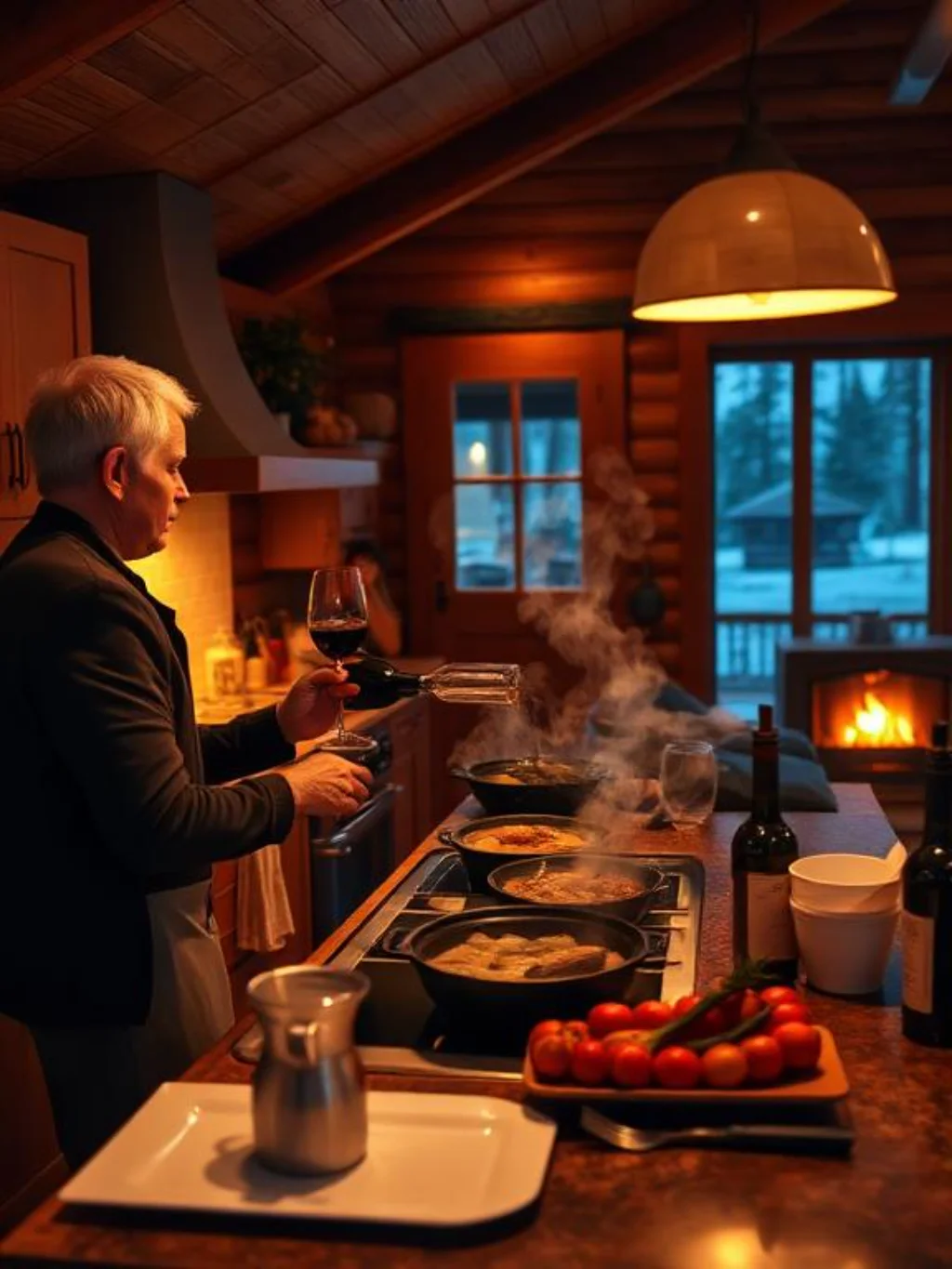
Cabin resort full kitchen amenity matters more to cabin resort guests than it does to hotel guests because the experiential logic of cabin stays includes cooking and eating in a way that hotel stays almost never do. Guests who book a cabin resort specifically plan around cooking together — morning bacon over a cabin stove, afternoon charcuterie on the deck, evening s’mores by the fire pit — in ways that require genuine kitchen functionality rather than a microwave and a coffee maker.
Cabin resort private deck views combined with outdoor cooking infrastructure — a quality grill, a fire pit at the deck’s edge, comfortable outdoor furniture scaled for genuine all-day use rather than a brief morning coffee — extend the cabin’s effective living space into the natural environment in ways that transform the exterior from a view to a room. Cabin resort hot tub outdoor positioned on the private deck with privacy screening from adjacent units completes the outdoor living program that distinguishes a premium cabin resort unit from a merely comfortable one. At properties where these three elements — kitchen, deck and hot tub — combine with an exceptional natural view, guests consistently report that they spent the majority of their waking hours outdoors rather than inside the cabin.
Seasonal Cabin Resort Pricing and the Windows Where Value Is Actually Extraordinary
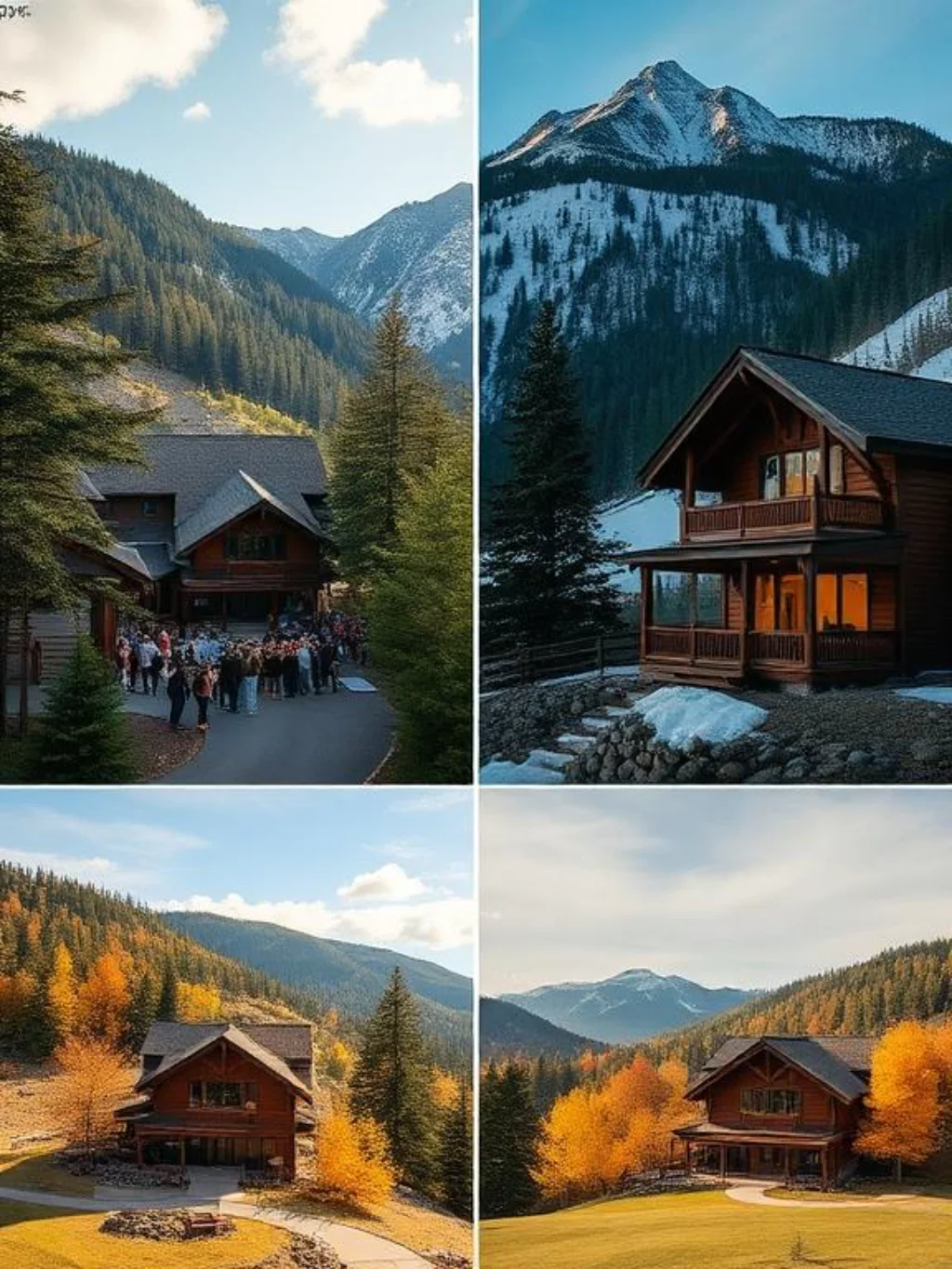
How much does a cabin resort cost per night varies from approximately $150 for an entry-level cabin at a value property in an accessible destination to over $2,000 for a premium unit at a luxury property during peak season. Understanding the pricing structure rather than simply comparing nightly rates unlocks significant value for flexible travelers willing to adjust their dates by one or two weeks in either direction from peak periods.
Cabin resort seasonal pricing creates specific value windows that experienced cabin travelers exploit consistently. The week immediately following Labor Day at Smoky Mountains properties sees rates drop 25 to 35 percent while the landscape often reaches its most beautiful early fall coloring. The weeks between Thanksgiving and Christmas at mountain cabin resorts see rates below peak summer pricing despite potential early snowfall that many guests find more atmospheric than summer conditions. How to find an affordable cabin resort combines this seasonal awareness with flexible destination selection — choosing a second-tier destination in the same geographic region as a marquee destination typically delivers 40 to 60 percent lower nightly rates for comparable natural environment quality.
Cabin Resort Wellness Experiences From Spa Services to Forest Bathing
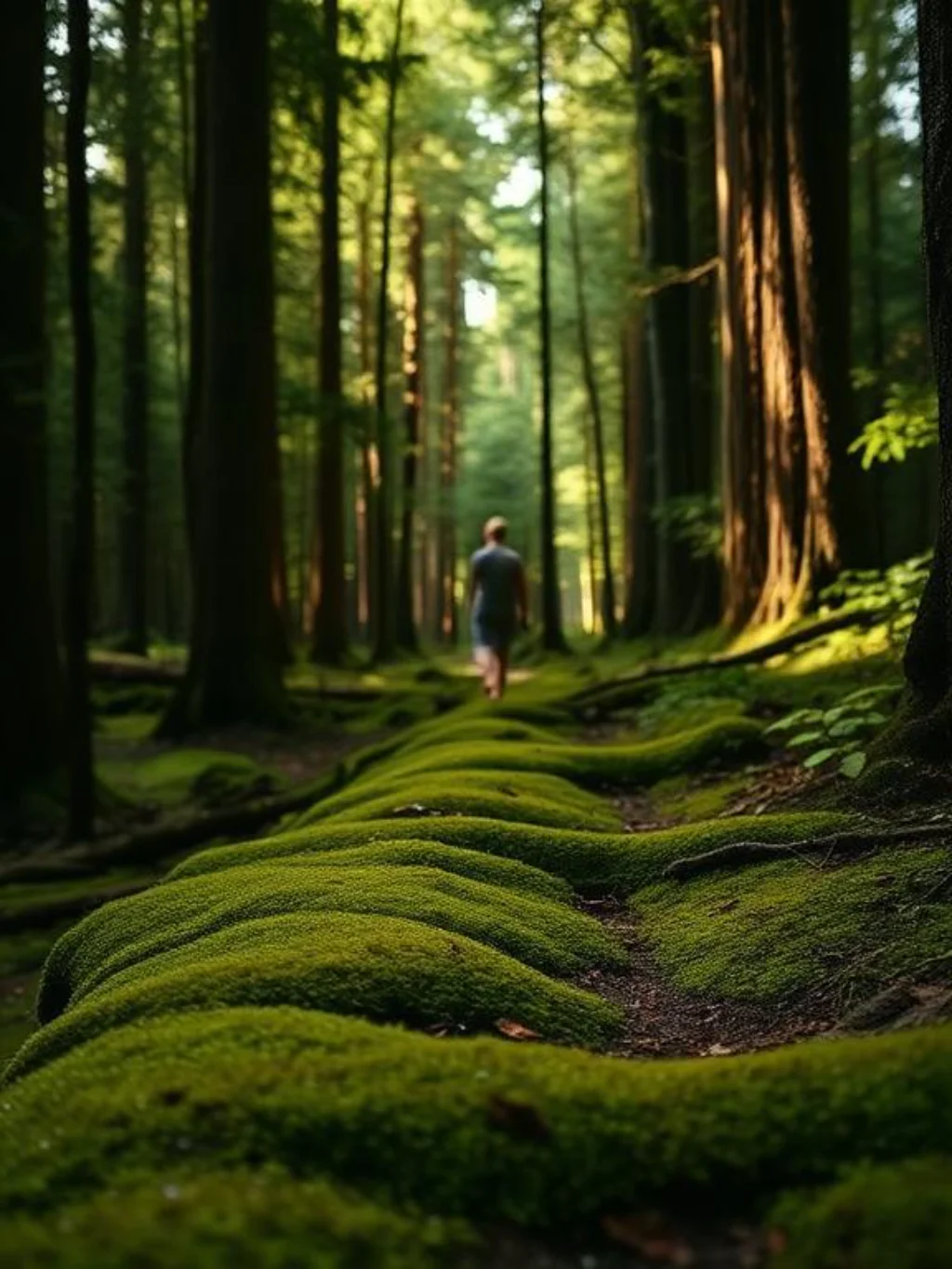
Cabin resort spa offerings have expanded significantly beyond the on-site massage-and-facial model that defined resort wellness programming a decade ago, now incorporating evidence-based practices from integrative medicine, traditional healing traditions and the emerging science of nature-based therapeutic modalities. Cabin resort wellness experiences at progressive properties include guided forest bathing sessions — the Japanese practice of shinrin-yoku that has generated substantial clinical research demonstrating measurable immune system, cortisol and cardiovascular benefits from deliberate immersive time in forested environments.
What do guests love most about cabin resorts according to consistent review pattern analysis across TripAdvisor cabin resort reviews and Booking.com cabin resort options guest feedback is the specific quality of rest and psychological restoration they experience — and the wellness programming that the best properties build around this need for restoration goes beyond scheduling activities into actively designing the environmental and temporal conditions that allow deep rest to occur naturally. Dark sky conditions, acoustic privacy, natural light cycles uninterrupted by artificial lighting and mornings without scheduled obligations combine to produce the neurological reset that guests are genuinely seeking beneath their stated desire for a “relaxing weekend away.”
What Guests Consistently Love and Hate About Cabin Resort Stays Honestly

What do guests love most about cabin resorts in honest review analysis: the privacy, the natural setting, the fireplace and hot tub combination, the quality of sleep in a genuinely dark and quiet environment, and the specific feeling of having genuinely escaped rather than simply relocated. These positives appear with remarkable consistency across every geographic market, every price tier and every season in cabin resort guest feedback.
What guests consistently complain about with equal consistency includes: cleaning standards that don’t match the pricing expectation, pest presence that wasn’t disclosed in property descriptions, WiFi performance inadequate for remote work despite “WiFi available” being listed as an amenity, and the gap between photography that implied a specific view quality and the actual view from the unit once on-site. Cabin resort minimum stay requirement of two or three nights — standard at most properties — generates frustration specifically when the property doesn’t disclose this limitation prominently in its search result listing, creating friction when guests attempt to book a single-night stay only to discover the minimum at checkout.
FAQ Section
Q1. What is a cabin resort and how does it differ from a regular hotel?
A cabin resort is a hospitality property where guests stay in individual private cabin structures set within a managed natural landscape, typically featuring private outdoor spaces, fireplace amenities and direct nature access. Unlike hotels, cabin resorts provide freestanding private accommodations where no corridor, elevator or lobby separates you from the natural environment outside your door. The spatial privacy and nature immersion are the defining characteristics that hotel design cannot replicate regardless of how premium the property’s other features are.
Q2. How much does a typical cabin resort stay cost per night in the USA?
US cabin resort nightly rates range from $150 to $2,000+ depending on destination, property tier, unit size and season. Entry-level cabin resort properties in accessible destinations average $150 to $250 per night. Mid-range properties with private hot tubs, fireplaces and quality furnishings typically run $250 to $500. Premium and luxury properties in desirable natural settings with exceptional design and service standards range from $500 to $2,000 per night. Shoulder season booking often saves 30 to 40 percent at comparable properties.
Q3. What amenities should I expect at a quality cabin resort?
A quality cabin resort should provide a private fireplace, outdoor hot tub or fire pit, fully equipped kitchen for self-catering, comfortable beds with quality linens, private deck with natural views, reliable WiFi, and access to shared resort amenities including trails, recreational equipment and on-site staff support. Premium properties add spa services, guided activities, meal delivery or catering, and concierge-level planning assistance. Always verify specific inclusions before booking since amenity descriptions vary significantly between properties using identical terminology.
Q4. How far in advance should I book a cabin resort to get the best availability?
For peak season weekends and holiday weeks at popular destinations like the Smoky Mountains, Lake Tahoe and Colorado Rockies, booking six to twelve months in advance is genuinely necessary for the best properties. Mid-week stays and shoulder season dates often remain available four to eight weeks ahead at many properties. Setting availability alerts on multiple platforms simultaneously gives you the best chance of securing preferred dates at top-rated properties that release cancellations at varying lead times throughout the year.
Q5. Are cabin resorts suitable for large family groups or reunions?
Yes — cabin resorts designed for group occupancy allow large parties to distribute across multiple private cabins while sharing communal gathering spaces, fire pits, recreational amenities and event areas within a single managed property. This configuration provides both genuine privacy within family subgroups and shared experience infrastructure that makes multi-generational reunions logistically manageable. Look specifically for properties that offer full-property exclusive booking options, dedicated event space and on-site catering support for groups of 20 or more.
Conclusion
A cabin resort delivers something so specific and so consistently in demand that its popularity shouldn’t surprise anyone who has actually experienced one properly. The combination of private natural space, genuine accommodation comfort and the particular quality of rest that comes from sleeping in a place where the only sounds are wind, water and wildlife produces the kind of vacation memory that stays vivid for years rather than blending into the accumulated blur of ordinary getaways.
Choose your destination based on the season’s specific character rather than generic beauty. Book early for peak dates and flexibly for value. Read the fine print on amenity inclusions. And when you arrive, resist the impulse to immediately fill the schedule. The greatest luxury a cabin resort genuinely provides is the permission to simply be somewhere extraordinarily beautiful without any obligation to optimize the experience. Some memories form best when you stop trying to create them.
1 Comment