
Introduction
There is a reason so many travelers keep coming back to Spain year after year. It is not just one city or one coastline that pulls people in, but the way the entire country blends breathtaking landscapes, vibrant culture, and centuries of history into everyday life. Whether you are dreaming of your first trip abroad or planning your fifth visit, Spain has a way of surprising you every single time.
If you have ever felt overwhelmed trying to pick where to go in a country this large and diverse, you are not alone. From charming villages tucked into the mountains to sun-drenched coasts lined with beach bars, choosing just a few Spain travel destinations can feel like an impossible task. That is exactly why this guide exists, to make your planning easier and a little more exciting.
Below you will find 22 beautiful places Spain has to offer, each with a short explanation of what makes it special and practical advice on how to enjoy it fully. Think of this as your personal Spain travel guide, built for real travelers who want both authentic experiences and unforgettable memories.
Barcelona
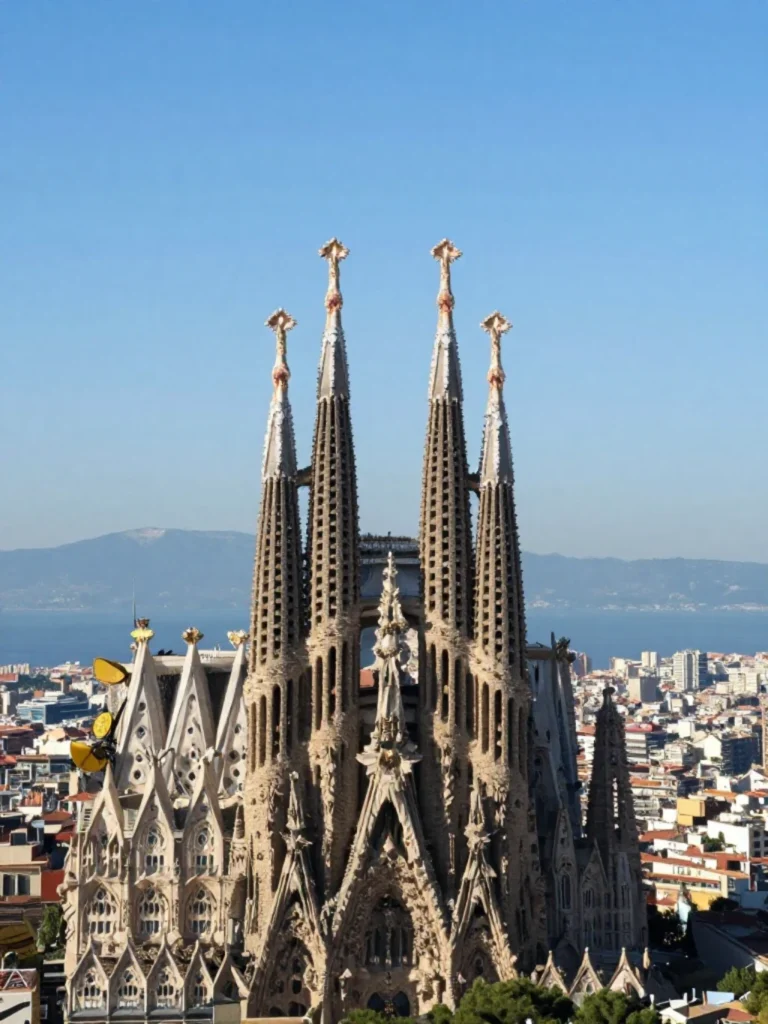
Barcelona is often the first stop for anyone building a Spain travel itinerary, and it earns that spot honestly. The city mixes stunning architecture from Gaudi with lively beaches, so you can spend your morning admiring the Sagrada Familia and your afternoon relaxing by the water. Its bustling markets and artistic neighborhoods give it a creative energy that feels different from anywhere else in the country.
If you are visiting for the first time, give yourself at least three days here. Walking is the best way to explore, but the metro is easy to use when your feet need a break. Try to book Sagrada Familia tickets in advance, since it is one of the most visited Spanish landmarks in the country.
Madrid
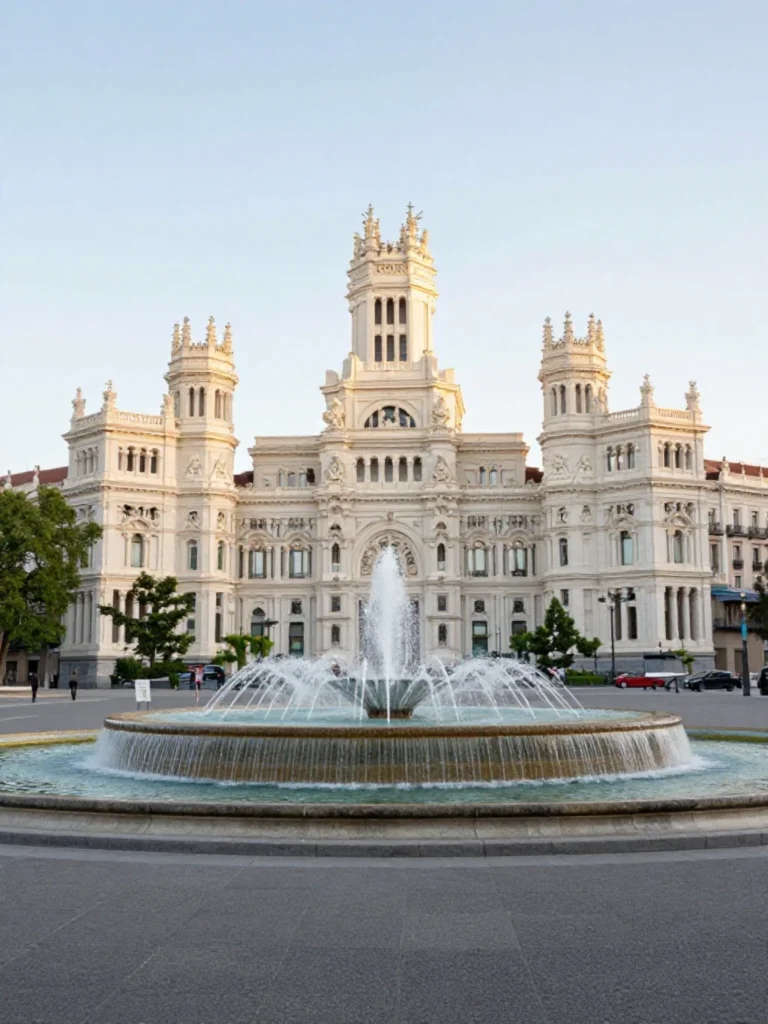
As the capital, Madrid offers a mix of world-class museums, green parks, and a nightlife scene that rarely slows down. The Prado and Reina Sofia museums attract art lovers from around the world, while Retiro Park gives you a peaceful break from the city buzz. It is one of the easiest top tourist spots Spain has for first-time visitors because everything feels central and walkable.
Madrid also makes a great base for day trips to nearby towns. Locals tend to eat dinner later than many visitors expect, often after nine in the evening, so plan your schedule around that if you want the full experience. Tapas hopping in the La Latina neighborhood is a simple way to taste a lot of dishes without committing to one big meal.
Seville
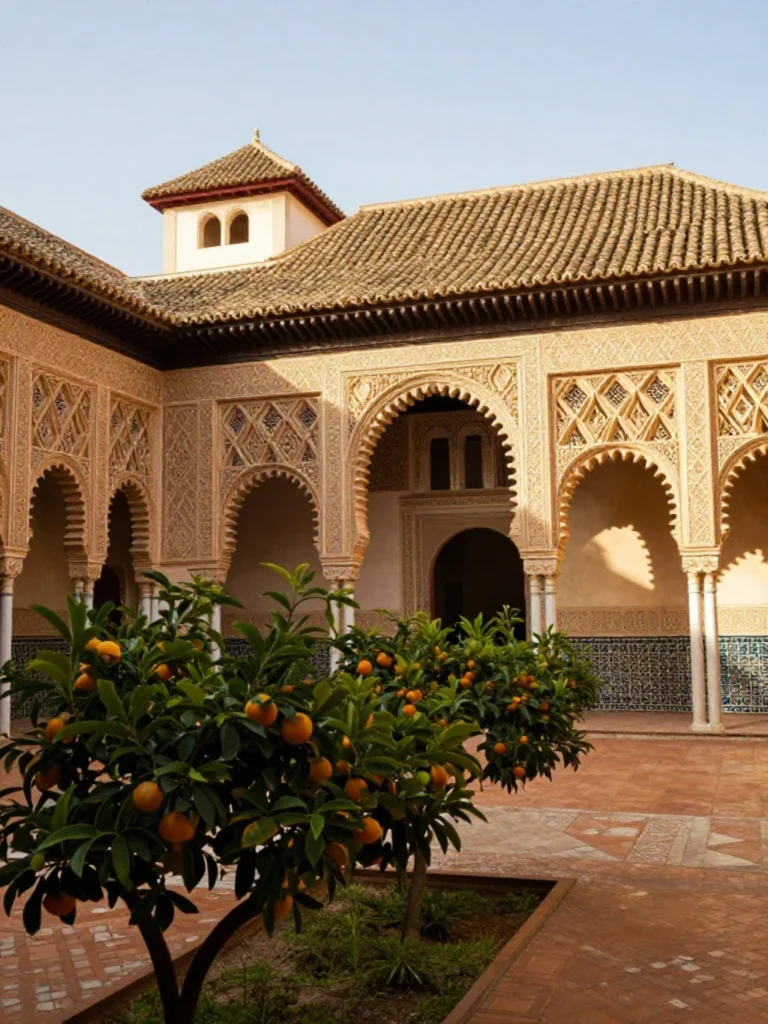
Seville feels like the heart of southern Spain, full of historic monuments, flamenco music, and warm evenings spent outdoors. The Real Alcazar and Seville Cathedral show off moorish architecture at its finest, and wandering through the old town feels like stepping into another century. This city captures the rich heritage of Andalusia better than almost anywhere else.
Summers here get extremely hot, so spring or early autumn is the better time to visit if you want comfortable weather. Watching a live flamenco show in a small local venue gives you a much more genuine experience than the larger touristy performances. Reserve tickets a day ahead if you can, since good venues fill up fast.
Granada
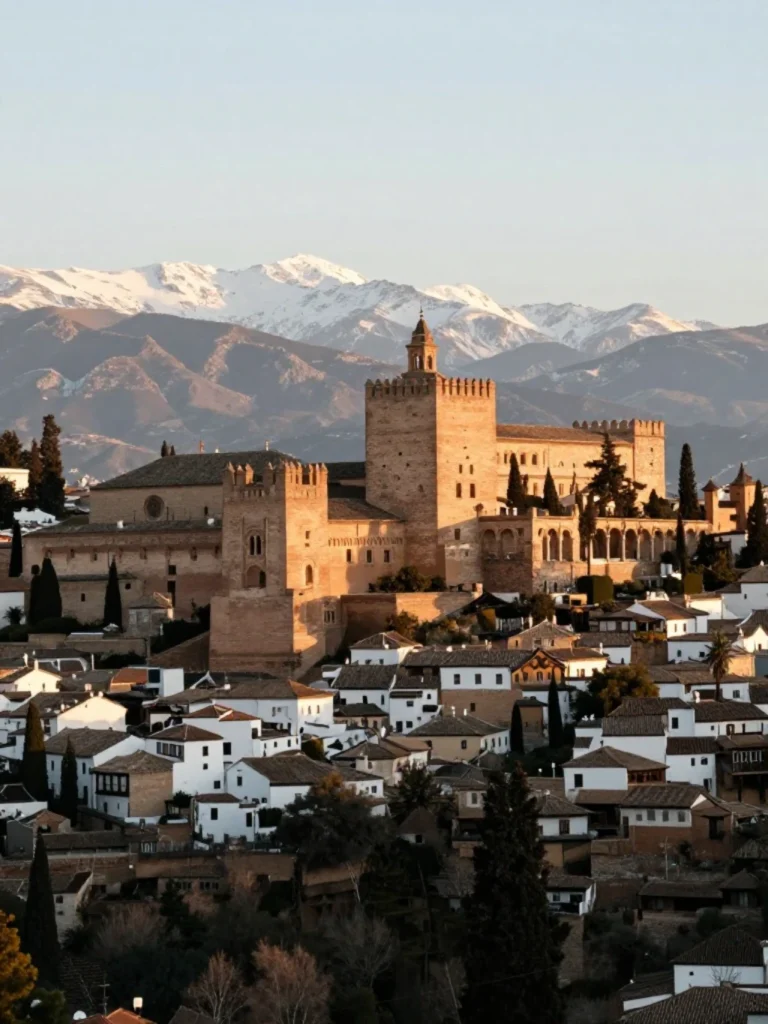
Granada is best known for the Alhambra, a palace and fortress complex that blends architectural marvels with panoramic views over the city. Beyond the Alhambra, the Albaicin neighborhood offers winding alleys and cobblestone streets that make for some of the best Spain photography spots in the country. It is a place where history feels genuinely alive rather than staged for visitors.
Book your Alhambra tickets well in advance, sometimes weeks ahead during peak season, since daily entries are limited. Free tapas often come with your drink order here, which is a fun local tradition not found everywhere else in Spain. Give yourself at least a full day just for the Alhambra grounds.
Valencia
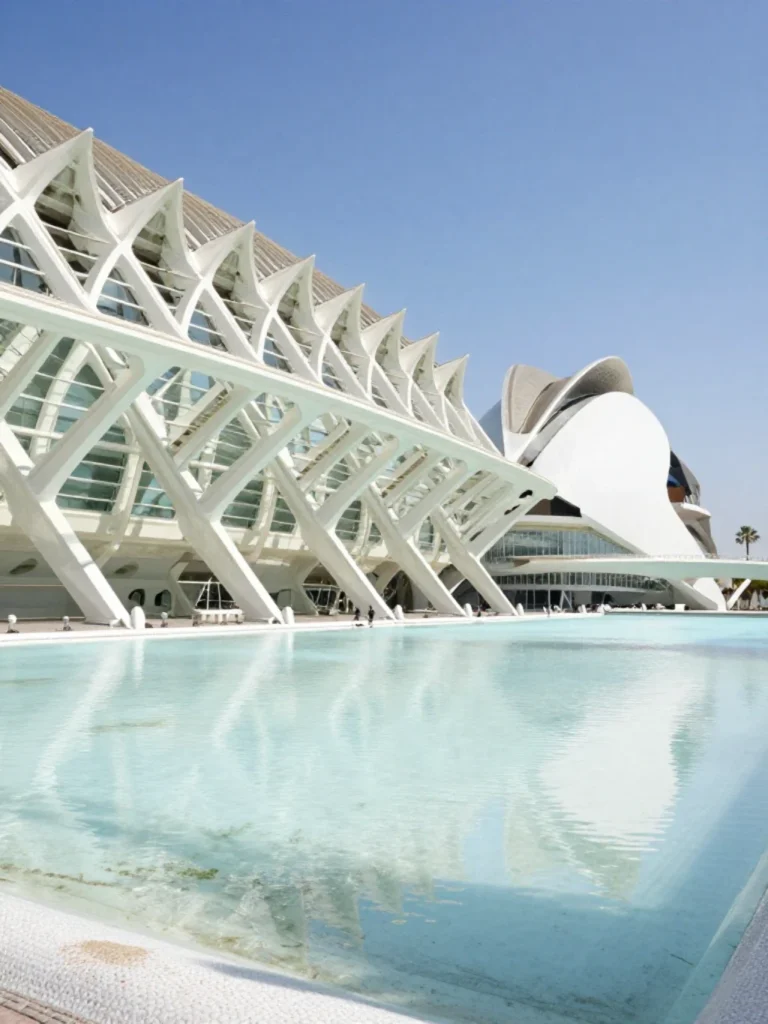
Valencia combines beach life with modern design, thanks to the City of Arts and Sciences and its futuristic buildings. It is also the birthplace of paella, so food lovers will find plenty of traditional cuisine to enjoy here. This city is often overlooked compared to Barcelona or Madrid, making it one of the better hidden gems Spain travelers recommend once they discover it.
The beaches here are wide and less crowded than those in more famous coastal cities. Renting a bike is a great way to explore, since Valencia has excellent bike lanes throughout the city. Try an authentic paella Valenciana instead of a seafood version if you want the original recipe.
Toledo
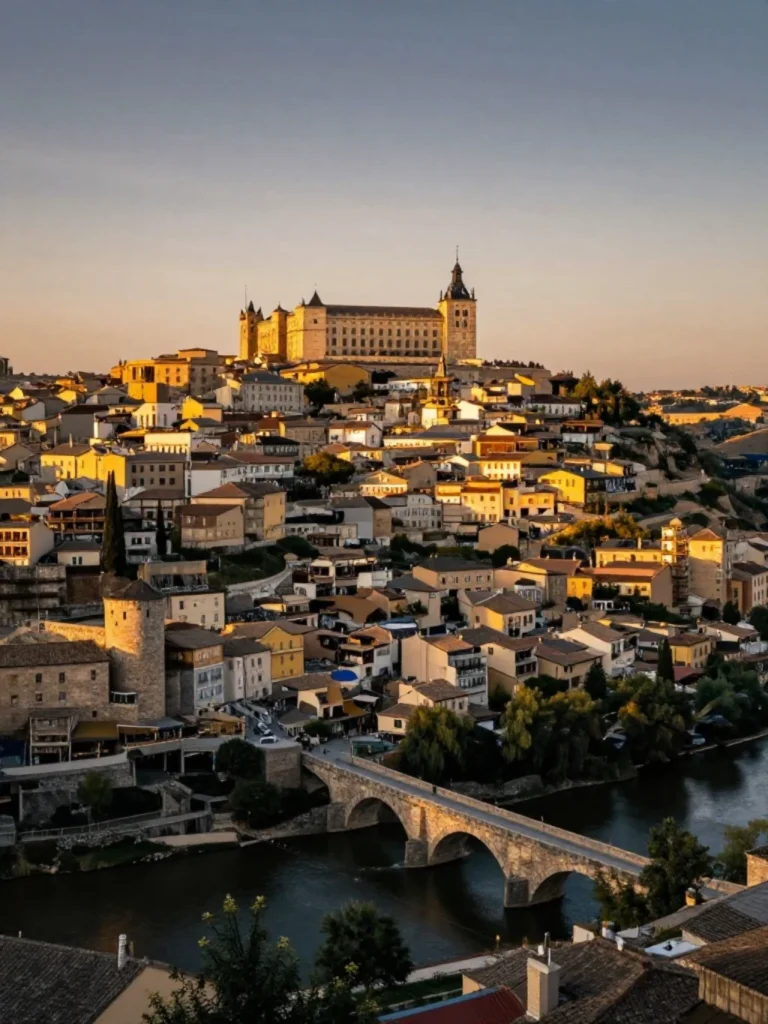
Just a short train ride from Madrid, Toledo feels frozen in time with its medieval castles, narrow streets, and blended Christian, Muslim, and Jewish history. It is one of the most rewarding Spain historical sites for anyone interested in architecture and religious heritage. The city sits on a hill surrounded by the Tagus River, giving it a dramatic setting.
A day trip from Madrid is enough to see the highlights, though staying overnight lets you experience the city without the daytime crowds. The Toledo Cathedral and the Alcazar fortress are the two must-see stops. Local sword and knife craftsmanship also makes for a memorable souvenir.
San Sebastian
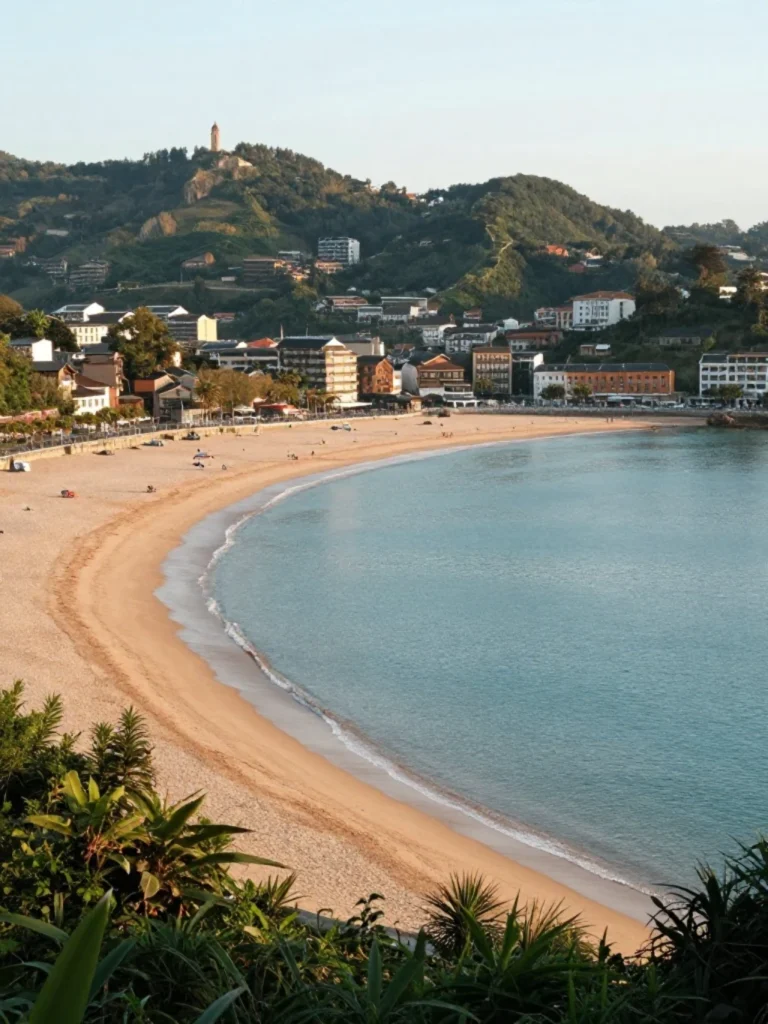
San Sebastian sits along a scenic coastline in the Basque Country, known for its beautiful bay, La Concha Beach, and some of the best pintxos in Spain. This is one of the more romantic Spain coastal towns, ideal for slow mornings by the water and long dinners in the old quarter. It regularly ranks among the top Spain summer destinations for good reason.
The pintxos bars in the old town let you try small dishes at a low cost, so hopping between three or four spots in one evening is common practice. September brings the San Sebastian Film Festival, which adds extra energy to the city if your trip lines up with it. Walking the coastal path around Monte Igueldo gives you some of the best views in the region.
Bilbao
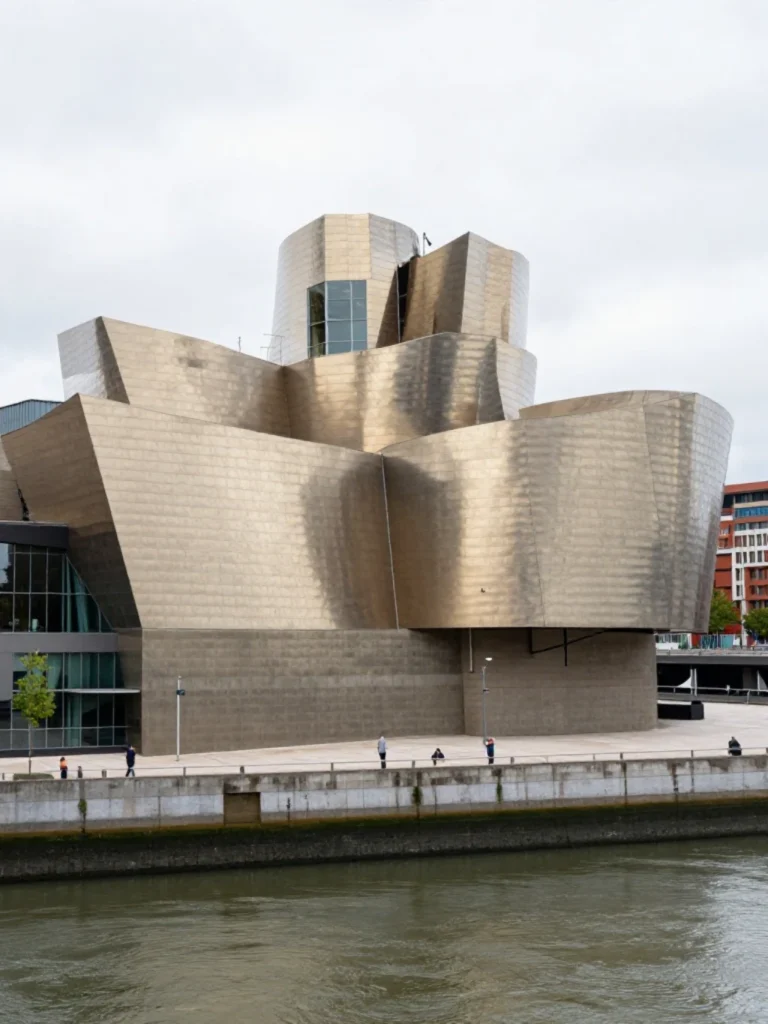
Bilbao transformed itself from an industrial city into a cultural destination, largely thanks to the Guggenheim Museum and its striking curved architecture. It represents diverse regions of Spain moving forward while still holding onto Basque traditions and language. The riverside walkways make the city pleasant to explore on foot.
Beyond the Guggenheim, the Casco Viejo old town offers local traditions through its food markets and small squares. Pintxos here are just as good as in San Sebastian but often at a lower price. A short trip to nearby Getxo adds a coastal element if you have an extra day.
Cordoba
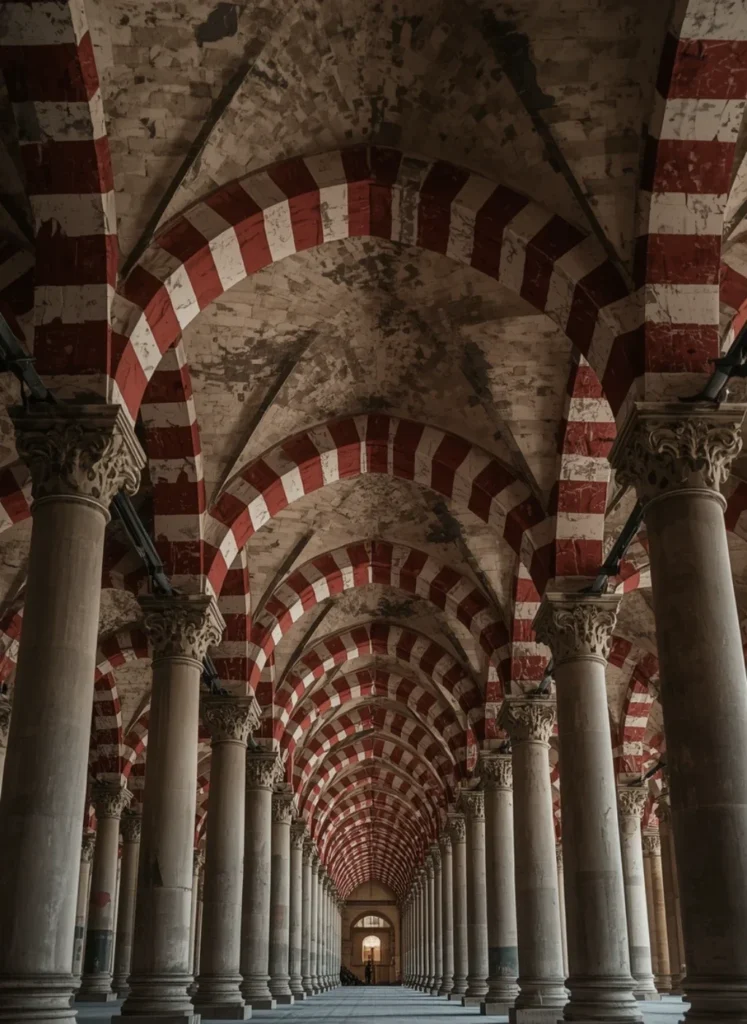
Cordoba is home to the Mezquita, a mosque-cathedral that stands as one of the most striking iconic landmarks in all of Spain. The building’s forest of red and white arches is unlike anything else you will see on your trip. Cordoba also has a rich Jewish quarter with timeless beauty in every corner.
Visit early in the morning to avoid both the heat and the crowds, especially during summer months. The Patio Festival in May, when locals decorate their courtyards with flowers, is a wonderful time to visit if your schedule allows it. Comfortable shoes are a must, since much of the old town is cobblestone.
Ronda
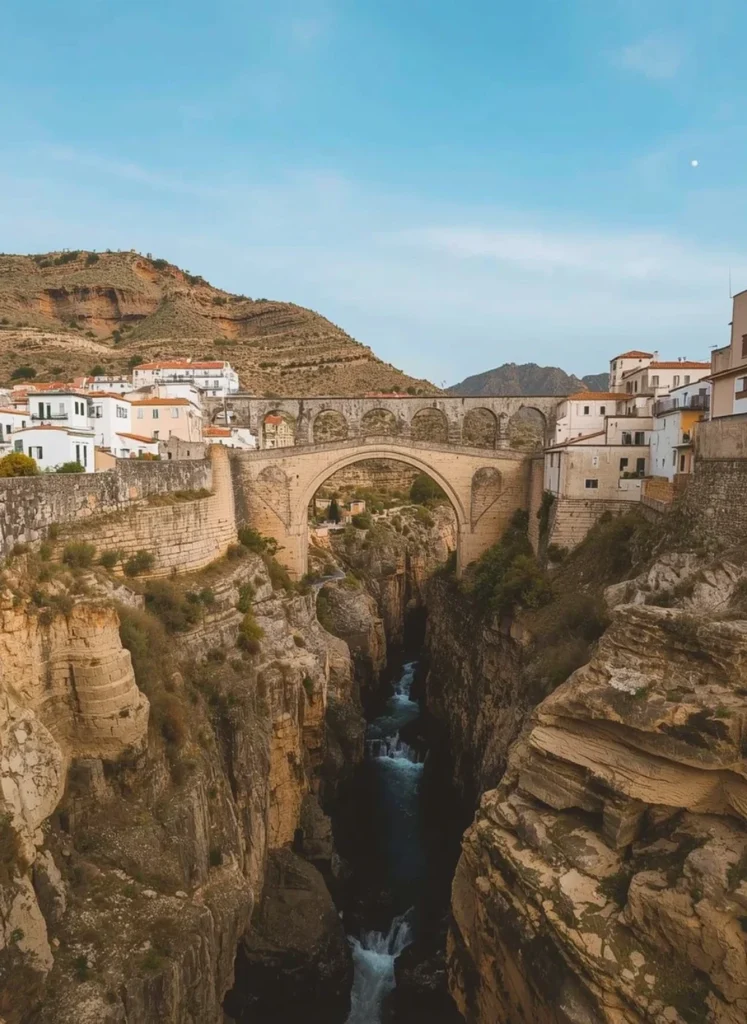
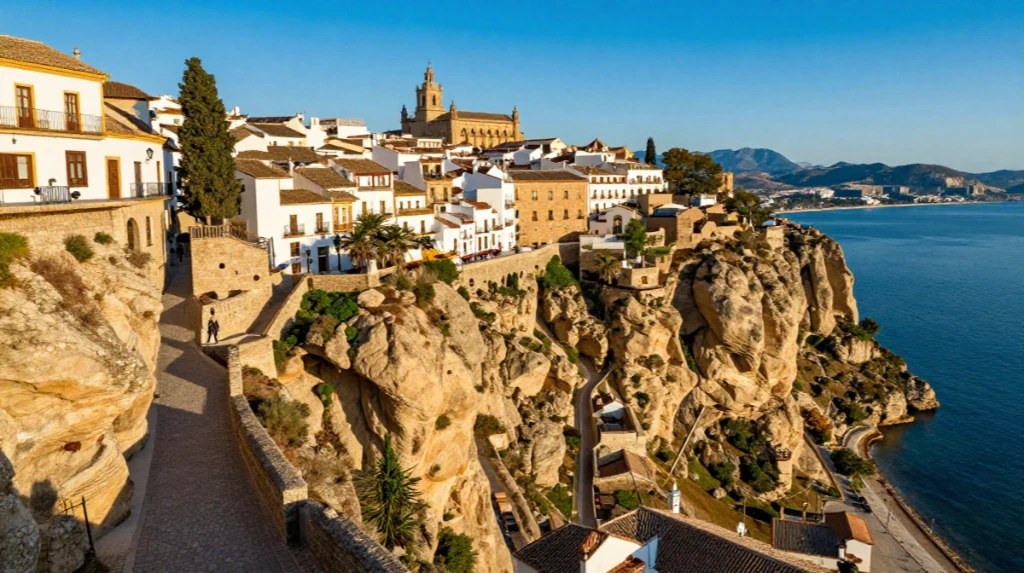
Perched dramatically over a deep gorge, Ronda is famous for its Puente Nuevo bridge and dramatic cliffs that make for unforgettable photos. It is one of the more peaceful Spain countryside towns, offering a slower pace compared to the bigger cities. The views alone make it worth the detour from the coast.
A day trip from Malaga or Seville works well if you are short on time. Local wineries in the surrounding region offer tastings that pair nicely with an afternoon walk through town. Ronda is also considered one of the birthplaces of modern bullfighting, with a historic bullring open for visitors.
Ibiza
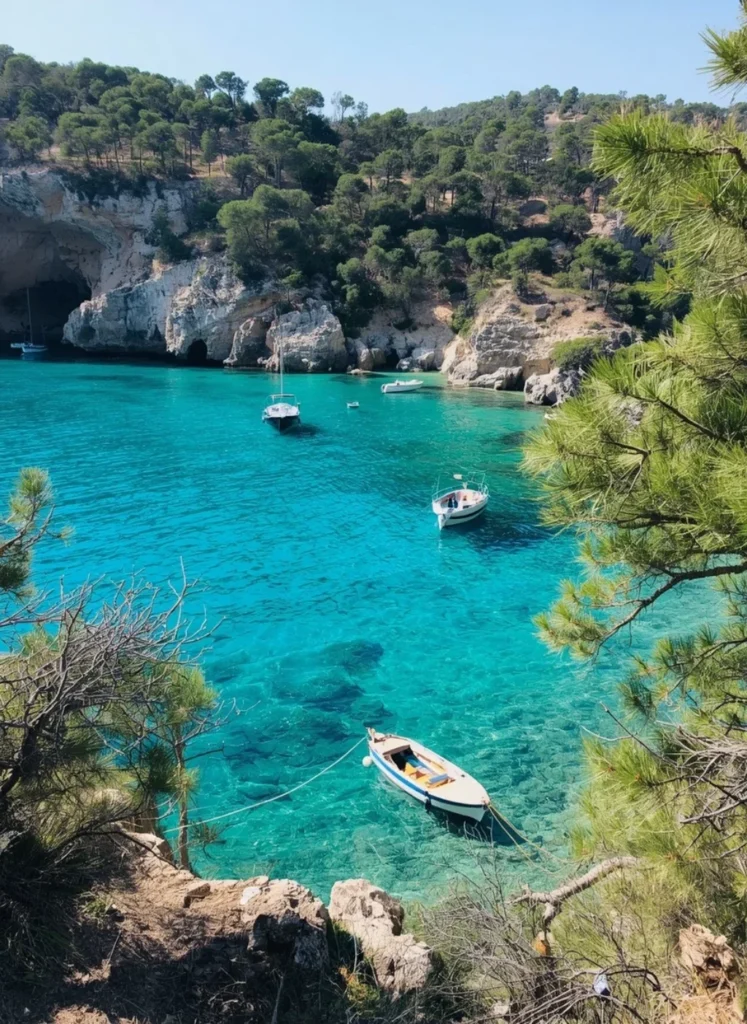
Ibiza is known worldwide for its nightlife, but the island also offers crystal-clear waters and quiet coves away from the party scene. It appeals to a wide range of travelers, from those chasing Spain luxury travel experiences to backpackers looking for a more relaxed beach stay. The northern part of the island tends to be calmer than the south.
If clubbing is not your priority, focus on the smaller beaches like Cala Comte or Benirras for a more peaceful visit. Renting a scooter or small car gives you the freedom to explore beyond the main tourist areas. Sunset watching at Benirras Beach has become a popular local tradition worth experiencing at least once.
Mallorca
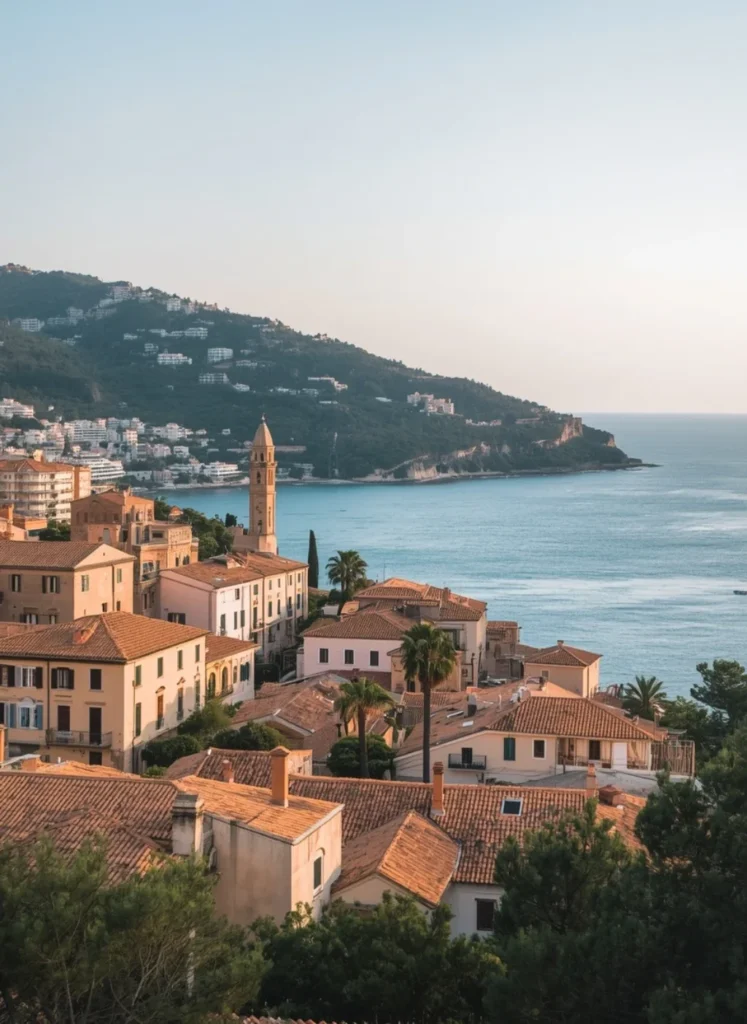
Mallorca offers something for nearly every type of traveler, with golden beaches, mountain villages, and a charming capital in Palma. It is one of the most popular Spain family travel destinations because of its mix of relaxed beach days and easy day trips inland. The Serra de Tramuntana mountains add a scenic backdrop you would not expect from a beach island.
Renting a car is highly recommended here, since public transport does not reach every corner of the island. The northern coastal villages, like Deia and Soller, offer a quieter alternative to the busier resort towns. Visiting in late spring or early autumn helps you avoid both extreme heat and heavy crowds.
Tenerife

Tenerife, part of the Canary Islands, brings volcanic landscapes and year-round mild weather that make it a favorite for Spain winter getaways. Mount Teide, Spain’s highest peak, sits at the center of the island and offers a completely different scenery from typical beach destinations. Black sand beaches here are a unique feature not found on the mainland.
A cable car ride up Mount Teide gives you sweeping views, though booking ahead is smart since spots are limited each day. The island’s varied microclimates mean the north tends to be greener while the south stays drier and sunnier. Whale and dolphin watching tours are a popular activity for visitors staying near the coast.
Segovia
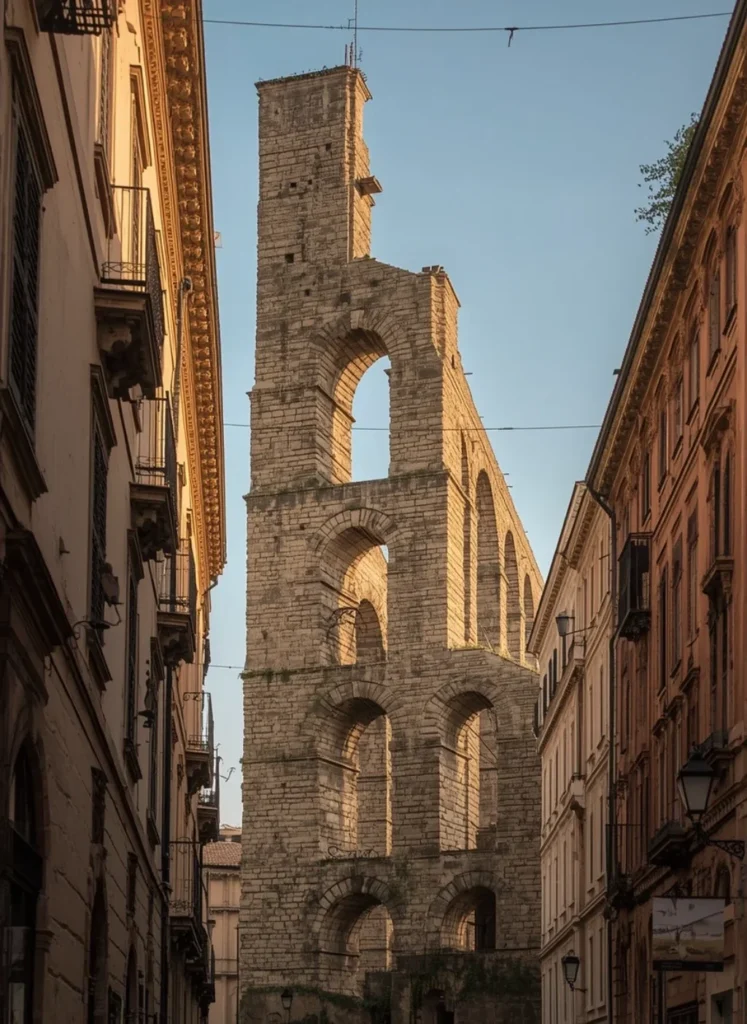
Segovia is best known for its remarkably preserved Roman aqueduct, one of the most impressive Spain historical sites still standing after nearly two thousand years. The city’s fairytale-like Alcazar castle is said to have inspired parts of Disney’s design work. Walking beneath the aqueduct arches gives you a real sense of scale and history.
A day trip from Madrid works well, since the high-speed train takes less than thirty minutes. Roast suckling pig, a local specialty, is worth trying at one of the traditional restaurants near the aqueduct. Visiting on a weekday helps you avoid the larger weekend crowds.
Salamanca

Salamanca is a university city with golden sandstone buildings and one of the oldest universities in Europe. Its main square, Plaza Mayor, is often considered one of the most beautiful in the country, especially when lit up in the evening. The city has a youthful energy thanks to its large student population.
Look for the small carved frog on the university facade, a tradition said to bring good luck to students who find it without help. The city is very walkable, so a few hours is enough to see the main sights. Evenings here are lively thanks to the student crowd filling local bars and cafes.
Girona
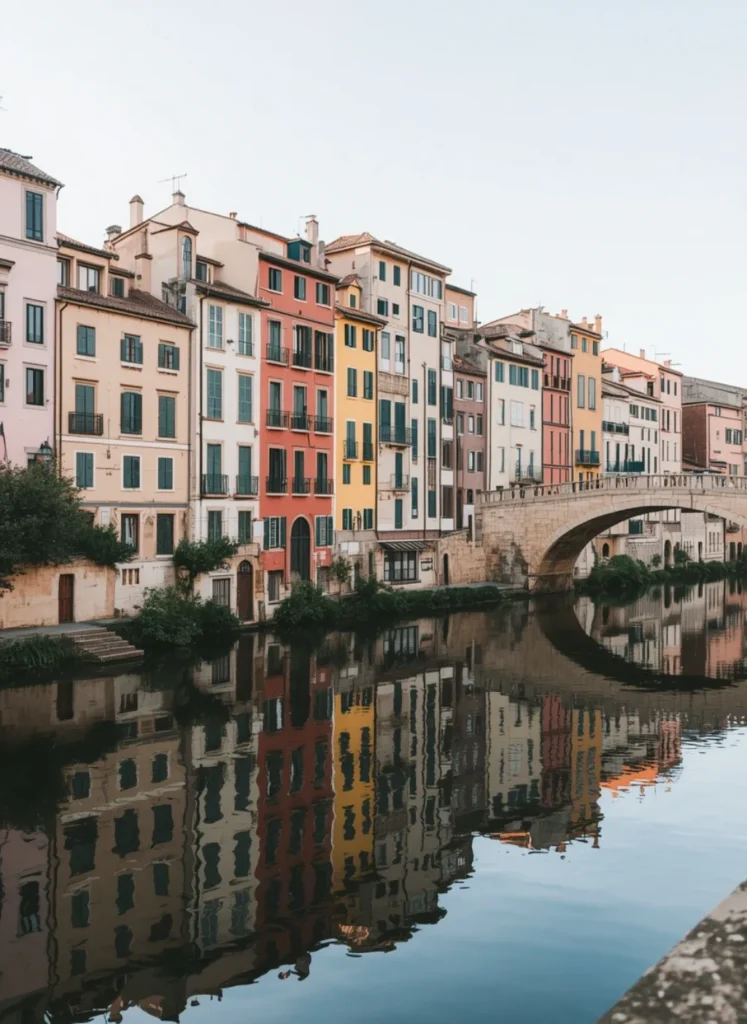
Girona often gets overlooked in favor of nearby Barcelona, but its colorful streets and medieval old town make it one of the better Spain hidden gems. The colorful houses along the Onyar River create one of the most photographed scenes in Catalonia. Game of Thrones fans may recognize several filming locations throughout the old quarter.
A day trip from Barcelona by train takes under an hour, making it an easy addition to any itinerary. The Jewish Quarter, one of the best preserved in Europe, is worth a slow walk through its narrow lanes. Girona’s food scene has grown significantly, with several highly rated restaurants worth booking ahead.
Malaga
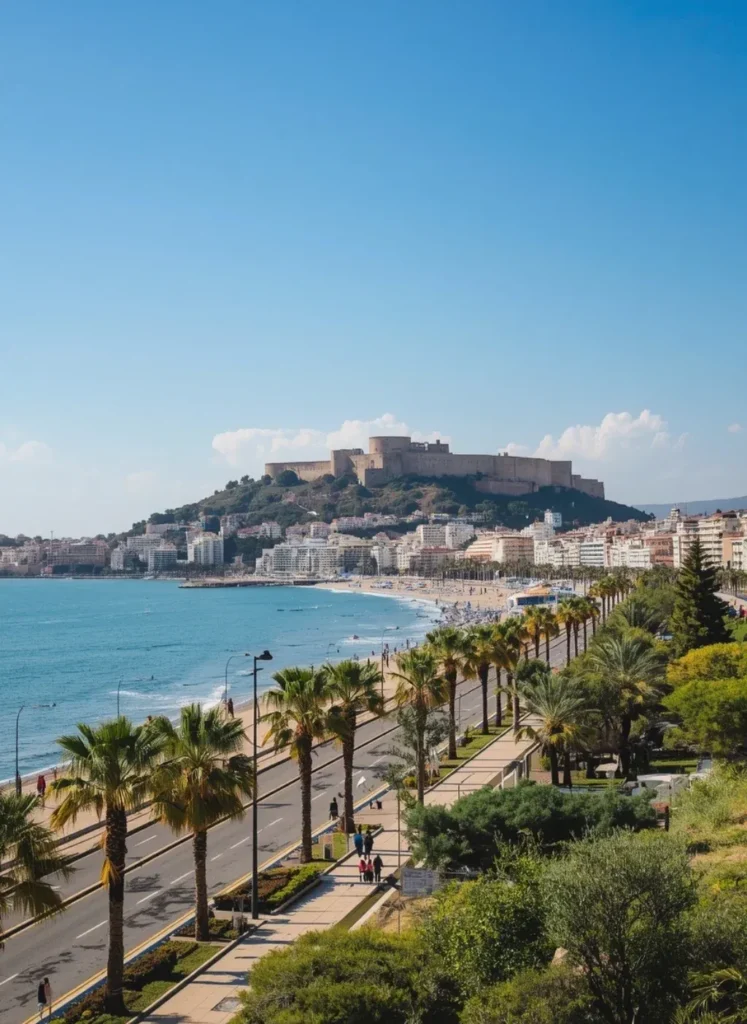
Malaga blends beach life with culture, being the birthplace of Pablo Picasso and home to several excellent museums. Its serene countryside surroundings and coastal setting make it a great base for exploring the wider Costa del Sol region. The historic center feels lively without being overwhelming.
The Picasso Museum and Alcazaba fortress are the two top attractions worth prioritizing. Malaga’s airport connects easily to smaller towns along the coast, making it a smart starting point for a longer southern Spain trip. Rooftop bars near the cathedral offer some of the best sunset views in the city.
Costa Brava
Costa Brava stretches along the northeastern coast, offering exotic landscapes with rocky cliffs, hidden coves, and clear turquoise water. It is one of the more underrated Spain coastal towns regions, especially compared to the busier Costa del Sol further south. Towns like Cadaques and Tossa de Mar are particularly popular with photographers.
Renting a car gives you the flexibility to hop between small coves that are not accessible by public transport. Visiting outside of peak July and August months means fewer crowds and lower prices. Coastal hiking trails here connect several of the prettiest beaches, making for a great half-day activity.
Santiago de Compostela
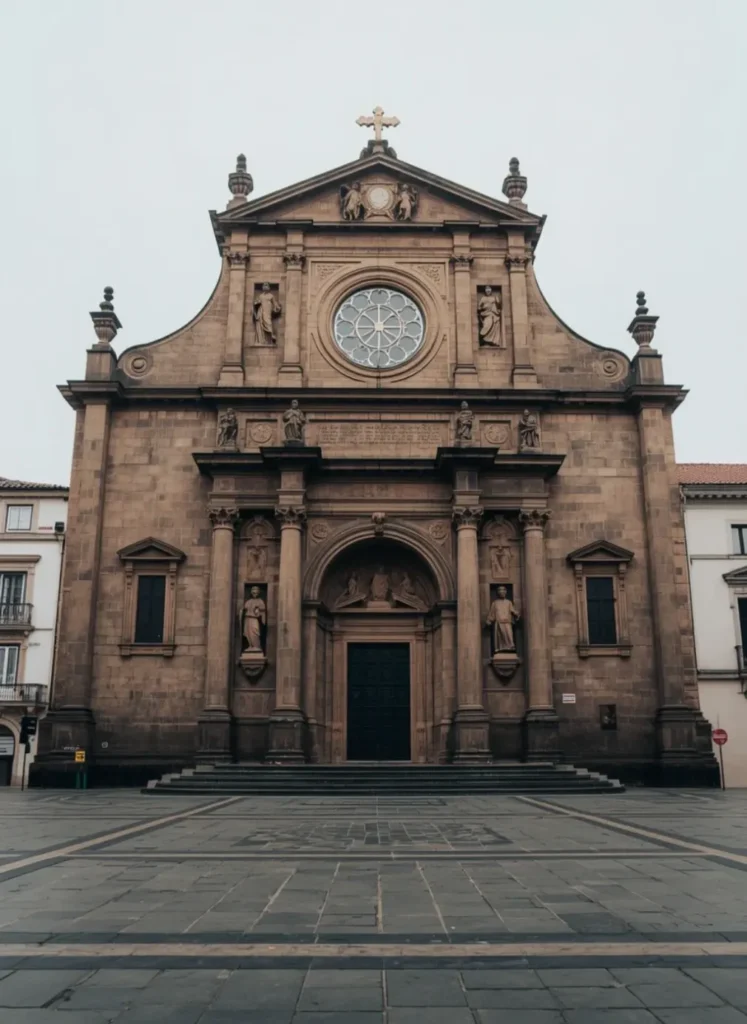
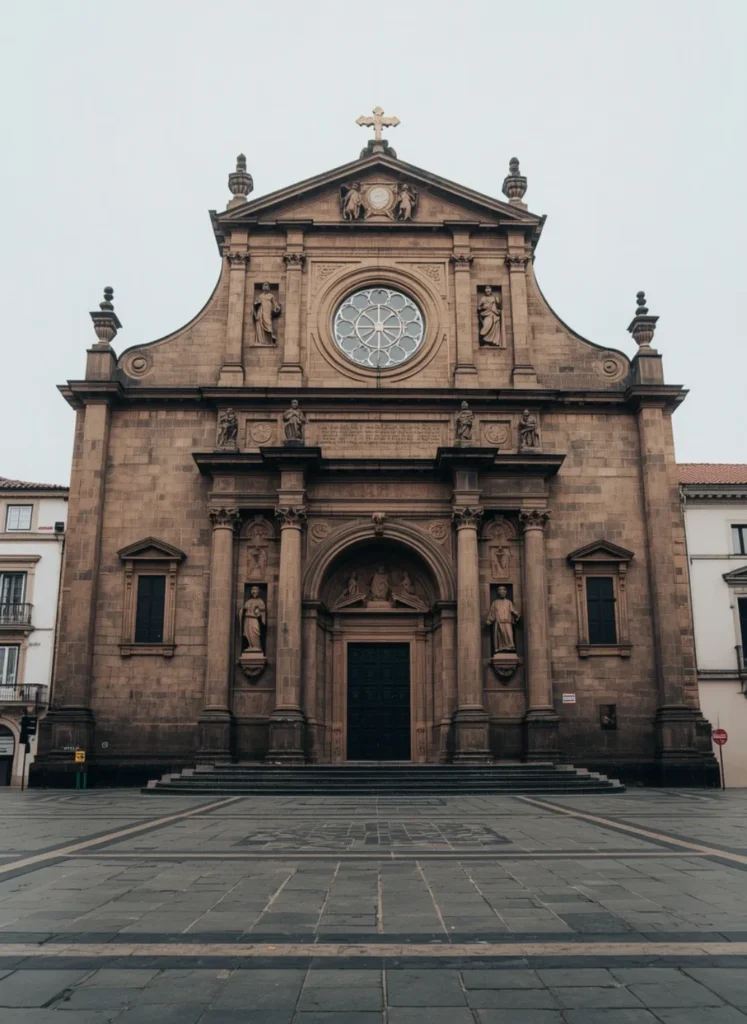
This city marks the end point of the famous Camino de Santiago pilgrimage route and holds deep spiritual sites significance for many visitors. The cathedral here, believed to hold the remains of Saint James, draws both religious travelers and curious tourists. The atmosphere feels different from anywhere else in Spain, quieter and more reflective.
Even if you are not walking the full pilgrimage, spending a night in the old town lets you experience the arrival ceremony many pilgrims describe as emotional. Galician cuisine, especially seafood, is some of the best in the country. Rain is common here, so packing a light jacket is a smart idea regardless of season.
Cadiz
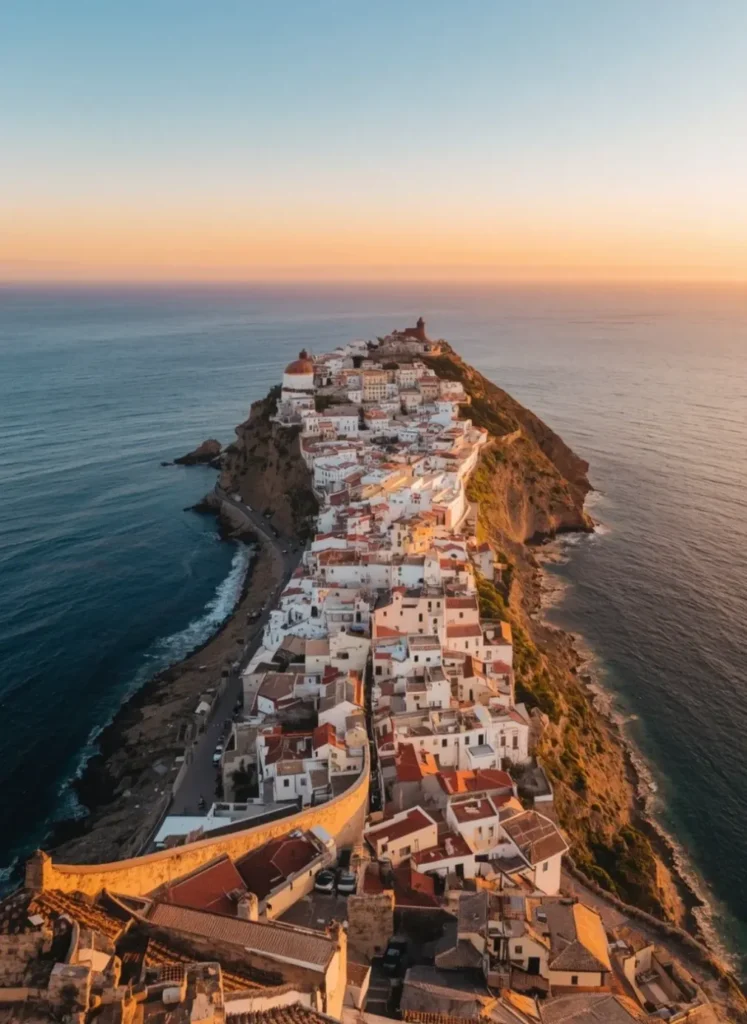
Cadiz is considered one of the oldest cities in Western Europe, with ancient ruins and a laid-back coastal atmosphere. Its old town sits on a narrow peninsula, meaning you are never far from the beach no matter where you wander. Locals here are known for their humor and relaxed pace of life.
The city’s Carnival celebration in February is one of the liveliest in Spain, second only to Rio in scale according to many travelers. Fried fish, known locally as pescaito frito, is a must-try dish here. Watching the sunset from the sea walls near Playa La Caleta is a simple pleasure worth the wait.
Zaragoza
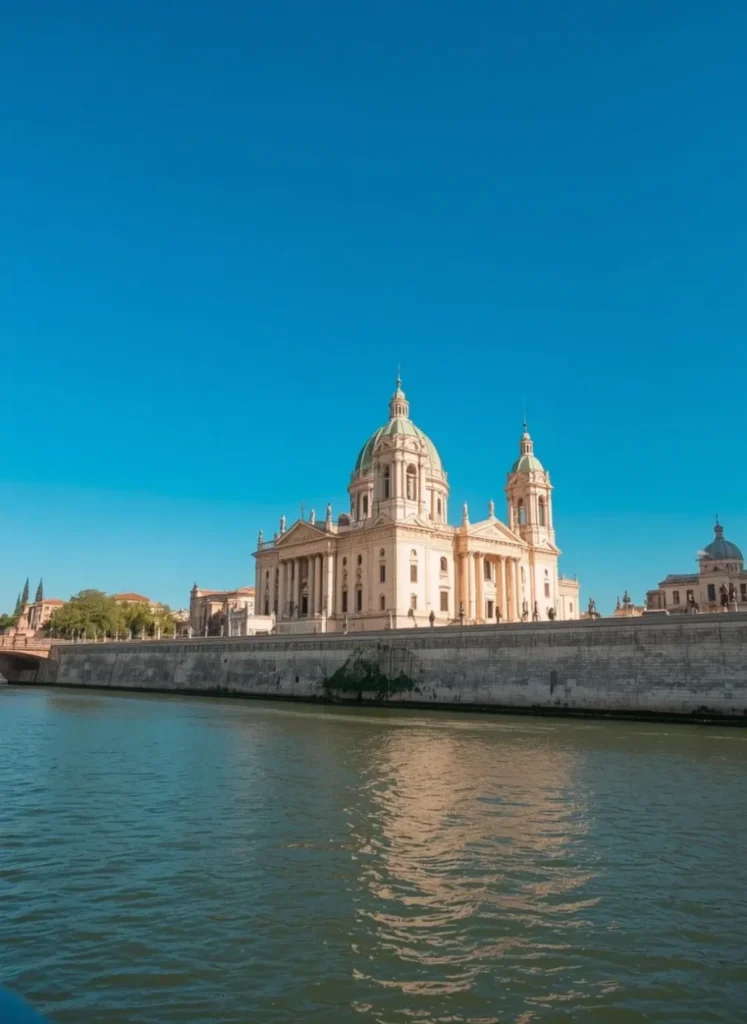
Zaragoza sits roughly between Madrid and Barcelona, making it an easy stop that many travelers skip without realizing what they are missing. The Basilica del Pilar dominates the city skyline and represents some of the most impressive baroque churches in the country. Its riverside setting along the Ebro adds a pleasant, open feel to the city center.
A few hours is enough to see the main square and basilica if you are passing through on a road trip. The city also makes for a relaxed Spain weekend getaway without the heavier tourist crowds found in bigger cities. Local tapas bars around El Tubo neighborhood offer a genuine, less touristy dining experience.
La Rioja
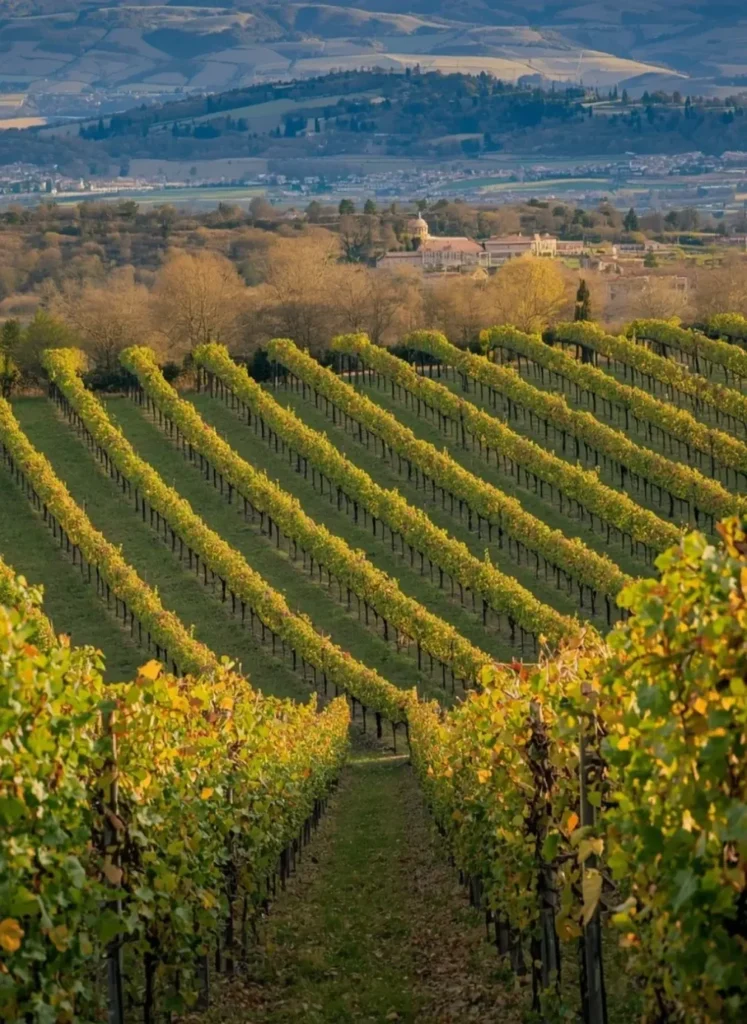
La Rioja is Spain’s most famous wine region, filled with verdant valleys, family-run vineyards, and small stone villages. It is one of the best areas for a slower Spain road trip, especially if you enjoy wine tasting paired with quiet countryside scenery. The region’s medieval towns add a cultural layer beyond just the wineries.
Booking a vineyard tour ahead of time is recommended, since many are family operations with limited visiting hours. Autumn, during the grape harvest, is one of the most beautiful times to visit. Renting a car is essential here, as public transport between smaller villages is limited.
Quick Comparison Table
| Place | Best For | Ideal Season | Budget Level | Highlight |
|---|---|---|---|---|
| Barcelona | Architecture and beaches | Spring, Autumn | Mid to High | Sagrada Familia |
| Seville | Culture and history | Spring, Autumn | Mid | Real Alcazar |
| San Sebastian | Food and coastline | Summer | High | Pintxos bars |
| Tenerife | Nature and winter sun | Winter | Mid | Mount Teide |
| Costa Brava | Beaches and photography | Summer | Mid | Hidden coves |
| La Rioja | Wine and countryside | Autumn | Mid | Vineyard tours |
| Cadiz | Relaxed coastal life | Spring, Summer | Low to Mid | Old town beaches |
Conclusion
Spain is not a country you can fully experience in one single trip, and that is part of what makes it so special. Every region offers its own rhythm, from the fast-paced streets of Barcelona and Madrid to the serene countryside of La Rioja and the coastal calm of Cadiz. Whether your priority is history, food, beaches, or simply slowing down for a few days, there is a place on this list that fits.
The best way to plan your trip is to pick a handful of these destinations rather than trying to see everything at once. Give yourself enough time in each place to actually enjoy it instead of rushing between stops. Spain rewards travelers who take things slowly, and once you visit, it is easy to understand why so many people keep returning for more.
You may also like this: 22 Travel Memory Book Ideas You’ll Treasure Forever
Frequently Asked Questions
1. What is the best time of year to visit Spain?
Spring and autumn generally offer the most comfortable weather across most regions, avoiding the intense summer heat in the south and colder winter temperatures in the north.
2. How many days do I need to see the best places in Spain?
Two to three weeks lets you comfortably cover several major cities and one or two coastal or countryside areas without rushing your itinerary.
3. Is it better to rent a car when traveling around Spain?
Renting a car is useful for exploring countryside regions like La Rioja or coastal areas like Costa Brava, while major cities are best explored on foot or by train.
4. Which Spain destinations are best for families?
Mallorca, Valencia, and Tenerife are especially family-friendly thanks to their beaches, mild climates, and range of easy outdoor activities.
5. Are the Canary Islands part of mainland Spain?
The Canary Islands, including Tenerife, are Spanish territory but sit off the coast of Africa, meaning flights or ferries are required to reach them from mainland Spain.
1 Comment