
Introduction
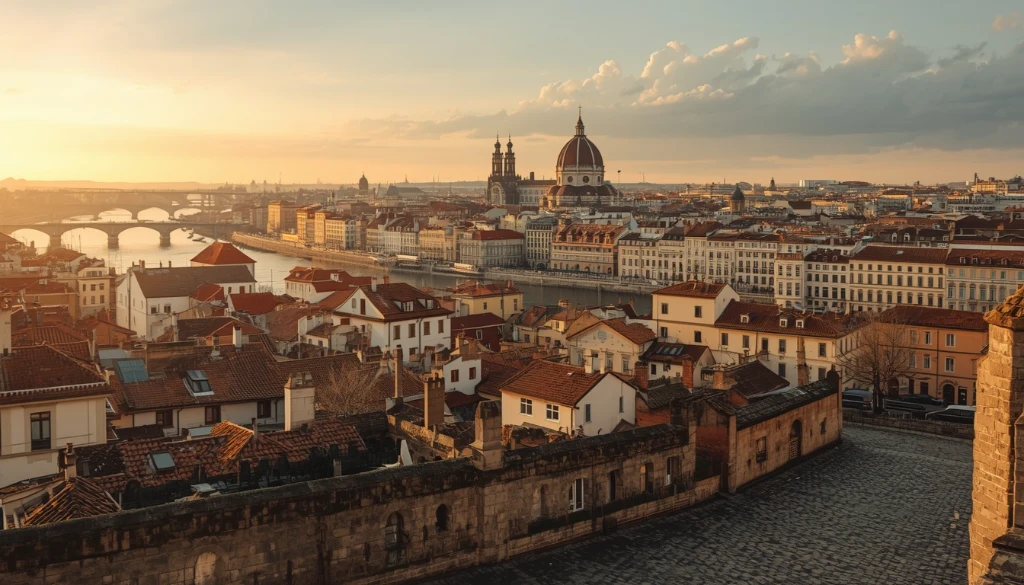
Planning a trip to Europe can feel overwhelming the moment you open a map. There are so many European travel destinations calling your name that narrowing down where to actually go becomes the hardest part of the whole process. If you have ever sat with twelve browser tabs open trying to decide between a canal walk in Amsterdam or a sunset in Santorini, you already know the struggle.
This guide is meant to make that decision easier. Instead of a random list, these are cities that consistently show up on every serious traveler’s travel bucket list because they offer something real, whether that is history, food, art, or just a beautiful place to slow down for a few days. Each one has its own personality, so the goal here is to help you find the cities that actually match your travel style.
Whether you are dreaming about a romantic getaway, a solo adventure, or a family trip packed with sightseeing, this list of best cities in Europe covers a wide mix of options. You will find practical tips along the way too, so this is not just a pretty list to scroll through on Pinterest. It is meant to actually help you plan.
Paris
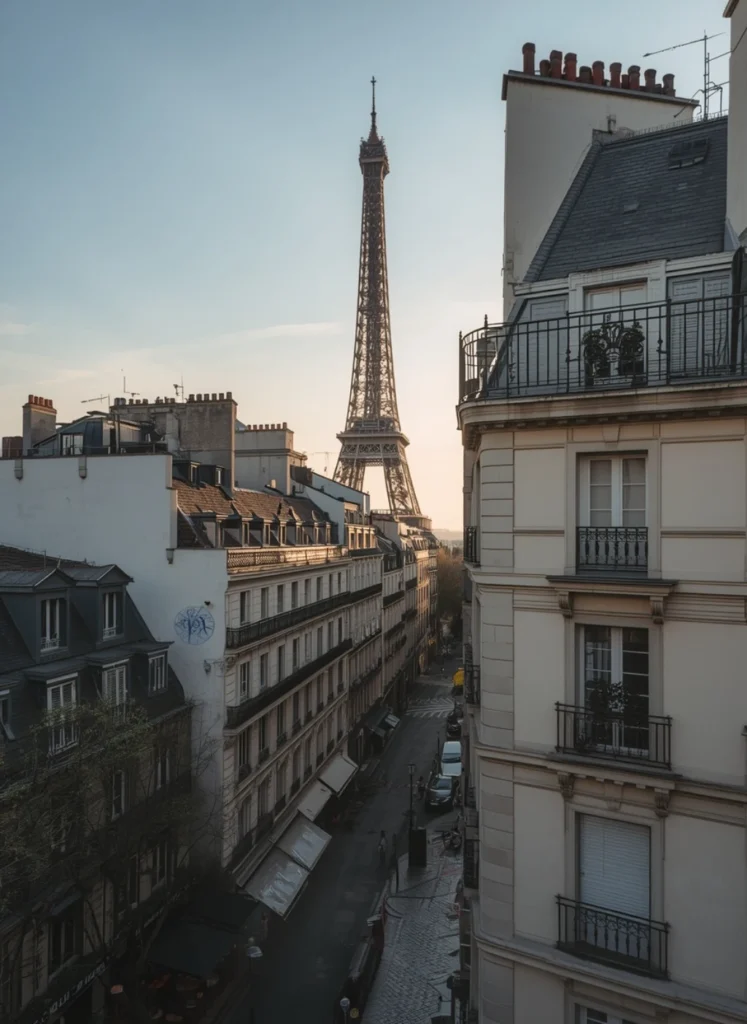
Paris earns its reputation as one of the most iconic European cities, and it genuinely lives up to the hype once you get past the tourist crowds near the Eiffel Tower. Wandering through neighborhoods like Le Marais or Montmartre gives you a much more authentic feel for the city than rushing between landmarks. The European architecture alone, from Notre Dame to the elegant Haussmann buildings lining the streets, makes every walk feel like a postcard.
If you are visiting for the first time, budget at least three full days so you are not rushing. A common mistake is trying to see everything in a single day trip style visit, which leaves you exhausted instead of charmed. Consider a Europe city pass to save money on museum entries, and always book the Louvre or Eiffel Tower tickets ahead of time to skip long lines.
Rome
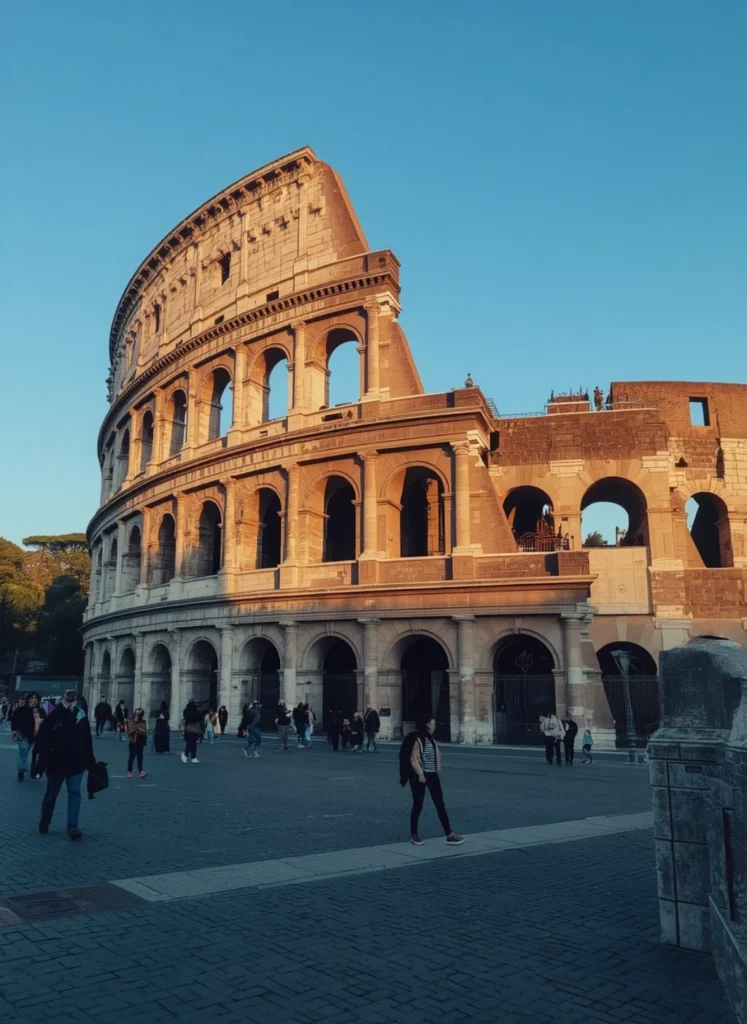
Rome is where ancient ruins sit casually next to modern cafes, which is part of what makes it so fascinating. The Colosseum, the Roman Forum, and the Pantheon are must-sees, but some of the best memories come from simply getting lost in the smaller streets near Trastevere. This is one of those historic cities Europe travelers return to again and again because there is always something new to notice.
Wear comfortable shoes since much of the city is best explored on foot over uneven cobblestone streets. Try to visit major sites early in the morning before the tour groups arrive.
Barcelona
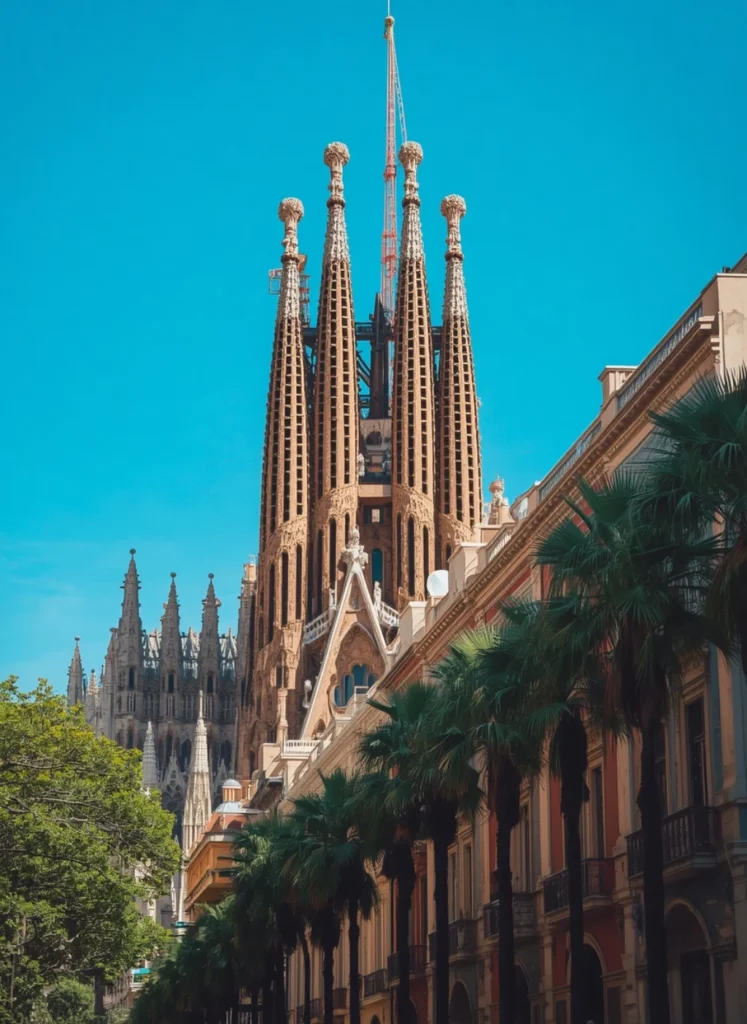
Barcelona blends beach life with serious architecture, which is a rare combination. Gaudi’s work, especially the Sagrada Familia and Park Guell, gives the city a dreamlike, almost surreal quality that photographs beautifully for Pinterest boards.
It is also one of the more affordable European cities compared to Paris or London, which makes it appealing for budget travel Europe planning.The Gothic Quarter is perfect for aimless wandering, with narrow alleys opening up into small plazas full of cafes.
Amsterdam
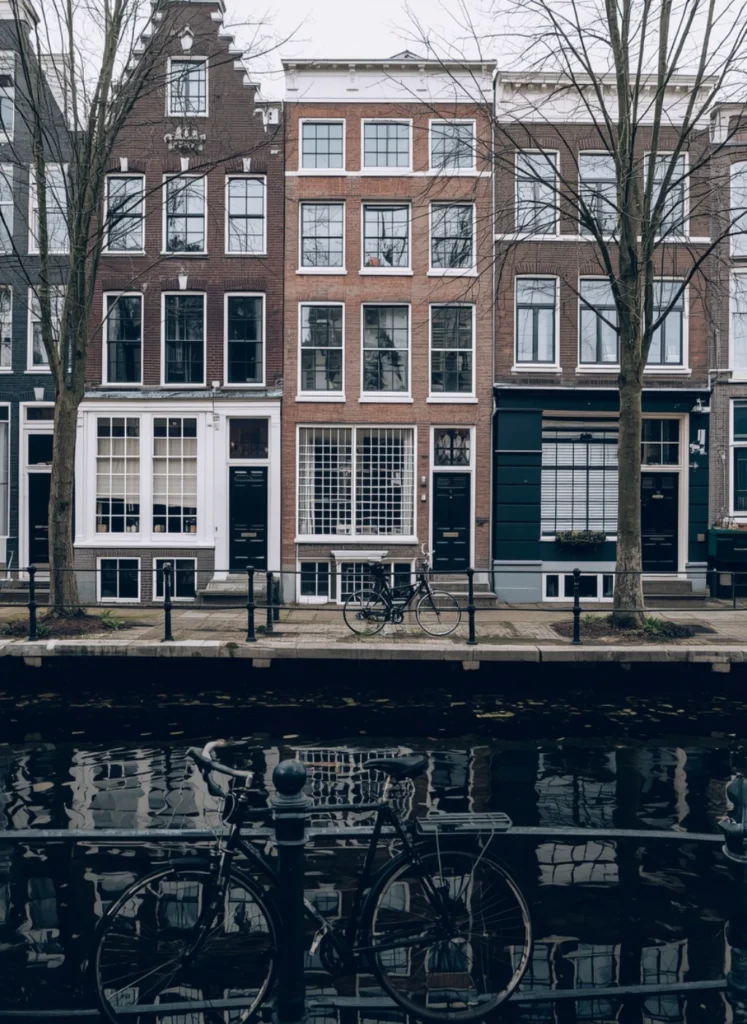
Amsterdam’s canals and narrow townhouses make it one of the most photogenic waterfront cities Europe has to offer. Renting a bike is genuinely the best way to get around, since the city was practically built with cyclists in mind. Beyond the canals, the museum scene here is excellent, especially the Van Gogh Museum and the Rijksmuseum.
For a quieter experience, explore the Jordaan neighborhood instead of sticking only to the central canal ring. This area has a more residential, local feel with small boutiques and cozy cafes.
Prague
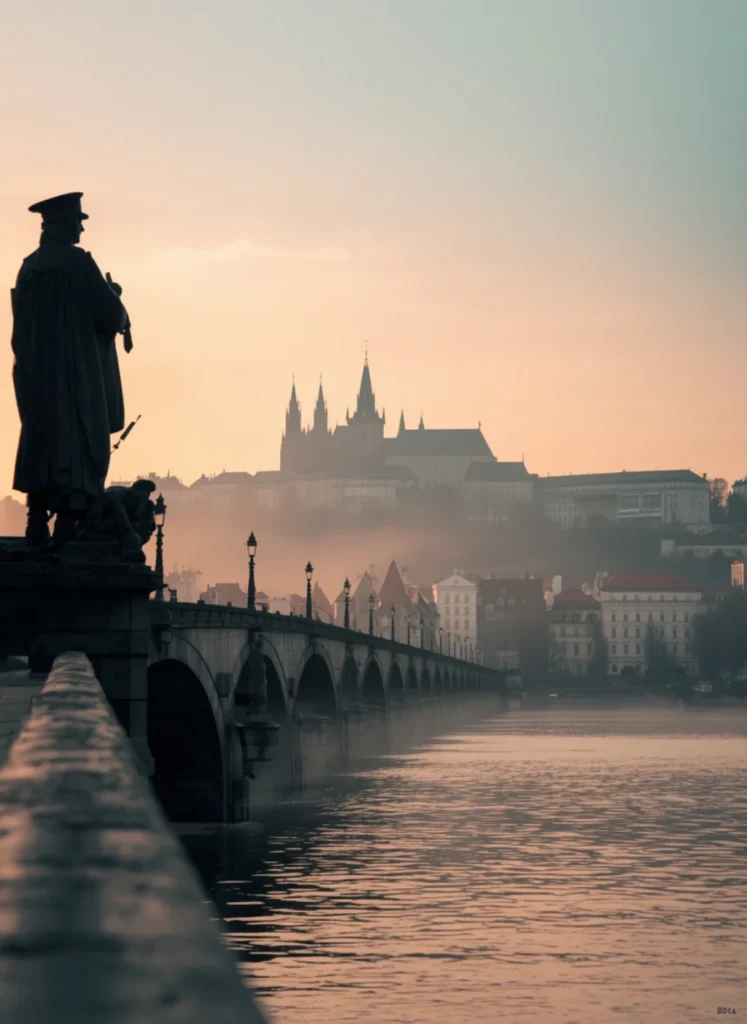
Prague often gets called one of the most beautiful cities Europe has preserved, and walking across Charles Bridge at sunrise makes it obvious why.
Prague Castle is worth a half day on its own, so plan accordingly rather than trying to squeeze it into a rushed afternoon. The city is very walkable, but comfortable shoes are essential given the amount of cobblestone terrain.
Vienna
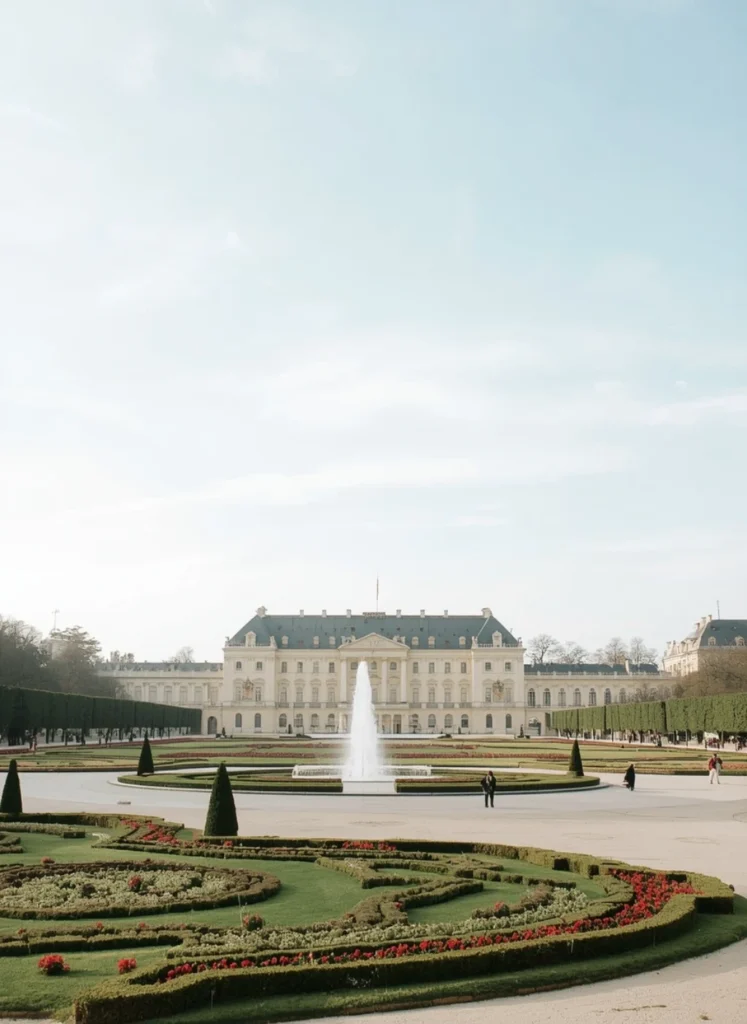
Vienna carries an air of elegance that comes from centuries as an imperial capital. Grand palaces like Schönbrunn and Belvedere sit alongside a thriving classical music scene, making it one of the top European capital cities for culture lovers. The coffeehouse tradition here is also worth experiencing slowly rather than rushing through.
Public transport in Vienna is excellent and easy to navigate, even for first-time visitors. A Vienna Card can save money on both transit and museum entry.
Venice
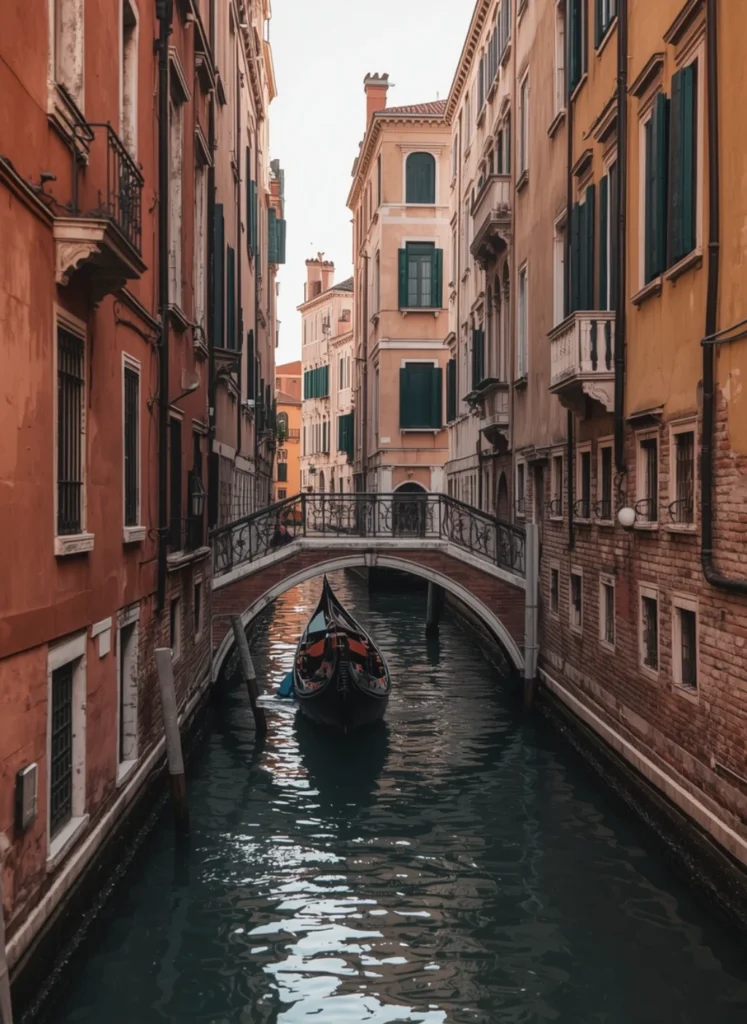
Venice is unlike anywhere else in the world, built entirely around canals instead of streets. Getting lost here is half the fun, since every turn reveals a new cobblestone streets Europe style alley or a quiet canal view away from the crowds. St. Mark’s Square and the Rialto Bridge are the obvious highlights, but the quieter Dorsoduro district is equally worth exploring.
Visit early in the morning or in the off season to avoid overwhelming crowds and cruise ship day-trippers. Skip the pricey gondola rides near St. Mark’s and instead look for quieter starting points for a more reasonable price.
Florence
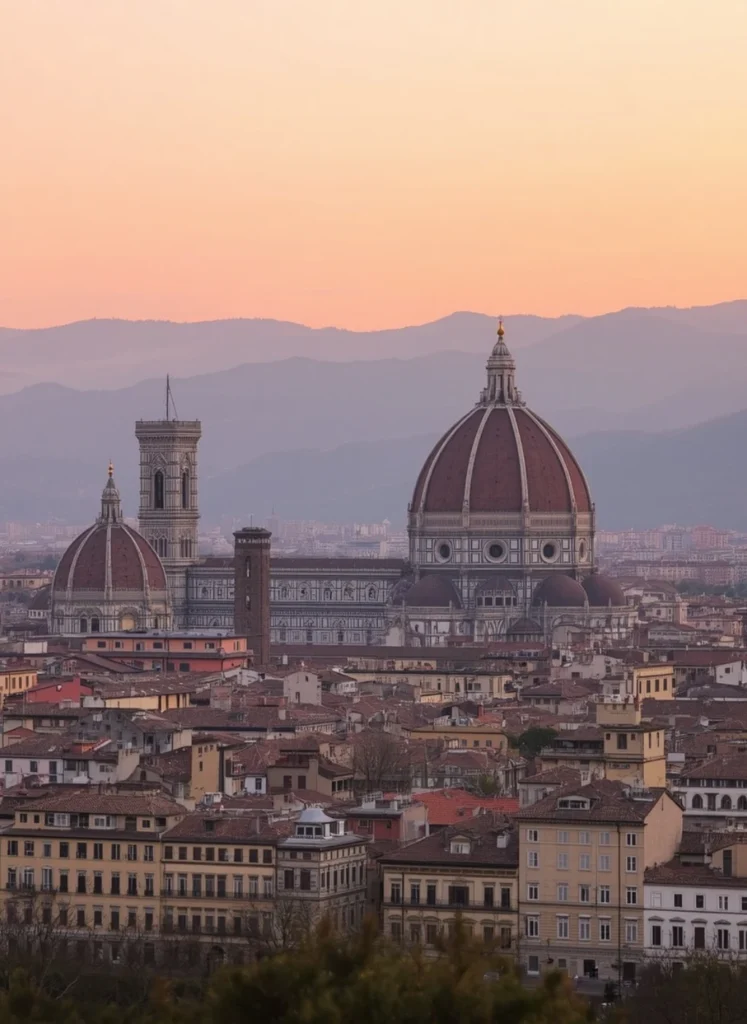
Florence is often described as an open-air museum, and it genuinely earns that title. The Renaissance art scattered throughout the city, from the Uffizi Gallery to the Duomo, makes it a dream destination for anyone interested in European art museums. The compact size of the historic center also makes it easy to explore mostly on foot.
Book tickets for the Uffizi and Accademia in advance, since lines can stretch for hours during peak season. A sunset view from Piazzale Michelangelo is one of the best free experiences in the city.
Budapest
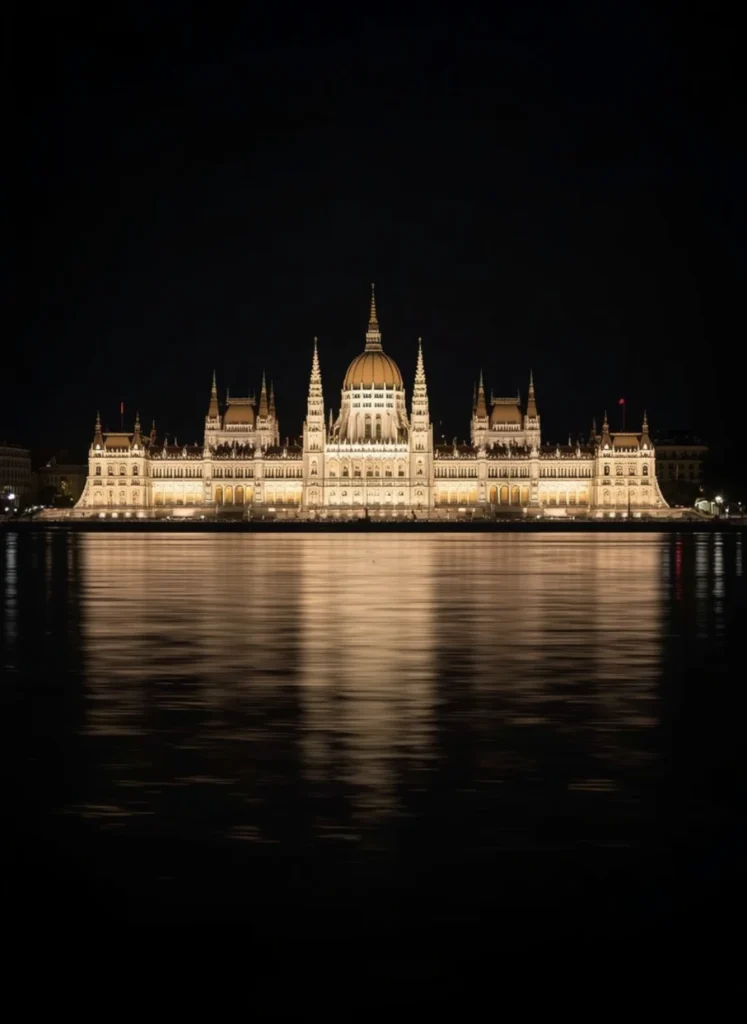
Budapest sits along the Danube and offers some of the most striking night views in Europe, with the Parliament building glowing along the riverbank. The city is actually two historic towns, Buda and Pest, joined together, giving it a unique European river cities character. Thermal baths here are a local tradition worth experiencing, not just a tourist gimmick.
Visit Szechenyi or Gellert baths in the evening for a more relaxed, local atmosphere. Budapest remains one of the more affordable capitals, making it appealing for solo travel Europe cities planning. A river cruise at night is a memorable and inexpensive way to see the illuminated buildings.
Lisbon
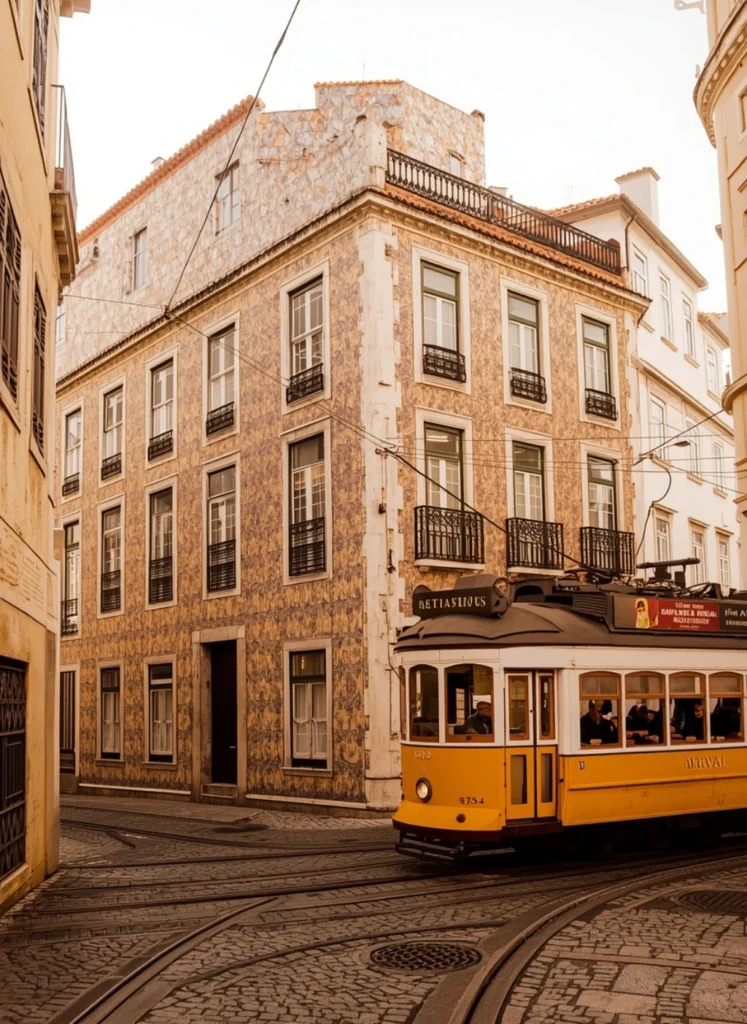
Lisbon’s hilly streets and colorful tiled buildings give it a charm that feels distinctly different from other European capitals. The city rewards slow exploration, especially through neighborhoods like Alfama, where narrow lanes wind past small cafes and viewpoints overlooking the water. It is also known for excellent, affordable seafood.
The historic trams are a fun and practical way to handle the steep hills, especially Tram 28. Sunset at one of the many miradouros, or viewpoints, is a simple but memorable experience. Lisbon also works well as a base for day trips to nearby coastal towns like Sintra and Cascais.
Copenhagen
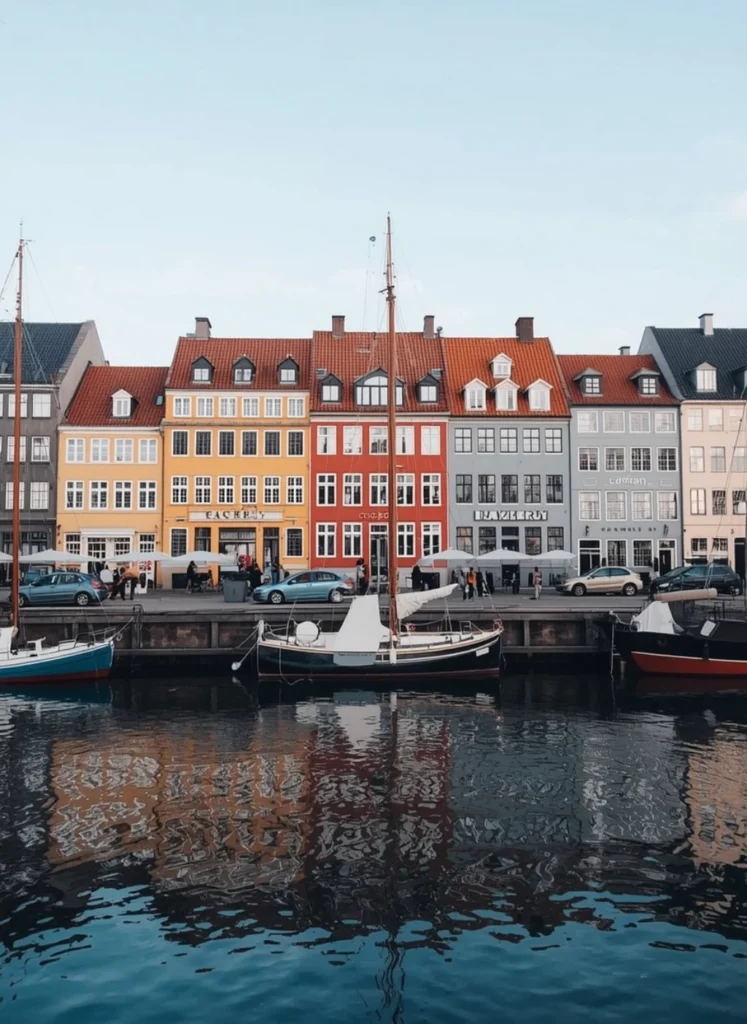
Copenhagen combines Scandinavian design with a relaxed, bike-friendly lifestyle. Colorful harbor buildings, especially around Nyhavn, make it one of the most scenic European cities for photography. The city also takes sustainability seriously, which shows in its clean streets and excellent public infrastructure.
Renting a bike is the easiest way to see the city like a local. Copenhagen can be pricier than other options on this list, so booking accommodations early helps control costs. Visiting the Tivoli Gardens in the evening offers a magical, lantern-lit atmosphere that photographs beautifully.
Edinburgh
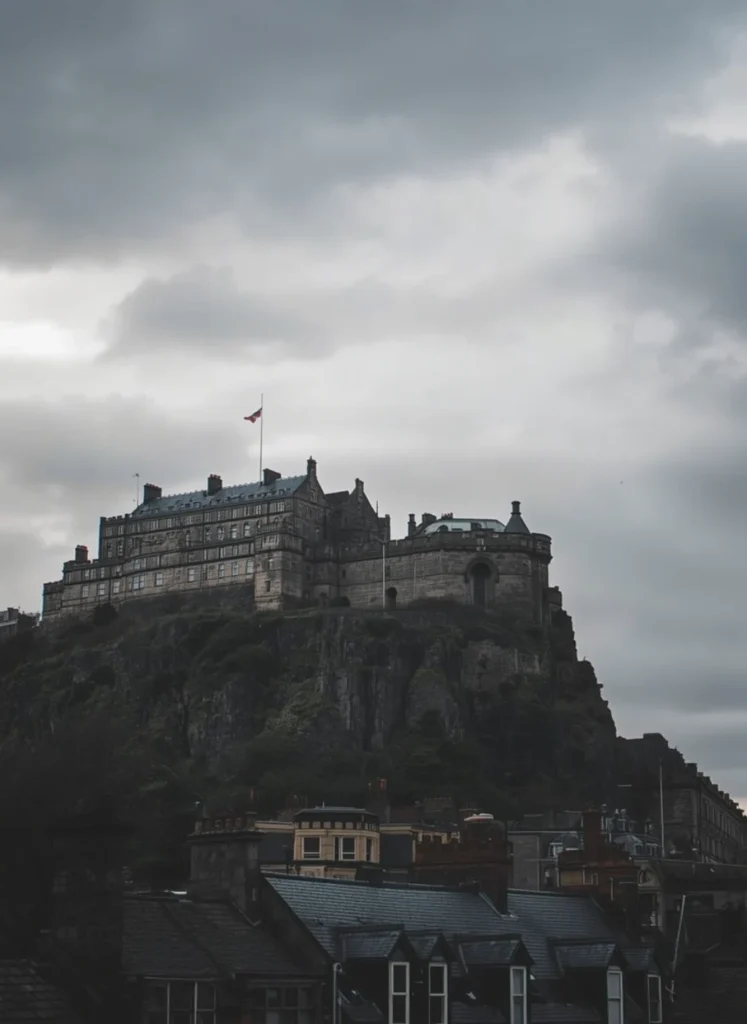
Edinburgh’s dramatic skyline, anchored by its clifftop castle, gives the city a distinctly moody and historic feel. Cobblestone lanes wind through the Old Town, while the Georgian New Town offers a more polished contrast just a short walk away. This mix of atmospheres is part of what makes it one of the more unique charming European towns on any list.
Climbing Arthur’s Seat rewards you with sweeping views over the entire city, and it is free. Visiting during the Fringe Festival in August adds incredible energy, though it also means higher prices and crowds. For a quieter trip, consider visiting in spring or early autumn instead.
Dubrovnik
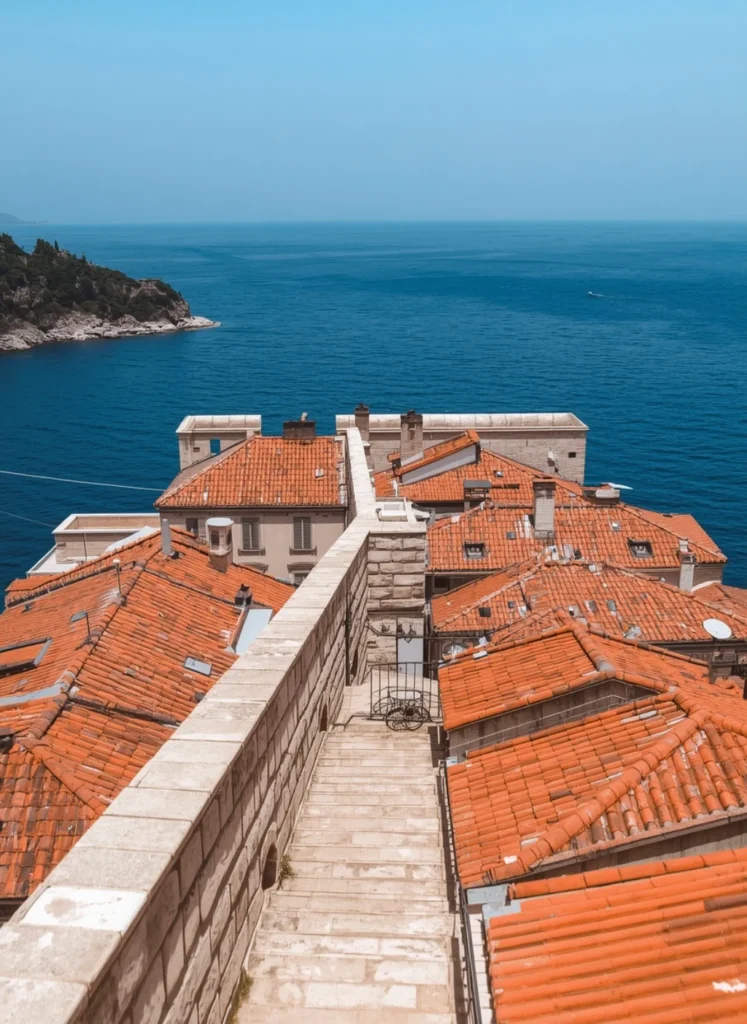
Dubrovnik’s massive stone walls and terracotta rooftops make it one of the most recognizable coastal cities Europe has to offer. Walking the full length of the city walls gives sweeping views over the Adriatic Sea and the old town below. It has become especially popular with fans of certain television shows filmed here, but the city stands entirely on its own charm.
Visit early morning or late afternoon to avoid the midday heat and cruise ship crowds. The walk around the walls takes about two hours, so bring water and sun protection. A short cable car ride up Mount Srd offers one of the best sunset views in the region.
Krakow
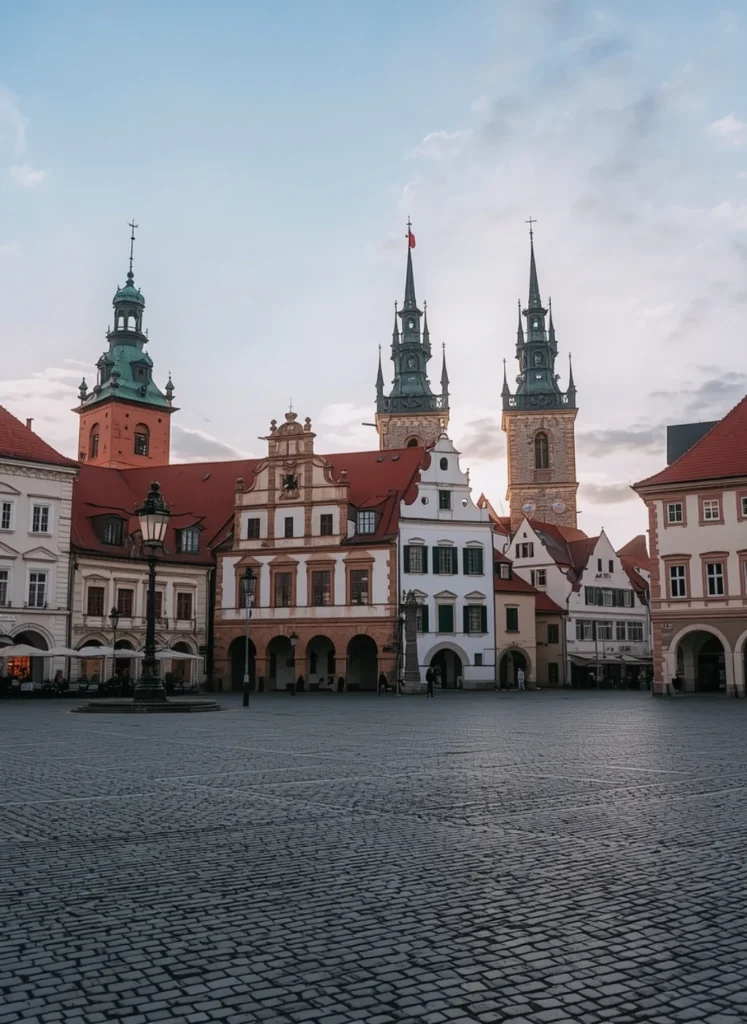
Krakow blends medieval cities Europe charm with a lively, youthful energy thanks to its large student population. The main square, Rynek Glowny, is one of the largest medieval squares in Europe and stays lively well into the evening. The nearby Wawel Castle adds another layer of history to explore.
Krakow remains one of the most budget travel Europe friendly cities on this list, with affordable food and accommodation. A visit to the Auschwitz-Birkenau memorial, while heavy, is an important and educational half-day trip from the city. Comfortable walking shoes are essential given the amount of cobblestone terrain in the old town.
Porto
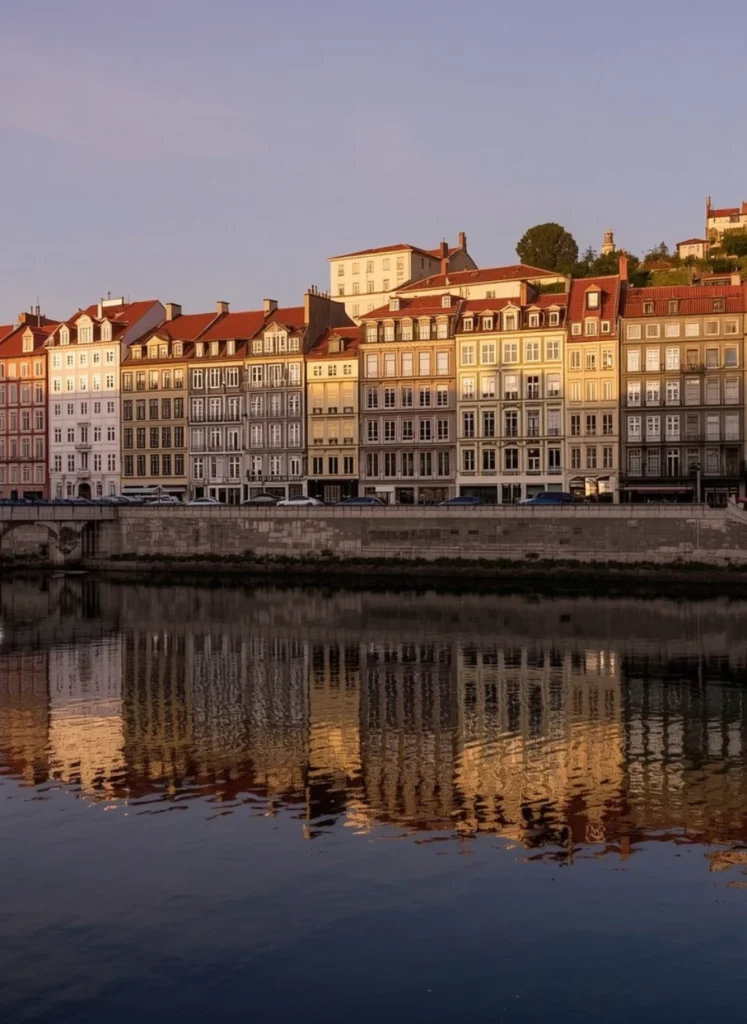
Porto sits along the Douro River and offers a slightly quieter, more laid-back alternative to Lisbon. The riverside Ribeira district, with its narrow colorful buildings, is one of the most photogenic spots for anyone chasing hidden gems Europe style content. This is also the birthplace of port wine, so a cellar tour is practically mandatory.
Crossing the Dom Luis Bridge on foot gives fantastic views back over the riverfront. Porto is generally cheaper than Lisbon, making it appealing for travelers watching their budget. Try to schedule a wine tasting in Vila Nova de Gaia, just across the river, for an authentic local experience.
Bruges
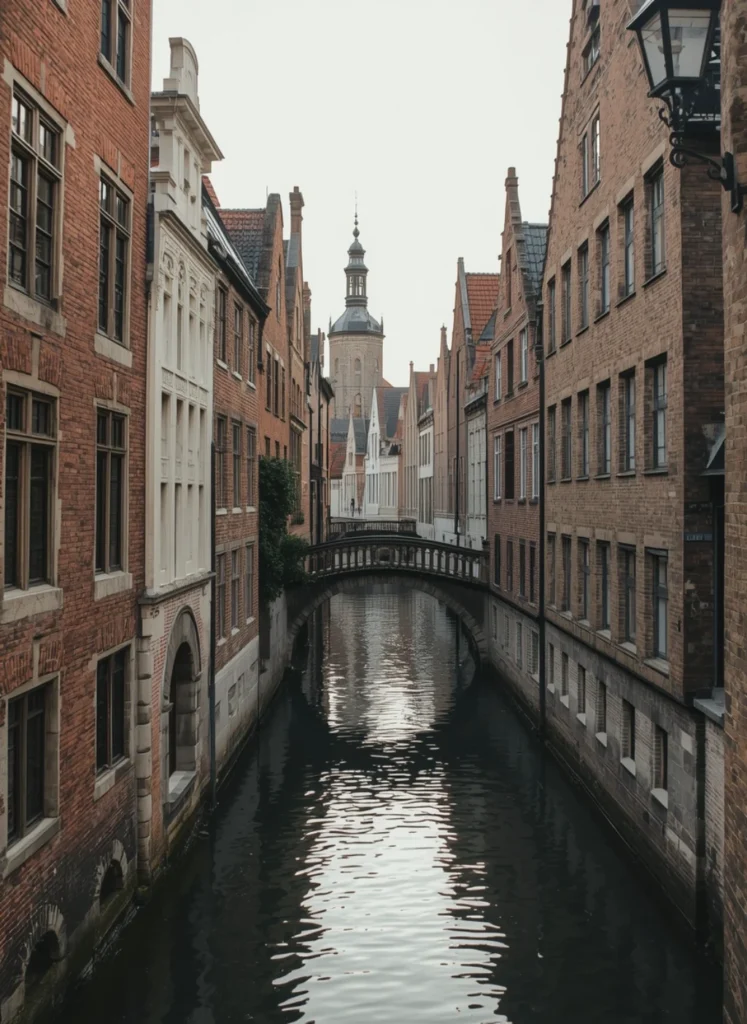
Bruges looks almost untouched by time, with its canals, cobblestone streets, and medieval architecture earning it comparisons to a living fairy tale. It is a compact city, easily explored on foot in a day or two, which makes it a popular city break Europe option from nearby Brussels. Chocolate shops and canal-side cafes are around nearly every corner.
A short canal boat tour is one of the best ways to see the city’s architecture from a different angle. Visiting early morning before day-trippers arrive gives a much quieter, more peaceful experience. Bruges also makes a wonderful stop during the European Christmas markets season, when the whole town lights up.
Salzburg
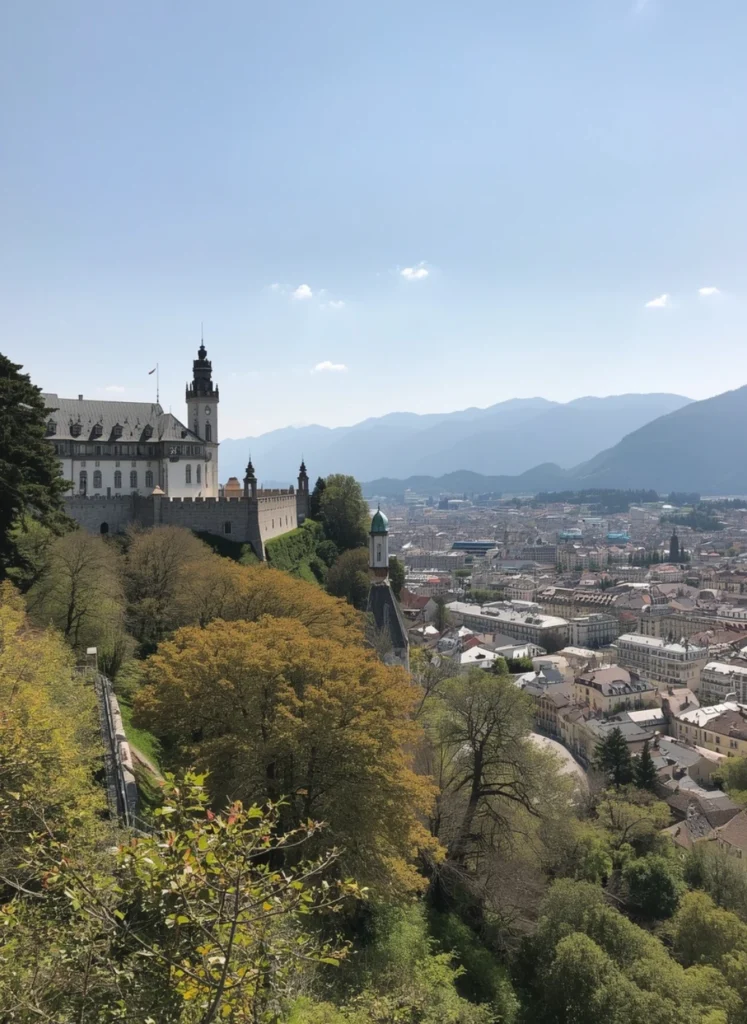
Salzburg’s alpine backdrop and baroque architecture give it a dramatic, almost cinematic setting. Best known as Mozart’s birthplace and the filming location for The Sound of Music, the city has a strong musical and cultural identity. It also works well as a gateway to nearby mountaintop cities Europe and alpine scenery.
The fortress overlooking the city offers fantastic panoramic views and is reachable by a short funicular ride. Sound of Music themed tours are popular, though the city has plenty to offer beyond that connection. Salzburg is also a good base for day trips into the surrounding Austrian Alps.
Athens
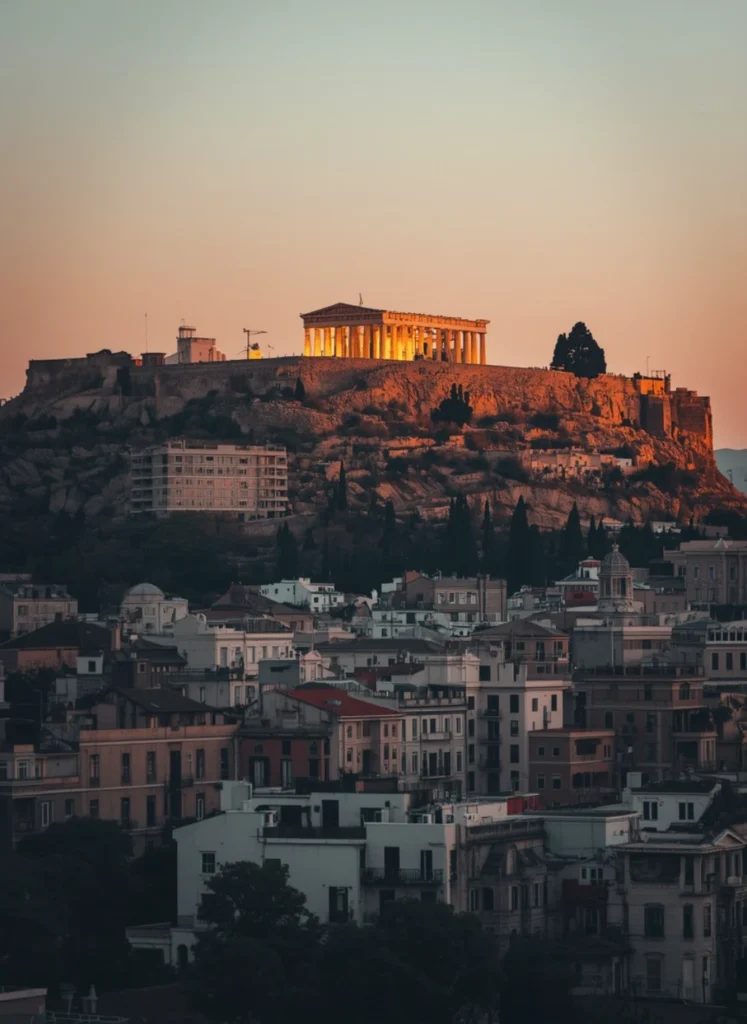
Athens connects modern city life directly to ancient history, with the Acropolis rising dramatically above the busy streets below. Walking through the Plaka neighborhood at the base of the hill feels like stepping between two different eras of the same city. It remains one of the most significant UNESCO sites Europe destinations for history lovers.
Visit the Acropolis early in the morning to beat both the heat and the crowds. The National Archaeological Museum is worth a few hours for context on what you are seeing throughout the city. Athens also works well as a starting point before island hopping through the Greek islands.
Berlin
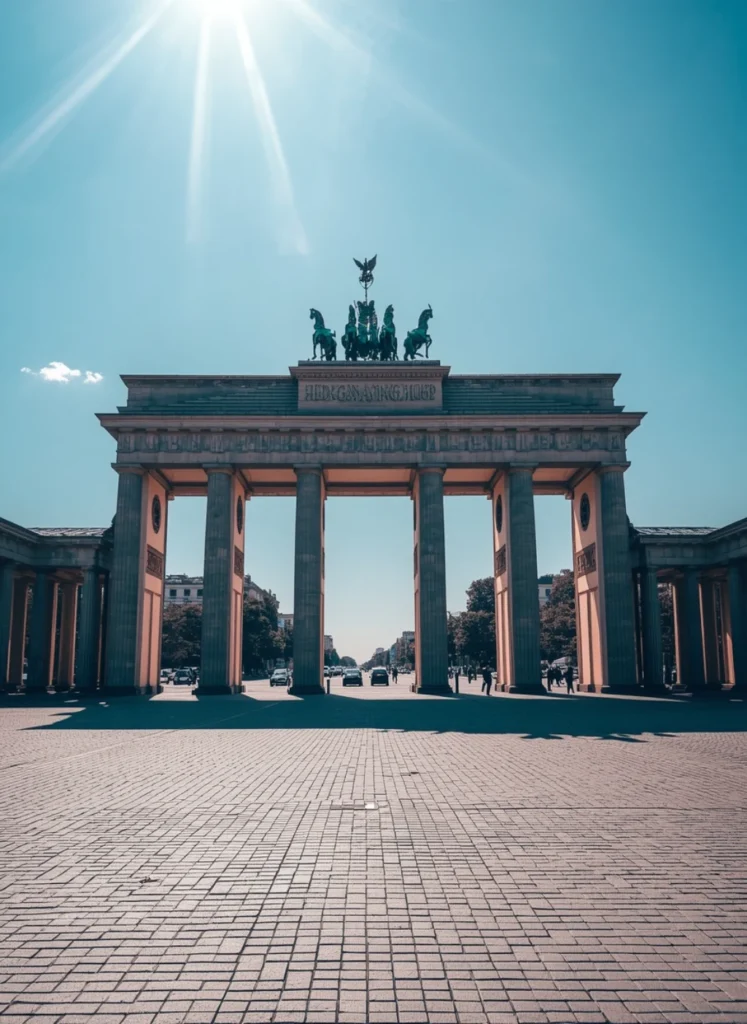
Berlin carries a unique energy shaped by its complicated twentieth-century history, visible in landmarks like the Brandenburg Gate and remaining sections of the Berlin Wall. It is also one of the most creative and cosmopolitan cities Europe has, with a thriving art and nightlife scene. The mix of memorial sites and modern culture makes it a thoughtful, layered destination.
Public transport is efficient and makes exploring the different districts easy without a car. The East Side Gallery, a preserved stretch of the wall covered in murals, is free to visit and worth the walk. Berlin’s night life Europe scene is legendary, so plan for a slower start the following morning.
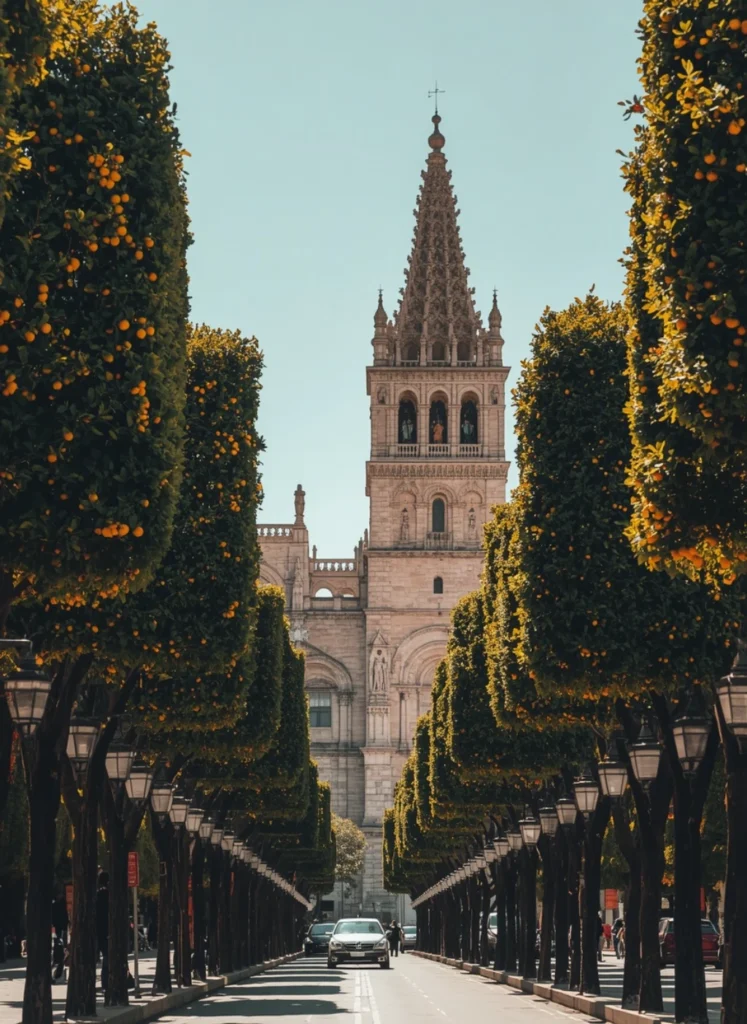
Seville represents southern Spain at its most vibrant, with flamenco music, orange tree lined streets, and stunning Moorish architecture at the Alcazar. The city moves at a slower pace than Barcelona or Madrid, which makes it appealing for travelers wanting a more relaxed city tours Europe experience. Summers here get extremely hot, so timing your visit matters.
Spring and early autumn are the most comfortable seasons to explore comfortably on foot. A flamenco show in one of the smaller local venues offers a more authentic experience than larger touristy performances. The cathedral and Giralda tower are worth climbing for sweeping views over the rooftops.
Reykjavik
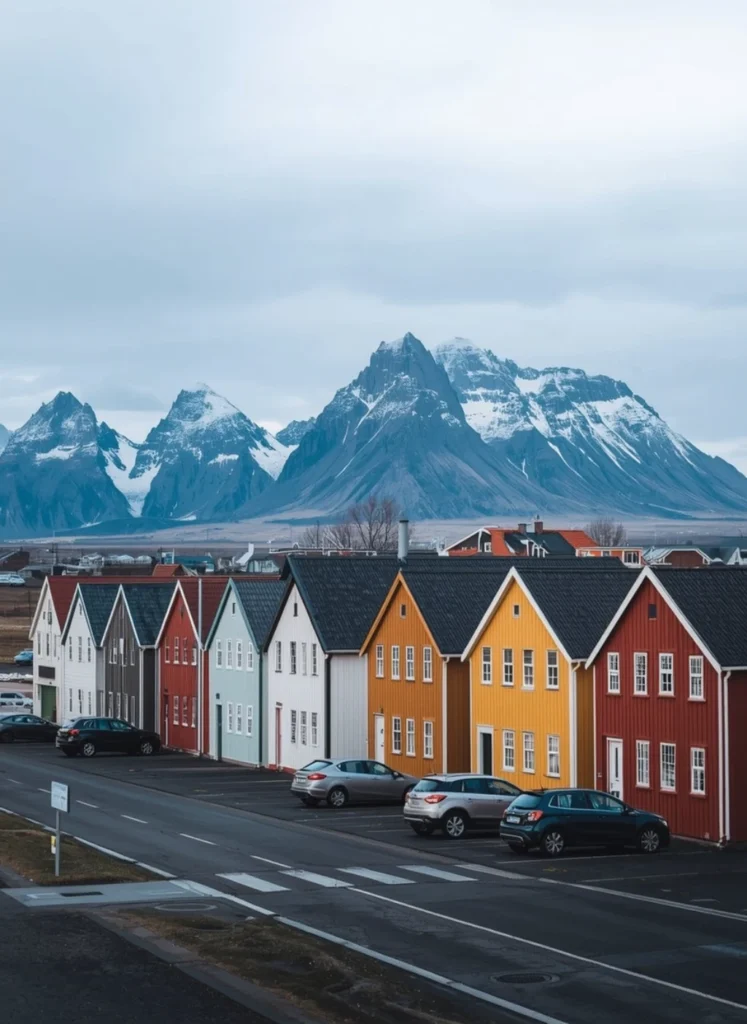
Reykjavik feels completely different from anywhere else on this list, with a small-town charm surrounded by dramatic Icelandic landscapes just outside the city. Colorful buildings and a walkable downtown make it easy to explore in a day, while nearby waterfalls and geothermal sites make excellent day trips. It has become a favorite for travelers seeking off the beaten path Europe experiences.
Renting a car opens up access to the famous Golden Circle route just outside the city. Winter visits offer a chance to see the northern lights, though summer brings nearly endless daylight instead. Reykjavik is pricier than many cities on this list, so planning your budget ahead of time helps avoid surprises.
Zurich
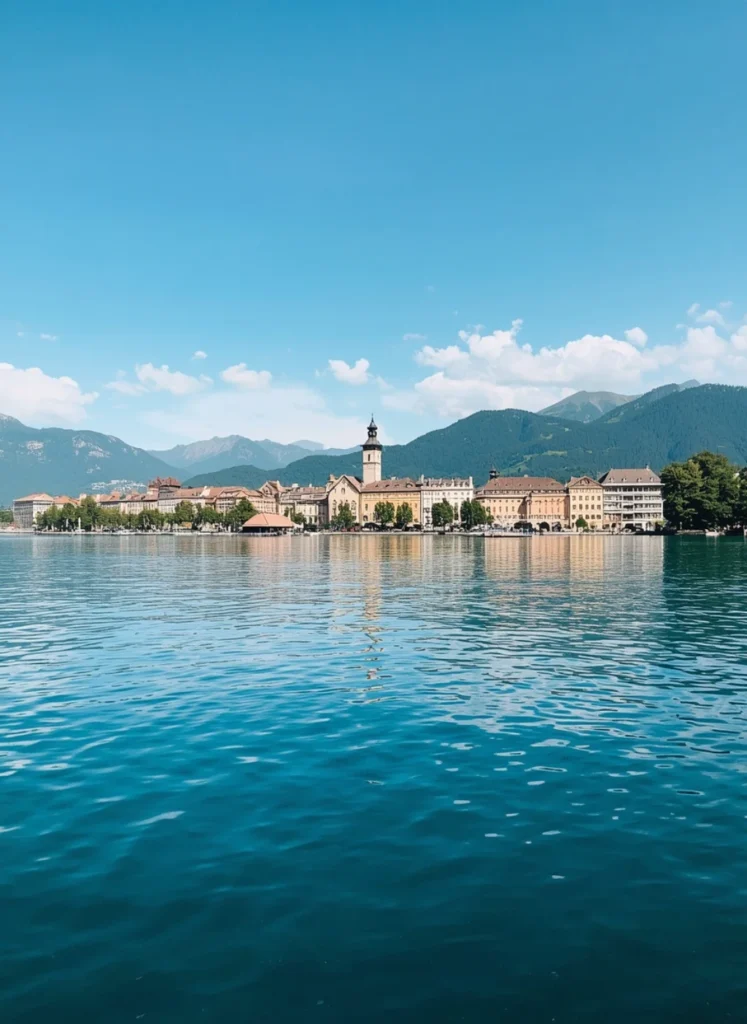
Zurich blends Swiss precision with genuine natural beauty, sitting right along the edge of a clear alpine lake. The old town is charming and walkable, while the surrounding mountains are easily reachable for day trips. It is one of the more expensive luxury travel Europe destinations, so budgeting ahead matters here more than most cities on this list.
Public transport is excellent and famously punctual, making day trips into the surrounding countryside simple. A short walk along the lake promenade offers a relaxing, low-cost way to spend an afternoon. If your budget allows, a scenic train ride into the nearby Alps is one of the highlights of visiting this region.
Quick Comparison Table
| City | Best For | Budget Level | Best Season | Signature Experience |
|---|---|---|---|---|
| Paris | Art and architecture | High | Spring/Fall | Louvre and river walks |
| Prague | Medieval charm | Low-Medium | Spring/Fall | Charles Bridge sunrise |
| Barcelona | Beach and architecture | Medium | Summer | Gaudi landmarks |
| Budapest | Affordable luxury | Low | Fall | Thermal baths |
| Dubrovnik | Coastal history | Medium-High | Spring/Fall | City wall walk |
| Krakow | Budget history trips | Low | Spring/Fall | Medieval old town square |
| Zurich | Alpine luxury | High | Summer | Lakeside train rides |
Conclusion
Europe offers such a wide range of experiences that there is genuinely no single “right” way to plan a trip here. Some travelers want the grand landmarks and museum-packed days of Paris or Rome, while others are drawn to the quieter charm of places like Bruges or Porto. What matters most is choosing cities that actually match how you like to travel, whether that means fast-paced sightseeing or slow mornings with coffee and no fixed plans.
This list is meant to give you a strong starting point rather than a rigid itinerary. Mix a few major capitals with a couple of smaller, lesser-known cities for a well-rounded trip that feels personal rather than rushed. However you build your route, these cities each offer something worth remembering long after the trip ends.
You may also like this: 22 Madrid Vibes Ideas That Capture the City’s Unique Charm
Frequently Asked Questions
1. What is the best time of year to visit European cities?
Spring and early fall generally offer the best balance of good weather, fewer crowds, and lower prices compared to peak summer months.
2. How many European cities can I realistically visit in two weeks?
Most travelers comfortably manage four to six cities in two weeks, especially if they group nearby destinations together to reduce travel time.
3. Which European cities are best for budget travelers?
Krakow, Budapest, and Lisbon consistently offer lower costs for accommodation, food, and attractions compared to cities like Paris or Zurich.
4. Is it better to travel between European cities by train or plane?
Trains are usually more convenient for shorter distances within a region, while flights make sense for longer hops between countries.
5. What is the best way to avoid crowds at popular European landmarks?
Visiting major attractions early in the morning, traveling during shoulder season, and booking tickets in advance are the most effective ways to skip long lines and large crowds.