
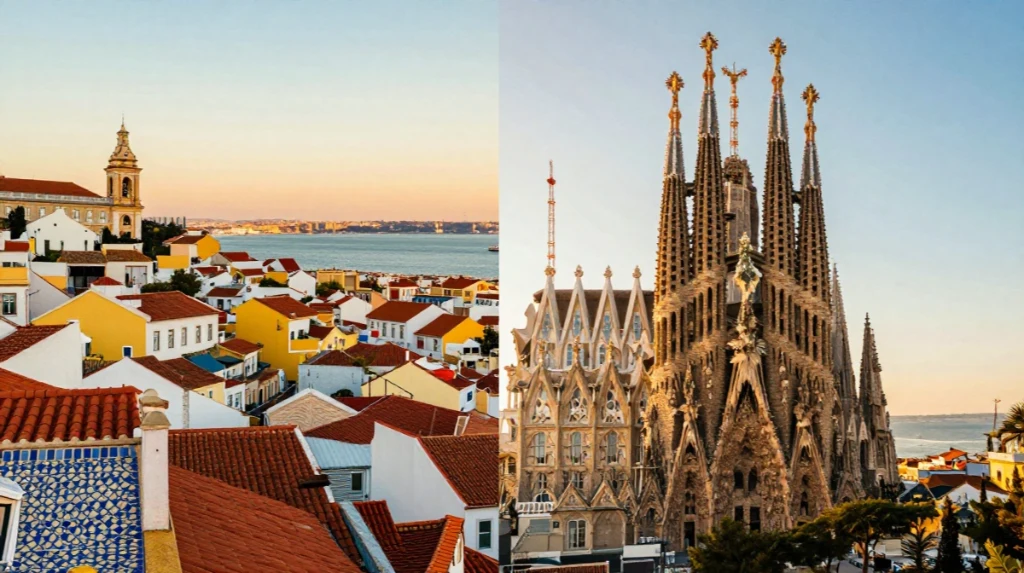
Introduction
There is something about the Iberian Peninsula that pulls travelers back again and again. Maybe it is the smell of fresh bread in a Lisbon bakery, or the sound of a guitar drifting through a Seville courtyard at night. Whatever it is, Portugal and Spain manage to feel both familiar and completely new at the same time.
Planning a Portugal Spain road trip guide can feel overwhelming at first because there is simply so much to see. Coastal towns, mountain villages, big cities, quiet vineyards. It helps to break the trip into smaller pieces, focus on the places that genuinely match your interests, and build your route around those.
This guide walks through 22 ideas for exploring both countries, with practical context so you can actually use this list, not just admire it. Whether you are dreaming of romantic getaways Portugal Spain or planning a family travel Spain Portugal adventure, there is something here for you.
Why Portugal and Spain Belong on Every Travel List
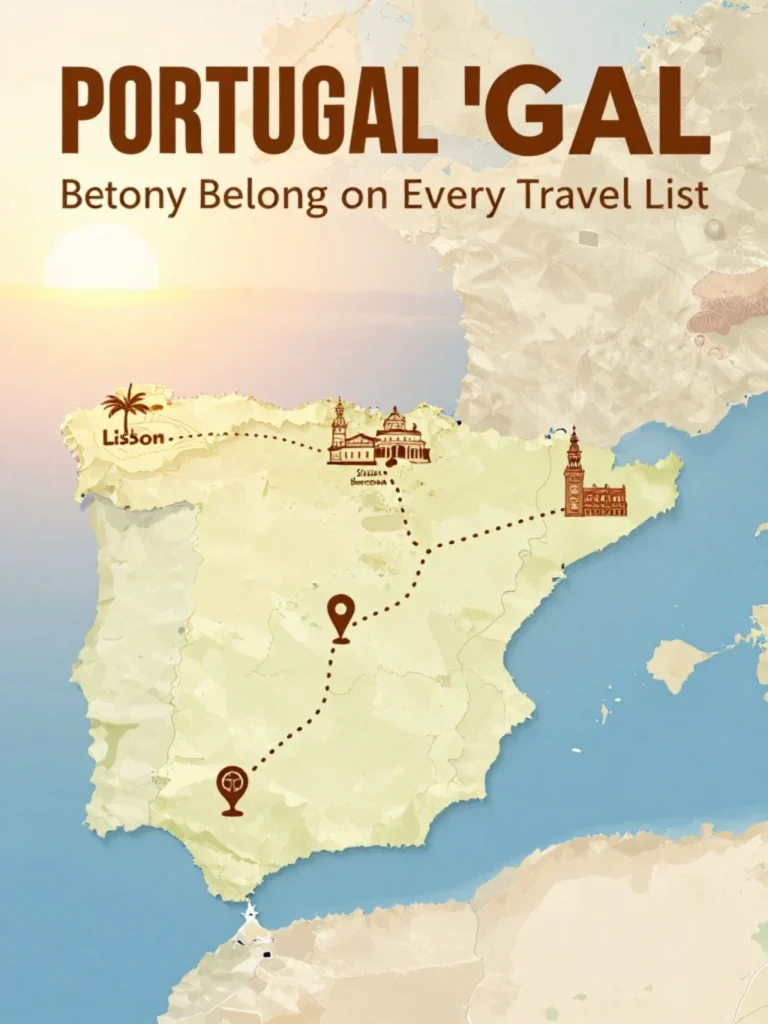
Portugal and Spain sit right next to each other, which makes combining them into one trip surprisingly easy. You get two distinct cultures, two different food traditions, and a huge range of landscapes without needing extra flights. Trains and short drives connect most of the major cities, so a two week trip can realistically cover both countries.
If you are new to European road trip planning, start by picking two or three base cities and take day trips from each. This keeps packing and unpacking to a minimum while still letting you see a lot. It also gives you time to slow down instead of rushing from place to place every single day.
Lisbon Charm and Hilltop Views
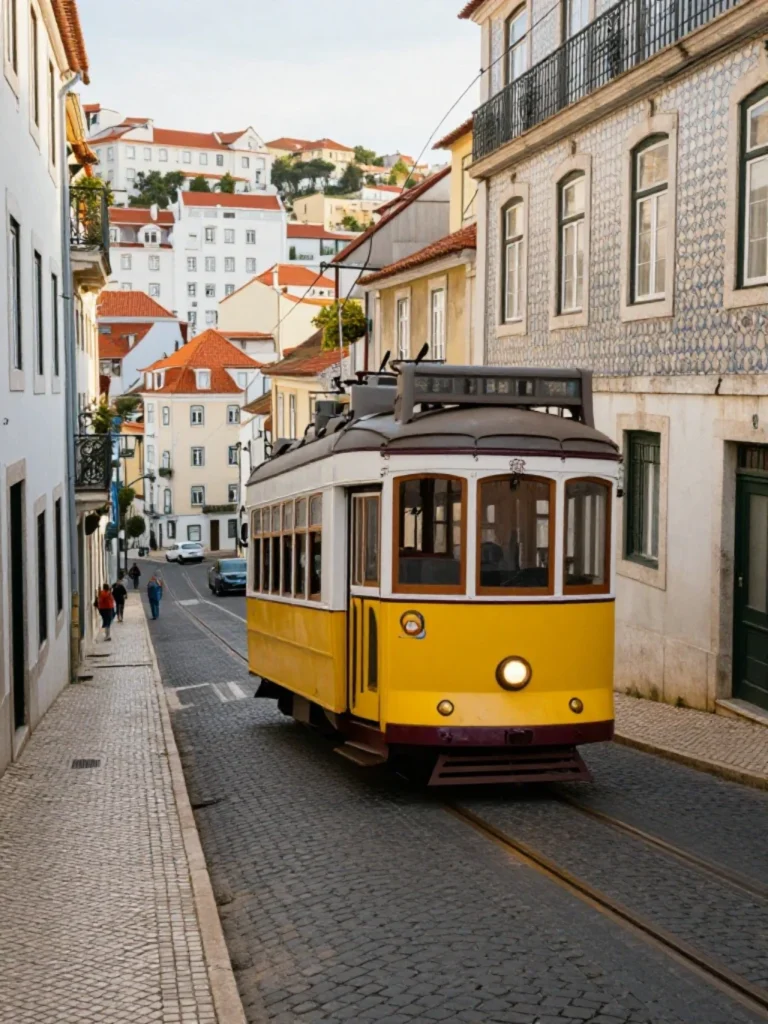
Lisbon sits on seven hills, and every one of them offers a different view of the city’s rooftops and the river below. The yellow trams, tiled buildings, and narrow cobblestone streets give it a lived-in charm that feels far from staged. A good Lisbon travel guide will point you toward Alfama for history and Bairro Alto for nightlife.
Wear comfortable shoes because the hills are steep and the sidewalks can be slippery when wet. A common mistake first time visitors make is trying to see everything in one day. Instead, pick two neighborhoods and actually wander through them slowly.
Porto and the Douro Valley Wine Country
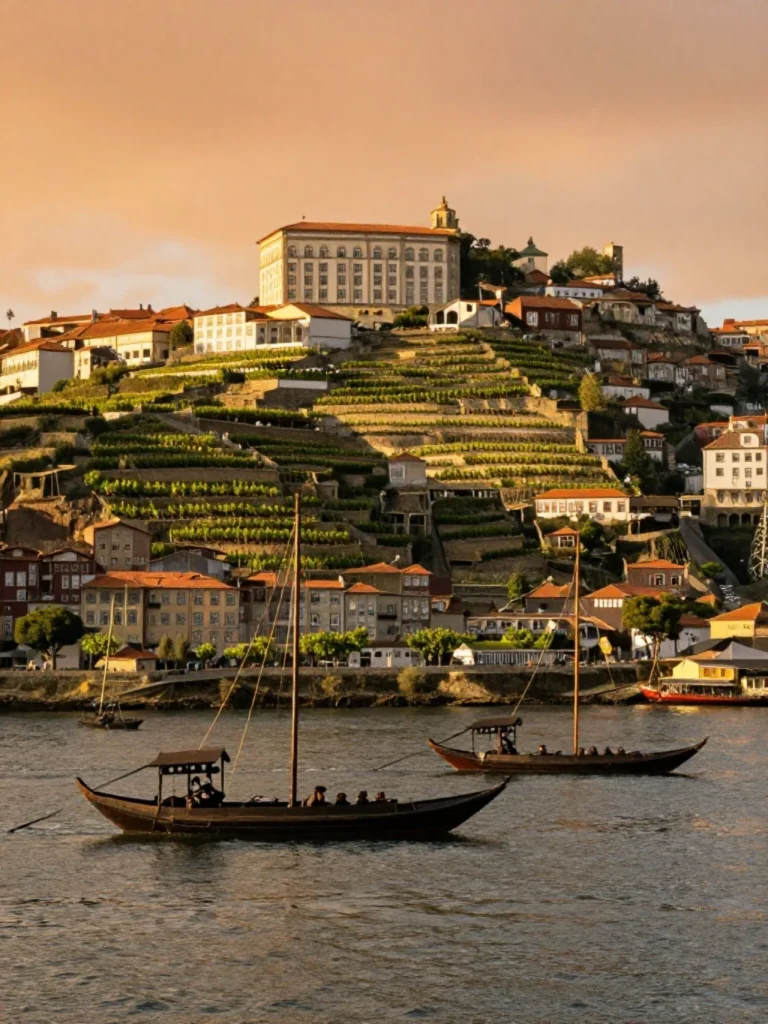
Porto has a completely different personality from Lisbon. It feels older, quieter, and more industrial in a charming way, with the Douro River cutting right through the middle of the city. The Porto wine region is famous for port wine, and many cellars along the riverbank offer tastings with river views.
For wine tourism Douro Valley experiences, plan at least one full day trip out of the city. The terraced vineyards climbing the hillsides are genuinely one of the most photographed landscapes in Portugal. Book tastings in advance during peak summer months since spots fill up fast.
Sintra Fairytale Day Trip
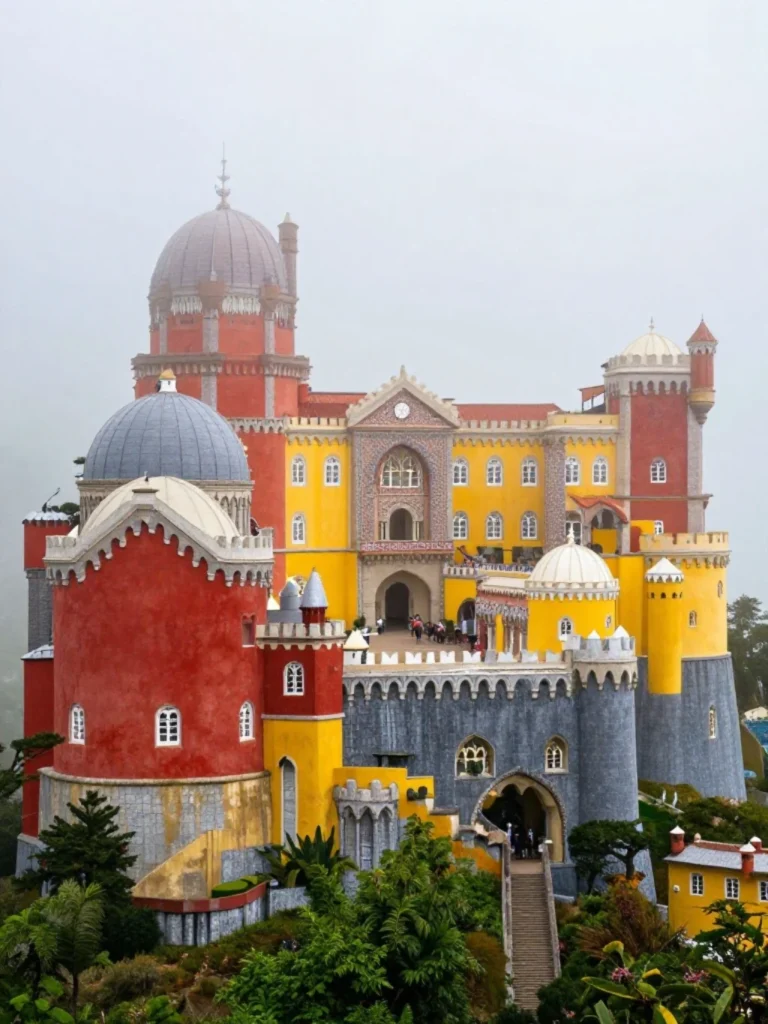
Sintra looks like something out of a storybook, with colorful palaces tucked into misty forested hills. The Sintra day trip from Lisbon takes less than an hour by train, which makes it one of the easiest excursions on this whole list. Pena Palace, painted in yellow and red, is the most photographed spot, but it is far from the only one.
Arrive early, ideally right when things open, because the crowds build up quickly by midmorning. Quinta da Regaleira, with its underground tunnels and mysterious wells, is often overlooked but well worth the extra hour.
Algarve Coast Beaches and Sea Caves
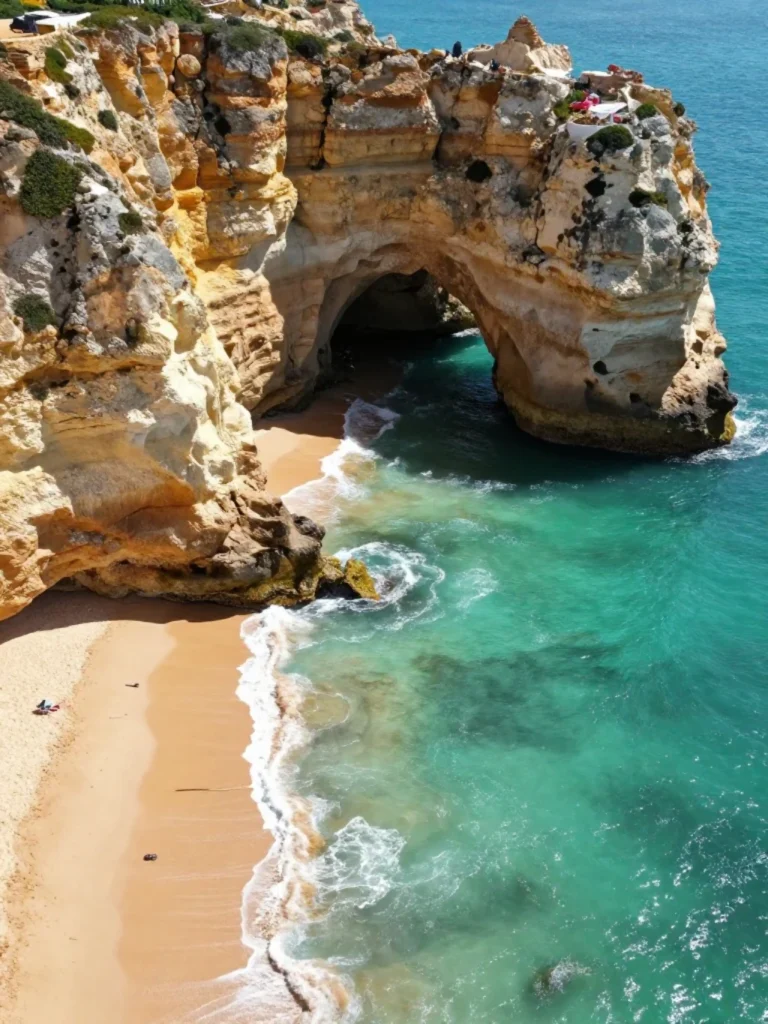
The Algarve is Portugal’s southern coastline, known for dramatic cliffs, golden sand, and turquoise water. Top beaches Algarve coast include Praia da Marinha and Benagil, the latter famous for its sea cave that you can reach by boat or kayak. Lagos, a nearby town, is a great base for exploring the whole area.
For the best Lagos sea caves experience, book a small boat tour in the early morning before the water gets choppy and crowded. Bring water shoes since some of the beach access points involve rocky paths. Summer is peak season, so spring and early fall offer quieter beaches with still-warm water.
Barcelona Architecture and Beach Life
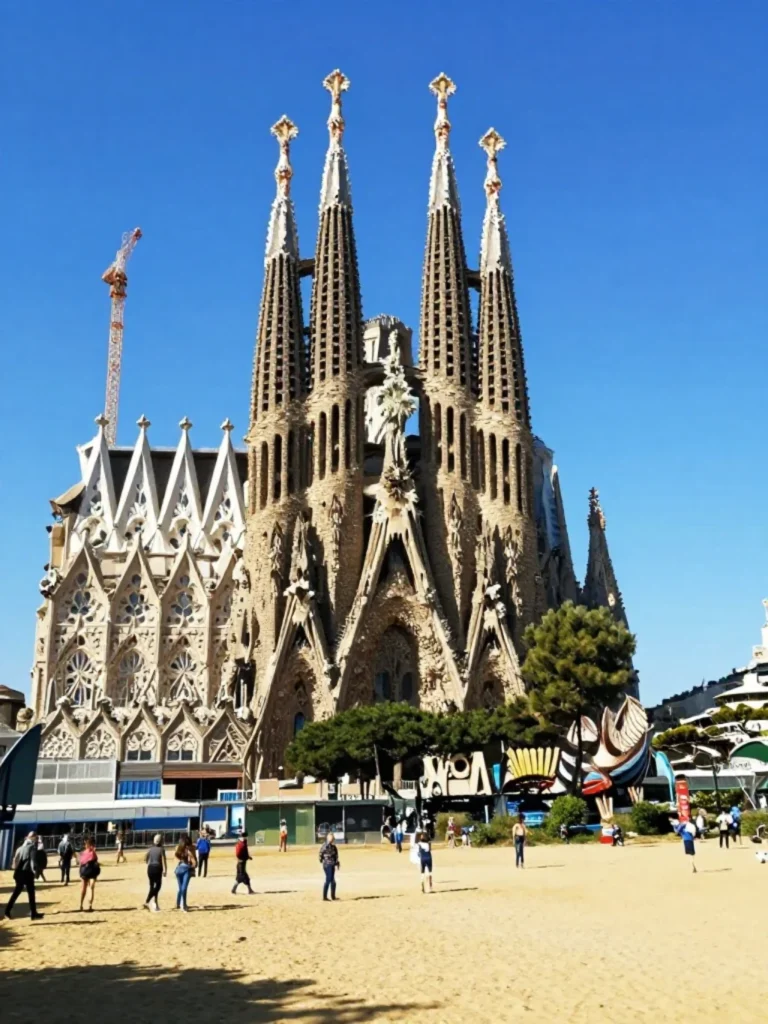
Barcelona blends beach culture with some of the most unusual architecture in the world. The Sagrada Família, still under construction after more than a century, anchors any list of must see attractions Barcelona has to offer. Beyond Gaudí’s buildings, the Gothic Quarter offers narrow medieval alleys just minutes from the coastline.
Buy tickets to major sites online in advance, especially for the Sagrada Família, since walk-up lines can take hours. Barceloneta beach is walkable from the city center, making it easy to combine a morning of sightseeing with an afternoon by the water.
Madrid City Culture and Museums

Madrid does not have a coastline, but it makes up for it with world class museums and a lively street life that runs late into the night. Madrid sightseeing usually centers on the Golden Triangle of Art, home to the Prado, Reina Sofía, and Thyssen-Bornemisza museums.
For day trips from Madrid, both Toledo and Segovia are within an hour by train. Locals tend to eat dinner quite late, often after nine in the evening, so plan your meal times accordingly if you want a truly local experience rather than an empty restaurant.
Seville Flamenco and Historic Streets

Seville feels warm in every sense of the word, from the climate to the atmosphere. Seville flamenco shows here feel more authentic than in many other Spanish cities, partly because the art form has deep roots in Andalusian culture. The Alcázar palace and the massive Gothic cathedral are both worth a half day each.
For where to stay in Seville, the Santa Cruz neighborhood puts you within walking distance of most major sites. Summer temperatures can climb extremely high, so plan outdoor activities for morning or evening and rest during the hottest afternoon hours.
Granada and the Alhambra
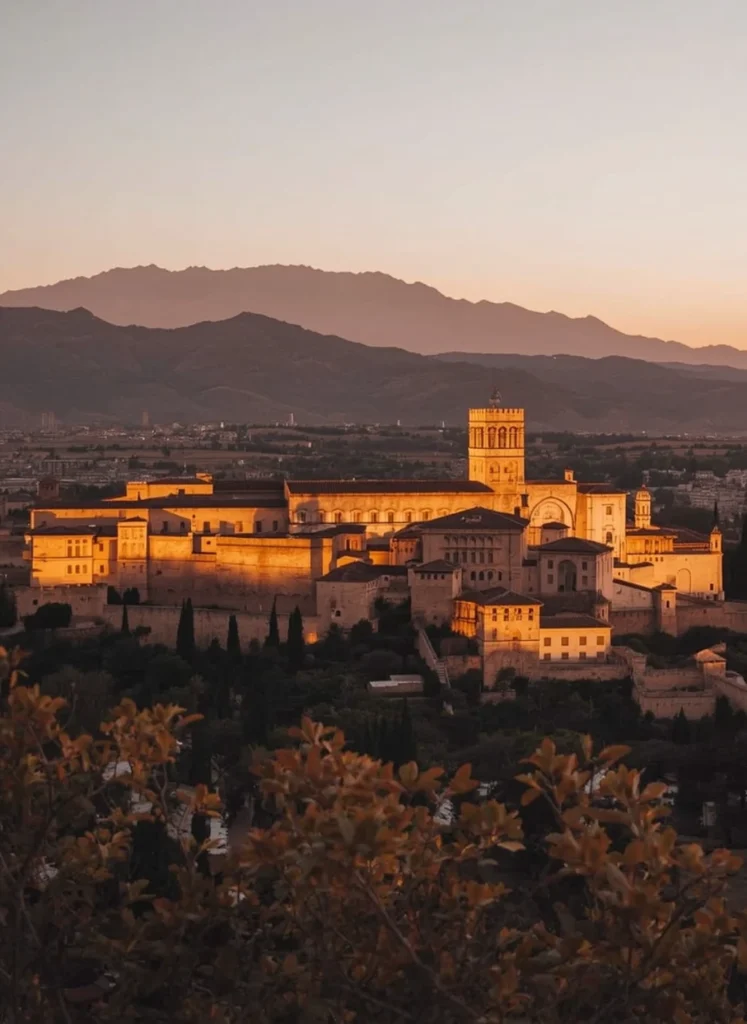
The Granada Alhambra is one of the most visited monuments in all of Spain, and for good reason. This Moorish palace complex, with its intricate tilework and peaceful gardens, sits on a hill overlooking the city and the Sierra Nevada mountains in the distance.
Tickets are limited each day and often sell out weeks in advance, so book as early as possible. After visiting, head to the Albaicín neighborhood at sunset for one of the best views of the palace lit up against the mountains.
Valencia Food Scene and Coastal Charm
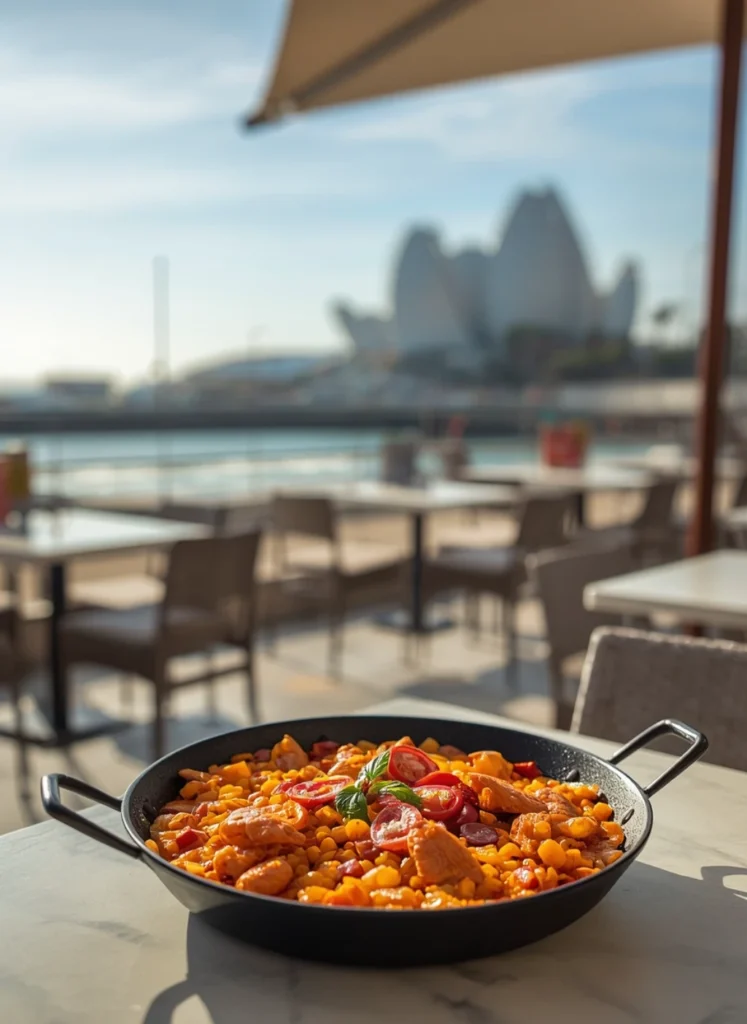
Valencia is the birthplace of paella, and the Valencia food scene reflects that pride in local cooking. Beyond the food, the city offers a striking mix of old town charm and futuristic architecture in the City of Arts and Sciences complex.
Try paella at a restaurant that only serves lunch, since traditionally it is not an evening dish in this region. The city beach, Malvarrosa, is easy to reach by tram and offers a relaxed alternative to the busier beaches further south.
Andalusia Road Trip Through White Villages
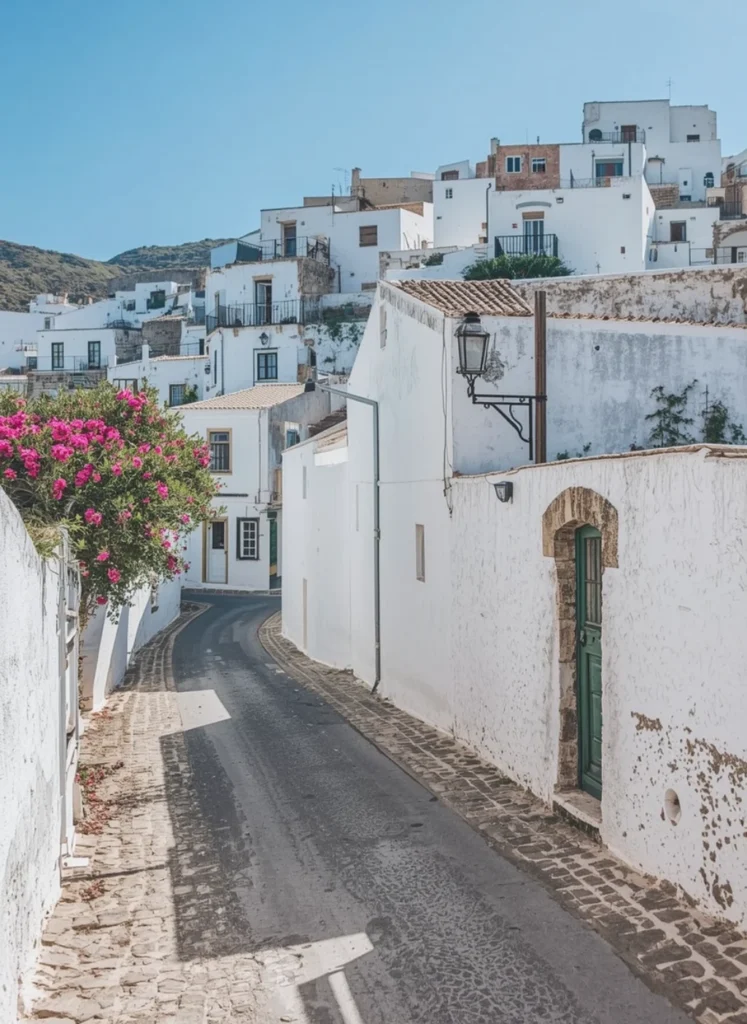
Exploring Andalusia region by car is one of the best ways to see Spain’s white washed hillside villages, known locally as pueblos blancos. These small towns, with their whitewashed walls and narrow winding streets, feel worlds away from the bigger cities.
Renting a car gives you the freedom to stop wherever looks interesting, which is half the fun of this kind of trip. Fill up on gas before entering rural areas since stations can be spread far apart in the countryside.
Cascais Coastal Escape Near Lisbon
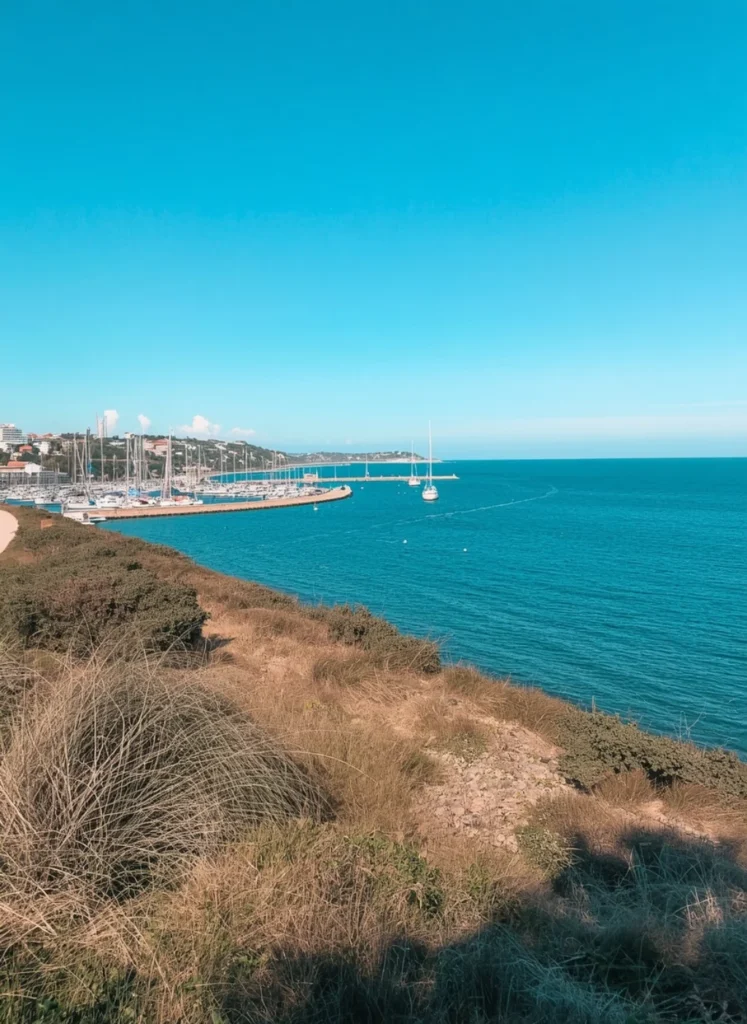
Cascais coastal town sits about a thirty minute train ride from Lisbon and offers a quieter, more relaxed pace than the capital. Once a fishing village, it now has a polished marina, sandy beaches, and a scenic coastal walk toward Guincho.
This makes a great half day or full day escape if Lisbon starts to feel too busy. Rent a bike near the train station and follow the coastal path, stopping at small cafés along the way for pastries and coffee.
Malaga Art and Sunshine
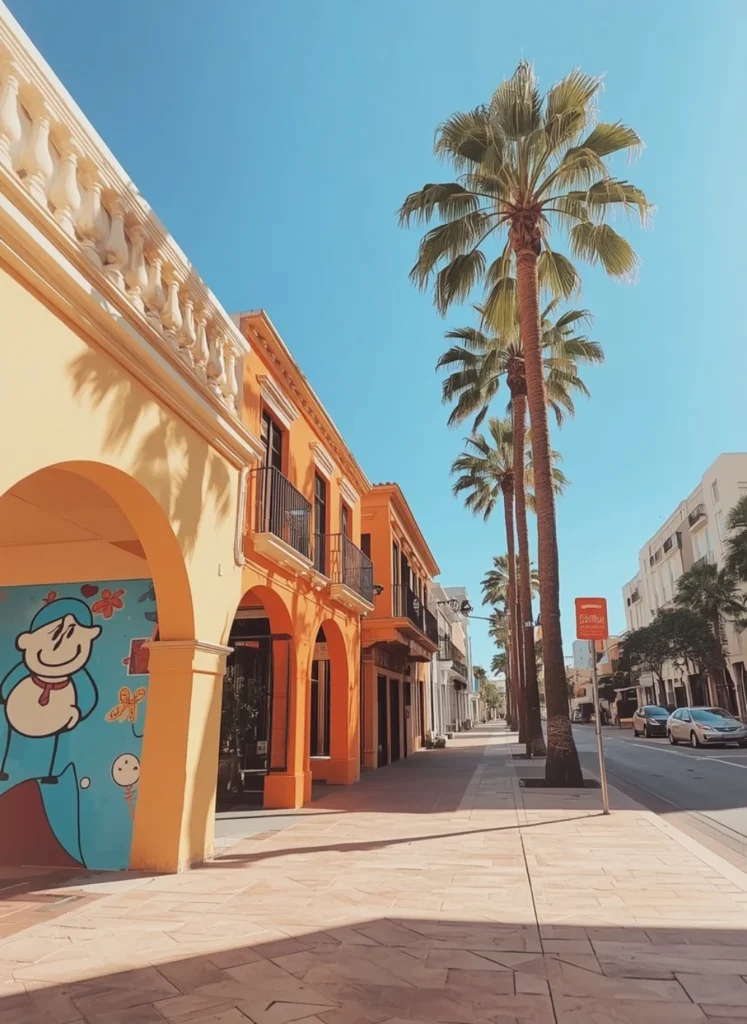
Málaga art scene has grown enormously in recent years, anchored by the Picasso Museum since the artist was born in this coastal city. Malaga also serves as a convenient gateway to the wider Costa del Sol region.
Beyond the museums, the historic center is compact and walkable, with a hilltop fortress offering panoramic views. This is also a solid base for day trips to Ronda or smaller nearby beach towns.
Coimbra University City Charm

Coimbra, home to one of the oldest universities in Europe, has a distinctly academic and historic feel. The Coimbra university city center includes a stunning baroque library and streets that slope steeply down toward the river.
Visit in the evening to catch students performing traditional Fado songs near the old town, a tradition unique to this city compared to the Fado heard in Lisbon. It makes a good stop between Porto and Lisbon if you are driving the coast.
Toledo Medieval Streets
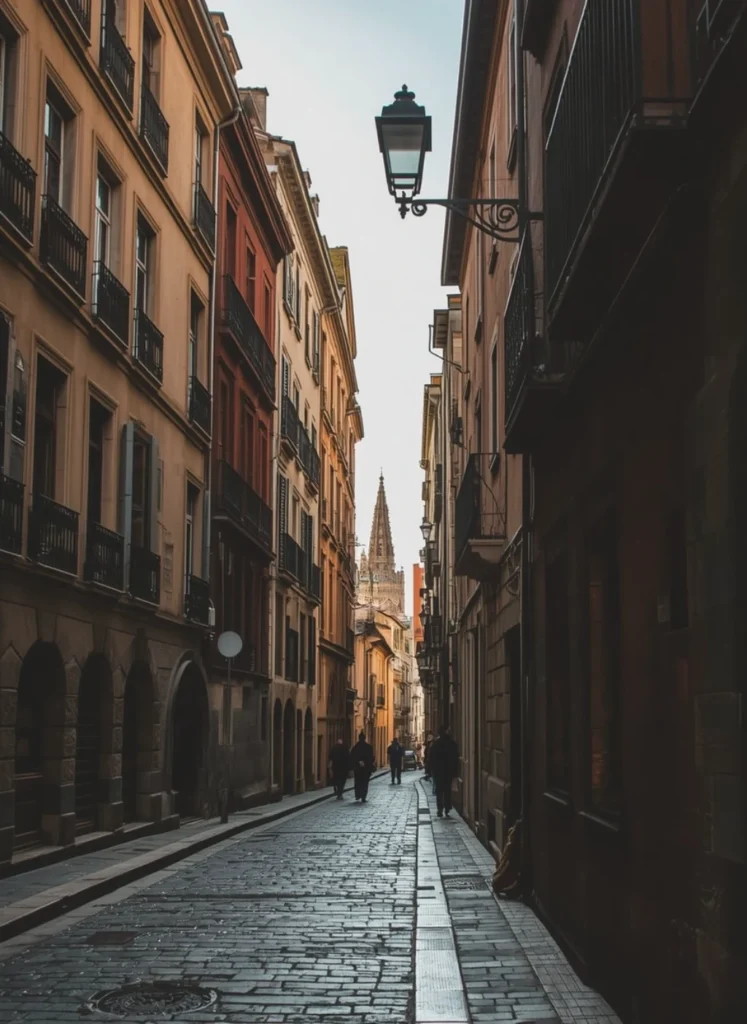
Just south of Madrid, Toledo feels frozen in time with its Toledo medieval walls, narrow alleys, and mix of Christian, Muslim, and Jewish architectural history layered on top of each other. It is often called the city of three cultures.
A day trip is enough to see the highlights, including the cathedral and the Alcázar fortress. Wear sturdy shoes since much of the old town involves steep, uneven cobblestone streets that can be tough on ankles.
Ronda and Its Dramatic Cliffs
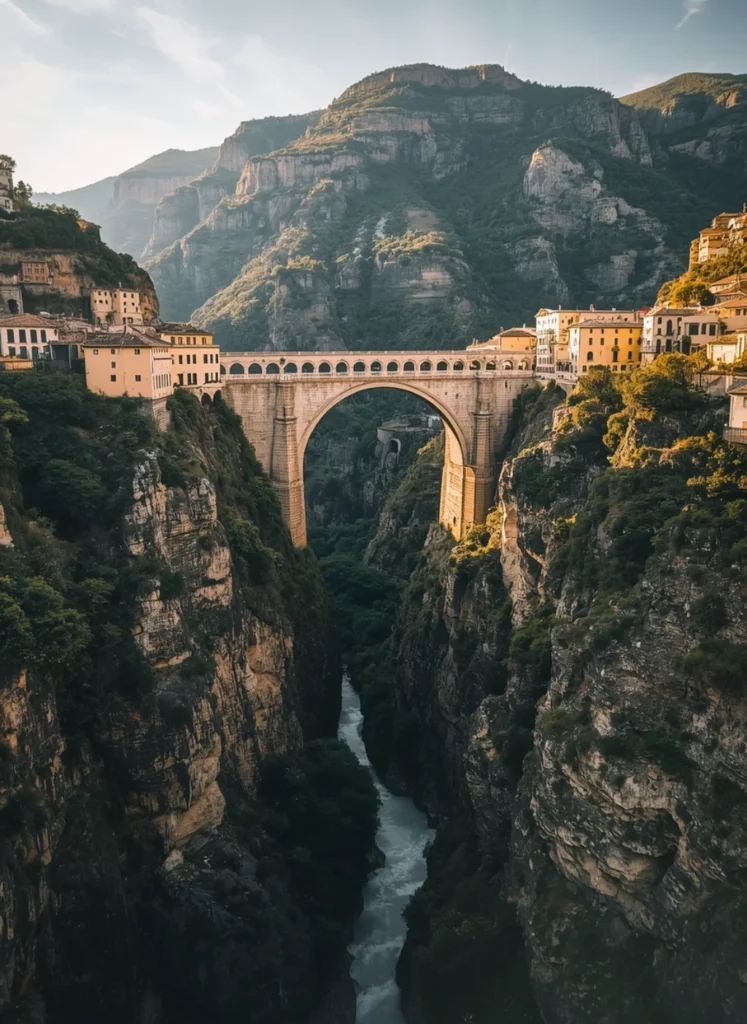
Ronda cliffs are famous for the deep gorge that splits the town in two, connected by the striking Puente Nuevo bridge. The views from the edge of town are dramatic enough to make Ronda one of the most photographed spots in Andalusia.
Come for a day trip from Malaga or Seville, but consider staying overnight if possible. The town empties out significantly after the tour buses leave in the late afternoon, giving you a much calmer experience.
Evora Ancient History
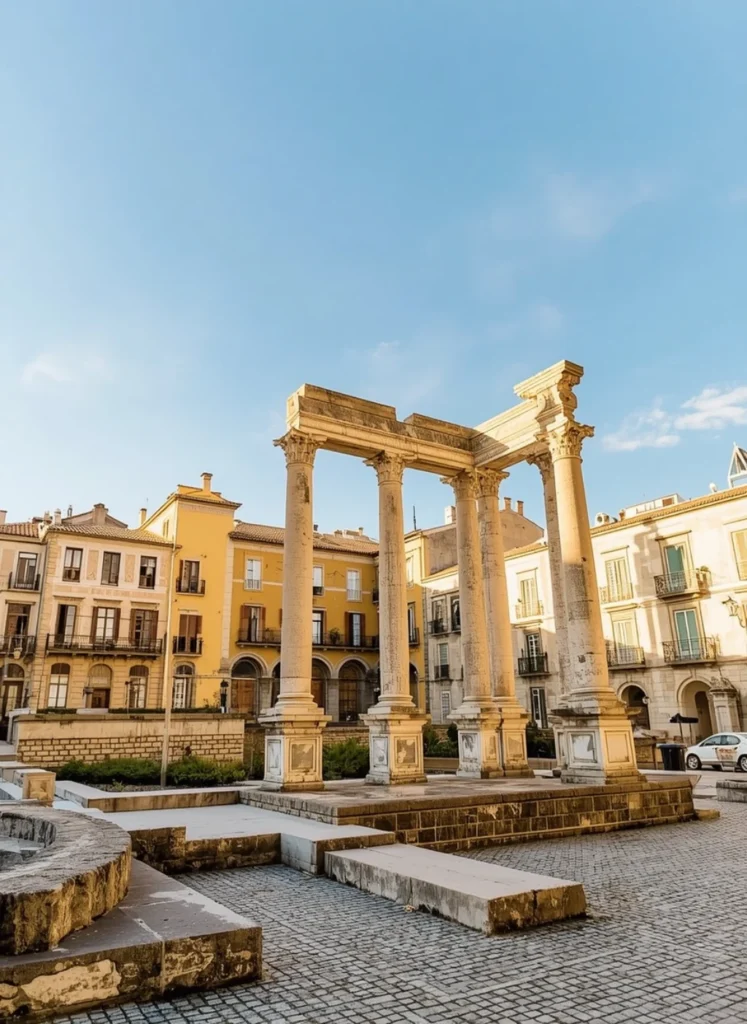
Évora history stretches back to Roman times, and the well-preserved Roman temple still standing in the town center is proof of that. This UNESCO listed town in Portugal’s Alentejo region also has an unusual chapel built almost entirely from human bones.
Evora makes a good stop if you are exploring inland Portugal rather than sticking to the coast. The surrounding Alentejo countryside is known for cork production and quiet vineyards, worth a slow afternoon drive.
Bilbao and the Guggenheim

In northern Spain, Bilbao Guggenheim museum transformed what was once an industrial city into a major cultural destination. The building itself, with its curving titanium exterior, is as much a draw as the art inside.
Pair a Bilbao visit with nearby San Sebastián for a coastal, food-focused extension of your trip. This region has a noticeably different climate and culture from southern Spain, with green hills replacing the dry landscapes further south.
San Sebastian Gastronomy Weekend

San Sebastián gastronomy is legendary among food travelers, with an unusually high concentration of Michelin starred restaurants for a city of its size. The old town is also packed with pintxos bars, the Basque version of tapas.
For a food and wine tour Spain experience focused purely on eating well, base yourself here for at least two nights. Order a few pintxos at each bar rather than a full meal at one spot, which is how locals typically enjoy the evening.
Nazare Surf Town
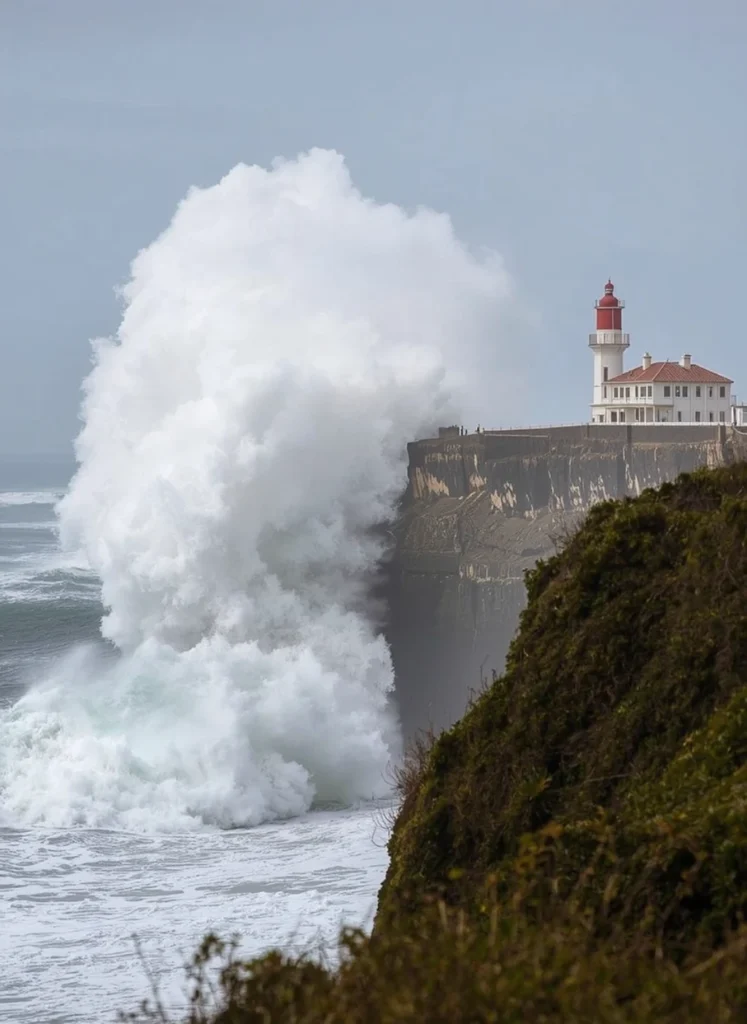
Nazaré surf beach holds world records for the largest waves ever surfed, drawing professional surfers from around the globe during winter months. Outside of big wave season, it is a peaceful fishing town with a long sandy beach.
Watch from the clifftop viewpoint near the lighthouse if you visit during winter swells, since the water itself is far too dangerous for anyone but experienced professionals. In summer, the beach becomes a much calmer spot for swimming and relaxing.
Cordoba Mosque Cathedral
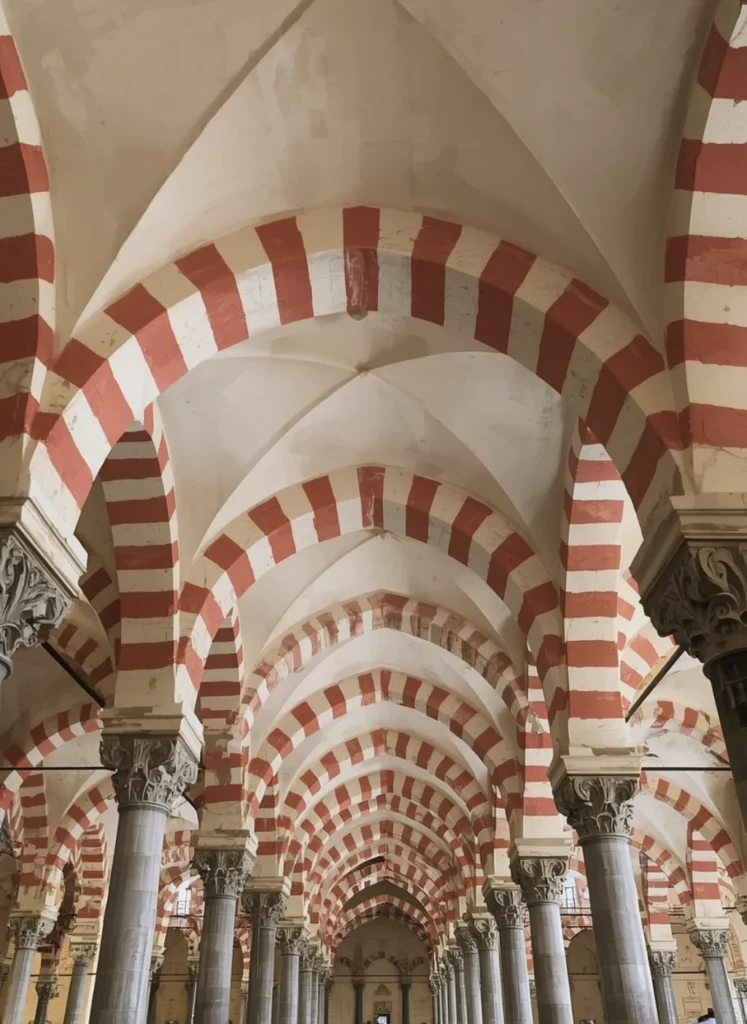
Córdoba mosque cathedral, known locally as the Mezquita, is one of the most unusual religious buildings in the world, combining Islamic and Christian architecture within a single structure. Rows of red and white striped arches stretch across the interior in a way that feels almost hypnotic.
Visit early in the morning to avoid both the crowds and the intense midday heat common in this part of Andalusia. The surrounding old Jewish quarter, with its flower filled patios, is worth a slow wander afterward.
Planning Your Portugal Spain Road Trip Budget and Timing
Best time to visit Portugal and Spain really depends on what you want from your trip. Spring and early fall offer mild weather and smaller crowds, while summer brings peak heat, especially inland in cities like Seville and Cordoba.
For budget travel Europe tips, consider traveling by train between major cities and renting a car only for rural stretches like Andalusia or the Alentejo. Booking accommodations a few months ahead, especially in Lisbon, Barcelona, and the Algarve during summer, will save both money and stress.
Quick Comparison Table
| Destination | Best For | Ideal Season | Avg. Days Needed | Getting There |
|---|---|---|---|---|
| Lisbon | City culture, food | Spring, Fall | 3-4 days | International flights |
| Algarve | Beaches, sea caves | Summer | 2-3 days | Train or car from Lisbon |
| Barcelona | Architecture, beach | Spring, Fall | 3-4 days | International flights |
| Seville | History, flamenco | Fall, Winter | 2-3 days | Train from Madrid |
| Granada | Alhambra, mountains | Spring, Fall | 2 days | Train or bus |
| Douro Valley | Wine, scenery | Summer, Fall | 1-2 days | Day trip from Porto |
| San Sebastián | Food, coast | Summer | 2-3 days | Train or car |
Conclusion
Combining Portugal and Spain into a single trip gives you an incredible range of experiences without a huge amount of extra travel time between them. From the tiled rooftops of Lisbon to the striped arches of the Mezquita in Cordoba, these two countries share a border but offer genuinely different personalities, foods, and paces of life.
The best trips usually come from picking a handful of places that truly interest you rather than trying to cram in every stop on this list. Whether you lean toward quiet coastal towns, food-focused city breaks, or dramatic historic sites, Portugal and Spain make an easy, rewarding pair to explore together.
You may also like this: 22 Travelling Journal Ideas to Capture Every Memorable Journey
Frequently Asked Questions
1. How many days do I need to see both Portugal and Spain?
Two weeks gives a comfortable pace to cover the highlights of both countries without constant rushing. If you have less time, focus on one region, such as Lisbon and the Algarve, or Barcelona and Andalusia.
2. Is it easy to travel between Portugal and Spain?
Yes, trains, buses, and short flights connect major cities well. Renting a car also works nicely for reaching smaller towns and villages that are harder to access by public transport.
3. What is the best time of year to visit?
Spring and early fall offer mild temperatures and smaller crowds in most cities. Summer is popular for beach destinations like the Algarve but can be uncomfortably hot inland, especially in southern Spain.
4. Is Portugal or Spain more budget-friendly?
Portugal tends to be slightly cheaper overall for accommodation and dining, though both countries offer affordable options outside the major tourist hubs. Traveling in shoulder season also helps lower costs in either country.
5. Can I visit both countries with young kids?
Yes, many destinations on this list work well for families, particularly beach towns like Cascais and the Algarve. Shorter travel distances between stops and a mix of outdoor activities help keep the pace manageable for children.
1 Comment