
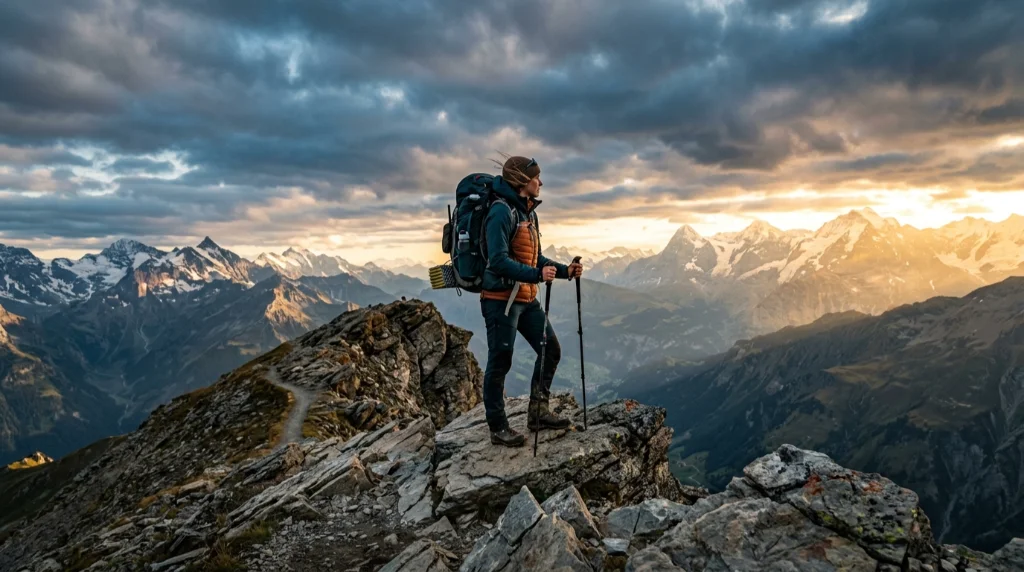
Standing at a trailhead in the wrong clothes can ruin an otherwise perfect hike fast. A solid mountain trail outfit isn’t about looking good for photos. It’s about surviving shifting weather, rocky footing, and hours of movement without regret.
This guide breaks down hiking outfit ideas built from real trail experience, covering everything from base layers to footwear. You’ll find best mountain trail outfit ideas for every season, along with trail clothing essentials that separate a smooth hike from a miserable one.
Mountain Trail Outfit Decisions That Separate Smooth Hikes From Miserable Ones
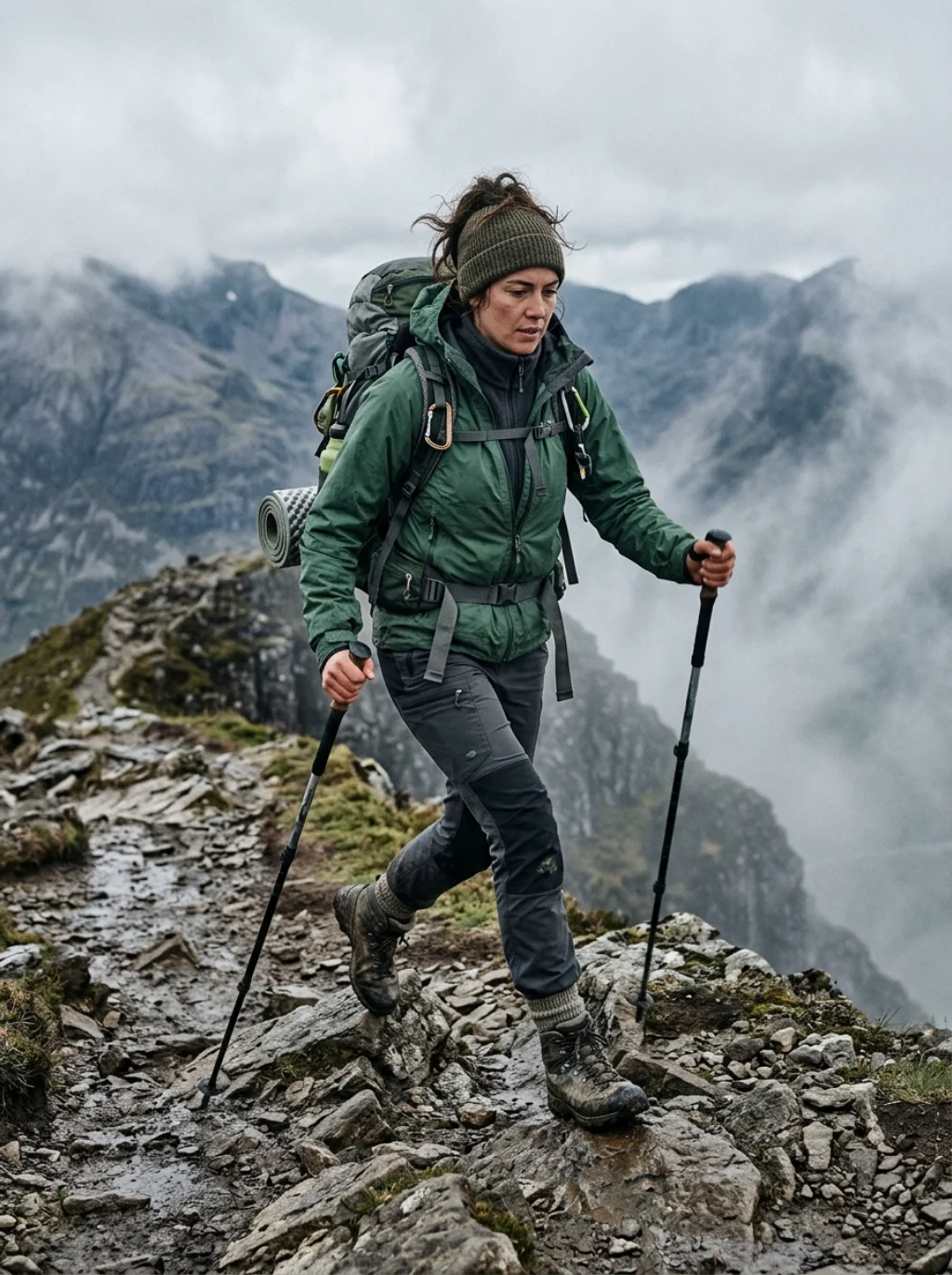
Every experienced hiker has a story about the one time they got it wrong. Maybe it was cotton socks turning into blister factories. Maybe it was a jacket that couldn’t handle sudden wind.
These small choices add up fast on the trail. Building a proper mountain trail outfit means thinking beyond fashion and focusing on function first. Outdoor trail apparel should work with your body, not against it, adjusting easily as conditions shift throughout the day.
The Layering Secret Most Beginners Get Completely Backwards
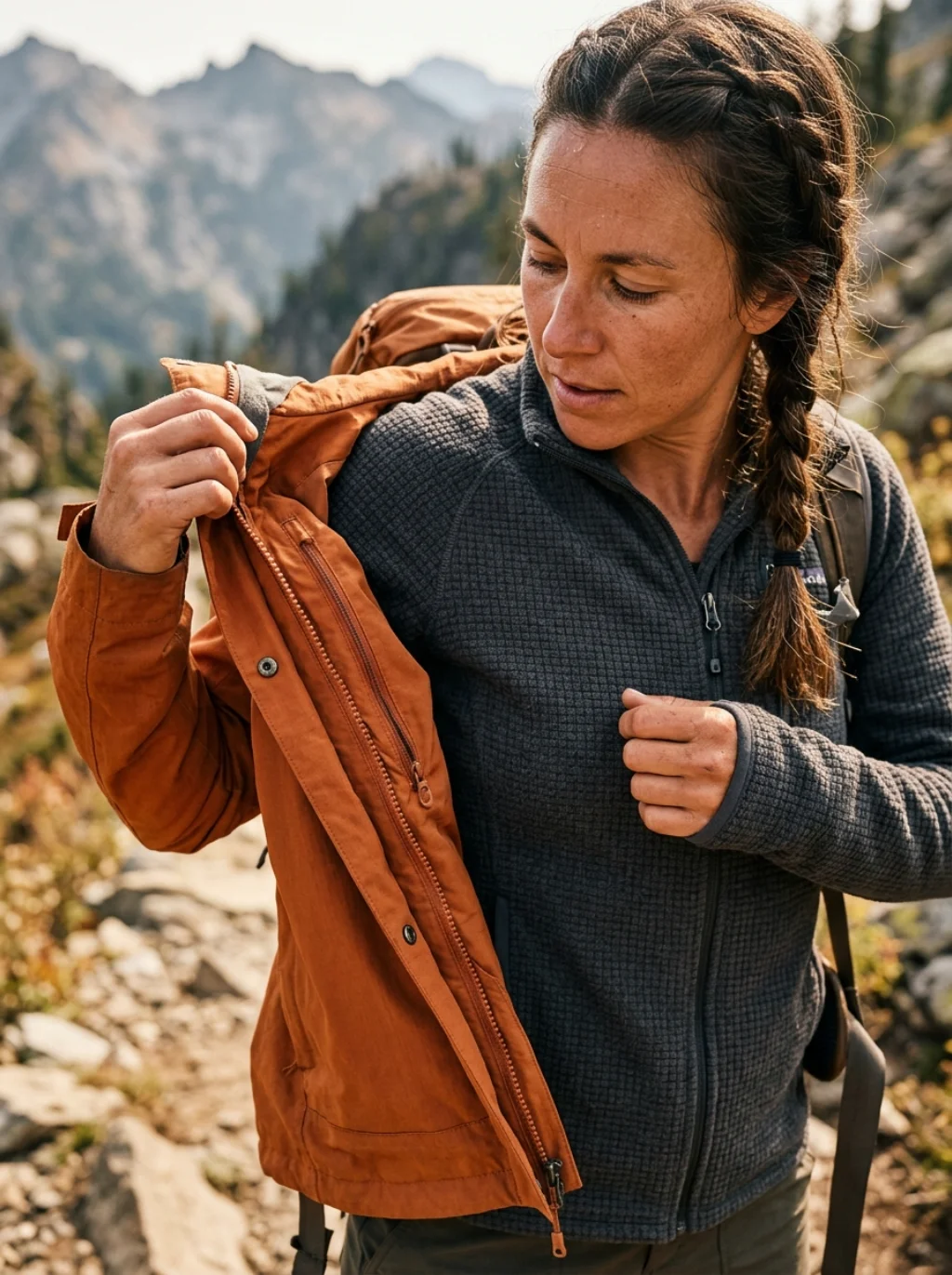
Beginners often assume one thick jacket solves everything. However, that approach backfires the moment you start climbing and sweating heavily under a heavy shell.
A proper hiking layers guide relies on three distinct pieces instead of one bulky item. Layering for hikes works because you can add or remove pieces as temperature swings. This flexibility matters more on mountain climbing attire than almost any other clothing decision you’ll make.
Base Layers That Decide Whether You Freeze or Thrive
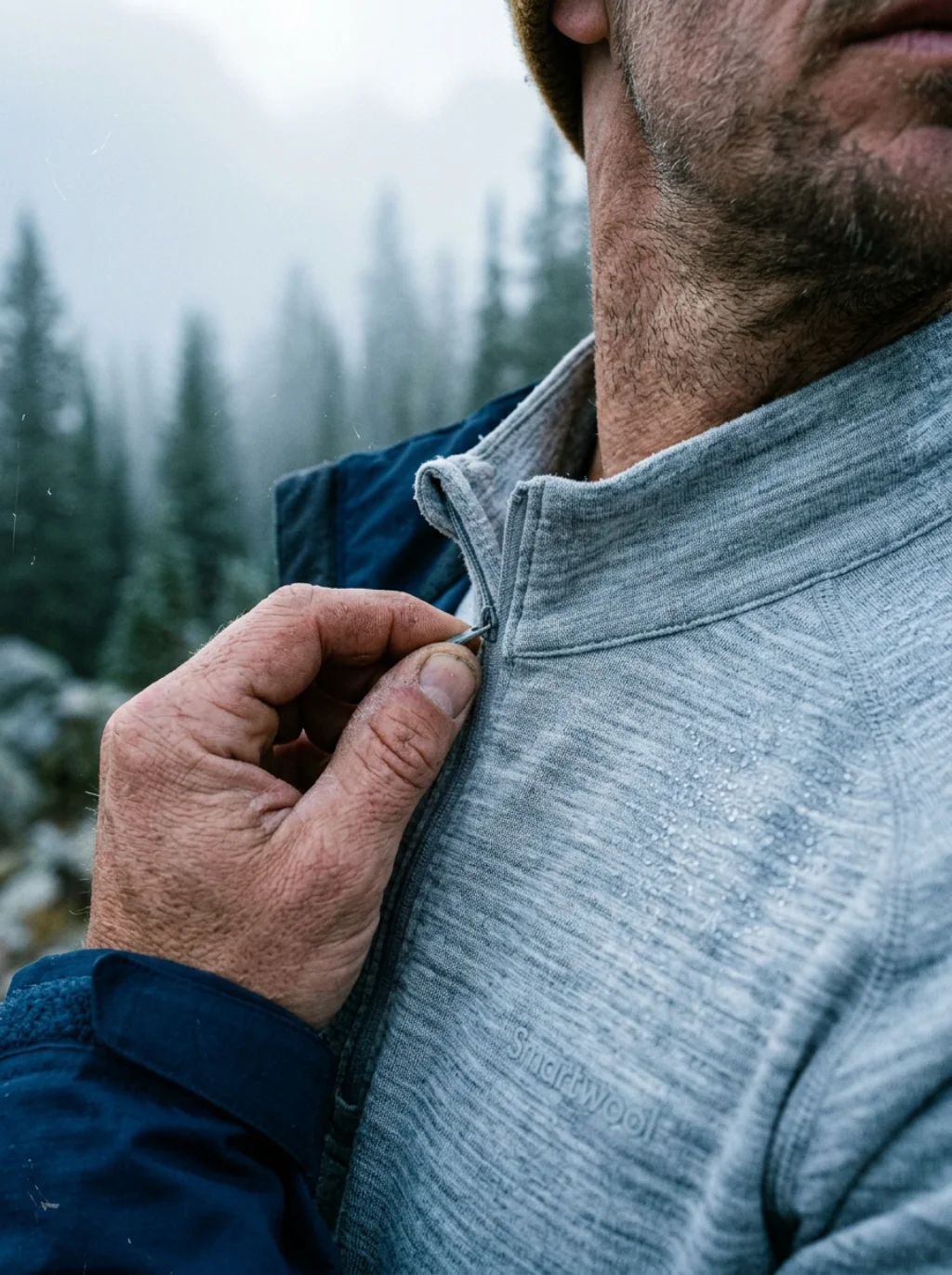
Your base layer touches skin directly, so its job is simple: move sweat away fast. A poor hiking base layer traps moisture, leaving you damp and cold once the wind picks up on exposed sections.
Choosing a moisture wicking hiking shirt solves this problem immediately. This piece forms the foundation of any solid hiking outfit fabric guide, since everything else layers on top of it. Skip cotton entirely here, no matter how comfortable it feels at home.
Merino Wool Versus Synthetic Fabric: A Battle Worth Understanding
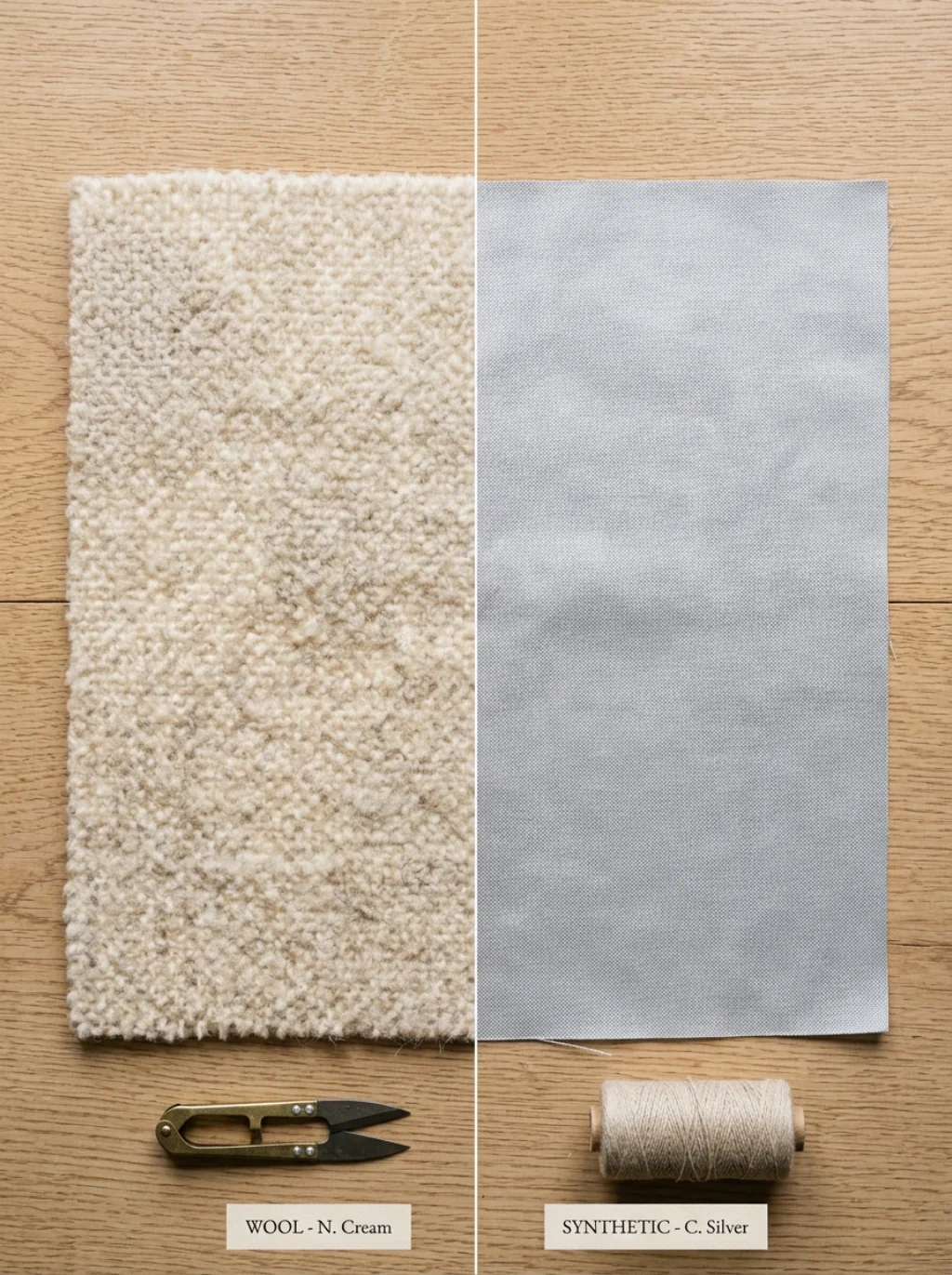
Hikers debate this constantly, and honestly, both options have real strengths worth knowing. Merino wool base layer fabric regulates temperature naturally and resists odor even after multiple days on trail.
Synthetic blends dry faster and often cost less upfront. For longer trips, wool wins on comfort. For trail running outfit situations demanding quick drying, synthetic pulls ahead. Either choice beats cotton by a wide margin when it comes to performance fabric for hiking.
Mid Layers Built for Sudden Temperature Drops on Exposed Ridges
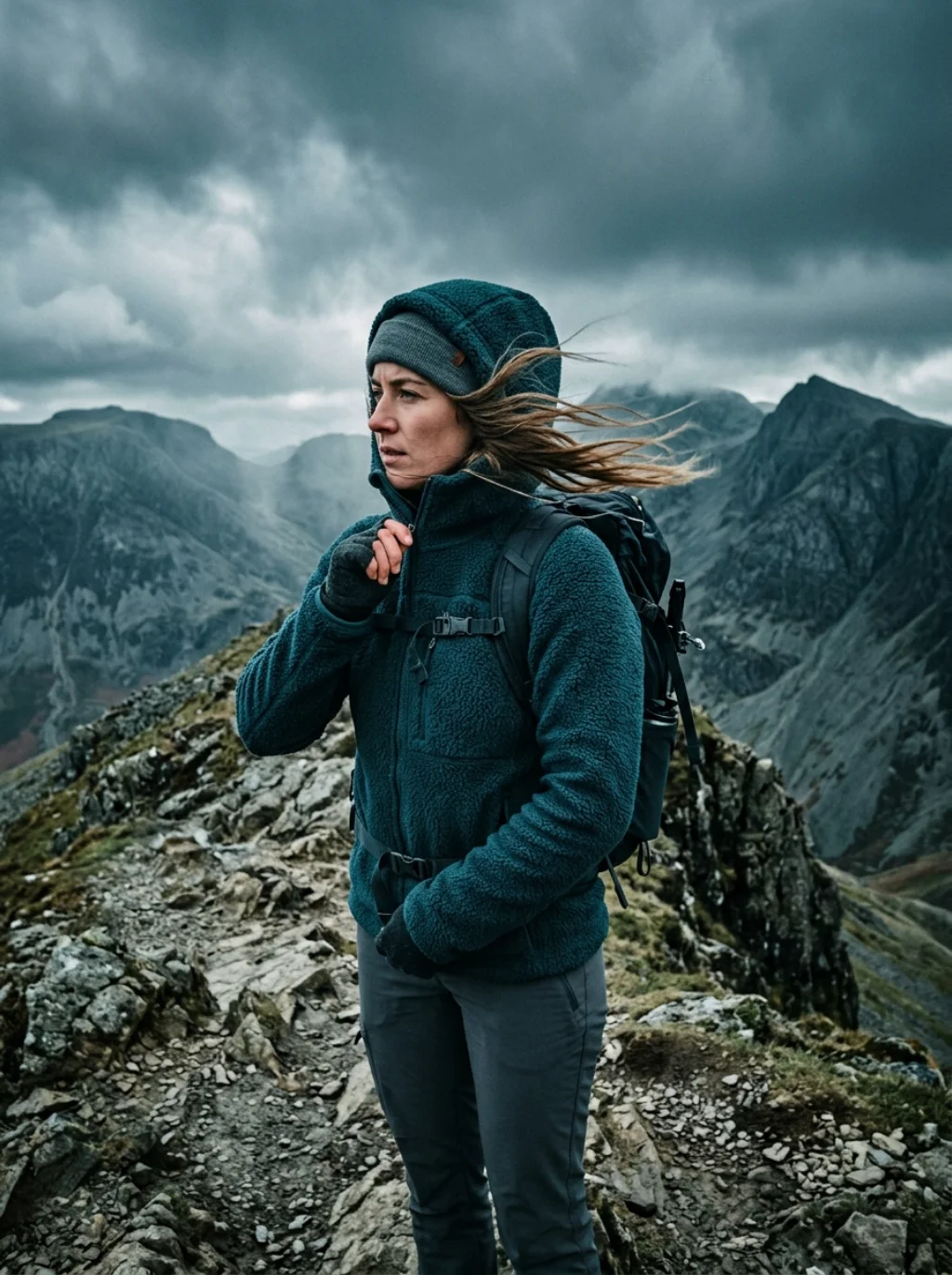
Ridgelines can feel warm one moment and brutally cold the next once wind picks up. A solid mid layer handles this unpredictability, trapping heat without adding unnecessary bulk to your pack.
A fleece mid layer works well for most conditions, while down insulation suits colder, drier climates better. This piece becomes essential hiking gear essentials for anyone tackling mountain trekking clothes above the tree line where weather shifts fast.
Rain Shells That Actually Survive a Real Mountain Storm
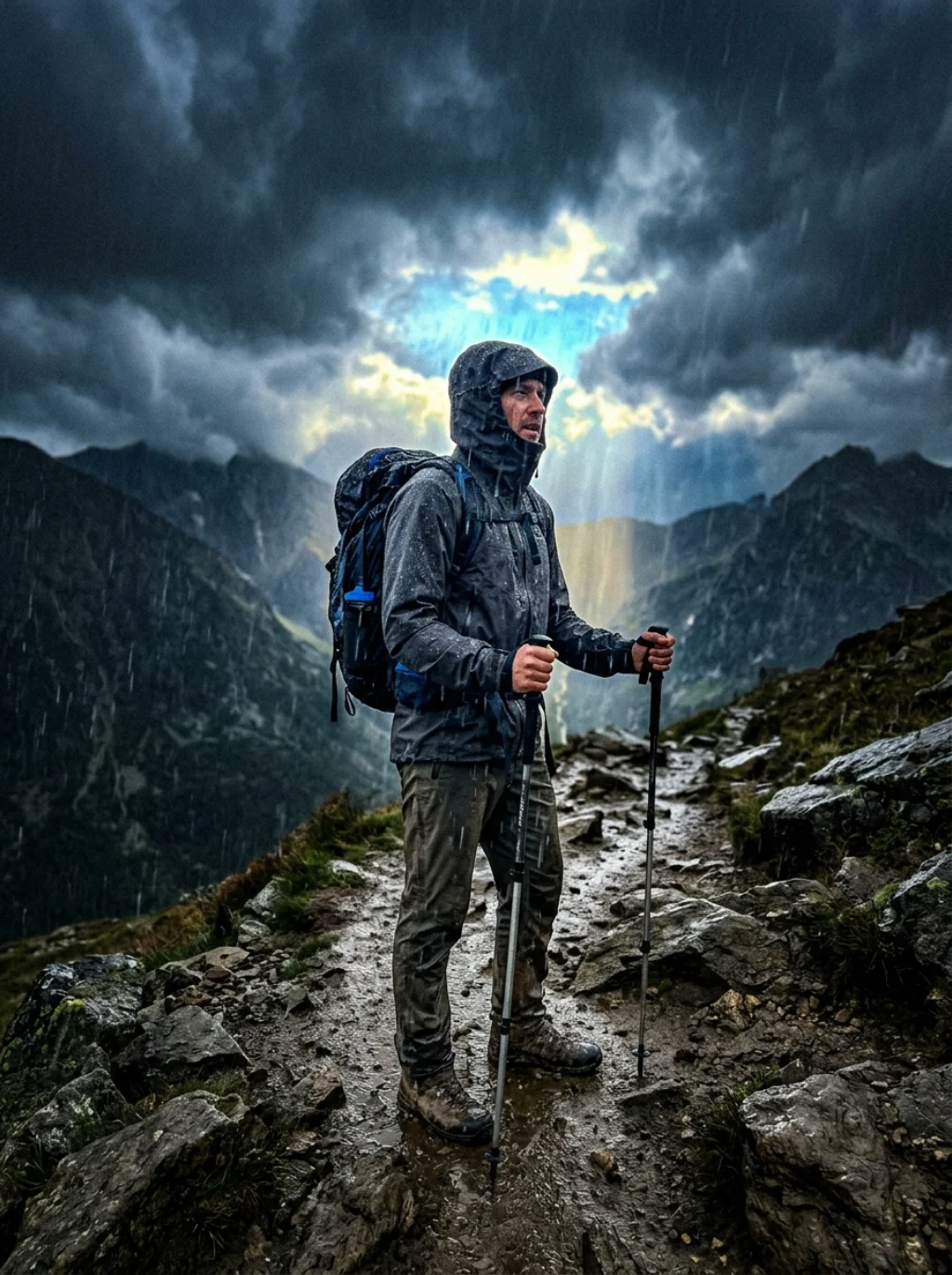
Not all rain jackets perform equally once a real storm hits. Cheap shells often wet out fast, leaving you soaked despite technically being “waterproof” according to the label.
A genuine Gore-Tex jacket blocks wind and rain while still allowing sweat vapor to escape. This piece anchors waterproof hiking gear for serious hikers, especially during unpredictable trail outfit for rainy weather conditions common across mountain regions nationwide.
Hiking Pants That Move With You Instead of Against You
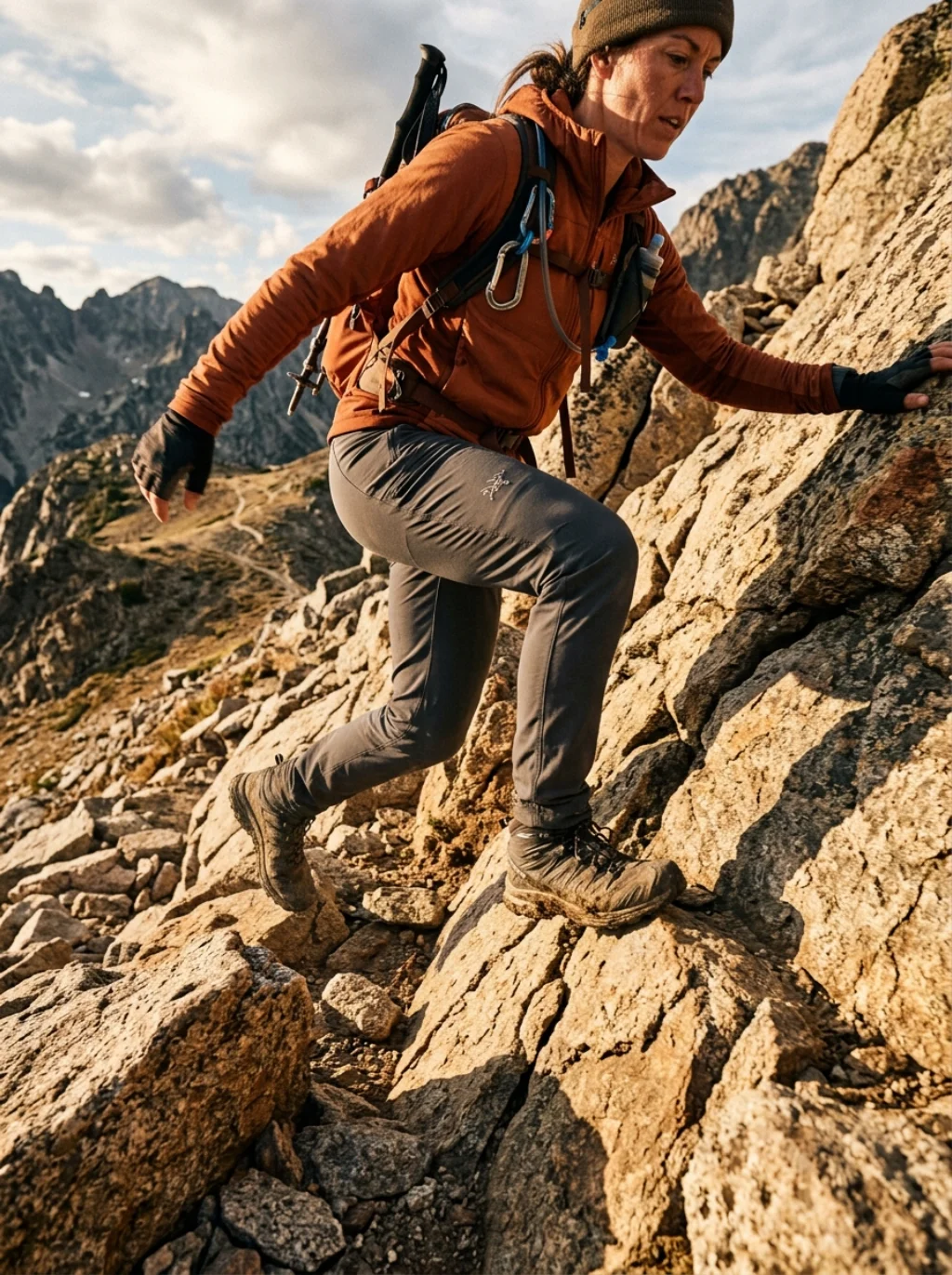
Restrictive pants ruin scrambles and steep climbs fast. Good hiking pants for women and hiking pants for men alike need stretch fabric that moves through a full range of motion without binding.
you may also like this:22 Adventure Outfits for Women Ready for Every Outdoor Escape
Convertible hiking pants offer flexibility for changing temperatures, zipping off into shorts when needed. This adaptability makes them popular trail ready gear, especially for hikers tackling hiking outfit for long distance trails spanning multiple climate zones in one day.
Footwear Choices That Make or Break Every Single Mile
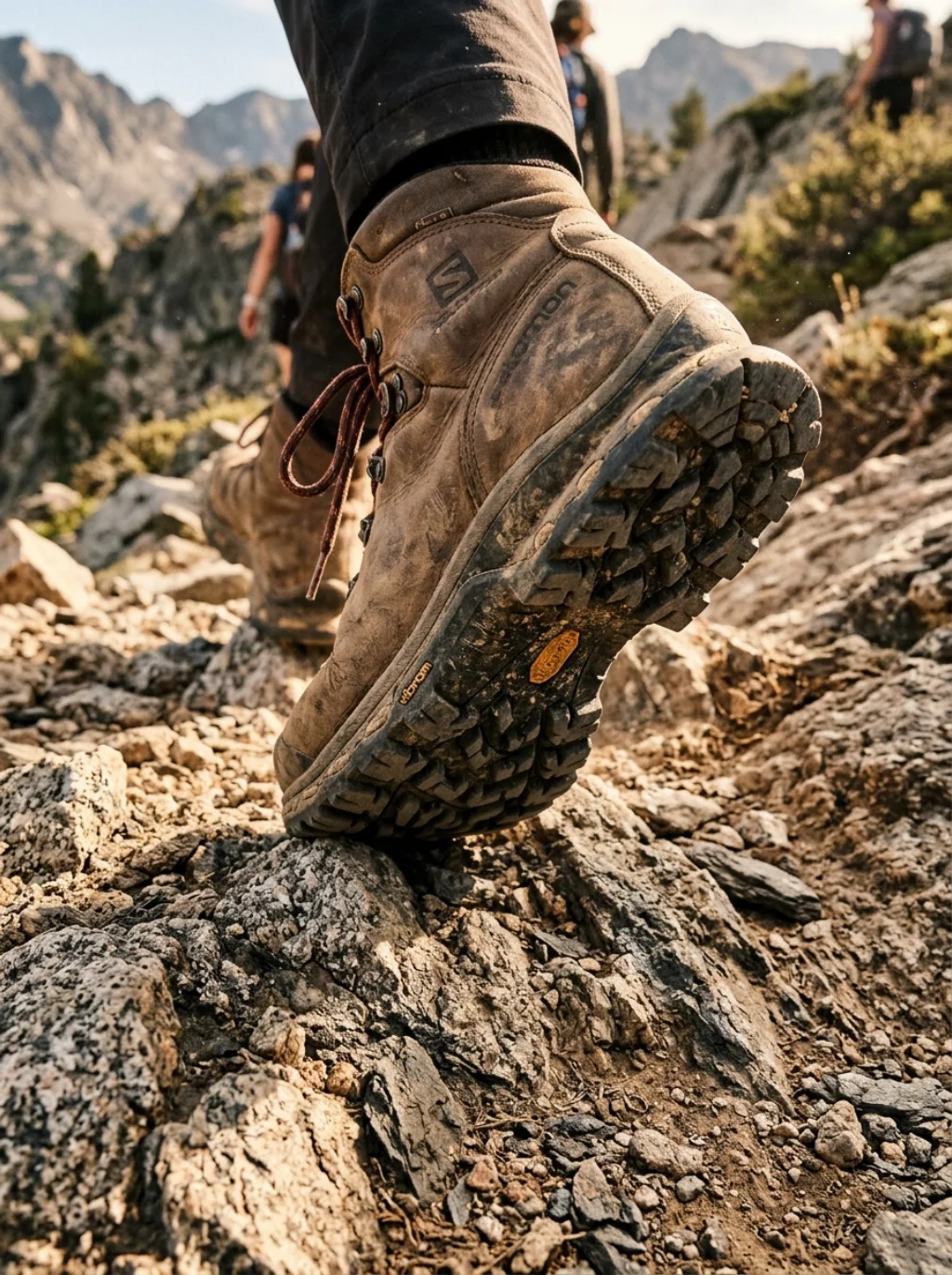
Feet carry you the entire distance, so footwear deserves serious attention. A poorly fitted boot causes blisters within the first mile, turning an exciting hike into a painful slog.
A proper hiking boots and socks combination matters more than brand name alone. Following a solid mountain hiking footwear guide means prioritizing ankle support and tread depth. Hiking clothes for rocky trails always start with boots built for uneven, unpredictable ground.
Wool Socks and the Blister Prevention Trick Nobody Explains
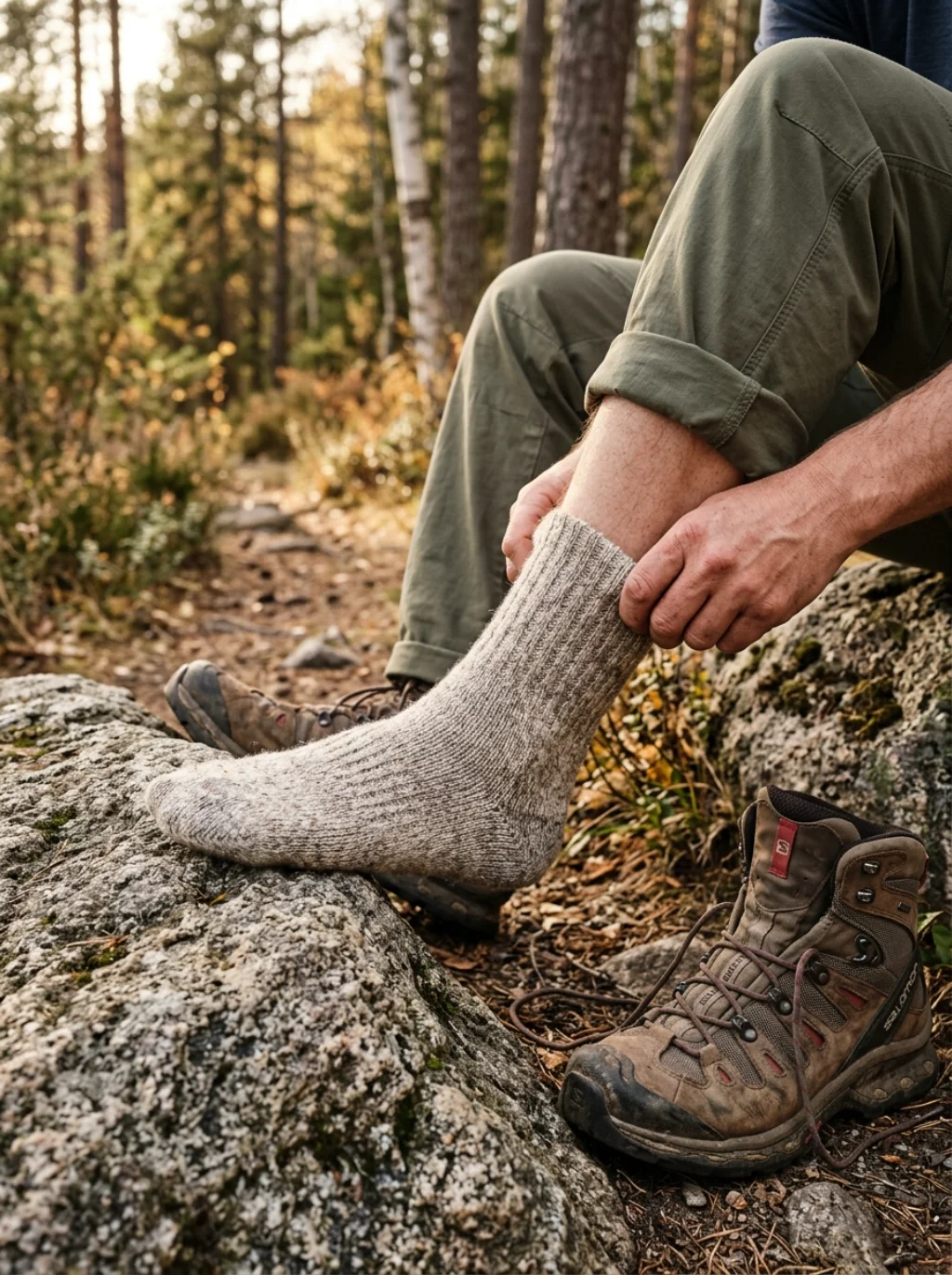
Socks get ignored constantly, yet they prevent more trail disasters than almost any other gear choice. Cotton socks trap moisture and create friction, the exact recipe for painful blisters.
Wool hiking socks wick moisture while cushioning pressure points naturally. Many experienced hikers wear a thin liner sock underneath too, reducing friction even further. This small addition ranks among the most underrated hiking comfort tips available anywhere.
Gaiters and Why Rocky Terrain Demands Them More Than You Think
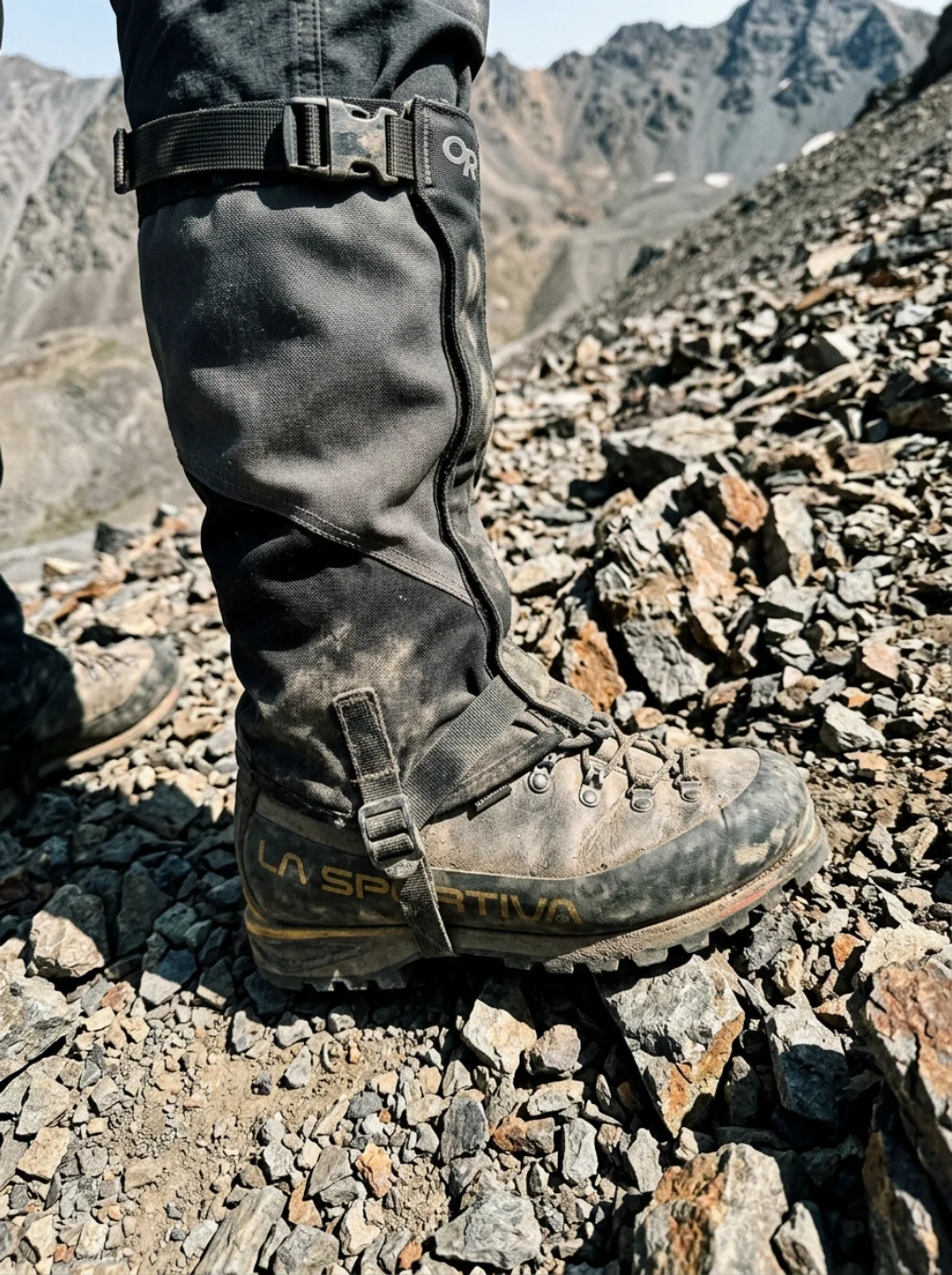
Loose scree and sharp rocks constantly find their way into boots without proper protection. Hiking gaiters block debris, mud, and even snow from sneaking inside your footwear during rough sections.
This gear piece feels optional until you experience rocky terrain firsthand. Once dirt and pebbles start collecting inside boots, gaiters become non-negotiable. They’re a small addition that dramatically improves outdoor clothing comfort across technical, debris-heavy trail sections.
Sun Protection Gear That Saves Skin on Exposed Alpine Trails
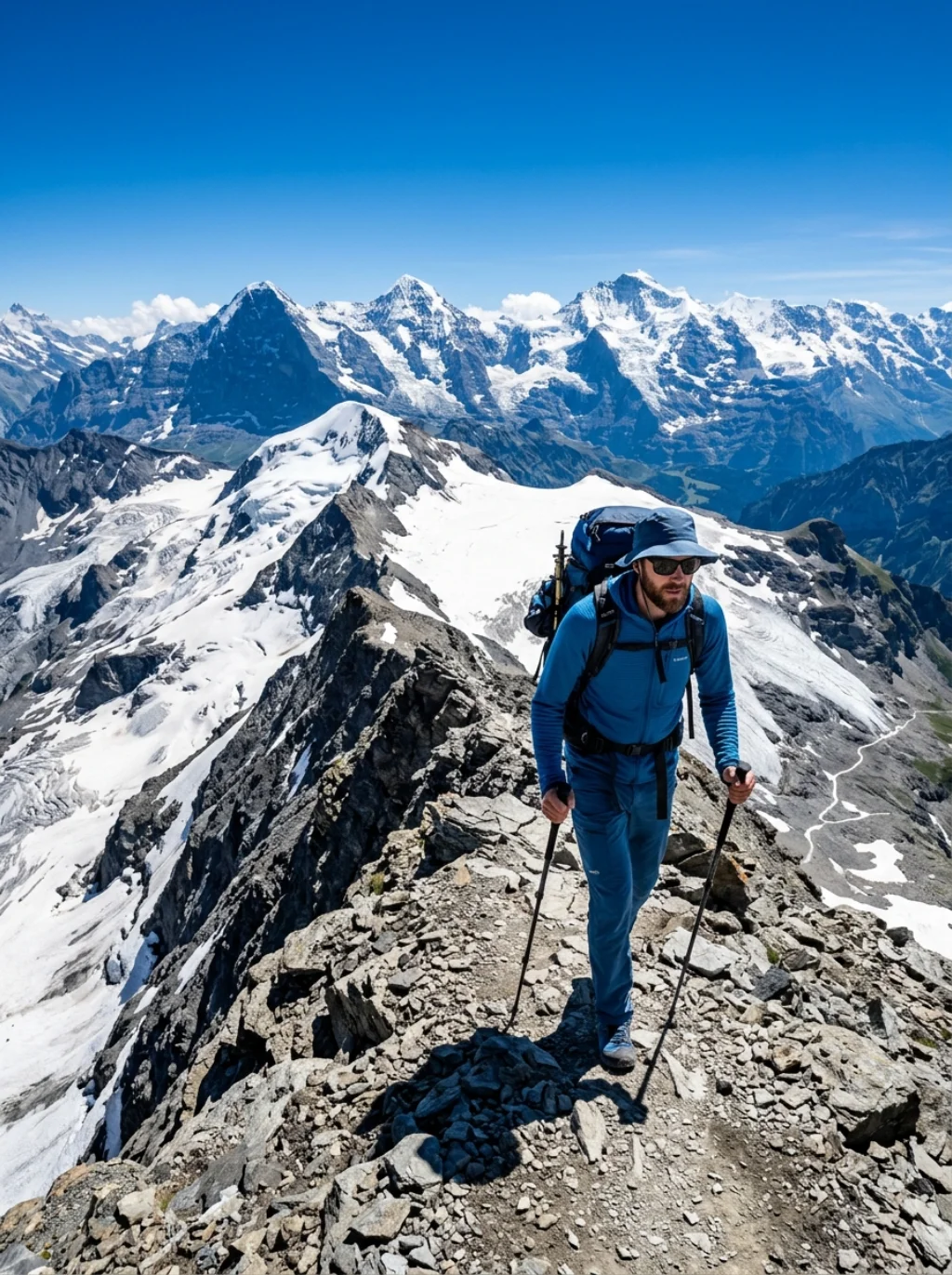
Sun exposure intensifies dramatically at higher elevations, since thinner air offers less natural filtering. Skin burns faster above the tree line than most hikers expect, even on cloudy days.
UV protection clothing blocks harmful rays without requiring constant sunscreen reapplication. This matters enormously for hiking outfit for high altitude trips, where sun intensity catches unprepared hikers off guard. Long sleeves paired with UV fabric offer serious trail safety essentials.
Hats and Eyewear Built for Glare Above the Tree Line

Glare above the tree line can genuinely strain eyes and cause headaches during long exposed stretches. A proper sun hat design shields your face while polarized sunglasses cut harsh reflected light from snow or rock.
This combination rounds out solid hiking hat and sunglasses protection for any serious trail attempt. Skipping eyewear on bright alpine days often leads to discomfort that lingers well past the hike itself.
Backpack Fit Secrets That Prevent Shoulder and Back Pain
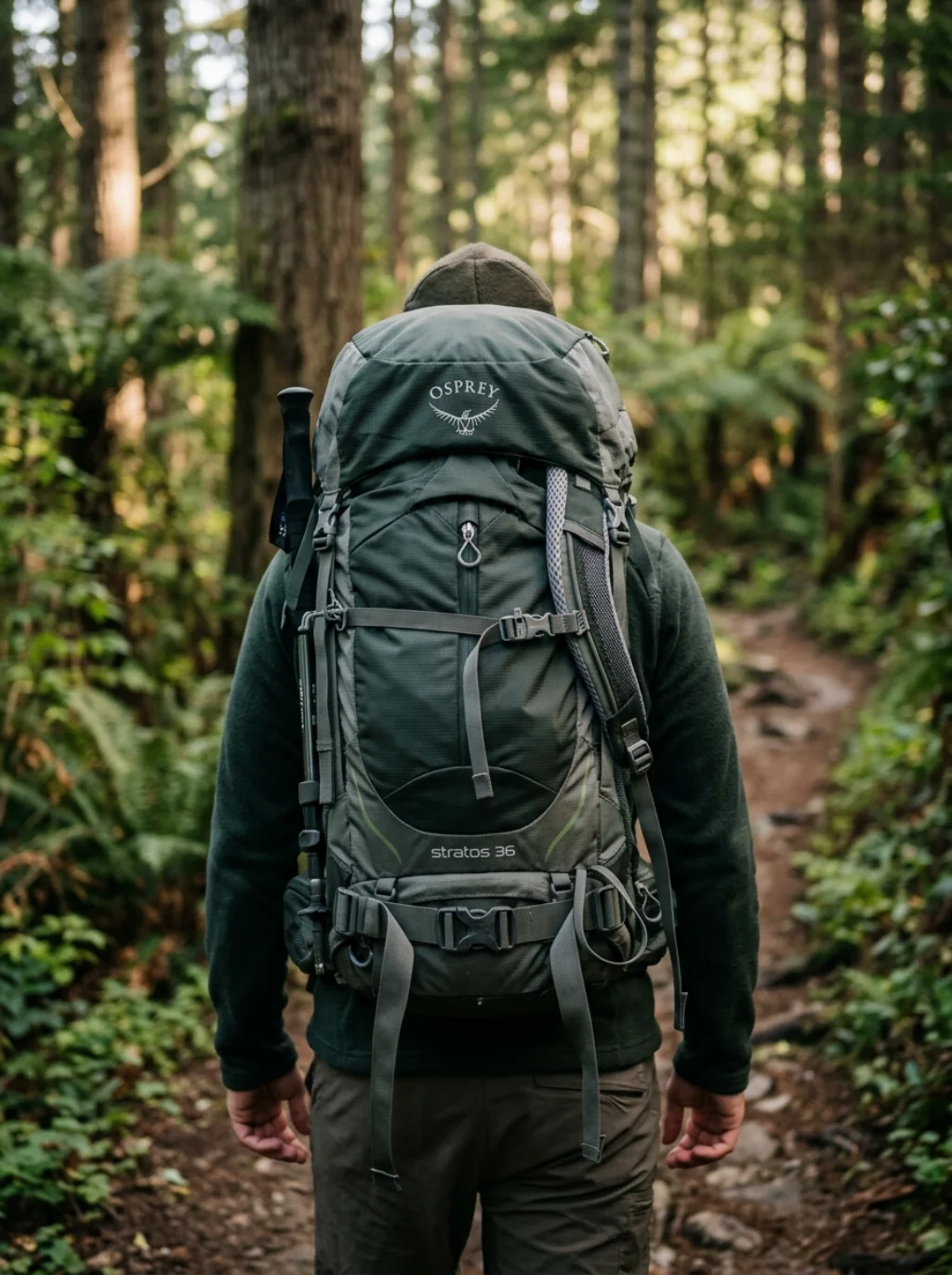
An ill-fitted backpack turns even short hikes into painful experiences fast. Weight distribution matters more than total pack size when it comes to comfort over long distances.
A proper outdoor backpack brand offers adjustable straps and a supportive hip belt, shifting weight away from shoulders. This detail forms the backbone of solid trail backpack essentials, especially for hikers tackling hiking outfit for overnight treks carrying heavier loads.
Hydration Systems Every Serious Trail Outfit Needs Built In

Dehydration sneaks up fast at altitude, often before thirst even kicks in. A hydration backpack solves this by keeping water accessible through a hose, eliminating the need to stop constantly.
This system becomes essential trail hydration gear for longer routes especially. Pairing this with electrolyte tablets rounds out a solid packing list for hikes, ensuring your body stays fueled even during demanding mountain trail outfit for summer conditions.
Trekking Poles and the Knee Damage They Quietly Prevent
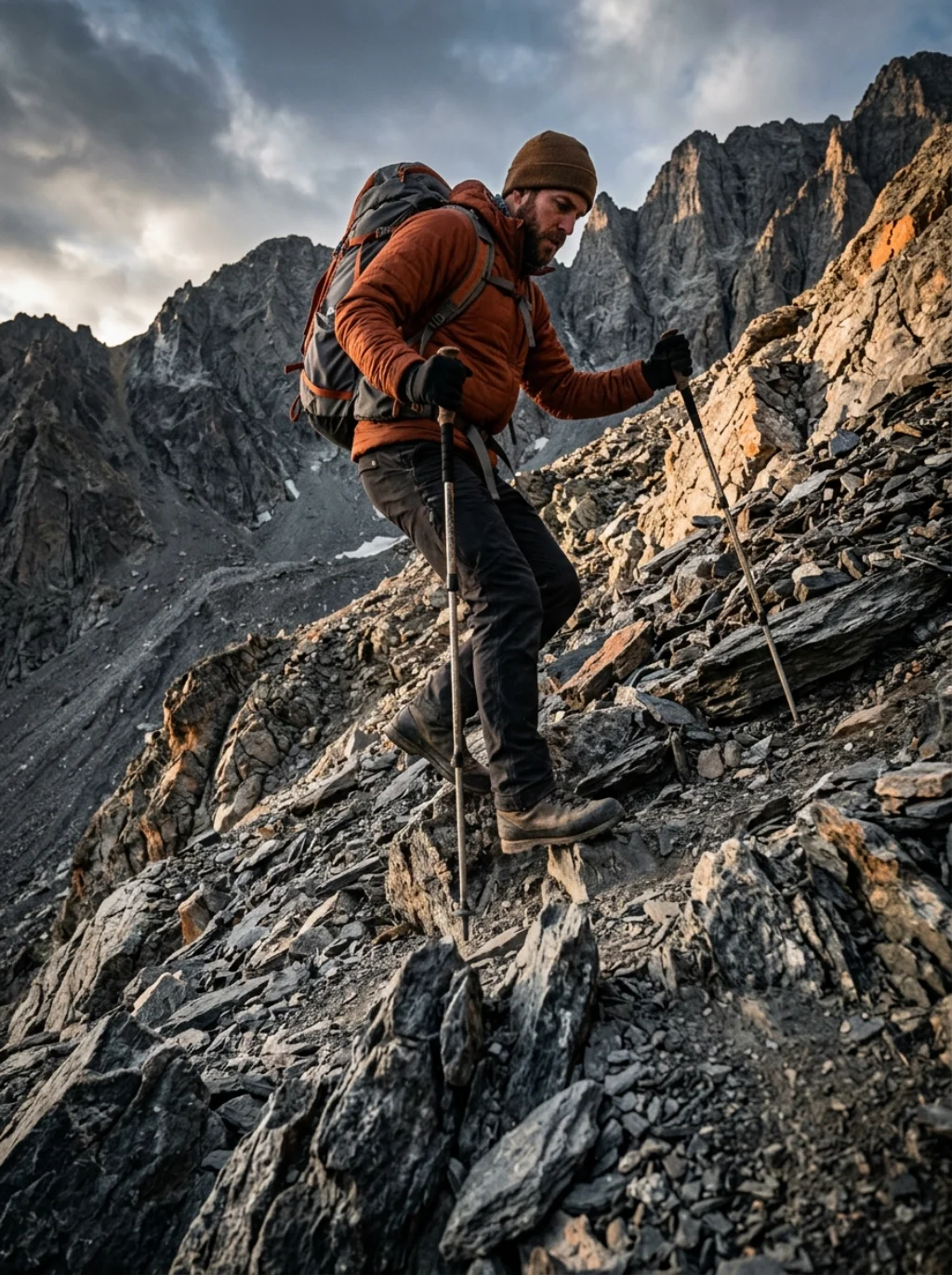
Knees absorb enormous impact during steep descents, often without hikers realizing the damage accumulating over time. Trekking poles redistribute that force, reducing strain significantly on long downhill stretches.
This gear piece feels unnecessary until knees start aching mid-descent. Many experienced hikers consider poles essential hiking gear for beginners, since they improve balance on uneven terrain too. It’s a simple addition offering real long-term joint protection.
Gloves and Hand Protection for Cold Ridge Line Wind
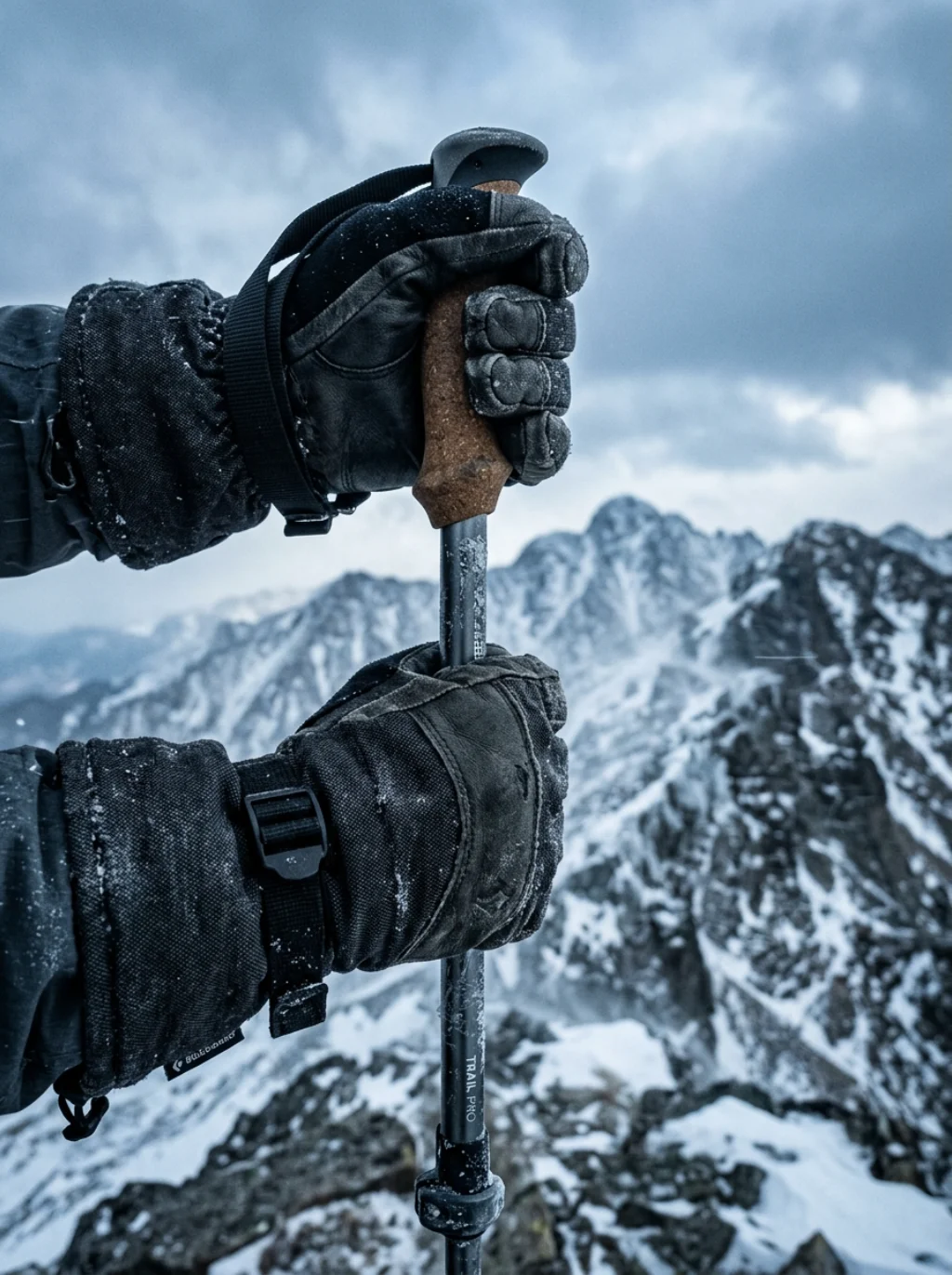
Wind chill hits hands hard, especially along exposed ridgelines where gusts intensify unpredictably. Cold fingers lose dexterity fast, making simple tasks like adjusting straps surprisingly difficult.
Hiking gloves paired with a thermal base layer underneath solve this problem effectively. This combination matters for cold weather hiking outfit planning, particularly during early morning starts when temperatures sit far below afternoon highs on exposed alpine terrain.
Summer Mountain Outfit Choices That Beat Brutal Sun Exposure
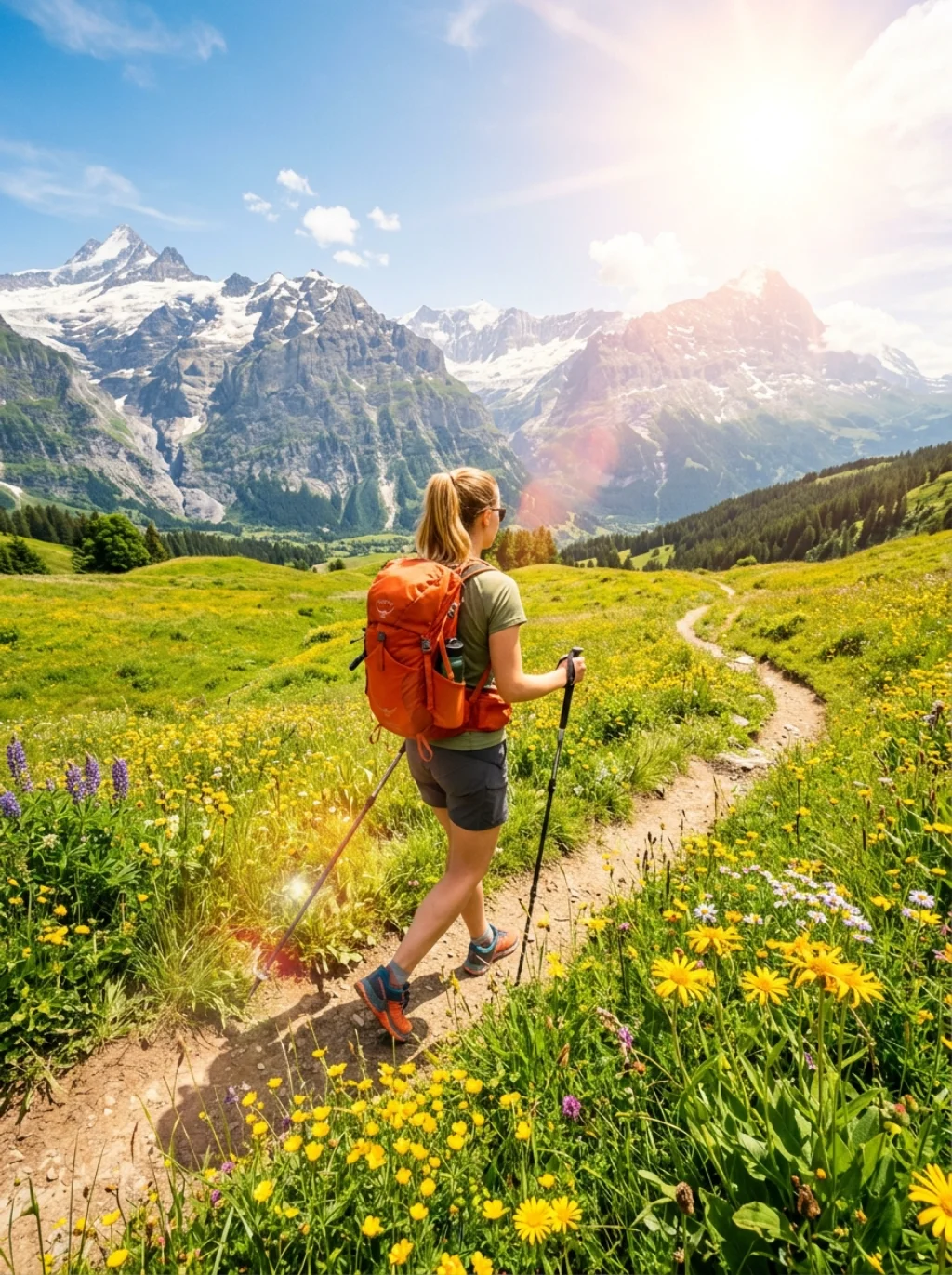
Summer hikes bring their own challenges, mainly intense heat and prolonged sun exposure at higher elevations. A proper summer hiking outfit prioritizes breathable fabric over heavy insulation entirely.
Breathable hiking fabric keeps airflow moving while UV protection guards exposed skin. This approach defines a smart mountain trail outfit for summer, balancing lightweight comfort with genuine protection against harsh, unfiltered alpine sunlight throughout long daytime treks.
Winter Mountain Outfit Layers Built for Real Alpine Cold
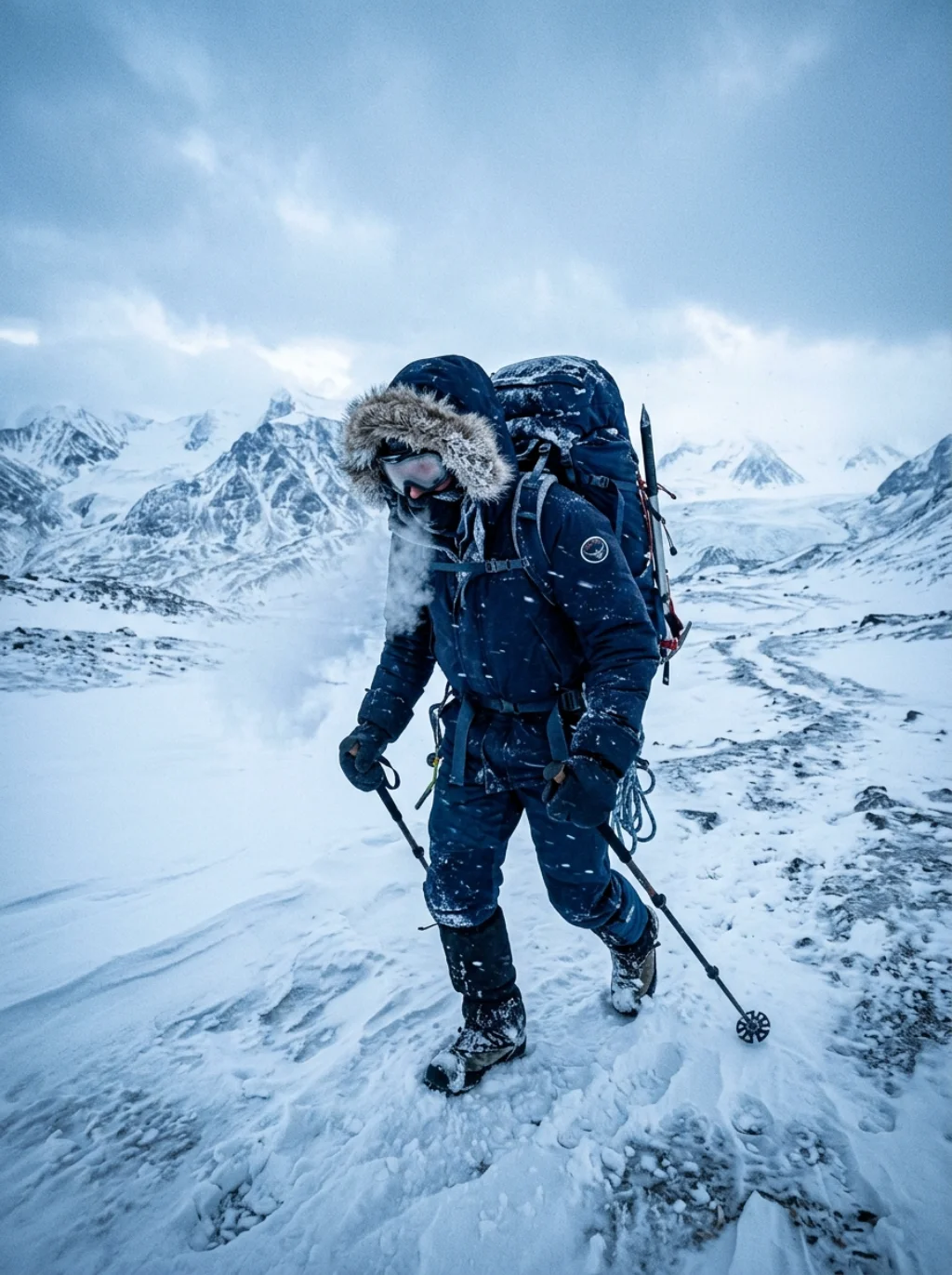
Winter conditions demand serious layering discipline, since exposed skin faces genuine frostbite risk above certain elevations. An insulated hiking jacket paired with thermal layers becomes non-negotiable during colder months.
Building a proper hiking outfit for cold mountains means combining wind resistance with insulation without sacrificing mobility. This careful balance defines successful mountain trail outfit for winter planning, especially across unpredictable alpine terrain where conditions shift rapidly.
Rainy Season Trail Outfits That Keep Gear Dry for Hours
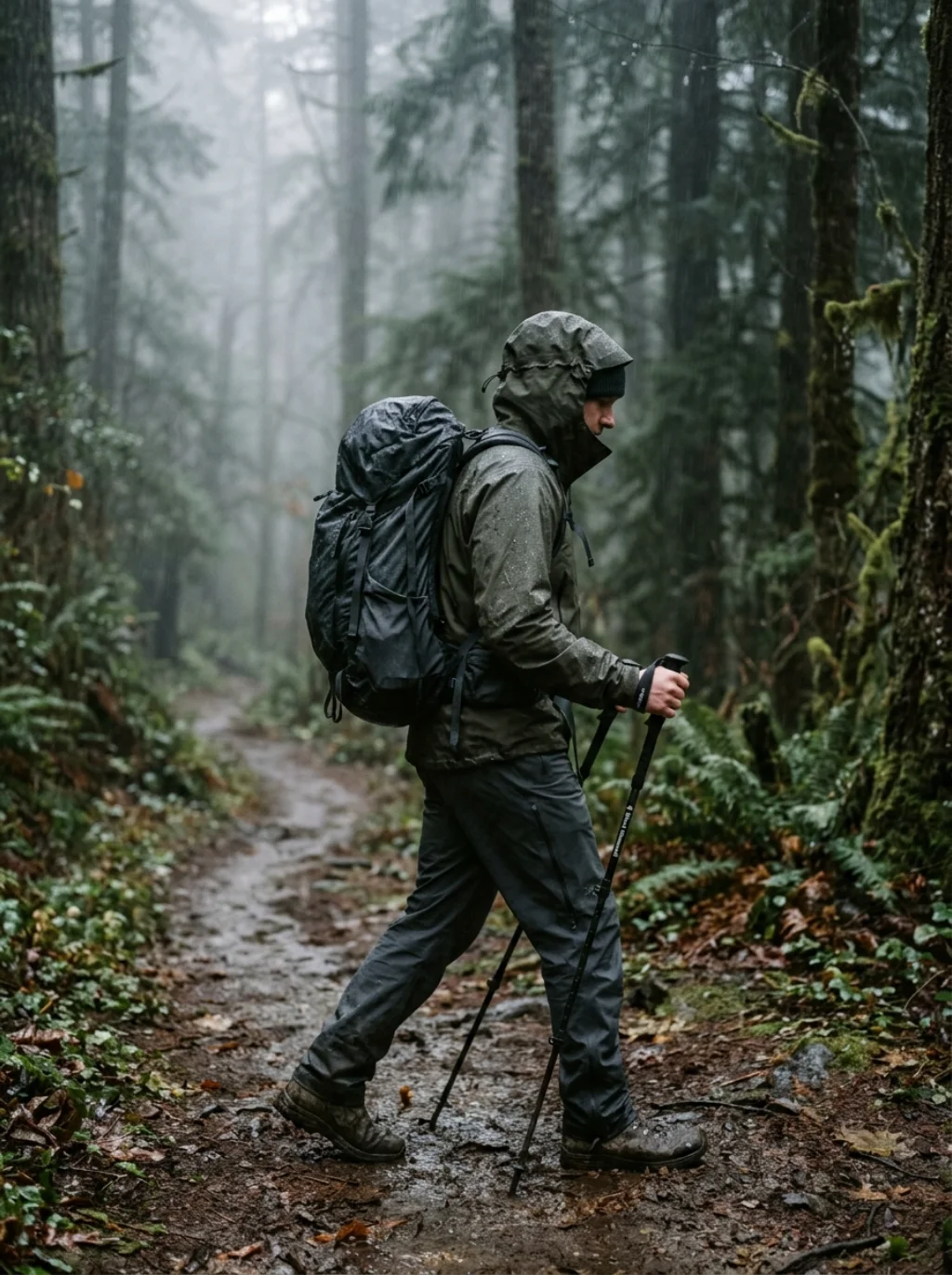
Persistent rain tests gear differently than a quick passing shower. A genuine trail jacket essentials setup includes sealed seams and adjustable hoods that keep water out during extended downpours.
Pairing waterproof outerwear with quick dry base layers defines smart trail outfit for rainy weather planning. This combination prevents the miserable, waterlogged feeling that ruins morale fast during longer, wetter mountain excursions across unpredictable seasons.
High Altitude Clothing Adjustments Most Hikers Ignore Completely
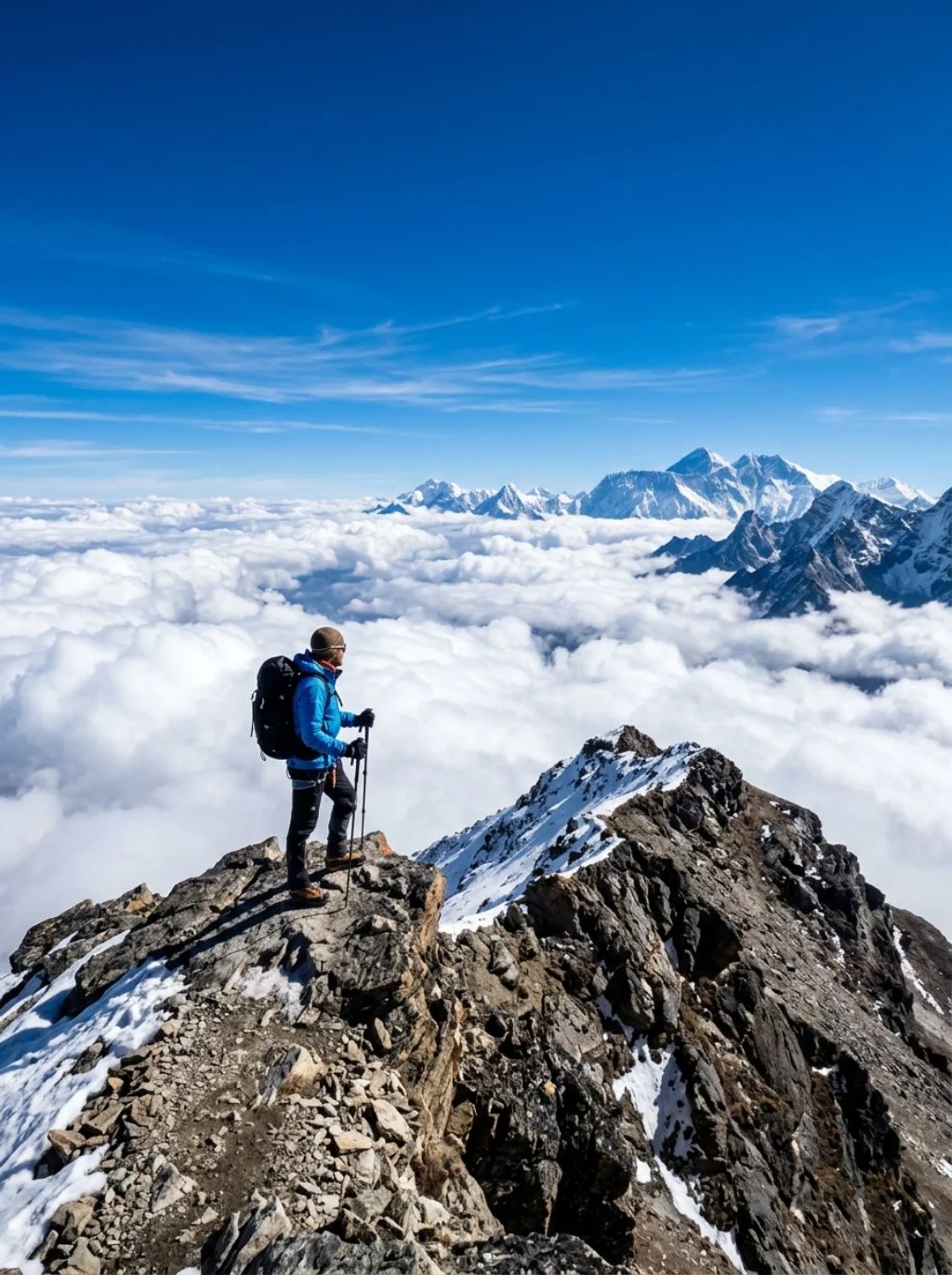
Altitude changes everything about how clothing performs, yet many hikers pack the same outfit regardless of elevation gain. Thinner air means faster heat loss and intensified sun exposure simultaneously.
Adjusting for hiking outfit for high altitude conditions means adding extra insulation layers and stronger sun protection together. This often-overlooked detail defines the difference between comfortable and genuinely dangerous trail outfit for changing weather situations at elevation.
Budget Friendly Trail Outfits That Still Perform Like Premium Gear
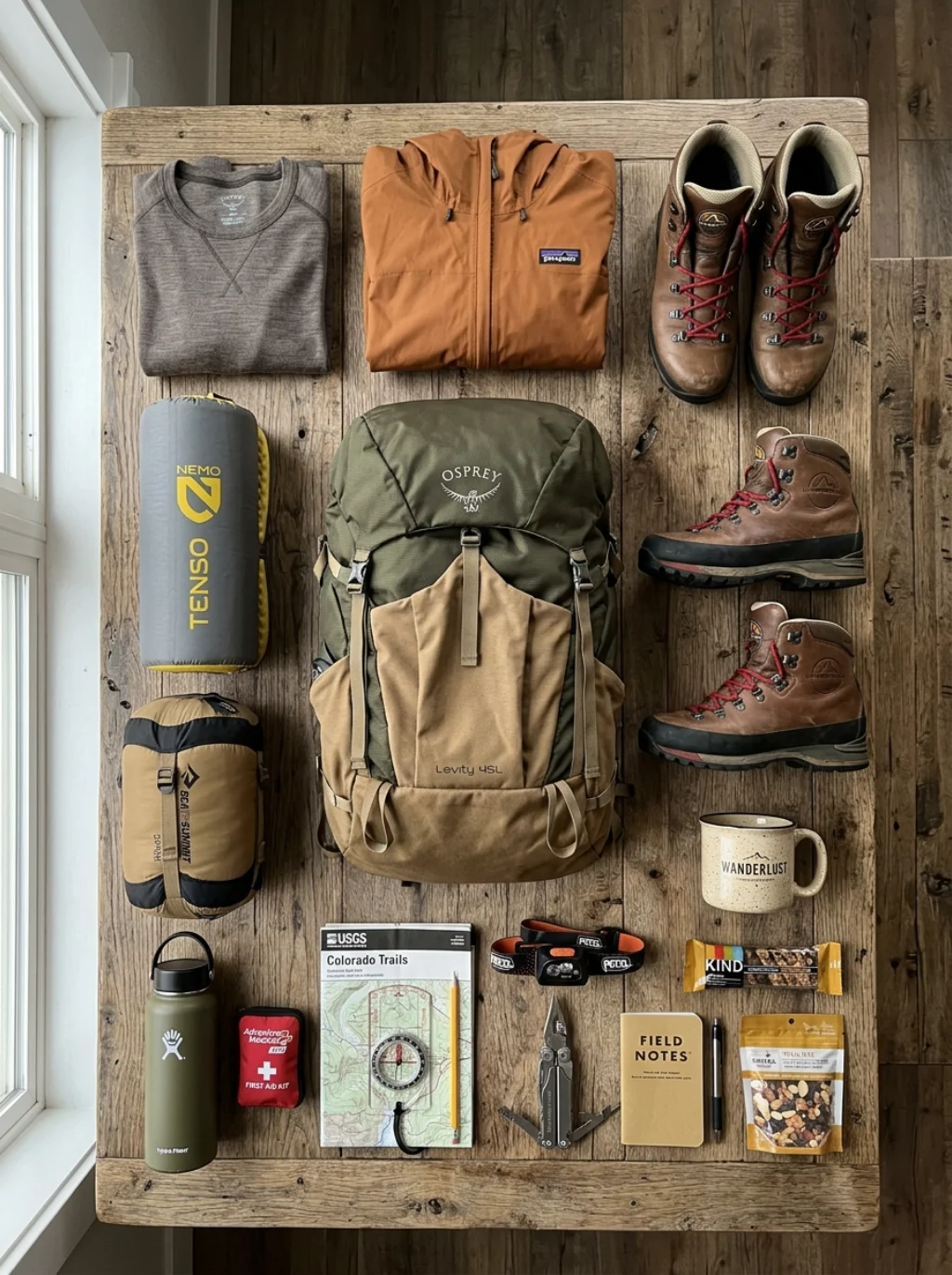
Quality gear doesn’t always require premium pricing. Many outdoor apparel brands now offer budget lines using similar fabric technology found in expensive flagship products.
Focusing spending on footwear and rain protection first, while saving on accessories, defines smart hiking outfit budget planning. This approach follows a solid hiking gear budget guide, prioritizing performance where it matters most on demanding terrain.
Common Outfit Mistakes That Turn a Good Hike Into a Bad One
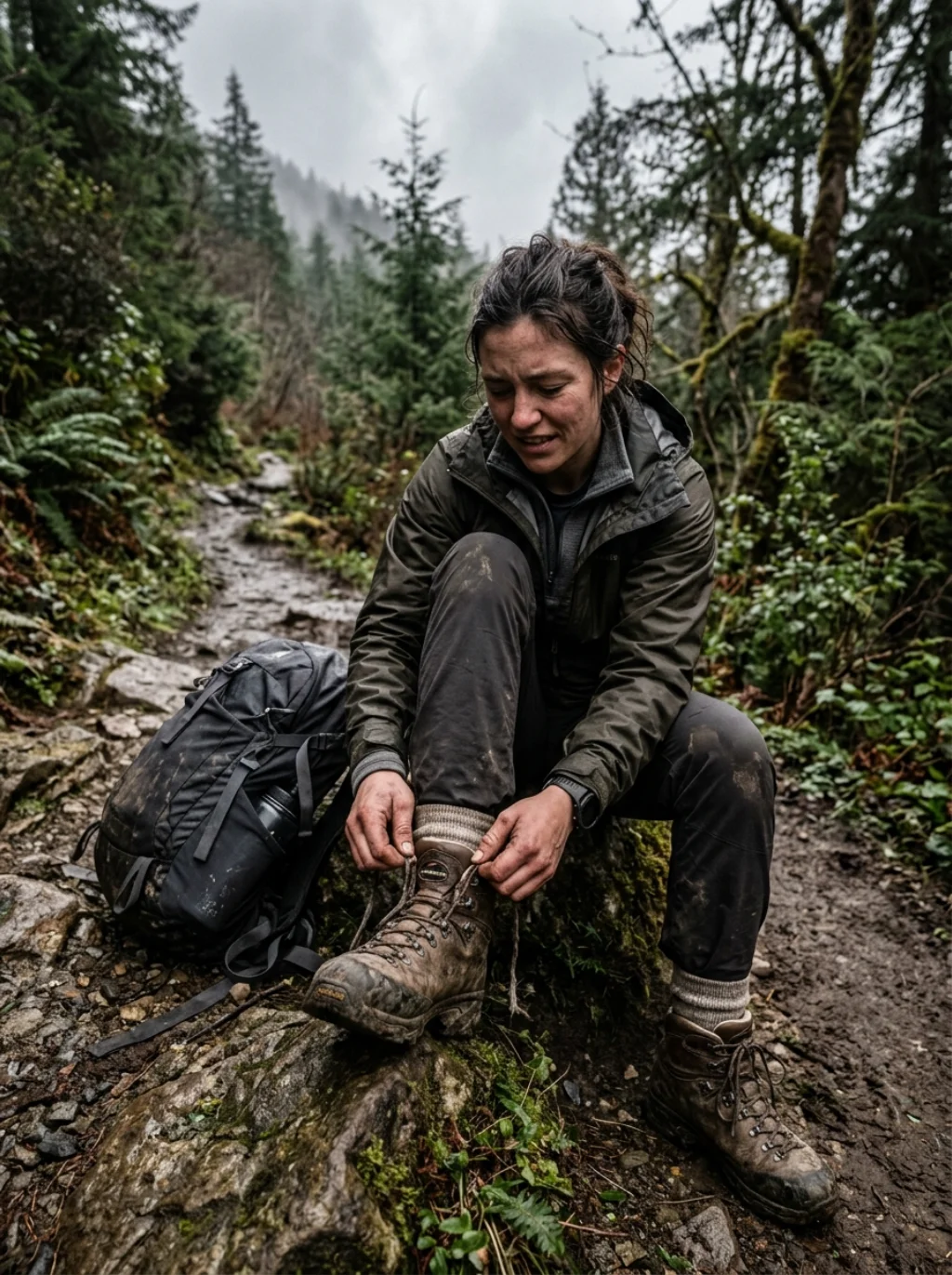
Even experienced hikers repeat certain mistakes occasionally, usually driven by convenience over preparation. Wearing brand new boots without breaking them in ranks among the most common mountain hiking outfit mistakes reported.
Other frequent errors include skipping layers entirely or ignoring hiking outfit safety tips around visibility and weather readiness. Avoiding these pitfalls comes down to preparation, not luck, and following a genuine trail preparation guide before heading out.
Frequently Asked Questions
What is the best fabric for a mountain trail outfit?
Moisture wicking synthetic blends and merino wool base layer fabric rank among the best choices, since both regulate temperature while pulling sweat away from the skin during long climbs.
How many layers should a mountain trail outfit have?
Most experienced hikers recommend three layers, including a base layer, an insulating mid layer, and a protective outer shell that adjusts easily as weather changes.
What should I wear for a mountain trail in cold weather?
A thermal base layer, fleece or down mid layer, insulated jacket, and windproof pants work well together, along with wool socks and gloves for extremities.
Are cotton clothes bad for mountain trail outfits?
Yes, cotton absorbs moisture and dries slowly, which can cause chafing and dangerous heat loss in cooler mountain conditions compared to synthetic or wool fabrics.
How do I choose the right hiking boots for mountain trails?
Look for boots with solid ankle support, aggressive tread for rocky terrain, and a break-in period completed before any long distance trail attempt.
What accessories complete a mountain trail outfit?
Trekking poles, a hydration pack, sun hat, polarized sunglasses, and gaiters round out a complete outfit, especially for longer or higher altitude trails across terrain like Rocky Mountain terrain or sections of the Appalachian Trail.
Conclusion
Building the right mountain trail outfit comes down to understanding layers, fabric performance, and the specific conditions your trail demands. Whether you’re tackling a short summer hike or a demanding alpine hiking conditions trek through unpredictable weather, choosing sustainable outdoor apparel that moves with your body and adapts to changing temperatures makes every mile more enjoyable. Prioritizing comfort, protection, and proper fit over fashion alone ensures your outfit works as hard as you do on the trail.
1 Comment