
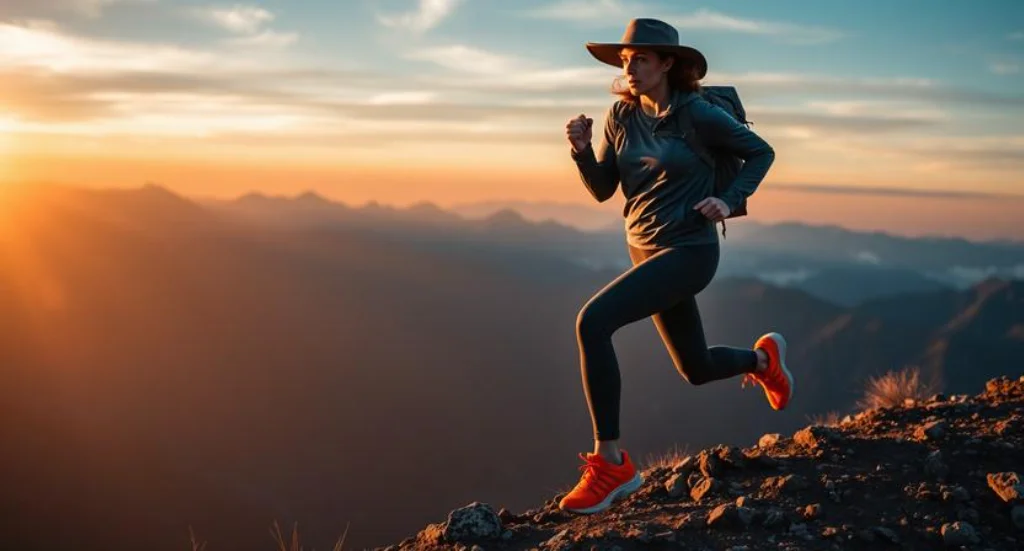
Whether you’re heading out for a mountain adventure, a forest trail, or a scenic day hike, choosing the right outfit can make all the difference. The best hiking outfits for women combine comfort, functionality, and style, helping you stay confident and prepared for changing weather and challenging terrain. From breathable layers and supportive footwear to practical accessories, the right clothing keeps you comfortable while letting your personal style shine on every trail.
The Layering System That Keeps Every Woman Comfortable on Any Trail
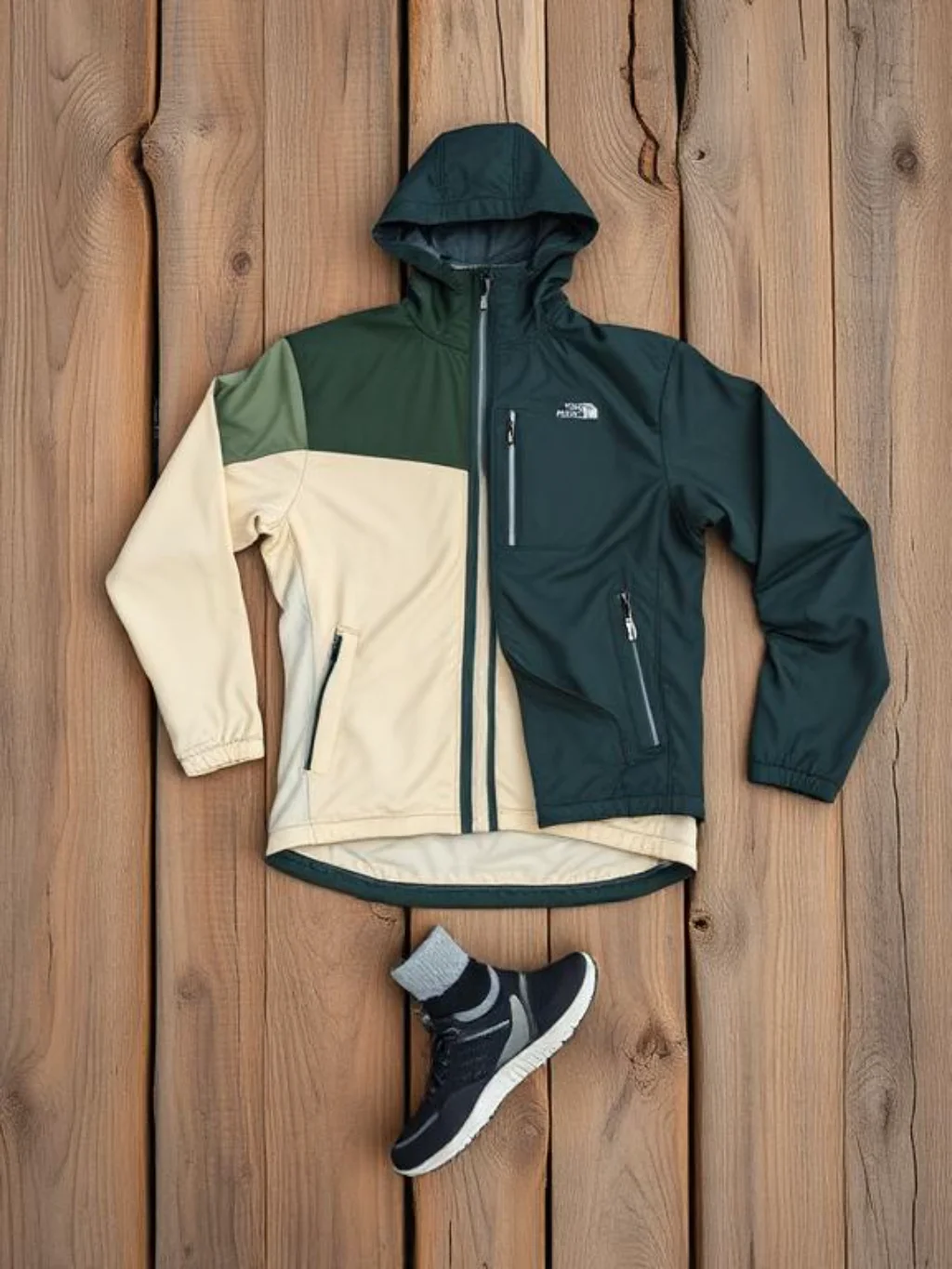
The three-layer system is the most important concept in all of women’s hiking outfit ideas — not because it’s complicated but because it’s elegant. Three distinct garment layers each performing a specific function creates a clothing system that adapts to temperature changes, exertion levels and weather conditions in ways that no single garment can match regardless of its technical specifications.
Outfits for hiking women layering work on a simple thermal logic — the base layer manages moisture against skin, the mid layer traps body heat for warmth and the outer layer blocks wind and rain from penetrating inward. Remove one layer during a steep climb. Add one back at the summit when perspiration stops and cold rushes in. Female wilderness clothing system thinking transforms your wardrobe from a collection of individual garments into a responsive thermal management system that serves you across every condition the trail produces.
Outfits for Hiking Women Who Refuse to Choose Between Style and Function
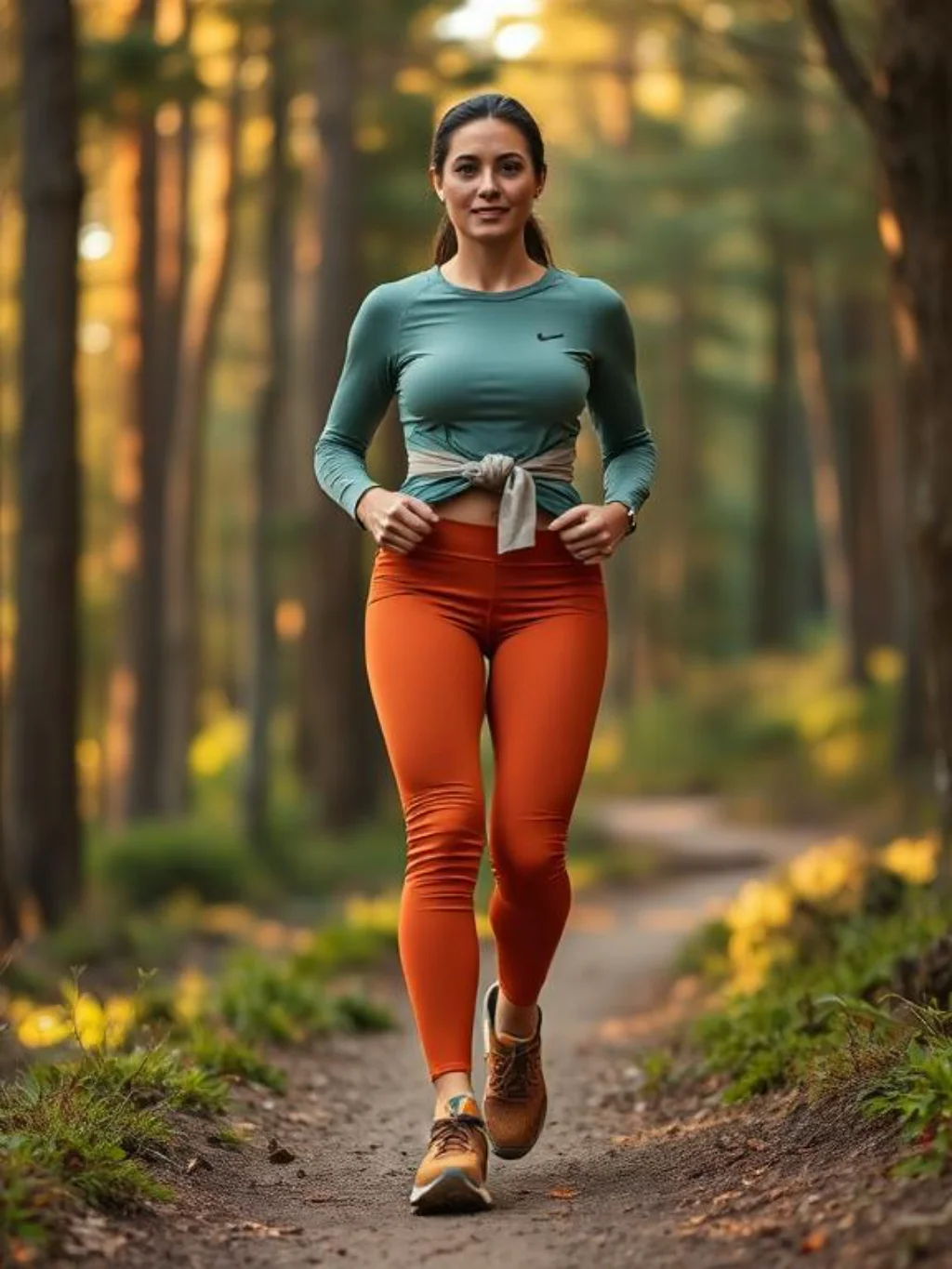
The false choice between looking good and performing well on the trail has been thoroughly dismantled by modern technical apparel design. Outfits for hiking women stylish now exist at every price point — from budget-friendly trail-ready pieces that photograph beautifully to premium technical garments whose aesthetic sophistication matches their performance credentials. You don’t have to look like you raided a surplus store to be properly equipped for serious trails.
Women’s outdoor functional fashion has evolved dramatically over the past decade. Brands like Lululemon hiking outfit women, Patagonia women’s hiking clothes and Athleta women’s hiking outfit collections demonstrate that trail-appropriate color palettes, flattering cuts and thoughtful design can coexist with moisture management, UV protection and durability. Female hiking fashion currently being produced rivals casual athletic wear in its visual appeal while dramatically outperforming it in technical function. The trail doesn’t require a sacrifice.
Moisture Wicking Base Layers That Change Everything About Trail Comfort

The base layer is where outfits for hiking women either succeed or fail at the most fundamental level. Everything else in the layering system depends on the base layer doing its job — moving perspiration away from the skin surface and into the fabric’s outer face where evaporation can occur. When the base layer fails this function moisture sits against the skin creating chafing, bacterial growth and the rapid chilling effect that turns sweaty climbs into dangerous descents.
Women’s hiking outfit moisture wicking base layer materials divide into two main categories: synthetic and merino wool. Synthetics — typically polyester or nylon blends — wick fastest and dry quickest making them ideal for outfits for hiking women hot weather and high-exertion trails. Smartwool women’s hiking outfit and Icebreaker women’s hiking clothes represent the merino wool category — slower drying than synthetic but naturally odor-resistant and temperature-regulating making them superior for outfits for hiking women who are covering multiple days without laundry access. Both outperform cotton absolutely and irreversibly.
The Mid Layer Decision That Determines How Your Body Handles the Mountain
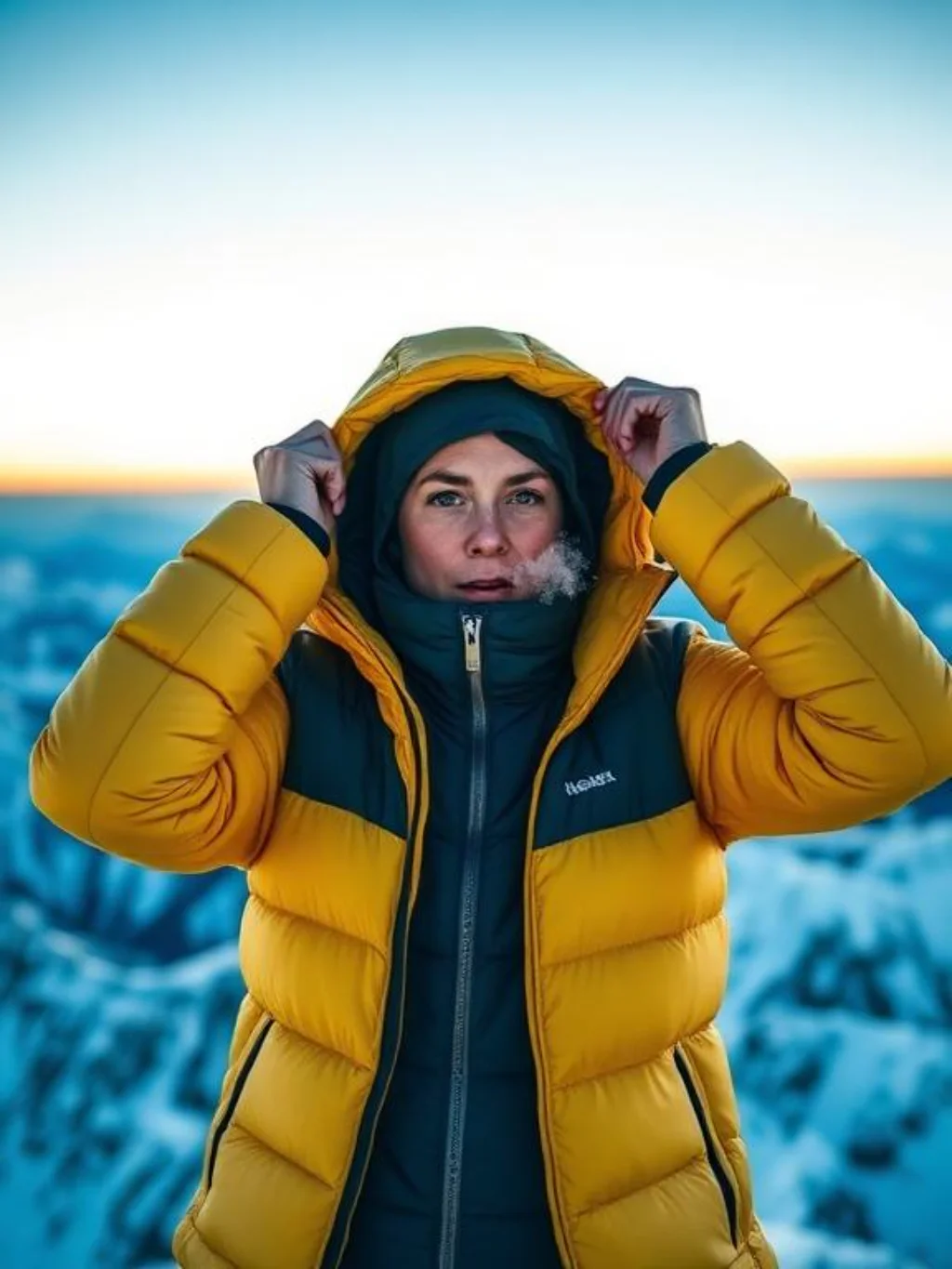
Mid layers exist to trap the warm air your body generates and prevent it from dissipating into the surrounding environment. The right mid layer decision transforms a cold-weather trail experience from endurance test into genuine pleasure. The wrong one — or the absence of one — turns summit exposure into dangerous body temperature drops that happen faster than most beginners anticipate. Women’s hiking outfit base layer and mid layer coordination is the most critical pairing in the entire three-layer system.
Outfits for hiking women cold weather mid layers come in three primary forms — fleece, down insulation and synthetic insulation. Fleece performs reliably in wet conditions and breathes well during active climbing. Down provides the warmest-to-weight ratio of any insulation material but loses thermal capacity when wet — making it unsuitable for rainy environments without waterproof outer protection. North Face women’s hiking clothes and Arc’teryx women’s hiking outfit both produce excellent mid layer options across all three material categories. Women’s hiking outfit weight considerations favor synthetic insulation for most three-season hiking because its performance in moisture conditions and its lower price point make it the most versatile choice.
Rain and Wind Shells That Turn Brutal Weather Into a Minor Inconvenience
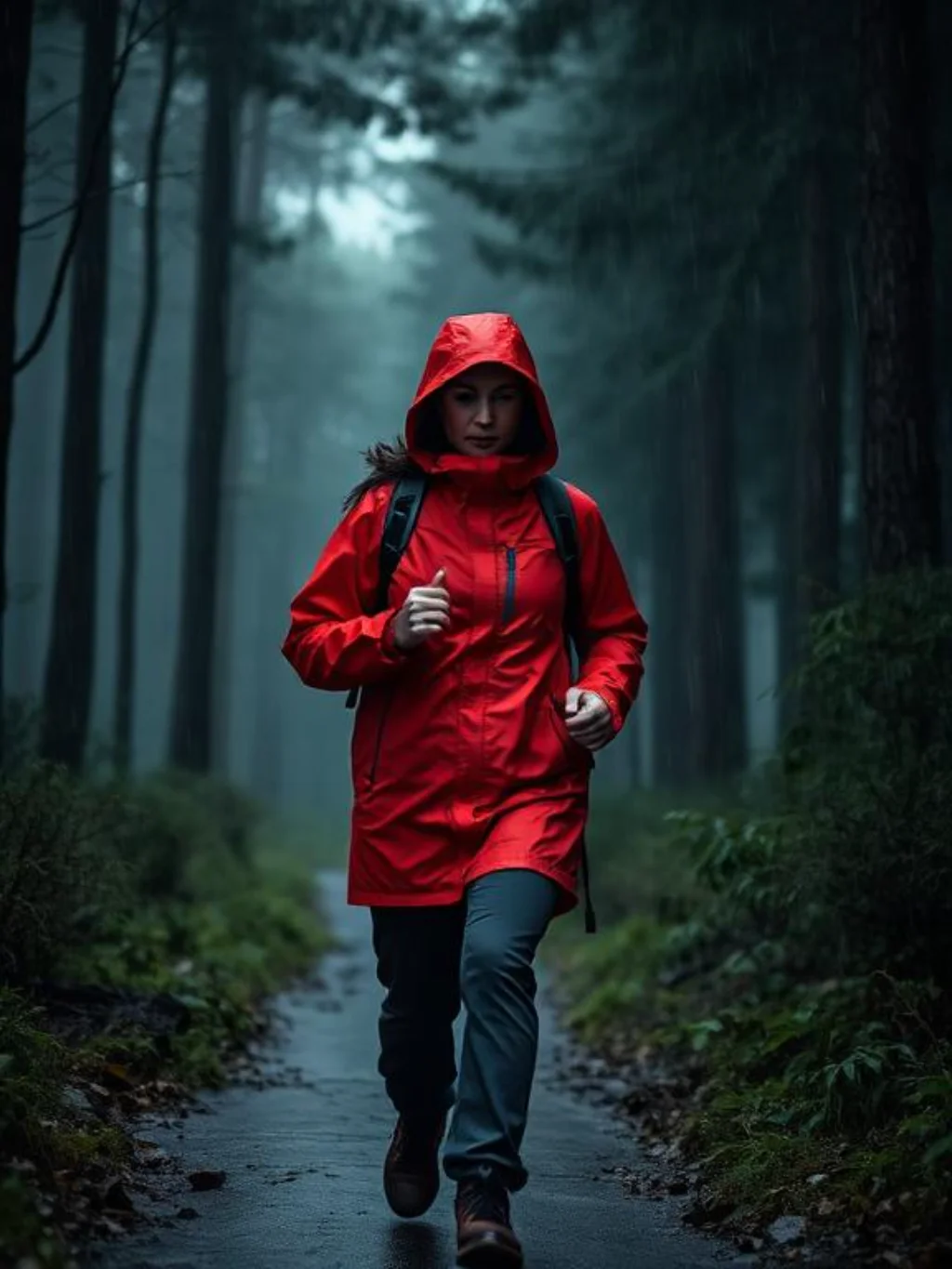
A good rain shell is the single most important investment in any hiking clothing for women collection. Not because you’ll use it every outing but because on the specific days when weather turns you will need it immediately and the alternative to having it is dangerous rather than merely uncomfortable. Hypothermia can develop at temperatures as mild as 50 degrees Fahrenheit when a wet hiker stops moving and a wind shell provides essentially zero protection against precipitation-induced heat loss.
Outfits for hiking women rain outer layer performance depends on three technical specifications that you should understand before purchasing. Waterproof rating — measured in millimeters of hydrostatic head — determines how much water pressure the fabric can resist before allowing moisture penetration. Breathability rating determines how effectively the shell allows body vapor to escape outward preventing the internal moisture buildup that makes waterproof jackets uncomfortable during active exertion. Columbia women’s hiking outfit shells and Outdoor Research women’s hiking outfit rain jackets both offer strong waterproof-breathability ratios at different price points. Women’s hiking outfit outer layer weight matters too — a shell you leave at home because it’s too heavy provides zero protection.
Hiking Leggings Versus Shorts — the Honest Verdict Every Woman Needs
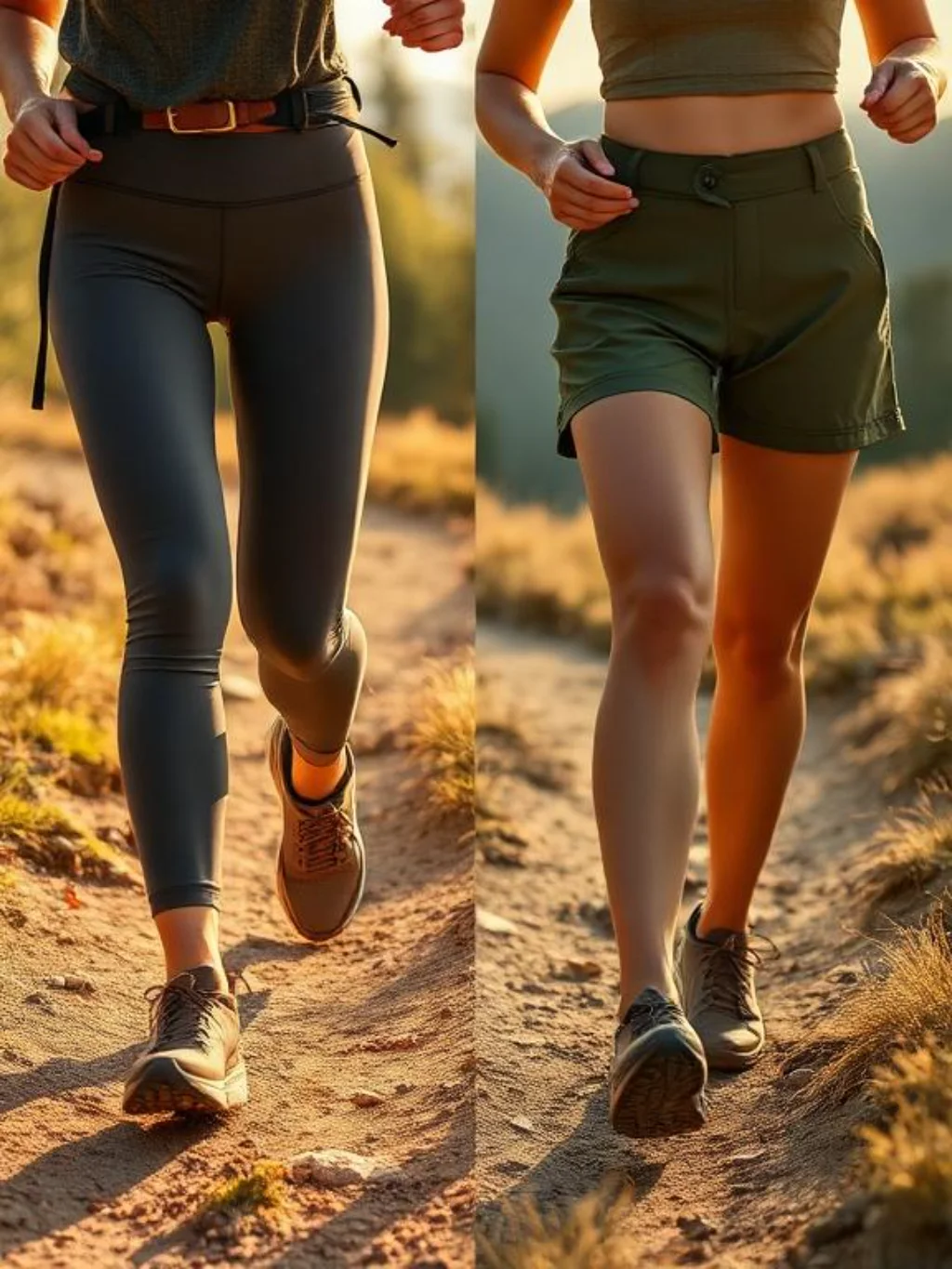
The leggings versus shorts debate in women’s trail outfit culture has a genuine answer that depends entirely on trail conditions rather than aesthetic preference. Outfits for hiking women with leggings provide protection against brush scratch, insect contact, UV radiation and minor abrasion on rocky terrain — four protections that shorts simply cannot offer. However leggings retain heat during summer hiking in ways that become genuinely uncomfortable at sustained exertion above 70 degrees Fahrenheit.
Outfits for hiking women shorts suit warm-weather trails below treeline where brush density is low and the primary need is temperature regulation rather than protection. The ideal women’s hiking outfit wardrobe contains both — technical hiking leggings in a mid-weight fabric for shoulder season and cooler conditions and purpose-built hiking shorts with secure pockets and athletic construction for summer heat. Women’s hiking outfit fit guide for both categories emphasizes a functional rather than purely aesthetic fit — leggings should stay in place during active movement without requiring adjustment and shorts should not ride up during steep climbing sections.
Sun Protection Strategies That Experienced Trail Women Never Skip
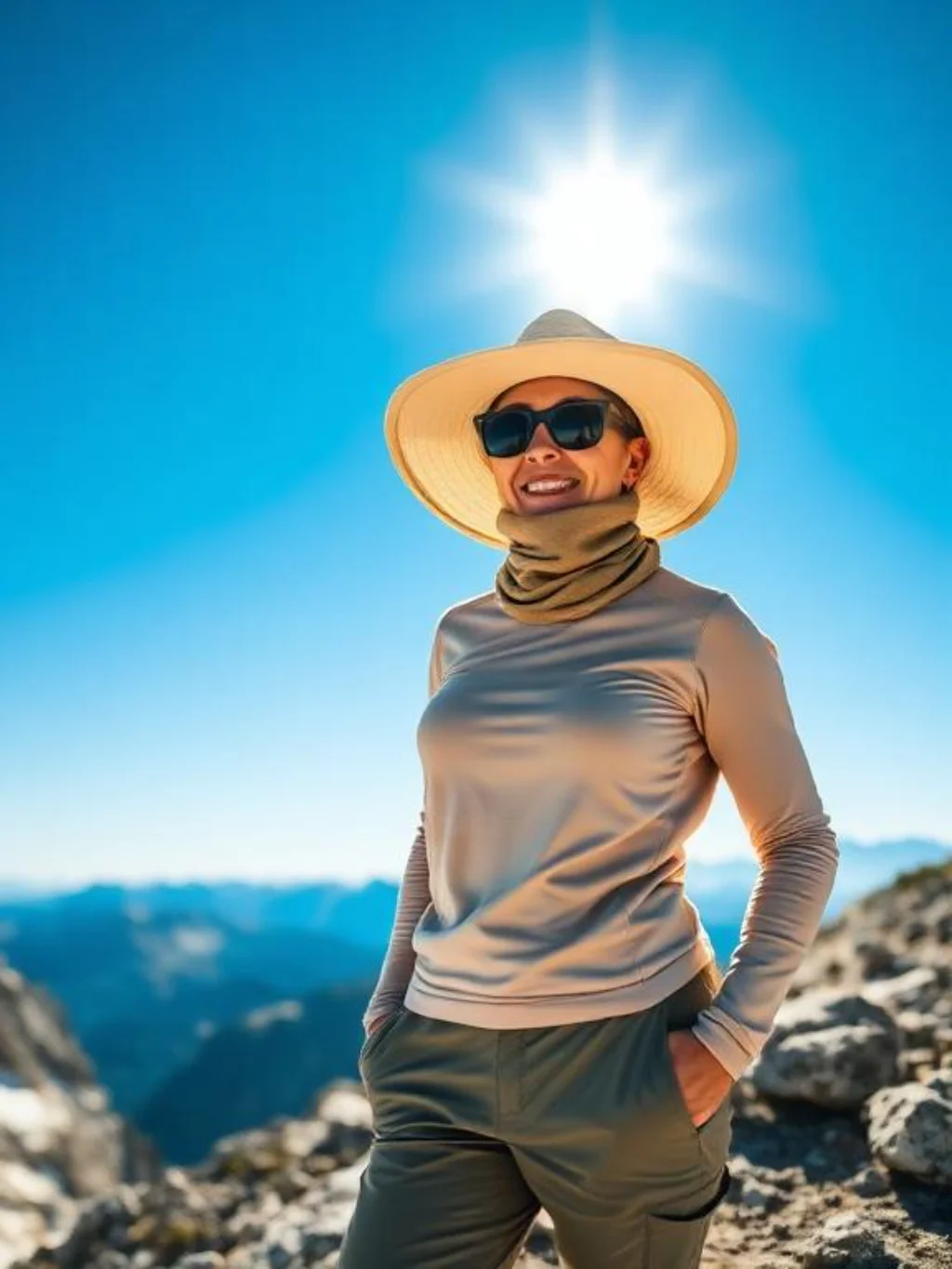
UV radiation at altitude increases approximately 4 percent for every 1000 feet of elevation gain. At 10,000 feet a hiker receives roughly 40 percent more UV exposure than at sea level — before accounting for snow or water reflection that can double surface radiation. Women’s hiking outfit sun protection is therefore not a cosmetic consideration but a genuine health management requirement that experienced trail women treat with the same seriousness as hydration and navigation.
you may also like this:22 Mountain Trail Outfit Ideas for Comfort and Style
Women’s hiking outfit hat selection is the most consistently underestimated sun protection category in female trail clothing. A wide-brim hat rated UPF 50 protects the face, neck and upper chest from direct overhead sun in ways that sunscreen alone cannot maintain across an eight-hour hiking day requiring reapplication every two hours. Buff women’s headwear hiking products provide neck and face coverage that complements hat use. Women’s hiking outfit color choices trail for sun protection favor lighter colors on upper body garments because they reflect rather than absorb solar radiation — a meaningful difference in exposed high-altitude summer conditions.
Summer Hiking Outfits That Handle Heat Humidity and Brutal UV Exposure

Outfits for hiking women summer face three simultaneous challenges that no other season combines with equal intensity — high ambient temperature, humidity that prevents evaporative cooling and solar radiation that arrives from multiple reflected surfaces simultaneously. Women’s outdoor outfit summer strategy requires every garment to address all three simultaneously rather than treating them as separate concerns addressed by separate products.
Outfits for hiking women hot weather that succeed combine moisture-wicking lightweight fabrics against the skin, loose-weave UPF-rated shirts over the base layer for UV protection without heat trapping and technical shorts or lightweight convertible pants below. Women’s nature walk outfit for summer conditions should incorporate ventilation actively — pit zips on jackets, mesh panels on shorts and back ventilation channels in packs all contribute to the evaporative cooling that replaces the shade you lose on exposed alpine terrain. Women’s hiking outfit breathable fabric selection for summer prioritizes air permeability over everything else.
Winter and Cold Weather Hiking Outfits Built for Real Mountain Conditions
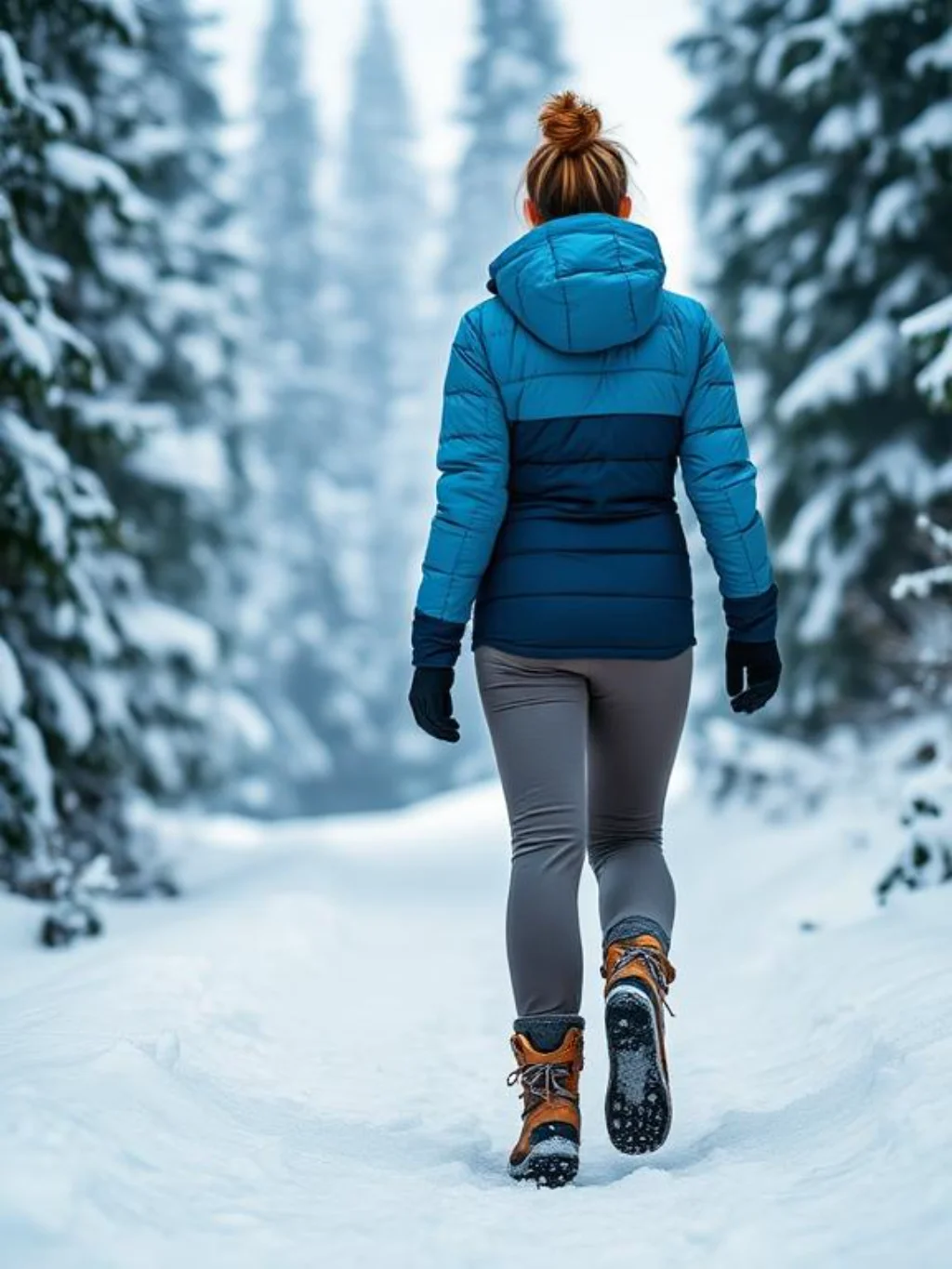
Outfits for hiking women winter require the complete three-layer system executed with cold-specific materials and zero compromise on coverage. Winter hiking doesn’t punish poorly equipped hikers gradually — it punishes them suddenly at the moment exertion stops and cold floods in. Women’s mountain outfit for true winter conditions starts with a merino wool or synthetic thermal base layer that maintains function when wet, builds to a down or synthetic puffy mid layer and finishes with a waterproof-breathable hardshell that blocks both precipitation and wind.
Outfits for hiking women cold weather must also address extremities that mid-body layering cannot protect. Women’s hiking outfit base layer for winter should extend to thermal leggings underneath softshell or insulated pants. Hands require insulated gloves with a waterproof overmitt option. Darn Tough women’s hiking socks in a heavyweight merino formulation provide foot insulation that keeps toes functional in temperatures that would numb inadequately protected feet within an hour of exposure. Women’s summit outfit planning for winter conditions should always build in more warmth than you expect to need — removing excess layers during activity is easy but adding nonexistent layers at the summit is impossible.
Spring and Fall Transition Outfits for the Trail’s Most Unpredictable Seasons
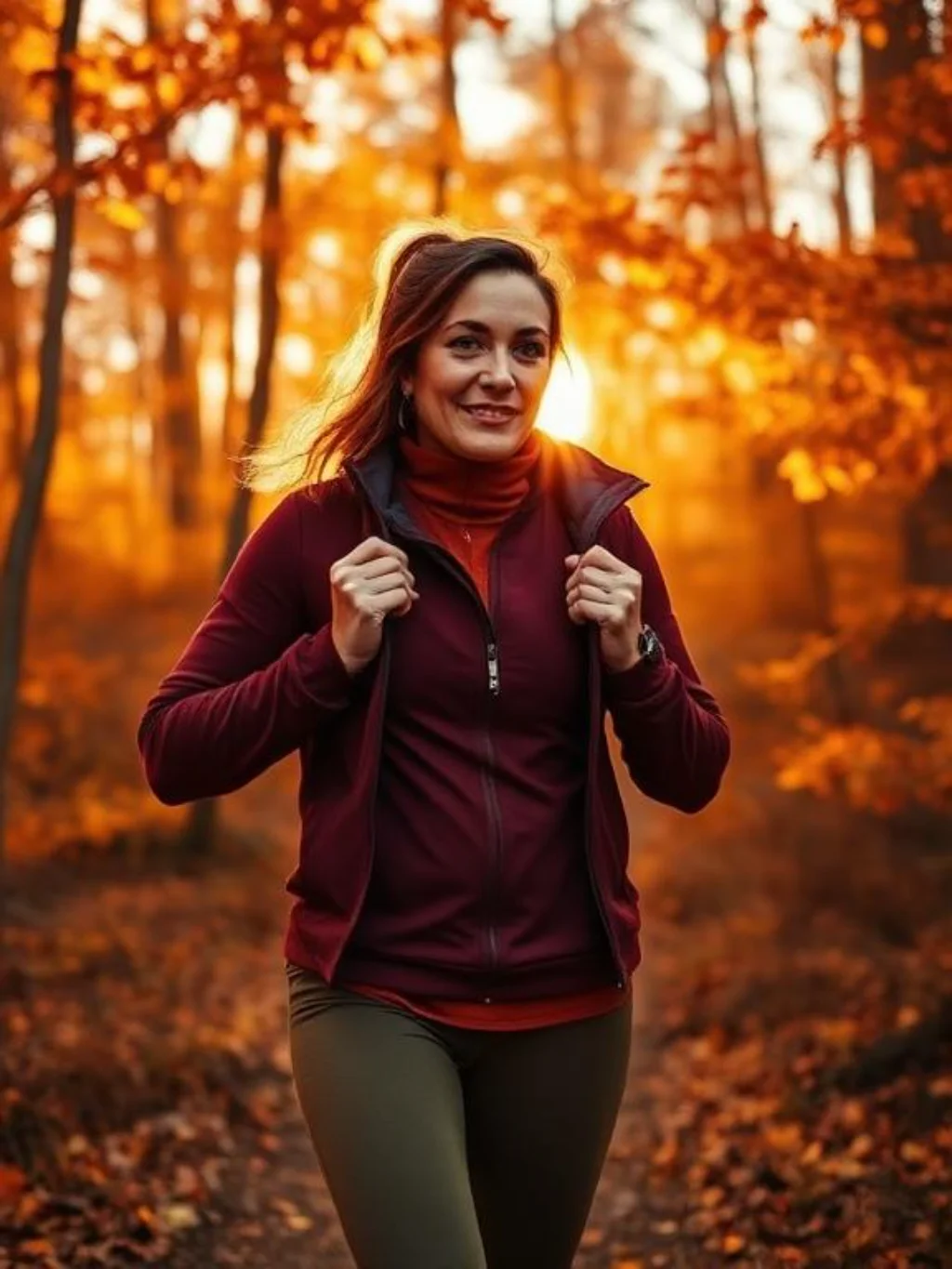
Spring and fall trails present the clothing planning challenge that no other season matches — conditions that begin at one temperature extreme and end at another within a single day. A spring morning can start at 35 degrees with frost on the trail and reach 65 degrees by midday under direct sun. A fall afternoon can reverse that sequence with equal speed. Outfits for hiking women spring and outfits for hiking women fall must accommodate this entire range in a single outfit system that fits into a daypack without excessive weight penalty.
Women’s outdoor adventure wear for shoulder seasons succeeds through material versatility rather than garment volume. A midweight merino base layer provides warmth without overheating at moderate temperatures. A lightweight fleece mid layer that compresses into its own pocket adds warmth when needed without bulk when stowed. A packable waterproof shell addresses the rain probability that both spring and fall carry. Trail ready female wardrobe for transition seasons prioritizes compressibility — every garment should pack down small enough to live in the top pocket of your daypack without requiring a dedicated stuff sack.
Outfits for Hiking Women in Desert Terrain — Heat Meets Dust Meets Distance
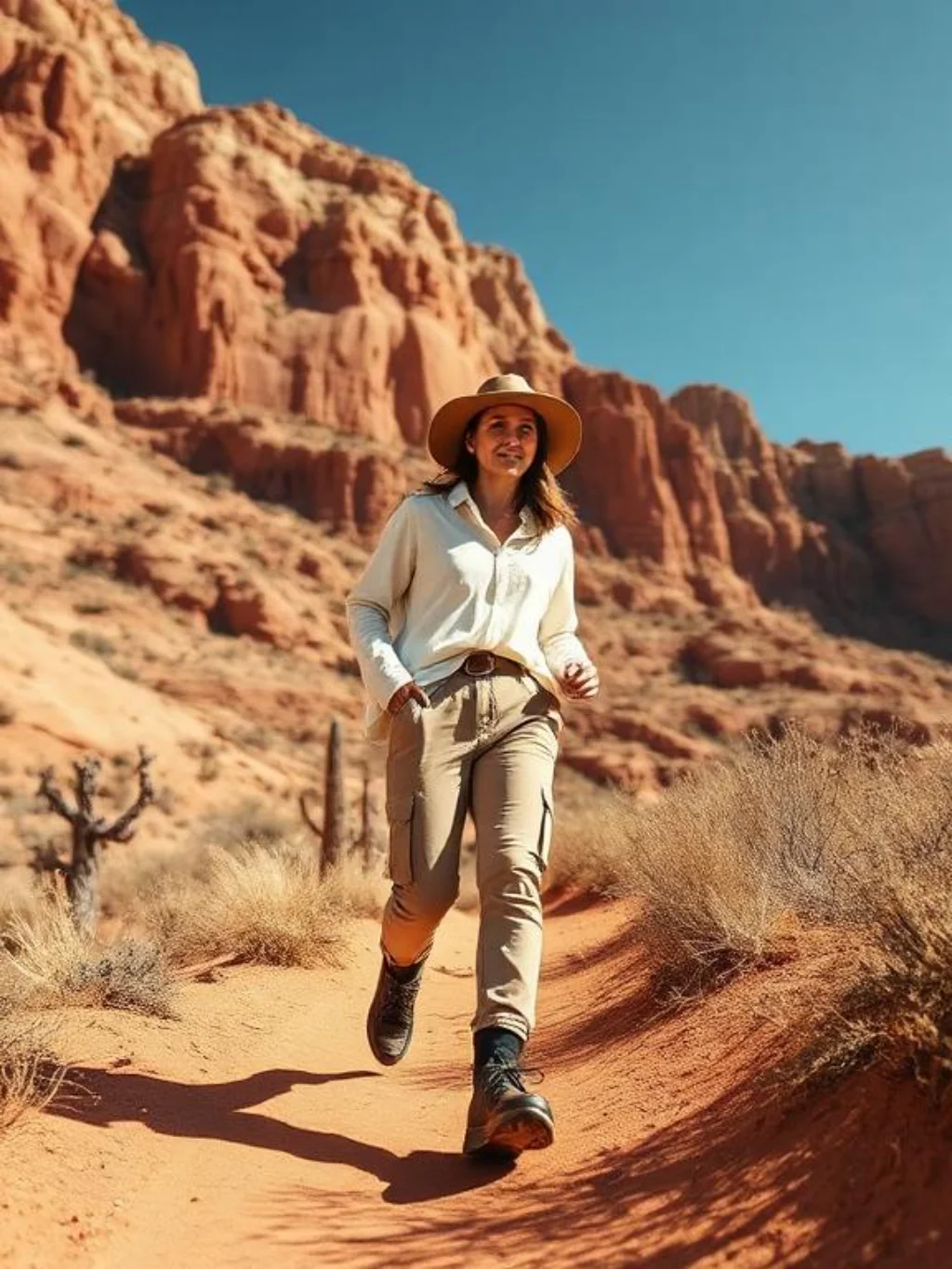
Desert hiking operates on completely different thermal principles from mountain hiking. The primary enemy isn’t cold — it’s radiant heat from above and reflected heat from below combined with a desiccating aridity that accelerates dehydration beyond what most hikers from humid environments anticipate. Outfits for hiking women desert protect against UV radiation, minimize water loss through respiration and perspiration and manage the specific challenge of fine particulate dust that infiltrates inadequately protected skin and respiratory systems.
Women’s wilderness outfit for desert conditions counterintuitively recommends covering more skin rather than less despite extreme heat. Long-sleeve UPF 50 shirts in lightweight loose-weave technical fabric protect arms from direct solar radiation while allowing ventilation through fabric porosity — a more effective cooling strategy than bare-skin sun exposure at desert temperatures above 90 degrees Fahrenheit. Women’s trekking outfit for desert terrain should use light colors exclusively on every garment surface. Outfits for hiking women functional desert-specific design also addresses the dust variable — gaiters over trail shoes prevent fine sand from infiltrating footwear and creating the abrasion blistering that sidelines desert hikers more reliably than any other single factor.
Footwear That Completes the Outfit and Protects Every Step You Take
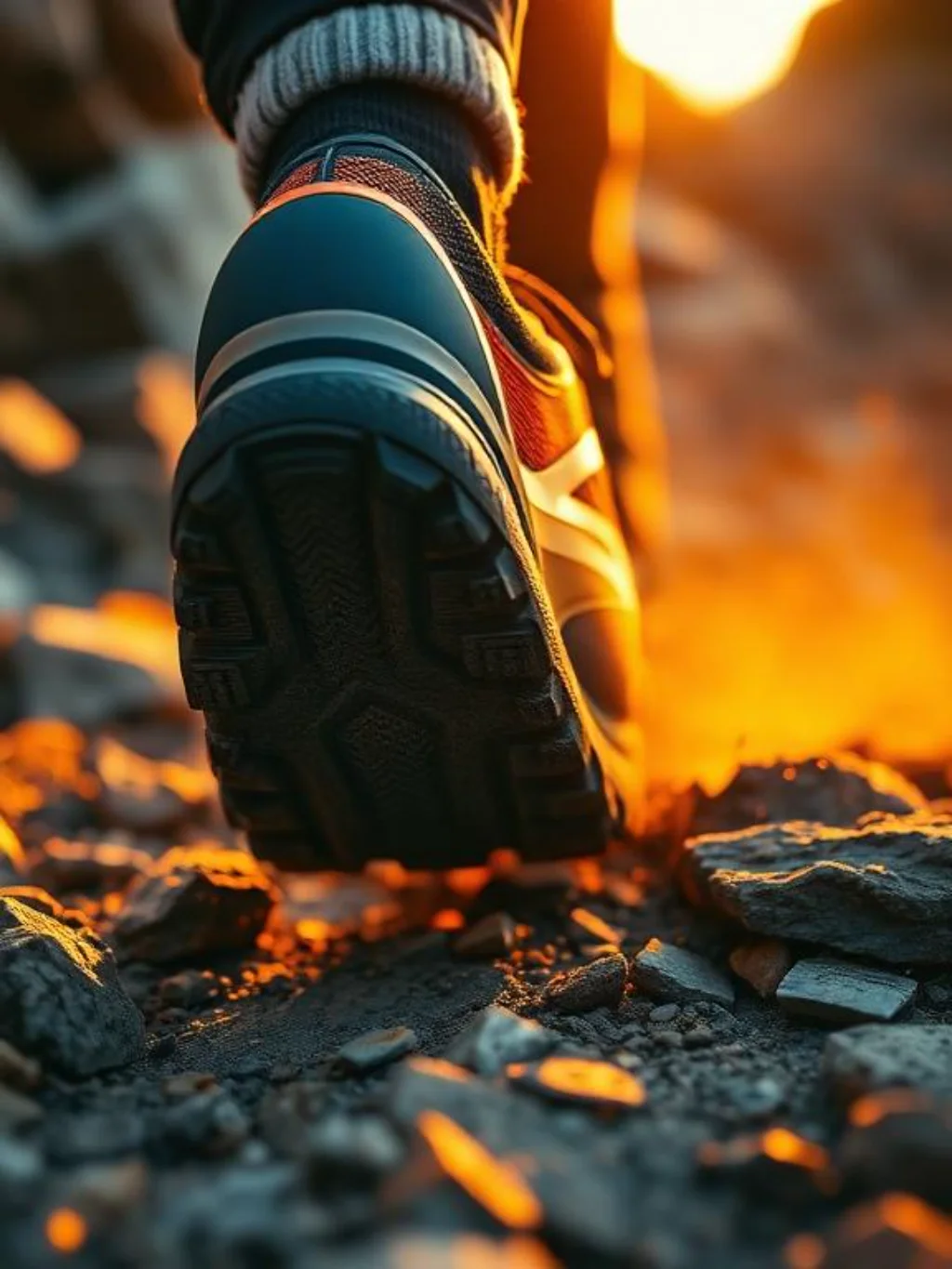
Footwear is the most consequential single item in any women’s trail gear collection. The rest of the outfit influences comfort and performance. The footwear determines whether you finish the trail or evacuate it. Blisters, ankle rolls, sole compression fatigue and inadequate grip on wet or loose terrain all trace back to footwear decisions made before the hike began. Women’s hiking outfit footwear guide decisions depend on terrain type, trail length and the weight you’ll carry.
Hoka women’s hiking shoes and Brooks women’s trail shoes dominate the trail runner category that has largely replaced traditional heavy hiking boots for non-technical terrain among experienced hikers. Trail runners provide superior cushioning, faster drying and lower weight than boots while sacrificing ankle support and durability on extended multi-day use. Keen women’s hiking shoes and Merrell women’s trail outfit footwear bridge the boot-and-trail-runner gap — mid-height designs that provide more ankle support than low-cut trail runners without the weight penalty of full boots. Altra women’s trail shoes suit hikers with wider feet who consistently find standard-width hiking footwear creates pressure points during long miles.
Sock Selection and the Hidden Performance Detail Most Women Overlook
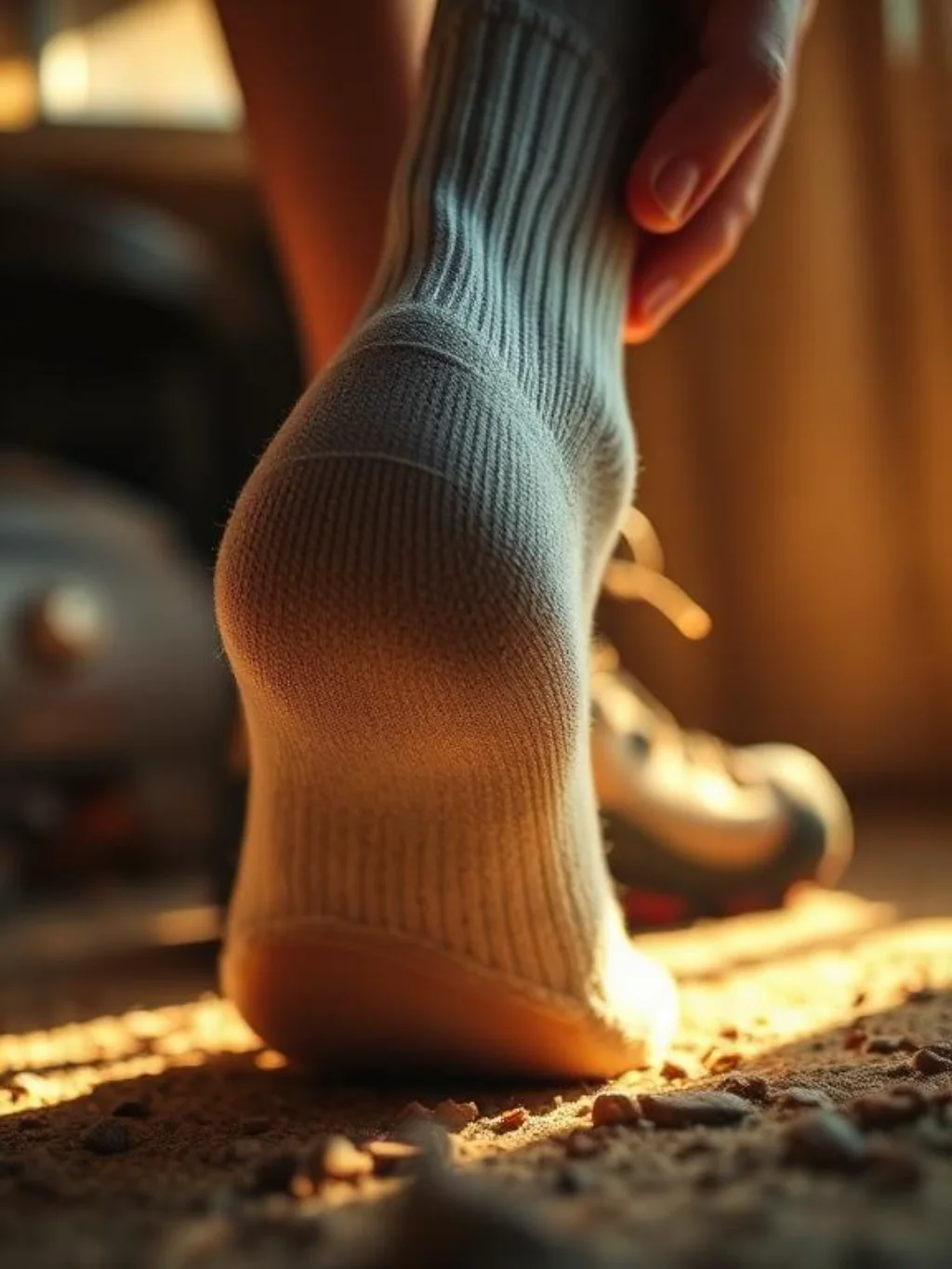
Socks are the most underinvested category in hiking wear for women yet they deliver some of the highest performance returns per dollar of any trail clothing purchase. The sock sits between the foot — the body’s highest-friction surface during hiking — and the boot. Everything that happens in that interface directly determines blister formation, moisture accumulation and temperature regulation at the body part most critical to completing the hike.
Darn Tough women’s hiking socks represent the gold standard in the American trail sock market — merino wool construction providing natural odor resistance, cushion configurations ranging from light to heavy depending on activity intensity and a lifetime guarantee that reflects genuine confidence in the product’s durability. Women’s hiking outfit sock selection should avoid cotton absolutely — cotton holds moisture against the skin and creates the exact warm damp environment that blister formation requires. Merino wool and synthetic blends both manage moisture effectively with merino providing superior odor control across multi-day applications.
Hat Headwear and UV Accessories That Finish the Functional Outfit Perfectly
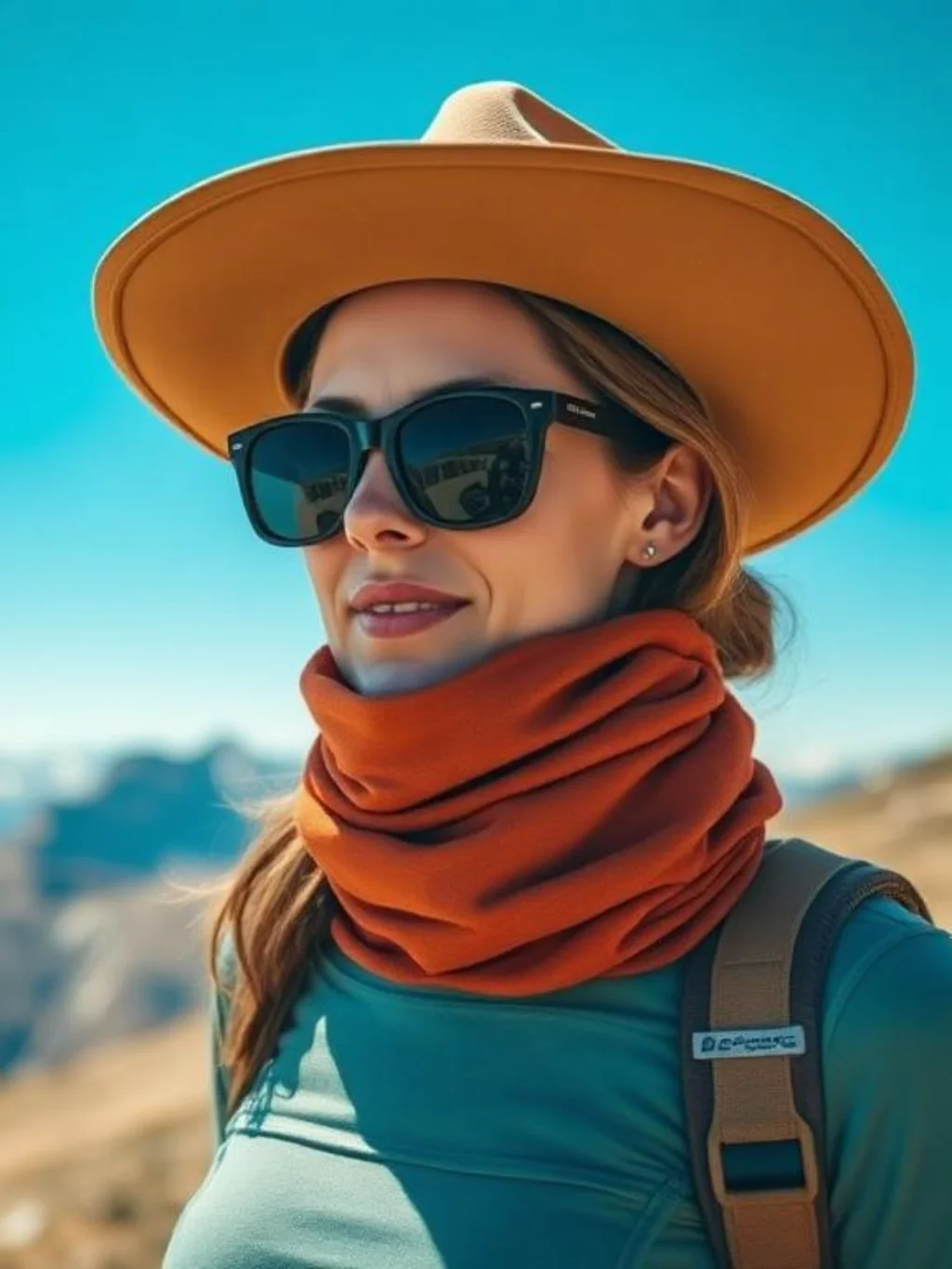
A technically complete female hiking clothes system extends from ground to crown — and the crown-level decisions are where many hikers leave performance on the table by defaulting to fashion choices rather than functional ones. Women’s hiking outfit hat selection should prioritize brim width, UPF rating and ventilation rather than aesthetic appeal. A four-inch brim provides face and neck protection that a baseball cap simply cannot match on exposed ridgeline sections where overhead sun combines with reflected trail glare.
Buff women’s headwear hiking multifunctional neck gaiter products deserve specific mention in the accessory category because they serve more protective functions per gram than any other piece of trail kit. A single tubular buff worn as a neck gaiter in sun, a balaclava in cold, a face cover in dust and a bandana at camp provides four distinct protective functions from one lightweight item. Women’s hiking outfit accessory planning should also include quality UV-blocking sunglasses rated for 100 percent UVA and UVB protection — eye strain and UV exposure at altitude contribute to fatigue that accelerates poor decision-making on challenging terrain.
Budget Hiking Outfits for Women That Don’t Sacrifice Trail Performance
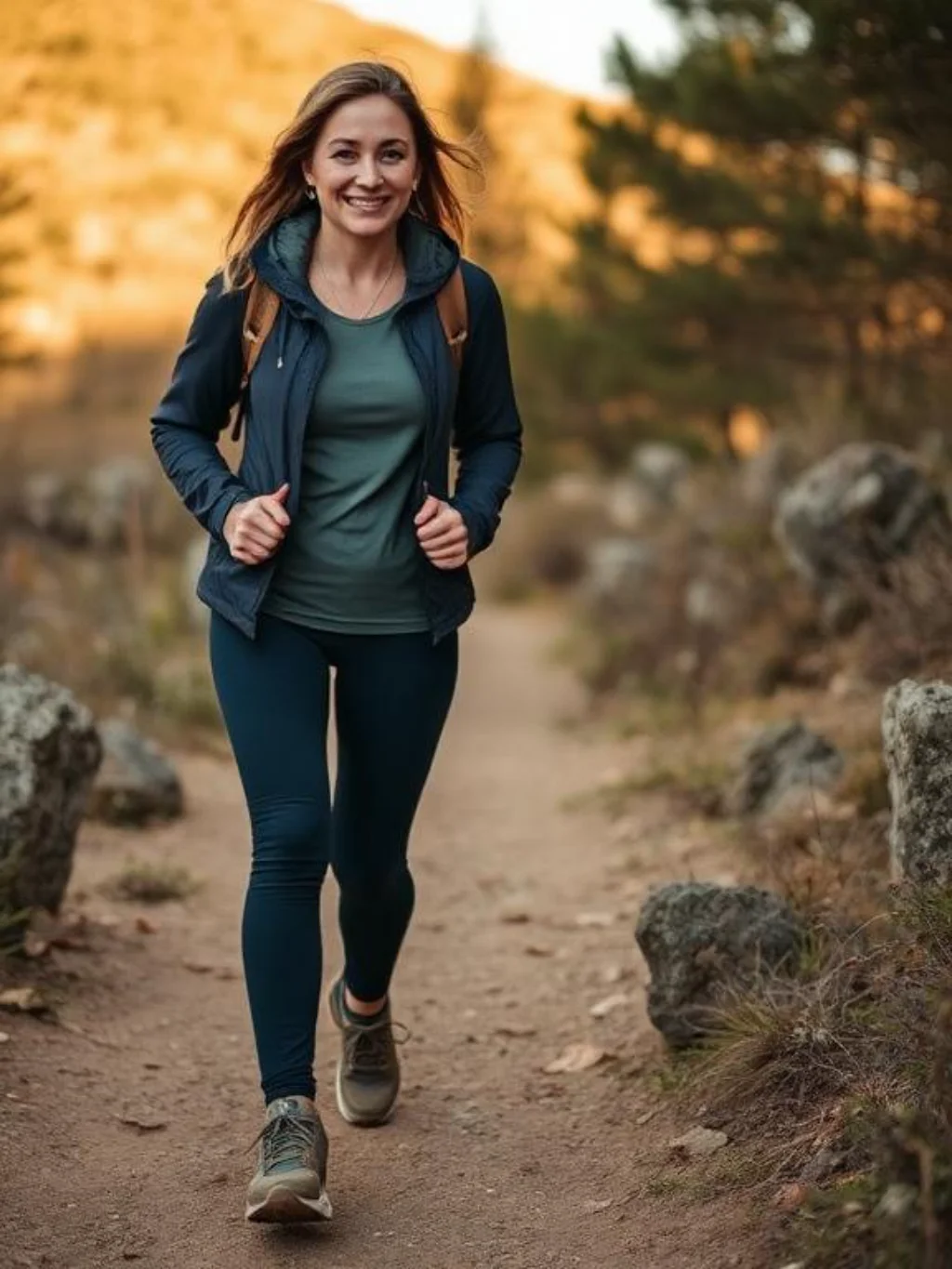
Outfits for hiking women budget don’t require compromise on the performance characteristics that keep you safe and comfortable — they require smart prioritization of which items deserve investment and which deliver adequate performance at lower price points. The layering system’s three garments aren’t equally critical — the base layer is most important, the shell second and the mid layer offers the most value at lower price points without significant performance sacrifice.
Women’s hiking outfit budget options that consistently overperform their price include Columbia women’s hiking outfit base and mid layers, Amazon Essentials technical leggings for moderate trail conditions and Under Armour women’s hiking outfit pieces in the mid-range athletic category that translate effectively to light trail use. Outfits for hiking women beginners can assemble a complete functional three-layer system for under $150 using these sources — a base layer legging and moisture-wicking top around $40 combined, a basic fleece mid layer around $50 and a packable rain shell from a discount outdoor retailer around $60. This system outperforms any cotton alternative at three times the price.
Premium Brand Hiking Outfits That Justify Every Dollar on Demanding Terrain
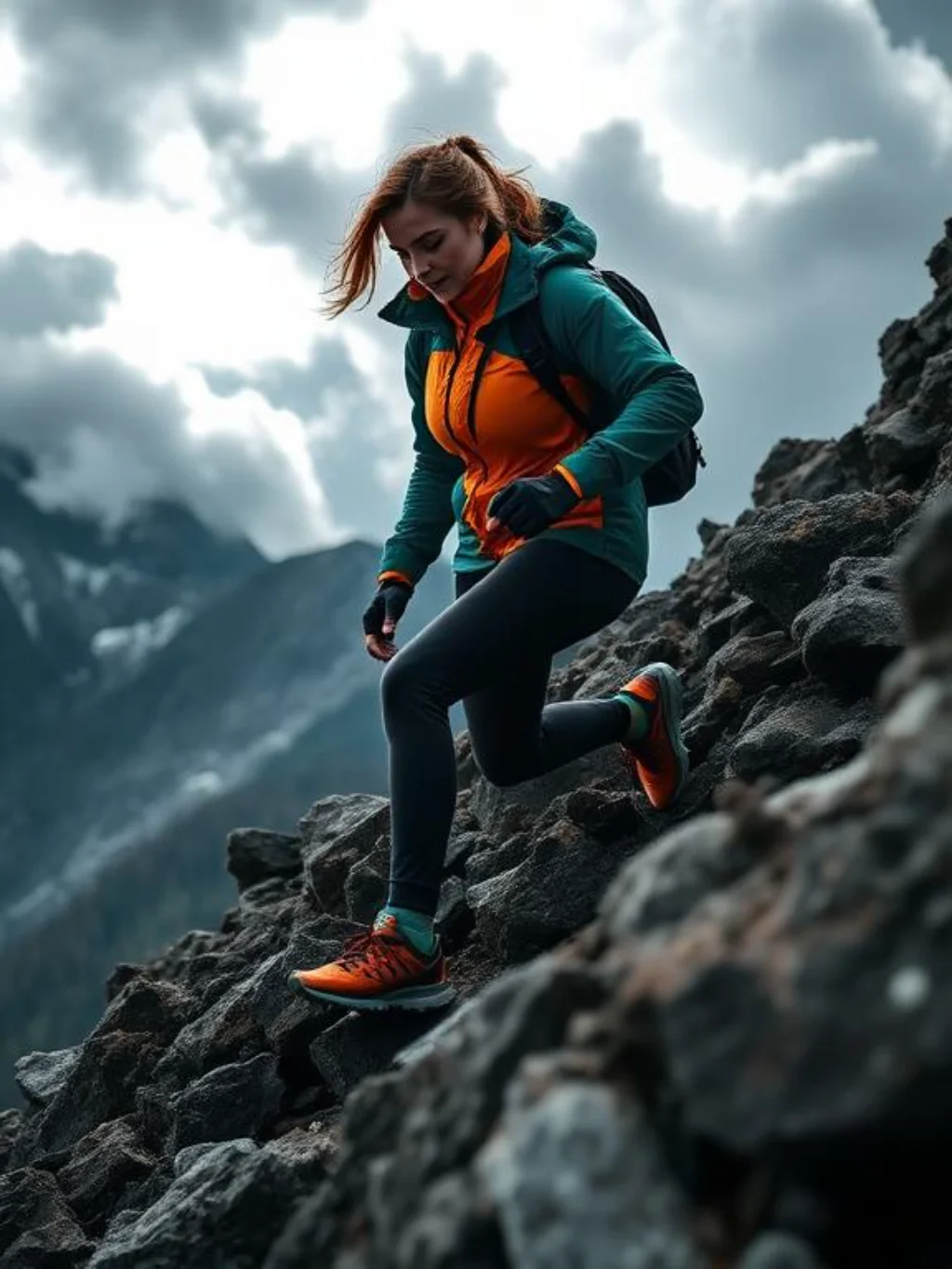
Outfits for hiking women mountains at serious elevation on multi-day or technical terrain demand materials and construction that budget options genuinely cannot replicate. Women’s hiking outfit premium options from brands like Arc’teryx women’s hiking outfit, Patagonia women’s hiking clothes and Outdoor Research women’s hiking outfit use proprietary fabric technologies, bonded seam construction and fit engineering developed through years of athlete testing in genuinely extreme conditions. The price premium reflects real material and construction differences rather than brand inflation alone.
Women’s wilderness performance wear at the premium level offers specific advantages that matter in proportion to the difficulty of the terrain you’re covering. Articulated patterning that moves with the body during technical scrambling without fabric binding. Gore-Tex or proprietary waterproof-breathable membrane technology that performs reliably in sustained precipitation rather than briefly before moisture management fails. Women’s backpacking outfit durability that survives daily pack friction, rock scrambling contact and repeated washing without degrading the fabric’s technical properties. If you’re covering serious mileage in serious conditions the premium investment pays for itself in performance reliability and clothing longevity across multiple seasons.
Plus Size Hiking Outfits That Deliver Full Performance Without Compromise
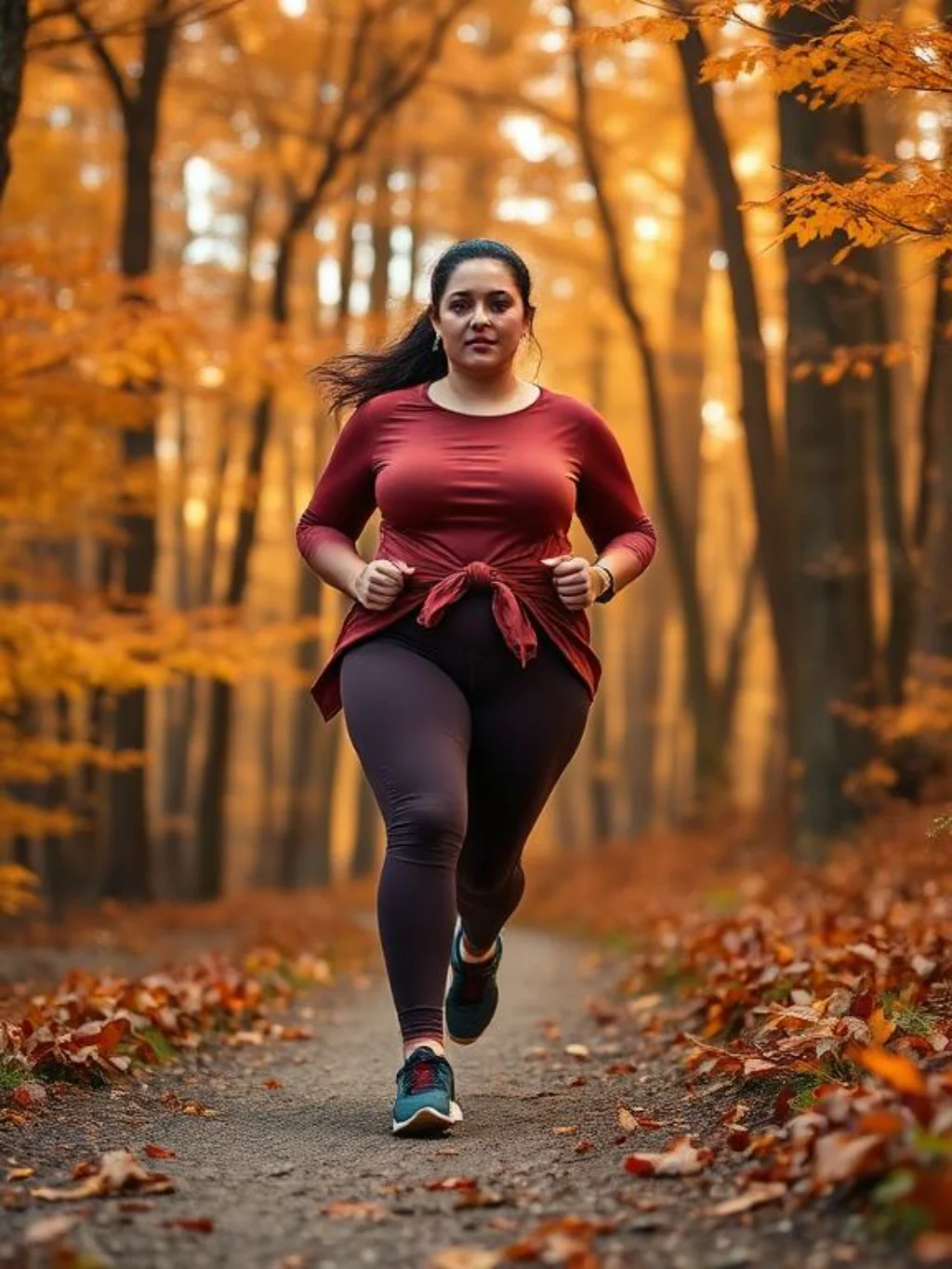
Outfits for hiking women plus size deserve the same technical performance standards as any other sizing category — and the outdoor industry has made meaningful progress toward delivering this, though gaps remain that informed shoppers should know how to navigate. Women’s outdoor functional fashion in extended sizes has expanded significantly with brands like Columbia women’s hiking outfit plus collections, REI women’s hiking outfit house brand extended sizing and Patagonia women’s hiking clothes extended range all offering genuine technical performance in sizes through 3X.
Female adventure apparel system planning for plus size hikers should prioritize the same layering principles that apply to all sizes with additional attention to specific fit considerations. Legging waistbands should maintain position without rolling during active movement — a fit failure common in plus-size athletic wear that requires brand-specific testing to identify the most reliable options. Women’s hiking outfit chafe prevention is particularly important in plus-size trail clothing — moisture-wicking properties at the thigh interface are more critical than in smaller sizes where thigh contact is minimal. Outfits for hiking women comfortable in extended sizing exist in abundance — the knowledge of where to find them is the only barrier.
Stylish Hiking Outfits That Look Incredible on Trail and Off It After
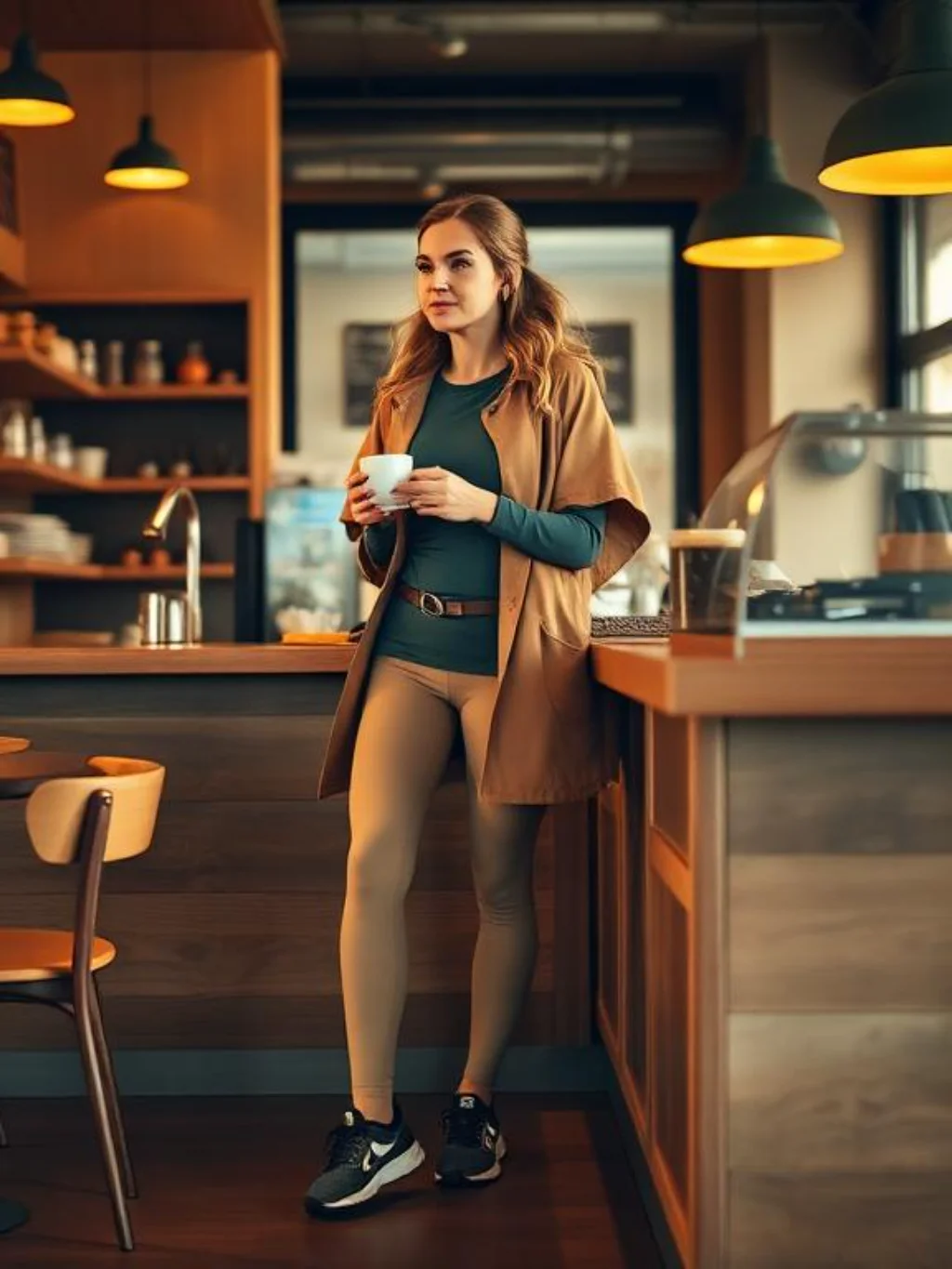
Outfits for hiking women Instagram and trail-to-town transition dressing represent a genuine category in contemporary female hiking fashion — the desire to look intentional and put-together on the trail without carrying a separate outfit for post-hike social activities. The outdoor industry has responded with pieces that achieve genuine dual-function performance without compromising either the technical trail requirements or the aesthetic town requirements. You can legitimately wear these pieces to brunch after your morning hike without changing.
Outfits for hiking women stylish that succeed in the trail-to-town transition share specific design characteristics. Neutral or fashion-forward color palettes rather than the high-visibility neon that signals purely utilitarian outdoor gear. Clean-line construction without excessive external stitching, venting zippers and technical hardware that reads as athletic rather than wilderness-specific in social contexts. Women’s trail running outfit pieces from Lululemon hiking outfit women and Athleta women’s hiking outfit collections navigate this dual-function territory most successfully because both brands originated in athletic aesthetic design rather than pure technical performance.
Packing the Perfect Hiking Outfit for a Multi Day National Park Adventure
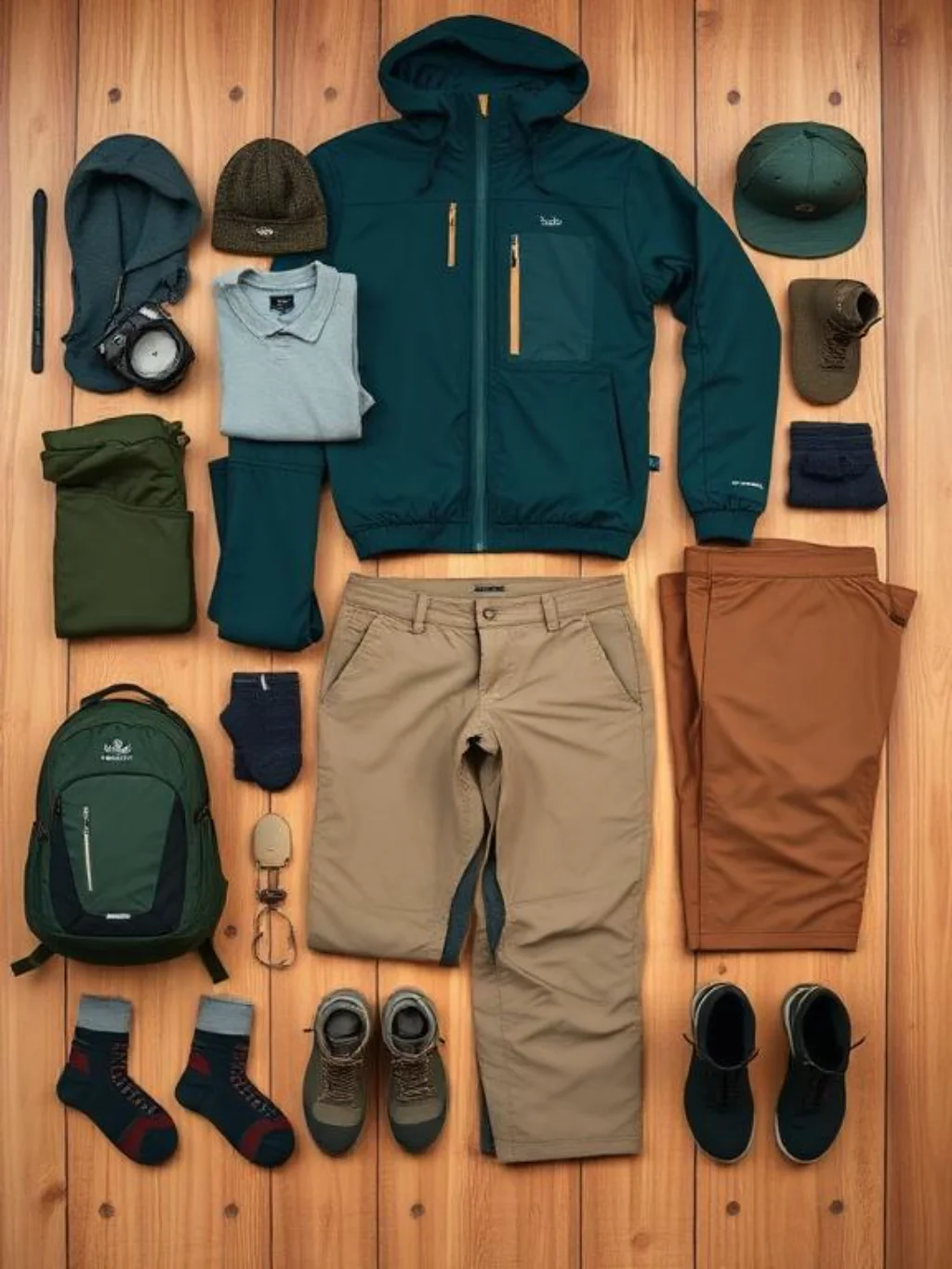
Outfits for hiking women national parks across multiple days require a packing discipline that day hiking doesn’t demand. Every garment must earn its place in terms of weight, volume and functional versatility — items that serve only one purpose are luxuries that multi-day packs cannot afford. Women’s backpacking outfit packing for three to five days in a national park should cover all weather contingencies while fitting within the 35 to 45-liter pack volume that comfortable multi-day hiking requires.
Women’s camping outfit packing efficiency comes from choosing garments with maximum cross-functional versatility. A merino wool long-sleeve base layer serves simultaneously as a hiking layer, a camp shirt and a sleep layer — three functions from one garment. Convertible pants that zip to shorts serve two seasonal conditions from one piece. Women’s hiking outfit packing guide essentials for multi-day national park hiking include two base layer tops, one mid layer, one shell, two bottom options, three pairs of socks and two pairs of liner socks — a complete wardrobe covering five days of trail with planned repeating of outer layers that don’t require daily washing.
Color and Visibility Choices That Make Hiking Outfits Safer on the Trail
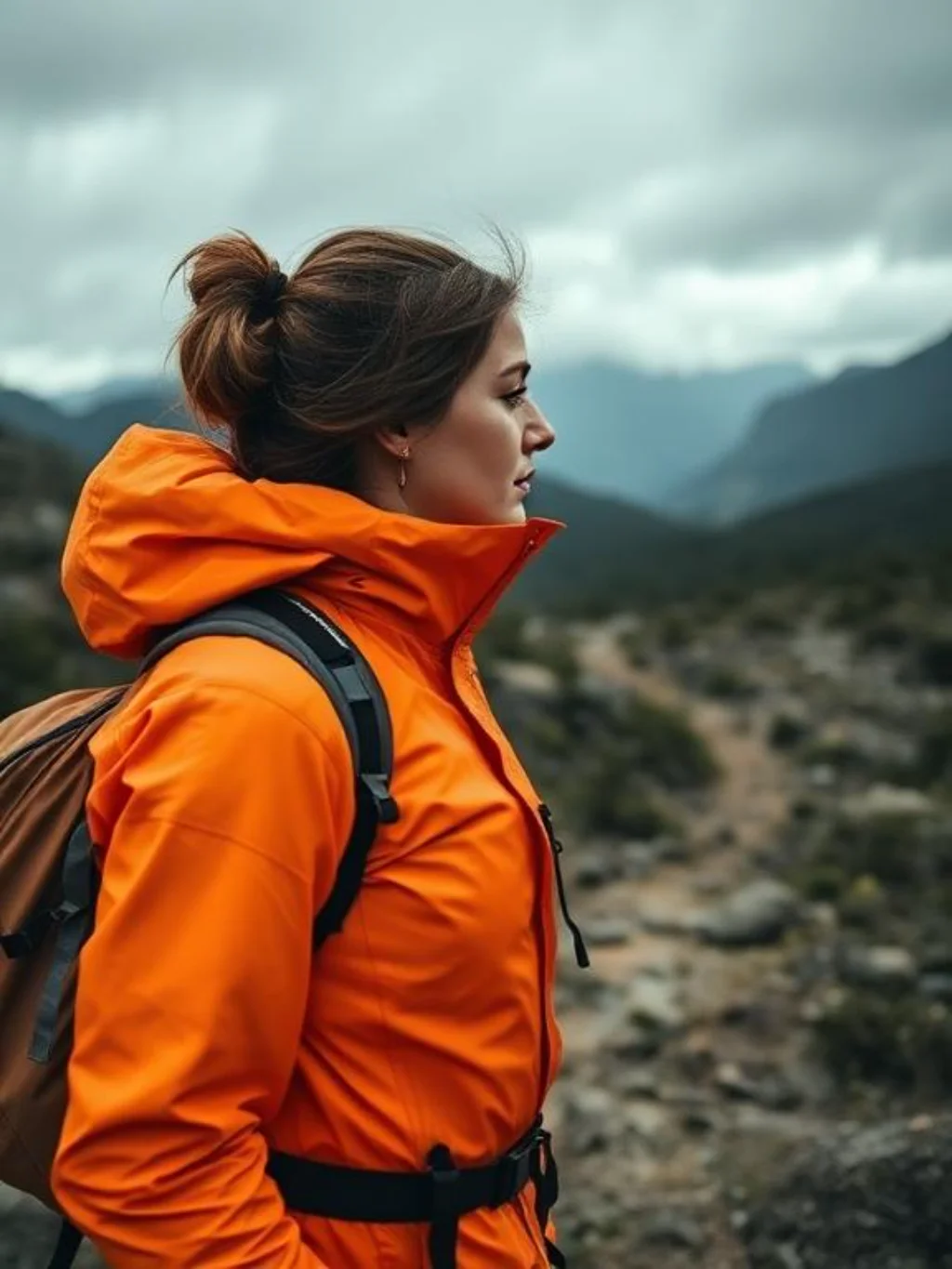
Women’s hiking outfit color choices trail decisions carry safety implications that purely aesthetic color selection ignores. High-visibility outer layers in safety orange, bright red or vivid yellow make hikers significantly more visible to rescue personnel in search situations — a detail that matters most in remote terrain where the probability of needing rescue correlates directly with the technical difficulty of the area. Women’s hiking outfit safety visibility is the argument for at least one high-visibility garment in every trail kit.
Outfits for hiking women trail in hunting territory during hunting seasons require blaze orange as a safety necessity rather than a style option. Beyond safety considerations color choice affects temperature management in ways that experienced outfits for hiking women functional planners understand. Dark colors absorb solar radiation creating heat advantages in cold conditions and heat disadvantages in desert conditions. Light colors reflect radiation performing the opposite function. Women’s hiking outfit color selection strategy builds a wardrobe where outer layers match the seasonal conditions most frequently encountered at your primary hiking locations.
Washing and Caring for Technical Hiking Clothes That Must Last for Years
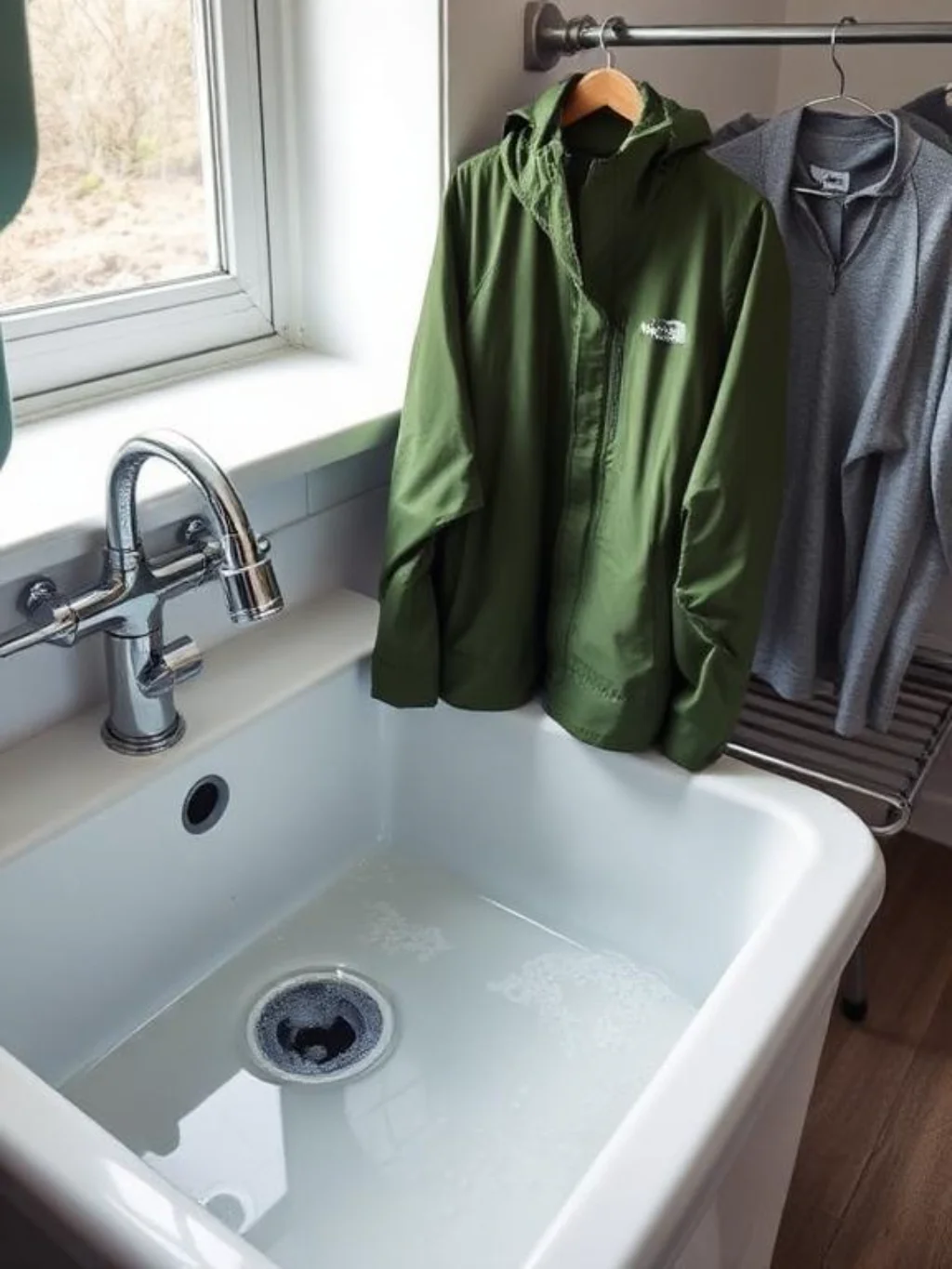
Women’s hiking outfit washing care directly determines how long expensive technical garments maintain their performance properties. Technical fabrics — particularly waterproof-breathable membranes, moisture-wicking synthetics and merino wool — all have specific washing requirements that differ substantially from standard laundry protocols. Ignoring these requirements doesn’t just damage garment aesthetics — it degrades the molecular-level fabric treatments that create the performance characteristics you paid for.
Women’s hiking outfit moisture wicking synthetics wash in cold water with technical garment detergent — standard detergent leaves surfactant residues that coat the fabric’s moisture channels and progressively reduce wicking efficiency. Waterproof shells require periodic reproofing with DWR spray or tumble-dryer activation every ten to fifteen washes to maintain their water-beading surface treatment. Merino wool requires cold water washing and flat drying to prevent fiber felting that permanently alters the fabric’s thermal properties. Smartwool women’s hiking outfit care instructions specifically recommend washing inside-out to protect the outer fiber surface that provides the fabric’s characteristic softness and odor resistance.
Building a Complete Women’s Hiking Wardrobe From First Purchase to Full Kit
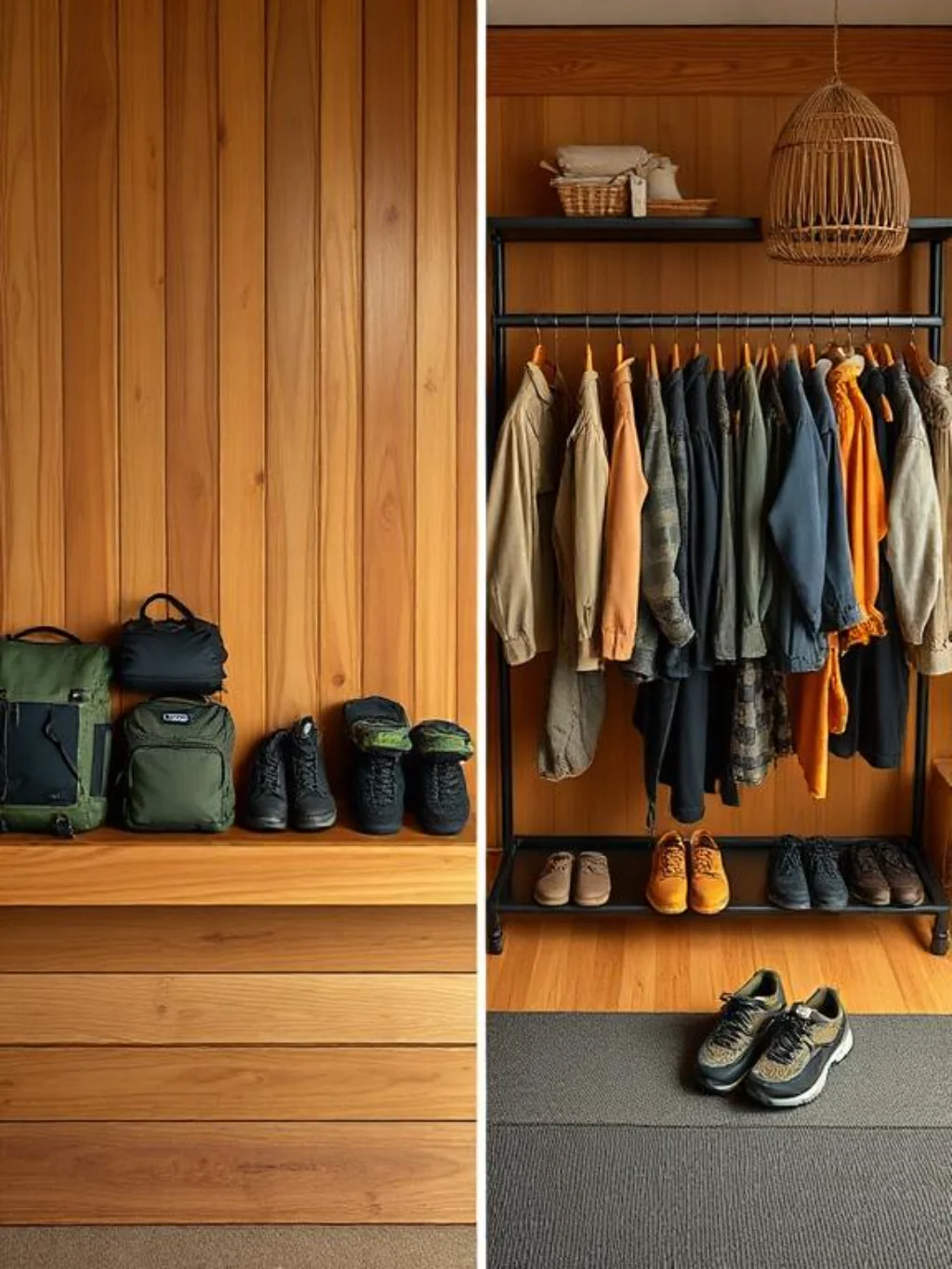
Outfits for hiking women wardrobe building follows a clear priority sequence that maximizes trail readiness per dollar invested. Start with footwear — this is the purchase that most directly determines trail comfort and safety and is the one most worth spending on properly from the beginning. Add socks next. Then a quality moisture-wicking base layer set. Then a rain shell. The mid layer and all accessories follow as budget permits. Trail ready female wardrobe construction prioritizes function over fashion until the functional foundation is complete.
Women’s hiking outfit complete kit at full development contains every element needed for every condition the trail produces. The table below outlines the complete wardrobe system organized by priority for new-to-trail buyers working within a sequential budget. Female adventure ready clothing at this level of completion represents an investment of $400 to $800 at mid-range price points — spread across the six to twelve months most beginning hikers take to develop their outdoor clothing collection organically.
| Priority | Item Category | Budget Option | Premium Option | Key Specification |
|---|---|---|---|---|
| 1 | Trail Footwear | Merrell Moab | Hoka Speedgoat | Waterproof, right fit |
| 2 | Hiking Socks | REI house brand | Darn Tough | Merino wool, cushioned |
| 3 | Base Layer Top | Under Armour | Smartwool | Moisture wicking |
| 4 | Base Layer Bottom | Columbia | Icebreaker | Merino or synthetic |
| 5 | Rain Shell | Columbia | Arc’teryx | Waterproof breathable |
| 6 | Mid Layer | REI brand fleece | Patagonia R1 | Breathable insulation |
| 7 | Hiking Pants/Leggings | Amazon Essentials | prAna | Quick dry, articulated |
| 8 | Sun Hat | Generic UPF50 | Outdoor Research | Wide brim, UPF50 |
| 9 | Sunglasses | Any UVA/UVB rated | Smith or Oakley | 100% UV protection |
| 10 | Headwear and Buff | Amazon Buff dupe | Buff Original | Multi-function tube |
Frequently Asked Questions
What should women wear hiking for the first time
Outfits for hiking women beginners start with three essentials — proper footwear, moisture-wicking base layers and a light shell. Avoid cotton entirely. A technical polyester or merino wool top, breathable leggings or hiking pants and trail shoes or boots appropriate for your planned terrain cover the basics. Add a packable rain jacket regardless of forecast. Women’s nature walk outfit for first-time hikers should prioritize comfort and moisture management over style until you understand which conditions you’ll hike most frequently.
Are leggings or hiking pants better for women on the trail
Both serve different conditions effectively. Outfits for hiking women with leggings suit warm-weather trails where breathability and freedom of movement outweigh protection needs. Hiking pants suit cooler temperatures, brushy terrain and trails where scratch and insect protection matter. Women’s hiking outfit fit guide recommendation for beginners is to start with technical hiking leggings for versatility and add pants as your hiking range expands into conditions that demand greater coverage.
Do women need special hiking socks
Yes absolutely. Regular athletic socks lack the cushioning placement, moisture management and friction-reduction properties that prevent trail-specific blisters. Women’s hiking outfit sock selection should prioritize merino wool or synthetic hiking-specific socks from brands like Darn Tough women’s hiking socks, Smartwool or REI house brand. The height of the sock should match or slightly exceed your boot’s collar to prevent the top-edge abrasion that creates ankle blisters on longer hikes.
Can women wear cotton on hiking trails
No. Cotton is the single material most consistently identified by wilderness medicine experts as dangerous in outdoor hiking contexts. Cotton absorbs moisture and holds it against the skin — the opposite of what a base layer should do. In cold conditions wet cotton accelerates hypothermia by conducting heat away from the body 25 times faster than dry fabric. Women’s hiking outfit moisture wicking requirements make synthetic or merino wool the only appropriate base layer materials for any trail beyond a casual paved nature walk.
What is the best base layer for women hiking in cold weather
Women’s hiking outfit base layer for cold weather conditions performs best in midweight merino wool — specifically Smartwool women’s hiking outfit or Icebreaker women’s hiking clothes 250 weight formulations that balance warmth with the breathability needed during aerobic climbing sections. Merino’s natural temperature regulation properties make it more versatile across the cold-weather temperature range than synthetic alternatives which tend to perform well at specific temperature points but less consistently across variable conditions.
Conclusion
The trail doesn’t care what you’re wearing. But your body does. And the difference between a hike that leaves you energized, comfortable and already planning the next one versus a hike that leaves you blistered, soaked, over-chilled at the summit and privately swearing you’ll never do this again comes down almost entirely to the outfits for hiking women decisions made before the first step. Clothing is not peripheral to the hiking experience. It is the hiking experience’s technical foundation — the system that keeps your body at the right temperature, protected from UV and precipitation, free from chafing and blistering and capable of performing at the level the terrain demands. Build your women’s hiking outfit wardrobe with the same seriousness you bring to your training and your navigation. Start with the right footwear and socks. Layer intelligently. Choose technical fabrics exclusively. And invest in a quality rain shell before anything else in the system is complete. Do these things and the trail becomes what it’s supposed to be — the most beautiful, most restorative and most fiercely rewarding place you regularly spend your time.
1 Comment