
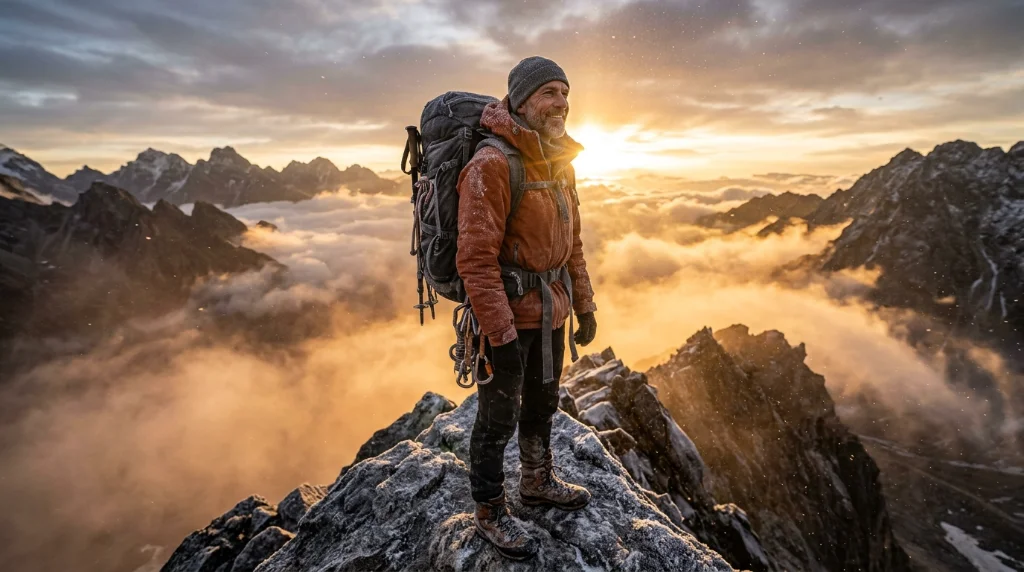
Every mountain has a mood. It can shift from sunshine to sleet in under an hour. That’s why smart trek clothes decisions matter more than any gear list you’ll ever read. You don’t need luck on the trail. You need fabric that works with your body, not against it.
This guide walks you through the real science behind trekking clothing, layer by layer. You’ll learn why cotton fails, why merino wins, and why altitude changes the rules entirely. Grab a coffee. Let’s get your wardrobe trail-ready.
The Silent Mistake That Sabotages Even Seasoned Mountain Explorers
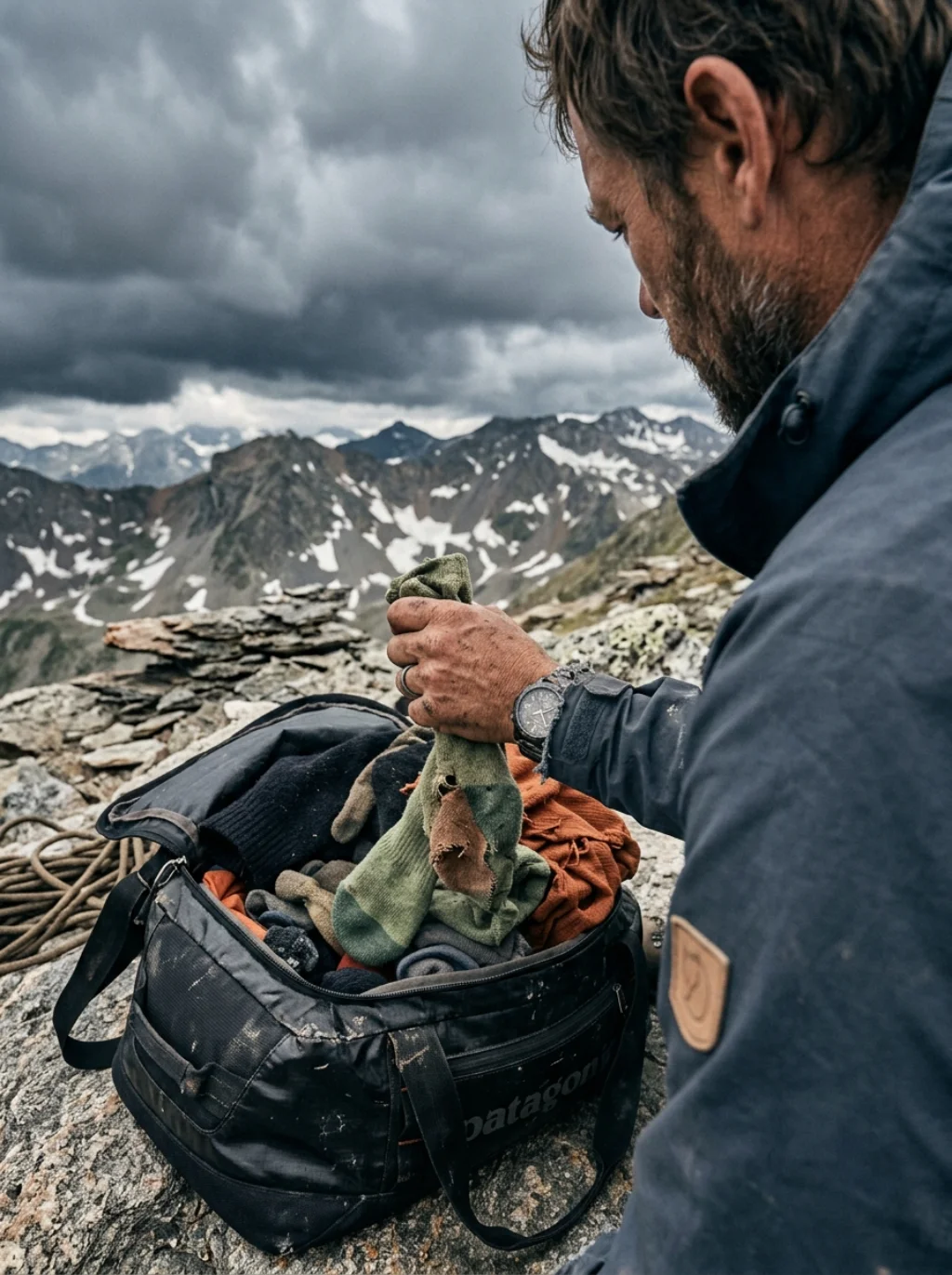
Even experienced hikers repeat one quiet error. They pack for comfort at home, not for conditions on the ridge. That mismatch turns a simple trek into a shivering ordeal. Choosing the wrong hiking apparel is rarely dramatic. It’s just slow, cold, and avoidable.
This is where a proper trekking outfit checklist saves the day. Guides in Colorado and Nepal alike stress the same rule: test your gear before the trip. A jacket that feels fine in your living room can betray you at 12,000 feet.
Why Your Skin Remembers Every Fabric You’ve Ever Trusted Outdoors
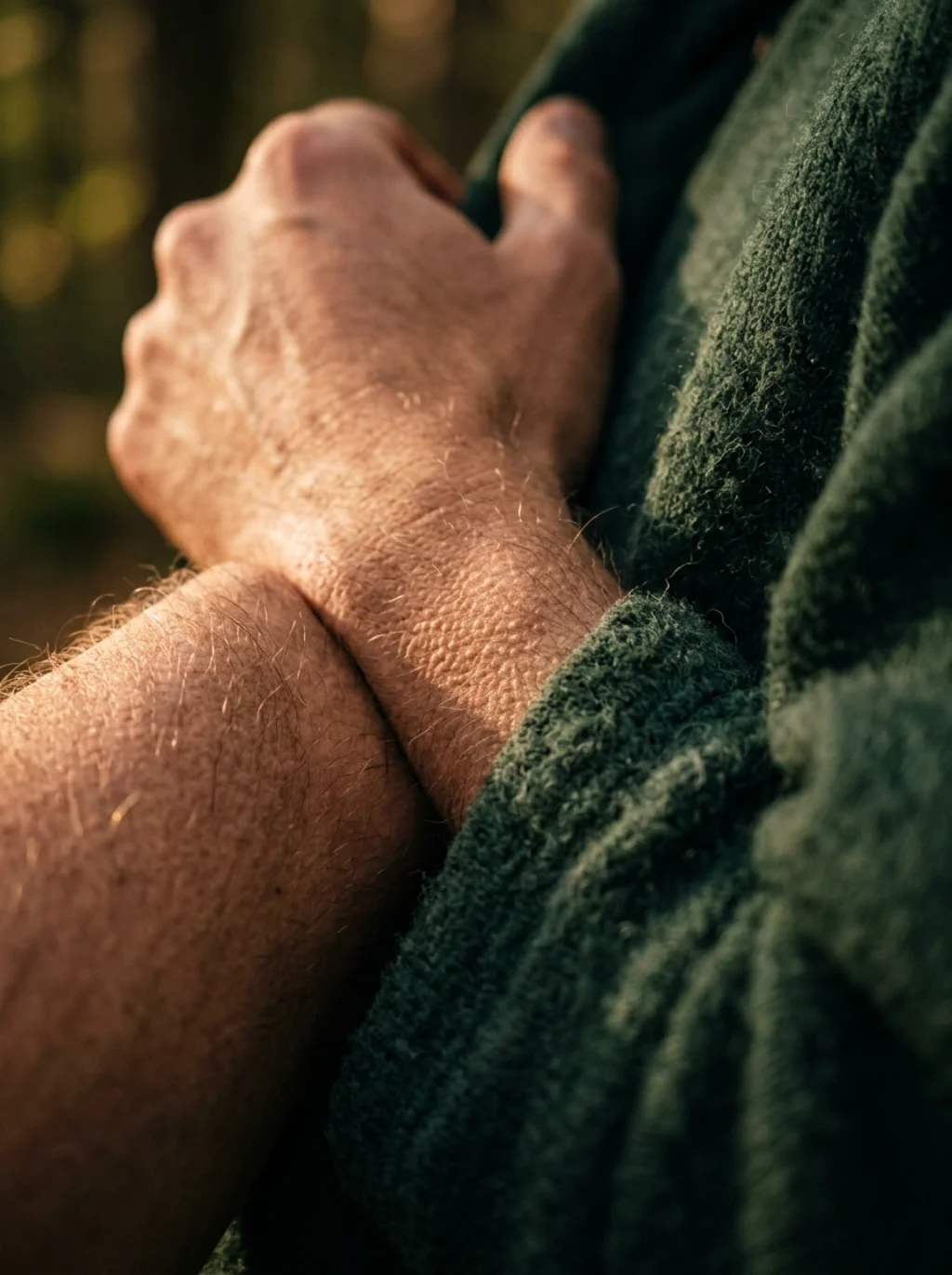
Your skin has a memory of its own. It remembers the scratch of cheap wool and the clammy chill of soaked cotton. That memory shapes every future purchase, whether you realize it or not. Good outdoor trekking gear feels almost invisible against the body.
This is why anti-chafing clothing matters so much on multi-day routes. Seams rub raw skin after eight hours of walking. Choosing soft, flat-seam trekking pants protects you from pain you won’t notice until it’s too late.
The Layering Ritual Veteran Climbers Guard Like a Family Secret
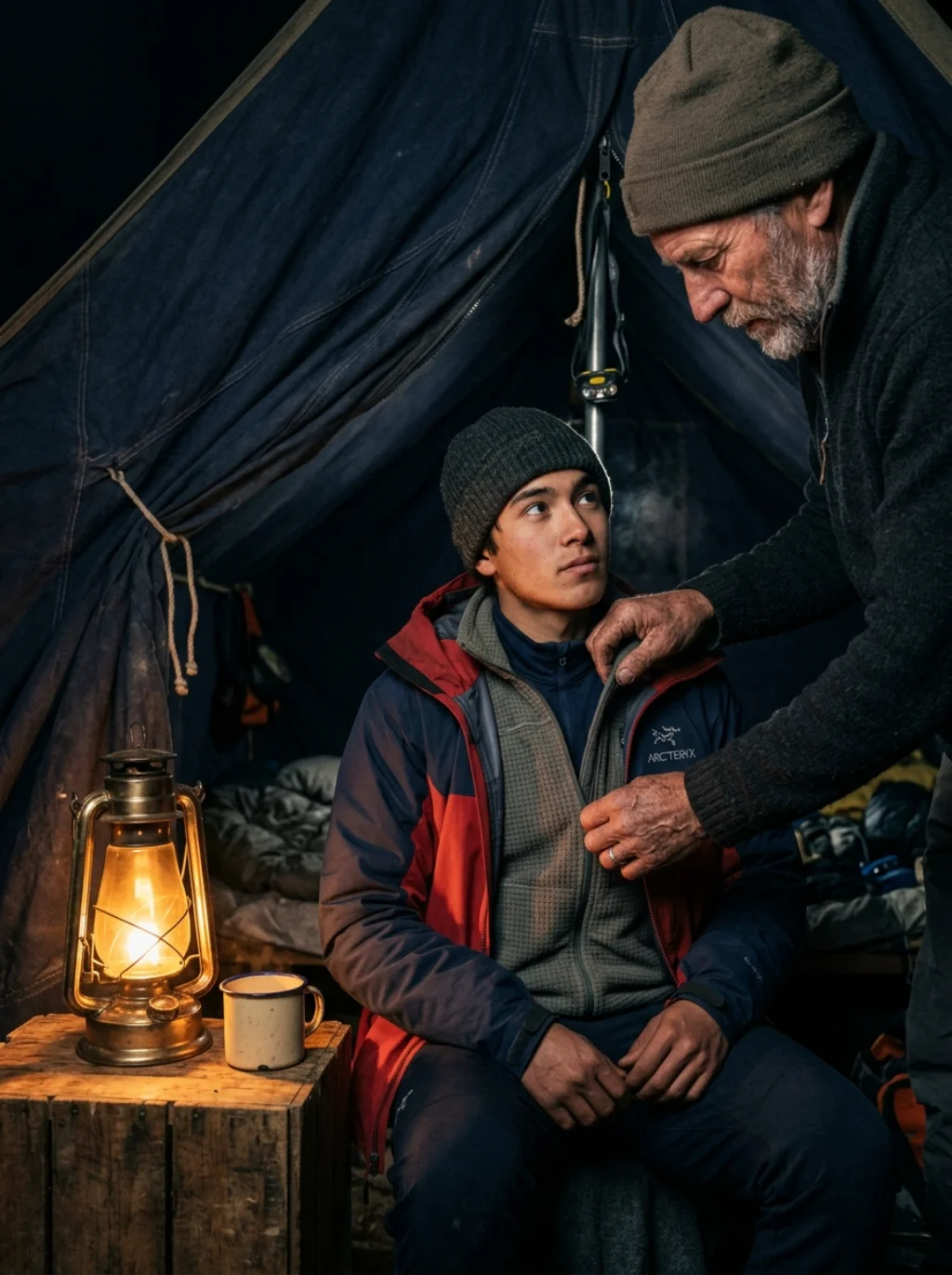
Veteran climbers don’t wear one thick jacket and call it done. They build a system. This trekking layering system stacks thin, functional pieces that trap warmth without trapping sweat. Each layer has one job, and none of them overlap.
Start with a base layer thermal wear piece against your skin. Add a mid layer fleece for insulation. Finish with a wind-cutting shell. This three-part rhythm is the quiet secret behind every comfortable summit photo you’ve ever admired.
What Himalayan Winds Reveal About Your Wardrobe’s Weakest Link
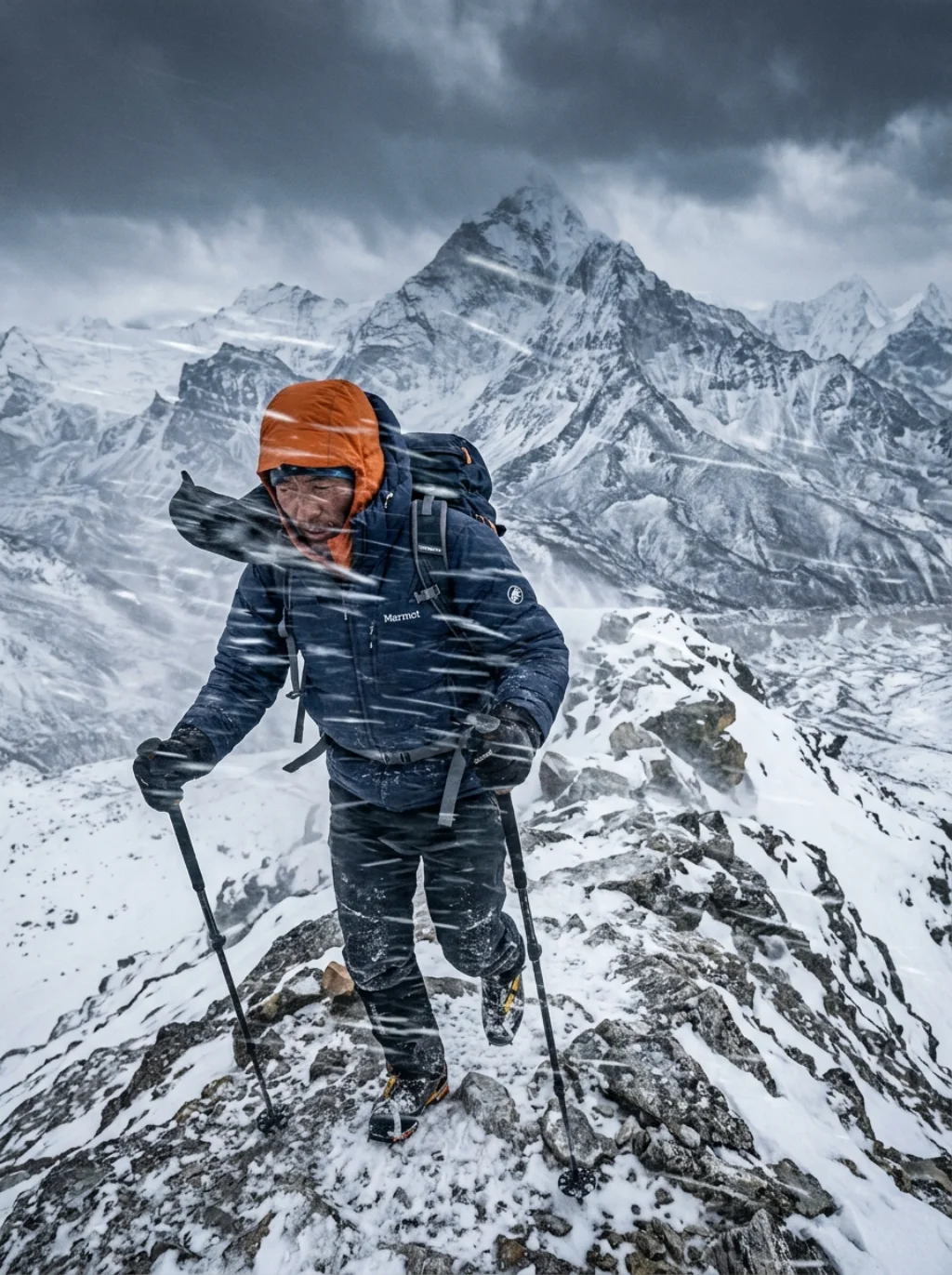
Wind exposes weakness faster than rain ever could. A gust off a Himalayan ridge finds every gap in your jacket zipper. That’s when himalayan trekking clothing proves its worth, built specifically for sudden, punishing gusts most city coats were never designed to handle.
Standard jackets crumble against that kind of pressure. True windproof clothing uses tightly woven fibers that block air without adding bulk. If your coat flaps loudly in strong wind, it’s already telling you something important.
The Fabric Science Behind Staying Dry When Everything Else Fails
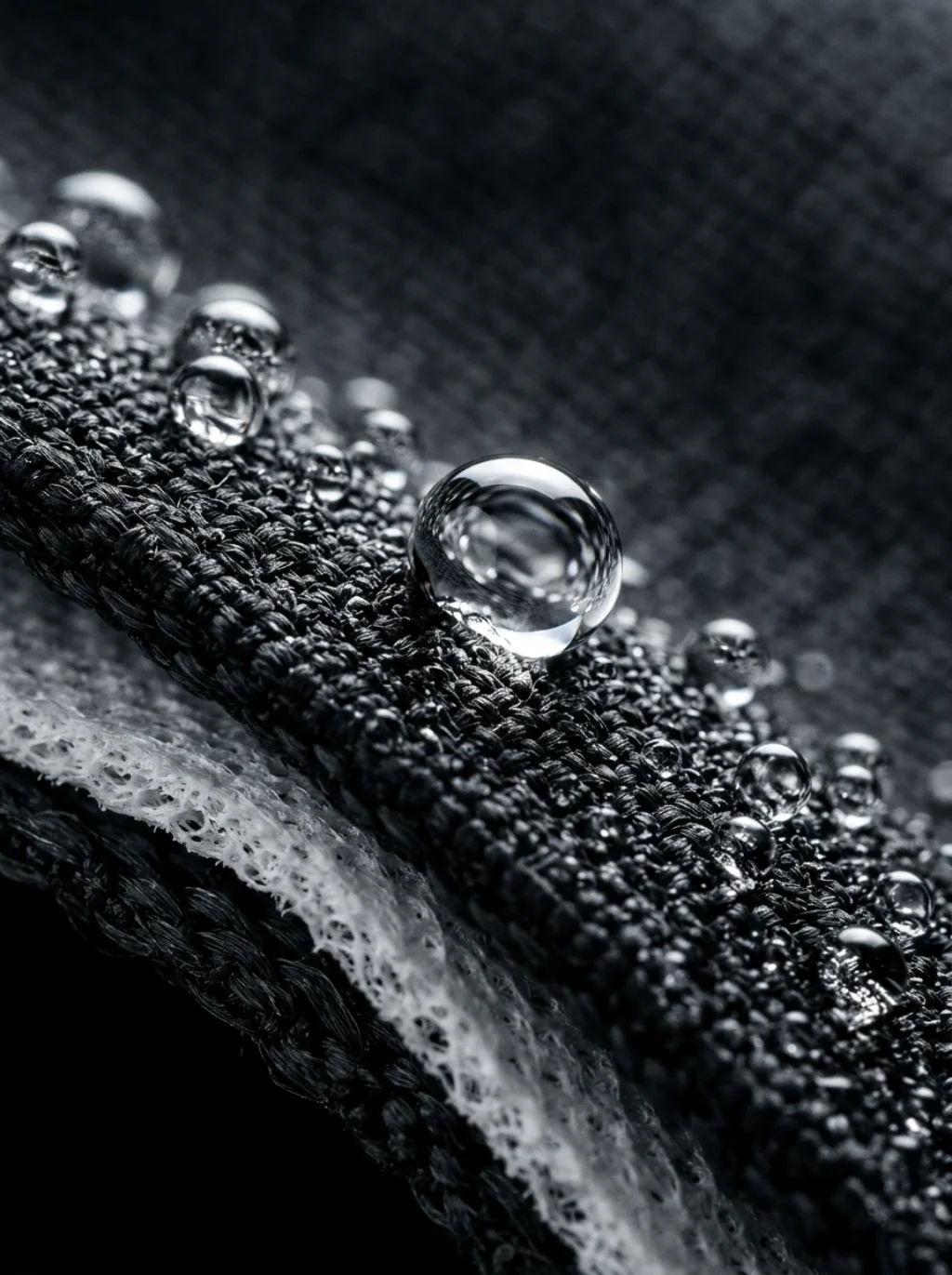
Staying dry isn’t just about rain. It’s about sweat too, and that surprises most beginners. Waterproof trekking clothes use membrane technology that blocks outside moisture while letting inner vapor escape. It sounds like magic, but it’s genuinely clever engineering.
This membrane relies on tiny pores, smaller than a raindrop but larger than water vapor. That’s the entire trick behind modern moisture control fabric. Cheaper rain gear skips this layer, leaving you damp from your own sweat within an hour.
A Forgotten Detail That Separates Comfort From Cold Misery
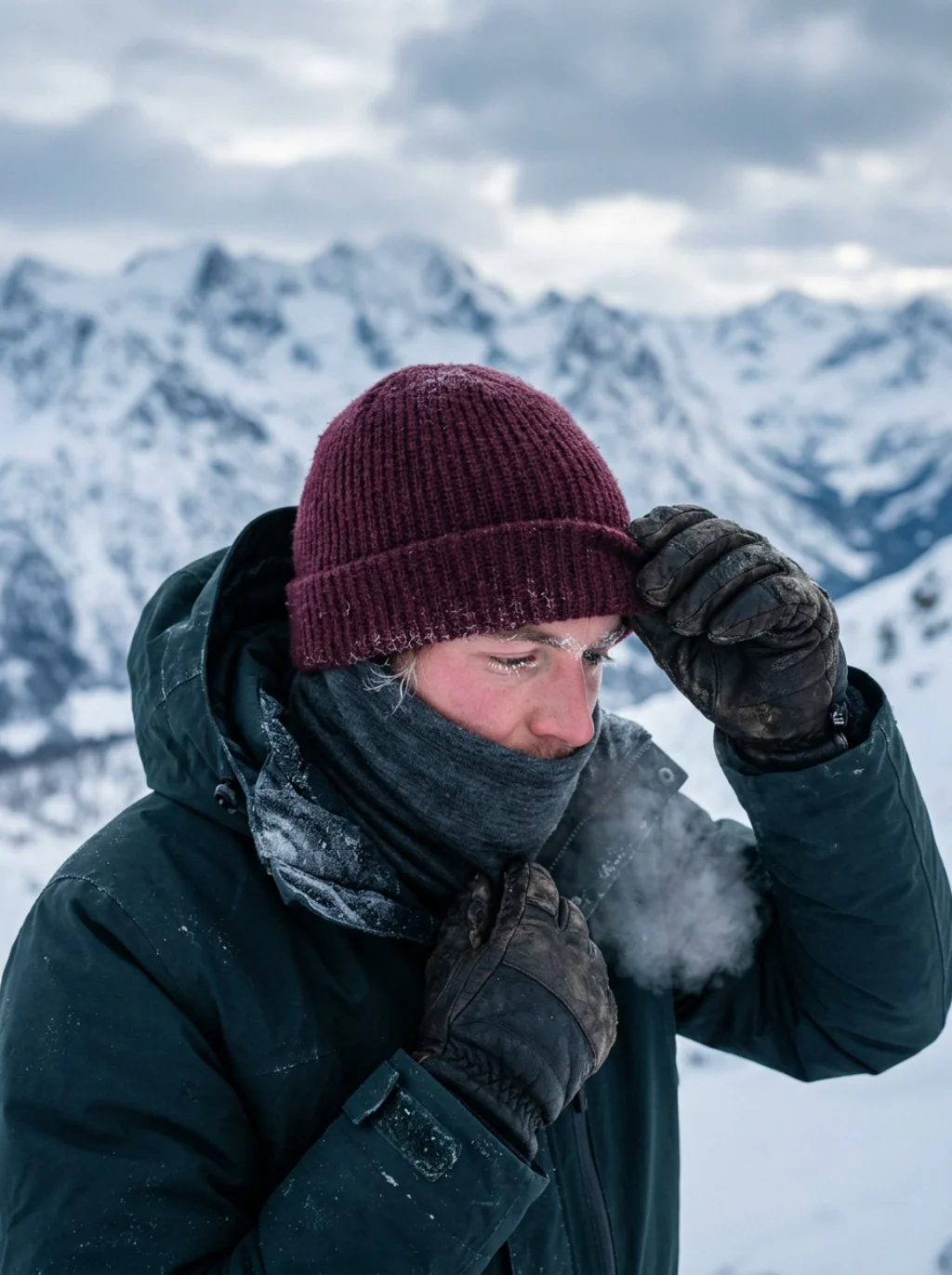
Most packing lists forget one thing: your extremities freeze first. Fingers and toes lose heat fast because blood retreats to protect your core. That’s why trekking gloves and caps deserve more attention than most trekkers ever give them.
A cheap beanie feels fine at sea level, then fails completely above the treeline. Quality trekking thermal jacket designs pair well with insulated headwear. Together, they close the gap that separates a tolerable hike from a genuinely miserable one.
The Unexpected Reason Cotton Becomes Your Worst Trail Companion
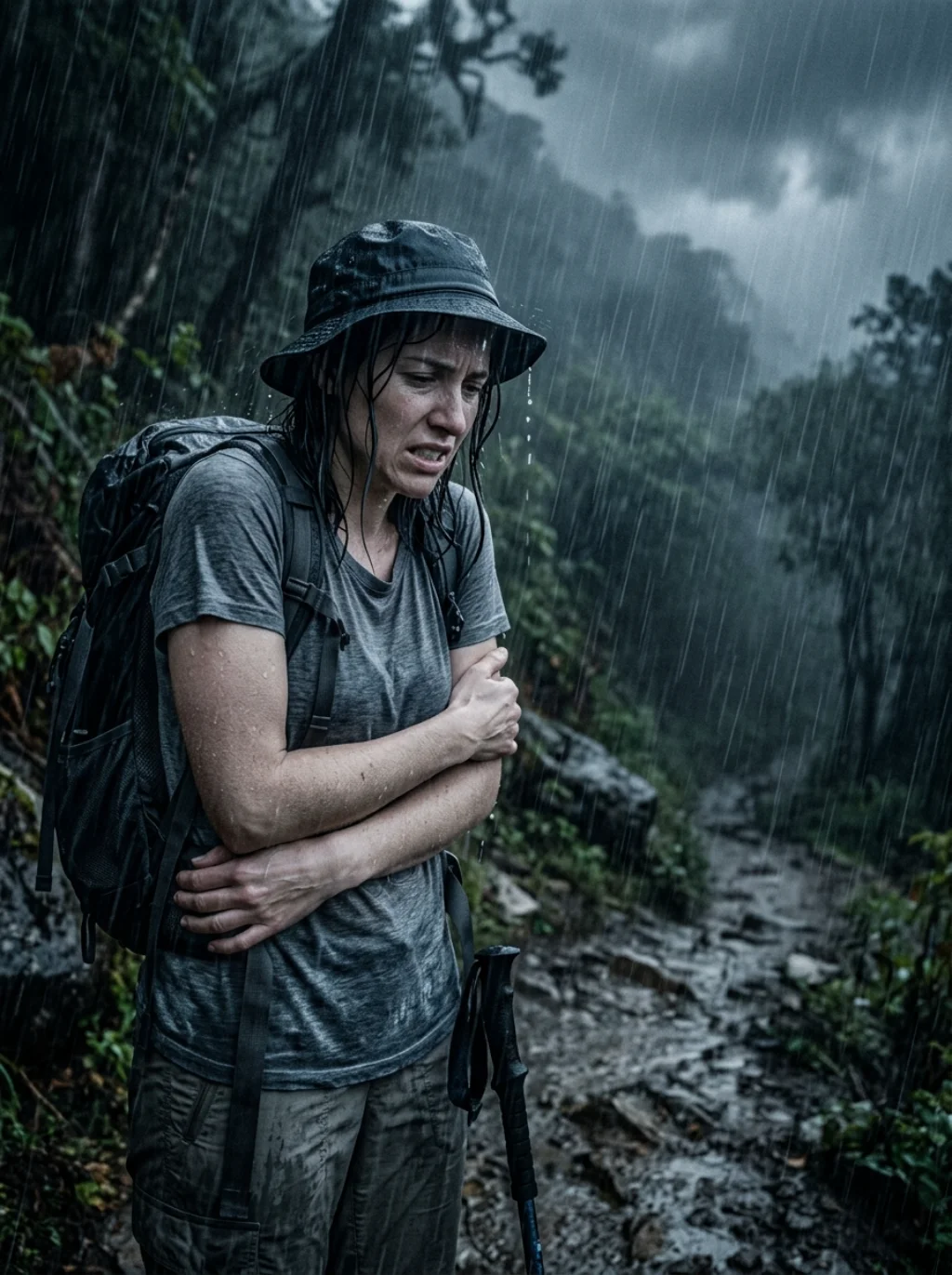
Cotton feels soft and familiar, which is exactly the problem. Once soaked, it stays wet for hours and pulls heat straight from your skin. Hikers call this the “cotton kills” rule, and it’s not an exaggeration on exposed trails.
you may also like this:22 Monsoon Trek Outfit Ideas for Women to Stay Dry and Comfortable
Instead, reach for quick dry trekking clothes built from synthetic or merino blends. These fabrics shed moisture fast and keep insulating even when damp. Swapping cotton for smarter fibers is one of the cheapest upgrades any trekker can make.
Inside the Trek Clothes Debate: Warmth Versus Breathability Explained
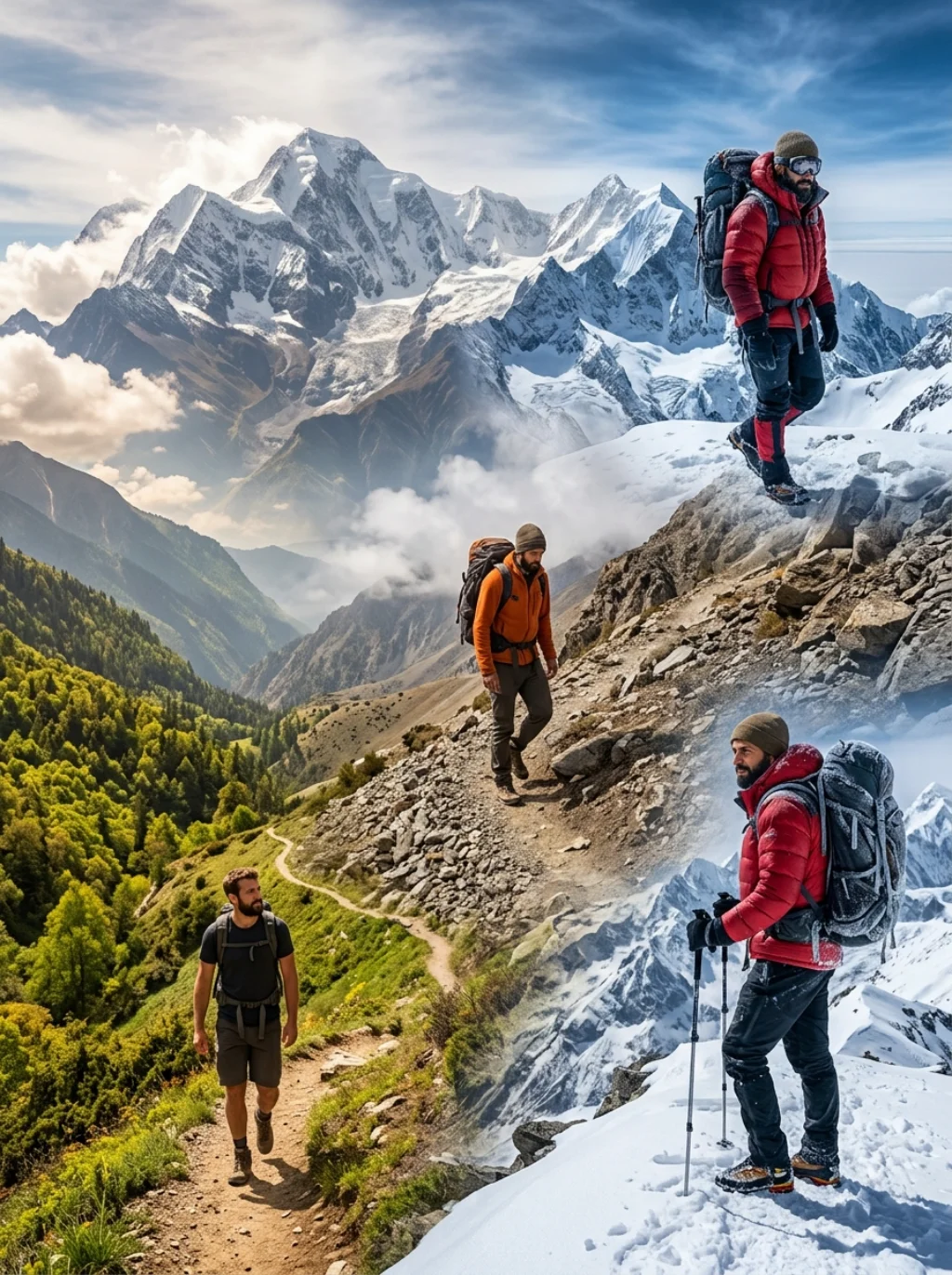
Every trekker eventually faces this tension. Warmer fabric often traps more sweat, while breathable fabric can let cold air sneak through. Balancing both is the real challenge behind choosing good trek clothes for changing mountain weather.
The fix isn’t one perfect jacket. It’s smart layering paired with breathable trekking fabric that vents heat during steep climbs. Zippered vents and mesh panels let you fine-tune temperature without stopping to change your entire outfit.
The Sunlight Trap Most Trekkers Never See Coming Until Day Three
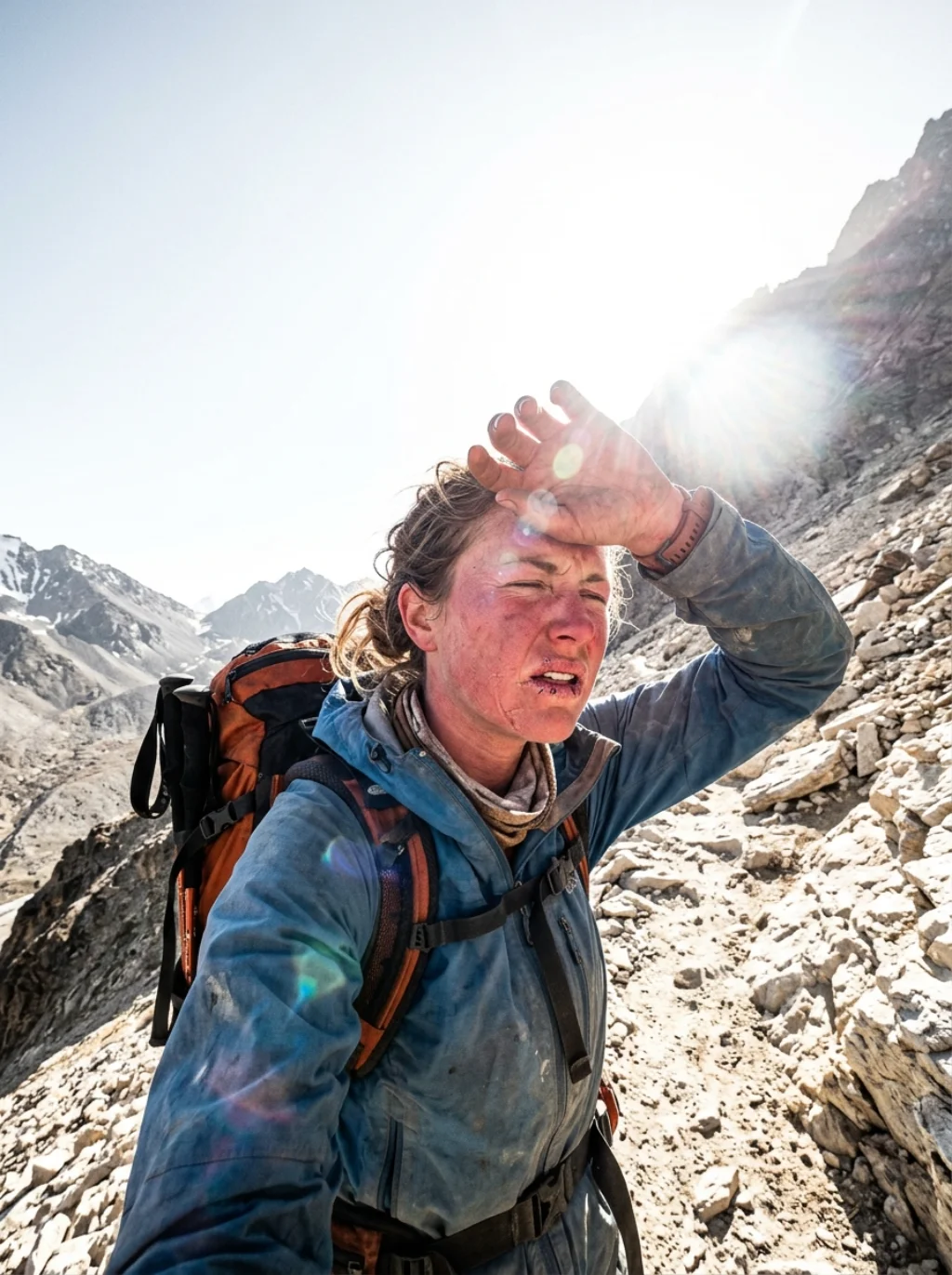
Mountain sun burns faster than beach sun, and most people learn this the hard way. Thin air filters less UV radiation, so exposed skin reddens within an hour. This trap catches trekkers off guard around day three, once fatigue sets in.
UV protection clothing solves this quietly and effectively. Long-sleeve shirts with woven UPF ratings block harmful rays without needing constant sunscreen reapplication. Pair this with sun protection hiking gear like wide-brim hats for full coverage.
Why Altitude Changes Everything You Thought You Knew About Dressing
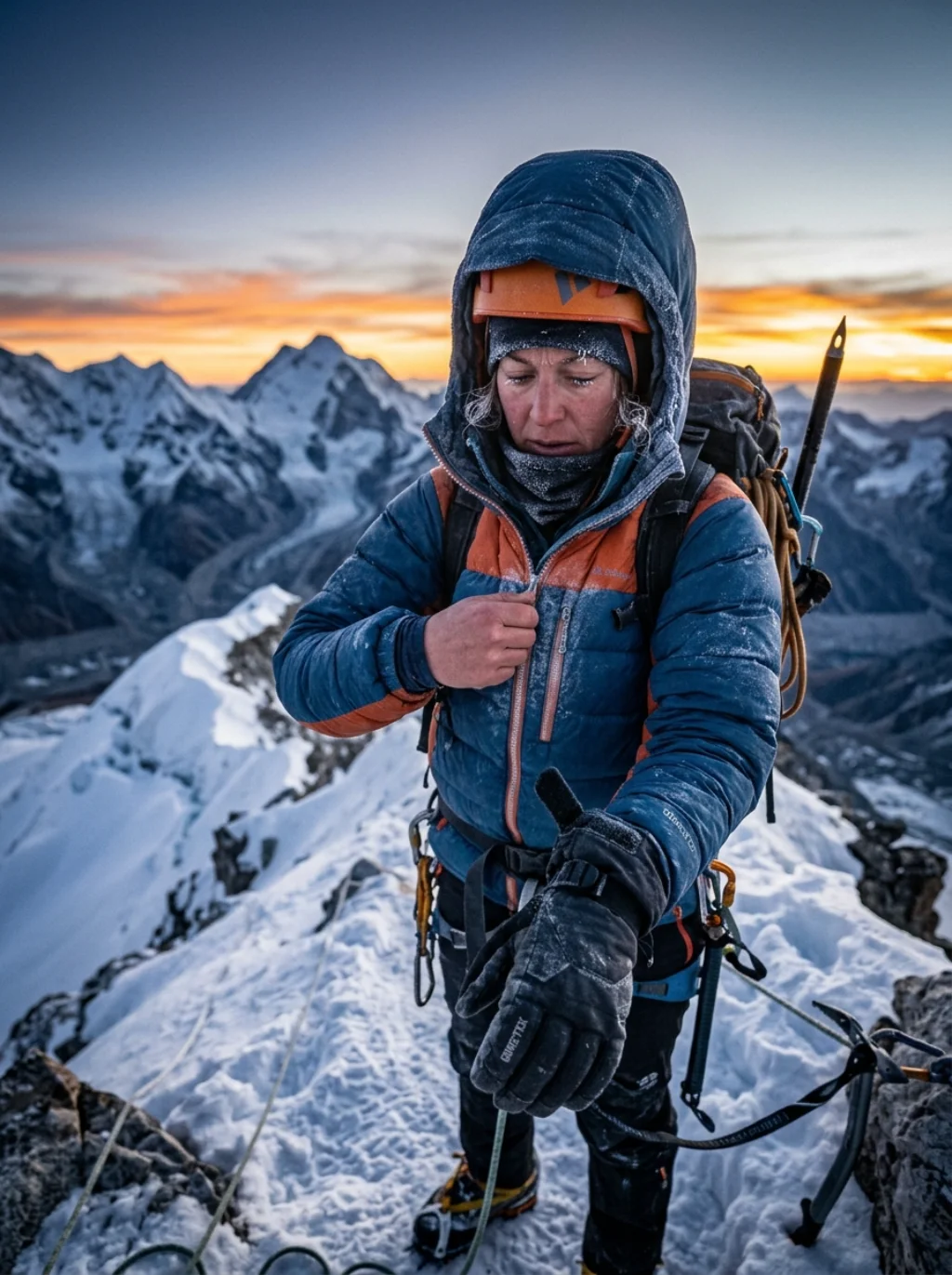
Altitude rewrites the rulebook completely. Temperatures can swing twenty degrees between sunrise and midday, and thinner air cools skin faster than lowland weather ever does. This is precisely why high altitude trekking gear differs so much from regular hiking wear.
Add altitude sickness gear awareness to your planning too, since breathing difficulty often pairs with sudden chills. Dressing for altitude means preparing for extremes, not averages, because average weather rarely exists above 10,000 feet.
The Overlooked Armor That Protects You From Rain’s Cruel Surprise
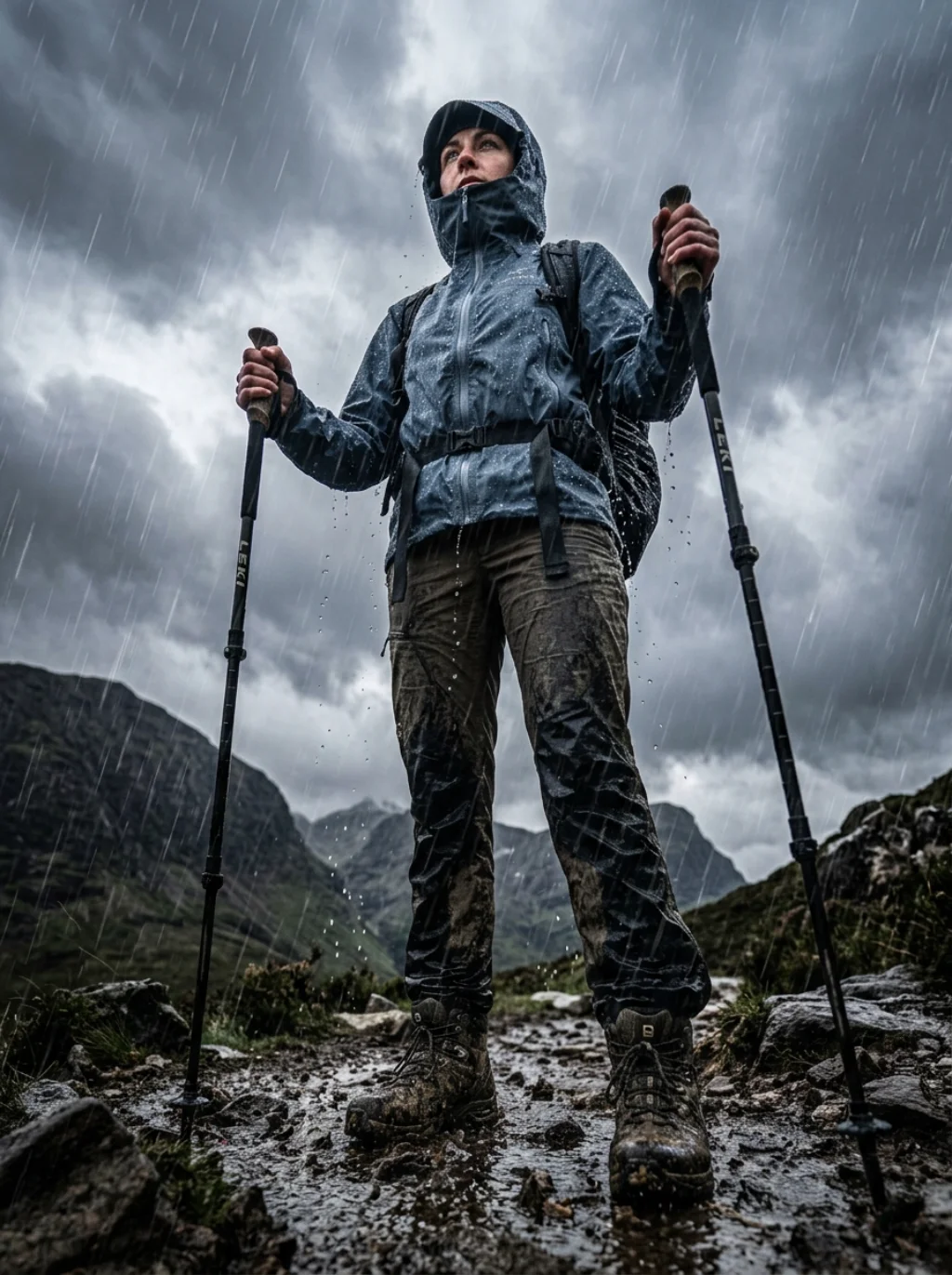
Rain rarely announces itself politely in the mountains. It arrives fast, sideways, and often mixed with hail. Reliable trekking rain gear acts like armor against this sudden shift, sealing seams and cuffs so water can’t creep inside.
A poncho might work for a picnic, but it fails on rocky trails. Proper weatherproof outdoor wear uses taped seams and adjustable hoods built for movement. Without this protection, a light drizzle can quietly end your trip early.
A Wardrobe Choice That Can Make or Break Your Summit Attempt
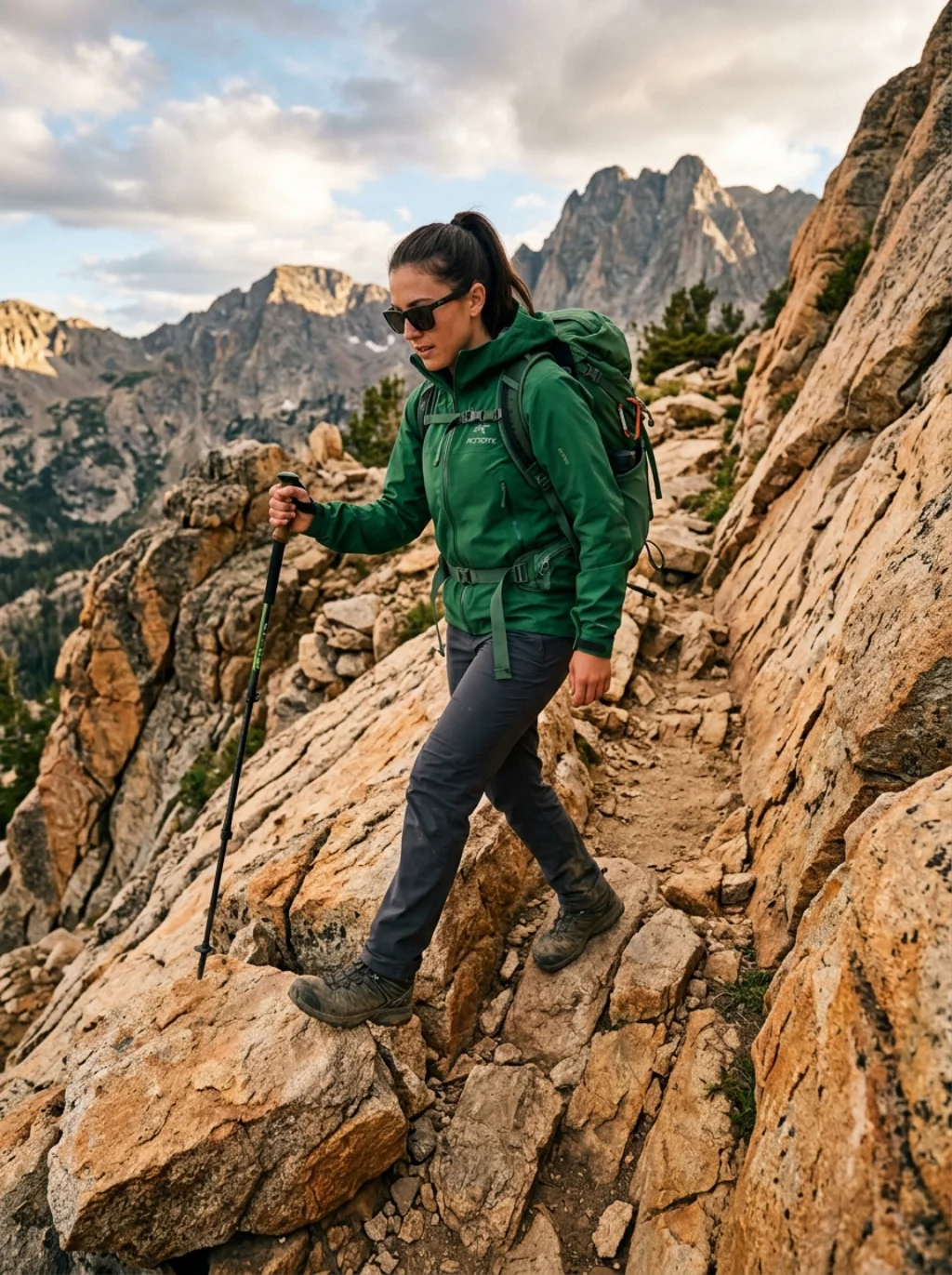
Summit day punishes every small mistake. Wrong socks, a stiff jacket, or damp gloves can slow your pace enough to miss a weather window. This is why final gear checks matter as much as fitness training beforehand.
Choosing tested trekking clothes for extreme cold ahead of time removes one variable from an already demanding day. Guides often say summit success depends less on strength and more on preparation most climbers overlook entirely.
The Quiet Battle Between Style and Survival on Rocky Trails
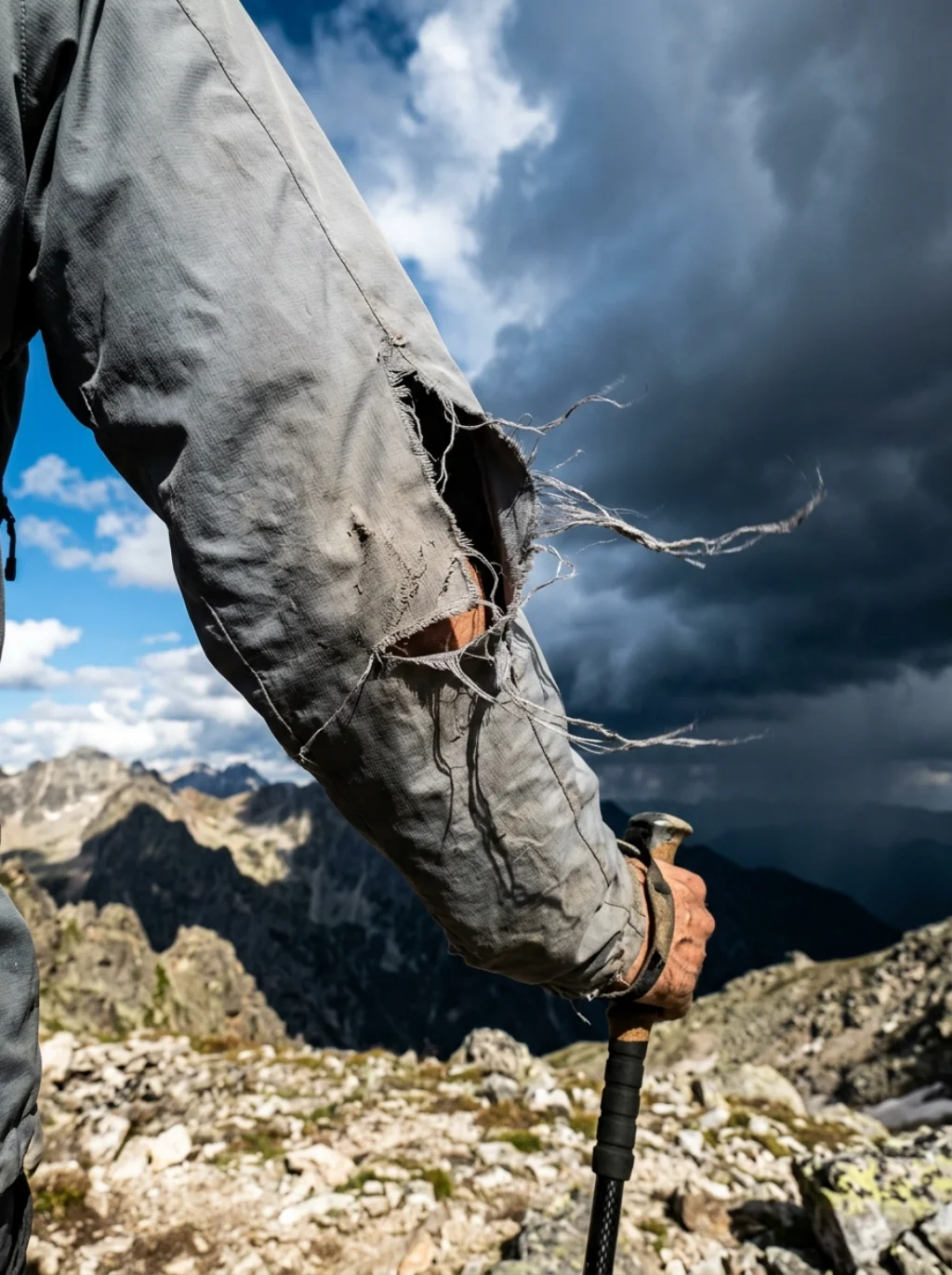
Fashion tempts even careful trekkers. Bright colors and trendy cuts look great in photos but sometimes sacrifice function for flair. On rocky, unpredictable terrain, survival should always outrank style, though the two don’t have to be enemies.
Modern trail clothing proves this balance is possible. Brands now blend sharp design with genuine performance fabric. You can look good in trail photos while still wearing gear engineered for rugged outdoor clothing demands.
How Temperature Swings Expose the Truth About Cheap Outdoor Fabric
Cheap fabric hides its flaws in mild weather. The moment temperatures swing sharply, though, weak stitching and thin insulation reveal themselves fast. This exposure often happens exactly when you’re furthest from shelter or help.
Durable outdoor adventure clothing is built to handle these swings without falling apart. Reinforced stitching and quality zippers cost more upfront but prevent gear failure precisely when you need reliability most, not just comfort.
The Underestimated Power of Socks in a Grueling Mountain Journey
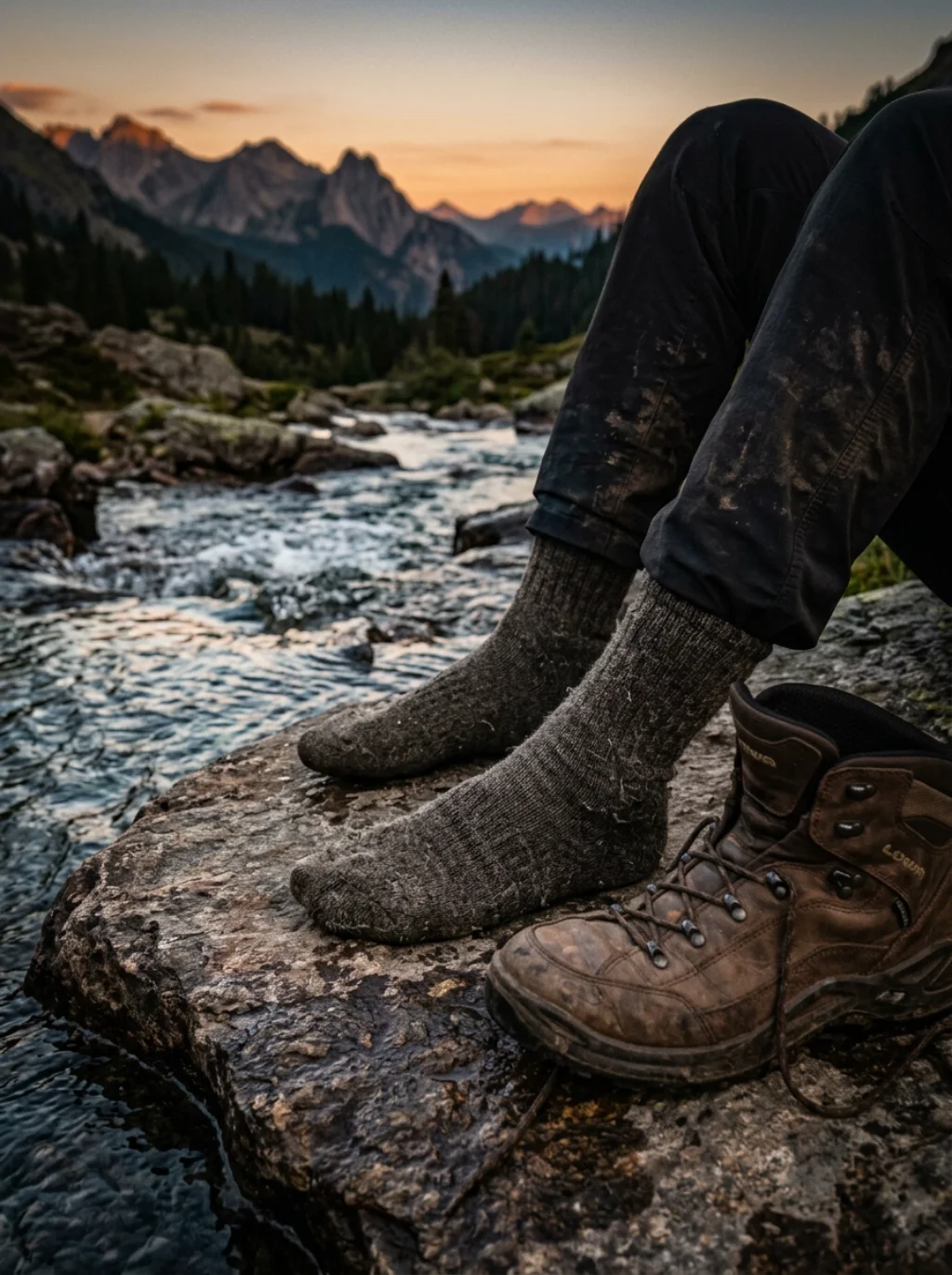
Socks rarely get credit, yet they decide whether your feet survive a long descent. Blisters end more treks than exhaustion does. Pairing proper trekking boots and socks correctly prevents friction long before it becomes painful.
Merino wool socks manage moisture far better than cheap cotton blends. This single swap, combined with well-fitted boots, protects your feet across uneven terrain far more effectively than any cushioned insole ever could.
Why Seasoned Guides Whisper About One Fabric Above All Others
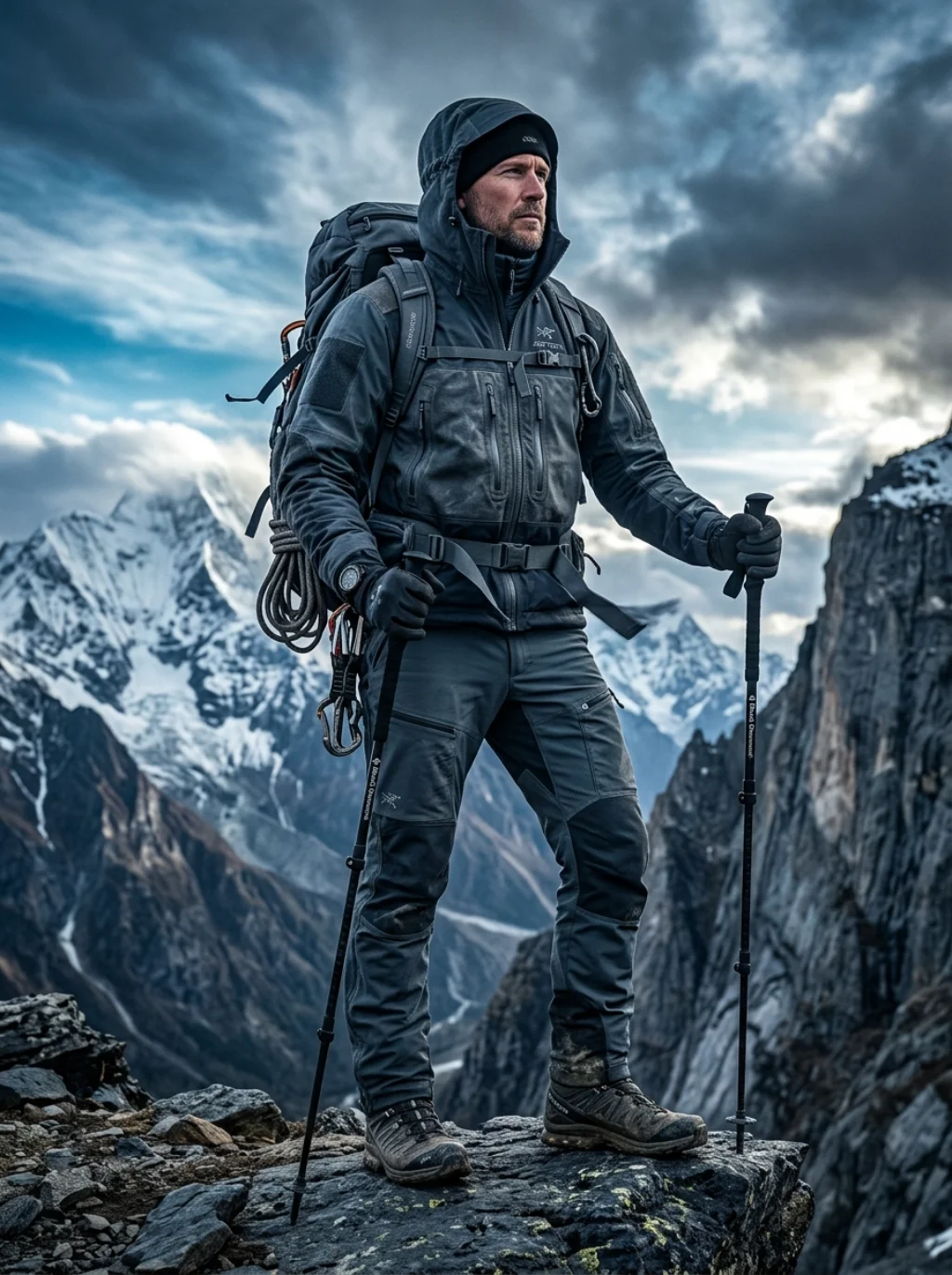
Ask any seasoned guide about their favorite fabric, and merino wool comes up again and again. It regulates temperature naturally, resists odor, and stays warm even when damp. Few synthetic fabrics match that combination so effortlessly.
This is why so many trekking clothing brands now build entire product lines around merino blends. It’s not a marketing trend. It’s a practical response to what actually performs on cold, sweaty, multi-day routes.
The Trek Clothes Formula That Feels Like Wearing Armor, Not Fabric
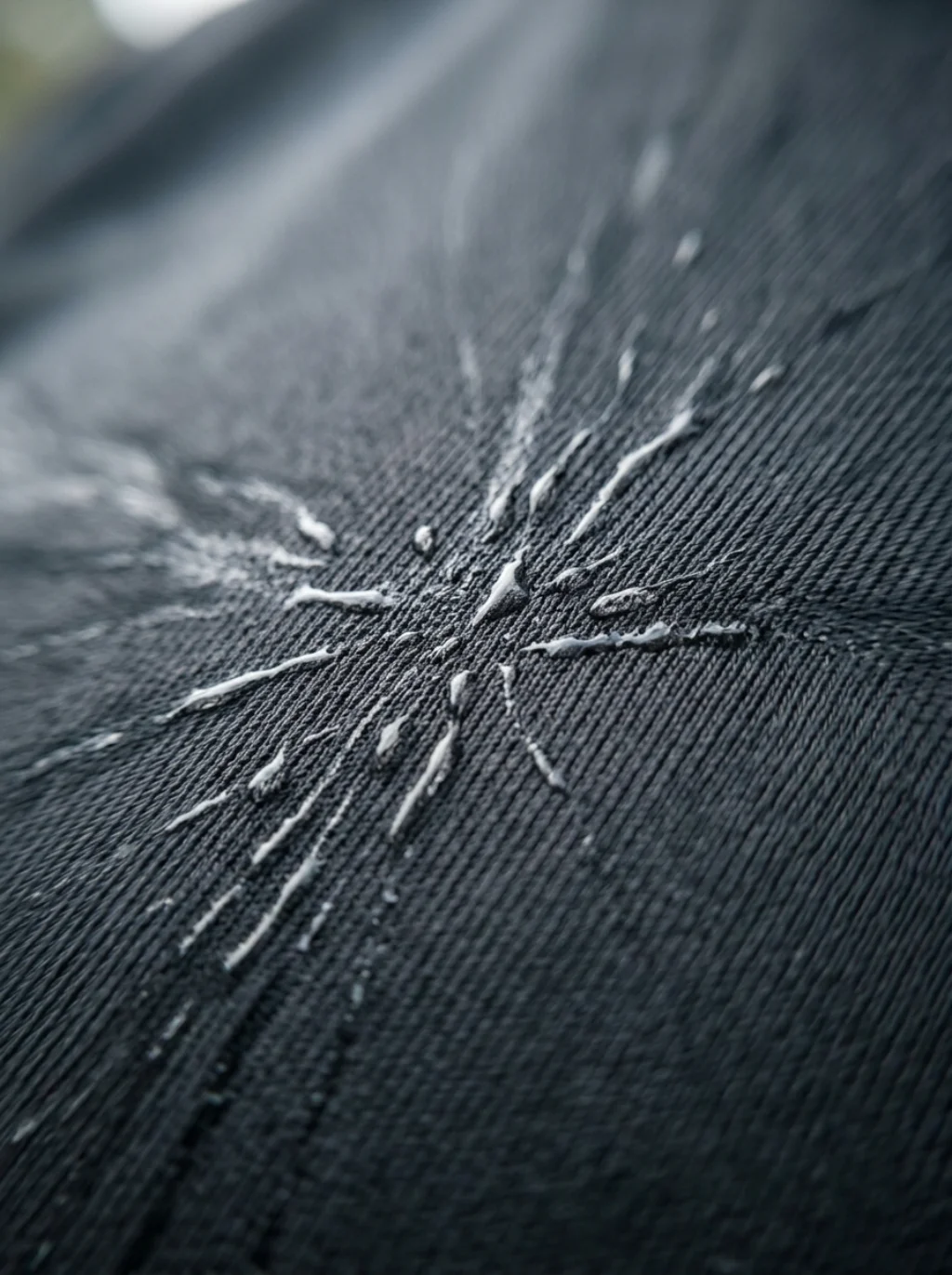
Some outfits feel like protection rather than clothing. This happens when every piece works together instead of competing for attention. Building this kind of trek clothes formula takes intention, not just shopping from a random gear list.
Start with moisture management, then insulation, then weatherproofing. Layer thermal wear beneath a wind-blocking shell, and finish with textured, grip-ready boots. Together, this combination feels less like clothing and more like quiet, dependable armor.
A Surprising Truth About Sweat That Changes Everything You Pack
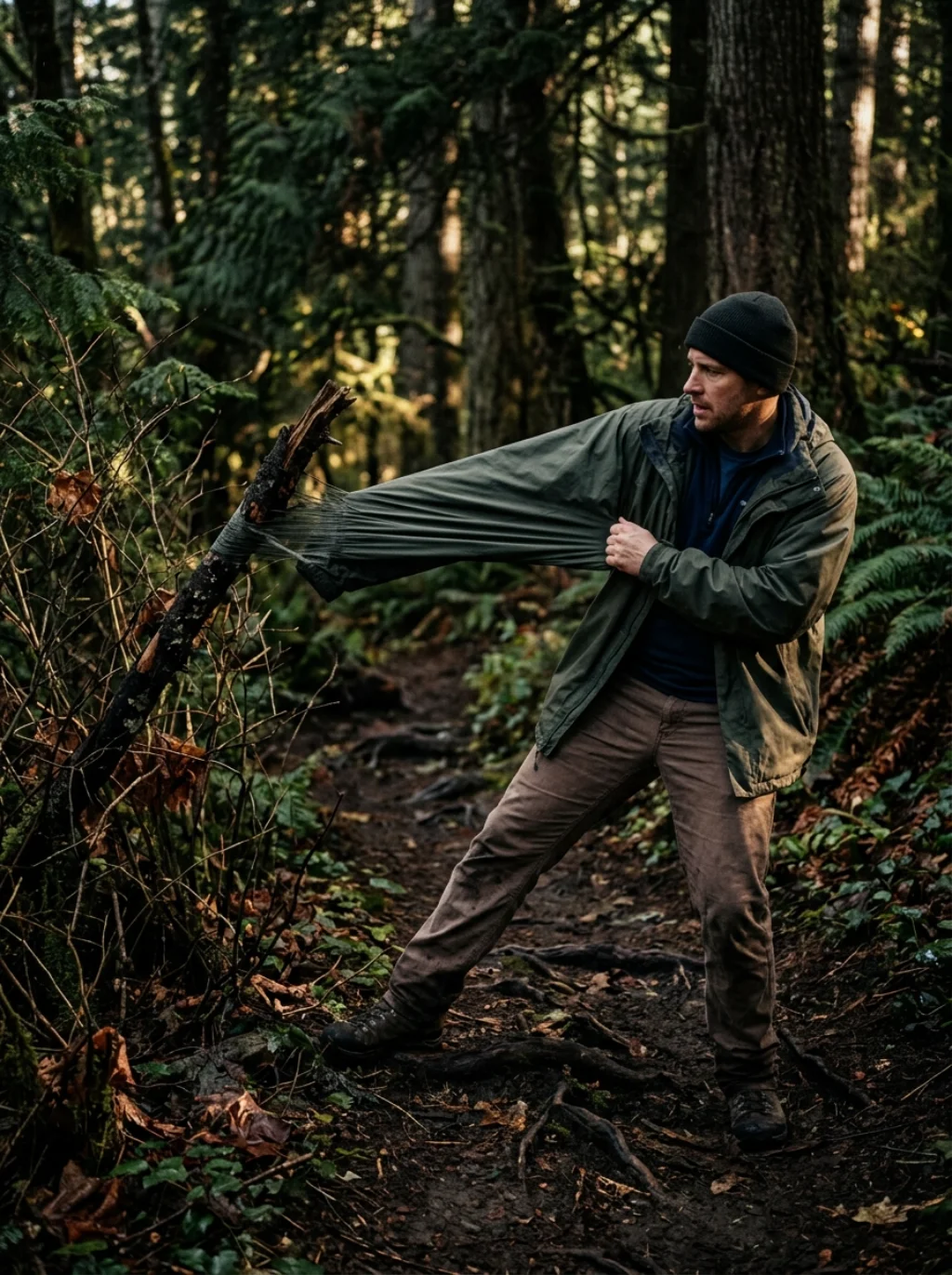
Sweat isn’t the enemy people assume it is. The real problem is trapped sweat that cools rapidly once you stop moving. This truth changes how experienced trekkers pack, favoring airflow over bulk in almost every decision.
Moisture wicking hiking wear pulls perspiration away from skin instead of holding it. Combined with quick-dry technology, this approach keeps your core temperature stable through steep climbs and sudden rest breaks alike.
The Invisible Threat Lurking in Ill-Fitted Outdoor Clothing Choices
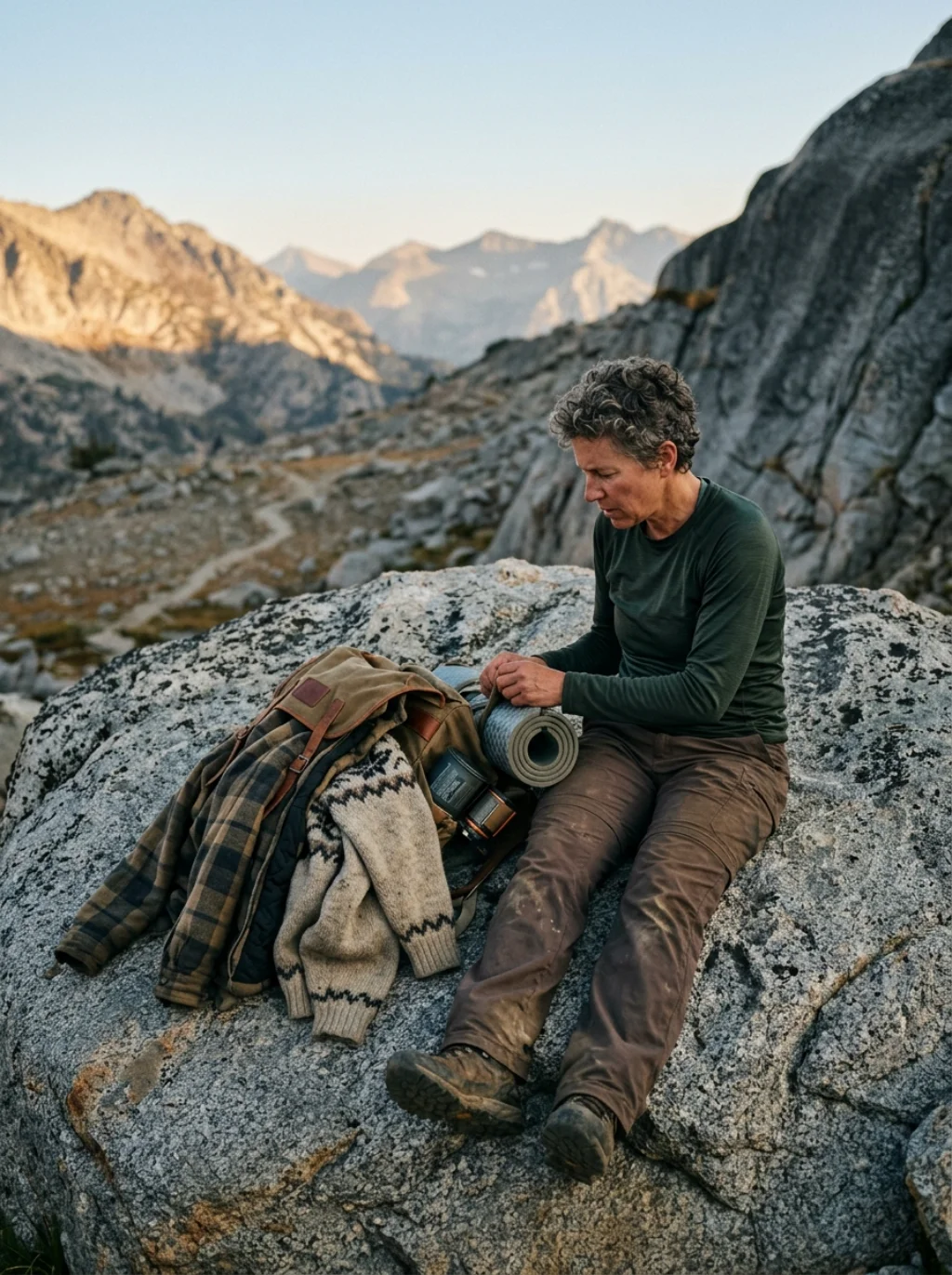
Poor fit causes more damage than poor fabric ever does. Loose sleeves catch on branches. Tight waistbands restrict breathing at altitude. This invisible threat sneaks into gear reviews far less often than it deserves.
Well-fitted survival gear clothing allows full range of motion without flapping loosely in wind. Trying gear on with a loaded backpack before your trip reveals fit problems that a mirror at home simply cannot show you.
Why Every Extra Gram in Your Bag Tells a Painful Story
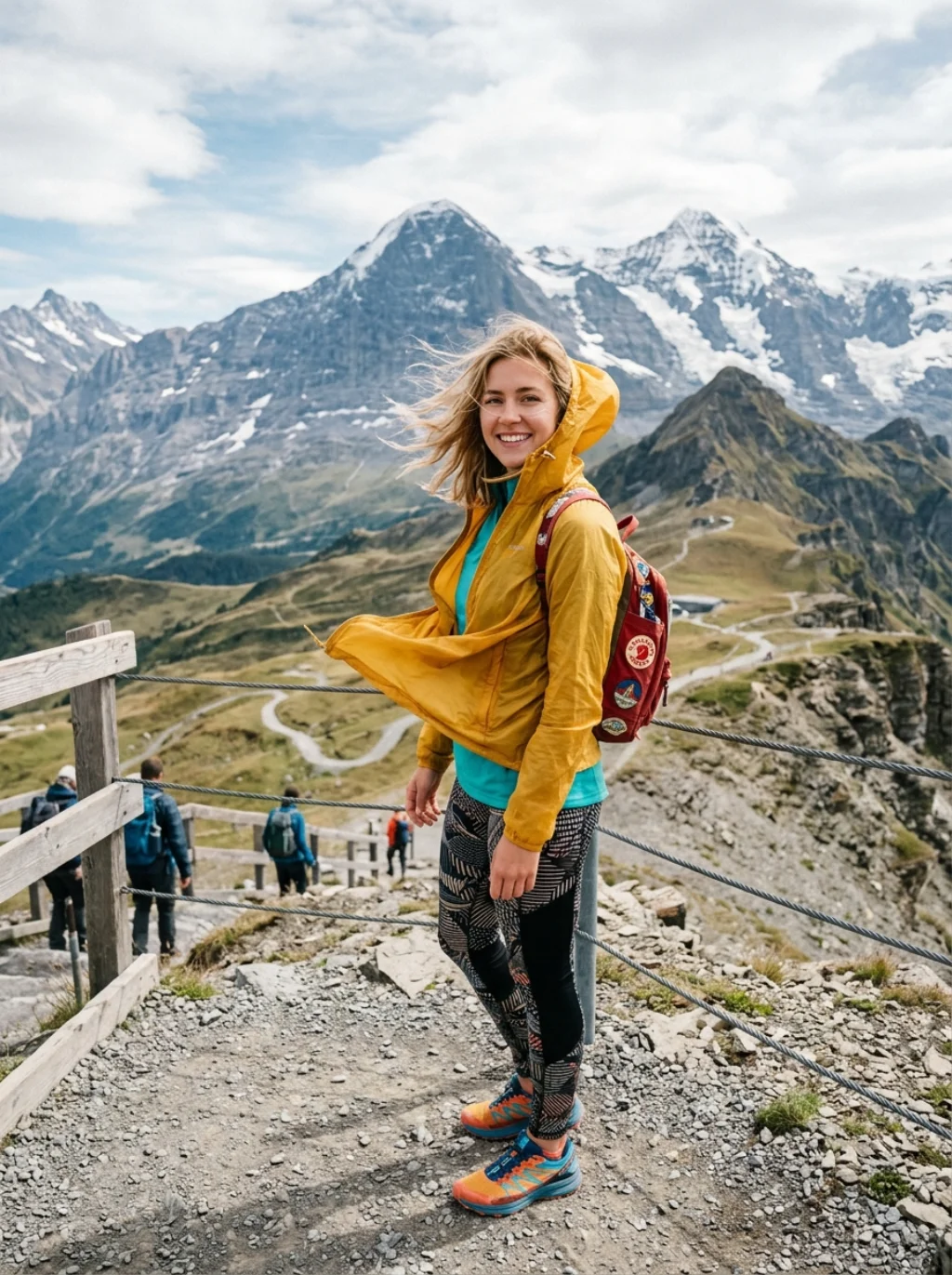
Weight compounds quietly over long distances. An extra pound feels trivial at the trailhead but painful by hour six. This is why lightweight hiking clothes matter just as much as warmth or waterproofing on longer routes.
Choosing compressible trekking backpack accessories and multi-purpose garments reduces overall load without sacrificing protection. Every gram saved becomes energy preserved for the steep, punishing sections still waiting further up the trail.
The Fashion Illusion That Fools First-Time Mountain Adventurers
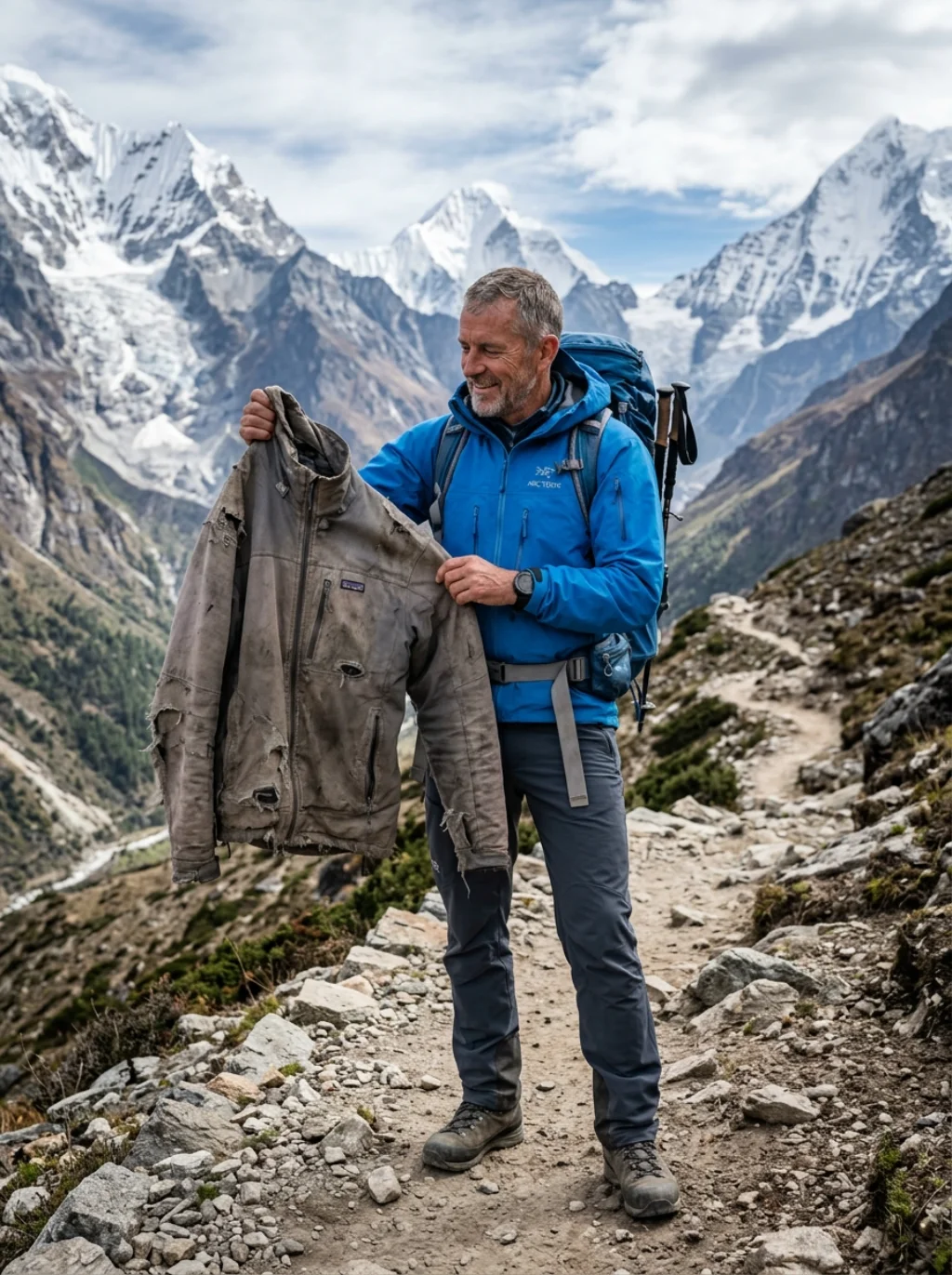
First-time trekkers often trust appearances too much. A jacket that looks rugged in a store display can still fail against real wind and rain. This fashion illusion fools plenty of beginners before their very first climb.
Genuine mountaineering apparel proves itself through performance, not shelf appeal. Checking fabric ratings and waterproof scores matters far more than logo placement or trending colors when survival, not style, is the actual goal.
Frequently Asked Questions
What type of clothing is best suited for high altitude trekking?
Layered, moisture-wicking pieces work best for high altitude routes. Combine a thermal base, insulating fleece, and windproof shell. This setup handles sudden temperature drops far better than a single heavy coat ever could.
How many layers should you wear while trekking in cold weather?
Three layers usually cover most cold-weather situations. A moisture-wicking base, an insulating mid layer, and a waterproof outer shell together manage warmth, sweat, and weather without overloading your pack.
Can cotton clothes be worn safely during a trek?
Cotton isn’t recommended for serious treks. It absorbs sweat and rain, then dries slowly, pulling heat from your body. Synthetic or merino blends perform far better across changing mountain conditions.
What fabric works best for trekking in rainy conditions?
Waterproof, breathable membranes work best in rain. These fabrics block outside moisture while releasing inner sweat vapor, keeping you dry from both directions during unpredictable mountain downpours.
How should trekking clothes fit for maximum comfort and mobility?
Clothes should fit snugly without restricting movement. Loose enough to layer comfortably, tight enough to avoid flapping or snagging. Always test fit while wearing a loaded backpack before your trip.
Conclusion
Choosing the right trek clothes shapes every hour you spend on the trail. Fabric choices affect warmth, safety, and even your mood when weather turns against you. Smart layering, tested fit, and quality material beat any last-minute gear scramble.
Whether you’re planning a weekend hike or a multi-day expedition, treat your wardrobe as essential equipment, not an afterthought. The right trek clothes won’t just keep you comfortable. They’ll help carry you safely to the summit and back.