
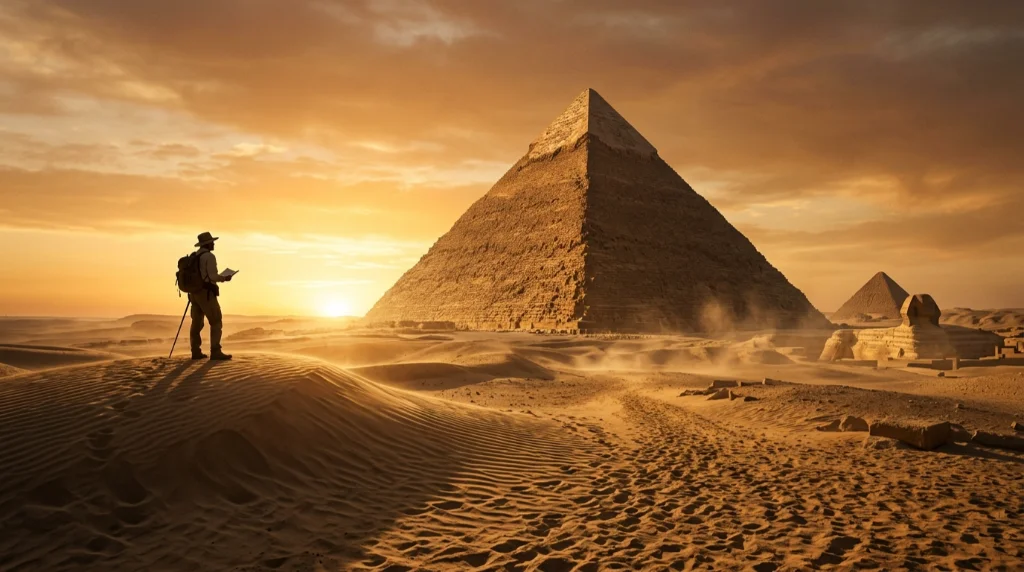
Few civilizations capture human imagination quite like ancient egypt. This desert empire built monuments so massive that modern engineers still scratch their heads. From golden tombs to talking stones, ancient egyptian civilization left behind clues that historians are still piecing together today.
This article dives into the strangest, most surprising facts about ancient egypt you probably never learned in school. Whether you’re a curious student or a lifelong history buff, these interesting facts about ancient egypt will change how you see this remarkable empire forever.
A Desert Kingdom Built an Empire That Outlasted Nearly Every Rival on Earth
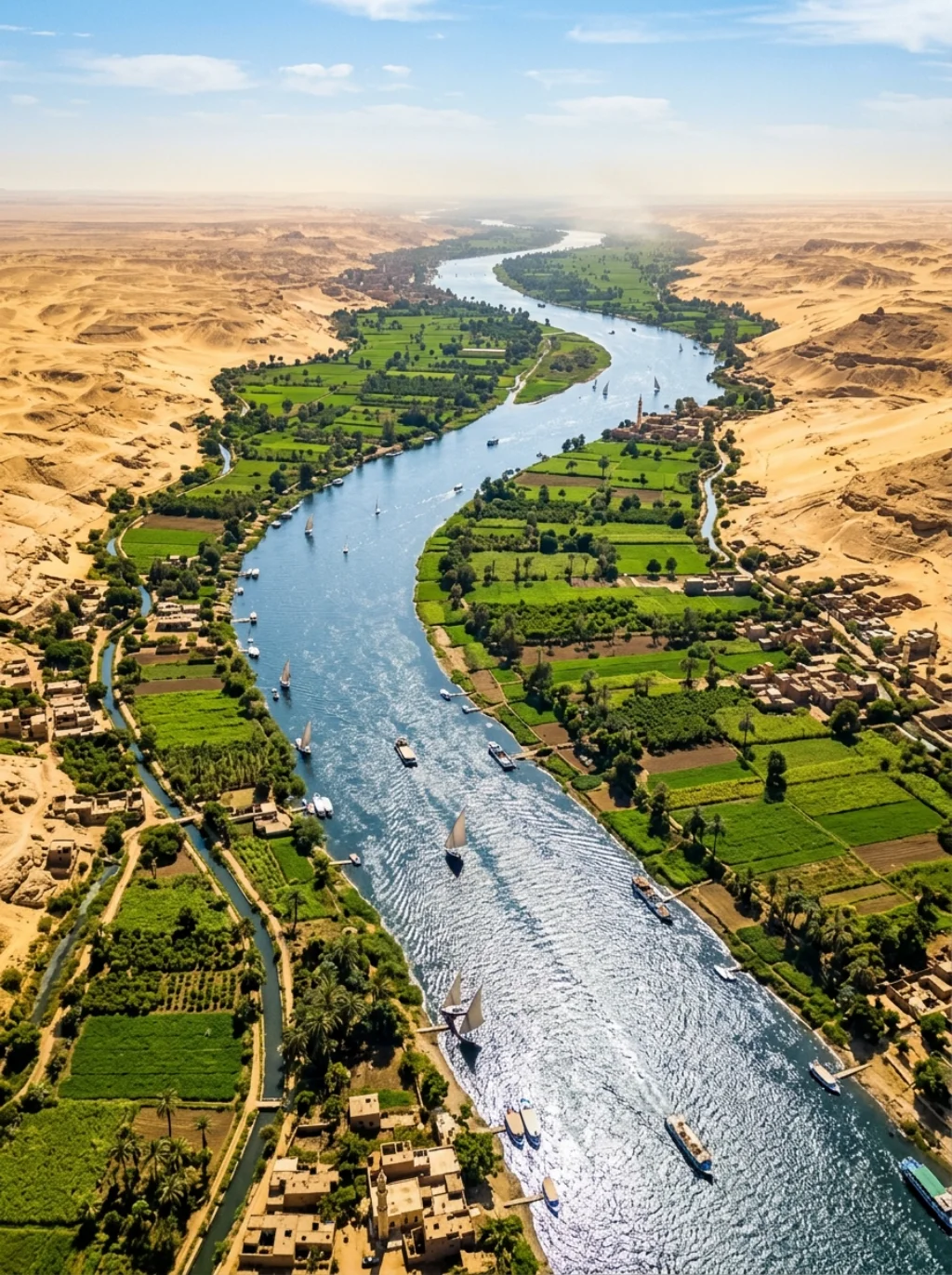
Most empires rise and fall within a few centuries. However, this desert kingdom lasted over three thousand years, making it one of history’s longest-running civilizations. That kind of endurance wasn’t luck. It came from smart adaptation, strong leadership, and geographic advantages few other regions enjoyed.
The ancient egyptian civilization thrived because it controlled a narrow but fertile strip along the Nile. Surrounding deserts acted as natural walls, keeping invaders out for centuries. This isolation gave Egypt time to build wealth, culture, and one of history’s most enduring Egyptian legacy stories.
Ancient Egypt Hid Entire Cities Beneath Sand Nobody Thought to Search
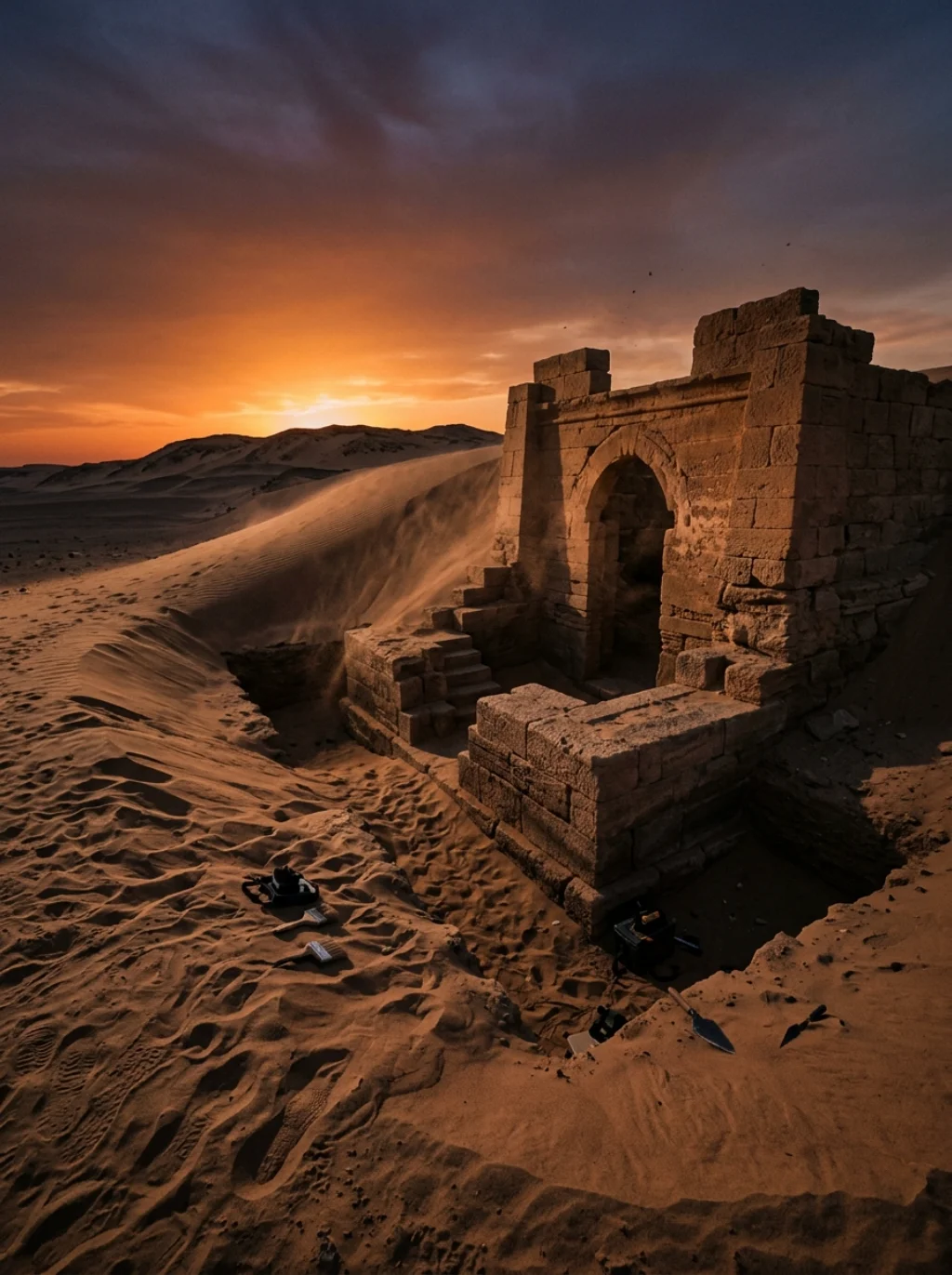
Archaeologists still find buried settlements today, decades after excavation supposedly ended. Shifting sand dunes swallowed entire neighborhoods, temples, and even harbors along the coastline. This is exactly why ancient egypt facts for students keep getting updated year after year.
One striking example involves Heracleion, a sunken port city discovered underwater near Alexandria in 2000. Divers found intact statues, jewelry, and ships preserved for over a thousand years. These ancient egyptian art treasures prove that Egypt still holds secrets nobody has fully uncovered yet.
Pharaohs Ruled as Living Gods Long Before Anyone Questioned the Idea
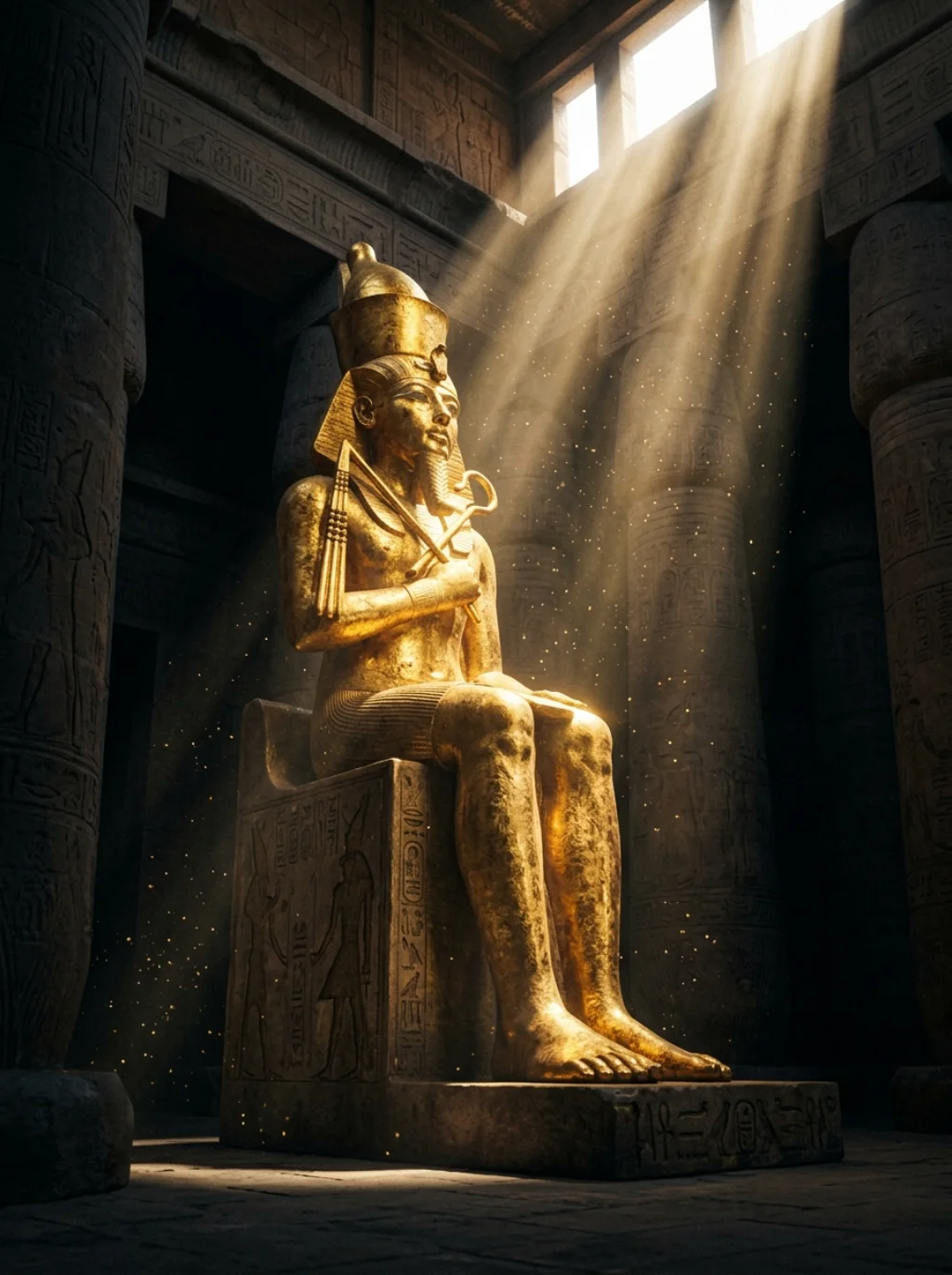
Imagine believing your king wasn’t just powerful but actually divine. That’s exactly how Egyptians viewed their pharaoh. Rulers claimed direct descent from gods like Ra or Horus, giving them absolute authority over every aspect of daily life.
This belief system shaped egyptian pharaohs history for millennia. Citizens didn’t just respect their ruler out of fear. They genuinely believed disobeying the pharaoh meant defying the gods themselves. Few political systems in history commanded that level of unquestioned loyalty.
Mummification Turned Death Into a Science Thousands of Years Ahead of Its Time
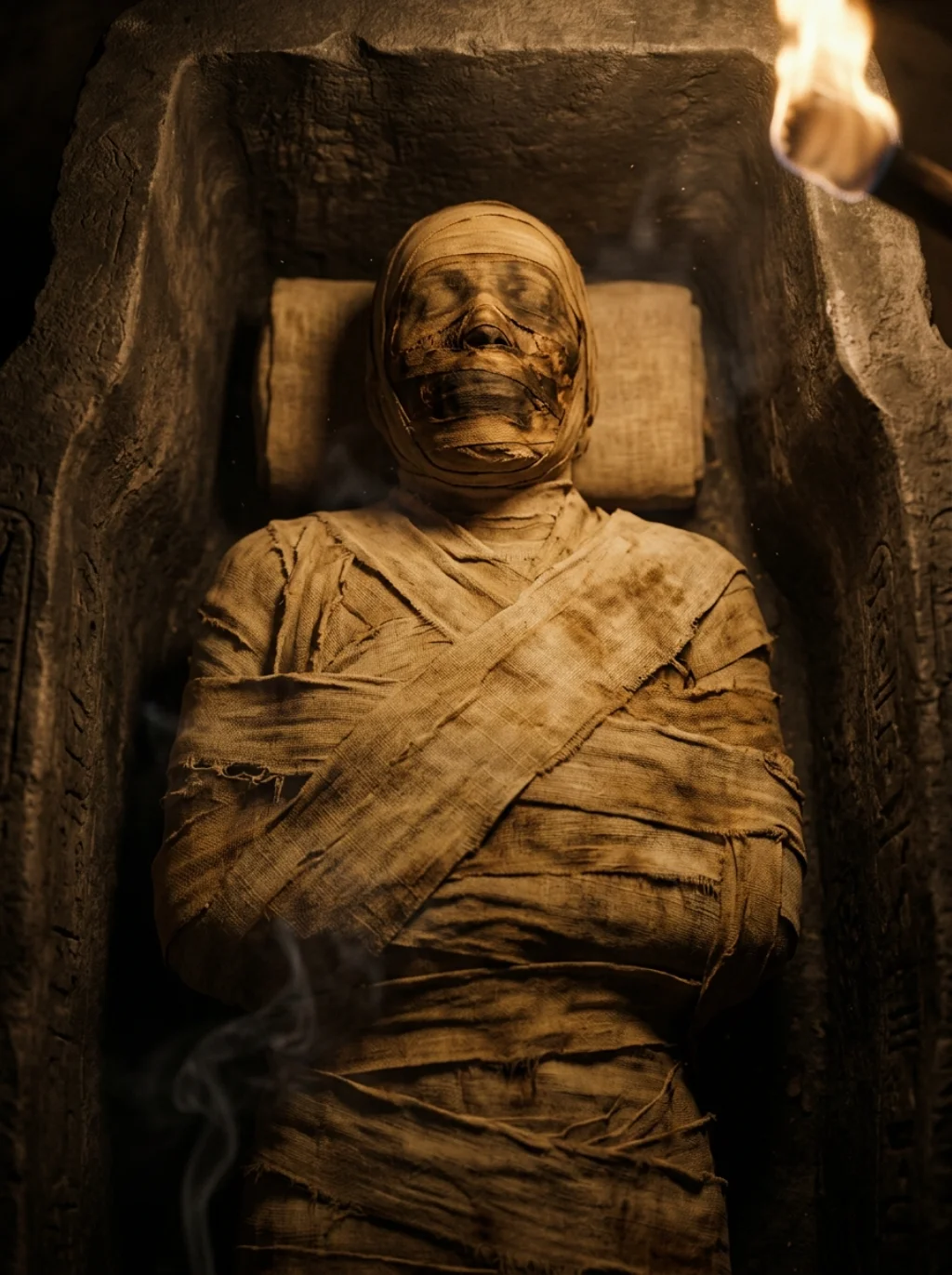
Preserving a body for the afterlife wasn’t simple guesswork. Egyptian embalmers developed a precise, methodical process that modern scientists still study closely. Organs were removed, dried using natron salt, and wrapped in layers of linen over several weeks.
This ancient egypt mummification process required specialized knowledge passed down through generations of skilled workers. The result created some of history’s best-preserved human remains. Countless ancient egyptian mummies discovered today still contain readable skin, hair, and even fingerprints after thousands of years underground.
The Nile Flooded Every Year and Somehow That Chaos Built a Civilization
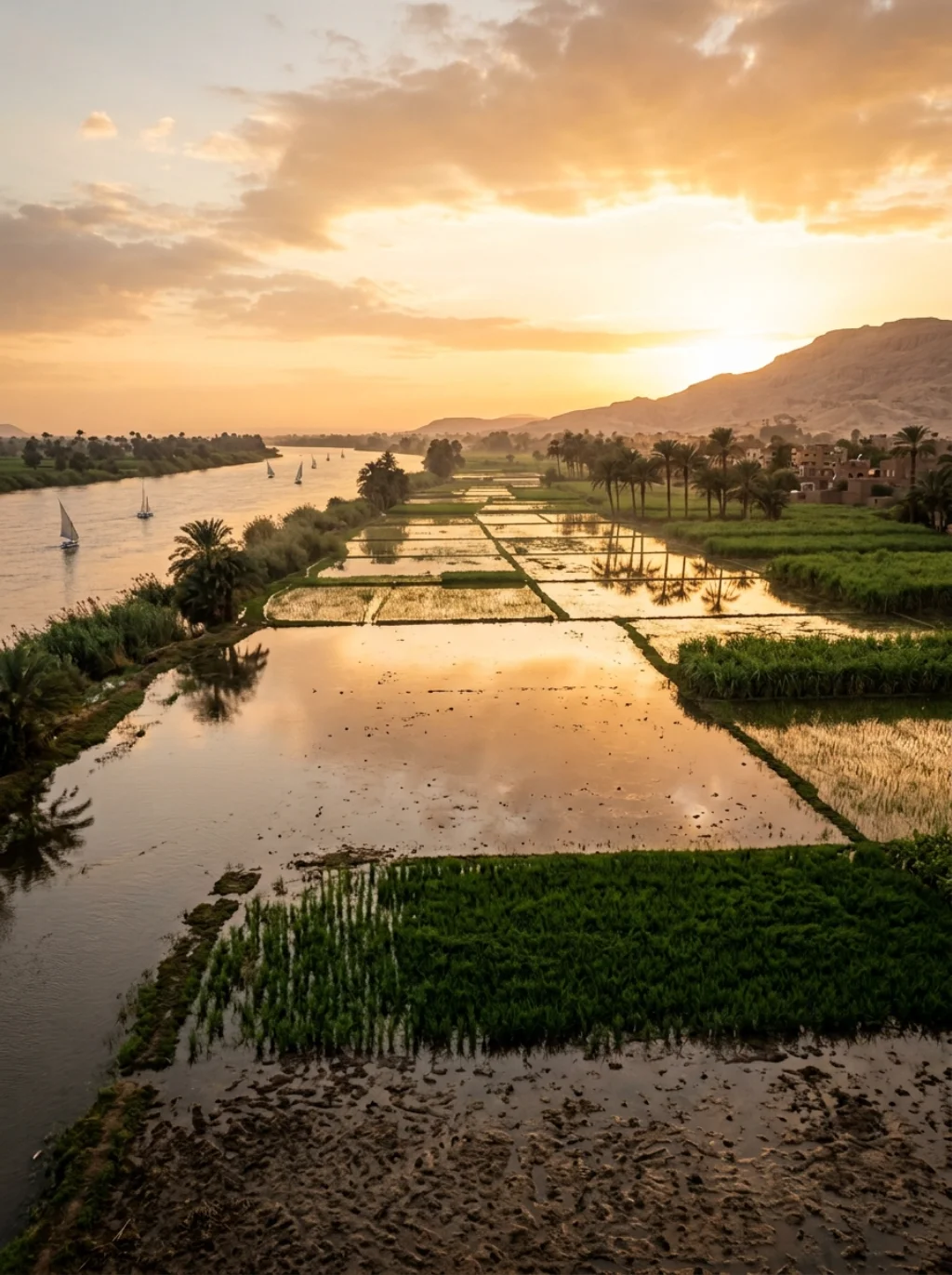
Most floods destroy everything in their path. Yet Egyptians learned to predict and welcome this annual chaos completely. Rising waters deposited rich black silt across farmland, creating some of the most fertile soil found anywhere in the ancient world.
This egyptian nile river history became the backbone of the entire economy. Farmers timed planting seasons around flood cycles, and priests even developed early calendars to track them. Without this predictable disaster, the Nile civilization simply wouldn’t have survived as long as it did.
Hieroglyphics Stayed Silent for Centuries Until One Stone Cracked the Code
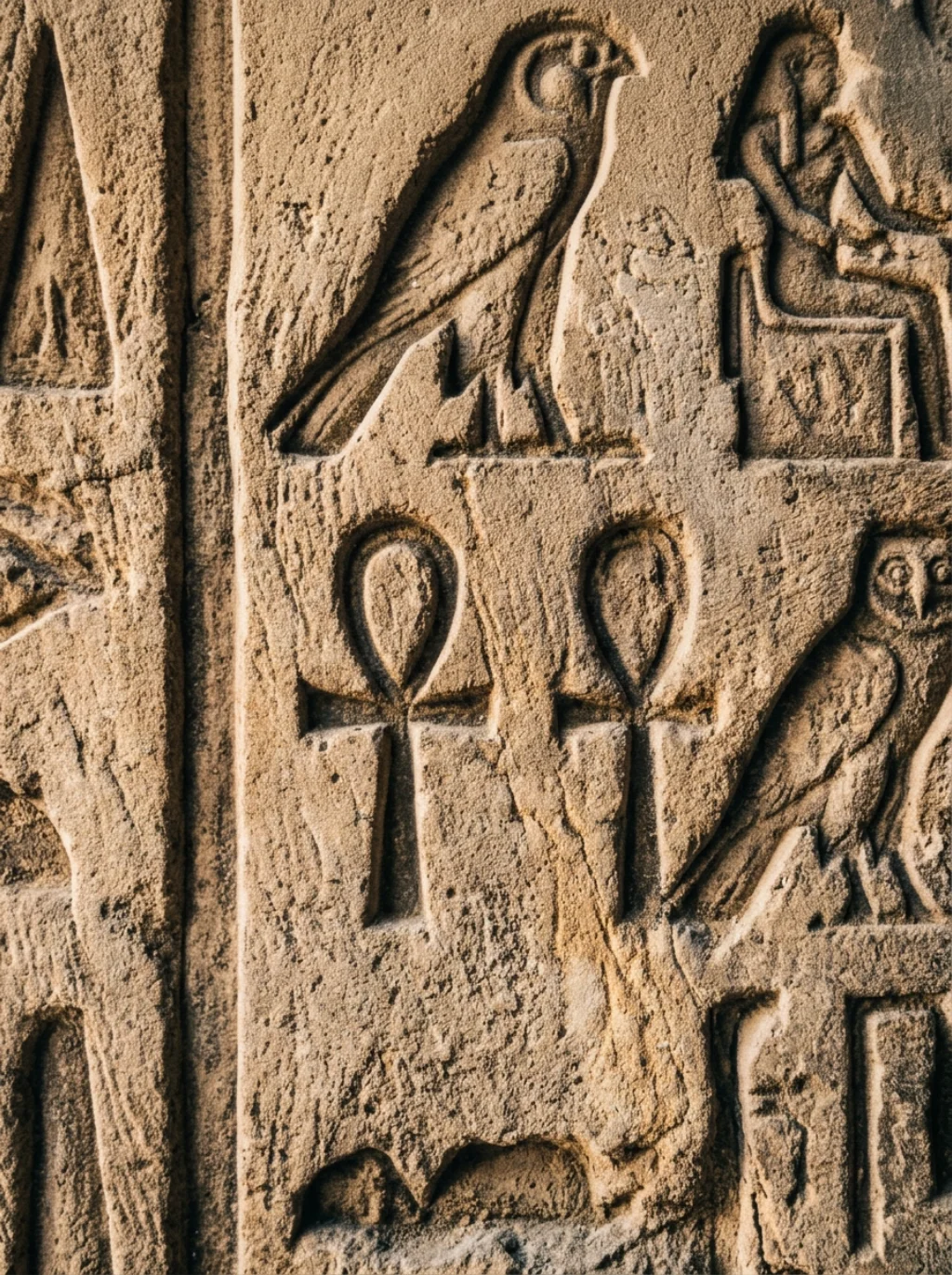
For nearly fifteen hundred years, nobody could read ancient Egyptian writing. Scholars stared at walls covered in symbols, completely unable to decode their meaning. Everything changed in 1799 when soldiers discovered a slab near the town of Rosetta.
The Rosetta Stone contained the same message written in three scripts, including Greek. This breakthrough finally allowed linguists to crack egyptian hieroglyphics meaning after centuries of silence. Suddenly, thousands of tomb walls, scrolls, and monuments could finally speak again.
Ancient Egypt’s Pyramids Still Defy Modern Engineers Who Study Them Today
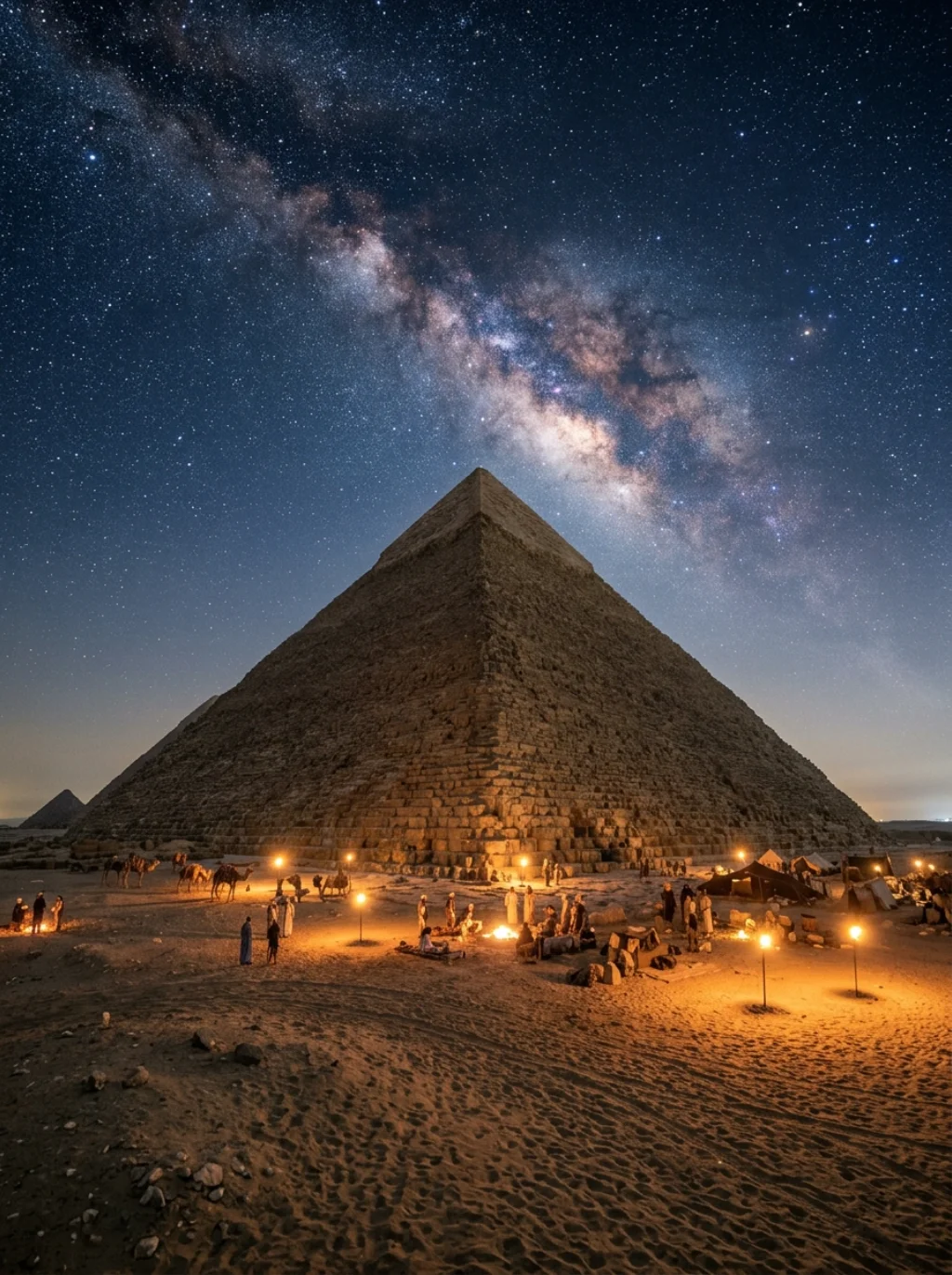
Building a pyramid sounds simple until you consider the scale involved. The Great Pyramid of Giza contains over two million stone blocks, some weighing several tons each. Workers moved these massive stones without cranes, trucks, or modern machinery of any kind.
you may also like this: 22 Aesthetic Jeans and Top Outfit Ideas for an Effortlessly Chic Look
Engineers today still debate exactly how ancient builders achieved such precision. This mystery fuels endless research into egyptian pyramids construction methods. Whatever techniques they used, the result created structures accurate enough to align almost perfectly with true north.
Osiris Ruled the Underworld While Mortals Lived in Constant Fear of Judgment
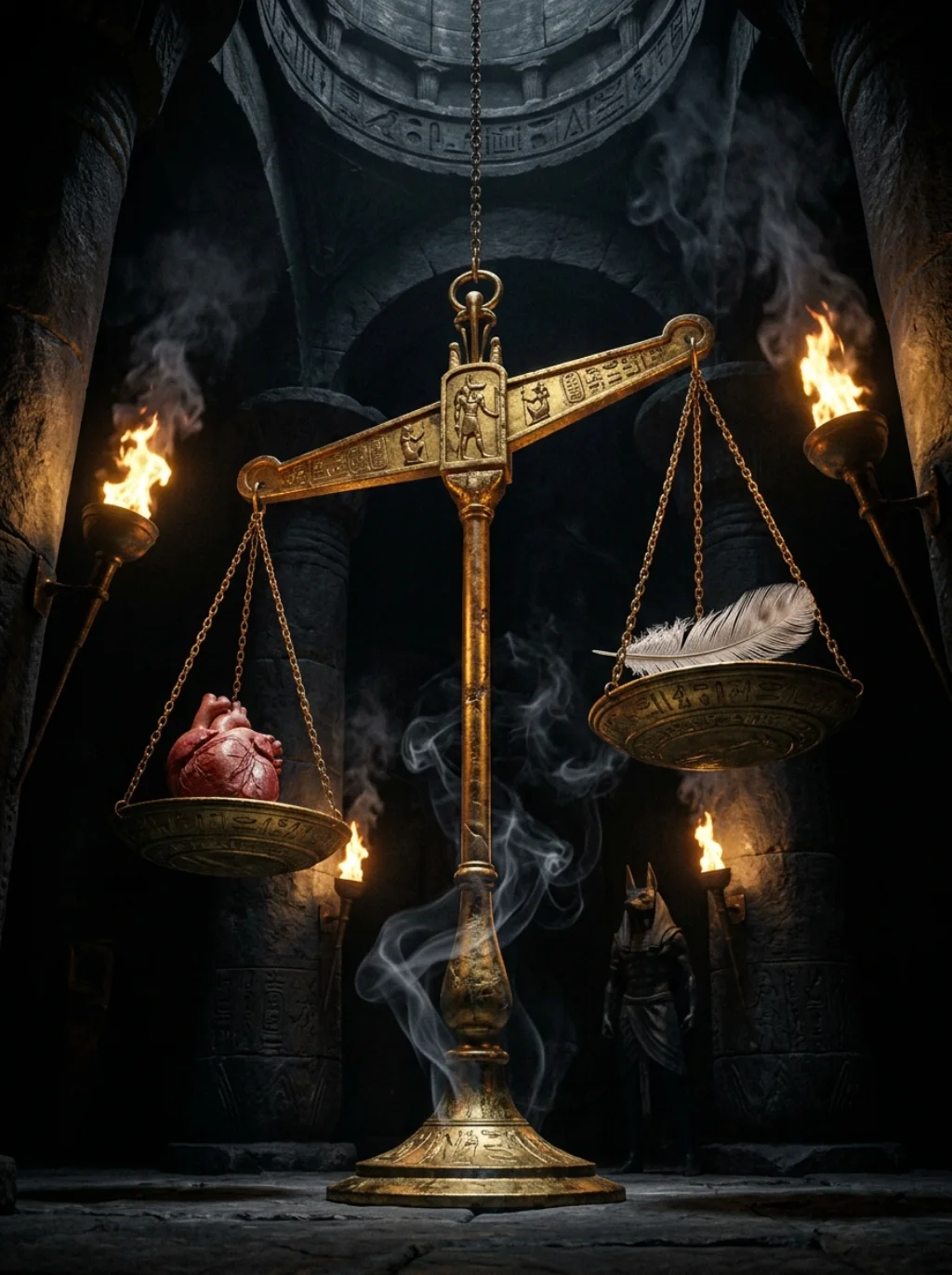
Death wasn’t the end according to Egyptian belief. Instead, souls faced judgment before Osiris, god of the underworld. Your heart was weighed against a feather, and failing this test meant complete destruction rather than peaceful afterlife.
This terrifying yet fascinating belief shaped egyptian mythology stories for generations. Priests performed elaborate rituals to help souls pass this test successfully. Understanding this judgment process helps explain why ancient egyptian religion placed such heavy emphasis on moral behavior during life.
Ancient Egypt Buried Treasure So Deep Even Grave Robbers Gave Up Searching
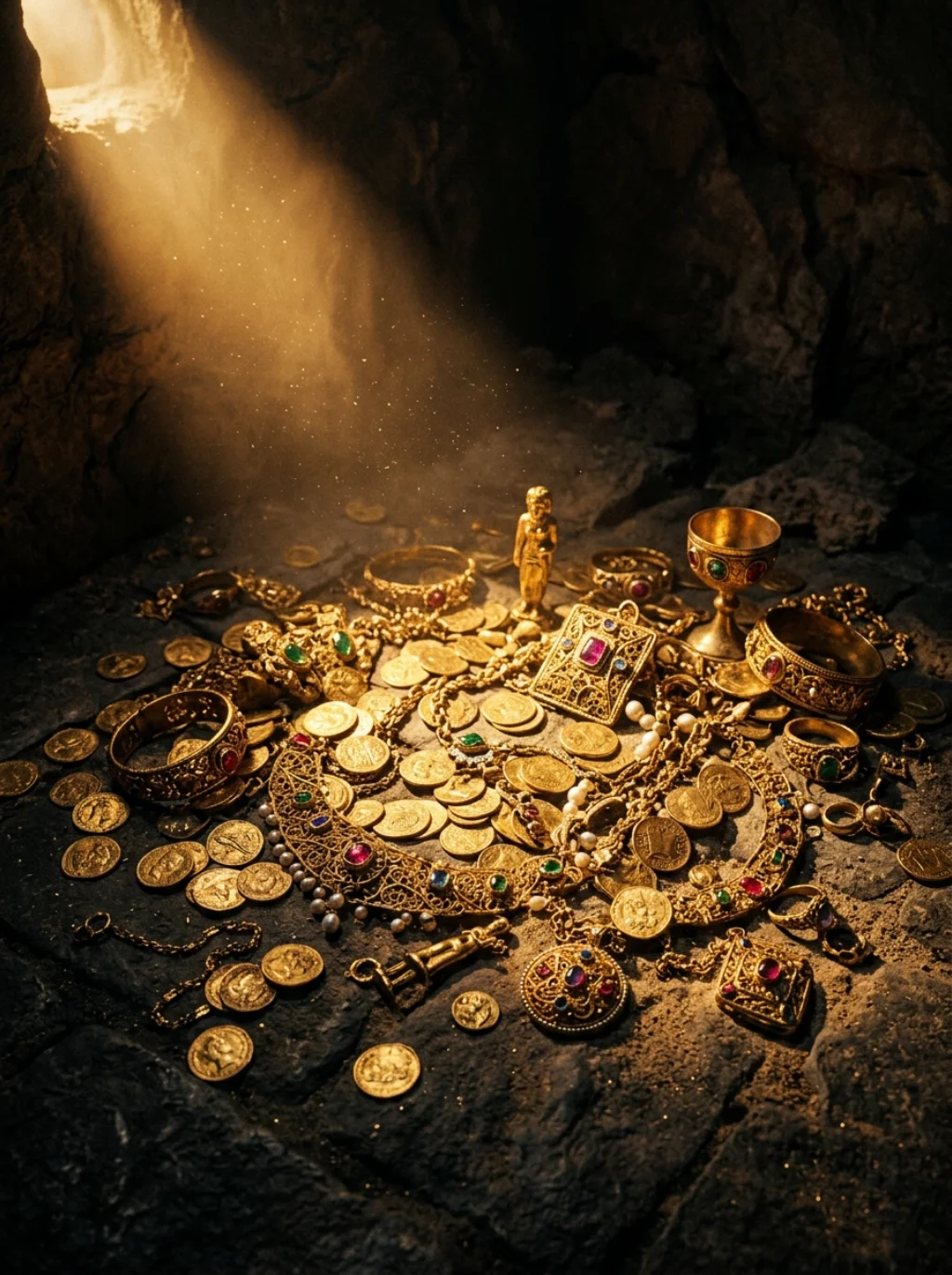
Tomb robbers plagued Egypt for thousands of years, driven by rumors of golden treasure buried alongside pharaohs. Many tombs were looted within decades of burial, sometimes even by the very workers who built them.
However, some tombs escaped detection entirely due to clever hidden entrances and deep excavation. These surviving egyptian tomb discoveries offer archaeologists rare glimpses into untouched tomb treasures. Every unopened chamber represents a potential time capsule waiting patiently beneath desert sand.
Cleopatra Wasn’t Even Egyptian Yet She Became Its Most Iconic Ruler
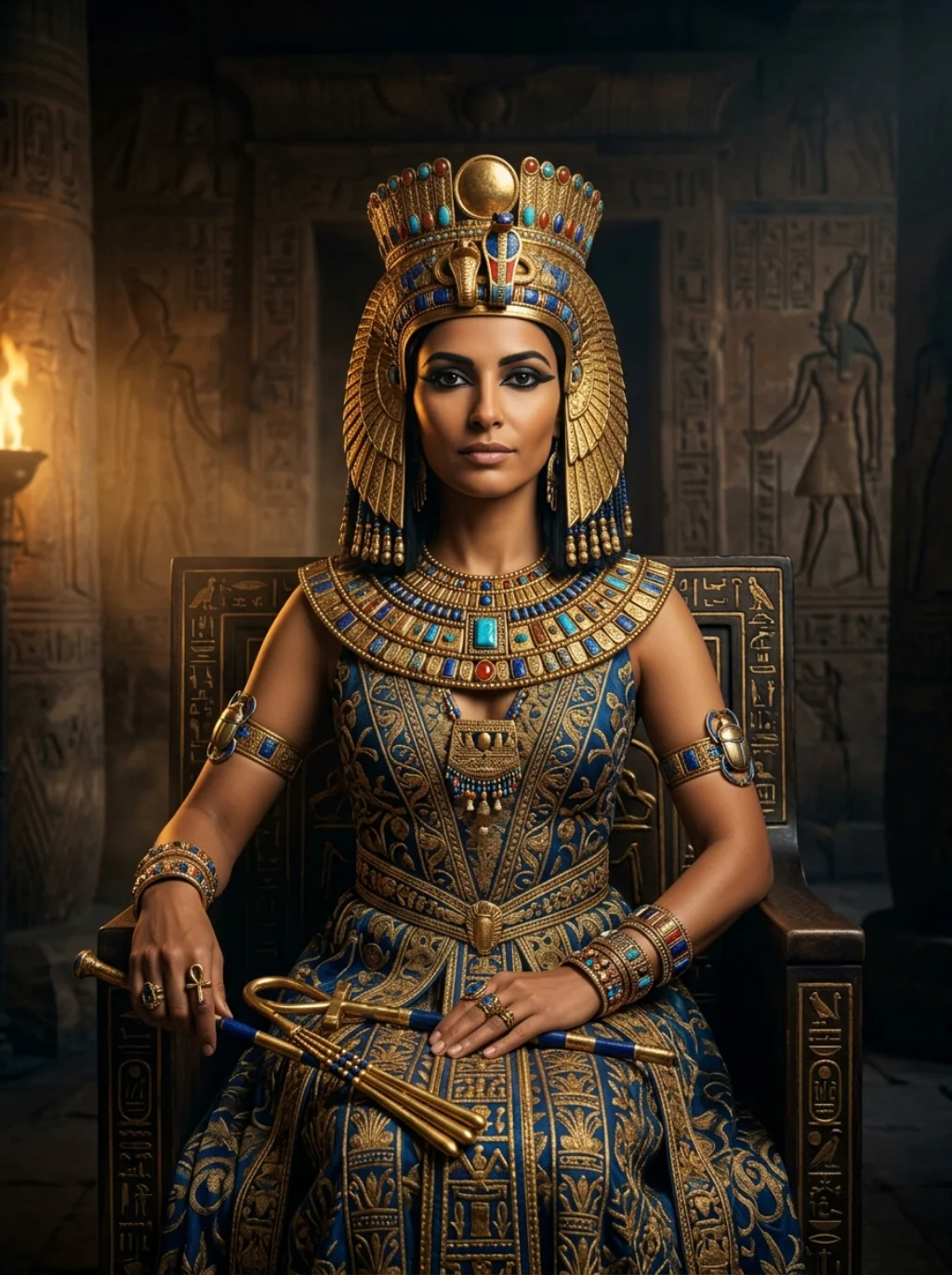
Here’s a fact that surprises most people. Cleopatra actually descended from Greek Macedonian ancestry, not native Egyptian bloodlines. Her family, the Ptolemaic dynasty, ruled Egypt for nearly three centuries following Alexander the Great’s conquest.
Despite her foreign heritage, Cleopatra embraced Egyptian culture completely and became one of history’s most memorable rulers. This ancient egypt queen Cleopatra history shows how thoroughly outsiders could integrate into Egyptian identity. Her legendary alliances with Rome cemented her place in history forever.
Ancient Egypt’s Priests Held More Real Power Than Most Kings Ever Admitted
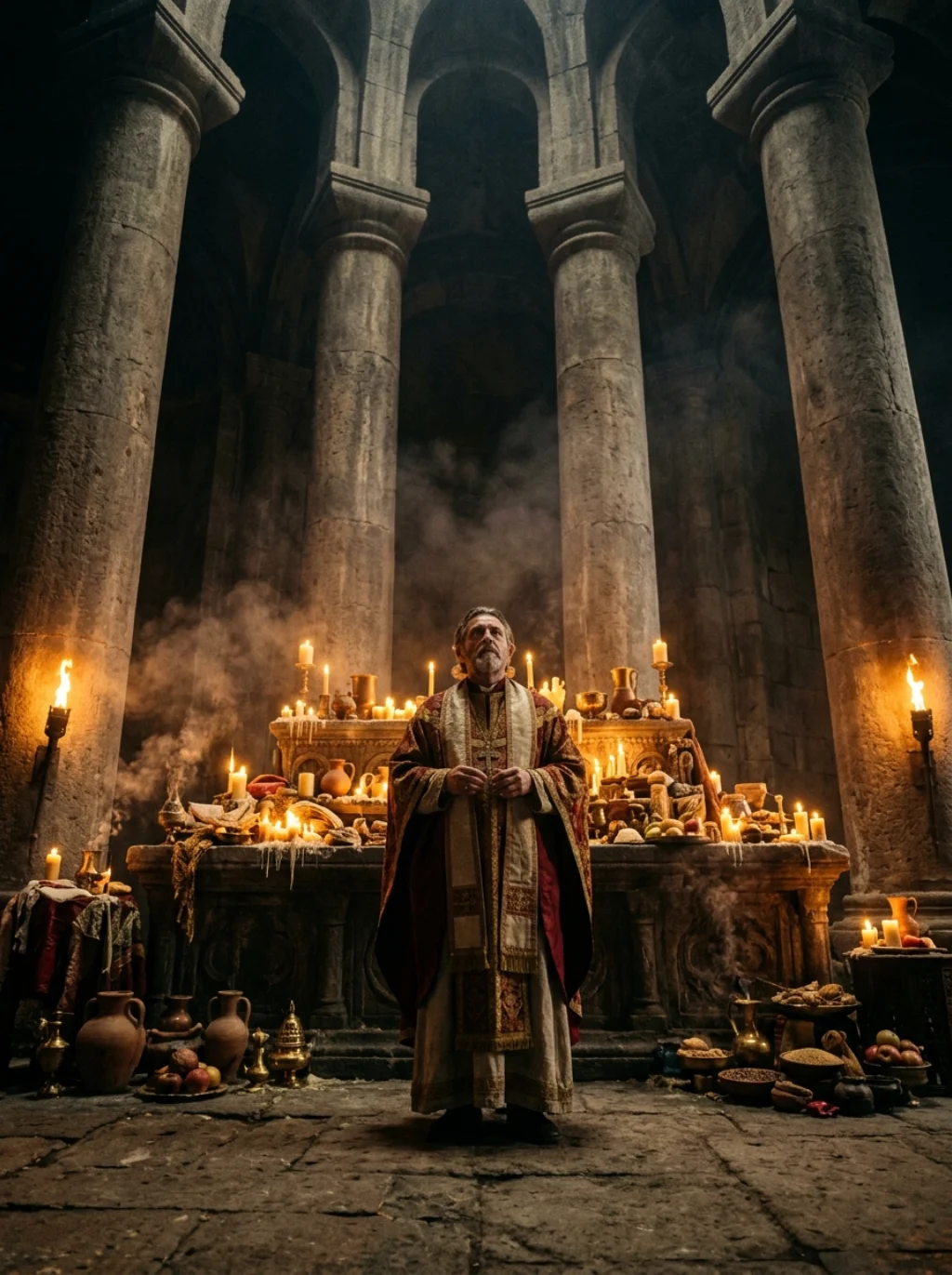
Pharaohs might have worn the crown, but priests often controlled the purse strings. The Egyptian priesthood managed massive temple estates, controlled grain reserves, and performed rituals believed essential for cosmic order.
Some historians argue priests occasionally held more practical influence than the pharaoh himself. This power dynamic shaped ancient egyptian society in subtle but significant ways. Temples weren’t just religious spaces. They functioned as economic and political powerhouses throughout the kingdom.
A Boy King Died Young Yet Became the Most Famous Pharaoh Ever Found
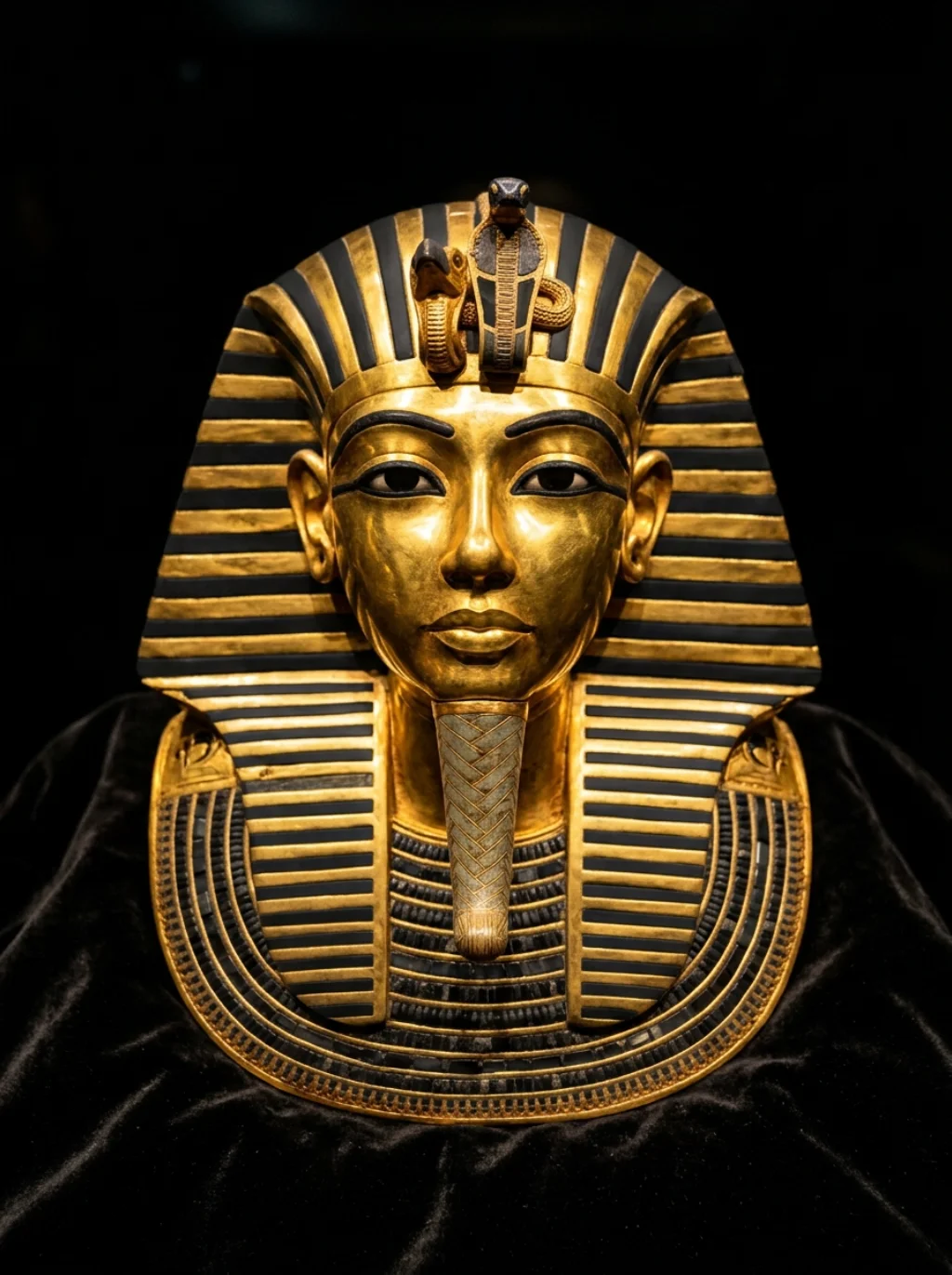
Few names carry as much modern recognition as this young ruler. He became pharaoh at just nine years old and died before turning twenty, yet his tomb remained remarkably intact for over three thousand years.
When Howard Carter discovered the ancient egypt tomb of Tutankhamun in 1922, the world gasped at its untouched treasures. Golden masks, chariots, and jewelry filled the small chamber completely. This single discovery became one of the most significant famous pharaohs of ancient egypt stories ever told.
Ancient Egypt Worshipped Cats as Sacred Beings Nobody Dared to Harm
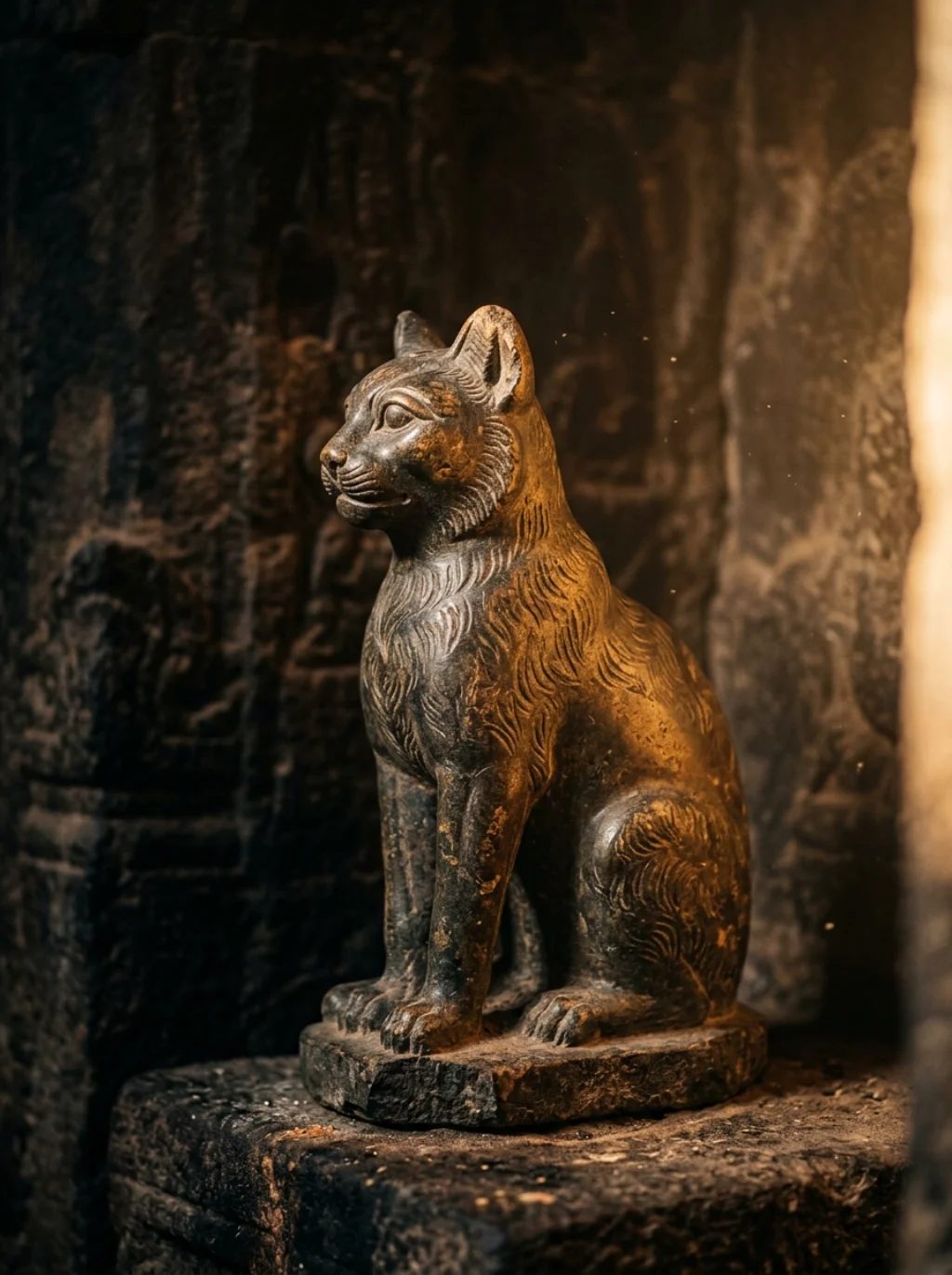
Cats weren’t just pets in ancient Egypt. They represented divine protection, often linked to the goddess Bastet. Harming a cat, even accidentally, could result in severe punishment under Egyptian law.
Families mummified beloved cats alongside their owners, treating them with genuine reverence. This unusual devotion reflects deeper ancient egyptian symbols tied to protection and fertility. Even today, this quirky historical detail remains one of the most shared ancient egypt facts online.
The Great Sphinx Still Hides Secrets Buried Somewhere Beneath Its Massive Paws
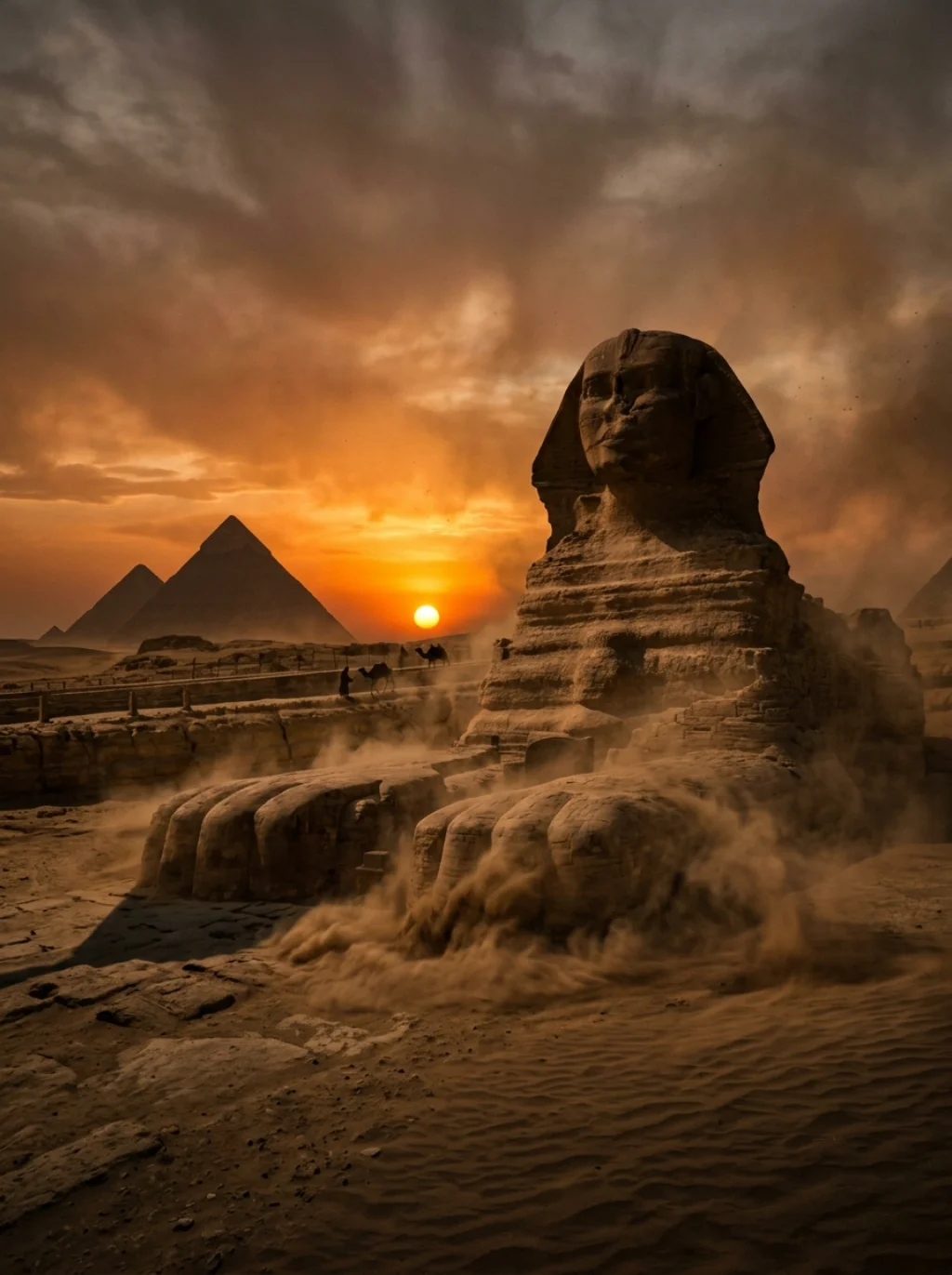
Standing guard near the pyramids, the Great Sphinx of Giza has puzzled researchers for centuries. Nobody knows exactly why it was built, who it represents, or what purpose it originally served beyond guarding the pyramid complex.
Some researchers believe hidden chambers exist beneath its paws, though excavation remains limited. This mystery keeps fueling ongoing egyptian sphinx facts research worldwide. Whatever secrets remain buried there continue drawing archaeologists and curious tourists alike every single year.
Ancient Egypt’s Scribes Held a Skill Rarer Than Gold Across the Entire Kingdom
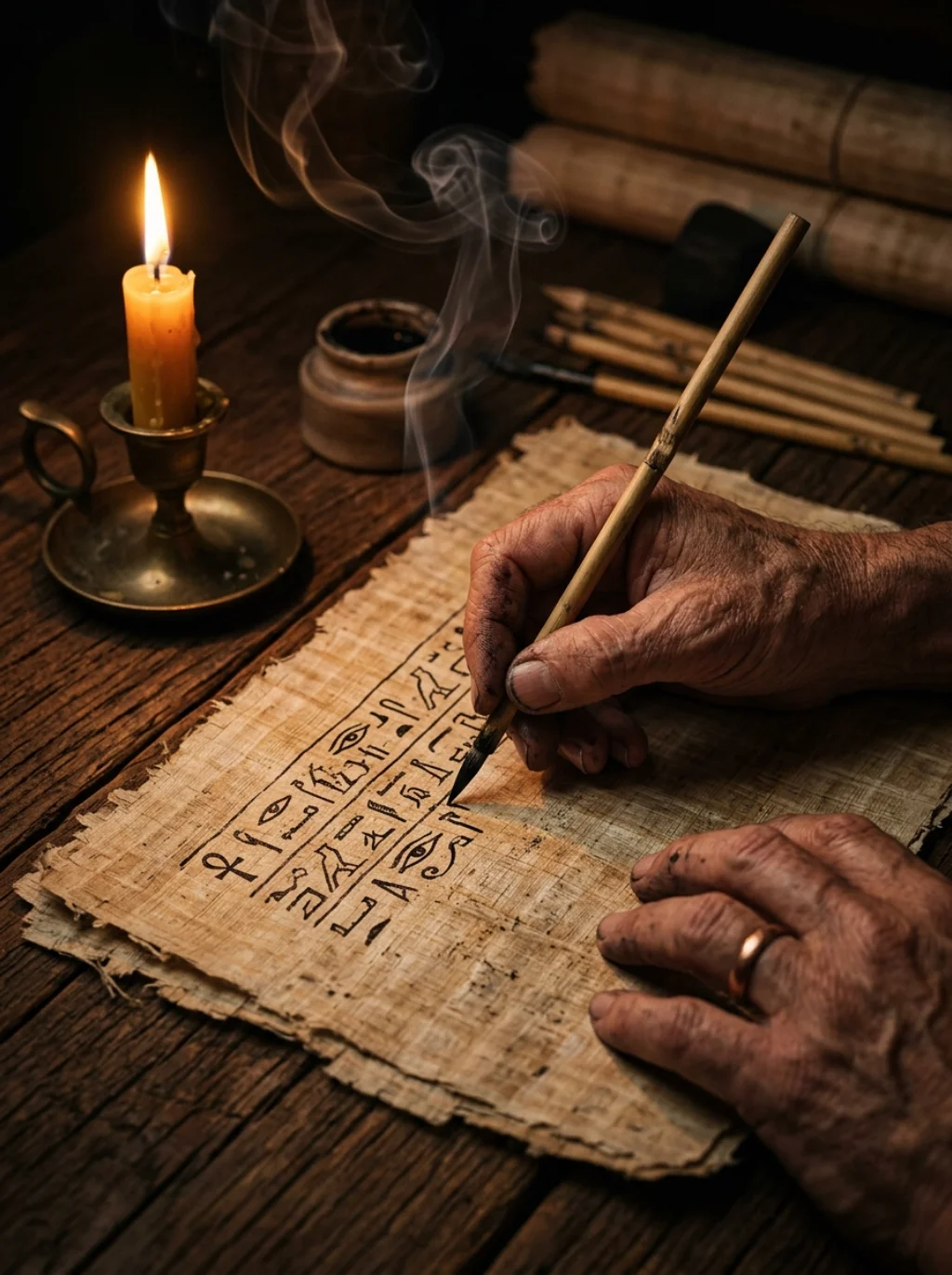
Reading and writing weren’t common skills in ancient Egypt. Only a small percentage of the population, mostly men from privileged families, trained as scribes. This rare literacy made them incredibly valuable throughout society.
An ancient scribe could work in temples, government offices, or royal courts, recording everything from tax records to religious texts. This egyptian scribes writing system used hundreds of complex symbols requiring years of dedicated study. Their expertise essentially kept the entire administrative system functioning smoothly.
Anubis Guided Souls Through Judgment No Mortal Was Ever Allowed to Witness
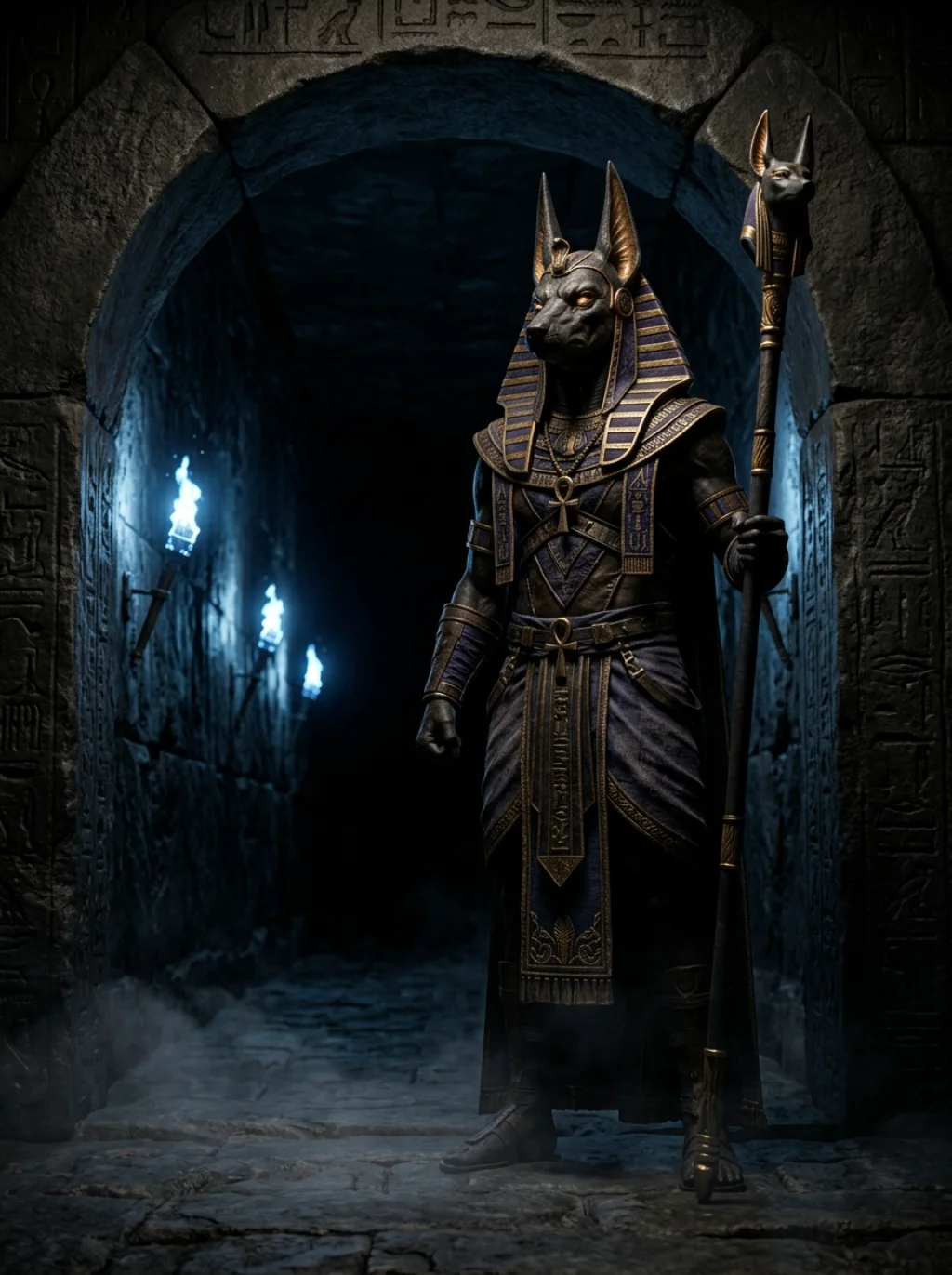
With his distinctive jackal head, Anubis served as the guardian of mummification and the afterlife journey. He supervised the weighing of hearts, ensuring judgment remained fair and balanced according to Egyptian belief.
This role made him one of the most feared yet respected deities in ancient egyptian gods worship. Temples dedicated to him existed throughout the kingdom, often near burial sites. His presence in sacred rituals reminded Egyptians that death demanded careful, respectful preparation.
Ancient Egypt’s Women Held Power That Would Shock Most Ancient Societies
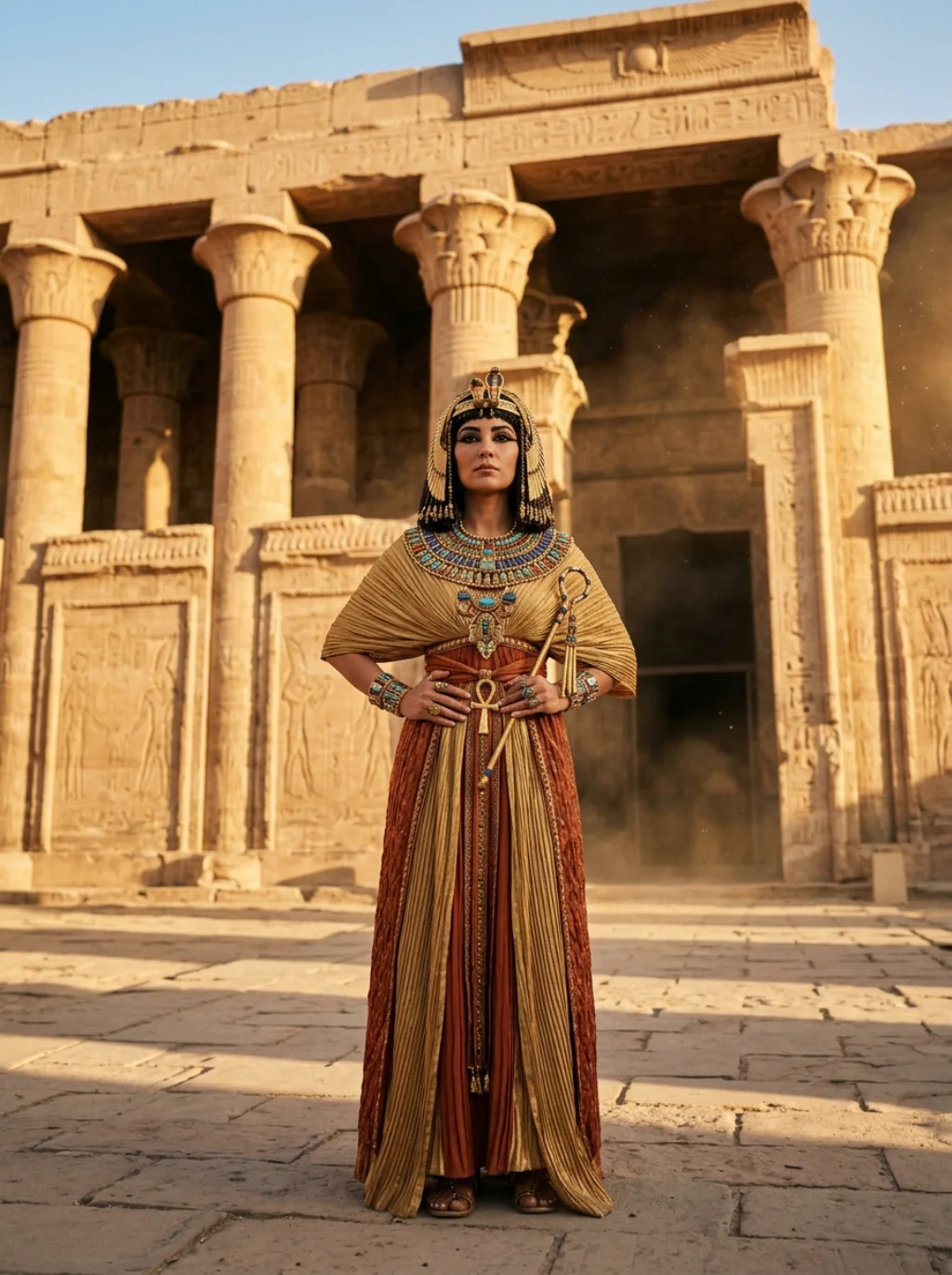
Compared to other ancient civilizations, Egyptian women enjoyed surprising legal rights. They could own property, initiate divorce, and even run businesses independently without male guardianship required by law.
This progressive structure shaped ancient egypt women and their roles throughout different social classes. Some women even rose to become pharaohs themselves, including Hatshepsut, who ruled successfully for over twenty years. This history challenges assumptions many people hold about ancient gender roles.
Ramesses II Built Monuments So Massive They Still Humble Visitors Today
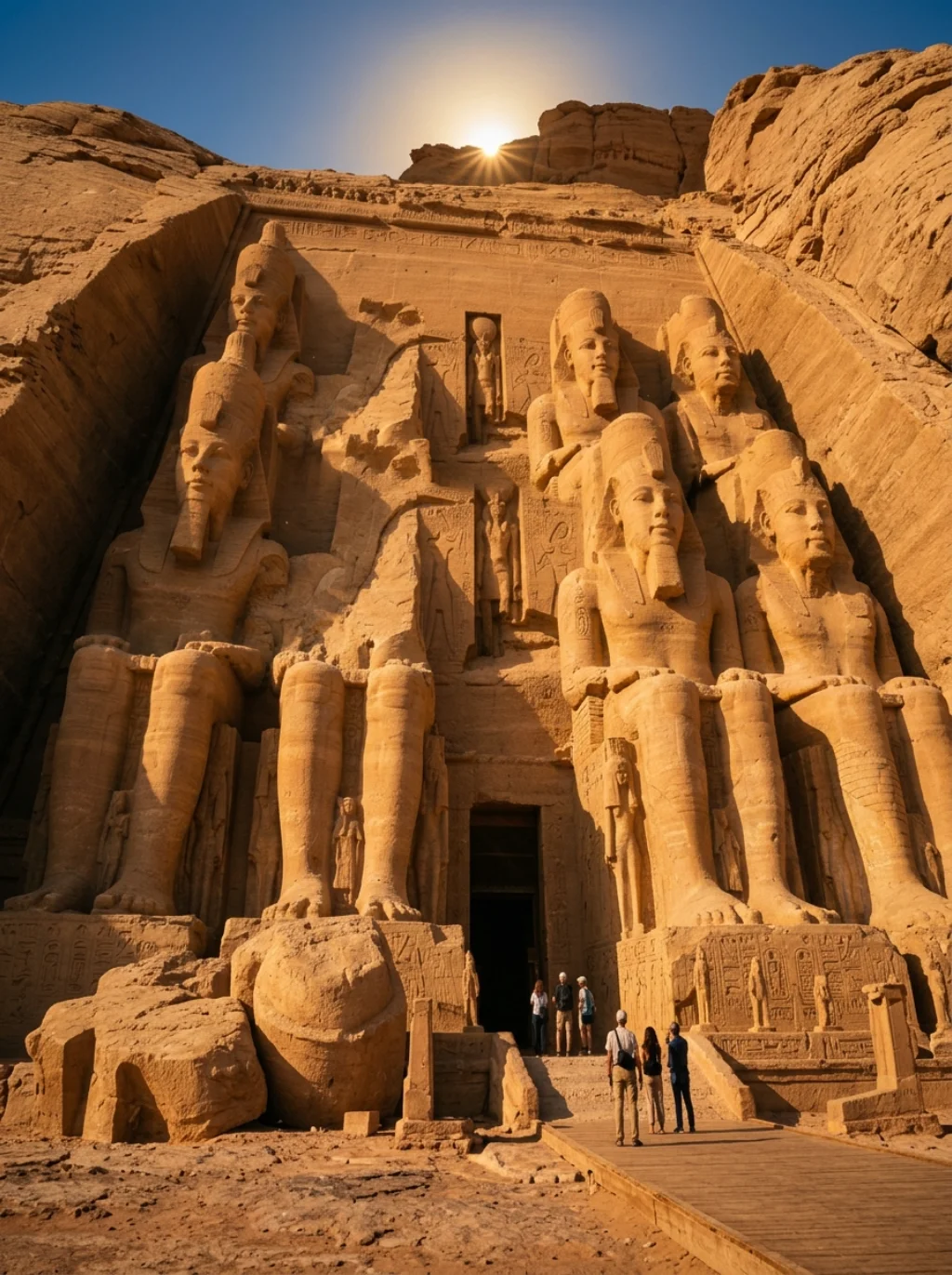
Few rulers left behind as much physical evidence of their reign as this legendary pharaoh. Ramesses II commissioned countless temples, statues, and monuments throughout his sixty-six-year rule, longer than most pharaohs lived entirely.
His most famous project, Abu Simbel, features four colossal statues carved directly into a mountainside. This ancient egyptian architecture achievement required precise engineering to align with sunlight twice yearly. Visitors today still stand in awe beneath these towering stone giants.
Ancient Egypt’s Book of the Dead Mapped an Entire Journey Into the Afterlife
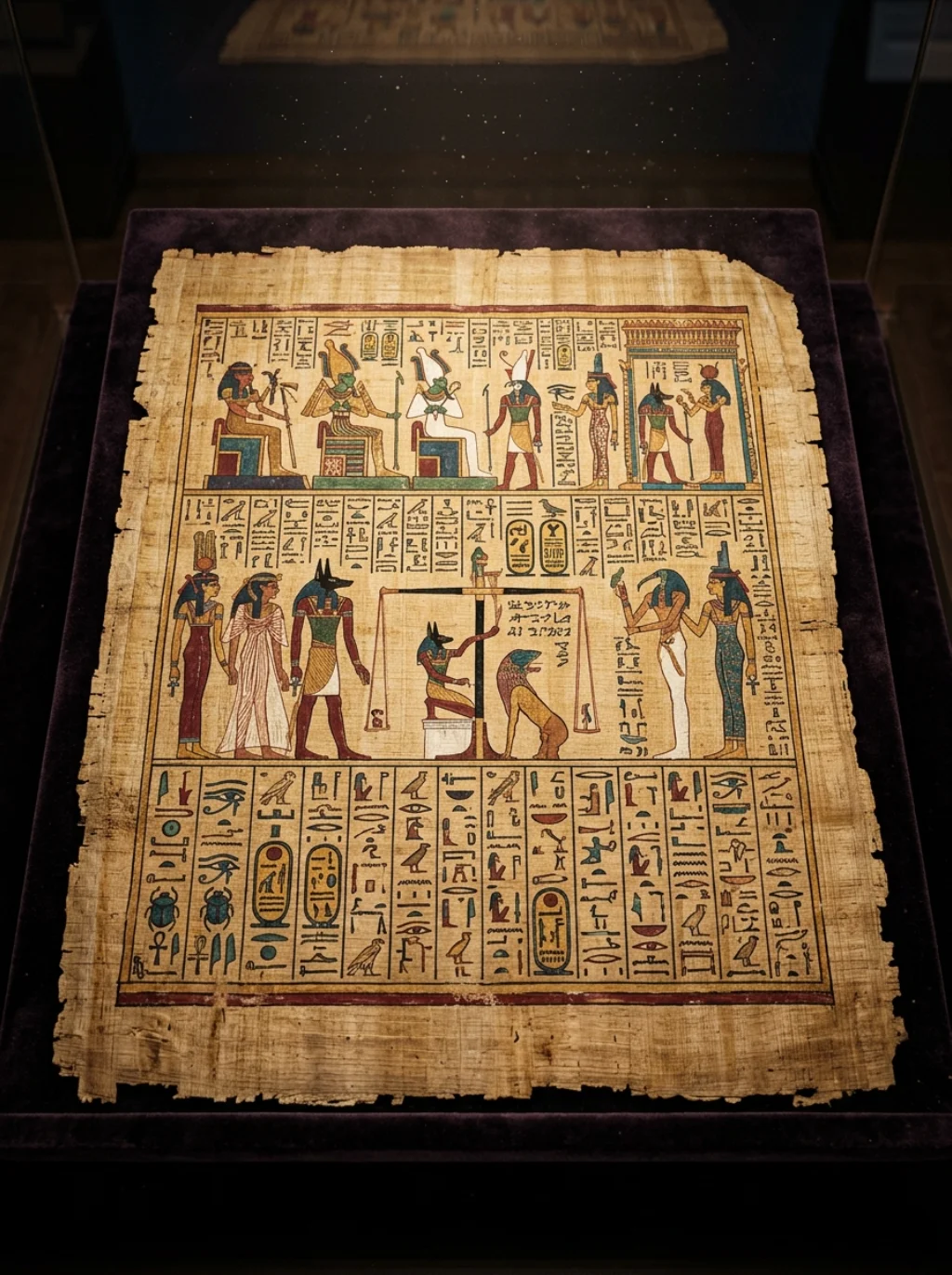
Death required preparation according to Egyptian belief, and this sacred text provided the roadmap. The Book of the Dead contained spells, prayers, and instructions meant to guide souls safely through the dangerous underworld journey.
Wealthy families commissioned personalized copies, often buried alongside the deceased inside their royal tomb. This document reveals detailed egyptian afterlife beliefs, including specific tests souls needed to pass. Understanding this text helps explain why burial preparation mattered so intensely throughout Egyptian society.
A Single River Decided Whether an Entire Empire Would Starve or Thrive

Water scarcity threatened most ancient civilizations constantly. However, Egypt’s relationship with the Nile flipped this vulnerability into remarkable stability. Predictable flooding patterns allowed farmers to plan entire growing seasons with surprising confidence.
This reliability shaped ancient egyptian farming practices for thousands of years. Grain surpluses funded massive construction projects and supported growing populations. Without this single river’s generosity, the entire Egyptian empire likely wouldn’t have achieved such lasting prosperity.
Ancient Egypt’s Temples Aligned With Stars in Ways Science Still Can’t Fully Explain
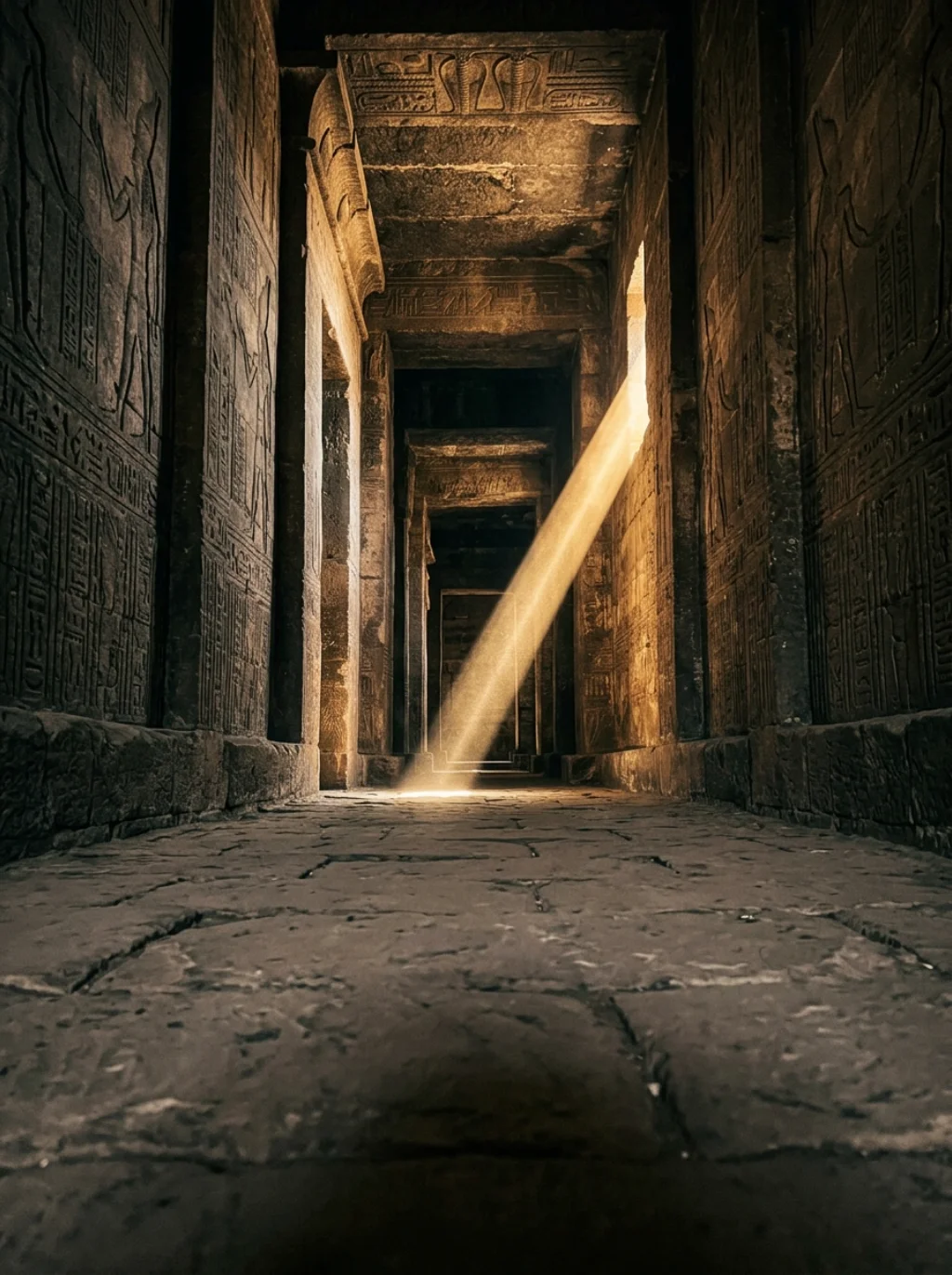
Egyptian architects didn’t build randomly. Many sacred temple structures align precisely with specific stars or solstice events, suggesting deep astronomical knowledge passed down through priestly education.
| Monument | Astronomical Alignment | Purpose |
|---|---|---|
| Great Pyramid | Aligned with true north | Eternal orientation |
| Karnak Temple | Aligned with winter solstice sunrise | Religious ceremony |
| Abu Simbel | Sunlight reaches inner chamber twice yearly | Honoring pharaoh |
These temple ruins continue puzzling modern researchers studying ancient egypt calendar and astronomy practices. Whatever knowledge ancient builders possessed clearly went beyond simple guesswork.
Egyptian Gold Once Flowed So Freely That Neighboring Kingdoms Grew Envious
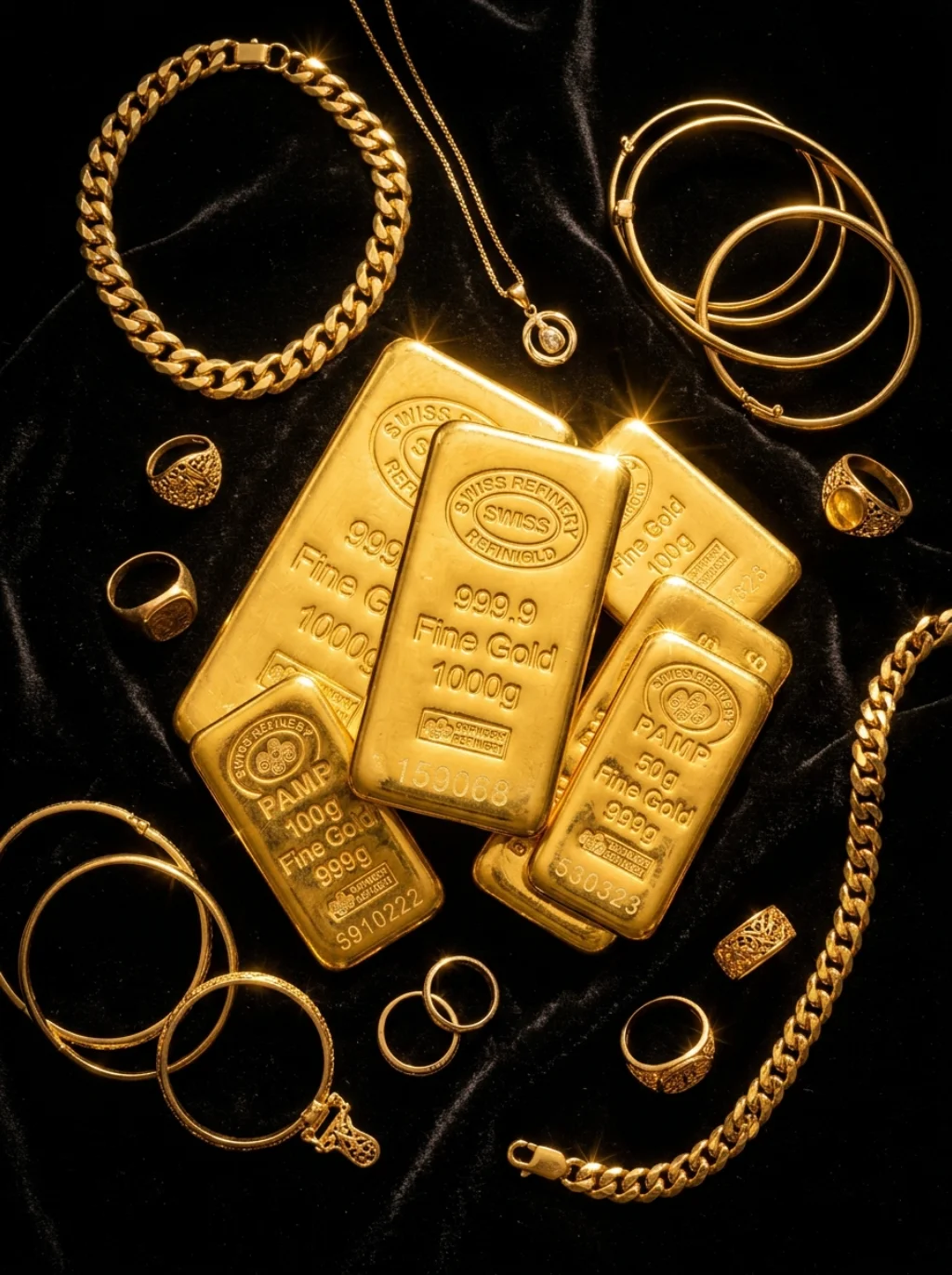
Wealth defined much of Egypt’s international reputation during its peak centuries. Gold mines in Nubia supplied seemingly endless resources, funding massive construction projects and elaborate royal lifestyles that impressed foreign visitors.
This abundance shaped ancient egypt trade and economy relationships throughout the ancient Mediterranean world. Foreign rulers often requested gold gifts in diplomatic letters, sometimes bordering on desperate flattery. This ancient artifact evidence proves just how dominant Egyptian wealth truly was during this golden era.
Frequently Asked Questions
What made ancient Egypt so powerful for so long?
Geographic isolation, reliable Nile flooding, and strong centralized leadership allowed this civilization to thrive for over three thousand years.
How did Egyptians preserve bodies through mummification?
Embalmers removed internal organs, dried the body using natron salt, then wrapped it carefully in layers of linen cloth.
Why is the Rosetta Stone so important?
It contained identical text in three scripts, allowing scholars to finally translate Egyptian hieroglyphics after centuries of confusion.
Did women really have rights in ancient Egypt?
Yes. Women could own property, run businesses, and even become pharaohs, which was unusual compared to most ancient societies.
Why did ancient Egypt eventually collapse?
Internal conflict, foreign invasion, and economic strain gradually weakened central power over several centuries after the New Kingdom era ended.
Conclusion
Ancient Egypt remains one of history’s most captivating civilizations precisely because it still holds unanswered questions. From golden tombs to talking stones, every discovery adds another layer to this remarkable story. Whether you’re fascinated by pharaohs, pyramids, or ancient gods, this desert kingdom continues proving that some legacies simply refuse to fade.
1 Comment