
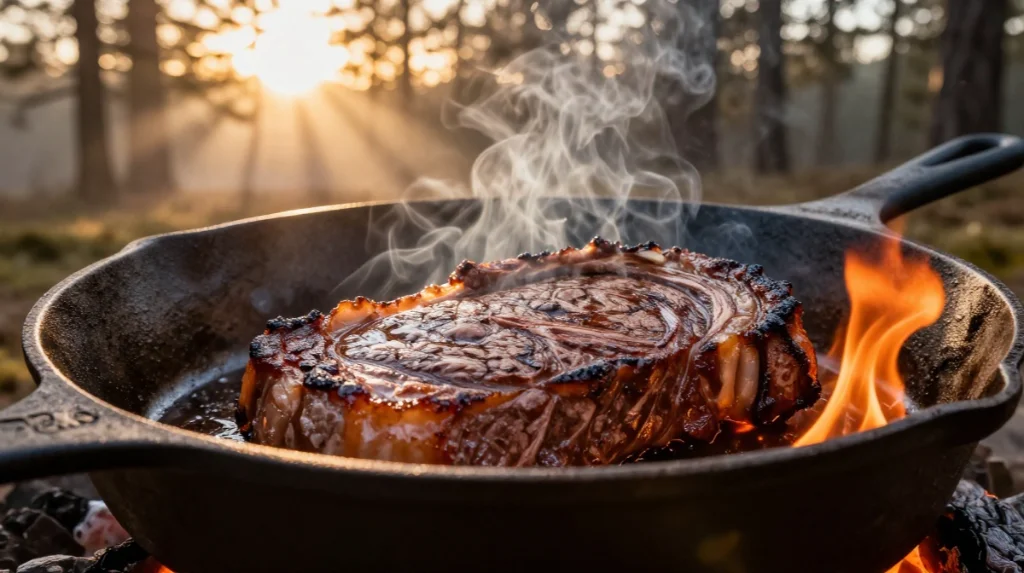
Craving something better than cardboard-tasting survival rations under the starlight? Transforming your basic campfire dinner meals into five-star culinary art takes your regular outdoor adventure to a whole new level. You don’t need a professional kitchen setup to enjoy rich, comforting campfire cuisine while roughing it in the deep woods tonight.
Ditching the Cold Rations for Sizzling Cast Iron Mastery
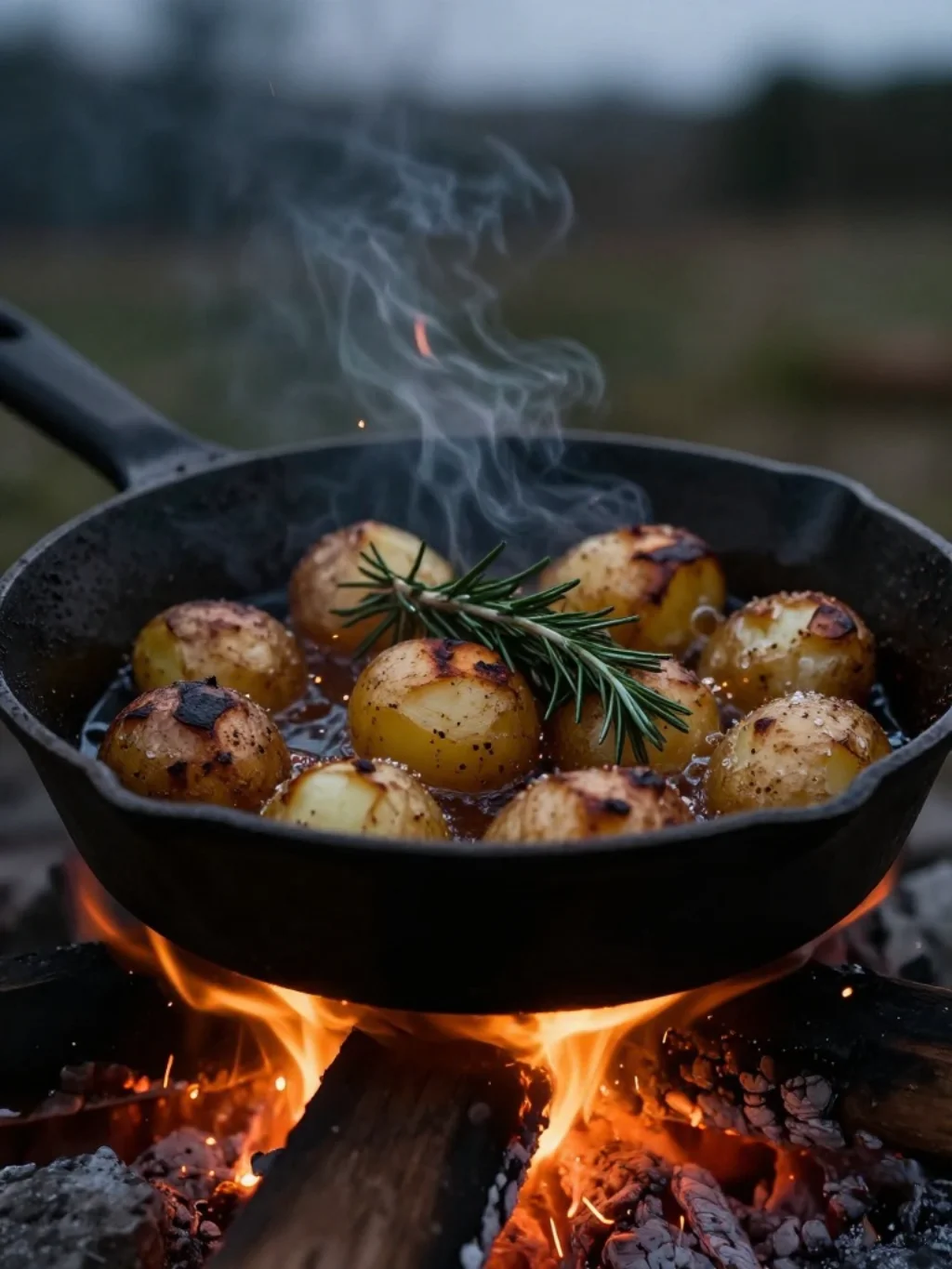
Uninspiring MRE rations shouldn’t dictate your twilight hours in the backcountry. Ditch those chalky bricks for legendary cast iron skillet cooking to elevate your twilight dining experience. A heavy skillet distributes heat beautifully over erratic coals.
You can sear premium steaks or fry golden potatoes right at your campsite. This rugged outdoor cooking equipment transforms simple ingredients into savory triumphs. Packing this versatile weight pays off immediately when the aroma of sizzling food hits the crisp evening air.
Secrets to Mastering Temperature Control on Wild Open Flames
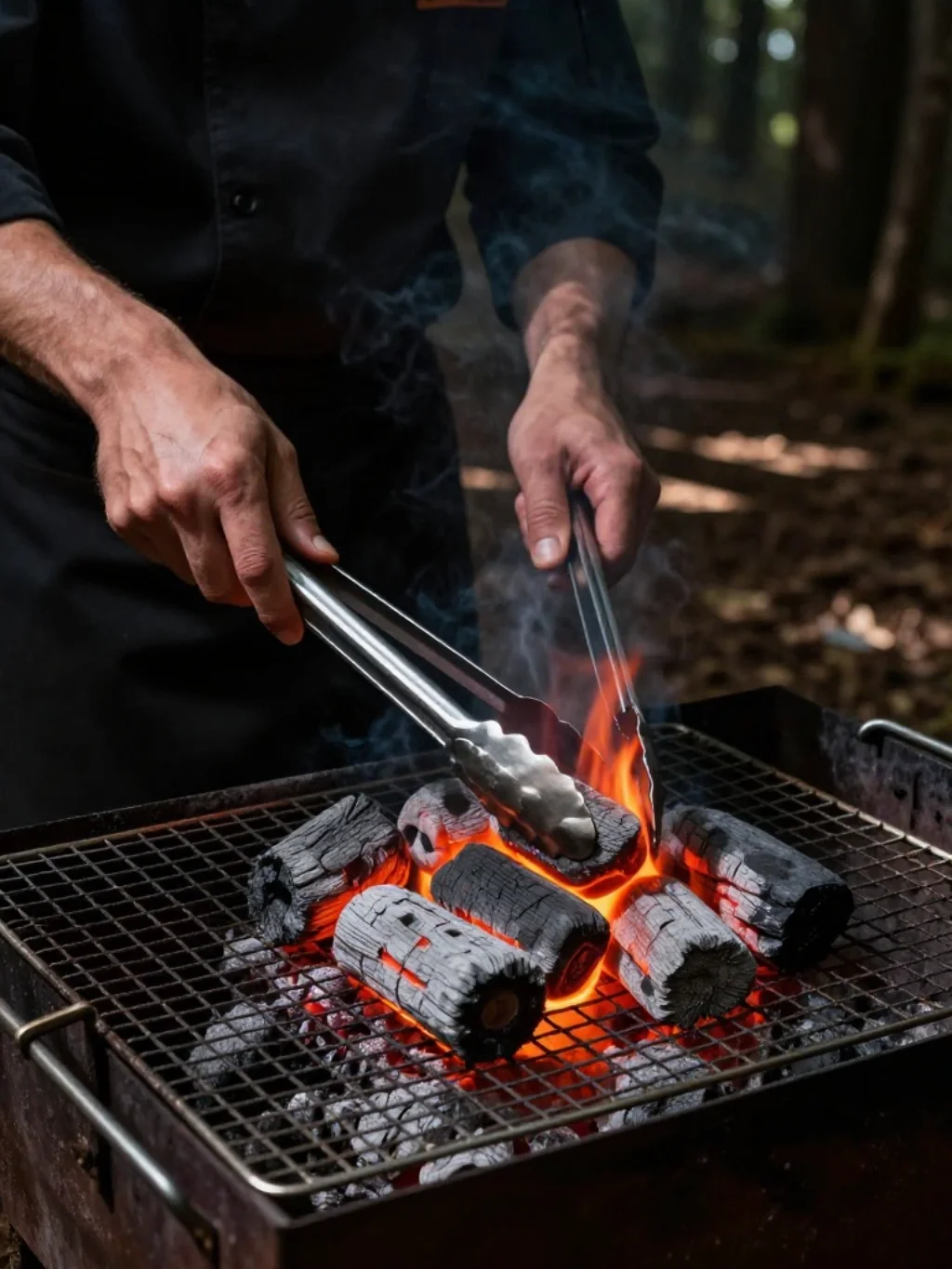
Woodsmoke dancing across a Campfire grill grate requires precise thermal intuition. You can’t just throw meat onto a raging inferno without burning the outside while leaving the middle raw. Manipulate your glowing coals to create distinct heat zones for searing and simmering.
Move your food away from direct flames to achieve predictable results during your open flame grilling sessions. Watch how wind currents shift the heat across your iron surface. True mastery means reading the embers like a dial on your kitchen stove at home.
The Ultimate Cooler Architecture to Keep Ingredients Pristine
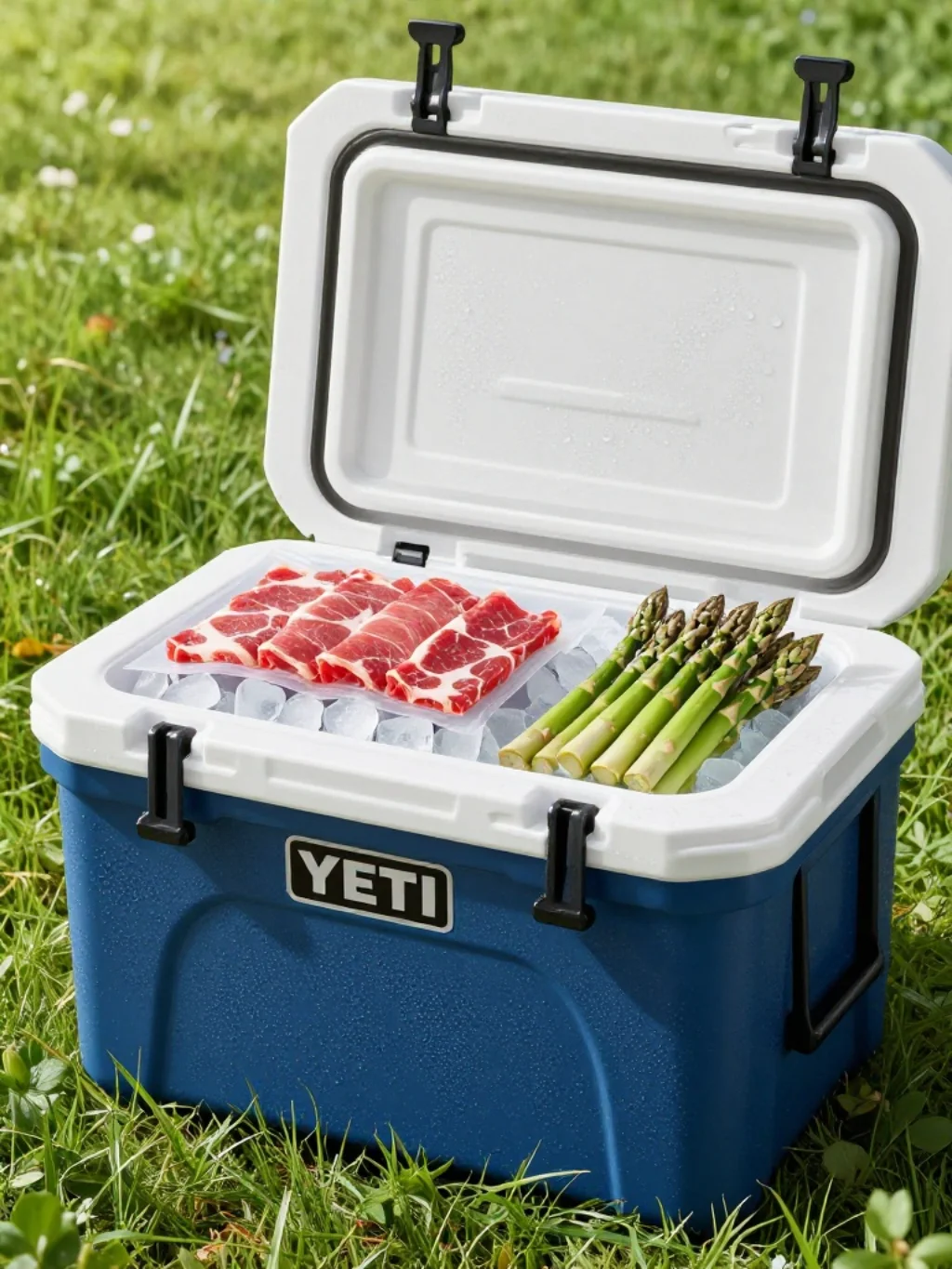
A poorly packed YETI cooler spells disaster for your weekend food safety. Layer your heavy block ice at the bottom to build a lasting foundation of freezing air. Secure raw meats in airtight containers directly above this frozen base layer.
Fragile vegetables stay fresh when nested near the top away from melting moisture. This careful camping food prep shields your expensive groceries from spoiling early. Keep the lid latched tight to preserve this crucial microclimate against the scorching afternoon sun.
One Pan Feats That Defy Traditional Wilderness Cooking Limits
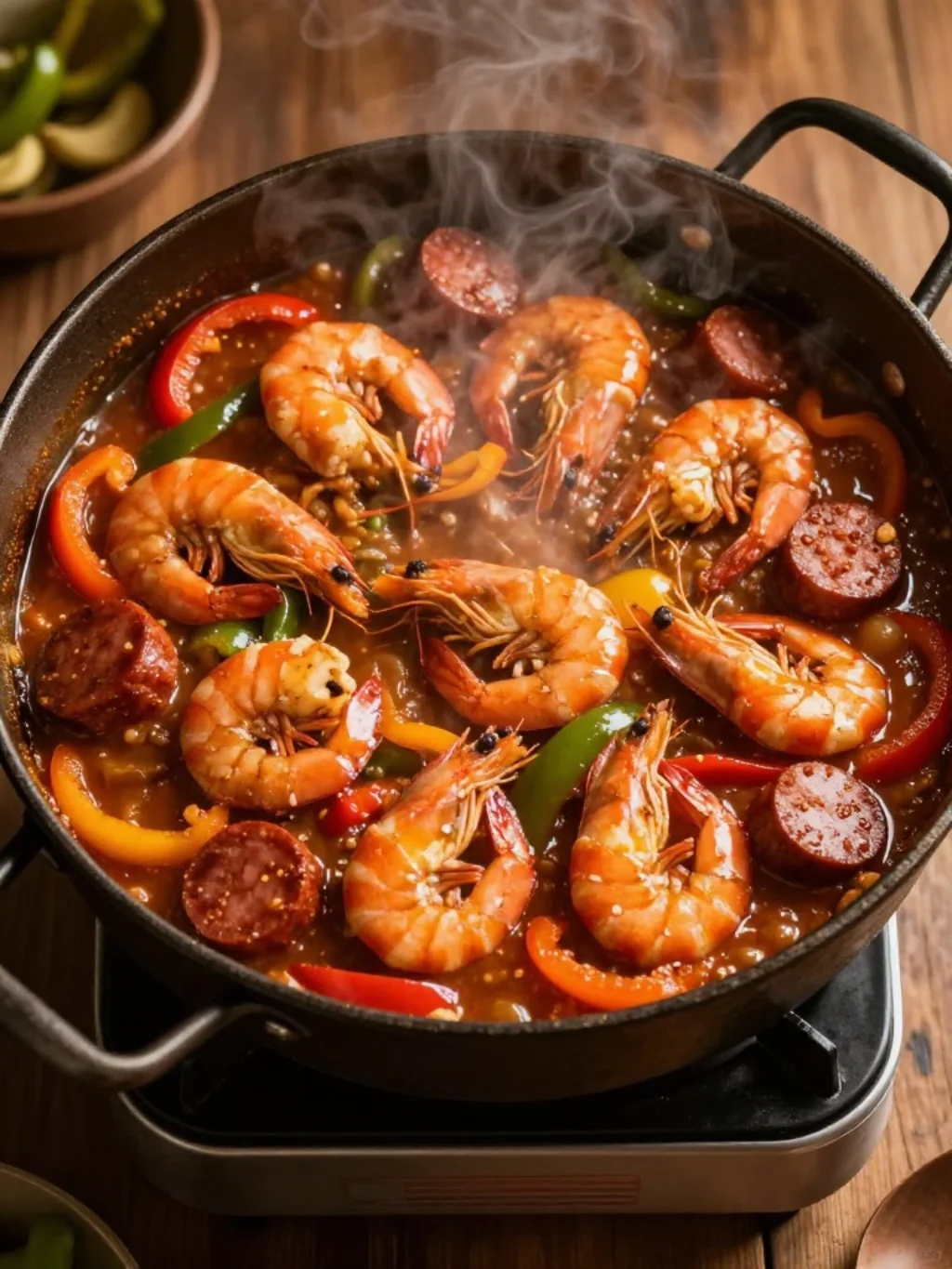
Dreaded washing duties fade away when you embrace clever one pot meals tonight. Throwing your hearty proteins and dense starches into a single vessel maximizes flavor fusion. This efficient method saves your precious fuel supply during long backcountry stays.
You don’t need a massive kitchen setup to satisfy hungry hikers after a brutal trail march. Simmering everything together creates a rich sauce that coats every single bite. This simplified strategy keeps your camp kitchen compact and highly mobile.
Elevating Simple Provisions into Gourmet Backcountry Feasts
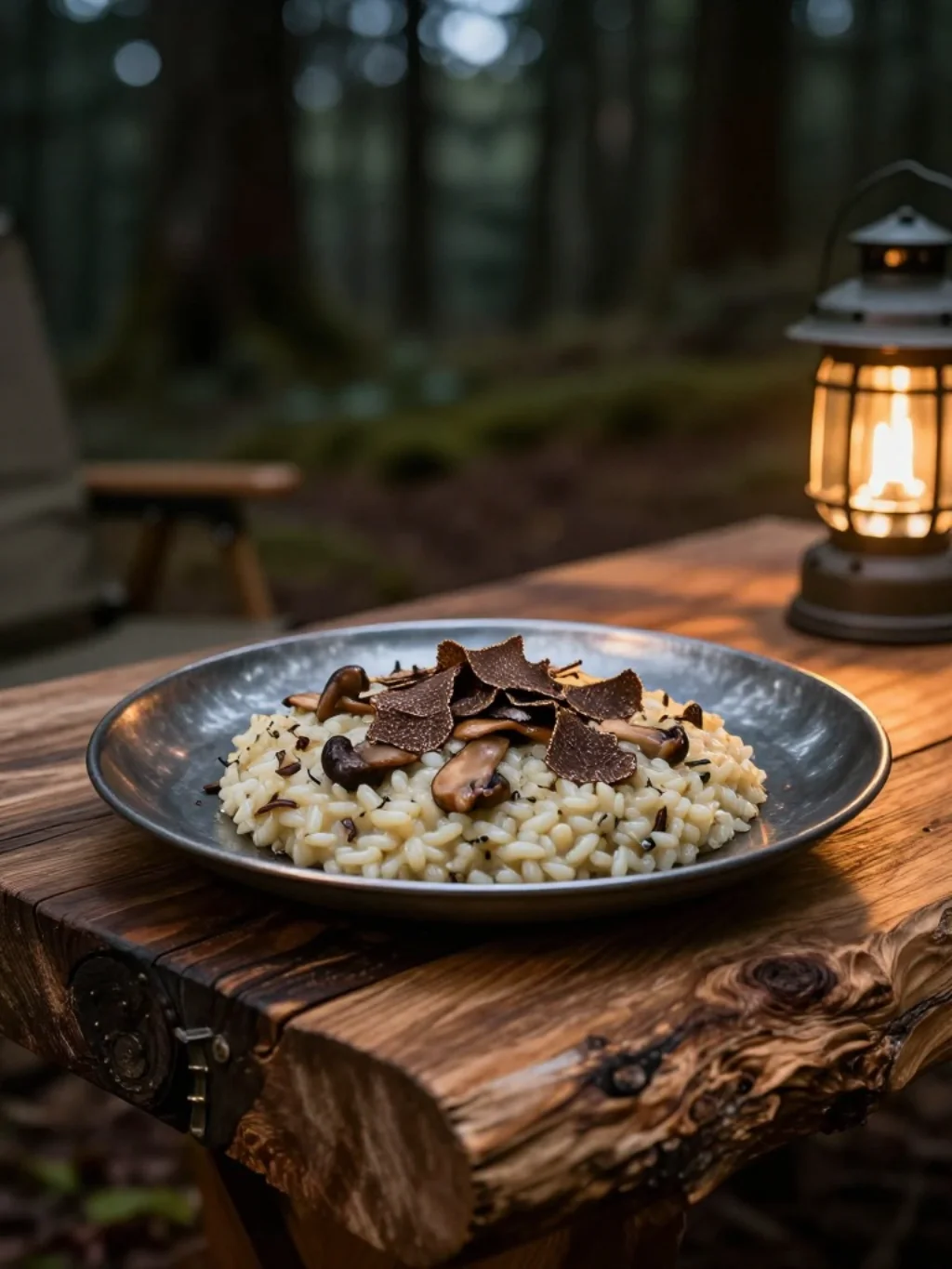
Basic provisions for camping don’t have to taste like bland survival cardboard. You can easily turn humble grains into luxurious backcountry feasts with smart techniques. Toss in dried mushrooms or artisanal cheeses to completely redefine your rustic menu.
A splash of quality oil brings life back to standard starches. Your outdoor companions will swear you brought a hidden chef into the woods. It takes very little extra weight to elevate your evening meal from survival fuel to culinary art.
Why Prepping At Home Savors Precious Starlight Hours Later
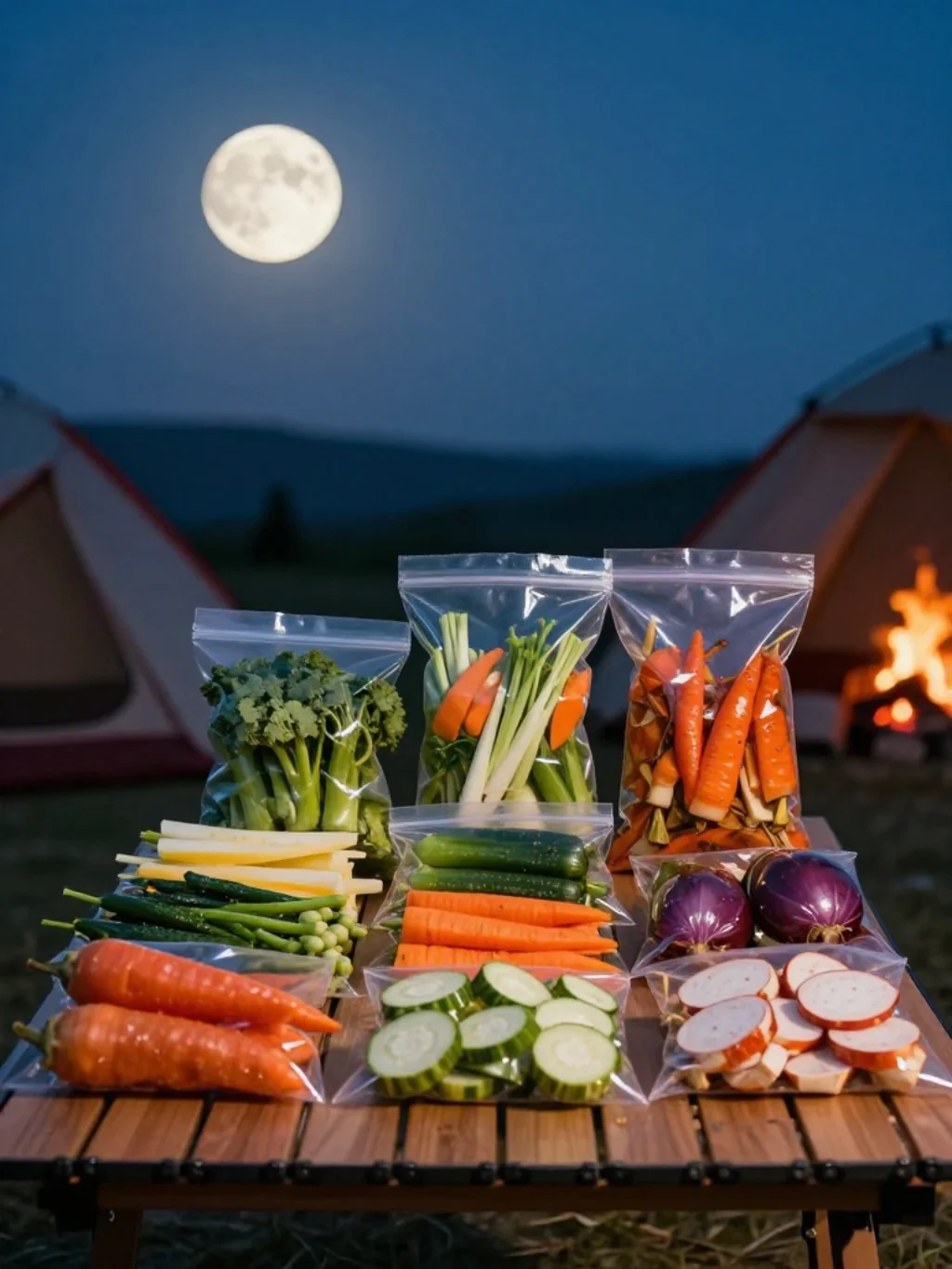
Chopping onions during a sudden downpour tests any camper’s sanity. Doing your intensive overland meal prep at your kitchen counter saves immense time later. Pre-slice your crisp vegetables and marinate your meats inside secure zip bags before leaving.
This smart camping grocery list organization means you just dump and cook when arriving tired. You will enjoy more time staring at constellations rather than scrubbing dirty knives in the dark. Protect your relaxation time by doing the heavy lifting before hitting the trail.
The Chemistry of Smoke and How It Infuses Culinary Magic
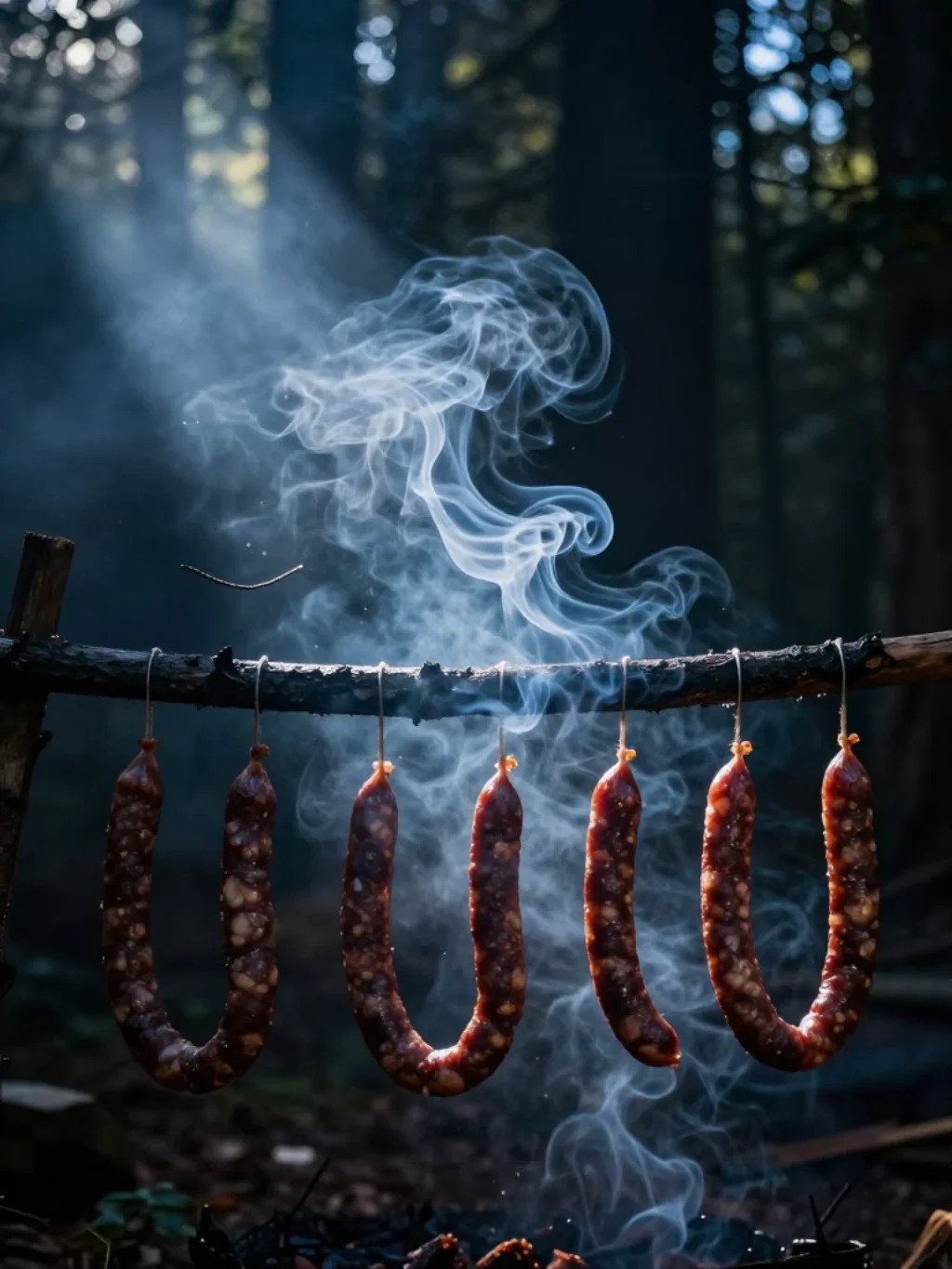
True woodsmoke cooking delivers deep complex flavors that regular stoves can never mimic. Hardwoods like hickory or oak produce sweet aromatic compounds that season your food naturally. Let the initial acrid black smoke clear before placing your food above the fire.
you may also like this:22 Camping Breakfast Ideas Over Fire for Cozy Meals
You want the clean blue smoke to gently wrap around your proteins. This ancient nature inspired cooking technique creates an authentic crust you can taste. It bridges the gap between basic survival sustenance and true gourmet outdoor artistry.
Durable Cookware Strategies That Brave the Elements Unscathed
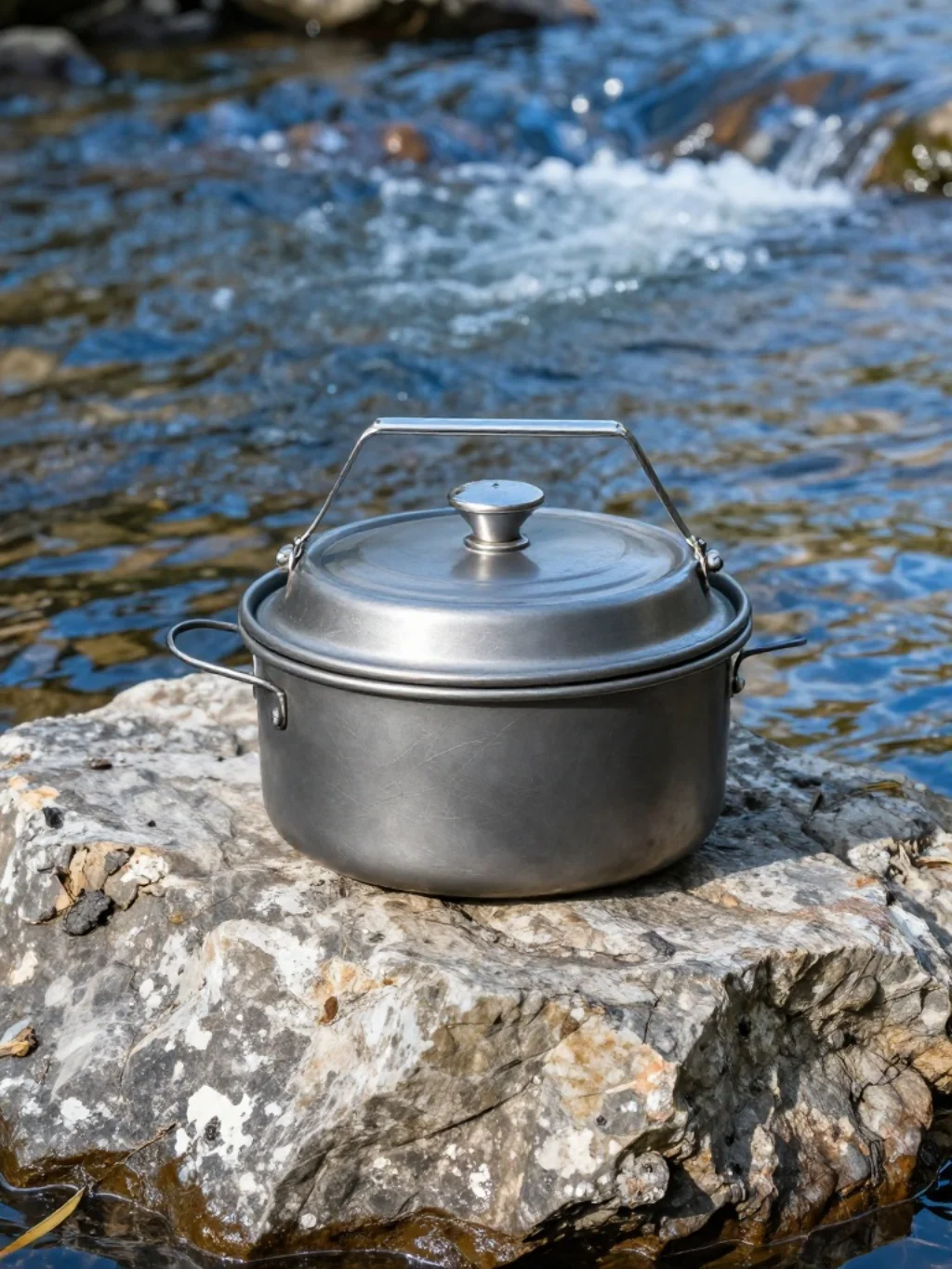
Investing in a rugged Stanley cookset ensures your wilderness kitchen survives rough handling. Thin aluminum pans often warp and scorch your food over intense wood fires. Heavy duty gear handles the thermal shock of sudden temperature changes without failing you.
Pack reliable camping kitchen gear that serves multiple purposes throughout your journey. Your pots should withstand scraping against abrasive river sand during cleanup. Protect your culinary investments by choosing utilitarian designs built for unpredictable outdoor abuse.
Caloric Density Tactics for Exhausted High Altitude Trekkers
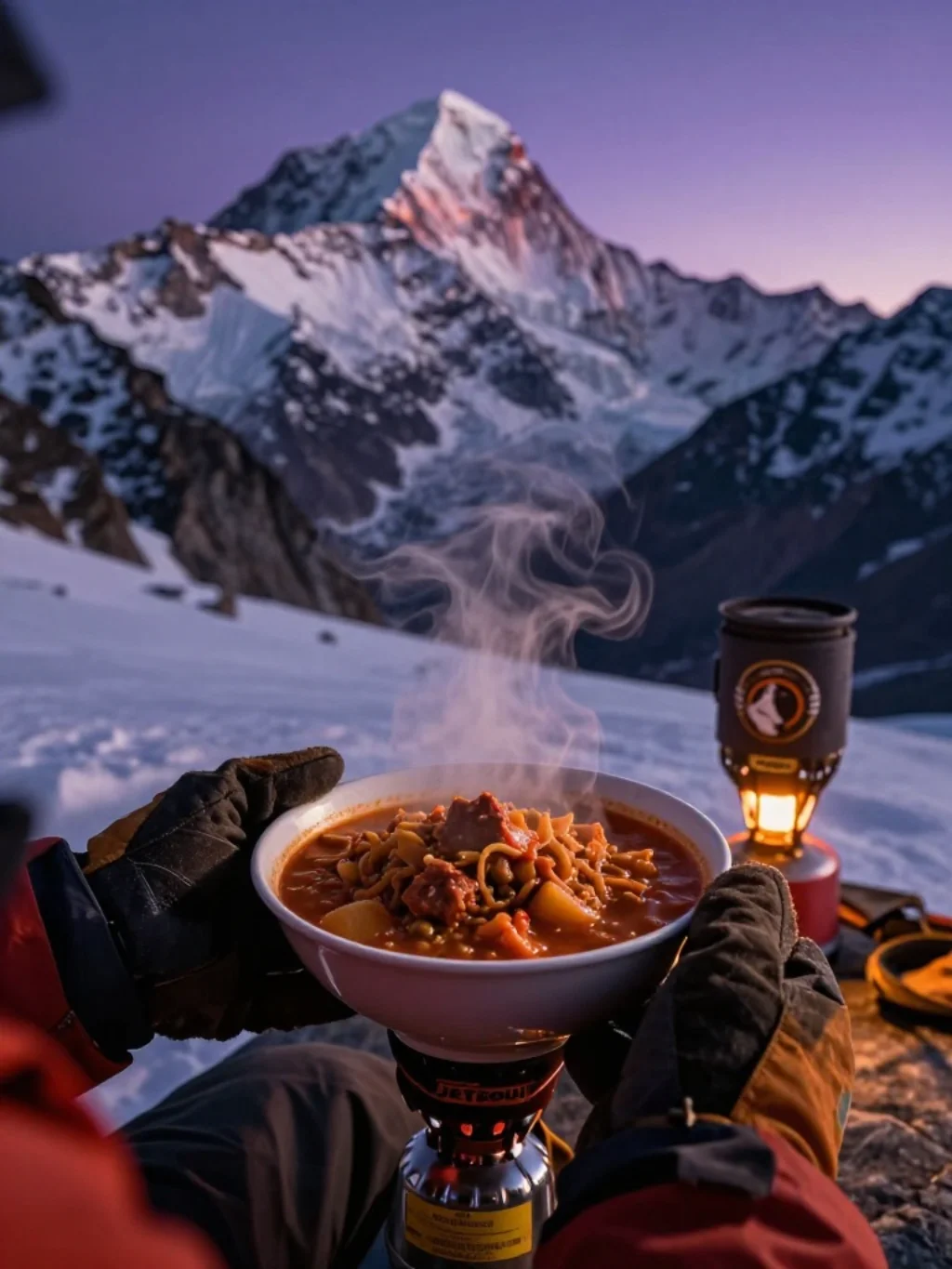
Exhausting mountain climbs demand specialized high altitude cooking strategies to restore spent energy. Your body burns fuel rapidly trying to stay warm in thin alpine air. Prioritize healthy fats and dense proteins that pack massive calories into tiny lightweight portions.
Traditional backcountry nutrition focuses on heavy fuel efficiency and rapid thermal absorption. Don’t rely on empty sugars that cause your energy levels to crash later. Pack nutrient dense ingredients that keep your internal furnace burning steadily all through the freezing night.
Transforming Basic Campfire Dinner Meals into Five Star Dinners
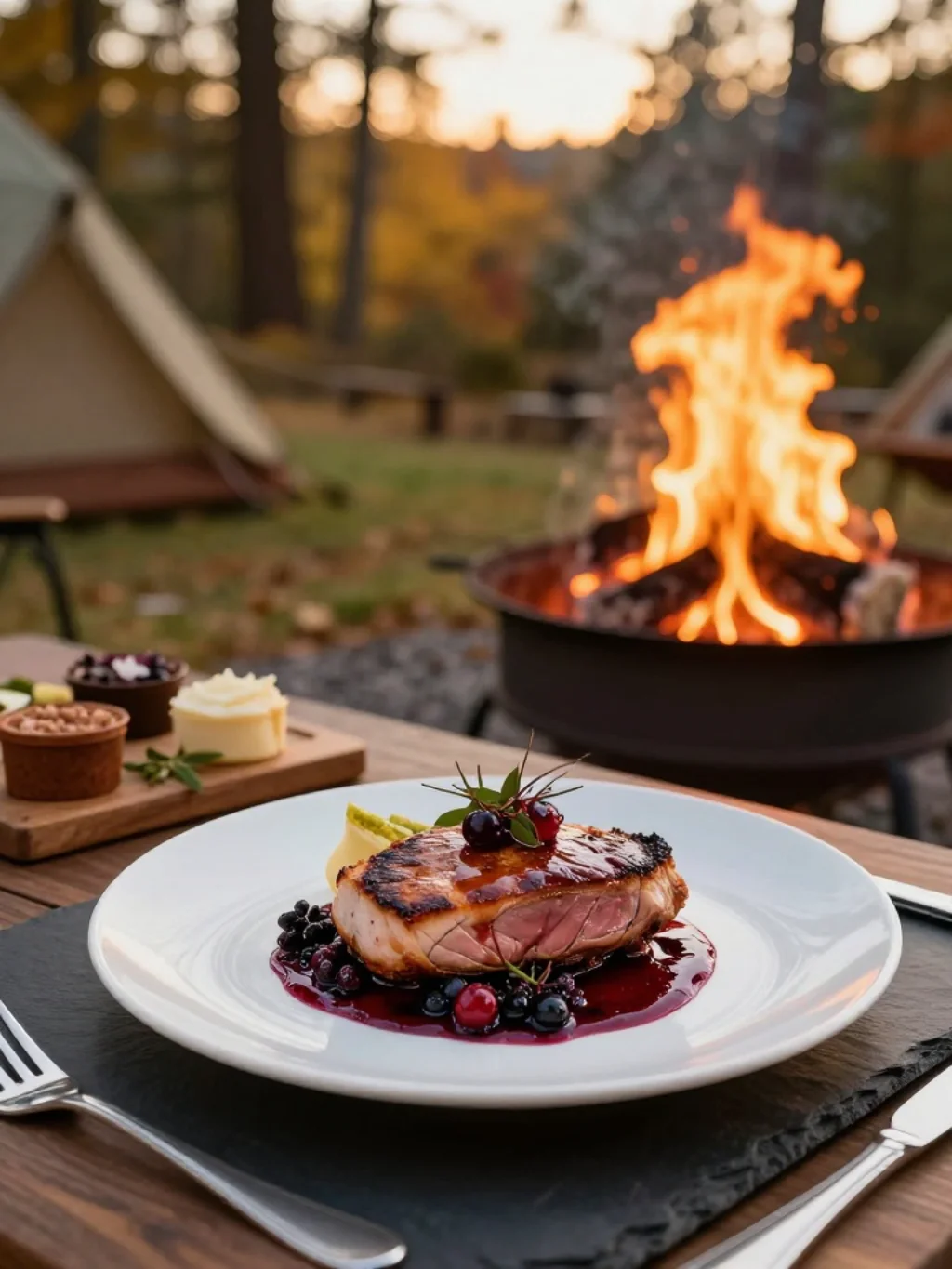
Creating memorable camping dinner meals requires stepping away from boring pre-packaged commercial food. You can easily craft delicious campsite dinner ideas using fresh ingredients and bold spices. Sear your meats over high heat before letting them rest properly on a wooden board.
Treat your rugged outdoor environment as an exotic interactive restaurant rather than a survival challenge. This approach transforms basic campfire dinner meals into a celebrated culinary event under the stars. Your friends will eagerly anticipate the dinner bell every single evening.
Beating the Backcountry Chill with Rich Velvety Stews
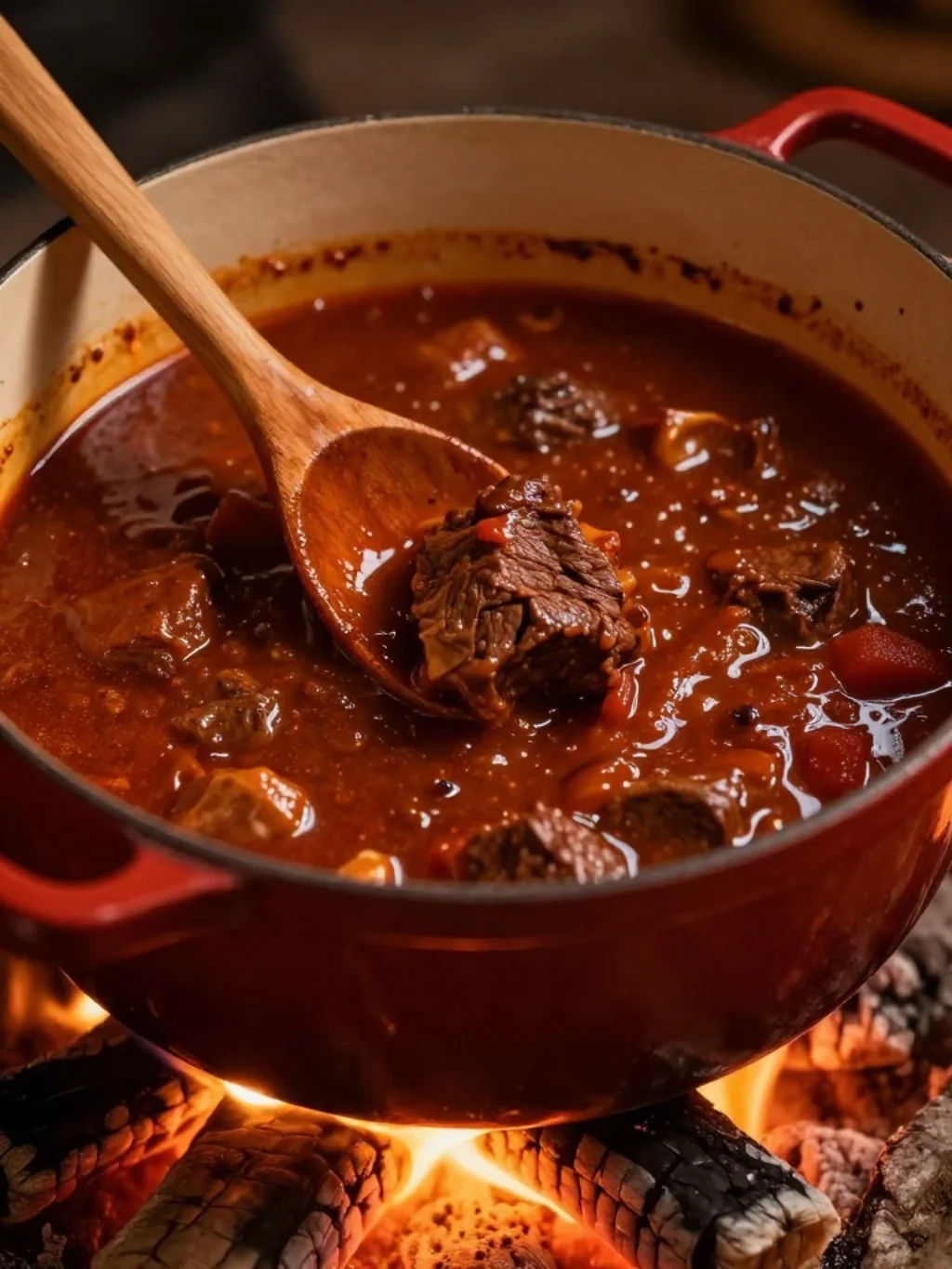
A freezing wind demands the soothing warmth of authentic campfire comfort food served hot. Simmer a thick beef stew slowly inside a heavy covered pot for hours. The long cooking process breaks down tough fibers into meltingly tender bites of joy.
This filling fireside supper acts as a brilliant shield against creeping midnight numbness. It warms your core completely before you crawl into a cold sleeping bag. Nothing connects people faster than sharing a steaming pot of savory goodness in the dark.
Smart Hydration Mechanics Beyond the Standard Water Bottle
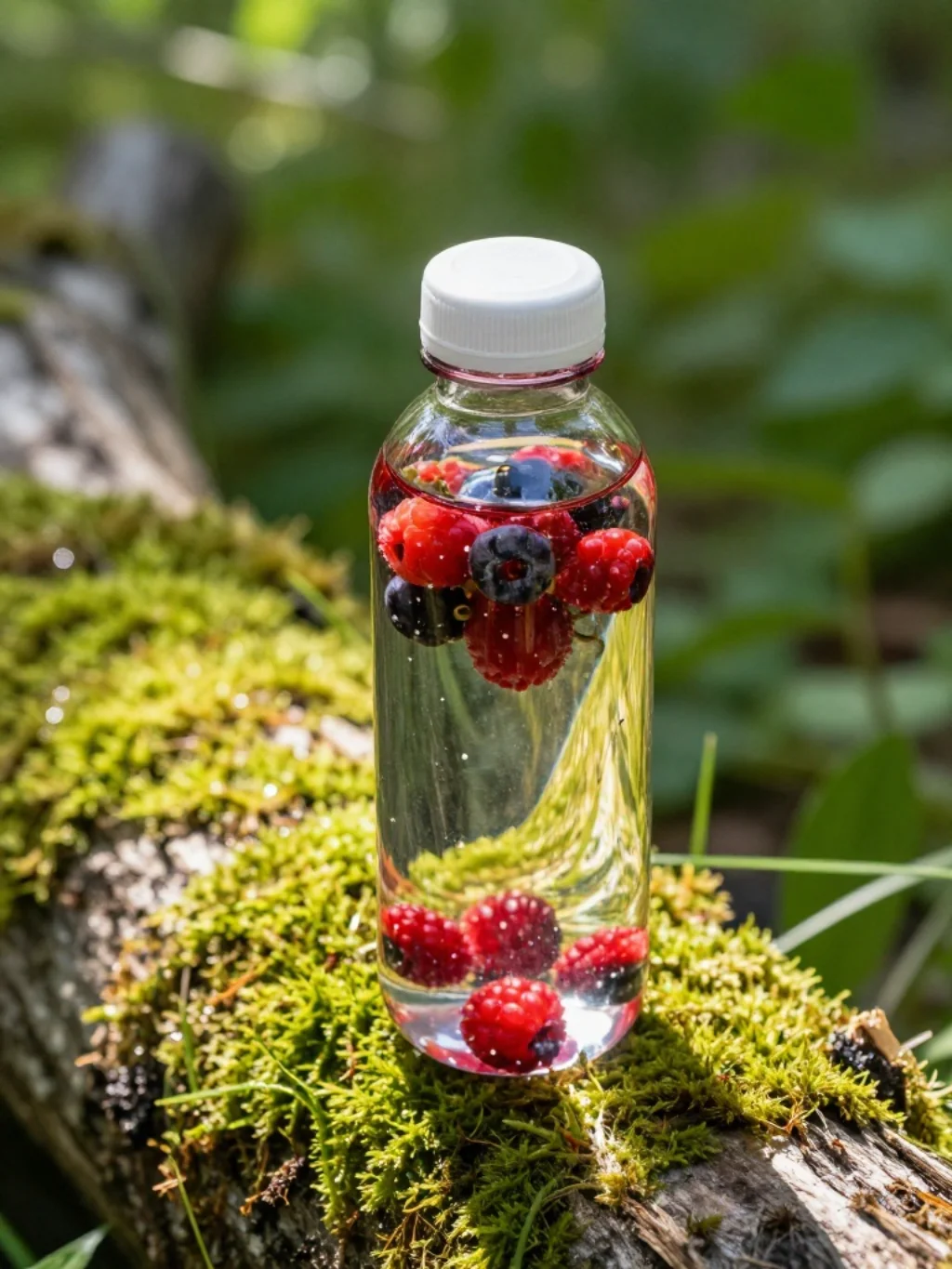
Proper health requires tracking your daily fluid intake using a reliable Nalgene bottle. Dehydration mimics exhaustion and ruins your appetite during long backcountry treks. Mix in electrolyte powders or classic Tang to make drinking water more appealing.
Boiling clean water ensures your safety when collecting from fast flowing mountain streams. Keep a full Thermos nearby for hot drinks during sudden midnight temperature drops. Never underestimate how much fluid your lungs lose just breathing dry alpine air.
Embracing the Rustic Charm of Foil Wrapped Coals Cookery
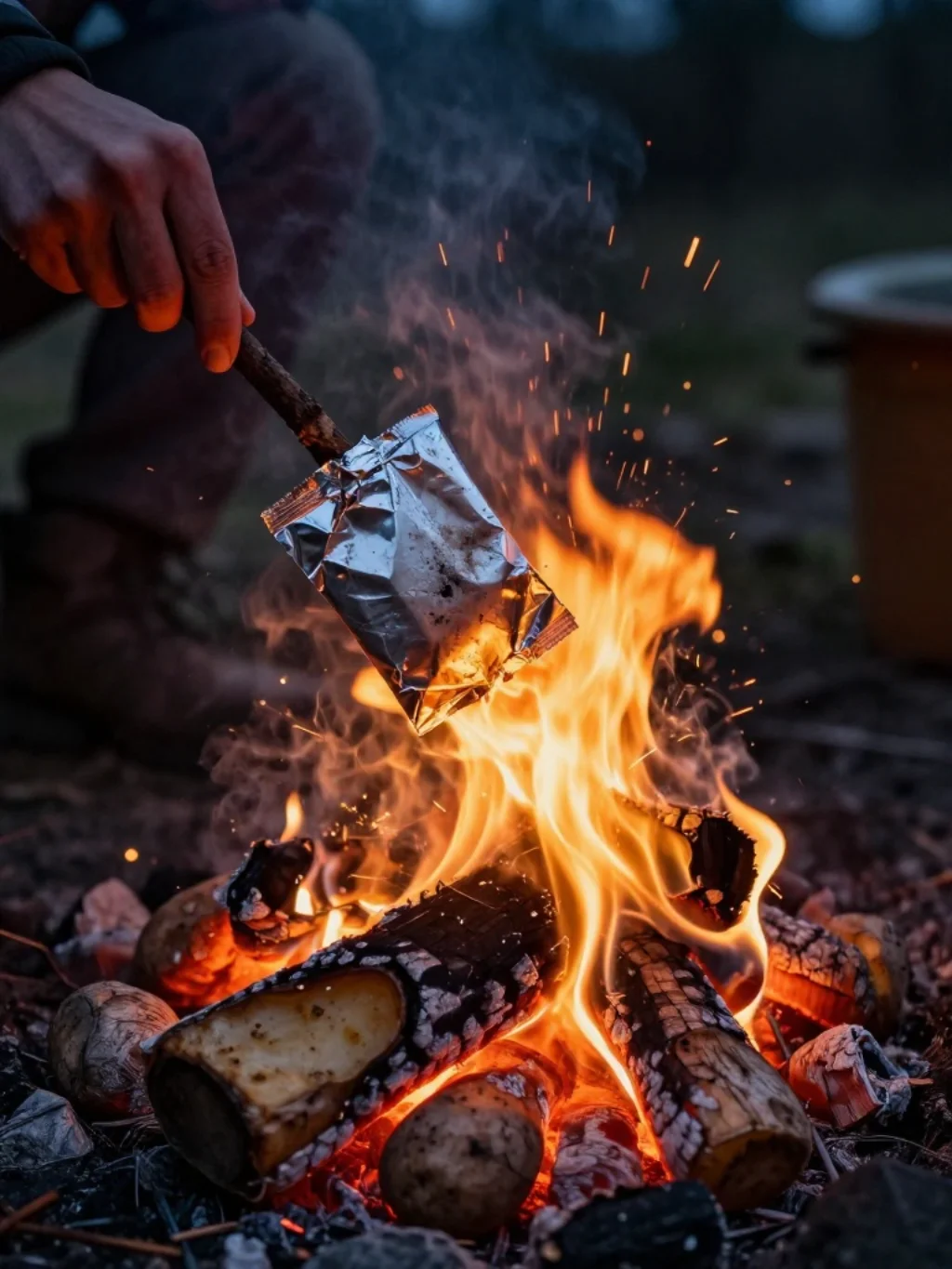
Burying clever foil packet dinners directly into glowing embers yields surprisingly tender results. This hands off method seals in natural juices while baking your food perfectly. It requires absolutely zero bulky pots to clean up after you finish eating.
This classic technique remains a staple of traditional scout cooking traditions everywhere. Just wrap seasoned potatoes and sausage tightly before tossing them into the ash. The intense trapped steam cooks everything evenly in its own rich savory juices.
Zero Waste Kitchen Ethics for the Conscious Modern Nomad
Practicing strict Leave No Trace principles preserves wild spaces for future generations. Pack out every single scrap of food waste and greasy packaging you create. Never leave discarded food scraps behind thinking wild animals will cleanly dispose of them.
Managing a clean portable camp kitchen means separating trash from your sleeping area immediately. Avoid using disposable plastic plates that clutter up fragile backcountry ecosystems. Wipe your bowls clean with leftover bread to minimize the gray water you produce.
How Spice Blends Rescue Bland Dehydrated Trail Rations
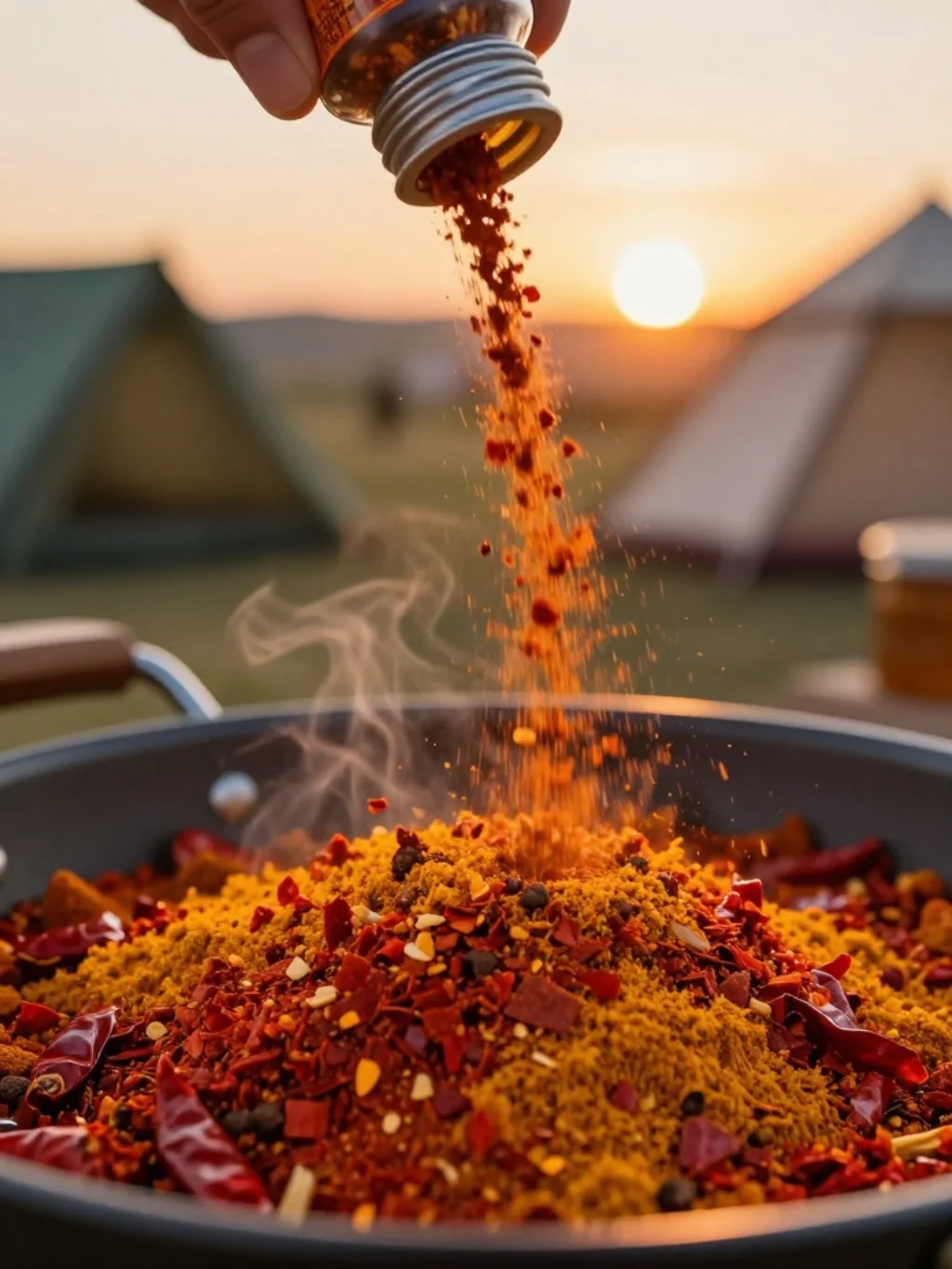
Lightweight freeze dried food often lacks the exciting punch of a home cooked meal. Carrying a custom selection of potent spices completely rescues these bland emergency provisions. Pack small vials of smoked paprika, garlic powder, and flaky sea salt.
These tiny additions transform boring lightweight camp food into something genuinely craveable after miles of hiking. A single pinch of chili flakes wakes up dull rehydrated starches instantly. Never settle for flavorless fuel when a few ounces of spice changes everything.
The Forgotten Art of Baking Bread Inside a Heavy Iron Pot
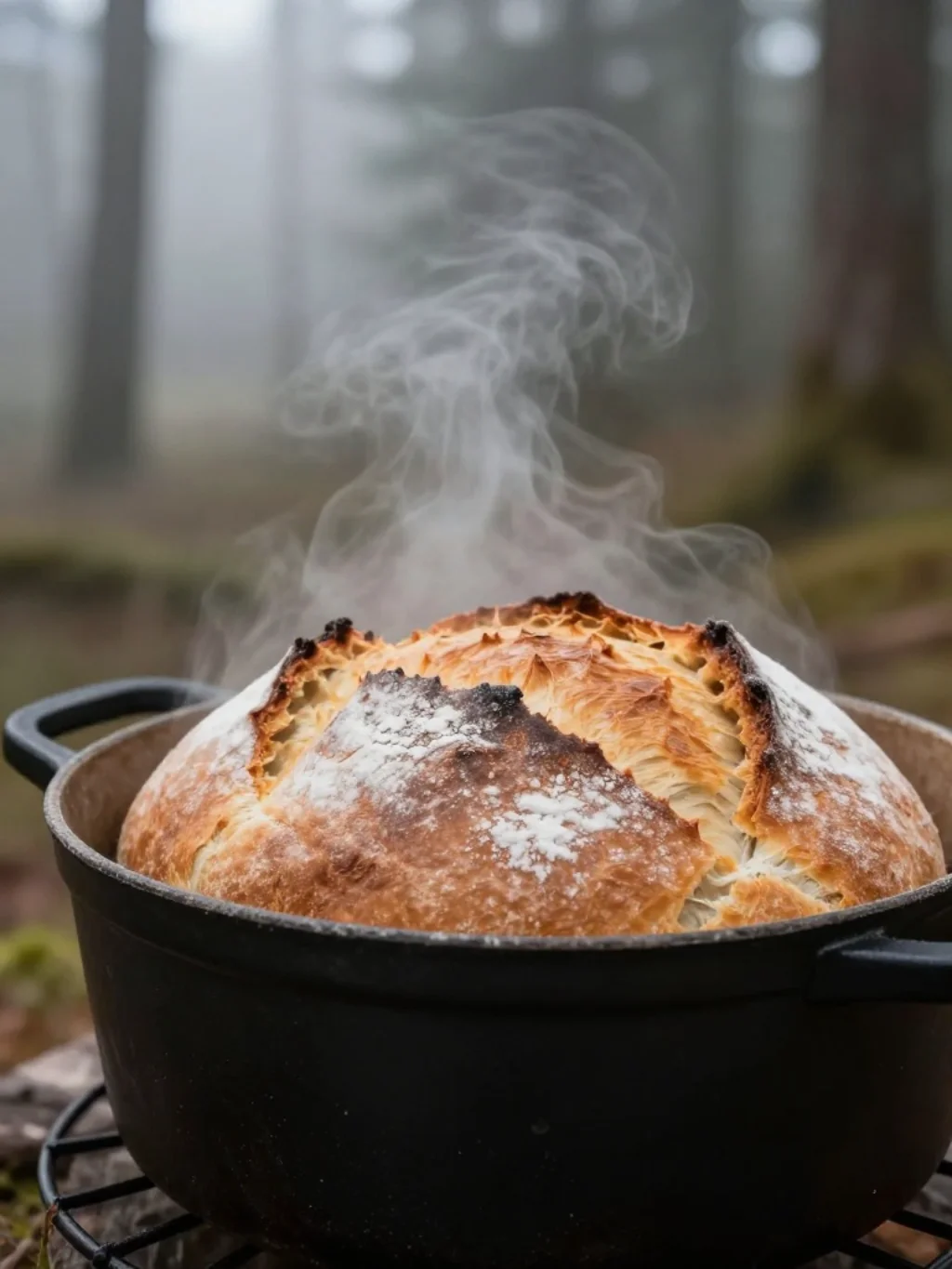
Mastering classic dutch oven baking brings fresh comforting bakery aromas to the deep woods. Mixing a simple Bannock dough requires only a few basic dry ingredients from your pack. Place glowing coals directly on the flanged lid to heat the pot evenly.
The trapped internal steam creates a beautiful golden crust that rivals any modern kitchen. Breaking warm fresh bread beside a crackling fire is an unforgettable sensory experience. It connects you directly to generations of frontier travelers who walked these trails before.
Curating a Tactical Grocery List for Remote Forest Living
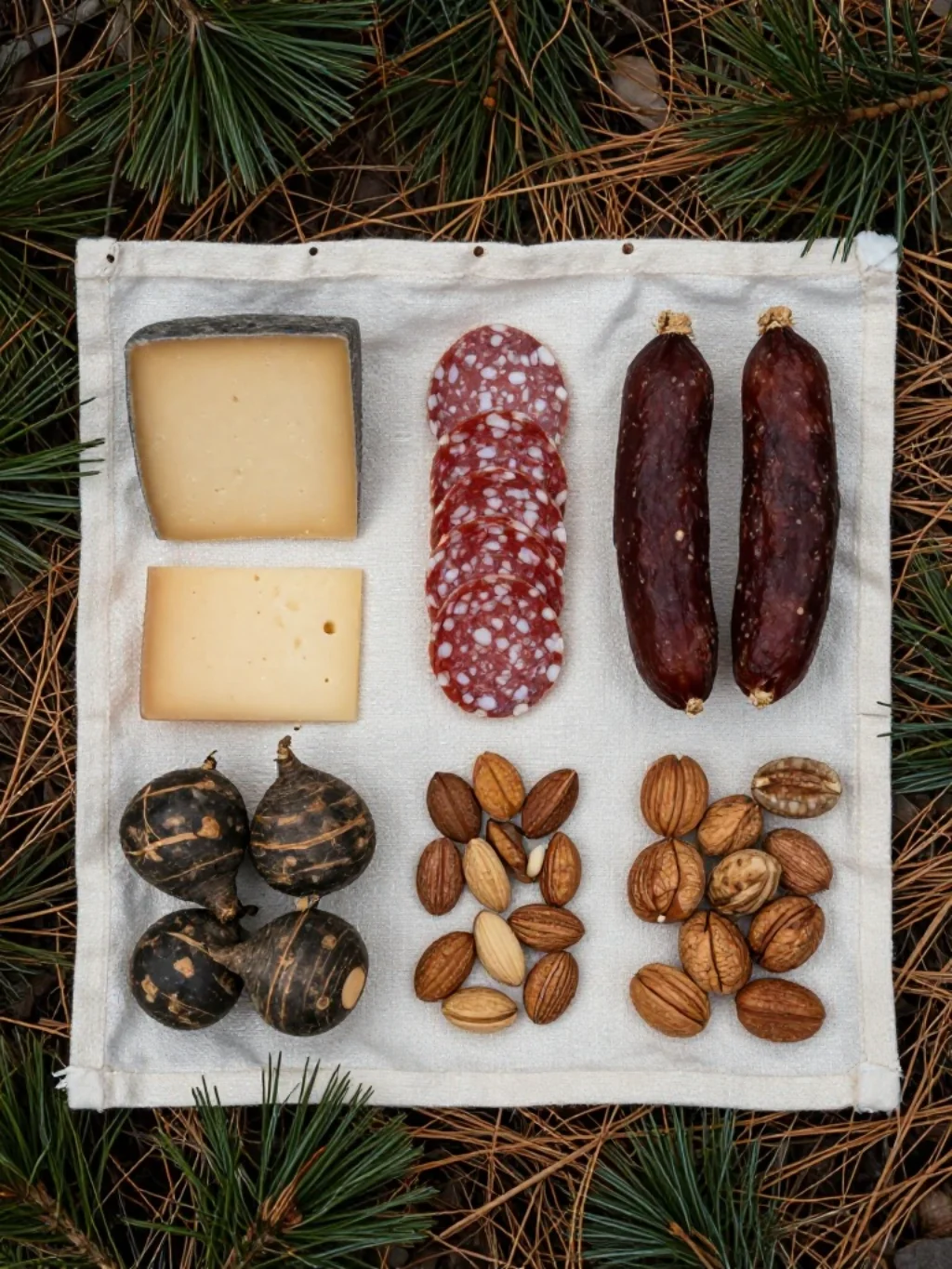
An accurate camping grocery list prevents you from going hungry or carrying useless dead weight. Focus on versatile ingredients that work across multiple different meals during your trip. Balance perishable fresh items for the first night with stable options later.
Select smart no refrigeration meals like hard cheeses, cured meats, and dense root vegetables. This careful planning ensures you eat exceptionally well without relying on heavy melting ice. Double check your portions before packing to avoid bringing excess bulky trash into the wilderness.
Quick Cleanup Rituals That Keep Wild Predators at Bay
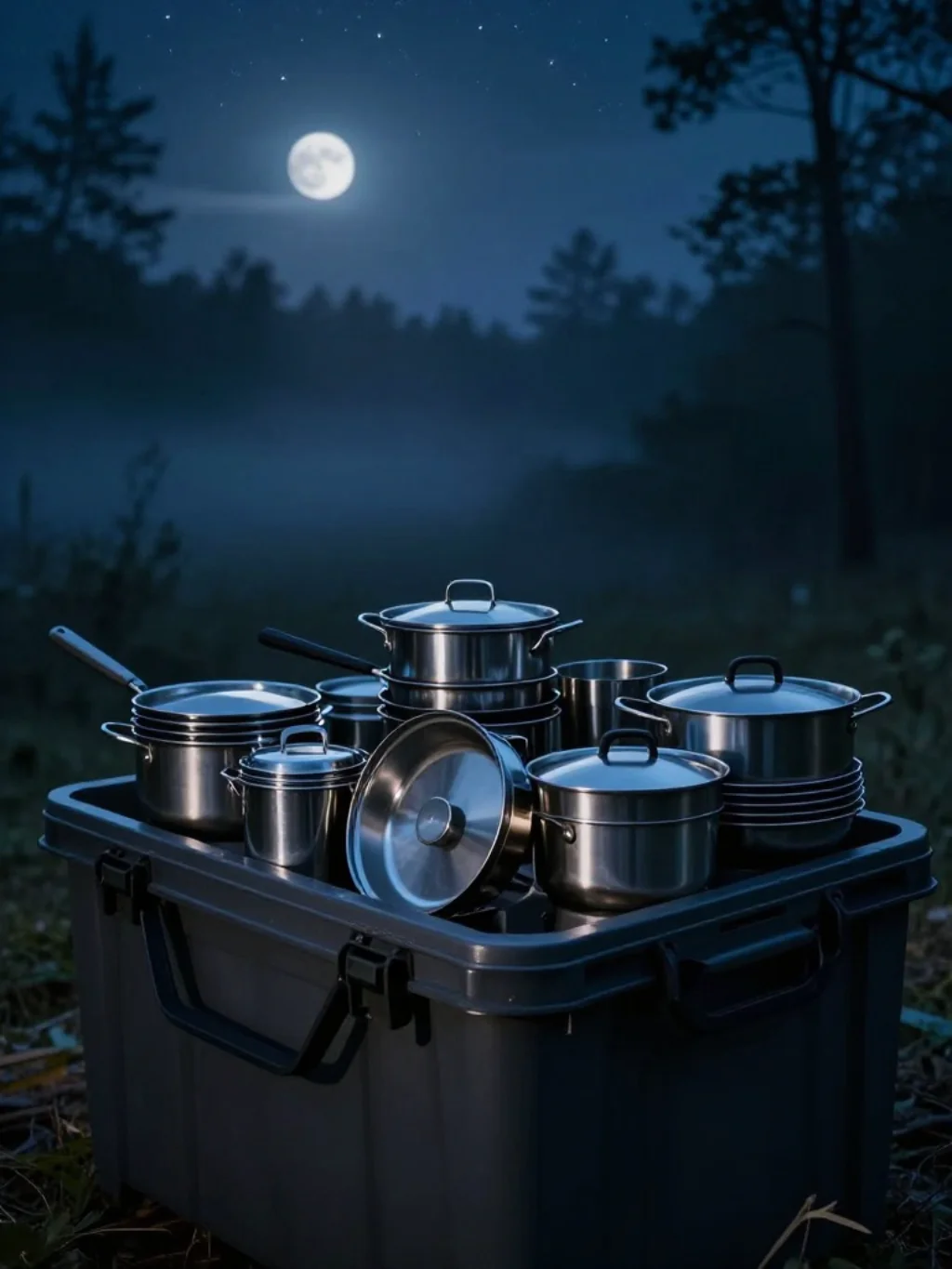
Executing quick cleanup camping dinners keeps dangerous bears from investigating your campsite at night. Scrape your cooking pots thoroughly immediately after finishing your meal. Never leave dirty dishes sitting out on tables while you enjoy the campfire.
Store all your scented items inside an airtight container or a heavy cooler locked tight. Wash your utensils far away from where you set up your sleeping tents. These defensive habits keep your camp safe and free from unwanted midnight visitors.
Fueling Tomorrow’s Ascent with High Protein Night Feasts
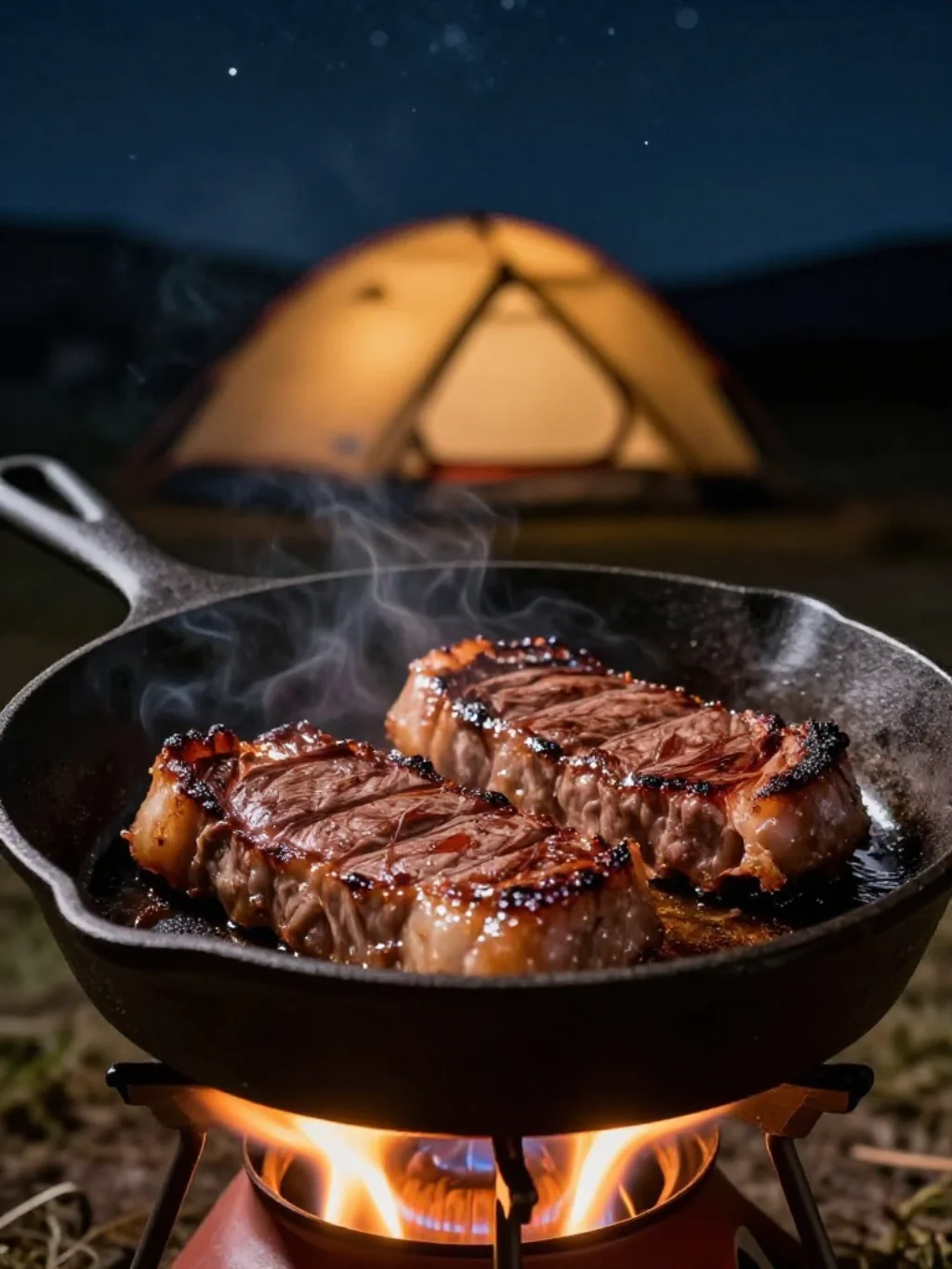
Sustaining your stamina for tomorrow’s brutal climb requires satisfying high protein campfire food tonight. Your muscles need immediate amino acids to repair after carrying heavy backpacks all day. Sear thick steaks or simmer dense bean dishes to kickstart your recovery.
This vital trailside dining strategy ensures you wake up feeling strong and completely refreshed. Avoid empty carbohydrate loads that leave you feeling sluggish and bloated in the morning. Feed your body the premium fuel it needs to conquer the next peak.
Navigating Food Storage Laws in Protected Bear Territories
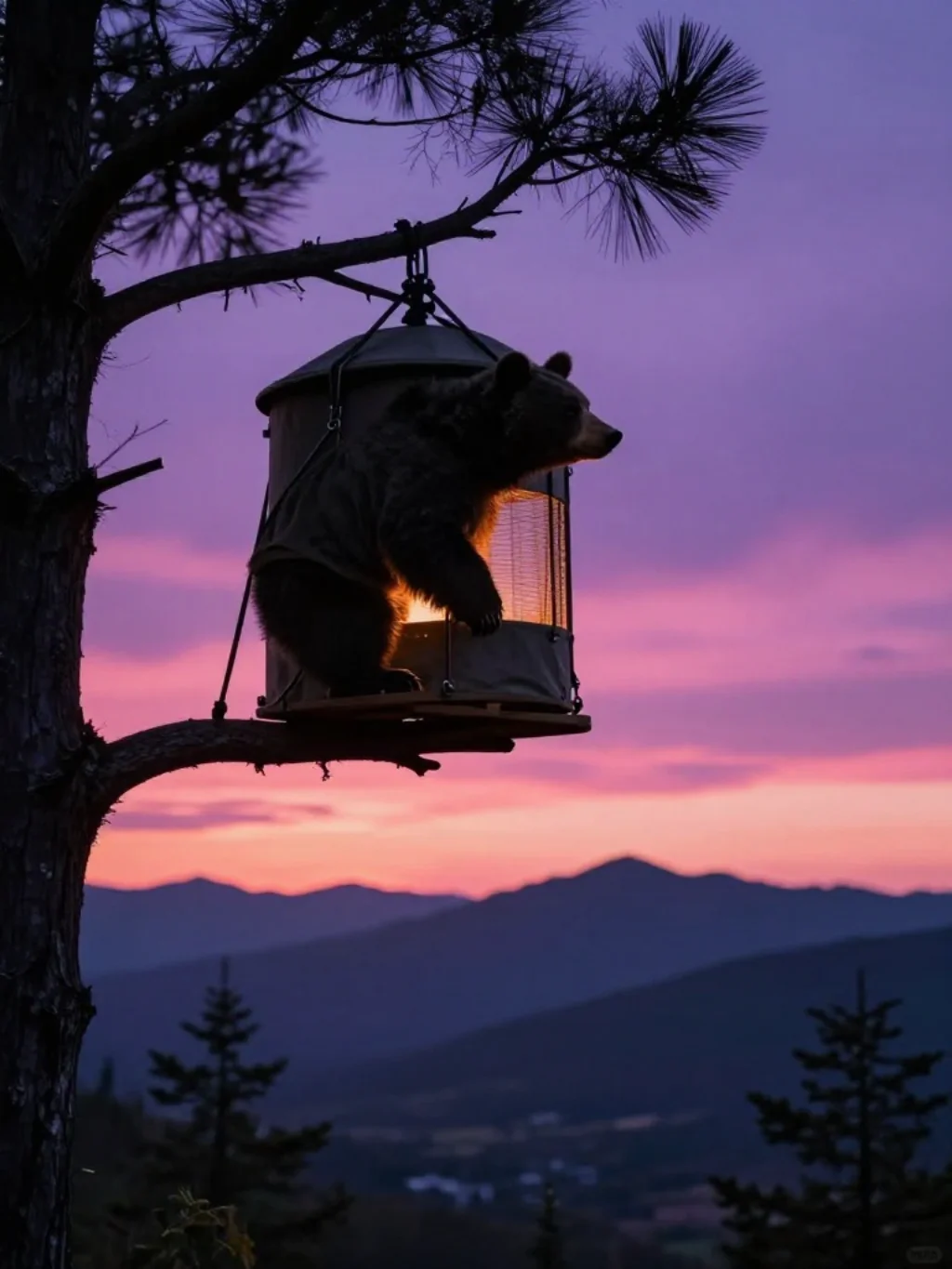
Using an approved REI Co-op bear canister is mandatory in many national parks today. These impact resistant containers prevent clever animals from accessing your aromatic food supplies. Store your sealed canister at least one hundred yards downwind from your sleeping area.
Never keep fragrant lip balms or snacks inside your tent structure overnight. Understanding these strict local regulations protects both your group and the native wildlife. Responsible storage ensures animals don’t become habituated to dangerous human foods.
The Psychological Comfort of a Warm Earthy Wilderness Broth
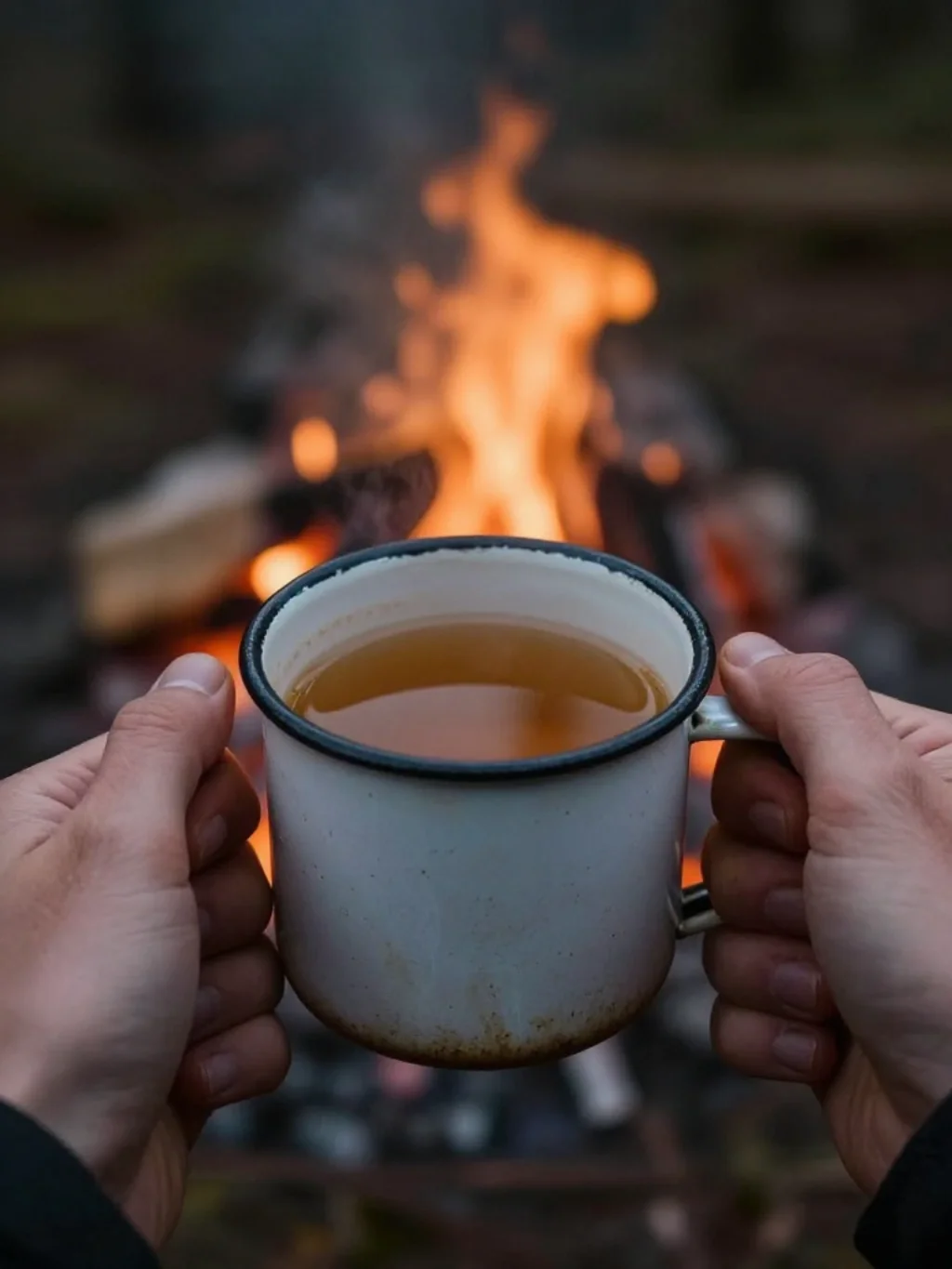
Sipping a hot mug of savory broth delivers incredible comfort after a exhausting rainy day. This simple wilderness sustenance restores crucial salts lost through hours of heavy sweating. It warms your frozen hands instantly as you hold the hot metal vessel.
This grounding ritual helps calm your central nervous system before you settle down to sleep. The deep earthy flavors provide an immediate sense of safety in the vast lonely woods. It proves that true nourishment encompasses both physical energy and emotional comfort.
Crafting Memorable Fireside Evenings Around Shared Metal Plates
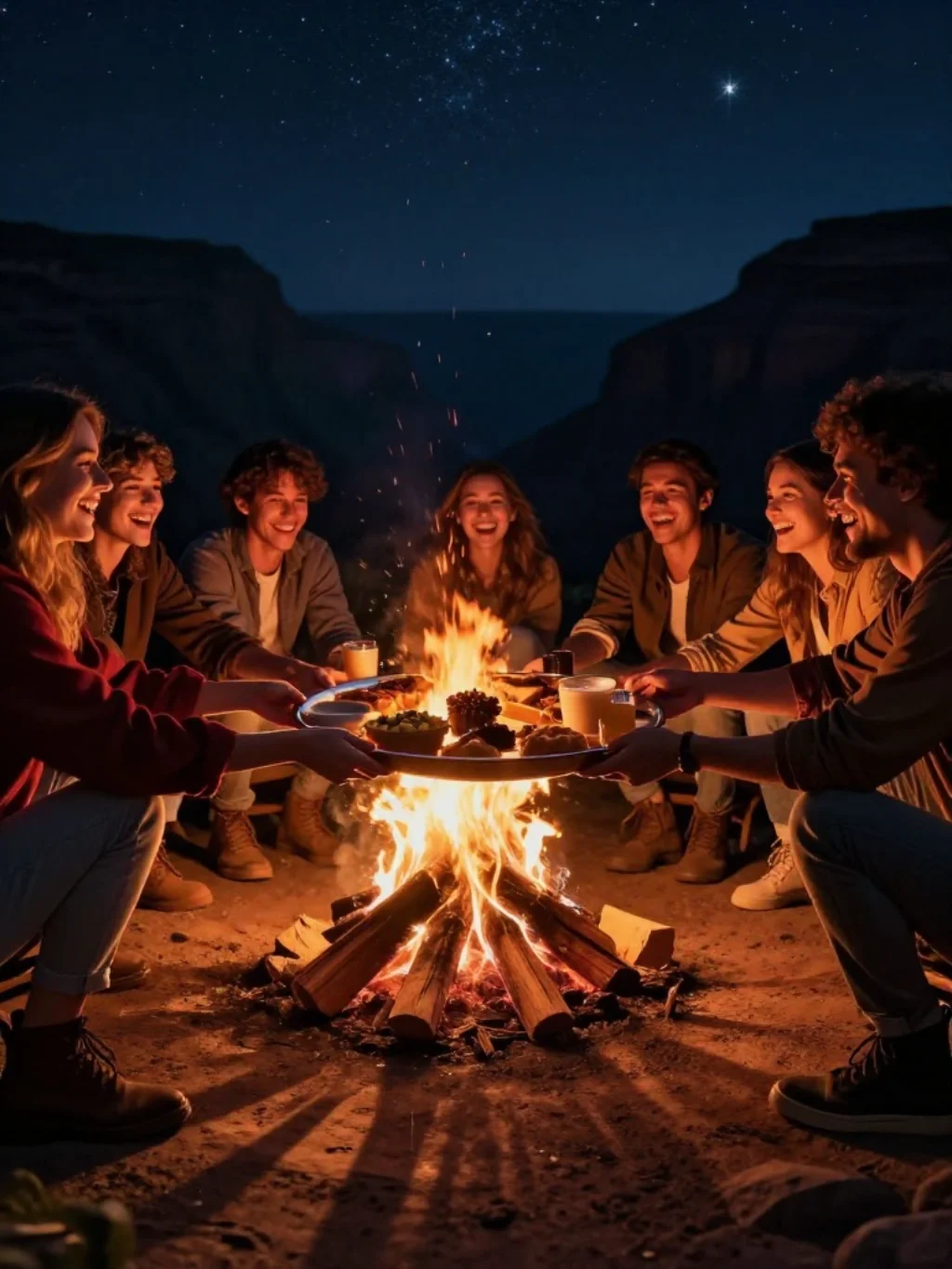
Gathering around a roaring fire to share easy camping recipes builds unbreakable human bonds. Passing around a single large skillet creates a wonderful sense of community and old traditions. Food always tastes significantly better when consumed in the fresh open air.
These shared moments define the true magic of the classic car camping menu experience. Let the conversation flow naturally as the glowing embers slowly die down to ash. The memories of these simple meals will outlast any modern restaurant dining experience.
Frequently Asked Questions
What are the best non-perishable proteins for backpacking trips?
Excellent options include historical Pemmican, tuna packets, jerky, and lightweight lentils. These items pack immense nutritional value without requiring heavy ice cooling.
How do you clean cast iron gear without running water?
Scrape the surface clean using coarse salt and a clean rag while the pan is warm. Apply a very thin layer of fresh oil to prevent rust before storing.
Conclusion
Mastering the art of wilderness cooking transforms your outdoor adventures from basic survival into a premium culinary journey. Using the right gear and techniques allows you to enjoy world-class meals anywhere nature takes you. Step away from boring rations and embrace the glowing embers tonight.
1 Comment