

Introduction
Planning your first trip to Greece can feel overwhelming, especially with so many islands, historical sites, and cultural experiences to explore. From ancient ruins in Athens to the breathtaking sunsets of Santorini, Greece offers a perfect blend of history, beauty, and adventure. With the right preparation, your trip can be smooth, enjoyable, and unforgettable. This guide covers essential ideas to help you confidently plan your journey and make the most of your first visit to Greece.
Choose the Best Time to Visit Greece
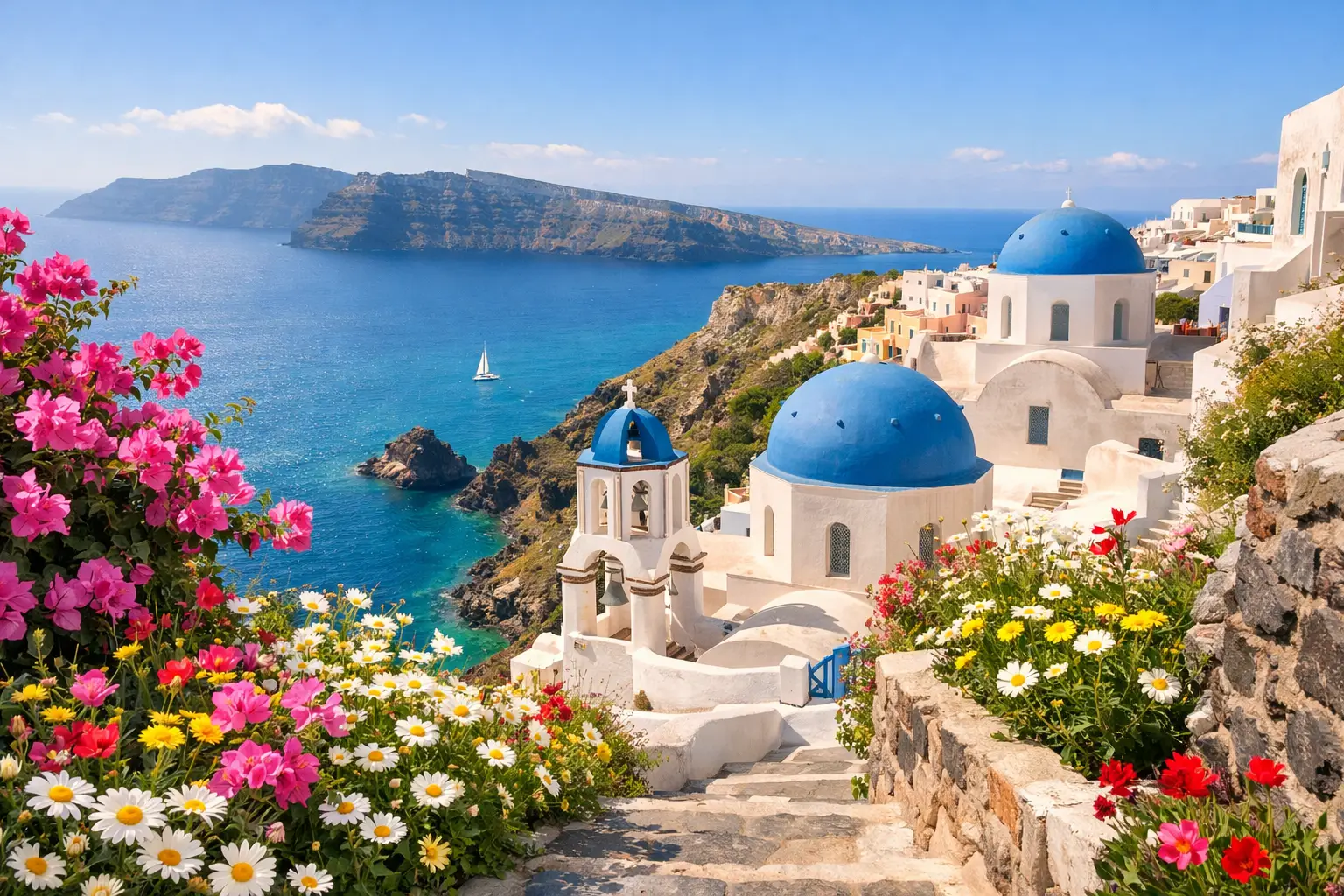
The best time to visit Greece is during spring and early autumn. These months offer pleasant weather, fewer crowds, and better prices compared to peak summer. Summer is ideal for beach lovers but can be crowded and expensive.
Decide How Many Days You Need
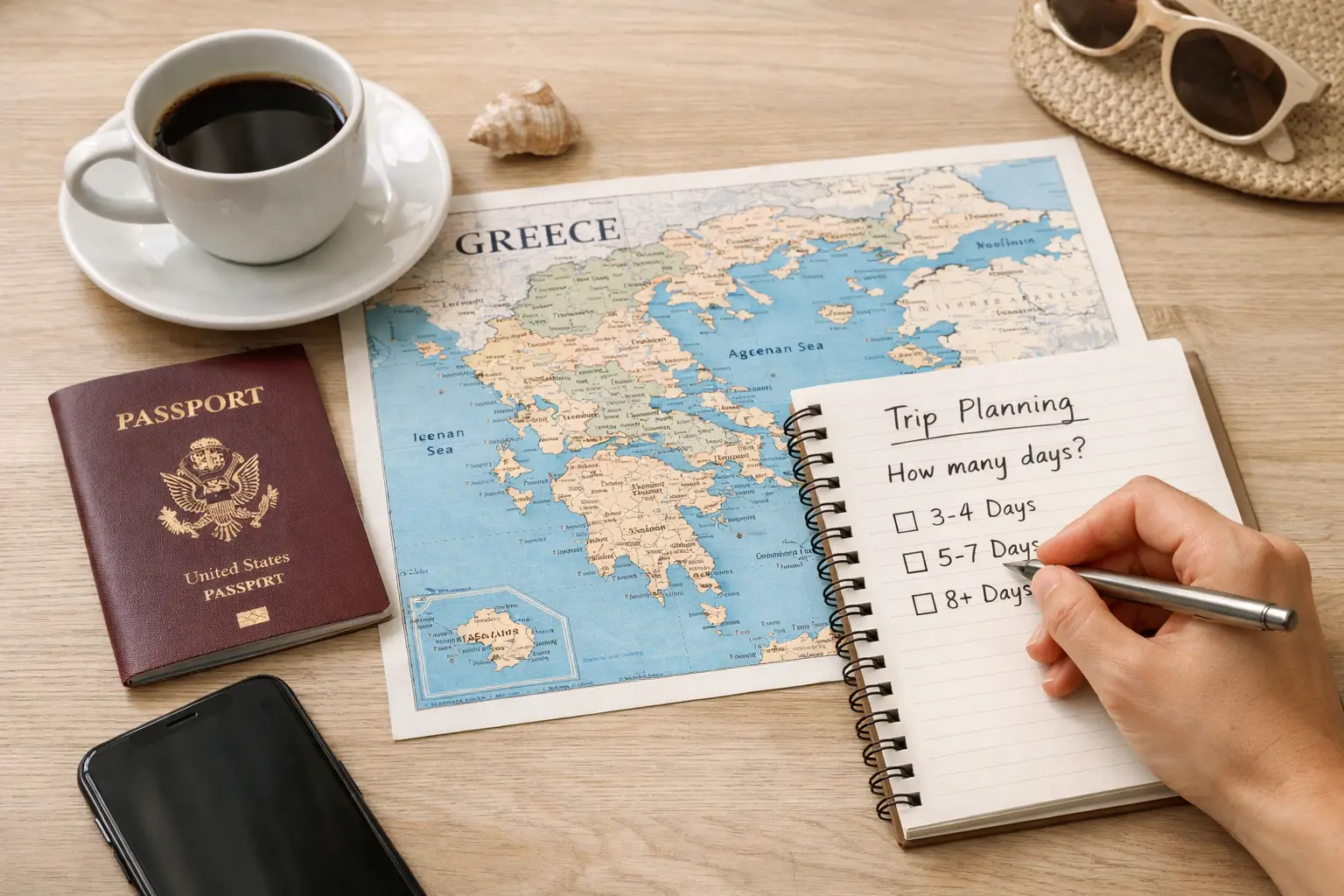
For a first trip, plan at least 7 to 10 days. This allows you to explore Athens and visit one or two islands without feeling rushed.
Start Your Journey in Athens
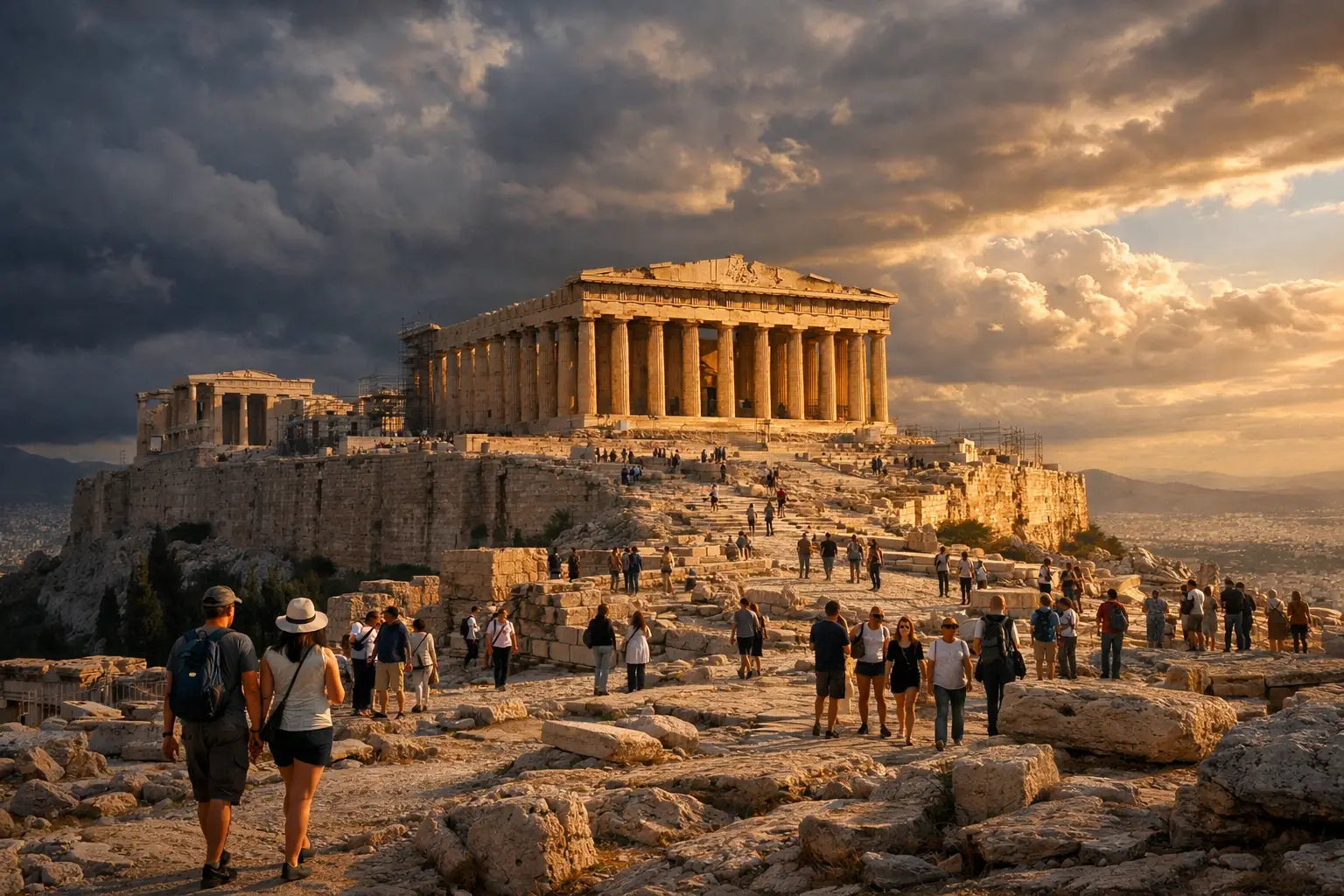
Athens is the heart of Greece’s history. Visit iconic landmarks like the Acropolis and Parthenon while enjoying the vibrant city life.
Pick the Right Greek Islands
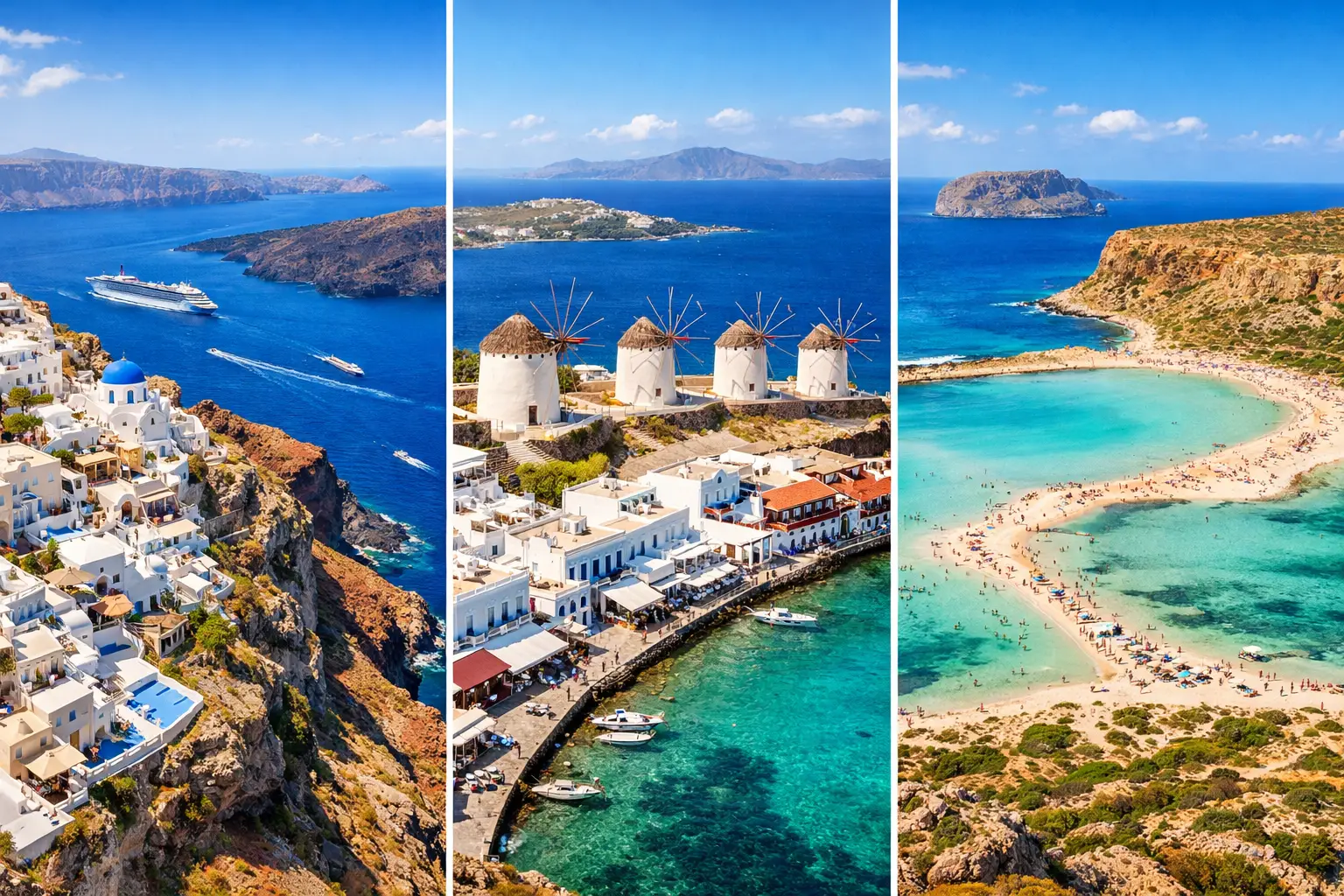
Each island offers a unique experience. Santorini is known for romance and views, Mykonos for nightlife, and Crete for history and local culture. Choose based on your interests.
Plan a Realistic Itinerary
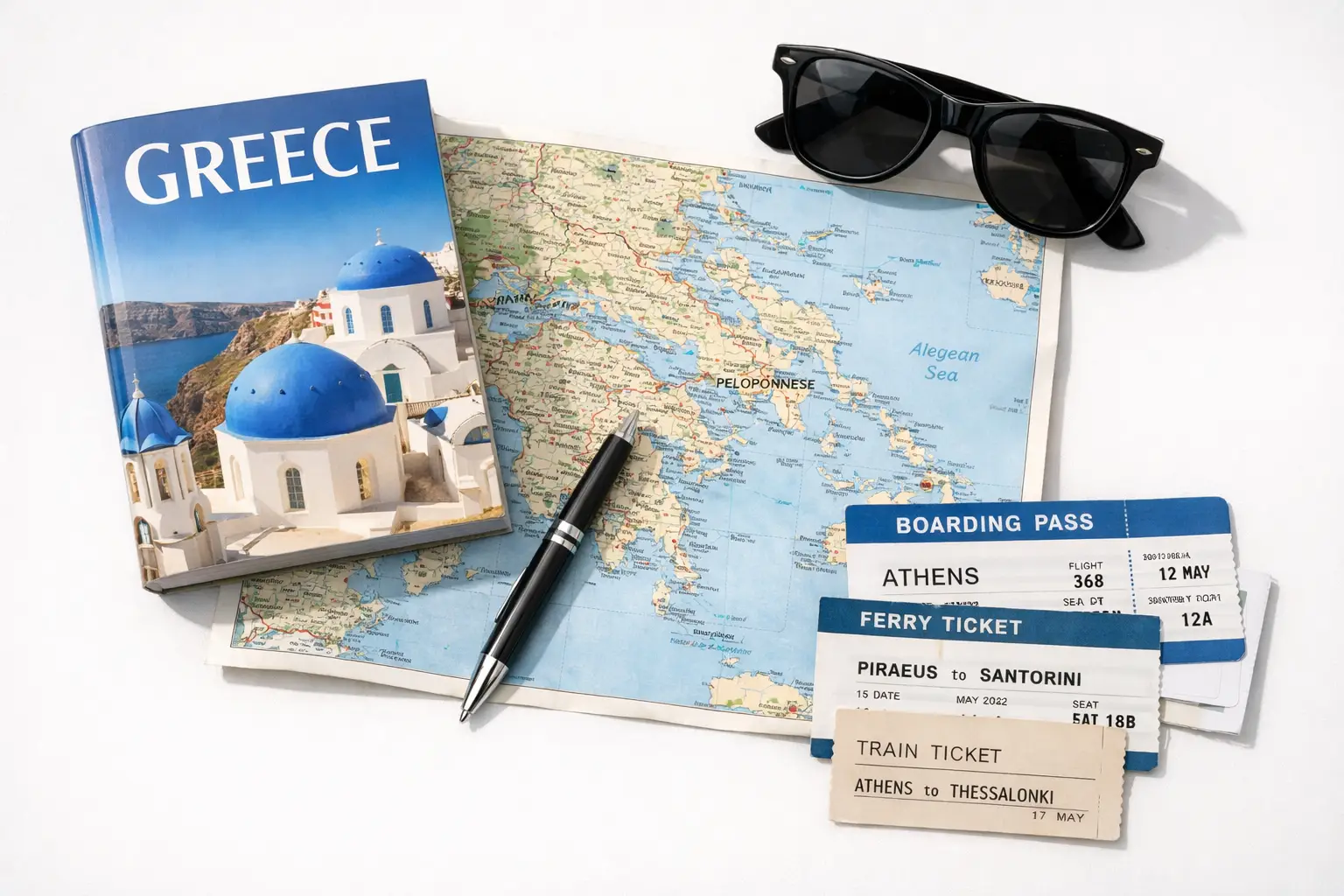
Avoid trying to visit too many places. Focus on quality over quantity to truly enjoy each destination.
Understand Transportation Options

Ferries are the most popular way to travel between islands. Domestic flights are faster but more expensive. In cities, public transport is reliable and affordable.
Book Accommodation Early

Greece is a popular destination, especially in summer. Booking early ensures better choices and prices.
Set a Budget
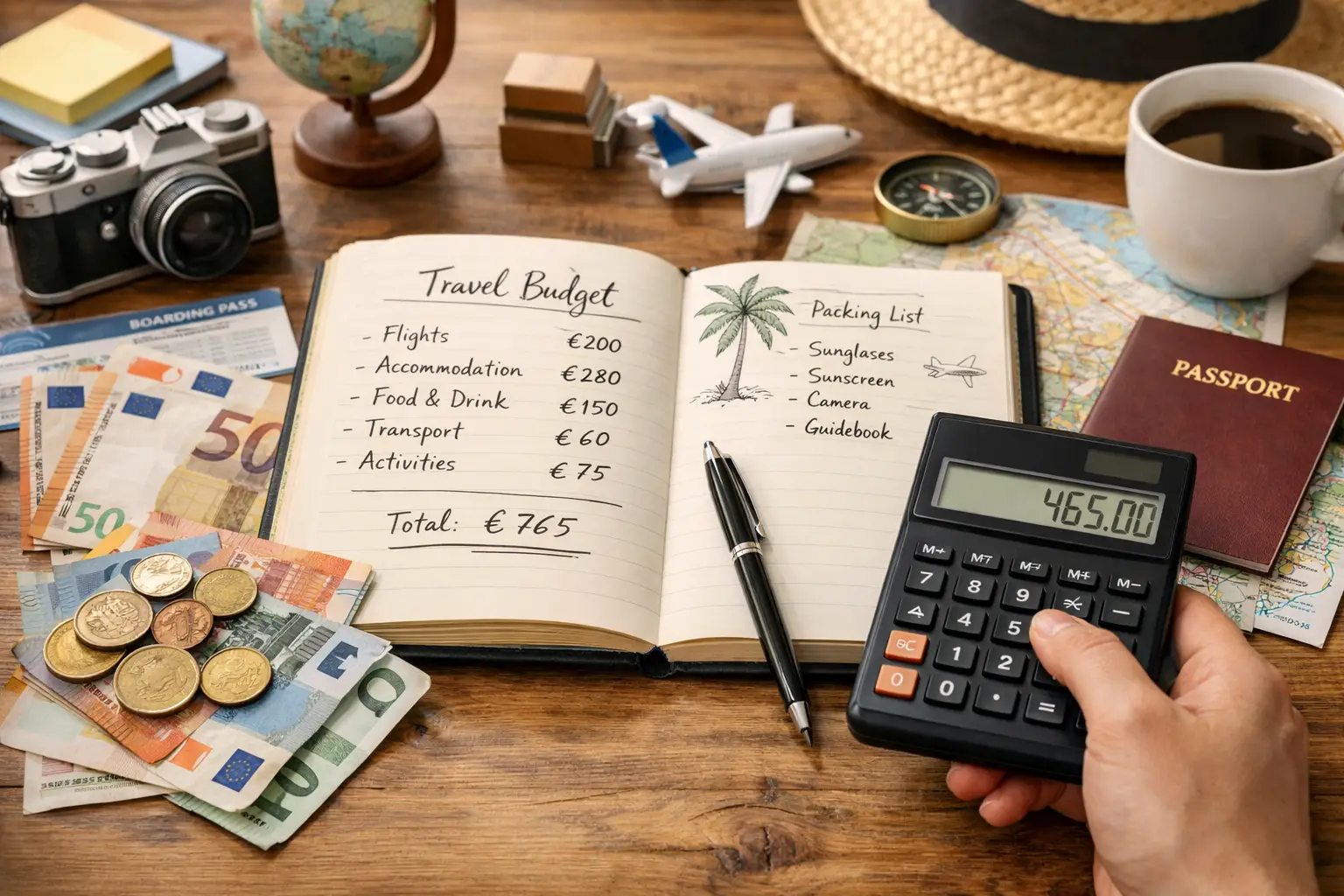
Greece can suit various budgets. Plan for accommodation, food, transport, and activities. Traveling during shoulder seasons can save money.
Learn Basic Greek Phrases

While many locals speak English, learning simple phrases can enhance your experience and show respect for the culture.
Try Authentic Greek Cuisine

Greek food is a highlight of any trip. Enjoy dishes like moussaka, souvlaki, and fresh seafood at local tavernas.
Pack Smart for the Climate

Light clothing is ideal for summer, but bring comfortable shoes for exploring historical sites. A light jacket is useful for cooler evenings.
Check Visa Requirements
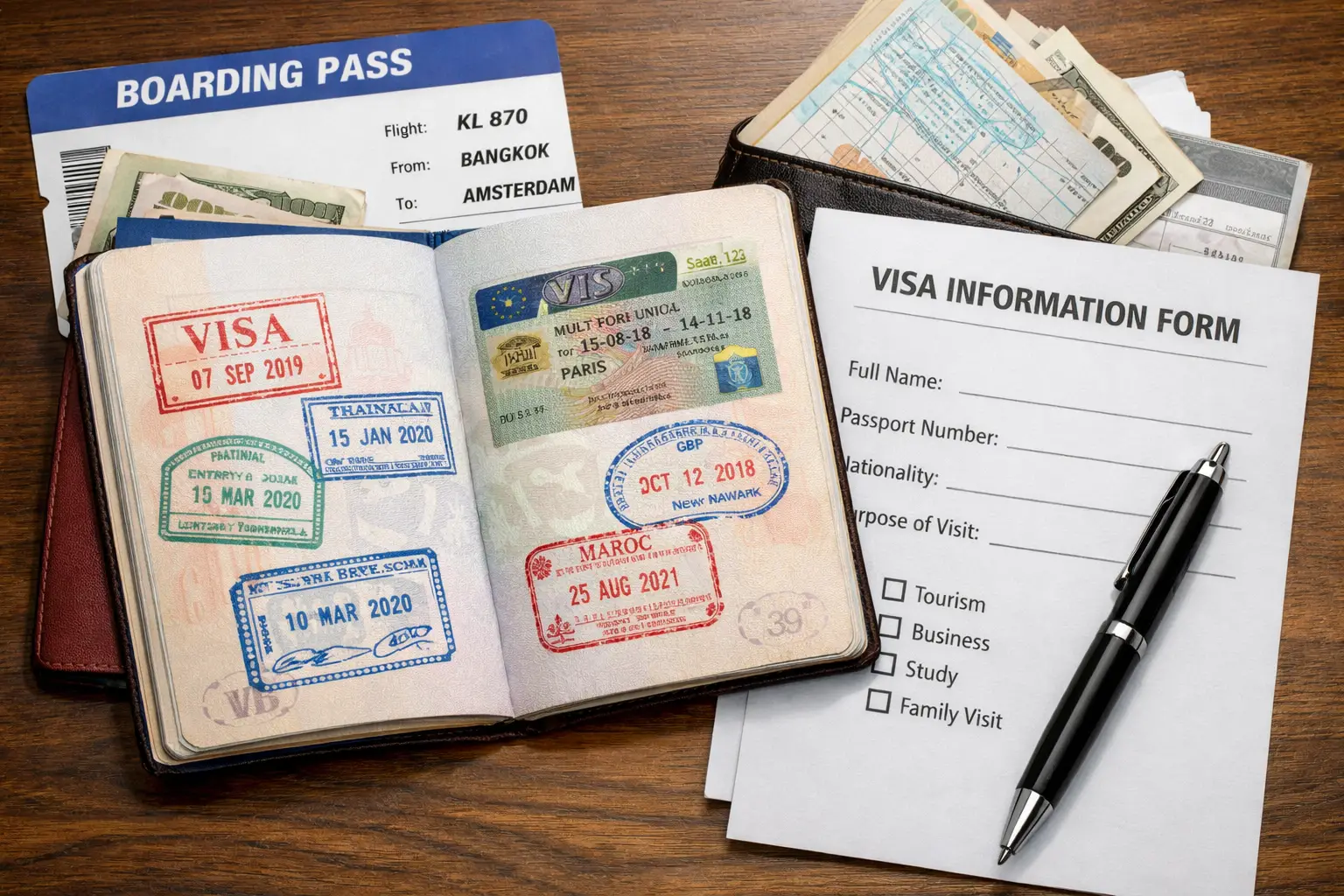
Ensure you understand visa requirements before traveling. Greece is part of the Schengen Area, so plan accordingly.
Explore Beyond the Popular Spots

While famous destinations are worth visiting, smaller towns and lesser-known islands offer a more authentic experience.
Respect Local Culture and Traditions

Dress modestly when visiting churches and respect local customs to avoid misunderstandings.
Plan for Island Hopping Carefully
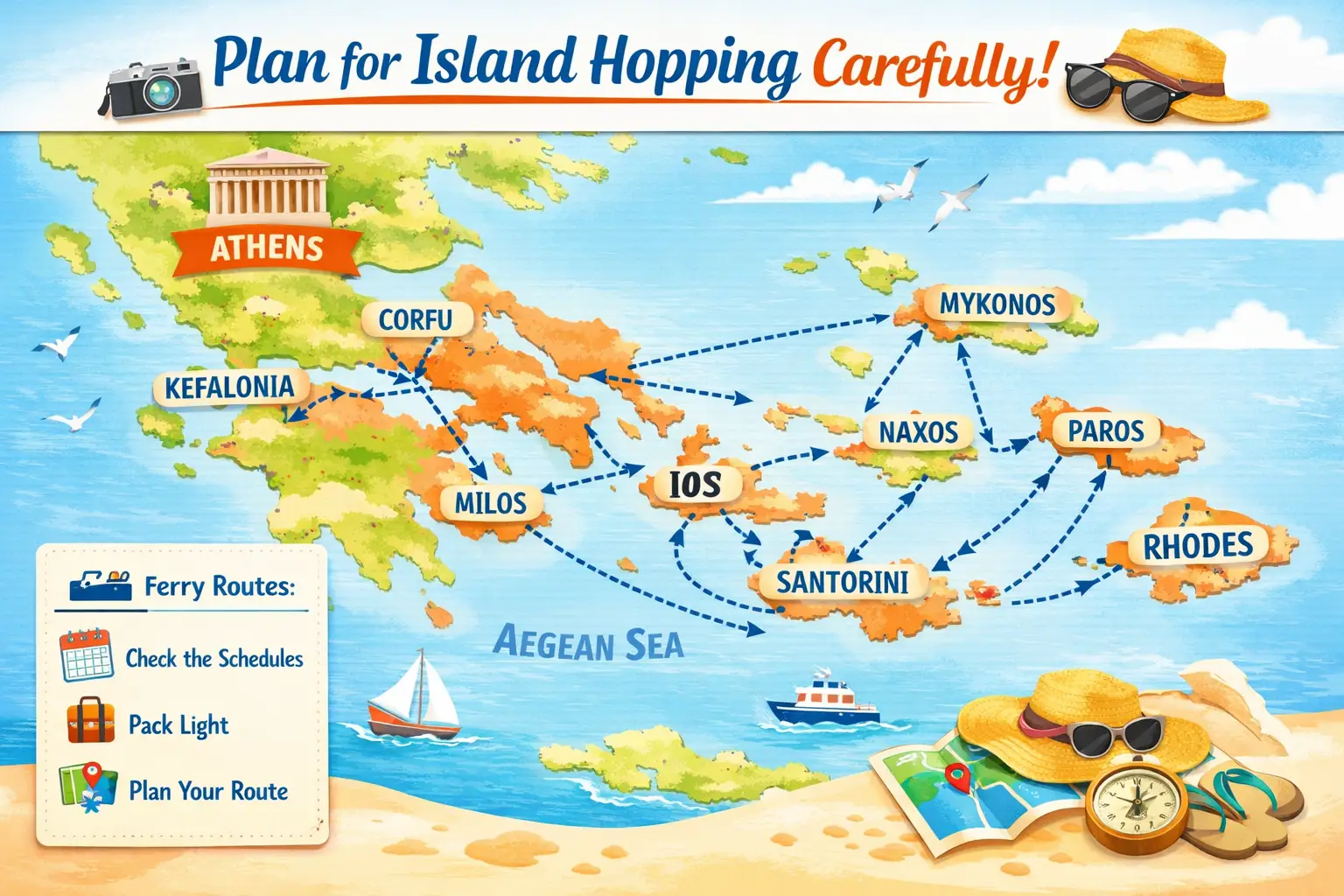
Island hopping is exciting but requires planning. Check ferry schedules and allow buffer time between connections.
Stay Hydrated and Protected from the Sun

The Mediterranean sun can be intense. Always carry water, sunscreen, and a hat while exploring.
Use Local Transportation

Buses and metros are efficient and cost effective ways to get around cities and islands.
Keep Important Documents Safe

Carry copies of your passport and important documents. Use hotel safes when available.
Be Flexible with Your Plans

Unexpected delays can happen, especially with ferries. Flexibility ensures a stress free experience.
Capture the Experience but Stay Present

Take photos, but also take time to truly enjoy the beauty and culture around you. Greece is best experienced in the moment.
Conclusion
Planning your first trip to Greece does not have to be complicated. With thoughtful preparation and a clear itinerary, you can enjoy everything this incredible country has to offer. From ancient history to stunning landscapes and delicious cuisine, Greece provides a travel experience that is both enriching and memorable. Focus on your priorities, stay flexible, and embrace every moment of your journey.
You can may alsolike this: 18 Outfits You Need for Christmas in London Ideas
FAQs
What is the best month to visit Greece
May, June, September, and October are ideal due to pleasant weather and fewer crowds
How expensive is a trip to Greece
Costs vary, but Greece can be affordable with proper planning, especially outside peak season
Do I need a visa to travel to Greece
It depends on your nationality, but many travelers require a Schengen visa
Is Greece safe for first time travelers
Yes, Greece is considered safe with friendly locals and well developed tourism infrastructure
How many islands should I visit on my first trip
It is best to visit one or two islands to avoid rushing and fully enjoy the experience