
Introduction
Every trip leaves behind more than photos. There are small moments, quiet conversations, and tiny details that fade from memory faster than we expect. A travelling journal gives those moments a home. It is not just a notebook you carry along; it becomes a personal record of how a place made you feel, not just how it looked.
Many travellers struggle with the same question. How do you actually remember a journey once the excitement settles down and daily life takes over again? Photos help, but they rarely capture the small talk with a stranger, the smell of street food, or the way a sunset felt after a long day of walking. This is where travel journal ideas come in handy, giving your memories a proper place to live beyond your phone gallery.
This guide walks you through 22 simple and practical ways to start and maintain your own journal, no matter your travel style. Whether you prefer writing, sketching, or pasting little keepsakes onto a page, there is an approach here that will fit naturally into your routine.
Start a Daily Travel Journal Habit

The easiest way to begin is by writing a few lines every single day of your trip. You do not need long paragraphs or perfect grammar. A short note about where you went, who you met, and how the day felt is enough to bring that memory back years later.
This small daily habit works best when it becomes routine, like brushing your teeth. Try writing before bed or during a quiet coffee break. Keep a pen tucked into your bag so you are never searching for one. Over time, this simple practice turns into one of the most valuable travel documentation ideas you can build.
Create a Travel Bullet Journal Layout
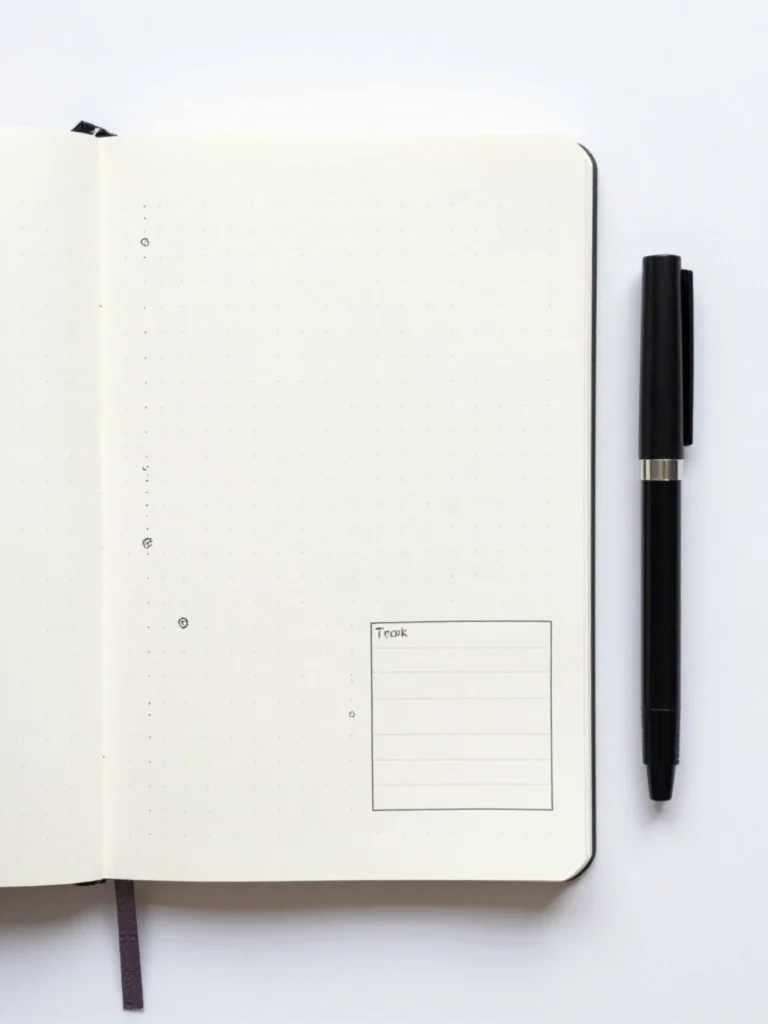
A travel bullet journal works well for people who like structure more than free writing. Instead of long entries, you use bullet points, symbols, and short lists to track your days. This format is fast, visual, and easy to scan later.
You can create sections for daily highlights, packing lists, budget tracking, and places you want to visit next. Grid or dotted notebooks make it simple to draw small charts or trackers. This method suits organised travellers who enjoy seeing their trip broken down into clear, tidy sections.
Use a Travel Photo Journal
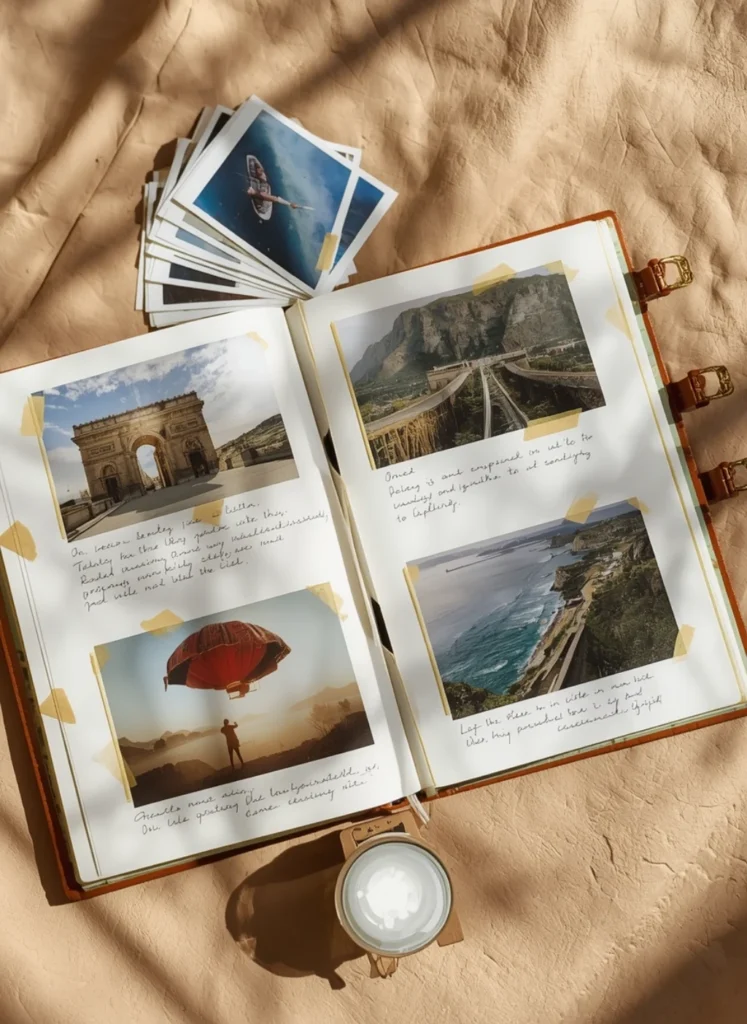
Pairing your written thoughts with printed pictures creates a travel photo journal that feels much more personal than a digital album. Adding a short caption under each photo helps you remember details a picture alone cannot show, like the weather, the mood, or a funny thing someone said.
A small portable printer or printing photos once you return home both work well for this. Leave extra space around each photo for handwritten notes. This combination of images and words makes your journal feel complete and full of life when you flip through it later.
Try a Travel Sketch Journal
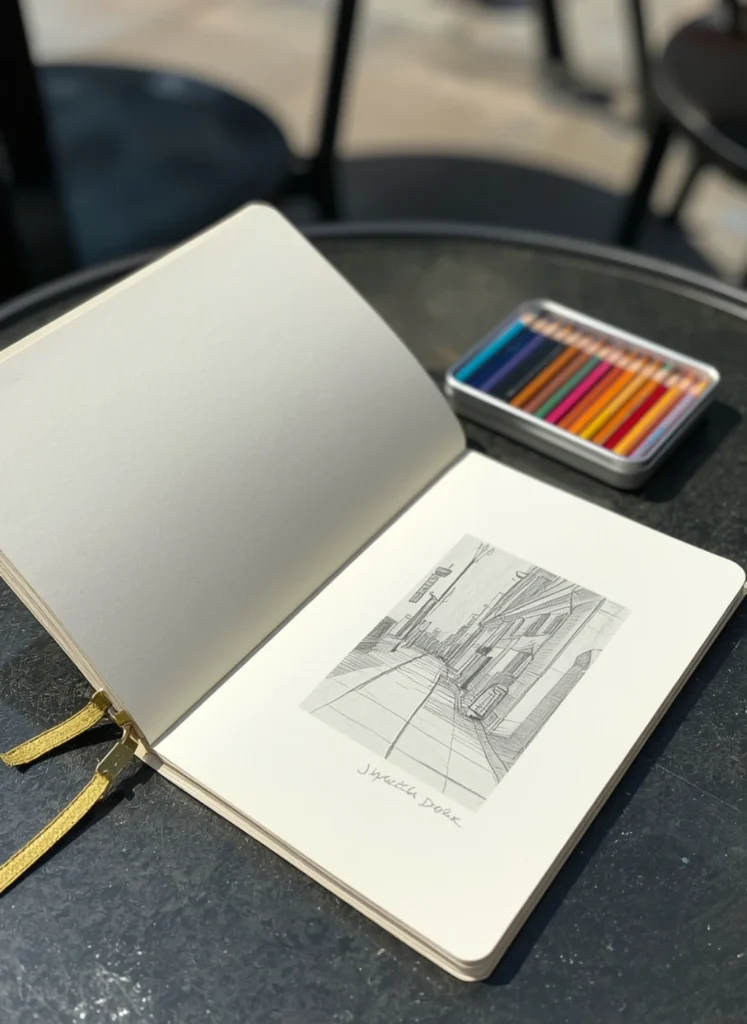
If writing feels difficult, drawing can say just as much. A travel sketch journal does not require artistic talent. Simple outlines of a building, a plate of food, or a street scene are enough to bring a memory back instantly.
Carry a small set of pens or watercolours that fit easily into your bag. Even five minutes of sketching during a break can capture something a photo might miss. This approach is especially rewarding for slow travellers who enjoy sitting in one spot and observing their surroundings.
Keep a Travel Food Journal

Food is often one of the strongest memories from any trip. A travel food journal lets you record what you ate, where you found it, and how it tasted. Small details like the name of a dish or the price can be surprisingly useful later, especially if you want to recreate it at home.
Include a quick rating system so you remember your favourites at a glance. Note down anything you struggled to pronounce or order, since these little stories often become the funniest parts of your trip. This is one of the simplest travel journal prompts to start with because everyone eats every single day.
Build a Travel Quote Journal
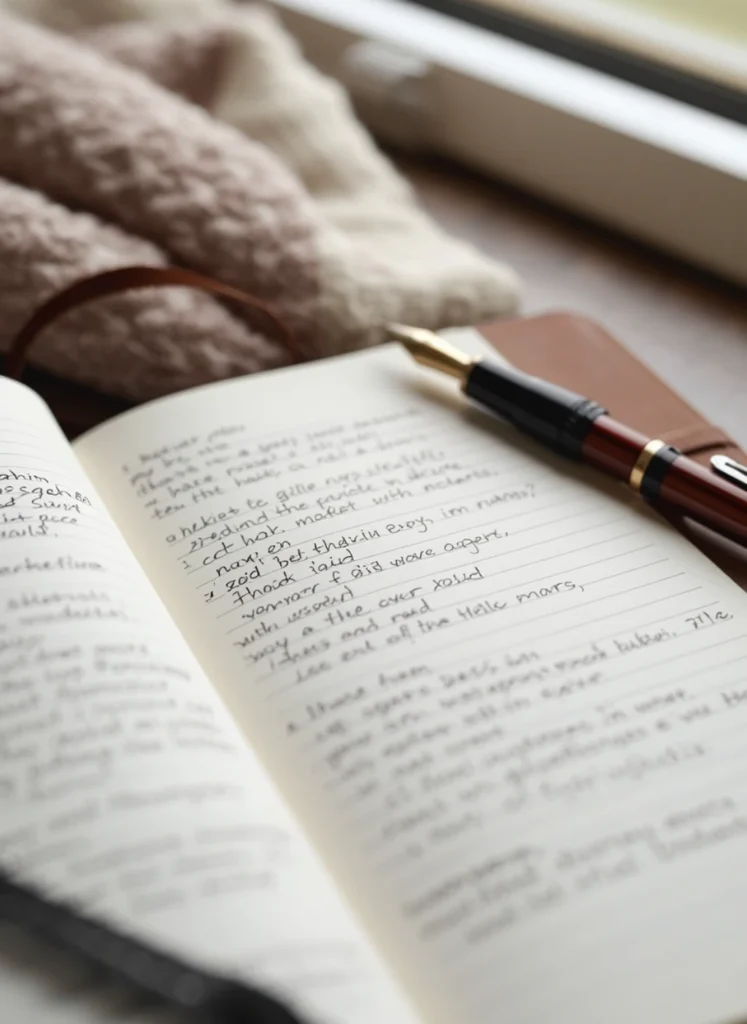
A travel quote journal collects meaningful lines from books you read while travelling, things people said to you, or even random signs and menus with charming translations. These small snippets often carry more emotion than a full paragraph.
Leave a blank page at the start of each new destination for quotes specific to that place. Over time, this journal becomes a collection of voices and perspectives from your entire trip. It is a gentle reminder that travel is as much about people as it is about places.
Start a Travel Gratitude Journal

A travel gratitude journal shifts your focus toward the small good things that happen during a trip, even the ones that seem minor at the time. Writing down three things you were thankful for each day helps you notice details you might otherwise overlook.
This practice is especially helpful during long or tiring trips when things do not go as planned. It keeps your mindset positive and grounded. Many travellers find that gratitude entries are the pages they return to most often once they are back home.
Make a Travel Bucket List Journal
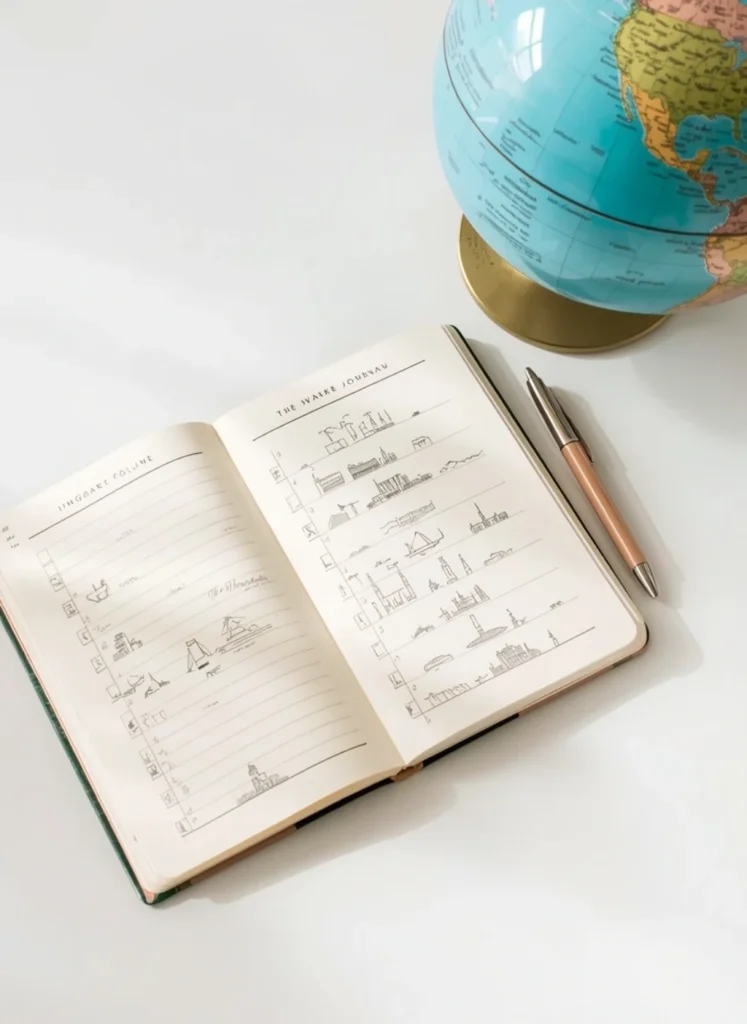
A travel bucket list journal helps you plan future trips while documenting the ones you have already taken. Use one section to note down places you dream of visiting and another to check off destinations you have already explored.
Add small personal touches like why a place interests you or who told you about it. This journal grows with you over the years and becomes a fun record of how your travel goals have changed. It also makes trip planning easier since your ideas are already organised in one place.
Try Nature Travel Journaling
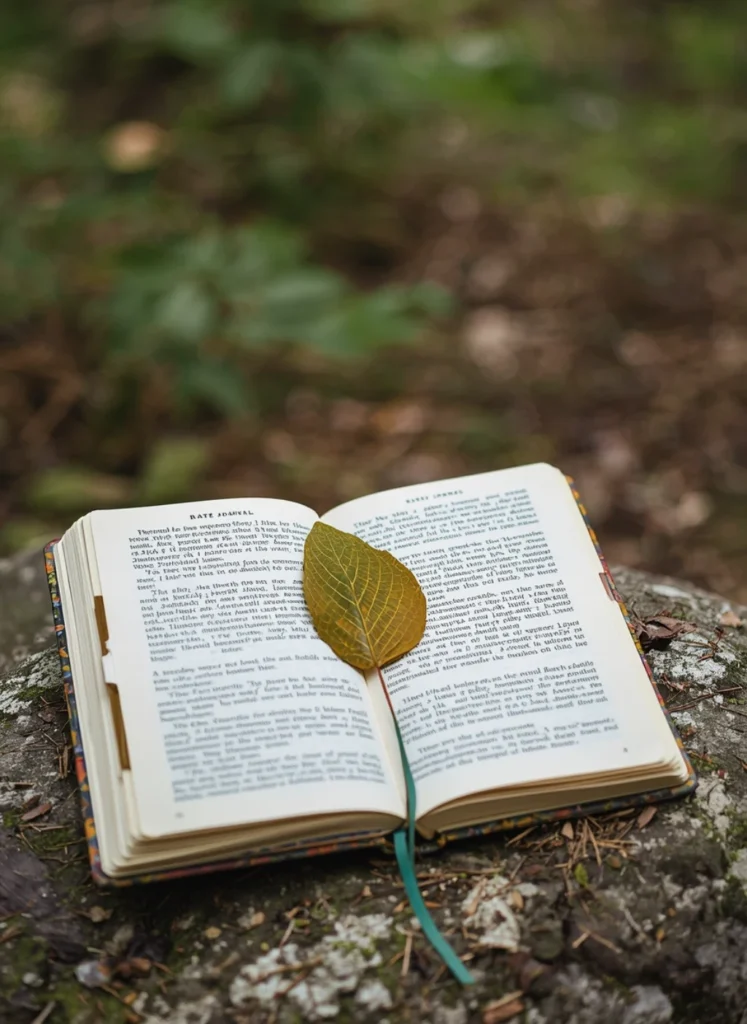
A nature travel journal focuses on the outdoors, from mountain trails to quiet beaches. Note down the weather, wildlife you spotted, plants you noticed, or the sound of a forest early in the morning.
This style suits hikers, campers, and anyone who enjoys slow, mindful travel. Pressing a small leaf or flower between the pages adds a physical keepsake alongside your written notes. Nature journaling often becomes a calming ritual that pairs well with early mornings or quiet evenings outdoors.
Create a City Travel Journal
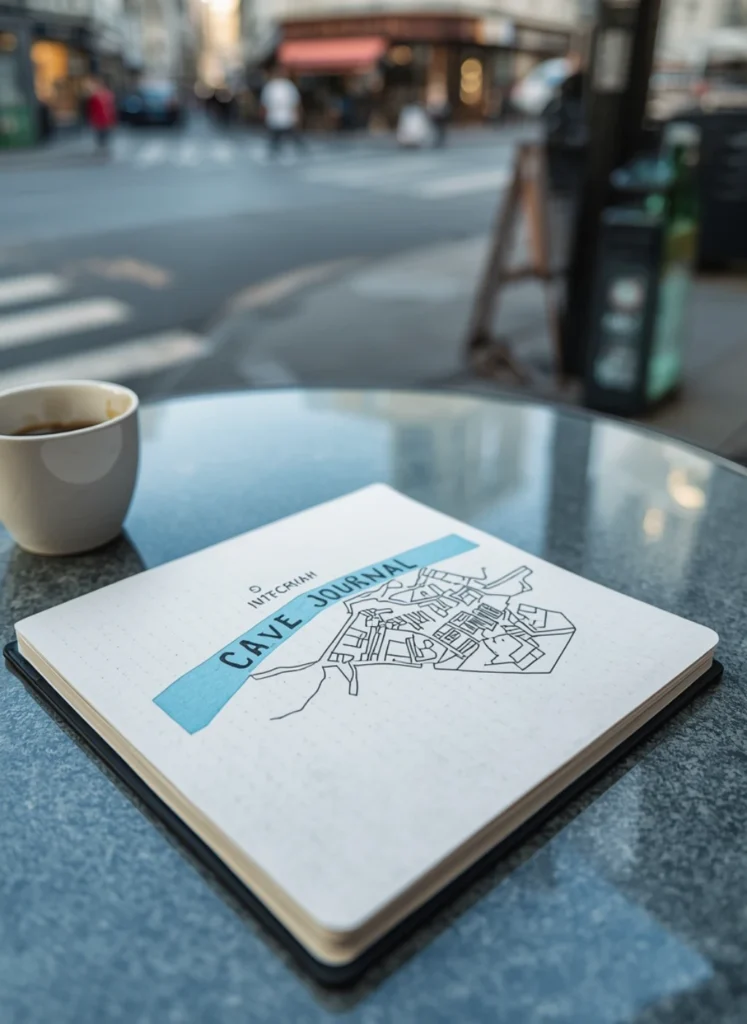
A city travel journal captures the energy of urban destinations, from busy streets to hidden cafes. Record the neighbourhoods you explored, the transport you used, and small local details like street art or unusual shop names.
Include a simple map sketch of your favourite areas so you can retrace your steps later. Note down restaurants or spots you would recommend to a friend. This journal style works especially well for city breaks where every corner seems to offer something new.
Keep a Travel Map Journal
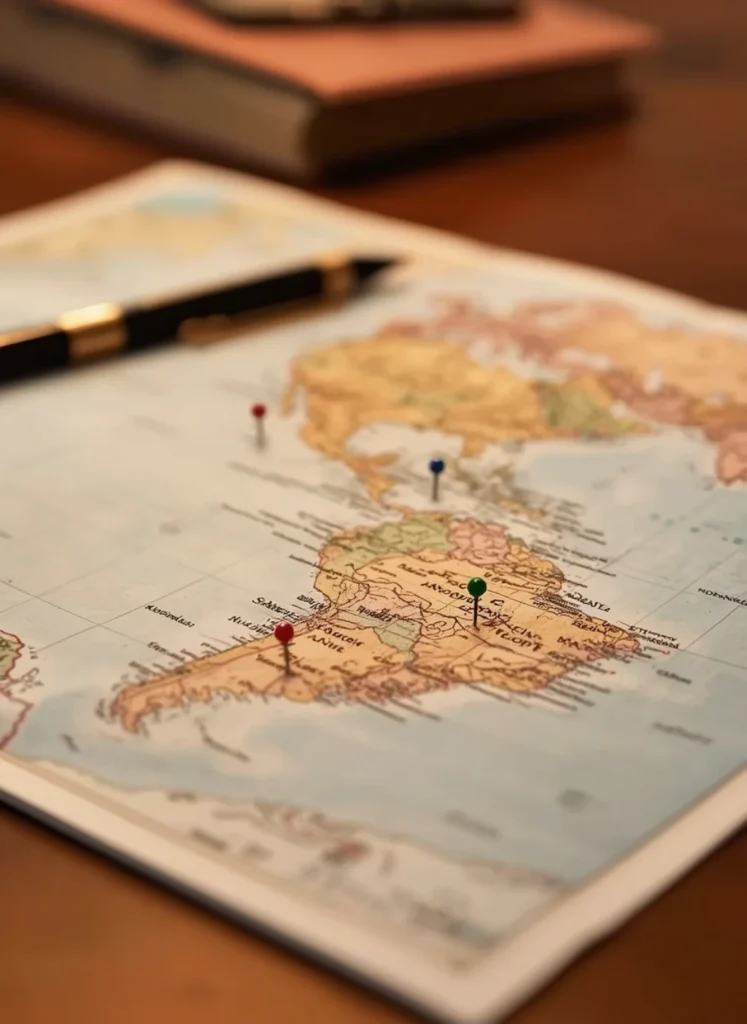
A travel map journal uses drawn or printed maps as the base for your notes. Instead of writing in straight lines, you mark locations directly on the map and add short notes beside each pin point.
This visual approach makes it easy to see your entire journey at a glance. It works particularly well for road trips or multi-city trips where the route itself is part of the story. Many travellers frame these map pages once they return home as a lasting keepsake.
Start a Travel Expense Journal
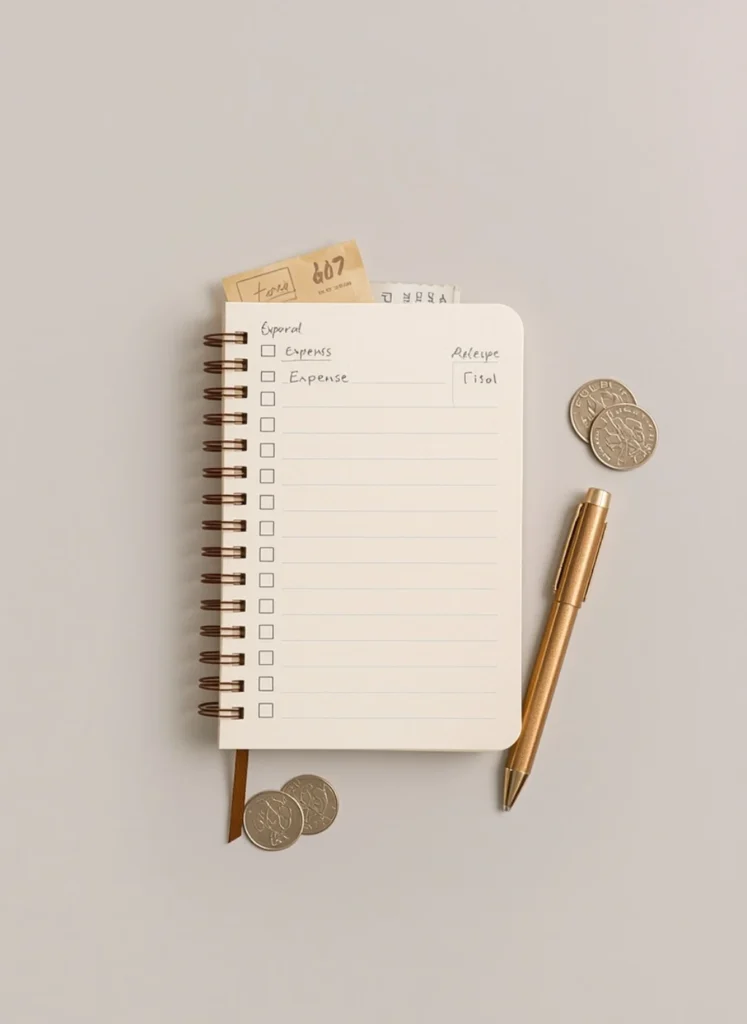
A travel expense journal keeps your spending organised while doubling as a memory log. Beyond tracking numbers, jot down what each expense was for, since a simple receipt rarely tells the full story on its own.
This habit is especially useful for long trips or backpacking adventures where budgeting matters. Reviewing it later also helps you plan smarter for future travels. Splitting expenses into categories like food, transport, and stays makes the page easy to read at a glance.
Try a Travel Language Journal
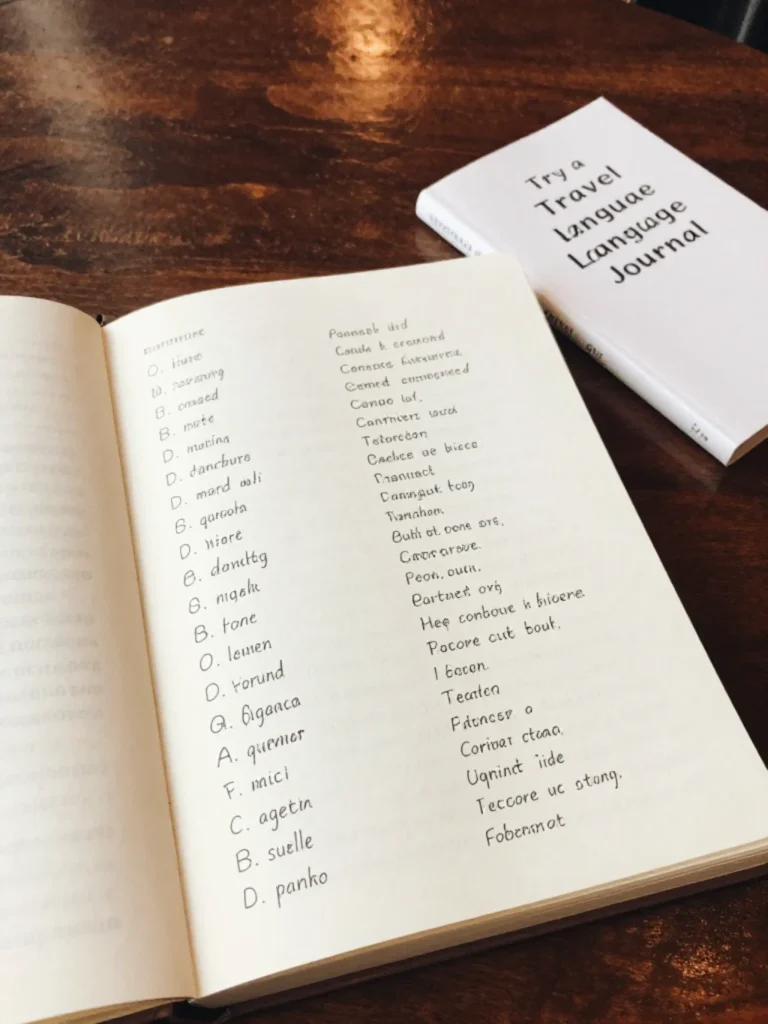
A travel language journal is perfect for anyone visiting a country where a different language is spoken. Write down new words you learn, along with their meaning and how to pronounce them.
Include small stories about times you used these words in real conversations, successfully or not. This journal grows into a personal phrasebook shaped by real experiences rather than a textbook. It also makes for an entertaining read once you are back home, remembering all the small language mishaps along the way.
Build a Travel People Journal
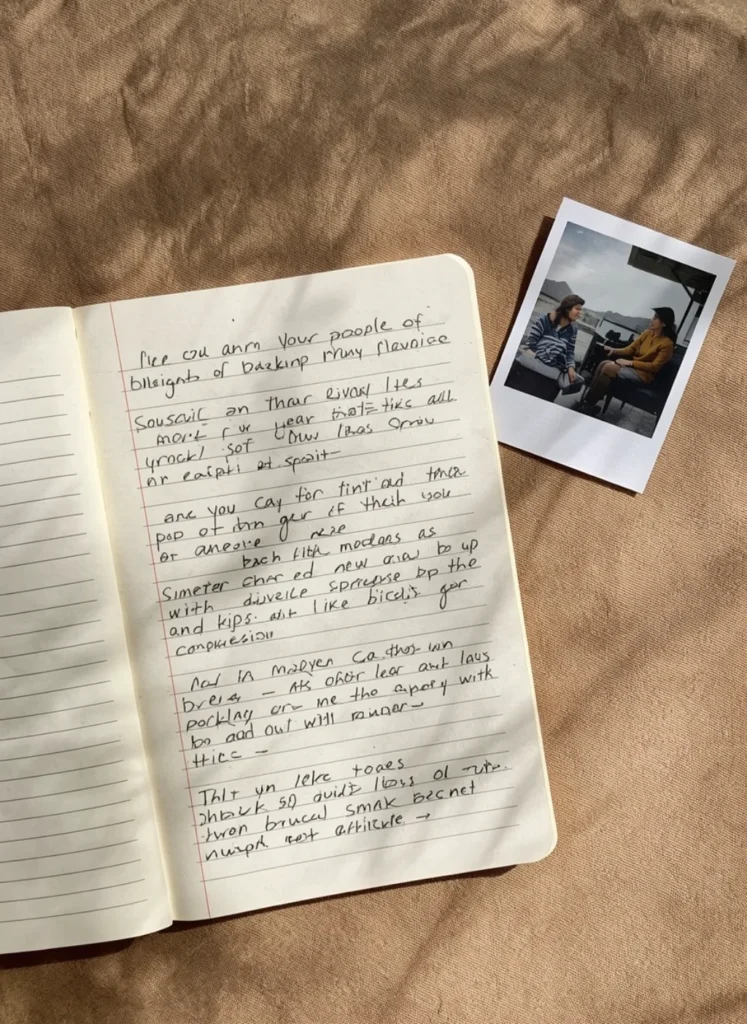
A travel people journal focuses on the individuals you meet along the way, from fellow travellers to local shopkeepers. Note their names, where they are from, and a short memory of your conversation.
These pages often become some of the most treasured parts of a travel journal over time. People add warmth and personality to a trip that scenery alone cannot provide. If someone shares their contact details, this journal is also a handy place to keep them safe.
Create a Travel Timeline Journal
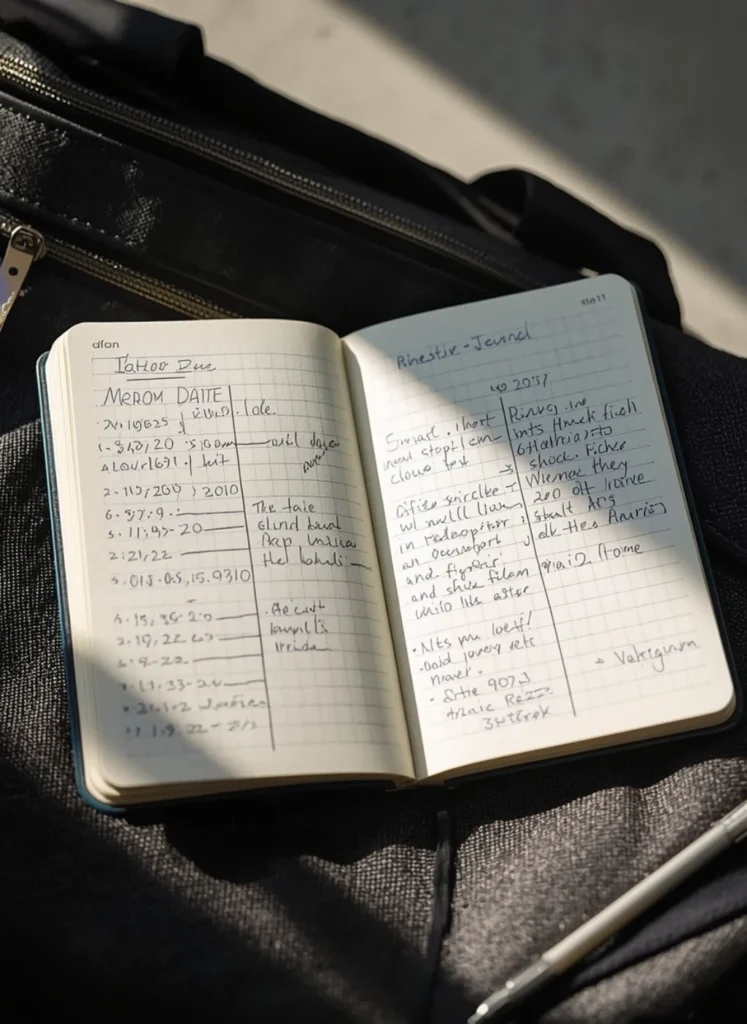
A travel timeline journal lays out your trip in chronological order, almost like a simple diary with dates attached. This format is especially useful for longer trips where it becomes easy to lose track of what happened on which day.
Keep entries short and factual, focusing on movement between places and key events. This style works well alongside more detailed journals, acting as a quick reference guide. Looking back, a timeline also helps you understand the pace of your trip and plan better for future journeys.
Keep a Travel Dream Journal

A travel dream journal captures the strange and vivid dreams that sometimes happen while sleeping in unfamiliar places. New sights, sounds, and experiences often influence our dreams in surprising ways during travel.
Keep a small notebook by your bed to jot down dreams as soon as you wake up, before the details fade. This unusual approach adds a creative and personal layer to your travel memories. It also makes for interesting reading years later, showing how a destination affected you even while asleep.
Try Cultural Travel Journaling
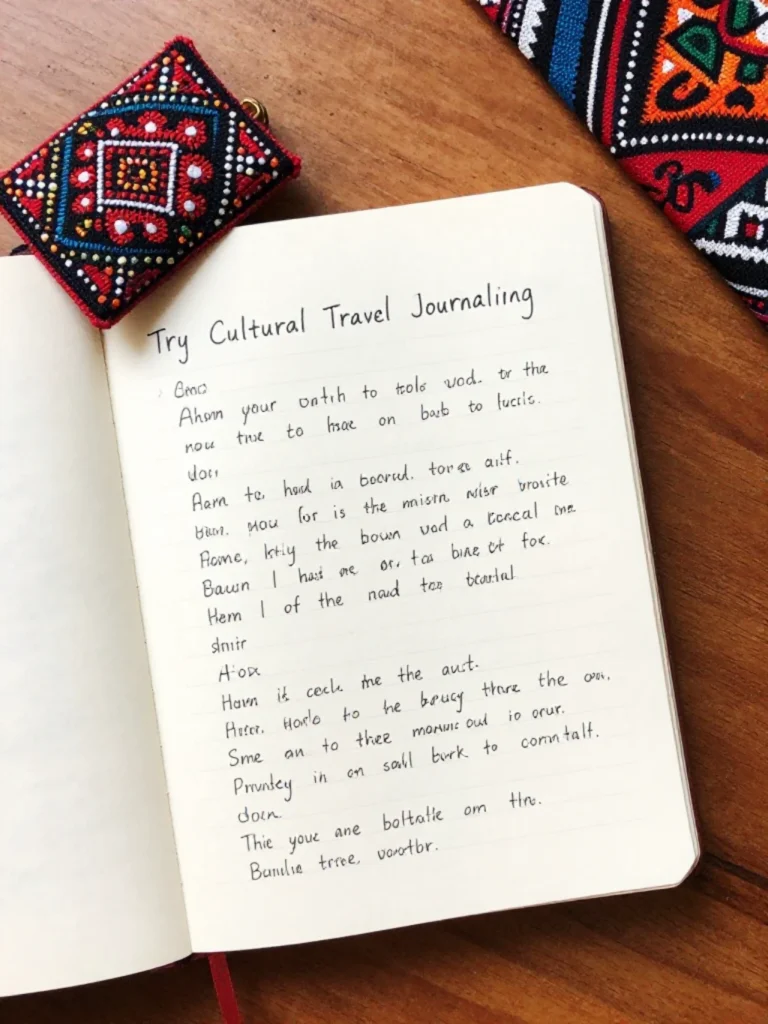
Cultural travel journaling focuses on the traditions, festivals, and daily customs you observe in a new place. Write down anything that surprised you, taught you something new, or simply felt different from home.
Ask locals questions when appropriate and record their answers respectfully. This kind of journaling builds a deeper understanding of a destination beyond its tourist attractions. It also encourages more thoughtful, respectful travel since you are actively paying attention to the culture around you.
Make a Travel Art Journal
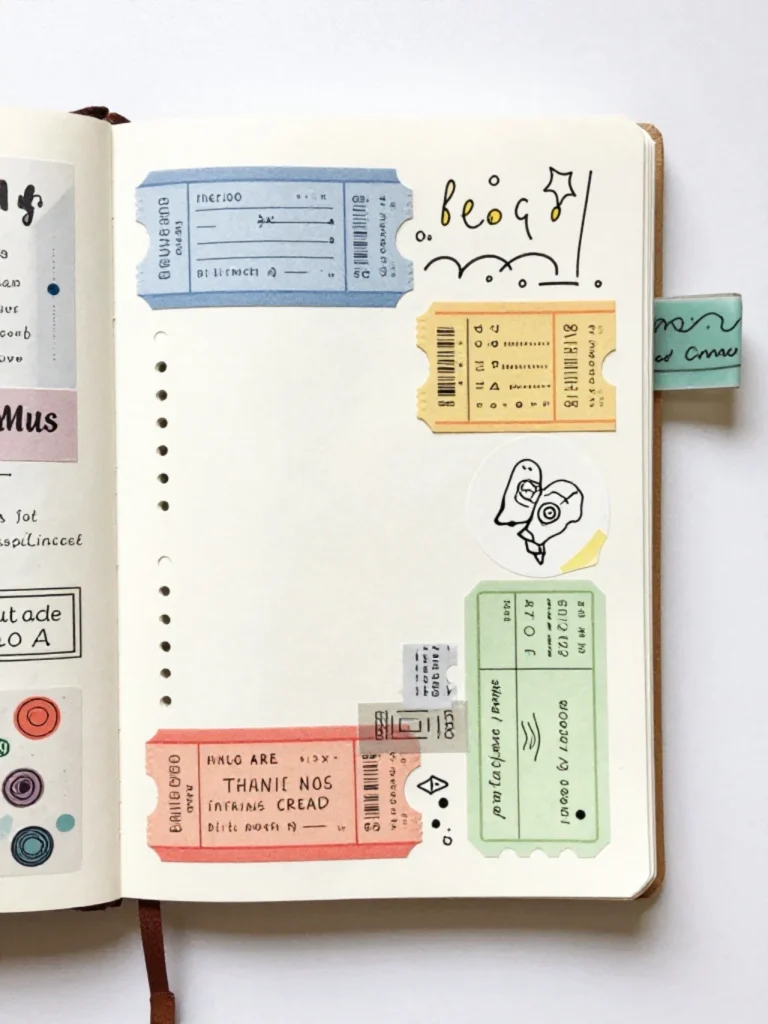
A travel art journal combines writing with collage, doodles, ticket stubs, and pressed items collected along the way. This mixed-media style feels more like scrapbooking than traditional journaling.
Keep glue, tape, and small scissors in your travel bag for this style. Include boarding passes, receipts, or small wrappers that hold meaning. Over time, these pages become a textured, layered keepsake that feels much richer than plain written notes alone.
Start a Solo Travel Diary

A solo travel diary is especially meaningful for those exploring on their own. Without someone else to talk through the day with, writing becomes a way to process thoughts, decisions, and small victories along the way.
Include reflections on how solo travel is shaping your confidence or perspective. Note down moments of uncertainty as honestly as moments of joy. This diary often becomes one of the most personal and rereadable journals someone can keep, showing real growth over the course of a trip.
Try Road Trip Journaling
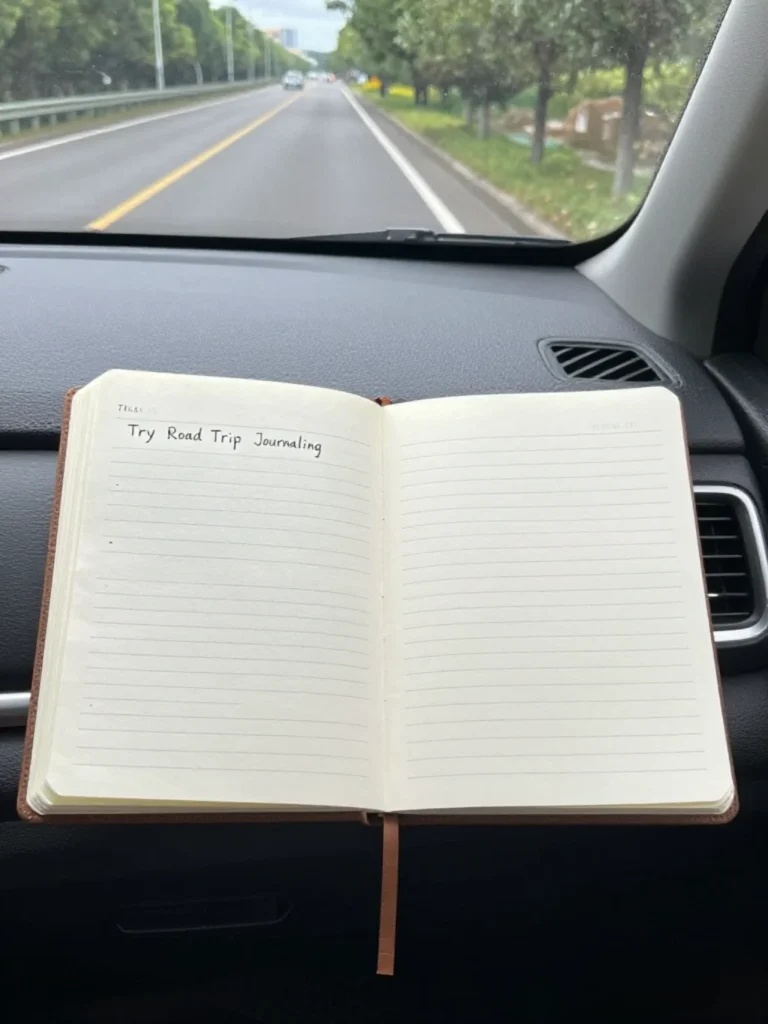
Road trips move quickly, and a dedicated journal helps capture the small towns, roadside stops, and playlist moments that pass by along the way. Note down mileage, fuel stops, or quirky roadside attractions you discover.
Keep the journal within easy reach in the car for quick entries at rest stops. Include snacks you tried or songs that defined certain stretches of the drive. This style keeps the spontaneous, ever-changing spirit of a road trip alive on paper long after the drive ends.
Keep a Backpacking Journal
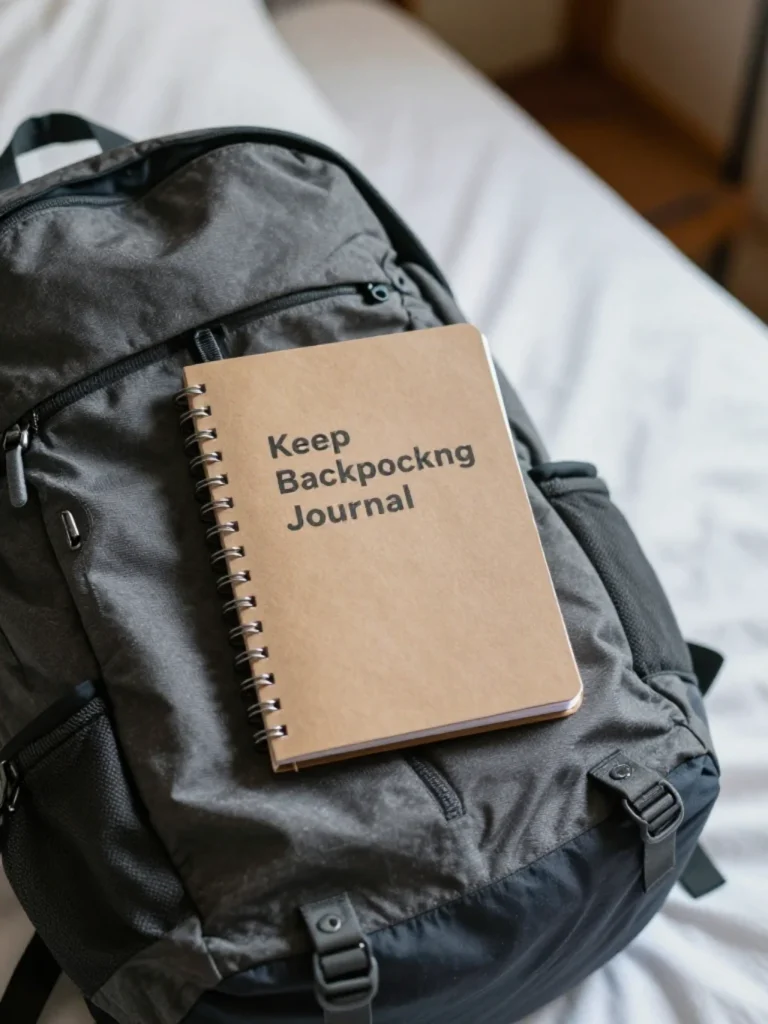
A backpacking journal needs to be lightweight and practical, much like the rest of your gear. Focus on hostels you stayed in, people you travelled alongside, and budget-friendly finds worth remembering.
A small, sturdy notebook works better than anything bulky here, since space and weight matter on the road. Note useful tips for future backpackers, like transport hacks or hidden gems. This journal often doubles as a practical guide for anyone else attempting a similar route later on.
Create a Travel Scrapbook Journal
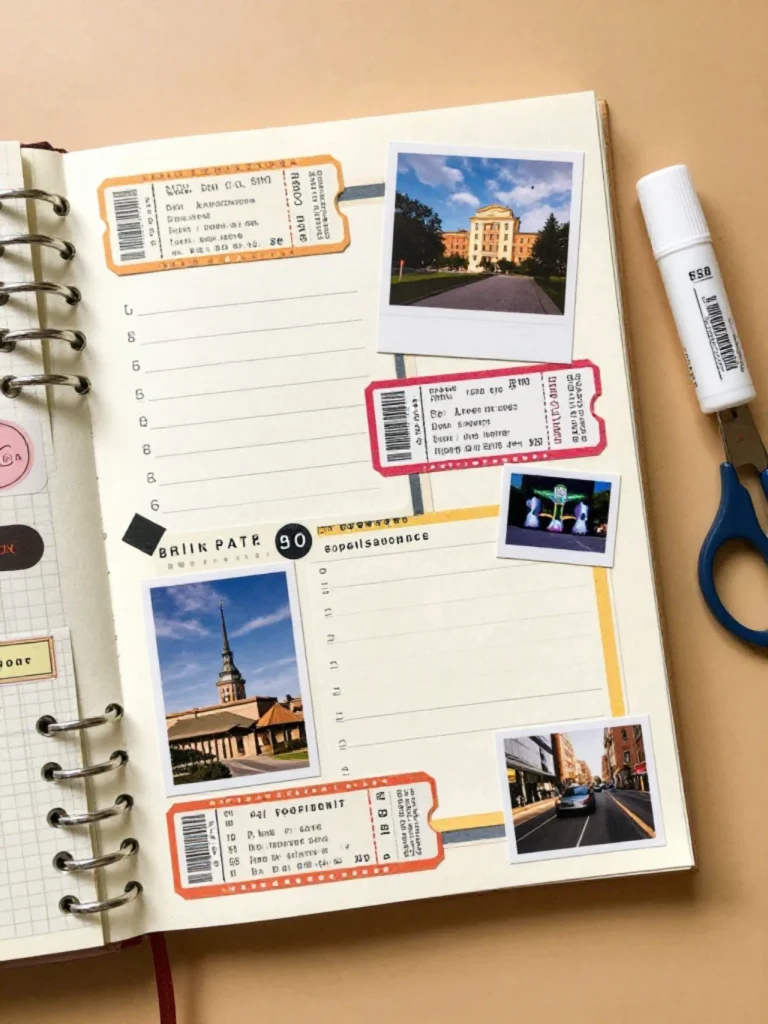
A travel scrapbook journal blends physical mementos with your written thoughts. Tickets, maps, napkins, and small wrappers all find a place alongside your handwriting, creating a tactile record of your trip.
Keep a small envelope or pouch to collect these items as you travel, so nothing gets lost before you have a chance to paste it in. Arrange pages loosely rather than perfectly, since a slightly messy layout often feels more authentic. This journal style becomes one of the most treasured trip memory books a traveller can create.
Quick Comparison Table
| Journal Style | Best For | Time Needed | Materials Required | Difficulty Level |
|---|---|---|---|---|
| Daily Travel Journal | Everyday travellers | 5-10 minutes | Notebook, pen | Easy |
| Travel Sketch Journal | Creative travellers | 10-20 minutes | Sketchbook, pens | Moderate |
| Travel Photo Journal | Visual memory keepers | 15-20 minutes | Photos, glue, notebook | Easy |
| Travel Bullet Journal | Organised planners | 5-15 minutes | Dotted notebook | Moderate |
| Backpacking Journal | Long-term travellers | 5-10 minutes | Small lightweight notebook | Easy |
| Travel Scrapbook Journal | Keepsake lovers | 20-30 minutes | Notebook, glue, mementos | Moderate |
| Cultural Travel Journal | Curious explorers | 10-15 minutes | Notebook, pen | Easy |
Conclusion
Keeping a travelling journal does not need to be complicated or time-consuming. Whether you prefer short daily entries, sketches, food notes, or a full scrapbook filled with tickets and photos, the goal remains the same. You are creating something personal that will let you relive your journey long after it ends, in a way that a phone gallery simply cannot match.
The best journal is the one you will actually keep up with, so pick a style that fits naturally into how you already travel. Start small if needed, and let the habit grow trip by trip. Years from now, these pages will hold more than memories. They will hold the version of you who experienced them.
You may also like this: 22 Travel Notebook Ideas for Creative Trip Planning and Memories
Frequently Asked Questions
1. What is the best type of travel journal for beginners?
A simple daily travel journal is the easiest starting point. Short entries about your day, without pressure for perfect writing, help build the habit naturally before trying more detailed styles.
2. Do I need artistic skills to keep a travel journal?
No. Many journal styles focus purely on writing, and even sketch or scrapbook journals do not require artistic skill. Simple doodles, stickers, and honest notes work just as well as polished drawings.
3. What should I always carry for travel journaling?
A small notebook, a reliable pen, and a bit of glue or tape are usually enough. Depending on your chosen style, you might also carry sketch pens, an envelope for keepsakes, or a small printer.
4. How often should I write in my travel journal?
Daily entries work best, even if they are short. Writing a few lines each evening keeps details fresh and prevents memories from blending together once your trip ends.
5. Can a travel journal be digital instead of physical?
Yes, digital journals work well for travellers who prefer typing over handwriting. However, many people find that a physical notebook feels more personal and becomes a treasured keepsake over time.