
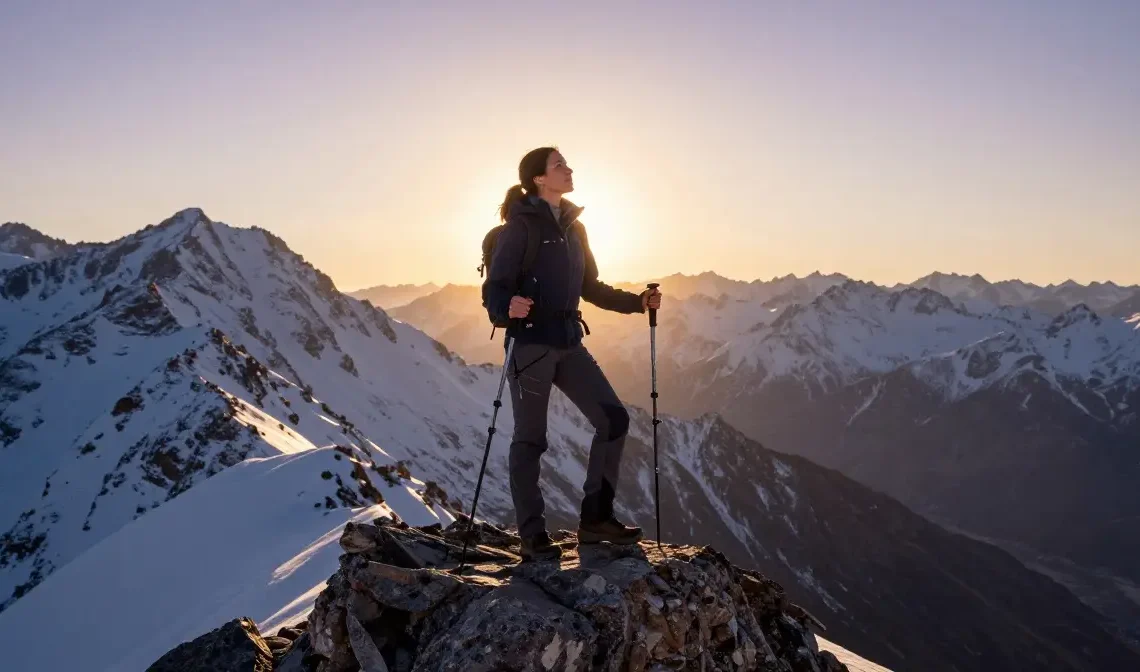
Altitude doesn’t care how fashionable your jacket looks. It cares whether your layering system actually works when the temperature drops 30 degrees in twenty minutes flat. A genuinely functional trek outfit women can rely on isn’t built from guesswork or Instagram inspiration — it’s built from understanding exactly what happens to your body at elevation and dressing accordingly.
American women now make up nearly 45 percent of all trekking and backpacking participants according to recent Outdoor Industry Association data, yet most trekking gear guides still default to generic men’s advice scaled down. This guide fixes that gap entirely, covering every layer, fabric and decision that determines whether your next trek feels triumphant or genuinely miserable.
The Layering Mistake That Leaves Women Freezing at 12000 Feet
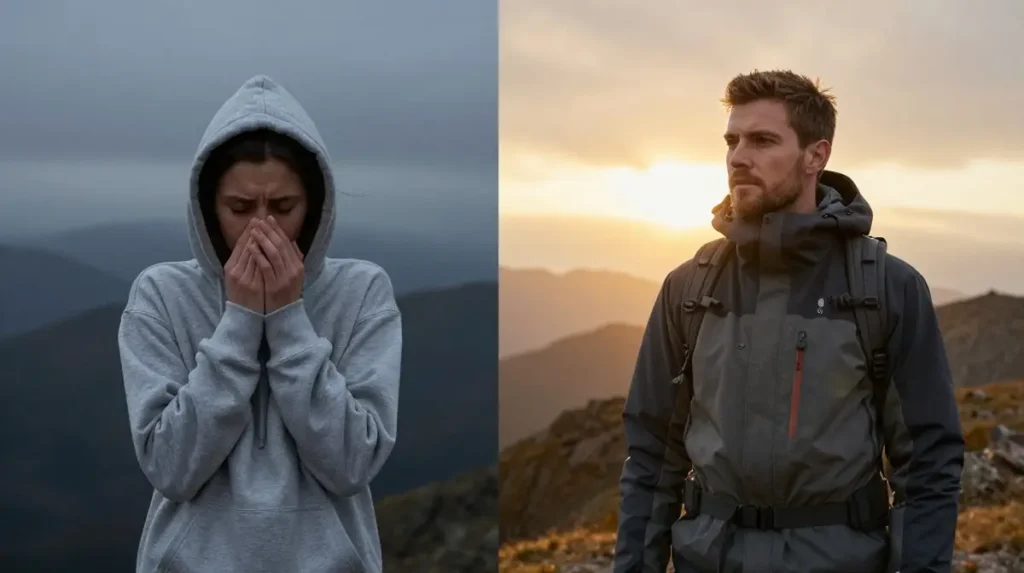
The single most common error among first-time trekkers is treating layers as separate decisions rather than one integrated system. You pack a base layer, then a mid layer, then a shell — without ever testing how they work together under load, in wind, while sweating. That disconnect is exactly what leaves women shivering at altitude despite carrying perfectly good gear.
A proper trek outfit women rely on at 12000 feet uses a three-part architecture: moisture management closest to skin, insulation in the middle, protection on the outside. Trek outfit women altitude temperature drop scenarios can swing 40 degrees between a sunny ridge and a shadowed pass within the same hour. Functional layering system trekking experts recommend testing your full layer stack at home — walking briskly indoors in all three pieces — before ever setting foot on a real trail, since that’s the only way to catch overheating or restriction issues before they become emergencies above treeline.
Trek Outfit Women Choose Wrong When Fabric Beats Fashion Sense
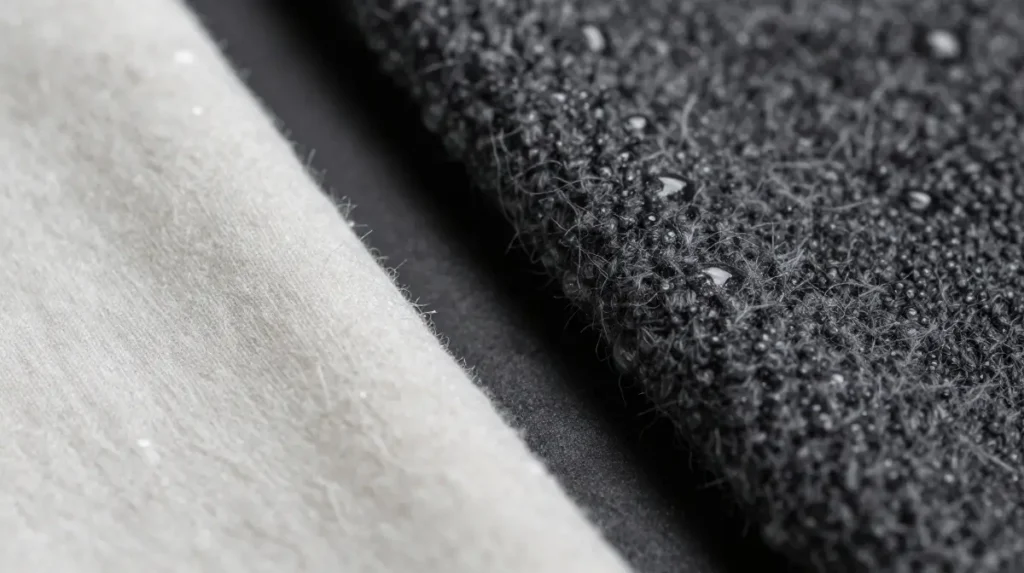
Cotton is the single most dangerous fabric choice for any serious trek, yet it remains the default for many first-time hikers simply because it feels soft and familiar at home. Once cotton gets wet — from sweat, rain or snow — it stays wet, pulling heat away from your body continuously and dramatically increasing hypothermia risk at altitude.
Trek outfit women moisture wicking fabric choices should center on merino wool, polyester or technical nylon blends instead. What fabric is best for trekking clothes women comes down to three properties: quick drying time, breathability under exertion and resistance to odor buildup over multiple days. Icebreaker merino trekking women collections and Smartwool trekking base layer women pieces both excel here because merino wool naturally regulates temperature while resisting bacterial odor far longer than synthetic alternatives. Choosing fabric correctly from the very first layer outward determines almost everything about your comfort for the rest of the trip.
Cold Mornings Hot Afternoons: The Temperature Swing Nobody Warns You About
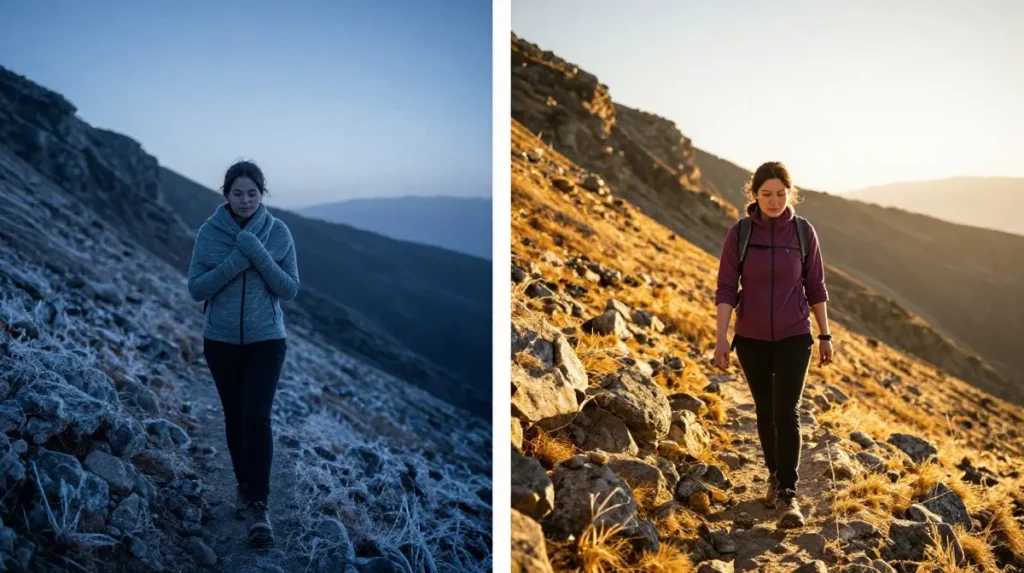
Trekking days rarely stay one temperature. You start at dawn in near-freezing air, climb into blazing midday sun by noon, then descend into a windy evening that feels colder than the morning ever did. This pattern catches new trekkers off guard constantly because nobody explains it clearly before departure.
Trek outfit women cold morning warm afternoon strategy means packing layers you can add and remove quickly without stopping to fully unpack your bag. How to layer clothes for trekking women effectively involves zippered mid layers and packable outer shells that compress into a side pocket rather than requiring a full backpack excavation. Trekking weather appropriate clothing that anticipates this daily swing — rather than dressing for just one moment of the day — consistently produces the most comfortable and confident trekkers on any multi-day route.
Convertible Pants or Two Separate Pairs: The Debate That Actually Matters
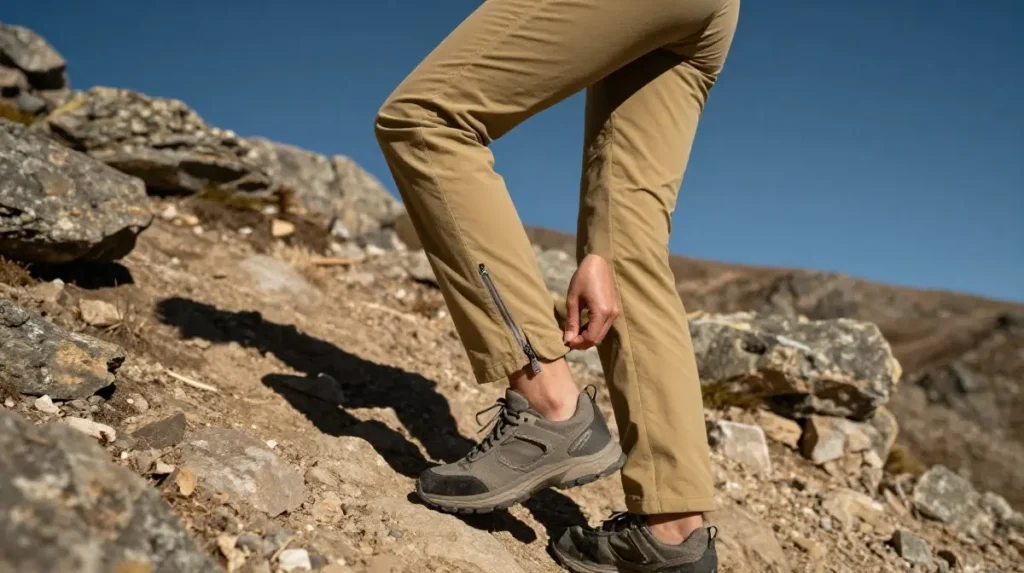
The convertible pants debate divides trekking communities sharply, and both sides have legitimate points worth considering before you pack. Trek outfit women convertible pants design offers undeniable versatility — zip off the legs when the sun blazes, zip them back on when clouds roll in, all without changing clothes entirely.
However, trekking pants for women built as dedicated separate pairs — one lightweight pair for warm stretches, one heavier insulated pair for cold sections — typically deliver better fit and durability since they aren’t compromised by the zipper seam. Forclaz trekking pants women and The North Face trekking pants women both offer excellent convertible options, while Outdoor Research trekking pants women lines lean toward purpose-built single-function designs. The honest answer: convertibles win for shorter treks with unpredictable weather, while dedicated pairs win for longer expeditions where durability matters more than flexibility.
| Pant Type | Best For | Weight | Durability |
|---|---|---|---|
| Convertible | Day hikes, variable weather | Light | Moderate |
| Dedicated lightweight | Warm climate treks | Very light | High |
| Dedicated insulated | Cold multi-day treks | Heavier | High |
Why Your Sports Bra Choice Can Make or Break a Multi Day Trek
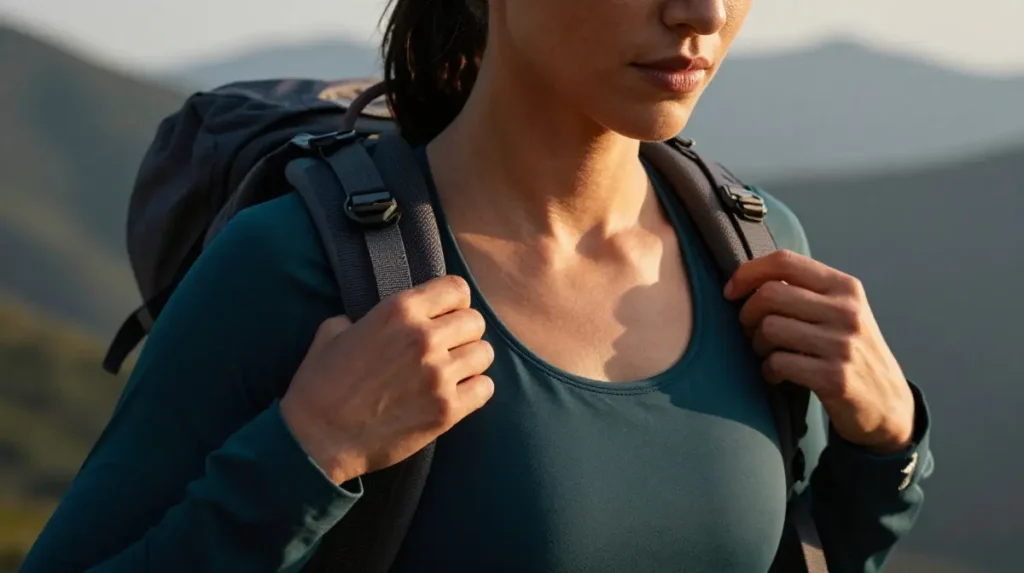
Few pieces of trekking gear get less attention than the sports bra, yet few items affect comfort more directly over a seven to ten day expedition. A poorly fitted bra causes chafing, restricts breathing at altitude and can genuinely end someone’s enjoyment of an otherwise perfect trail day.
Trek outfit women sports bra support needs differ significantly from gym wear because trekking involves sustained vertical movement, backpack straps crossing the chest and multi-day wear without daily laundering. Look for moisture-wicking fabric, flat seams that won’t chafe under a loaded pack, and racerback or crossback designs that distribute pack strap pressure evenly. Women’s trekking accessories lists rarely mention this item specifically, but seasoned female trekkers consistently rank bra selection among their top three gear decisions for any serious multi-day route.
Merino Wool Socks and the Blister Battle Most Women Lose Early
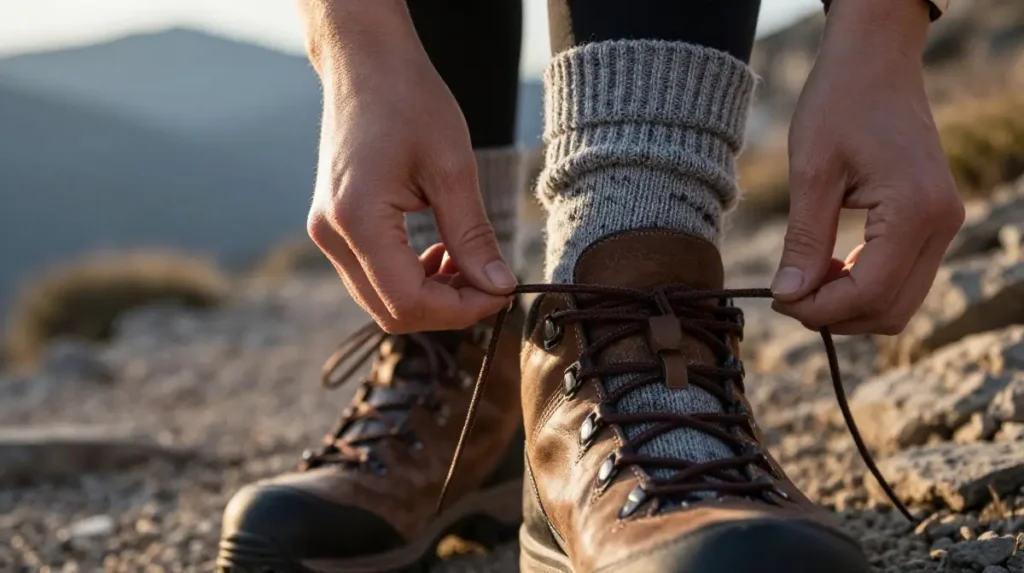
Blisters end more treks early than altitude sickness, equipment failure or weather combined. The sock and boot combination determines this outcome almost entirely, and most beginners get it wrong by choosing cotton socks or boots that haven’t been properly broken in.
Trek outfit women merino wool socks outperform cotton dramatically because merino wicks moisture away from skin while cushioning pressure points naturally. Trek outfit women blister prevention socks should be tried with your actual trekking boots for at least 20 miles before any real expedition begins — that break-in period reveals hot spots before they become trail-ending blisters. Smartwool trekking base layer women sock lines and Icebreaker merino trekking women collections both specialize in cushioned merino designs built specifically for multi-day pressure and friction resistance on demanding terrain.
Trek Outfit Women Pack for Himalayan Cold Versus Tropical Humidity
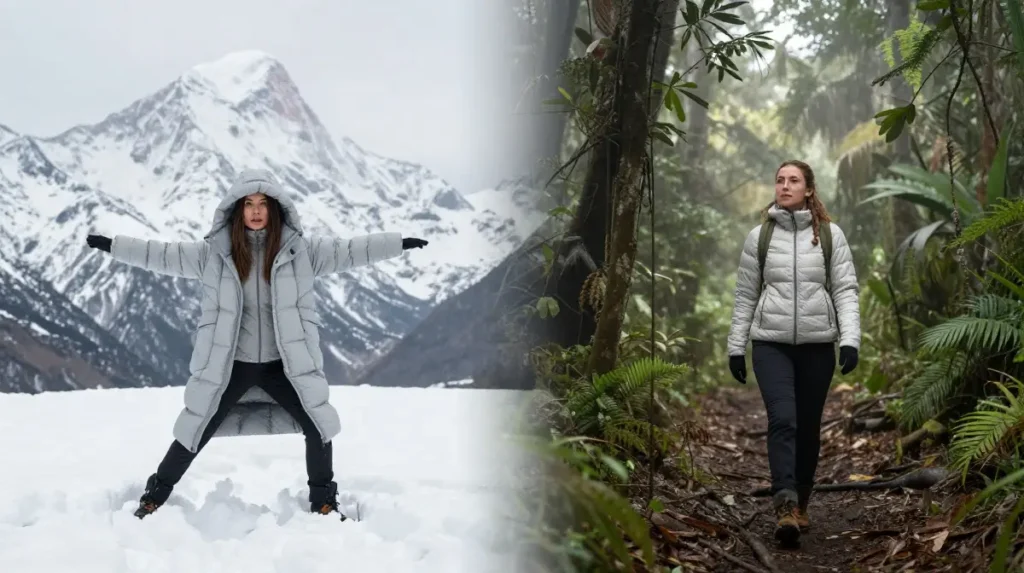
A trek through the Annapurna circuit demands an entirely different wardrobe than a humid jungle trek in Southeast Asia, yet many packing guides treat all trekking destinations identically. That generic approach leaves women either dangerously underprepared for cold or needlessly overloaded for heat.
you may also like this:22 Tracking Outfit Women Ideas for Active Travel Looks
What to wear on a himalayan trek women should center on includes heavy insulation, windproof shells and trek outfit women thermal base layer pieces rated for sub-freezing nights at high camps. Trekking sun protection women needs shift entirely for tropical humidity — lightweight, ultra-breathable fabrics with built-in insect resistance matter more than insulation. Kathmandu trekking clothing women and Sherpa Adventure Gear trekking women lines specifically design for Himalayan conditions, while general adventure brands like Patagonia trekking clothes women offer broader ranges adaptable to both extremes with the right layer selection.
The Windproof Shell That Separates Comfortable Trekkers From Miserable Ones
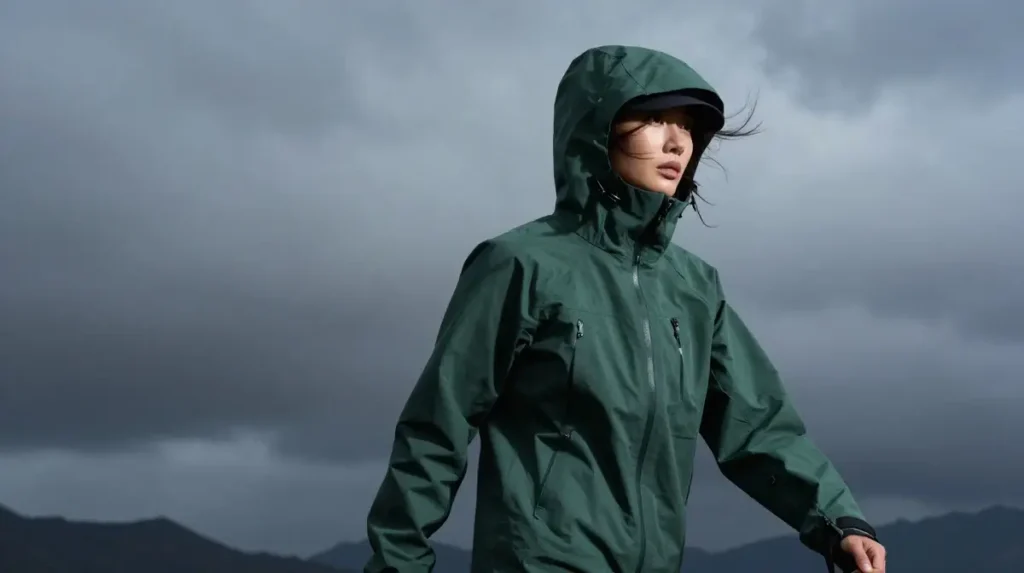
Wind at altitude doesn’t just feel uncomfortable — it actively strips heat from your body at a rate far faster than still cold air ever could. A windproof outer shell is genuinely non-negotiable equipment for any trek above treeline, regardless of season or expected temperature.
Trek outfit women windproof shell jacket selection should prioritize breathability alongside wind resistance, since a shell that blocks wind but traps sweat creates its own dangerous moisture problem. Women’s trekking jacket options from Arc’teryx trekking jacket women and Rab trekking jacket women lines lead the category technically, using membrane fabrics that block wind while still venting internal moisture. Marmot trekking jacket women and Helly Hansen trekking jacket women offer excellent mid-range alternatives that deliver similar core performance at significantly lower price points for trekkers building gear collections gradually.
Trekking Pole Gloves and Grip Failures Nobody Talks About Until It Hurts
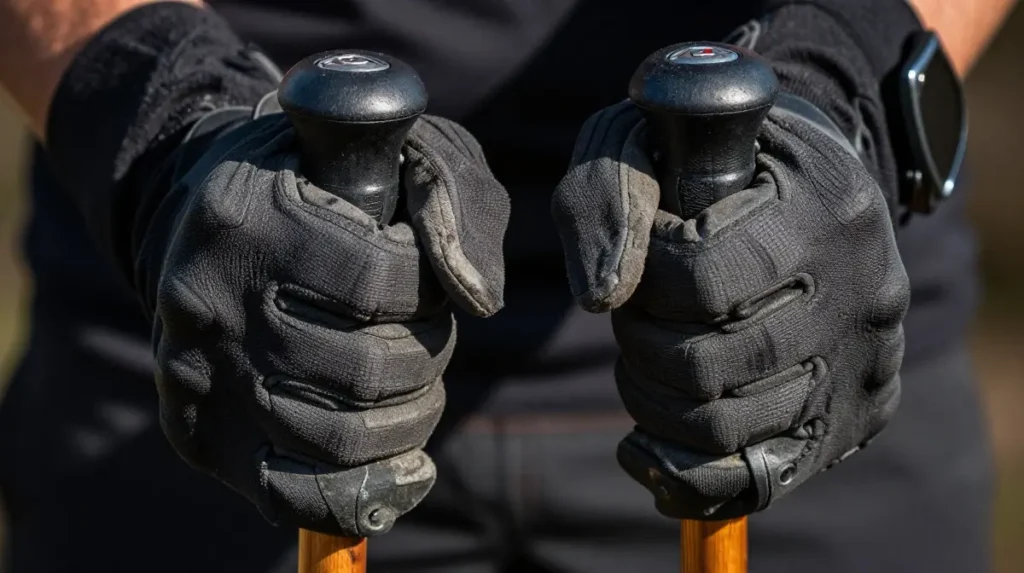
Trekking poles transfer enormous repetitive stress into your hands over a multi-day route, and the wrong glove choice creates blisters, numbness and grip failures exactly when you need stability most — on steep, technical descents.
Trek outfit women trekking pole grip gloves should combine a thin moisture-wicking liner with reinforced palm padding at the exact contact points where pole grips create friction. Many women default to general winter gloves that bunch uncomfortably around pole straps or lack the dexterity needed for quick adjustments on technical terrain. Black Diamond trekking gear women and Mountain Hardwear trekking gear women both produce purpose-built trekking gloves with reinforced palms specifically engineered for sustained pole contact across long mountain days.
Sun Protection Above 10000 Feet Hits Different and Your Skin Knows It
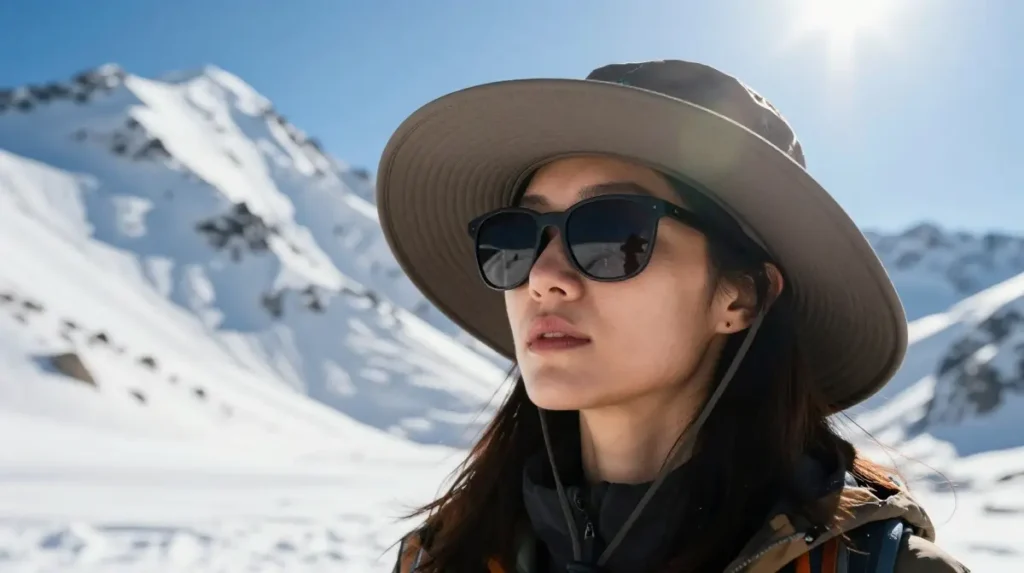
UV intensity increases roughly 4 percent for every 1000 feet of elevation gained, meaning sun exposure at 10000 feet delivers significantly more radiation than the same sunny day at sea level — a fact most trekkers dramatically underestimate until they’re dealing with painful burns at altitude.
Trek outfit women UPF sun protection built directly into fabric blocks up to 98 percent of harmful UV rays, offering far more reliable protection than sunscreen alone, which sweats off during sustained exertion. Trek outfit women sun hat wide brim designs protect the face, ears and neck simultaneously, areas that sunscreen application frequently misses or fails to reapply consistently throughout a long trekking day. How to protect skin while trekking women should combine UPF-rated long sleeves, a wide brim hat and polarized sunglasses rated for high-altitude glare, particularly important on snow or glacier sections where reflected UV compounds direct exposure significantly.
Gaiters Snow and the Wet Sock Disaster That Ruins Entire Treks
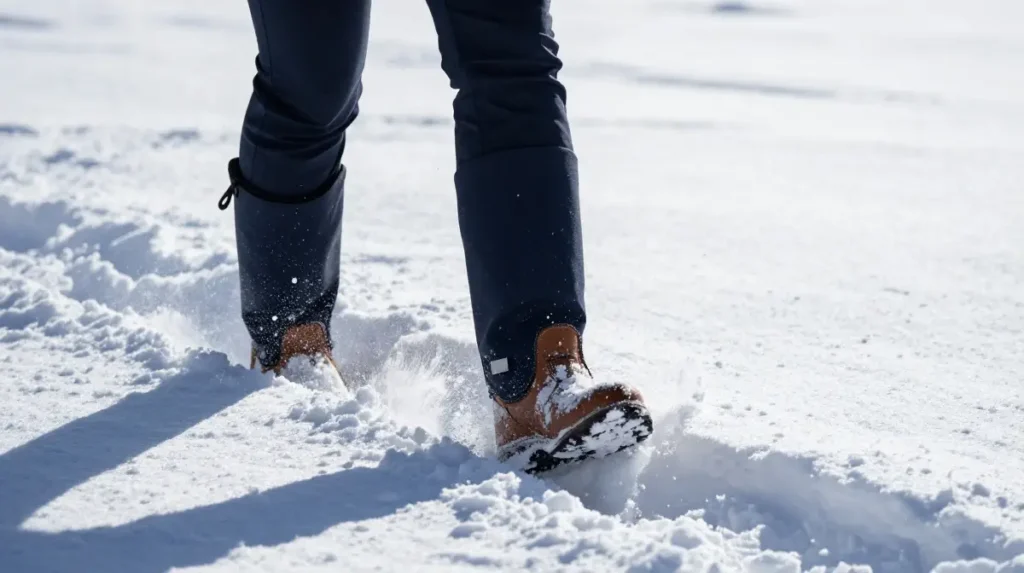
Wet feet on a multi-day trek create a cascading disaster — blisters form faster, cold penetrates deeper and morale collapses surprisingly quickly once your boots are soaked through with no realistic way to dry them at camp.
Trek outfit women gaiters snow protection prevents this entirely by sealing the gap between boot top and pant leg where snow, scree and water typically infiltrate. Women’s trekking rain gear paired with proper gaiters creates a complete water-blocking system from boot to knee, essential for any route crossing snowfields, stream crossings or sustained rain exposure. How to stay dry while trekking in rain women advice consistently points to gaiters as the most overlooked piece of gear, since most trekkers focus entirely on jacket waterproofing while ignoring the vulnerable boot-to-pant junction where most actual water infiltration happens.
Building a Trek Outfit Women Can Actually Reuse Across Different Climates
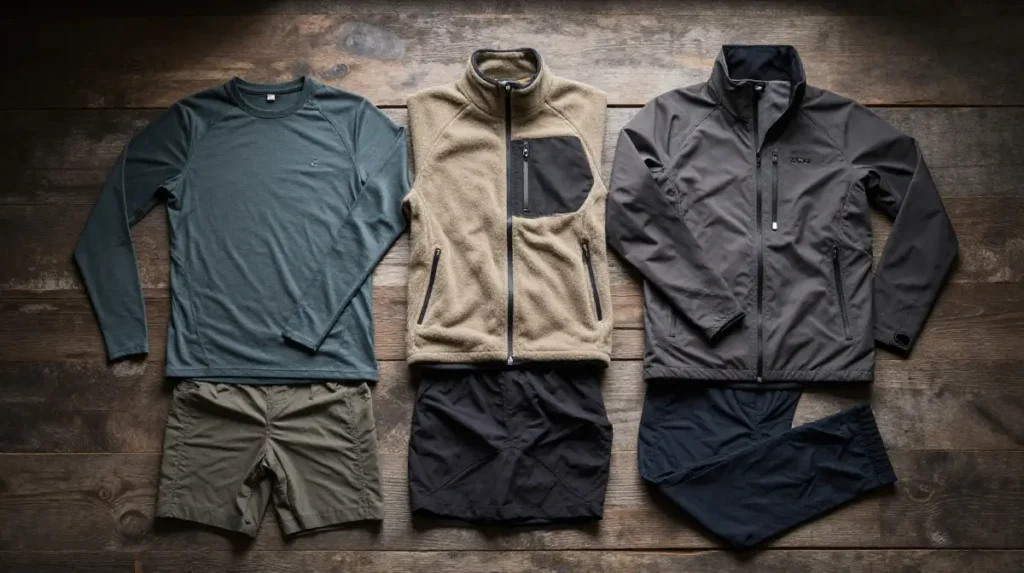
Building a genuinely versatile trekking capsule wardrobe women can reuse across multiple trips saves significant money while reducing the overwhelming decision fatigue that comes with packing for every trek as though starting from zero.
The core principle involves choosing base and mid layers that work across temperature ranges through addition and subtraction rather than buying climate-specific pieces for every destination. A trekking base layer women rely on year-round, paired with one versatile mid layer and one packable shell, covers roughly 80 percent of trekking scenarios when combined thoughtfully. Trek packing list women clothes built around this capsule approach typically include two base layers, one fleece or down mid layer, one shell, two bottom options and a rotating selection of accessories suited to the specific destination’s extremes.
Insulated Down Versus Fleece: Which Wins When Temperatures Crash at Night
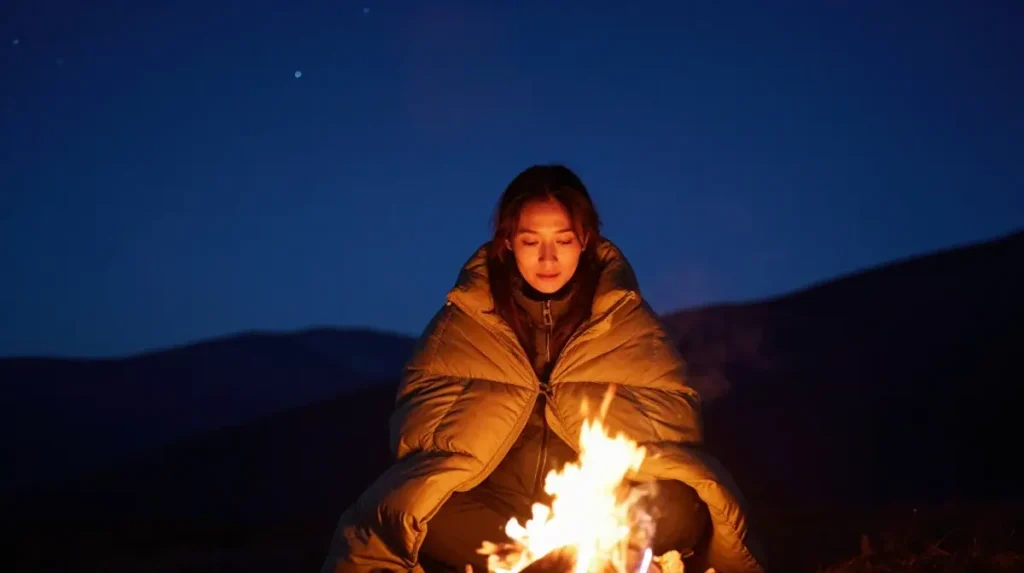
Camp temperatures after sunset often drop more dramatically than daytime trekking conditions ever suggest, and choosing between down and fleece insulation for that critical evening window matters enormously for both comfort and pack weight.
Trek outfit women insulated down jacket options compress smaller and insulate better per ounce than fleece, making them ideal for serious weight-conscious trekkers on multi-day routes. However, down loses insulating power when wet and dries slowly, making women’s trekking fleece the more practical choice for humid or rainy destinations where moisture exposure is likely. Columbia trekking jacket women and Cotopaxi trekking gear women both offer hybrid insulation options blending synthetic fill with down-like compressibility, delivering reasonable performance in wet conditions without fully sacrificing the packability serious trekkers need.
Trek Outfit Women Forget Until Their Backpack Straps Start Cutting In
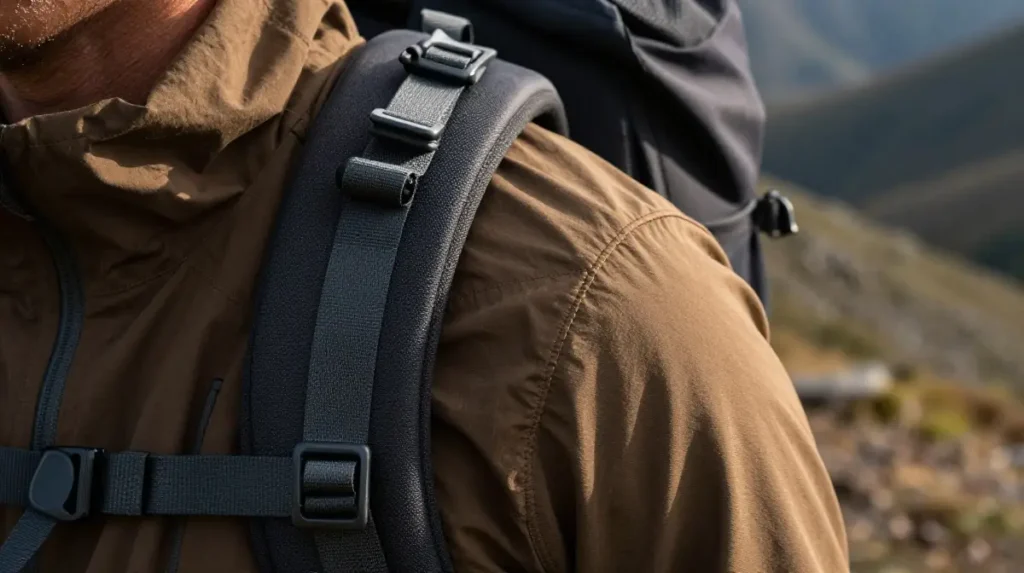
Backpack strap discomfort rarely shows up during a quick gear check at home — it reveals itself only after six or seven hours of sustained carrying, exactly when you’re furthest from camp and least able to fix the problem easily.
Trek outfit women backpack strap comfort depends heavily on what’s underneath those straps, not just the pack itself. Flat-seam base layers prevent the friction and bunching that loaded straps otherwise create against bare skin. Osprey trekking backpack women models specifically designed with women’s torso lengths reduce strap migration significantly, but pairing that pack with the wrong base layer underneath still creates avoidable discomfort. Trekking comfort and performance over multi-day routes consistently improves when trekkers test their full pack-and-clothing combination on a loaded practice hike before departure, rather than discovering strap problems for the first time on day three of an actual expedition.
Odor Resistant Fabrics That Save Your Dignity on a Seven Day Trek
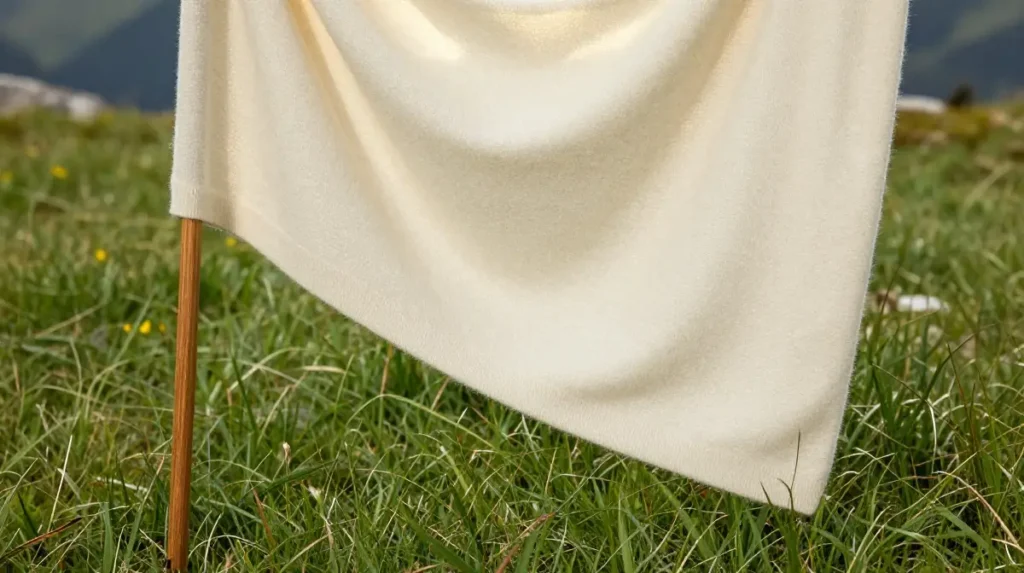
Multi-day treks without laundry access create a genuine practical challenge that nobody enjoys discussing openly, yet fabric choice can dramatically extend how long you can comfortably wear the same base layer before odor becomes genuinely unpleasant for you and your trekking companions.
Trek outfit women odor resistant fabric built from merino wool naturally resists bacterial growth far longer than synthetic alternatives, often allowing three to four days of continuous wear before odor becomes noticeable. Women’s trekking thermal wear in pure merino or merino blends justifies its higher price point specifically through this extended wearability on routes where washing simply isn’t an option. Wildcraft trekking gear women and Quechua trekking clothes women lines offer budget-friendly merino blend options that deliver meaningful odor resistance improvements over pure synthetic alternatives without the premium pricing of dedicated merino specialists.
Modest Trekking Outfits That Still Perform on Technical Mountain Terrain
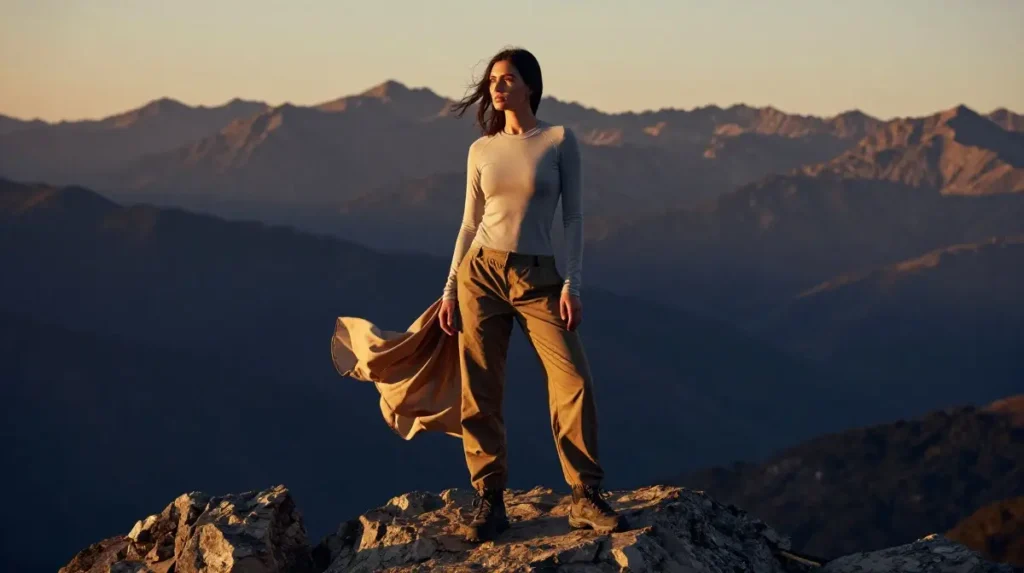
How to dress modestly for trekking women seeking full coverage without sacrificing technical performance often assume those two goals conflict, but modern fabric technology has largely closed that gap entirely over the past several years.
Long sleeve trek outfit women moisture wicking fabric base layers paired with loose-fitting but technical mid layers provide full coverage while maintaining breathability essential for sustained exertion at altitude. What to wear under trekking pants women seeking additional modesty often choose lightweight thermal leggings that add coverage without bulk underneath looser outer trekking pants. Trekking outfit ideas for women prioritizing modesty should focus specifically on technical fabric performance first, then layer for coverage second, ensuring the underlying system still manages moisture and temperature effectively regardless of how much skin remains covered throughout the trek.
Trekking Boots and Clothing Combos That Actually Work Together on Trail
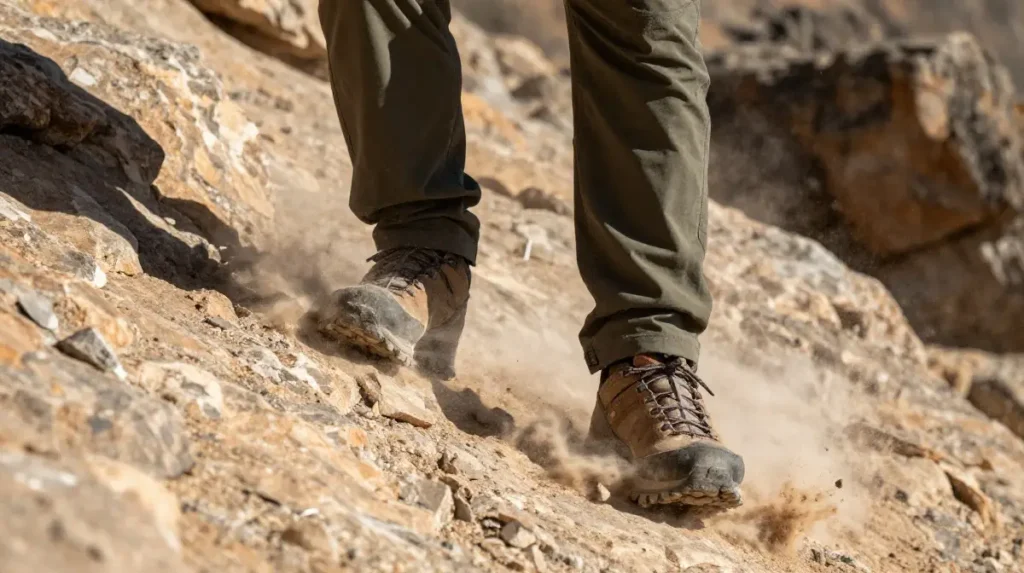
Boots and clothing function as one integrated system, yet most gear guides treat footwear and apparel as entirely separate purchasing decisions, missing important interactions between sock thickness, pant hem length and boot fit that affect comfort significantly.
Best trekking shoes and outfit combo women rely on should account for sock thickness when sizing boots, since merino wool socks add meaningful bulk compared to thin cotton alternatives most people try boots on with initially. Salomon trekking shoes women and Merrell trekking shoes women both offer reliable mid-weight options suited to most three-season trekking conditions. Trekking footwear and clothing match considerations should also include pant hem length — too long and fabric catches on boot laces repeatedly, too short and ankles remain exposed to scree, mud and insects throughout the trail day.
The Color Choice That Affects Visibility Safety and Wildlife Encounters
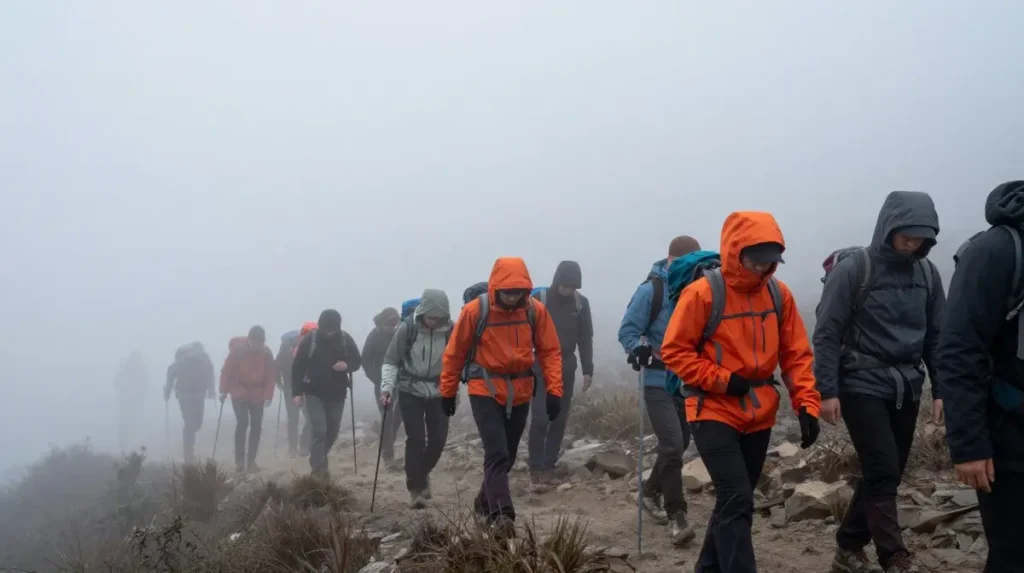
Clothing color seems like a purely aesthetic decision until you consider its practical implications for trail safety, group visibility and wildlife encounter management across different trekking environments and regions.
Trek outfit women color visibility safety considerations matter most in foggy mountain conditions or low-light forest trekking, where bright colors like orange or yellow significantly improve group cohesion and search visibility if separation occurs. However, in bear country specifically, very bright or unusual colors can occasionally trigger curiosity in wildlife, leading some guides to recommend more muted earth tones in those specific regions. Alpine trekking fashion increasingly favors a balance — primarily neutral base colors with at least one bright accessory like a hat or pack cover that provides visibility without dominating the entire outfit’s color profile.
Trek Outfit Women Need for Plus Size Bodies on Demanding Trails
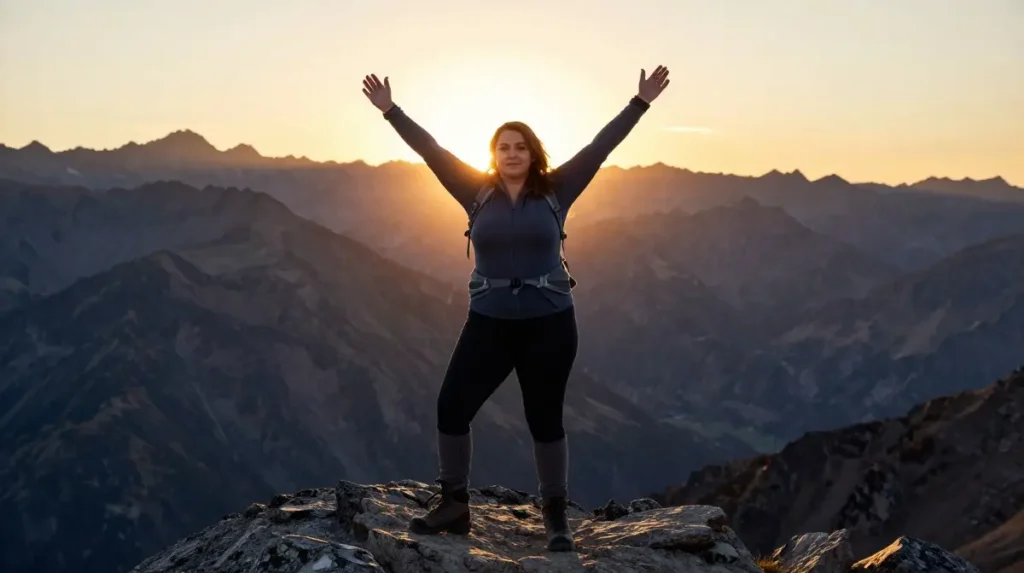
Trekking outfit ideas for plus size women have historically been underserved by major outdoor brands, though the past five years have seen meaningful expansion in size-inclusive technical gear across multiple major retailers.
Fit matters more than size number when selecting trekking gear, since poorly fitted technical clothing causes chafing and restricted movement regardless of body size. REI trekking outfit women and Columbia trekking jacket women both offer genuinely extended size ranges with technical performance fabric maintained consistently across the full size spectrum rather than scaled-down versions of smaller cuts. Trek outfit women need most when shopping plus size ranges includes checking specific brand reviews from plus size trekkers directly, since marketing images don’t always reflect true fit and mobility across the full available size range.
Budget Trekking Gear That Performs Like Premium Brands on the Mountain
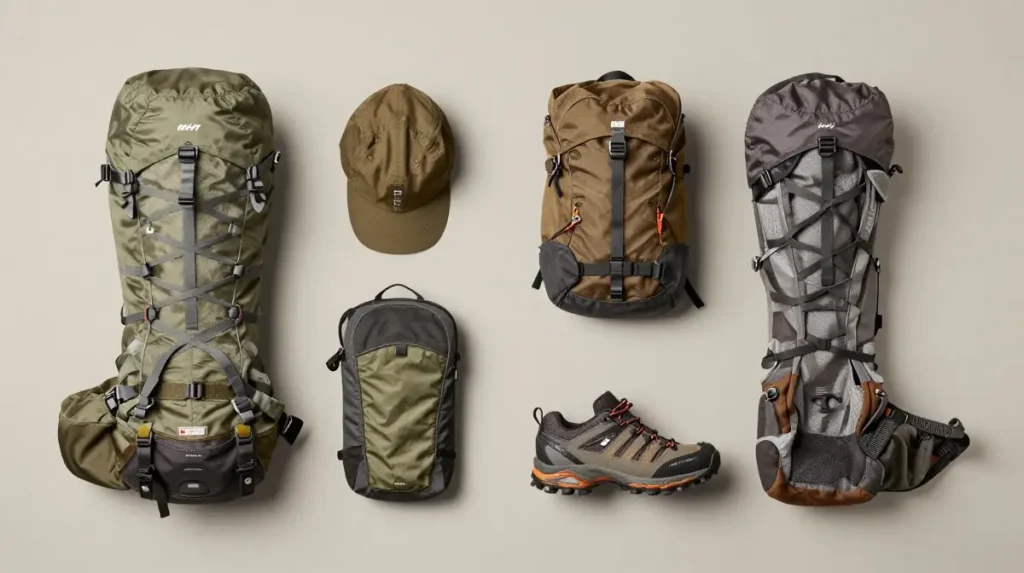
Budget gear options for trekking have improved dramatically as more affordable brands adopt technical fabric innovations that were exclusively premium-tier just a decade ago, making genuinely capable gear accessible without premium pricing.
Decathlon trekking outfit women lines through their Quechua and Forclaz sub-brands consistently rank among the best value technical gear available, often performing within 10 to 15 percent of premium alternatives at a fraction of the price. Trek outfit women budget gear options should prioritize spending more on items with the highest performance impact — boots and the outer shell jacket — while accepting reasonable budget alternatives for items like base layers or accessories where performance gaps matter less for shorter, less extreme trekking conditions.
| Gear Category | Budget Option | Premium Option | Performance Gap |
|---|---|---|---|
| Base layer | Decathlon Quechua | Icebreaker merino | Small |
| Shell jacket | Columbia | Arc’teryx | Moderate |
| Trekking boots | Merrell | Salomon | Small-moderate |
| Down jacket | Decathlon Forclaz | Patagonia | Moderate |
Packable Jackets and the Compression Trick Every Lightweight Trekker Swears By
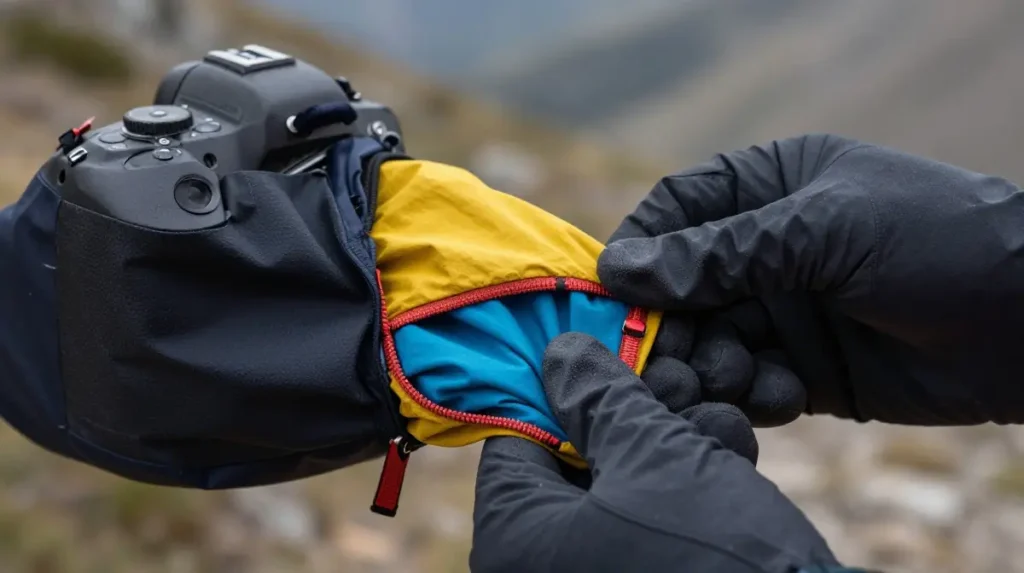
Pack weight compounds dramatically over a multi-day trek, where every unnecessary ounce gets carried up every single elevation gain throughout the entire route, making compressibility a genuinely important selection criterion for outer layers.
Trek outfit women lightweight packable jacket options that compress into their own pocket or a stuff sack roughly the size of a grapefruit free up meaningful pack space for food, water and emergency gear instead. Fjallraven trekking clothes women and Berghaus trekking jacket women both offer excellent packable shell options balancing weight savings with genuine weather protection rather than sacrificing performance entirely for minimal pack size. The compression trick experienced trekkers use most consistently: storing the packed jacket at the very top of the pack for instant access when weather shifts suddenly, rather than burying it deep where retrieval costs precious time during a sudden downpour.
Night Trekking Outfits and the Visibility Gear Most Women Overlook
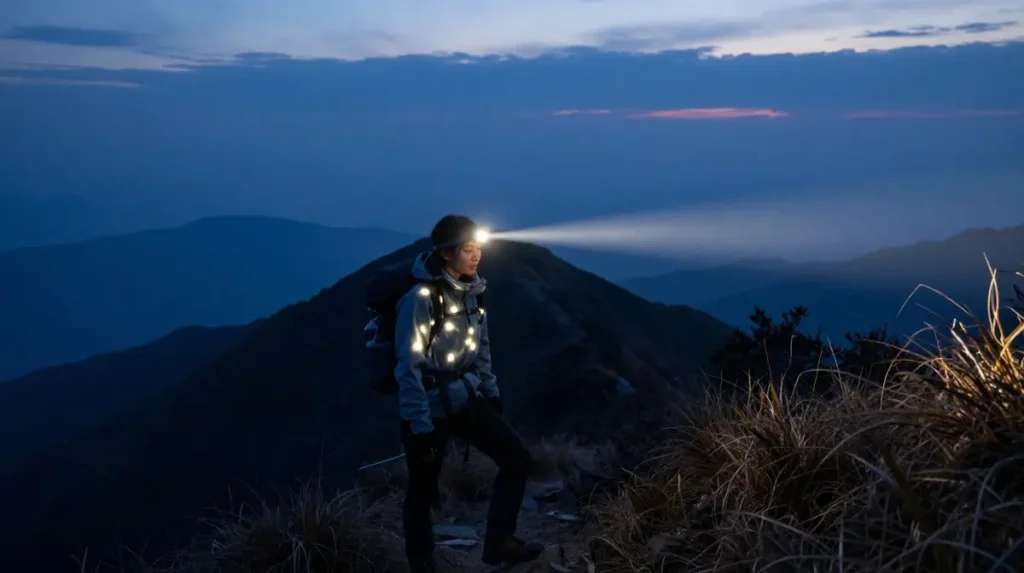
What to wear trekking at night women undertaking pre-dawn summit pushes or emergency night descents need entirely different considerations than standard daytime trekking outfits, particularly around visibility and supplemental warmth.
Night temperatures drop significantly even during seasons where daytime trekking feels comfortable in lighter layers, meaning your trek outfit women thermal base layer should be readily accessible rather than packed away assuming daytime warmth will continue indefinitely. Trekking gear essentials for night sections should include a reflective or light-colored outer layer that improves visibility to headlamp light and fellow trekkers, alongside a backup light source clipped somewhere accessible beyond your primary headlamp in case of failure during a critical pre-dawn summit attempt.
FAQ Section
Q1. What should women wear for high altitude trekking?A complete layering system works best: a moisture-wicking base layer, an insulating mid layer like fleece or light down, and a windproof, breathable outer shell. Add UPF-rated sun protection, merino wool socks and a wide brim hat. Altitude demands flexibility since temperatures can swing dramatically within a single day, so layers you can add or remove quickly matter more than any single heavy garment.
Q2. How many layers do women need for a multi day trek?Most experienced trekkers carry three core layers: one base layer for moisture management, one mid layer for insulation and one shell for wind and rain protection. For colder or longer expeditions, packing a second base layer and a dedicated insulated jacket for camp evenings adds meaningful comfort without excessive pack weight.
Q3. What is the best fabric for trekking pants for women?
Nylon and polyester blends with some stretch content perform best for trekking pants, offering durability, quick drying time and freedom of movement on technical terrain. Avoid cotton entirely since it retains moisture and dries slowly. Ripstop fabric construction adds extra durability against rock scrambling and brush contact on rougher trail sections.
Q4. Can trekking outfits for women be both modest and functional?
Absolutely. Modern technical fabrics allow full coverage without sacrificing breathability or moisture management. Long sleeve base layers, loose-fitting technical mid layers and modest-length pants all now come in genuinely high-performance versions. Prioritizing fabric technology first and modest fit second ensures the outfit still performs effectively regardless of coverage level.
Q5. How do women avoid blisters while trekking?
Proper sock selection matters most — merino wool socks wick moisture and reduce friction far better than cotton. Break in trekking boots with at least 20 miles of walking before any serious trek. Address hot spots immediately with blister prevention tape rather than waiting until pain develops, since early intervention prevents most blisters from forming entirely.
Conclusion
A truly reliable trek outfit women can trust starts with understanding fabric, builds through smart layering and finishes with the small details — gloves, gaiters, socks — that most packing lists treat as afterthoughts. Altitude and weather don’t negotiate, but the right gear choices mean you show up prepared rather than improvising halfway up a mountain.
Build your system piece by piece, test it before departure and prioritize spending where it actually matters most: boots, your outer shell and quality base layers. Everything else can flex around budget and preference. Get those fundamentals right and every trek ahead becomes about the views and the achievement, not the discomfort you could have avoided with better preparation.
2 Comments